

Image of 1932 Buick Series 90, Note: These illustrations use artistic license and may differ from actual historical models.
Performance Metrics
Fundamental Metrics
Emotional Appeal
MMP Rating
| Engine Specifications | |
|---|---|
| Engine: | Straight 8 |
| Displacement: | 344.8 cu in (5.7 L) |
| Horsepower: | Estimated 104-113 hp |
| Torque: | Not available |
| Compression Ratio: | Not available |
| Ignition System: | Battery and coil |
| Cooling System: | Water |
| Performance Specifications | |
| 0-60 Time: | Not available |
| 1/4 Mile Time: | Not available |
| Top Speed: | Estimated 85 mph |
| Transmission and Drive | |
| Drive Type: | Rear wheel drive |
| Transmission Type: | 3-speed manual |
| Fuel and Efficiency | |
| Fuel System Type: | Carburetor |
| MPG: | Not available |
| Dimensions and Brakes | |
| Brakes: | Mechanical drum brakes |
| Wheelbase: | 134 in (3,400 mm) |
| Weight: | Estimated 4,500 lbs |
Note: Specifications for classic cars are given to the best of our ability, considering the limited and variant data available.
1932 Buick Series 90: Buick’s Depression-Era Flagship
The 1932 Buick Series 90 brought the scale, polish, and presence of a luxury car to one of the toughest years in American automotive history. Built by Buick, a General Motors marque, it sat at the top of the company’s passenger-car range, combining a long 134-inch wheelbase with a substantial straight-eight engine and custom-carriage styling. It was a formal, imposing automobile, but it also reflected a changing industry: manufacturers were working to make powerful cars smoother, easier to drive, and more refined.
Its arrival came during the Great Depression, when many buyers were postponing major purchases. Buick responded with a technically ambitious lineup rather than retreating into basic transportation. A distinctive detail of the Series 90 is that its large engine was not simply about straight-line speed. The long-stroke eight-cylinder design was valued for smooth, flexible power, making a heavy sedan or limousine feel composed on the open road.
Long Lines and Substantial Craftsmanship
The Series 90 had the commanding proportions expected of a premium American car. Its long hood led to a tall, upright radiator grille, while broad fenders flowed over the wheels and gave the body a sweeping, almost tailored profile. Bright trim, substantial bumpers, and large headlamps added visual weight without making the car look delicate. In an era when many cars still had upright, coachbuilt proportions, Buick’s bodywork suggested motion even when parked.
Inside, the emphasis was on comfort and finish. Depending on body style and specification, owners could expect broad seating upholstered in quality cloth or leather, polished wood or wood-grain trim, and a carefully arranged instrument panel. Rear-seat space was a major part of the appeal, particularly in the seven-passenger models. Limousine versions added a more formal passenger compartment, making the car suitable for professional chauffeurs as well as private owners.
Period color choices varied by body and production specification, so there was no single universal palette. Dark shades such as black, deep blue, maroon, and green suited the Series 90’s formal character, often set off by contrasting wheels or trim. Restored cars may wear attractive period-inspired combinations, but anyone seeking factory-correct colors should check the body plate, build records, or surviving paint evidence for that particular car.
Series 90 Body Styles and Options
Buick offered the Series 90 in several large-car configurations, with availability varying by catalog and body supplier. The range included closed sedans and formal limousine-style bodies, along with open touring or phaeton-type models and coupe variations. The seven-passenger sedan and limousine best expressed the series’ flagship role, while open bodies offered a more dramatic choice for buyers who wanted luxury with a sporting edge.
The formal sedan is arguably the most recognizable Series 90: its long profile, enclosed passenger space, and generous rear seating made it a natural prestige car. A limousine is especially imposing, but it is also less convenient for regular use and can be harder to find in complete, well-documented condition.
Engineering for a Smoother Drive
At the heart of the 1932 Series 90 was Buick’s 344.8-cubic-inch (about 5.7-liter) inline-eight, rated at approximately 104 horsepower. It drove through a three-speed manual transmission. Buick’s engineering focus was refinement as much as output: eight cylinders delivered smoother power pulses than a typical contemporary six, an important advantage in a large, heavy automobile.
Synchromesh technology was part of the period’s effort to make manual gear changes less abrupt and easier for drivers. Equipment and specifications can differ across cars, so a buyer should verify the transmission and any claimed factory options against the vehicle’s documentation. The Series 90 remained a driver-operated machine, however. It had no modern automatic transmission, power steering, or contemporary safety systems, and the driver had to work with the steering, clutch, and brakes directly.
Its significance is not that it invented the luxury car. Rather, the Series 90 shows how Buick used GM engineering and manufacturing resources to deliver a large, well-equipped car with smoother power and a more polished driving experience. Its styling also belongs to the transition between the upright early automobile and the more flowing bodies that would become increasingly common later in the 1930s.
Performance and Road Manners
Buick did not publish performance figures in the same standardized way modern manufacturers do, and surviving cars differ in weight, gearing, condition, and bodywork. As a general estimate, a healthy Series 90 may reach roughly 75 to 85 mph under favorable conditions. A 0-to-60-mph run is likely to take around 20 to 25 seconds, though a heavy limousine or a car with tall gearing may be slower. These are period-car estimates, not guaranteed factory test results.
On the road, the straight-eight’s smoothness is one of the car’s defining qualities. Acceleration arrives as a steady pull rather than a sharp rush, and the engine’s subdued mechanical note suits the car’s dignified character. The long wheelbase helps it glide over ordinary road imperfections, although worn suspension, old tires, and loose steering components can quickly spoil that comfort in a surviving example.
On winding roads, the Series 90 feels large and deliberate. Its size and weight call for planning through corners, and the driver should not expect modern grip or braking performance. At speed, wind and road conditions matter more than they do in a contemporary car. The best driving experience comes from smooth inputs, sensible speeds, and allowing the engine to work without being hurried.
Living With a 1932 Buick
Today, a Series 90 is most often used for shows, club events, touring, and carefully planned pleasure drives. It can be driven on the road, but it is not a practical daily driver by modern standards. Its size, period controls, fuel consumption, and limited crash protection make it better suited to enthusiasts who enjoy the experience of operating an older automobile.
Routine service is approachable for an owner with mechanical experience. The engine, ignition, cooling system, clutch, and chassis can be maintained with ordinary workshop skills, though the car’s age means that parts availability and prior repairs are important considerations. Specialized trim, body hardware, correct upholstery, and rare components can take time and money to source. Reliability depends less on the Buick’s original reputation than on the quality of its restoration and the regularity of its maintenance.
Before buying, inspect the frame and body for corrosion or poor repairs, check the engine’s oil pressure and cooling behavior, and test the transmission and brakes carefully. A car that starts and moves under its own power is not necessarily ready for a long tour. A pre-purchase inspection by someone familiar with prewar Buicks can prevent costly surprises.
1932 Buick Series 90 Facts and Myths
The Series 90’s defining distinction is its place at the top of Buick’s 1932 range, not a single famous speed or endurance record. It was built for smooth, comfortable travel rather than racing. The Great Depression makes its production year historically striking: Buick was offering a large, elaborate flagship at a time when economic hardship was forcing many households to cut back.
There is no widely established celebrity ownership story that defines the Series 90, and claims about a particular famous owner should be checked against reliable records. Its more lasting appeal is the craftsmanship and scale of the car itself. Common criticisms are practical ones: it is heavy, thirsty by modern standards, difficult to maneuver in tight spaces, and dependent on specialist knowledge for some restoration work. Those drawbacks are part of the ownership equation, not hidden flaws in its intended role as a luxury automobile.
Collector Values and Rarity
Exact Series 90 production totals are not consistently reported in readily available sources, and surviving cars are often identified by body style rather than a simple model count. A reasonable working estimate is that a few thousand Series 90 cars were built across the available configurations, with substantially fewer surviving in complete, usable condition. Limousines and unusual open bodies are generally harder to find than standard sedans.
As a broad U.S. market estimate, a project car may sell for roughly $15,000 to $30,000, while a sound driver or older restoration might fall around $30,000 to $60,000. A high-quality restoration can bring approximately $60,000 to $100,000 or more, with exceptional examples or especially desirable body styles sometimes exceeding that range. Actual prices depend heavily on condition, originality, documentation, restoration quality, and buyer demand.
Prewar luxury-car values can move unevenly. The Series 90 has strong historical and visual appeal, but its large size and specialist maintenance needs limit the pool of buyers compared with more familiar postwar classics. Well-restored, authentic cars are likely to remain the most desirable; neglected projects can be expensive to bring back. Collectors should treat condition and provenance as more important than optimistic price predictions.
Why the Series 90 Still Matters
The 1932 Buick Series 90 captures Buick at its most ambitious during a period of real economic uncertainty. Its long, formal body, smooth 344.8-cubic-inch straight-eight, and carefully finished passenger space made it a genuine flagship rather than just a large car with extra trim. It asks more of its driver and owner than a modern vehicle, but rewards them with a distinctive sense of scale, sound, and craftsmanship.
More than a survivor from another era, the Series 90 is a rolling example of how American luxury cars were evolving. Its presence on the road still makes the same point it made in 1932: Buick knew how to build a car meant to travel in style.
1932 Buick Series 90 Catalog of Parts
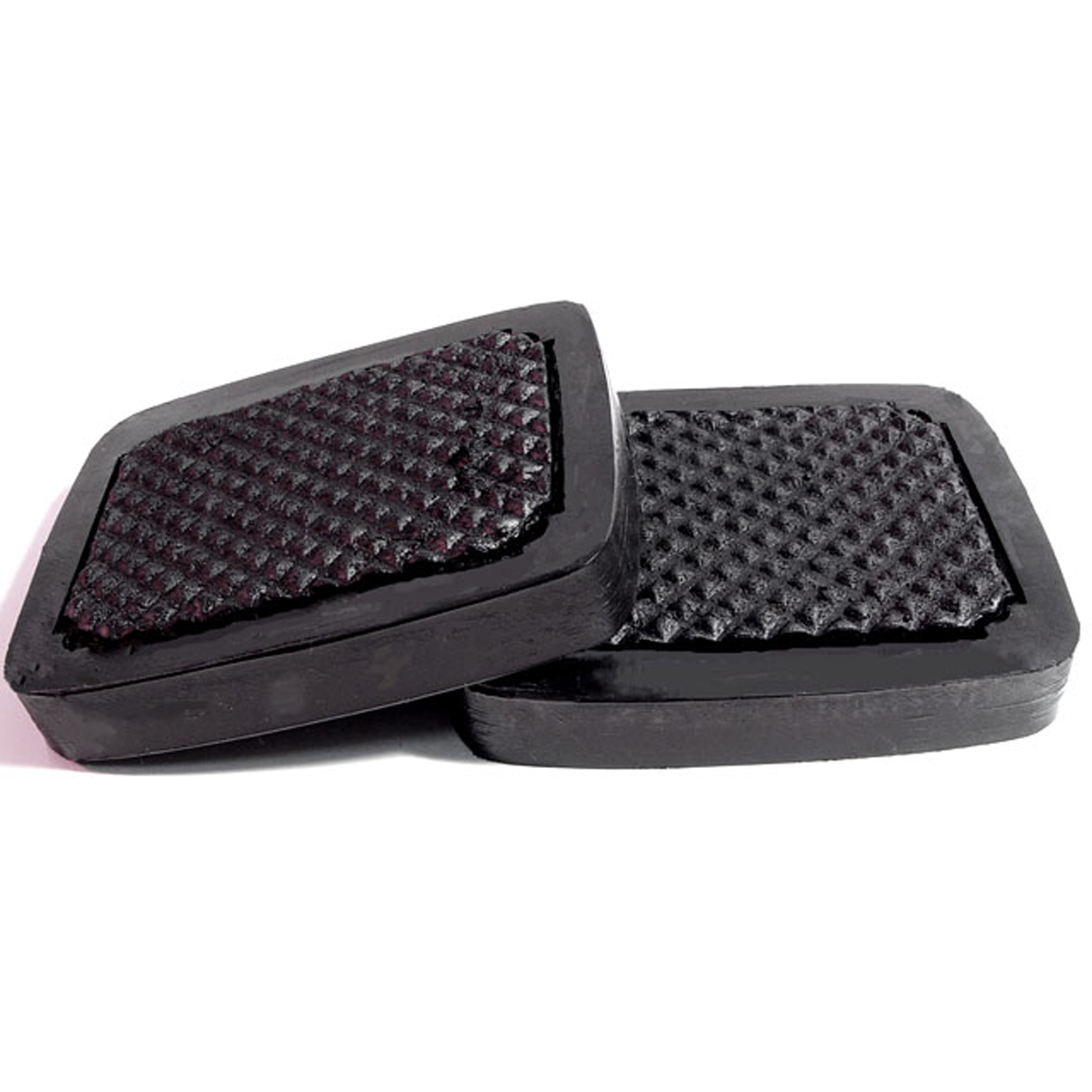 1932 Buick Series 90 Clutch and Brake Pedal Pads. 2-3/4" wide X 3-3/8" long-CB 12Clutch and Brake Pedal Pads. 2-3/4" wide X 3-3/8" long. Pair
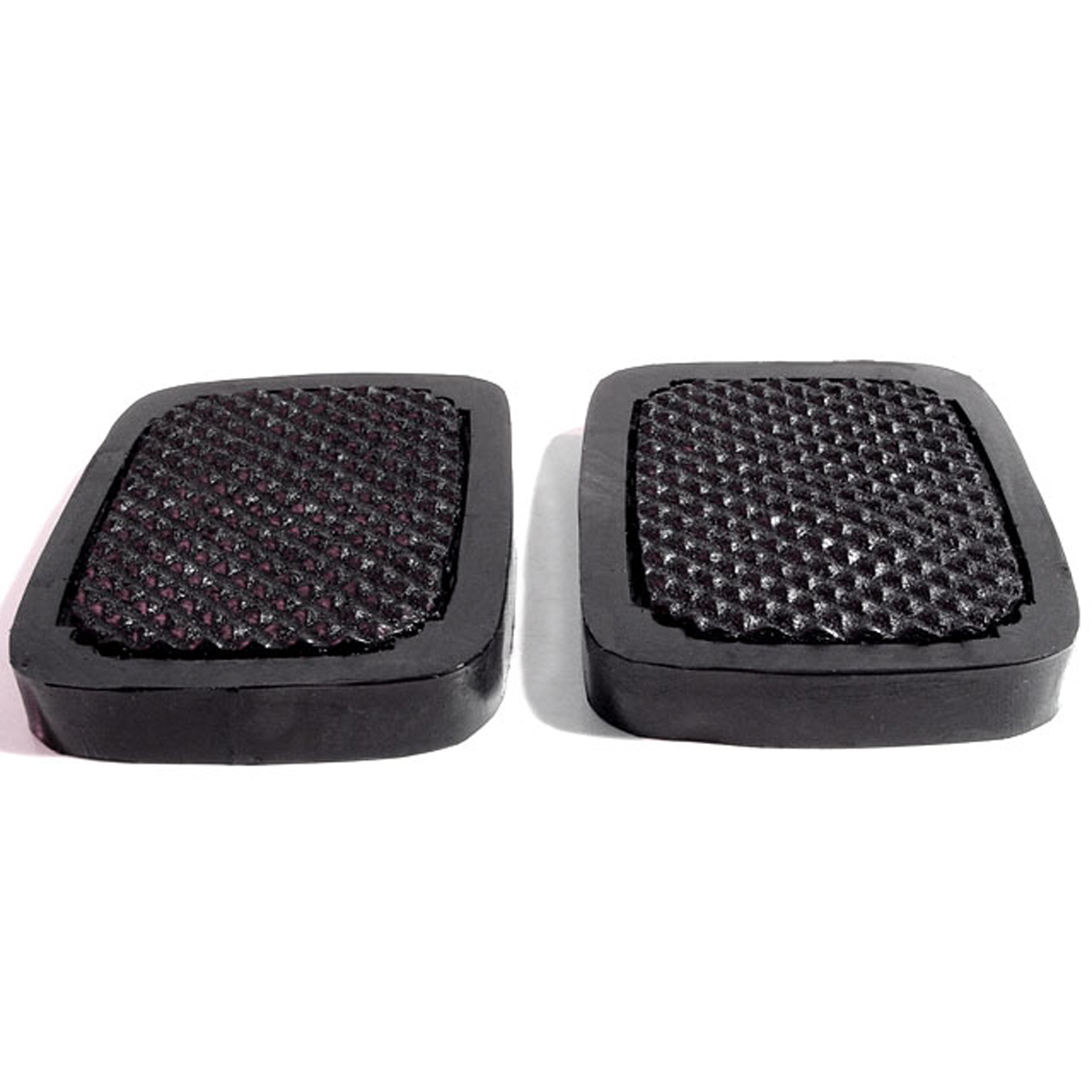 1932 Buick Series 90 Clutch and Brake Pedal Pads. 2-3/4" wide X 3-3/4" long-CB 13Clutch and Brake Pedal Pads. 2-3/4" wide X 3-3/4" long. Pair
 1932 Buick Series 90 Door Bumper. 1-7/16" high X 1-9/16" wide X 9/16" thick-DB 7Door Bumper. 1-7/16" high X 1-9/16" wide X 9/16" thick. Each
 1932 Buick Series 90 Side window seal. Dense rubber. No metal core. 1 in-LP 95-ASide window seal. Dense rubber. No metal core. 1 in. W x 5/8 in. H. Per foot.
 1932 Buick Series 90 Park Light Pads. 1-1/2" wide X 4-1/2" long. Pair-MP 120Park Light Pads. 1-1/2" wide X 4-1/2" long. Pair
 1932 Buick Series 90 Tail-light Pads. 2-1/2" wide X 4-1/8" long. Pair-MP 130Tail-light Pads. 2-1/2" wide X 4-1/8" long. Pair
 1932 Buick Series 90 Headlight (Upper) Pads. 2-1/2" wide X 4-5/8" long. Pair-MP 131-AHeadlight (Upper) Pads. 2-1/2" wide X 4-5/8" long. Pair
 1932 Buick Series 90 Headlight (Lower) Pads. 2-1/4" wide X 4-3/4" long. Pair-MP 131-BHeadlight (Lower) Pads. 2-1/4" wide X 4-3/4" long. Pair
 1932 Buick Series 90 Windshield Wiper Transmission Pad-MP 134-CWindshield Wiper Transmission Pad. 2-1/8" wide X 2-3/8" long. Each
 1932 Buick Series 90 Wiper Arm Pad. 1" wide X 2-7/8" long. Each-MP 134-DWiper Arm Pad. 1" wide X 2-7/8" long. Each
 1932 Buick Series 90 Trunk Lock Pads. 1-5/8" wide X 6-3/8" long. Set-MP 336-CTrunk Lock Pads. 1-5/8" wide X 6-3/8" long. Set
 1932 Buick Series 90 Door Handle Ferrule Grommet. I.D. 11/16", O.D. 1-3/16"-MP 546-IDoor Handle Ferrule Grommet. I.D. 11/16", O.D. 1-3/16". Each
 1932 Buick Series 90 Booster Brake Diaphragm. 7-1/2" O.D., 3" I.D., 1-7/8" deep-RP 32Booster Brake Diaphragm. 7-1/2" O.D., 3" I.D., 1-7/8" deep. Each
 1932 Buick Series 90 Door Bumper. 1" diameter X 1/4" thick Each-SB 60Door Bumper. 1" diameter X 1/4" thick Each
 1932 Buick Series 90 Flexible Rubber Window Channel-WC 32-14Flexible Rubber Window Channel. For Fisher Closed Bodies, except those using a stainless bead type. Used on side windows. 13/16" outer width X 6/16" outer depth, with a 5/16" inner channel width X 14" long. Each
 1932 Buick Series 90 Fender Bolts. For use with Fender Bolt Washers; WF 3001-WF 3000Fender Bolts. For use with Fender Bolt Washers; WF 3001. Zinc Chromate plated, high strength. 1" X 5/16". Set of 25
 1932 Buick Series 90 Fender Bolt Washers. For use with Fender Bolts; WF 3000-WF 3001Fender Bolt Washers. For use with Fender Bolts; WF 3000. High quality, cadmium plated. 1-1/4" O.D., 3/8" I.D. Set of 25
 1932 Buick Series 90 Front Axle Bumpers. Two used per car-XB 34Front Axle Bumpers. Two used per car. 2-1/16" long X 1-5/8" wide X 1-3/8" high. Pair
Why Choose Metro?
For over 100 years, Metro Moulded Parts has been the pinnacle of quality in classic car restoration parts. Our commitment to precision and authenticity in every component ensures a perfect fit and an OEM-level appearance.
- Expert Craftsmanship & Quality: Each part is a testament to our dedication to reliability and perfection, crafted from original designs and thoroughly tested.
- Advanced Technology: We use cutting-edge techniques to create flawless, long-lasting parts that surpass others in performance.
- SuperSoft Sponge – The Ultimate Door Seal: Not only are our door seals 30% softer than competitors', but they're also guaranteed to never leak. They effectively reduce wind and road noise, enhancing your classic car's comfort and driving experience.
- Proudly American: Our parts are a product of American craftsmanship, made in the USA with a spirit of excellence and heritage.
- Unrivaled Warranty: We back our products with a 30-year industry-leading warranty, a testament to our confidence in their quality.
Join us in preserving the legacy of classic cars with parts that are crafted for perfection, not just made.