

Image of 1933 Buick Series 60, Note: These illustrations use artistic license and may differ from actual historical models.
Performance Metrics
Fundamental Metrics
Emotional Appeal
MMP Rating
| Engine Specifications | |
|---|---|
| Engine: | Straight-8 |
| Displacement: | 272 cu in (4.5 L) |
| Horsepower: | Estimated 90-100 hp |
| Torque: | Not available |
| Compression Ratio: | Not available |
| Ignition System: | Battery and coil |
| Cooling System: | Water-cooled |
| Performance Specifications | |
| 0-60 Time: | Not available |
| 1/4 Mile Time: | Not available |
| Top Speed: | 80 mph |
| Transmission and Drive | |
| Drive Type: | Rear-wheel drive |
| Transmission Type: | 3-speed manual |
| Fuel and Efficiency | |
| Fuel System Type: | Carburetor |
| MPG: | Not available |
| Dimensions and Brakes | |
| Brakes: | Mechanical drum brakes |
| Wheelbase: | 119 in (3,023 mm) |
| Weight: | 3,600 lbs |
Note: Specifications for classic cars are given to the best of our ability, considering the limited and variant data available.
1933 Buick Series 60: A Straight-Eight Buick with Big-Car Presence
The 1933 Buick Series 60 brought the smooth pull of a straight-eight and the look of a much more expensive automobile to buyers navigating the Great Depression. Built by Buick, a General Motors division, it occupied the middle of the marque’s lineup, above the Series 50 and below the larger Series 80 and 90. Its blend of substantial proportions, careful finish, and capable performance made it a distinctive choice in a difficult era for the American auto industry.
Buick’s history stretched back to the early years of the automobile, and by 1933 the company had established a reputation for sturdy engineering and upscale appointments. The Series 60 reflected that identity: it was not the least expensive Buick, nor the grandest, but it delivered the traditional Buick combination of comfort, power, and polish. One detail that makes it especially interesting today is its 278-cubic-inch straight-eight engine, an eight-cylinder layout that gave the car a notably smooth character at a time when many more affordable cars used four- or six-cylinder engines.
Art Deco Style and Buick Craftsmanship
The Series 60 wears the confident proportions of a prewar American car, but its styling was moving toward a more streamlined look. A tall, upright grille gives the nose its formal character, while the long hood makes room for the straight-eight beneath it. Sweeping front fenders, curved running boards, and rounded body lines soften the car’s otherwise imposing shape. Details such as bright exterior trim, sculpted lamps, and Buick’s distinctive grille treatment add visual richness without overwhelming the design.
Inside, the Series 60 emphasized comfort and traditional craftsmanship. Depending on body style and trim, owners could find broadcloth or mohair upholstery in closed cars, with leather used in some open-car applications and higher-grade interiors. The dashboard was arranged around clear, period-style instruments, with polished metal details and wood-grain finishes on some versions. The result was less about modern convenience than a roomy, well-appointed cabin built for long journeys.
Factory colors varied by body style, trim, and production availability. Dark shades such as black, deep blue, and maroon suited the car’s formal lines, while lighter or two-tone treatments could make its flowing fenders and body contours stand out. Original paint and upholstery combinations are worth researching carefully when assessing a restoration, since colors and trim could differ across the range.
Series 60 body offerings included closed and open styles, with catalog availability varying by configuration. Buyers could encounter sedans, coupes, and open-bodied models such as a convertible coupe or phaeton. The four-door sedan is among the most recognizable surviving forms, thanks to its stately proportions and practical passenger space. Open models are especially eye-catching today, though they are less commonly encountered and can command a premium when authentic and well restored.
Engineering in the Depression Era
The Series 60’s main mechanical feature was its 278.1-cubic-inch inline-eight, rated at approximately 97 horsepower. Its long crankshaft and evenly spaced firing pulses helped deliver the smooth, unhurried power that Buick buyers valued. Power went through a three-speed manual transmission to the rear wheels. The car also used mechanical brakes, a common arrangement for the period but one that feels less powerful and consistent than the hydraulic systems that became widespread later.
Buick’s engineering appeal lay in making a substantial automobile feel refined rather than merely large. The Series 60 was more powerful and roomier than many entry-level cars, while remaining below the marque’s top-tier models in size and price. Its smooth engine, substantial chassis, and comfort-oriented setup helped establish the kind of quiet, confident touring character that became central to Buick’s identity.
It was not a radical design that single-handedly changed the industry. Its importance is more representative: the Series 60 shows how American manufacturers were combining increasingly streamlined styling with established engineering and luxury cues. Its long hood, rounded fenders, and integrated-looking body details point toward the more aerodynamic forms that would become increasingly popular later in the decade.
Performance, Ride, and Road Manners
Period performance figures can vary with body style, gearing, condition, and test method. As a practical guide, a sound Series 60 may reach roughly 75 to 80 mph, while a 0-to-60-mph run is likely to take around 20 to 25 seconds. Those figures are estimates, not a promise of modern-car performance. The Buick was designed to travel comfortably, not to deliver quick acceleration by contemporary standards.
On the road, the straight-eight’s defining trait is smoothness. It builds speed steadily, with a subdued mechanical hum that becomes more noticeable under acceleration. The three-speed gearbox calls for deliberate shifts, and the driver must plan ahead when slowing down because the mechanical brakes require more pedal effort and distance than modern brakes.
The suspension and long wheelbase suit a relaxed touring pace. The car can absorb many ordinary road imperfections with a measured, floating motion, though it will not feel as controlled over sharp bumps as a modern vehicle. On winding roads, its size, tall body, and period tires reward smooth steering inputs rather than abrupt cornering. The driving experience is immersive: the wheel is large, the controls are mechanical, and the driver is closely involved in managing the car’s speed and momentum.
Owning and Maintaining a 1933 Buick
Today, most Series 60s are used for touring, car shows, club events, and special occasions rather than daily transportation. A well-sorted example can enjoy local drives and vintage-car outings, but regular modern traffic brings practical concerns. Slow acceleration, long stopping distances, limited visibility compared with current cars, and the absence of modern safety equipment all call for careful driving.
The basic mechanical layout is approachable for an owner with traditional automotive skills. The straight-eight is not inherently mysterious, and routine work such as ignition service, lubrication, and carburetor adjustment can be handled by a capable home mechanic. The challenges are age, parts availability, and the need for specialist knowledge when rebuilding the engine, gearbox, brakes, or period electrical equipment. Body panels, trim, and correct interior materials can be harder to source than common service parts.
Reliability depends heavily on restoration quality and maintenance. A car that has been stored poorly may have fuel-system problems, deteriorated wiring, cooling issues, or worn brake components. Before driving any example, inspect the chassis, steering, tires, fuel lines, and complete braking system. A freshly polished exterior is no substitute for a mechanically safe car.
Series 60 Facts and Common Criticisms
The Series 60 belongs to a Buick lineup in which series numbers helped distinguish cars by size, equipment, and price. Its position between the Series 50 and the larger Series 80 and 90 gave buyers a middle ground: a substantial straight-eight Buick without stepping up to the marque’s largest models.
There is no widely recognized speed or endurance record associated specifically with the 1933 Series 60, and it is not chiefly remembered as a competition car. Its story is more closely tied to Buick’s effort to offer refinement and quality during the Depression. No famous celebrity ownership claim should be treated as a defining part of the model’s history without documentation for the individual car.
Common criticisms are largely the realities of a 1930s automobile. The mechanical brakes need more planning, the cabin lacks modern safety features, and the car’s size can make tight roads and parking awkward. Parts for body-specific details may also be challenging to find. For collectors, however, those limitations are balanced by the Buick’s smooth engine, distinctive styling, and appealing prewar character.
Collector Value and Availability
Surviving 1933 Buick Series 60s are uncommon, and the market is thin enough that condition and body style matter greatly. A rough or incomplete project might sell for roughly $10,000 to $25,000, while a usable driver or older restoration could fall around $25,000 to $50,000. A high-quality restoration may bring approximately $50,000 to $90,000 or more. Rare open-bodied versions and exceptionally authentic examples can exceed those ranges, while a sedan needing extensive work may be worth considerably less.
These are broad estimates, not formal appraisals. Sale prices depend on originality, documentation, restoration quality, mechanical condition, and the demand for the particular body style. A careful inspection and comparison with recent sales of similar prewar Buicks are essential before buying or selling.
A precise production total for the Series 60 is not easy to establish from commonly available summaries. A reasonable working estimate is several thousand cars, perhaps around 8,000 to 10,000 for the model year, but that should be treated as an estimate rather than a verified factory figure. The number surviving in usable condition is much smaller.
Like many prewar classics, Series 60 values have generally benefited from long-term collector interest, but appreciation is not guaranteed. The strongest demand tends to favor correctly restored, well-documented cars and desirable open body styles. Project cars can be difficult to sell because restoration costs often exceed the value of the finished car. In today’s market, quality and authenticity matter more than simply owning a rare model.
Why the 1933 Buick Series 60 Still Matters
The 1933 Buick Series 60 combines a smooth 278-cubic-inch straight-eight, substantial prewar styling, and a comfortable, carefully finished cabin. It represents Buick’s effort to deliver genuine refinement during one of the toughest periods in American economic history. Its performance is relaxed by modern standards, and its brakes and controls demand respect, but those very differences make it a rewarding piece of automotive history.
For collectors seeking a classic that feels both elegant and mechanically engaging, the Series 60 offers more than handsome sheet metal. It captures a moment when Buick used engineering, craftsmanship, and quiet confidence to make an enduring impression on the American road.
1933 Buick Series 60 Catalog of Parts
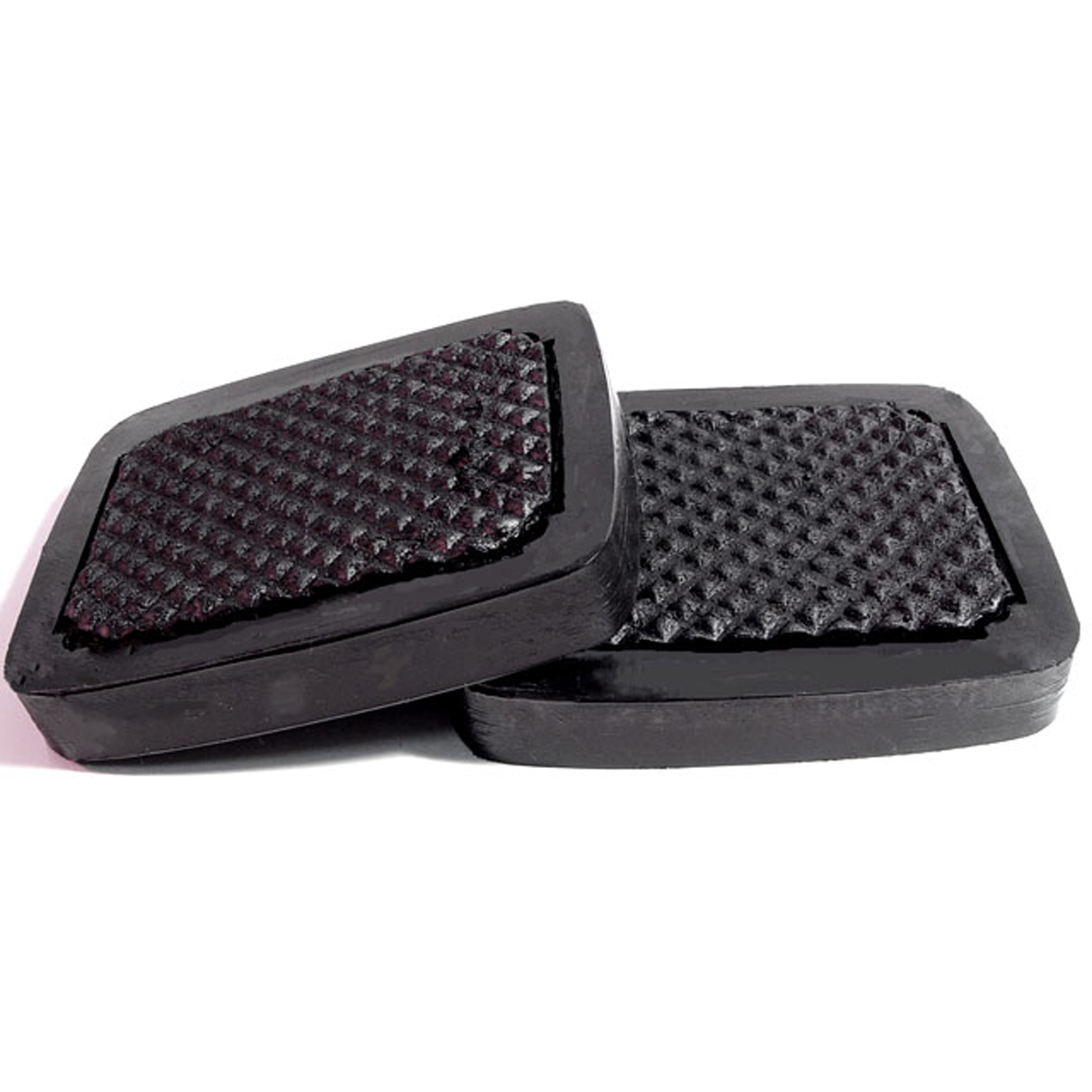 1933 Buick Series 60 Clutch and Brake Pedal Pads. 2-3/4" wide X 3-3/8" long-CB 12Clutch and Brake Pedal Pads. 2-3/4" wide X 3-3/8" long. Pair
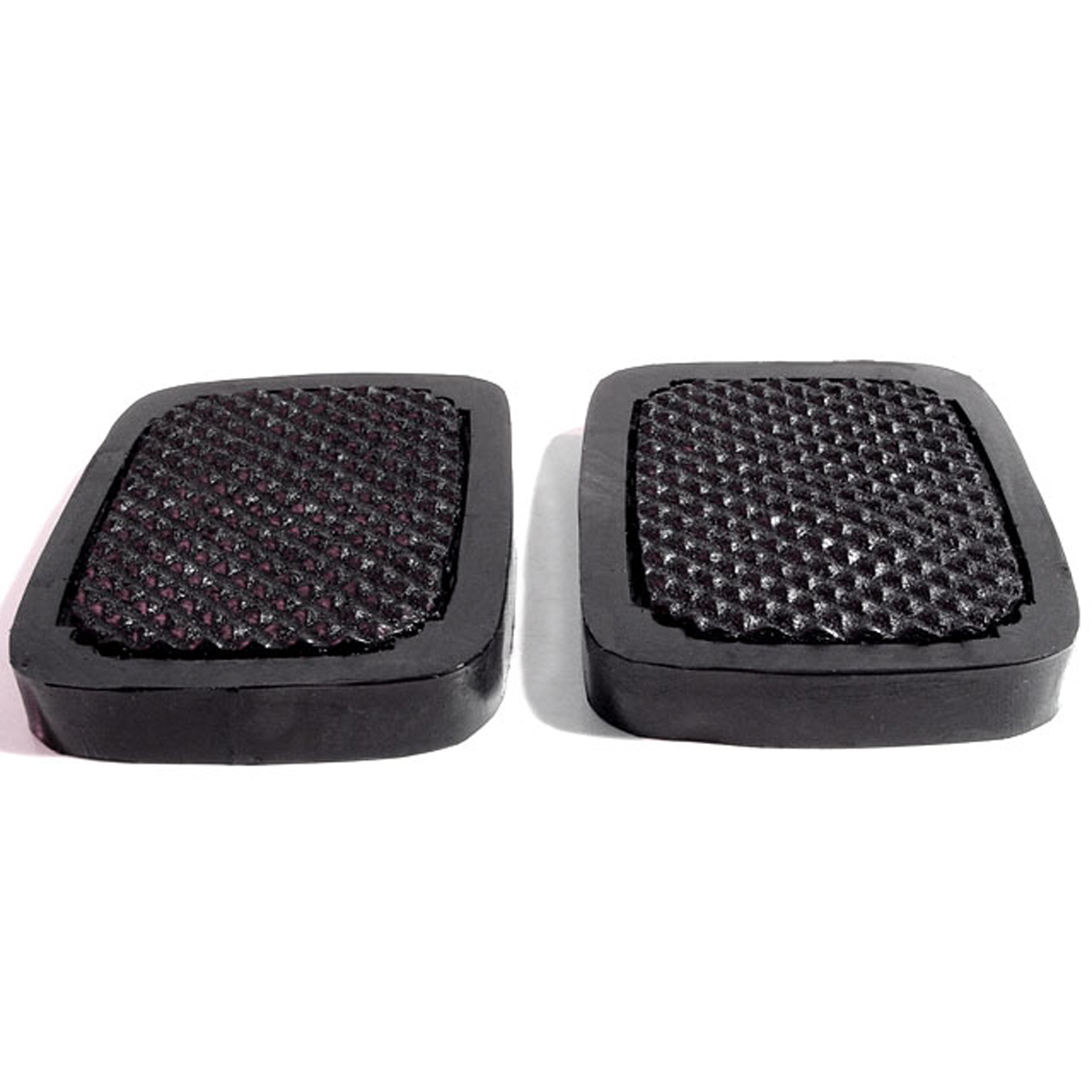 1933 Buick Series 60 Clutch and Brake Pedal Pads. 2-3/4" wide X 3-3/4" long-CB 13Clutch and Brake Pedal Pads. 2-3/4" wide X 3-3/4" long. Pair
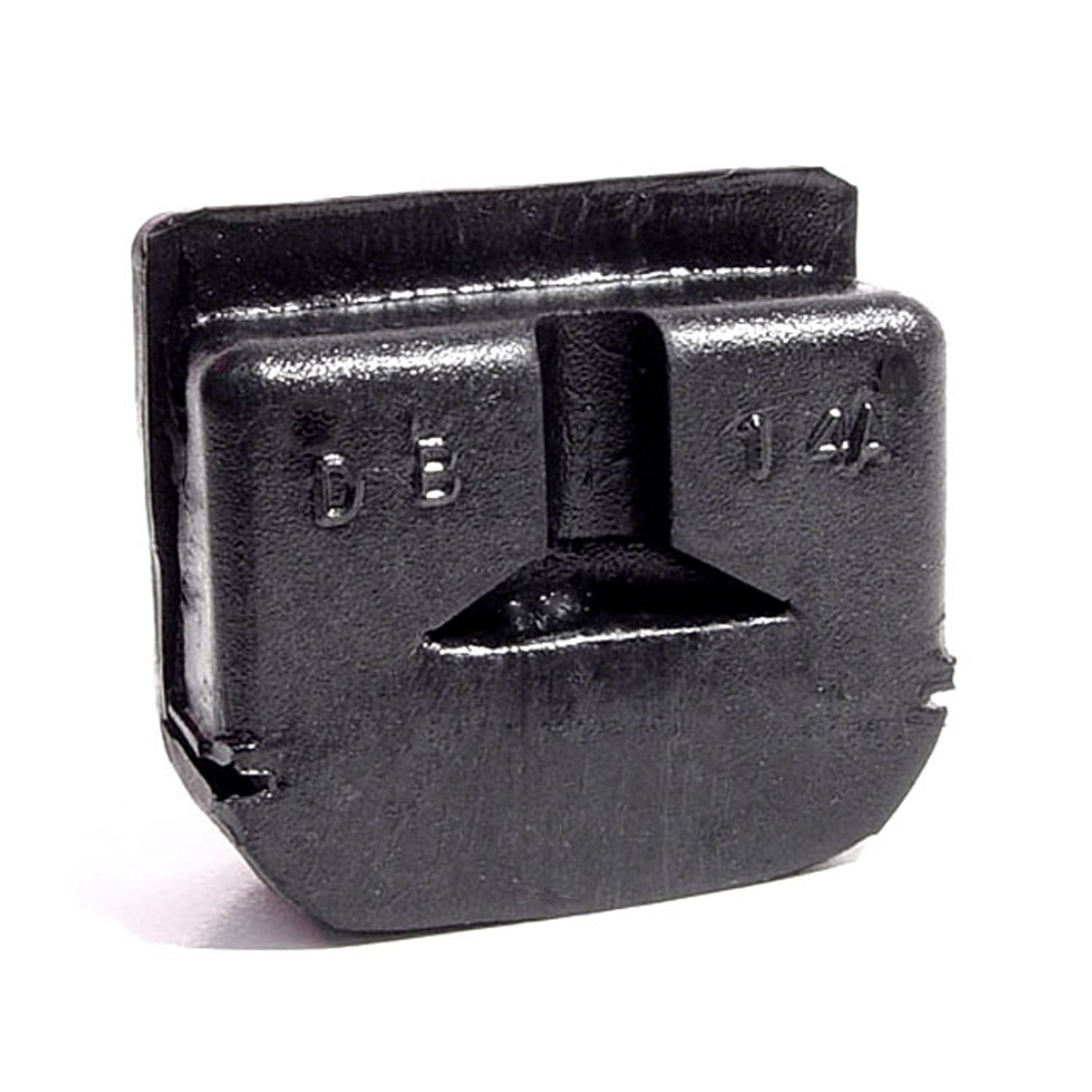 1933 Buick Series 60 Door Bumper. Exact reproduction-DB 14-ADoor Bumper. Exact reproduction. 1-3/16" high X 1-9/16" wide X 9/16" thick. Each
 1933 Buick Series 60 Upper Door Hinge Post Bumper. Held by screw-DB 60-AUpper Door Hinge Post Bumper. Held by screw. 7/8" diameter X 1/8" thick. Each
 1933 Buick Series 60 Door Bumper. 1-7/16" high X 1-9/16" wide X 9/16" thick-DB 7Door Bumper. 1-7/16" high X 1-9/16" wide X 9/16" thick. Each
 1933 Buick Series 60 Gas Filler Grommet. 2-1/4" I.D., 4-3/4" O.D. Each-GF 9Gas Filler Grommet. 2-1/4" I.D., 4-3/4" O.D. Each
 1933 Buick Series 60 Motor Mounts. 2" O.D., 9/16" I.D. Pair-MM 23Motor Mounts. 2" O.D., 9/16" I.D. Pair
 1933 Buick Series 60 Park Light Pads. 1-1/2" wide X 4-1/2" long. Pair-MP 120Park Light Pads. 1-1/2" wide X 4-1/2" long. Pair
 1933 Buick Series 60 Headlight (Upper) Pads. 2-1/2" wide X 4-5/8" long. Pair-MP 131-AHeadlight (Upper) Pads. 2-1/2" wide X 4-5/8" long. Pair
 1933 Buick Series 60 Headlight (Lower) Pads. 2-1/4" wide X 4-3/4" long. Pair-MP 131-BHeadlight (Lower) Pads. 2-1/4" wide X 4-3/4" long. Pair
 1933 Buick Series 60 Tail-light Pads. 2-1/2" wide X 5-5/8" long. Pair-MP 132Tail-light Pads. 2-1/2" wide X 5-5/8" long. Pair
 1933 Buick Series 60 Headlight Bar Pads. 2-1/4" wide X 3-1/4" long. Pair-MP 133Headlight Bar Pads. 2-1/4" wide X 3-1/4" long. Pair
 1933 Buick Series 60 Windshield Wiper Transmission Pad-MP 134-CWindshield Wiper Transmission Pad. 2-1/8" wide X 2-3/8" long. Each
 1933 Buick Series 60 Wiper Arm Pad. 1" wide X 2-7/8" long. Each-MP 134-DWiper Arm Pad. 1" wide X 2-7/8" long. Each
 1933 Buick Series 60 Headlight Bracket Pads. 2-3/8" wide X 3-3/8" long. Pair-MP 140Headlight Bracket Pads. 2-3/8" wide X 3-3/8" long. Pair
 1933 Buick Series 60 Headlight Pads. 3-3/8" wide X 4-5/8" long. Pair R&L-MP 150Headlight Pads. 3-3/8" wide X 4-5/8" long. Pair R&L
 1933 Buick Series 60 Park Light Pads. 2-3/4" wide X 4-3/8 long. Pair-MP 160Park Light Pads. 2-3/4" wide X 4-3/8 long. Pair
 1933 Buick Series 60 Trunk Lock Pads. 1-5/8" wide X 6-3/8" long. Set-MP 336-CTrunk Lock Pads. 1-5/8" wide X 6-3/8" long. Set
 1933 Buick Series 60 Door Handle Ferrule Grommet. I.D. 11/16", O.D. 1-3/16"-MP 546-IDoor Handle Ferrule Grommet. I.D. 11/16", O.D. 1-3/16". Each
 1933 Buick Series 60 Door Bumper. 1" diameter X 1/4" thick Each-SB 60Door Bumper. 1" diameter X 1/4" thick Each
 1933 Buick Series 60 Spare Tire Mount Bumper. 5/8" square. Each-SB 80Spare Tire Mount Bumper. 5/8" square. Each
 1933 Buick Series 60 Steering Column to Floor Plate Pad-SC 28Steering Column to Floor Plate Pad. Black (also in Brown #SC 29). Each
 1933 Buick Series 60 Steering Column to Floor Plate Pad-SC 29Steering Column to Floor Plate Pad. Brown (also in Black #SC 28). Each
 1933 Buick Series 60 Flexible glass-run channel-WC 11-72Flexible glass-run channel. Mohair lined, cloth covered with stainless steel bead. Used on side windows. 72 in. long. Each. NOTE: $20 special shipping charge applies for domestic orders. Call or email for overseas shipping costs. Part can be sectioned in two equal lengths to reduce overseas shipping costs.
 1933 Buick Series 60 Rigid division-bar channel. Made with stainless steel bead-WC 2-72Rigid division-bar channel. Made with stainless steel bead. 72 in. long. Each. NOTE: $20 special shipping charge applies for domestic orders. Call or email for overseas shipping costs. Part can be sectioned into two equal lengths to reduce overseas shipping costs.
 1933 Buick Series 60 Flexible Rubber Window Channel-WC 32-14Flexible Rubber Window Channel. For Fisher Closed Bodies, except those using a stainless bead type. Used on side windows. 13/16" outer width X 6/16" outer depth, with a 5/16" inner channel width X 14" long. Each
 1933 Buick Series 60 Flexible sweeper. Made with stainless steel bead-WC 8-72Flexible sweeper. Made with stainless steel bead. Used on inner and outer beltlines. Also forms easily for use with sliding quarter windows. 72 in. long. Each. NOTE: $20 special shipping charge applies for domestic orders. Call or email for overseas shipping costs. Part can be sectioned into two equal lengths to reduce overseas shipping costs.
 1933 Buick Series 60 Fender Bolts. For use with Fender Bolt Washers; WF 3001-WF 3000Fender Bolts. For use with Fender Bolt Washers; WF 3001. Zinc Chromate plated, high strength. 1" X 5/16". Set of 25
 1933 Buick Series 60 Fender Bolt Washers. For use with Fender Bolts; WF 3000-WF 3001Fender Bolt Washers. For use with Fender Bolts; WF 3000. High quality, cadmium plated. 1-1/4" O.D., 3/8" I.D. Set of 25
Why Choose Metro?
For over 100 years, Metro Moulded Parts has been the pinnacle of quality in classic car restoration parts. Our commitment to precision and authenticity in every component ensures a perfect fit and an OEM-level appearance.
- Expert Craftsmanship & Quality: Each part is a testament to our dedication to reliability and perfection, crafted from original designs and thoroughly tested.
- Advanced Technology: We use cutting-edge techniques to create flawless, long-lasting parts that surpass others in performance.
- SuperSoft Sponge – The Ultimate Door Seal: Not only are our door seals 30% softer than competitors', but they're also guaranteed to never leak. They effectively reduce wind and road noise, enhancing your classic car's comfort and driving experience.
- Proudly American: Our parts are a product of American craftsmanship, made in the USA with a spirit of excellence and heritage.
- Unrivaled Warranty: We back our products with a 30-year industry-leading warranty, a testament to our confidence in their quality.
Join us in preserving the legacy of classic cars with parts that are crafted for perfection, not just made.