

Image of 1933 Buick Series 80, Note: These illustrations use artistic license and may differ from actual historical models.
Performance Metrics
Fundamental Metrics
Emotional Appeal
MMP Rating
| Engine Specifications | |
|---|---|
| Engine: | Straight-8 |
| Displacement: | 344.8 cu in (5.7 L) |
| Horsepower: | 104 hp |
| Torque: | Not available |
| Compression Ratio: | Not available |
| Ignition System: | Battery and coil |
| Cooling System: | Water |
| Performance Specifications | |
| 0-60 Time: | Not available |
| 1/4 Mile Time: | Not available |
| Top Speed: | 85 mph |
| Transmission and Drive | |
| Drive Type: | Rear wheel drive |
| Transmission Type: | 3-speed manual |
| Fuel and Efficiency | |
| Fuel System Type: | Carburetor |
| MPG: | Not available |
| Dimensions and Brakes | |
| Brakes: | Mechanical drum |
| Wheelbase: | 128 in (3,251 mm) |
| Weight: | 4,600 lbs |
Note: Specifications for classic cars are given to the best of our ability, considering the limited and variant data available.
1933 Buick Series 80: Buick’s Long-Legged Straight-Eight
With its sweeping fenders, broad chrome grille, and smooth-running straight-eight, the 1933 Buick Series 80 brought a distinctly American kind of confidence to the hard years of the Great Depression. Built by the Buick Motor Company, then a division of General Motors, it sat in the upper-middle part of Buick’s range: larger and more powerful than the Series 50 and 60, but below the flagship Series 90.
The Series 80 paired substantial road presence with Buick’s reputation for engineering and finish. It was designed for motorists who wanted more than basic transportation, yet did not need the price or size of a top-of-the-line car. One intriguing detail is that the Series 80 was part of a Buick lineup that kept the straight-eight engine at the center of the brand’s identity. Its smooth power delivery became one of Buick’s most recognizable traits.
Art Deco Styling and Buick Craftsmanship
The 1933 Series 80 wore the confident proportions typical of the period, but Buick’s details gave it extra polish. A tall, bright-finished grille anchored the front end, while long hood sides and sculpted front fenders made the car look in motion even when parked. The fenders flowed toward the running boards, and the rear bodywork carried the same rounded, carefully balanced shape. Chrome trim was used to highlight the grille, lamps, bumpers, and body lines without overwhelming the design.
Inside, the Series 80 offered the comfort and formality expected of a substantial Buick. Depending on body style and trim, owners could find broad cloth-upholstered seats, a wood-grain-finished instrument panel, a large steering wheel, and clearly arranged gauges. The materials were a step above bare-bones transportation, though exact upholstery and trim varied with the body and factory options. This was a car intended to feel well appointed, not merely large.
Factory paint choices varied by body and production details. Period colors included dark, dignified shades such as black, maroon, green, and blue, with contrasting trim or two-tone combinations available on some cars. Deep, restrained colors suited the Series 80’s formal character, while lighter or contrasting combinations helped emphasize its long fenders and flowing body lines. Original paint documentation is useful when assessing a surviving example, since cars have often been repainted over the decades.
Buick offered the Series 80 in several closed and open body styles, including sedans and coupe variations, with availability dependent on the specific model and body builder. The four-door sedan is among the most recognizable and practical versions today. Coupes have a sportier profile, while open cars are especially appealing to collectors because they show off the styling and make the car feel more connected to its touring-era roots.
Engineering in the 1933 Buick Series 80
The Series 80’s main mechanical feature was its large-valve, overhead-valve inline-eight. With a displacement of about 344.8 cubic inches and output commonly listed at roughly 104 horsepower, it delivered its strength in a relaxed, steady fashion. Buick’s straight-eight layout helped the engine run smoothly, an important advantage in an era when many cars used less refined four- or six-cylinder powerplants.
Power went through a conventional manual transmission, with a solid front axle and leaf-spring suspension reflecting established engineering practice of the time. The car also used mechanical four-wheel brakes, rather than the hydraulic systems that became standard on later generations. These systems were effective for their era when properly adjusted, but they demand more frequent attention than modern brakes.
The Series 80 was not a radical engineering experiment. Its significance lies in how Buick combined a refined eight-cylinder engine, substantial construction, and increasingly streamlined styling in a mainstream premium car. The model helped reinforce Buick’s position as a step-up choice for buyers who wanted comfort and performance without moving into the luxury-car price bracket.
Historical Significance and Buick’s Place in the Market
The 1933 Buick arrived during the Great Depression, when new-car sales were under severe pressure and automakers had to make every model feel worth the expense. Buick responded with a broad range of cars and a strong emphasis on smoothness, style, and quality. The Series 80 helped bridge the gap between more affordable Buicks and the grander Series 90.
Its design also reflects the industry’s gradual shift away from upright, box-like bodies toward lower, more integrated forms. The long hood, rounded fenders, and carefully coordinated bodywork gave the car a more streamlined appearance, even though it remained a traditional, body-on-frame automobile. The Series 80 did not invent these styling ideas, but it brought them together in a polished package that influenced expectations for a premium American car.
Its lasting appeal comes from that balance. The car has the visual drama and mechanical character of a prewar automobile, yet it was built in enough numbers and with enough conventional engineering that it remains understandable to experienced vintage-car mechanics.
Speed, Ride, and Driving Character
Period performance figures are not consistent across every body style, and today’s numbers should be treated as estimates rather than guaranteed factory test results. A well-tuned Series 80 might reach roughly 75 to 85 mph under favorable conditions. A 0-to-60-mph time in the neighborhood of 20 to 25 seconds is a reasonable estimate, depending on gearing, body weight, engine condition, and how the car is driven. The Series 80 was built for confident touring, not quick acceleration by modern standards.
On the road, the straight-eight is the star. It produces a deep, even mechanical note and delivers power smoothly, especially once the car is moving. The steering is unassisted and requires more effort at parking speeds than a modern driver may expect. The manual gearbox and clutch call for deliberate inputs, while the large steering wheel gives the driver leverage over the car’s substantial weight.
The suspension is comfortable on ordinary roads, but it does not isolate occupants from bumps as effectively as a modern car. On rough surfaces, the body can move and the solid axles make their presence felt. On winding roads, the Series 80 rewards a measured pace: it is a large, relatively heavy car with period tires, steering, and brakes. A careful driver will enjoy its steady, stately rhythm more than trying to hustle it through corners.
Living With a 1933 Buick
Today, most Series 80s are used as show cars, touring cars, or occasional weekend drivers rather than daily transportation. Their comfortable seating and smooth engine make them well suited to local antique-car tours, provided the car has been properly maintained and the route avoids modern high-speed traffic.
Mechanical repairs are generally approachable for a capable vintage-car specialist. The engine and chassis use understandable prewar technology, and many routine jobs involve familiar tasks such as ignition tuning, carburetor adjustment, lubrication, and brake servicing. However, parts availability varies. Wear components may be easier to source than model-specific trim, body panels, or interior details. Restoration work can become expensive when a car is missing original hardware or has corrosion in structural areas.
Reliability depends heavily on maintenance and restoration quality. Before touring, owners should pay particular attention to the cooling system, fuel delivery, ignition, tires, steering, and mechanical brakes. A 1933 car should not be expected to behave like a modern vehicle, and its top speed is not a sensible cruising speed. Regular inspection and conservative driving are part of responsible ownership.
1933 Buick Facts and Common Criticisms
The Series 80’s straight-eight is a good example of the smooth, low-revving engines that helped establish Buick’s touring reputation. Rather than relying on a dramatic high-rpm character, it offered broad, usable power and a refined feel for its time. The Series 80 also gives collectors an appealing middle ground: more imposing than a compact car of the era, but not as large or costly as Buick’s top series.
There is no widely recognized single celebrity owner, record-setting run, or major historical event that defines the 1933 Series 80. Its story is more representative than headline-grabbing: it was one of the substantial American cars offered to buyers during a difficult economic period. That ordinary historical role is part of its interest, since it shows what a well-equipped premium automobile looked like for families and professionals in the early 1930s.
Common criticisms are typical of prewar cars. The mechanical brakes need careful adjustment, visibility and maneuverability are limited by the car’s size, and parts for body-specific details can be difficult to find. Fuel economy is modest by modern standards, and safe operation requires more attention than driving a contemporary vehicle. Buyers should also be cautious about restorations that look attractive but conceal structural rust or poorly repaired mechanical systems.
Collector Values, Rarity, and Market Outlook
Exact production figures for individual Series 80 body styles are not consistently reported in widely available records. Buick produced roughly 40,000 cars across its full 1933 range, but the Series 80 represented only a portion of that total. A reasonable working estimate is several thousand Series 80s across all body styles, perhaps around 3,000 to 6,000, though that should be treated as an informed estimate rather than an established factory figure. Surviving examples are much rarer than the original production number suggests.
As a broad 2026 guide, an incomplete or project-quality car may sell for around $10,000 to $20,000. A sound, presentable sedan might fall roughly in the $25,000 to $45,000 range, while a high-quality restoration or especially desirable body style could reach $50,000 to $80,000 or more. Rare open models, exceptional provenance, and concours-level condition can push prices higher. These ranges are estimates, not appraisals, and condition, originality, documentation, and local market demand make a significant difference.
Values for prewar classics tend to be selective rather than uniformly rising. The best restored and most distinctive examples remain attractive, while ordinary sedans may see slower appreciation and can be costly to restore relative to their resale value. A well-documented, mechanically sound car is generally a safer purchase than a low-priced project with missing parts. The Series 80’s appeal is strongest among collectors who value prewar styling and touring character over outright investment potential.
Why the 1933 Buick Series 80 Still Matters
The 1933 Buick Series 80 combined a smooth 344.8-cubic-inch straight-eight, generous proportions, carefully finished interiors, and the confident styling of an American carmaker working through the Depression. It was not the most radical Buick of its time, nor the fastest car on the road, but it delivered a refined and capable experience that helped define Buick’s premium identity.
More than nine decades later, its appeal is easy to understand: the Series 80 feels substantial without being anonymous, and its straight-eight turns every short drive into a small lesson in how American cars once traveled. It is a memorable prewar Buick built for the pleasure of the journey, not just the destination.
1933 Buick Series 80 Catalog of Parts
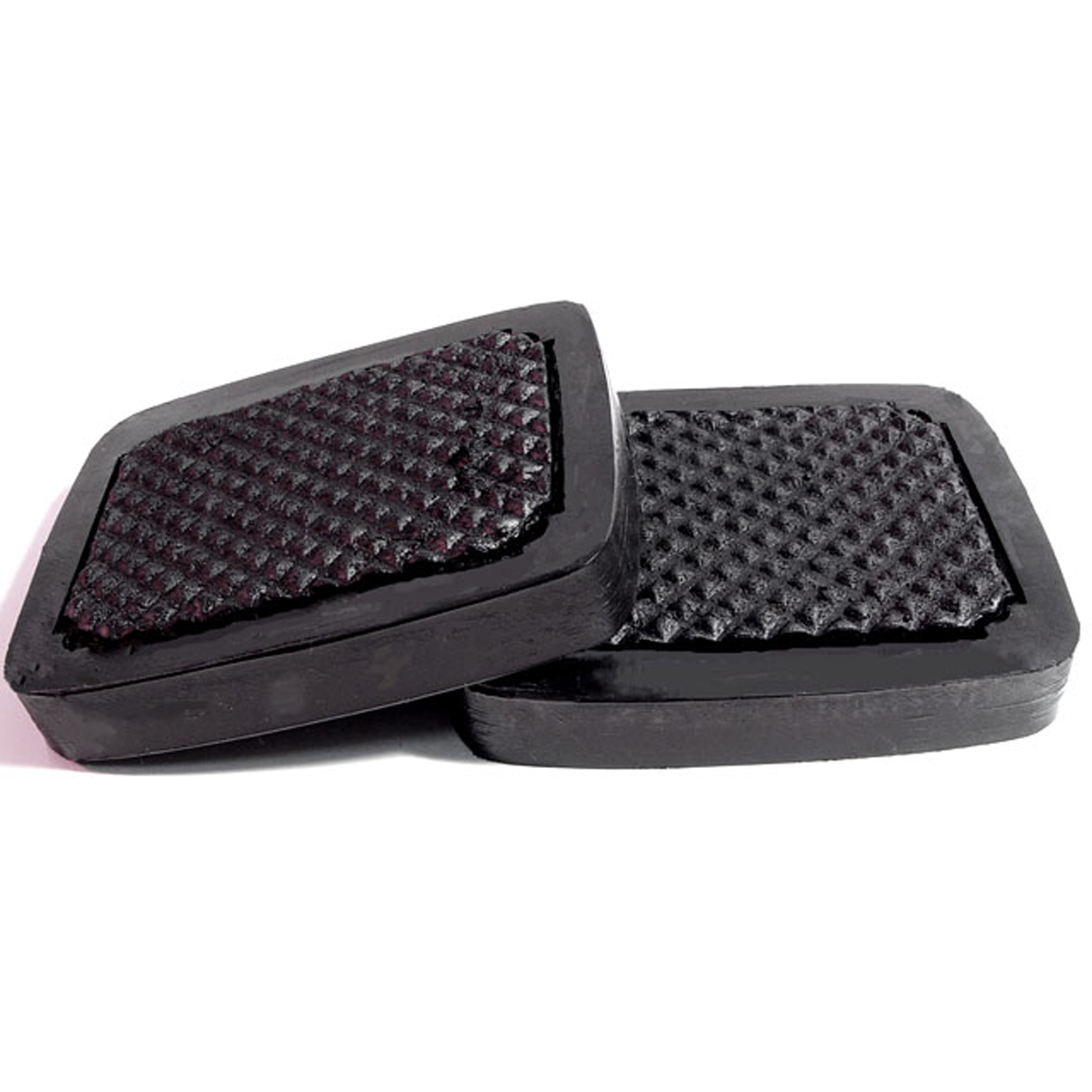 1933 Buick Series 80 Clutch and Brake Pedal Pads. 2-3/4" wide X 3-3/8" long-CB 12Clutch and Brake Pedal Pads. 2-3/4" wide X 3-3/8" long. Pair
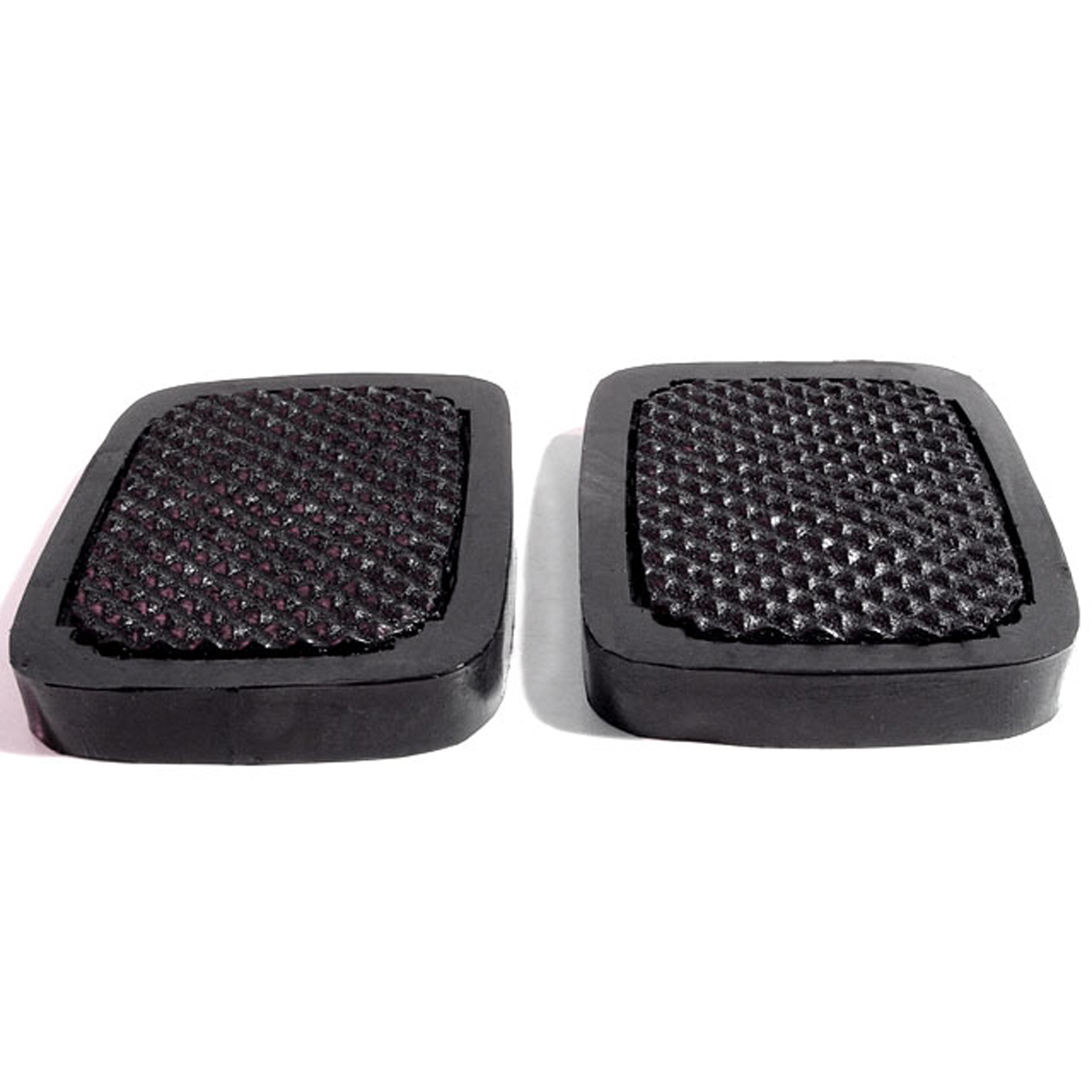 1933 Buick Series 80 Clutch and Brake Pedal Pads. 2-3/4" wide X 3-3/4" long-CB 13Clutch and Brake Pedal Pads. 2-3/4" wide X 3-3/4" long. Pair
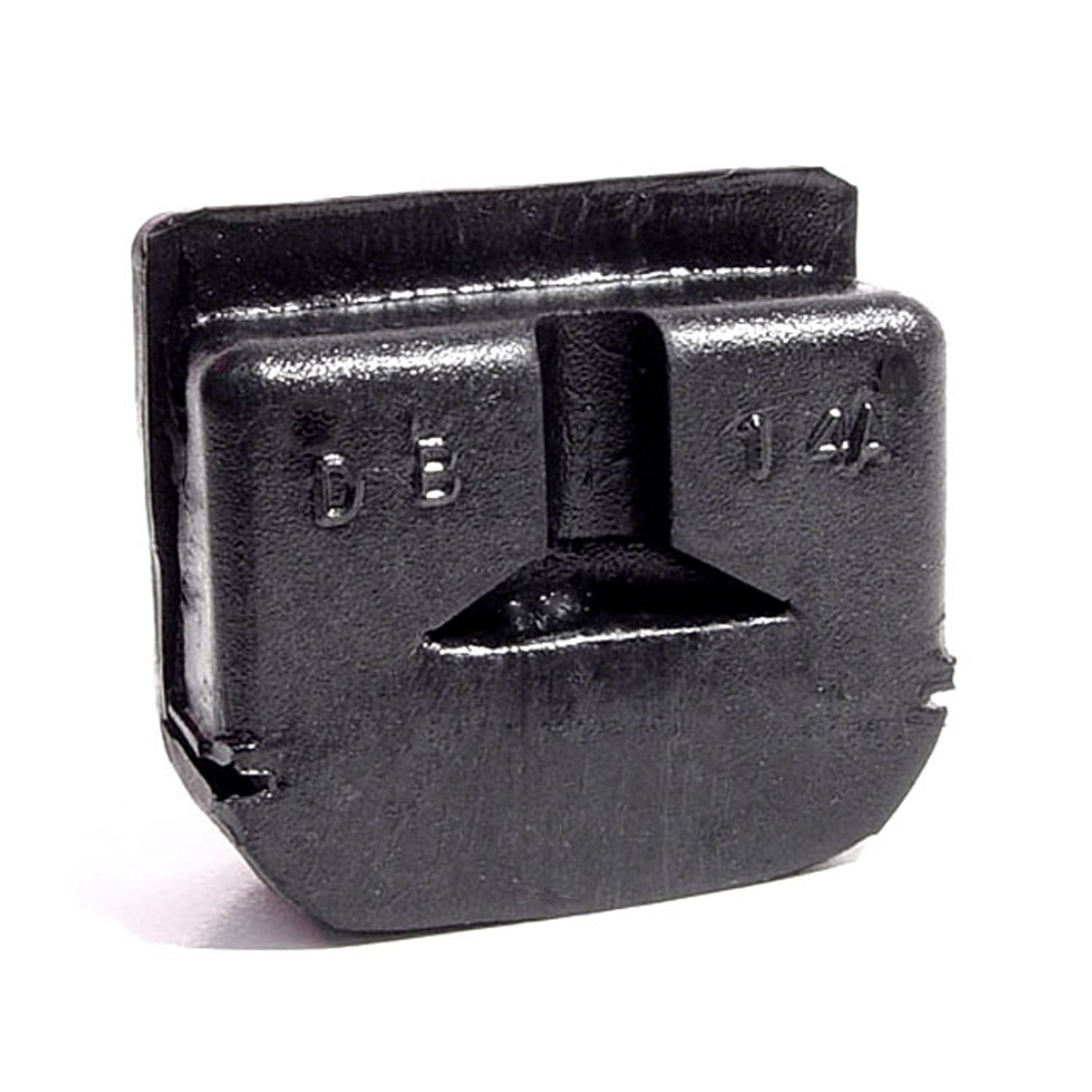 1933 Buick Series 80 Door Bumper. Exact reproduction-DB 14-ADoor Bumper. Exact reproduction. 1-3/16" high X 1-9/16" wide X 9/16" thick. Each
 1933 Buick Series 80 Upper Door Hinge Post Bumper. Held by screw-DB 60-AUpper Door Hinge Post Bumper. Held by screw. 7/8" diameter X 1/8" thick. Each
 1933 Buick Series 80 Door Bumper. 1-7/16" high X 1-9/16" wide X 9/16" thick-DB 7Door Bumper. 1-7/16" high X 1-9/16" wide X 9/16" thick. Each
 1933 Buick Series 80 Gas Filler Grommet. 2-1/4" I.D., 4-3/4" O.D. Each-GF 9Gas Filler Grommet. 2-1/4" I.D., 4-3/4" O.D. Each
 1933 Buick Series 80 Motor Mounts. 2" O.D., 9/16" I.D. Pair-MM 23Motor Mounts. 2" O.D., 9/16" I.D. Pair
 1933 Buick Series 80 Park Light Pads. 1-1/2" wide X 4-1/2" long. Pair-MP 120Park Light Pads. 1-1/2" wide X 4-1/2" long. Pair
 1933 Buick Series 80 Headlight (Upper) Pads. 2-1/2" wide X 4-5/8" long. Pair-MP 131-AHeadlight (Upper) Pads. 2-1/2" wide X 4-5/8" long. Pair
 1933 Buick Series 80 Headlight (Lower) Pads. 2-1/4" wide X 4-3/4" long. Pair-MP 131-BHeadlight (Lower) Pads. 2-1/4" wide X 4-3/4" long. Pair
 1933 Buick Series 80 Tail-light Pads. 2-1/2" wide X 5-5/8" long. Pair-MP 132Tail-light Pads. 2-1/2" wide X 5-5/8" long. Pair
 1933 Buick Series 80 Headlight Bar Pads. 2-1/4" wide X 3-1/4" long. Pair-MP 133Headlight Bar Pads. 2-1/4" wide X 3-1/4" long. Pair
 1933 Buick Series 80 Windshield Wiper Transmission Pad-MP 134-CWindshield Wiper Transmission Pad. 2-1/8" wide X 2-3/8" long. Each
 1933 Buick Series 80 Wiper Arm Pad. 1" wide X 2-7/8" long. Each-MP 134-DWiper Arm Pad. 1" wide X 2-7/8" long. Each
 1933 Buick Series 80 Headlight Bracket Pads. 2-3/8" wide X 3-3/8" long. Pair-MP 140Headlight Bracket Pads. 2-3/8" wide X 3-3/8" long. Pair
 1933 Buick Series 80 Headlight Pads. 3-3/8" wide X 4-5/8" long. Pair R&L-MP 150Headlight Pads. 3-3/8" wide X 4-5/8" long. Pair R&L
 1933 Buick Series 80 Park Light Pads. 2-3/4" wide X 4-3/8 long. Pair-MP 160Park Light Pads. 2-3/4" wide X 4-3/8 long. Pair
 1933 Buick Series 80 Trunk Lock Pads. 1-5/8" wide X 6-3/8" long. Set-MP 336-CTrunk Lock Pads. 1-5/8" wide X 6-3/8" long. Set
 1933 Buick Series 80 Door Handle Ferrule Grommet. I.D. 11/16", O.D. 1-3/16"-MP 546-IDoor Handle Ferrule Grommet. I.D. 11/16", O.D. 1-3/16". Each
 1933 Buick Series 80 Door Bumper. 1" diameter X 1/4" thick Each-SB 60Door Bumper. 1" diameter X 1/4" thick Each
 1933 Buick Series 80 Spare Tire Mount Bumper. 5/8" square. Each-SB 80Spare Tire Mount Bumper. 5/8" square. Each
 1933 Buick Series 80 Steering Column to Floor Plate Pad-SC 28Steering Column to Floor Plate Pad. Black (also in Brown #SC 29). Each
 1933 Buick Series 80 Steering Column to Floor Plate Pad-SC 29Steering Column to Floor Plate Pad. Brown (also in Black #SC 28). Each
 1933 Buick Series 80 Flexible glass-run channel-WC 11-72Flexible glass-run channel. Mohair lined, cloth covered with stainless steel bead. Used on side windows. 72 in. long. Each. NOTE: $20 special shipping charge applies for domestic orders. Call or email for overseas shipping costs. Part can be sectioned in two equal lengths to reduce overseas shipping costs.
 1933 Buick Series 80 Rigid division-bar channel. Made with stainless steel bead-WC 2-72Rigid division-bar channel. Made with stainless steel bead. 72 in. long. Each. NOTE: $20 special shipping charge applies for domestic orders. Call or email for overseas shipping costs. Part can be sectioned into two equal lengths to reduce overseas shipping costs.
 1933 Buick Series 80 Flexible Rubber Window Channel-WC 32-14Flexible Rubber Window Channel. For Fisher Closed Bodies, except those using a stainless bead type. Used on side windows. 13/16" outer width X 6/16" outer depth, with a 5/16" inner channel width X 14" long. Each
 1933 Buick Series 80 Flexible sweeper. Made with stainless steel bead-WC 8-72Flexible sweeper. Made with stainless steel bead. Used on inner and outer beltlines. Also forms easily for use with sliding quarter windows. 72 in. long. Each. NOTE: $20 special shipping charge applies for domestic orders. Call or email for overseas shipping costs. Part can be sectioned into two equal lengths to reduce overseas shipping costs.
 1933 Buick Series 80 Fender Bolts. For use with Fender Bolt Washers; WF 3001-WF 3000Fender Bolts. For use with Fender Bolt Washers; WF 3001. Zinc Chromate plated, high strength. 1" X 5/16". Set of 25
 1933 Buick Series 80 Fender Bolt Washers. For use with Fender Bolts; WF 3000-WF 3001Fender Bolt Washers. For use with Fender Bolts; WF 3000. High quality, cadmium plated. 1-1/4" O.D., 3/8" I.D. Set of 25
Why Choose Metro?
For over 100 years, Metro Moulded Parts has been the pinnacle of quality in classic car restoration parts. Our commitment to precision and authenticity in every component ensures a perfect fit and an OEM-level appearance.
- Expert Craftsmanship & Quality: Each part is a testament to our dedication to reliability and perfection, crafted from original designs and thoroughly tested.
- Advanced Technology: We use cutting-edge techniques to create flawless, long-lasting parts that surpass others in performance.
- SuperSoft Sponge – The Ultimate Door Seal: Not only are our door seals 30% softer than competitors', but they're also guaranteed to never leak. They effectively reduce wind and road noise, enhancing your classic car's comfort and driving experience.
- Proudly American: Our parts are a product of American craftsmanship, made in the USA with a spirit of excellence and heritage.
- Unrivaled Warranty: We back our products with a 30-year industry-leading warranty, a testament to our confidence in their quality.
Join us in preserving the legacy of classic cars with parts that are crafted for perfection, not just made.