

Image of 1933 Buick Series 90, Note: These illustrations use artistic license and may differ from actual historical models.
Performance Metrics
Fundamental Metrics
Emotional Appeal
MMP Rating
| Engine Specifications | |
|---|---|
| Engine: | Straight 8 |
| Displacement: | 344.8 cu in (5.7 L) |
| Horsepower: | Estimated 104 hp |
| Torque: | Not available |
| Compression Ratio: | Not available |
| Ignition System: | Battery and coil |
| Cooling System: | Water |
| Performance Specifications | |
| 0-60 Time: | Not available |
| 1/4 Mile Time: | Not available |
| Top Speed: | 85 mph |
| Transmission and Drive | |
| Drive Type: | Rear wheel drive |
| Transmission Type: | 3-speed manual |
| Fuel and Efficiency | |
| Fuel System Type: | Carburetor |
| MPG: | Not available |
| Dimensions and Brakes | |
| Brakes: | Mechanical drum brakes |
| Wheelbase: | 134 in (3,400 mm) |
| Weight: | Estimated 4,600 lbs |
Note: Specifications for classic cars are given to the best of our ability, considering the limited and variant data available.
1933 Buick Series 90: Buick’s Flagship Eight
Long, imposing, and powered by one of Buick’s largest straight-eight engines, the 1933 Buick Series 90 was built to make a statement before its driver even turned the key. It sat at the top of Buick’s range, combining generous proportions and carefully finished interiors with the confident presence expected of a luxury car in the early 1930s.
Buick was part of General Motors, and by 1933 it had established a reputation for sturdy engineering and upscale cars positioned between mass-market Chevrolets and the most expensive GM marques. The Series 90 was the division’s flagship, aimed at buyers who wanted room, comfort, and prestige without stepping into Cadillac territory.
Its arrival came during the Great Depression, when demand for expensive automobiles had fallen sharply. That makes the Series 90 an especially interesting survivor of its era: it represented the engineering ambition and luxury aspirations of a difficult moment in American history. A notable detail is its 344.8-cubic-inch overhead-valve inline-eight, a substantial engine that gave Buick’s biggest 1933 car the smooth, unhurried power expected of a premium automobile.
Art Deco Styling and Cabin Craft
The Series 90 wore the elegant, substantial look of a prewar American luxury car. Its long hood, upright greenhouse, sweeping fenders, and carefully shaped running boards gave it a formal profile. At the front, a tall grille and bright trim emphasized the car’s width and stature. Headlamps mounted beside the grille, prominent bumpers, and generous chrome detailing completed the look without making it feel overly ornate.
Inside, the Series 90 focused on space and finish. Depending on body style and trim, buyers could expect broad upholstered seats, quality cloth or leather coverings, a wood-finished instrument panel, and polished metal controls. The larger passenger models offered ample room for rear-seat occupants, while formal versions could be ordered with appointments suited to chauffeur-driven use. Materials and details varied with the body and specification, so surviving cars may differ considerably from one another.
Factory paint choices varied by body style and year-specific ordering. Dark, dignified shades such as black, deep blue, maroon, and green suited the Series 90’s formal character, while two-tone treatments could add contrast to selected body styles. Original paint codes and trim combinations are worth checking against the specific car rather than assuming every color was available across the range.
Series 90 body offerings included closed sedans and larger passenger-car configurations, with formal limousine and open phaeton styles among the period’s more notable choices. Exact availability depended on the model and body code. The four-door sedan was the natural all-rounder, while the seven-passenger sedan and limousine made the most of the long chassis and are especially striking today.
Engineering in Context
The 1933 Series 90 was not a radical break from earlier Buick practice. Its significance came from bringing large-car comfort, a powerful straight-eight, and substantial construction together in a polished flagship package. Buick’s overhead-valve engine design was a key part of the brand’s identity, distinguishing its powerplants from many contemporary flathead engines.
The Series 90 also illustrates how quickly automotive design was evolving. Its flowing fenders and coordinated bodywork reflected a move away from the more upright, separate-fender appearance of earlier cars, while retaining the formal proportions customers expected of a luxury automobile. It did not invent streamlined styling, but it helped carry the emerging look into the American prestige-car market.
It is best understood as a refined expression of its era rather than a car that introduced one defining breakthrough. Its lasting appeal comes from the combination of Buick engineering, substantial scale, and elegant prewar coachwork.
Buick Straight-Eight Performance
Power came from a 344.8-cubic-inch (5.7-liter) inline-eight producing about 104 horsepower, typically paired with a three-speed manual transmission. Period equipment included mechanical four-wheel brakes. Exact specifications can vary by body and source, but the Series 90’s purpose was clear: smooth, relaxed progress rather than quick acceleration.
Period performance figures are not as consistent as modern instrumented tests. A reasonable estimate for a sound, correctly set-up car is a top speed in the region of 75 to 80 mph, with 0-to-60 mph acceleration taking roughly 20 to 25 seconds. Those are estimates, not guaranteed factory test results. Body weight, gearing, mechanical condition, and road conditions all make a difference.
On a smooth road, the long wheelbase helps the Buick settle into a steady, comfortable stride. It can absorb ordinary road imperfections well, though its suspension and narrow tires are not designed to disguise every bump in the way a modern luxury car can. On winding roads, the Series 90 rewards a measured pace. Its size, period steering, and substantial mass call for anticipation rather than sharp, quick inputs.
Behind the wheel, the straight-eight delivers a mellow mechanical hum that rises smoothly as speed builds. The driving experience is hands-on: the driver manages a manual gearbox, allows room for the car’s length, and plans braking well ahead. A well-maintained example feels composed and substantial, but it should be driven with respect for its age, particularly in traffic and on steep descents.
Living With a 1933 Series 90
Today, the Series 90 is primarily a collector car used for shows, tours, club events, and occasional pleasure drives. Its roomy cabin and dignified styling make it well suited to formal displays and vintage motoring events. It is not a sensible daily driver for most owners, given its age, fuel use, braking performance, and lack of modern safety equipment.
Maintenance is manageable for an owner familiar with prewar cars, but it requires patience and a willingness to learn. Routine work includes ignition and carburetor tuning, lubrication, cooling-system care, and regular attention to the mechanical brakes. Many basic mechanical components can be serviced by a skilled vintage-car mechanic, but Series 90-specific trim, body parts, and interior pieces may take time to locate. Before buying, inspect the frame, wood structure where applicable, engine, gearbox, brake system, and electrical wiring carefully.
Parts availability is generally less straightforward than for a later, more common American classic. Buick clubs, marque specialists, swap meets, and prewar-car networks are valuable resources. A complete car is usually a better starting point than an inexpensive project missing rare trim or body-specific components.
Facts, Rarity, and Common Criticisms
The Series 90 was part of Buick’s uppermost model line during the Depression, when building a large luxury car was a bold proposition. It is not known for a universally documented speed or endurance record, and claims of celebrity ownership should be verified car by car through reliable provenance. Its strongest claim to distinction is its role as a high-end Buick of the early 1930s, rather than a headline-grabbing competition car.
One common criticism is that the Series 90 is large and demanding by modern standards. It takes space to maneuver, its mechanical brakes require more planning than modern braking systems, and its fuel consumption is high compared with contemporary cars. Restoration can also be expensive, especially when a project needs bodywork, upholstery, or hard-to-find Series 90-specific pieces.
Production figures for individual body styles can be difficult to pin down, and total Series 90 figures are not consistently reported in commonly available references. A reasonable working estimate is approximately 3,000 to 5,000 cars across the series, with some body styles much scarcer than others. Treat that as an informed estimate, not a confirmed factory total. The large sedans are generally easier to encounter than unusual open or formal bodies.
1933 Buick Series 90 Values
Collector values depend heavily on body style, originality, restoration quality, and documentation. As a broad U.S. market estimate, a project or incomplete car might fall around $10,000 to $25,000. A usable driver could bring roughly $25,000 to $55,000, while a well-restored example may range from about $60,000 to $100,000 or more. Exceptional, rare-bodied cars with excellent provenance can exceed that range, while cars needing major work may sell for less.
These are general estimates rather than a live appraisal. Prewar cars trade less frequently than mainstream postwar classics, so sale prices can vary widely. Values for top-condition examples have generally benefited from long-term interest in significant prewar cars, but the market is selective. Rarity alone does not guarantee a premium: condition, completeness, and a body style buyers actively want matter just as much.
A Flagship Worth Remembering
The 1933 Buick Series 90 brought together a smooth overhead-valve straight-eight, spacious bodywork, rich period detailing, and the commanding proportions of a true flagship. It was built for comfort and presence, not outright speed, and its engineering reflects Buick’s effort to deliver refinement during a challenging period.
For collectors, the Series 90 offers more than imposing prewar looks. It is a reminder of an era when a Buick could be a carefully crafted luxury machine, and when every mile asked the driver to participate. That blend of grandeur, mechanical character, and historical context is what keeps this big Buick memorable.
1933 Buick Series 90 Catalog of Parts
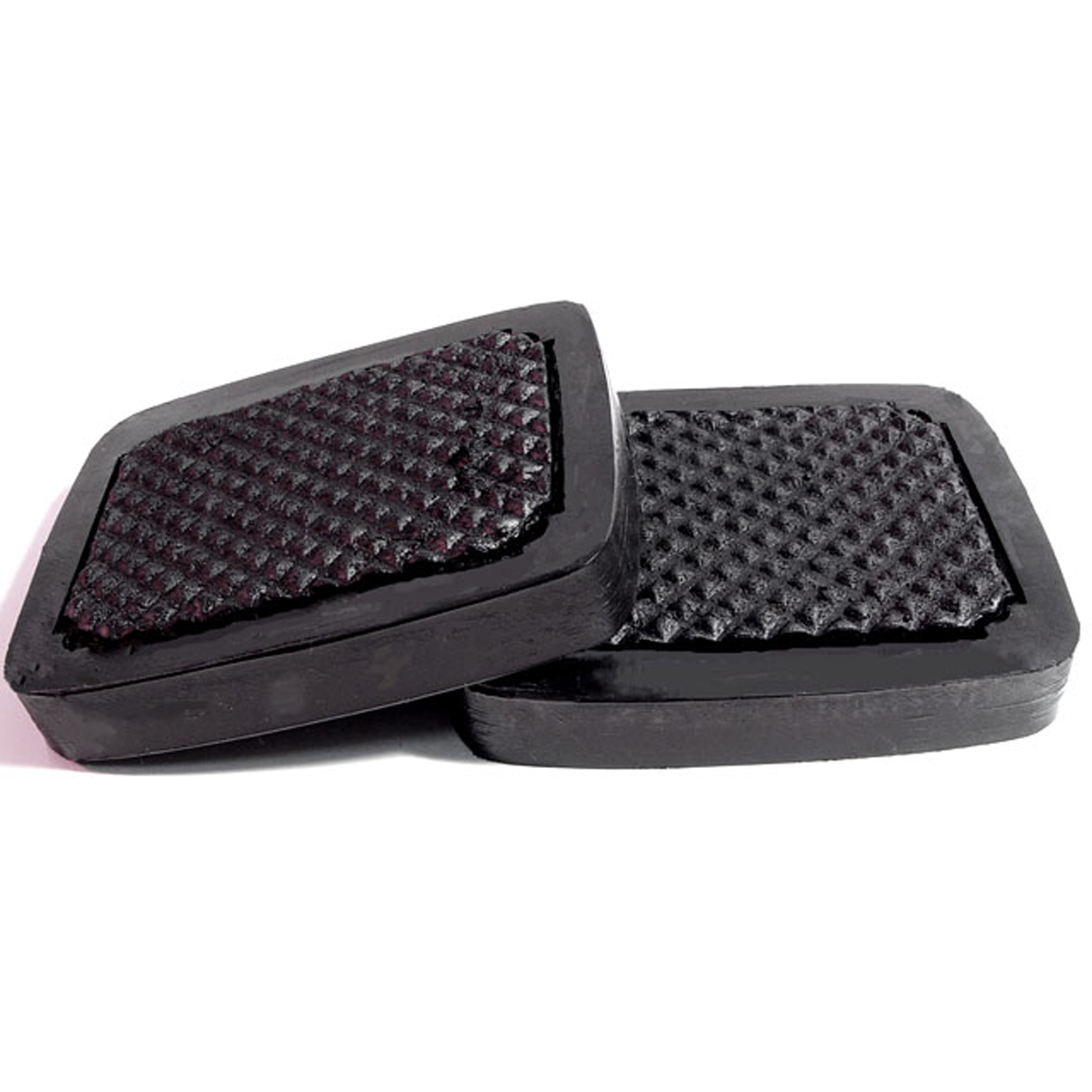 1933 Buick Series 90 Clutch and Brake Pedal Pads. 2-3/4" wide X 3-3/8" long-CB 12Clutch and Brake Pedal Pads. 2-3/4" wide X 3-3/8" long. Pair
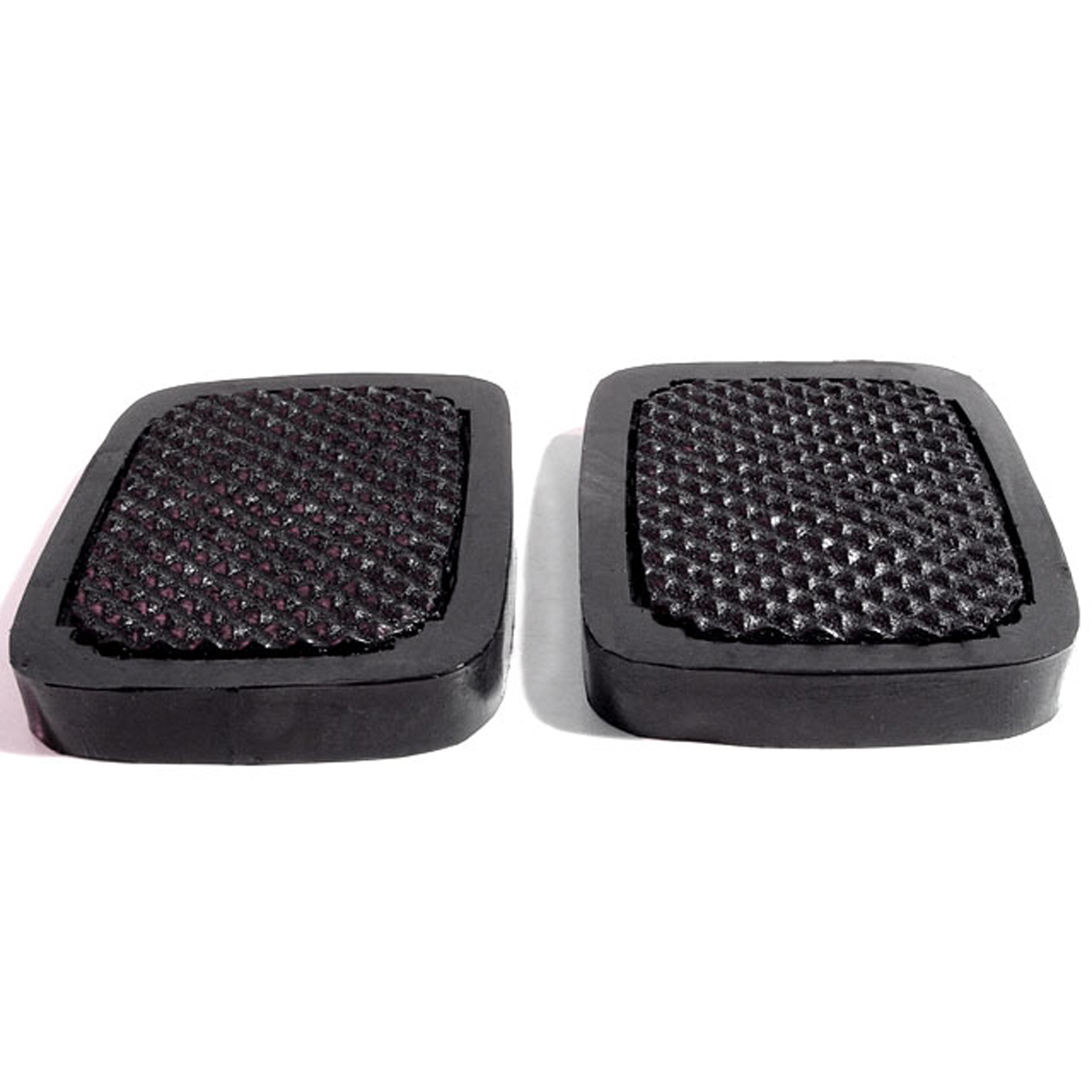 1933 Buick Series 90 Clutch and Brake Pedal Pads. 2-3/4" wide X 3-3/4" long-CB 13Clutch and Brake Pedal Pads. 2-3/4" wide X 3-3/4" long. Pair
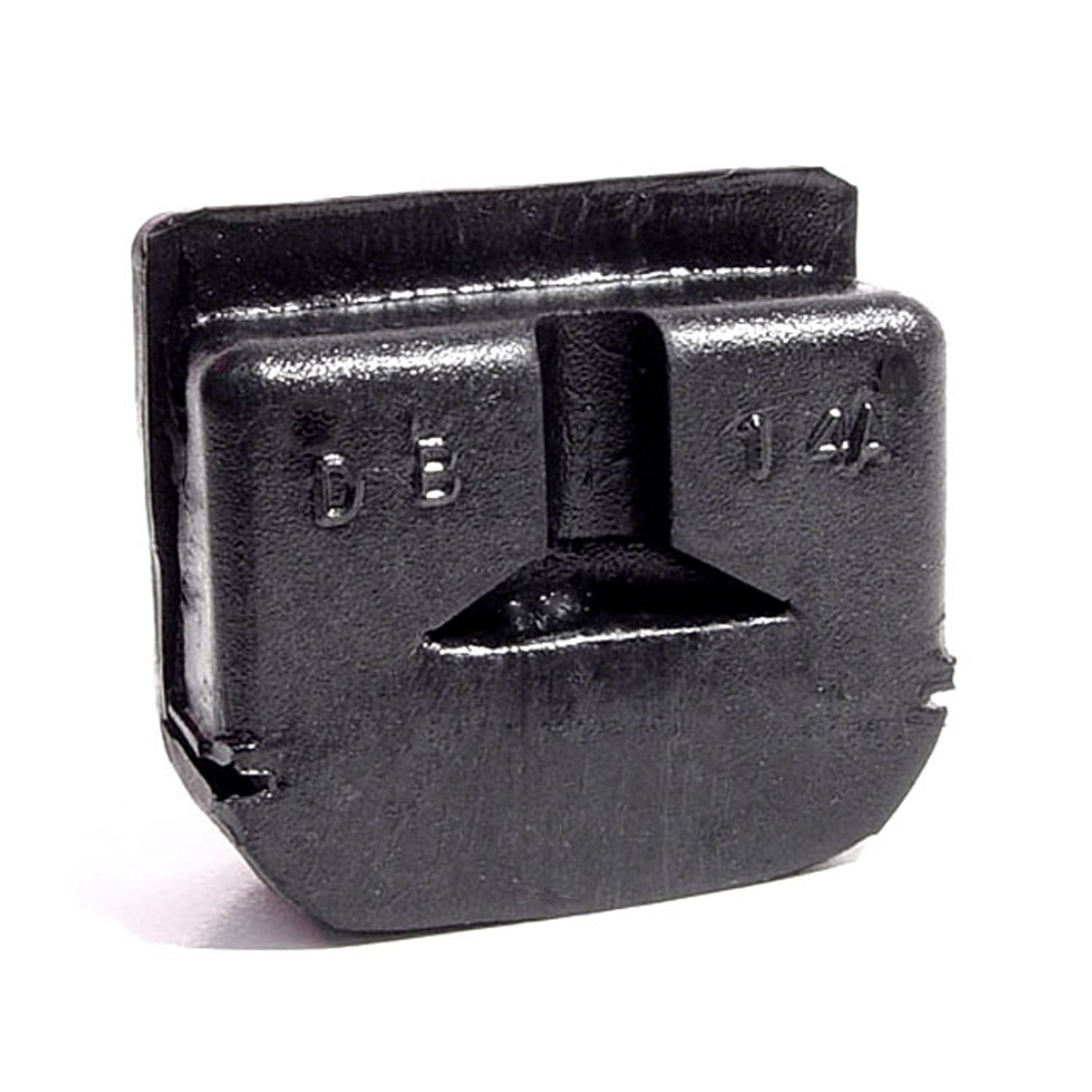 1933 Buick Series 90 Door Bumper. Exact reproduction-DB 14-ADoor Bumper. Exact reproduction. 1-3/16" high X 1-9/16" wide X 9/16" thick. Each
 1933 Buick Series 90 Upper Door Hinge Post Bumper. Held by screw-DB 60-AUpper Door Hinge Post Bumper. Held by screw. 7/8" diameter X 1/8" thick. Each
 1933 Buick Series 90 Door Bumper. 1-7/16" high X 1-9/16" wide X 9/16" thick-DB 7Door Bumper. 1-7/16" high X 1-9/16" wide X 9/16" thick. Each
 1933 Buick Series 90 Gas Filler Grommet. 2-1/4" I.D., 4-3/4" O.D. Each-GF 9Gas Filler Grommet. 2-1/4" I.D., 4-3/4" O.D. Each
 1933 Buick Series 90 Motor Mounts. 2" O.D., 9/16" I.D. Pair-MM 23Motor Mounts. 2" O.D., 9/16" I.D. Pair
 1933 Buick Series 90 Park Light Pads. 1-1/2" wide X 4-1/2" long. Pair-MP 120Park Light Pads. 1-1/2" wide X 4-1/2" long. Pair
 1933 Buick Series 90 Headlight (Upper) Pads. 2-1/2" wide X 4-5/8" long. Pair-MP 131-AHeadlight (Upper) Pads. 2-1/2" wide X 4-5/8" long. Pair
 1933 Buick Series 90 Headlight (Lower) Pads. 2-1/4" wide X 4-3/4" long. Pair-MP 131-BHeadlight (Lower) Pads. 2-1/4" wide X 4-3/4" long. Pair
 1933 Buick Series 90 Tail-light Pads. 2-1/2" wide X 5-5/8" long. Pair-MP 132Tail-light Pads. 2-1/2" wide X 5-5/8" long. Pair
 1933 Buick Series 90 Headlight Bar Pads. 2-1/4" wide X 3-1/4" long. Pair-MP 133Headlight Bar Pads. 2-1/4" wide X 3-1/4" long. Pair
 1933 Buick Series 90 Windshield Wiper Transmission Pad-MP 134-CWindshield Wiper Transmission Pad. 2-1/8" wide X 2-3/8" long. Each
 1933 Buick Series 90 Wiper Arm Pad. 1" wide X 2-7/8" long. Each-MP 134-DWiper Arm Pad. 1" wide X 2-7/8" long. Each
 1933 Buick Series 90 Headlight Bracket Pads. 2-3/8" wide X 3-3/8" long. Pair-MP 140Headlight Bracket Pads. 2-3/8" wide X 3-3/8" long. Pair
 1933 Buick Series 90 Headlight Pads. 3-3/8" wide X 4-5/8" long. Pair R&L-MP 150Headlight Pads. 3-3/8" wide X 4-5/8" long. Pair R&L
 1933 Buick Series 90 Park Light Pads. 2-3/4" wide X 4-3/8 long. Pair-MP 160Park Light Pads. 2-3/4" wide X 4-3/8 long. Pair
 1933 Buick Series 90 Trunk Lock Pads. 1-5/8" wide X 6-3/8" long. Set-MP 336-CTrunk Lock Pads. 1-5/8" wide X 6-3/8" long. Set
 1933 Buick Series 90 Door Handle Ferrule Grommet. I.D. 11/16", O.D. 1-3/16"-MP 546-IDoor Handle Ferrule Grommet. I.D. 11/16", O.D. 1-3/16". Each
 1933 Buick Series 90 Door Bumper. 1" diameter X 1/4" thick Each-SB 60Door Bumper. 1" diameter X 1/4" thick Each
 1933 Buick Series 90 Spare Tire Mount Bumper. 5/8" square. Each-SB 80Spare Tire Mount Bumper. 5/8" square. Each
 1933 Buick Series 90 Steering Column to Floor Plate Pad-SC 28Steering Column to Floor Plate Pad. Black (also in Brown #SC 29). Each
 1933 Buick Series 90 Steering Column to Floor Plate Pad-SC 29Steering Column to Floor Plate Pad. Brown (also in Black #SC 28). Each
 1933 Buick Series 90 Flexible glass-run channel-WC 11-72Flexible glass-run channel. Mohair lined, cloth covered with stainless steel bead. Used on side windows. 72 in. long. Each. NOTE: $20 special shipping charge applies for domestic orders. Call or email for overseas shipping costs. Part can be sectioned in two equal lengths to reduce overseas shipping costs.
 1933 Buick Series 90 Rigid division-bar channel. Made with stainless steel bead-WC 2-72Rigid division-bar channel. Made with stainless steel bead. 72 in. long. Each. NOTE: $20 special shipping charge applies for domestic orders. Call or email for overseas shipping costs. Part can be sectioned into two equal lengths to reduce overseas shipping costs.
 1933 Buick Series 90 Flexible Rubber Window Channel-WC 32-14Flexible Rubber Window Channel. For Fisher Closed Bodies, except those using a stainless bead type. Used on side windows. 13/16" outer width X 6/16" outer depth, with a 5/16" inner channel width X 14" long. Each
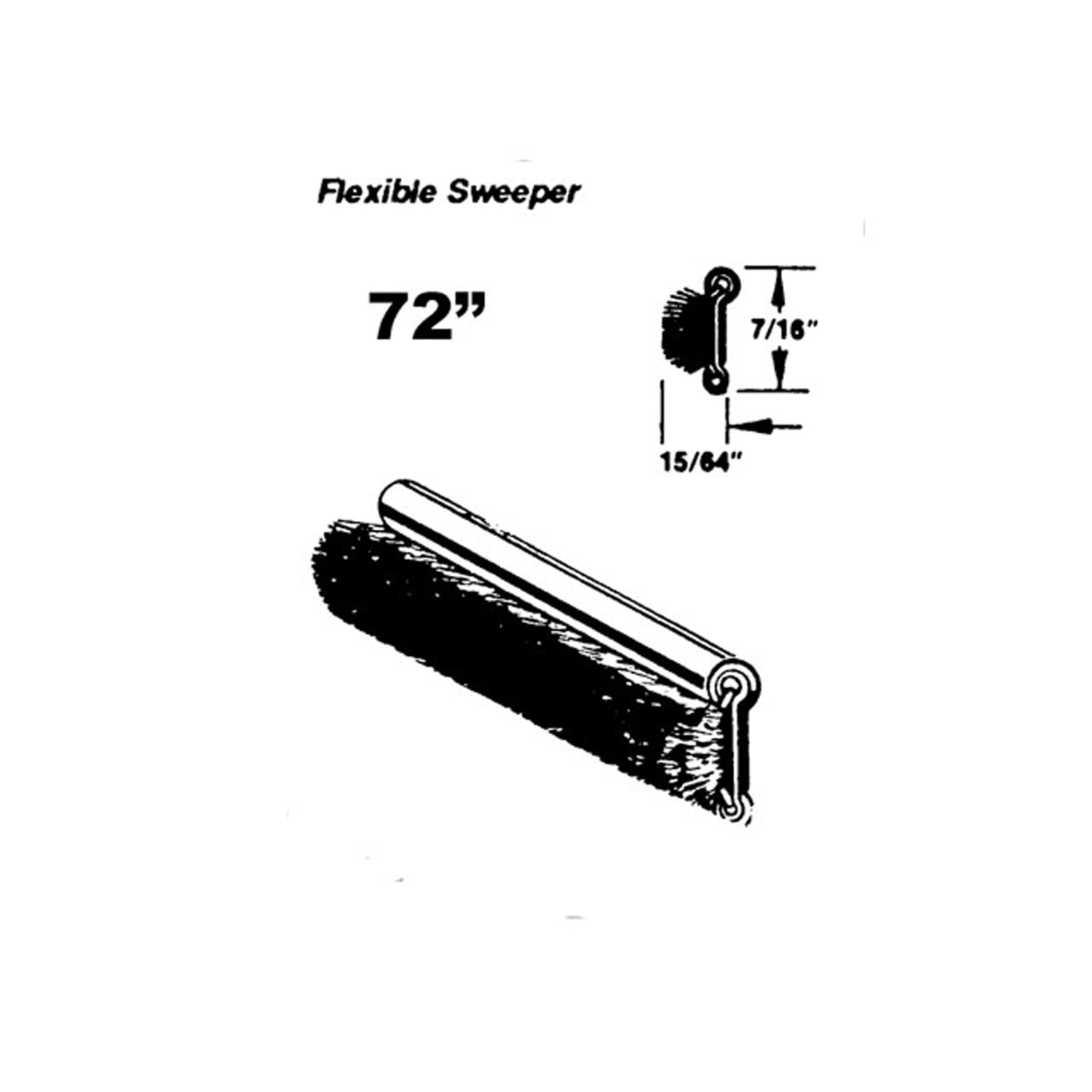 1933 Buick Series 90 Flexible sweeper. Made with stainless steel bead-WC 8-72Flexible sweeper. Made with stainless steel bead. Used on inner and outer beltlines. Also forms easily for use with sliding quarter windows. 72 in. long. Each. NOTE: $20 special shipping charge applies for domestic orders. Call or email for overseas shipping costs. Part can be sectioned into two equal lengths to reduce overseas shipping costs.
 1933 Buick Series 90 Fender Bolts. For use with Fender Bolt Washers; WF 3001-WF 3000Fender Bolts. For use with Fender Bolt Washers; WF 3001. Zinc Chromate plated, high strength. 1" X 5/16". Set of 25
 1933 Buick Series 90 Fender Bolt Washers. For use with Fender Bolts; WF 3000-WF 3001Fender Bolt Washers. For use with Fender Bolts; WF 3000. High quality, cadmium plated. 1-1/4" O.D., 3/8" I.D. Set of 25
Why Choose Metro?
For over 100 years, Metro Moulded Parts has been the pinnacle of quality in classic car restoration parts. Our commitment to precision and authenticity in every component ensures a perfect fit and an OEM-level appearance.
- Expert Craftsmanship & Quality: Each part is a testament to our dedication to reliability and perfection, crafted from original designs and thoroughly tested.
- Advanced Technology: We use cutting-edge techniques to create flawless, long-lasting parts that surpass others in performance.
- SuperSoft Sponge – The Ultimate Door Seal: Not only are our door seals 30% softer than competitors', but they're also guaranteed to never leak. They effectively reduce wind and road noise, enhancing your classic car's comfort and driving experience.
- Proudly American: Our parts are a product of American craftsmanship, made in the USA with a spirit of excellence and heritage.
- Unrivaled Warranty: We back our products with a 30-year industry-leading warranty, a testament to our confidence in their quality.
Join us in preserving the legacy of classic cars with parts that are crafted for perfection, not just made.