

Image of 1934 Buick Series 60, Note: These illustrations use artistic license and may differ from actual historical models.
Performance Metrics
Fundamental Metrics
Emotional Appeal
MMP Rating
| Engine Specifications | |
|---|---|
| Engine: | Straight-8 |
| Displacement: | 278 cubic inches |
| Horsepower: | Estimated 93-100 hp |
| Torque: | Not available |
| Compression Ratio: | 5.6:1 |
| Ignition System: | Distributor and coil |
| Cooling System: | Water-cooled |
| Performance Specifications | |
| 0-60 Time: | Not available |
| 1/4 Mile Time: | Not available |
| Top Speed: | 80-85 mph |
| Transmission and Drive | |
| Drive Type: | Rear-wheel drive |
| Transmission Type: | 3-speed manual |
| Fuel and Efficiency | |
| Fuel System Type: | Carburetor |
| MPG: | Not available |
| Dimensions and Brakes | |
| Brakes: | Mechanical drum brakes |
| Wheelbase: | 128 inches |
| Weight: | 3,900 lbs |
Note: Specifications for classic cars are given to the best of our ability, considering the limited and variant data available.
1934 Buick Series 60: A Straight-Eight With Style
The 1934 Buick Series 60 brought the quiet confidence of a luxury car to an America still finding its footing after the Great Depression. Built by Buick, a division of General Motors, it sat above the company’s more affordable models and offered substantial size, polished coachwork and a smooth overhead-valve straight-eight engine. Today, it is a handsome example of prewar American motoring, with the presence of a full-size automobile and the mechanical character of a far less complicated age.
One detail that helps explain its appeal is the engine: Buick’s “valve-in-head” design placed the valves above the cylinders, a layout that helped the straight-eight breathe efficiently and became central to Buick’s performance identity. In 1934, that engineering was paired with sweeping fenders and a carefully finished cabin, making the Series 60 feel more sophisticated than a basic transportation car.
Art Deco Lines and Buick Craftsmanship
The Series 60 wore the streamlined look of the early 1930s without abandoning the upright proportions of a traditional luxury car. Its tall, narrow grille gave the nose a formal face, while rounded front fenders flowed back over the wheels. A long hood advertised the straight-eight beneath it, and the headlights, mounted prominently beside the grille, gave the car a distinctive, purposeful expression. Depending on the body style, a rear-mounted spare tire and flowing running boards added to its formal touring-car appearance.
Inside, the emphasis was on comfort and quality rather than modern convenience. Buyers could expect generous seating, a broad dashboard and period-appropriate trim, with upholstery materials varying by body style and specification. Closed cars commonly used durable cloth or broadcloth, while open models could feature leather. Wood-grain finishes and polished metal details gave the cabin a richer appearance, although surviving cars may have been retrimmed or refinished over the decades.
Buick offered the Series 60 in several body configurations during this period, with availability depending on the exact model and catalog. Sedans were the practical choice, while coupes and open models delivered more sporting or formal appeal. The four-door sedan is among the most recognizable forms today because it suited the car’s roomy, upscale character and was a natural choice for families and business owners.
Original paint choices varied by body and production specification. Period palettes generally included subdued and rich colors such as black, dark blue, maroon, green and brown, often accented with contrasting details. Black remains a popular restoration choice, but a correctly researched period color can make a Series 60 stand out at a show.
Engineering in the 1934 Buick
The Series 60’s most important mechanical feature was its overhead-valve inline-eight. Buick had built a reputation around this engine layout, which delivered smooth, even power and a distinctive, refined sound. The 1934 Series 60 is generally specified with a 278.1-cubic-inch straight-eight producing about 100 horsepower, paired with a three-speed manual transmission. Exact specifications can vary with the particular car, so buyers should confirm details using its serial and engine numbers.
Other equipment reflects the period’s priorities. The car used conventional controls and a manual transmission, with no modern electronic aids or automatic gearbox. Braking and suspension systems were also of their era, so a prospective owner should check the individual car’s configuration rather than assume it has been updated or retains every original component. Even by 1934 standards, the Series 60’s combination of a large engine, long wheelbase and substantial body was aimed more at smooth touring than nimble city driving.
Why the Series 60 Matters
The Series 60 illustrates Buick’s position in the General Motors range: more substantial and luxurious than an entry-level car, but not as imposing or expensive as the top-of-the-line models. It helped Buick compete for buyers who wanted comfort and prestige without stepping into the costliest luxury-car territory. That middle ground became a durable part of Buick’s identity.
Its influence is less about one revolutionary feature than about a successful blend of engineering and presentation. The overhead-valve straight-eight, smooth power delivery and formal styling gave Buick a clear personality in a crowded market. The Series 60 is also a snapshot of a turning point in American motoring, when manufacturers were refining the large, comfortable touring car while gradually moving toward the streamlined forms that would define the later 1930s.
Road Manners and Straight-Eight Performance
Period performance figures are not always consistent, and results depend on body style, gearing, mechanical condition and the accuracy of modern testing. As a practical estimate, a sound Series 60 may reach roughly 75 to 85 mph, while acceleration from 0 to 60 mph is likely to take around 20 to 25 seconds. Those are estimates, not guaranteed factory test results. The car was built for relaxed travel, not quick starts or modern highway passing.
On a smooth road, the long wheelbase helps the Buick settle into a comfortable, steady stride. Over broken pavement, its older suspension and tall tires give it a distinctly vintage ride, with more movement and body roll than a modern car. On winding roads, the Series 60 rewards a measured pace: its size, steering effort and period tires call for anticipation rather than sharp inputs.
The straight-eight is a major part of the experience. At idle, it has a deep, even rhythm; under load, it produces a smooth mechanical hum rather than the sharper note of a modern high-revving engine. The driver works a traditional gear lever and must plan braking and cornering well ahead. It is a car to enjoy at a touring pace, with the engine’s relaxed character and the view over its long hood doing much of the work.
Living With a 1934 Buick
Most Series 60s today are used as show cars, weekend tourers or museum pieces rather than daily transportation. A well-sorted example can take part in club events and local drives, but modern traffic brings challenges: slow acceleration, limited visibility by contemporary standards, period braking and the lack of modern safety equipment. Regular highway use should be approached cautiously, especially if the car retains original tires, brakes or steering components.
Maintenance is manageable for an owner with mechanical experience, but it is not quite as simple as working on a modern car. The engine is mechanically straightforward, and many routine jobs can be handled by a knowledgeable home mechanic. The bigger hurdles are finding correct parts, tracking down model-specific service information and diagnosing wear in an eighty-plus-year-old chassis. Before buying, inspect the frame, body mounts, engine, transmission, brakes, steering and electrical system. A restoration-quality car can require specialized labor and a substantial parts budget.
Reliability depends far more on condition and upkeep than on the nameplate. A regularly driven, carefully maintained Buick can be enjoyable and dependable on planned outings. A car that has sat for years may need a full recommissioning, including fuel-system work, tires, brake service and attention to cooling and lubrication, before it is safe to drive.
1934 Buick Series 60 Facts and Myths
The Series 60 is sometimes mistaken for a single body style, but Buick’s model range included multiple configurations. Its exact equipment and appearance can vary significantly from one surviving car to another. For collectors, documentation matters: period sales literature, chassis records and restoration receipts can help establish whether a car’s engine, body and trim are correct.
There is no widely recognized land-speed or endurance record that defines the 1934 Series 60. Its appeal is instead rooted in Buick’s engineering reputation and its role as a well-equipped American touring car. Claims of celebrity ownership should be treated carefully unless supported by credible documentation. A common criticism is that the car feels large and slow by modern standards, and its fuel economy is modest. Those traits are part of the ownership bargain, not hidden flaws in a car designed for a different era.
Collector Values and Availability
Production totals for individual Series 60 body styles are not consistently reported in commonly available references. As a broad working estimate, total Series 60 production may have been in the range of roughly 10,000 to 20,000 cars, but that should not be mistaken for a verified factory figure. Surviving examples are uncommon, and particular body styles, original cars and well-documented restorations can be considerably harder to find than ordinary sedans.
In the current U.S. collector market, a project or incomplete car might sell for around $10,000 to $25,000. A usable, presentable example may fall roughly between $25,000 and $60,000, while a high-quality restoration or especially desirable open body style can reach $60,000 to $100,000 or more. These are broad estimates: originality, condition, provenance, body style and the quality of the restoration can move the price substantially.
Values for prewar cars are generally sensitive to the economy and the buyer’s interest in large touring cars. Exceptional examples remain desirable, but the market is narrower than it is for postwar classics, and ordinary sedans may take longer to sell. Over the long term, the Series 60 is best viewed as a preservation-oriented collectible rather than a guaranteed short-term investment.
A Buick Built for the Long Road
The 1934 Buick Series 60 combines a smooth overhead-valve straight-eight, graceful prewar styling and a comfortable, well-appointed cabin. It was not designed to chase modern acceleration or cornering limits. Its strengths are presence, craftsmanship and an easygoing touring character that speaks clearly of its time.
For collectors, the Series 60 offers a rewarding way into prewar Buick ownership, provided the car is chosen with care and maintained with patience. Its long hood and steady eight-cylinder cadence are reminders that, in 1934, luxury was measured not only in speed, but in how confidently a car could carry its occupants down the open road.
1934 Buick Series 60 Catalog of Parts
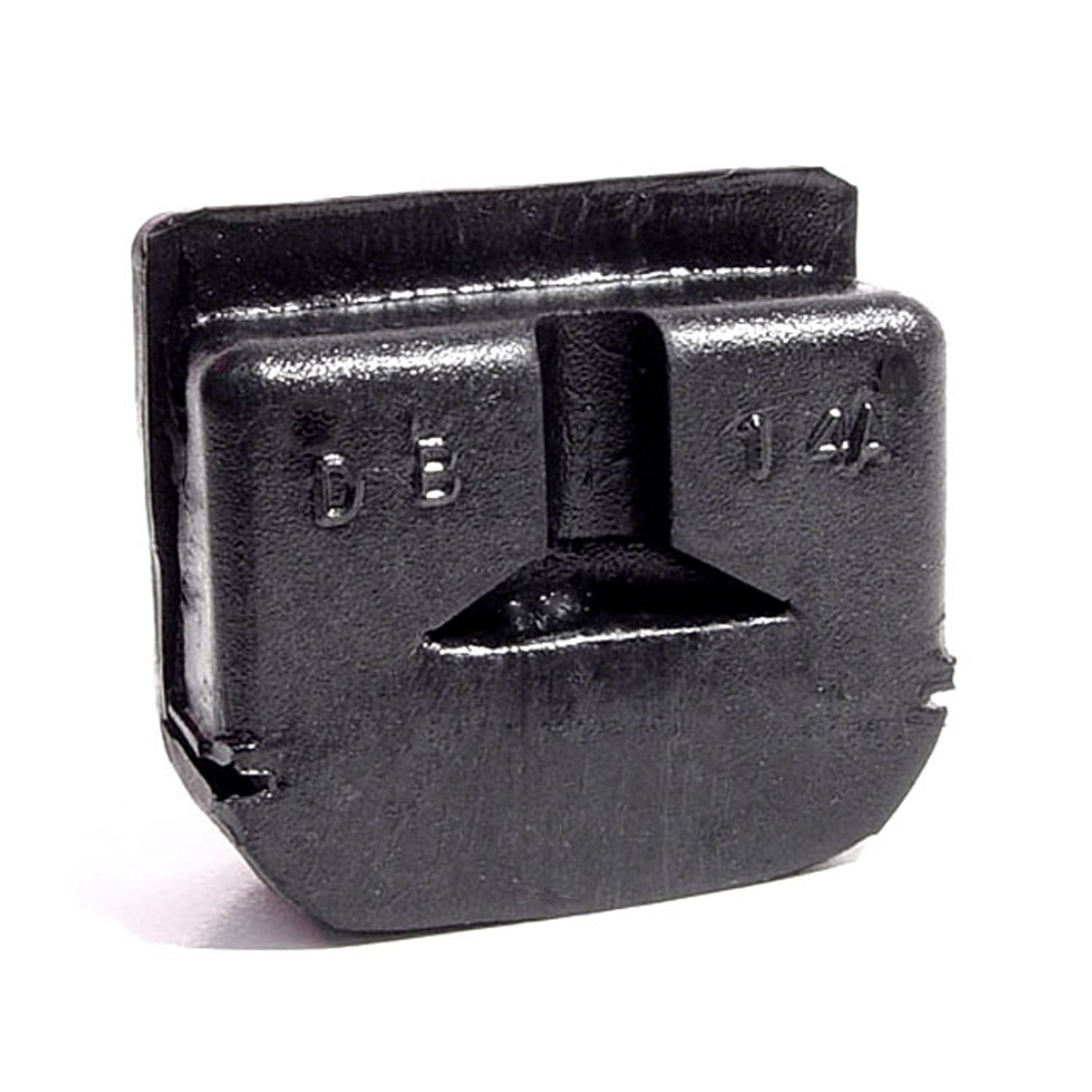 1934 Buick Series 60 Door Bumper. Exact reproduction-DB 14-ADoor Bumper. Exact reproduction. 1-3/16" high X 1-9/16" wide X 9/16" thick. Each
 1934 Buick Series 60 Upper Door Hinge Post Bumper. Held by screw-DB 60-AUpper Door Hinge Post Bumper. Held by screw. 7/8" diameter X 1/8" thick. Each
 1934 Buick Series 60 Gas Filler Grommet. 2-1/4" I.D., 4-3/4" O.D. Each-GF 9Gas Filler Grommet. 2-1/4" I.D., 4-3/4" O.D. Each
 1934 Buick Series 60 Motor Mounts. 2" O.D., 9/16" I.D. Pair-MM 23Motor Mounts. 2" O.D., 9/16" I.D. Pair
 1934 Buick Series 60 Headlight (Upper) Pads. 2-1/2" wide X 4-5/8" long. Pair-MP 131-AHeadlight (Upper) Pads. 2-1/2" wide X 4-5/8" long. Pair
 1934 Buick Series 60 Headlight (Lower) Pads. 2-1/4" wide X 4-3/4" long. Pair-MP 131-BHeadlight (Lower) Pads. 2-1/4" wide X 4-3/4" long. Pair
 1934 Buick Series 60 Windshield Wiper Transmission Pad-MP 134-CWindshield Wiper Transmission Pad. 2-1/8" wide X 2-3/8" long. Each
 1934 Buick Series 60 Wiper Arm Pad. 1" wide X 2-7/8" long. Each-MP 134-DWiper Arm Pad. 1" wide X 2-7/8" long. Each
 1934 Buick Series 60 Headlight Pads. 3-5/8" wide X 6-3/4" long. Pair R&L-MP 170Headlight Pads. 3-5/8" wide X 6-3/4" long. Pair R&L
 1934 Buick Series 60 Tail-light Pads. 2-5/8" wide X 6" long. Pair-MP 180Tail-light Pads. 2-5/8" wide X 6" long. Pair
 1934 Buick Series 60 Trunk Lock Pads. 1-5/8" wide X 6-3/8" long. Set-MP 336-CTrunk Lock Pads. 1-5/8" wide X 6-3/8" long. Set
 1934 Buick Series 60 Door Handle Ferrule Grommet. I.D. 11/16", O.D. 1-3/16"-MP 546-IDoor Handle Ferrule Grommet. I.D. 11/16", O.D. 1-3/16". Each
 1934 Buick Series 60 Cowl Vent Seal-RP 100-CCowl Vent Seal. 47" long piece of black, skin-covered sponge. End is 3/8" wide X 5/16" high. Each
 1934 Buick Series 60 Shift Boot. Black. 2-15/16" X 2-13/16" at base. Each-RP 33-EShift Boot. Black. 2-15/16" X 2-13/16" at base. Each
 1934 Buick Series 60 Door Bumper. 1" diameter X 1/4" thick Each-SB 60Door Bumper. 1" diameter X 1/4" thick Each
 1934 Buick Series 60 Spare Tire Mount Bumper. 5/8" square. Each-SB 80Spare Tire Mount Bumper. 5/8" square. Each
 1934 Buick Series 60 Steering Column to Floor Plate Pad-SC 28Steering Column to Floor Plate Pad. Black (also in Brown #SC 29). Each
 1934 Buick Series 60 Steering Column to Floor Plate Pad-SC 29Steering Column to Floor Plate Pad. Brown (also in Black #SC 28). Each
 1934 Buick Series 60 Vertical Seal for Vent Window. Each is 17" long. Pair-VS 2Vertical Seal for Vent Window. Each is 17" long. Pair
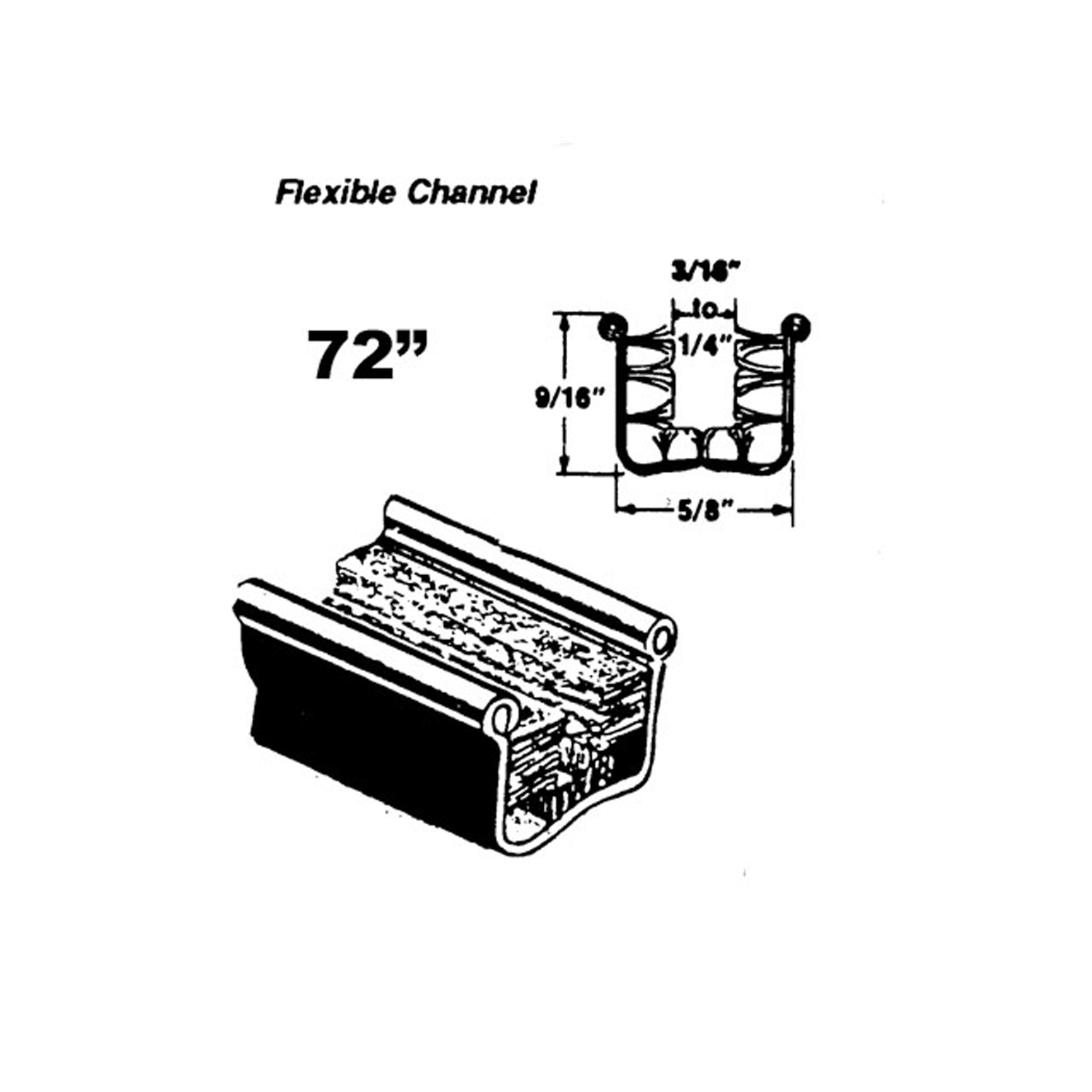 1934 Buick Series 60 Flexible glass-run channel-WC 11-72Flexible glass-run channel. Mohair lined, cloth covered with stainless steel bead. Used on side windows. 72 in. long. Each. NOTE: $20 special shipping charge applies for domestic orders. Call or email for overseas shipping costs. Part can be sectioned in two equal lengths to reduce overseas shipping costs.
 1934 Buick Series 60 Rigid division-bar channel. Made with stainless steel bead-WC 2-72Rigid division-bar channel. Made with stainless steel bead. 72 in. long. Each. NOTE: $20 special shipping charge applies for domestic orders. Call or email for overseas shipping costs. Part can be sectioned into two equal lengths to reduce overseas shipping costs.
 1934 Buick Series 60 Flexible Rubber Window Channel-WC 32-14Flexible Rubber Window Channel. For Fisher Closed Bodies, except those using a stainless bead type. Used on side windows. 13/16" outer width X 6/16" outer depth, with a 5/16" inner channel width X 14" long. Each
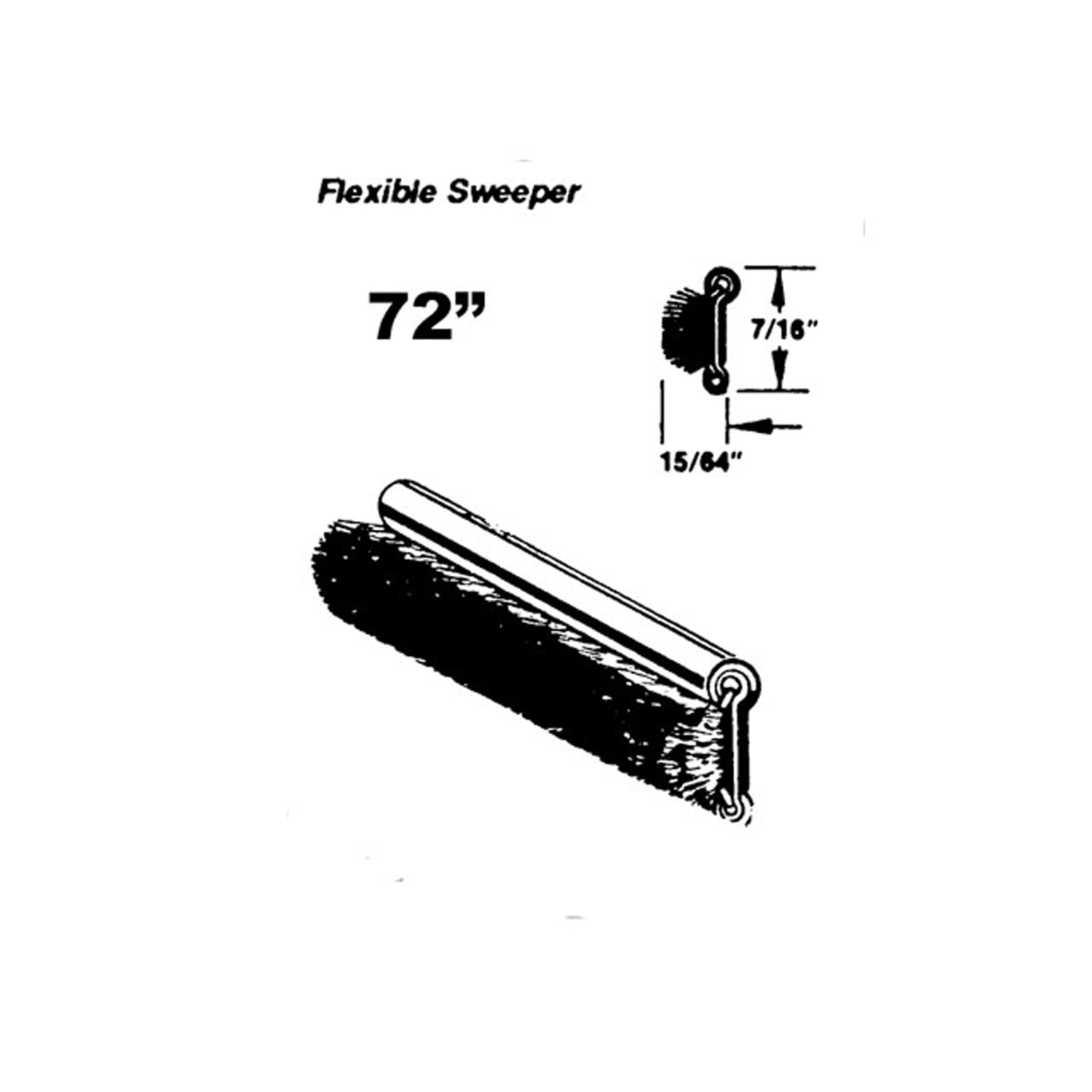 1934 Buick Series 60 Flexible sweeper. Made with stainless steel bead-WC 8-72Flexible sweeper. Made with stainless steel bead. Used on inner and outer beltlines. Also forms easily for use with sliding quarter windows. 72 in. long. Each. NOTE: $20 special shipping charge applies for domestic orders. Call or email for overseas shipping costs. Part can be sectioned into two equal lengths to reduce overseas shipping costs.
 1934 Buick Series 60 Fender Bolts. For use with Fender Bolt Washers; WF 3001-WF 3000Fender Bolts. For use with Fender Bolt Washers; WF 3001. Zinc Chromate plated, high strength. 1" X 5/16". Set of 25
 1934 Buick Series 60 Fender Bolt Washers. For use with Fender Bolts; WF 3000-WF 3001Fender Bolt Washers. For use with Fender Bolts; WF 3000. High quality, cadmium plated. 1-1/4" O.D., 3/8" I.D. Set of 25
 1934 Buick Series 60 Front Vent Window Seals. Does not fit Convertible-WR 7317Front Vent Window Seals. Does not fit Convertible. Pair R&L
Why Choose Metro?
For over 100 years, Metro Moulded Parts has been the pinnacle of quality in classic car restoration parts. Our commitment to precision and authenticity in every component ensures a perfect fit and an OEM-level appearance.
- Expert Craftsmanship & Quality: Each part is a testament to our dedication to reliability and perfection, crafted from original designs and thoroughly tested.
- Advanced Technology: We use cutting-edge techniques to create flawless, long-lasting parts that surpass others in performance.
- SuperSoft Sponge – The Ultimate Door Seal: Not only are our door seals 30% softer than competitors', but they're also guaranteed to never leak. They effectively reduce wind and road noise, enhancing your classic car's comfort and driving experience.
- Proudly American: Our parts are a product of American craftsmanship, made in the USA with a spirit of excellence and heritage.
- Unrivaled Warranty: We back our products with a 30-year industry-leading warranty, a testament to our confidence in their quality.
Join us in preserving the legacy of classic cars with parts that are crafted for perfection, not just made.