

Image of 1938 Buick Special 40, Note: These illustrations use artistic license and may differ from actual historical models.
Performance Metrics
Fundamental Metrics
Emotional Appeal
MMP Rating
| Engine Specifications | |
|---|---|
| Engine: | Straight-8 |
| Displacement: | 248 cu in (4.1 L) |
| Horsepower: | 107-125 hp |
| Torque: | Estimated 200 lb-ft |
| Compression Ratio: | 6.15:1 |
| Ignition System: | Battery Ignition |
| Cooling System: | Liquid-cooled |
| Performance Specifications | |
| 0-60 Time: | Estimated 15-20 seconds |
| 1/4 Mile Time: | Not available |
| Top Speed: | 80-85 mph |
| Transmission and Drive | |
| Drive Type: | Rear-wheel drive |
| Transmission Type: | 3-speed manual |
| Fuel and Efficiency | |
| Fuel System Type: | Carburetor |
| MPG: | Estimated 10-15 mpg |
| Dimensions and Brakes | |
| Brakes: | Drum brakes |
| Wheelbase: | 122 inches |
| Weight: | 3,400 lbs |
Note: Specifications for classic cars are given to the best of our ability, considering the limited and variant data available.
1938 Buick Special 40: An American Eight with Quiet Confidence
The 1938 Buick Special 40 made a strong case for buying a Buick: it offered the presence and smoothness of a big American car without the price tag of the company’s larger, more luxurious models. Built by Buick, a General Motors division, the Special was the entry point to the Buick lineup, but “entry-level” did not mean basic. It came with a straight-eight engine, substantial construction, and the kind of carefully finished cabin that helped Buick earn its reputation as a step up from an ordinary family car.
The Special arrived during a difficult period for the American auto industry. The United States was in the grip of the 1937–38 recession, and buyers were watching their spending. Buick’s answer was a well-equipped car that looked and felt more expensive than its position in the lineup suggested. A notable detail is that the Special used the same basic 248-cubic-inch straight-eight formula found in other Buicks of the period, giving buyers the smoothness and character of an eight-cylinder engine in the company’s most accessible series.
1938 Buick Special Styling and Cabin
The Special’s exterior has the unmistakable proportions of a late-1930s American car: a long hood, rounded front fenders, a tall glasshouse, and a rear body that flows into a gently tapered trunk. Its upright grille is filled with vertical bars, while the headlights sit neatly in the front fenders rather than appearing as separate lamps perched above them. Bright trim adds definition without overwhelming the bodywork, and the running boards connect the front and rear fenders in a continuous, substantial sweep.
Inside, the Special was built for comfortable everyday travel. Depending on the body style and trim, buyers could find broadcloth or mohair upholstery, a wide front bench seat, a painted or woodgrain-finished instrument panel, and neatly arranged gauges. The materials were durable and appropriate to Buick’s mid-market position, with more visual polish than a strictly utilitarian car. Modern conveniences were limited by today’s standards, but the cabin offered good space and a commanding view of the road.
Paint choices varied by body and production details, but period Buick palettes included a range of solid colors and two-tone combinations. Dark shades such as black, maroon, and deep blue suited the car’s formal character, while lighter colors helped show off its rounded fenders and chrome. On surviving cars, original paint codes and trim combinations are worth checking carefully because restorations often substitute a color that looks period-correct but was not offered on that exact model.
The Special range included several closed-body choices, generally including two-door coupe forms and four-door sedans. Exact availability could vary by model designation and market. The four-door sedan is among the most recognizable and practical versions today, while coupes have a sportier profile and often draw attention at shows. Open Buick models existed in the broader lineup, but buyers should verify a claimed Special convertible against factory documentation rather than assume every body style was offered in Series 40.
Buick Special 40: Engineering and Historical Impact
At the heart of the 1938 Special was Buick’s 248-cubic-inch inline-eight, rated at about 107 horsepower. It was paired with a three-speed manual transmission, with synchromesh helping make gear changes smoother than in older, unsynchronized gearboxes. Hydraulic brakes and Buick’s suspension engineering also reflected how quickly American cars were moving toward easier, more controlled everyday driving.
The Special’s importance was less about introducing a single revolutionary feature and more about bringing Buick’s established engineering and finish to a wider group of buyers. Its straight-eight engine delivered a smoother power flow than many contemporary six-cylinder engines, while the car’s solid feel and substantial styling reinforced Buick’s position between mainstream brands and the more costly prestige marques. The Special helped define the formula Buick would rely on for decades: comfort, refinement, and an impression of quality without moving all the way into luxury-car territory.
Its design also captures a turning point in American styling. The separate, upright forms of earlier cars were giving way to bodies with more integrated fenders, enclosed headlights, and smoother transitions from hood to cabin. The 1938 Buick is not as streamlined as the dramatic fastbacks that followed, but it shows the industry moving toward the unified, modern-looking car of the 1940s.
Engine Performance and Road Manners
With roughly 107 horsepower, the Special was built for steady progress rather than quick acceleration. Period gearing, vehicle weight, engine condition, and body style all affect performance, but a healthy example is generally estimated to reach about 75 to 85 mph at its upper end. A modern estimate for 0 to 60 mph is roughly 20 to 25 seconds. These figures are best treated as approximations, not guaranteed factory test results for every car.
On the road, the straight-eight is the star. It produces a smooth, even note and pulls in a relaxed manner, especially once the car is moving. The three-speed manual requires deliberate shifts by modern standards, and the steering feels slower and heavier than that of a contemporary car. The Special’s long wheelbase helps it settle into a comfortable highway rhythm, though narrow roads and tight parking demand patience.
The suspension favors comfort. It can soften the sharp edges of ordinary pavement, but a worn example may bounce, wander, or clunk over uneven surfaces. On winding roads, the car’s size, period tires, and relatively soft setup encourage a measured pace rather than aggressive cornering. The driving experience is best described as mechanical and unhurried: a broad bench seat, a thin steering wheel, the gentle hum of the eight, and a clear reminder that the driver is operating a nearly 90-year-old machine.
Living with a 1938 Buick Special
Most Specials today serve as show cars, touring cars, or occasional weekend drivers. Some owners use them for local events and vintage motoring tours, where the Buick’s comfort and straight-eight character are real advantages. It is not a sensible modern daily driver for most people, particularly given its braking distances, lack of contemporary safety equipment, and limited protection from today’s traffic.
Routine work is manageable for an owner with mechanical experience and the right workshop references. The basic engine design is understandable, and many service tasks follow familiar prewar-car principles. However, age changes the equation: ignition, carburetion, cooling, fuel delivery, wiring, brakes, and suspension may all need attention before regular use. Parts support is available through specialist suppliers and Buick clubs, but trim, body panels, and model-specific details can be harder to source than common service items.
Reliability depends more on restoration quality and maintenance than on the car’s reputation when new. A carefully rebuilt engine and properly sorted brakes can make a Special enjoyable on tours. A neglected example can quickly become a project involving scarce parts, specialist labor, and a long list of deferred repairs. Before buying, inspect the frame and body for rust, confirm that the engine and transmission are correct or documented, and make sure the cooling system works under real driving conditions.
1938 Buick Special Facts and Myths
The Special was Buick’s volume-minded series, which is one reason it is more attainable than the marque’s larger and rarer models. It is not generally known for a major speed record or a famous endurance achievement. Its appeal lies instead in representing the kind of well-appointed American car that families and professionals could aspire to during the late 1930s.
One common criticism is that prewar Buicks are heavy and slow by modern standards. That is fair if they are judged by current traffic, but it misses their original purpose. The Special was designed for comfort, dependable transportation, and composed highway travel, not sporty acceleration. Another frequent misconception is that every restored car is factory-correct. Repainted bodies, replaced upholstery, and engine swaps are common enough that documentation and close inspection matter.
Collector Values and Availability
Production figures for individual 1938 Buick Special body styles are not always easy to verify, and totals can differ depending on how model designations are grouped. A reasonable working estimate is that Buick built roughly 70,000 to 90,000 Series 40 cars for the model year, with the four-door sedans and coupes accounting for much of the visible supply today. That is an estimate, not a confirmed count of surviving cars. The Special is uncommon in ordinary traffic but appears regularly enough in the collector market to be more attainable than many low-volume prewar automobiles.
As a broad U.S. market guide, a project car may sell for around $8,000 to $15,000, depending heavily on completeness and rust. A presentable driver or older restoration might fall in the $18,000 to $35,000 range. A high-quality, well-documented restoration can reach roughly $40,000 to $60,000 or more, especially if it has desirable bodywork, excellent craftsmanship, and strong provenance. These are general estimates; condition, originality, location, and auction demand can move the price substantially.
Values for sound, usable examples have generally been steadier than those for the most fashionable prewar classics. Exceptional restorations can command stronger prices, but restoration costs are high and are not always recovered at resale. The best buying strategy is to choose a complete, structurally sound car with a well-documented history rather than paying a premium for shine alone.
Why the 1938 Buick Special Still Matters
The 1938 Buick Special 40 combines a smooth straight-eight engine, handsome late-1930s styling, and a comfortable, substantial cabin in a package that remains more accessible than many prestige classics. It was not designed to break speed records. It was designed to make everyday travel feel refined, and it still communicates that mission clearly.
For collectors, the Special is a rewarding link between the upright cars of the early 1930s and the more integrated postwar designs that followed. For drivers, it offers a direct, tactile experience that modern vehicles cannot reproduce. Its lasting charm is simple: the Buick makes an ordinary stretch of road feel like an occasion.
1938 Buick Special 40 Catalog of Parts
 1938 Buick Special 40 Rear Bumper Arm Grommets-BG 15Rear Bumper Arm Grommets. 2-7/8" wide X 4-3/8" long, with 1-3/4" long inner slot. Pair
 1938 Buick Special 40 Front Bumper Arm Grommets-BG 16Front Bumper Arm Grommets. 3-1/4" wide X 5" long, with 1-11/16" long inner slot. Pair
 1938 Buick Special 40 Rear Bumper Arm Grommets-BG 40Rear Bumper Arm Grommets. 2-3/4" wide X 4-3/4" long, with 1-1/2" long inner slot. Pair
 1938 Buick Special 40 Stabilizer Bar Bushing. For rear axel anti-sway rod ends-BN 34-BStabilizer Bar Bushing. For rear axel anti-sway rod ends. Four used per car. 1-5/16" O.D., 3/4" long, with 5/8" I.D. Each
 1938 Buick Special 40 Clutch and Brake Pedal Pads. 2" wide X 3" long. Pair-CB 15Clutch and Brake Pedal Pads. 2" wide X 3" long. Pair
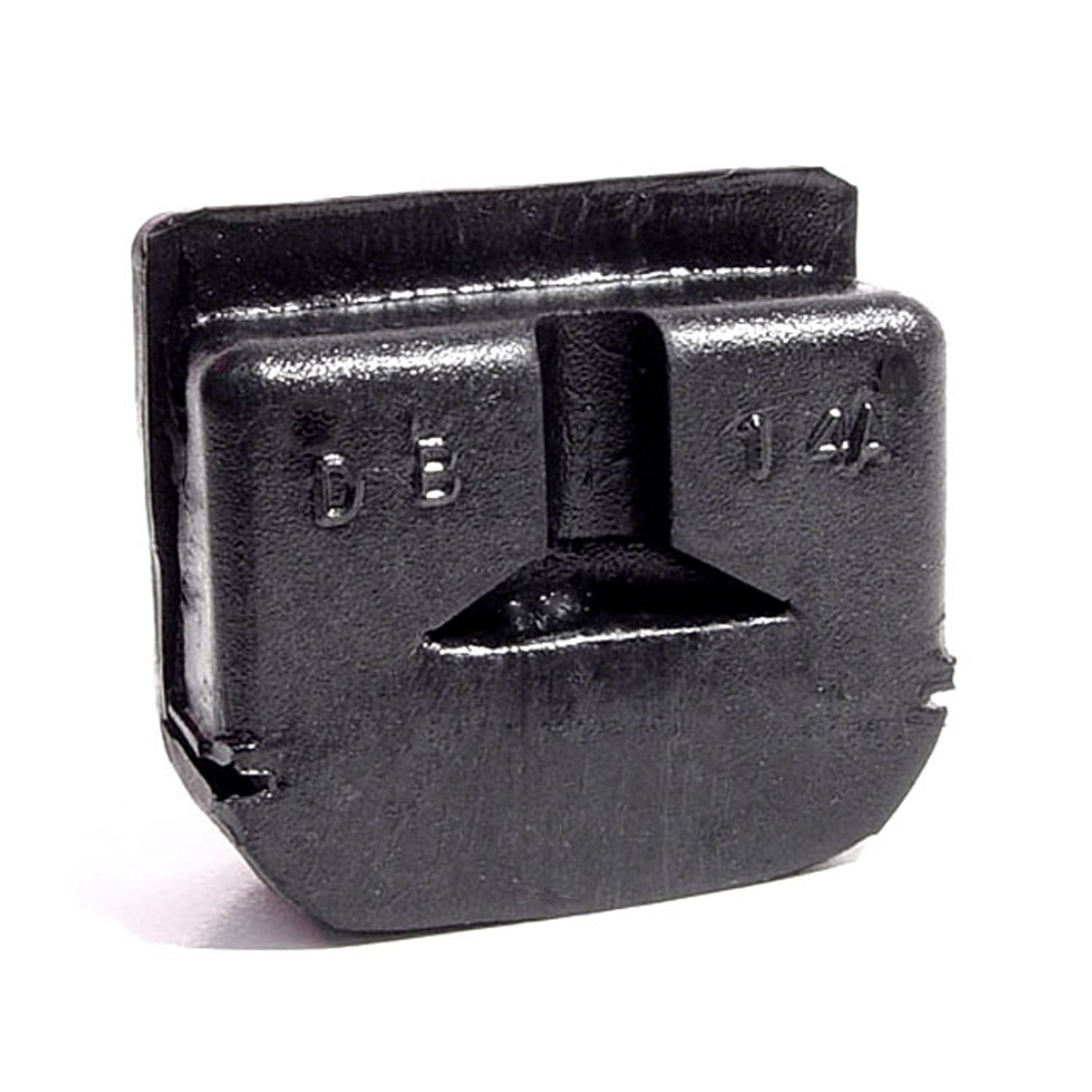 1938 Buick Special 40 Door Bumper. Exact reproduction-DB 14-ADoor Bumper. Exact reproduction. 1-3/16" high X 1-9/16" wide X 9/16" thick. Each
 1938 Buick Special 40 Upper Door Hinge Post Bumper. Held by screw-DB 60-AUpper Door Hinge Post Bumper. Held by screw. 7/8" diameter X 1/8" thick. Each
 1938 Buick Special 40 Windshield Center Post Gasket Outer Garnish Molding Retainer-DP 18Windshield Center Post Gasket Outer Garnish Molding Retainer. Made with threaded steel core like original, 13-1/2" long. Includes 13" flat rubber strip. Set
 1938 Buick Special 40 Door and Hood Bumper. 1" diameter X 7/8" thick. Each-HF 16Door and Hood Bumper. 1" diameter X 7/8" thick. Each
 1938 Buick Special 40 Windshield and Rear Window Channel. Used with 1/4" glass-LP 105Windshield and Rear Window Channel. Used with 1/4" glass. Fits some models. Sold by the foot
 1938 Buick Special 40 Trunk Seal. Sponge rubber. Sold by the foot.-LP 96-/FTTrunk Seal. Sponge rubber. Sold by the foot.
 1938 Buick Special 40 Motor Mounts. 2" O.D., 9/16" I.D. Pair-MM 23Motor Mounts. 2" O.D., 9/16" I.D. Pair
 1938 Buick Special 40 Trunk Emblem Pad. 10" wide X 3-1/2" long. Each-MP 181Trunk Emblem Pad. 10" wide X 3-1/2" long. Each
 1938 Buick Special 40 Tail-light Pads. 3-1/8" wide X 7-1/2" long. Pair-MP 210Tail-light Pads. 3-1/8" wide X 7-1/2" long. Pair
 1938 Buick Special 40 Park Light Pads. Fits 1-9/16" wide metal-MP 260Park Light Pads. Fits 1-9/16" wide metal. 1-3/4" wide X 8-3/4" long. Pair
 1938 Buick Special 40 Tail-light Pads. Fits 3" wide metal. 3-1/4" wide X 8" long-MP 270Tail-light Pads. Fits 3" wide metal. 3-1/4" wide X 8" long. Pair
 1938 Buick Special 40 Tail-light Pads. Fits 2-1/2" wide metal. 3" wide X 8" long-MP 270-BTail-light Pads. Fits 2-1/2" wide metal. 3" wide X 8" long. Pair
 1938 Buick Special 40 Windshield Wiper Transmission Pad-MP 280-AWindshield Wiper Transmission Pad. 1-3/4" wide X 2-1/4" long. Each
 1938 Buick Special 40 Rumble Seat Step-Plate Pad. 3-1/8" wide X 5" long. Each-MP 290Rumble Seat Step-Plate Pad. 3-1/8" wide X 5" long. Each
 1938 Buick Special 40 Trunk Handle Pad. 2-1/2" wide X 7-5/8" long. Each-MP 300Trunk Handle Pad. 2-1/2" wide X 7-5/8" long. Each
 1938 Buick Special 40 Trunk Hinge Pads. 1-5/8" wide X 8-3/8" long. 4-Piece Set-MP 335-BTrunk Hinge Pads. 1-5/8" wide X 8-3/8" long. 4-Piece Set
 1938 Buick Special 40 Door Ferrule Grommet. Made of black rubber-MP 546-HDoor Ferrule Grommet. Made of black rubber. Fits over your old steel door ferrule (also see WF 2006) 1-3/16" O.D. Each
 1938 Buick Special 40 Cowl Vent Seal. 3" wide at side X 15-3/4" long. Each-RP 100-BCowl Vent Seal. 3" wide at side X 15-3/4" long. Each
 1938 Buick Special 40 Door Lock Knob. Brown. 1/2" diameter X 1" long X 1/8" hole-RP 303Door Lock Knob. Brown. 1/2" diameter X 1" long X 1/8" hole. Each
 1938 Buick Special 40 Sun Visor End Tube Plug. Black. Each-RP 303-DSun Visor End Tube Plug. Black. Each
 1938 Buick Special 40 Shift Boot. Black. 2-15/16" X 2-13/16" at base. Each-RP 33-EShift Boot. Black. 2-15/16" X 2-13/16" at base. Each
 1938 Buick Special 40 Door Bumper. 1" diameter X 1/4" thick Each-SB 60Door Bumper. 1" diameter X 1/4" thick Each
 1938 Buick Special 40 Wire Harness Grommet. Each-SM 3Wire Harness Grommet. Each
 1938 Buick Special 40 Wire Harness / Firewall Grommet. Each-SM 31Wire Harness / Firewall Grommet. Each
 1938 Buick Special 40 Firewall Grommets, for thermostat, oil, throttle, choke-SM 32Firewall Grommets, for thermostat, oil, throttle, choke, vacuum and speedometer. 1-1/8" O.D., 1/4 I.D. 2-1/8" long X 1-1/8" wide. Set
 1938 Buick Special 40 Firewall Grommet for Thermostadt, Oil throttle, Choke-SM 32-BFirewall Grommet for Thermostadt, Oil throttle, Choke, Vacuum and Speedometer. Fits 3/4" hole. 1/4" I.D., 1-1/4" O.D. Each
 1938 Buick Special 40 Ignition cable grommet. 2 in. OD x 1/2 in. ID fits a 1.5 in-SM 33Ignition cable grommet. 2 in. OD x 1/2 in. ID fits a 1.5 in. hole. Each.
 1938 Buick Special 40 Firewall grommet for headlight and tail-light wires-SM 34Firewall grommet for headlight and tail-light wires. Fits 11/16" hole. 5/16" I.D., 15/16" O.D. Each
 1938 Buick Special 40 Wire Harness Grommet-SM 38Wire Harness Grommet. For speedometer cable through toe board. Replaces OEM #594341. Each
 1938 Buick Special 40 Special Purpose Grommet-SM 68Special Purpose Grommet. For headlight wire loom through body. Each
 1938 Buick Special 40 Trunk Seal for Coupes and Convertibles Only-TK 58-B/18Trunk Seal for Coupes and Convertibles Only. 1" wide X 1/2" thick. Each
 1938 Buick Special 40 Trunk Seal, for Sedans. Each-TK 96-15Trunk Seal, for Sedans. Each
 1938 Buick Special 40 Vulcanized Fixed Quarter Window Seals. Pair-VQT 1900Vulcanized Fixed Quarter Window Seals. Pair
 1938 Buick Special 40 Vertical Seal for Vent Window. Each is 17" long. Pair-VS 2Vertical Seal for Vent Window. Each is 17" long. Pair
 1938 Buick Special 40 Vulcanized Rear Windshield Seal-VWS 1901-RVulcanized Rear Windshield Seal. For models without reveal molding. 2-Piece Set
 1938 Buick Special 40 Vulcanized Windshield Seal, for Convertibles-VWS 7302Vulcanized Windshield Seal, for Convertibles. For cars without chrome garnish. Each
 1938 Buick Special 40 Vulcanized Windshield Seal-VWS 7303Vulcanized Windshield Seal. For all models without chrome garnish, except convertibles. Each
 1938 Buick Special 40 Flexible glass-run channel-WC 11-72Flexible glass-run channel. Mohair lined, cloth covered with stainless steel bead. Used on side windows. 72 in. long. Each. NOTE: $20 special shipping charge applies for domestic orders. Call or email for overseas shipping costs. Part can be sectioned in two equal lengths to reduce overseas shipping costs.
 1938 Buick Special 40 Rigid division-bar channel. Made with stainless steel bead-WC 2-72Rigid division-bar channel. Made with stainless steel bead. 72 in. long. Each. NOTE: $20 special shipping charge applies for domestic orders. Call or email for overseas shipping costs. Part can be sectioned into two equal lengths to reduce overseas shipping costs.
 1938 Buick Special 40 Flexible Rubber Window Channel-WC 32-14Flexible Rubber Window Channel. For Fisher Closed Bodies, except those using a stainless bead type. Used on side windows. 13/16" outer width X 6/16" outer depth, with a 5/16" inner channel width X 14" long. Each
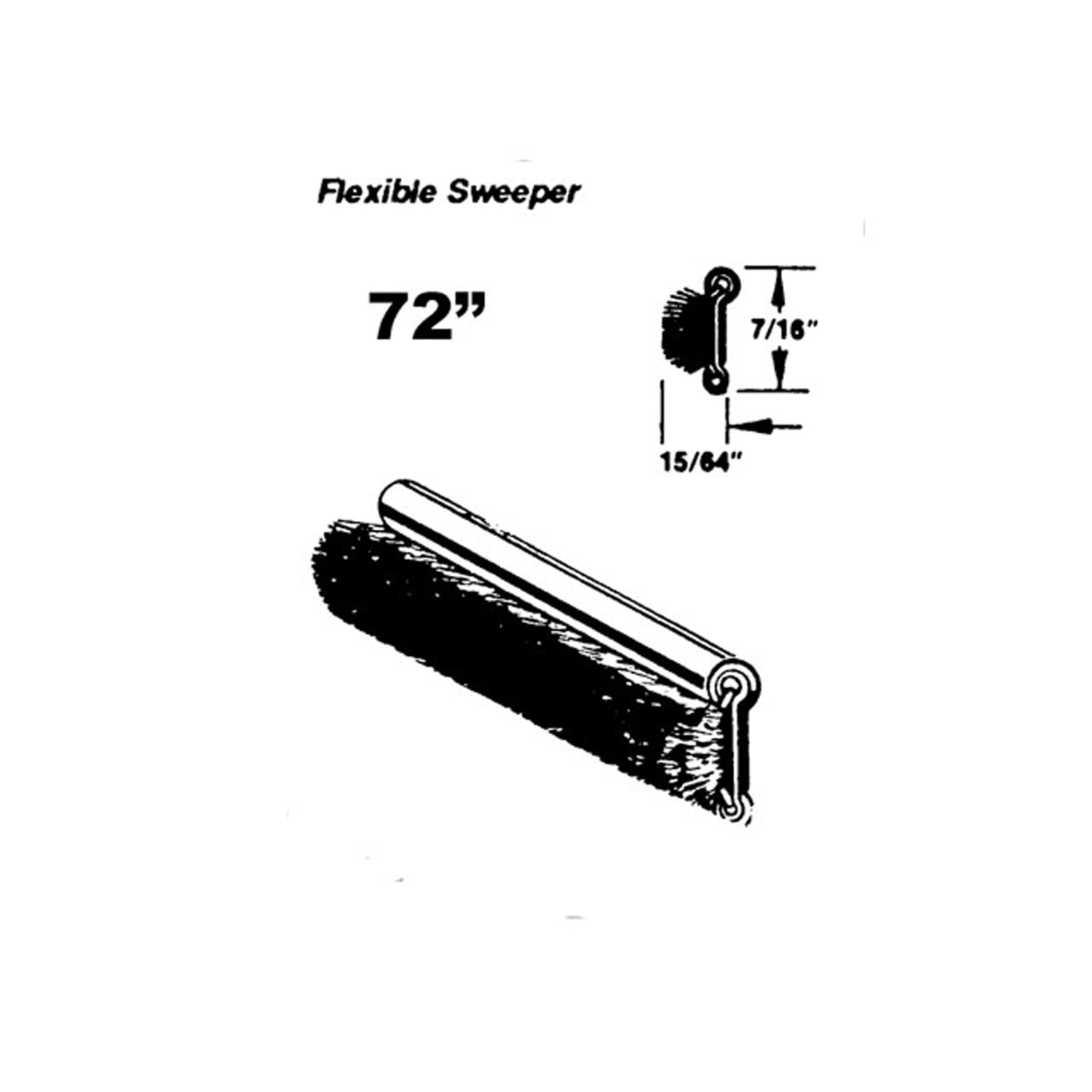 1938 Buick Special 40 Flexible sweeper. Made with stainless steel bead-WC 8-72Flexible sweeper. Made with stainless steel bead. Used on inner and outer beltlines. Also forms easily for use with sliding quarter windows. 72 in. long. Each. NOTE: $20 special shipping charge applies for domestic orders. Call or email for overseas shipping costs. Part can be sectioned into two equal lengths to reduce overseas shipping costs.
 1938 Buick Special 40 Chrome Door Ferrule. To be used with MP 546-H. 1-1/16" O.D-WF 2006Chrome Door Ferrule. To be used with MP 546-H. 1-1/16" O.D., 5/8" high. Fits most models. Each
 1938 Buick Special 40 Fender Bolts. For use with Fender Bolt Washers; WF 3001-WF 3000Fender Bolts. For use with Fender Bolt Washers; WF 3001. Zinc Chromate plated, high strength. 1" X 5/16". Set of 25
 1938 Buick Special 40 Fender Bolt Washers. For use with Fender Bolts; WF 3000-WF 3001Fender Bolt Washers. For use with Fender Bolts; WF 3000. High quality, cadmium plated. 1-1/4" O.D., 3/8" I.D. Set of 25
 1938 Buick Special 40 Front vent window seals. Exact fit. Does not fit convertible-WR 7302Front vent window seals. Exact fit. Does not fit convertible. Pair. R&L.
 1938 Buick Special 40 Rear vent window seals. For 4-door touring sedans. Pair-WR 7302-RRear vent window seals. For 4-door touring sedans. Pair. R&L.
 1938 Buick Special 40 Front Vent Window Seals, for Convertibles. Pair R&L-WR 7311Front Vent Window Seals, for Convertibles. Pair R&L
 1938 Buick Special 40 Front Suspension Bumper. For lower arm. 2-1/8" high-XB 30Front Suspension Bumper. For lower arm. 2-1/8" high. Each
Why Choose Metro?
For over 100 years, Metro Moulded Parts has been the pinnacle of quality in classic car restoration parts. Our commitment to precision and authenticity in every component ensures a perfect fit and an OEM-level appearance.
- Expert Craftsmanship & Quality: Each part is a testament to our dedication to reliability and perfection, crafted from original designs and thoroughly tested.
- Advanced Technology: We use cutting-edge techniques to create flawless, long-lasting parts that surpass others in performance.
- SuperSoft Sponge – The Ultimate Door Seal: Not only are our door seals 30% softer than competitors', but they're also guaranteed to never leak. They effectively reduce wind and road noise, enhancing your classic car's comfort and driving experience.
- Proudly American: Our parts are a product of American craftsmanship, made in the USA with a spirit of excellence and heritage.
- Unrivaled Warranty: We back our products with a 30-year industry-leading warranty, a testament to our confidence in their quality.
Join us in preserving the legacy of classic cars with parts that are crafted for perfection, not just made.