

Image of 1939 Buick Century Series 60, Note: These illustrations use artistic license and may differ from actual historical models.
Performance Metrics
Fundamental Metrics
Emotional Appeal
MMP Rating
| Engine Specifications | |
|---|---|
| Engine: | Straight 8 |
| Displacement: | 320.2 cu in (5.2 L) |
| Horsepower: | 141 HP |
| Torque: | Estimated 270 lb-ft |
| Compression Ratio: | 6.5:1 |
| Ignition System: | Battery Ignition |
| Cooling System: | Liquid Cooled |
| Performance Specifications | |
| 0-60 Time: | Estimated 15 seconds |
| 1/4 Mile Time: | Not available |
| Top Speed: | 100 mph |
| Transmission and Drive | |
| Drive Type: | Rear Wheel Drive |
| Transmission Type: | 3-speed manual |
| Fuel and Efficiency | |
| Fuel System Type: | Carburetor |
| MPG: | Estimated 15 MPG |
| Dimensions and Brakes | |
| Brakes: | Drum Brakes |
| Wheelbase: | 126 inches |
| Weight: | 3,800 lbs |
Note: Specifications for classic cars are given to the best of our ability, considering the limited and variant data available.
1939 Buick Century: The “Banker’s Hot Rod”
The 1939 Buick Century paired the strong heart of a big Buick with the lighter body of a smaller one, creating a full-size car with unusually lively performance for its day. Built by the Buick Motor Division of General Motors, the Century occupied the Series 60 slot in Buick’s lineup, between the Special and the larger Roadmaster and Limited.
Its defining combination was a 320-cubic-inch straight-eight engine in a comparatively compact Buick body. That formula helped earn the Century its famous “banker’s hot rod” nickname: it looked suitably dignified outside, yet could move briskly enough to surprise drivers accustomed to more leisurely prewar cars. The Century name itself nodded to the model’s reputation for being capable of 100 mph, although actual top speed varied with condition, gearing, tires, and road conditions.
Streamlined Buick Styling
The 1939 Century wore the rounded, increasingly streamlined look that American automakers were embracing in the late 1930s. Its long hood, sweeping front fenders, curved roofline, and substantial rear quarters gave it a smooth, planted profile. At the nose, a bright vertical grille and carefully integrated headlamps provided a formal Buick face without the upright, separate-fender appearance of many earlier cars. Chrome trim was present, but the overall design was more cohesive than ornament-heavy.
Buick’s cabin emphasized comfort and finish. Depending on body style and trim, buyers could find broadcloth or mohair upholstery, with leather used in some open or higher-trim configurations. The dashboard combined painted or wood-effect surfaces with clear, period-style instrumentation and bright accents. The result was an interior that felt substantial and well appointed, rather than spartan, while still offering the straightforward controls expected of a car from the era.
Factory paint choices varied by body and trim, but buyers could choose from restrained colors such as black, gray, blue, green, maroon, and tan. Dark shades suited the Century’s formal character, while richer greens and maroons gave the bodywork extra presence. Original paint charts and trim combinations are worth consulting when restoring a specific car, since availability depended on the exact model and production details.
Century Body Styles and Equipment
The Series 60 range was offered in several closed and open body styles. Depending on the specific catalog and market, buyers could choose among sedans, coupes, and convertible forms. The four-door sedan was a practical and popular choice, while the coupe styles gave the Century a sportier profile. The convertible coupe is especially eye-catching today, with its open cabin and long, sweeping lines.
Mechanical equipment was advanced in a conventional, durable way for 1939. The Century used rear-wheel drive, a three-speed manual transmission, hydraulic drum brakes, and a six-volt electrical system. Buick’s all-steel body construction and safety glass represented the industry’s steady move toward stronger, more modern cars. These features did not make the Century equivalent to a modern vehicle, but they helped make it a well-equipped and substantial choice in its class.
Why the 1939 Century Mattered
The Century’s importance came from its engine-and-body pairing. Buick’s large 320-cubic-inch straight-eight was shared with the more expensive Roadmaster, while the Century used the shorter, lighter Series 60 platform. That gave buyers much of the power of a premium Buick without requiring them to step up to the largest model. It was an appealing middle ground: more performance than a typical family sedan, but with the comfort and formality of a full-size car.
This “big engine in a lighter body” approach became a familiar performance recipe across the industry. The Century did not invent the idea, but it gave Buick a distinctive version of it and helped establish the model’s sporting reputation. Its blend of speed, room, and upscale trim also anticipated the American performance sedan: a car that could carry a family in comfort and still deliver strong highway pace.
Straight-Eight Performance and Road Manners
The 1939 Century’s 320.2-cubic-inch inline eight produced approximately 141 horsepower, a notably strong figure for a mainstream American car of the period. Period specifications and surviving-car condition differ, but a healthy example is generally estimated to reach roughly 95 to 100 mph. A 0-to-60-mph time in the neighborhood of 15 to 17 seconds is a reasonable modern estimate, rather than a guaranteed factory figure. The three-speed manual transmission requires deliberate shifts by today’s standards, but the engine’s broad torque helps the car pull smoothly once underway.
On a straight highway, the Century feels composed and substantial. Its long wheelbase and weight help it absorb ordinary road imperfections, though the suspension cannot hide every pothole, and its soft period setup allows noticeable body movement over rough surfaces. On a winding road, the car rewards smooth steering and measured cornering rather than quick direction changes. Crosswinds, narrow tires, and period drum brakes also call for a more relaxed driving style than a modern car demands.
Behind the wheel, the straight-eight is a major part of the experience. It delivers a smooth, low mechanical hum that becomes a deeper growl under acceleration, without the sharp note of a modern high-revving engine. The steering is unassisted, the controls require more effort, and the driver sits in a commanding cabin surrounded by broad fenders and a long hood. It feels less like a modern car with old styling than a genuinely different way of traveling.
Living With a 1939 Buick
Today, most Centuries are enjoyed as touring cars, show vehicles, and collection pieces rather than everyday transportation. A well-sorted example can handle local drives and organized classic-car tours, but regular use requires preparation. Owners should account for the car’s age, limited braking performance by modern standards, slower acceleration in traffic, and the need for frequent attention to fluids, tires, wiring, and cooling-system condition.
The straight-eight is mechanically straightforward, and many routine jobs are within reach of an experienced home mechanic. Access to specialist parts and correct restoration components can be more challenging than the basic repairs themselves. Original trim, body panels, and model-specific details may take time to locate, and a full restoration can become expensive. As with any prewar car, checking the frame, rust-prone body areas, engine condition, and brake hydraulics before purchase is essential.
Notable Facts and Common Criticisms
The Century’s best-known piece of trivia is also its strongest selling point: it combined Roadmaster-size power with a lighter Series 60 body, inspiring the “banker’s hot rod” nickname. The model’s association with 100-mph capability helped make its name memorable, though not every car in every condition could reach that speed. The Century was part of Buick’s prewar lineup during an era when the company was building its reputation for refined, powerful eight-cylinder cars.
There is no widely recognized single speed or endurance record that defines the 1939 Century. Its significance is instead rooted in its performance-for-the-price formula and its place in Buick history. Common criticisms are familiar to owners of many prewar cars: heavy steering, modest braking by modern standards, limited safety equipment, and a ride that can feel soft or floaty on uneven roads. Those traits are part of the car’s period character, but they also mean it deserves respectful driving and extra stopping distance.
Collector Values and Availability
Surviving 1939 Centuries are uncommon, and open cars or unusually original examples are harder to find than ordinary sedans. As a broad U.S. market estimate for 2025–26, a project car might sell for roughly $10,000 to $25,000, while a usable driver-quality sedan may fall around $25,000 to $50,000. Strong restorations and particularly desirable body styles can reach approximately $50,000 to $100,000 or more. Exceptional convertibles, rare configurations, and top-quality concours restorations may exceed that range.
These figures are estimates, not guaranteed appraisals. Condition, originality, documentation, body style, restoration quality, and local demand can move a price substantially. A reasonable production estimate for the 1939 Series 60 is roughly 20,000 to 25,000 cars across its body styles; exact model-year totals and body-style breakdowns can vary among published records. The Century has generally held a steady enthusiast following, with the best cars tending to appreciate gradually. The market is selective, however, and restoration costs can rise faster than the value of an average sedan.
A Prewar Buick With a Performance Streak
The 1939 Buick Century stands out for its smart combination of comfort, presence, and straight-eight power. Its streamlined body and well-finished cabin made it a handsome Buick, while its lighter chassis and large engine gave it a livelier personality than its formal appearance suggested. More than eight decades later, the Century remains a compelling reminder that performance and practicality were already sharing the same garage long before the modern sport sedan arrived.
1939 Buick Century Series 60 Catalog of Parts
 1939 Buick Century Series 60 Accelerator Pedal Pad. Made with steel core and hinge loops-AP 29-AAccelerator Pedal Pad. Made with steel core and hinge loops. 2-1/4" X 8-5/8". Black. Each
 1939 Buick Century Series 60 Accelerator Pedal Pad. Made with steel core like original-AP 29-CAccelerator Pedal Pad. Made with steel core like original. 2-1/8" X 8-1/2". Black. Each
 1939 Buick Century Series 60 Transmission Vacuum Shift Grommet. Used on rear side-BC 40Transmission Vacuum Shift Grommet. Used on rear side. 1-1/2" O.D., 3/8" I.D., 3/8" Thick. Each
 1939 Buick Century Series 60 Rear Bumper Arm Grommets-BG 15Rear Bumper Arm Grommets. 2-7/8" wide X 4-3/8" long, with 1-3/4" long inner slot. Pair
 1939 Buick Century Series 60 Front Bumper Arm Grommets-BG 33Front Bumper Arm Grommets. 2-1/2" wide X 5-3/8" long, with 1-7/8" long inner slot. Pair
 1939 Buick Century Series 60 Front Bumper Arm Grommets-BG 34Front Bumper Arm Grommets. 2-7/8" wide X 5-1/2" long, with 1-13/16" long inner slot. Pair
 1939 Buick Century Series 60 Rear Bumper Arm Grommets-BG 40Rear Bumper Arm Grommets. 2-3/4" wide X 4-3/4" long, with 1-1/2" long inner slot. Pair
 1939 Buick Century Series 60 Stabilizer Bar Bushings-BN 106Stabilizer Bar Bushings. 1-3/4" long X 1-1/2" wide X 1-1/2" high, 10/16" I.D. Pair
 1939 Buick Century Series 60 Lower Inner "A" Frame Shaft Seal. 1-1/8" O.D., 5/16" thick-BN 23-ALower Inner "A" Frame Shaft Seal. 1-1/8" O.D., 5/16" thick. Each
 1939 Buick Century Series 60 Stabilizer Bar Bushing. For rear axel anti-sway rod ends-BN 34-BStabilizer Bar Bushing. For rear axel anti-sway rod ends. Four used per car. 1-5/16" O.D., 3/4" long, with 5/8" I.D. Each
 1939 Buick Century Series 60 Clutch and Brake Pedal Pads. 2" wide X 3" long. Pair-CB 15Clutch and Brake Pedal Pads. 2" wide X 3" long. Pair
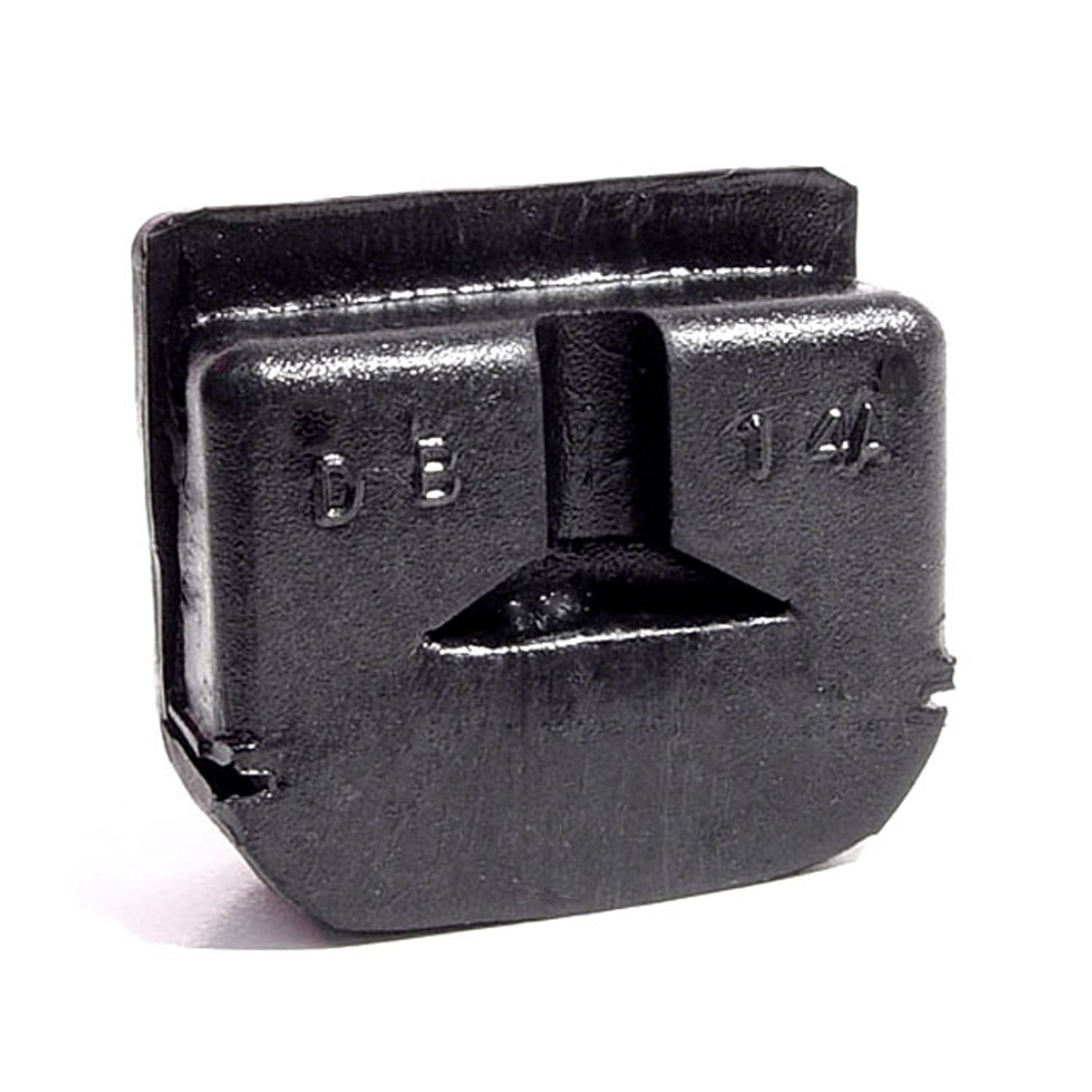 1939 Buick Century Series 60 Door Bumper. Exact reproduction-DB 14-ADoor Bumper. Exact reproduction. 1-3/16" high X 1-9/16" wide X 9/16" thick. Each
 1939 Buick Century Series 60 Upper Door Hinge Post Bumper. Held by screw-DB 60-AUpper Door Hinge Post Bumper. Held by screw. 7/8" diameter X 1/8" thick. Each
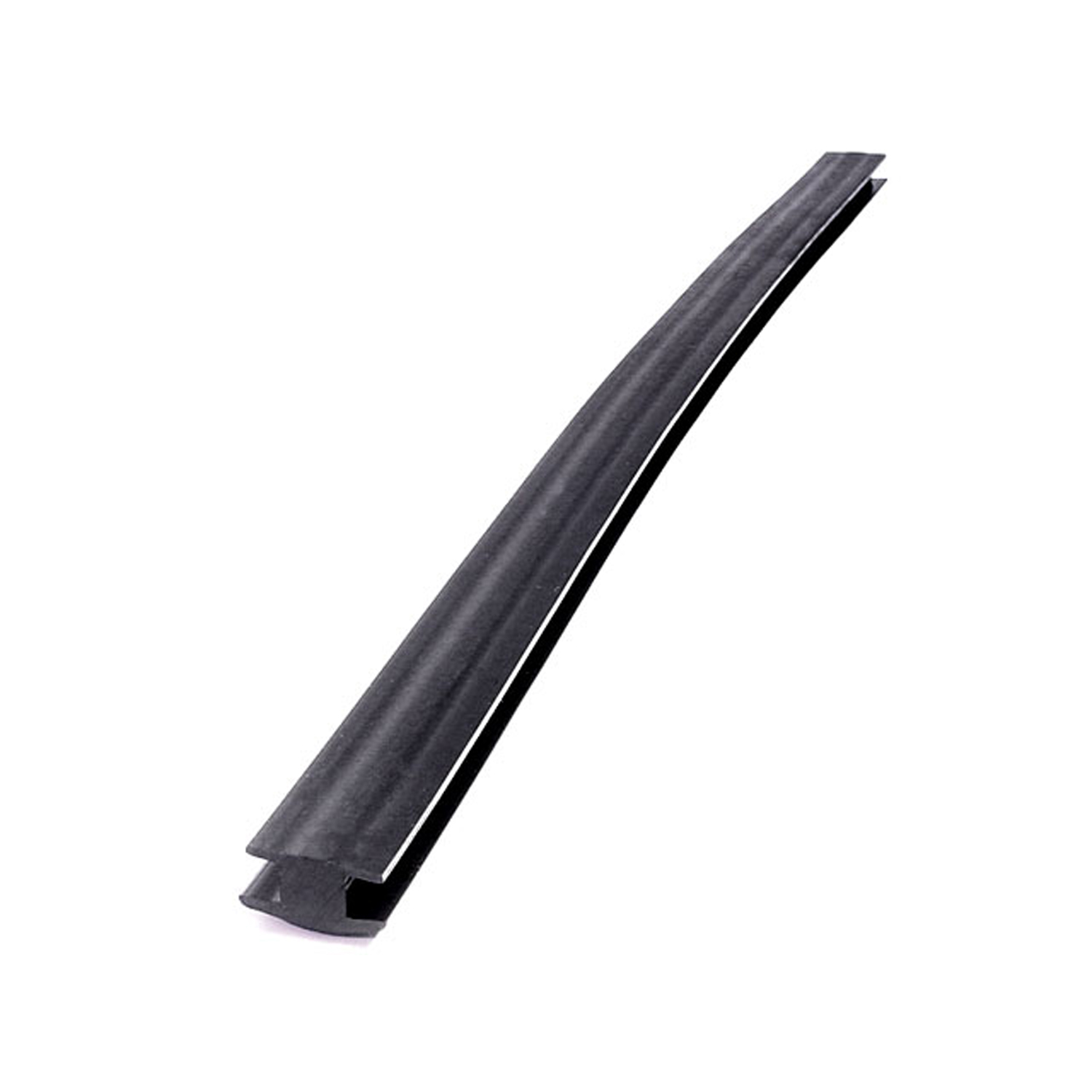 1939 Buick Century Series 60 Windshield Center Bar Gasket. 20" long. Each-DP 12Windshield Center Bar Gasket. 20" long. Each
 1939 Buick Century Series 60 Inner and Outer Center Division Bar Seals-DP 14-AInner and Outer Center Division Bar Seals. Made with proper holes. Two pieces, 17-5/8" long and 16-1/2" long. Pair
 1939 Buick Century Series 60 Gravel Shields. Flat without metal backing plates-FS 25Gravel Shields. Flat without metal backing plates. Apply with contact cement. 16" long X 9" wide at top and 7-1/2" wide at bottom. Pair
 1939 Buick Century Series 60 Gravel Shields and Narrow Body Section Gravel Shields-FS 25-26Gravel Shields and Narrow Body Section Gravel Shields. Gravel Shields: 16" long X 8-1/2" wide at top and 6-1/2" wide at bottom. Narrow Body Section: 14" long, with beaded edge extending 1" along top and bottom. Complete 4-piece set
 1939 Buick Century Series 60 Narrow Body Section Gravel Shields-FS 26Narrow Body Section Gravel Shields. This part used on most models. 14" long, with beaded edge extending 1" along top and bottom. Pair
 1939 Buick Century Series 60 Door and Hood Bumper. 1" diameter X 7/8" thick. Each-HF 16Door and Hood Bumper. 1" diameter X 7/8" thick. Each
 1939 Buick Century Series 60 Windshield and Rear Window Channel. Used with 1/4" glass-LP 105Windshield and Rear Window Channel. Used with 1/4" glass. Fits some models. Sold by the foot
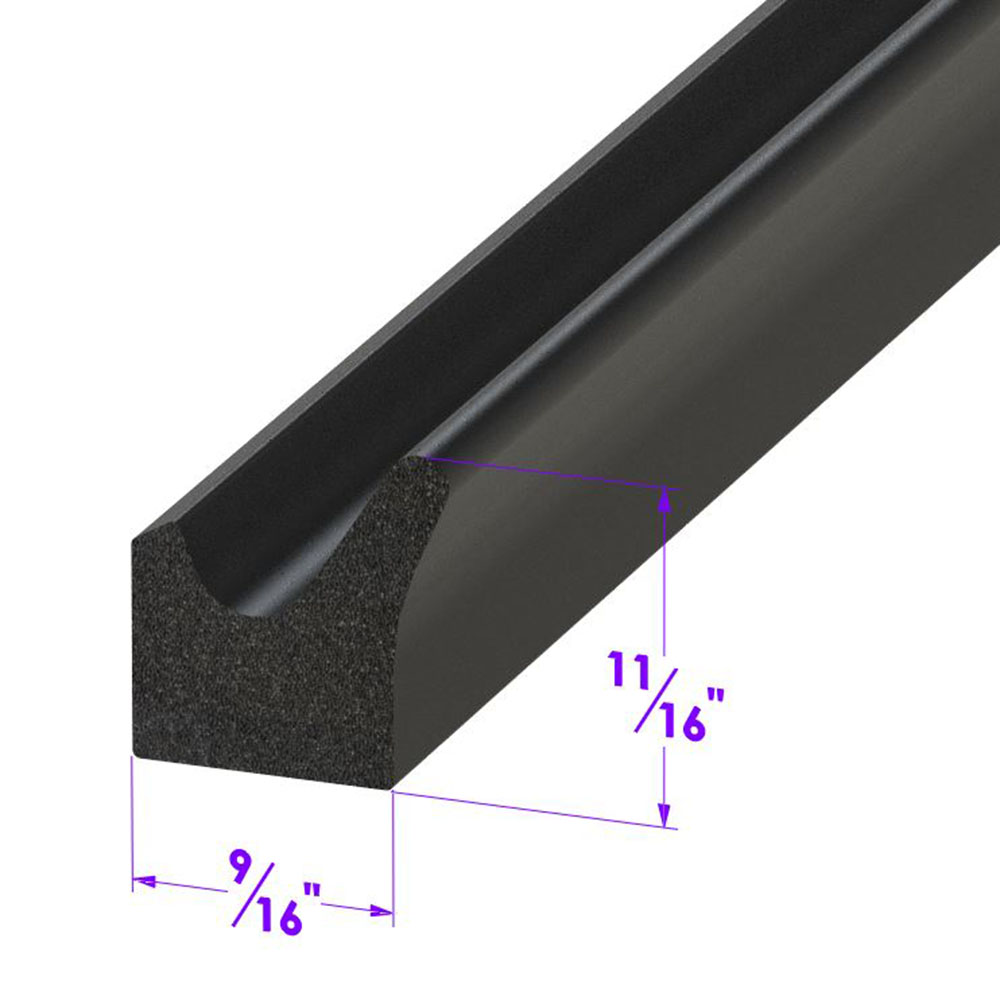 1939 Buick Century Series 60 Door side seal. Same as LP 40-A, but for a heavier seal-LP 40Door side seal. Same as LP 40-A, but for a heavier seal. Fits many domestic passenger cars and trucks. Used in Cobra kit cars as trunk weatherstrip. Per foot.
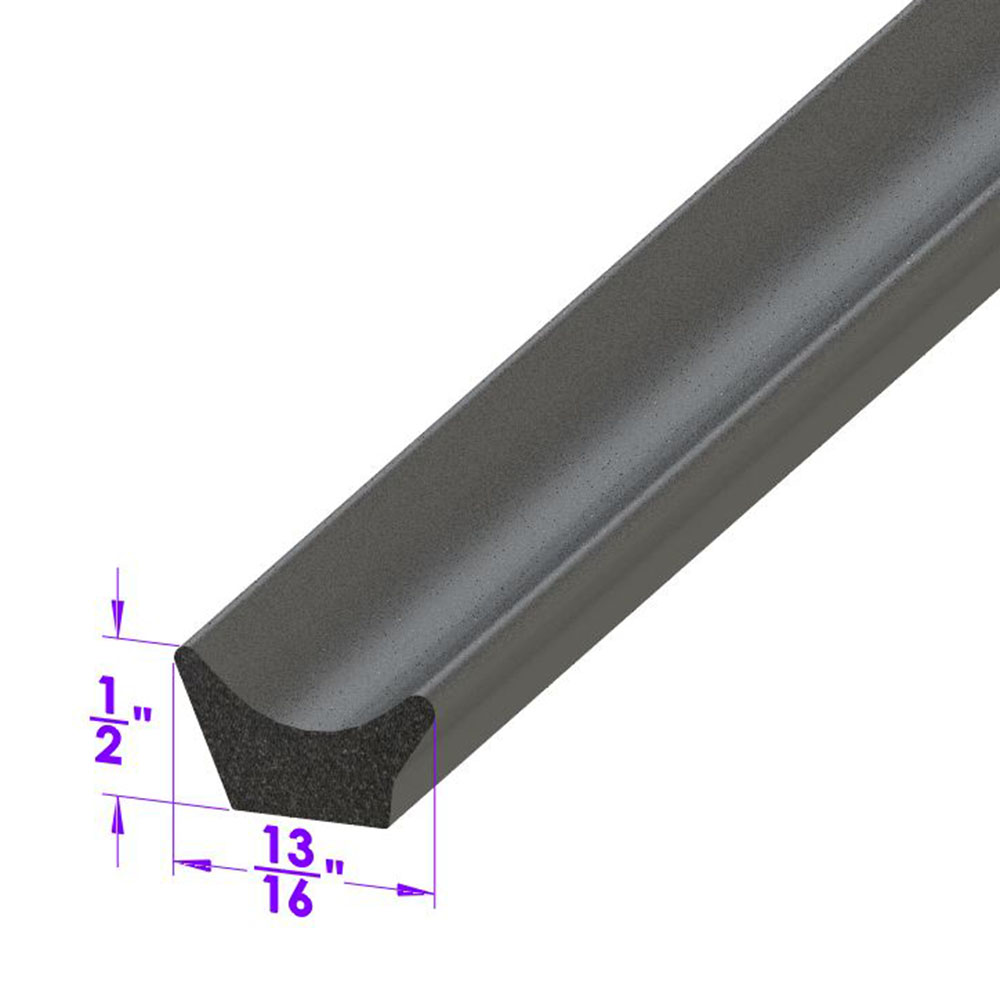 1939 Buick Century Series 60 Door side seal. Same as LP 40, but for a lighter seal-LP 40-ADoor side seal. Same as LP 40, but for a lighter seal. Fits many domestic passenger cars and trucks. Universal seal for street rods and customs. Used in Cobra kit cars as door weatherstrip. Per foot.
 1939 Buick Century Series 60 Trunk Seal. Sponge rubber. Sold by the foot.-LP 96-/FTTrunk Seal. Sponge rubber. Sold by the foot.
 1939 Buick Century Series 60 Park Light Pads. 1-3/4" wide X 8" long. Pair-MP 133-APark Light Pads. 1-3/4" wide X 8" long. Pair
 1939 Buick Century Series 60 Park Light Pads. 3" wide X 8-1/2" long. Pair-MP 133-BPark Light Pads. 3" wide X 8-1/2" long. Pair
 1939 Buick Century Series 60 Trunk Handle Pad. 2-1/2" wide X 7-5/8" long. Each-MP 300Trunk Handle Pad. 2-1/2" wide X 7-5/8" long. Each
 1939 Buick Century Series 60 Windshield Wiper Transmission Pad-MP 301Windshield Wiper Transmission Pad. 1-1/8" wide X 1-1/2" long. Each
 1939 Buick Century Series 60 Trunk Light Pad. 11-3/4" wide X 4-1/2" long. Each-MP 310Trunk Light Pad. 11-3/4" wide X 4-1/2" long. Each
 1939 Buick Century Series 60 Park Light Pads. 2" wide X 17-3/8" long. Pair-MP 320Park Light Pads. 2" wide X 17-3/8" long. Pair
 1939 Buick Century Series 60 Tail-light Pads. 2-1/2" wide X 6-1/4" long. Pair-MP 330Tail-light Pads. 2-1/2" wide X 6-1/4" long. Pair
 1939 Buick Century Series 60 Tail-light Pads. 2-7/8" wide X 8-5/8" long. Pair-MP 330-ATail-light Pads. 2-7/8" wide X 8-5/8" long. Pair
 1939 Buick Century Series 60 Trunk Hinge Pads. 1-1/2" wide X 10-1/4" long-MP 336-BTrunk Hinge Pads. 1-1/2" wide X 10-1/4" long. 4- Piece Set
 1939 Buick Century Series 60 Trunk Hinge Pads. 1-1/2" wide X 8-1/2" long. Pair-MP 336-ETrunk Hinge Pads. 1-1/2" wide X 8-1/2" long. Pair
 1939 Buick Century Series 60 Door Ferrule Grommet. Made of black rubber-MP 546-HDoor Ferrule Grommet. Made of black rubber. Fits over your old steel door ferrule (also see WF 2006) 1-3/16" O.D. Each
 1939 Buick Century Series 60 Cowl Vent Seal. 3" wide at side X 15-3/4" long. Each-RP 100-BCowl Vent Seal. 3" wide at side X 15-3/4" long. Each
 1939 Buick Century Series 60 Door Lock Knob. Brown. 1/2" diameter X 1" long X 1/8" hole-RP 303Door Lock Knob. Brown. 1/2" diameter X 1" long X 1/8" hole. Each
 1939 Buick Century Series 60 Sun Visor End Tube Plug. Black. Each-RP 303-DSun Visor End Tube Plug. Black. Each
 1939 Buick Century Series 60 Door Bumper. 1" diameter X 1/4" thick Each-SB 60Door Bumper. 1" diameter X 1/4" thick Each
 1939 Buick Century Series 60 Wire Harness Grommet. Each-SM 3Wire Harness Grommet. Each
 1939 Buick Century Series 60 Wire Harness / Firewall Grommet. Each-SM 31Wire Harness / Firewall Grommet. Each
 1939 Buick Century Series 60 Firewall Grommets, for thermostat, oil, throttle, choke-SM 32Firewall Grommets, for thermostat, oil, throttle, choke, vacuum and speedometer. 1-1/8" O.D., 1/4 I.D. 2-1/8" long X 1-1/8" wide. Set
 1939 Buick Century Series 60 Firewall Grommet for Thermostadt, Oil throttle, Choke-SM 32-BFirewall Grommet for Thermostadt, Oil throttle, Choke, Vacuum and Speedometer. Fits 3/4" hole. 1/4" I.D., 1-1/4" O.D. Each
 1939 Buick Century Series 60 Ignition cable grommet. 2 in. OD x 1/2 in. ID fits a 1.5 in-SM 33Ignition cable grommet. 2 in. OD x 1/2 in. ID fits a 1.5 in. hole. Each.
 1939 Buick Century Series 60 Firewall grommet for headlight and tail-light wires-SM 34Firewall grommet for headlight and tail-light wires. Fits 11/16" hole. 5/16" I.D., 15/16" O.D. Each
 1939 Buick Century Series 60 Firewall Grommet. For park brake cable. Angled hole. Fit's 1" hole-SM 40Firewall Grommet. For park brake cable. Angled hole. Fit's 1" Hole. Each
 1939 Buick Century Series 60 Speedometer Cable Firewall Grommet. Fits 1-7/8" long hole-SM 47Speedometer Cable Firewall Grommet. Fits 1-7/8" long hole. NOTE: Not used when car was factory equipped with windshield washers. (Fits some models) Each
 1939 Buick Century Series 60 Special Purpose Grommet-SM 68Special Purpose Grommet. For headlight wire loom through body. Each
 1939 Buick Century Series 60 Trunk Seal for Coupes and Convertibles Only-TK 58-B/18Trunk Seal for Coupes and Convertibles Only. 1" wide X 1/2" thick. Each
 1939 Buick Century Series 60 Trunk Seal, for Sedans. Each-TK 96-15Trunk Seal, for Sedans. Each
 1939 Buick Century Series 60 Vertical Seal for Vent Window. Each is 17" long. Pair-VS 2Vertical Seal for Vent Window. Each is 17" long. Pair
 1939 Buick Century Series 60 Flexible glass-run channel-WC 11-72Flexible glass-run channel. Mohair lined, cloth covered with stainless steel bead. Used on side windows. 72 in. long. Each. NOTE: $20 special shipping charge applies for domestic orders. Call or email for overseas shipping costs. Part can be sectioned in two equal lengths to reduce overseas shipping costs.
 1939 Buick Century Series 60 Rigid division-bar channel. Made with stainless steel bead-WC 2-72Rigid division-bar channel. Made with stainless steel bead. 72 in. long. Each. NOTE: $20 special shipping charge applies for domestic orders. Call or email for overseas shipping costs. Part can be sectioned into two equal lengths to reduce overseas shipping costs.
 1939 Buick Century Series 60 Flexible sweeper. Made with stainless steel bead-WC 8-72Flexible sweeper. Made with stainless steel bead. Used on inner and outer beltlines. Also forms easily for use with sliding quarter windows. 72 in. long. Each. NOTE: $20 special shipping charge applies for domestic orders. Call or email for overseas shipping costs. Part can be sectioned into two equal lengths to reduce overseas shipping costs.
 1939 Buick Century Series 60 Chrome Door Ferrule. To be used with MP 546-H. 1-1/16" O.D-WF 2006Chrome Door Ferrule. To be used with MP 546-H. 1-1/16" O.D., 5/8" high. Fits most models. Each
 1939 Buick Century Series 60 Fender Bolts. For use with Fender Bolt Washers; WF 3001-WF 3000Fender Bolts. For use with Fender Bolt Washers; WF 3001. Zinc Chromate plated, high strength. 1" X 5/16". Set of 25
 1939 Buick Century Series 60 Fender Bolt Washers. For use with Fender Bolts; WF 3000-WF 3001Fender Bolt Washers. For use with Fender Bolts; WF 3000. High quality, cadmium plated. 1-1/4" O.D., 3/8" I.D. Set of 25
 1939 Buick Century Series 60 Front Vent Window Seals. Does not fit Convertible-WR 7306Front Vent Window Seals. Does not fit Convertible. Pair R&L
 1939 Buick Century Series 60 Front Vent Window Seals, for Convertibles. Pair R&L-WR 7310Front Vent Window Seals, for Convertibles. Pair R&L
 1939 Buick Century Series 60 Front Suspension Bumper. For lower arm. 2-1/8" high-XB 30Front Suspension Bumper. For lower arm. 2-1/8" high. Each
Why Choose Metro?
For over 100 years, Metro Moulded Parts has been the pinnacle of quality in classic car restoration parts. Our commitment to precision and authenticity in every component ensures a perfect fit and an OEM-level appearance.
- Expert Craftsmanship & Quality: Each part is a testament to our dedication to reliability and perfection, crafted from original designs and thoroughly tested.
- Advanced Technology: We use cutting-edge techniques to create flawless, long-lasting parts that surpass others in performance.
- SuperSoft Sponge – The Ultimate Door Seal: Not only are our door seals 30% softer than competitors', but they're also guaranteed to never leak. They effectively reduce wind and road noise, enhancing your classic car's comfort and driving experience.
- Proudly American: Our parts are a product of American craftsmanship, made in the USA with a spirit of excellence and heritage.
- Unrivaled Warranty: We back our products with a 30-year industry-leading warranty, a testament to our confidence in their quality.
Join us in preserving the legacy of classic cars with parts that are crafted for perfection, not just made.