

Image of 1939 Buick Special 40, Note: These illustrations use artistic license and may differ from actual historical models.
Performance Metrics
Fundamental Metrics
Emotional Appeal
MMP Rating
| Engine Specifications | |
|---|---|
| Engine: | Straight 8 |
| Displacement: | 248 cu in (4.1 L) |
| Horsepower: | 107 hp |
| Torque: | 200 lb-ft |
| Compression Ratio: | 6.15:1 |
| Ignition System: | Battery and coil |
| Cooling System: | Water-cooled |
| Performance Specifications | |
| 0-60 Time: | Estimated 15-20 seconds |
| 1/4 Mile Time: | Not available |
| Top Speed: | 80-85 mph |
| Transmission and Drive | |
| Drive Type: | Rear-wheel drive |
| Transmission Type: | 3-speed manual |
| Fuel and Efficiency | |
| Fuel System Type: | Carburetor |
| MPG: | Estimated 10-15 mpg |
| Dimensions and Brakes | |
| Brakes: | Hydraulic drum brakes |
| Wheelbase: | 122 inches |
| Weight: | 3,500 lbs |
Note: Specifications for classic cars are given to the best of our ability, considering the limited and variant data available.
1939 Buick Special 40: A Full Guide to Buick’s Art Deco-Era Classic
The 1939 Buick Special 40 brought a surprising amount of style and engineering polish to Buick’s entry-level range. Built by Buick, then part of General Motors, the Series 40 paired a smooth straight-eight engine with fresh Art Deco-inspired styling and a comfortable, substantial ride. It was the most accessible way into the Buick lineup, but it did not feel like a stripped-down economy car.
The Special name had been in Buick’s lineup since 1936. By 1939, the Series 40 was part of a broader family that also included the Century, Roadmaster, and Limited. The Special sat at the affordable end, while still benefiting from Buick’s reputation for refinement. A notable point of distinction is its engine: even this entry-level Buick came with a straight-eight, an arrangement that gave the car a smoother, more sophisticated character than many six-cylinder rivals.
Art Deco Buick Styling and Cabin Details
The 1939 Special wore the period’s taste for streamlined, architectural design without abandoning Buick’s unmistakable presence. Its front end was dominated by a tall, vertically detailed grille, flanked by rounded front fenders and headlights integrated into the fender line. The long hood, flowing fender contours, and carefully shaped roof gave the car a substantial but less upright appearance than earlier Buicks. Bright trim added sparkle without overwhelming the bodywork.
Inside, the Special was designed for comfortable motoring rather than bare-bones transport. The broad bench seats were upholstered in durable cloth, with trim and material choices varying by body style and specification. Coupes and sedans generally emphasized practical cloth upholstery, while open models could offer more upscale finishes, including leather in some configurations. The dashboard had a period-correct, symmetrical layout with clear instruments and polished trim. It was not a modern cockpit, but the controls were sensibly arranged and the cabin felt solidly made.
Buick’s 1939 color offerings varied by body style and market. Buyers could choose from subdued and richer period shades, including black, blue, green, maroon, gray, and tan tones. Black remained a classic, formal choice, while dark blue and maroon suited the Special’s flowing body lines particularly well. Original paint codes and exact color names should be checked against factory literature, since the available palette depended on the model and production details.
The Series 40 appeared in several body styles, with offerings that commonly included two- and four-door sedans, business and passenger coupes, and a convertible coupe. The two-door coupe has a particularly appealing profile, with its longer doors and compact rear cabin, while the four-door sedan was the practical choice for families. Convertible examples are especially eye-catching today, though they are far less commonly encountered than closed sedans.
What Made the Series 40 Significant?
The Special’s importance lies in how it carried Buick’s upscale character into a more attainable price bracket. Buyers did not have to step up to a larger, costlier Buick to get a straight-eight engine, hydraulic brakes, and a carefully finished interior. That combination helped distinguish the Special from many mass-market cars of the period.
Its 1939 design also reflected a broader shift in American automobile styling. Cars were becoming lower, wider, and more integrated in appearance, with headlights and fenders increasingly treated as parts of a unified shape rather than separate attachments. Buick’s grille and fender treatment gave the Special a recognizable face while moving it toward the streamlined look that would define the next decade.
The Special was not a revolutionary model in the way a new transmission or radically different chassis might have been. Its influence was subtler: it showed how an established manufacturer could make comfort, visual distinction, and a refined engine available below its flagship models. That formula became central to Buick’s identity for generations.
248-Cubic-Inch Straight-Eight Performance
Power came from Buick’s 248-cubic-inch (4.1-liter) inline-eight, rated at approximately 107 horsepower in the Special. It was paired with a three-speed manual transmission and rear-wheel drive. The engine’s long, straight layout helped it run smoothly, and its torque suited steady, relaxed driving more than rapid acceleration. The car also used hydraulic brakes, a welcome feature for a substantial automobile of its era.
Performance figures should be treated as period-car estimates rather than exact factory guarantees. Depending on body style, mechanical condition, gearing, and test conditions, a 1939 Special could reach roughly 80 to 85 mph. A 0-to-60-mph run would likely take around 20 seconds or more. Those numbers sound modest today, but the Buick was built to cruise comfortably, not to deliver sports-car acceleration.
On the road, the Special feels large and composed. Its suspension takes the edge off ordinary bumps, and the long wheelbase helps it settle down on open roads. On winding routes, the car’s size, period tires, and relatively slow steering call for measured inputs. It can corner securely at a sensible pace, but it does not have the sharp responses of a modern car. Crosswinds and uneven pavement are best handled with a relaxed grip and a little extra space.
The straight-eight is a key part of the experience. Rather than a sharp, busy exhaust note, it produces a mellow mechanical hum that grows more prominent as the engine works. The steering is heavy at low speeds, the brakes require more planning than modern systems, and the driver is closely involved in shifting and judging the car’s dimensions. In return, the Special delivers an unhurried, smooth-running style of motoring that suits its character.
Living With a 1939 Buick Special
Today, most Specials are used as show cars, weekend tourers, and parade vehicles rather than daily transportation. A well-sorted example can handle local drives and organized classic-car tours, but regular modern traffic presents challenges. The car lacks contemporary safety equipment, and its braking, lighting, visibility, and cruising speed require a different approach from a current vehicle.
Mechanical simplicity is one of the Buick’s ownership advantages. The straight-eight and three-speed transmission are conventional by prewar standards, and many routine jobs can be handled by an experienced home mechanic with appropriate tools. Parts support is available through specialist suppliers and Buick clubs, although some trim, body, and interior pieces can be difficult or costly to source. Restoration work on rusted body panels, woodwork where applicable, upholstery, or rare convertible components may be more demanding than routine engine maintenance.
Reliability depends heavily on the car’s condition and upkeep. Cooling-system health, ignition components, fuel delivery, brake hydraulics, tires, and electrical connections deserve careful attention before regular use. A neglected prewar car should not be assumed roadworthy simply because the engine starts. For touring, a thorough inspection and sensible spares kit are part of responsible ownership.
1939 Buick Special Facts and Myths
The Series 40 was the entry point to Buick’s 1939 range, but “entry-level” did not mean small or mechanically humble. Its eight-cylinder engine is an appealing talking point, especially for owners who enjoy explaining why a modestly positioned Buick still has eight cylinders under its long hood.
There is no widely recognized speed, endurance, or sales record that belongs specifically to the 1939 Special 40. Nor is there a famous celebrity ownership story that defines the model. Its historical interest comes instead from representing Buick’s successful prewar formula: a polished appearance, smooth power, and comfortable touring manners at a more approachable price than the company’s larger models.
A common criticism is that the Special can feel heavy and slow by modern standards. Its steering and brakes also demand more effort and anticipation than drivers expect from a contemporary car. Those are fair observations, but they are part of the prewar driving experience rather than evidence that the Buick was poorly engineered. The car was designed for the roads and speeds of its day.
Collector Value and Availability
Exact production totals for individual 1939 Series 40 body styles are not consistently reported, so any figure should be treated as an estimate. Buick built a substantial number of cars that year, and the Special was its volume series. A reasonable working estimate is that production across Series 40 body styles was in the tens of thousands, possibly around 100,000 to 130,000 cars. That does not mean good examples are common today: decades of use, scrapping, and restoration have reduced the surviving pool, especially for less frequently seen body styles.
As a broad 2026 market estimate, a project car or incomplete example might sell for roughly $5,000 to $12,000. A running driver-quality sedan or coupe could fall in the $12,000 to $25,000 range, while a well-restored closed car may bring approximately $25,000 to $45,000. An excellent convertible or unusually high-quality restoration can reach $45,000 to $70,000 or more, depending on originality, documentation, condition, and buyer interest. These are general estimates, not appraisals, and individual sales can vary considerably.
The market tends to reward complete, authentic cars and high-quality restorations, particularly convertibles. Ordinary sedans are more affordable but can also be harder to sell quickly, since restoration costs may exceed the finished car’s value. In inflation-adjusted terms, classic-car values have not risen evenly: standout examples can appreciate, while average cars may remain stable or soften. Buyers should consider a Special primarily for its design and driving character, not as a guaranteed investment.
Why the 1939 Special Still Matters
The 1939 Buick Special 40 combined Art Deco-influenced styling, a smooth 248-cubic-inch straight-eight, and comfortable road manners in a car positioned within reach of more buyers than Buick’s larger models. Its performance is leisurely by modern standards, and ownership calls for patience, maintenance, and mechanical sympathy. But for enthusiasts seeking a handsome prewar American car with genuine Buick refinement, the Special remains a rewarding choice.
Nearly nine decades later, its appeal is easy to understand: the Special is not merely a surviving automobile, but a rolling expression of an era when even an entry-level Buick could make an ordinary journey feel like a special occasion.
1939 Buick Special 40 Catalog of Parts
 1939 Buick Special 40 Accelerator Pedal Pad. Made with steel core and hinge loops-AP 29-AAccelerator Pedal Pad. Made with steel core and hinge loops. 2-1/4" X 8-5/8". Black. Each
 1939 Buick Special 40 Accelerator Pedal Pad. Made with steel core like original-AP 29-CAccelerator Pedal Pad. Made with steel core like original. 2-1/8" X 8-1/2". Black. Each
 1939 Buick Special 40 Transmission Vacuum Shift Grommet. Used on rear side-BC 40Transmission Vacuum Shift Grommet. Used on rear side. 1-1/2" O.D., 3/8" I.D., 3/8" Thick. Each
 1939 Buick Special 40 Rear Bumper Arm Grommets-BG 15Rear Bumper Arm Grommets. 2-7/8" wide X 4-3/8" long, with 1-3/4" long inner slot. Pair
 1939 Buick Special 40 Front Bumper Arm Grommets-BG 33Front Bumper Arm Grommets. 2-1/2" wide X 5-3/8" long, with 1-7/8" long inner slot. Pair
 1939 Buick Special 40 Front Bumper Arm Grommets-BG 34Front Bumper Arm Grommets. 2-7/8" wide X 5-1/2" long, with 1-13/16" long inner slot. Pair
 1939 Buick Special 40 Rear Bumper Arm Grommets-BG 40Rear Bumper Arm Grommets. 2-3/4" wide X 4-3/4" long, with 1-1/2" long inner slot. Pair
 1939 Buick Special 40 Stabilizer Bar Bushings-BN 106Stabilizer Bar Bushings. 1-3/4" long X 1-1/2" wide X 1-1/2" high, 10/16" I.D. Pair
 1939 Buick Special 40 Lower Inner "A" Frame Shaft Seal. 1-1/8" O.D., 5/16" thick-BN 23-ALower Inner "A" Frame Shaft Seal. 1-1/8" O.D., 5/16" thick. Each
 1939 Buick Special 40 Stabilizer Bar Bushing. For rear axel anti-sway rod ends-BN 34-BStabilizer Bar Bushing. For rear axel anti-sway rod ends. Four used per car. 1-5/16" O.D., 3/4" long, with 5/8" I.D. Each
 1939 Buick Special 40 Clutch and Brake Pedal Pads. 2" wide X 3" long. Pair-CB 15Clutch and Brake Pedal Pads. 2" wide X 3" long. Pair
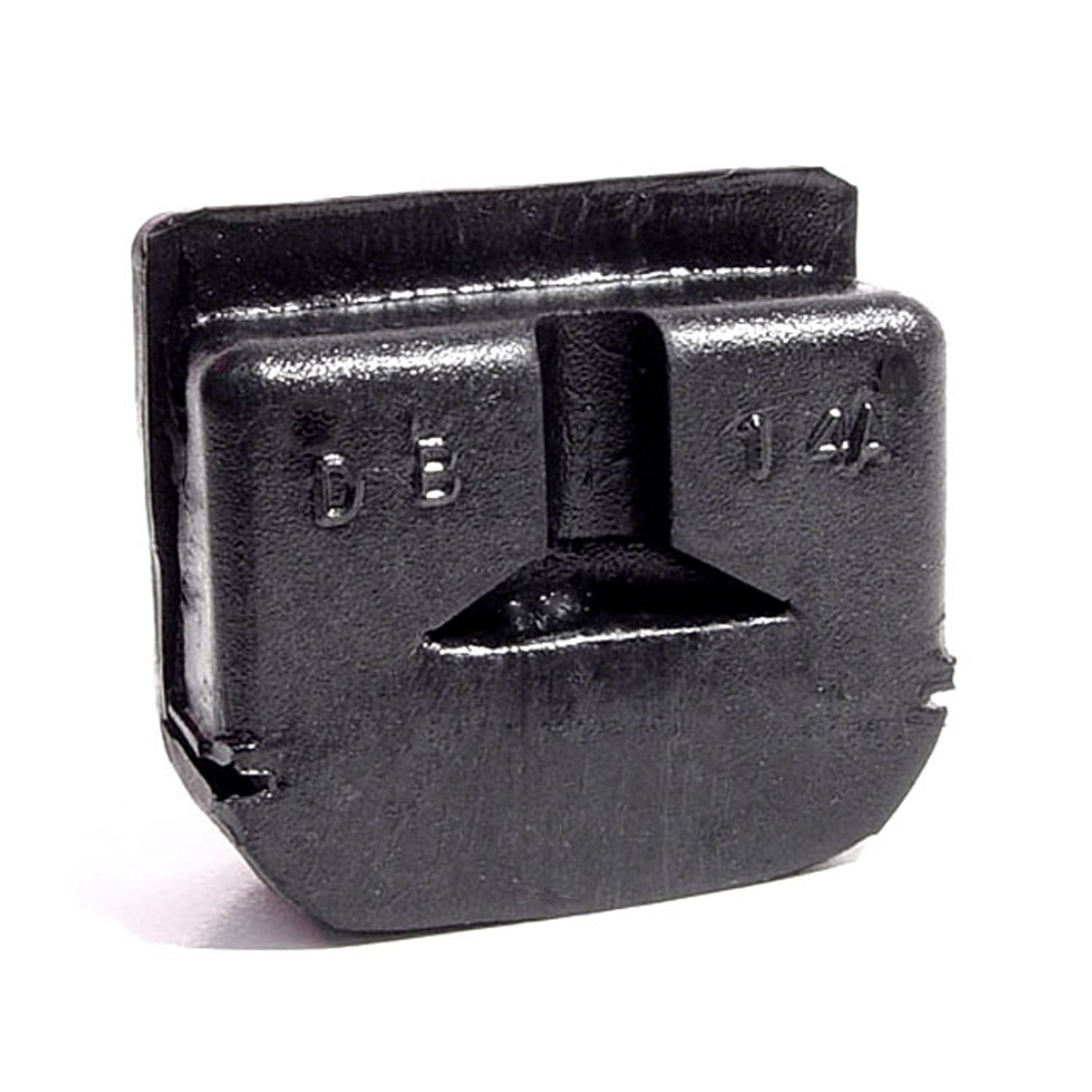 1939 Buick Special 40 Door Bumper. Exact reproduction-DB 14-ADoor Bumper. Exact reproduction. 1-3/16" high X 1-9/16" wide X 9/16" thick. Each
 1939 Buick Special 40 Upper Door Hinge Post Bumper. Held by screw-DB 60-AUpper Door Hinge Post Bumper. Held by screw. 7/8" diameter X 1/8" thick. Each
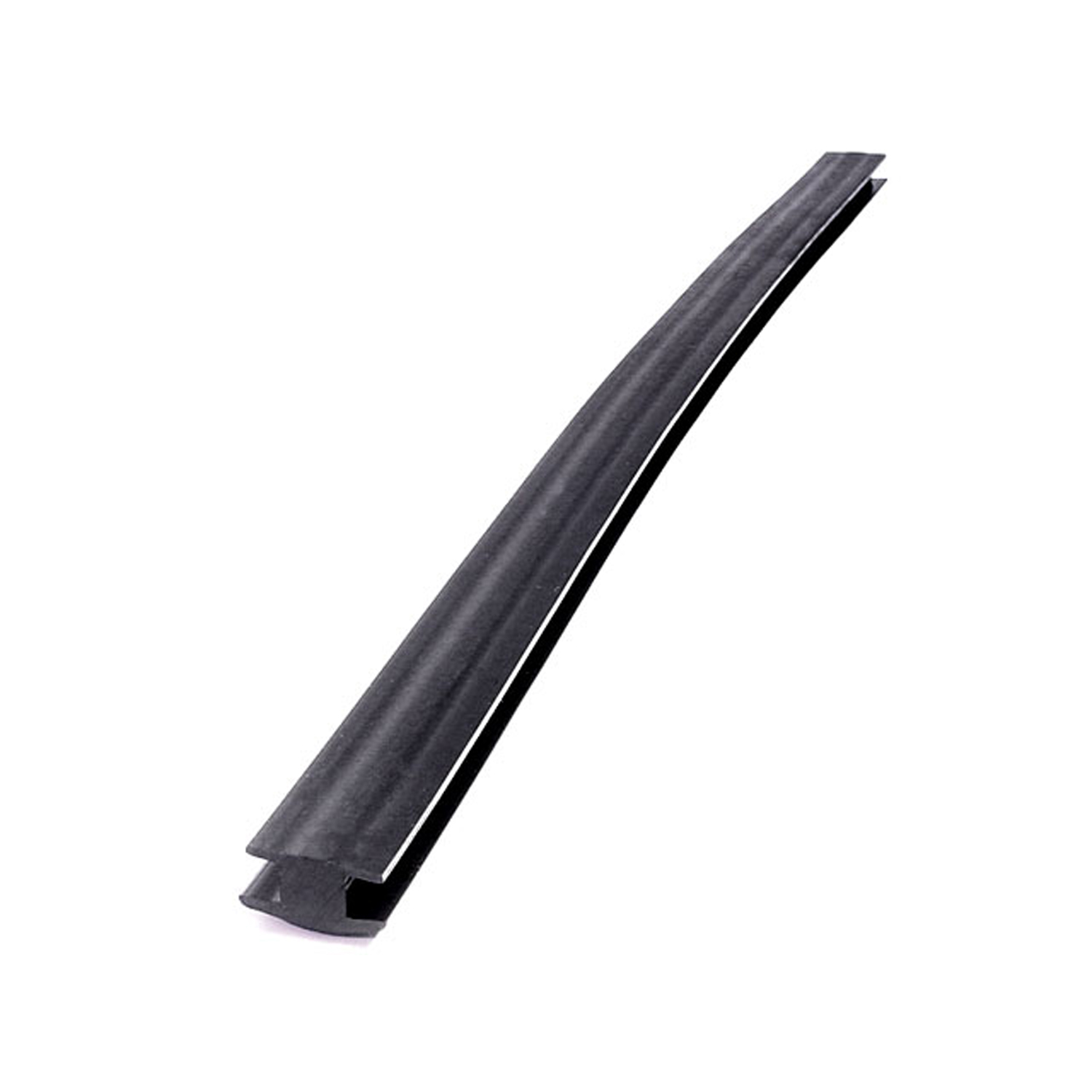 1939 Buick Special 40 Windshield Center Bar Gasket. 20" long. Each-DP 12Windshield Center Bar Gasket. 20" long. Each
 1939 Buick Special 40 Inner and Outer Center Division Bar Seals-DP 14-AInner and Outer Center Division Bar Seals. Made with proper holes. Two pieces, 17-5/8" long and 16-1/2" long. Pair
 1939 Buick Special 40 Gravel Shields. Flat without metal backing plates-FS 25Gravel Shields. Flat without metal backing plates. Apply with contact cement. 16" long X 9" wide at top and 7-1/2" wide at bottom. Pair
 1939 Buick Special 40 Gravel Shields and Narrow Body Section Gravel Shields-FS 25-26Gravel Shields and Narrow Body Section Gravel Shields. Gravel Shields: 16" long X 8-1/2" wide at top and 6-1/2" wide at bottom. Narrow Body Section: 14" long, with beaded edge extending 1" along top and bottom. Complete 4-piece set
 1939 Buick Special 40 Narrow Body Section Gravel Shields-FS 26Narrow Body Section Gravel Shields. This part used on most models. 14" long, with beaded edge extending 1" along top and bottom. Pair
 1939 Buick Special 40 Door and Hood Bumper. 1" diameter X 7/8" thick. Each-HF 16Door and Hood Bumper. 1" diameter X 7/8" thick. Each
 1939 Buick Special 40 Windshield and Rear Window Channel. Used with 1/4" glass-LP 105Windshield and Rear Window Channel. Used with 1/4" glass. Fits some models. Sold by the foot
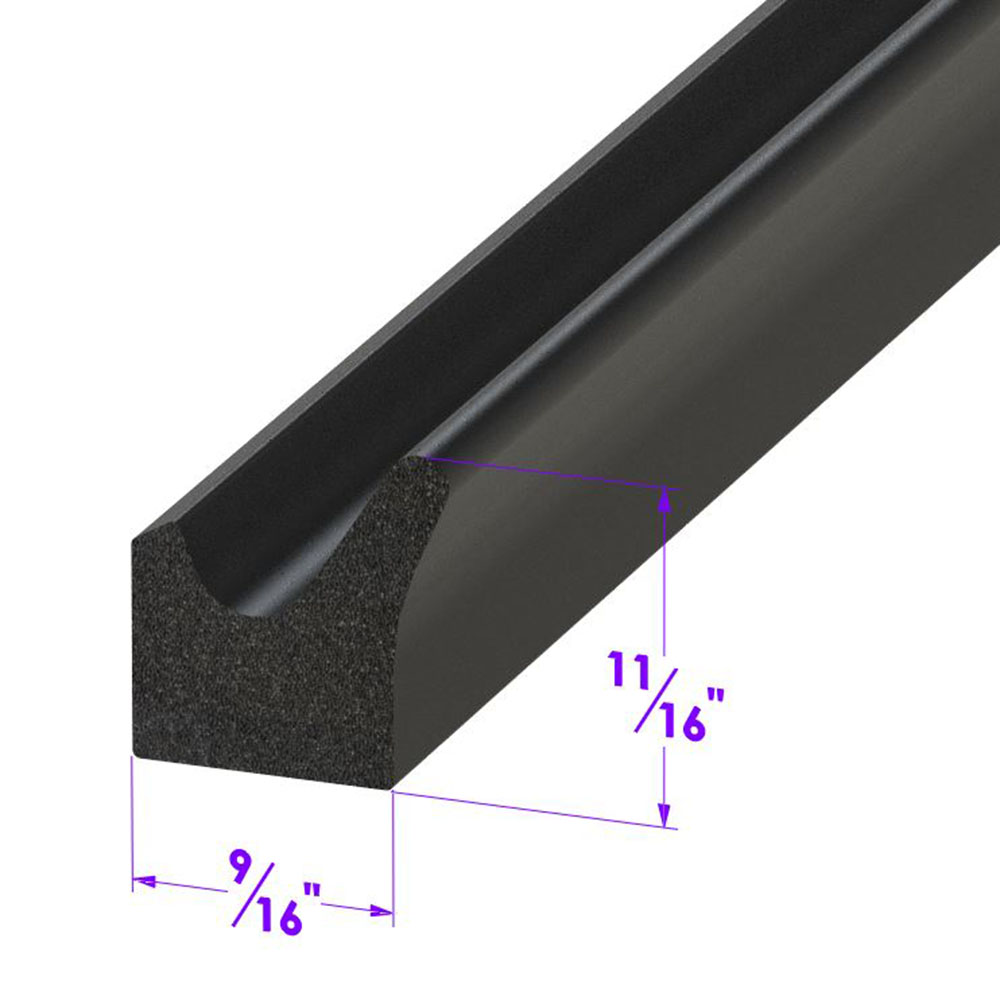 1939 Buick Special 40 Door side seal. Same as LP 40-A, but for a heavier seal-LP 40Door side seal. Same as LP 40-A, but for a heavier seal. Fits many domestic passenger cars and trucks. Used in Cobra kit cars as trunk weatherstrip. Per foot.
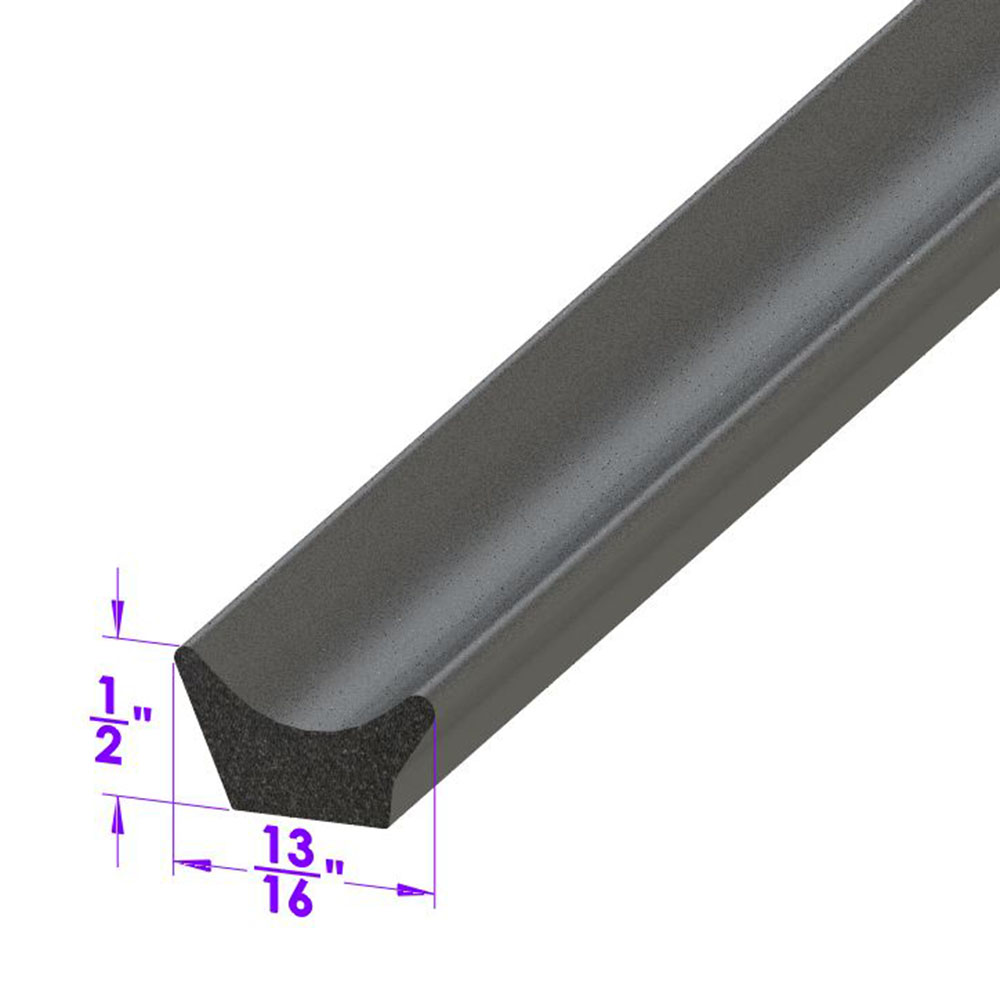 1939 Buick Special 40 Door side seal. Same as LP 40, but for a lighter seal-LP 40-ADoor side seal. Same as LP 40, but for a lighter seal. Fits many domestic passenger cars and trucks. Universal seal for street rods and customs. Used in Cobra kit cars as door weatherstrip. Per foot.
 1939 Buick Special 40 Trunk Seal. Sponge rubber. Sold by the foot.-LP 96-/FTTrunk Seal. Sponge rubber. Sold by the foot.
 1939 Buick Special 40 Park Light Pads. 1-3/4" wide X 8" long. Pair-MP 133-APark Light Pads. 1-3/4" wide X 8" long. Pair
 1939 Buick Special 40 Park Light Pads. 3" wide X 8-1/2" long. Pair-MP 133-BPark Light Pads. 3" wide X 8-1/2" long. Pair
 1939 Buick Special 40 Trunk Handle Pad. 2-1/2" wide X 7-5/8" long. Each-MP 300Trunk Handle Pad. 2-1/2" wide X 7-5/8" long. Each
 1939 Buick Special 40 Windshield Wiper Transmission Pad-MP 301Windshield Wiper Transmission Pad. 1-1/8" wide X 1-1/2" long. Each
 1939 Buick Special 40 Trunk Light Pad. 11-3/4" wide X 4-1/2" long. Each-MP 310Trunk Light Pad. 11-3/4" wide X 4-1/2" long. Each
 1939 Buick Special 40 Park Light Pads. 2" wide X 17-3/8" long. Pair-MP 320Park Light Pads. 2" wide X 17-3/8" long. Pair
 1939 Buick Special 40 Tail-light Pads. 2-1/2" wide X 6-1/4" long. Pair-MP 330Tail-light Pads. 2-1/2" wide X 6-1/4" long. Pair
 1939 Buick Special 40 Tail-light Pads. 2-7/8" wide X 8-5/8" long. Pair-MP 330-ATail-light Pads. 2-7/8" wide X 8-5/8" long. Pair
 1939 Buick Special 40 Trunk Hinge Pads. 1-1/2" wide X 10-1/4" long-MP 336-BTrunk Hinge Pads. 1-1/2" wide X 10-1/4" long. 4- Piece Set
 1939 Buick Special 40 Trunk Hinge Pads. 1-1/2" wide X 8-1/2" long. Pair-MP 336-ETrunk Hinge Pads. 1-1/2" wide X 8-1/2" long. Pair
 1939 Buick Special 40 Door Ferrule Grommet. Made of black rubber-MP 546-HDoor Ferrule Grommet. Made of black rubber. Fits over your old steel door ferrule (also see WF 2006) 1-3/16" O.D. Each
 1939 Buick Special 40 Cowl Vent Seal. 3" wide at side X 15-3/4" long. Each-RP 100-BCowl Vent Seal. 3" wide at side X 15-3/4" long. Each
 1939 Buick Special 40 Door Lock Knob. Brown. 1/2" diameter X 1" long X 1/8" hole-RP 303Door Lock Knob. Brown. 1/2" diameter X 1" long X 1/8" hole. Each
 1939 Buick Special 40 Sun Visor End Tube Plug. Black. Each-RP 303-DSun Visor End Tube Plug. Black. Each
 1939 Buick Special 40 Door Bumper. 1" diameter X 1/4" thick Each-SB 60Door Bumper. 1" diameter X 1/4" thick Each
 1939 Buick Special 40 Wire Harness Grommet. Each-SM 3Wire Harness Grommet. Each
 1939 Buick Special 40 Wire Harness / Firewall Grommet. Each-SM 31Wire Harness / Firewall Grommet. Each
 1939 Buick Special 40 Firewall Grommets, for thermostat, oil, throttle, choke-SM 32Firewall Grommets, for thermostat, oil, throttle, choke, vacuum and speedometer. 1-1/8" O.D., 1/4 I.D. 2-1/8" long X 1-1/8" wide. Set
 1939 Buick Special 40 Firewall Grommet for Thermostadt, Oil throttle, Choke-SM 32-BFirewall Grommet for Thermostadt, Oil throttle, Choke, Vacuum and Speedometer. Fits 3/4" hole. 1/4" I.D., 1-1/4" O.D. Each
 1939 Buick Special 40 Ignition cable grommet. 2 in. OD x 1/2 in. ID fits a 1.5 in-SM 33Ignition cable grommet. 2 in. OD x 1/2 in. ID fits a 1.5 in. hole. Each.
 1939 Buick Special 40 Firewall grommet for headlight and tail-light wires-SM 34Firewall grommet for headlight and tail-light wires. Fits 11/16" hole. 5/16" I.D., 15/16" O.D. Each
 1939 Buick Special 40 Firewall Grommet. For park brake cable. Angled hole. Fit's 1" hole-SM 40Firewall Grommet. For park brake cable. Angled hole. Fit's 1" Hole. Each
 1939 Buick Special 40 Speedometer Cable Firewall Grommet. Fits 1-7/8" long hole-SM 47Speedometer Cable Firewall Grommet. Fits 1-7/8" long hole. NOTE: Not used when car was factory equipped with windshield washers. (Fits some models) Each
 1939 Buick Special 40 Special Purpose Grommet-SM 68Special Purpose Grommet. For headlight wire loom through body. Each
 1939 Buick Special 40 Trunk Seal for Coupes and Convertibles Only-TK 58-B/18Trunk Seal for Coupes and Convertibles Only. 1" wide X 1/2" thick. Each
 1939 Buick Special 40 Trunk Seal, for Sedans. Each-TK 96-15Trunk Seal, for Sedans. Each
 1939 Buick Special 40 Vertical Seal for Vent Window. Each is 17" long. Pair-VS 2Vertical Seal for Vent Window. Each is 17" long. Pair
 1939 Buick Special 40 Flexible glass-run channel-WC 11-72Flexible glass-run channel. Mohair lined, cloth covered with stainless steel bead. Used on side windows. 72 in. long. Each. NOTE: $20 special shipping charge applies for domestic orders. Call or email for overseas shipping costs. Part can be sectioned in two equal lengths to reduce overseas shipping costs.
 1939 Buick Special 40 Rigid division-bar channel. Made with stainless steel bead-WC 2-72Rigid division-bar channel. Made with stainless steel bead. 72 in. long. Each. NOTE: $20 special shipping charge applies for domestic orders. Call or email for overseas shipping costs. Part can be sectioned into two equal lengths to reduce overseas shipping costs.
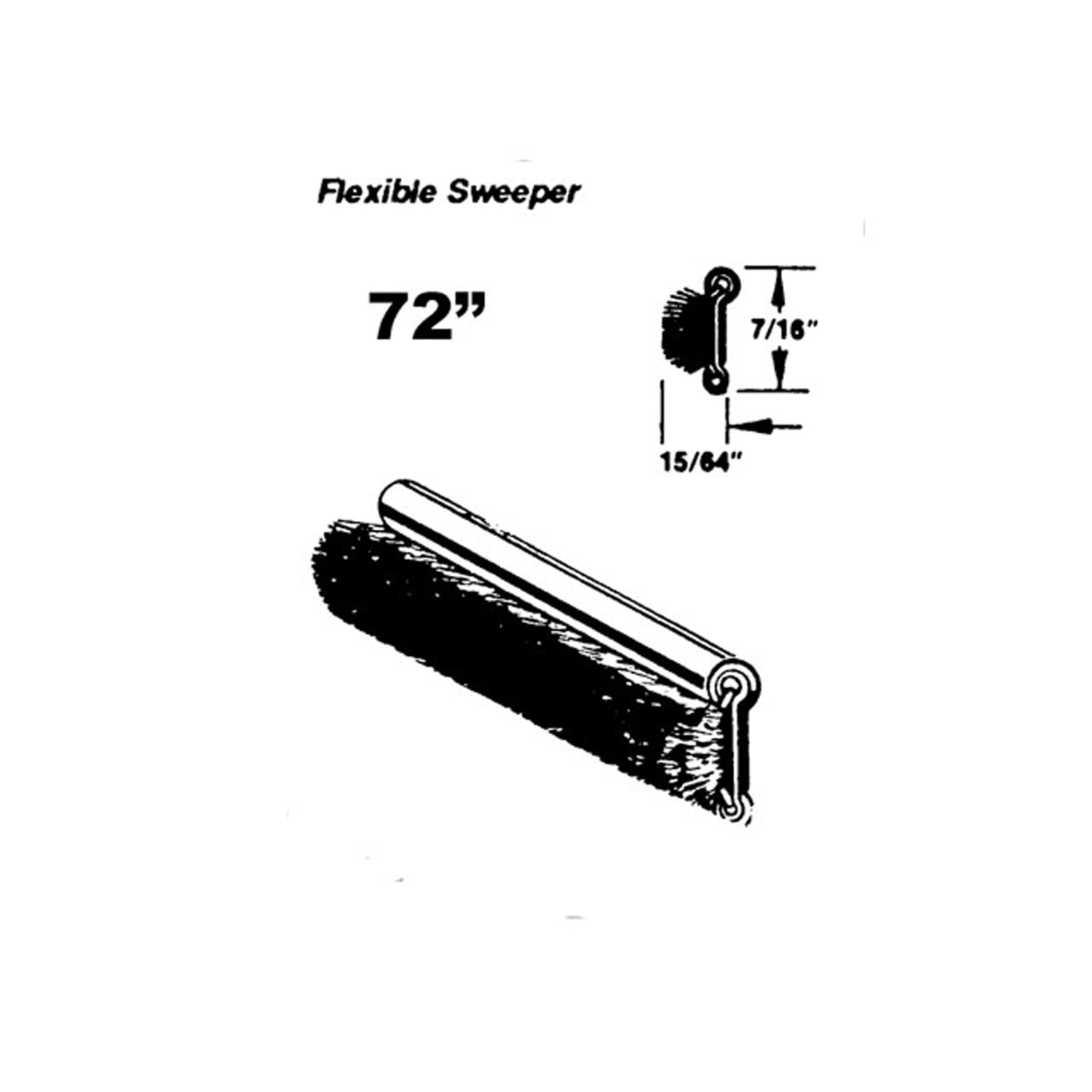 1939 Buick Special 40 Flexible sweeper. Made with stainless steel bead-WC 8-72Flexible sweeper. Made with stainless steel bead. Used on inner and outer beltlines. Also forms easily for use with sliding quarter windows. 72 in. long. Each. NOTE: $20 special shipping charge applies for domestic orders. Call or email for overseas shipping costs. Part can be sectioned into two equal lengths to reduce overseas shipping costs.
 1939 Buick Special 40 Chrome Door Ferrule. To be used with MP 546-H. 1-1/16" O.D-WF 2006Chrome Door Ferrule. To be used with MP 546-H. 1-1/16" O.D., 5/8" high. Fits most models. Each
 1939 Buick Special 40 Fender Bolts. For use with Fender Bolt Washers; WF 3001-WF 3000Fender Bolts. For use with Fender Bolt Washers; WF 3001. Zinc Chromate plated, high strength. 1" X 5/16". Set of 25
 1939 Buick Special 40 Fender Bolt Washers. For use with Fender Bolts; WF 3000-WF 3001Fender Bolt Washers. For use with Fender Bolts; WF 3000. High quality, cadmium plated. 1-1/4" O.D., 3/8" I.D. Set of 25
 1939 Buick Special 40 Front Vent Window Seals. Does not fit Convertible-WR 7306Front Vent Window Seals. Does not fit Convertible. Pair R&L
 1939 Buick Special 40 Front Vent Window Seals, for Convertibles. Pair R&L-WR 7310Front Vent Window Seals, for Convertibles. Pair R&L
 1939 Buick Special 40 Front Suspension Bumper. For lower arm. 2-1/8" high-XB 30Front Suspension Bumper. For lower arm. 2-1/8" high. Each
Why Choose Metro?
For over 100 years, Metro Moulded Parts has been the pinnacle of quality in classic car restoration parts. Our commitment to precision and authenticity in every component ensures a perfect fit and an OEM-level appearance.
- Expert Craftsmanship & Quality: Each part is a testament to our dedication to reliability and perfection, crafted from original designs and thoroughly tested.
- Advanced Technology: We use cutting-edge techniques to create flawless, long-lasting parts that surpass others in performance.
- SuperSoft Sponge – The Ultimate Door Seal: Not only are our door seals 30% softer than competitors', but they're also guaranteed to never leak. They effectively reduce wind and road noise, enhancing your classic car's comfort and driving experience.
- Proudly American: Our parts are a product of American craftsmanship, made in the USA with a spirit of excellence and heritage.
- Unrivaled Warranty: We back our products with a 30-year industry-leading warranty, a testament to our confidence in their quality.
Join us in preserving the legacy of classic cars with parts that are crafted for perfection, not just made.