

Image of 1951 Buick Roadmaster, Note: These illustrations use artistic license and may differ from actual historical models.
Performance Metrics
Fundamental Metrics
Emotional Appeal
MMP Rating
| Engine Specifications | |
|---|---|
| Engine: | Straight 8 |
| Displacement: | 320.2 cu in (5.2 L) |
| Horsepower: | 152 hp |
| Torque: | 280 lb-ft |
| Compression Ratio: | 7.5:1 |
| Ignition System: | Battery Ignition |
| Cooling System: | Liquid Cooled |
| Performance Specifications | |
| 0-60 Time: | Estimated 12 seconds |
| 1/4 Mile Time: | Not available |
| Top Speed: | 105 mph |
| Transmission and Drive | |
| Drive Type: | Rear Wheel Drive |
| Transmission Type: | Dynaflow automatic |
| Fuel and Efficiency | |
| Fuel System Type: | Carburetor |
| MPG: | Estimated 10-12 mpg |
| Dimensions and Brakes | |
| Brakes: | Drum Brakes |
| Wheelbase: | 129.5 inches |
| Weight: | 4300 lbs |
Note: Specifications for classic cars are given to the best of our ability, considering the limited and variant data available.
1951 Buick Roadmaster: A Postwar American Luxury Cruiser
The 1951 Buick Roadmaster brought big-car comfort, substantial chrome, and Buick’s signature straight-eight power together in one unmistakably confident package. Built by the Buick Motor Division of General Motors, the Roadmaster was Buick’s senior model line, positioned above the Super and aimed at drivers who wanted near-luxury presence without stepping up to a Cadillac.
Its timing mattered. The United States was in a postwar period of growing prosperity, and buyers were increasingly drawn to cars that felt spacious, powerful, and modern. The Roadmaster answered with a long hood, a wide cabin, and the smooth character of Buick’s “Fireball” straight-eight engine. One detail that still causes confusion today: “Riviera” was the name for Buick’s stylish pillarless hardtop body style, not a separate model line. The Roadmaster Riviera was part of the broader Buick tradition that helped make hardtops a defining American body style.
Roadmaster Styling and Cabin Comfort
The 1951 Roadmaster looks every inch a premium American car. Its broad, upright grille, substantial bumpers, flowing fenders, and generous chrome trim give it a strong presence without relying on sharp, modern angles. Buick revised the front-end treatment for 1951, while retaining the rounded, substantial forms that made late-1940s and early-1950s Buicks so recognizable. Roadmaster’s four VentiPorts on each front fender were another unmistakable badge of status. Buick used the number of ports to distinguish its model lines, so these openings were both a design signature and a visual cue to the car’s place in the range.
Inside, the Roadmaster favored comfort and rich-looking finishes over a sporty atmosphere. Buyers encountered broad bench seats, generous legroom, a wide dashboard, and carefully finished trim. Depending on body style and specification, the cabin could feature cloth upholstery, leather accents, or more substantial leather trim, along with bright metal details and carefully styled door panels. Materials and condition vary on surviving cars, of course, but a well-kept interior still feels like a proper lounge on wheels.
Factory paint choices varied by body style and production run. Buyers could choose from conservative dark colors such as black, as well as blues, greens, reds, and lighter shades. Two-tone treatments were especially effective on the Riviera hardtop, where contrasting roof and body colors emphasized the car’s long, uninterrupted profile. Black, deep red, and dark blue remain popular choices among collectors, though an appealing original color can make a car stand out.
Body Styles and Buick Features
The 1951 Roadmaster was offered as a four-door sedan, a two-door Riviera hardtop, and a convertible. The four-door sedan was the practical choice for families and chauffeured use, while the convertible offered open-air cruising and remains the most glamorous version. The Riviera hardtop is arguably the most iconic: without a fixed center pillar between the side windows, it had the airy, coupe-like look that American buyers increasingly loved.
Under the hood sat Buick’s 320.2-cubic-inch Fireball straight-eight, rated at about 152 horsepower. The engine’s long, smooth power delivery suited the Roadmaster’s relaxed personality. A Dynaflow automatic transmission was standard on the Roadmaster, giving the car effortless, clutch-free operation. Unlike a modern automatic with several distinct gear changes, Dynaflow relied heavily on its fluid torque converter. That made acceleration smooth, but it also meant the engine could feel busy when the driver asked for brisk performance.
The Roadmaster also came with power-assisted features available depending on equipment and market, but it was not a modern technology showcase with electronic systems or advanced safety aids. Its innovations were rooted in making a large car easier and more pleasant to use: automatic transmission, a smooth straight-eight, roomy seating, and suspension tuned for comfort. Like other cars of its day, it used a six-volt electrical system and lacked modern conveniences such as factory air conditioning.
Why the 1951 Roadmaster Mattered
Buick’s importance in the early 1950s came from its ability to offer prestige and refinement below Cadillac prices. The Roadmaster occupied the top of the Buick range, giving buyers a substantial, well-equipped car with a distinctive identity of its own. Its VentiPorts, toothy grille, sweeping bodywork, and quiet straight-eight helped establish a visual and mechanical formula that Buick would refine through the decade.
The Riviera hardtop was an important part of that story. Pillarless coupes combined the open look of a convertible with the security and weather protection of a fixed roof. Buick had already helped popularize the body style, and the 1951 Roadmaster Riviera made the format especially appealing in a large, upscale car. The word “Riviera” later became the name of a separate Buick model, but in 1951 it described a body style.
Compared with many contemporaries, the Roadmaster stood out for its smooth, quiet character and its blend of comfort and visual confidence. It was not intended to be a sports car or a race machine. Its lasting influence is found in the American luxury-cruiser ideal: generous space, effortless operation, bold styling, and an emphasis on making long trips feel easy.
Performance and the Driving Experience
Period performance figures vary with body style, condition, transmission, and testing method. A healthy 1951 Roadmaster could reach roughly 90 to 95 mph, while 0-to-60-mph acceleration generally took somewhere around 16 to 19 seconds. Those numbers sound modest today, but the car weighed well over two tons and was engineered for smooth progress rather than quick launches.
Dynaflow is central to the driving experience. From a stop, the Roadmaster gathers speed in a steady, unhurried sweep rather than delivering a sharp kick. The straight-eight produces a subdued, even hum, and the automatic transmission keeps the ride free of frequent shifts. On an open highway, the car feels relaxed and substantial, with its long wheelbase helping it settle into a steady cruise.
The suspension is soft by modern standards, so bumps are taken with a gentle float rather than a firm, controlled thump. That comfort is a pleasure on ordinary roads, although the body can lean noticeably through bends. Windy roads call for a measured approach: the Roadmaster is large, heavy, and not particularly eager to change direction. Its steering and braking feel belong to another era, too, so drivers need to leave plenty of room and avoid expecting modern-car precision.
Owning and Maintaining a Roadmaster
Today, most 1951 Roadmasters are best suited to weekend drives, club events, parades, and shows. Some can serve as occasional drivers, but their size, fuel consumption, drum brakes, and vintage electrical system make them less convenient for modern commuting. Fuel economy is low by current standards, and actual mileage depends heavily on mechanical condition, driving style, and traffic.
The straight-eight is a durable design when properly maintained, and many routine mechanical jobs are understandable to an experienced home mechanic. The car’s age is the bigger challenge. Rubber components, brake hydraulics, wiring, cooling systems, and Dynaflow transmissions all need careful inspection. Parts support is generally available through specialist suppliers and Buick enthusiast networks, but trim, interior pieces, and correct restoration details can take time and money to source.
Before buying, check for rust in the floors, lower body panels, trunk, and structural areas, and confirm that the engine, transmission, and cooling system work properly. A car that has been stored for years may need extensive recommissioning even if it looks presentable. The Roadmaster is repairable, but a neglected example can quickly turn a low purchase price into a major restoration bill.
Roadmaster Trivia and Common Complaints
One of the Roadmaster’s most memorable features is its set of four VentiPorts per side, a visual shorthand for the senior Buick’s status. The Riviera hardtop also offers a neat piece of naming history: in 1951, it was a body style within the Buick lineup, decades before Riviera became synonymous with Buick’s personal-luxury coupe.
The Roadmaster is not known for a headline speed record or a major racing career. Its achievements were more everyday: delivering a high level of comfort and prestige to buyers who wanted a premium American car. The 1951 model belongs to the postwar boom in big, chrome-rich automobiles, rather than to a single famous historical event. Its strongest claim to fame is how clearly it captures that era’s taste and optimism.
Collectors often point to the same drawbacks: Dynaflow can feel slow, the car is thirsty, and its dimensions make tight parking and modern traffic a challenge. The soft suspension can also feel wallowy to drivers accustomed to newer cars. Those criticisms are fair, but they are part of the Roadmaster’s character. It was built to glide, not carve corners or win drag races.
1951 Buick Roadmaster Values and Rarity
A reasonable estimate for total 1951 Roadmaster production is about 82,000 cars across the series, though published totals can vary by source and by how body styles are counted. That makes the Roadmaster far from a one-off rarity, but surviving examples in excellent, original condition are much less common than the production figure suggests. Four-door sedans are generally the easiest to find. Convertibles are scarcer and typically command the strongest prices, while Riviera hardtops offer a compelling balance of style and availability.
As a broad 2026-market guide in the United States, a project car may sell for roughly $10,000 to $20,000. A usable driver in fair to good condition might fall around $25,000 to $45,000, while a very clean, well-restored car can reach approximately $50,000 to $80,000. Exceptional convertibles or concours-quality examples may bring $90,000 to $150,000 or more, depending on originality, restoration quality, and market demand. These are estimates, not guaranteed sale prices; body style and condition make a major difference.
Values have generally benefited from the steady appeal of postwar American classics, but the market is selective. High-quality convertibles and well-documented original cars have the strongest prospects. Ordinary sedans are more affordable, and poorly restored or mechanically tired cars can be difficult to sell. Overall, the Roadmaster remains a desirable classic, with its best examples holding value better than basic project cars.
The Lasting Appeal of the 1951 Buick Roadmaster
The 1951 Buick Roadmaster combines imposing postwar styling, a smooth 320.2-cubic-inch straight-eight, standard Dynaflow convenience, and the unmistakable presence of a senior Buick. It is not quick or nimble by modern standards, but that was never the point. Its appeal lies in the spacious cabin, the unhurried ride, and the feeling that every drive should be taken at a comfortable pace.
For collectors, the Roadmaster is more than a handsome old car. It is a rolling snapshot of an era when American automakers turned comfort, chrome, and confident design into a statement of optimism. Get behind the wheel, let the straight-eight settle into its steady rhythm, and the Roadmaster’s purpose becomes clear: it was built to make the journey feel like the destination.
1951 Buick Roadmaster Catalog of Parts
 1951 Buick Roadmaster Front Door body Hinge Pillar Seal-ALP 73Front Door body Hinge Pillar Seal. Made with molded ends like original. Pair R&L
 1951 Buick Roadmaster Accelerator Pedal Pad. Made with steel core like original-AP 29-CAccelerator Pedal Pad. Made with steel core like original. 2-1/8" X 8-1/2". Black. Each
 1951 Buick Roadmaster Accelerator Pedal Bellows. Covers unsightly steel rod-BL 7-AAccelerator Pedal Bellows. Covers unsightly steel rod. 1/4" top I.D.., 1" bottom I.D., 2-3/4" high (compresses to 1-1/2"). Each
 1951 Buick Roadmaster Stabilizer Bar Bushings-BN 106Stabilizer Bar Bushings. 1-3/4" long X 1-1/2" wide X 1-1/2" high, 10/16" I.D. Pair
 1951 Buick Roadmaster Front Stabilizer Bar Bushing. Fits rear on 1948-1956 Olds-BN 29Front Stabilizer Bar Bushing. Fits rear on 1948-1956 Olds. 2" high. Each
 1951 Buick Roadmaster Stabilizer Bar Bushing. For rear axel anti-sway rod ends-BN 34-BStabilizer Bar Bushing. For rear axel anti-sway rod ends. Four used per car. 1-5/16" O.D., 3/4" long, with 5/8" I.D. Each
 1951 Buick Roadmaster Dyno-Flow Brake Pedal Pad. 3" wide X 3-1/2" long. Each-CB 103Dyno-Flow Brake Pedal Pad. 3" wide X 3-1/2" long. Each
 1951 Buick Roadmaster Clutch and Brake Pedal Pads. 2" wide X 3" long. Pair-CB 15Clutch and Brake Pedal Pads. 2" wide X 3" long. Pair
 1951 Buick Roadmaster Cowl and Hood Seal. All rubber. 5' Piece. Each-CS 2Cowl and Hood Seal. All rubber. 5' Piece. Each
 1951 Buick Roadmaster Hood to Cowl Seal. Push-in carrot tabs-CS 2-BHood to Cowl Seal. Push-in carrot tabs. 56-1/2" long X 1/18/" wide. Each
 1951 Buick Roadmaster Door Side Bumper-DB 42Door Side Bumper. Each bumper has four screws and steel core like original. 1-5/8" high X 1-13/16" X 5/32" thick. Pair
 1951 Buick Roadmaster Upper Door Hinge Post Bumper. Held by screw-DB 60-AUpper Door Hinge Post Bumper. Held by screw. 7/8" diameter X 1/8" thick. Each
 1951 Buick Roadmaster Center Division Bar Seal and Retainer-DP 16Center Division Bar Seal and Retainer. Made to original specifications to accommodate chrome molding. 17-1/2" long. Each
 1951 Buick Roadmaster Door and Hood Bumper. 1" diameter X 7/8" thick. Each-HF 16Door and Hood Bumper. 1" diameter X 7/8" thick. Each
 1951 Buick Roadmaster Hood and Tailgate Bumper with Steel-HF 17-AHood and Tailgate Bumper with Steel. 1-3/4" long X 5/8" wide. Exact reproduction. Each
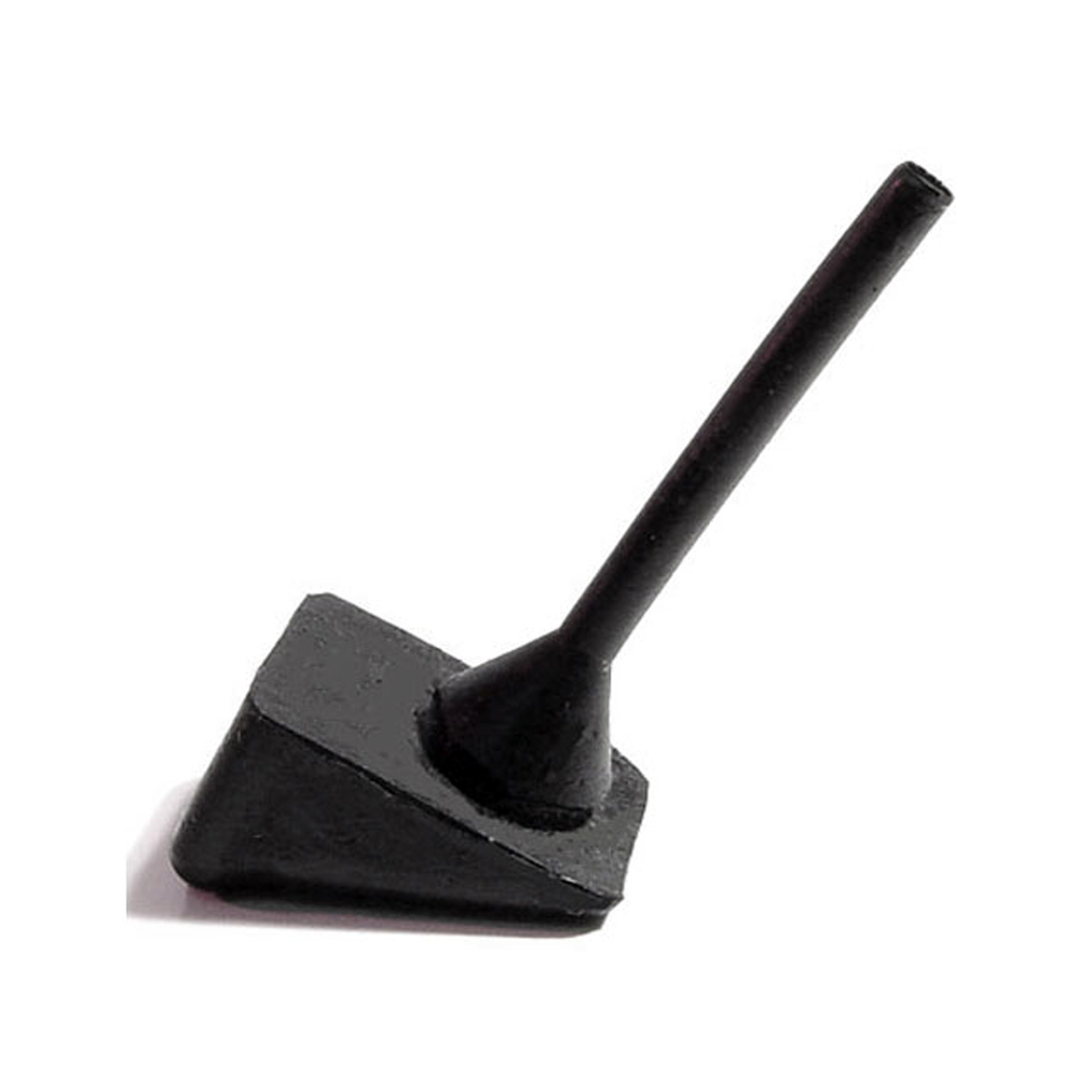 1951 Buick Roadmaster Hood Bumper. Each-HF 8Hood Bumper. Each
 1951 Buick Roadmaster Headlight Assembly Housing Pad. 8-3/8" O.D. Pair-HR 7Headlight Assembly Housing Pad. 8-3/8" O.D. Pair
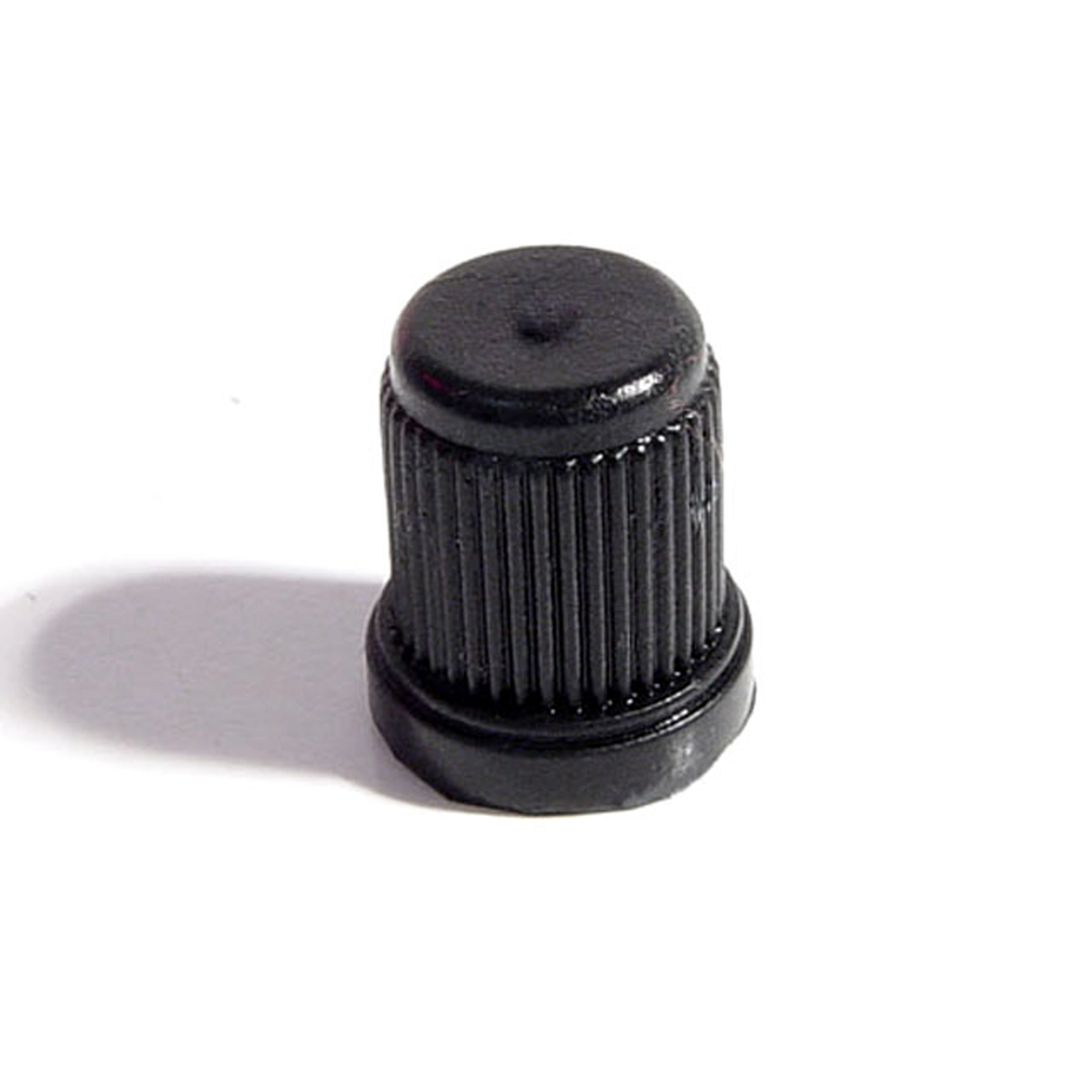 1951 Buick Roadmaster Trip Meter Reset Knob. Made of black rubber-KN 10Trip Meter Reset Knob. Made of black rubber. Compare to measurements: 1/8" I.D., 7/16" O.D. X 1/2" tall. Each
 1951 Buick Roadmaster Trunk Light Pad. 15-1/2" wide X 2-3/4" long at end. Each-MP 250Trunk Light Pad. 15-1/2" wide X 2-3/4" long at end. Each
 1951 Buick Roadmaster Door Lock Knob. Made of Black rubber, self-threading-RP 304-ADoor Lock Knob. Made of Black rubber, self-threading. 1-3/8" tall with 1/8" lower I.D., 3/8" lower O.D. Each
 1951 Buick Roadmaster Door Lock Knob. Made of Slate Blue rubber, self-threading-RP 304-CDoor Lock Knob. Made of Slate Blue rubber, self-threading. 1-3/8" tall with 1/8" lower I.D., 3/8" lower O.D. Each
 1951 Buick Roadmaster Door Lock Knob. Made of Navy Blue rubber, self-threading-RP 304-DDoor Lock Knob. Made of Navy Blue rubber, self-threading. 1-3/8" tall with 1/8" lower I.D., 3/8" lower O.D. Each
 1951 Buick Roadmaster Door Lock Knob. Made of Silver Blue rubber, self-threading-RP 304-EDoor Lock Knob. Made of Silver Blue rubber, self-threading. 1-3/8" tall with 1/8" lower I.D., 3/8" lower O.D. Each
 1951 Buick Roadmaster Door Lock Knob. Made of Fawn colored rubber, self-threading-RP 304-FDoor Lock Knob. Made of Fawn colored rubber, self-threading. 1-3/8" tall with 1/8" lower I.D., 3/8" lower O.D. Each
 1951 Buick Roadmaster Door Lock Knob. Made of Olive Green rubber, self-threading-RP 304-GDoor Lock Knob. Made of Olive Green rubber, self-threading. 1-3/8" tall with 1/8" lower I.D., 3/8" lower O.D. Each
 1951 Buick Roadmaster Door Lock Knob. Made of Yellow rubber, self-threading-RP 304-HDoor Lock Knob. Made of Yellow rubber, self-threading. 1-3/8" tall with 1/8" lower I.D., 3/8" lower O.D. Each
 1951 Buick Roadmaster Door Lock Knob. Made of White rubber, self-threading-RP 304-IDoor Lock Knob. Made of White rubber, self-threading. 1-3/8" tall with 1/8" lower I.D., 3/8" lower O.D. Each
 1951 Buick Roadmaster Door Lock Knob. Made of Silver rubber, self-threading-RP 304-JDoor Lock Knob. Made of Silver rubber, self-threading. 1-3/8" tall with 1/8" lower I.D., 3/8" lower O.D. Each
 1951 Buick Roadmaster Door Lock Knob. Made of Medium Brown rubber, self-threading-RP 304-KDoor Lock Knob. Made of Medium Brown rubber, self-threading. 1-3/8" tall with 1/8" lower I.D., 3/8" lower O.D. Each
 1951 Buick Roadmaster Door Lock Knob. Made of Wedgwood rubber, self-threading-RP 304-LDoor Lock Knob. Made of Wedgwood rubber, self-threading. 1-3/8" tall with 1/8" lower I.D., 3/8" lower O.D. Each
 1951 Buick Roadmaster Door Lock Knob. Made of Teal Green rubber, self-threading-RP 304-MDoor Lock Knob. Made of Teal Green rubber, self-threading. 1-3/8" tall with 1/8" lower I.D., 3/8" lower O.D. Each
 1951 Buick Roadmaster Door Lock Knob. Made of Moss Green rubber, self-threading-RP 304-NDoor Lock Knob. Made of Moss Green rubber, self-threading. 1-3/8" tall with 1/8" lower I.D., 3/8" lower O.D. Each
 1951 Buick Roadmaster Door Lock Knob. Made of Ember glow rubber, self-threading-RP 304-ODoor Lock Knob. Made of Ember glow rubber, self-threading. 1-3/8" tall with 1/8" lower I.D., 3/8" lower O.D. Each
 1951 Buick Roadmaster Torque Ball Boot. For Cars with Dyna Flow Transmission-RP 73-ATorque Ball Boot. For Cars with Dyna Flow Transmission. Replaces OEM #1334298. Each
 1951 Buick Roadmaster Front Door Window Adjustment Bumper Cushion-SB 70Front Door Window Adjustment Bumper Cushion. For "T" bolt in door. Four to six used per car. 11/16" X 1/4". Each
 1951 Buick Roadmaster Side Window Bumper-SB 98Side Window Bumper. For side window glass in vent frame at top of window. Made with steel core like original. Replaces OEM #4180904-5. Pair R&L
 1951 Buick Roadmaster Speedometer Cable / Utility Grommet-SM 2Speedometer Cable / Utility Grommet. Fits 3/4" to 13/16" hole. 3/16" center hole. Each
 1951 Buick Roadmaster Wire Harness Grommet. Each-SM 3Wire Harness Grommet. Each
 1951 Buick Roadmaster Special Purpose Grommet-SM 4Special Purpose Grommet. For firewall, fuel gauge wire, horn wire, hood latch cable and fresh air cable. Fits 1/2" hole. 1/8" center hole. Each
 1951 Buick Roadmaster Firewall Grommet-SM 50Firewall Grommet. For oil pressure and water temperature gauge lines. 1-1/2" O.D., fits 1-1/8" hole. Each
 1951 Buick Roadmaster Firewall Grommet for Vacuum Line Hose-SM 51Firewall Grommet for Vacuum Line Hose. 2-11/16" long, 1-5/8" wide, 1-3/16" wide. Each
 1951 Buick Roadmaster Hole Plug and Cowl Bumper. Fits 1/2" hole. Each-SM 52Hole Plug and Cowl Bumper. Fits 1/2" hole. Each
 1951 Buick Roadmaster Firewall and Utility Grommet. Fits 3/4" hole. 3/16" I.D-SM 8Firewall and Utility Grommet. Fits 3/4" hole. 3/16" I.D. Each
 1951 Buick Roadmaster Trunk Seal. 16 Feet overall length. Each-TK 50/52-8Trunk Seal. 16 Feet overall length. Each
 1951 Buick Roadmaster Trunk Seal. Each-TK 56-18Trunk Seal. Each
 1951 Buick Roadmaster Vertical Seal for Vent Window. Each is 17" long. Pair-VS 2Vertical Seal for Vent Window. Each is 17" long. Pair
 1951 Buick Roadmaster Flexible glass-run channel-WC 11-72Flexible glass-run channel. Mohair lined, cloth covered with stainless steel bead. Used on side windows. 72 in. long. Each. NOTE: $20 special shipping charge applies for domestic orders. Call or email for overseas shipping costs. Part can be sectioned in two equal lengths to reduce overseas shipping costs.
 1951 Buick Roadmaster Rigid division-bar channel. Made with Zinc-plated bead-WC 1-72Rigid division-bar channel. Made with Zinc-plated bead. Used on lower side windows. 72 in. long. Each. NOTE: $20 special shipping charge applies for domestic orders. Call or email for overseas shipping costs. Part can be sectioned into two equal lengths to reduce overseas shipping costs.
 1951 Buick Roadmaster Rigid division-bar channel. Made with Zinc-plated bead-WC 1-96Rigid division-bar channel. Made with Zinc-plated bead. Used on lower side windows. 96 in. long. Each. NOTE: $20 special shipping charge applies for domestic orders. Call or email for overseas shipping costs. Part can be sectioned in two or three equal lengths to reduce overseas shipping costs.
 1951 Buick Roadmaster Rigid division-bar channel. Made with stainless steel bead-WC 2-72Rigid division-bar channel. Made with stainless steel bead. 72 in. long. Each. NOTE: $20 special shipping charge applies for domestic orders. Call or email for overseas shipping costs. Part can be sectioned into two equal lengths to reduce overseas shipping costs.
 1951 Buick Roadmaster Flexible sweeper. Made with stainless steel bead-WC 8-72Flexible sweeper. Made with stainless steel bead. Used on inner and outer beltlines. Also forms easily for use with sliding quarter windows. 72 in. long. Each. NOTE: $20 special shipping charge applies for domestic orders. Call or email for overseas shipping costs. Part can be sectioned into two equal lengths to reduce overseas shipping costs.
 1951 Buick Roadmaster Fender Bolts. For use with Fender Bolt Washers; WF 3001-WF 3000Fender Bolts. For use with Fender Bolt Washers; WF 3001. Zinc Chromate plated, high strength. 1" X 5/16". Set of 25
 1951 Buick Roadmaster Fender Bolt Washers. For use with Fender Bolts; WF 3000-WF 3001Fender Bolt Washers. For use with Fender Bolts; WF 3000. High quality, cadmium plated. 1-1/4" O.D., 3/8" I.D. Set of 25
 1951 Buick Roadmaster Rear Vent Window Seals, for 4-Door Sedans. 24-3/4" Long-WR 7323-RRear Vent Window Seals, for 4-Door Sedans. 24-3/4" Long. Pair R&L
 1951 Buick Roadmaster Front Suspension Bumper. 2" high. Each-XB 18Front Suspension Bumper. 2" high. Each
 1951 Buick Roadmaster Front Suspension Bumper. 1-5/8" high. Each-XB 23Front Suspension Bumper. 1-5/8" high. Each
 1951 Buick Roadmaster Front Suspension Bumper. 2-7/8" high. Each-XB 25Front Suspension Bumper. 2-7/8" high. Each
Why Choose Metro?
For over 100 years, Metro Moulded Parts has been the pinnacle of quality in classic car restoration parts. Our commitment to precision and authenticity in every component ensures a perfect fit and an OEM-level appearance.
- Expert Craftsmanship & Quality: Each part is a testament to our dedication to reliability and perfection, crafted from original designs and thoroughly tested.
- Advanced Technology: We use cutting-edge techniques to create flawless, long-lasting parts that surpass others in performance.
- SuperSoft Sponge – The Ultimate Door Seal: Not only are our door seals 30% softer than competitors', but they're also guaranteed to never leak. They effectively reduce wind and road noise, enhancing your classic car's comfort and driving experience.
- Proudly American: Our parts are a product of American craftsmanship, made in the USA with a spirit of excellence and heritage.
- Unrivaled Warranty: We back our products with a 30-year industry-leading warranty, a testament to our confidence in their quality.
Join us in preserving the legacy of classic cars with parts that are crafted for perfection, not just made.