

Image of 1961 Buick Lesabre, Note: These illustrations use artistic license and may differ from actual historical models.
Performance Metrics
Fundamental Metrics
Emotional Appeal
MMP Rating
| Engine Specifications | |
|---|---|
| Engine: | 364 cu in (6.0 L) V8, 401 cu in (6.6 L) V8 |
| Displacement: | 364-401 cu in |
| Horsepower: | 250-325 hp |
| Torque: | 375-445 lb-ft |
| Compression Ratio: | 10.25:1 |
| Ignition System: | Distributor ignition |
| Cooling System: | Liquid-cooled |
| Performance Specifications | |
| 0-60 Time: | 10 seconds |
| 1/4 Mile Time: | 17 seconds |
| Top Speed: | 120 mph |
| Transmission and Drive | |
| Drive Type: | Rear-wheel drive |
| Transmission Type: | 2-speed automatic, 3-speed manual |
| Fuel and Efficiency | |
| Fuel System Type: | Carburetor |
| MPG: | 10-12 mpg |
| Dimensions and Brakes | |
| Brakes: | Drum brakes |
| Wheelbase: | 123 inches |
| Weight: | 4,000 lbs |
Note: Specifications for classic cars are given to the best of our ability, considering the limited and variant data available.
1961 Buick LeSabre: A Full-Size Buick in a New Era
The 1961 Buick LeSabre traded the extravagant fins of the late 1950s for cleaner lines, a broad stance, and classic Buick comfort. Built by the Buick Motor Division of General Motors, it was the brand’s full-size, entry-level model, positioned below the sportier Invicta and the more luxurious Electra. “Entry-level” did not mean basic: the LeSabre delivered a substantial V8, generous cabin space, and the polished road manners buyers expected from Buick.
The model arrived during a turning point in American automotive design. After a decade of increasingly dramatic styling, Detroit automakers were moving toward lower, more restrained shapes. The 1961 LeSabre captured that shift without giving up the chrome, brightwork, and visual presence that made a big Buick recognizable. Its name also carried a famous echo: it was shared with GM’s striking 1951 Le Sabre show car, a jet-age concept that helped shape the company’s public image.
One useful bit of Buick trivia: the 1961 LeSabre’s 364-cubic-inch V8 was not the compact aluminum 215 V8 sometimes associated with early-1960s Buicks. That lightweight engine belonged to the smaller Buick Special. The LeSabre remained a traditional, full-size American cruiser with a cast-iron V8.
1961 LeSabre Styling and Interior
From the outside, the LeSabre looks broad and confident rather than flamboyant. Its long hood, squared-off proportions, and wide grille give it a planted appearance, while paired headlights and bright trim add just the right amount of ceremony. Buick’s dramatic 1959 fins had been toned down, leaving sculpted rear quarters and a crisp tail treatment instead of towering wings. The result is unmistakably early-1960s, but noticeably more restrained than the cars that came just a couple of years before it.
Inside, the LeSabre offered a spacious bench-seat cabin designed for relaxed travel. Upholstery combinations varied by trim and body style, with cloth, vinyl, and other period materials used across the range. A broad dashboard, polished trim, and clear instrumentation gave the interior a suitably upscale feel. Buyers could add conveniences such as power steering, power brakes, power windows, a power seat, air conditioning, and a radio, depending on configuration. These features made a big difference in everyday comfort, though they also add components that a present-day owner may need to inspect.
Buick offered the LeSabre in a selection of period colors, including solid finishes and two-tone combinations. Color names and availability depended on the paint chart and production details, but buyers could choose from shades in the familiar whites, blues, greens, reds, and metallic tones of the era. White, red, and blue cars remain especially easy to picture in period advertising, while well-preserved two-tone examples have a particularly strong classic-car look.
Body styles included two-door and four-door sedans, two-door and four-door hardtops, a convertible, and station-wagon variants in the broader LeSabre range. The two-door hardtop is a favorite among collectors for its pillarless roofline, which gives the car a clean profile with the windows down. The convertible has the most obvious open-air appeal, while four-door models offer the comfort and practicality that made LeSabres popular family cars.
Why the 1961 Buick LeSabre Matters
The 1961 LeSabre was not a radical technology showcase, but it is an important example of how American full-size cars changed direction. Its cleaner, less fin-heavy styling reflected a broad industry move toward more controlled proportions. Buick managed to make the car feel modern without abandoning its established character: a substantial body, a comfortable ride, a V8 under the hood, and a cabin designed for long trips.
What set the LeSabre apart from many contemporaries was its combination of size, finish, and relative accessibility within the Buick lineup. It gave buyers much of the big-Buick experience without requiring them to step up to an Invicta or Electra. Its influence is best understood as part of a wider design transition rather than as a single-car revolution. The LeSabre helped show that a full-size car could still look imposing after the era of towering fins had passed.
V8 Performance and Road Manners
Power came from Buick’s 364-cubic-inch V8. In LeSabre tune, the engine was commonly rated at about 250 horsepower, with a two-barrel carburetor. Exact published figures can vary with the specification being quoted, but the key point is that the LeSabre had ample low-speed torque for its intended job. A three-speed manual transmission was available, while many cars were ordered with Buick’s Dynaflow automatic.
Period performance depended on transmission, axle ratio, body style, and test conditions. As a general guide, a healthy 1961 LeSabre could reach 60 mph in roughly 10 to 12 seconds, with a top speed in the neighborhood of 105 to 110 mph. Those are estimates, not guarantees for every surviving car. Today’s results will also depend heavily on engine condition, tire choice, and whether the car has been correctly maintained.
On the road, the LeSabre favors smooth progress over sharp responses. Its long wheelbase and soft suspension take the edge off broken pavement, and the car feels most at home cruising on open roads. On a winding route, its size and period suspension are easy to notice: it leans more than a modern sedan, and the steering feels slower and less precise. Crosswinds and narrow roads call for a relaxed hand on the wheel rather than quick corrections.
The V8 delivers a deep, unhurried sound, especially under acceleration. With the automatic, the driving experience is deliberately smooth, though Dynaflow-equipped cars can feel less eager off the line than a modern automatic. The driver sits behind a broad hood and large steering wheel, with a light, comfortable cruising character that suits the car’s original purpose. It is a classic for enjoying the journey, not for chasing tight lap times.
Living with a 1961 LeSabre
Most LeSabres today are used as weekend cruisers, show cars, or occasional-event cars rather than year-round daily transportation. A sound example can handle local trips and highway drives, but its fuel consumption, dimensions, and older safety equipment make it a different proposition from a modern commuter. Owners should also remember that a car this old may not have the braking, lighting, or crash protection expected today.
The basic V8 layout is familiar to many classic-car mechanics, and routine service is manageable for an experienced home mechanic with the correct manuals and tools. Parts for common service items are generally easier to source than model-specific trim or body pieces. Before buying, inspect the frame and body for corrosion, check the cooling system and engine for leaks or overheating, and test the transmission carefully. Power accessories, air conditioning, and other optional equipment can add comfort, but each system creates another potential repair task.
Reliability depends more on maintenance and condition than on the nameplate. A neglected car may need fuel-system work, electrical repairs, brake rebuilding, or suspension attention before it is ready for regular use. The Dynaflow automatic deserves particular scrutiny because a transmission problem can be more involved and costly than routine engine service. A pre-purchase inspection by a mechanic familiar with vintage Buicks is money well spent.
LeSabre Facts and Common Criticisms
The LeSabre name came from GM’s 1951 Le Sabre concept, a dramatic show car with aircraft-inspired design cues. The production car was far more practical, but the shared name linked Buick’s popular full-size range to one of the most memorable concept cars of the postwar era. Also worth remembering: the 1961 LeSabre was a comfortable road car, not a factory racing special, and it is not known for holding a major speed or endurance record.
Criticisms are much the same as those aimed at many full-size cars of the period. The LeSabre is thirsty by modern standards, takes up a lot of space, and does not feel nimble on tight roads. Some drivers find the Dynaflow automatic relaxed to the point of sluggishness. On the ownership side, worn trim, rust, and hard-to-find model-specific pieces can be more troublesome than the straightforward V8 itself.
1961 Buick LeSabre Values and Rarity
Production figures vary across published sources and model breakdowns, but a reasonable estimate is roughly 100,000 to 120,000 LeSabres built for 1961 across the range. That makes the model far from a one-off rarity. Individual body styles and well-preserved examples are less common, however, especially when they retain original equipment, colors, and interior details.
As a broad 2026 market estimate, a project car or rough driver may sell for about $6,000 to $12,000. A usable, presentable example often falls around $15,000 to $30,000, while a high-quality restoration can bring roughly $30,000 to $50,000 or more. Convertibles and particularly attractive, well-documented cars can command higher prices, with exceptional examples potentially reaching the $50,000 to $80,000 range. These are general estimates; condition, originality, body style, location, and recent sale comparisons all matter.
Values for ordinary sedans and hardtops have tended to move steadily rather than surge. Good convertibles and top-quality restorations have stronger demand, while cars needing major bodywork often remain difficult to justify financially. The best buying strategy is to prioritize a solid, complete car over a bargain project. Rust repair and missing trim can quickly cost more than the difference between a rough example and a better one.
The Lasting Appeal of the 1961 LeSabre
The 1961 Buick LeSabre brings together the best-known ingredients of a classic American cruiser: a torque-rich V8, a roomy cabin, a soft ride, and confident styling shaped by a changing era. It is less extravagant than a late-1950s Buick, yet it still has plenty of presence. For collectors, it offers several body styles and a comparatively approachable route into full-size Buick ownership. For anyone who enjoys an unhurried drive, the LeSabre remains exactly what a big Buick should be: comfortable, substantial, and quietly impressive.
1961 Buick Lesabre Catalog of Parts
 1961 Buick LeSabre Rear Quarter Window Seal for Convertibles-ALP 12Rear Quarter Window Seal for Convertibles. Used on door lock pillar. Made with metal cores. Pair R&L
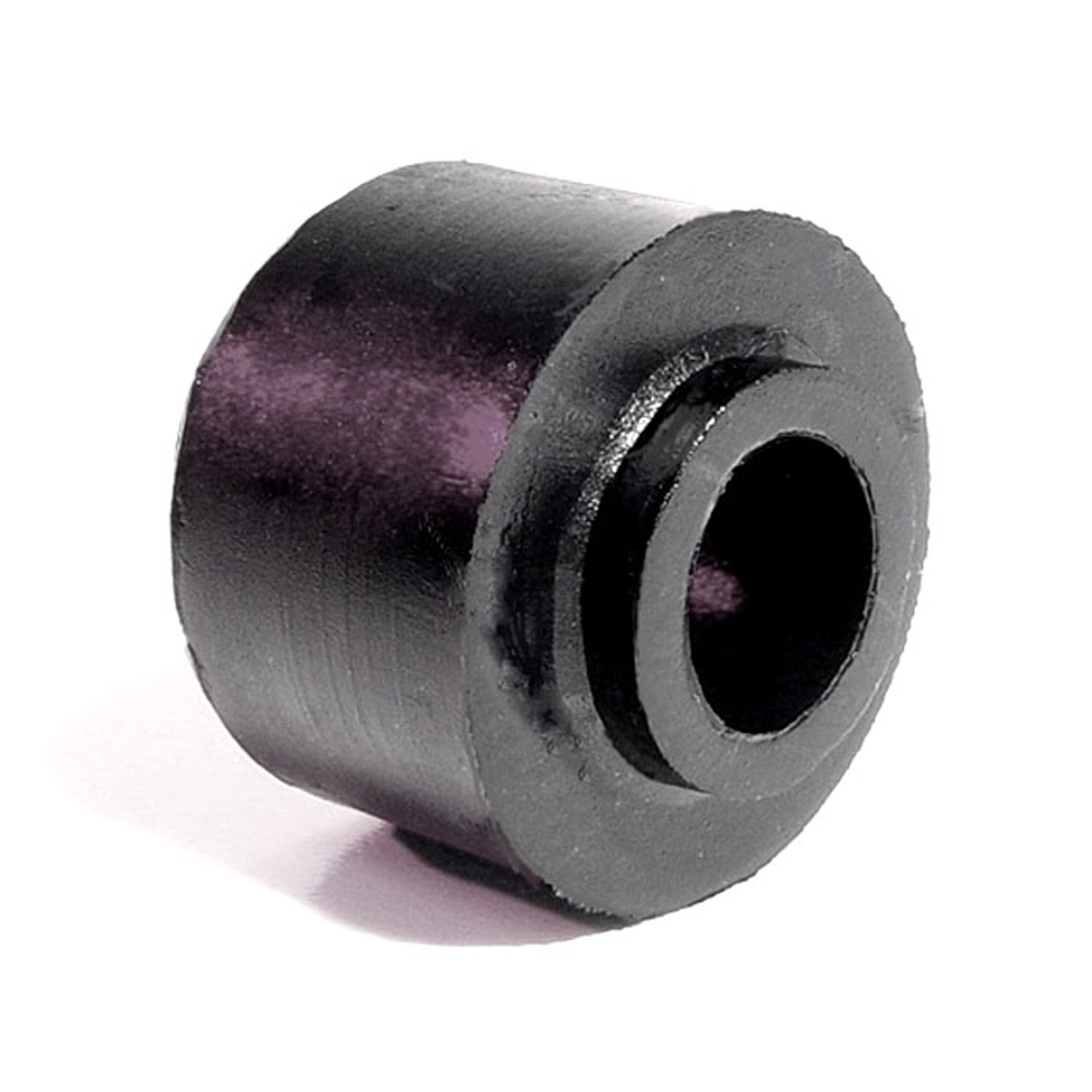 1961 Buick LeSabre Shock Absorber Grommet. 1" bottom O.D., 3/4" high-BN 1Shock Absorber Grommet. 1" bottom O.D., 3/4" high., with 7/16" I.D. Each
 1961 Buick LeSabre Shock Absorber Grommet. 1" bottom O.D-BN 11Shock Absorber Grommet. 1" bottom O.D., 3/4" high, with 5/8" I.D. Each
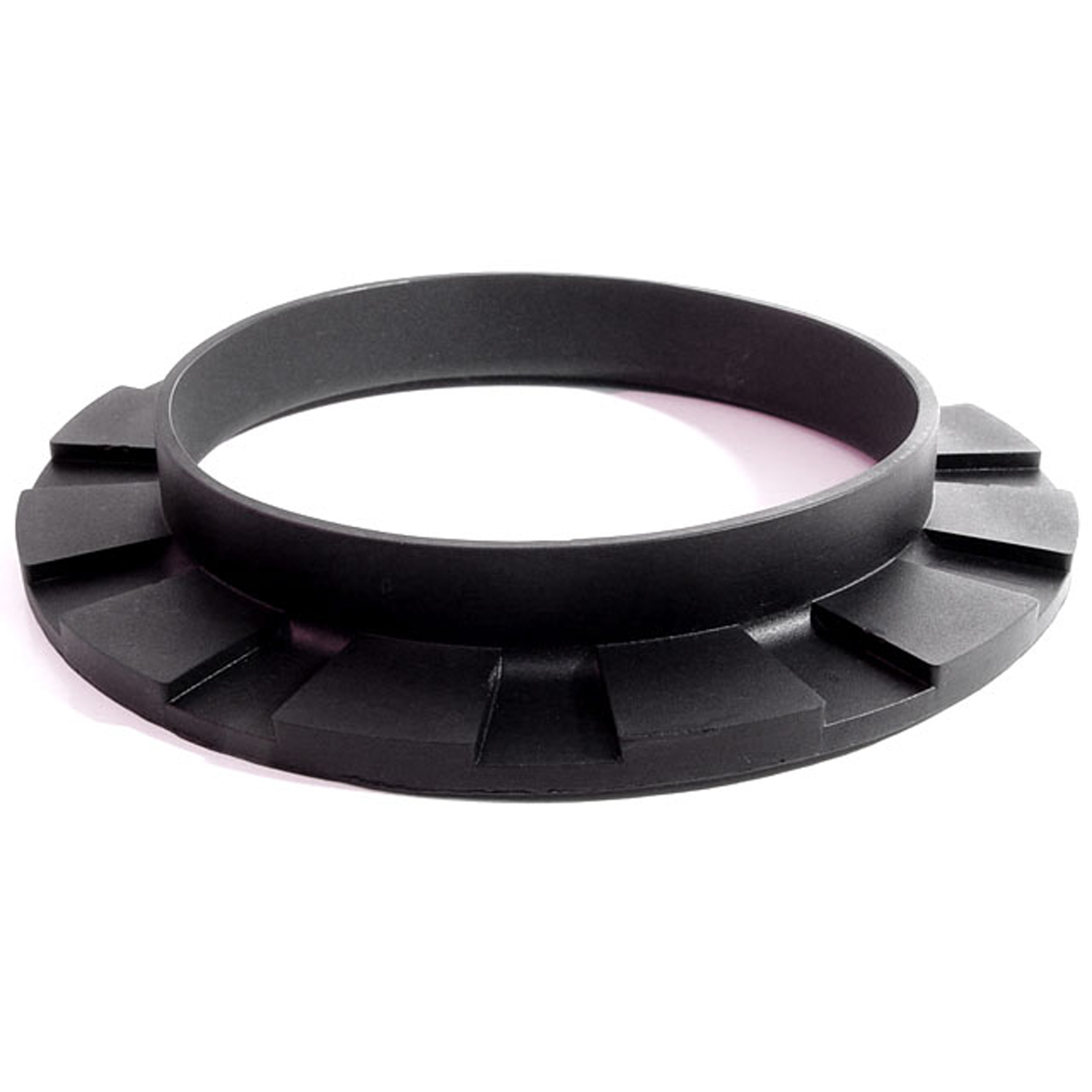 1961 Buick LeSabre Front coil-spring insulator-BN 110Front coil-spring insulator. Fits '41-'60 Oldsmobile and '50-'83 GM passenger models. 5-3/8 in. OD x 3-3/4 in. ID x 3/4 in. high with 13/16 in. wide bottom flange 1/4" thick, 12 flutes. Each.
 1961 Buick LeSabre Windshield Pillar Post Seals for Convertibles-CZ 8110Windshield Pillar Post Seals for Convertibles. Nice reproduction. 21" long. Pair
 1961 Buick LeSabre Door Bumper. 1-3/16" high X 5/8" wide X 1" long. Each-DB 33-BDoor Bumper. 1-3/16" high X 5/8" wide X 1" long. Each
 1961 Buick LeSabre Header Seal for Convertibles. 59-1/4" Long. Each-HD 701Header Seal for Convertibles. 59-1/4" Long. Each
 1961 Buick LeSabre Hood Bumper. Fits rectangular hole. Each-HF 22Hood Bumper. Fits rectangular hole. Each
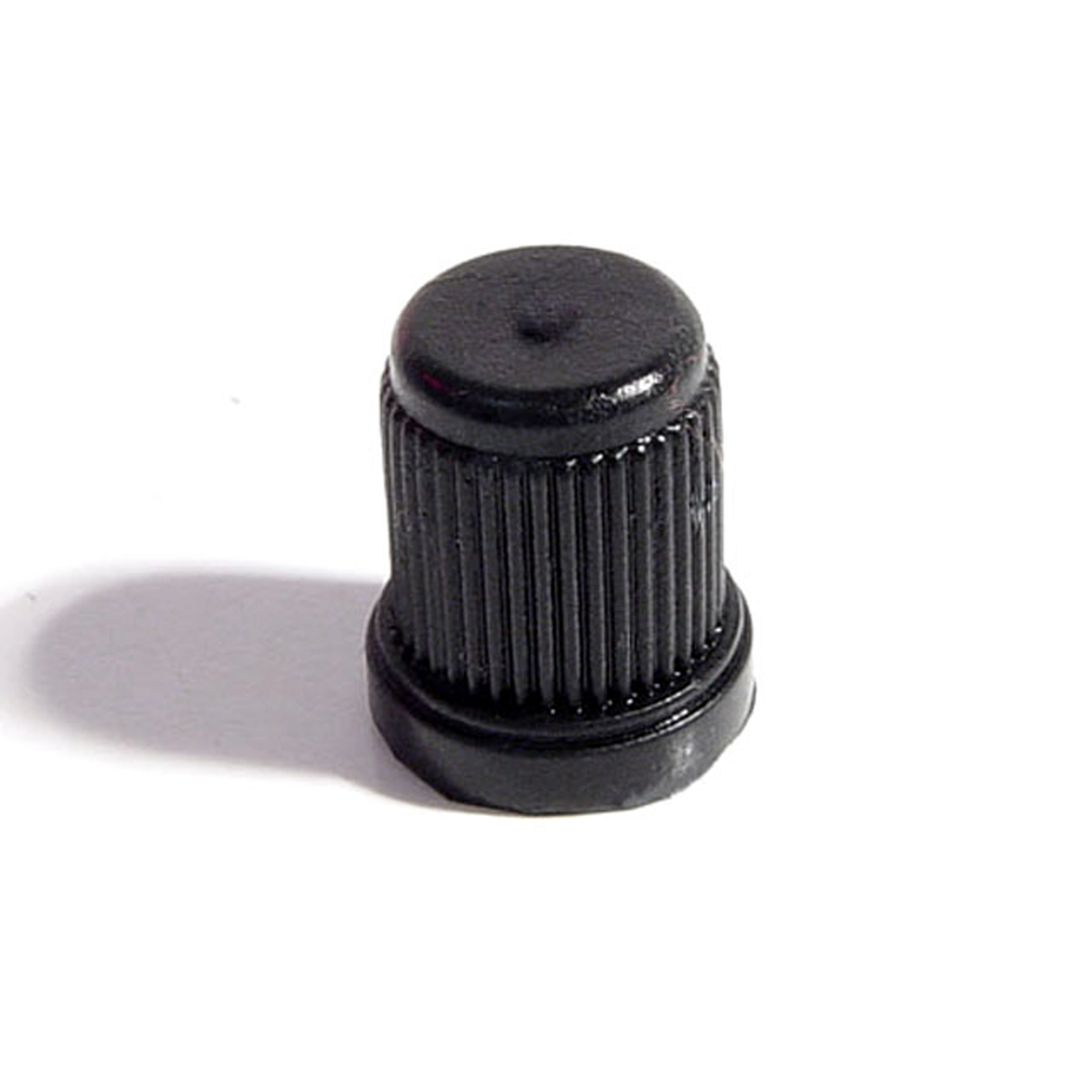 1961 Buick LeSabre Trip Meter Reset Knob. Made of black rubber-KN 10Trip Meter Reset Knob. Made of black rubber. Compare to measurements: 1/8" I.D., 7/16" O.D. X 1/2" tall. Each
 1961 Buick LeSabre Odometer Trip Knob. Made of black rubber-KN 11Odometer Trip Knob. Made of black rubber. Compare to measurements: 1/8" I.D., 7/16" O.D. X 7/16" tall. Each
 1961 Buick LeSabre Molded Door Seals, with Clips-LM 21Molded Door Seals, with Clips. For 2-Door Hardtop and Convertible. Pair R&L
 1961 Buick LeSabre Molded Door Seals, with Clips. For 2-Door Sedan. Pair R&L-LM 21-AMolded Door Seals, with Clips. For 2-Door Sedan. Pair R&L
 1961 Buick LeSabre Front Molded Door Seals with Clips-LM 21-BFront Molded Door Seals with Clips. For 4-Door Sedan and Wagon. Pair R&L
 1961 Buick LeSabre Rear Molded Door Seals with Clips. For 4-Door Sedan Only-LM 21-B/RRear Molded Door Seals with Clips. For 4-Door Sedan Only. Pair R&L
 1961 Buick LeSabre Rear Molded Door Seals with Clips. For 4-Door Wagon Only-LM 21-B/WRear Molded Door Seals with Clips. For 4-Door Wagon Only. Pair R&L
 1961 Buick LeSabre Rear Molded Door Seals with Clips. For 4-Hardtop Only, Pair-LM 21-L/RRear Molded Door Seals with Clips. For 4-HARDTOP Only 1961-1964 GM B-Body, , Left and Right Hand, 2 Piece Kit
 1961 Buick LeSabre Basic Kit for 2-Door Hardtop-RKB 2007-102Basic Kit for 2-Door Hardtop. Door (LM 21), Roof Rail (RR 8120) and Trunk (TK 46-18) Seals.
 1961 Buick LeSabre Basic Kit for 2-Door Convertible-RKB 2007-103Basic Kit for 2-Door Convertible. Door (LM 21), Roof Rail (RR 1812) and Trunk (TK 46-18) Seals.
 1961 Buick LeSabre Basic Kit, for 2-Door Sedan-RKB 2011-101Basic Kit, for 2-Door Sedan. Door (LM 21-A) Trunk (TK 46-18), Seals.
 1961 Buick LeSabre Convertible Top Roof Rail Kit-RR 1812Convertible Top Roof Rail Kit. 7-Piece set includes all right and left side top rail seals and windshield top header seal. Made with full steel cores and threaded studs. Middle section is 13-3/4" long. Note: '61 model year may need some modifications.
 1961 Buick LeSabre '61 GM B-body 2-door hardtop and '62 Chevy Bel Air only-RR 8120'61 GM B-body 2-door hardtop and '62 Chevy Bel Air only. Made of smooth, black, skin-covered sponge. 82 in. long. Pair. R&L.
 1961 Buick LeSabre Roof-rail seals. Fits '61-'62 GM B-body 4-door hardtop-RR 8120-ARoof-rail seals. Fits '61-'62 GM B-body 4-door hardtop. 96 in. long. Pair. R&L.
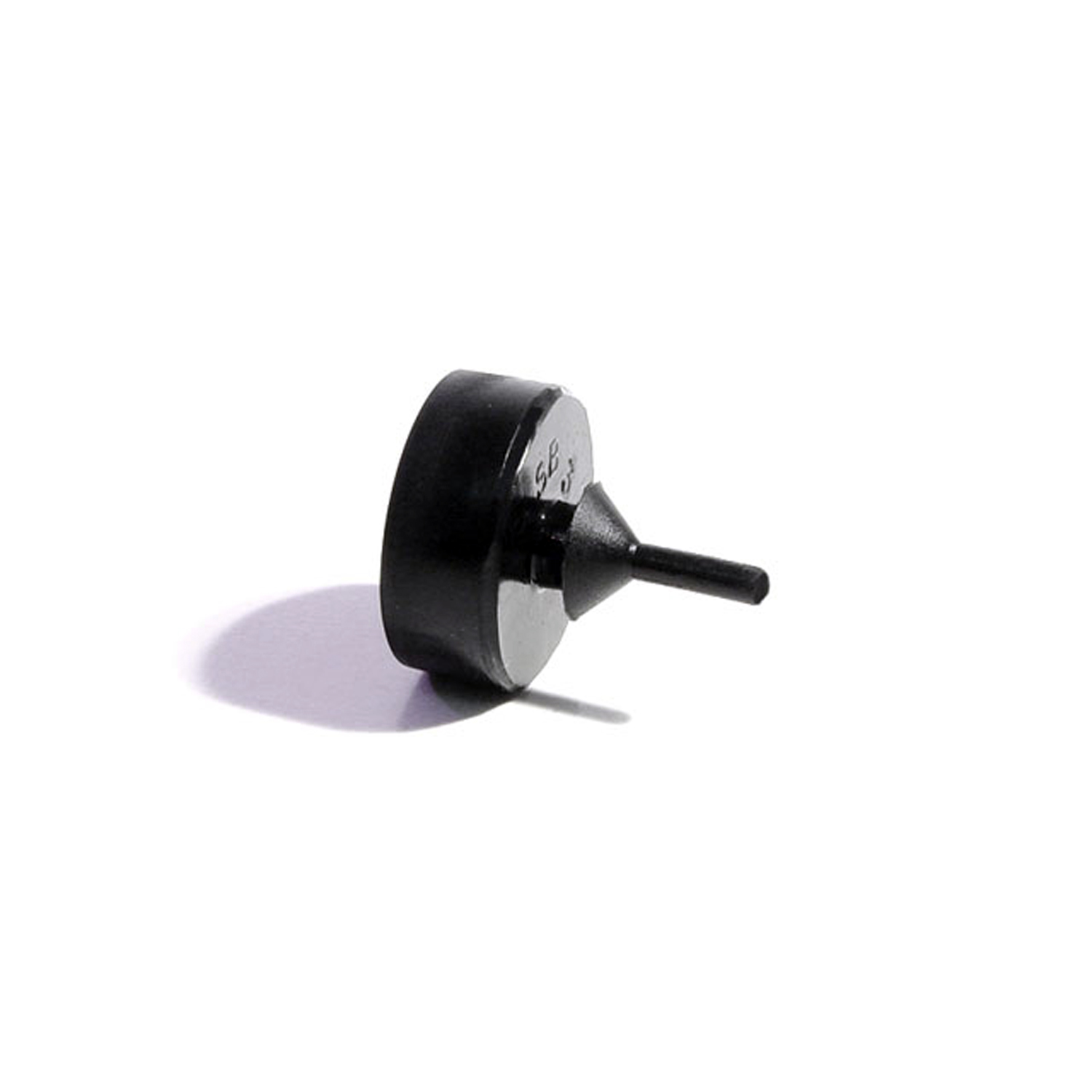 1961 Buick LeSabre Trunk Bumper. Fits lower corner on decklid. 15/16" O.D-SB 34Trunk Bumper. Fits lower corner on decklid. 15/16" O.D., 11/16" high. Each
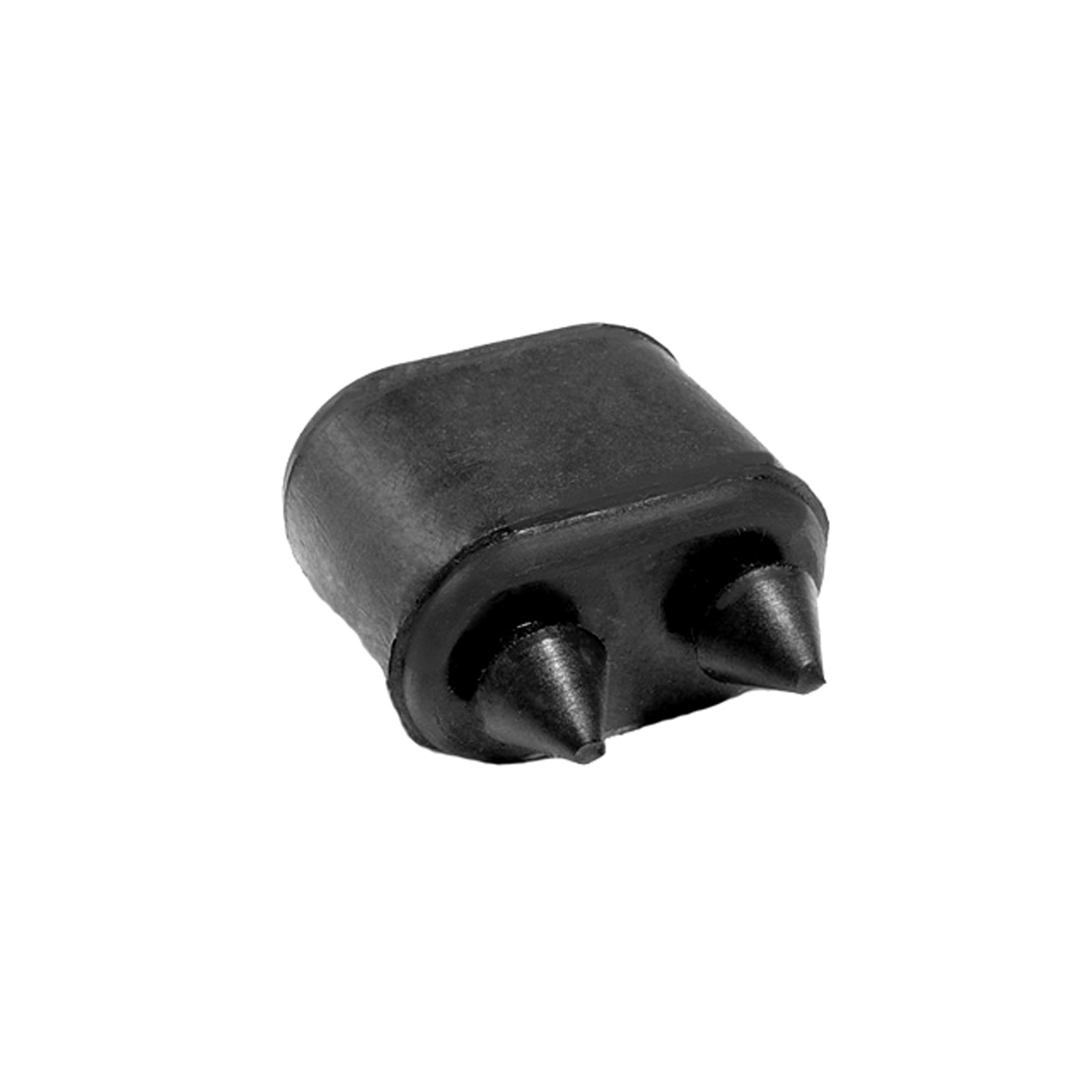 1961 Buick LeSabre Door Bumper, 57-74 GM Cars, Made with Twin Retainers, Each-SB 35Door Bumper, 57-74 GM Cars, made with twin retainers, Each. Measure 1-1/16" high X 19/32" wide X 1-1/32" long.
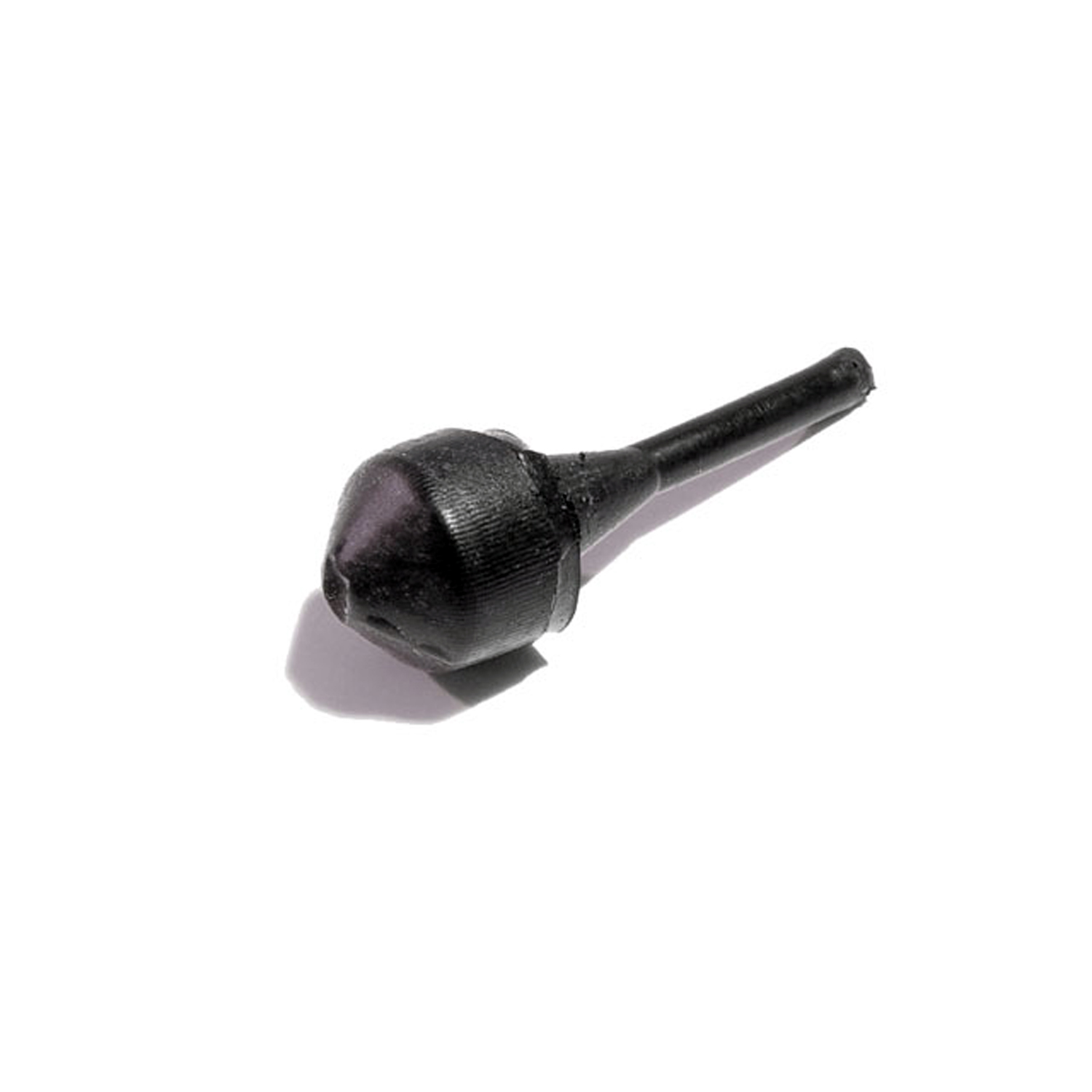 1961 Buick LeSabre Glove Box and Fuel Door Bumper. Fits 3/16" hole. Each-SB 78Glove Box and Fuel Door Bumper. Fits 3/16" hole. Each
 1961 Buick LeSabre Tailgate seal. Fits '61-'64 GM B-body 4-door station wagons-TG 11Tailgate seal. Fits '61-'64 GM B-body 4-door station wagons. Replaces OEM#'s 4401283 and 4401284. Each.
 1961 Buick LeSabre Trunk Seal. 18 feet long. Each-TK 46-18Trunk Seal. 18 feet long. Each
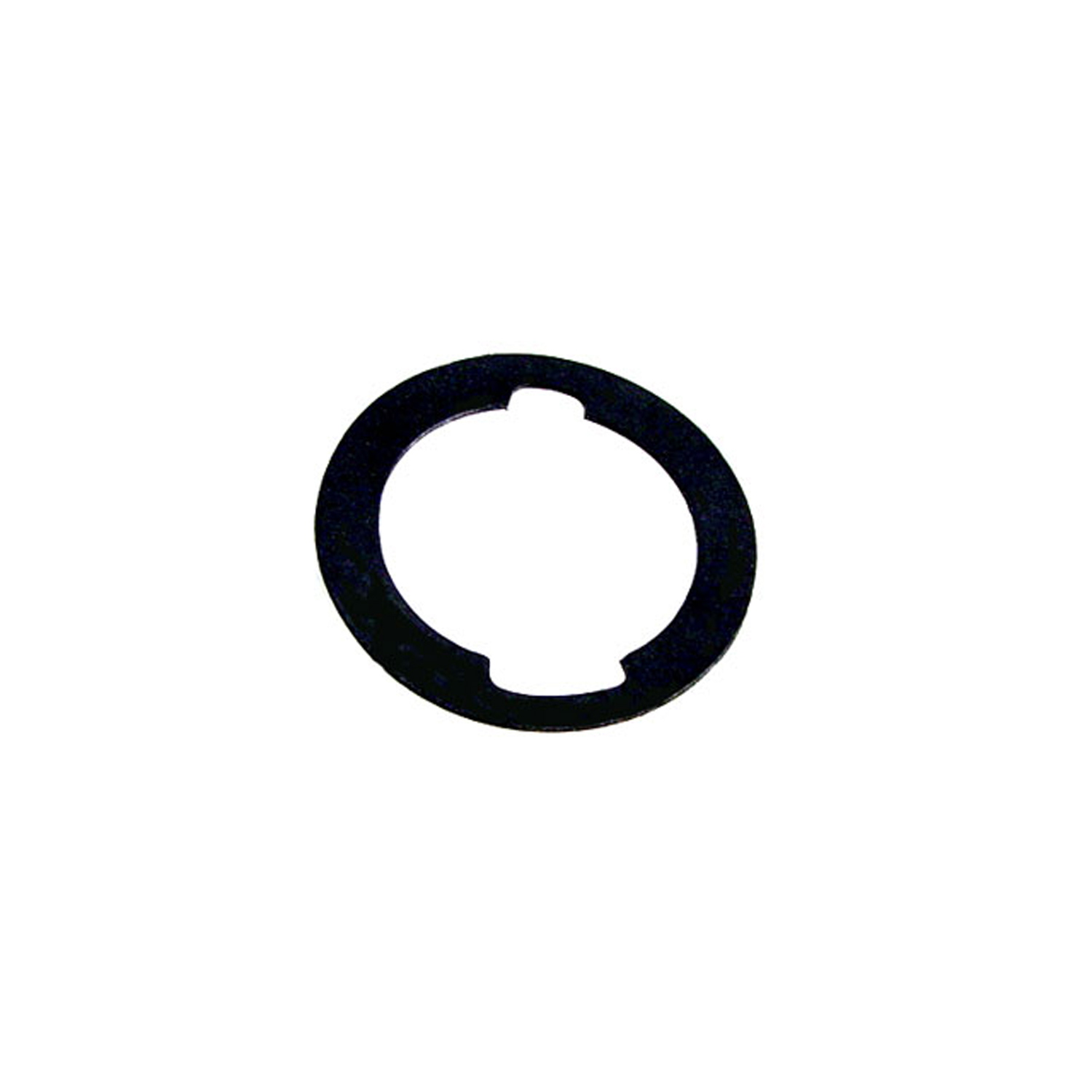 1961 Buick LeSabre Unbeaded Door and Trunk Lock Gasket. 1-3/16" O.D., 7/8" I.D-UM 1600-100Unbeaded Door and Trunk Lock Gasket. 1-3/16" O.D., 7/8" I.D. Each
 1961 Buick LeSabre Quarter Window Seals, for 4-Door Hardtops-VS 4-DQuarter Window Seals, for 4-Door Hardtops. For leading edge of rear quarter windows. 14" long. Pair
 1961 Buick LeSabre Vulcanized Windshield Seal fits Convertibles. Each-VWS 0608Vulcanized Windshield Seal fits Convertibles. Each
 1961 Buick LeSabre Vulcanized Rear Windshield Seal. Fits 2-door hardtops-VWS 3098-RVulcanized Rear Windshield Seal. Fits 2-door hardtops. (Does not fit '62 Impala 2-door hardtop sport coupe). Each
 1961 Buick LeSabre Vulcanized Rear Windshield Seal-VWS 3100-RVulcanized Rear Windshield Seal. Fits 2-door and 4-door sedans. Each
 1961 Buick LeSabre Vent window and rear division channel seals-WR 2002-CVent window and rear division channel seals. Fits '61-'62 GM B-body and C-body 2-door and 4-door hardtops and convertibles.
Why Choose Metro?
For over 100 years, Metro Moulded Parts has been the pinnacle of quality in classic car restoration parts. Our commitment to precision and authenticity in every component ensures a perfect fit and an OEM-level appearance.
- Expert Craftsmanship & Quality: Each part is a testament to our dedication to reliability and perfection, crafted from original designs and thoroughly tested.
- Advanced Technology: We use cutting-edge techniques to create flawless, long-lasting parts that surpass others in performance.
- SuperSoft Sponge – The Ultimate Door Seal: Not only are our door seals 30% softer than competitors', but they're also guaranteed to never leak. They effectively reduce wind and road noise, enhancing your classic car's comfort and driving experience.
- Proudly American: Our parts are a product of American craftsmanship, made in the USA with a spirit of excellence and heritage.
- Unrivaled Warranty: We back our products with a 30-year industry-leading warranty, a testament to our confidence in their quality.
Join us in preserving the legacy of classic cars with parts that are crafted for perfection, not just made.