

Image of 1962 Buick Lesabre, Note: These illustrations use artistic license and may differ from actual historical models.
Performance Metrics
Fundamental Metrics
Emotional Appeal
MMP Rating
| Engine Specifications | |
|---|---|
| Engine: | 401 cu in (6.6 L) Nailhead V8 |
| Displacement: | 401 cu in (6.6 L) |
| Horsepower: | 325 hp |
| Torque: | 445 lb-ft |
| Compression Ratio: | 10.25:1 |
| Ignition System: | Conventional points ignition system |
| Cooling System: | Liquid-cooled |
| Performance Specifications | |
| 0-60 Time: | 8.5 seconds |
| 1/4 Mile Time: | 16 seconds |
| Top Speed: | 120 mph |
| Transmission and Drive | |
| Drive Type: | Rear-wheel drive |
| Transmission Type: | 3-speed automatic |
| Fuel and Efficiency | |
| Fuel System Type: | Carburetor |
| MPG: | 10-12 mpg |
| Dimensions and Brakes | |
| Brakes: | Drum brakes |
| Wheelbase: | 123 inches |
| Weight: | 4,500 lbs |
Note: Specifications for classic cars are given to the best of our ability, considering the limited and variant data available.
1962 Buick LeSabre: Full-Size American Comfort
The 1962 Buick LeSabre paired broad-shouldered American styling with a powerful V8 and the kind of quiet, cushioned ride that made a long highway trip feel effortless. Built by Buick, a division of General Motors, the LeSabre was the brand’s full-size entry point, positioned below the sportier Invicta and the more luxurious Electra. It offered much of Buick’s upscale character in a model aimed at a wider range of buyers.
The name had futuristic roots. General Motors had introduced the Le Sabre concept car in 1951, a jet-age showpiece that explored dramatic styling and new technology. The production LeSabre arrived later, and by 1962 it had become a familiar part of Buick’s lineup. One particularly memorable detail from this model year is its engine’s “Wildcat 445” branding: the number referred to the engine’s advertised torque output, not its displacement.
Clean Lines, Big Buick Presence
After the soaring fins of the late 1950s, Buick’s 1962 styling looked more restrained and squared-off. The LeSabre kept its long hood, wide stance, and substantial chrome grille, but its side profile was cleaner and its rear fins were greatly reduced. Sculpted body sides, bright wheel trim, and Buick’s familiar three-shield emblem gave the car a polished look without the visual excess of some earlier models.
Inside, the LeSabre delivered generous space for passengers and luggage. Wide bench seats, a broad dashboard, and bright trim created an airy, lounge-like cabin. Depending on body style and trim, upholstery could include cloth and vinyl combinations, with vinyl particularly suited to convertible and wagon use. Buick also offered popular comfort and convenience options such as power steering, power brakes, power windows, power seats, air conditioning, and a radio. These were options rather than standard equipment on every car, so features vary from one surviving LeSabre to another.
Buyers could choose from a range of solid and two-tone factory colors. White, black, red, blue or turquoise, silver, and green shades all suit the car’s period styling, with two-tone combinations especially effective on the hardtops. Exact paint names and availability depended on the body style and ordering choices.
The LeSabre range included two-door and four-door hardtops, a four-door sedan, a convertible, and an Estate Wagon. The two-door hardtop is a particularly recognizable choice, with its pillarless side openings and uninterrupted roofline. The convertible is the open-air standout, while the Estate Wagon offered a more practical take on Buick’s full-size formula.
What Made the LeSabre Matter
The LeSabre’s importance was not that it introduced a single revolutionary feature. Its significance came from how effectively Buick combined size, comfort, styling, and V8 power in a high-volume full-size car. It sat in a competitive part of the market, facing large offerings from Chevrolet, Ford, Oldsmobile, and other American manufacturers. Buick distinguished itself with a more upscale feel than a basic family sedan, while keeping the LeSabre below the costlier Electra.
Its styling also reflects a broader shift in American car design. The 1962 model traded the towering fins and excess ornament of the previous decade for a cleaner, more substantial shape. That transition helped establish the more restrained look that would characterize many early- and mid-1960s cars. The LeSabre’s lasting appeal lies in that balance: it still looks unmistakably early 1960s, but it is less visually overwhelming than some of its late-1950s predecessors.
401 V8 Power and Highway Manners
Power came from Buick’s 401-cubic-inch “Nailhead” V8, named for its distinctive, relatively small-diameter valves. The engine’s deep torque made the LeSabre feel strong in ordinary driving, especially when pulling away from a stop or cruising at highway speed. Output varied with carburetion and equipment; a commonly cited LeSabre configuration used a two-barrel carburetor and produced about 250 horsepower. Higher-output versions were available in the Buick range, and specifications can differ by engine option and source.
Most LeSabres were ordered with Buick’s automatic transmission, while a manual transmission was available. With the automatic, the car favored smooth, relaxed progress over sharp, modern-style shifts. Period performance figures are not always consistent, but a sound, correctly equipped LeSabre can be expected to reach 60 mph in roughly 10 to 12 seconds. Top speed is commonly estimated at about 110 to 115 mph, although tire condition, gearing, engine health, and body style all affect the result. These are practical estimates, not guarantees for a particular car.
On the road, the LeSabre feels substantial. Its soft suspension absorbs ordinary bumps well, and the long wheelbase helps it settle into a steady highway rhythm. On a winding road, the tradeoff is clear: body lean and a large turning circle make it less nimble than a smaller car. Crosswinds and uneven pavement can require attention at the steering wheel, particularly if the suspension or steering components are worn.
From behind the wheel, the V8’s low, smooth rumble and the easy torque are central to the experience. The driver sits behind a broad hood, looking out over a simple, wide instrument panel. It is a car that encourages unhurried driving. Steering and braking effort vary considerably depending on whether the car has power assistance, so an unassisted example can feel heavy by modern standards.
Living With a 1962 LeSabre
Today, LeSabres are most often enjoyed as weekend cruisers, show cars, and vintage-tour vehicles. A well-maintained example can also be driven regularly, but its size, fuel consumption, and age make it less convenient as a modern daily driver. Owners should expect fuel economy in the approximate range of 10 to 14 mpg, depending on condition, tuning, transmission, and driving style.
The Nailhead V8 has a strong following, and many routine service tasks are familiar to classic-car mechanics. Parts support is generally good for common maintenance items, though trim, body panels, and model-specific interior pieces can take more searching. Before buying, check for rust in the floors, trunk, lower body panels, and around the windows. Also inspect the transmission, cooling system, brakes, steering, and electrical equipment. A car that has been sitting may need substantial work even if it starts and moves under its own power.
Restoration is not necessarily difficult, but a full-size Buick demands space, time, and a realistic budget. Its body panels and interior components are large, and a complete restoration can cost far more than the finished car’s market value. For many owners, a solid driver with honest wear is the most rewarding way to enjoy one.
LeSabre Trivia and Common Criticisms
The “Nailhead” nickname is one of Buick’s most enduring engine stories. It came from the V8’s valve design, which looked unusual beside the larger valves used in some competing engines. The 401’s “Wildcat 445” label, meanwhile, advertised its torque figure and gave Buick a memorable piece of performance-era marketing.
The LeSabre was a broad model range rather than a single limited-edition car, and body styles were produced in different numbers. Convertibles are generally harder to find today than sedans, while clean hardtops and wagons also attract attention from enthusiasts. Exact production totals should be treated cautiously because figures are not always presented consistently by body style and series.
Common criticisms are familiar to anyone shopping for a large early-1960s American car: fuel use is high, handling is comfort-oriented, and the vehicle’s size can make parking a chore. The original brakes, steering, and safety equipment also fall short of modern expectations. Buyers should not assume that a classic car is safe or reliable simply because it has been restored cosmetically.
1962 Buick LeSabre Values and Availability
Values depend heavily on body style, originality, rust, mechanical condition, and restoration quality. As a broad current-market estimate, a project car may sell for roughly $5,000 to $12,000. A usable driver might bring about $15,000 to $30,000, while a well-restored hardtop or sedan can fall in the $30,000 to $55,000 range. Excellent convertibles can reach approximately $60,000 to $90,000 or more, especially when documentation and restoration quality are strong. These are general estimates, not appraisals, and local markets can differ.
Production was substantial for a full-size American car, so the LeSabre is not exceptionally rare as a nameplate. A reasonable broad estimate is around 100,000 cars across the 1962 LeSabre range, though exact totals vary by source and body style. Convertibles and unusually well-preserved examples are much less common than ordinary sedans. The market tends to reward condition and desirable body styles more than speculative rarity, and prices can move with the wider classic-car market rather than rising steadily every year.
Why the 1962 LeSabre Still Charms
The 1962 Buick LeSabre brought together a torque-rich V8, a roomy and comfortable cabin, and a cleaner design that marked a new direction for American styling. It was not built to attack corners or sip fuel. It was built to carry people in comfort, cover distance with ease, and make everyday travel feel special.
More than six decades later, the LeSabre remains a compelling snapshot of Buick at its confident best: big, smooth, and unmistakably American. Find a solid example, turn the key, and that easygoing Nailhead rumble explains the car’s appeal better than any brochure ever could.
1962 Buick Lesabre Catalog of Parts
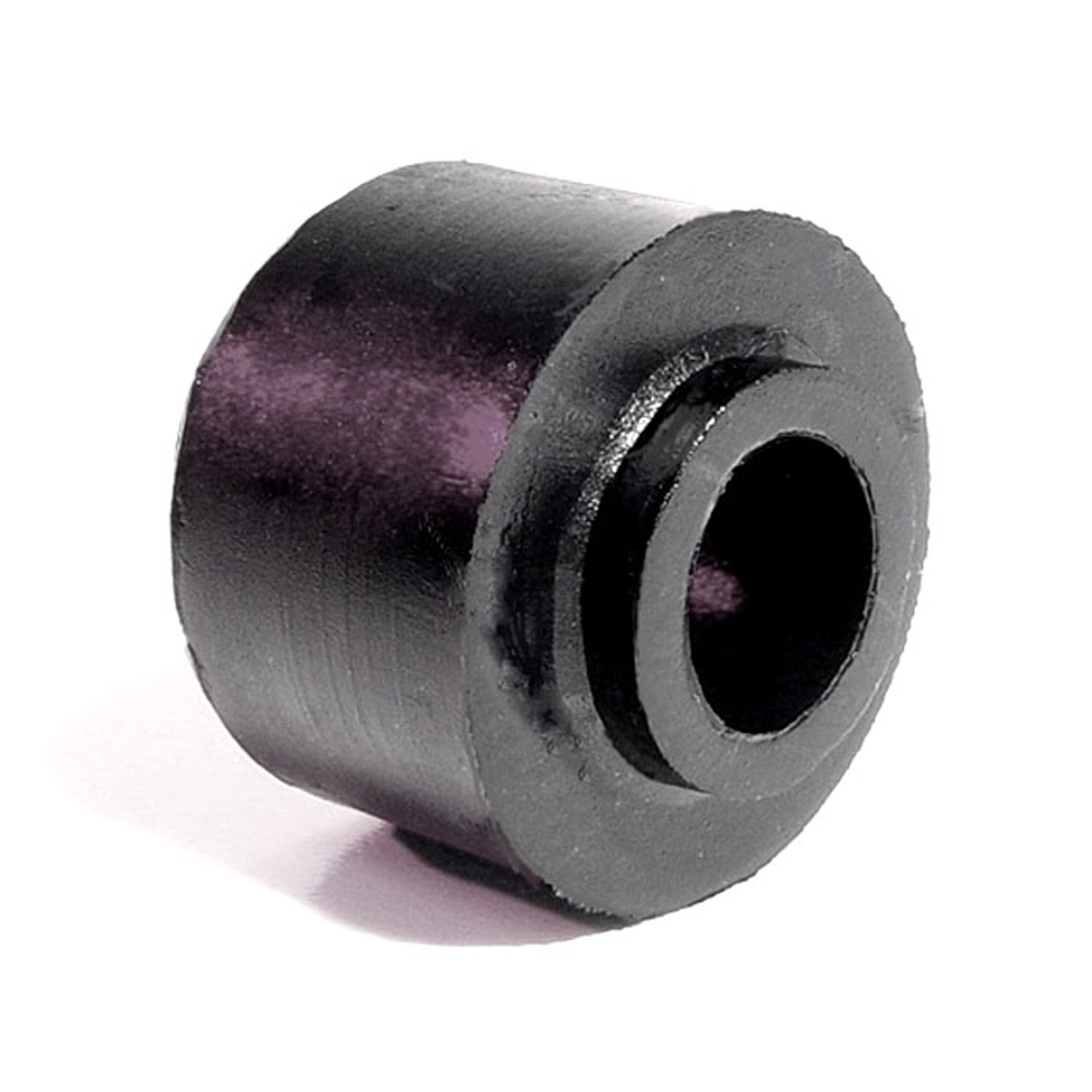 1962 Buick LeSabre Shock Absorber Grommet. 1" bottom O.D., 3/4" high-BN 1Shock Absorber Grommet. 1" bottom O.D., 3/4" high., with 7/16" I.D. Each
 1962 Buick LeSabre Shock Absorber Grommet. 1" bottom O.D-BN 11Shock Absorber Grommet. 1" bottom O.D., 3/4" high, with 5/8" I.D. Each
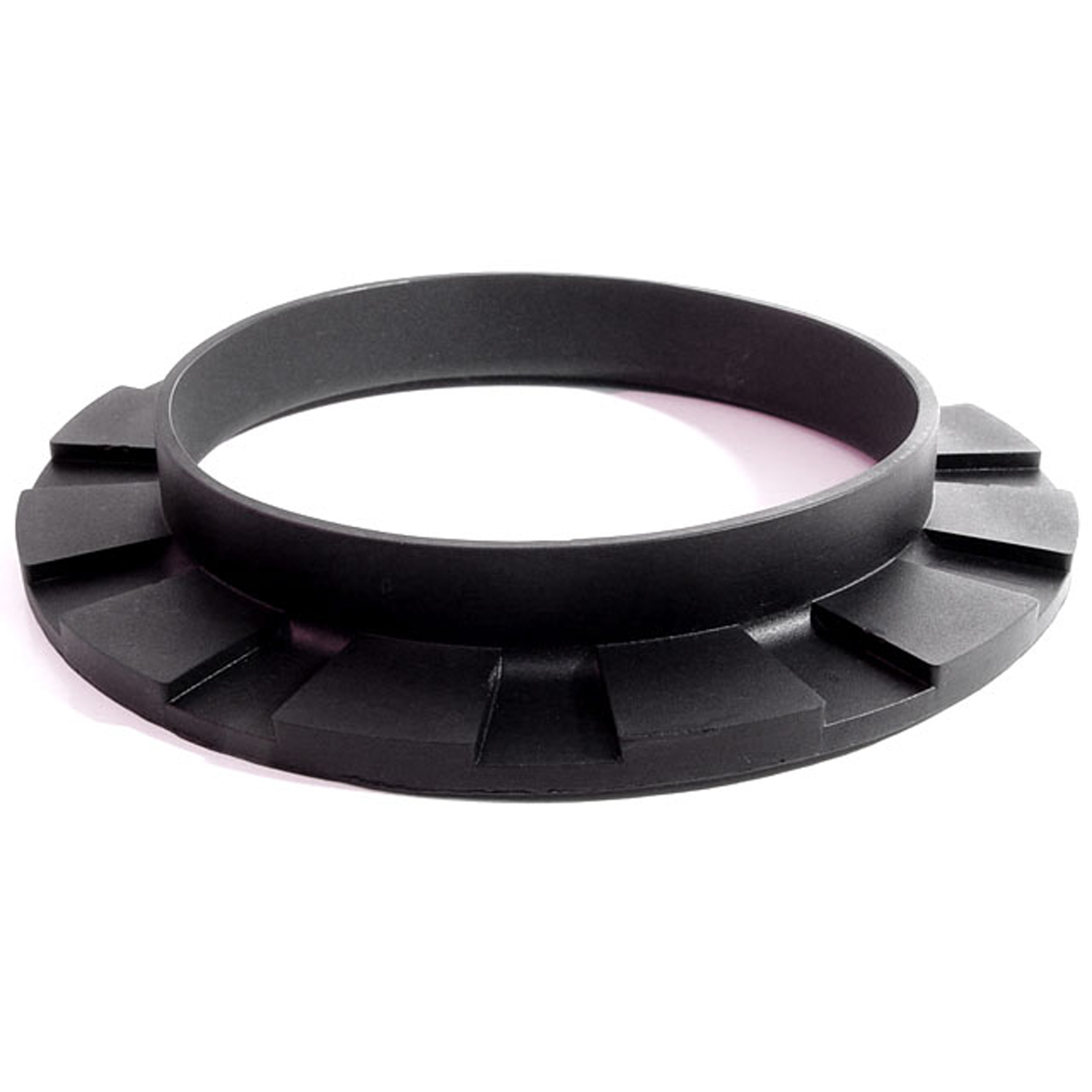 1962 Buick LeSabre Front coil-spring insulator-BN 110Front coil-spring insulator. Fits '41-'60 Oldsmobile and '50-'83 GM passenger models. 5-3/8 in. OD x 3-3/4 in. ID x 3/4 in. high with 13/16 in. wide bottom flange 1/4" thick, 12 flutes. Each.
 1962 Buick LeSabre Door Bumper. 1-3/16" high X 5/8" wide X 1" long. Each-DB 33-BDoor Bumper. 1-3/16" high X 5/8" wide X 1" long. Each
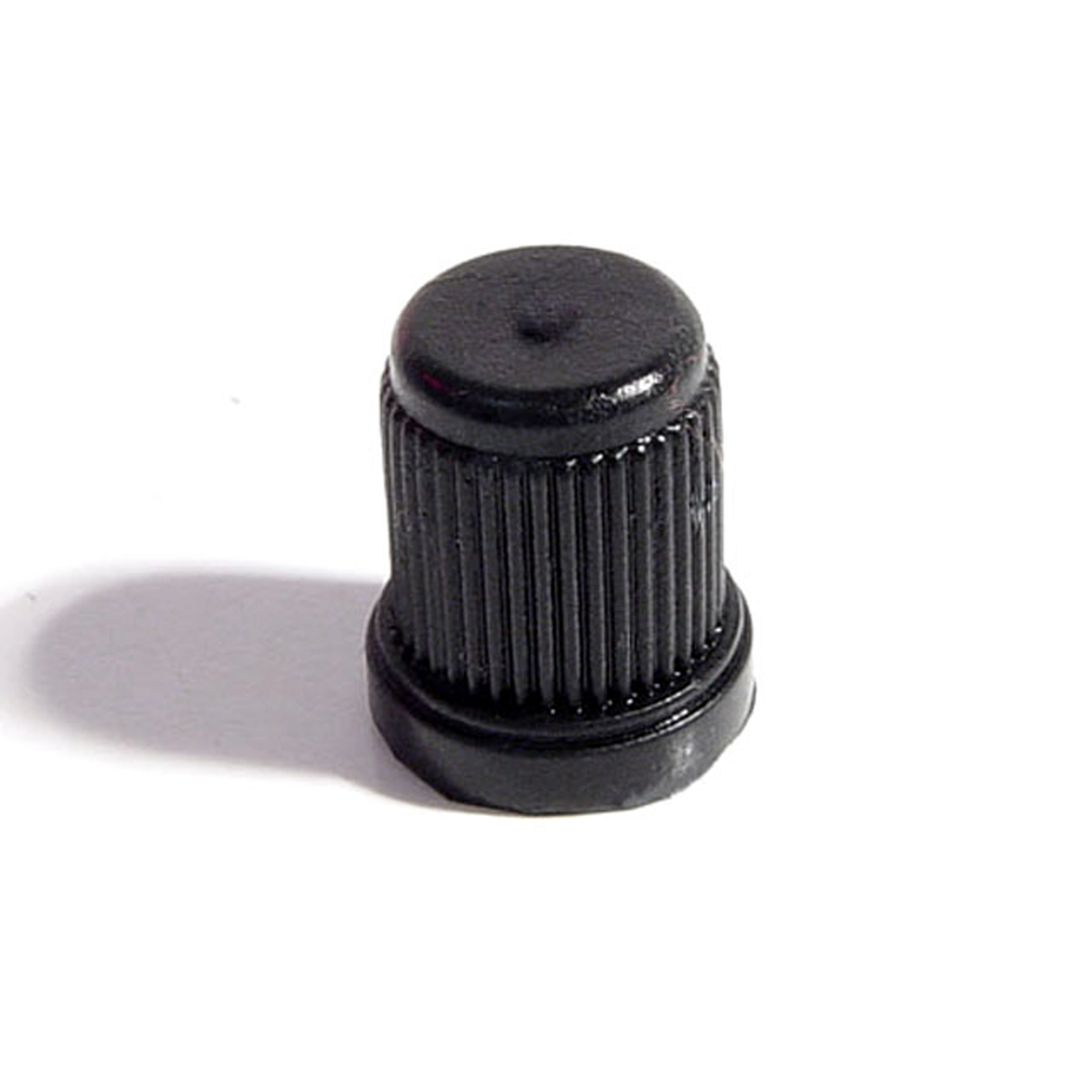 1962 Buick LeSabre Trip Meter Reset Knob. Made of black rubber-KN 10Trip Meter Reset Knob. Made of black rubber. Compare to measurements: 1/8" I.D., 7/16" O.D. X 1/2" tall. Each
 1962 Buick LeSabre Odometer Trip Knob. Made of black rubber-KN 11Odometer Trip Knob. Made of black rubber. Compare to measurements: 1/8" I.D., 7/16" O.D. X 7/16" tall. Each
 1962 Buick LeSabre Molded Door Seals, with Clips-LM 21Molded Door Seals, with Clips. For 2-Door Hardtop and Convertible. Pair R&L
 1962 Buick LeSabre Molded Door Seals, with Clips. For 2-Door Sedan. Pair R&L-LM 21-AMolded Door Seals, with Clips. For 2-Door Sedan. Pair R&L
 1962 Buick LeSabre Front Molded Door Seals with Clips-LM 21-BFront Molded Door Seals with Clips. For 4-Door Sedan and Wagon. Pair R&L
 1962 Buick LeSabre Rear Molded Door Seals with Clips. For 4-Door Sedan Only-LM 21-B/RRear Molded Door Seals with Clips. For 4-Door Sedan Only. Pair R&L
 1962 Buick LeSabre Rear Molded Door Seals with Clips. For 4-Door Wagon Only-LM 21-B/WRear Molded Door Seals with Clips. For 4-Door Wagon Only. Pair R&L
 1962 Buick LeSabre Rear Molded Door Seals with Clips. For 4-Hardtop Only, Pair-LM 21-L/RRear Molded Door Seals with Clips. For 4-HARDTOP Only 1961-1964 GM B-Body, , Left and Right Hand, 2 Piece Kit
 1962 Buick LeSabre Basic Kit for 2-Door Hardtop-RKB 2007-102Basic Kit for 2-Door Hardtop. Door (LM 21), Roof Rail (RR 8120) and Trunk (TK 46-18) Seals.
 1962 Buick LeSabre Basic Kit for 2-Door Convertible-RKB 2007-103Basic Kit for 2-Door Convertible. Door (LM 21), Roof Rail (RR 1812) and Trunk (TK 46-18) Seals.
 1962 Buick LeSabre Basic Kit, for 2-Door Sedan-RKB 2011-101Basic Kit, for 2-Door Sedan. Door (LM 21-A) Trunk (TK 46-18), Seals.
 1962 Buick LeSabre Convertible Top Roof Rail Kit-RR 1812Convertible Top Roof Rail Kit. 7-Piece set includes all right and left side top rail seals and windshield top header seal. Made with full steel cores and threaded studs. Middle section is 13-3/4" long. Note: '61 model year may need some modifications.
 1962 Buick LeSabre Roof-rail seals. Fits '61-'62 GM B-body 4-door hardtop-RR 8120-ARoof-rail seals. Fits '61-'62 GM B-body 4-door hardtop. 96 in. long. Pair. R&L.
 1962 Buick LeSabre Roof rail seals-RR 8120-DRoof rail seals, '62 GM 'B' body 2 door hardtop models except Chevrolet Bel Air, pair. Replaces OEM #'s 4852927/4852928.
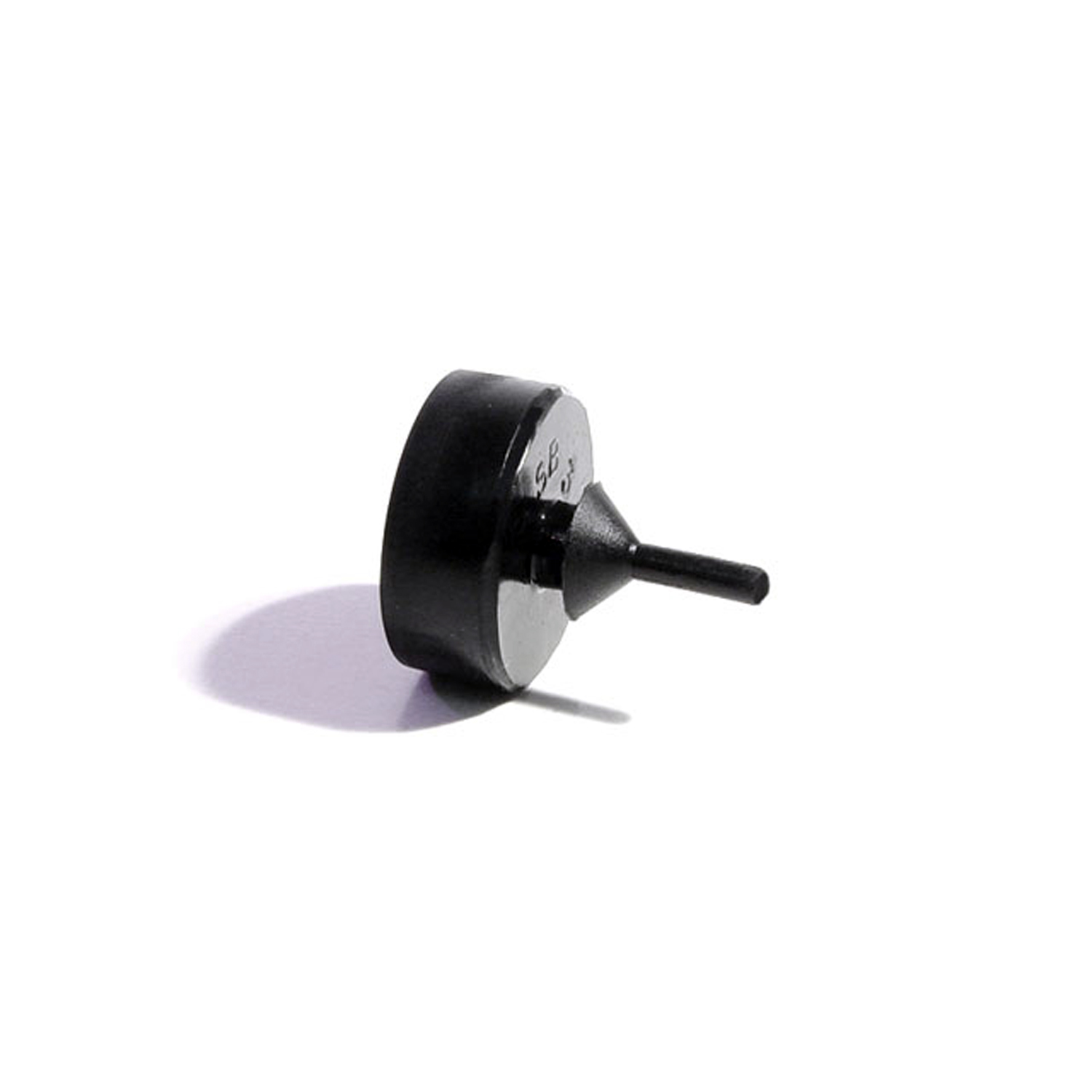 1962 Buick LeSabre Trunk Bumper. Fits lower corner on decklid. 15/16" O.D-SB 34Trunk Bumper. Fits lower corner on decklid. 15/16" O.D., 11/16" high. Each
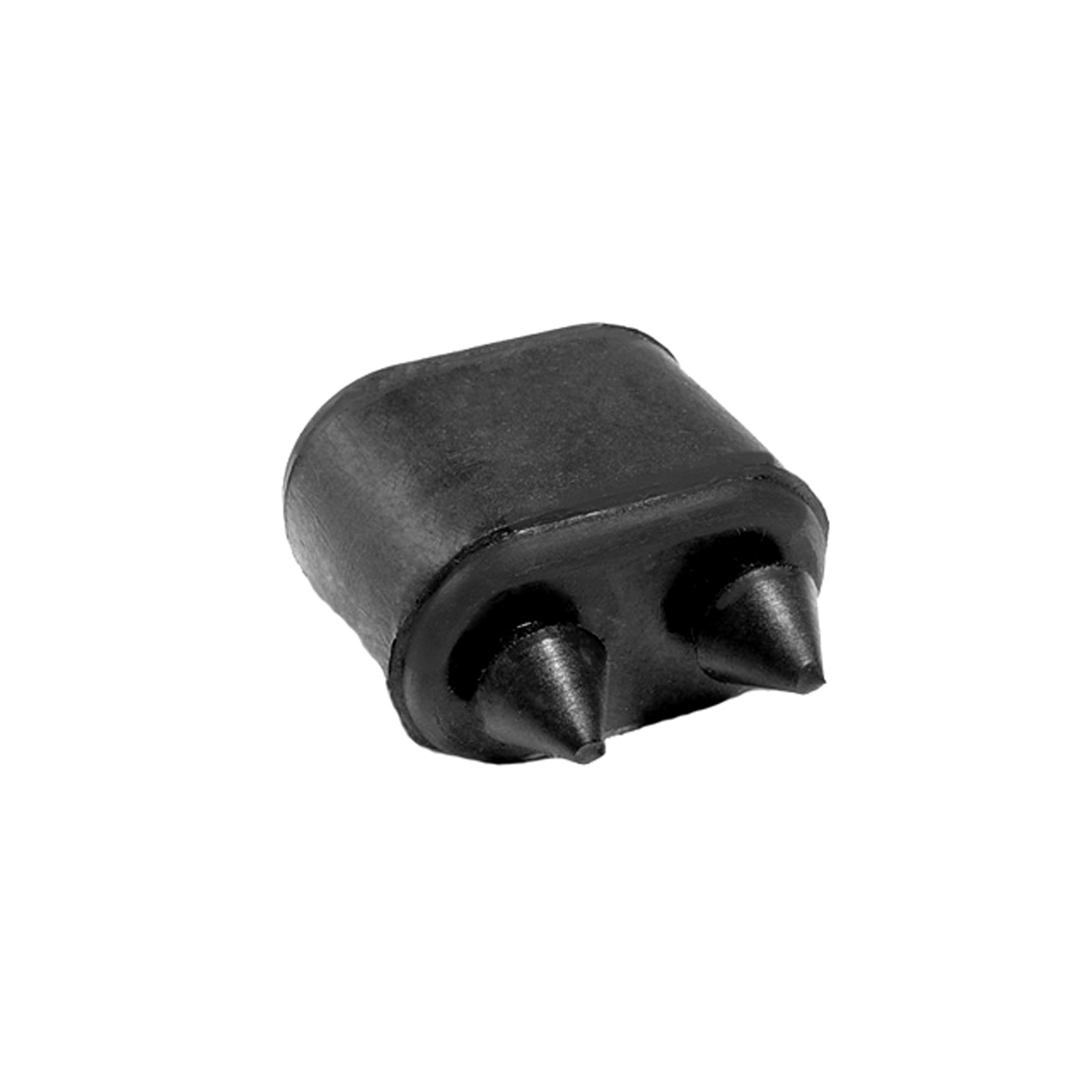 1962 Buick LeSabre Door Bumper, 57-74 GM Cars, Made with Twin Retainers, Each-SB 35Door Bumper, 57-74 GM Cars, made with twin retainers, Each. Measure 1-1/16" high X 19/32" wide X 1-1/32" long.
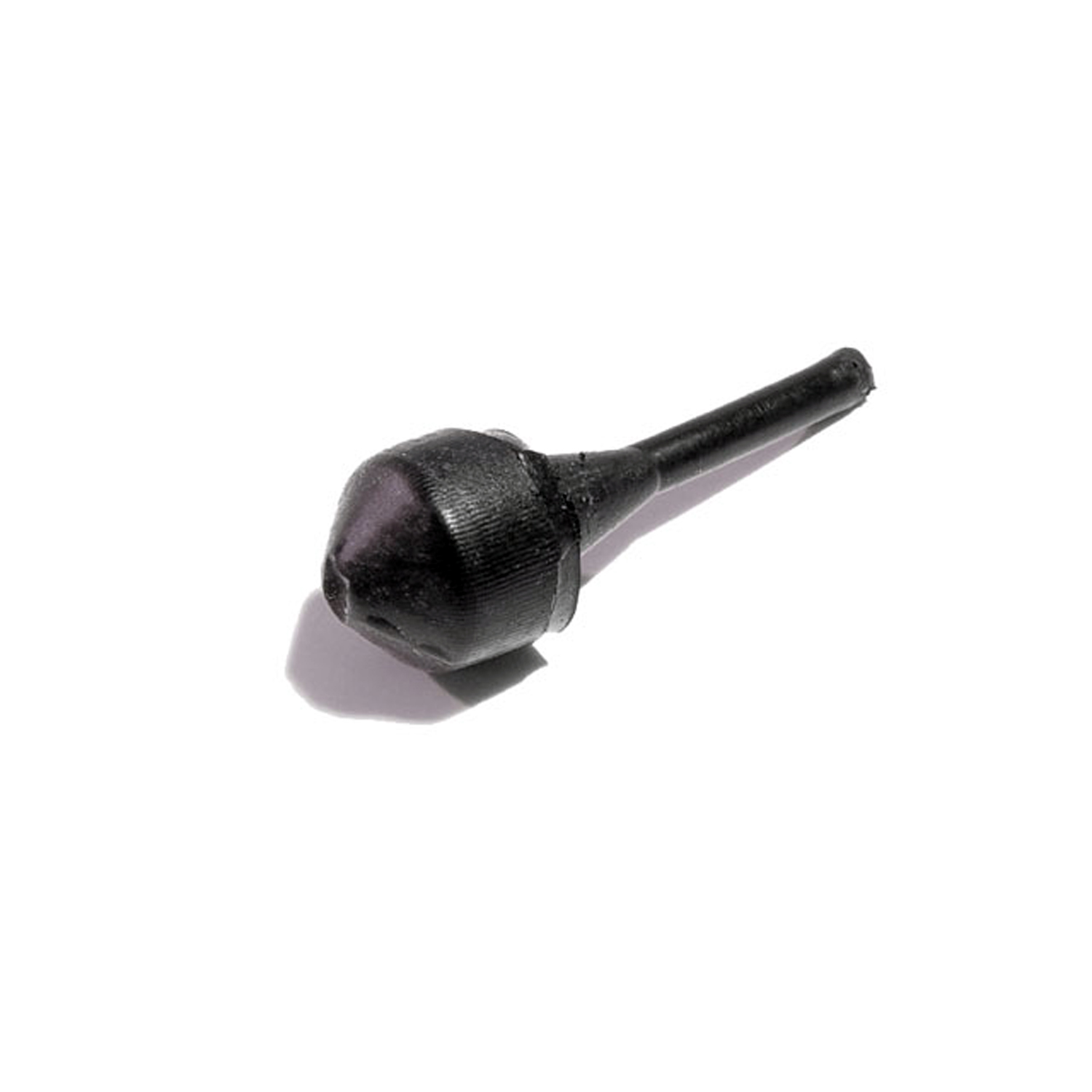 1962 Buick LeSabre Glove Box and Fuel Door Bumper. Fits 3/16" hole. Each-SB 78Glove Box and Fuel Door Bumper. Fits 3/16" hole. Each
 1962 Buick LeSabre Tailgate seal. Fits '61-'64 GM B-body 4-door station wagons-TG 11Tailgate seal. Fits '61-'64 GM B-body 4-door station wagons. Replaces OEM#'s 4401283 and 4401284. Each.
 1962 Buick LeSabre Trunk Seal. 18 feet long. Each-TK 46-18Trunk Seal. 18 feet long. Each
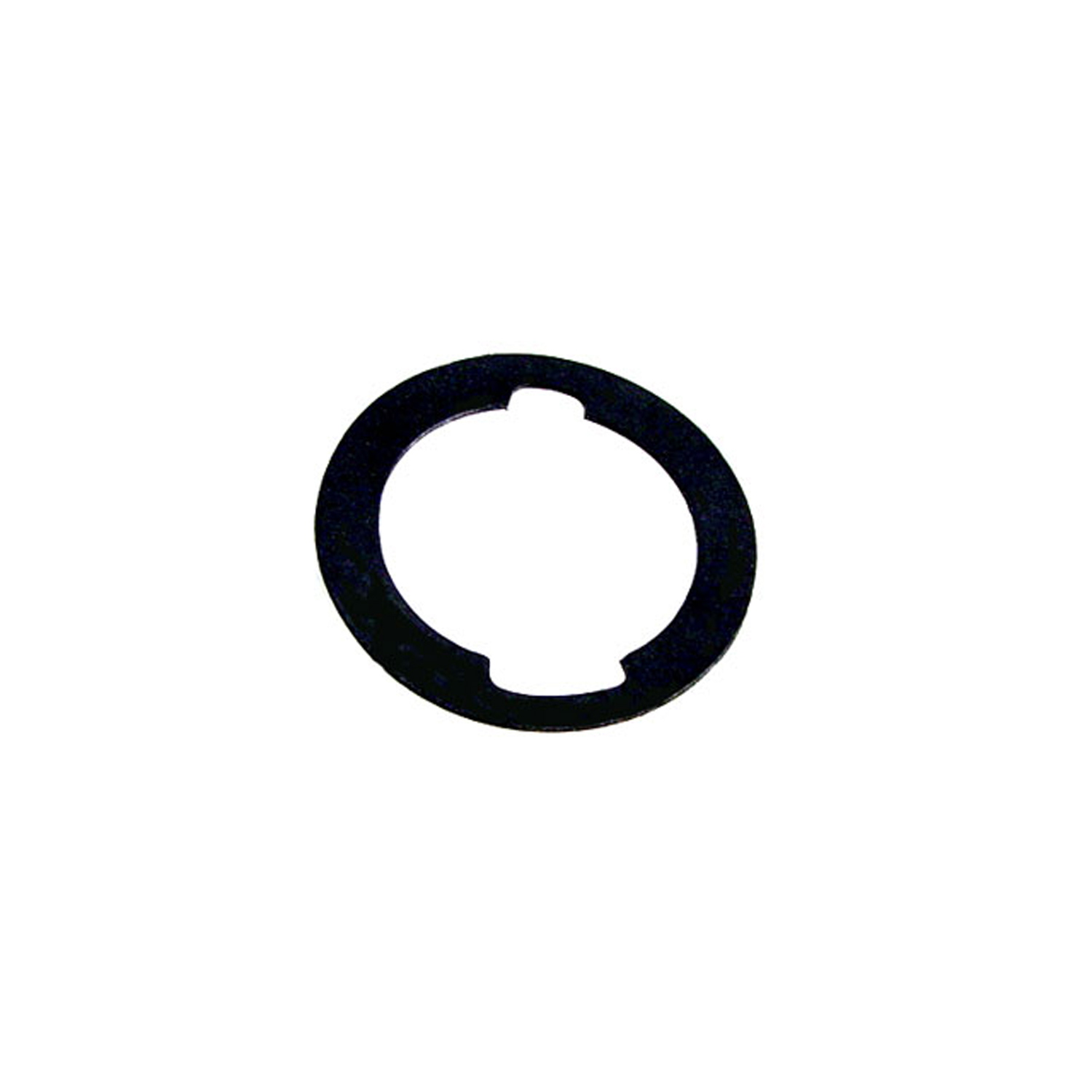 1962 Buick LeSabre Unbeaded Door and Trunk Lock Gasket. 1-3/16" O.D., 7/8" I.D-UM 1600-100Unbeaded Door and Trunk Lock Gasket. 1-3/16" O.D., 7/8" I.D. Each
 1962 Buick LeSabre Quarter Window Seals, for 4-Door Hardtops-VS 4-DQuarter Window Seals, for 4-Door Hardtops. For leading edge of rear quarter windows. 14" long. Pair
 1962 Buick LeSabre Vulcanized Windshield Seal fits Convertibles. Each-VWS 0608Vulcanized Windshield Seal fits Convertibles. Each
 1962 Buick LeSabre Windshield Seal Fits GM B And C-Body 2 & 4 Door Hardtops-VWS 0608-AWindshield seal is for the 2 & 4 door hardtop models only. This gasket works with chrome trim.
 1962 Buick LeSabre Vulcanized Rear Windshield Seal, for 2-Door Hardtop-VWS 3129-RVulcanized Rear Windshield Seal, for 2-Door Hardtop. (Also fits '62 Impala 2-door hardtop sport coupe). Each
 1962 Buick LeSabre Vent window and rear division channel seals-WR 2002-CVent window and rear division channel seals. Fits '61-'62 GM B-body and C-body 2-door and 4-door hardtops and convertibles.
Why Choose Metro?
For over 100 years, Metro Moulded Parts has been the pinnacle of quality in classic car restoration parts. Our commitment to precision and authenticity in every component ensures a perfect fit and an OEM-level appearance.
- Expert Craftsmanship & Quality: Each part is a testament to our dedication to reliability and perfection, crafted from original designs and thoroughly tested.
- Advanced Technology: We use cutting-edge techniques to create flawless, long-lasting parts that surpass others in performance.
- SuperSoft Sponge – The Ultimate Door Seal: Not only are our door seals 30% softer than competitors', but they're also guaranteed to never leak. They effectively reduce wind and road noise, enhancing your classic car's comfort and driving experience.
- Proudly American: Our parts are a product of American craftsmanship, made in the USA with a spirit of excellence and heritage.
- Unrivaled Warranty: We back our products with a 30-year industry-leading warranty, a testament to our confidence in their quality.
Join us in preserving the legacy of classic cars with parts that are crafted for perfection, not just made.