

Image of 1963 Buick Invicta, Note: These illustrations use artistic license and may differ from actual historical models.
Performance Metrics
Fundamental Metrics
Emotional Appeal
MMP Rating
| Engine Specifications | |
|---|---|
| Engine: | Buick 401 cu in (6.6 L) Nailhead V8 |
| Displacement: | 401 cu in (6.6 L) |
| Horsepower: | 325 hp |
| Torque: | 445 lb-ft |
| Compression Ratio: | 10.25:1 |
| Ignition System: | Conventional points ignition system |
| Cooling System: | Liquid-cooled |
| Performance Specifications | |
| 0-60 Time: | 8.5 seconds |
| 1/4 Mile Time: | 16 seconds |
| Top Speed: | 115 mph |
| Transmission and Drive | |
| Drive Type: | Rear-wheel drive |
| Transmission Type: | 3-speed automatic |
| Fuel and Efficiency | |
| Fuel System Type: | Carburetor |
| MPG: | 10-12 mpg |
| Dimensions and Brakes | |
| Brakes: | Drum brakes |
| Wheelbase: | 123 inches |
| Weight: | 4,200 lbs |
Note: Specifications for classic cars are given to the best of our ability, considering the limited and variant data available.
1963 Buick Invicta: A Full-Size Buick With a Performance Streak
The 1963 Buick Invicta paired the room and polish of a traditional American full-size car with a big-displacement V8 that gave it genuine passing power. Built by Buick, part of General Motors, it sat between the more economical LeSabre and the upscale Electra 225. Its final-year appearance makes the 1963 model a particularly appealing snapshot of Buick just before the muscle-car era began to reshape the market.
Invicta first appeared for 1959, using the roomy foundations of Buick’s full-size cars with a stronger performance emphasis. Its name comes from the Latin word for “unconquered.” By 1963, that promise rested on a 401-cubic-inch Nailhead V8. It was also the Invicta’s final model year: Buick’s Wildcat had emerged as the brand’s more overtly sporty choice, and the Invicta name soon left the lineup.
1963 Buick Invicta Styling and Interior
Buick’s 1963 design had moved decisively beyond the towering tail fins and excess chrome of the late 1950s. The Invicta wore a broad, clean front end, a prominent grille, and long, gently sculpted flanks. Its rooflines and rear quarters gave the car a low, stretched appearance, while bright side trim and carefully placed chrome kept it unmistakably Buick. The overall effect was substantial without looking as flamboyant as some earlier full-size cars.
Inside, the Invicta offered the generous space expected of a large American car, with wide seating and an expansive dashboard. Depending on body style and trim, buyers could choose cloth and vinyl upholstery, coordinated door panels, carpeting, and polished metal accents. The materials and finish aimed for a plush, quiet cabin rather than a stripped-down performance environment. Power steering, power brakes, power windows, power seats, air conditioning, and an AM radio were among the available conveniences, though equipment varied by car.
Buyers could select from a range of period paint colors, including restrained whites, silvers, and beiges, as well as more expressive blues, greens, reds, and coral shades. Exact colors depended on the body style and production details. Light colors emphasized the Invicta’s long profile, while darker hues paired especially well with its bright trim.
The range included a two-door hardtop, four-door hardtop, four-door sedan, convertible, and Estate Wagon. The hardtops delivered the classic pillarless look, with the two-door version especially popular among buyers seeking a personal-luxury feel. Convertibles are among the most eye-catching today, while the Estate Wagon is a less common and especially distinctive choice.
Nailhead V8 Performance
The Invicta’s calling card was Buick’s 401-cubic-inch (6.6-liter) Nailhead V8. In its four-barrel form, it was rated at about 325 horsepower and 445 lb-ft of torque. The engine earned its “Nailhead” nickname from its small-diameter valves and distinctive valve-cover shape. Its real strength was abundant low- and mid-range torque, which made a heavy car feel relaxed and forceful when pulling away or overtaking.
A three-speed manual transmission was available, while many cars were ordered with Buick’s Dynaflow automatic. The automatic suited the Invicta’s smooth, effortless character, though it did not deliver the crisp, quick shifts of later performance transmissions. Exact performance depends on transmission, axle ratio, tune, and vehicle condition. As a period-sized estimate, a healthy automatic car could reach 60 mph in roughly 8.5 to 10 seconds and approach 115 to 120 mph at the top end. These figures are best treated as estimates, not guaranteed factory test results.
How the Invicta Drives
The Invicta is a large, softly sprung car, and it feels like one. Its suspension takes the edge off rough pavement and highway joints, giving passengers a comfortable ride over the kind of roads common in the early 1960s. On winding roads, its length, weight, and period tires call for measured inputs rather than sports-car cornering ambitions. The steering is light with power assistance, but the car still asks its driver to plan ahead.
Behind the wheel, the Nailhead’s low, steady rumble and deep reserve of torque are central to the experience. The Invicta does not need to be revved hard to make progress. Instead, it gathers speed with a confident surge, while the high seating position and broad hood give the driver a commanding view of the road. It is a comfortable cruiser with real power, not a nimble modern performance car.
Why the 1963 Invicta Matters
The Invicta belongs to an important transition in American automotive design. It retained the scale, comfort, and chrome of the traditional full-size Buick, but its cleaner surfaces reflected a move away from the excesses of the fin era. Its powerful V8 also represented a growing appetite for performance in ordinary-looking cars, a direction that would become central to the muscle-car movement later in the decade.
What set it apart from many contemporaries was the combination of Buick refinement and serious torque. It could serve as a family car, a long-distance cruiser, or a quick highway machine without adopting a harsh ride or an aggressively sporty image. The arrival of the Wildcat and the Invicta’s departure after 1963 make this year a fitting endpoint for a short-lived but memorable nameplate.
Living With a 1963 Buick Invicta
Today, Invictas are most often enjoyed as weekend drivers, touring cars, and show vehicles. A well-sorted example can handle local trips and highway cruising, but its size, fuel consumption, and age make it less practical as an everyday commuter. The Estate Wagon can also attract attention at shows, particularly when its trim and interior remain complete.
Mechanical work is generally approachable for a classic-car owner or a shop familiar with older American vehicles. The Nailhead is durable when maintained, and many routine parts are available through specialist suppliers. However, age-related issues matter more than reputation: inspect the cooling system, carburetor, ignition, transmission, brakes, steering components, and electrical wiring. Rust in the body and frame, worn trim, and missing model-specific parts can turn an apparently affordable project into an expensive restoration. The Dynaflow should be checked by someone familiar with its operation and service requirements.
Invicta Facts, Rarity, and Collecting
The 1963 Invicta’s most notable distinction is that it was the model’s final year. Its 401 Nailhead also gave buyers strong torque in a car that looked more like a refined full-size cruiser than a purpose-built performance machine. Buick production totals vary across reference sources and body-style classifications; a reasonable working estimate for total 1963 Invicta production is roughly 35,000 to 40,000 cars. Convertibles and Estate Wagons are considerably less common than the hardtops and sedans.
There is no widely recognized land-speed or endurance record associated with the Invicta. Its appeal lies instead in the combination of size, comfort, and power. Common criticisms include high fuel use, substantial dimensions, soft handling by modern standards, and the effort required to locate correct trim for a restoration.
As a broad 2026 market guide, a project car may sell for around $5,000 to $12,000, while a usable driver often falls in the $15,000 to $30,000 range. Well-restored examples can reach roughly $30,000 to $50,000 or more, with exceptional convertibles, wagons, or unusually original cars potentially commanding a premium. Prices depend heavily on body style, rust, originality, restoration quality, and documentation. The market is generally strongest for clean, correctly restored examples; ordinary cars have tended to appreciate gradually rather than surge in value.
The Last Word on the 1963 Buick Invicta
The 1963 Buick Invicta brought together a powerful 401 V8, a comfortable full-size cabin, and clean early-1960s styling. It was equally at home as a quiet highway cruiser or a confident highway passer, and its final-year status gives it a special place in Buick history. For collectors who value understated strength over raw muscle-car theatrics, the Invicta remains a distinctive reminder that performance could arrive in a very polished package.
1963 Buick Invicta Catalog of Parts
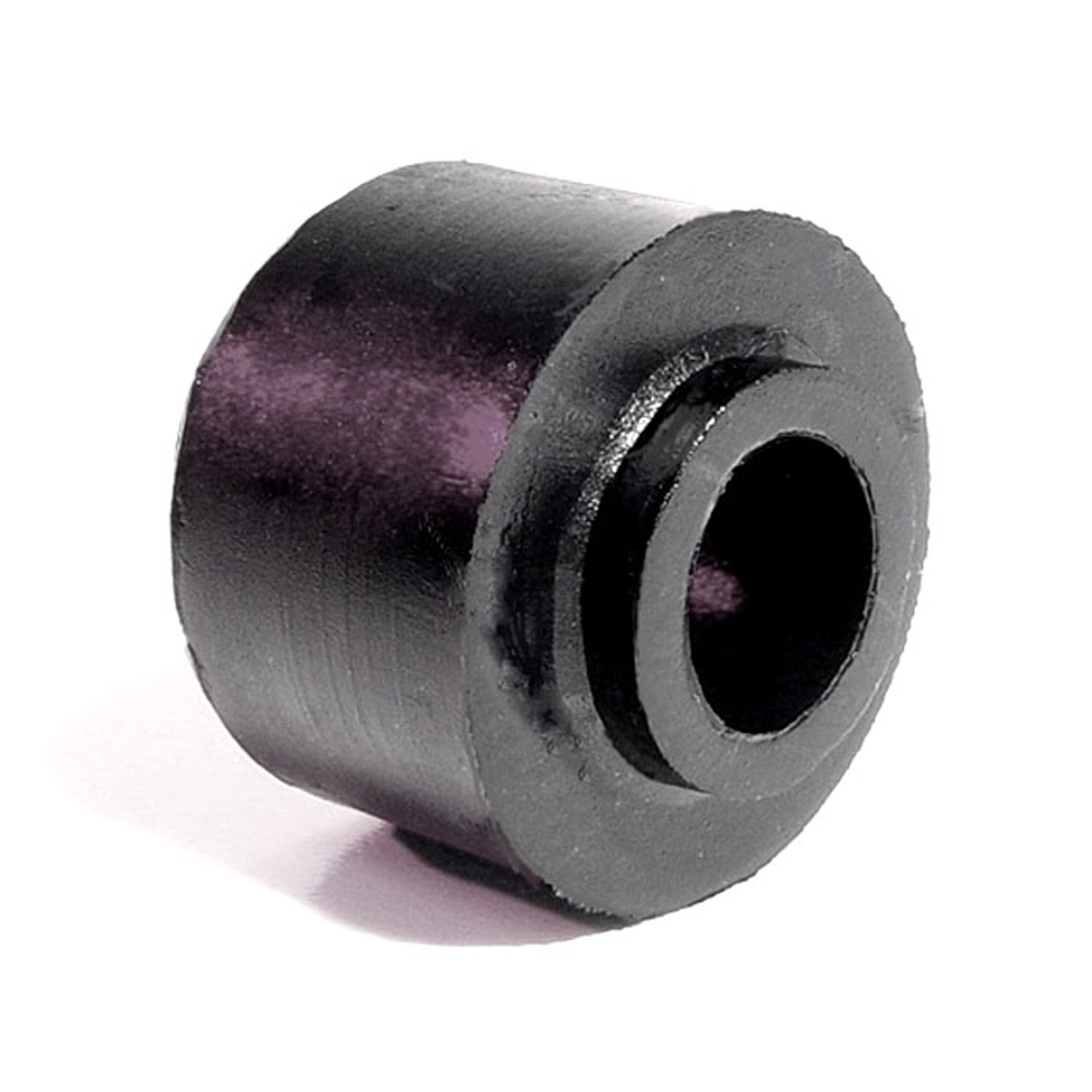 1963 Buick Invicta Shock Absorber Grommet. 1" bottom O.D., 3/4" high-BN 1Shock Absorber Grommet. 1" bottom O.D., 3/4" high., with 7/16" I.D. Each
 1963 Buick Invicta Shock Absorber Grommet. 1" bottom O.D-BN 11Shock Absorber Grommet. 1" bottom O.D., 3/4" high, with 5/8" I.D. Each
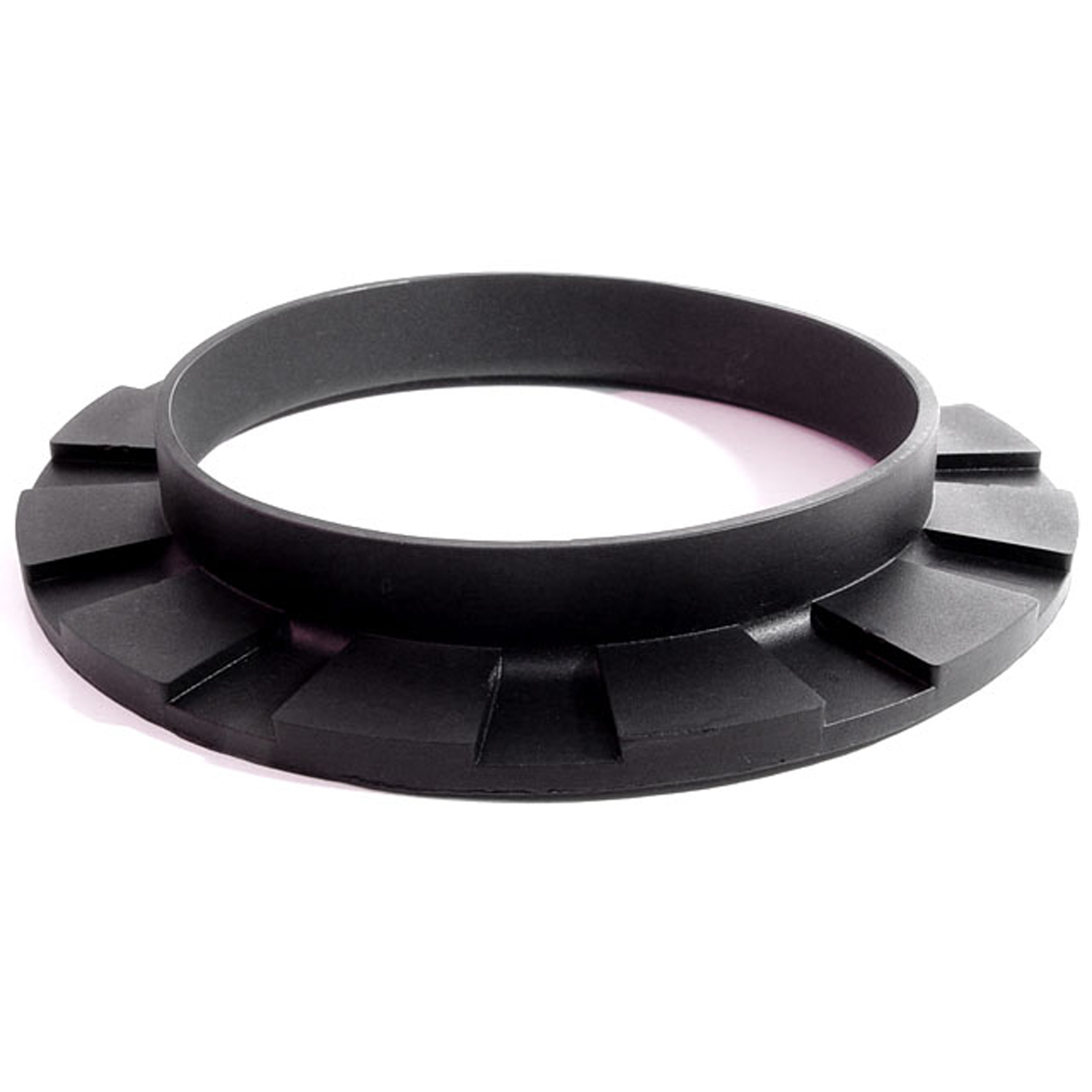 1963 Buick Invicta Front coil-spring insulator-BN 110Front coil-spring insulator. Fits '41-'60 Oldsmobile and '50-'83 GM passenger models. 5-3/8 in. OD x 3-3/4 in. ID x 3/4 in. high with 13/16 in. wide bottom flange 1/4" thick, 12 flutes. Each.
 1963 Buick Invicta Door Bumper. 1-3/16" high X 5/8" wide X 1" long. Each-DB 33-BDoor Bumper. 1-3/16" high X 5/8" wide X 1" long. Each
 1963 Buick Invicta Header Seal for Convertibles. 59-1/4" Long. Each-HD 701Header Seal for Convertibles. 59-1/4" Long. Each
 1963 Buick Invicta Hood Side Bumper. Fits 3/4" wide slot. Each-HF 26-BHood Side Bumper. Fits 3/4" wide slot. Each
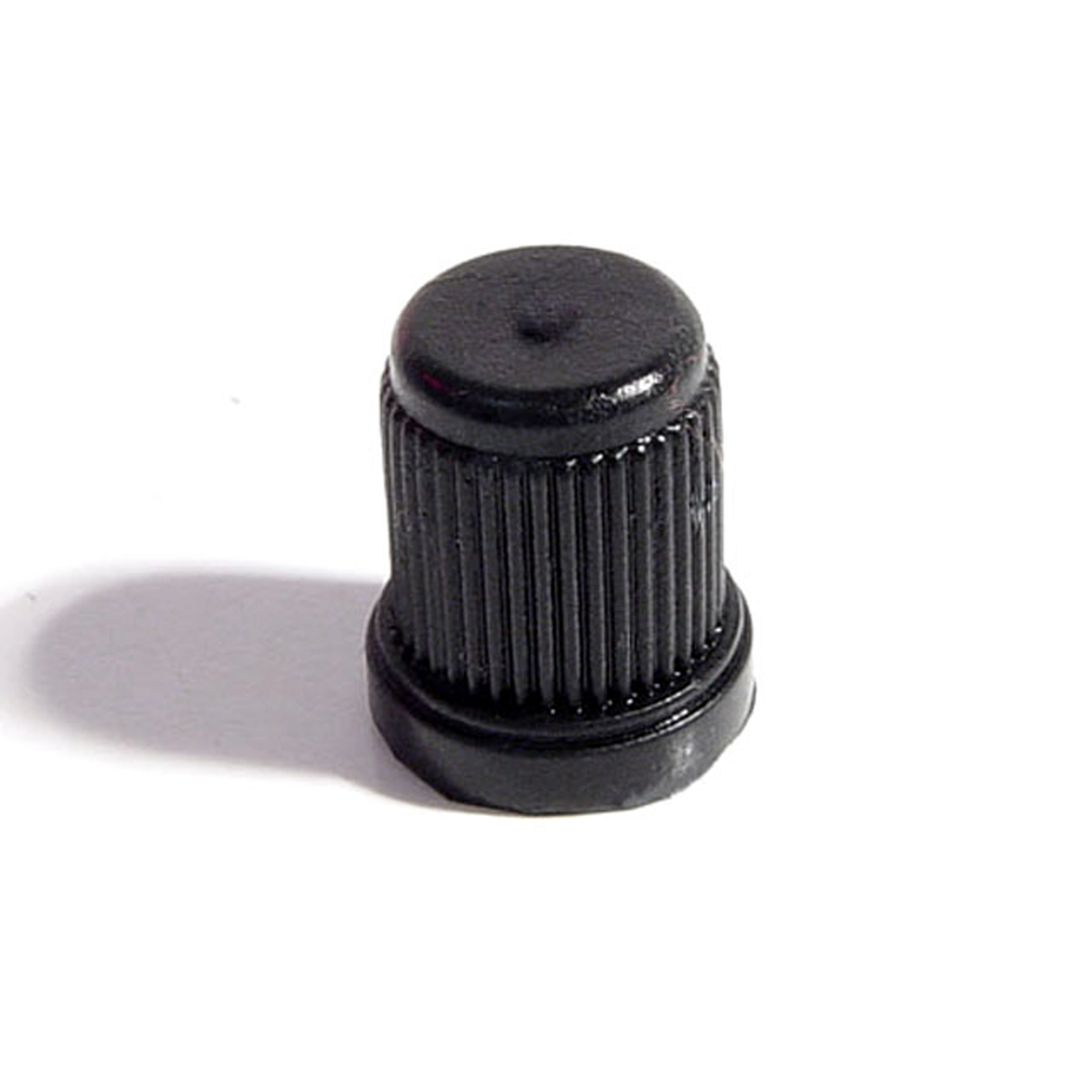 1963 Buick Invicta Trip Meter Reset Knob. Made of black rubber-KN 10Trip Meter Reset Knob. Made of black rubber. Compare to measurements: 1/8" I.D., 7/16" O.D. X 1/2" tall. Each
 1963 Buick Invicta Odometer Trip Knob. Made of black rubber-KN 11Odometer Trip Knob. Made of black rubber. Compare to measurements: 1/8" I.D., 7/16" O.D. X 7/16" tall. Each
 1963 Buick Invicta Door Seals, with Clips and Molded Ends-LM 20-ADoor Seals, with Clips and Molded Ends. For 2-Door Hardtops and Convertibles. Replaces OEM #4474550/1. Pair R&L
 1963 Buick Invicta Front Molded Door Seals with Clips-LM 21-BFront Molded Door Seals with Clips. For 4-Door Sedan and Wagon. Pair R&L
 1963 Buick Invicta Rear Molded Door Seals with Clips. For 4-Door Wagon Only-LM 21-B/WRear Molded Door Seals with Clips. For 4-Door Wagon Only. Pair R&L
 1963 Buick Invicta Door Handle Pads. 2-5/8" long & 1-1/8" long. Set R&L-MP 989-DDoor Handle Pads. 2-5/8" long & 1-1/8" long. Set R&L
 1963 Buick Invicta Basic Kit, for Convertibles-RKB 2007-107Basic Kit, for Convertibles. Door (LM 20-A) Roof Rail (RR 1812) Trunk (TK 46-18), Seals.
 1963 Buick Invicta Basic Kit, for 2-Door Hardtop-RKB 2009-106Basic Kit, for 2-Door Hardtop. Door (LM 20-A) Roof Rail (RR 5005) Trunk (TK 46-18), Seals.
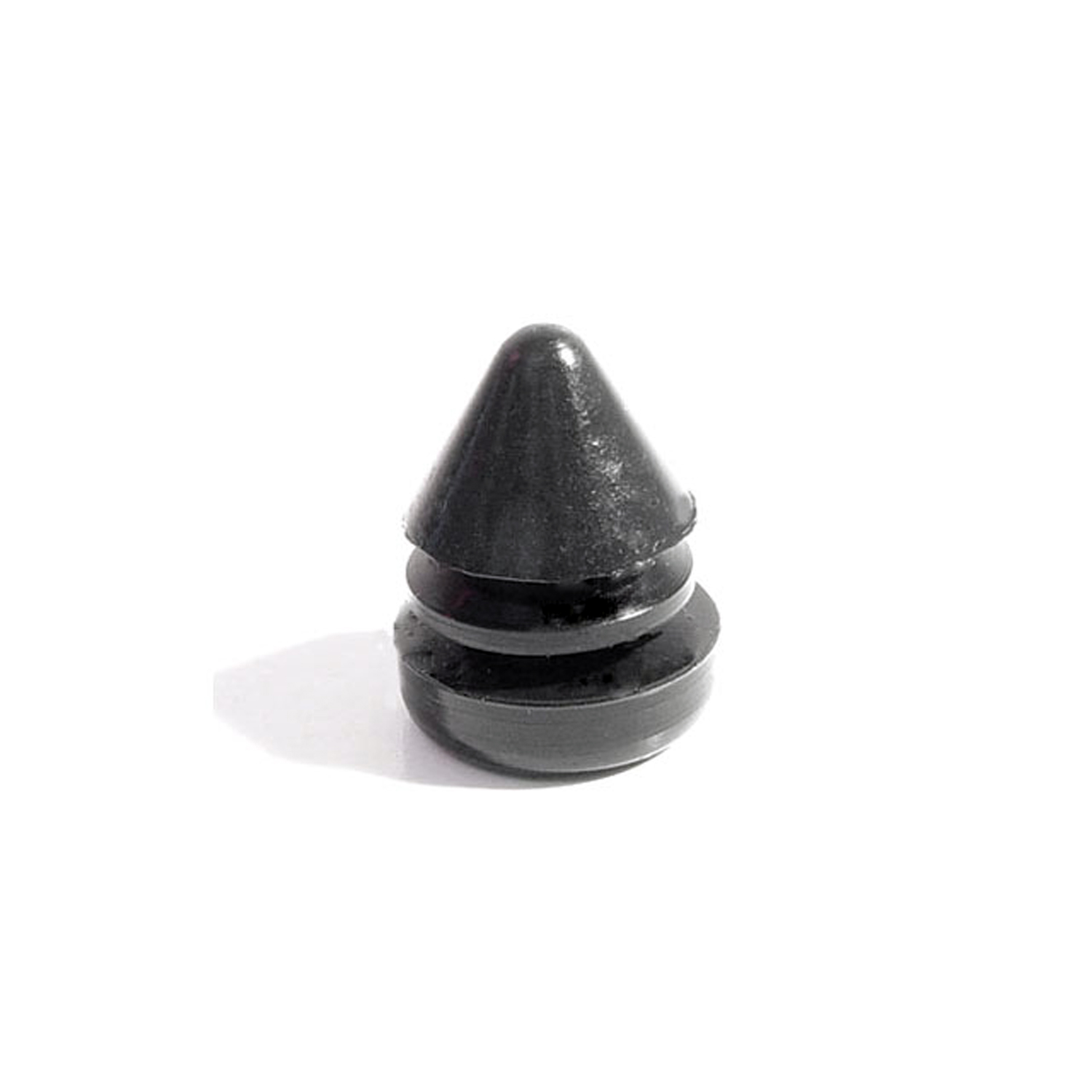 1963 Buick Invicta Hydro-Electric Power Unit Mounting Cushion-RP 710Hydro-Electric Power Unit Mounting Cushion. For convertibles only. Each
 1963 Buick Invicta Convertible Top Roof Rail Kit-RR 1812Convertible Top Roof Rail Kit. 7-Piece set includes all right and left side top rail seals and windshield top header seal. Made with full steel cores and threaded studs. Middle section is 13-3/4" long. Note: '61 model year may need some modifications.
 1963 Buick Invicta Molded Roof Rail Seals for 2-Door Hardtop. Pair R&L-RR 5005Molded Roof Rail Seals for 2-Door Hardtop. Pair R&L
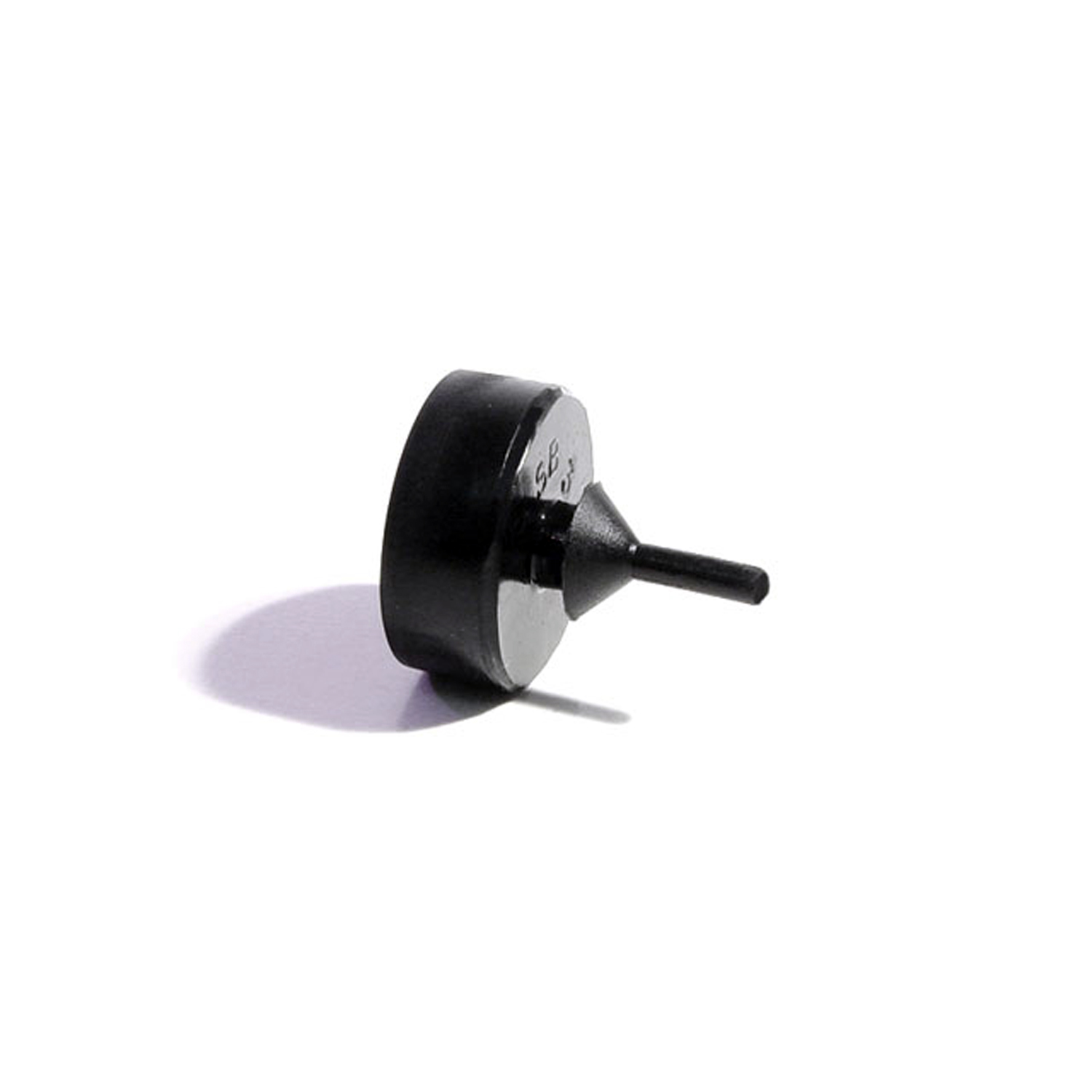 1963 Buick Invicta Trunk Bumper. Fits lower corner on decklid. 15/16" O.D-SB 34Trunk Bumper. Fits lower corner on decklid. 15/16" O.D., 11/16" high. Each
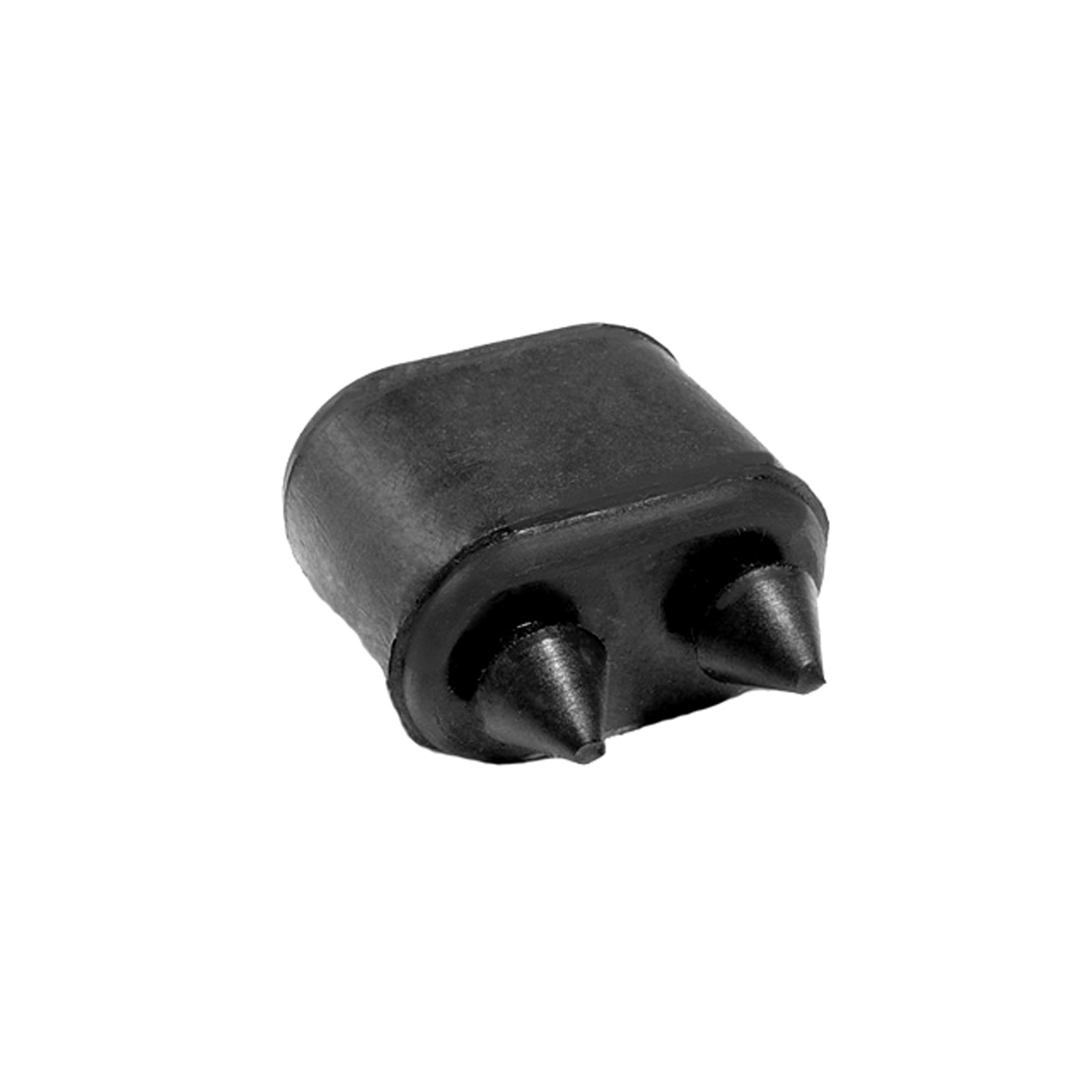 1963 Buick Invicta Door Bumper, 57-74 GM Cars, Made with Twin Retainers, Each-SB 35Door Bumper, 57-74 GM Cars, made with twin retainers, Each. Measure 1-1/16" high X 19/32" wide X 1-1/32" long.
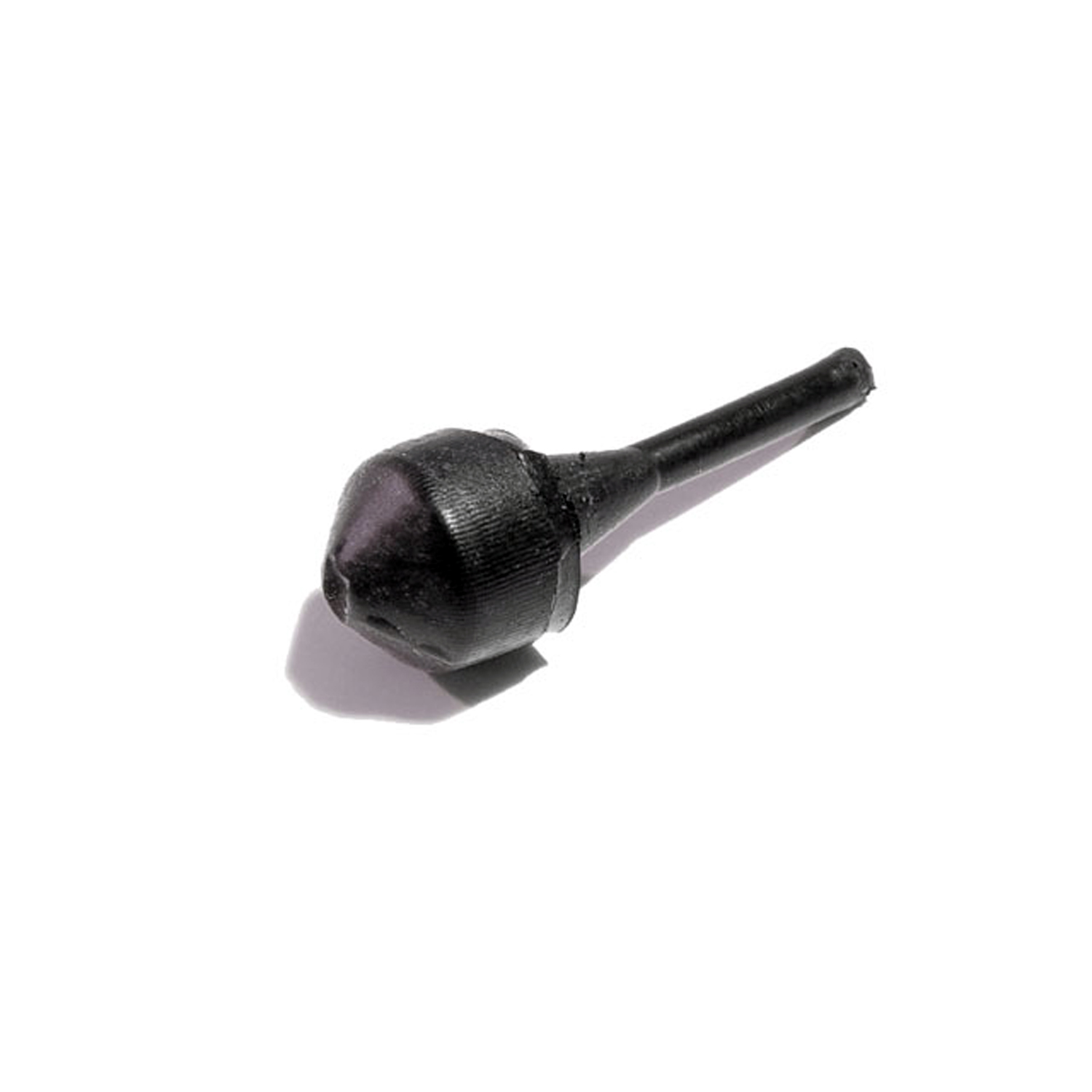 1963 Buick Invicta Glove Box and Fuel Door Bumper. Fits 3/16" hole. Each-SB 78Glove Box and Fuel Door Bumper. Fits 3/16" hole. Each
 1963 Buick Invicta Tailgate seal. Fits '61-'64 GM B-body 4-door station wagons-TG 11Tailgate seal. Fits '61-'64 GM B-body 4-door station wagons. Replaces OEM#'s 4401283 and 4401284. Each.
 1963 Buick Invicta Trunk Seal. 18 feet long. Each-TK 46-18Trunk Seal. 18 feet long. Each
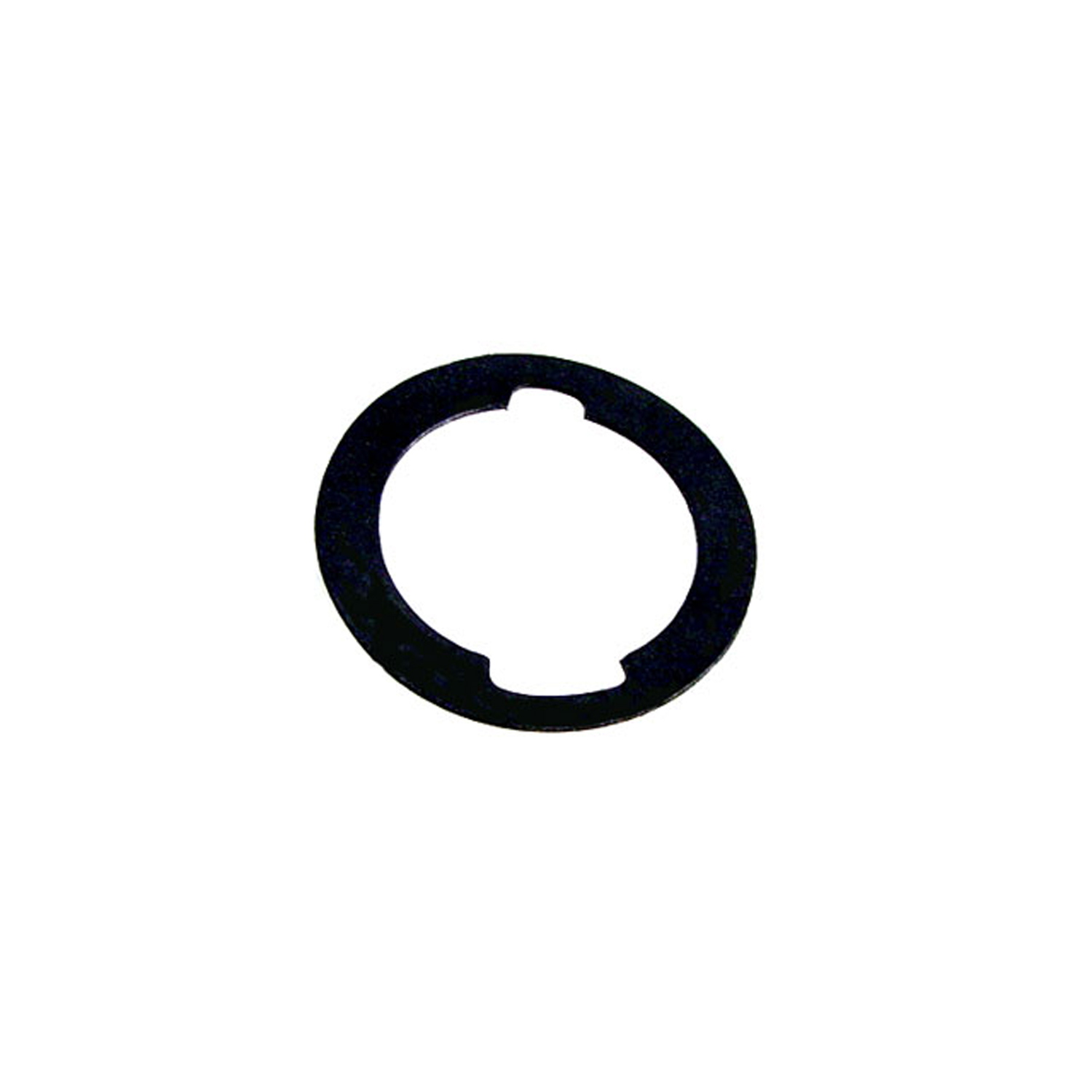 1963 Buick Invicta Unbeaded Door and Trunk Lock Gasket. 1-3/16" O.D., 7/8" I.D-UM 1600-100Unbeaded Door and Trunk Lock Gasket. 1-3/16" O.D., 7/8" I.D. Each
 1963 Buick Invicta Quarter Window Seals, for 4-Door Hardtops-VS 4-DQuarter Window Seals, for 4-Door Hardtops. For leading edge of rear quarter windows. 14" long. Pair
 1963 Buick Invicta Vulcanized Windshield Seal, for 2-Door Hardtop. Each-VWS 0626Vulcanized Windshield Seal, for 2-Door Hardtop. Each
 1963 Buick Invicta Vulcanized Windshield Seal, for 2-Door Convertible. Each-VWS 0627Vulcanized Windshield Seal, for 2-Door Convertible. Each
 1963 Buick Invicta Vulcanized Windshield Seal,for 4-Door Hardtop. Each-VWS 0628Vulcanized Windshield Seal,for 4-Door Hardtop. Each
 1963 Buick Invicta Vulcanized Windshield Seal, for 4-Door Sedan. Each-VWS 0631Vulcanized Windshield Seal, for 4-Door Sedan. Each
 1963 Buick Invicta Vulcanized Rear Windshield Seal, for 2-Door Hardtop-VWS 3129-RVulcanized Rear Windshield Seal, for 2-Door Hardtop. (Also fits '62 Impala 2-door hardtop sport coupe). Each
Why Choose Metro?
For over 100 years, Metro Moulded Parts has been the pinnacle of quality in classic car restoration parts. Our commitment to precision and authenticity in every component ensures a perfect fit and an OEM-level appearance.
- Expert Craftsmanship & Quality: Each part is a testament to our dedication to reliability and perfection, crafted from original designs and thoroughly tested.
- Advanced Technology: We use cutting-edge techniques to create flawless, long-lasting parts that surpass others in performance.
- SuperSoft Sponge – The Ultimate Door Seal: Not only are our door seals 30% softer than competitors', but they're also guaranteed to never leak. They effectively reduce wind and road noise, enhancing your classic car's comfort and driving experience.
- Proudly American: Our parts are a product of American craftsmanship, made in the USA with a spirit of excellence and heritage.
- Unrivaled Warranty: We back our products with a 30-year industry-leading warranty, a testament to our confidence in their quality.
Join us in preserving the legacy of classic cars with parts that are crafted for perfection, not just made.