

Image of 1963 Buick Skylark, Note: These illustrations use artistic license and may differ from actual historical models.
Performance Metrics
Fundamental Metrics
Emotional Appeal
MMP Rating
| Engine Specifications | |
|---|---|
| Engine Options: | 215 cu in (3.5 L) Buick V8 |
| Displacement Range: | 215 cu in (3.5 L) |
| Horsepower Range: | 155-200 hp |
| Torque: | 220 lb-ft |
| Compression Ratio: | 10.25:1 |
| Ignition System: | Conventional |
| Cooling System: | Liquid-cooled |
| Performance Specifications | |
| 0-60 Time: | 12 seconds |
| 1/4 Mile Time: | 18 seconds |
| Top Speed: | 115 mph |
| Transmission and Drive | |
| Drive Type: | RWD (Rear Wheel Drive) |
| Transmission Type: | 3-speed automatic or 4-speed manual |
| Fuel and Efficiency | |
| Fuel System Type: | Carburetor |
| MPG: | 15-20 mpg |
| Dimensions and Brakes | |
| Brakes: | Drum brakes |
| Wheelbase: | 112.0 in |
| Weight: | 2,800 lbs |
Note: Specifications for classic cars are given to the best of our ability, considering the limited and variant data available.
1963 Buick Skylark: A Compact Buick with Big Ambitions
The 1963 Buick Skylark brought V8 power, upscale trim, and unmistakable Buick character to a smaller, more affordable package. Built by Buick, a division of General Motors, it belonged to the compact Special family, but its brightwork and well-finished cabin gave it a more premium feel than the typical economy-minded compact.
The Skylark’s roots go back to the 1961 Buick Special, one of GM’s early compact cars. By 1963, the Special platform was established, and the Skylark had become its dressier, more powerful interpretation. It arrived during a period when American buyers were increasingly interested in cars that were easier to park and more economical than full-size cruisers, but still wanted comfort and performance.
One especially intriguing part of the Skylark story is under the hood. Its 215-cubic-inch aluminum V8 belonged to a remarkably influential engine family. After Buick stopped producing the engine, Rover acquired the design and production rights, and the compact V8 went on to power generations of British cars. The Skylark may have been a modest Buick in size, but its engine had a long life beyond the showroom.
Skylark Styling and Interior
The 1963 Skylark wore a clean, squared-off design that balanced compact proportions with classic Buick detailing. A broad grille, paired headlights, restrained hood contours, and carefully shaped body sides gave it a confident face without the exaggerated fins or heavy ornamentation of earlier American cars. Bright trim along the body and around the windows added a touch of upscale polish.
Inside, the Skylark offered a more inviting cabin than its compact dimensions might suggest. Depending on body style and equipment, buyers could find bucket seats or a front bench, a center console, patterned upholstery, and a neatly arranged instrument panel. Vinyl was common, with upgraded trim and materials available. The cabin was not a miniature luxury-car interior, but it delivered the solid, comfortable feel Buick buyers expected.
For 1963, useful equipment included power steering, power brakes, air conditioning, and an automatic transmission, depending on the selected package and options. These features were not standard on every Skylark, so surviving cars can differ substantially in equipment. The compact layout and straightforward controls kept the car approachable, while the available convenience options made it a capable long-distance cruiser.
Buick offered the Skylark in a range of period colors, from whites and silvers to blues, greens, reds, and subtle metallic shades. Exact paint names and availability varied by production details. Pale blue, silver, white, and darker blue tones suit the car particularly well, highlighting its trim and crisp body lines. As with any restoration, the factory paint code is the best guide to a historically correct color.
The Skylark was offered in several body styles, including a two-door coupe, four-door sedan, and convertible. The convertible is the most instantly recognizable and often the most sought-after today, thanks to its open-air appeal and strong classic-Buick presence. Coupes have a sportier profile, while the sedan offers extra practicality and is generally less common in collector-focused advertising.
Why the 1963 Skylark Matters
The Skylark helped show that a smaller American car did not have to feel bare-bones. Its combination of compact size, Buick trim, and available V8 power anticipated a market that would soon embrace increasingly performance-oriented intermediate cars. The model also helped Buick strengthen its position in a changing industry, where buyers were looking beyond the traditional full-size sedan.
Its place in the Special family is significant, too. The Buick Special had earned Motor Trend’s 1962 Car of the Year award, bringing attention to Buick’s compact approach and its new V6 engine. The 1963 Skylark carried that momentum forward with a more refined appearance and a choice of powertrains that ranged from practical to lively.
It is important not to confuse the 1963 Skylark with the later Gran Sport. Buick introduced the Skylark Gran Sport in 1965, when the model took a more explicit step into the muscle-car era. The 1963 car is an earlier, more understated chapter in that story: a compact Buick with genuine performance potential, but not yet a factory Gran Sport.
Engine, Speed, and Road Manners
The headline engine for the Skylark was Buick’s 215-cubic-inch, 3.5-liter aluminum V8. Output depended on configuration, with a commonly quoted four-barrel version producing about 190 horsepower. The aluminum construction helped keep weight down, while the V8’s broad torque gave the compact Buick brisk, flexible performance in ordinary driving. The Special line also offered Buick’s 198-cubic-inch V6, though Skylark equipment and engine availability depended on the specific model and market.
Period performance figures vary with engine, transmission, axle ratio, vehicle condition, and testing method. A V8 Skylark can be expected to reach 60 mph in roughly 10 to 12 seconds, with a top speed in the neighborhood of 100 to 110 mph. Those are useful estimates rather than guarantees for a particular surviving car. A V6-equipped example is generally slower, but can still keep pace comfortably with traffic when properly maintained.
Transmission choices included a manual gearbox and Buick’s optional automatic, with exact availability varying by configuration. The automatic suits the Skylark’s relaxed character, while a manual makes better use of the V8’s response and gives the driver a more involved experience. Four-speed manual cars, where documented, are especially appealing to enthusiasts.
On the road, the Skylark feels lighter and more manageable than a full-size Buick. Its suspension is tuned for comfort rather than sharp cornering, so it absorbs ordinary pavement imperfections well but can feel soft over larger bumps. On winding roads, the compact dimensions are helpful, though the car’s period steering and body motion remind you that it is a 1960s cruiser, not a modern sports coupe. Strong crosswinds and uneven pavement call for a relaxed hand on the wheel.
The V8’s sound is a particular pleasure: a smooth, low burble at idle that builds into a purposeful growl under acceleration. The driving position is upright, the controls are uncomplicated, and the car rewards smooth inputs. It feels at home on a two-lane highway or a weekend cruise, where its character matters more than outright speed.
Living with a 1963 Buick Skylark
Today, Skylarks are used mostly as weekend drivers, show cars, and vintage-tour vehicles. A well-sorted example can handle local trips and relaxed highway use, but many owners choose not to rely on one as a daily driver. Age, traffic conditions, and the availability of replacement parts all influence how practical that decision is.
Routine service is generally manageable for an owner familiar with older American cars. The engine bay is relatively accessible, and many mechanical parts are shared with other Buick Special models or related GM vehicles. Brake, steering, suspension, fuel, and cooling systems deserve particular attention on a car that has been stored or driven infrequently. The aluminum V8 also requires an appropriate cooling system and sound maintenance; neglect can turn an otherwise enjoyable car into an overheating project.
Parts availability is mixed but workable. Many service items and mechanical components can be sourced through classic-car suppliers, while model-specific trim, body panels, and interior pieces may take more searching. Before buying, inspect the frame and underbody, check for rust around the floor and lower body, and verify that the engine and transmission match the seller’s description. A car that runs well is not necessarily a car that has been properly restored.
Skylark Facts and Common Questions
The Buick 215 V8’s story reaches far beyond the Skylark. Rover’s later use of the aluminum engine helped make it famous in vehicles such as the Rover P6 and Range Rover. That connection is one reason Buick’s small V8 remains a favorite among engine enthusiasts.
The 1963 Skylark also sits just before Buick’s more celebrated Gran Sport era. Buyers seeking a factory 1963 Gran Sport will come up empty, because that nameplate arrived two years later. A 1963 Skylark can still be a rewarding performance-oriented classic, but it should not be represented as a Gran Sport without clear documentation of later modifications.
There is no single, universally cited production total for every 1963 Skylark body and equipment combination. A reasonable working estimate is roughly 60,000 to 80,000 Skylarks, with about 70,000 as a useful midpoint. Treat that figure as an estimate rather than a precise factory-certified count, especially when comparing body styles or rare options.
The Skylark is not known for a headline land-speed record or a single defining competition victory. Its appeal is more grounded: it brought Buick comfort and available V8 power to a compact car, and it helped establish a platform that would develop into more overtly sporty models. Common criticisms include soft handling by modern standards, modest braking performance compared with contemporary cars, and the cost or difficulty of finding certain trim pieces. Rust and deferred maintenance can be bigger problems than the basic mechanical design.
1963 Buick Skylark Values and Rarity
Collector values vary widely with body style, originality, condition, and documentation. As a broad current-market guide, a project car may sell for roughly $4,000 to $9,000. A usable driver often falls around $10,000 to $20,000, while a clean, well-restored example may bring approximately $20,000 to $35,000. An exceptional convertible with desirable equipment and a high-quality restoration can exceed that range, particularly when sold to the right buyer.
These are estimates, not fixed price tags. Rust-free structure, a correct and well-maintained V8, a documented restoration, and factory-correct details can make a substantial difference. Convertibles tend to attract the strongest interest, while sedans may offer a more affordable way into the model. Rare options can help, but condition and quality usually matter more than a long equipment list.
Prices for solid examples have generally been steady to gradually appreciating, rather than rising at the pace of the most famous muscle cars. The Skylark benefits from growing interest in compact 1960s American cars, but buyers still expect realistic pricing and good documentation. Its relative availability makes it possible to shop carefully rather than rushing into the first car offered.
A Compact Buick with Lasting Character
The 1963 Buick Skylark blends compact proportions, tasteful styling, a comfortable interior, and the option of a memorable aluminum V8. It is not a modern-handling sports car or a factory muscle machine, but it offers an appealing middle ground between everyday usability and classic American character. Its connection to Buick’s influential engine history gives it significance beyond its size.
For collectors and drivers who want a distinctive classic without the bulk of a full-size cruiser, the Skylark makes a compelling choice. Find a sound example, preserve its Buick details, and the car will reward you with an unmistakable mix of comfort, craftsmanship, and V8-era charm.
1963 Buick Skylark Catalog of Parts
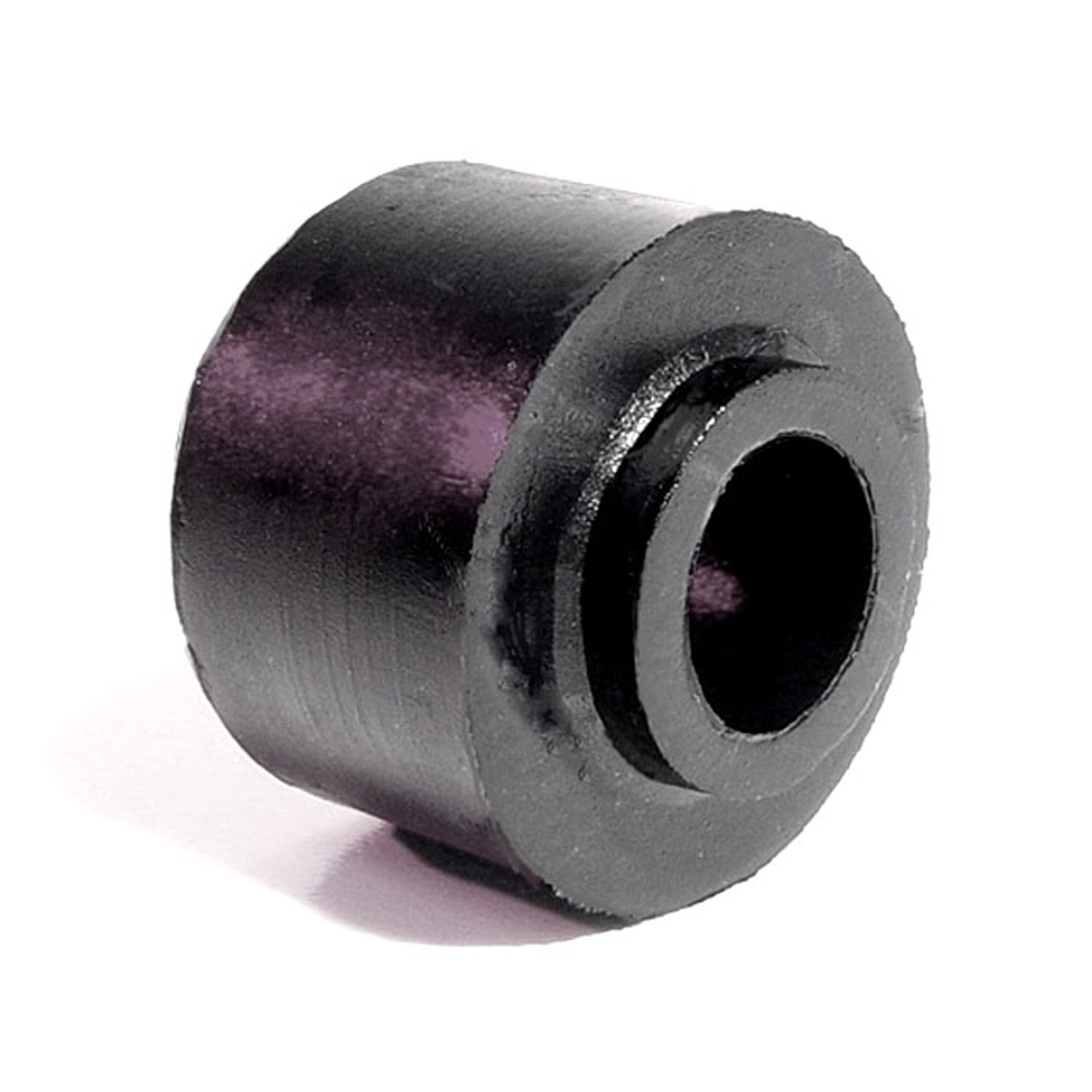 1963 Buick Skylark Shock Absorber Grommet. 1" bottom O.D., 3/4" high-BN 1Shock Absorber Grommet. 1" bottom O.D., 3/4" high., with 7/16" I.D. Each
 1963 Buick Skylark Shock Absorber Grommet. 1" bottom O.D-BN 11Shock Absorber Grommet. 1" bottom O.D., 3/4" high, with 5/8" I.D. Each
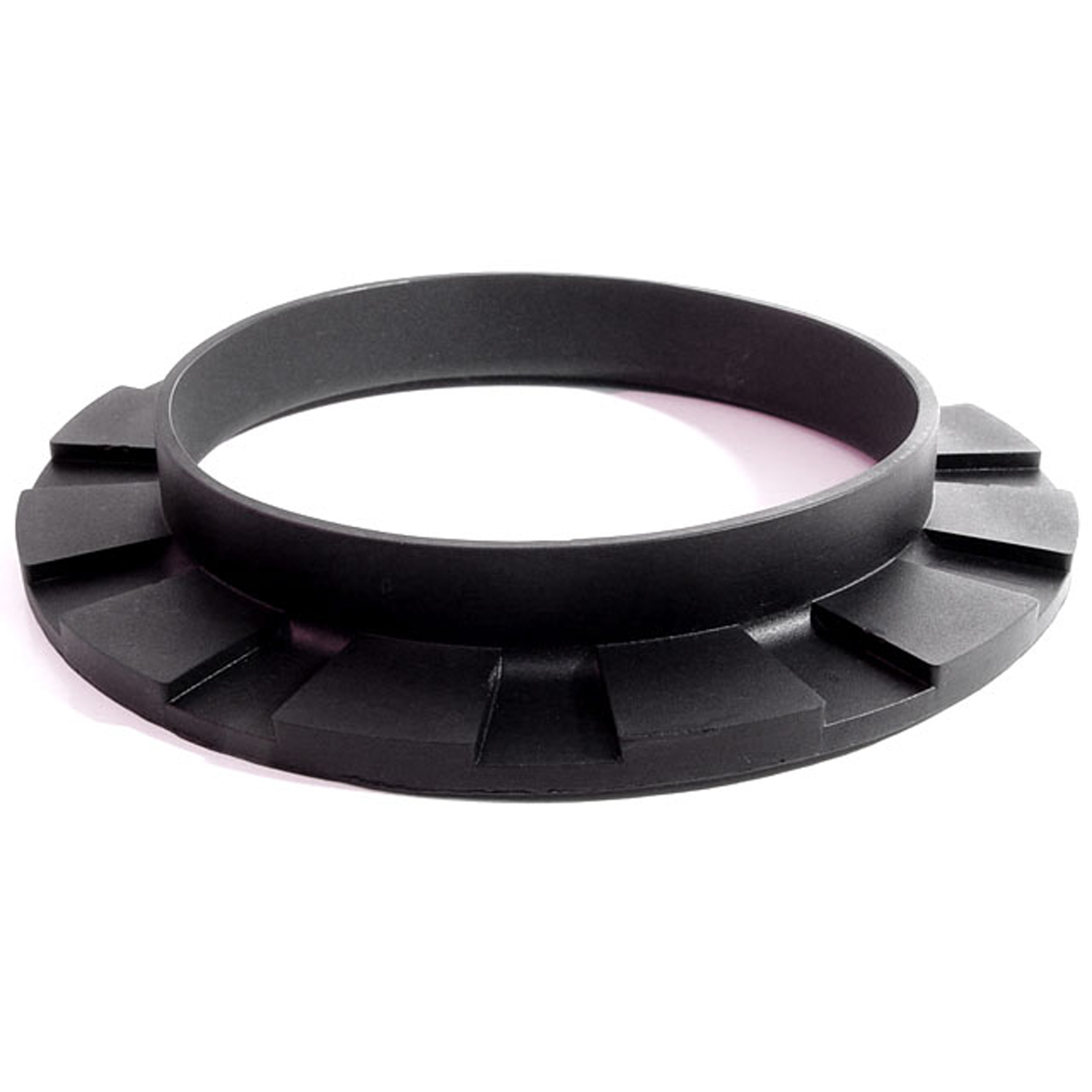 1963 Buick Skylark Front coil-spring insulator-BN 110Front coil-spring insulator. Fits '41-'60 Oldsmobile and '50-'83 GM passenger models. 5-3/8 in. OD x 3-3/4 in. ID x 3/4 in. high with 13/16 in. wide bottom flange 1/4" thick, 12 flutes. Each.
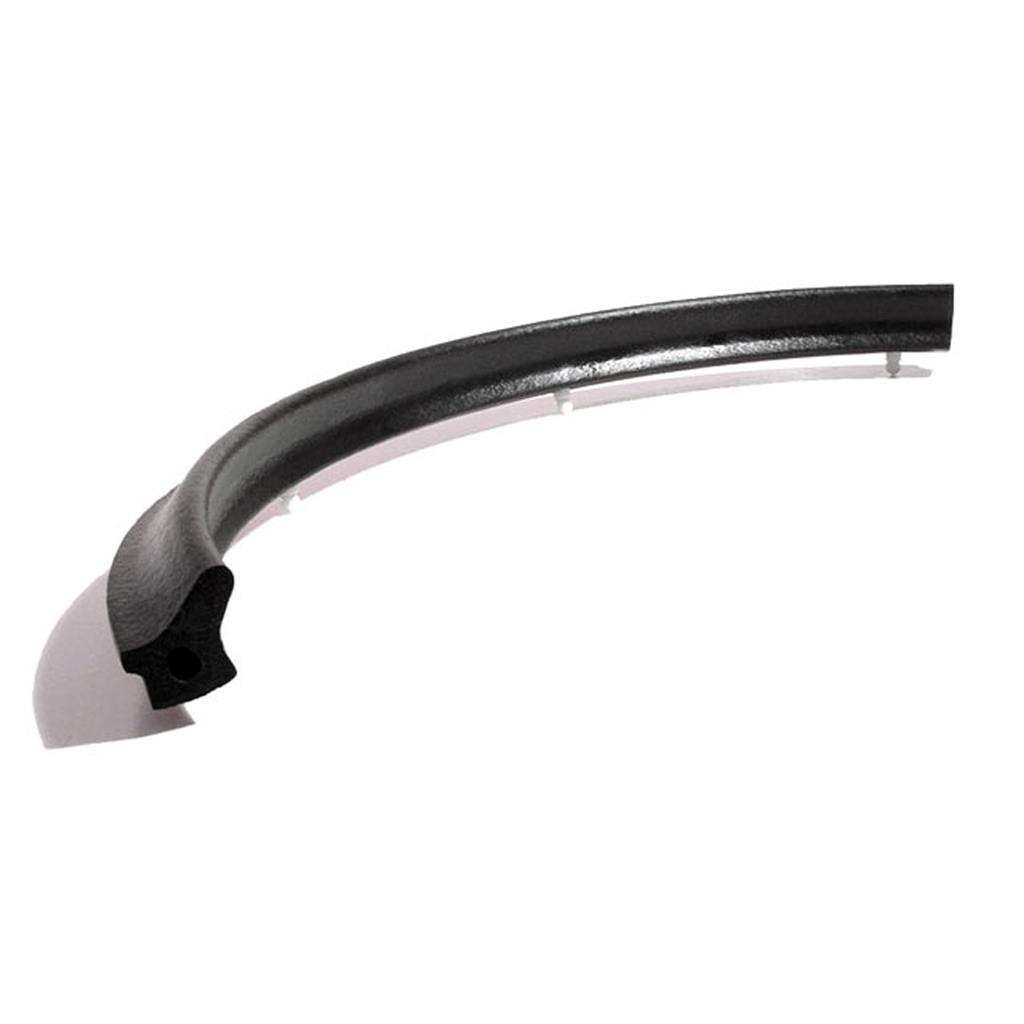 1963 Buick Skylark Door Side Seal ('64-'66 some models)-C/LP 40-DDoor Side Seal ('64-'66 some models). Smooth skin-covered sponge with clips already installed, 4" apart. For seal without clips, see LP 40-D. Sold by the foot.
 1963 Buick Skylark Door Bumper. 1-3/16" high X 5/8" wide X 1" long. Each-DB 33-BDoor Bumper. 1-3/16" high X 5/8" wide X 1" long. Each
 1963 Buick Skylark Hood Side Bumper. Fits 3/4" wide slot. Each-HF 26-BHood Side Bumper. Fits 3/4" wide slot. Each
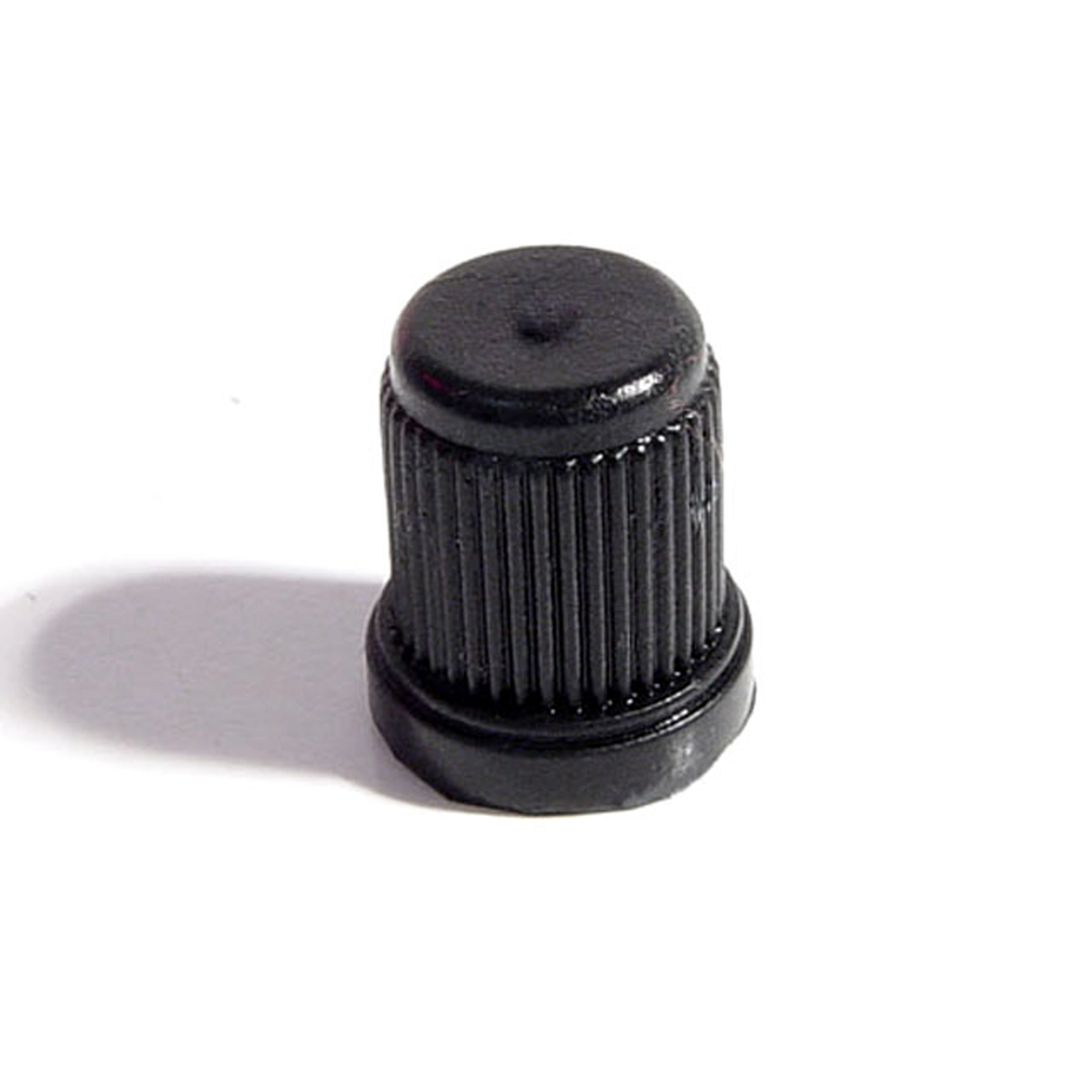 1963 Buick Skylark Trip Meter Reset Knob. Made of black rubber-KN 10Trip Meter Reset Knob. Made of black rubber. Compare to measurements: 1/8" I.D., 7/16" O.D. X 1/2" tall. Each
 1963 Buick Skylark Odometer Trip Knob. Made of black rubber-KN 11Odometer Trip Knob. Made of black rubber. Compare to measurements: 1/8" I.D., 7/16" O.D. X 7/16" tall. Each
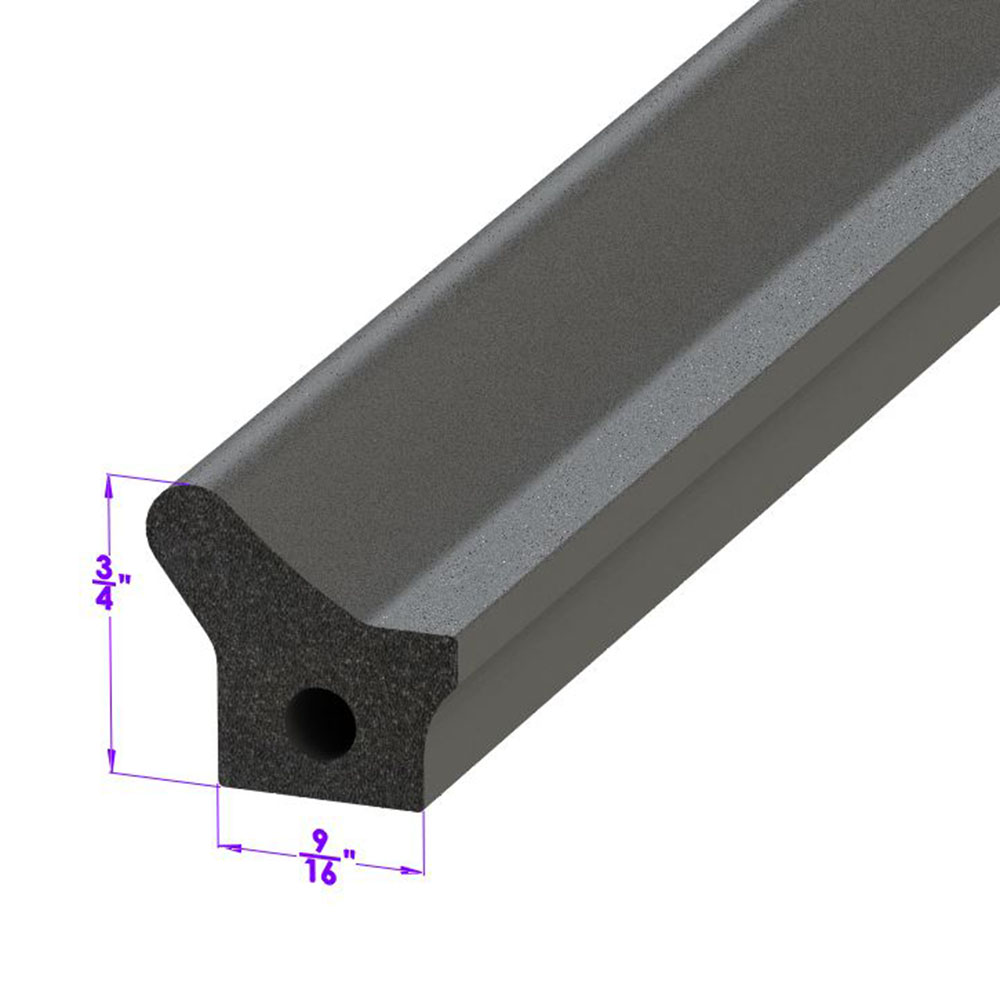 1963 Buick Skylark Door Side Seal-LP 40-DDoor Side Seal, Without Clips ('64-'66 some models) For seal with clips, see C/LP 40-D. Sold by the foot
 1963 Buick Skylark Door Handle Pads. 2-5/8" long & 1-1/8" long. Set R&L-MP 989-DDoor Handle Pads. 2-5/8" long & 1-1/8" long. Set R&L
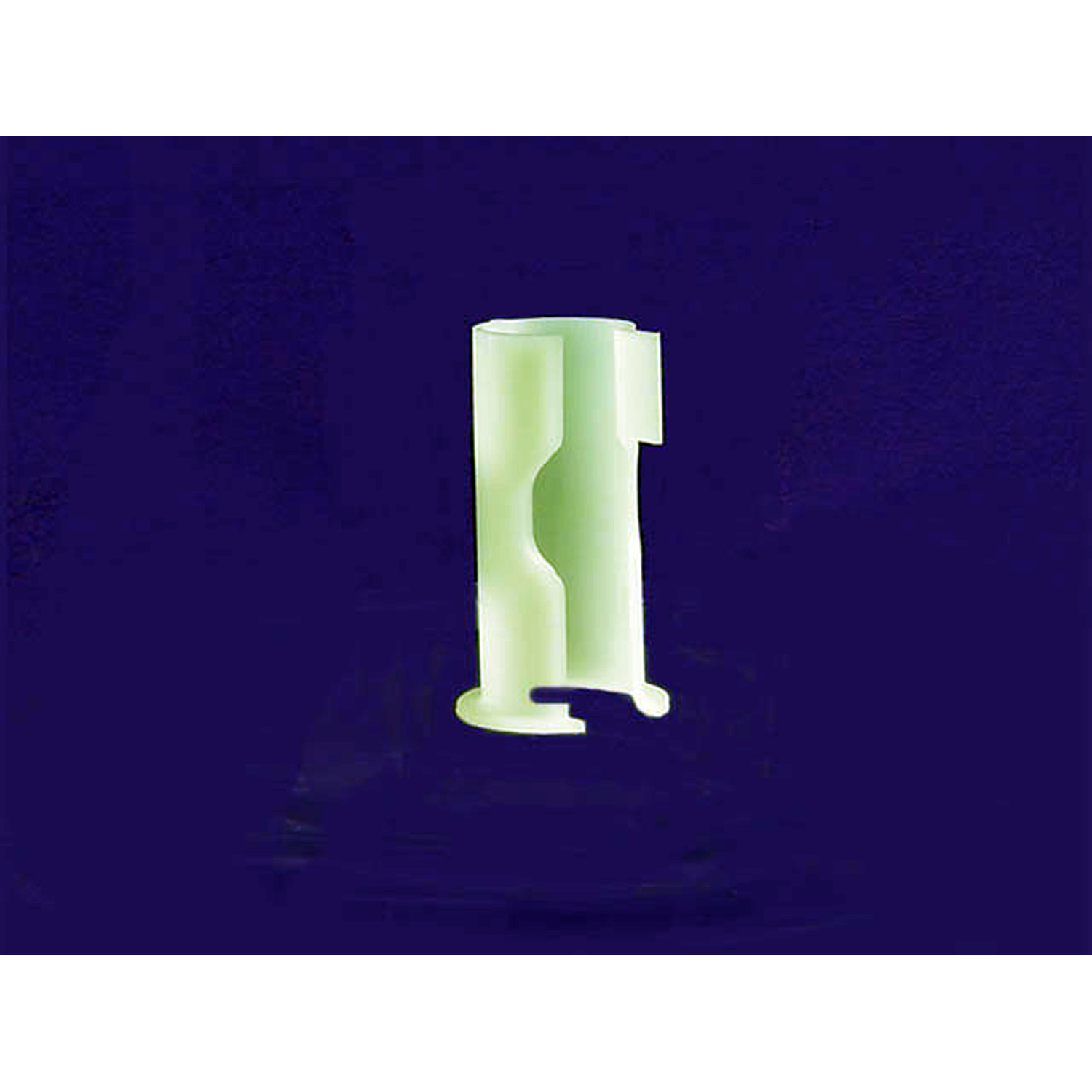 1963 Buick Skylark Sun Visor Support Sleeve. Clear plastic. Each-RP 303-ASun Visor Support Sleeve. Clear plastic. Each
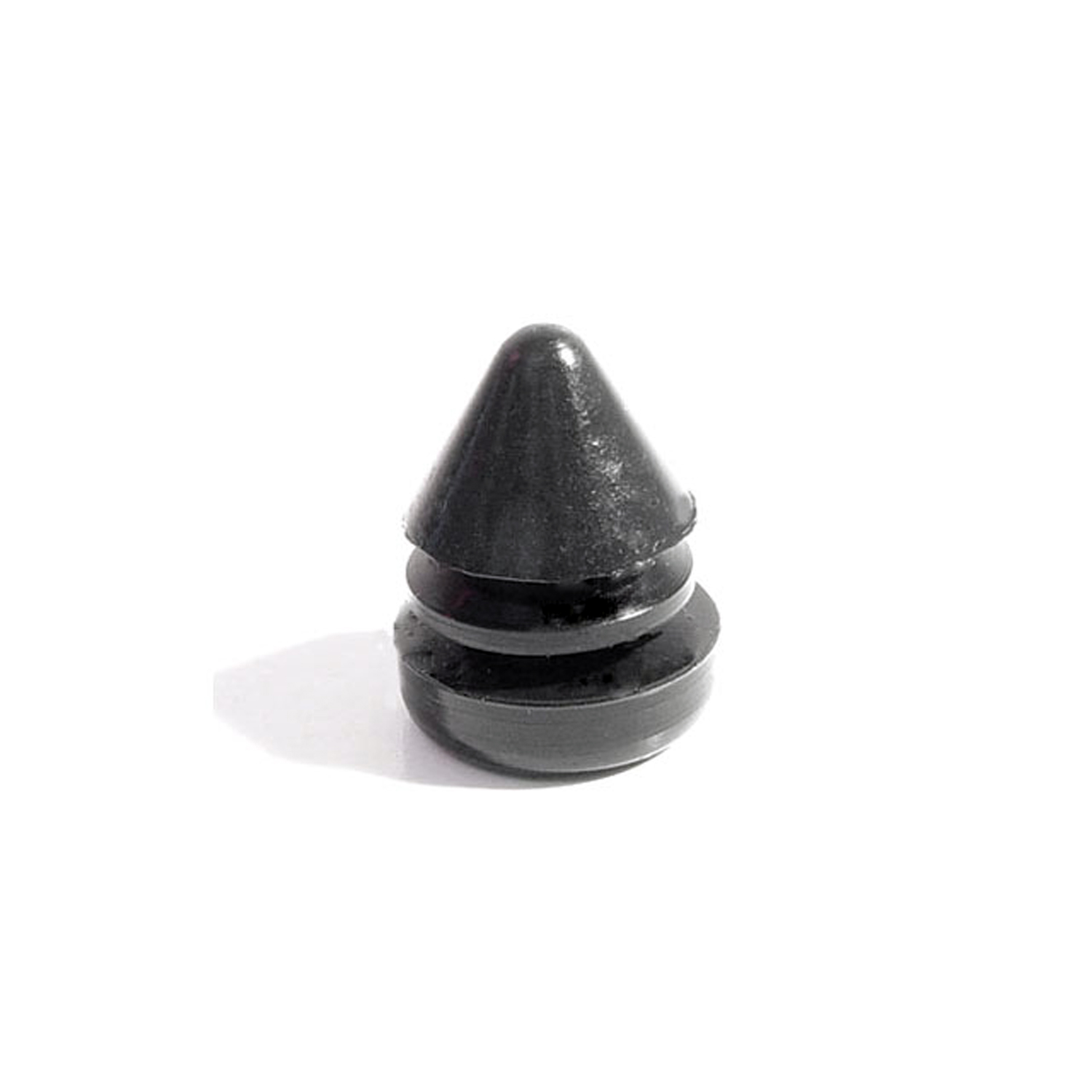 1963 Buick Skylark Hydro-Electric Power Unit Mounting Cushion-RP 710Hydro-Electric Power Unit Mounting Cushion. For convertibles only. Each
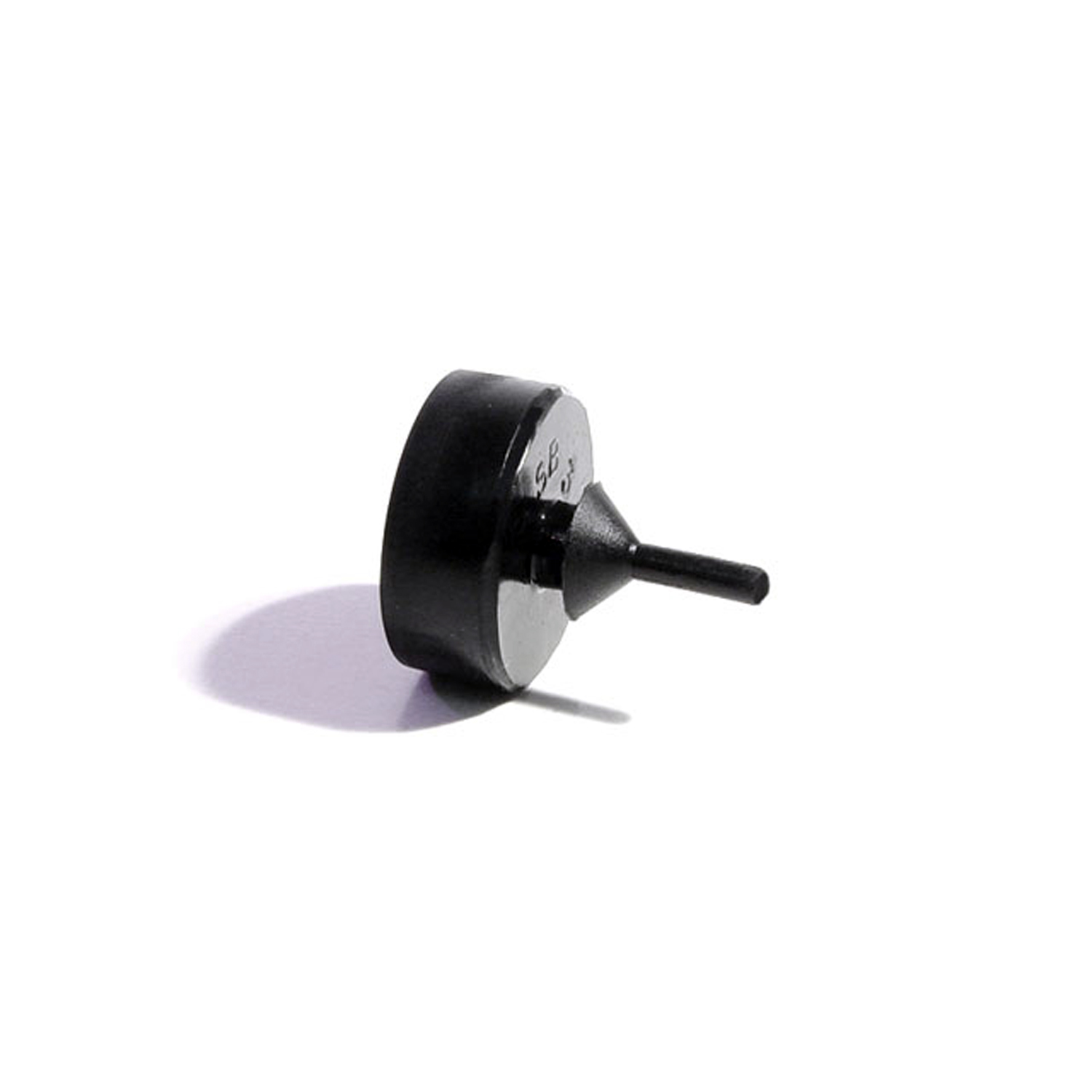 1963 Buick Skylark Trunk Bumper. Fits lower corner on decklid. 15/16" O.D-SB 34Trunk Bumper. Fits lower corner on decklid. 15/16" O.D., 11/16" high. Each
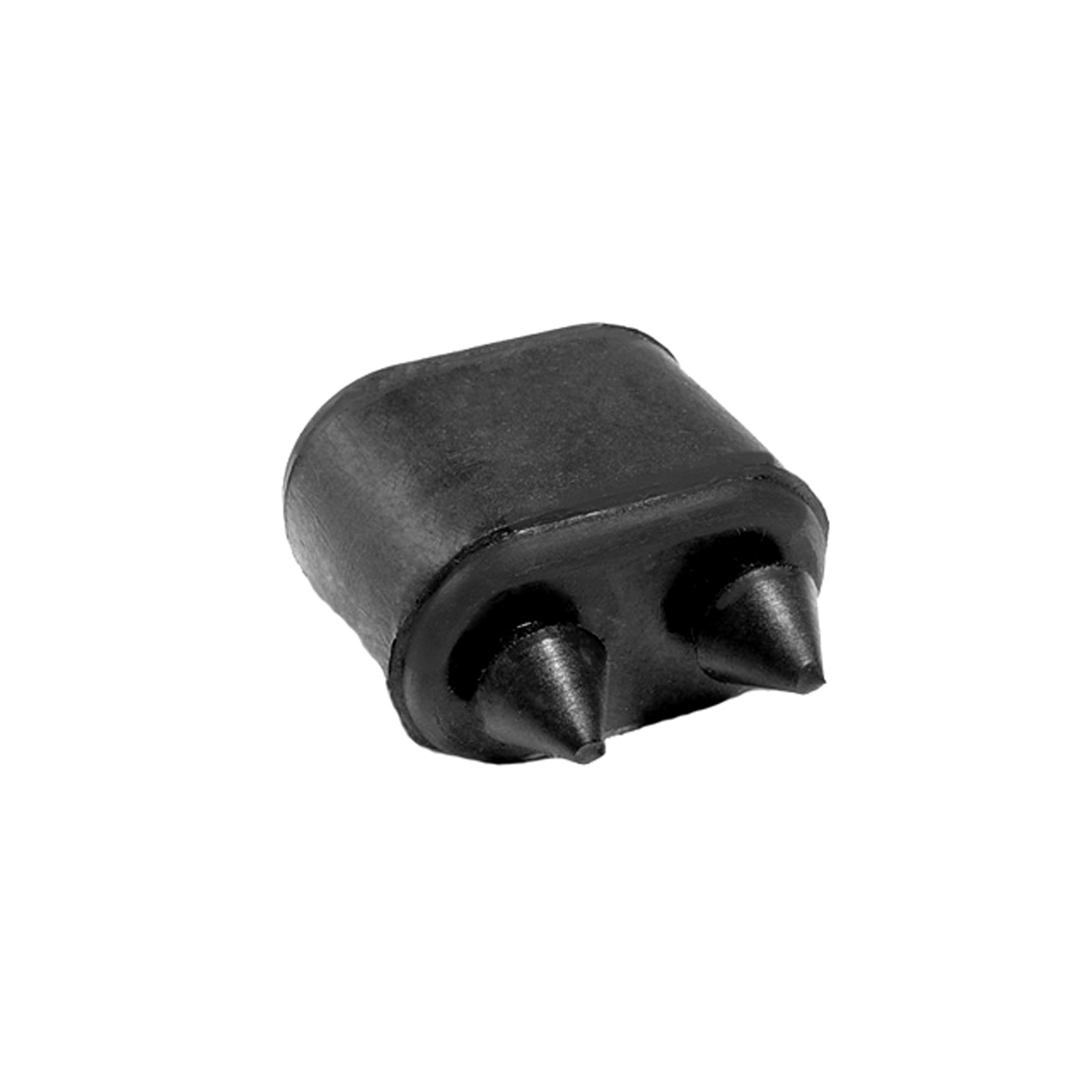 1963 Buick Skylark Door Bumper, 57-74 GM Cars, Made with Twin Retainers, Each-SB 35Door Bumper, 57-74 GM Cars, made with twin retainers, Each. Measure 1-1/16" high X 19/32" wide X 1-1/32" long.
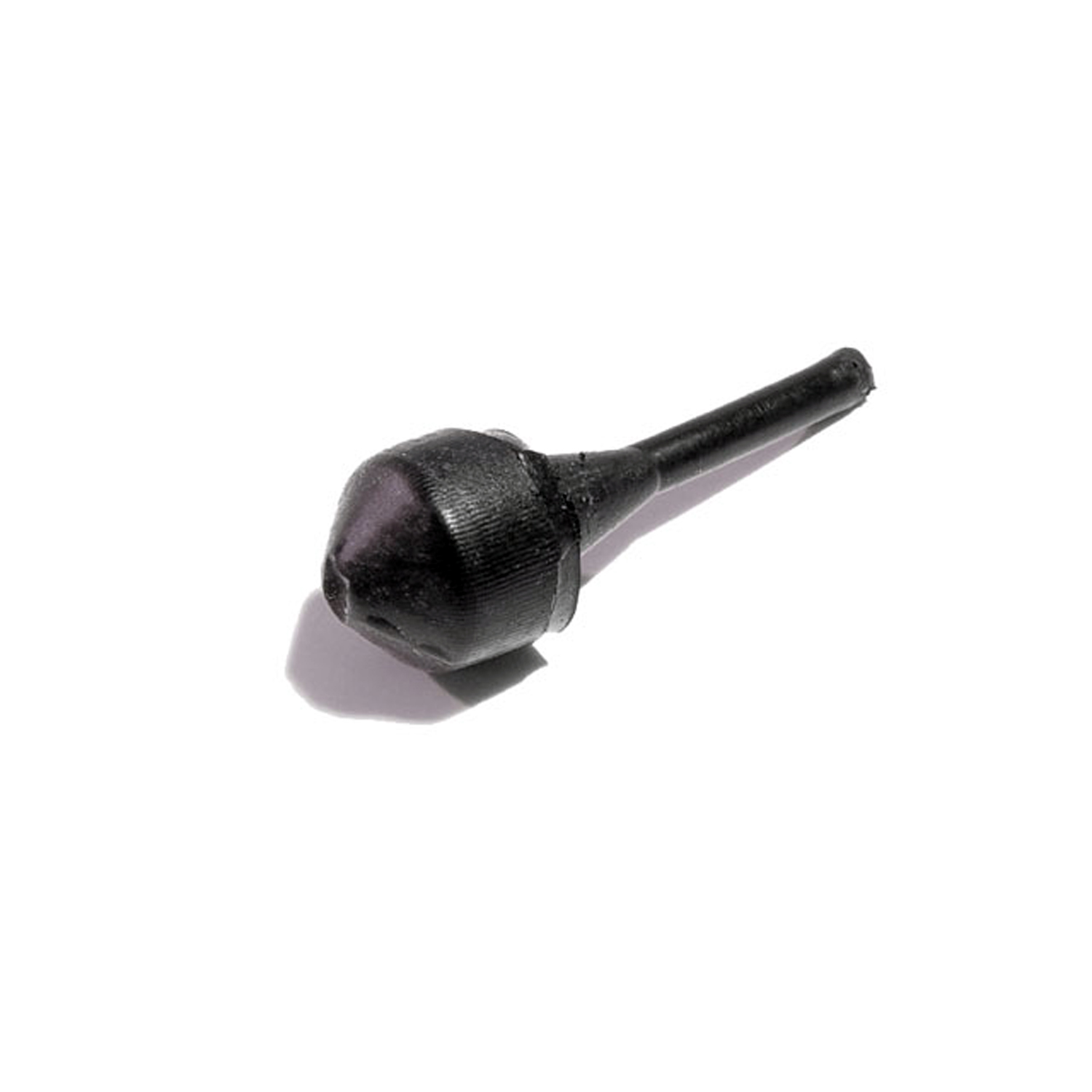 1963 Buick Skylark Glove Box and Fuel Door Bumper. Fits 3/16" hole. Each-SB 78Glove Box and Fuel Door Bumper. Fits 3/16" hole. Each
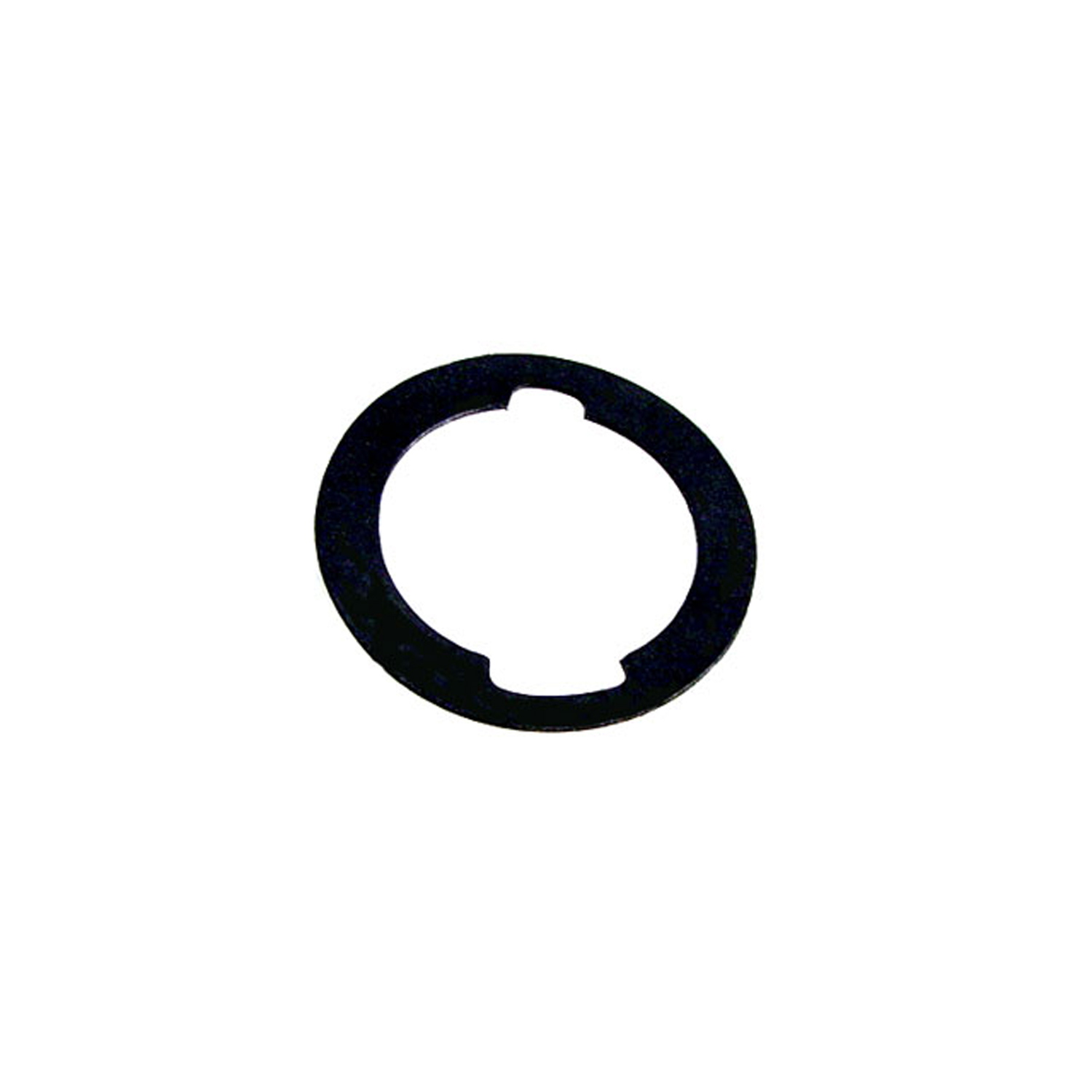 1963 Buick Skylark Unbeaded Door and Trunk Lock Gasket. 1-3/16" O.D., 7/8" I.D-UM 1600-100Unbeaded Door and Trunk Lock Gasket. 1-3/16" O.D., 7/8" I.D. Each
Why Choose Metro?
For over 100 years, Metro Moulded Parts has been the pinnacle of quality in classic car restoration parts. Our commitment to precision and authenticity in every component ensures a perfect fit and an OEM-level appearance.
- Expert Craftsmanship & Quality: Each part is a testament to our dedication to reliability and perfection, crafted from original designs and thoroughly tested.
- Advanced Technology: We use cutting-edge techniques to create flawless, long-lasting parts that surpass others in performance.
- SuperSoft Sponge – The Ultimate Door Seal: Not only are our door seals 30% softer than competitors', but they're also guaranteed to never leak. They effectively reduce wind and road noise, enhancing your classic car's comfort and driving experience.
- Proudly American: Our parts are a product of American craftsmanship, made in the USA with a spirit of excellence and heritage.
- Unrivaled Warranty: We back our products with a 30-year industry-leading warranty, a testament to our confidence in their quality.
Join us in preserving the legacy of classic cars with parts that are crafted for perfection, not just made.