

Image of 1963 Buick Special, Note: These illustrations use artistic license and may differ from actual historical models.
Performance Metrics
Fundamental Metrics
Emotional Appeal
MMP Rating
| Engine Specifications | |
|---|---|
| Engine Options: | 198 cu in (3.2 L) V6, 215 cu in (3.5 L) V8 |
| Displacement Range: | 3.2 - 3.5 L |
| Horsepower Range: | 90 - 200 hp |
| Torque: | 190 - 230 lb-ft |
| Compression Ratio: | 9.0:1 (V6), 10.25:1 (V8) |
| Ignition System: | Conventional |
| Cooling System: | Liquid-cooled |
| Performance Specifications | |
| 0-60 Time: | 10 - 12 seconds |
| 1/4 Mile Time: | 17 - 19 seconds |
| Top Speed: | 105 - 115 mph |
| Transmission and Drive | |
| Drive Type: | RWD (Rear Wheel Drive) |
| Transmission Type: | 2-speed automatic, 3-speed manual |
| Fuel and Efficiency | |
| Fuel System Type: | Carburetor |
| MPG: | 15 - 20 mpg |
| Dimensions and Brakes | |
| Brakes: | Drum brakes |
| Wheelbase: | 112.0 in |
| Weight: | 2,800 - 3,200 lbs |
Note: Specifications for classic cars are given to the best of our ability, considering the limited and variant data available.
1963 Buick Special: The Compact Buick with a Big Idea
The 1963 Buick Special brought a surprising combination to American roads: compact-car dimensions, upscale Buick character, and a choice of an unusual V6 or a lightweight aluminum V8. Built by Buick, a division of General Motors, the Special belonged to GM’s Y-body family, alongside the Oldsmobile F-85 and Pontiac Tempest. It was substantially smaller than the full-size Buicks of the day, but it still aimed to deliver the comfort, finish, and smoothness buyers expected from the brand.
The Special’s story began with Buick’s move into the growing compact-car market for 1961. By 1963, the model had received sharper styling and had become a distinctive alternative to the compact offerings from Ford and Chrysler. One memorable piece of its history is under the hood: the Special’s optional 215-cubic-inch aluminum V8 was part of a remarkable engine lineage. After Buick sold the design, it became the basis for the long-lived Rover V8, which powered vehicles ranging from Land Rovers to British sports cars.
1963 Buick Special Styling and Interior
The 1963 Special looked tidy and purposeful rather than oversized or showy. Its compact body wore crisp, squared-off lines, a broad horizontal grille, and sculpted sides that gave it more presence than its modest footprint suggested. The front end had a confident, slightly formal Buick look, while the rear kept the shape clean and restrained. It was a product of the early-1960s shift away from prominent tail fins and toward simpler, more geometric styling.
Inside, the Special offered a straightforward cabin with a broad instrument panel, a large steering wheel, and clear, easy-to-read gauges. Depending on trim and body style, buyers could choose cloth-and-vinyl or all-vinyl upholstery. The materials were not as lavish as those in a full-size Electra, but the finish and presentation helped the Special feel a step above a basic economy car. Bench seating was common, and the cabin was designed to make the most of the car’s compact dimensions.
Buyers could order the Special in a wide range of period colors, including light neutrals, dark tones, and brighter blues, reds, and greens. Two-tone treatments were also available on some configurations. Exact paint names and combinations depended on body style and trim, but brighter colors suit the car’s cheerful character especially well. For collectors, original paint codes and correctly matched interior colors can add useful authenticity.
The 1963 range included two-door and four-door passenger cars, a convertible, and a four-door station wagon. The convertible is often the most immediately recognizable enthusiast choice, while the wagon has its own appeal as a compact vintage family hauler. Buick also offered the more upscale Skylark within the Special family. Skylark trim brought additional brightwork and equipment, so it is important to distinguish a standard Special from a Skylark when shopping or comparing values.
Engineering That Made the Special Different
The Special’s most unusual standard feature was its 198-cubic-inch V6. Buick developed this iron-block engine by adapting the architecture of its compact-car V8 program, creating a smooth-running six-cylinder with a character quite different from the inline-six engines common in the class. Buick promoted it as the first modern mass-produced American V6, a notable milestone in an era when six-cylinder engines were more often arranged in a straight line.
For buyers who wanted more power, Buick offered the 215-cubic-inch aluminum V8. Its aluminum construction reduced weight over the front wheels compared with a conventional iron V8, helping the car feel lively without carrying the mass of a larger engine. The 215’s later journey into Rover production gave it a far longer life than its short original run in American Buicks. Its legacy is one of the most intriguing links between a modest American compact and generations of British performance and off-road vehicles.
The Special used a compact, unitized body structure and coil-spring suspension, with an independent front suspension and a live rear axle. Four-wheel drum brakes were typical of the period. Transmission choices varied with engine and specification, and included a manual gearbox and Buick’s two-speed automatic. These were useful, practical engineering choices for a car intended to combine manageable size with a more refined ride than a bare-bones economy model.
Why the Buick Special Matters
The Special helped Buick respond to the compact-car boom without abandoning its reputation for comfort and polish. It demonstrated that a smaller car could still carry a distinctive brand identity, rather than feeling like a stripped-down appliance. Its mix of compact proportions, coil-spring suspension, and available V8 power made it an appealing middle ground for buyers who wanted something easier to park and more economical than a full-size Buick, but more substantial than the smallest domestic compacts.
Its engine story also had lasting influence. Buick’s V6 established a configuration that would become increasingly important across the industry, while the aluminum 215 showed how reducing engine weight could improve a compact car’s balance and performance. The Special was not a radical styling icon on the scale of a Corvette, but its engineering helped shape Buick’s future and left two unusually durable legacies in American and British motoring.
Performance, Ride, and Road Manners
Performance depends on engine, transmission, axle ratio, vehicle condition, and testing method. The 198-cubic-inch V6 was tuned for everyday use rather than drag-strip launches. A healthy V6 car can be expected to reach 60 mph in roughly 13 to 15 seconds, with a top speed in the neighborhood of 90 to 100 mph. The optional 215 V8 feels notably stronger; period configurations and modern estimates generally put 0-to-60 mph in the roughly 10-to-12-second range, with top speed around 100 to 110 mph. Treat those figures as representative estimates, not guaranteed factory test results for every car.
On the road, the Special feels compact by early-1960s American standards. Its coil springs help it absorb ordinary pavement joints and city bumps without the stiff, unsettled behavior associated with some smaller cars of the era. The steering is not modern-car precise, and drum brakes require more planning and pedal effort than contemporary discs. On winding roads, expect some body lean and a relaxed pace rather than sports-car sharpness. The Special is happiest being driven smoothly, with room to settle into a bend and a little extra distance allowed for braking.
The V6 produces a distinctive, slightly offbeat note that sets it apart from the familiar straight-six sound. The aluminum V8 adds a deeper, more traditional burble and gives the car a livelier response when pulling away or merging. With the automatic, the experience is easygoing and comfortable. A manual transmission makes the car feel more involved, particularly when paired with the V8. Either way, the Special delivers an engaging sense of mechanical simplicity: big steering wheel, visible gauges, and a direct connection to the engine and road.
Living with a 1963 Special
Today, a Buick Special can serve as a weekend cruiser, a local show car, or a relaxed vintage touring car. A well-maintained example can handle occasional errands and short commutes, but most owners choose to preserve it for fair-weather use. Its compact size makes it easier to maneuver and store than a full-size 1960s sedan, while its cabin and ride still feel unmistakably period American.
Routine maintenance is familiar to an experienced classic-car mechanic: ignition tune-ups, carburetor service, cooling-system care, brake work, and attention to suspension bushings and steering components. Parts availability is generally reasonable for service items, though trim, body-specific pieces, and some original interior components can take more searching. The V6 and V8 have their own parts considerations, and an aluminum V8 deserves careful attention to cooling and corrosion-related issues. Before buying, inspect the body structure, floor pans, lower panels, and trunk for rust, and check whether the engine, transmission, and identification details match the seller’s description.
Buick Special Facts and Common Criticisms
The 215 aluminum V8’s afterlife is the Special’s standout bit of trivia. Buick sold the engine design to Rover in the mid-1960s, and the resulting Rover V8 went on to power a wide variety of British cars and four-wheel-drive vehicles for decades. The Special’s V6 also became part of a much broader Buick engine story, with later Buick V6s earning a reputation for durability and usefulness across many model lines.
There is no widely recognized speed or endurance record associated specifically with the 1963 Special, and it is not chiefly remembered as a celebrity car. Its claim to fame is more substantial than a publicity stunt: it brought a mass-produced American V6 and a compact aluminum V8 into a mainstream Buick. Common criticisms include modest V6 performance by modern standards, drum-brake limitations, dated handling, and the difficulty of finding perfect original trim. It is also easy for a buyer to mistake a standard Special for a Skylark or overlook differences in engine and equipment, so documentation matters.
1963 Buick Special Collector Values
Production figures can vary depending on how sources group Special and Skylark models and body styles. A reasonable estimate is that Buick built about 150,000 Specials for the 1963 model year across the range, though an individual body style or engine combination will be much less common. Convertibles, V8 cars, and well-documented examples tend to attract more attention than ordinary four-door sedans. The wagon can be especially appealing to collectors looking for something less familiar.
As a broad U.S. market estimate for 2026, a project car may sell for around $3,000 to $8,000. A usable driver in fair-to-good condition might fall between $8,000 and $18,000, while a clean, well-presented example can bring roughly $18,000 to $30,000. An excellent restoration, particularly a desirable convertible or a well-equipped V8 car, could reach approximately $30,000 to $50,000 or more. These are general ranges rather than formal appraisals; originality, rust, restoration quality, provenance, and local demand can move the price considerably.
Values have generally been steady to gradually firmer for clean, distinctive examples, especially convertibles and cars with appealing engine combinations. The Special remains more affordable than many famous muscle cars, so it has not experienced the same dramatic price swings. As with many older cars, inflation-adjusted value may tell a less exciting story than the rising price of a top-quality restoration. Buyers should compare recent sales of the same body style and trim rather than relying on a single headline auction result.
A Small Buick with a Lasting Legacy
The 1963 Buick Special is a compact classic with more substance than its modest size suggests. Its crisp styling, comfortable coil-spring ride, unusual V6, and optional aluminum V8 set it apart from ordinary small cars of its era. It was not built to dominate a racetrack or establish a speed record. Instead, it showed how Buick could bring genuine engineering character and brand polish to a smaller package.
For collectors, the Special offers an appealing mix of history, usability, and relative value. Find a sound, honest example, and you get more than a charming early-1960s cruiser. You get a car connected to two important engine stories, and a reminder that some of the most interesting automotive ideas arrived in cars that never needed to shout about them.
1963 Buick Special Catalog of Parts
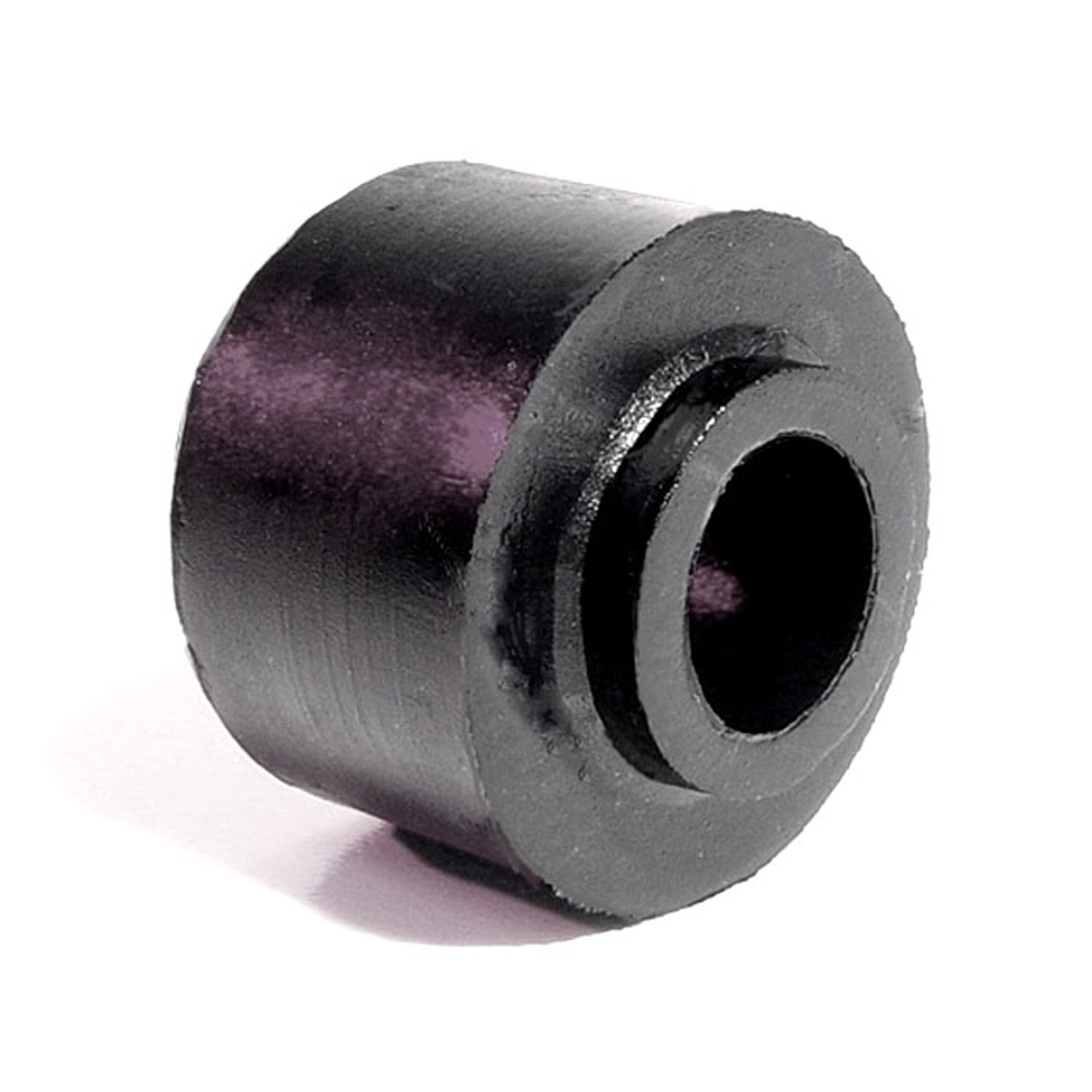 1963 Buick Special Shock Absorber Grommet. 1" bottom O.D., 3/4" high-BN 1Shock Absorber Grommet. 1" bottom O.D., 3/4" high., with 7/16" I.D. Each
 1963 Buick Special Shock Absorber Grommet. 1" bottom O.D-BN 11Shock Absorber Grommet. 1" bottom O.D., 3/4" high, with 5/8" I.D. Each
 1963 Buick Special Front Stabilizer End Repair Kit-BNK 23Front Stabilizer End Repair Kit. 22-piece set for two stabilizer bars. Contains all rubber bushings, washers, bolts and nuts, enough for one front end. Set
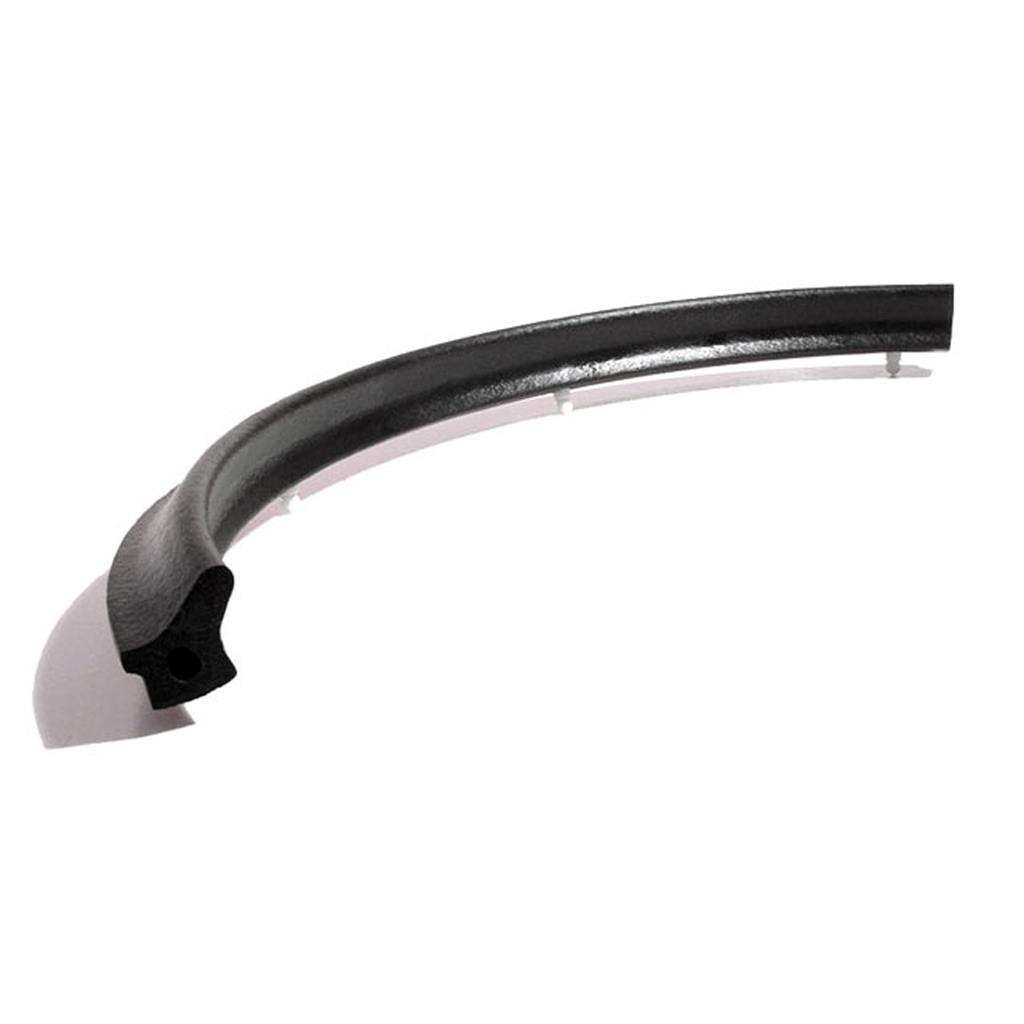 1963 Buick Special Door Side Seal ('64-'66 some models)-C/LP 40-DDoor Side Seal ('64-'66 some models). Smooth skin-covered sponge with clips already installed, 4" apart. For seal without clips, see LP 40-D. Sold by the foot.
 1963 Buick Special Door Bumper. 1-3/16" high X 5/8" wide X 1" long. Each-DB 33-BDoor Bumper. 1-3/16" high X 5/8" wide X 1" long. Each
 1963 Buick Special Hood Side Bumper. Fits 3/4" wide slot. Each-HF 26-BHood Side Bumper. Fits 3/4" wide slot. Each
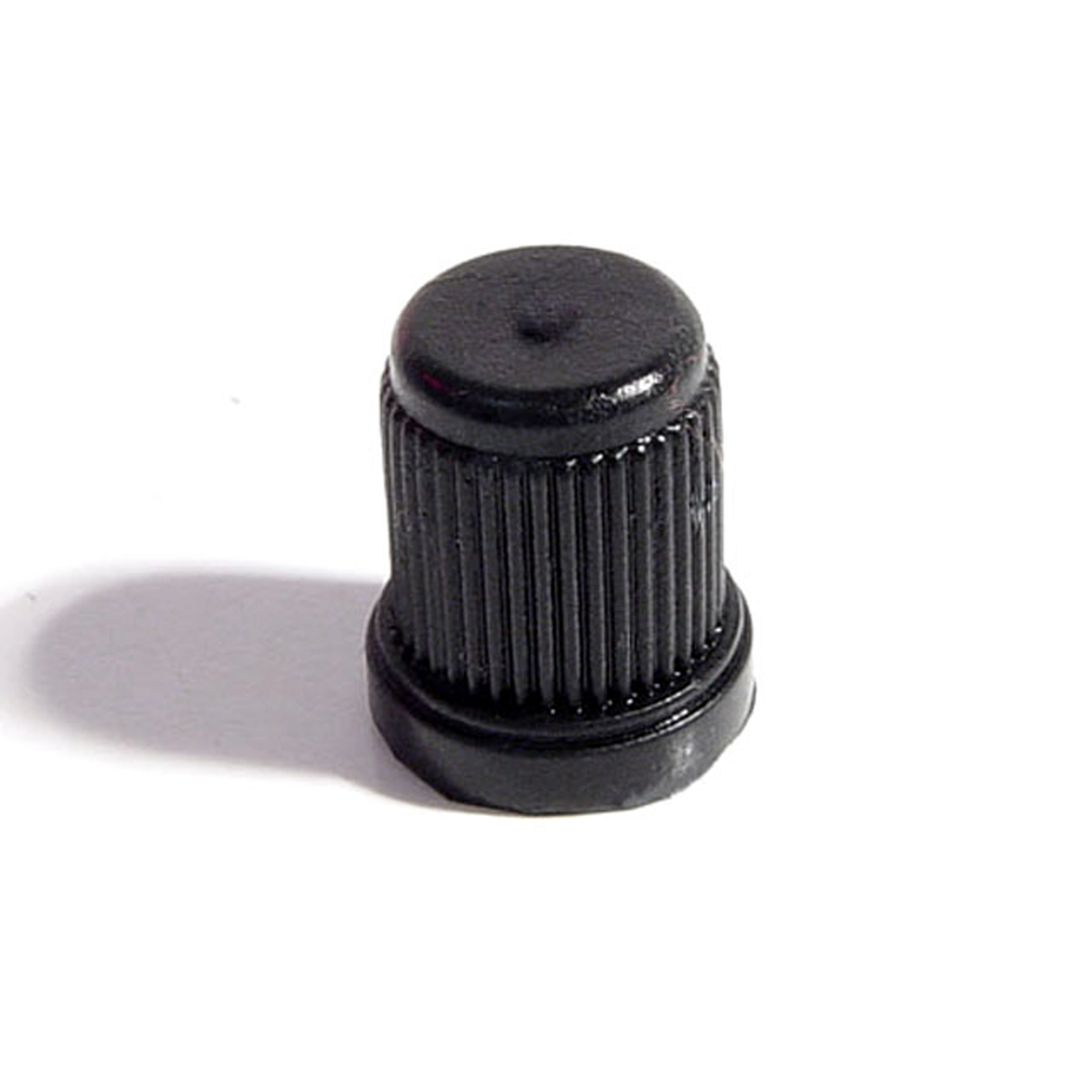 1963 Buick Special Trip Meter Reset Knob. Made of black rubber-KN 10Trip Meter Reset Knob. Made of black rubber. Compare to measurements: 1/8" I.D., 7/16" O.D. X 1/2" tall. Each
 1963 Buick Special Odometer Trip Knob. Made of black rubber-KN 11Odometer Trip Knob. Made of black rubber. Compare to measurements: 1/8" I.D., 7/16" O.D. X 7/16" tall. Each
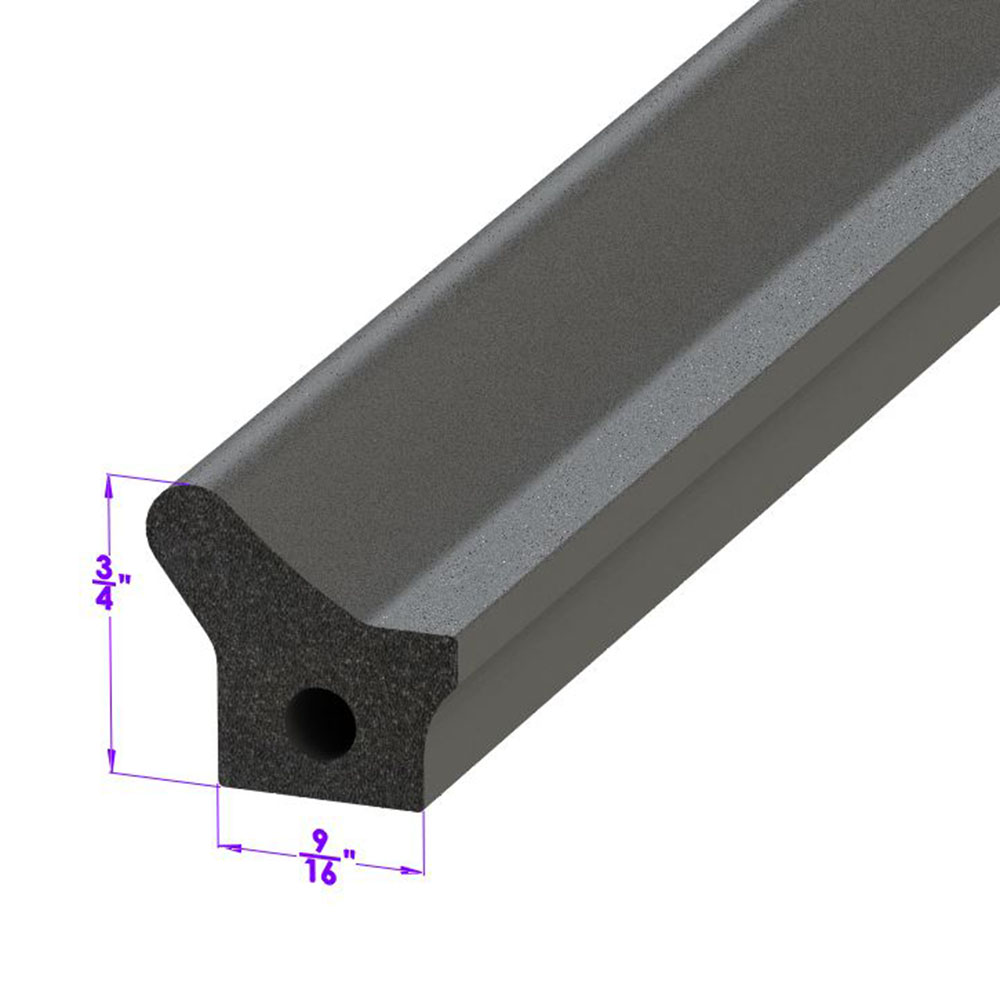 1963 Buick Special Door Side Seal-LP 40-DDoor Side Seal, Without Clips ('64-'66 some models) For seal with clips, see C/LP 40-D. Sold by the foot
 1963 Buick Special Door Handle Pads. 2-5/8" long & 1-1/8" long. Set R&L-MP 989-DDoor Handle Pads. 2-5/8" long & 1-1/8" long. Set R&L
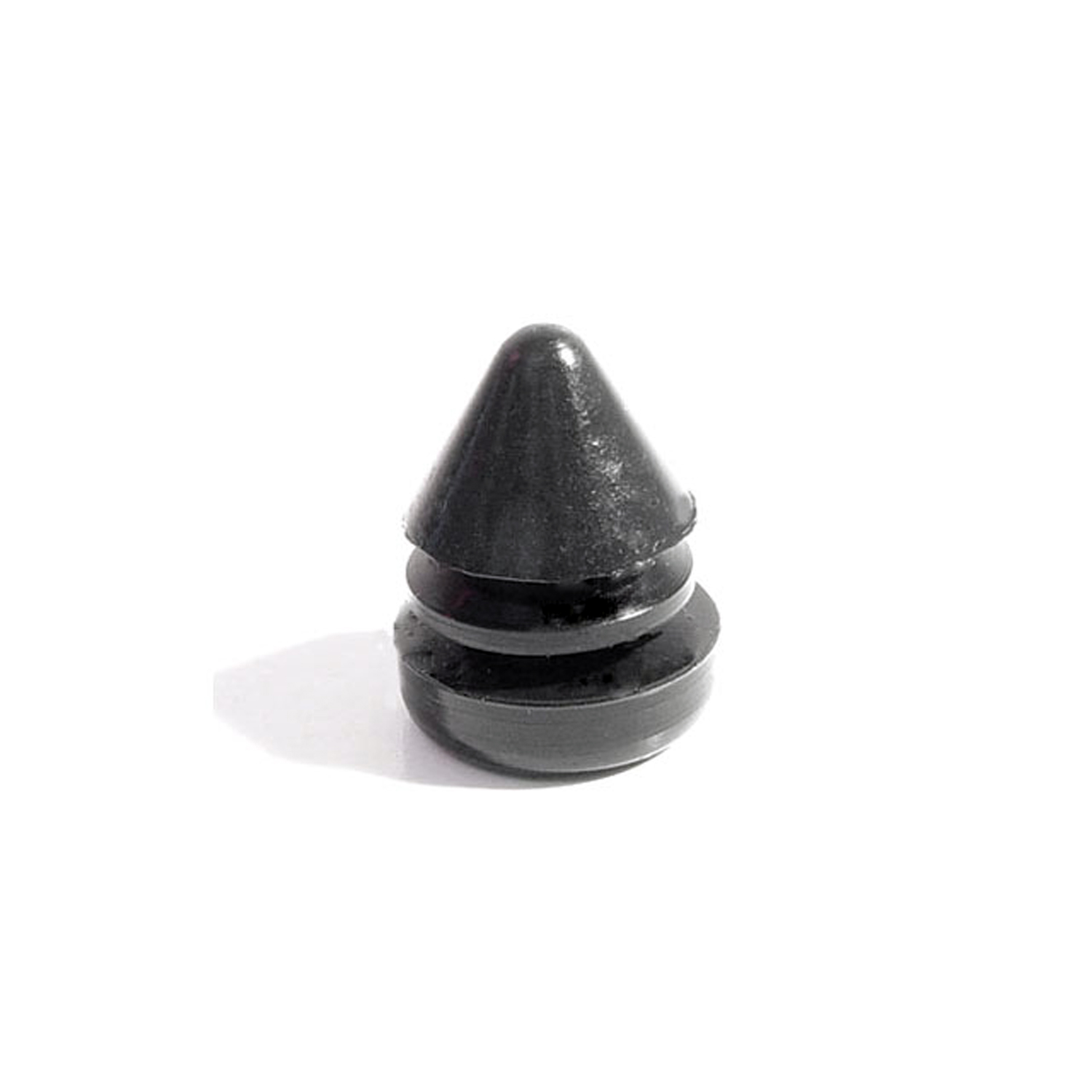 1963 Buick Special Hydro-Electric Power Unit Mounting Cushion-RP 710Hydro-Electric Power Unit Mounting Cushion. For convertibles only. Each
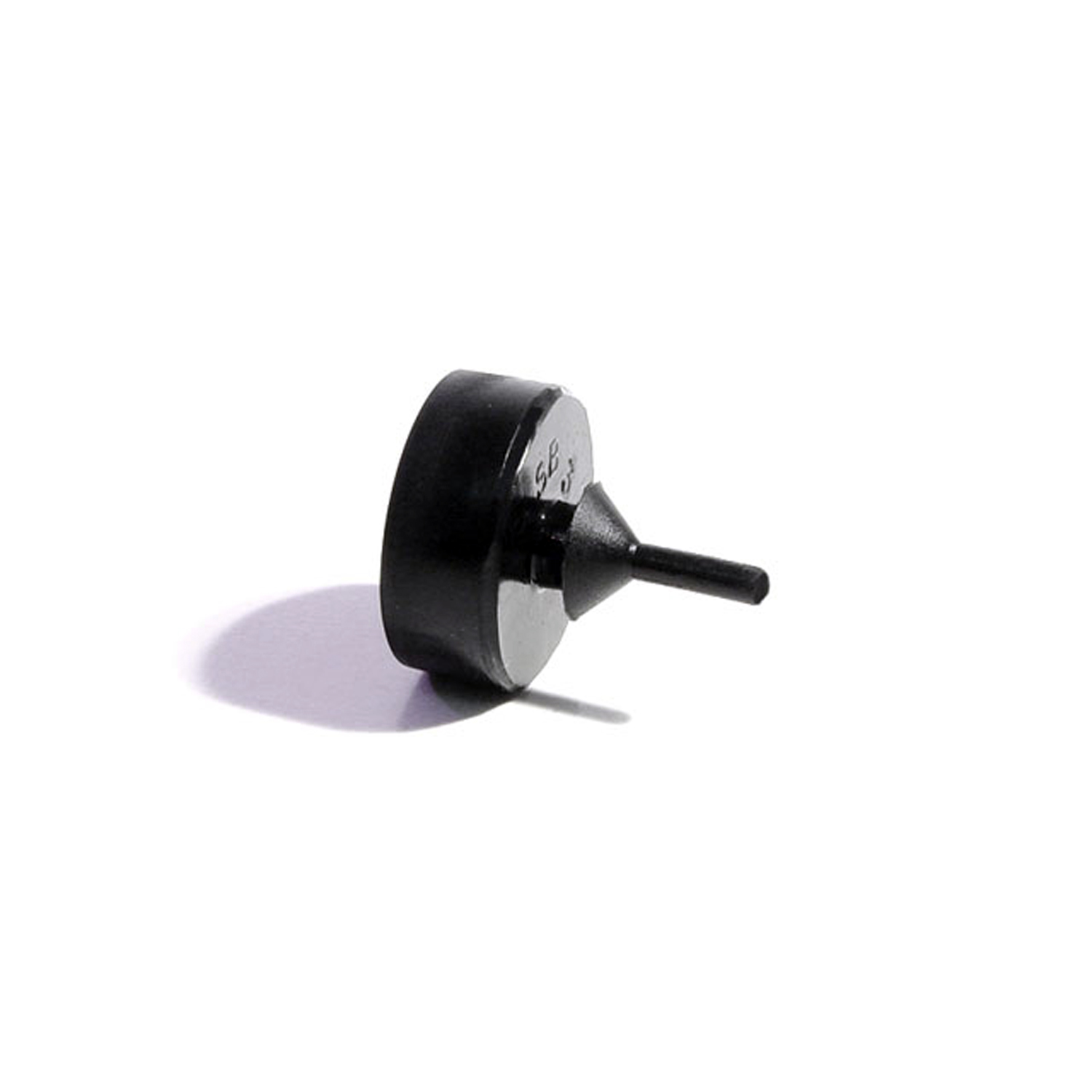 1963 Buick Special Trunk Bumper. Fits lower corner on decklid. 15/16" O.D-SB 34Trunk Bumper. Fits lower corner on decklid. 15/16" O.D., 11/16" high. Each
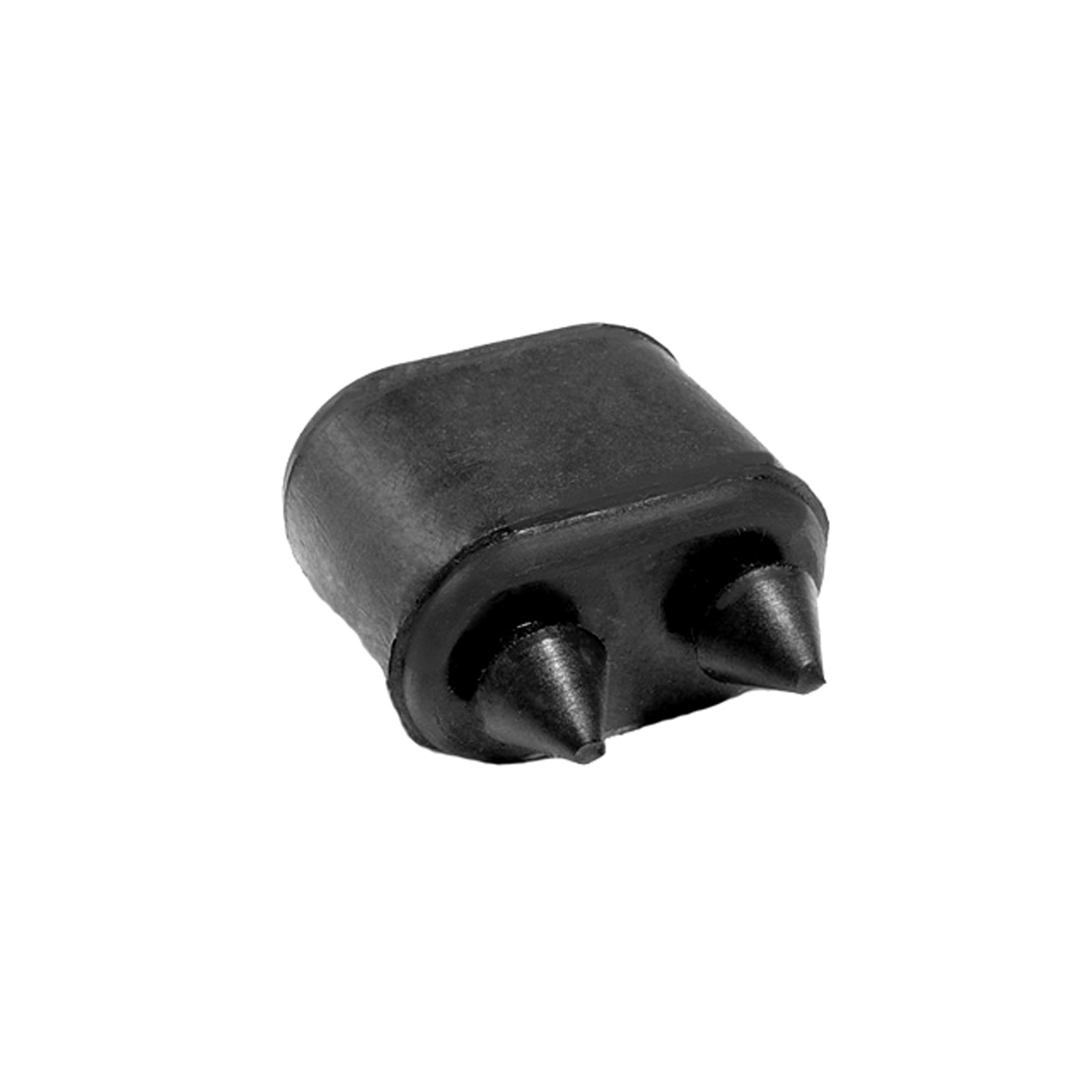 1963 Buick Special Door Bumper, 57-74 GM Cars, Made with Twin Retainers, Each-SB 35Door Bumper, 57-74 GM Cars, made with twin retainers, Each. Measure 1-1/16" high X 19/32" wide X 1-1/32" long.
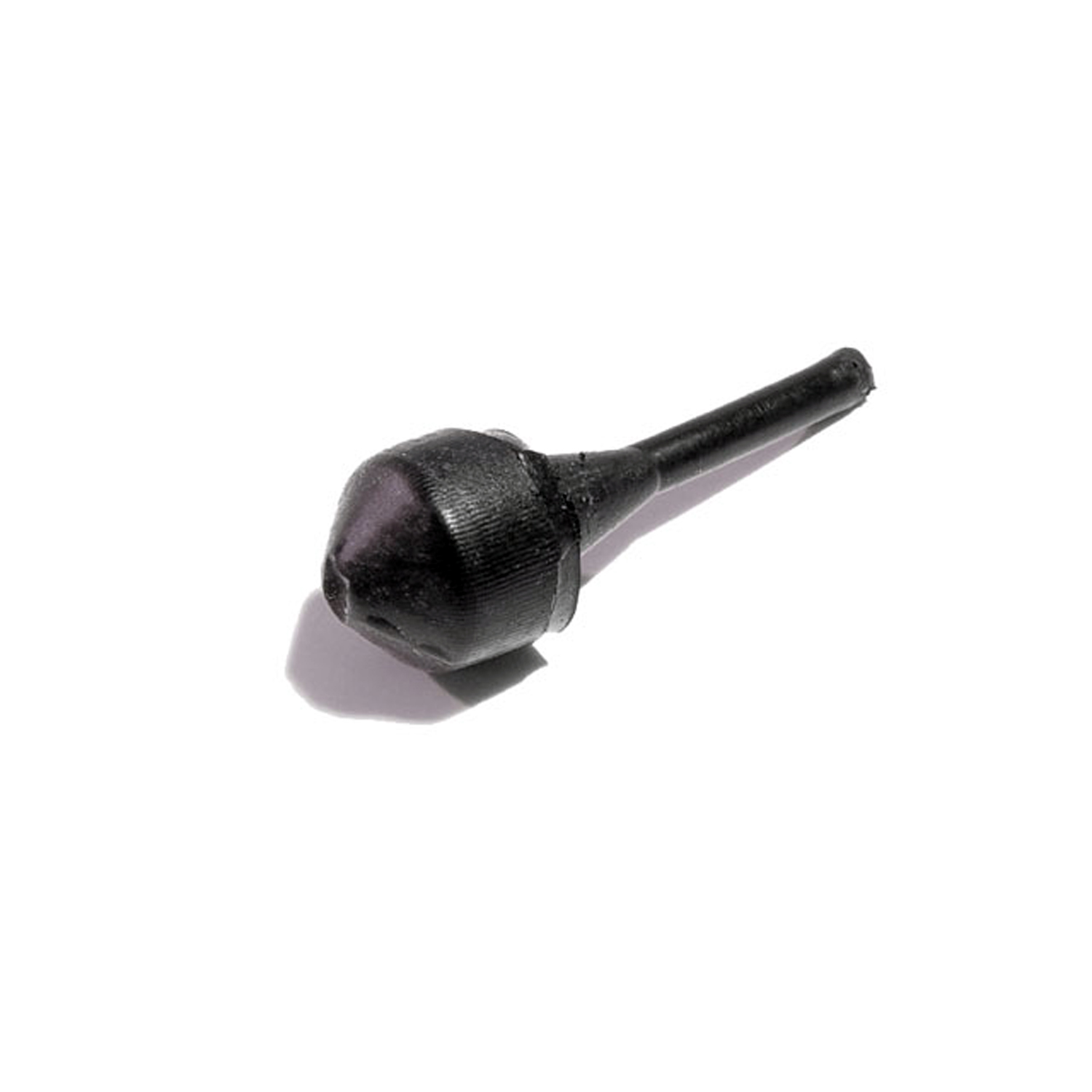 1963 Buick Special Glove Box and Fuel Door Bumper. Fits 3/16" hole. Each-SB 78Glove Box and Fuel Door Bumper. Fits 3/16" hole. Each
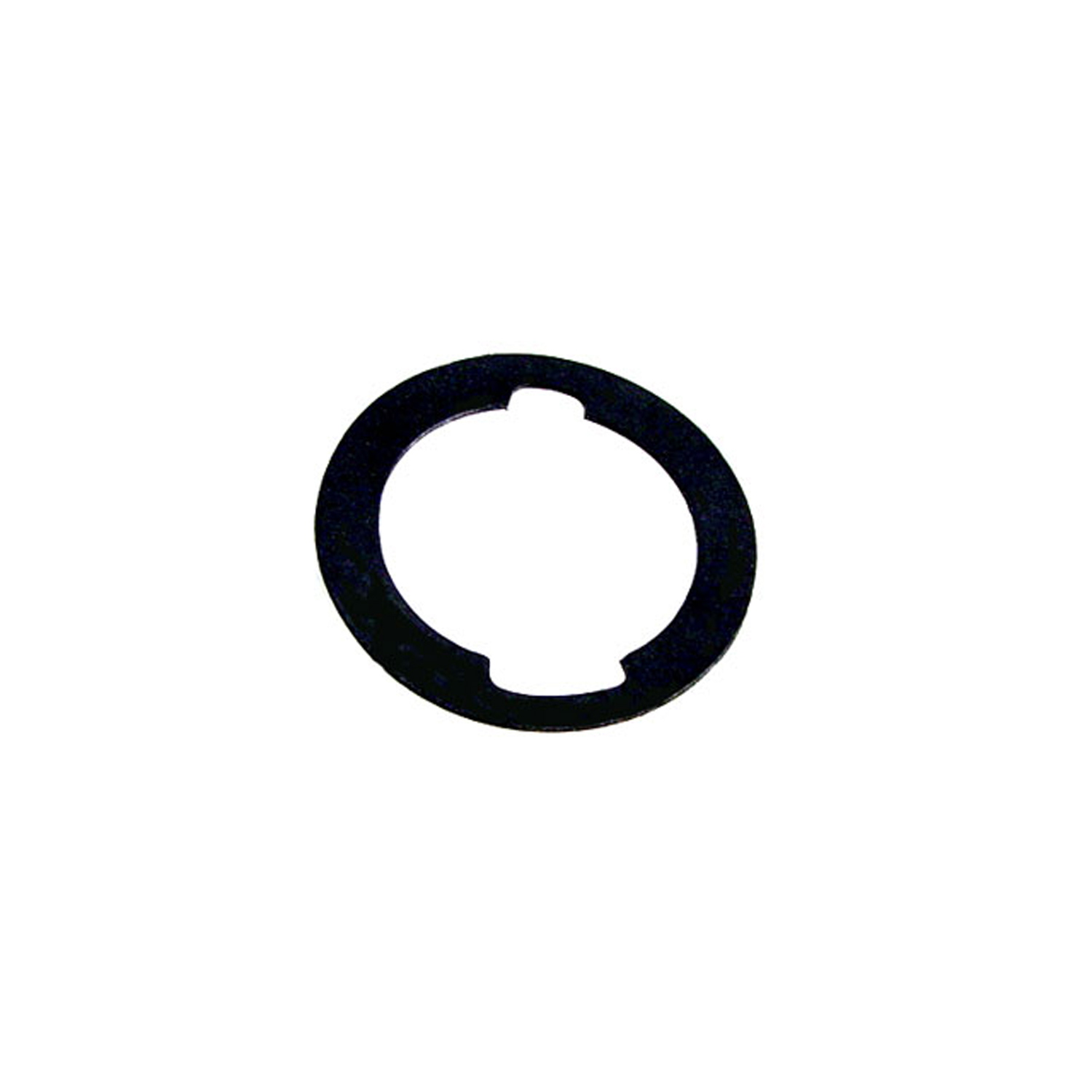 1963 Buick Special Unbeaded Door and Trunk Lock Gasket. 1-3/16" O.D., 7/8" I.D-UM 1600-100Unbeaded Door and Trunk Lock Gasket. 1-3/16" O.D., 7/8" I.D. Each
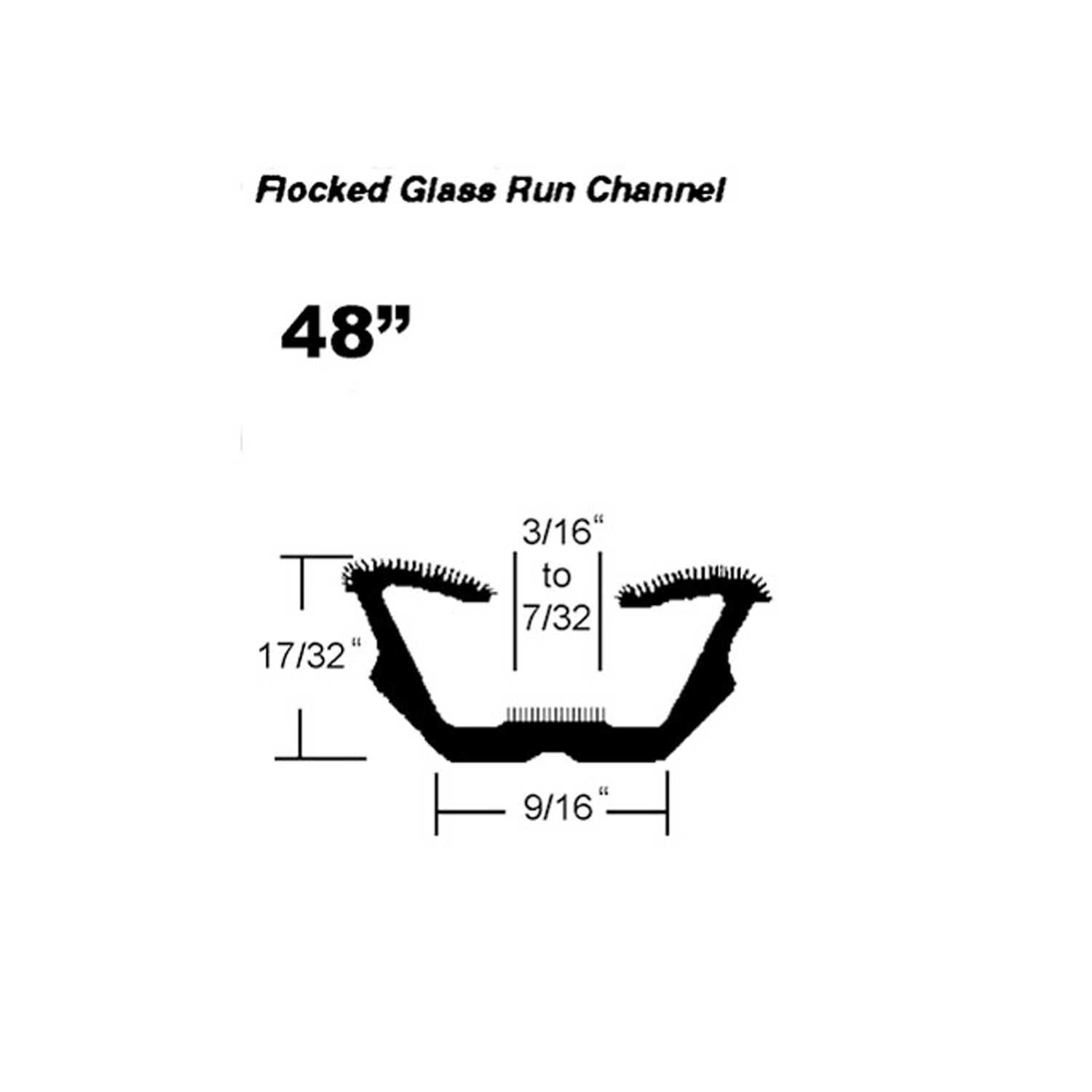 1963 Buick Special Flocked Window Channel. 48" Piece. Each-WC 22-48Flocked Window Channel. 48" Piece. Each
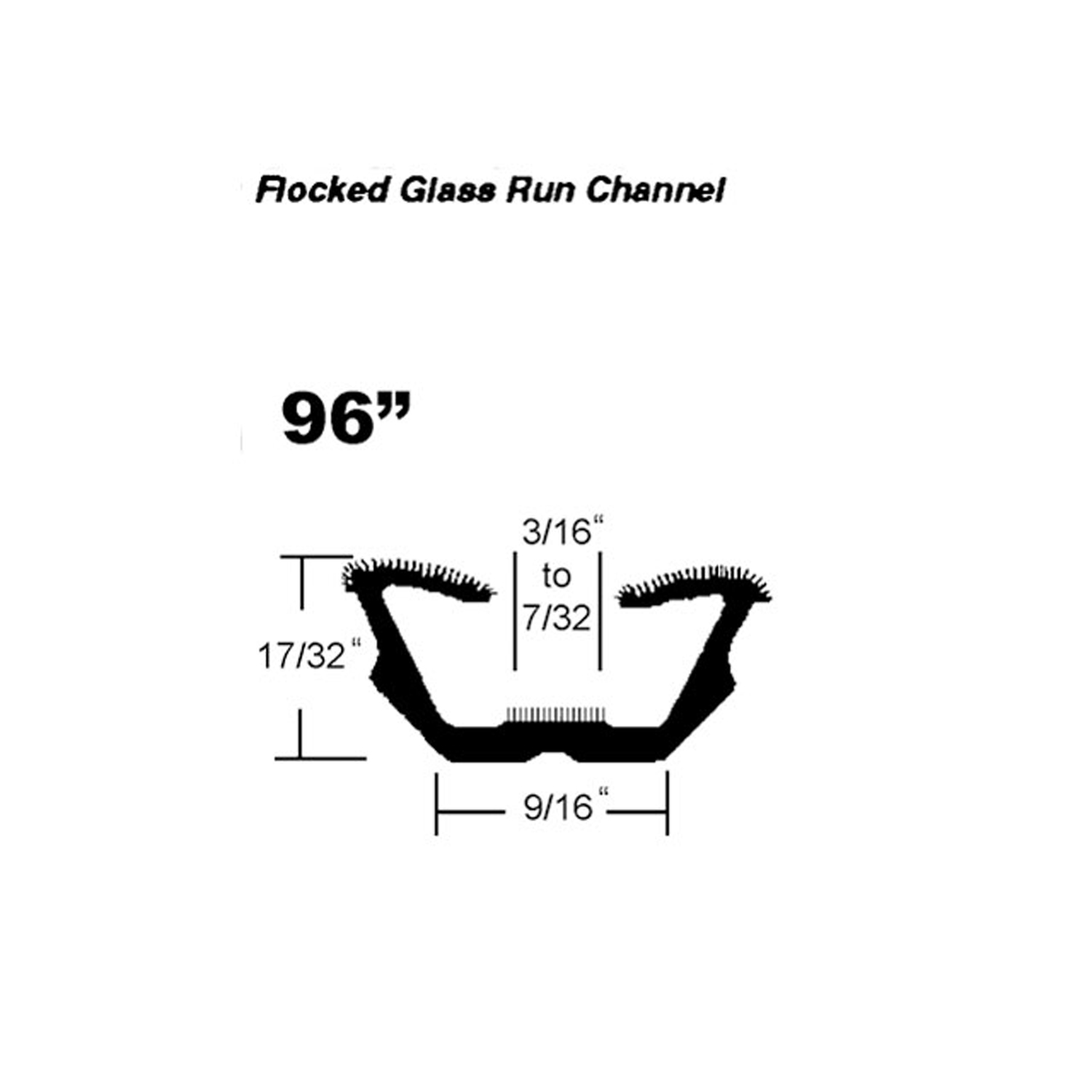 1963 Buick Special Flocked Window Channel. 96" Piece. Each-WC 22-96Flocked Window Channel. 96" Piece. Each
Why Choose Metro?
For over 100 years, Metro Moulded Parts has been the pinnacle of quality in classic car restoration parts. Our commitment to precision and authenticity in every component ensures a perfect fit and an OEM-level appearance.
- Expert Craftsmanship & Quality: Each part is a testament to our dedication to reliability and perfection, crafted from original designs and thoroughly tested.
- Advanced Technology: We use cutting-edge techniques to create flawless, long-lasting parts that surpass others in performance.
- SuperSoft Sponge – The Ultimate Door Seal: Not only are our door seals 30% softer than competitors', but they're also guaranteed to never leak. They effectively reduce wind and road noise, enhancing your classic car's comfort and driving experience.
- Proudly American: Our parts are a product of American craftsmanship, made in the USA with a spirit of excellence and heritage.
- Unrivaled Warranty: We back our products with a 30-year industry-leading warranty, a testament to our confidence in their quality.
Join us in preserving the legacy of classic cars with parts that are crafted for perfection, not just made.