

Image of 1965 Buick Lesabre, Note: These illustrations use artistic license and may differ from actual historical models.
Performance Metrics
Fundamental Metrics
Emotional Appeal
MMP Rating
| Engine Specifications | |
|---|---|
| Engine: | 300 cu in (4.9 L) V8, 401 cu in (6.6 L) V8 |
| Displacement: | 4.9-6.6 L |
| Horsepower: | 210-325 hp |
| Torque: | 310-445 lb-ft |
| Compression Ratio: | 9.0:1 |
| Ignition System: | Conventional |
| Cooling System: | Liquid-cooled |
| Performance Specifications | |
| 0-60 Time: | 8-10 seconds |
| 1/4 Mile Time: | 16-18 seconds |
| Top Speed: | 120 mph |
| Transmission and Drive | |
| Drive Type: | Rear-wheel drive |
| Transmission Type: | 2-speed automatic, 3-speed manual |
| Fuel and Efficiency | |
| Fuel System Type: | Carburetor |
| MPG: | 10-12 mpg |
| Dimensions and Brakes | |
| Brakes: | Drum brakes |
| Wheelbase: | 123 inches |
| Weight: | 3,700-4,000 lbs |
Note: Specifications for classic cars are given to the best of our ability, considering the limited and variant data available.
1965 Buick LeSabre: Big Buick Comfort in a New Shape
The 1965 Buick LeSabre brought full-size American comfort into a sharper, more modern package, with a broad stance, smooth V8 power, and room to stretch out. Built by Buick, Buick Motor Division of General Motors, the LeSabre was the marque’s entry-level full-size car, positioned below the more upscale Wildcat and Electra while still offering the quiet, substantial feel buyers expected from a Buick.
For 1965, Buick gave its full-size cars a major redesign. The LeSabre gained cleaner lines and a more contemporary profile at a time when American buyers were increasingly drawn to lower, wider cars with richer interiors and more convenience features. A memorable detail beneath the new styling was its standard 300-cubic-inch V8, a compact engine that gave the big Buick useful torque without requiring one of the brand’s larger-displacement powerplants.
Fresh 1965 Styling and Buick Comfort
The LeSabre’s exterior is all about restrained mid-century presence. Its long hood, generous body length, and broad grille make it unmistakably full-size, while sculpted body sides and crisp trim keep it from looking bulky. Paired headlights, bright chrome accents, and a formal roofline give the car a polished appearance without the extra ornamentation found on some rivals. The 1965 redesign brought a cleaner, more modern look while preserving the substantial proportions Buick customers valued.
Inside, the LeSabre was designed for relaxed travel. Wide bench seats, a generous cabin, and a large, clear dashboard made it comfortable for families and long-distance drivers alike. Materials and trim varied with the model and options, but the cabin generally combined durable upholstery with painted or patterned interior panels and tasteful brightwork. It was not a bare-bones economy car: even as Buick’s least expensive full-size line, the LeSabre offered a more polished environment than many basic-market sedans.
Buyers could order conveniences such as power steering, power brakes, air conditioning, power windows, and a power seat. An AM radio and automatic transmission were popular choices, while a tilt steering wheel and cruise control were available on suitably equipped cars. These features were not standard across every LeSabre, so equipment can differ considerably from one surviving example to another.
Buick offered the LeSabre in a range of full-size body styles, including two-door and four-door sedans, two-door and four-door hardtops, and a convertible. Buick’s full-size wagon offerings served buyers who needed extra cargo room, though wagon naming and series distinctions can vary in period references. The four-door hardtop delivered a roomy cabin with a sleek, pillarless side profile, while the convertible is the most instantly glamorous choice. The two-door hardtop is another popular classic, combining a sporty roofline with the LeSabre’s comfortable character.
Factory paint choices covered a broad range of period colors, including whites, blacks, blues, greens, reds, and metallic shades. Exact names varied by paint code and sales market. Today, tasteful blues, turquoise tones, red, and classic white are especially eye-catching, but originality matters more to many collectors than choosing a particular fashionable color.
Where the LeSabre Fits in Buick History
The LeSabre name had been part of Buick’s lineup since the 1950s, and by 1965 it represented the brand’s accessible route into full-size Buick ownership. That position mattered. The LeSabre let buyers enjoy Buick styling, a quiet ride, and V8 power without stepping up to the costlier Wildcat or Electra. It helped Buick compete in a crowded market where Chevrolet, Ford, and other GM divisions were also selling large, well-equipped family cars.
The 1965 redesign reflected a broader shift in American car design. Full-size cars were becoming lower and more streamlined, with less emphasis on the elaborate fins and heavy decoration of the previous decade. Buick’s updated proportions gave the LeSabre a more contemporary look while keeping its traditional strengths: space, comfort, and a substantial road presence. It was not a radical engineering experiment, but it showed how a familiar American sedan could be refreshed for a new era.
What set the LeSabre apart was its balance of price and finish. It sat at the lower end of Buick’s full-size range, yet it did not feel like a stripped-down bargain model. Its lasting influence is less about one groundbreaking feature and more about the formula it represented: a well-appointed, body-on-frame American car built for everyday driving, family travel, and comfortable highway miles.
300 V8 Power and Road Manners
The standard engine was Buick’s 300-cubic-inch V8. Period specifications and published figures vary by carburetor and equipment, but the engine was offered in versions rated at approximately 210 horsepower and, with a four-barrel carburetor, around 250 horsepower. A two-speed Super Turbine 300 automatic was a common transmission choice, while manual transmission availability depended on configuration and equipment. The 300 V8 was designed for smooth, useful torque rather than high-revving performance.
There is no single dependable acceleration figure for every 1965 LeSabre. Weight, engine tune, transmission, axle ratio, and condition all make a difference. As a broad period-car estimate, a healthy V8 LeSabre can take roughly 10 to 12 seconds to reach 60 mph. Top speed is commonly estimated in the neighborhood of 105 to 115 mph, though that figure is less meaningful for a large 1960s car intended primarily for comfortable cruising, not sustained high-speed driving.
On the road, the LeSabre feels big, quiet, and unhurried. Its body-on-frame construction and soft suspension absorb broken pavement and highway expansion joints with the cushioned ride buyers wanted from a Buick. The tradeoff is noticeable body lean in corners, and narrow, winding roads call for a smooth hand rather than quick, sports-car-style inputs. Power steering, when fitted, makes parking and low-speed maneuvering easier, but it also keeps the steering light and relaxed rather than especially communicative.
The V8 gives the car a rounded, low-pitched burble, with the automatic transmission shifting unobtrusively in ordinary driving. From behind the broad steering wheel, the driver sits in a spacious cabin with a long view over the hood. It is a car that encourages steady cruising and easy conversation, not aggressive cornering. Braking and handling should be judged by 1965 standards, and a buyer should confirm that the brakes, tires, steering, and suspension are in sound condition before regular use.
Living with a 1965 LeSabre
Today, most LeSabres are used as weekend cruisers, show cars, or occasional-use classics. A well-maintained example can also handle local errands and relaxed touring, but its size, fuel consumption, older braking technology, and limited modern safety equipment make it less convenient as a daily driver than a contemporary car. The convertible and hardtop versions are especially popular for club events and summer drives.
The basic mechanical layout is straightforward by modern standards, and many routine jobs are within the reach of an experienced home mechanic. Tune-ups, fluid service, and much suspension work use familiar components and techniques. However, age changes the equation: electrical repairs, carburetor work, worn suspension parts, and neglected cooling systems can require patience. Replacement parts are available through classic-car suppliers, but trim, interior pieces, and model-specific body parts may take longer to locate.
Inspect the frame, floor pans, rocker panels, lower fenders, body mounts, and trunk carefully for rust. Also check for overheating, transmission behavior, brake condition, and evidence of hurried restoration work. A car that has been stored or driven infrequently may need extensive recommissioning even if its paint looks presentable. Documentation, correct parts, and a sound body often matter more than a shiny finish when assessing a potential purchase.
LeSabre Trivia and Common Criticisms
The 300 V8 gives the 1965 LeSabre an interesting link to Buick engine history. Introduced for the 1964 model year, it belonged to a compact V8 family that helped Buick serve full-size cars with strong everyday performance. It was a practical middle ground: more displacement and torque than a small economy engine, but less than the largest engines available elsewhere in the Buick range.
The LeSabre was a mainstream production car rather than a limited-edition model, so rarity usually comes down to body style, equipment, condition, and survival rate. Convertibles are scarcer and more sought after than ordinary sedans. There is no widely recognized speed or endurance record associated with the 1965 LeSabre; its appeal is rooted in Buick comfort and full-size style, not competition history.
Common criticisms are familiar to anyone shopping for a large 1960s car: fuel economy is poor by modern standards, parking can be awkward, and soft suspension tuning allows plenty of body movement. The drum brakes also lack the repeated high-speed stopping ability of modern disc systems. These are characteristics of the era, not necessarily signs of a flaw in a particular car, but they should shape expectations before buying.
1965 Buick LeSabre Values and Rarity
Values depend heavily on body style, originality, condition, and location. As a broad U.S. market estimate, a project car may sell for about $3,000 to $8,000. A running, presentable driver often falls around $10,000 to $20,000, while a very clean or professionally restored example can reach approximately $25,000 to $40,000. Excellent convertibles can bring roughly $35,000 to $60,000 or more, especially when restoration quality and documentation are strong. These are general estimates, not guaranteed sale prices.
Exact 1965 production totals can be difficult to pin down by body style, and published figures may vary. A reasonable working estimate is roughly 170,000 to 190,000 LeSabres for the model year, with convertibles representing a much smaller share than sedans and hardtops. Many cars have disappeared through rust, accidents, and decades of ordinary use, but the LeSabre is not so rare that every example commands a premium.
Values have generally favored the more desirable body styles and high-quality cars rather than rising evenly across the entire range. Convertibles and well-preserved hardtops tend to attract the most interest, while ordinary sedans are often more affordable. The market is best described as selective: condition and authenticity can make a major difference, and a costly restoration does not always translate into an equally high resale price.
A Comfortable Classic with Real Buick Character
The 1965 Buick LeSabre combines a fresh mid-1960s design with a smooth V8, a spacious cabin, and the easygoing ride that made Buick a favorite among American families. It was not built to break speed records or transform automotive engineering. Its strength was delivering full-size comfort and a refined feel in a more accessible package than Buick’s premium models.
For today’s enthusiast, the LeSabre offers a rewarding slice of classic American motoring, especially in hardtop or convertible form. Find one with a solid body and well-sorted mechanicals, and you get more than a handsome old Buick: you get a relaxed, road-going reminder of when comfort itself was a performance feature.
1965 Buick Lesabre Catalog of Parts
 1965 Buick LeSabre Rear Quarter Window Door Lock Pillar Seal (upper)-ALP 5052Rear Quarter Window Door Lock Pillar Seal (upper). Made with steel cores. Pair R&L
 1965 Buick LeSabre Body Mount Cushion-BC 50-ABody Mount Cushion. Made with hollow back to accommodate steel sleeve. 2"O.D., 3/8" I.D., 3/8" Thick. Up to four used per car. Each
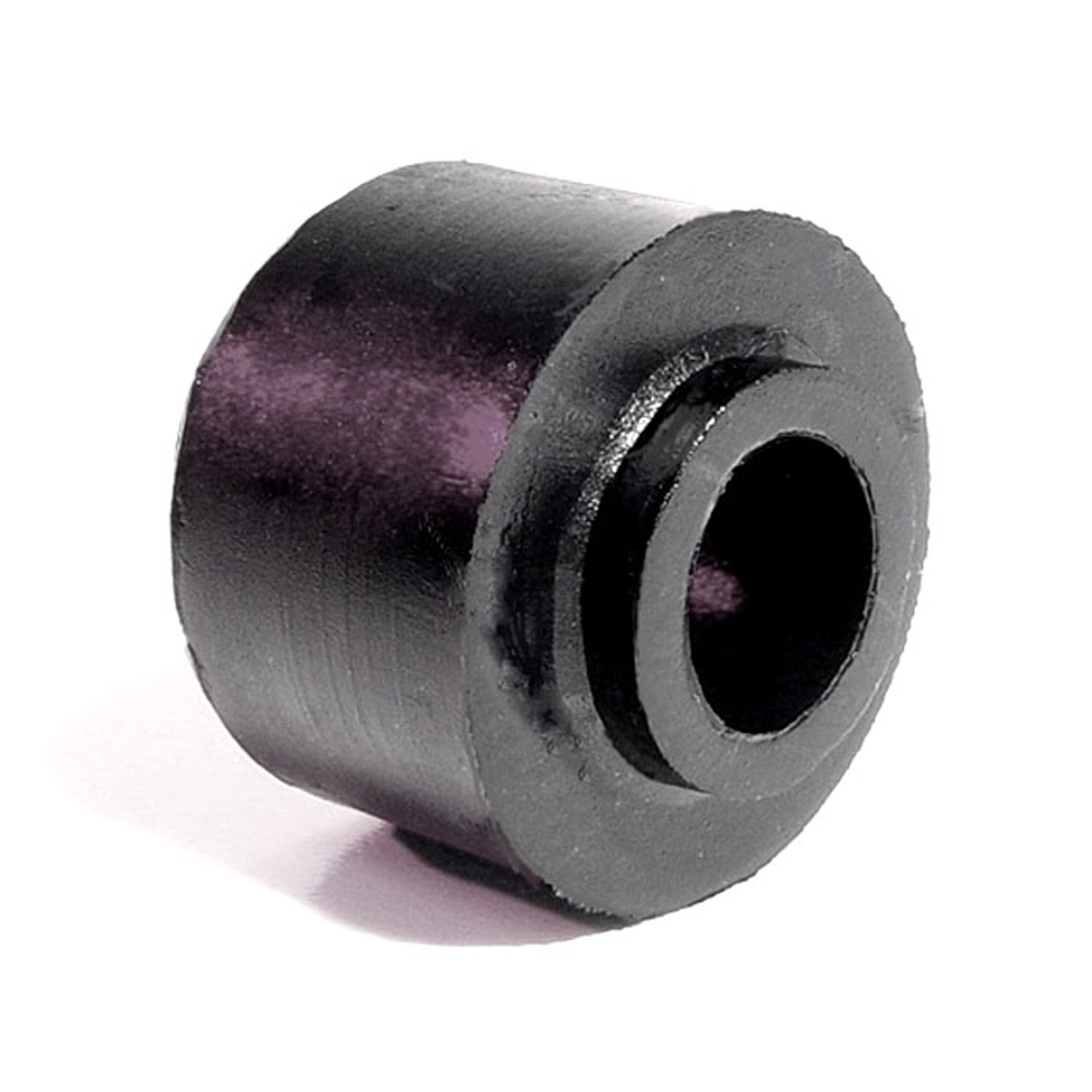 1965 Buick LeSabre Shock Absorber Grommet. 1" bottom O.D., 3/4" high-BN 1Shock Absorber Grommet. 1" bottom O.D., 3/4" high., with 7/16" I.D. Each
 1965 Buick LeSabre Shock Absorber Grommet. 1" bottom O.D-BN 11Shock Absorber Grommet. 1" bottom O.D., 3/4" high, with 5/8" I.D. Each
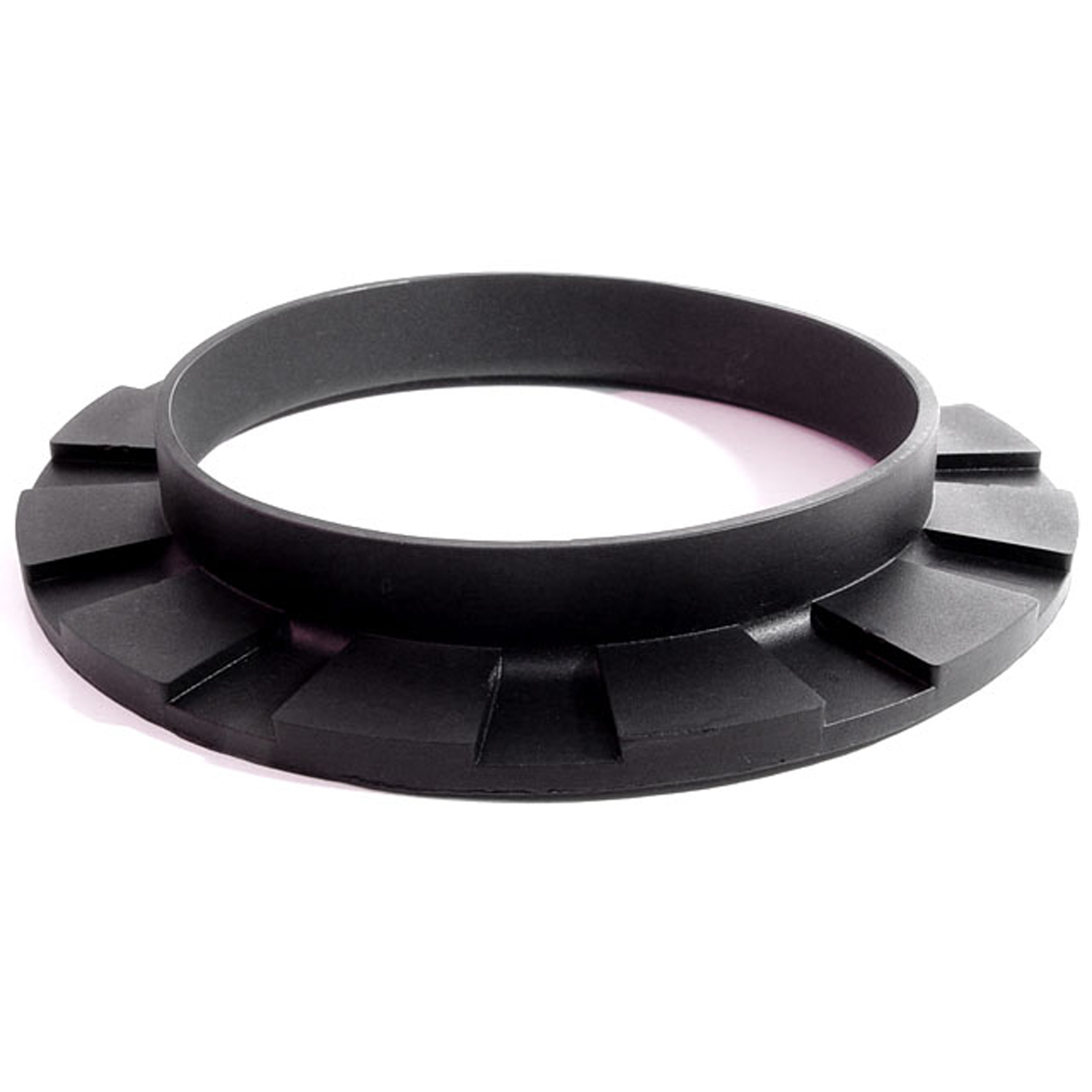 1965 Buick LeSabre Front coil-spring insulator-BN 110Front coil-spring insulator. Fits '41-'60 Oldsmobile and '50-'83 GM passenger models. 5-3/8 in. OD x 3-3/4 in. ID x 3/4 in. high with 13/16 in. wide bottom flange 1/4" thick, 12 flutes. Each.
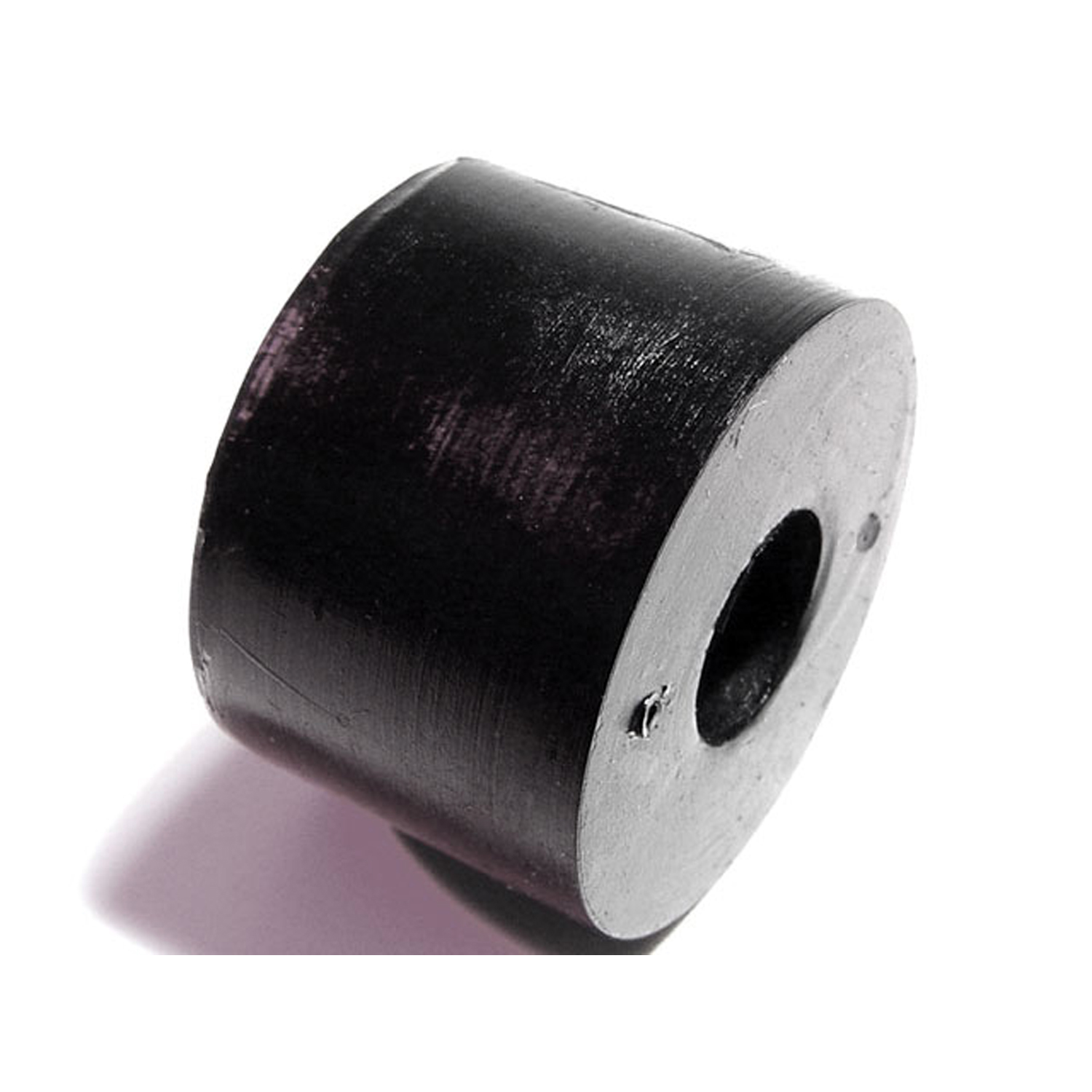 1965 Buick LeSabre Shock Absorber Grommet. 1" bottom O.D., 5/8" high-BN 13Shock Absorber Grommet. 1" bottom O.D., 5/8" high., with 3/8" I.D. Each
 1965 Buick LeSabre Front Stabilizer End Repair Kit-BNK 23Front Stabilizer End Repair Kit. 22-piece set for two stabilizer bars. Contains all rubber bushings, washers, bolts and nuts, enough for one front end. Set
 1965 Buick LeSabre Butyl Glass Setting Tape-BT 1Butyl Glass Setting Tape. Used to install windshields and backlights. Superior sealing properties. 5/16" wide X 15' long. Each
 1965 Buick LeSabre Convertible Top Windshield Header Seal-C/LP 40-GConvertible Top Windshield Header Seal. Clips installed every 3-5/8". Made of soft, black, skin-covered sponge. Sold by the foot.
 1965 Buick LeSabre Clutch and Brake Pedal Pads. Exact reproduction-CB 99Clutch and Brake Pedal Pads. Exact reproduction. 3-1/2" wide. Pair
 1965 Buick LeSabre Park Brake Pedal Pad. 2-9/16" wide. Each-CB 99-APark Brake Pedal Pad. 2-9/16" wide. Each
 1965 Buick LeSabre Auto Brake Pedal Pad. 5-7/8" wide. Each-CB 99-BAuto Brake Pedal Pad. 5-7/8" wide. Each
 1965 Buick LeSabre Cowl and Hood Seal. 64-1/2" long. Each-CS 6-ACowl and Hood Seal. 64-1/2" long. Each
 1965 Buick LeSabre Pillar Post Seals for 65 GM B & C Body Convertibles, Pair-CZ 8100Pillar Post Seals for 65 GM B & C Body Convertibles, Pair.
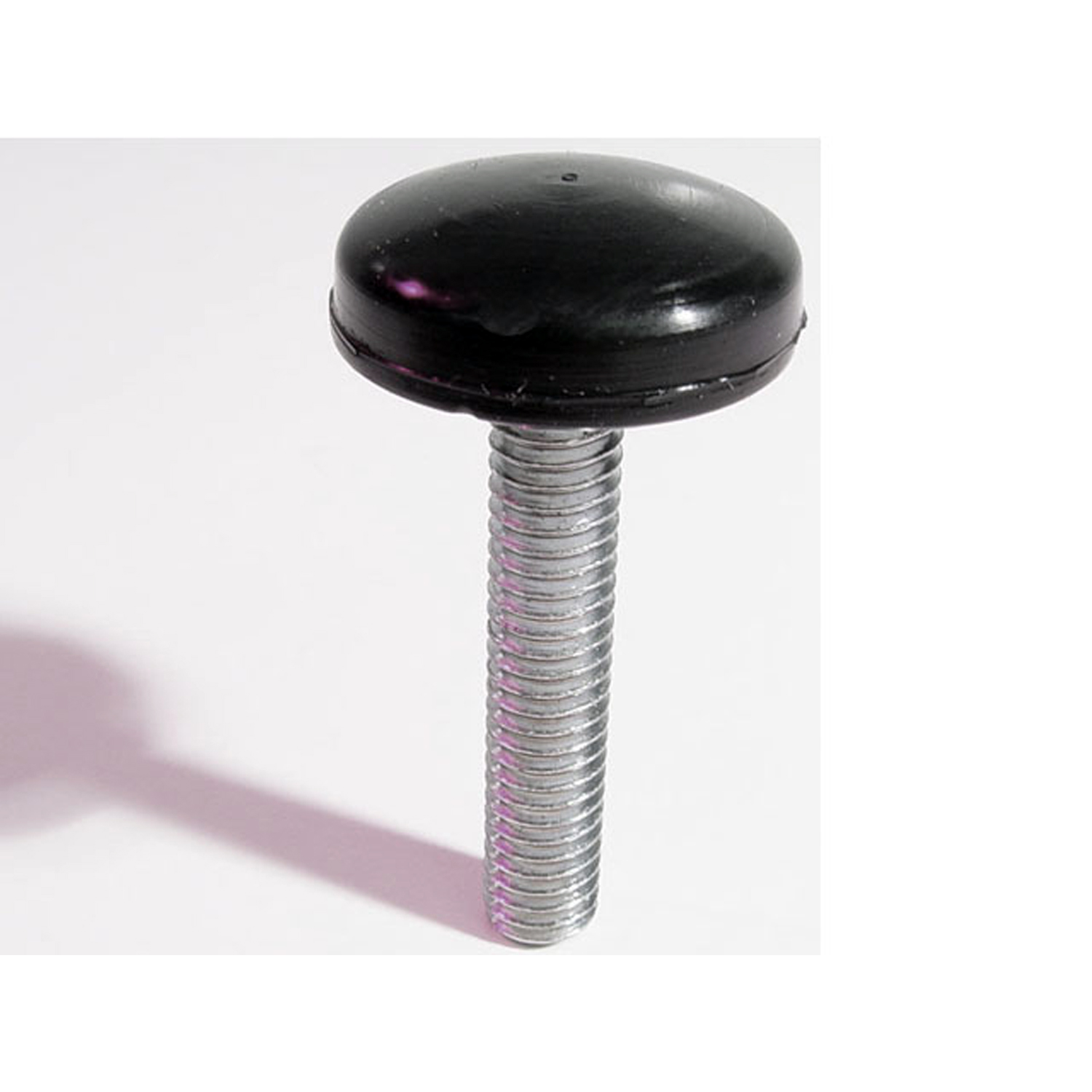 1965 Buick LeSabre Hood Adjustment Bolt and Bumper. 1" diameter rubber head-HA 2Hood Adjustment Bolt and Bumper. 1" diameter rubber head. 5/16" thick X 18 threads/inch X 1-3/4" long bolt. Each
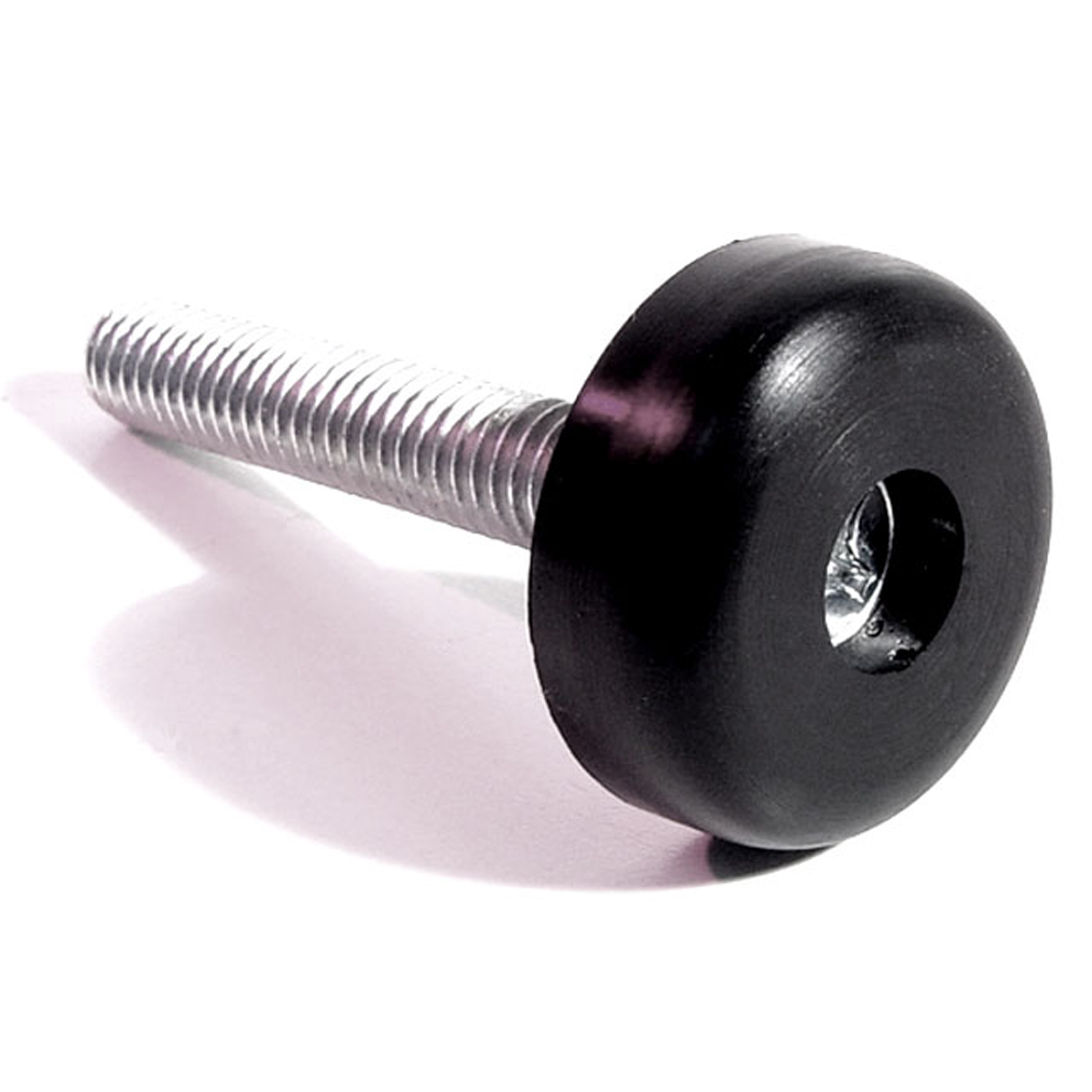 1965 Buick LeSabre Hood Adjustment Bolt and Bumper-HA 3Hood Adjustment Bolt and Bumper. 1-1/8" diameter rubber head. 5/16" thick X 18 threads/inch X 2-1/8" long bolt. Each
 1965 Buick LeSabre Header Seal for Convertibles-HD 727Header Seal for Convertibles (fits '65-early '66 GM "B" body). Each
 1965 Buick LeSabre Hood to Fender Bumper. Fits B Body Buicks 3/4"" HOLE, 1-1/16"" HIGH X 3/4 WIDE-HF 26-AHood to Fender Bumper. Fits B Body Buicks 3/4"" HOLE, 1-1/16"" HIGH X 3/4 WIDE
 1965 Buick LeSabre Hood Side Bumper. Fits 3/4" wide slot. Each-HF 26-BHood Side Bumper. Fits 3/4" wide slot. Each
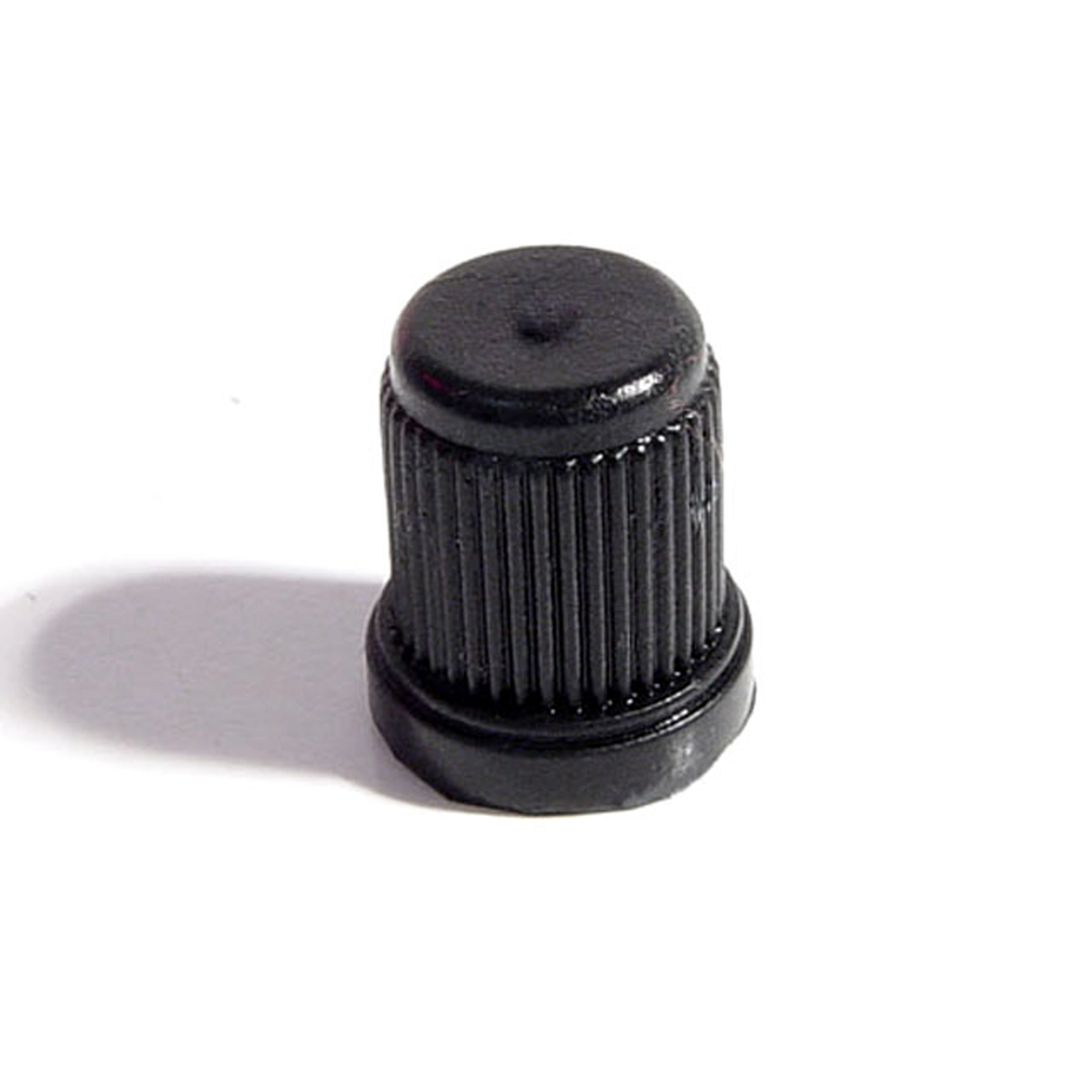 1965 Buick LeSabre Trip Meter Reset Knob. Made of black rubber-KN 10Trip Meter Reset Knob. Made of black rubber. Compare to measurements: 1/8" I.D., 7/16" O.D. X 1/2" tall. Each
 1965 Buick LeSabre Door Seals, with Clips and Molded Ends-LM 20Door Seals, with Clips and Molded Ends. For 2-Door Hardtops and Convertibles. Replaces OEM #4456006/7. Pair R&L
 1965 Buick LeSabre Front Molded Door Seals with Clips-LM 21-DFront Molded Door Seals with Clips. For 4-Door Sedan and Wagon. Pair R&L
 1965 Buick LeSabre Rear Molded Door Seals with Clips. For 4-Door Sedan-LM 21-D/RRear Molded Door Seals with Clips. For 4-Door Sedan. Pair R&L
 1965 Buick LeSabre Front door seals-LM 21-JFront door seals. Fits '65-'66 GM B- and C-body 4-door hardtop (also called 'Sports Sedan') models. Replaces OEM#'s 4455994/5. Pair. R&L.
 1965 Buick LeSabre Door Handle Pads. 2-5/8" long & 1-1/8" long. Set R&L-MP 989-DDoor Handle Pads. 2-5/8" long & 1-1/8" long. Set R&L
 1965 Buick LeSabre Basic Kit, for Convertibles-RKB 2007-109Basic Kit, for Convertibles. Door (LM 20) Roof Rail (RR 1813) Trunk (TK 46-18), Seals.
 1965 Buick LeSabre Basic Kit, for 2-Door Hardtop-RKB 2009-108Basic Kit, for 2-Door Hardtop. Door (LM 20) Roof Rail (RR 5016) Trunk (TK 46-18), Seals.
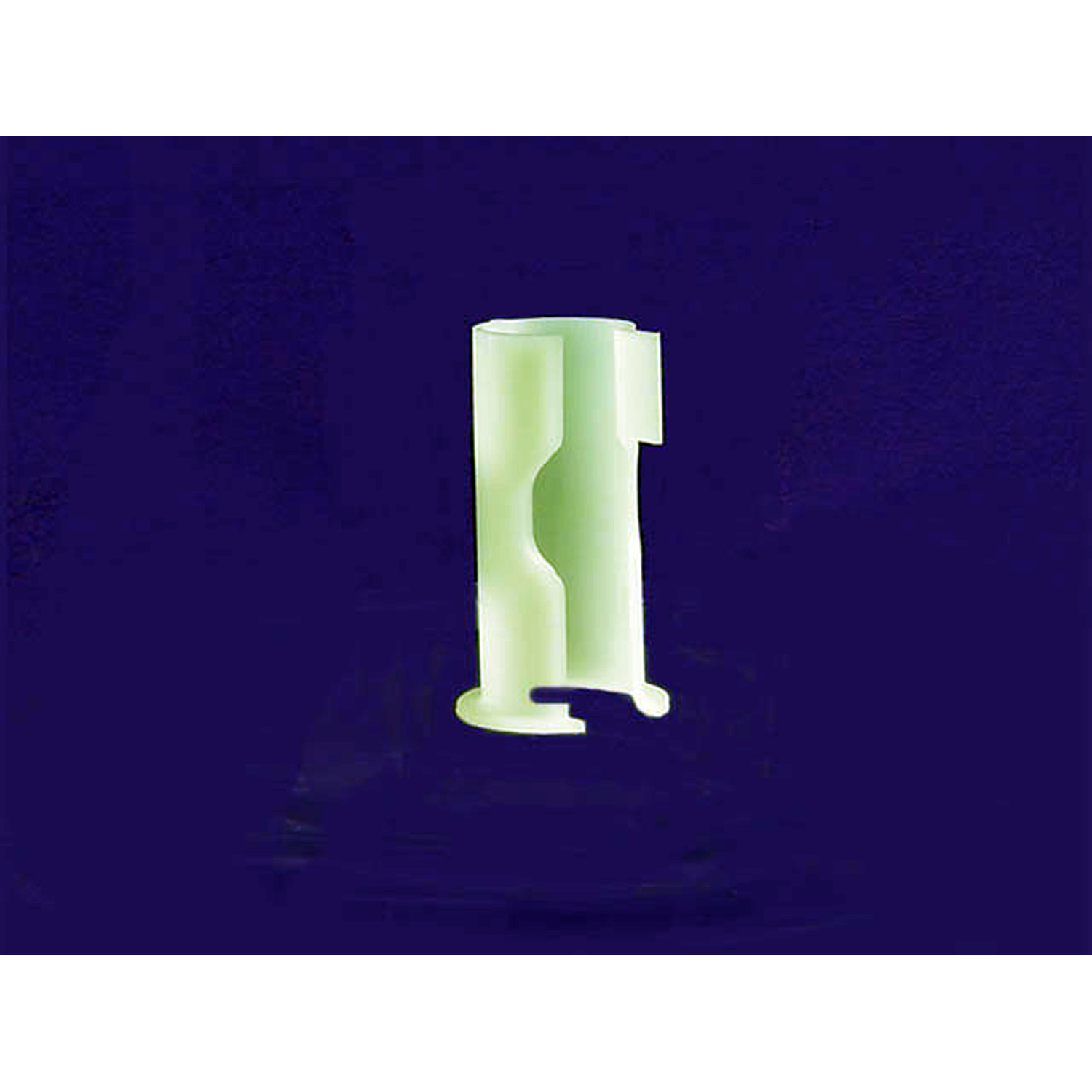 1965 Buick LeSabre Sun Visor Support Sleeve. Clear plastic. Each-RP 303-ASun Visor Support Sleeve. Clear plastic. Each
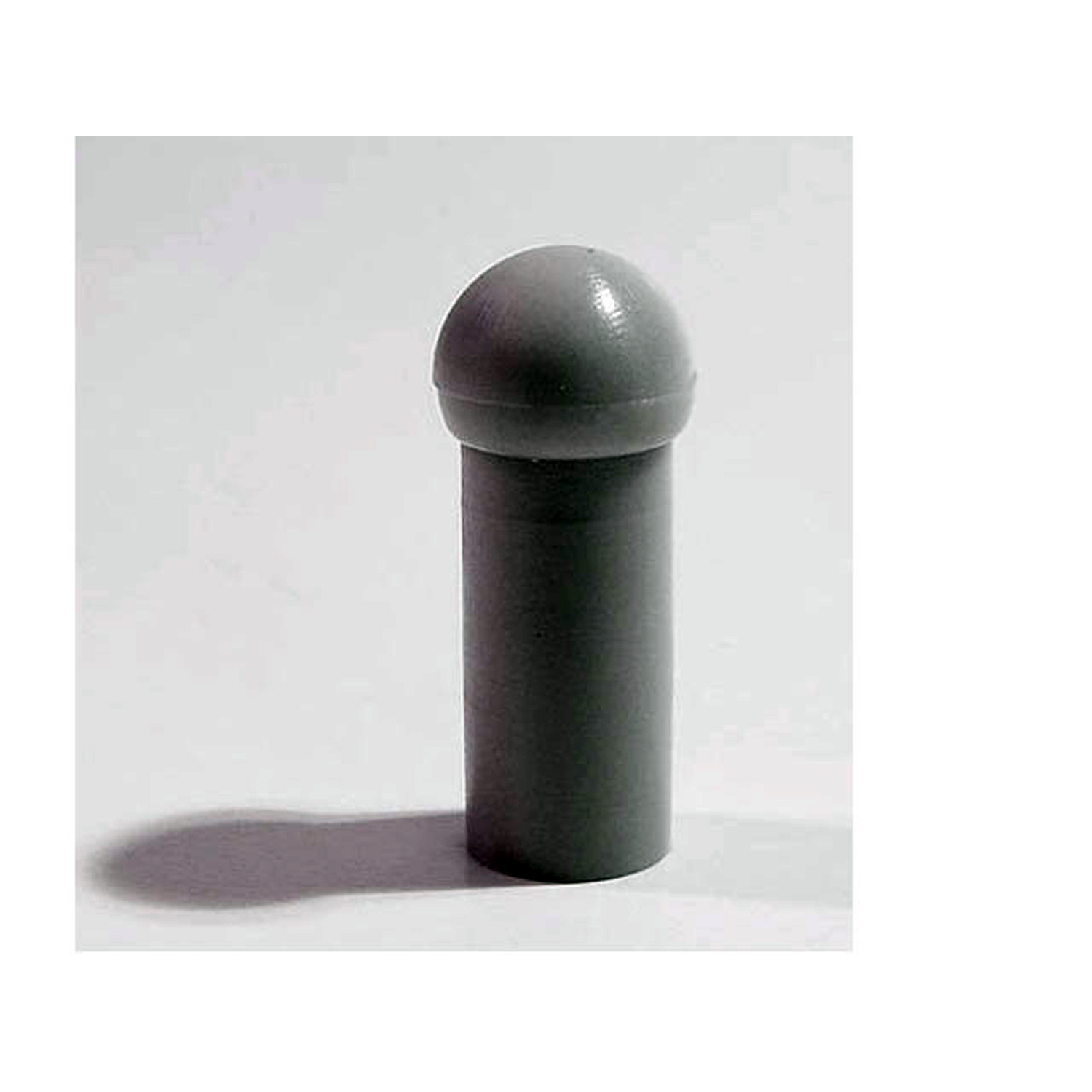 1965 Buick LeSabre Sun Visor Rod Rubber Grommet. 3/4" long. Gray. Each-RP 303-CSun Visor Rod Rubber Grommet. 3/4" long. Gray. Each
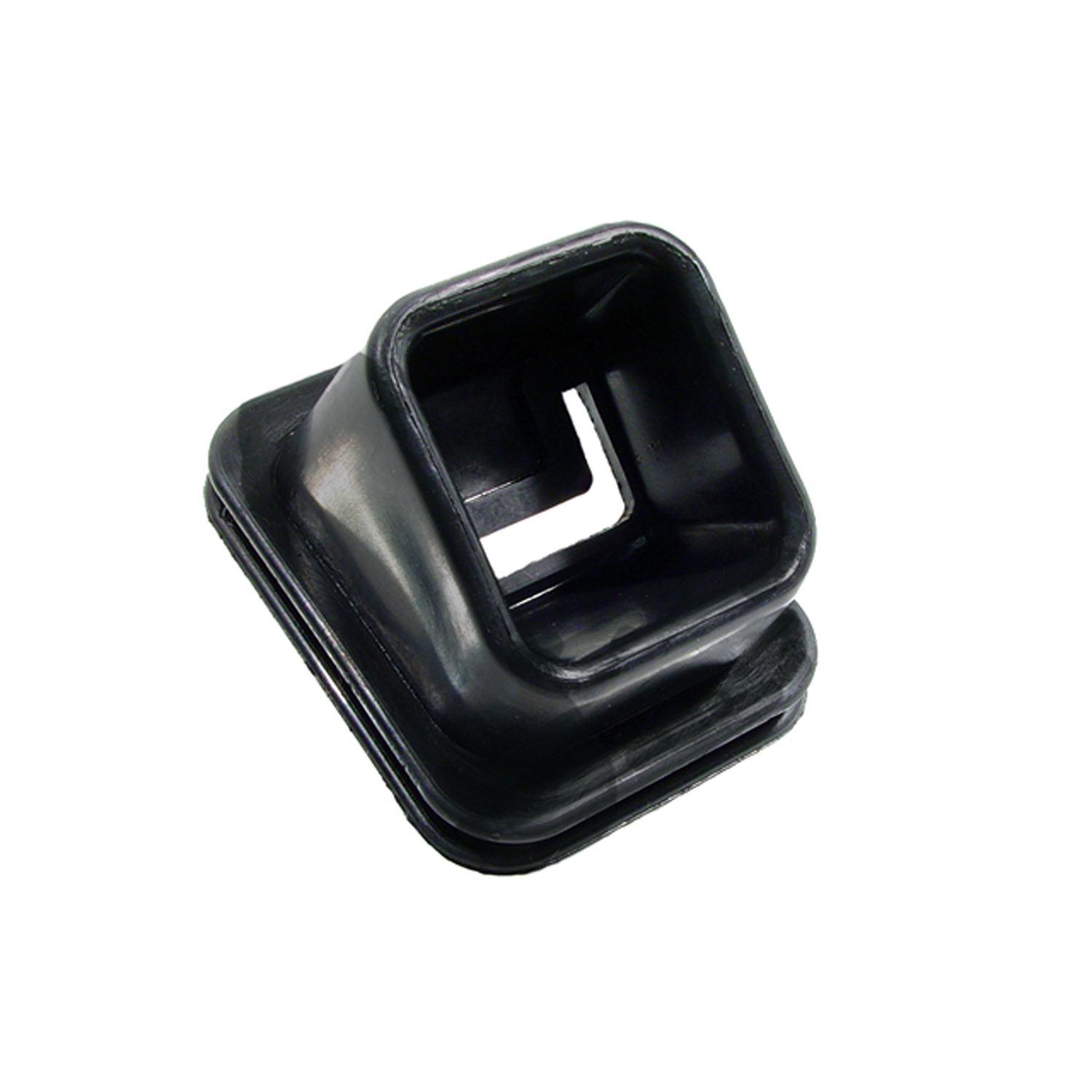 1965 Buick LeSabre Clutch Arm Fork Boot. Fits on bell housing to keep dirt out-RP 31-DClutch Arm Fork Boot. Fits on bell housing to keep dirt out. Each
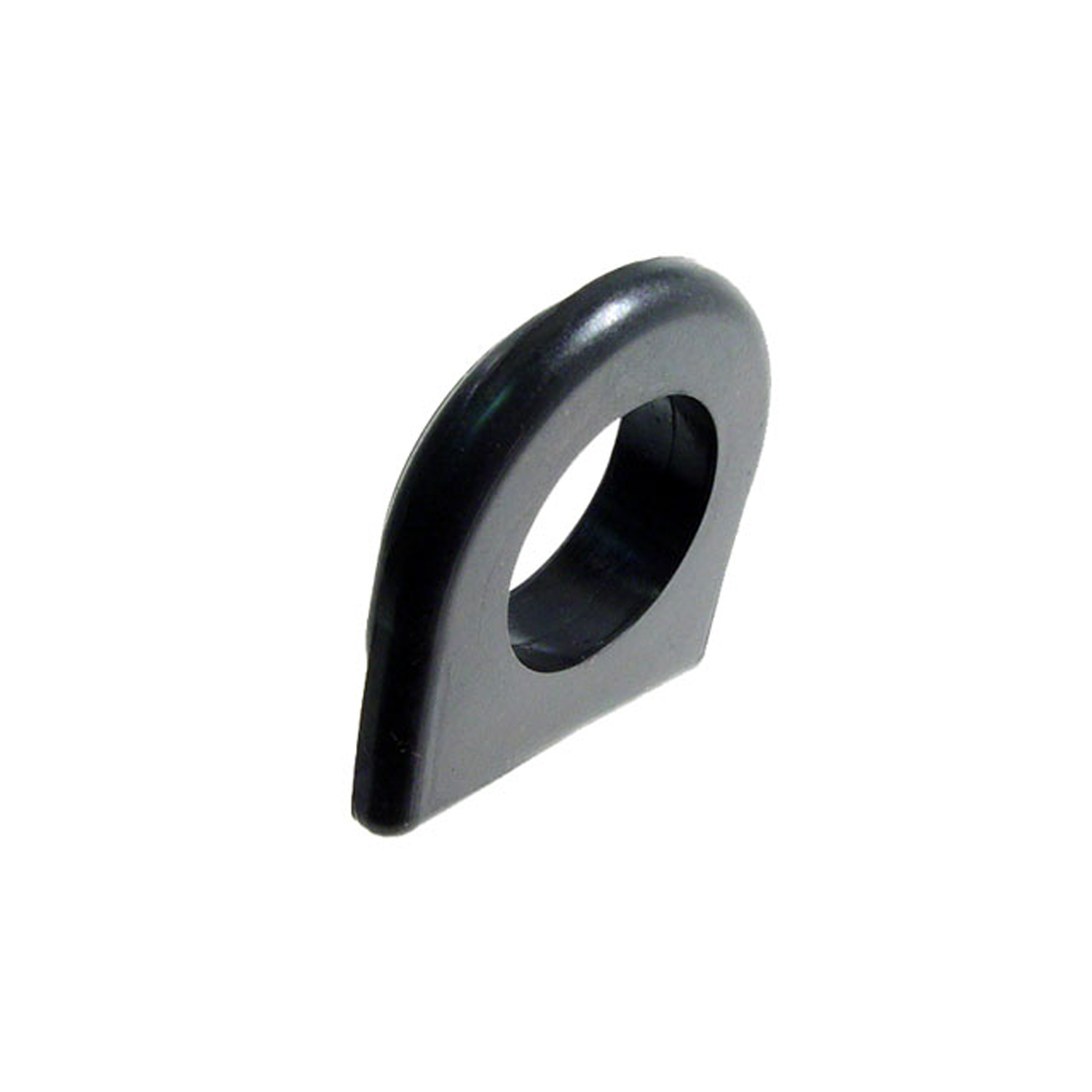 1965 Buick LeSabre Positive Crankcase Ventilation Grommet-RP 9Positive Crankcase Ventilation Grommet. 11/16" wide X 1-5/8" long, with 15/16" I.D. (Fits some models) Each
 1965 Buick LeSabre Convertible Top Roof Rail Kit-RR 1813Convertible Top Roof Rail Kit. 7-Piece set includes all right and left side top rail seals and the windshield top header seal.
 1965 Buick LeSabre Molded Roof Rail Seals. For 2-door hardtops. Pair R&L-RR 5016Molded Roof Rail Seals. For 2-door hardtops. Pair R&L
 1965 Buick LeSabre Molded Roof Rail Seals. For 4-door hardtops. Pair R&L-RR 5016-AMolded Roof Rail Seals. For 4-door hardtops. Pair R&L
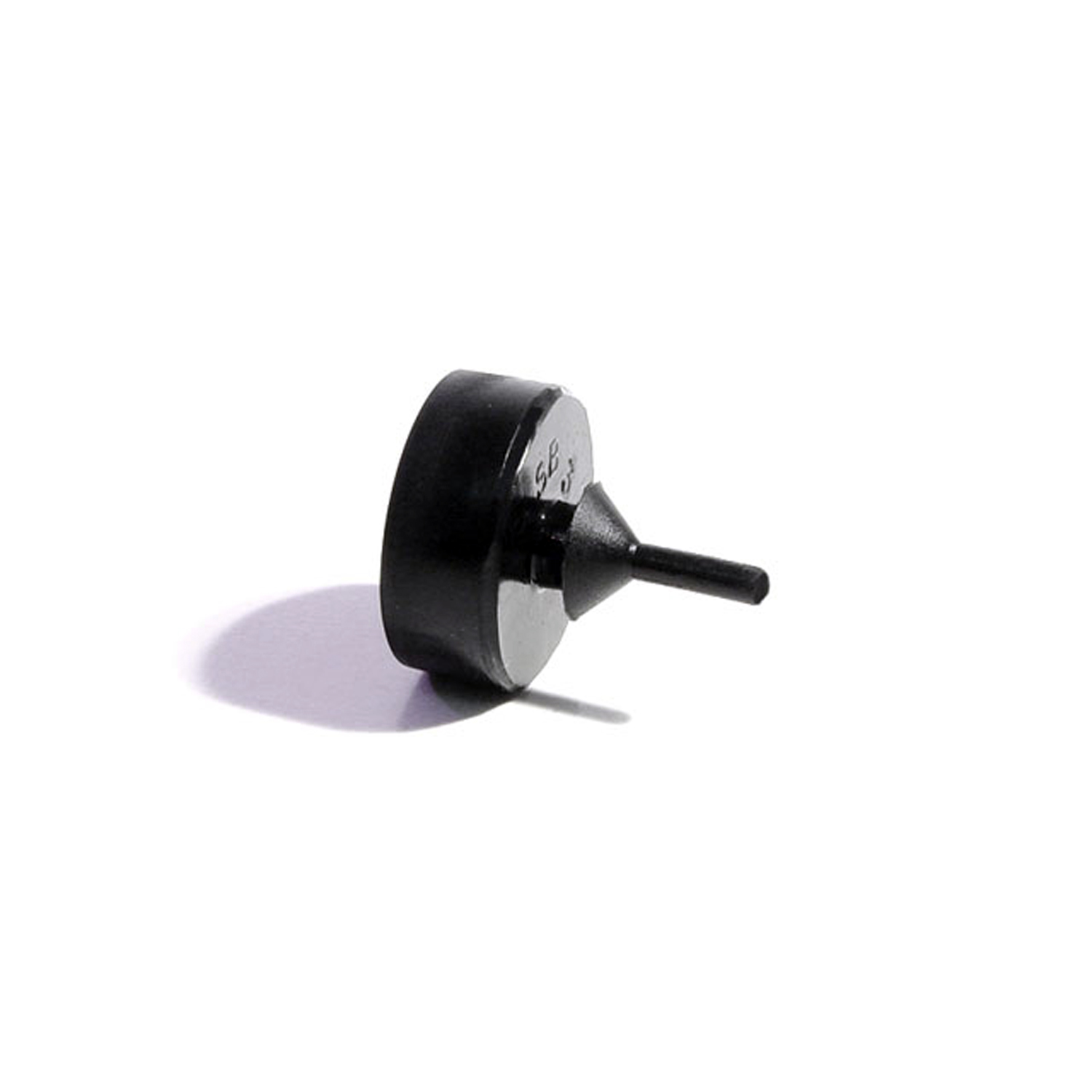 1965 Buick LeSabre Trunk Bumper. Fits lower corner on decklid. 15/16" O.D-SB 34Trunk Bumper. Fits lower corner on decklid. 15/16" O.D., 11/16" high. Each
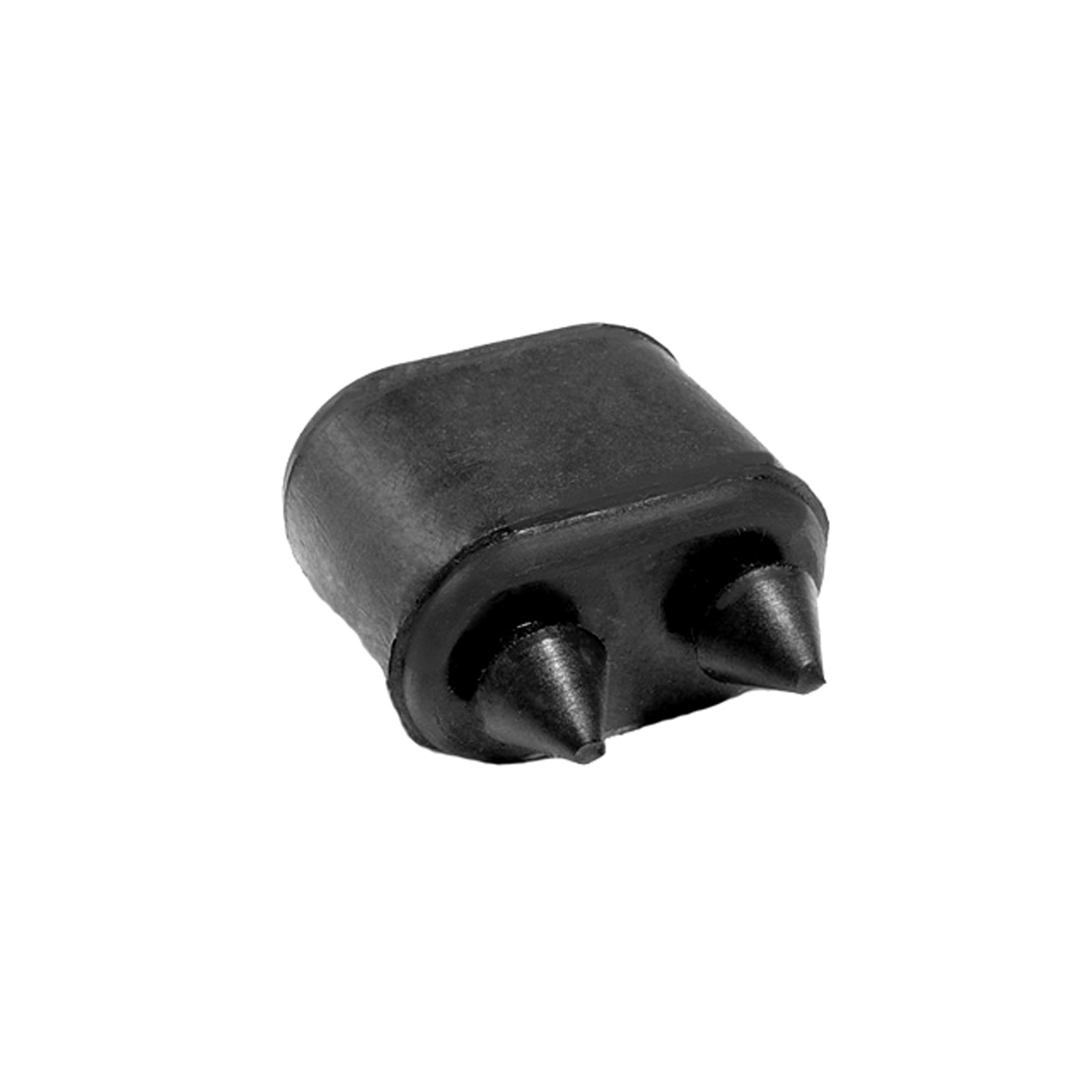 1965 Buick LeSabre Door Bumper, 57-74 GM Cars, Made with Twin Retainers, Each-SB 35Door Bumper, 57-74 GM Cars, made with twin retainers, Each. Measure 1-1/16" high X 19/32" wide X 1-1/32" long.
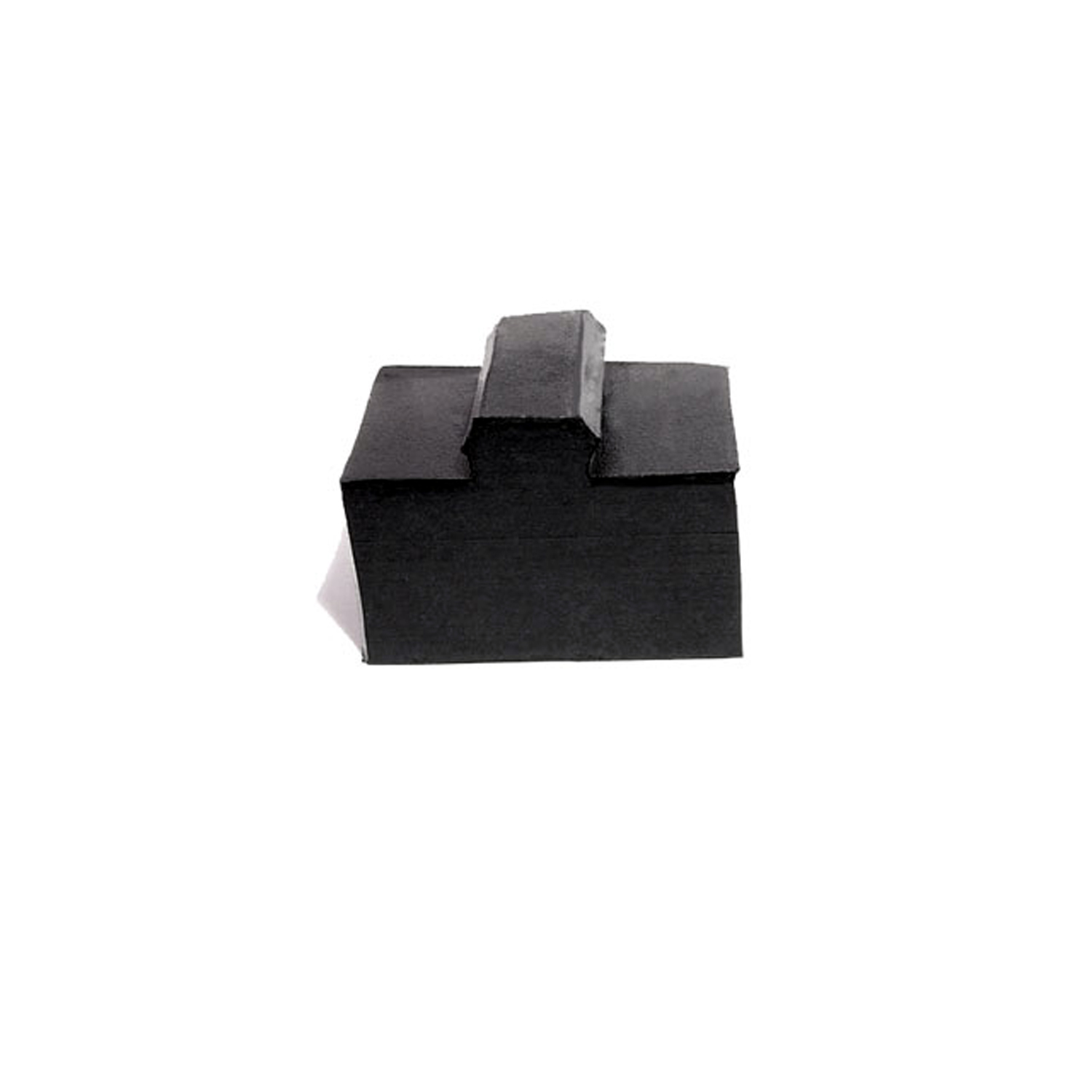 1965 Buick LeSabre Clutch Pedal Return Bumper-SB 64Clutch Pedal Return Bumper. 1-13/16" long X 13/16" wide X 7/8" high (center). Each
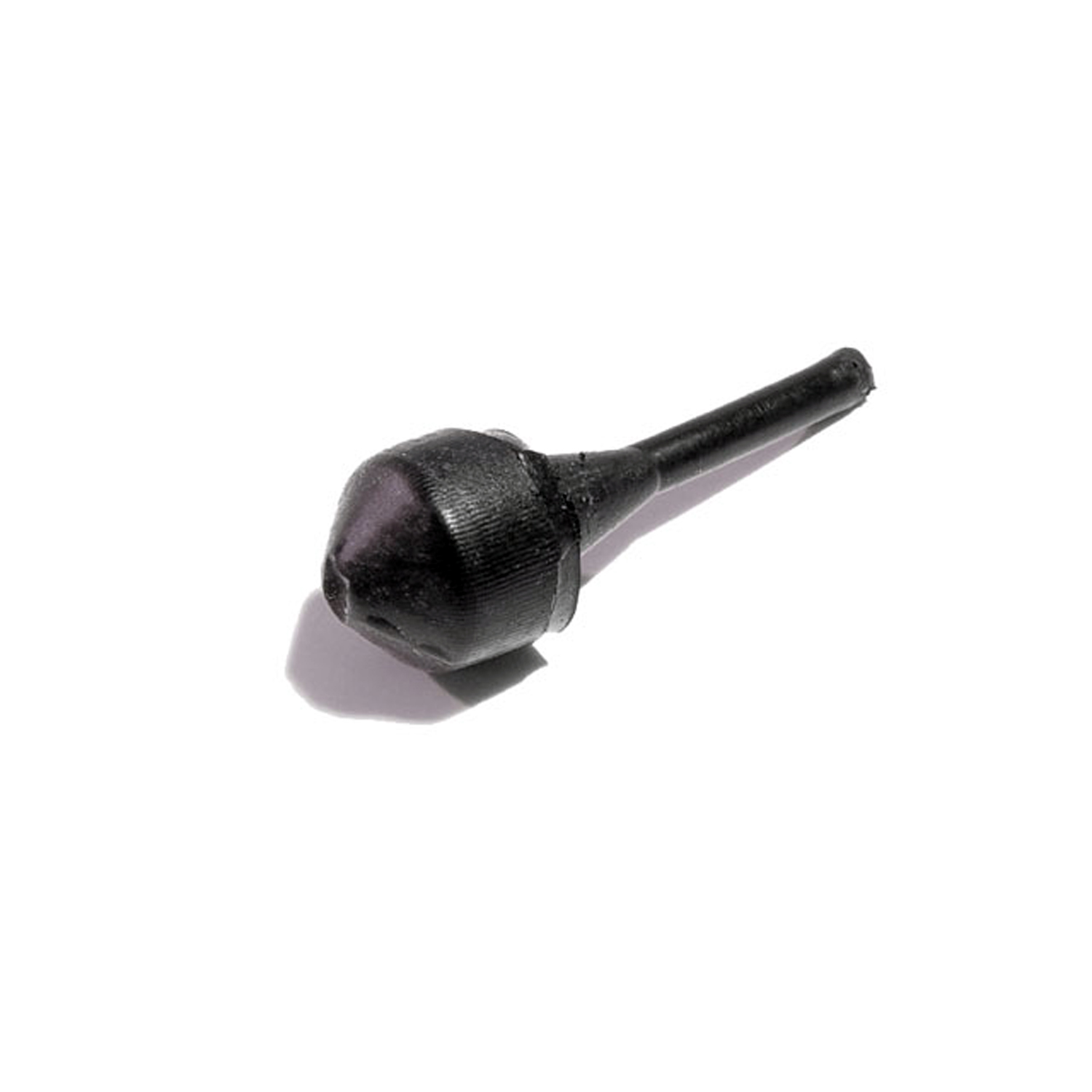 1965 Buick LeSabre Glove Box and Fuel Door Bumper. Fits 3/16" hole. Each-SB 78Glove Box and Fuel Door Bumper. Fits 3/16" hole. Each
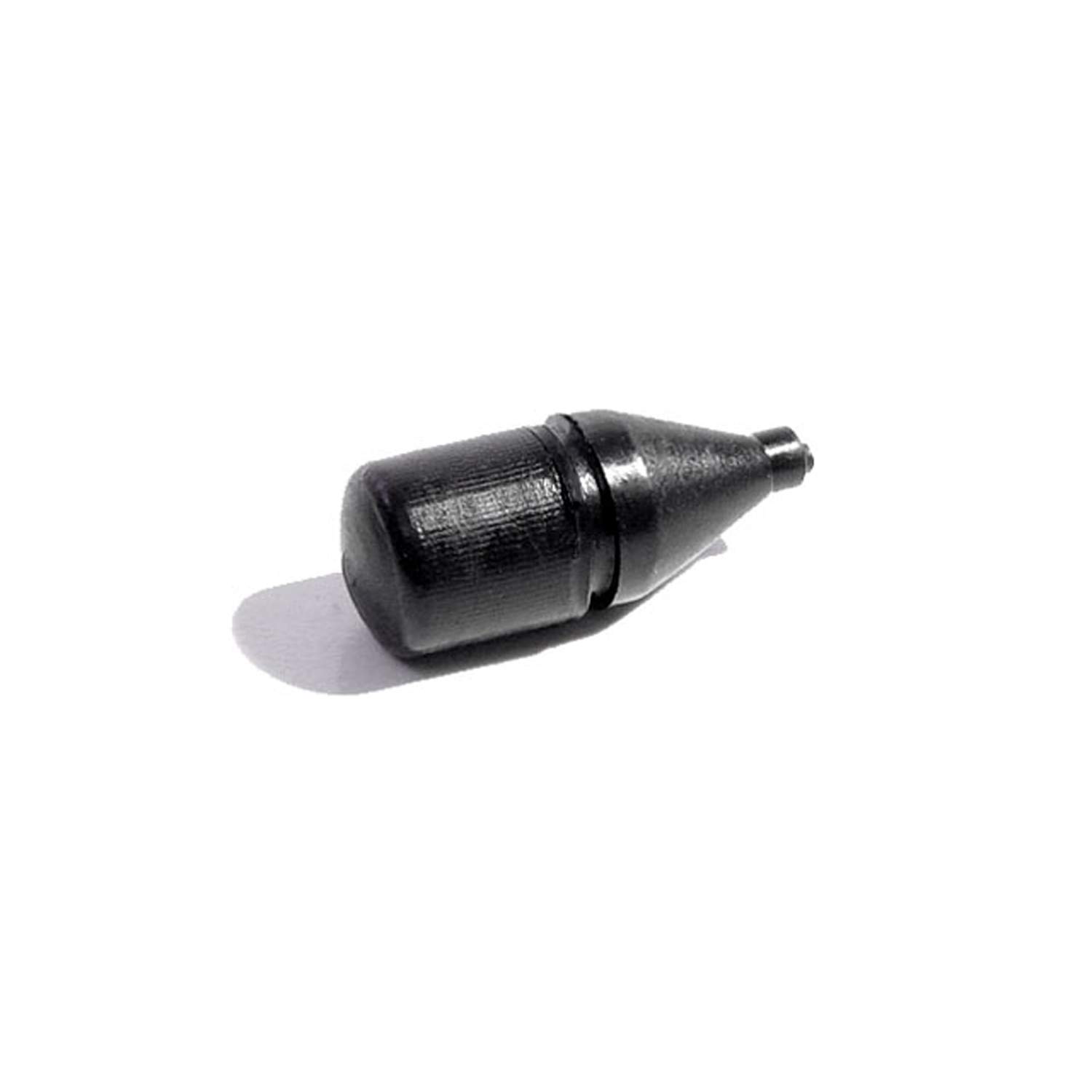 1965 Buick LeSabre Fuel Door Bumper. 7/8" high, 5/16" O.D. Each-SB 81Fuel Door Bumper. 7/8" high, 5/16" O.D. Each
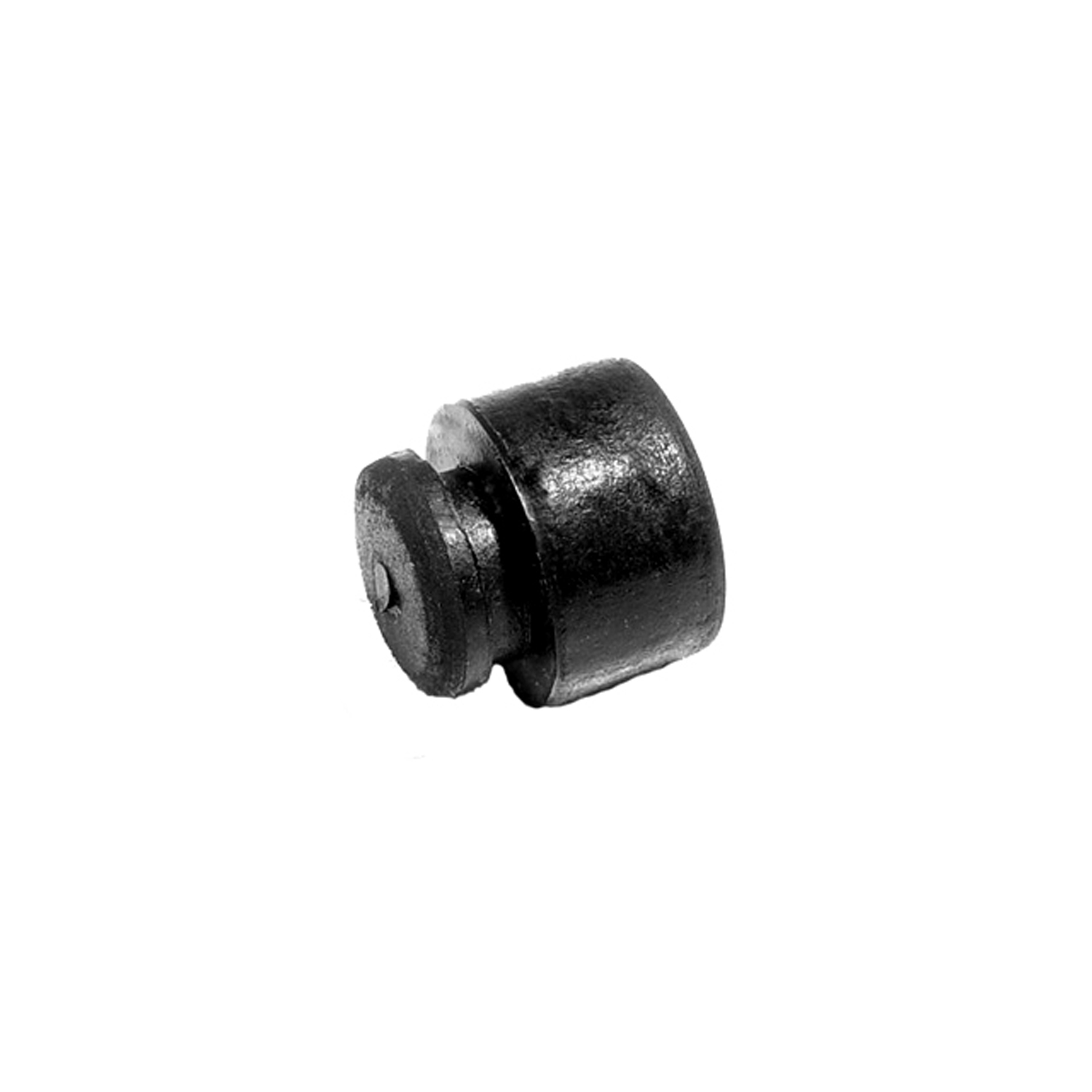 1965 Buick LeSabre License Plate Bumper. Fits a 1/4" hole. Each-SB 82License Plate Bumper. Fits a 1/4" hole. Each
 1965 Buick LeSabre Dash and Firewall Grommet. Two hole type. Each-SM 101-ADash and Firewall Grommet. Two hole type. Each
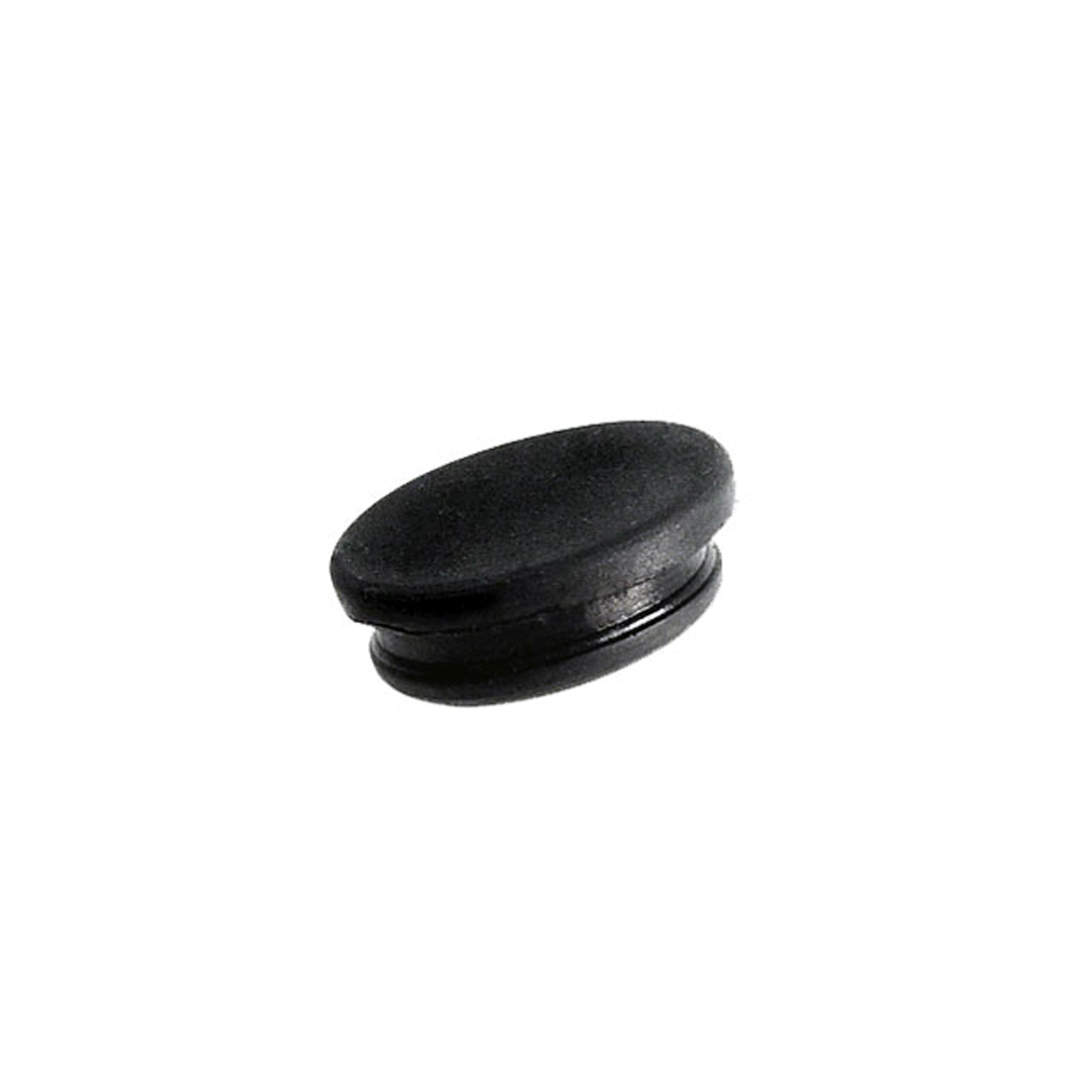 1965 Buick LeSabre Rocker Arm Cover. Neoprene plug. Fits 1" hole. Each-SM 66Rocker Arm Cover. Neoprene plug. Fits 1" hole. Each
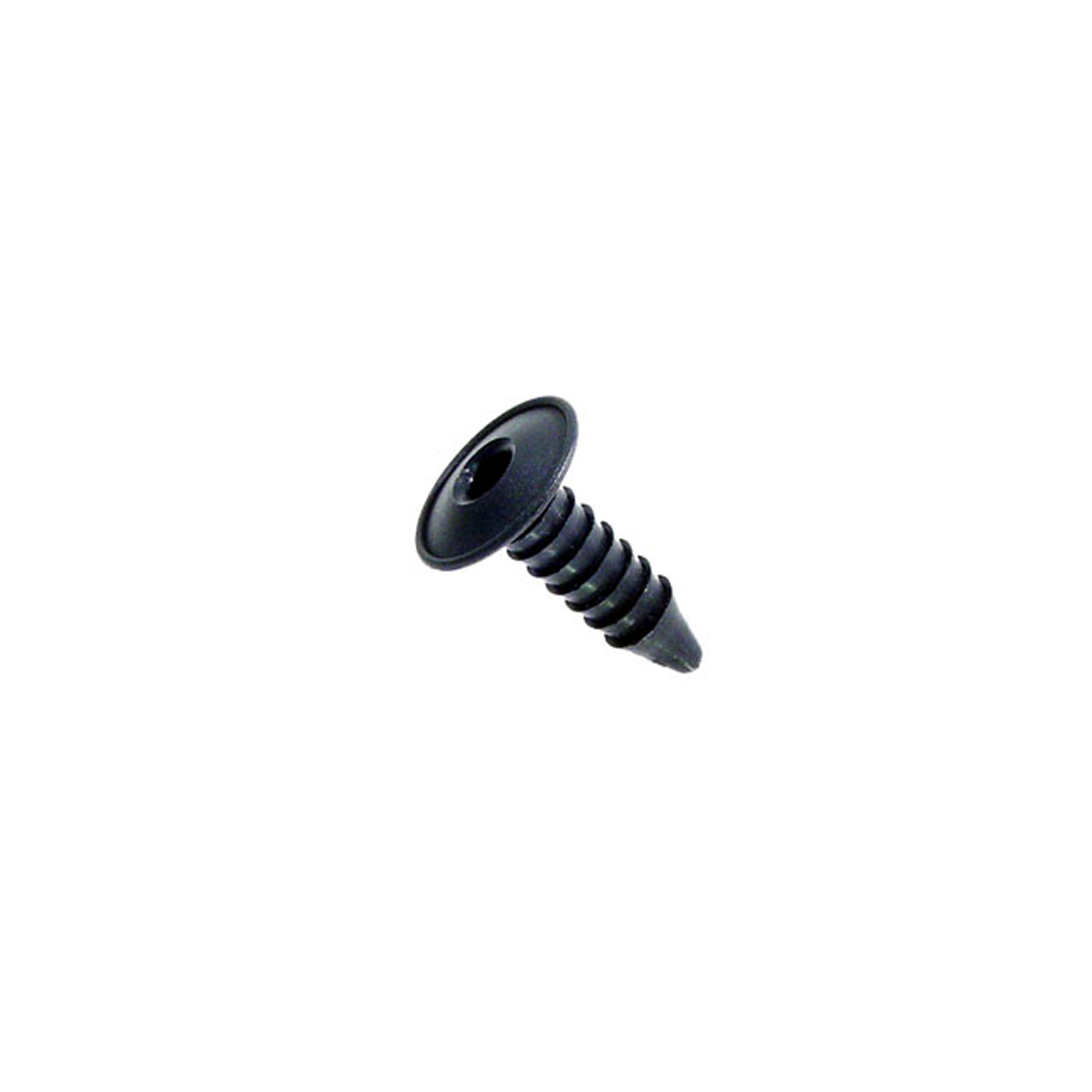 1965 Buick LeSabre Firewall insulation fastener. 1 in. dia. W head. 1-1/2 in. L-SM 80-AFirewall insulation fastener. 1 in. dia. W head. 1-1/2 in. L. Replaces OEM#'s (GM) 7642589 and (AMC) 4001934. Black. Each.
 1965 Buick LeSabre Trunk Seal. 18 feet long. Each-TK 46-18Trunk Seal. 18 feet long. Each
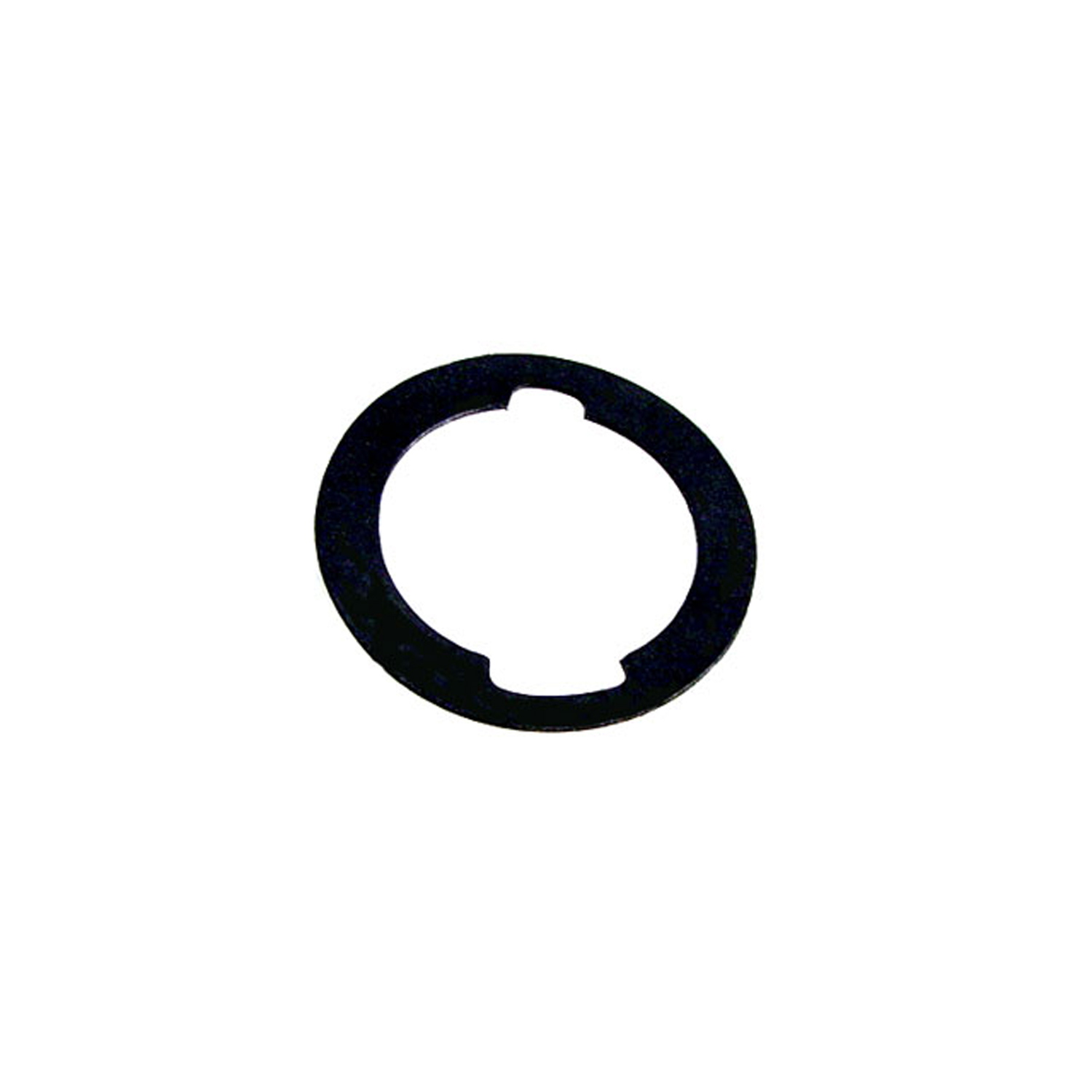 1965 Buick LeSabre Unbeaded Door and Trunk Lock Gasket. 1-3/16" O.D., 7/8" I.D-UM 1600-100Unbeaded Door and Trunk Lock Gasket. 1-3/16" O.D., 7/8" I.D. Each
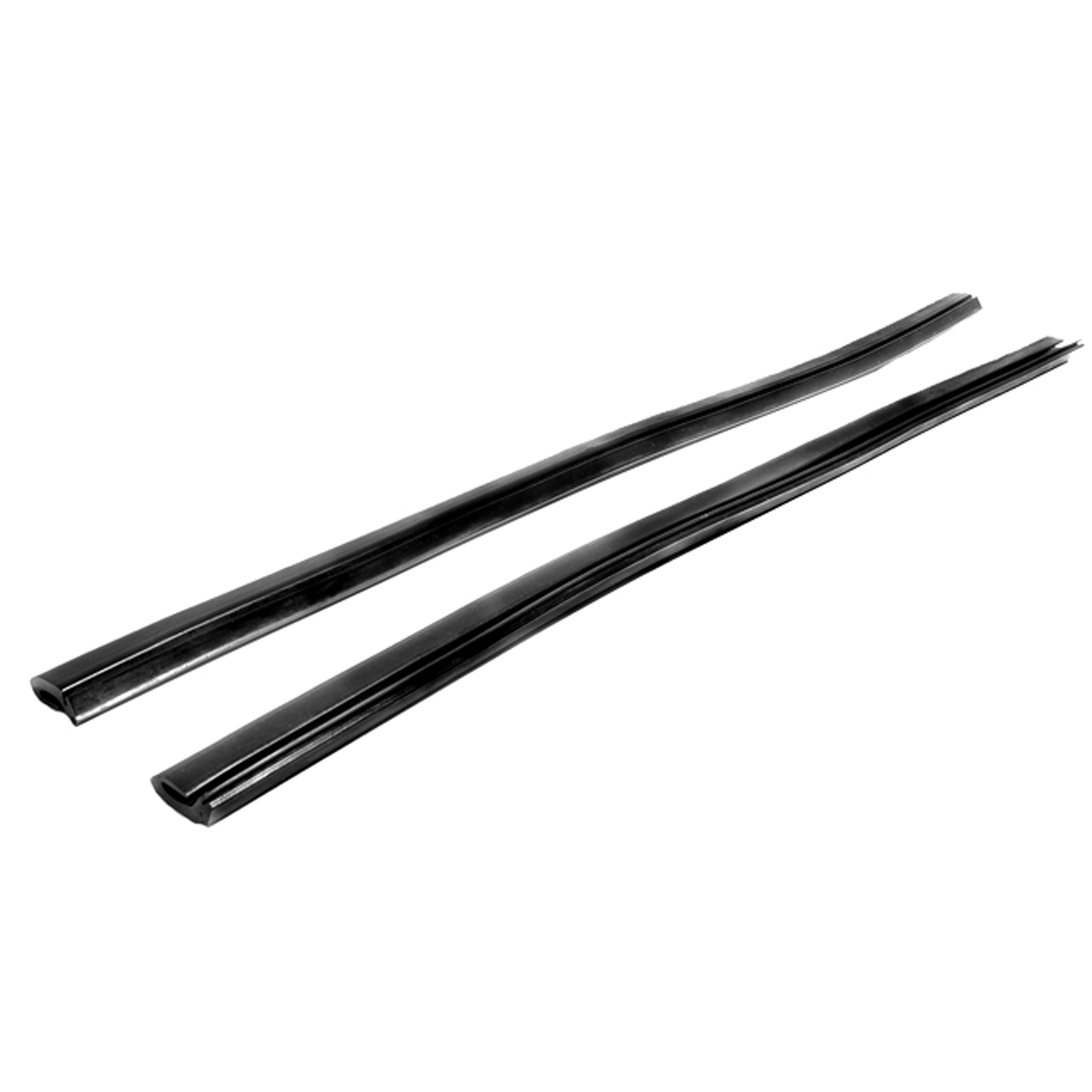 1965 Buick LeSabre Rear Side Roll-Up Window Seal, for Hardtops and Convertibles-VS 3Rear Side Roll-Up Window Seal, for Hardtops and Convertibles. Two 20" sections slide into metal track. No steel insert. Pair
 1965 Buick LeSabre Rear Roll-up Quarter Window Seals, for 2-Door Hardtops-VS 3-GRear Roll-up Quarter Window Seals, for 2-Door Hardtops. For leading edge of rear roll-up quarter window. Made with steel cores. 16-3/4" long. Pair R&L
 1965 Buick LeSabre Vent window and rear division channel seals-WR 2002-EVent window and rear division channel seals. Fits '65-'68 GM B-body and C-body 2-door and 4-door hardtops and convertibles. Top quality EPDM dense rubber. 4-piece set. R&L.
Why Choose Metro?
For over 100 years, Metro Moulded Parts has been the pinnacle of quality in classic car restoration parts. Our commitment to precision and authenticity in every component ensures a perfect fit and an OEM-level appearance.
- Expert Craftsmanship & Quality: Each part is a testament to our dedication to reliability and perfection, crafted from original designs and thoroughly tested.
- Advanced Technology: We use cutting-edge techniques to create flawless, long-lasting parts that surpass others in performance.
- SuperSoft Sponge – The Ultimate Door Seal: Not only are our door seals 30% softer than competitors', but they're also guaranteed to never leak. They effectively reduce wind and road noise, enhancing your classic car's comfort and driving experience.
- Proudly American: Our parts are a product of American craftsmanship, made in the USA with a spirit of excellence and heritage.
- Unrivaled Warranty: We back our products with a 30-year industry-leading warranty, a testament to our confidence in their quality.
Join us in preserving the legacy of classic cars with parts that are crafted for perfection, not just made.