

Image of 1967 Buick Special, Note: These illustrations use artistic license and may differ from actual historical models.
Performance Metrics
Fundamental Metrics
Emotional Appeal
MMP Rating
| Engine Specifications | |
|---|---|
| Engine: | Buick 300 V8, Buick 340 V8 |
| Displacement: | 300-340 cu in (4.9-5.6 L) |
| Horsepower: | 210-260 hp |
| Torque: | 310-365 lb-ft |
| Compression Ratio: | 9.0:1 for 300 V8, 10.25:1 for 340 V8 |
| Ignition System: | Conventional distributor and coil system |
| Cooling System: | Liquid-cooled |
| Performance Specifications | |
| 0-60 Time: | 10-12 seconds |
| 1/4 Mile Time: | 17-19 seconds |
| Top Speed: | 115-120 mph |
| Transmission and Drive | |
| Drive Type: | Rear-wheel drive |
| Transmission Type: | 2-speed automatic, 3-speed manual |
| Fuel and Efficiency | |
| Fuel System Type: | Carburetor |
| MPG: | 10-12 mpg |
| Dimensions and Brakes | |
| Brakes: | Drum brakes, front and rear |
| Wheelbase: | 115 inches |
| Weight: | 3,200-3,400 lbs |
Note: Specifications for classic cars are given to the best of our ability, considering the limited and variant data available.
1967 Buick Special: Buick’s Everyday A-Body
The 1967 Buick Special made comfort and V8-style Buick character accessible in a practical, mid-size package. Built by the Buick Motor Division of General Motors, it sat near the entry point of Buick’s lineup, below the better-trimmed Skylark, while sharing the GM A-body platform with cars such as the Chevrolet Chevelle, Pontiac Tempest, and Oldsmobile F-85.
That shared platform gave the Special familiar, serviceable underpinnings, but Buick supplied its own styling, engines, and upscale touches. The model was part of a fast-growing mid-size market in which buyers wanted a car that was easier to park and more affordable than a full-size sedan, without giving up the comfort or presence of a traditional American automobile.
One especially interesting detail is the Special’s available 225-cubic-inch “Fireball” V6. Its uneven firing rhythm, known as an odd-fire arrangement, gave the engine a distinctive burble that set it apart from the smoother V8s common in American showrooms. The V6 was an economical choice, not a novelty, and helped make Buick’s compact engine family a lasting part of the company’s history.
1967 Buick Special Styling and Interior
The Special wore the long-hood, short-deck proportions that defined many mid-size American cars of the period. Its 1967 body had gently sculpted sides, a broad front end, and a neatly integrated grille with Buick’s familiar tri-shield emblem. The look was more restrained than some of the era’s heavily ornamented cars, but bright trim, wheel covers, and optional exterior details could give it a dressier appearance.
Inside, the Special favored durable, straightforward materials over the richer appointments available in higher Buick models. Depending on body style and trim, buyers could choose bench seating, upgraded upholstery, carpeting, and extra brightwork. The cabin was designed for everyday use, with a wide front seat and a clear, uncomplicated instrument panel. It felt more substantial than a bare-bones economy car, even when equipped as a basic model.
Available convenience features included items such as power steering, power brakes, air conditioning, and an AM radio, depending on the particular car and order sheet. These were options rather than standard equipment across the range. The 1967 model year also brought important safety developments: U.S. cars were required to have a dual-circuit braking system, and the Special used an energy-absorbing steering column.
Buick offered a range of factory paint colors, from conservative whites, blacks, and metallic silvers to brighter blues, greens, and reds. The exact names and availability varied with trim and production details. Period-correct blue and turquoise shades are especially eye-catching today, while white and darker metallic colors suit the Special’s understated lines.
Body styles included two-door and four-door models as well as station-wagon versions, with availability depending on trim. A convertible was offered in the Special range, generally with more upscale Special Deluxe appointments. The convertible is the most visually distinctive and collectible configuration, while the two-door hardtop-style coupe has the classic sporty profile many buyers associate with 1960s Buick design.
Why the Special Mattered
The 1967 Special was not a radical engineering experiment, and that was part of its appeal. It brought Buick’s emphasis on quiet comfort and solid construction to the competitive A-body class. Buyers could choose a modest V6, a capable small-block V8, or a more richly equipped version, all in a body that was easier to manage than a full-size Buick.
Its significance also lies in the platform beneath it. GM’s A-body cars helped establish the mid-size format as a mainstream American choice: roomy enough for family use, yet adaptable to coupes, convertibles, sedans, wagons, and performance models. The Special occupied the practical end of that broad family. Its relationship to more powerful Buick A-body models, including the Skylark and Gran Sport, showed how a shared platform could serve very different buyers.
The Special’s formula was durable rather than groundbreaking: conventional rear-wheel drive, a separate body and frame, coil-spring suspension, and straightforward mechanical components. That approach made the car familiar to mechanics and owners, and it helped keep the model useful long after newer designs arrived.
Engines, Speed, and Road Manners
The 1967 Buick Special’s main engine choices included a 225-cubic-inch V6 rated at about 155 horsepower and a 300-cubic-inch V8 offered in different configurations. The V8’s output depended on carburetion and specification, with commonly cited figures around 210 horsepower for a two-barrel version and 250 horsepower for a four-barrel version. Actual equipment varied, so a car’s original build information is the best guide to its exact specification.
Transmission choices included a three-speed manual, a four-speed manual on certain configurations, and Buick’s Super Turbine 300 two-speed automatic. The automatic suited relaxed cruising, while a manual gearbox gave the driver more control over the engine’s modest displacement and available torque.
Performance varied considerably with engine, transmission, axle ratio, body style, and vehicle condition. As a general period-car estimate, a V6 Special might reach 0 to 60 mph in roughly 11 to 13 seconds. A healthy V8 car could manage the run in about 9 to 11 seconds. Top speed was typically in the neighborhood of 100 to 115 mph, though those figures should be treated as approximate rather than guaranteed test results for every model.
On the road, the Special feels more like a comfortable cruiser than a modern sports sedan. Its suspension absorbs ordinary road imperfections well, and the long-travel ride is at home on town streets and highways. On a winding road, the body leans more than a contemporary performance car, and the steering communicates less detail than modern rack-and-pinion systems. Good shocks, sound bushings, correct tires, and properly adjusted steering make a major difference to how composed one feels.
The V6 has a distinctive, uneven beat, while the V8 produces a deeper, smoother rumble. In either form, the driving experience is pleasantly mechanical: a broad bench seat, a substantial steering wheel, and a view across a long hood. The Special encourages a relaxed pace rather than aggressive cornering, especially when fitted with period bias-ply tires and a soft suspension setup.
Living With a 1967 Special
Today, owners use the Buick Special as a weekend cruiser, a show car, a family-history project, or a period-correct daily driver. A solid, well-maintained example can handle regular local use, but modern traffic places demands on a 1960s car that it was not designed to meet. Braking distances, lighting, handling, and crash protection differ substantially from those of a current vehicle.
Mechanical repairs are generally approachable for an experienced home mechanic. The engine bay is not crowded by modern emissions equipment or computer controls, and many routine service tasks use familiar tools. Replacement parts for common wear items are available through classic-car suppliers, though trim pieces, body panels, and model-specific interior details can take more searching.
Before buying, inspect the frame, floor pans, trunk, lower body panels, and suspension mounting areas for rust or previous repairs. Also check the condition of the brake system, steering components, wiring, and cooling system. A smooth-running engine is encouraging, but structural condition and the quality of past restoration work usually matter more than a shiny paint job.
Special Facts and Common Criticisms
The odd-fire Buick 225 V6 is one of the model’s most memorable mechanical features. Its sound is unusual by modern standards, but it is normal for the engine design, not evidence that the car is misfiring. Buick later sold the V6 design and tooling to Kaiser Jeep, where a version became known as the Dauntless 225. That connection gives the Special’s optional V6 a second life in Jeep history.
The Special is sometimes confused with the Buick Gran Sport, but the 1967 GS was a performance model in the Skylark line, not simply a high-performance Special. The distinction matters when checking identification numbers, ordering parts, or assessing a car advertised as a rare performance variant.
There is no widely recognized speed or endurance record attached to the 1967 Special. Its appeal is more grounded: it represents the broad middle of the American market, where comfort, useful space, and straightforward engineering mattered more than headline-grabbing performance. Common criticisms today include modest braking by modern standards, soft handling, and the challenge of finding certain trim-specific parts.
1967 Buick Special Collector Values
The Special is less expensive than a comparable Gran Sport or many high-profile muscle cars, which makes it an appealing entry into Buick collecting. As a broad U.S. market estimate, project cars may sell for around $5,000 to $10,000, while usable drivers often fall near $10,000 to $20,000. Well-restored examples can reach approximately $20,000 to $30,000, with especially appealing convertibles or unusually well-documented cars potentially selling for $25,000 to $45,000 or more. Condition, originality, body style, engine, and location all affect price.
Exact production totals can be difficult to summarize because Buick reported figures across different body styles and trim combinations. A reasonable estimate is that roughly 60,000 to 90,000 cars carrying the Special name were built for 1967, though that range should be treated as an informed approximation, not a factory-confirmed total. Convertibles are much harder to find than ordinary sedans, coupes, and wagons.
Values for sound, original examples have generally been firmer than those for rough projects, and quality convertibles have the strongest potential to appreciate. The Special is not a guaranteed investment, however. Its market remains more affordable than the muscle-car segment, and restoration costs can exceed the finished car’s resale value. Buyers should choose the best-condition car they can afford rather than assuming every restoration will pay for itself.
A Buick Worth Rediscovering
The 1967 Buick Special combines practical A-body engineering with the comfort, styling, and mechanical character that made Buick a distinctive American brand. Its available V6 and V8 engines, range of body styles, and uncomplicated construction give it broad appeal, whether the goal is a weekend cruiser, a restoration project, or an approachable classic for local shows.
It may not have the fame of a muscle-car legend, but the Special tells an important story about the cars Americans actually drove. That balance of everyday usefulness and old-school Buick character is exactly what makes the 1967 Special worth remembering.
1967 Buick Special Catalog of Parts
 1967 Buick Special Door Lock Pillar Seal-ALP 5000Door Lock Pillar Seal. Used on lower leading edge of quarter window. Highly detailed, made with steel cores. Pair R&L
 1967 Buick Special Body Cushion Kit. 28 piece set.-BCK 8Body Cushion Kit. 28 piece set.
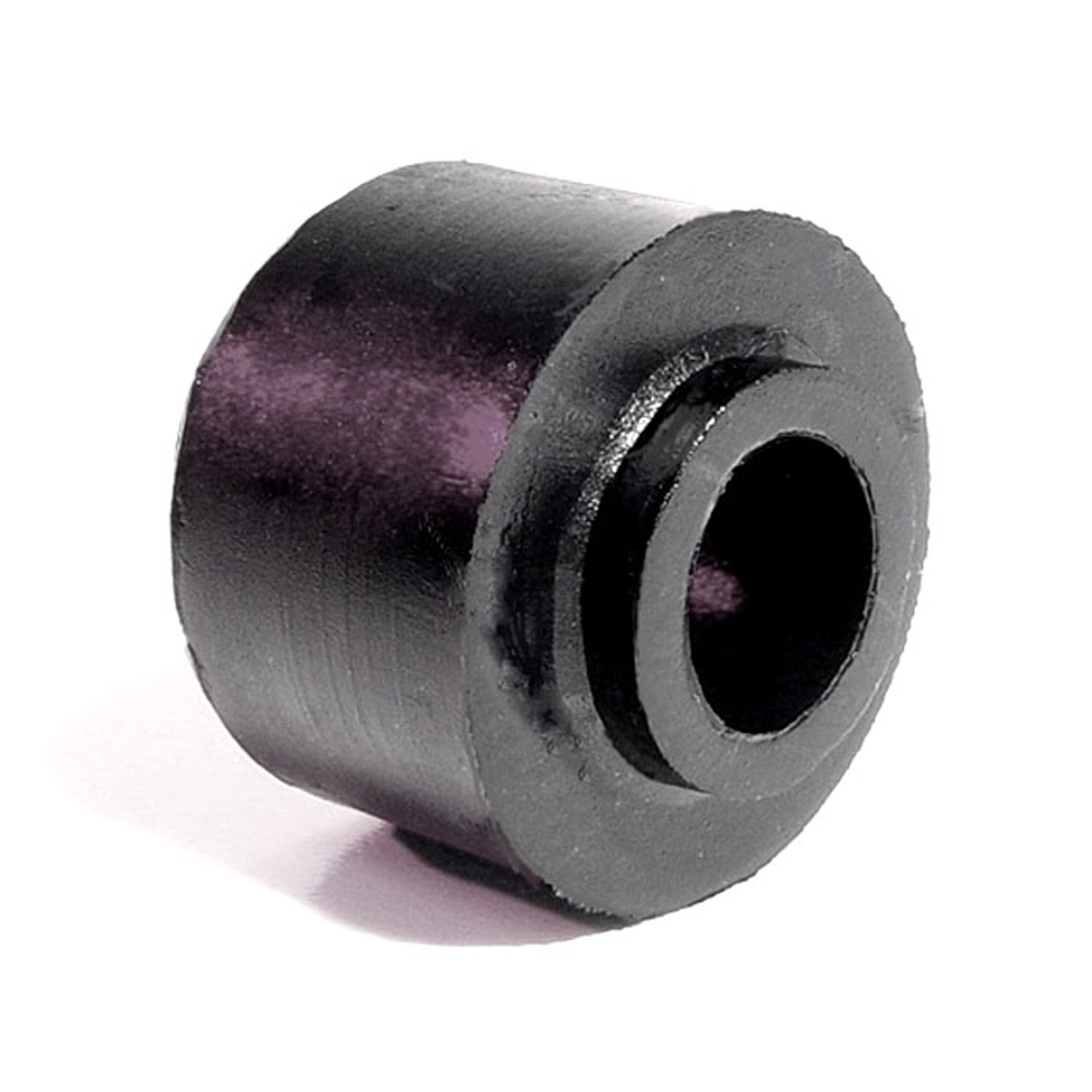 1967 Buick Special Shock Absorber Grommet. 1" bottom O.D., 3/4" high-BN 1Shock Absorber Grommet. 1" bottom O.D., 3/4" high., with 7/16" I.D. Each
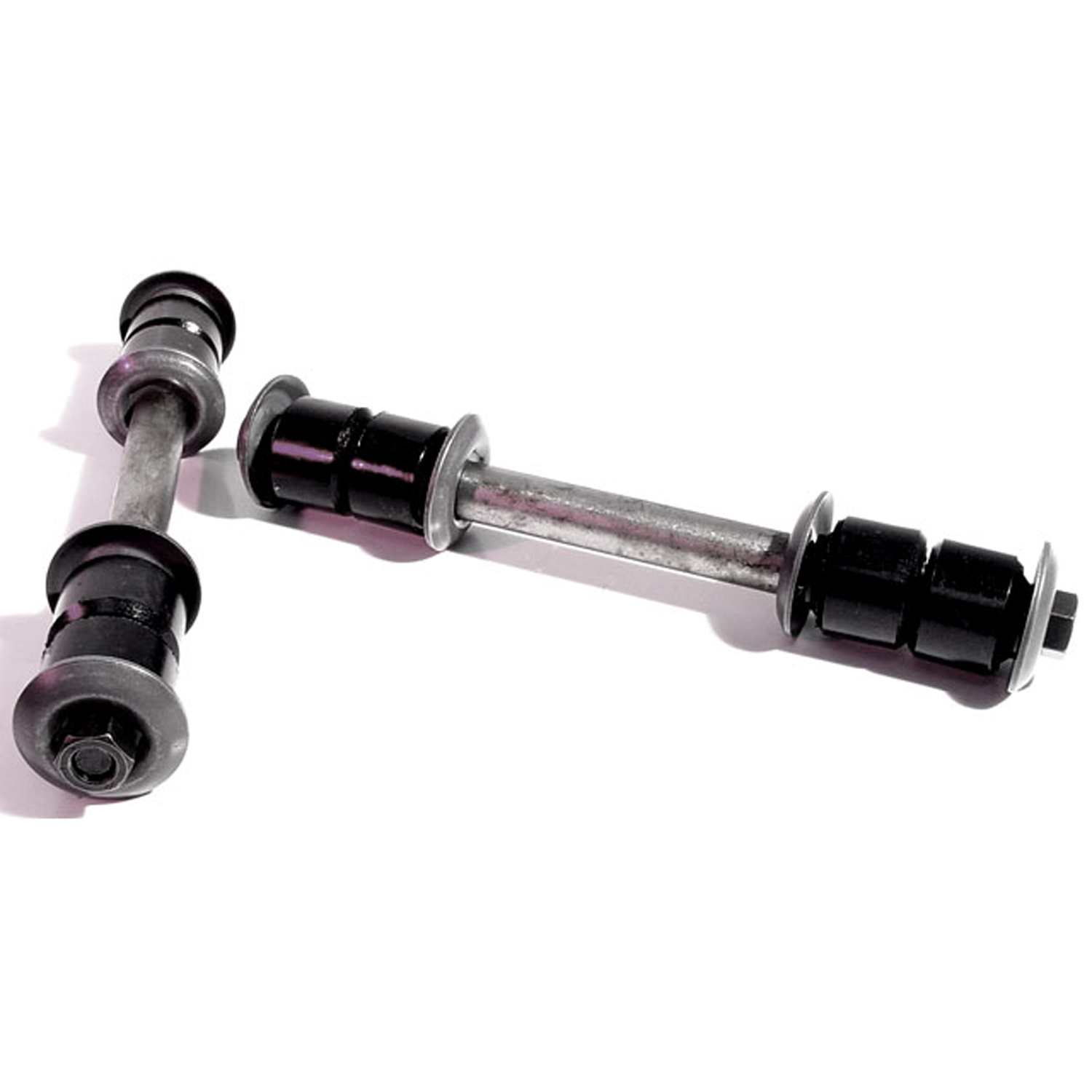 1967 Buick Special Front Stabilizer End Repair Kit-BNK 21Front Stabilizer End Repair Kit. 22-piece set for two stabilizer bars. Contains all rubber bushings, washers, bolts and nuts, enough for one front end. Set
 1967 Buick Special Butyl Glass Setting Tape-BT 1Butyl Glass Setting Tape. Used to install windshields and backlights. Superior sealing properties. 5/16" wide X 15' long. Each
 1967 Buick Special Clutch and Brake Pedal Pads. Exact reproduction-CB 99Clutch and Brake Pedal Pads. Exact reproduction. 3-1/2" wide. Pair
 1967 Buick Special Park Brake Pedal Pad. 2-9/16" wide. Each-CB 99-APark Brake Pedal Pad. 2-9/16" wide. Each
 1967 Buick Special Auto Brake Pedal Pad. 5-7/8" wide. Each-CB 99-BAuto Brake Pedal Pad. 5-7/8" wide. Each
 1967 Buick Special Clutch and Brake Pedal Pads. 3-3/4" wide. Pair-CB 99-DClutch and Brake Pedal Pads. 3-3/4" wide. Pair
 1967 Buick Special Park Brake Pedal Pad. 2-3/8" wide. Each-CB 99-EPark Brake Pedal Pad. 2-3/8" wide. Each
 1967 Buick Special Auto Brake Pedal Pad. Nice reproduction. 5-3/4" wide-CB 99-GAuto Brake Pedal Pad. Nice reproduction. 5-3/4" wide. Each
 1967 Buick Special Hood to Cowl Seal, 64-67 GM A Body, Except Oldsmobile A Body, Each-CS 4Hood to Cowl Seal, 64-67 GM A Body, Except Oldsmobile A Body (F85, Cutlass, etc.), Each. These seals protect the rear end of the engine compartment from the dust and debris that can fall from the windshield into the engine compartment.
 1967 Buick Special Door Bumper. Snap-in style. Two used per car-DB 43Door Bumper. Snap-in style. Two used per car. 1-1/8" high X 15/16" long. Each
 1967 Buick Special Hood Bumper. Each-HF 5Hood Bumper. Each
 1967 Buick Special Rocker Panel Plug. Each-HF 73Rocker Panel Plug. Each
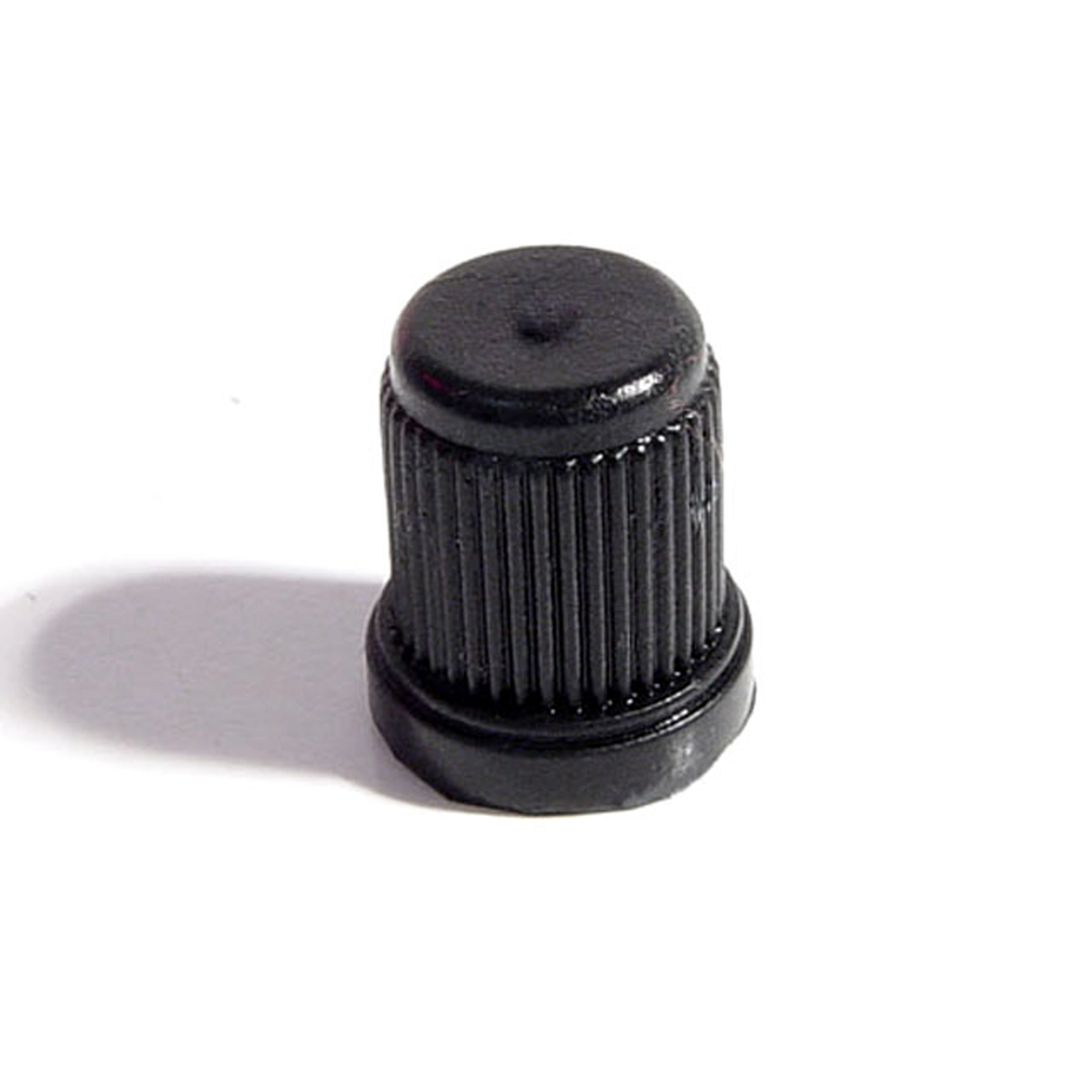 1967 Buick Special Trip Meter Reset Knob. Made of black rubber-KN 10Trip Meter Reset Knob. Made of black rubber. Compare to measurements: 1/8" I.D., 7/16" O.D. X 1/2" tall. Each
 1967 Buick Special Front Molded Door Seals with Clips-LM 12-PFront Molded Door Seals with Clips. For 4-door sedans and station wagons. Replaces OEM #4540546/7. Each is 124-1/2" long. Pair R&L
 1967 Buick Special Rear Molded Door Seals with Clips. For 4-door sedans only-LM 12-QRear Molded Door Seals with Clips. For 4-door sedans only. Replaces OEM #4895420/1. Each is 115-1/2" long. Pair R&L
 1967 Buick Special Rear Molded Door Seals with Clips-LM 12-Q/WRear Molded Door Seals with Clips. For 4-door station wagons only. Each is 117-1/2" long. Pair R&L
 1967 Buick Special Molded Door Seals with Clips. For 2-door sedans-LM 12-RMolded Door Seals with Clips. For 2-door sedans. Replaces OEM #4540548/9. Each is 146" long. Pair R&L
 1967 Buick Special Trunk Liner. Loose weave-M 23Trunk Liner. Loose weave. Black with scattered white threads. 54" wide. Sold by the foot
 1967 Buick Special Door Handle Pads. 2-5/8" long & 1-1/8" long. Set R&L-MP 989-DDoor Handle Pads. 2-5/8" long & 1-1/8" long. Set R&L
 1967 Buick Special Basic Kit, for 2-Door Hardtop-RKB 1700-102Basic Kit, for 2-Door Hardtop. Door (LM 12) Roof Rail (RR 5001) Trunk (TK 46-16), Seals.
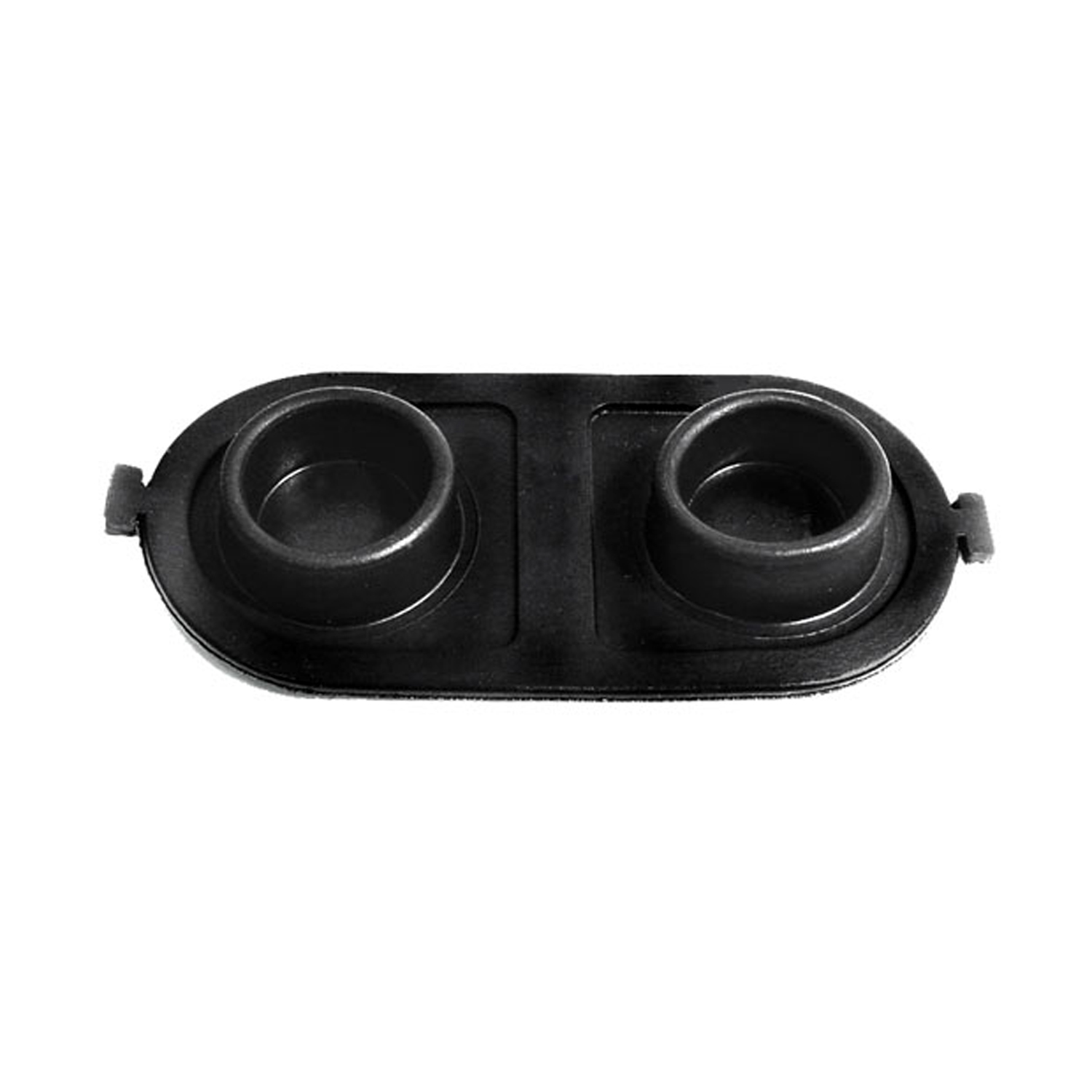 1967 Buick Special Brake Master Cylinder Cover Seal. Replaces OEM #5470861-RP 2-EBrake Master Cylinder Cover Seal. Replaces OEM #5470861. 5" X 2-1/2". Each
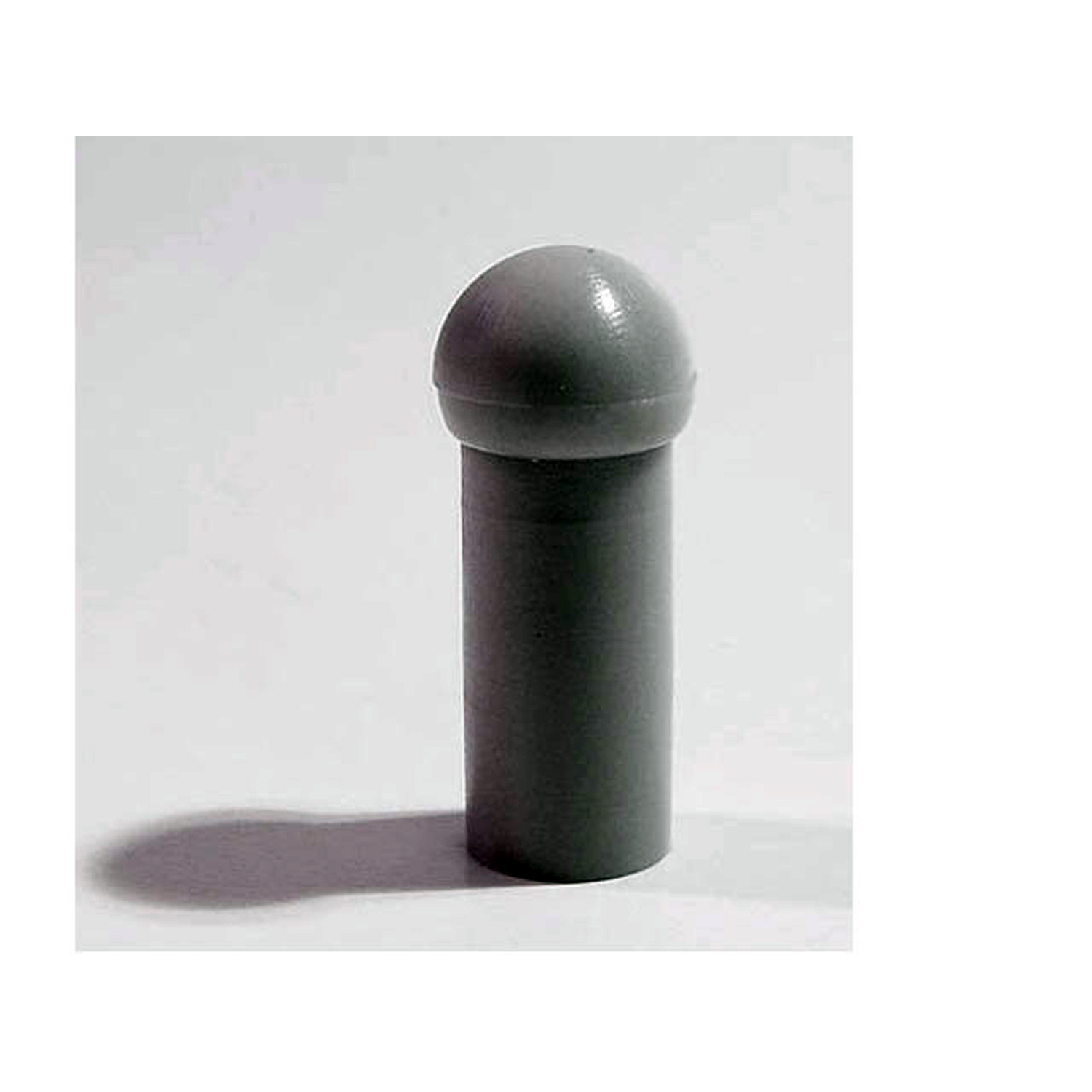 1967 Buick Special Sun Visor Rod Rubber Grommet. 3/4" long. Gray. Each-RP 303-CSun Visor Rod Rubber Grommet. 3/4" long. Gray. Each
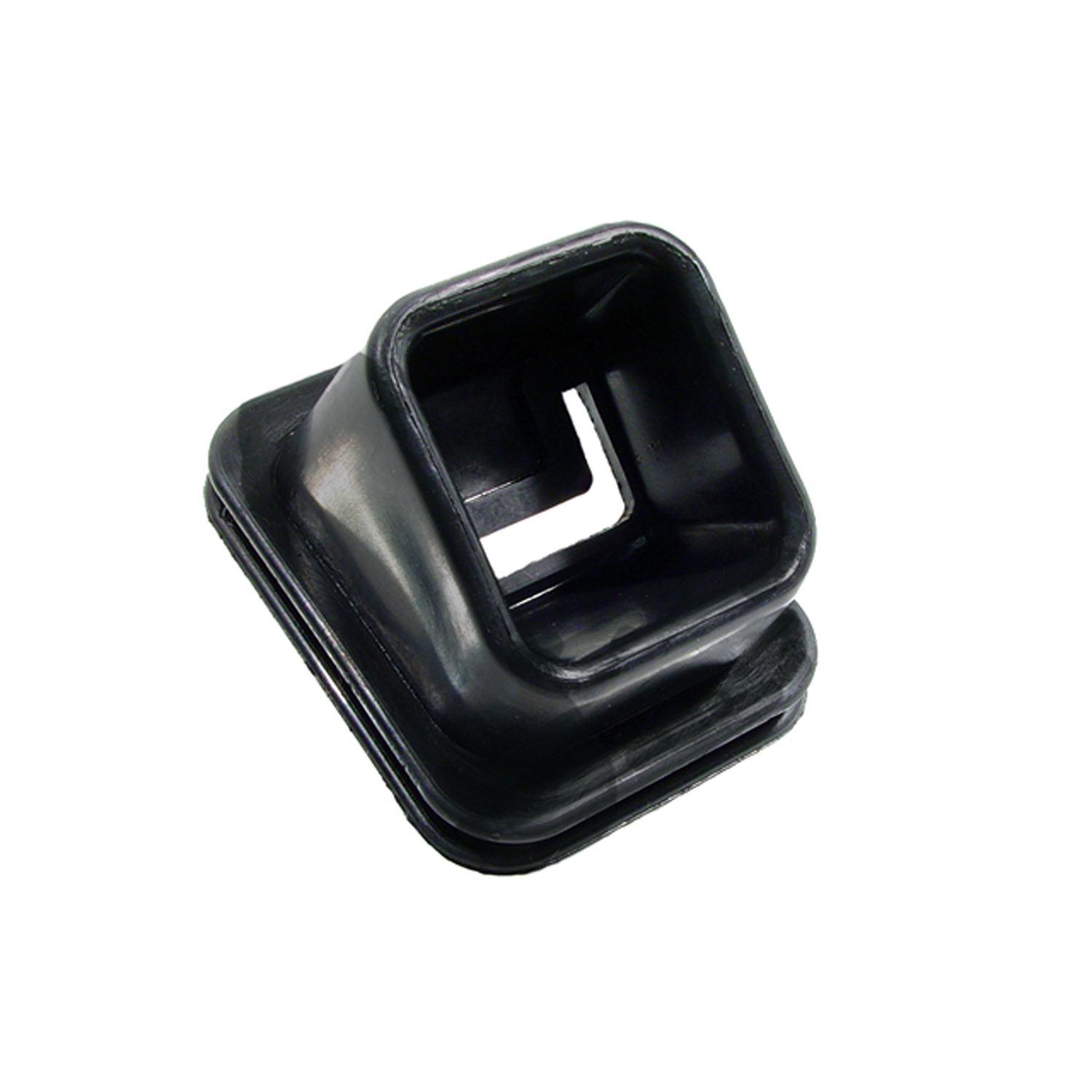 1967 Buick Special Clutch Arm Fork Boot. Fits on bell housing to keep dirt out-RP 31-DClutch Arm Fork Boot. Fits on bell housing to keep dirt out. Each
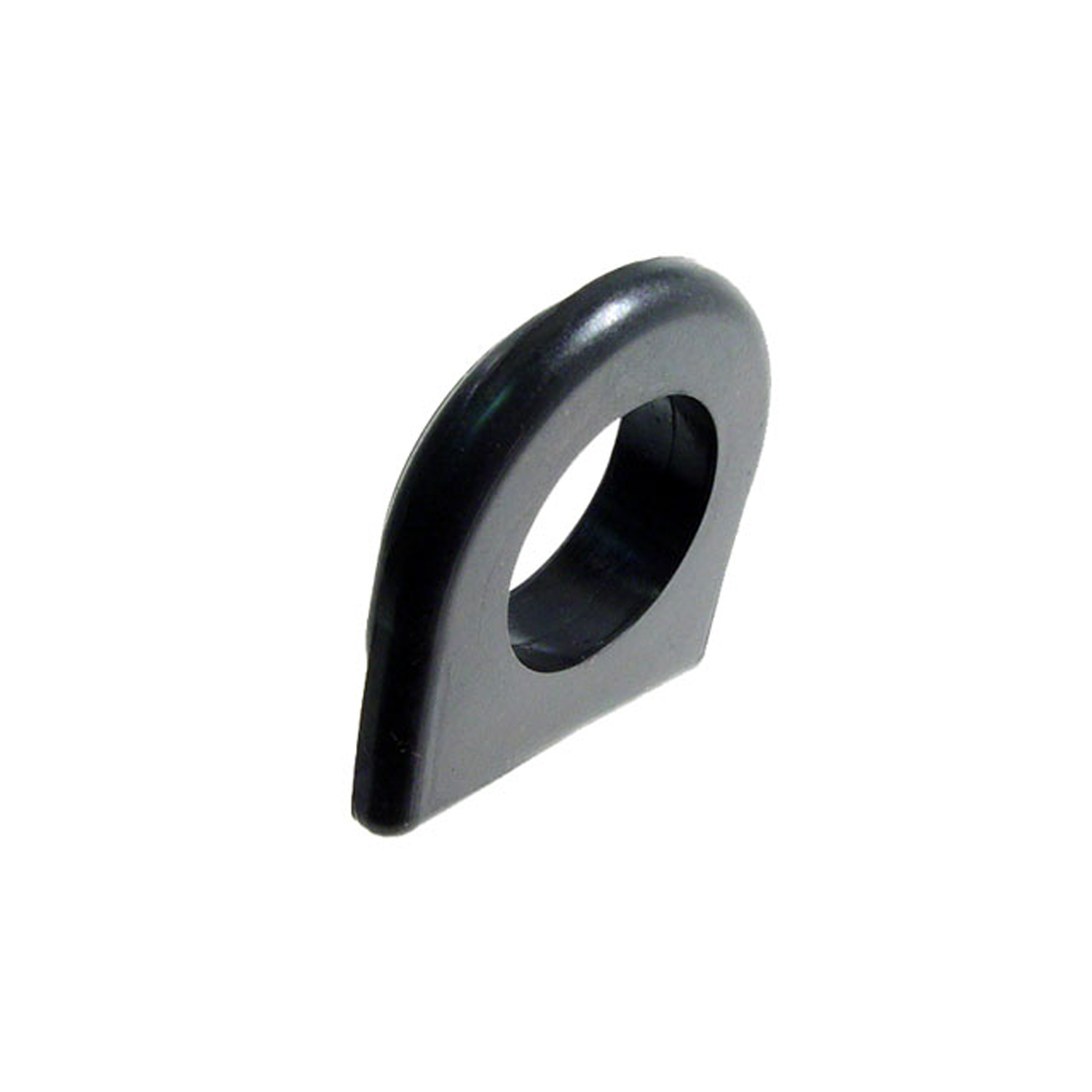 1967 Buick Special Positive Crankcase Ventilation Grommet-RP 9Positive Crankcase Ventilation Grommet. 11/16" wide X 1-5/8" long, with 15/16" I.D. (Fits some models) Each
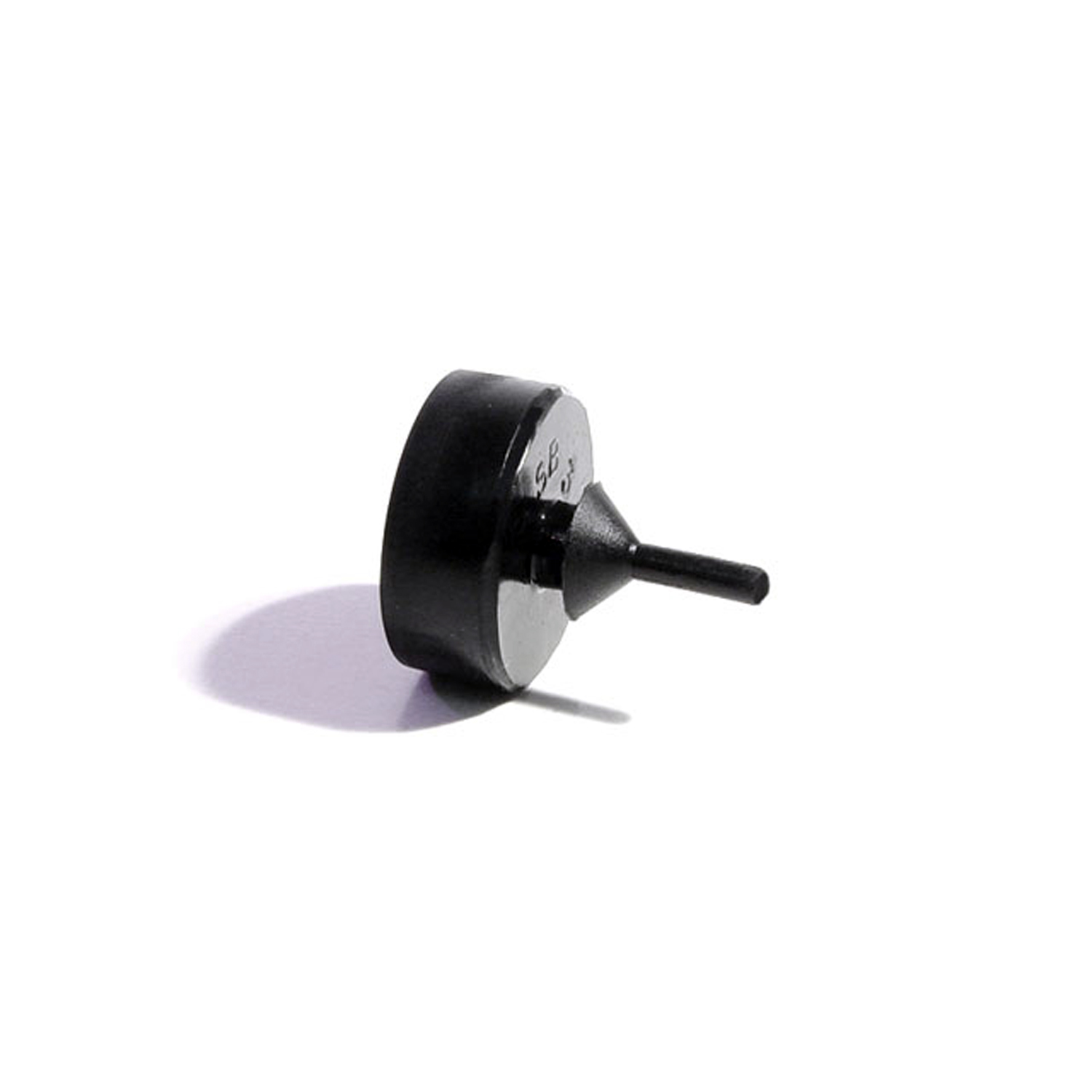 1967 Buick Special Trunk Bumper. Fits lower corner on decklid. 15/16" O.D-SB 34Trunk Bumper. Fits lower corner on decklid. 15/16" O.D., 11/16" high. Each
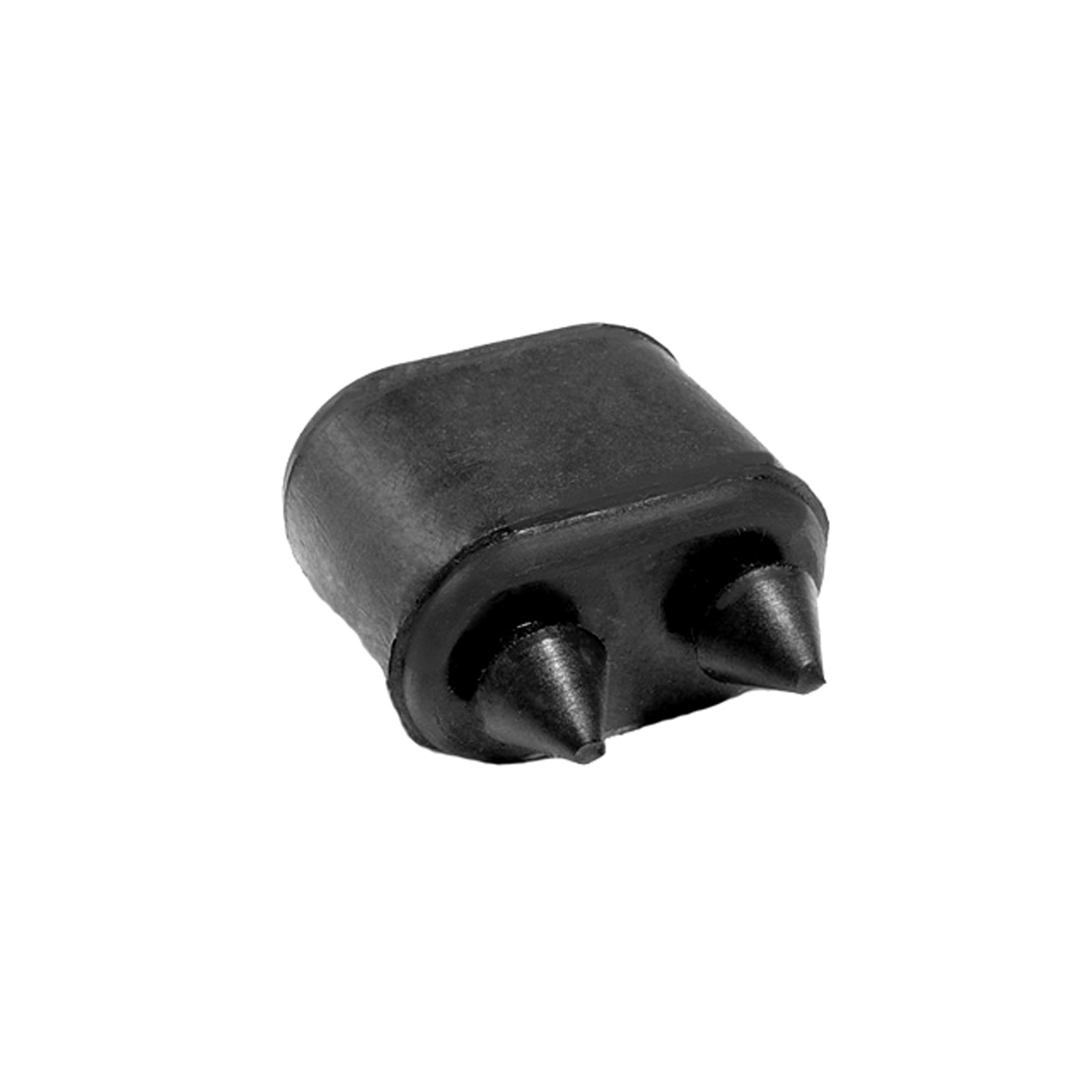 1967 Buick Special Door Bumper, 57-74 GM Cars, Made with Twin Retainers, Each-SB 35Door Bumper, 57-74 GM Cars, made with twin retainers, Each. Measure 1-1/16" high X 19/32" wide X 1-1/32" long.
 1967 Buick Special Floor Plug. For under rear seat. Fits a 1" hole. Each-SB 48-AFloor Plug. For under rear seat. Fits a 1" hole. Each
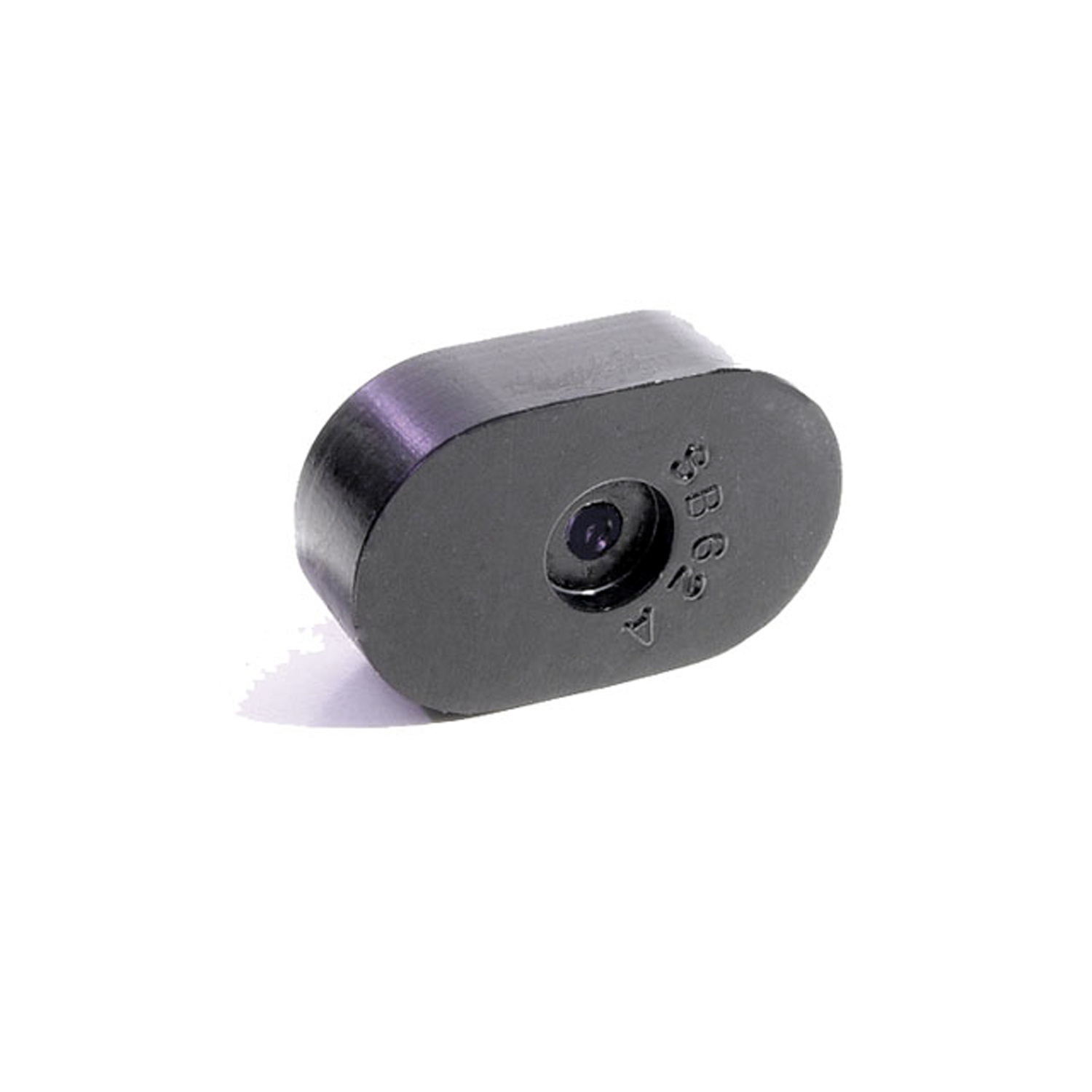 1967 Buick Special Seat Bumper. Made with steel core like original-SB 62-ASeat Bumper. Made with steel core like original. 1-1/2" long, 7/16" thick. Two used per car. Each
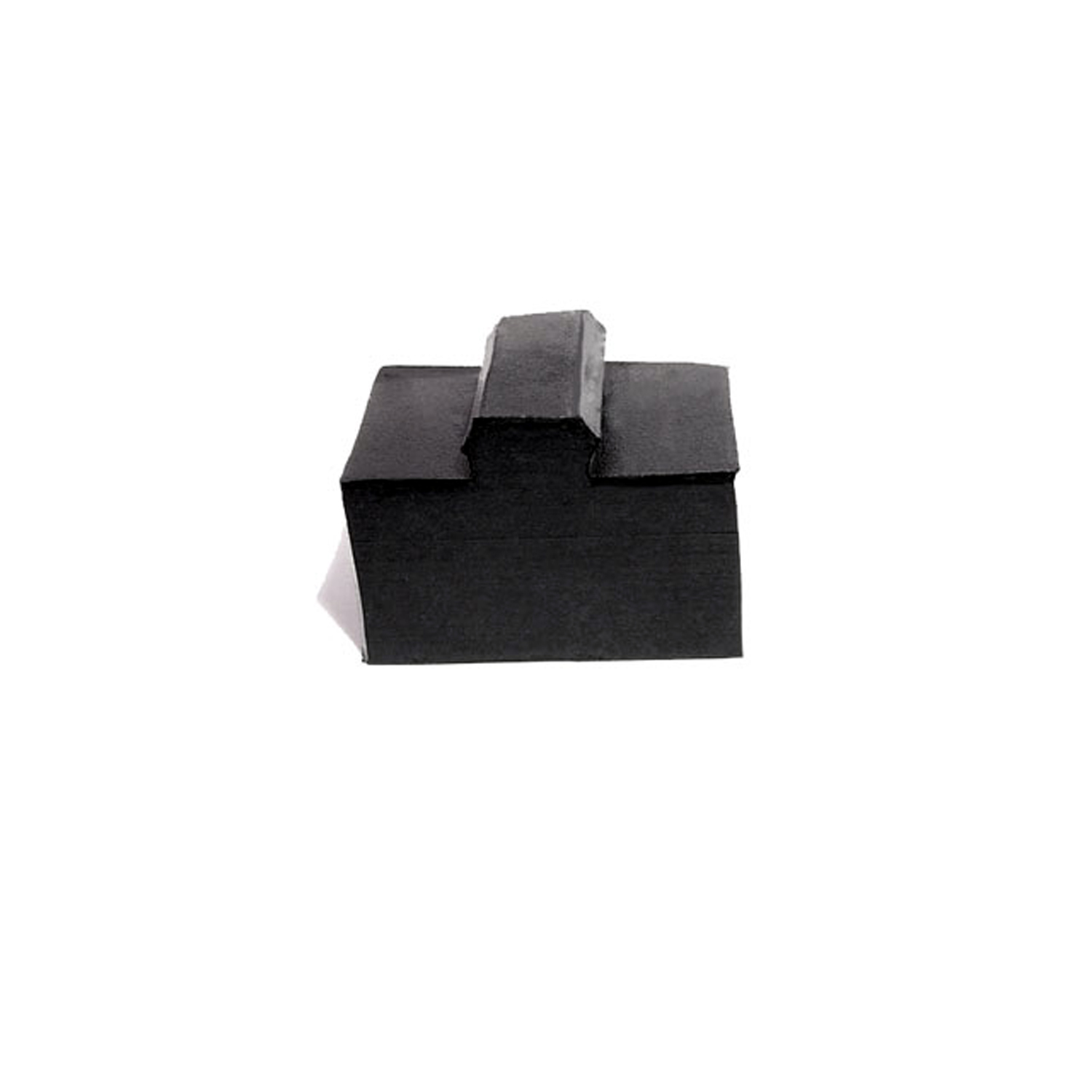 1967 Buick Special Clutch Pedal Return Bumper-SB 64Clutch Pedal Return Bumper. 1-13/16" long X 13/16" wide X 7/8" high (center). Each
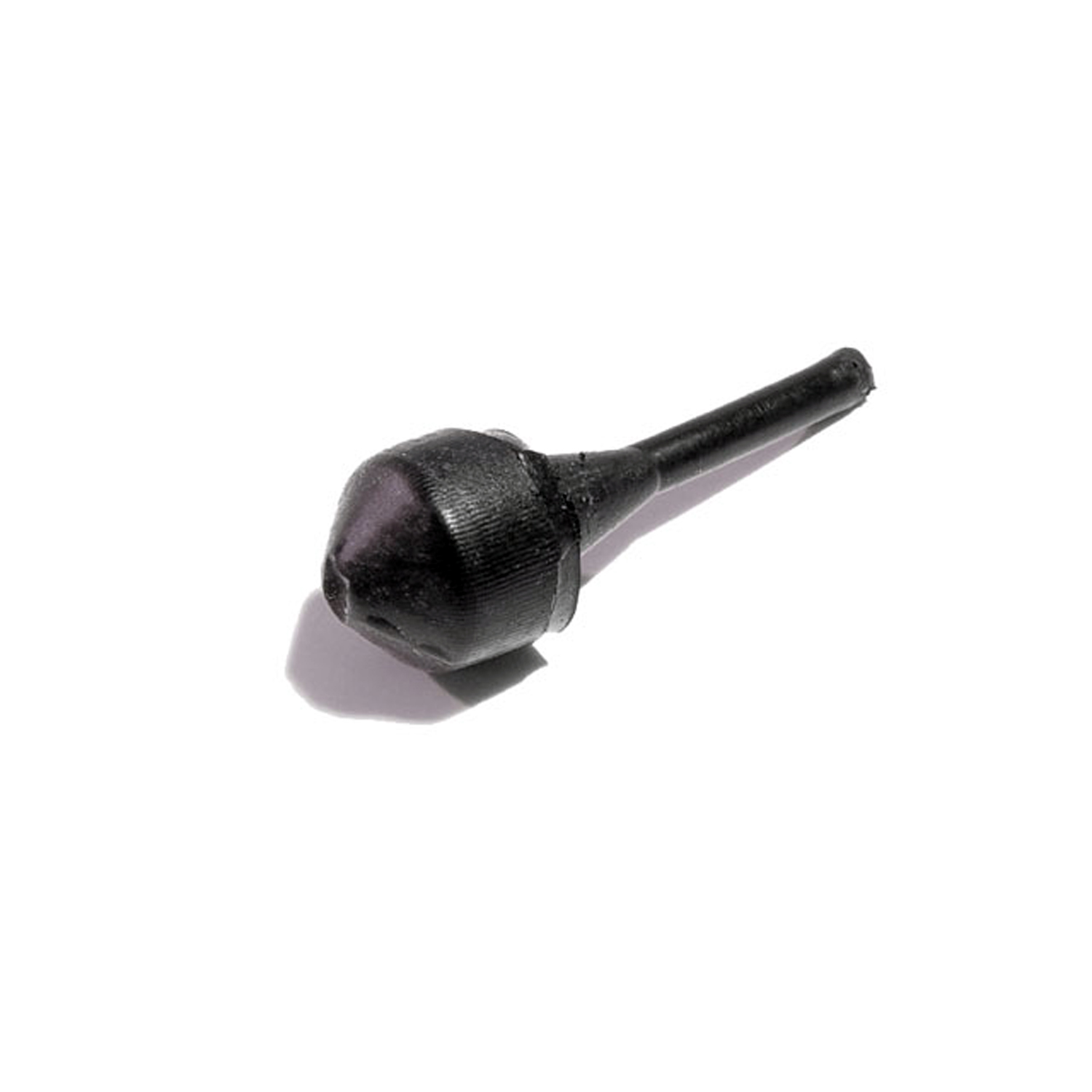 1967 Buick Special Glove Box and Fuel Door Bumper. Fits 3/16" hole. Each-SB 78Glove Box and Fuel Door Bumper. Fits 3/16" hole. Each
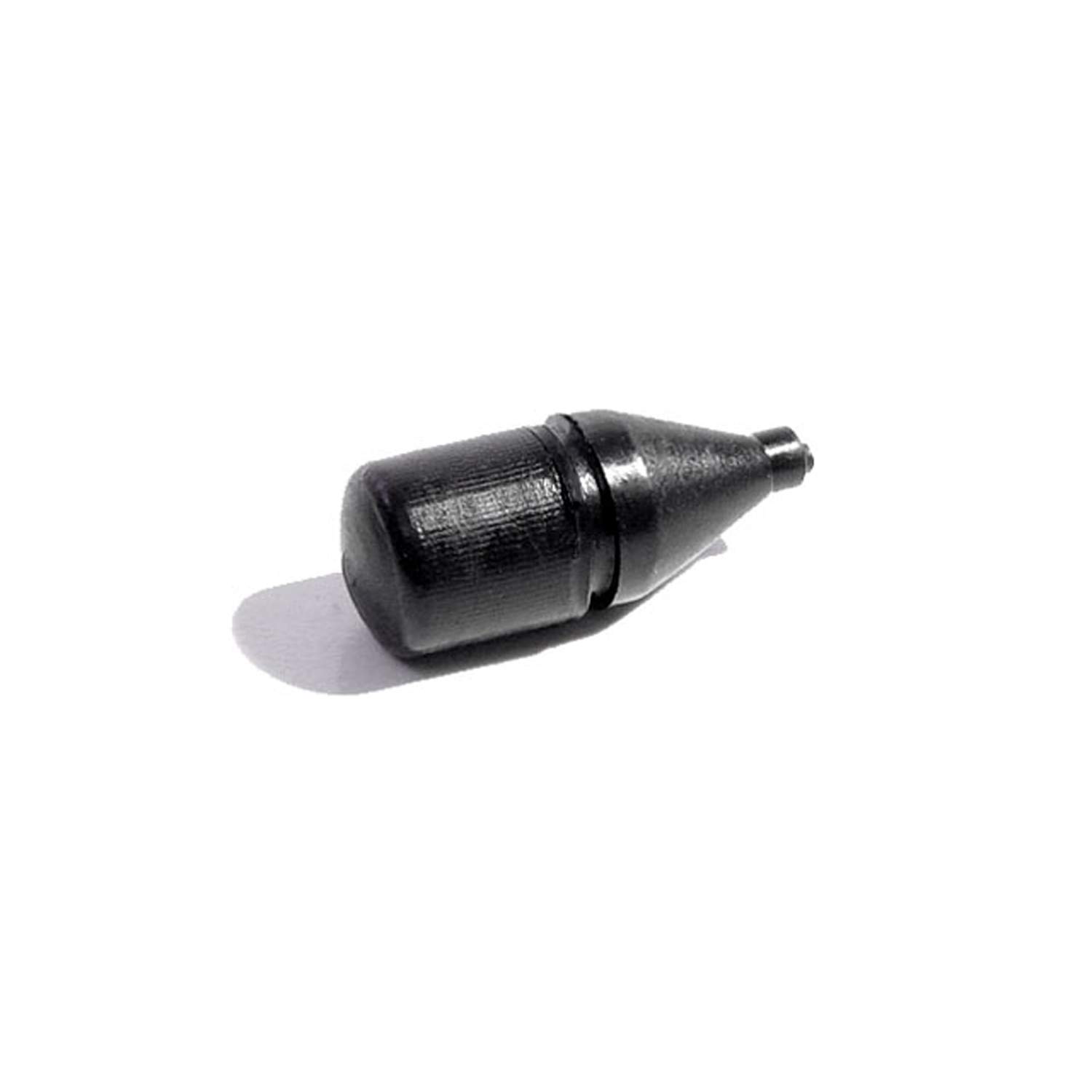 1967 Buick Special Fuel Door Bumper. 7/8" high, 5/16" O.D. Each-SB 81Fuel Door Bumper. 7/8" high, 5/16" O.D. Each
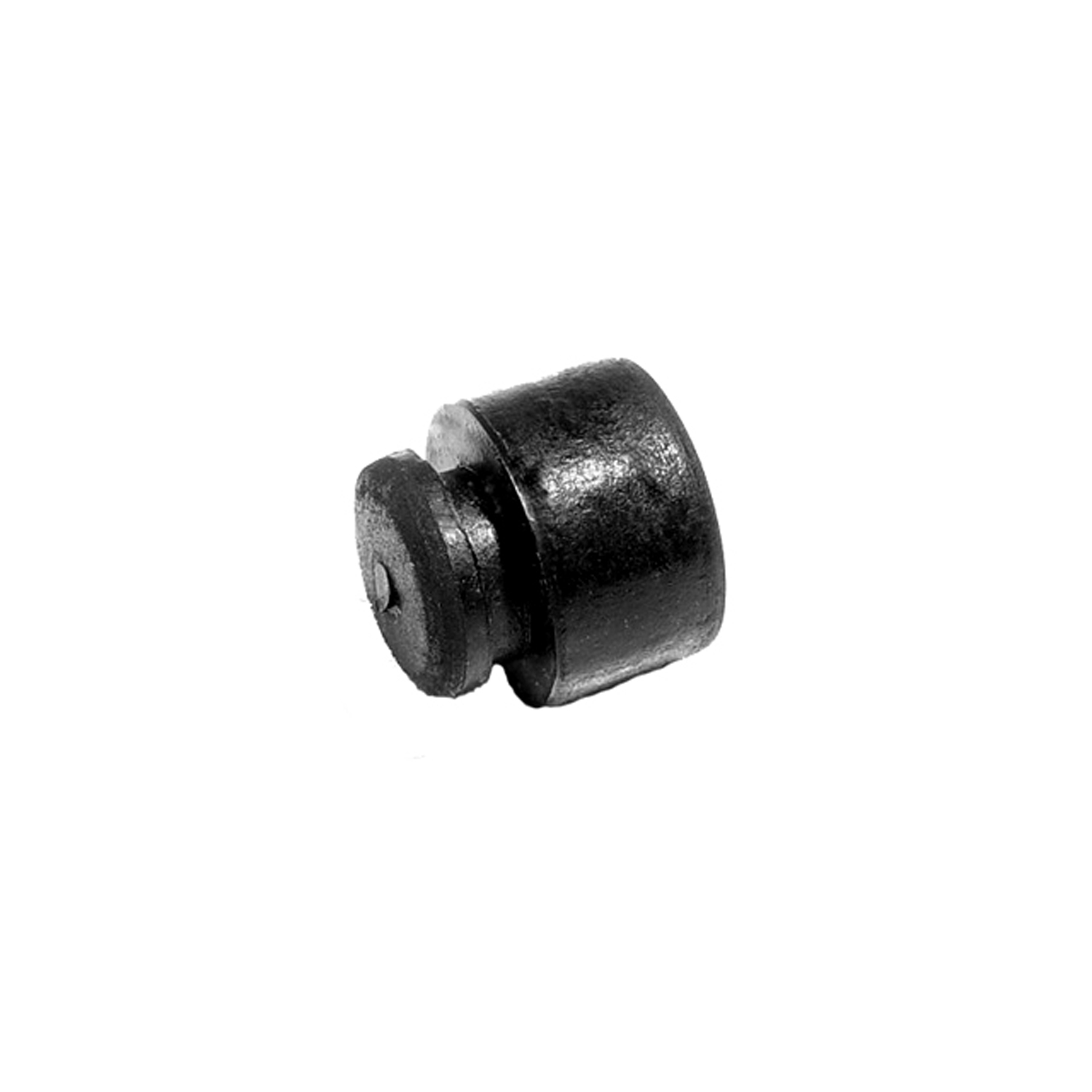 1967 Buick Special License Plate Bumper. Fits a 1/4" hole. Each-SB 82License Plate Bumper. Fits a 1/4" hole. Each
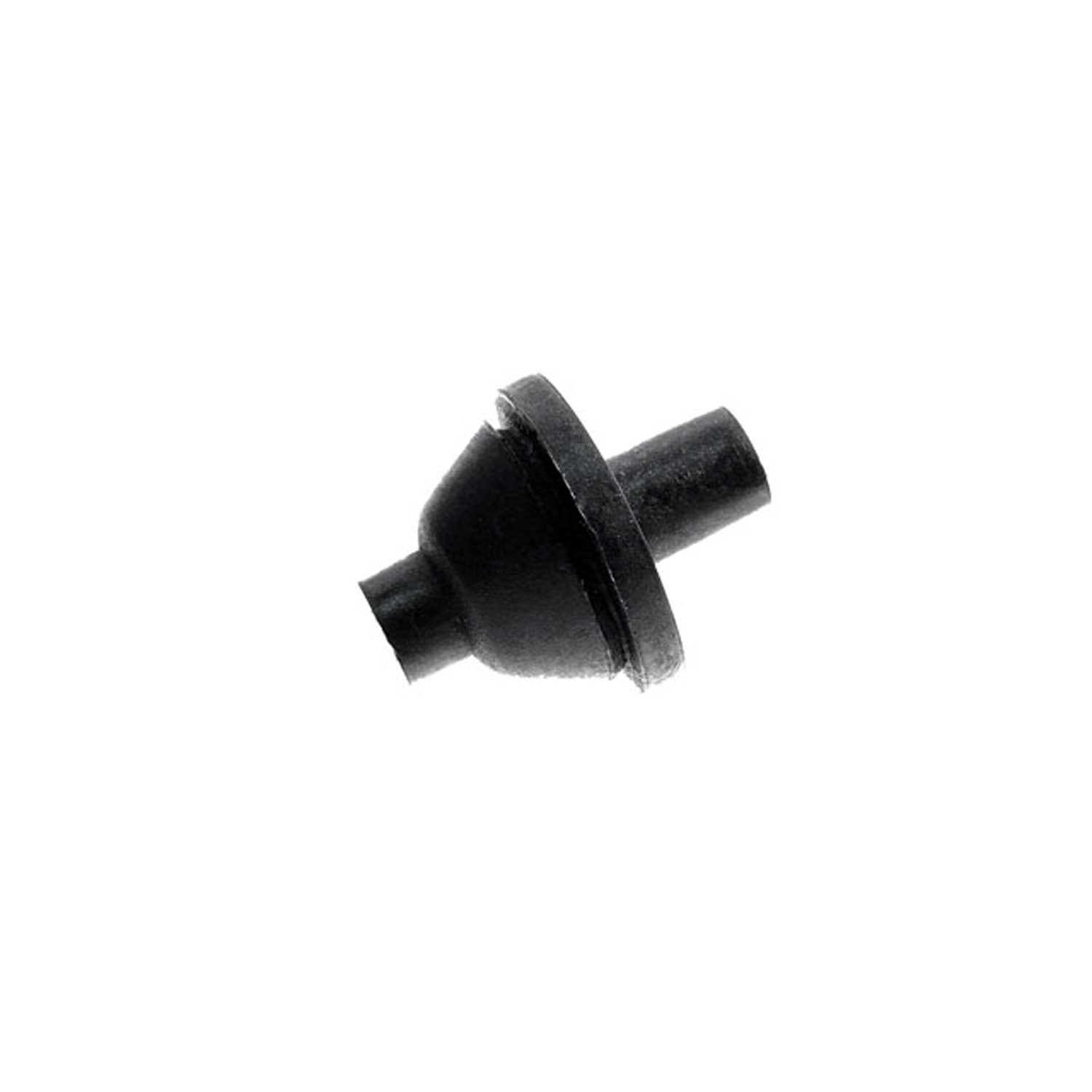 1967 Buick Special Dash and Firewall Grommet. Single-hole type is for one wire-SM 101Dash and Firewall Grommet. Single-hole type is for one wire. Each
 1967 Buick Special Dash and Firewall Grommet. Two hole type. Each-SM 101-ADash and Firewall Grommet. Two hole type. Each
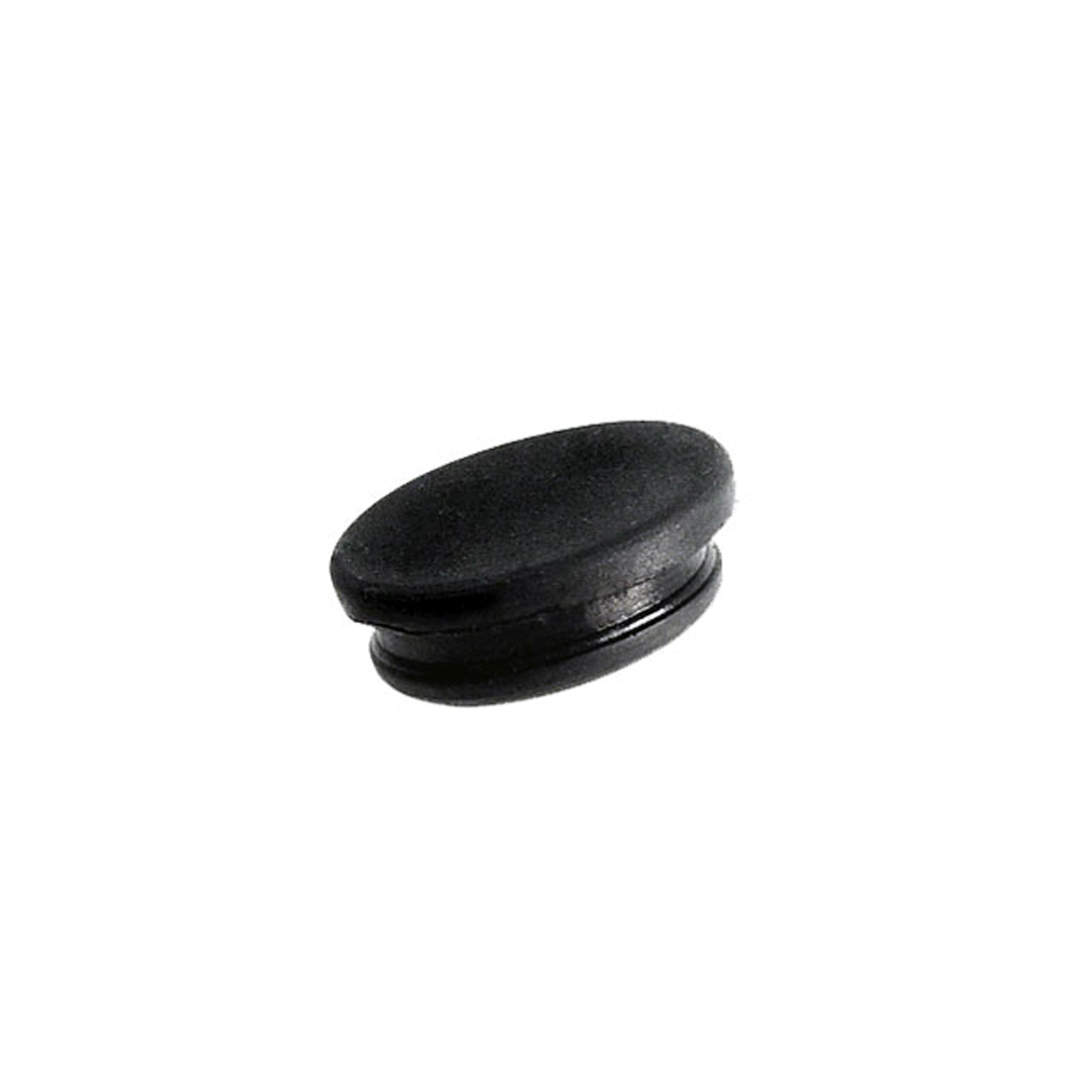 1967 Buick Special Rocker Arm Cover. Neoprene plug. Fits 1" hole. Each-SM 66Rocker Arm Cover. Neoprene plug. Fits 1" hole. Each
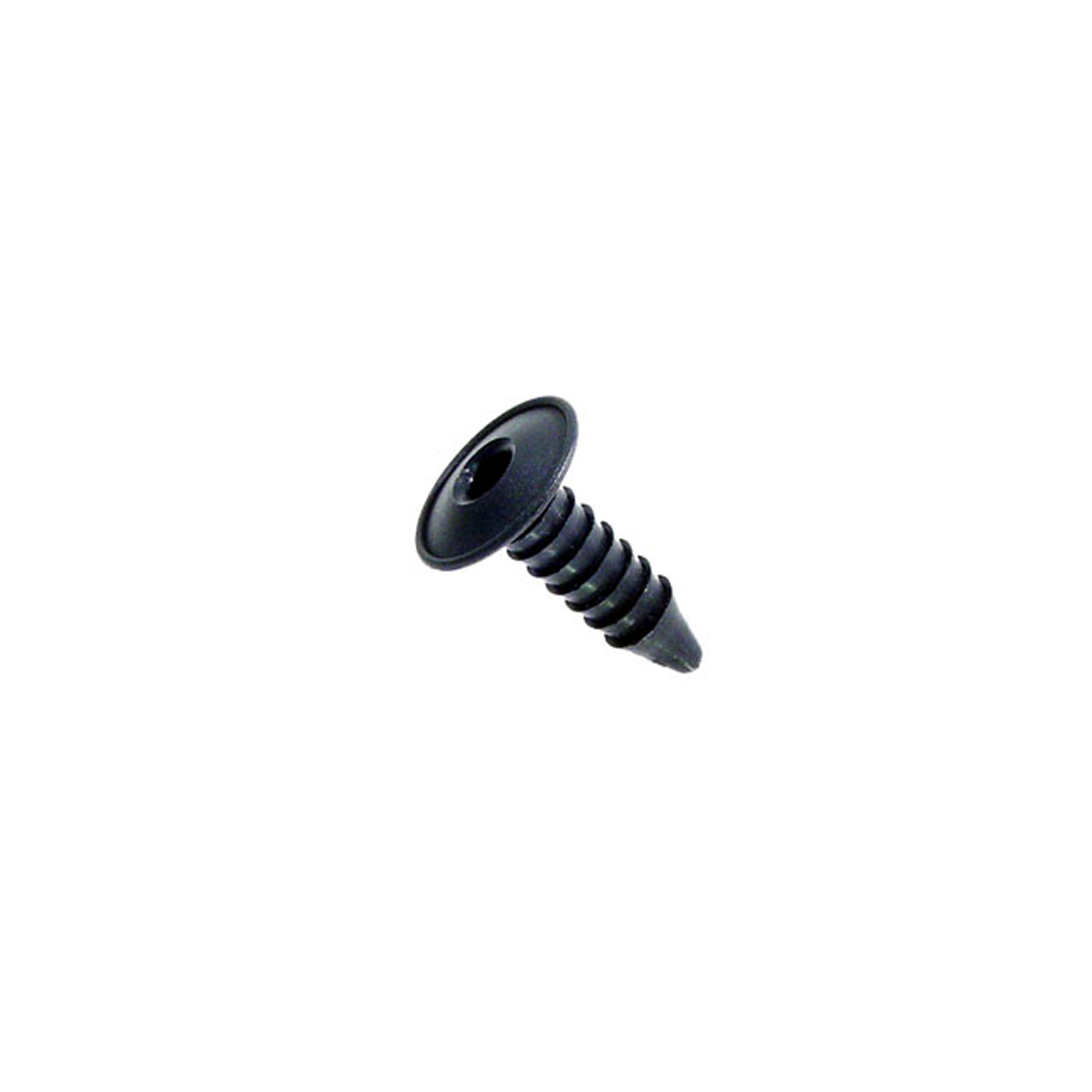 1967 Buick Special Firewall insulation fastener. 1 in. dia. W head. 1-1/2 in. L-SM 80-AFirewall insulation fastener. 1 in. dia. W head. 1-1/2 in. L. Replaces OEM#'s (GM) 7642589 and (AMC) 4001934. Black. Each.
 1967 Buick Special Station Wagon Tailgate Seal. 91-1/2" long. Each-TG 14Station Wagon Tailgate Seal. 91-1/2" long. Each
 1967 Buick Special Trunk Seal. 16 feet long. Each-TK 46-16Trunk Seal. 16 feet long. Each
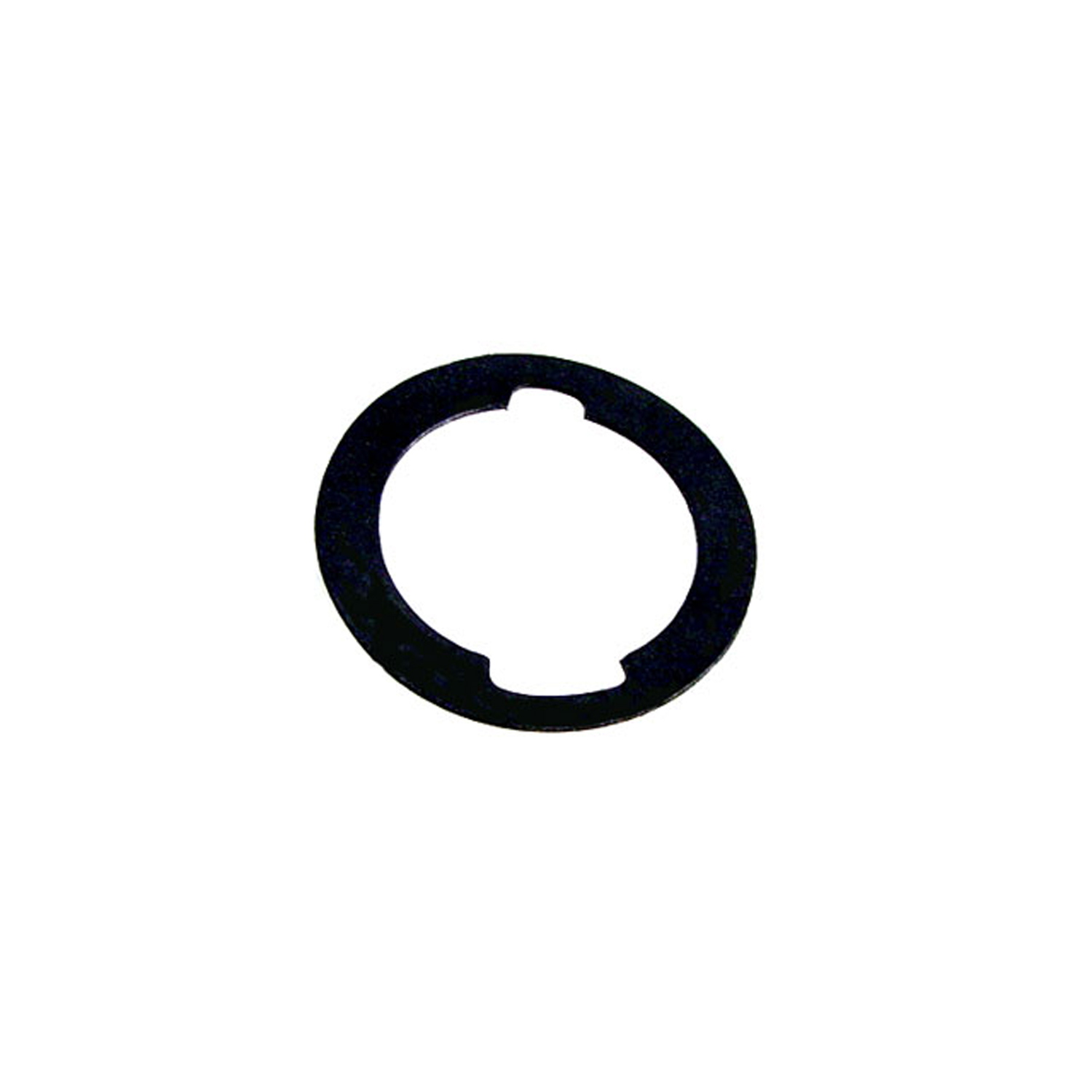 1967 Buick Special Unbeaded Door and Trunk Lock Gasket. 1-3/16" O.D., 7/8" I.D-UM 1600-100Unbeaded Door and Trunk Lock Gasket. 1-3/16" O.D., 7/8" I.D. Each
 1967 Buick Special Vertical glass run channel-VR 2009Vertical glass run channel. Fits in division bar channel between front vent window and leading edge of window glass in door. 37 in. long. Pair.
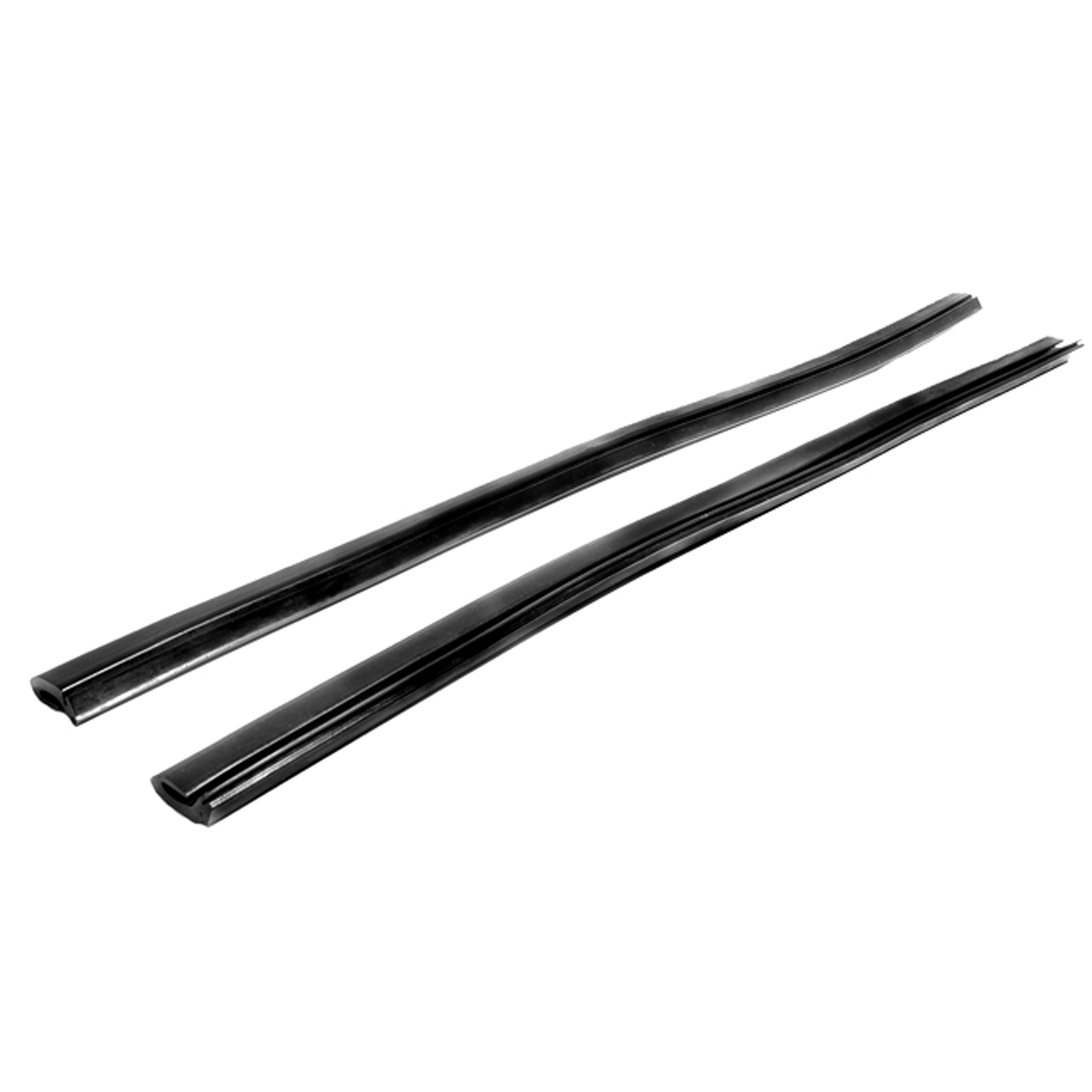 1967 Buick Special Rear Side Roll-Up Window Seal, for Hardtops and Convertibles-VS 3Rear Side Roll-Up Window Seal, for Hardtops and Convertibles. Two 20" sections slide into metal track. No steel insert. Pair
 1967 Buick Special Rear Roll-Up Window Seals-VS 3-LRear Roll-Up Window Seals, for 2-Door Hardtops and Convertibles. Pair
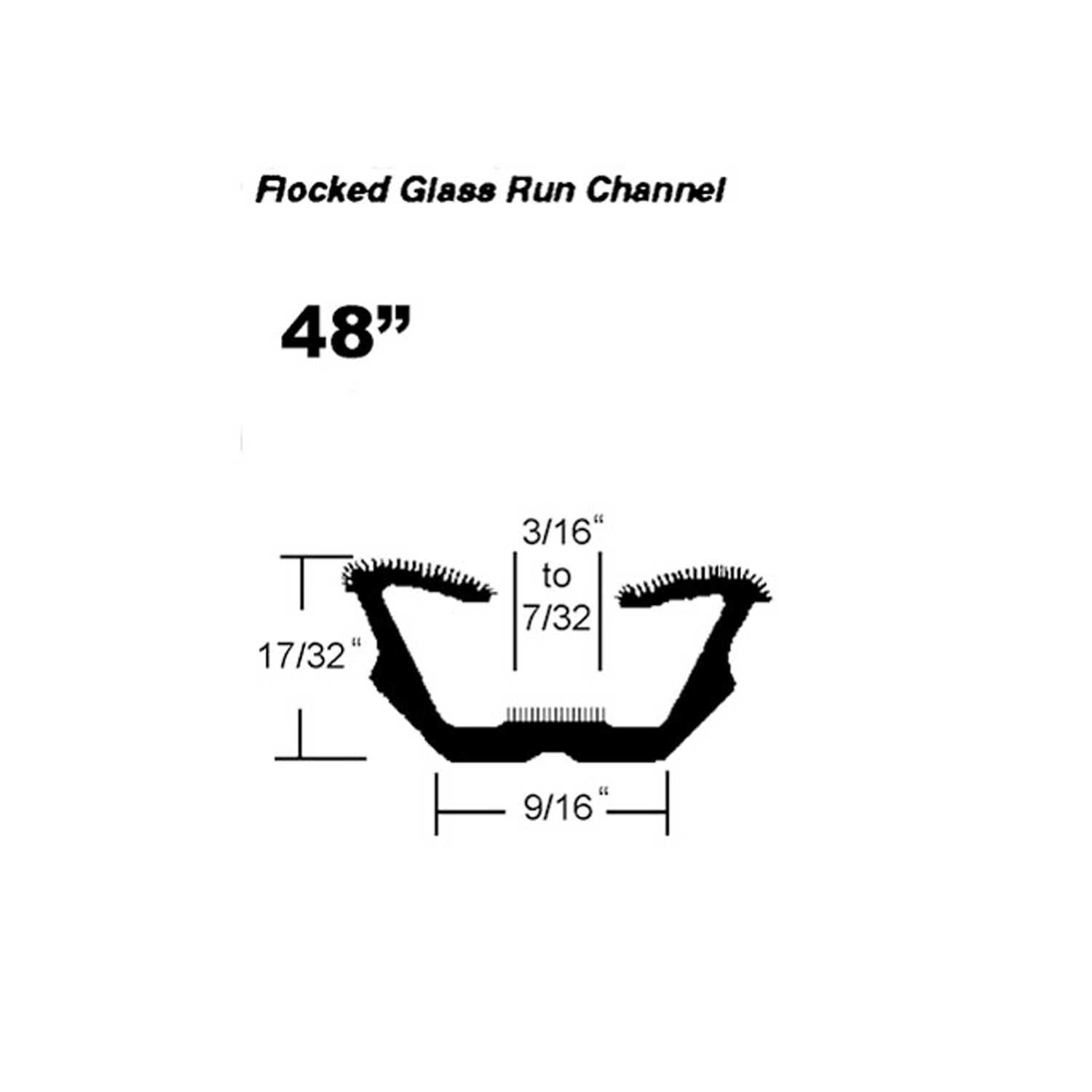 1967 Buick Special Flocked Window Channel. 48" Piece. Each-WC 22-48Flocked Window Channel. 48" Piece. Each
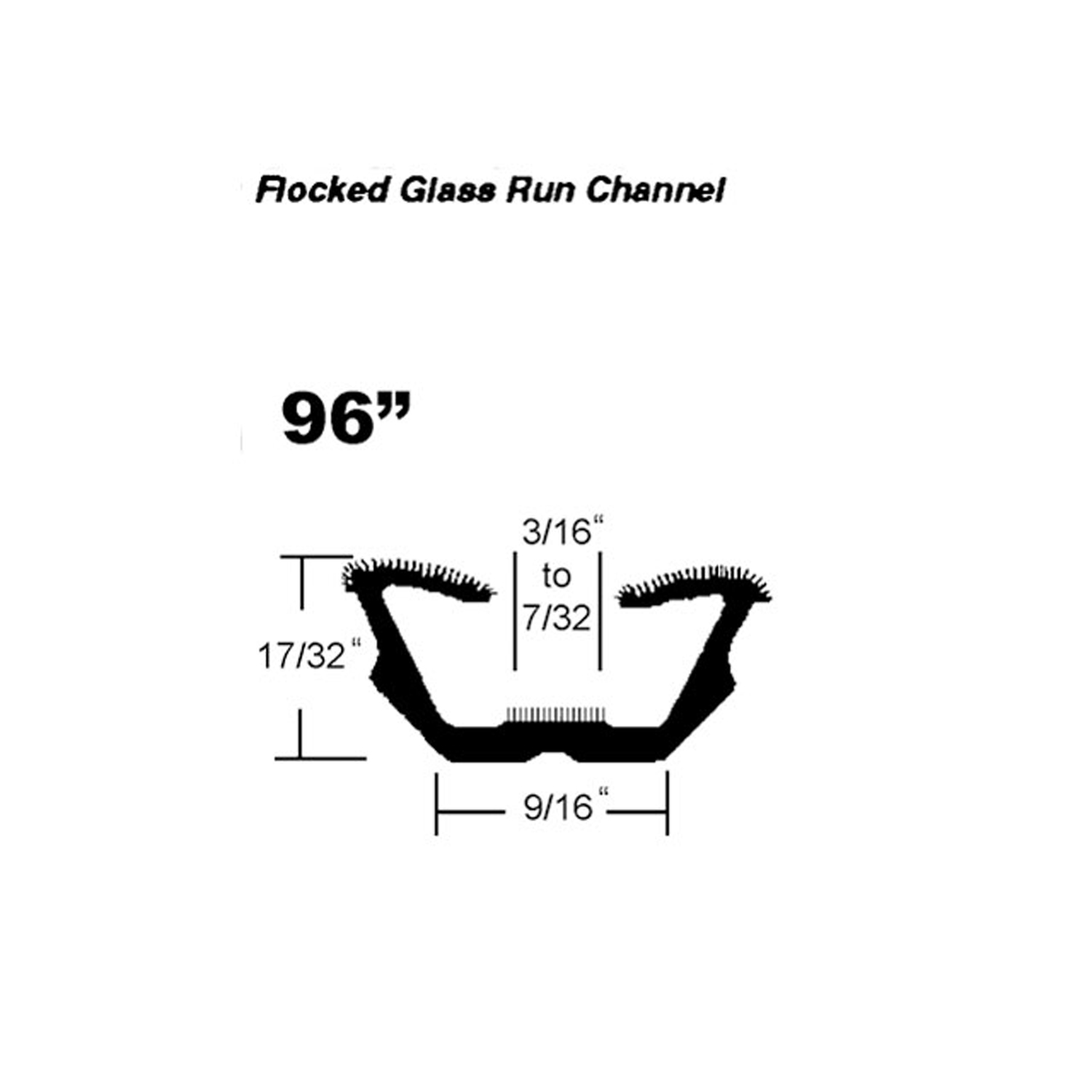 1967 Buick Special Flocked Window Channel. 96" Piece. Each-WC 22-96Flocked Window Channel. 96" Piece. Each
 1967 Buick Special Windshield Reveal Molding Clip. Made of steel-WF 203Windshield Reveal Molding Clip. Made of steel. 5/8" x 15/16". Each
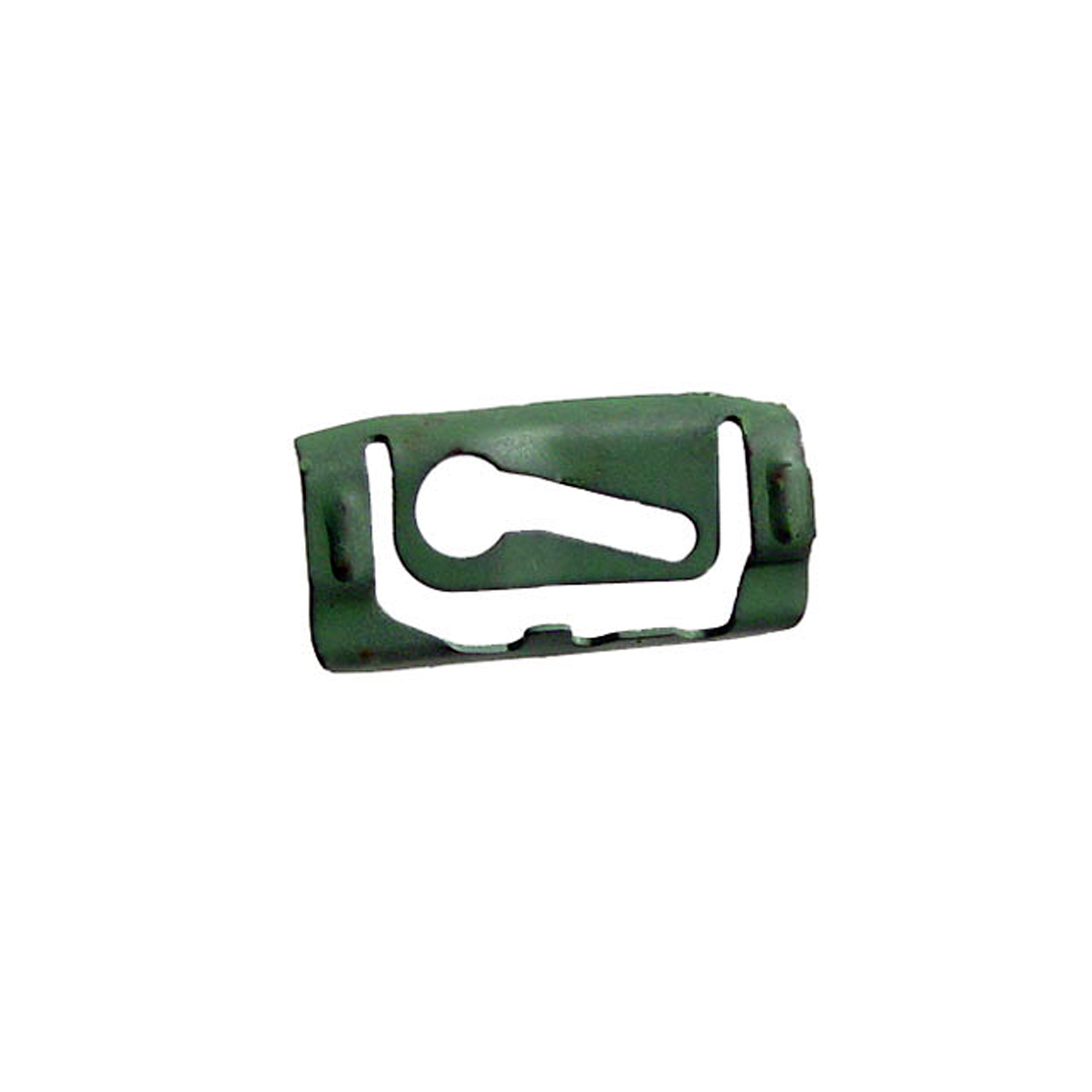 1967 Buick Special Quarter Window Reveal Molding Clip. Made of Steel-WF 205Quarter Window Reveal Molding Clip. Made of Steel. 1-3/8" X 11/16". Each
 1967 Buick Special Vent Window Seals. Fits 2-door sedan (coupe & sports coupe)-WR 2009-AVent Window Seals. Fits 2-door sedan (coupe & sports coupe). Pair
 1967 Buick Special Vent window seals-WR 2011Vent window seals. Fits '64-'67 GM A-body 2-door and 4-door sedan and station wagon (including El Camino). Replaces OEM#'s 5717252/3. Pair. R&L.
Why Choose Metro?
For over 100 years, Metro Moulded Parts has been the pinnacle of quality in classic car restoration parts. Our commitment to precision and authenticity in every component ensures a perfect fit and an OEM-level appearance.
- Expert Craftsmanship & Quality: Each part is a testament to our dedication to reliability and perfection, crafted from original designs and thoroughly tested.
- Advanced Technology: We use cutting-edge techniques to create flawless, long-lasting parts that surpass others in performance.
- SuperSoft Sponge – The Ultimate Door Seal: Not only are our door seals 30% softer than competitors', but they're also guaranteed to never leak. They effectively reduce wind and road noise, enhancing your classic car's comfort and driving experience.
- Proudly American: Our parts are a product of American craftsmanship, made in the USA with a spirit of excellence and heritage.
- Unrivaled Warranty: We back our products with a 30-year industry-leading warranty, a testament to our confidence in their quality.
Join us in preserving the legacy of classic cars with parts that are crafted for perfection, not just made.