

Image of 1967 Buick Sportwagon, Note: These illustrations use artistic license and may differ from actual historical models.
Performance Metrics
Fundamental Metrics
Emotional Appeal
MMP Rating
| Engine Specifications | |
|---|---|
| Engine Options: | Buick 340 V8, Buick 400 V8 |
| Displacement Range: | 340-400 cu in (5.6-6.6 L) |
| Horsepower Range: | 220-340 hp |
| Torque: | 340-440 lb-ft |
| Compression Ratio: | 10.25:1 |
| Ignition System: | Conventional distributor and coil system |
| Cooling System: | Liquid-cooled |
| Performance Specifications | |
| 0-60 Time: | 8-10 seconds |
| 1/4 Mile Time: | 16-18 seconds |
| Top Speed: | 115-120 mph |
| Transmission and Drive | |
| Drive Type: | Rear-wheel drive |
| Transmission Type: | 3-speed automatic, 4-speed manual |
| Fuel and Efficiency | |
| Fuel System Type: | Carburetor |
| MPG: | 10-12 mpg |
| Dimensions and Brakes | |
| Brakes: | Front disc brakes, rear drum brakes |
| Wheelbase: | 119.9 in |
| Weight: | 3,600-3,800 lbs |
Note: Specifications for classic cars are given to the best of our ability, considering the limited and variant data available.
1967 Buick Sportwagon: The Vista-Roof Family Hauler
With a raised roofline and glass panels over the rear passengers, the 1967 Buick Sportwagon turned an ordinary family wagon into one of the most distinctive American cars of its era. Built by Buick, a General Motors division, it combined the comfort and trim of an intermediate Buick with the space and practicality of a station wagon. Its signature Vista roof made it instantly recognizable, even among the many long-roof cars on the road in the late 1960s.
The Sportwagon had arrived earlier in the decade, when American automakers were finding new ways to make wagons feel stylish rather than purely utilitarian. By 1967, Buick had refreshed the car with the crisp, squared-off styling of the period. The result was a wagon that could carry a family, luggage, and weekend gear while still looking at home in a Buick showroom beside the Skylark.
Its most memorable feature was also its best conversation starter: the Sportwagon’s raised roof and glass Vista panels gave rear-seat passengers a brighter, more open view than they would find in a conventional wagon. It was a clever bit of design that made the car feel less like a box on wheels and more like a rolling sunroom.
Vista Roof Design and Interior
The 1967 Sportwagon wore the clean, formal lines that Buick favored in the late 1960s. Its long hood, broad grille, sculpted sides, and straight beltline gave it a substantial presence without the bulk of a full-size Buick. At the rear, a practical tailgate and large cargo opening made the wagon ready for everything from groceries to camping equipment.
The roof was the visual headline. Buick raised the rear portion and fitted glass panels above the passenger area, creating the Vista-roof effect. The arrangement brought daylight into the cabin and gave rear passengers a distinctive view of the sky. The glass and raised roof also meant more seals and trim than on a basic wagon, so a surviving example should be checked carefully for leaks, clouding, and deteriorated weatherstripping.
Inside, the Sportwagon delivered the comfortable, well-finished atmosphere expected of Buick. Depending on trim and equipment, buyers could find cloth-and-vinyl or all-vinyl upholstery, carpeting, padded surfaces, and tasteful brightwork. Buick’s interior was designed for comfort rather than a stripped-down work-truck feel. Front-seat space was generous, while the wagon’s useful cargo area made it a practical choice for families.
Equipment varied by car. Available conveniences included power steering, power brakes, air conditioning, and an AM radio. The 1967 Sportwagon also reflected the period’s growing attention to safety, with features such as a dual-circuit braking system and an energy-absorbing steering column among the era’s safety improvements. Modern expectations should be kept in perspective, however: this was still a 1960s car, with far less crash protection and braking technology than a contemporary vehicle.
Buick offered a broad range of period paint colors, including shades of white, black, red, blue, green, turquoise, and metallic finishes. Exact names and availability depended on the trim and ordering details. Bright colors suit the Sportwagon’s expressive shape, while more restrained hues emphasize its upscale character. On a car being considered for purchase, the body tag and original paperwork are the best guides to its factory color and equipment.
Models, Engines, and Options
The 1967 Sportwagon was a four-door station wagon, not a separate two-door or sedan-bodied model. Buyers could choose different trim and equipment levels, with the more upscale versions adding appearance and comfort features. The six-passenger layout was the familiar configuration, while wagon seating and equipment could vary by specification and market.
Power came from Buick’s small-block V8 family. The 300-cubic-inch V8 was a common choice, with the larger 340-cubic-inch V8 available on suitably equipped cars. Period horsepower ratings were stated in gross figures, which were measured differently from today’s net ratings and should not be compared directly with modern engine output. Transmission choices included manual gearboxes and Buick’s automatic transmission options, depending on engine and equipment.
For most buyers, the appeal was not a long list of body styles or racing packages. It was the combination of V8 power, a comfortable Buick interior, wagon utility, and the distinctive Vista roof. That mix is what makes the 1967 model particularly memorable today.
Why the Sportwagon Mattered
The Sportwagon arrived during a period when station wagons were central to American family life. Automakers competed to make them roomier, more comfortable, and more stylish. Buick’s answer was to give its wagon a longer, more dramatic profile and a feature that made the passenger cabin feel special. The Vista roof was a clear example of Detroit’s willingness to use design, not just extra cargo space, to distinguish one family car from another.
That idea helped establish a lasting formula: practical vehicles could also have a strong identity and a touch of spectacle. The Sportwagon was not a direct blueprint for today’s panoramic-roof crossovers, but its glass-roof treatment anticipated the appeal of letting light into a large passenger cabin. It also showed how a wagon could serve as both family transportation and a statement of taste.
Compared with many contemporaries, the Buick stood out for its blend of comfort and visual character. A basic wagon might have been chosen solely for its carrying capacity. The Sportwagon invited buyers to think about the experience of riding in it, especially for passengers in the back. Its unusual roofline made the car recognizable decades after more conventional wagons faded into the background.
1967 Buick Sportwagon Performance
The Sportwagon was a substantial car, so its V8 engines were tuned for usable low- and mid-range power rather than sports-car response. A healthy 300-equipped example should feel relaxed in normal traffic, while a 340-powered car has more punch for merging and passing. Because surviving cars vary in engine, gearing, transmission, tune, and condition, performance figures are best treated as estimates rather than guaranteed factory results.
A reasonable period-style estimate for a well-running car is roughly 10 to 12 seconds from 0 to 60 mph, with a top speed in the neighborhood of 105 to 115 mph depending on engine and gearing. Those figures are not the point of the Sportwagon. Its mass, wagon body, and comfort-oriented setup make it much happier cruising than chasing a stopwatch.
On the road, expect a soft, comfortable ride that suits long trips and imperfect pavement. The suspension absorbs ordinary bumps well, though the tall body and long roof can lean noticeably in corners. On a winding road, the Sportwagon rewards smooth steering inputs and moderate speeds. It is not a nimble modern crossover, and its brakes, tires, and steering should be inspected before anyone attempts spirited driving.
The driving experience has plenty of old-school Buick character. The V8 gives a deep, subdued rumble, the automatic transmission favors smooth shifts, and the cabin feels broad and relaxed. From the driver’s seat, the long hood and generous glass make the car feel substantial. The Vista roof adds a different experience for rear passengers, giving them a view that ordinary wagons of the period could not match.
Living With a Sportwagon
Today, a 1967 Buick Sportwagon is most often used as a weekend cruiser, show car, or vintage family hauler. A carefully maintained example can be driven regularly, but it is not the easiest choice for someone who needs modern fuel economy, compact parking, or dependable daily transportation in all conditions. Its length and age call for a little extra care in traffic and tight spaces.
Routine mechanical work is generally approachable for an owner familiar with older American cars. Buick V8s and many GM mechanical components are well understood by classic-car shops, and common service parts can often be found through specialist suppliers. The harder items to locate are likely to be Sportwagon-specific body trim, glass, weatherstripping, and interior pieces. Before buying, inspect the floor, frame, tailgate area, and lower body for rust, and check that the Vista-roof glass and seals are sound.
Reliability depends heavily on maintenance and restoration quality. A neglected cooling system, aged fuel lines, worn suspension parts, or an improperly rebuilt transmission can turn an attractive car into an expensive project. The best ownership experience usually comes from buying the most complete, solid example available rather than choosing the cheapest car and assuming rare trim will be easy to replace.
Sportwagon Trivia and Common Complaints
The Vista roof is the Sportwagon’s defining piece of trivia, but it is more than a styling flourish. It reflects a moment when American manufacturers were experimenting with ways to make family travel feel more open and entertaining. Rear passengers got a brighter cabin and an unusual view, while the raised roof gave the wagon a silhouette unlike a conventional Buick estate.
There is no widely documented celebrity connection or major speed record that defines the 1967 Sportwagon. Its lasting claim to fame is its distinctive design and relative rarity compared with mass-produced sedans. It was built for family use, not competition, and it is best understood as a stylish and practical grand-touring wagon of its time.
Common criticisms are the ones you would expect from a large, nearly 60-year-old American wagon: fuel consumption, body roll, drum-brake performance on cars without upgraded equipment, and the challenge of finding wagon-specific parts. The Vista roof can also become a maintenance concern if its seals have aged. Still, these drawbacks are balanced by a roomy cabin, comfortable cruising manners, and a design that stands apart from more ordinary wagons.
Collector Values and Rarity
Production figures for individual Sportwagon configurations can be difficult to establish from commonly available summaries. As a working estimate rather than a verified factory total, roughly 20,000 1967 Sportwagons is a reasonable ballpark. That makes the model uncommon today, though not necessarily rare in the sense of a limited-production muscle car. Survivors are less plentiful because family wagons often saw years of hard use, rust, and neglect.
As a broad 2026 market estimate, a project car may sell for about $8,000 to $15,000, depending on completeness and rust. A presentable driver could fall around $15,000 to $25,000, while a very good, well-maintained example might reach $25,000 to $35,000. An exceptional, correctly restored car with desirable equipment and excellent Vista-roof glass could exceed $40,000. These are general estimates, not formal appraisals; originality, documentation, condition, and regional demand can move the price considerably.
Values have benefited from growing interest in classic wagons and unusual family cars, but the Sportwagon remains a niche collectible. The strongest examples are likely to hold value or appreciate gradually, especially when they retain their distinctive parts and have solid, well-documented restorations. Less complete cars can be harder to sell because replacement trim and glass may cost more time and money than buyers expect.
The 1967 Buick Sportwagon Legacy
The 1967 Buick Sportwagon brought together V8 power, Buick comfort, real cargo-carrying usefulness, and one of the most memorable roof designs of the 1960s. It was not a sports car or a record-setting machine. Its achievement was making the family wagon feel distinctive, upscale, and genuinely enjoyable to travel in.
Today, the Sportwagon rewards owners who appreciate character as much as practicality. Find a solid example, keep its unusual roof and wagon trim in good condition, and this Buick becomes more than a vintage hauler. It becomes a rolling reminder that even a family car can have a view all its own.
1967 Buick Sportwagon Catalog of Parts
 1967 Buick Sportwagon Body Cushion Kit. 28 piece set.-BCK 8Body Cushion Kit. 28 piece set.
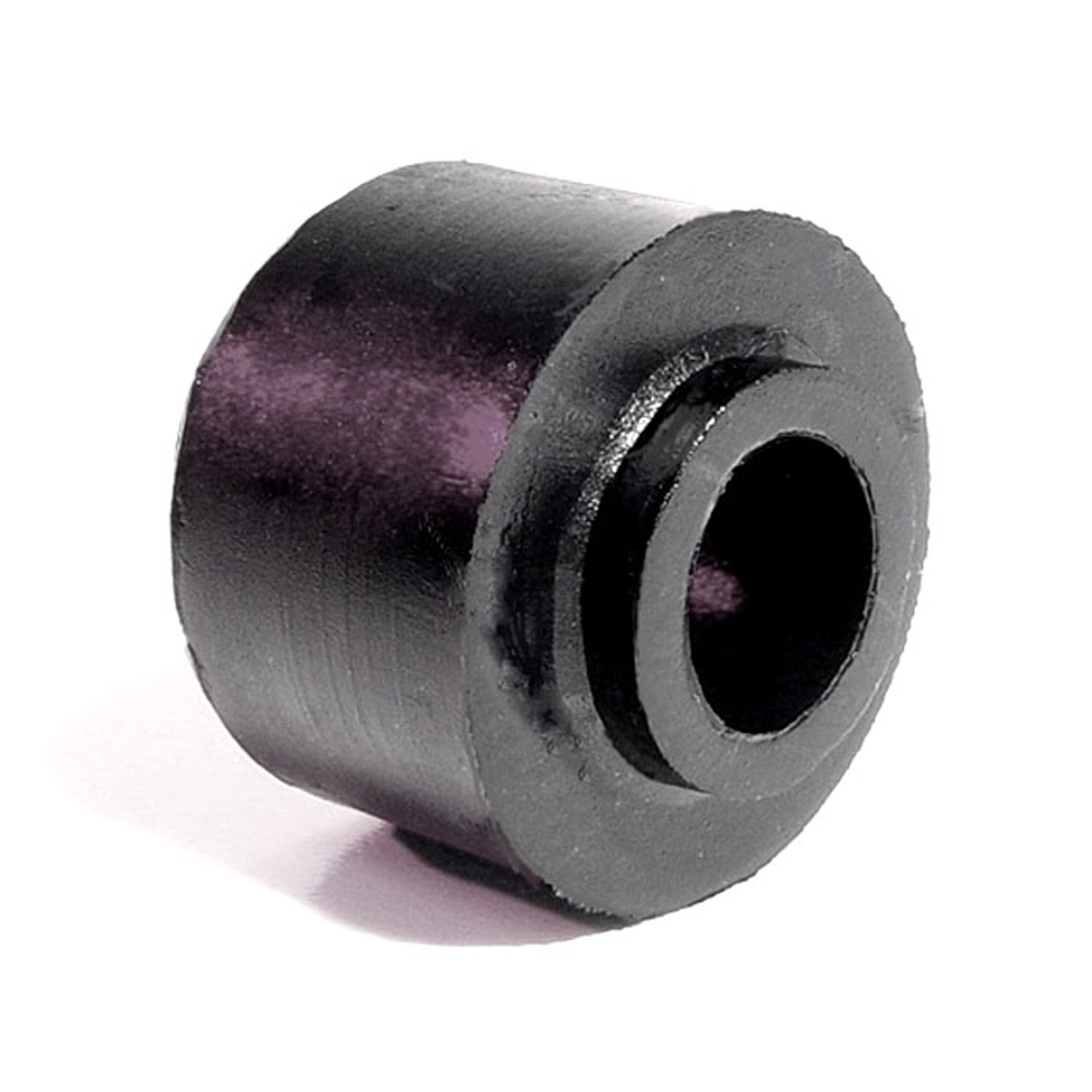 1967 Buick Sportwagon Shock Absorber Grommet. 1" bottom O.D., 3/4" high-BN 1Shock Absorber Grommet. 1" bottom O.D., 3/4" high., with 7/16" I.D. Each
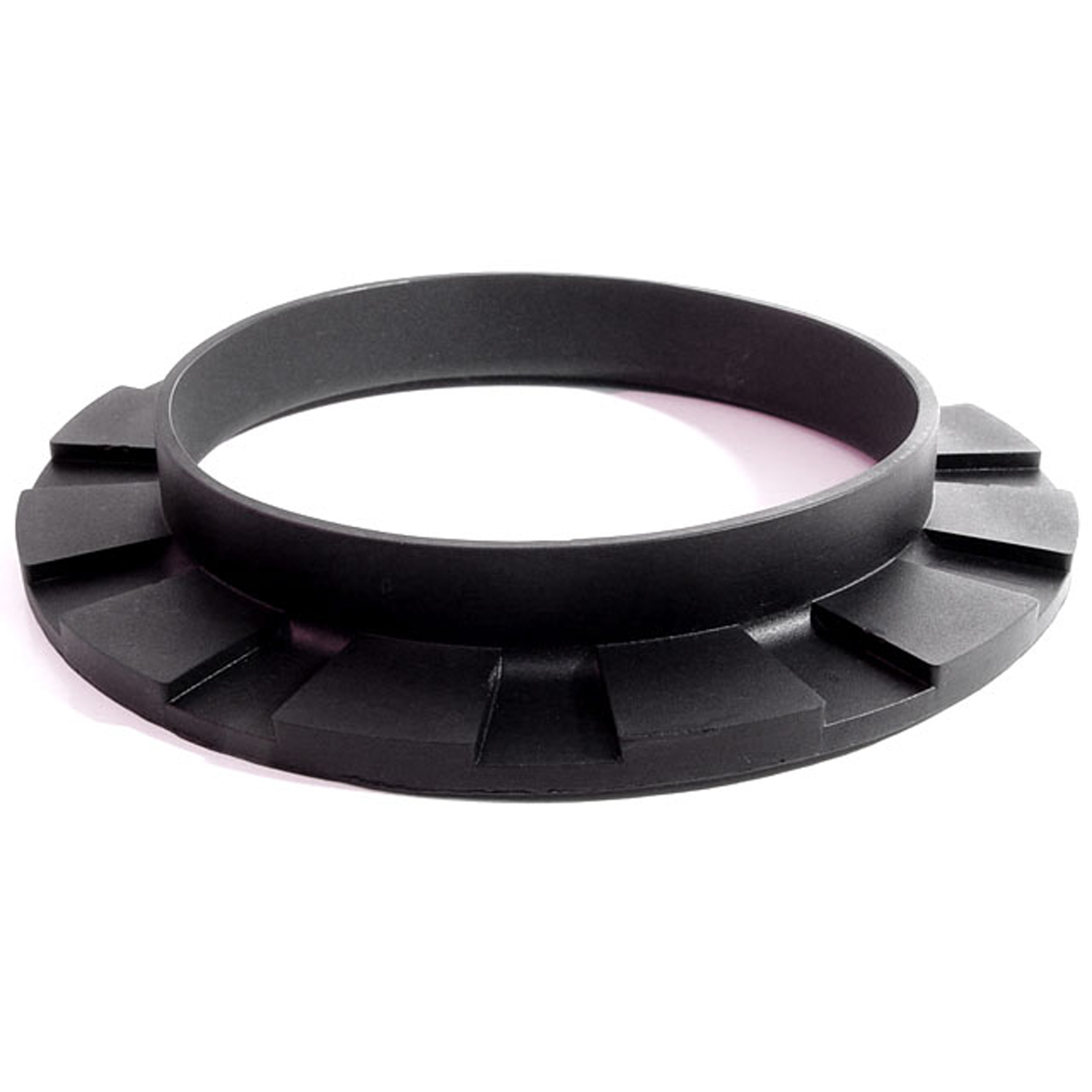 1967 Buick Sportwagon Front coil-spring insulator-BN 110Front coil-spring insulator. Fits '41-'60 Oldsmobile and '50-'83 GM passenger models. 5-3/8 in. OD x 3-3/4 in. ID x 3/4 in. high with 13/16 in. wide bottom flange 1/4" thick, 12 flutes. Each.
 1967 Buick Sportwagon Butyl Glass Setting Tape-BT 1Butyl Glass Setting Tape. Used to install windshields and backlights. Superior sealing properties. 5/16" wide X 15' long. Each
 1967 Buick Sportwagon Clutch and Brake Pedal Pads. Exact reproduction-CB 99Clutch and Brake Pedal Pads. Exact reproduction. 3-1/2" wide. Pair
 1967 Buick Sportwagon Park Brake Pedal Pad. 2-9/16" wide. Each-CB 99-APark Brake Pedal Pad. 2-9/16" wide. Each
 1967 Buick Sportwagon Auto Brake Pedal Pad. 5-7/8" wide. Each-CB 99-BAuto Brake Pedal Pad. 5-7/8" wide. Each
 1967 Buick Sportwagon Clutch and Brake Pedal Pads. 3-3/4" wide. Pair-CB 99-DClutch and Brake Pedal Pads. 3-3/4" wide. Pair
 1967 Buick Sportwagon Park Brake Pedal Pad. 2-3/8" wide. Each-CB 99-EPark Brake Pedal Pad. 2-3/8" wide. Each
 1967 Buick Sportwagon Auto Brake Pedal Pad. Nice reproduction. 5-3/4" wide-CB 99-GAuto Brake Pedal Pad. Nice reproduction. 5-3/4" wide. Each
 1967 Buick Sportwagon Door Bumper. Snap-in style. Two used per car-DB 43Door Bumper. Snap-in style. Two used per car. 1-1/8" high X 15/16" long. Each
 1967 Buick Sportwagon Hood Bumper. Each-HF 5Hood Bumper. Each
 1967 Buick Sportwagon Rocker Panel Plug. Each-HF 73Rocker Panel Plug. Each
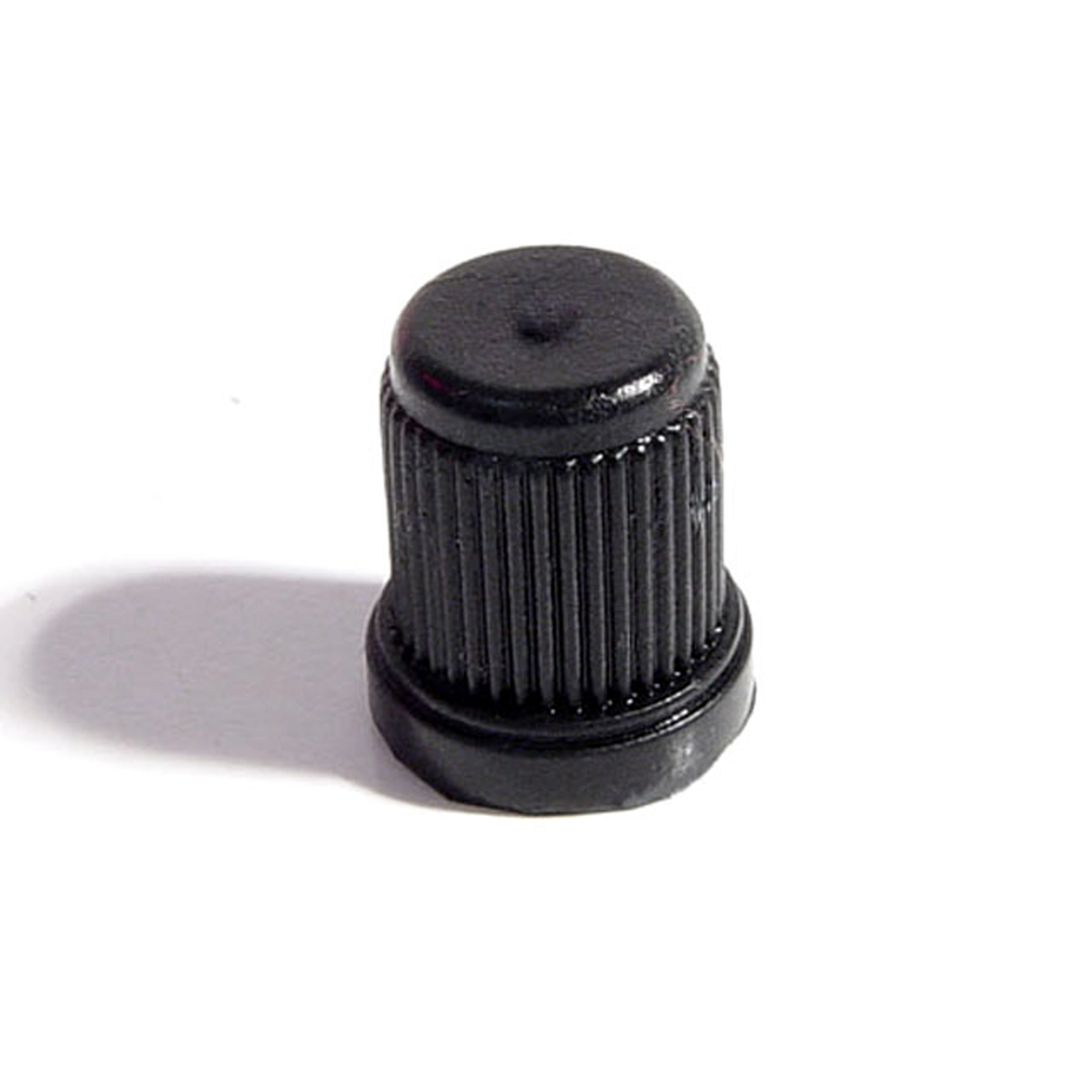 1967 Buick Sportwagon Trip Meter Reset Knob. Made of black rubber-KN 10Trip Meter Reset Knob. Made of black rubber. Compare to measurements: 1/8" I.D., 7/16" O.D. X 1/2" tall. Each
 1967 Buick Sportwagon Front Molded Door Seals with Clips-LM 12-PFront Molded Door Seals with Clips. For 4-door sedans and station wagons. Replaces OEM #4540546/7. Each is 124-1/2" long. Pair R&L
 1967 Buick Sportwagon Rear Molded Door Seals with Clips. For 4-door station wagon-LM 12-QCRear Molded Door Seals with Clips. For 4-door station wagon. Pair R&L
 1967 Buick Sportwagon Trunk Liner. Loose weave-M 23Trunk Liner. Loose weave. Black with scattered white threads. 54" wide. Sold by the foot
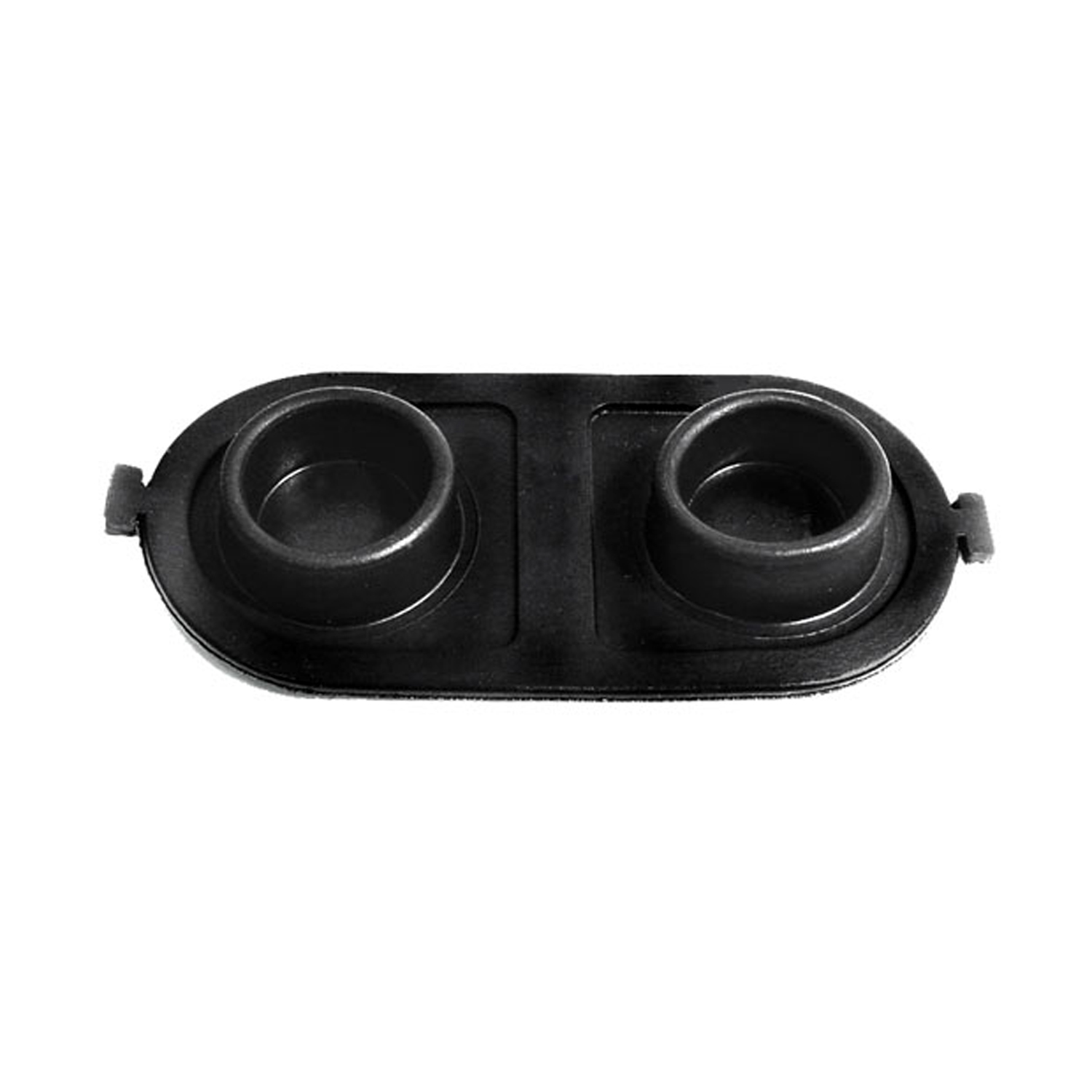 1967 Buick Sportwagon Brake Master Cylinder Cover Seal. Replaces OEM #5470861-RP 2-EBrake Master Cylinder Cover Seal. Replaces OEM #5470861. 5" X 2-1/2". Each
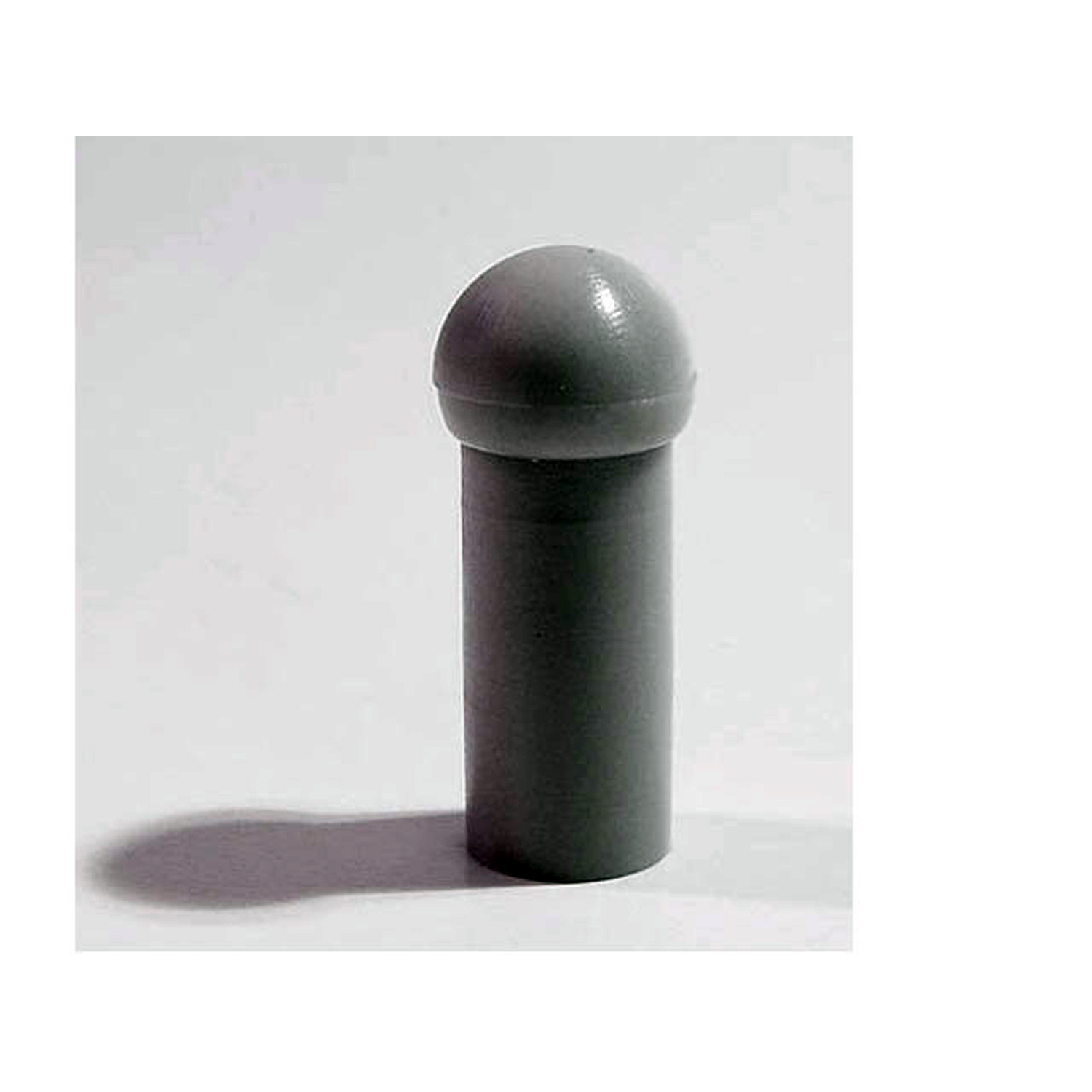 1967 Buick Sportwagon Sun Visor Rod Rubber Grommet. 3/4" long. Gray. Each-RP 303-CSun Visor Rod Rubber Grommet. 3/4" long. Gray. Each
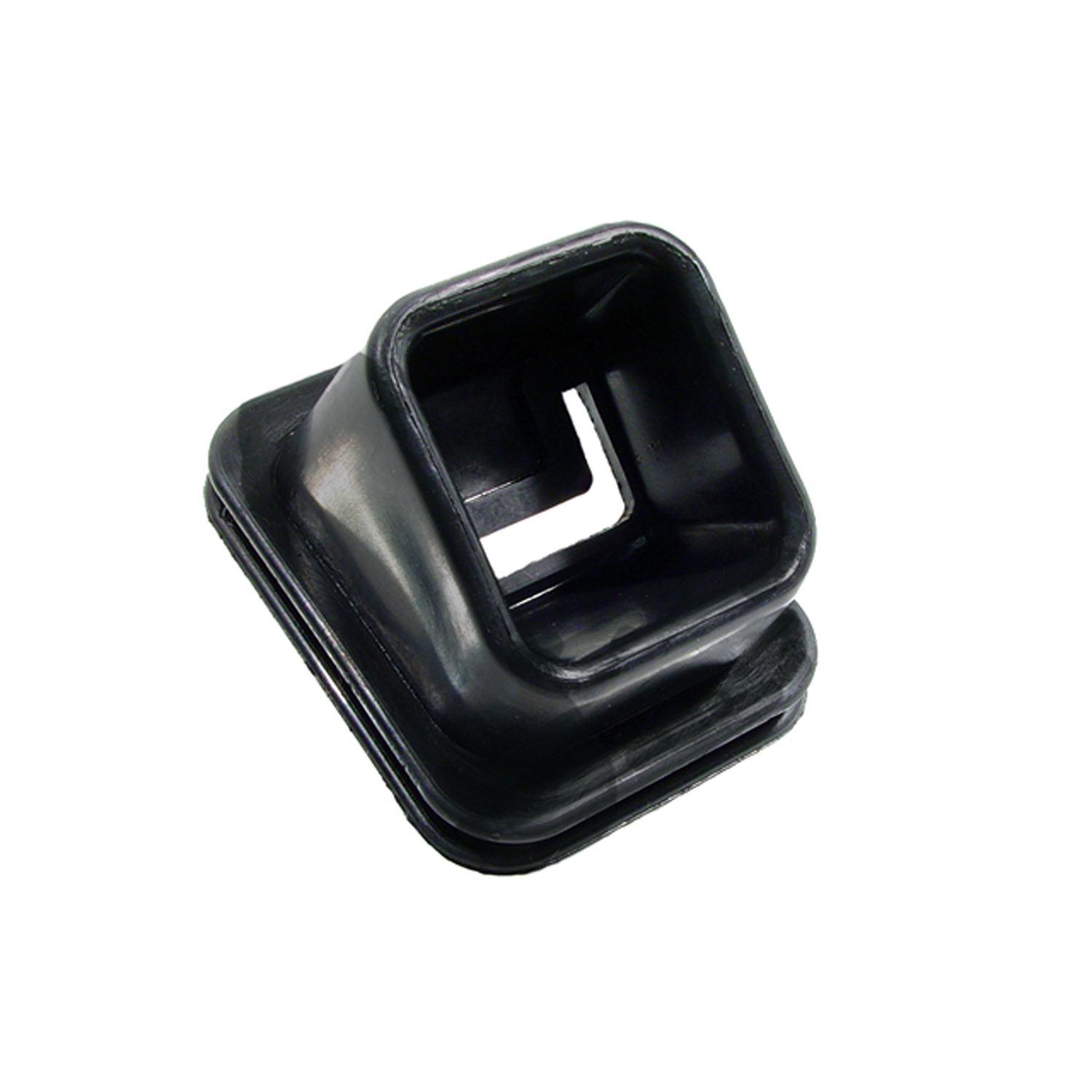 1967 Buick Sportwagon Clutch Arm Fork Boot. Fits on bell housing to keep dirt out-RP 31-DClutch Arm Fork Boot. Fits on bell housing to keep dirt out. Each
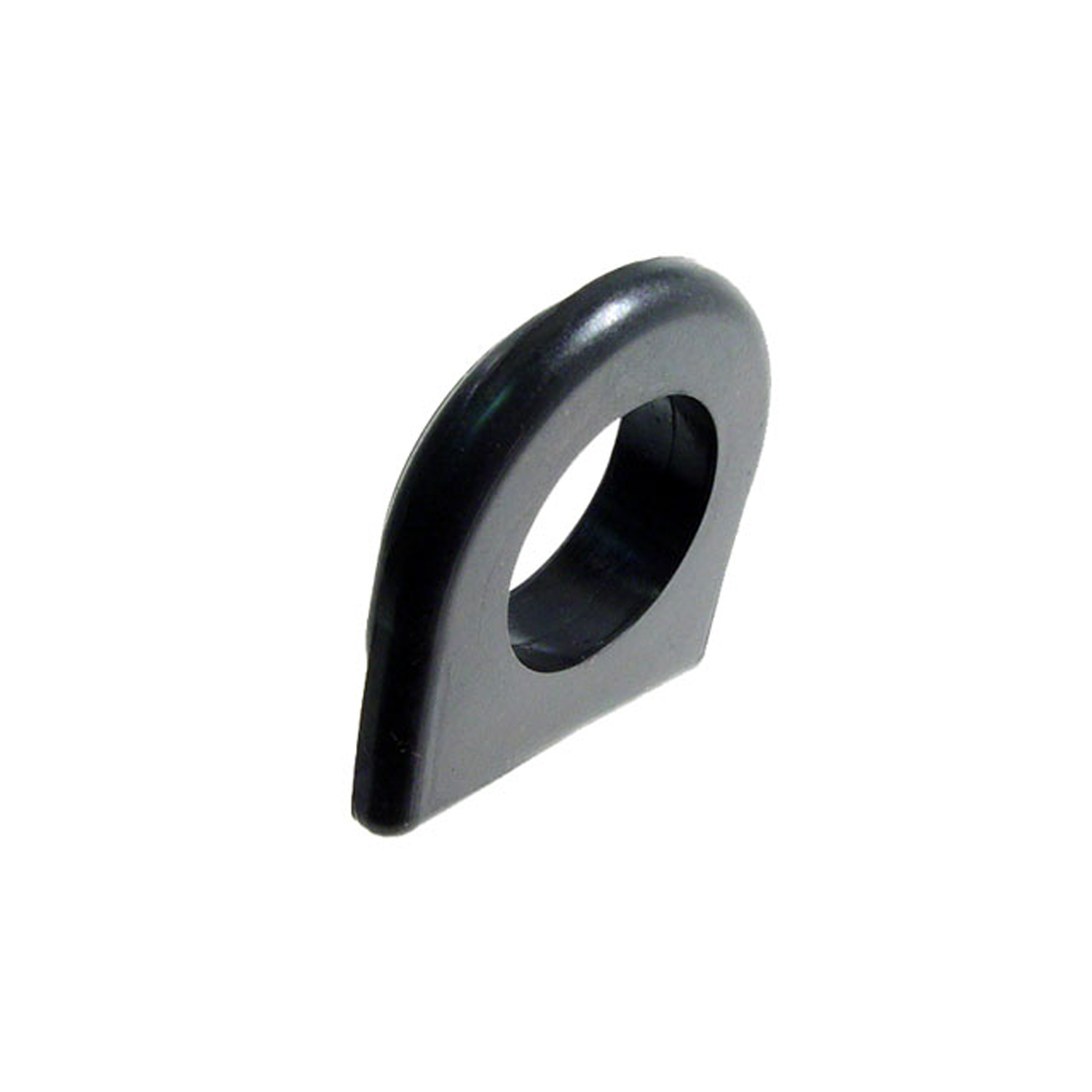 1967 Buick Sportwagon Positive Crankcase Ventilation Grommet-RP 9Positive Crankcase Ventilation Grommet. 11/16" wide X 1-5/8" long, with 15/16" I.D. (Fits some models) Each
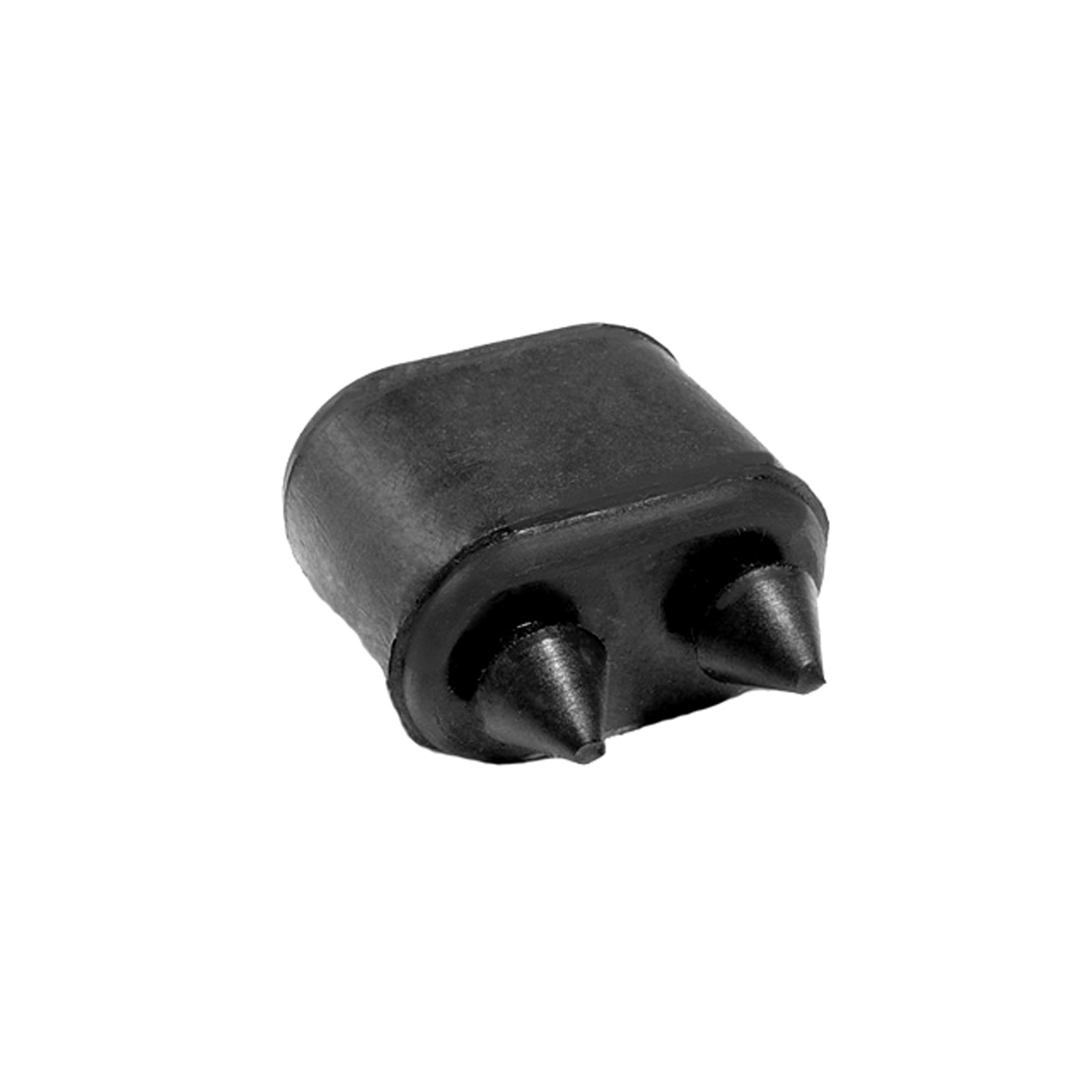 1967 Buick Sportwagon Door Bumper, 57-74 GM Cars, Made with Twin Retainers, Each-SB 35Door Bumper, 57-74 GM Cars, made with twin retainers, Each. Measure 1-1/16" high X 19/32" wide X 1-1/32" long.
 1967 Buick Sportwagon Floor Plug. For under rear seat. Fits a 1" hole. Each-SB 48-AFloor Plug. For under rear seat. Fits a 1" hole. Each
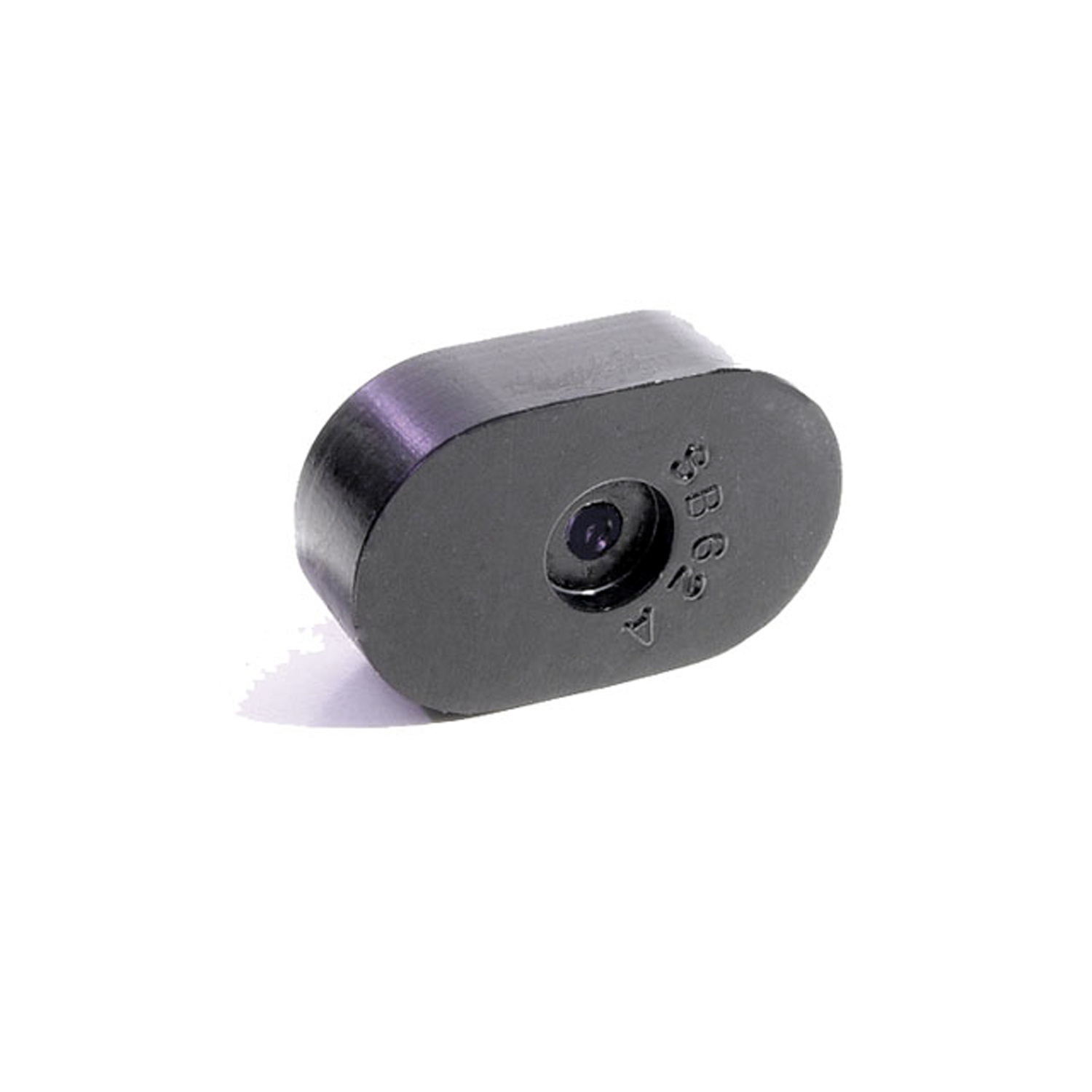 1967 Buick Sportwagon Seat Bumper. Made with steel core like original-SB 62-ASeat Bumper. Made with steel core like original. 1-1/2" long, 7/16" thick. Two used per car. Each
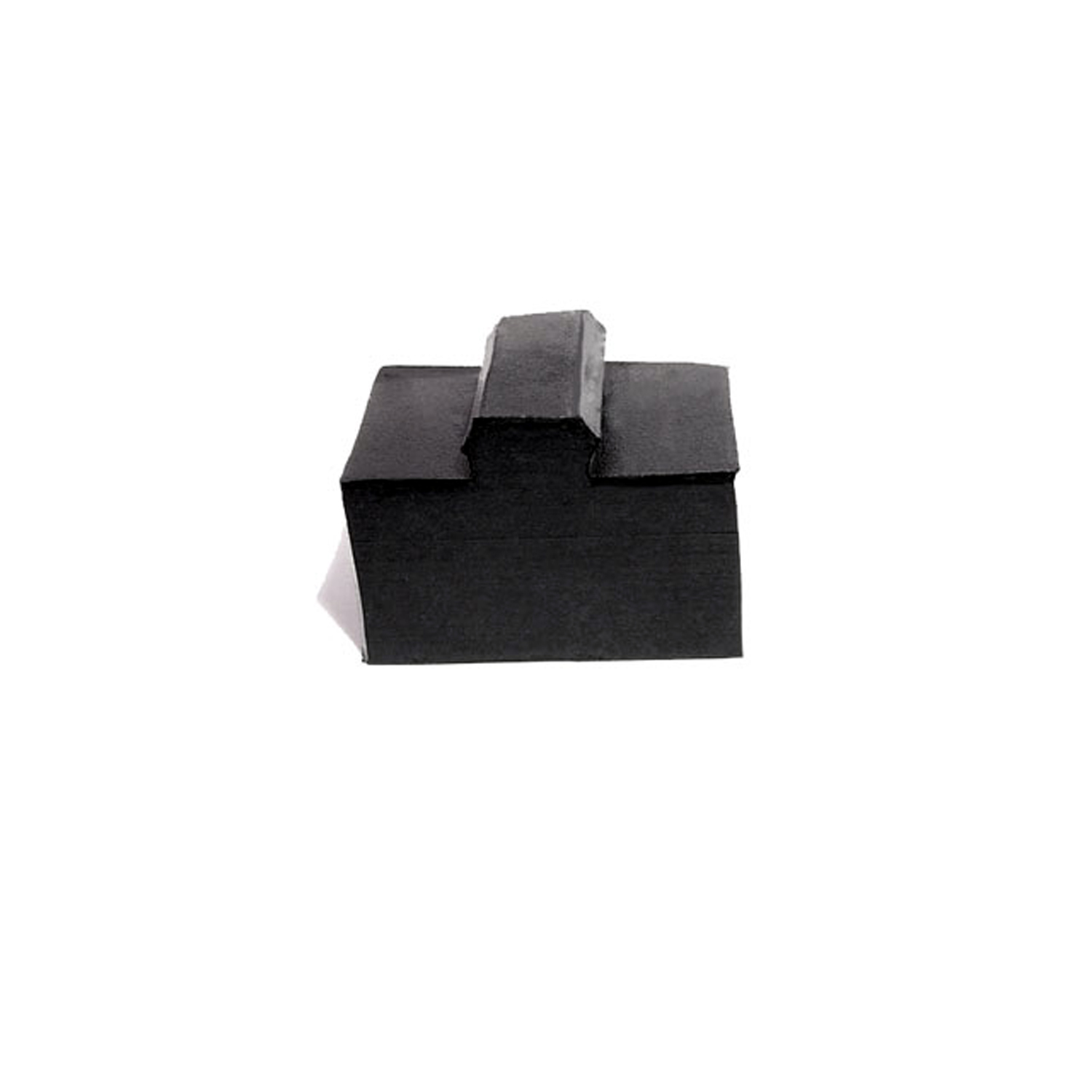 1967 Buick Sportwagon Clutch Pedal Return Bumper-SB 64Clutch Pedal Return Bumper. 1-13/16" long X 13/16" wide X 7/8" high (center). Each
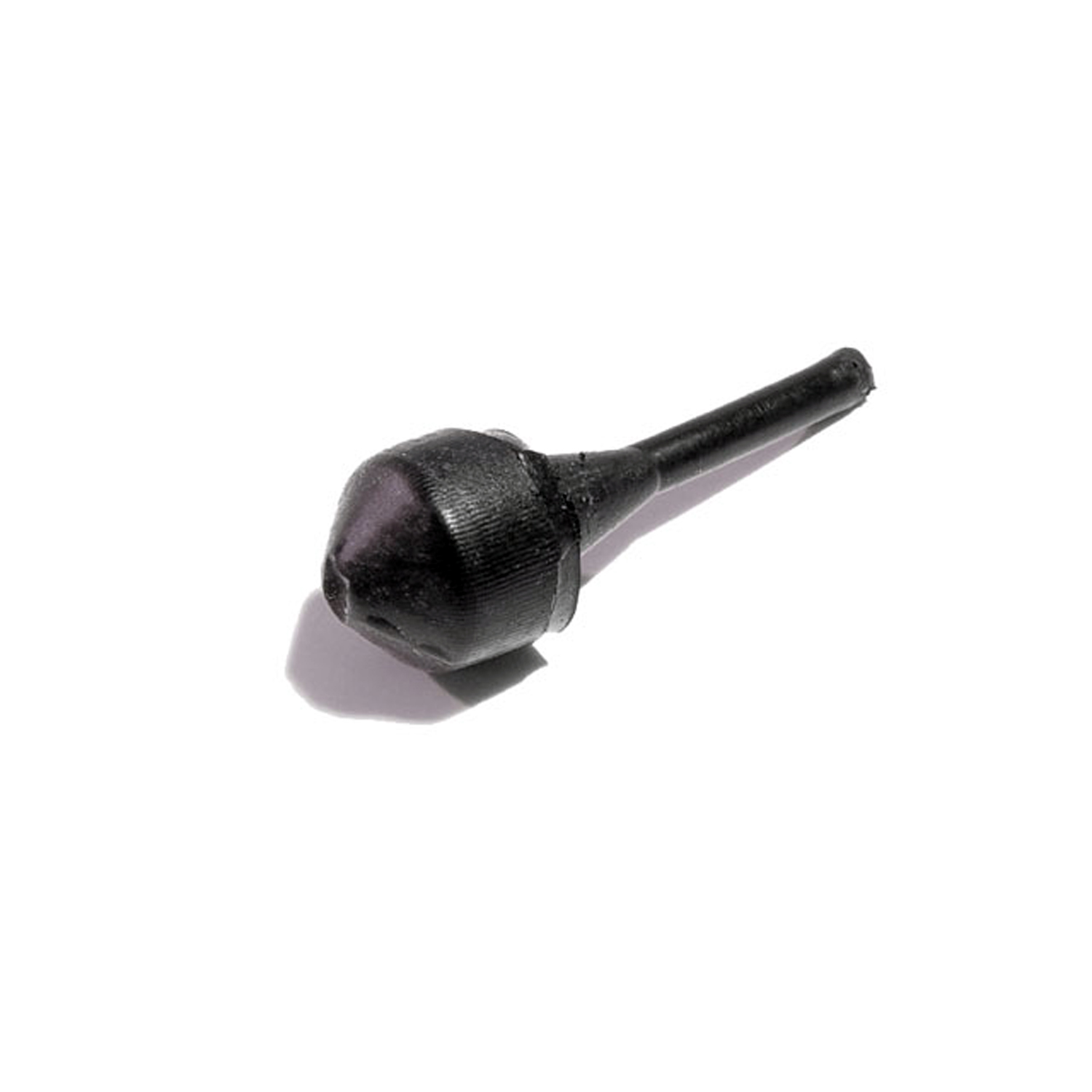 1967 Buick Sportwagon Glove Box and Fuel Door Bumper. Fits 3/16" hole. Each-SB 78Glove Box and Fuel Door Bumper. Fits 3/16" hole. Each
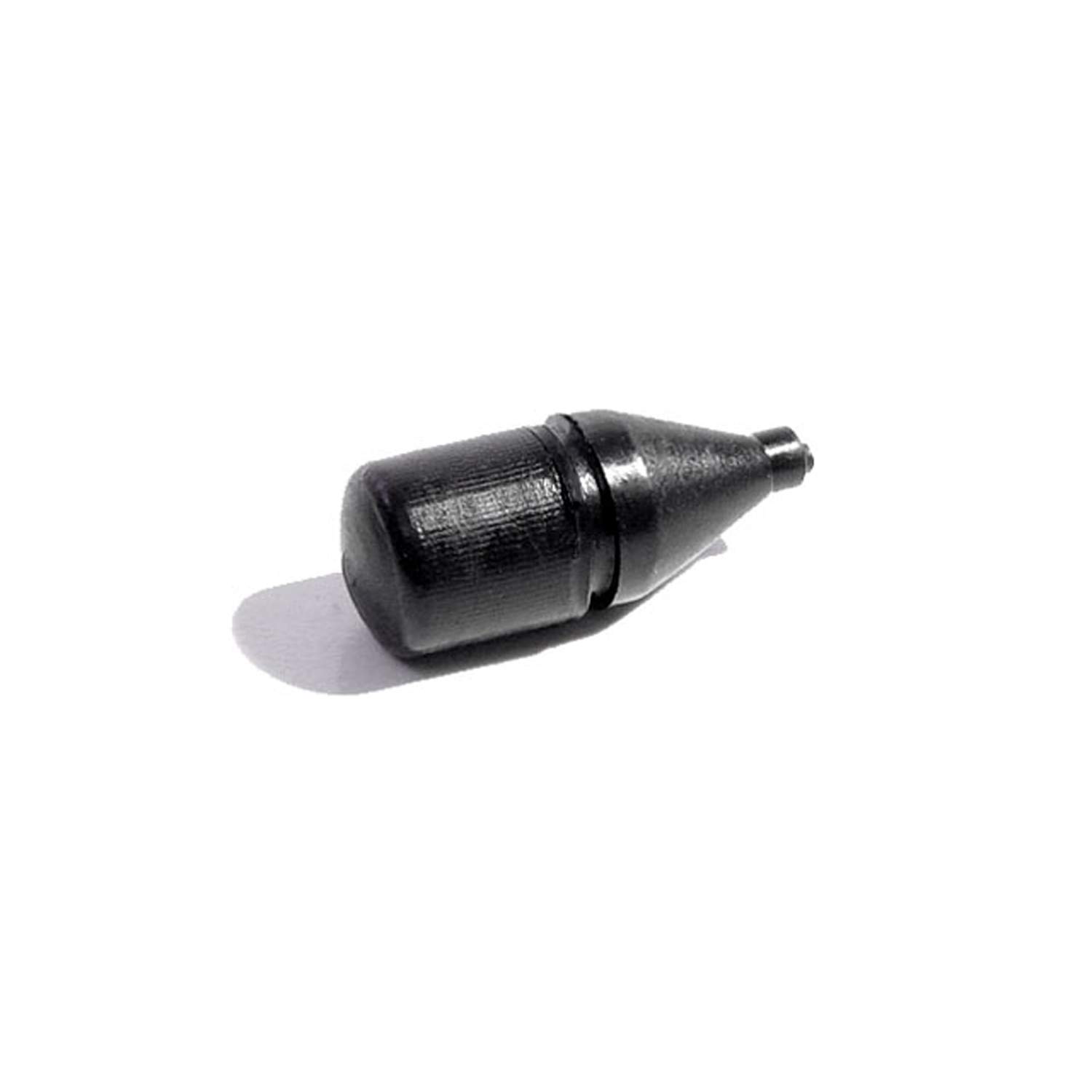 1967 Buick Sportwagon Fuel Door Bumper. 7/8" high, 5/16" O.D. Each-SB 81Fuel Door Bumper. 7/8" high, 5/16" O.D. Each
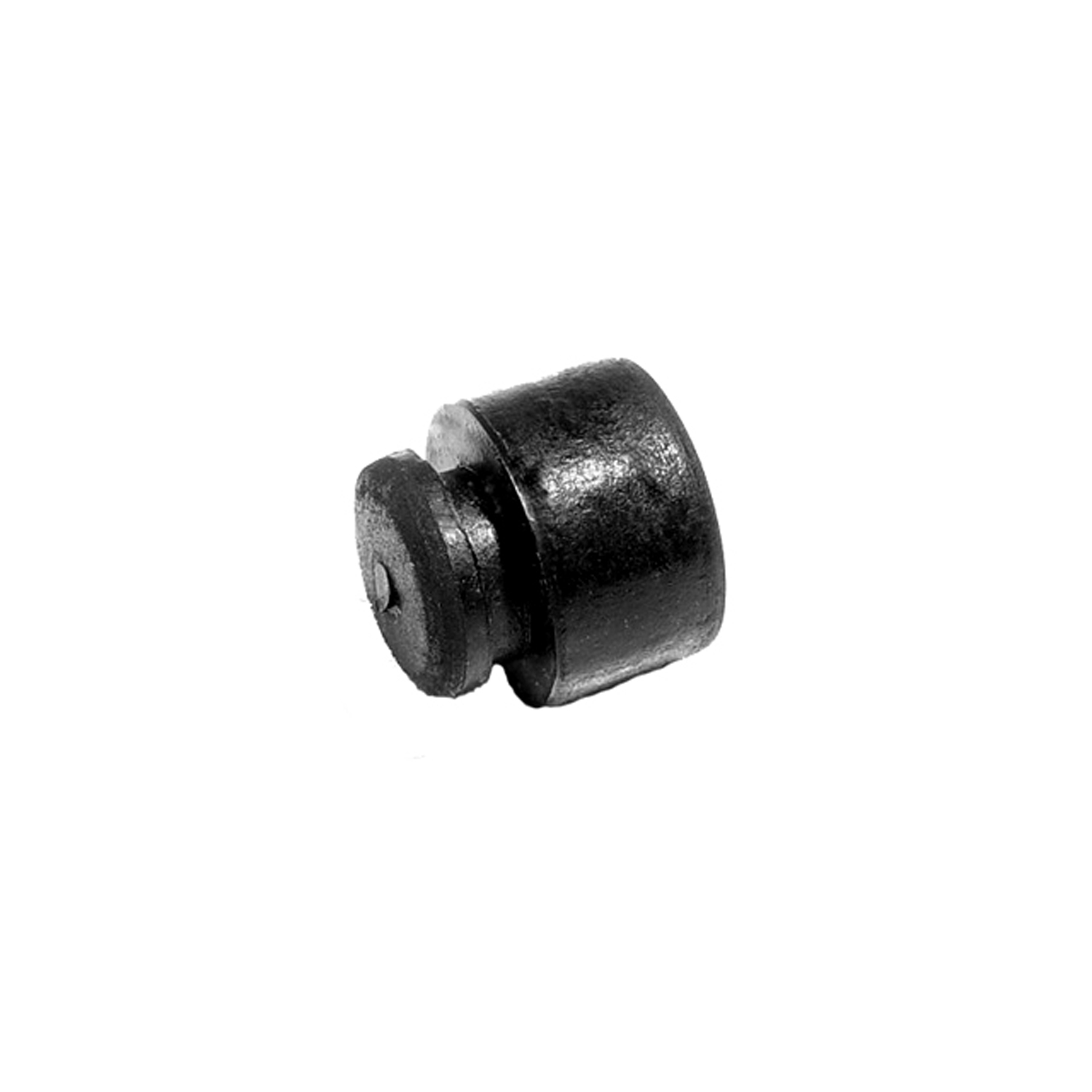 1967 Buick Sportwagon License Plate Bumper. Fits a 1/4" hole. Each-SB 82License Plate Bumper. Fits a 1/4" hole. Each
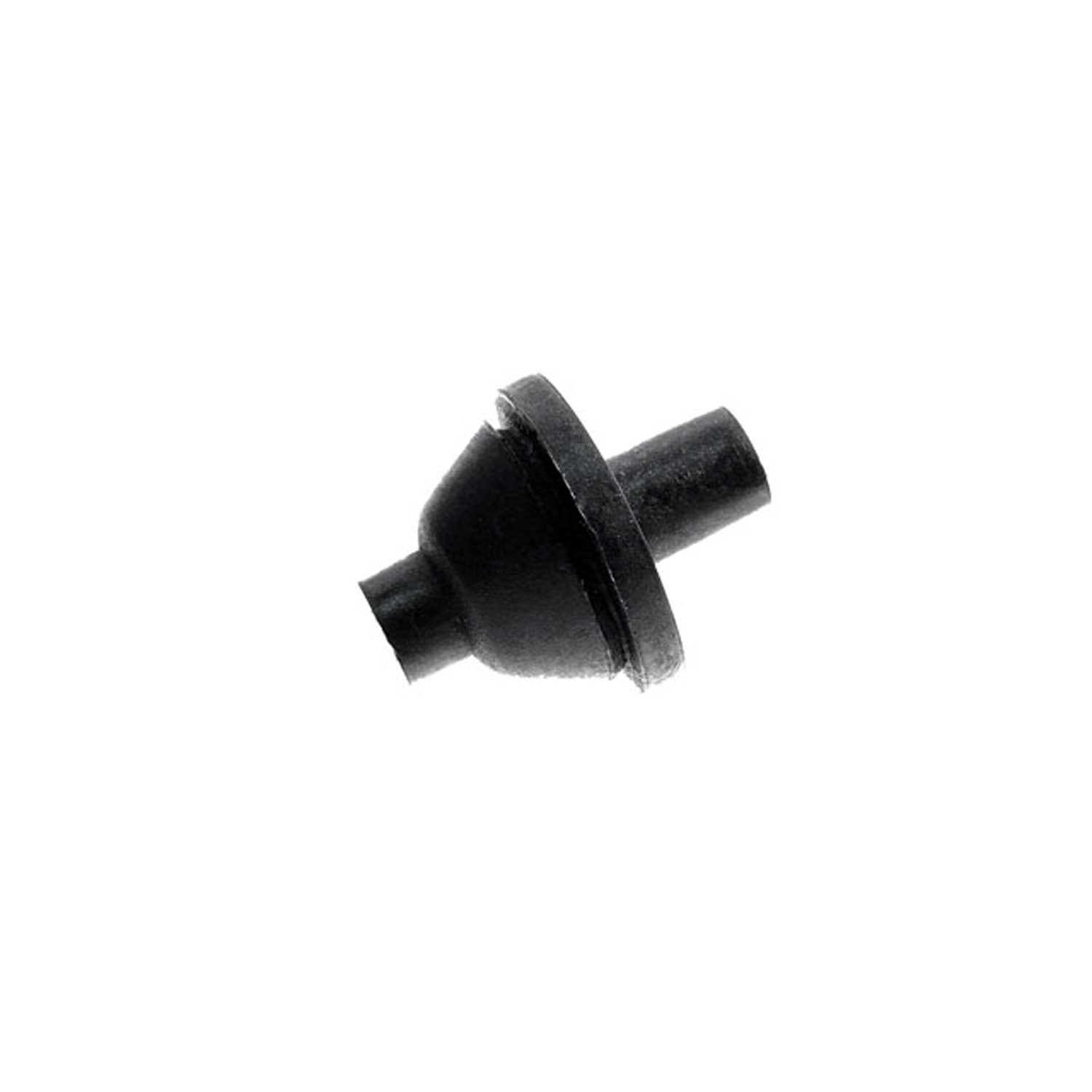 1967 Buick Sportwagon Dash and Firewall Grommet. Single-hole type is for one wire-SM 101Dash and Firewall Grommet. Single-hole type is for one wire. Each
 1967 Buick Sportwagon Dash and Firewall Grommet. Two hole type. Each-SM 101-ADash and Firewall Grommet. Two hole type. Each
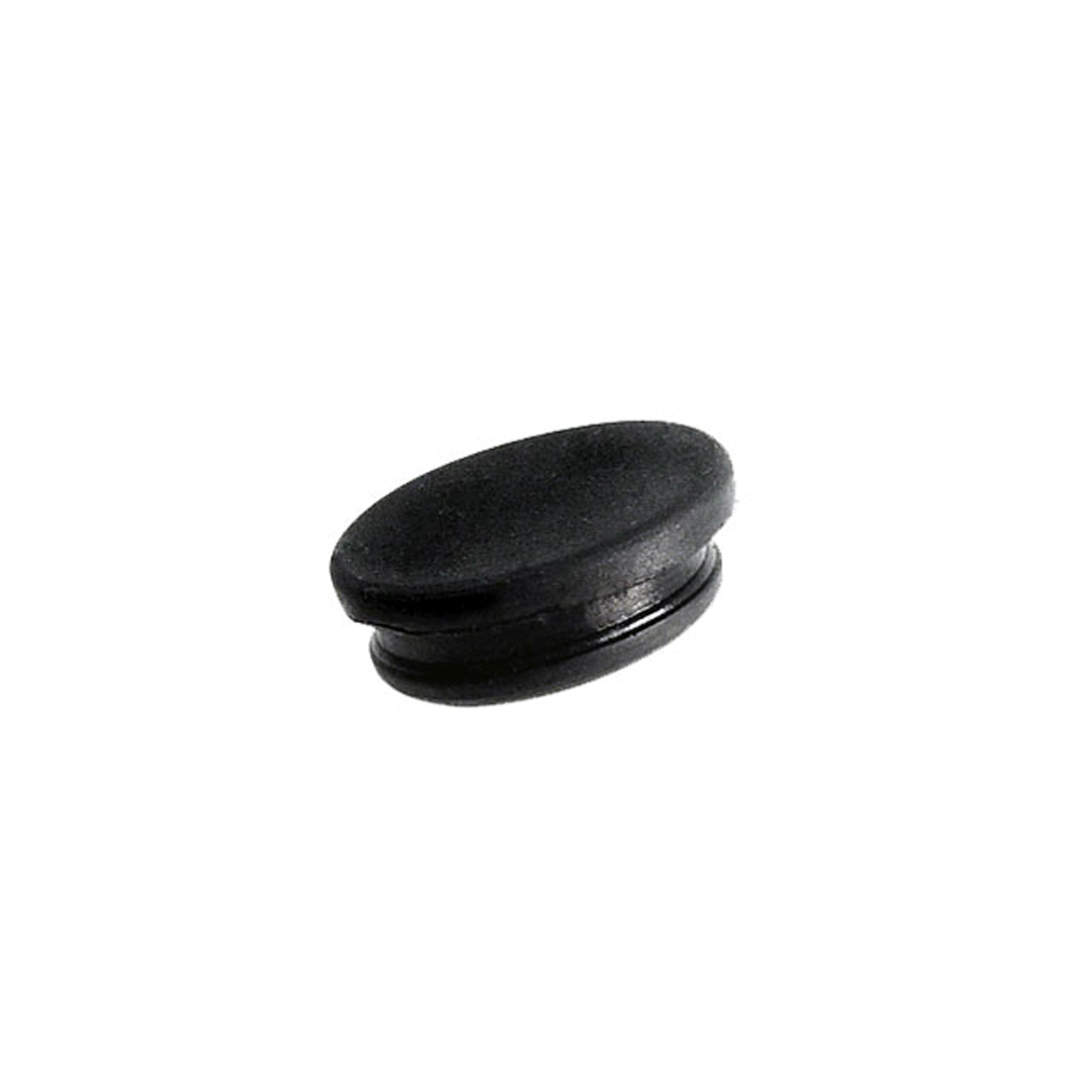 1967 Buick Sportwagon Rocker Arm Cover. Neoprene plug. Fits 1" hole. Each-SM 66Rocker Arm Cover. Neoprene plug. Fits 1" hole. Each
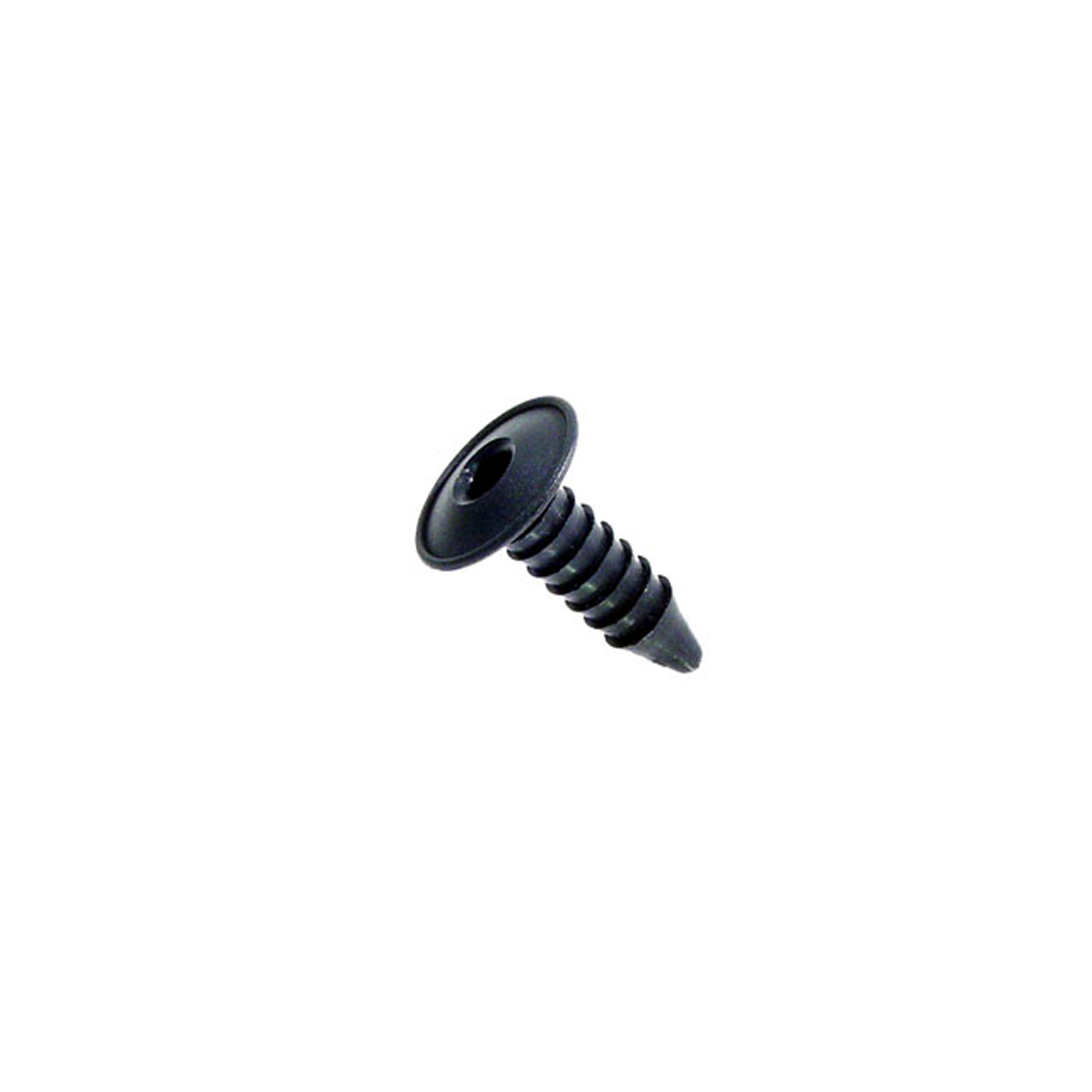 1967 Buick Sportwagon Firewall insulation fastener. 1 in. dia. W head. 1-1/2 in. L-SM 80-AFirewall insulation fastener. 1 in. dia. W head. 1-1/2 in. L. Replaces OEM#'s (GM) 7642589 and (AMC) 4001934. Black. Each.
 1967 Buick Sportwagon Station Wagon Tailgate Seal. 91-1/2" long. Each-TG 14Station Wagon Tailgate Seal. 91-1/2" long. Each
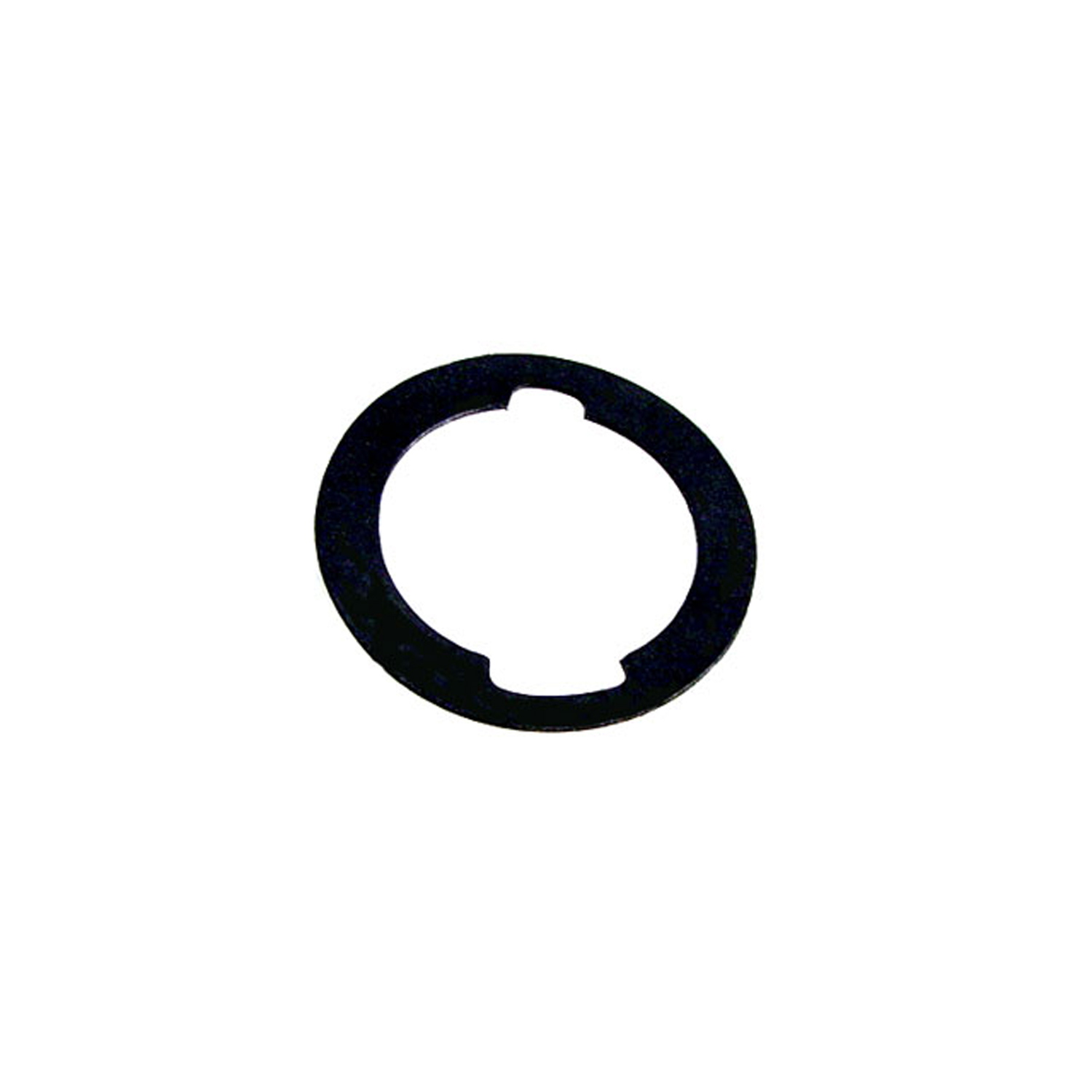 1967 Buick Sportwagon Unbeaded Door and Trunk Lock Gasket. 1-3/16" O.D., 7/8" I.D-UM 1600-100Unbeaded Door and Trunk Lock Gasket. 1-3/16" O.D., 7/8" I.D. Each
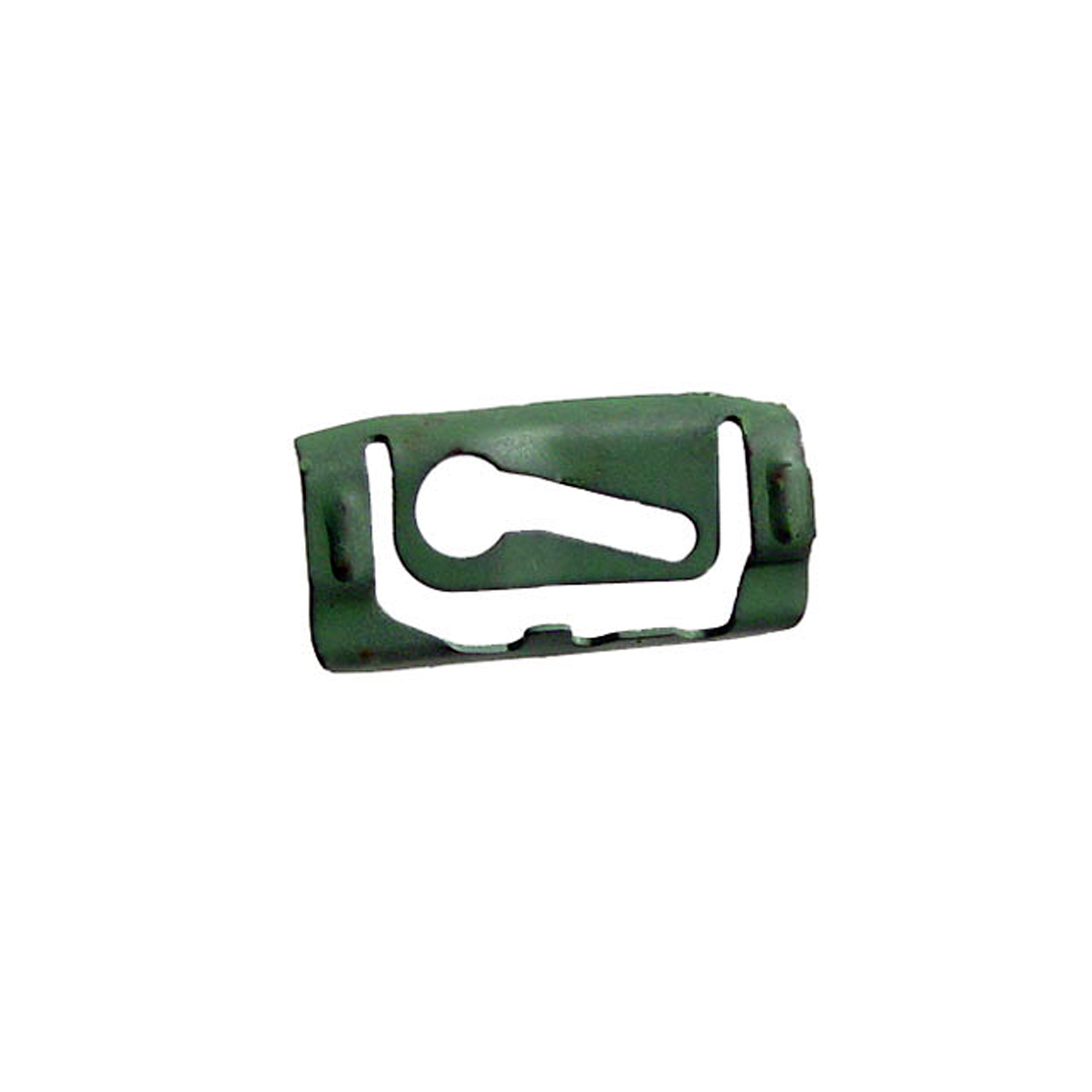 1967 Buick Sportwagon Quarter Window Reveal Molding Clip. Made of Steel-WF 205Quarter Window Reveal Molding Clip. Made of Steel. 1-3/8" X 11/16". Each
 1967 Buick Sportwagon Rear Window Reveal Molding Clip. For Station Wagons-WF 208Rear Window Reveal Molding Clip. For Station Wagons. Made of steel. 5/8" x 3/4". Each
 1967 Buick Sportwagon Vent window seals-WR 2011Vent window seals. Fits '64-'67 GM A-body 2-door and 4-door sedan and station wagon (including El Camino). Replaces OEM#'s 5717252/3. Pair. R&L.
Why Choose Metro?
For over 100 years, Metro Moulded Parts has been the pinnacle of quality in classic car restoration parts. Our commitment to precision and authenticity in every component ensures a perfect fit and an OEM-level appearance.
- Expert Craftsmanship & Quality: Each part is a testament to our dedication to reliability and perfection, crafted from original designs and thoroughly tested.
- Advanced Technology: We use cutting-edge techniques to create flawless, long-lasting parts that surpass others in performance.
- SuperSoft Sponge – The Ultimate Door Seal: Not only are our door seals 30% softer than competitors', but they're also guaranteed to never leak. They effectively reduce wind and road noise, enhancing your classic car's comfort and driving experience.
- Proudly American: Our parts are a product of American craftsmanship, made in the USA with a spirit of excellence and heritage.
- Unrivaled Warranty: We back our products with a 30-year industry-leading warranty, a testament to our confidence in their quality.
Join us in preserving the legacy of classic cars with parts that are crafted for perfection, not just made.