

Image of 1967 Buick Wildcat, Note: These illustrations use artistic license and may differ from actual historical models.
Performance Metrics
Fundamental Metrics
Emotional Appeal
MMP Rating
| Engine Specifications | |
|---|---|
| Engine: | 430 cu in (7.0 L) Buick V8 |
| Displacement: | 430 cu in (7.0 L) |
| Horsepower: | 360 hp |
| Torque: | 475 lb-ft |
| Compression Ratio: | 10.5:1 |
| Ignition System: | Conventional |
| Cooling System: | Liquid-cooled |
| Performance Specifications | |
| 0-60 Time: | 8 seconds |
| 1/4 Mile Time: | 16 seconds |
| Top Speed: | 125 mph |
| Transmission and Drive | |
| Drive Type: | Rear-wheel drive |
| Transmission Type: | 3-speed automatic, 3-speed manual |
| Fuel and Efficiency | |
| Fuel System Type: | Carburetor |
| MPG: | 10-12 mpg |
| Dimensions and Brakes | |
| Brakes: | Power-assisted drum brakes |
| Wheelbase: | 126 inches |
| Weight: | 4,200 lbs |
Note: Specifications for classic cars are given to the best of our ability, considering the limited and variant data available.
1967 Buick Wildcat: Full-Size Power with a Sporting Edge
The 1967 Buick Wildcat brought big-car comfort together with the confident rumble of a 430-cubic-inch V8. Built by Buick, a division of General Motors, it was a full-size American car for drivers who wanted more personality than a conventional luxury sedan without giving up room, refinement, or effortless highway cruising.
The Wildcat began as a Buick concept car before becoming a production model in the early 1960s. By 1967, it had established its own place in Buick’s lineup: sportier in character than the more formal Electra, yet roomier and more upscale than many intermediate cars. That year’s Wildcat was part of a freshly redesigned full-size Buick range, giving the model a crisp new look and a powerful standard engine.
One detail that still catches people out is the “Wildcat 445” badge found on the car. It did not indicate a 445-cubic-inch engine. The badge referred to the engine’s advertised 445 lb-ft of torque in some Buick applications. The Wildcat’s actual engine was a 430-cubic-inch V8, rated at 360 horsepower and 475 lb-ft of torque in the Wildcat.
1967 Wildcat Styling and Interior
The 1967 Wildcat wore the bold proportions expected of a full-size American car, but its styling was more controlled than the flamboyant designs of some earlier years. A long hood, wide stance, sculpted body sides, and substantial rear quarters gave it a poised, forward-moving look. Four headlamps framed the broad front end, while the prominent grille and bright trim made the car unmistakably Buick. Its length and generous wheelbase also gave the Wildcat a road presence that smaller cars simply could not match.
Inside, the Wildcat balanced comfort with a more driver-focused atmosphere than a formal luxury sedan. Buyers could choose a front bench seat or, depending on body style and equipment, bucket seats with a center console. Upholstery and trim varied by configuration, with cloth-and-vinyl combinations and vinyl options available. The materials and finish were designed to feel substantial, with bright accents and padded surfaces adding to the upscale impression.
Convenience equipment could include power steering, power brakes, power windows, power seats, air conditioning, and an upgraded radio. Not every Wildcat left the factory with all those features, so equipment varies from car to car today. Buick also offered front disc brakes as an option for buyers who wanted stronger braking performance than the standard drum setup.
Factory paint choices varied, but the palette reflected the era’s taste for both restrained and vivid colors. Buyers could find shades such as white, black, red, blue, green, gold, and metallic finishes. Darker colors and rich metallic tones suit the Wildcat’s formal side, while brighter reds and blues make its long bodywork stand out. Original paint codes and trim combinations are worth checking when assessing a restoration.
Body Styles and Equipment Choices
The 1967 Wildcat was offered in several full-size body styles, including a two-door hardtop, a four-door hardtop, a four-door sedan, and a convertible. The two-door hardtop is often the most recognizable version, with its pillarless profile and long, clean side glass. The convertible is especially appealing to collectors, while the four-door models deliver the Wildcat’s spaciousness in a more practical package.
Trim and equipment choices shaped the character of each car. A well-optioned Custom could feel close to a luxury cruiser, while a two-door with buckets and a console leaned more toward personal-luxury style. Buyers could also add power accessories and comfort features, making surviving examples quite different from one another.
Why the Wildcat Mattered
The Wildcat’s significance lies in how it combined two priorities that were often treated separately: comfort and performance. In the 1960s, American buyers could choose from luxury cars, family sedans, and increasingly powerful muscle cars. The Wildcat occupied useful ground between them. It offered a roomy cabin, quiet long-distance manners, and a large-displacement V8 without pretending to be a stripped-down sports car.
That formula helped broaden the idea of a performance-oriented American car. The Wildcat was not as focused on quarter-mile competition as a Buick Gran Sport, but it showed that a full-size car could have genuine power and a sporty image while remaining comfortable enough for everyday travel. Its enduring appeal comes from that blend: big-car presence, Buick refinement, and abundant low-speed torque.
The 1967 redesign also placed the Wildcat within Buick’s broader move toward cleaner, more sculpted full-size styling. It did not create a new category by itself, but it helped keep Buick competitive in a period when buyers expected style, comfort, and stronger performance from their large cars.
430 V8 Performance and Road Manners
The Wildcat’s 430-cubic-inch V8 was the centerpiece. Buick rated it at 360 horsepower and 475 lb-ft of torque, using the period’s gross horsepower measurement. Those figures should not be compared directly with modern net horsepower ratings, which are measured under different conditions. In practical terms, the engine’s abundant torque made the Wildcat feel strong from low speeds and well suited to passing or merging without constant downshifting.
A period-appropriate automatic transmission was a natural match for the engine, and many Wildcats were equipped with Buick’s Super Turbine 400 automatic. Exact equipment can vary, so check the car’s documentation and drivetrain details rather than assuming every example is identical. With a healthy engine and suitable gearing, a 0-to-60 mph time in roughly the 8-to-9-second range is a reasonable period-performance estimate. Top speed is commonly estimated around 120 mph, but actual results depend on condition, gearing, tires, and testing method.
On the road, the Wildcat feels like a powerful American cruiser rather than a nimble sports car. Its long wheelbase helps it glide over ordinary bumps and rough pavement, and the V8’s muted, deep exhaust note gives the car a relaxed but unmistakably muscular character. Steering is generally light, particularly with power assistance, though it does not provide the sharp feedback expected from a modern performance car.
On winding roads, the Wildcat’s size and weight are always part of the conversation. It can handle a sweeping bend with composure, but quick transitions reveal its soft suspension tuning and substantial mass. In strong crosswinds, a car in this class may need more steering attention than a modern vehicle. The best driving experience comes from smooth inputs, leaving room for the car to settle, and enjoying its torque and ride quality rather than hustling it like a sports coupe.
Owning and Maintaining a 1967 Wildcat
Today, most Wildcats are used as weekend cruisers, show cars, or occasional drivers. A well-maintained example can handle local trips and relaxed highway outings, but its fuel consumption, size, and age make it less convenient as a daily commuter. Owners who drive them regularly often focus on keeping the cooling system, brakes, tires, and electrical components in dependable condition.
The 430 V8 is a conventional American pushrod engine, and many mechanical jobs are familiar to a competent classic-car mechanic. Routine service parts and general repair knowledge are available, although certain Buick-specific trim pieces, interior parts, and correct restoration details can take patience to source. As with any nearly 60-year-old car, condition matters more than reputation: inspect for rust, previous accident repairs, worn suspension components, cooling problems, and signs of poor-quality restoration.
Before buying, check that the engine and transmission operate smoothly, that the brakes stop the car evenly, and that the electrical accessories work. Look closely at the body and underside for corrosion, especially around structural areas and places where water can collect. A car that has been driven and maintained consistently is often a better prospect than a shiny restoration with incomplete records.
Wildcat Trivia and Common Criticisms
The “445” badge is the Wildcat’s best-known bit of trivia: it referred to torque, not engine displacement. Buick used torque figures in its marketing to underline the relaxed, forceful character of its V8s. The distinction captures what the Wildcat was about. It was designed to deliver effortless thrust, not just a headline horsepower number.
The 1967 Wildcat is not widely known for a land-speed record or a major racing achievement. Its identity was built around road-going performance and comfort rather than competition. It has also appeared in the broader landscape of American classic-car culture, where big Buicks are often chosen for period film, television, and display work, but specific screen appearances should be verified on a car-by-car basis.
Common criticisms are straightforward. The Wildcat is large, thirsty by modern standards, and not especially agile on tight roads. Its braking and handling are also rooted in 1960s technology, even when equipped with optional front discs. For enthusiasts who want a nimble muscle car, it can feel too luxurious and too heavy. For those who want a powerful, comfortable cruiser, those same traits are part of the appeal.
Collector Values and Rarity
Exact production totals can vary between published sources and body-style breakdowns, but a sensible estimate for total 1967 Wildcat production is roughly 28,000 to 30,000 cars. That makes the model less common than many mass-market Buicks, though it is not exceptionally rare by collector-car standards. Convertibles and especially well-documented, original examples are harder to find than ordinary four-door cars.
As a broad 2026 market estimate, a project or rough driver might sell for about $8,000 to $18,000. A usable, presentable car may fall around $18,000 to $35,000, while a very good example or carefully restored hardtop could reach roughly $35,000 to $60,000. Exceptional cars, especially convertibles with strong originality or high-quality restoration, may bring approximately $60,000 to $90,000 or more. These are general ranges, not guaranteed appraisals; rust, originality, documentation, equipment, and regional demand can change the price substantially.
Wildcat values have generally been steadier than those of headline-grabbing muscle cars. In nominal dollars, good examples have tended to become more valuable over time, but the rise has not always kept pace with inflation or restoration costs. The best prospects are typically sound, complete cars with desirable body styles and documented histories. A restoration can cost more than the finished car is worth, so buyers should price condition carefully rather than assuming every Wildcat is an investment.
The Lasting Appeal of the 1967 Buick Wildcat
The 1967 Buick Wildcat is a compelling snapshot of American motoring at a time when a full-size car could still be both a comfortable family machine and a powerful statement. Its 430 V8, generous cabin, broad range of body styles, and freshly updated styling gave it a character all its own.
It may not be the quickest classic Buick or the easiest car to park, but the Wildcat delivers something increasingly rare: an unhurried, torque-rich driving experience with genuine size and presence. For enthusiasts who appreciate comfort as much as horsepower, the 1967 Wildcat remains a big Buick with a bite.
1967 Buick Wildcat Catalog of Parts
 1967 Buick Wildcat Door lock pillar seals-ALP 5051Door lock pillar seals. Fits '67-'68 GM B- and C-body 2 hardtop coupe (sometimes referred to as Sport Coupe or Fastback) models. Includes '67-'68 Impala, and '67 Impala SS, LeSabre, LeSabre Custom and Wildcat Custom and '67 Calais and Deville. (see ALP 5053 for other '67-'68 GM B- and C-body 2 hardtop models not listed here).
 1967 Buick Wildcat Upper door-lock pillar seal. 2-door hardtop and convertible-ALP 5053Upper door-lock pillar seal. 2-door hardtop and convertible. Does not fit Fastback models. Made with all details and galvanized steel cores. 2-3/16 in. W x 4-11/16 in. L. Pair. R&L.
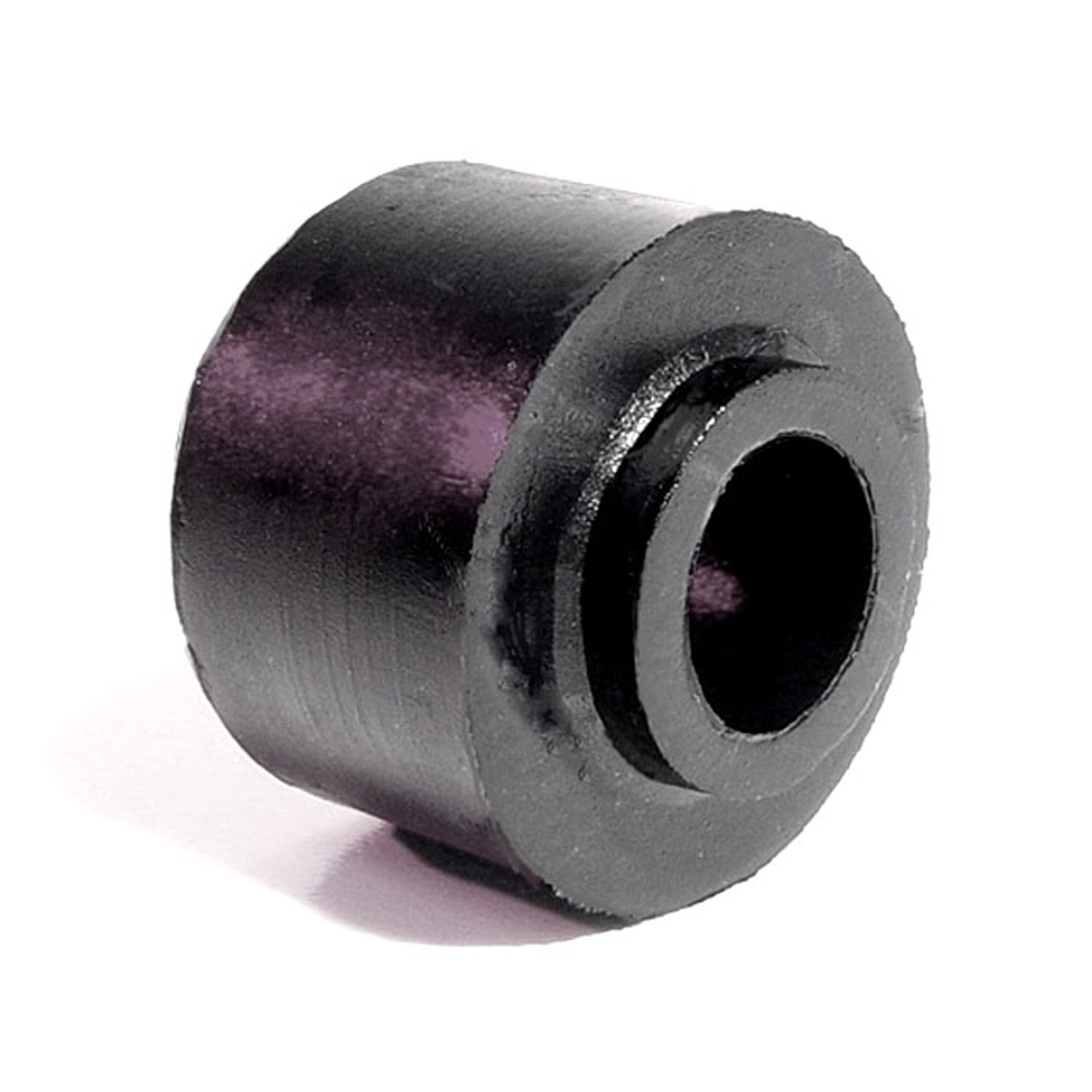 1967 Buick Wildcat Shock Absorber Grommet. 1" bottom O.D., 3/4" high-BN 1Shock Absorber Grommet. 1" bottom O.D., 3/4" high., with 7/16" I.D. Each
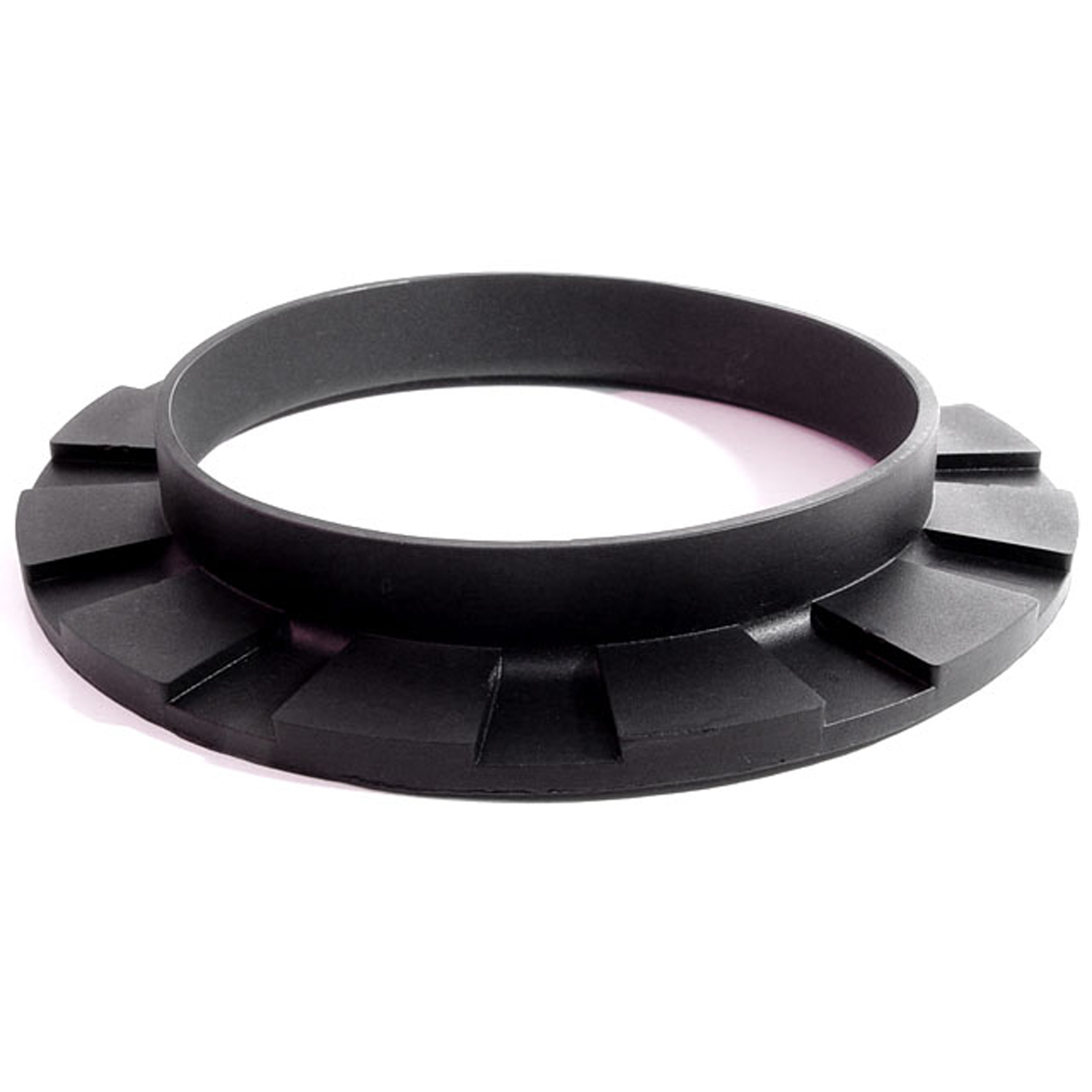 1967 Buick Wildcat Front coil-spring insulator-BN 110Front coil-spring insulator. Fits '41-'60 Oldsmobile and '50-'83 GM passenger models. 5-3/8 in. OD x 3-3/4 in. ID x 3/4 in. high with 13/16 in. wide bottom flange 1/4" thick, 12 flutes. Each.
 1967 Buick Wildcat Butyl Glass Setting Tape-BT 1Butyl Glass Setting Tape. Used to install windshields and backlights. Superior sealing properties. 5/16" wide X 15' long. Each
 1967 Buick Wildcat Convertible Top Windshield Header Seal-C/LP 40-GConvertible Top Windshield Header Seal. Clips installed every 3-5/8". Made of soft, black, skin-covered sponge. Sold by the foot.
 1967 Buick Wildcat Clutch and Brake Pedal Pads. Exact reproduction-CB 99Clutch and Brake Pedal Pads. Exact reproduction. 3-1/2" wide. Pair
 1967 Buick Wildcat Park Brake Pedal Pad. 2-9/16" wide. Each-CB 99-APark Brake Pedal Pad. 2-9/16" wide. Each
 1967 Buick Wildcat Auto Brake Pedal Pad. 5-7/8" wide. Each-CB 99-BAuto Brake Pedal Pad. 5-7/8" wide. Each
 1967 Buick Wildcat Cowl and Hood Seal. 64-1/2" long. Each-CS 6-ACowl and Hood Seal. 64-1/2" long. Each
 1967 Buick Wildcat Pillar Post Seals, 66-68 GM B & C Body Convertibles, Pair-CZ 8100-APillar Post Seals, 66-68 GM B & C Body Convertibles. Replaces OEM #'s 7602728 & 7602729. Also known as hinge pillar weatherstrips, this part can be found between the A-pillar post and the front door on convertible models. Our part has embedded cores surrounding the main mounting holes for extra strength when installing with original hardware.
 1967 Buick Wildcat Top Bow to Header Seal (fits late '66-'70 GM "B" body-HD 731Top Bow to Header Seal (fits late '66-'70 GM "B" body, '65-'70 GM "C" body). Made of smooth, skin-covered sponge, with steel core and molded ends, like original. 56-1/2" Long. Each
 1967 Buick Wildcat Hood to Fender Bumper. Fits B Body Buicks 3/4"" HOLE, 1-1/16"" HIGH X 3/4 WIDE-HF 26-AHood to Fender Bumper. Fits B Body Buicks 3/4"" HOLE, 1-1/16"" HIGH X 3/4 WIDE
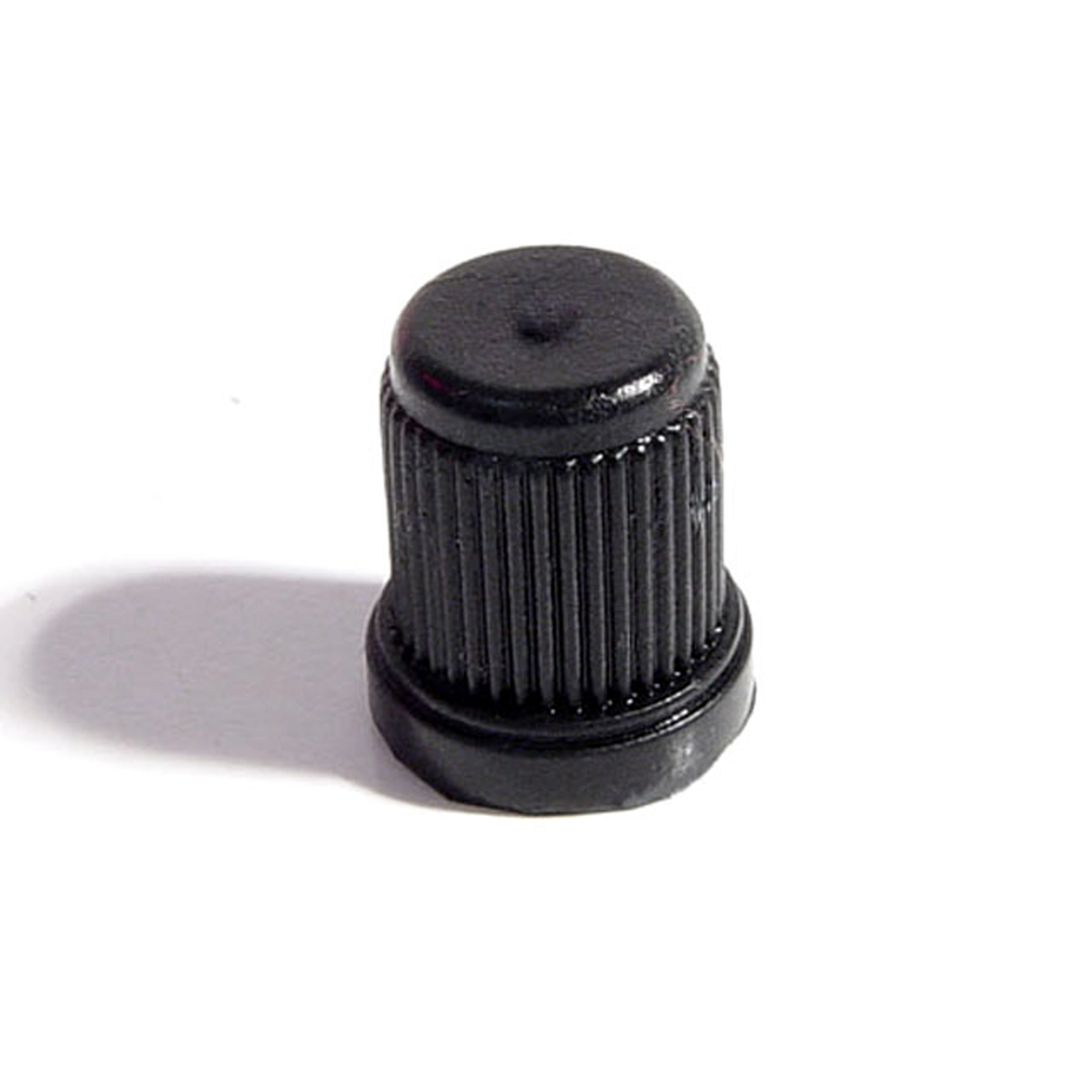 1967 Buick Wildcat Trip Meter Reset Knob. Made of black rubber-KN 10Trip Meter Reset Knob. Made of black rubber. Compare to measurements: 1/8" I.D., 7/16" O.D. X 1/2" tall. Each
 1967 Buick Wildcat Front Molded Door Seals with Clips. For 4-Door Sedan Only-LM 21-FFront Molded Door Seals with Clips. For 4-Door Sedan Only. Pair R&L
 1967 Buick Wildcat Rear Molded Door Seals with Clips. For 4-Door Sedan Only-LM 21-F/RRear Molded Door Seals with Clips. For 4-Door Sedan Only. Pair R&L
 1967 Buick Wildcat Molded Door Seals-LM 21-IMolded Door Seals. For 2-Door Hardtop and Convertibles (does not fit Grand Prix hardtop or formal top cars). Pair R&L. Original part numbers #7648132 and 7648133.
 1967 Buick Wildcat Front door seals-LM 21-JFront door seals. Fits '65-'66 GM B- and C-body 4-door hardtop (also called 'Sports Sedan') models. Replaces OEM#'s 4455994/5. Pair. R&L.
 1967 Buick Wildcat Trunk Liner. Loose weave-M 23Trunk Liner. Loose weave. Black with scattered white threads. 54" wide. Sold by the foot
 1967 Buick Wildcat Door Handle Pads. 2-5/8" long & 1-1/8" long. Set R&L-MP 989-DDoor Handle Pads. 2-5/8" long & 1-1/8" long. Set R&L
 1967 Buick Wildcat Basic Kit, for 2-Door Hardtop-RKB 2007-100Basic Kit, for 2-Door Hardtop. Door (LM 21-I) Roof Rail (RR 5015) Trunk (TK 46-18), Seals. (Does not fit Fastback)
 1967 Buick Wildcat Basic Kit, for Convertibles-RKB 2007-101Basic Kit, for Convertibles. Door (LM 21-I) Roof Rail (RR 1811-B), Header (HD 731), Trunk (TK 46-18), Seals.
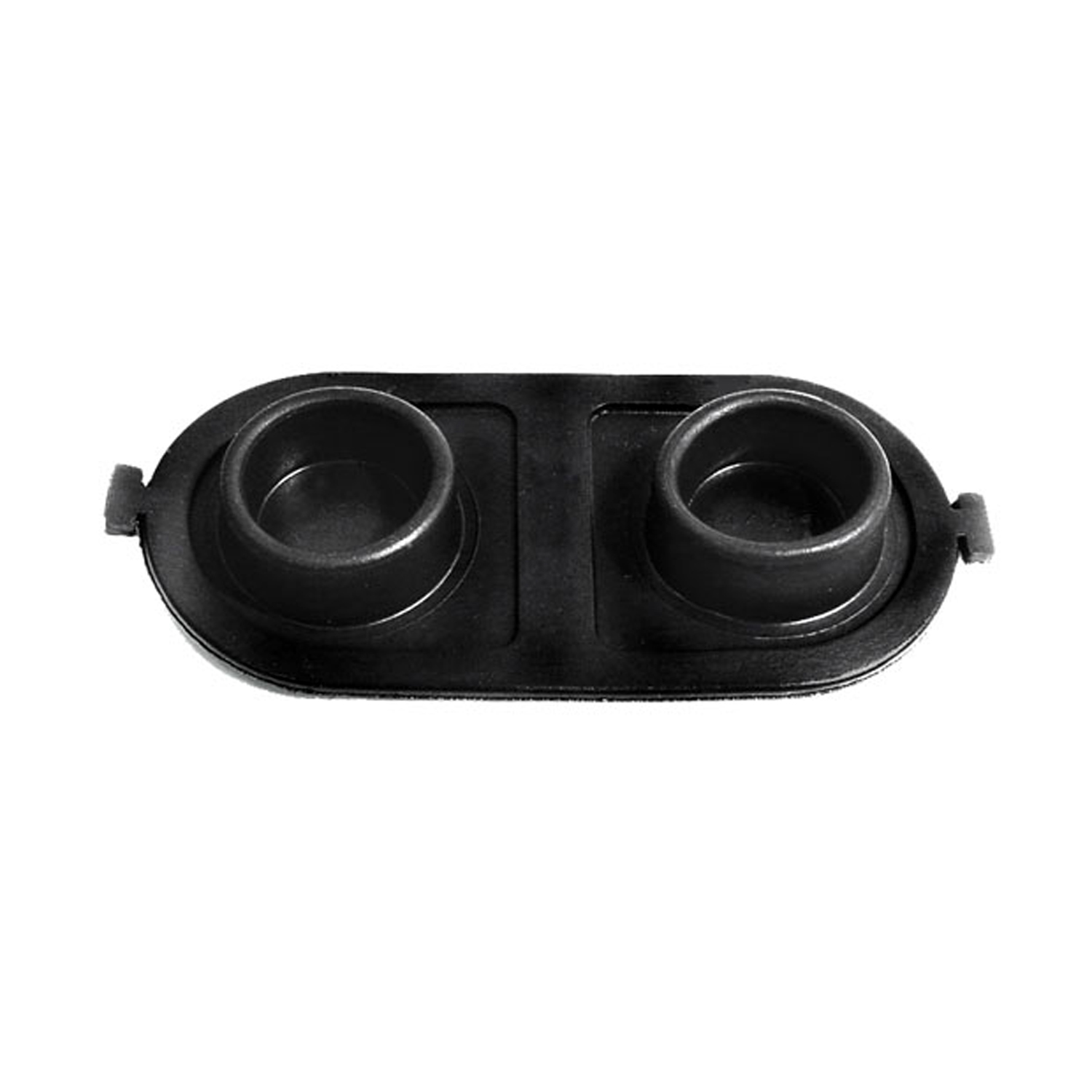 1967 Buick Wildcat Brake Master Cylinder Cover Seal. Replaces OEM #5470861-RP 2-EBrake Master Cylinder Cover Seal. Replaces OEM #5470861. 5" X 2-1/2". Each
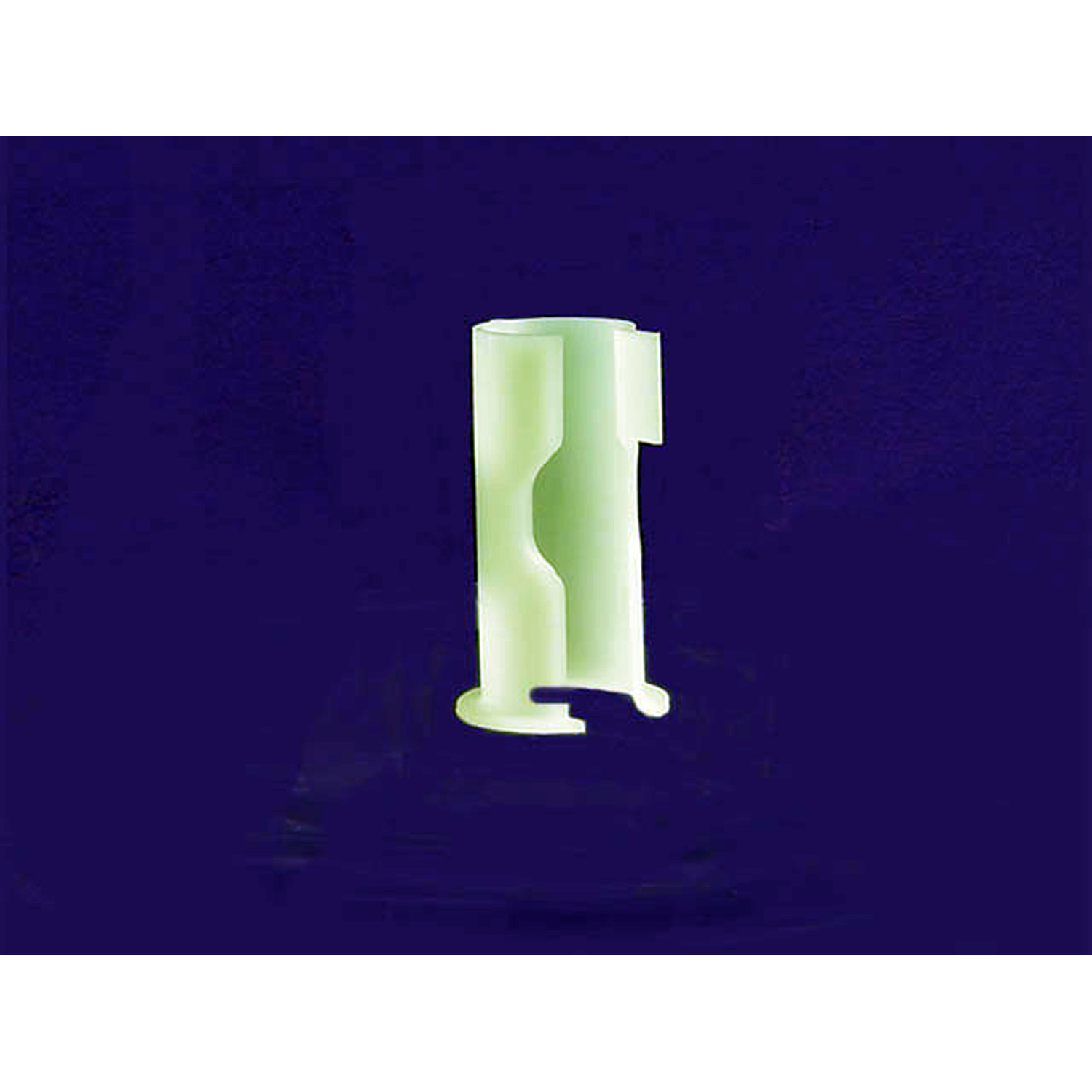 1967 Buick Wildcat Sun Visor Support Sleeve. Clear plastic. Each-RP 303-ASun Visor Support Sleeve. Clear plastic. Each
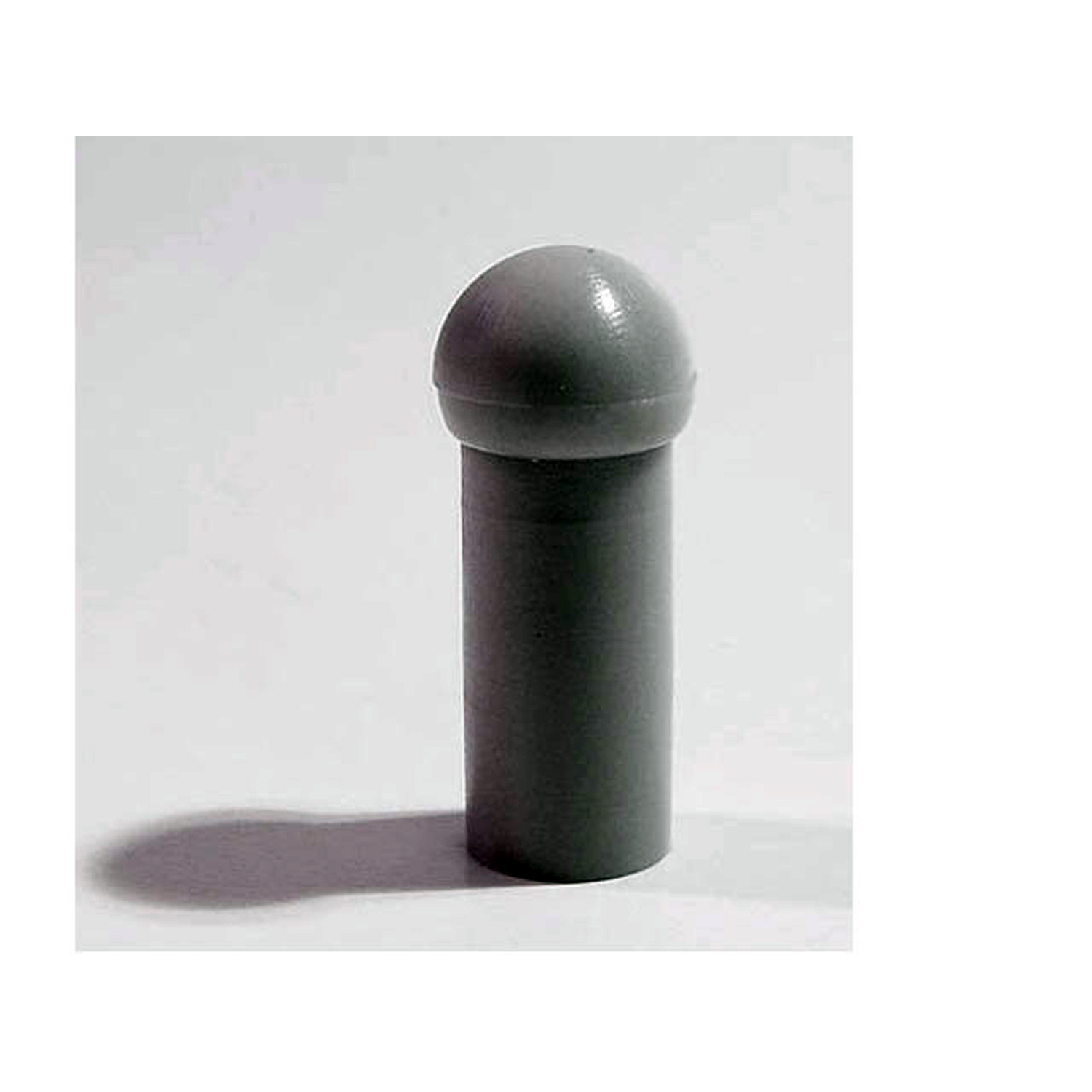 1967 Buick Wildcat Sun Visor Rod Rubber Grommet. 3/4" long. Gray. Each-RP 303-CSun Visor Rod Rubber Grommet. 3/4" long. Gray. Each
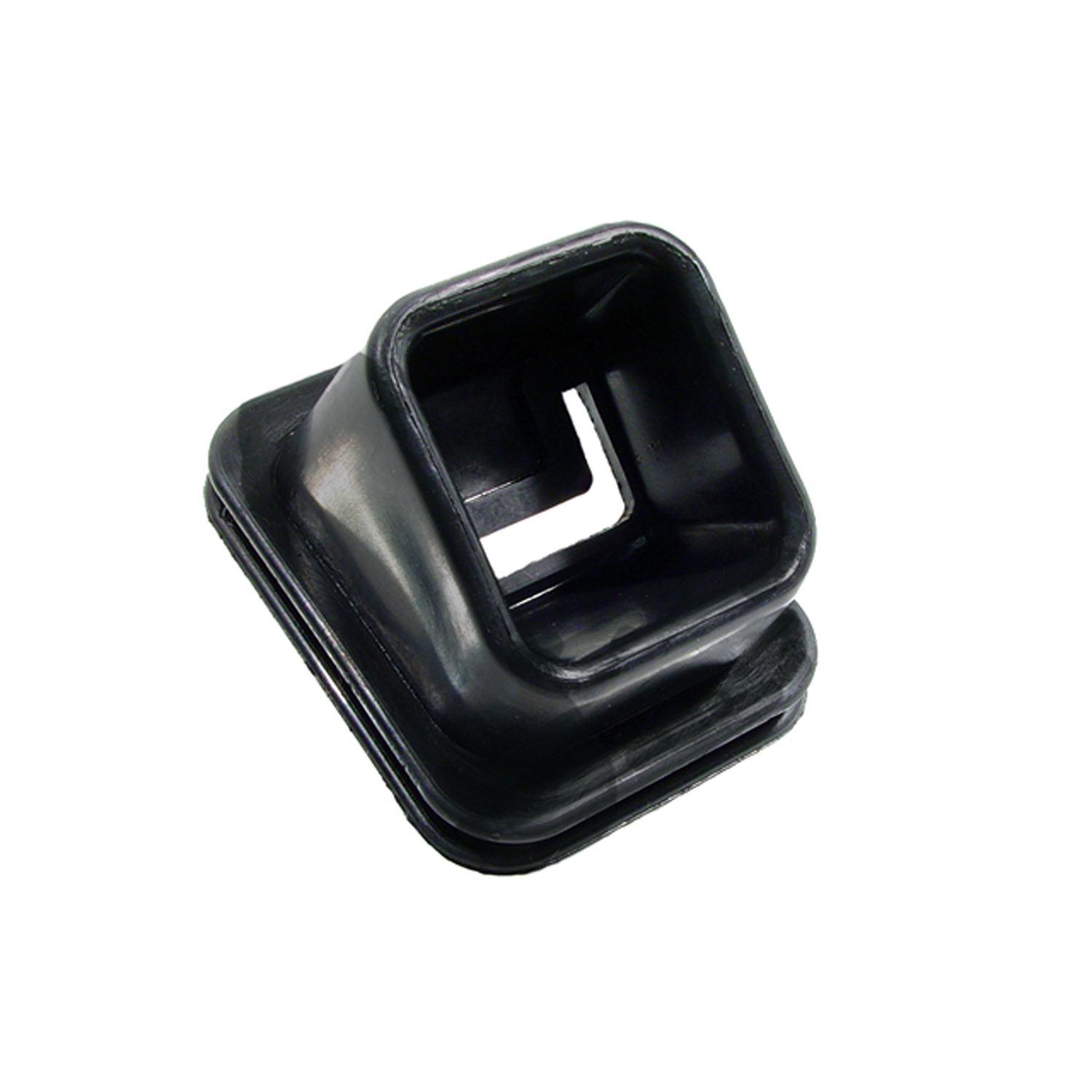 1967 Buick Wildcat Clutch Arm Fork Boot. Fits on bell housing to keep dirt out-RP 31-DClutch Arm Fork Boot. Fits on bell housing to keep dirt out. Each
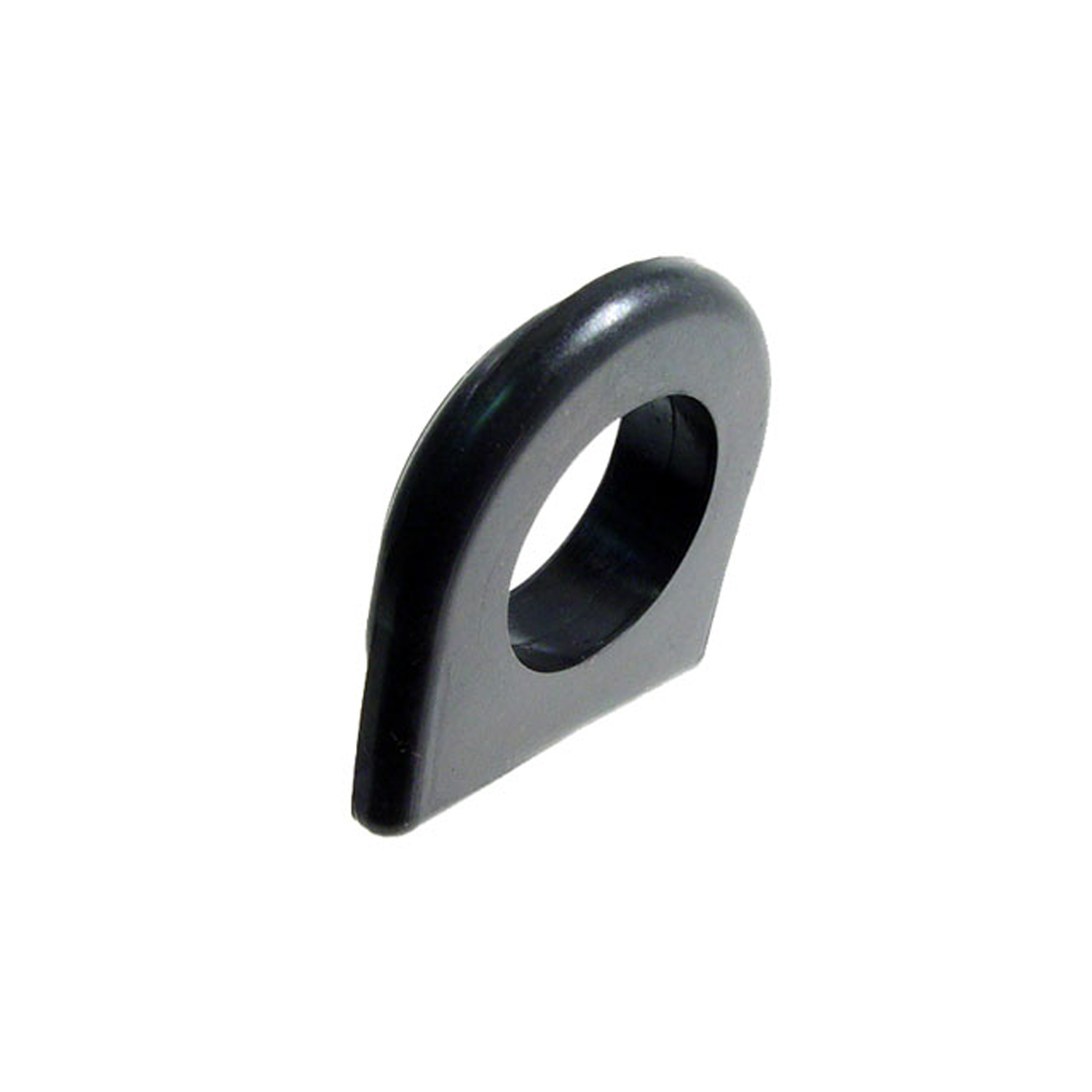 1967 Buick Wildcat Positive Crankcase Ventilation Grommet-RP 9Positive Crankcase Ventilation Grommet. 11/16" wide X 1-5/8" long, with 15/16" I.D. (Fits some models) Each
 1967 Buick Wildcat Molded Roof Rail Seals, for Convertibles-RR 1811-BMolded Roof Rail Seals, for Convertibles. 6-Piece set, with steel cores (remove rear flaps for '69-'70 Chevrolet). For molded sponge header seal, order part #HD 731.
 1967 Buick Wildcat Molded roof-rail seals-RR 5015Molded roof-rail seals. For 2-door hardtops only (does not fit Fastback). 68 in. long. Please check your old seal to ensure proper ordering. Pair. R&L.
 1967 Buick Wildcat Molded roof-rail seals-RR 5015-AMolded roof-rail seals. For 2-door Fastback models only (does not fit standard hardtop). 96 in. long. Please check your old seal to ensure proper ordering. Pair. R&L.
 1967 Buick Wildcat Molded Roof Rail Seals for 4-Door Hardtop. Pair-RR 5015-BMolded Roof Rail Seals for 4-Door Hardtop. Pair
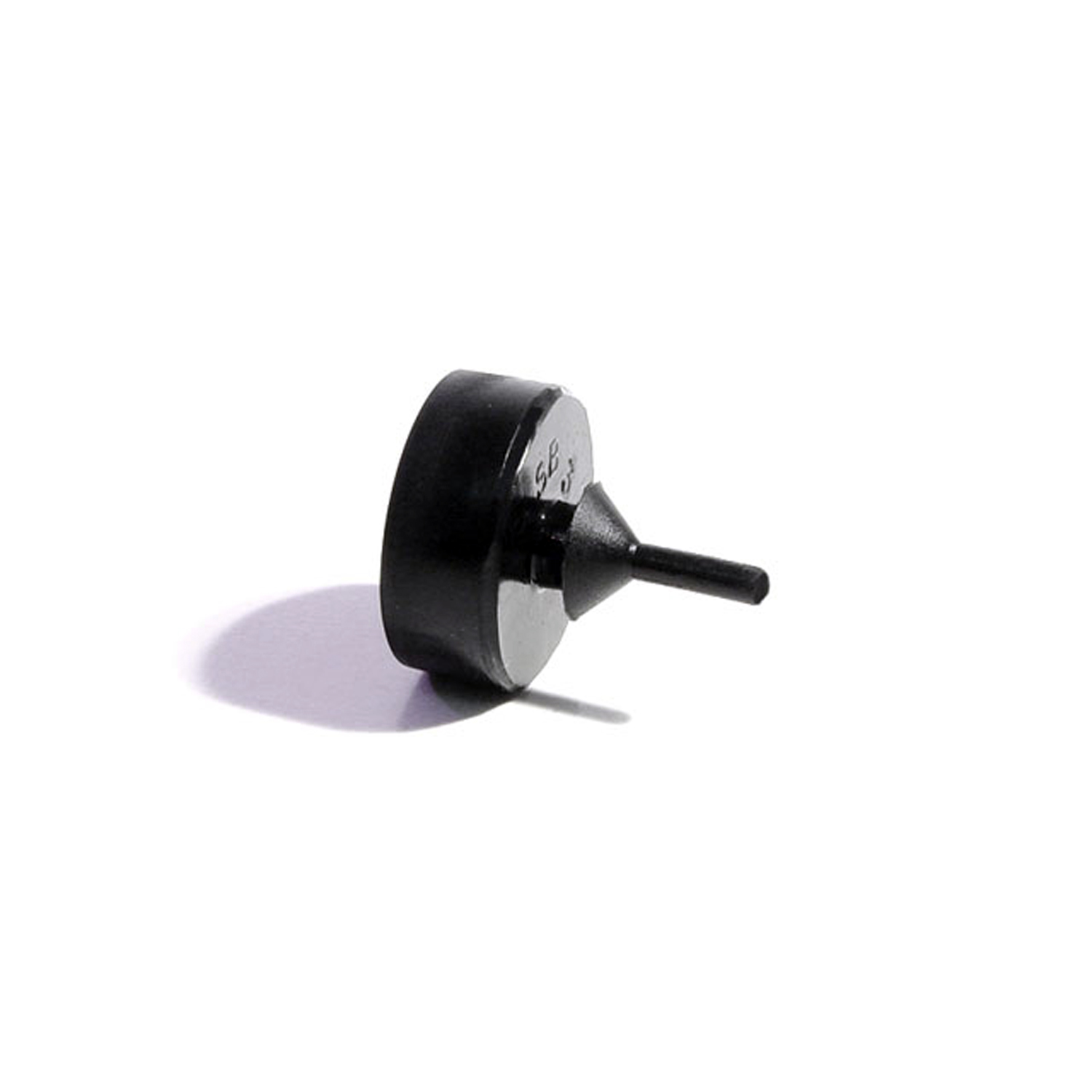 1967 Buick Wildcat Trunk Bumper. Fits lower corner on decklid. 15/16" O.D-SB 34Trunk Bumper. Fits lower corner on decklid. 15/16" O.D., 11/16" high. Each
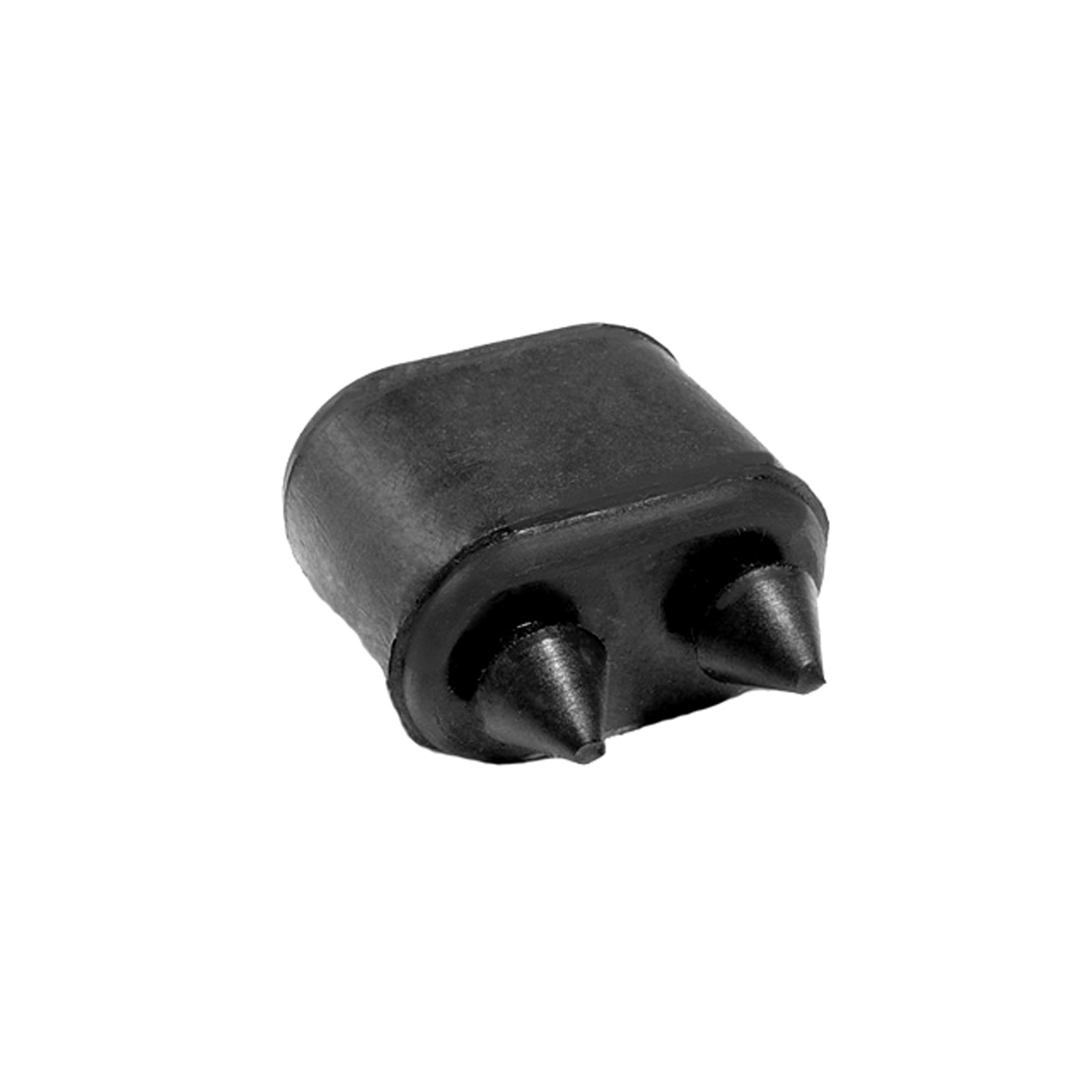 1967 Buick Wildcat Door Bumper, 57-74 GM Cars, Made with Twin Retainers, Each-SB 35Door Bumper, 57-74 GM Cars, made with twin retainers, Each. Measure 1-1/16" high X 19/32" wide X 1-1/32" long.
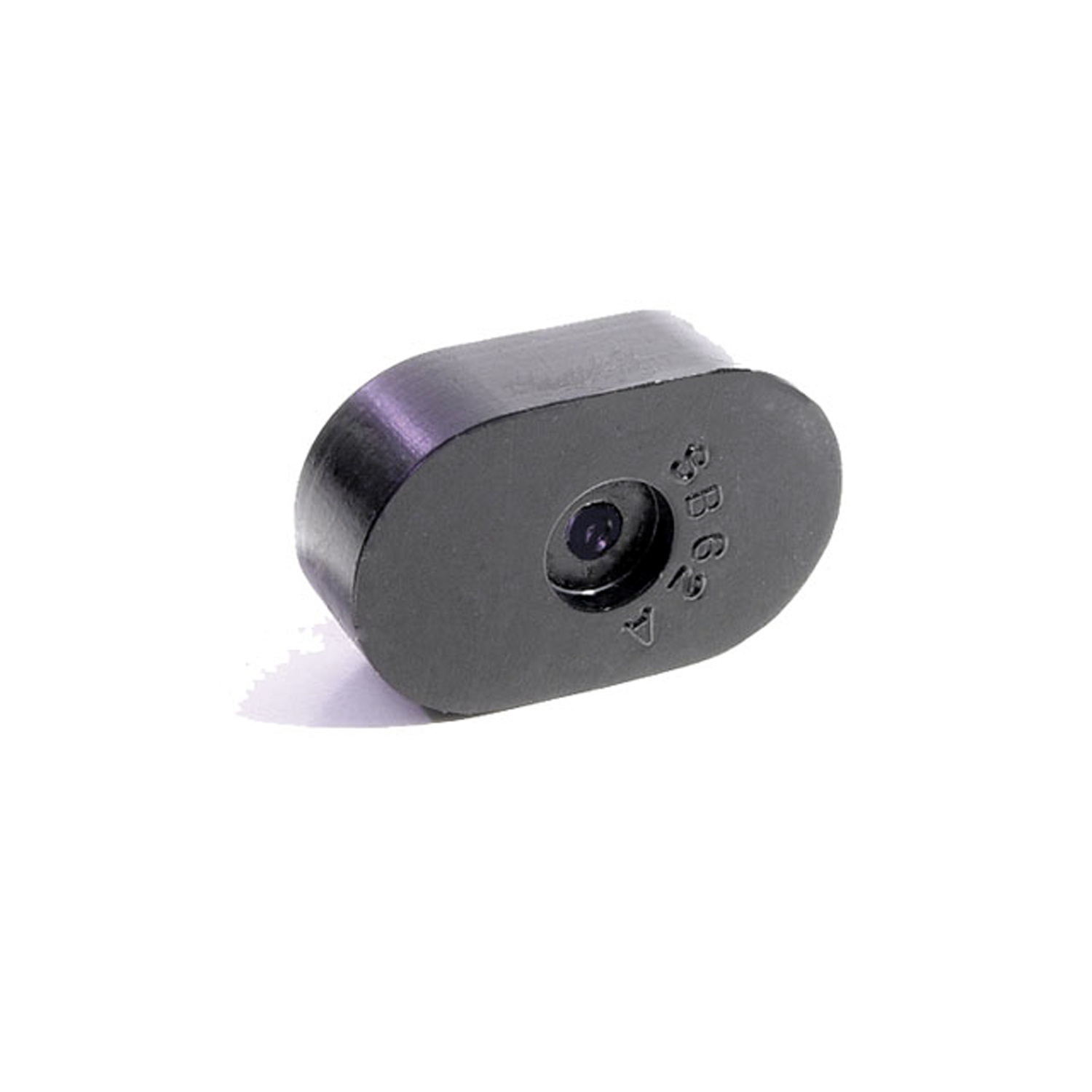 1967 Buick Wildcat Seat Bumper. Made with steel core like original-SB 62-ASeat Bumper. Made with steel core like original. 1-1/2" long, 7/16" thick. Two used per car. Each
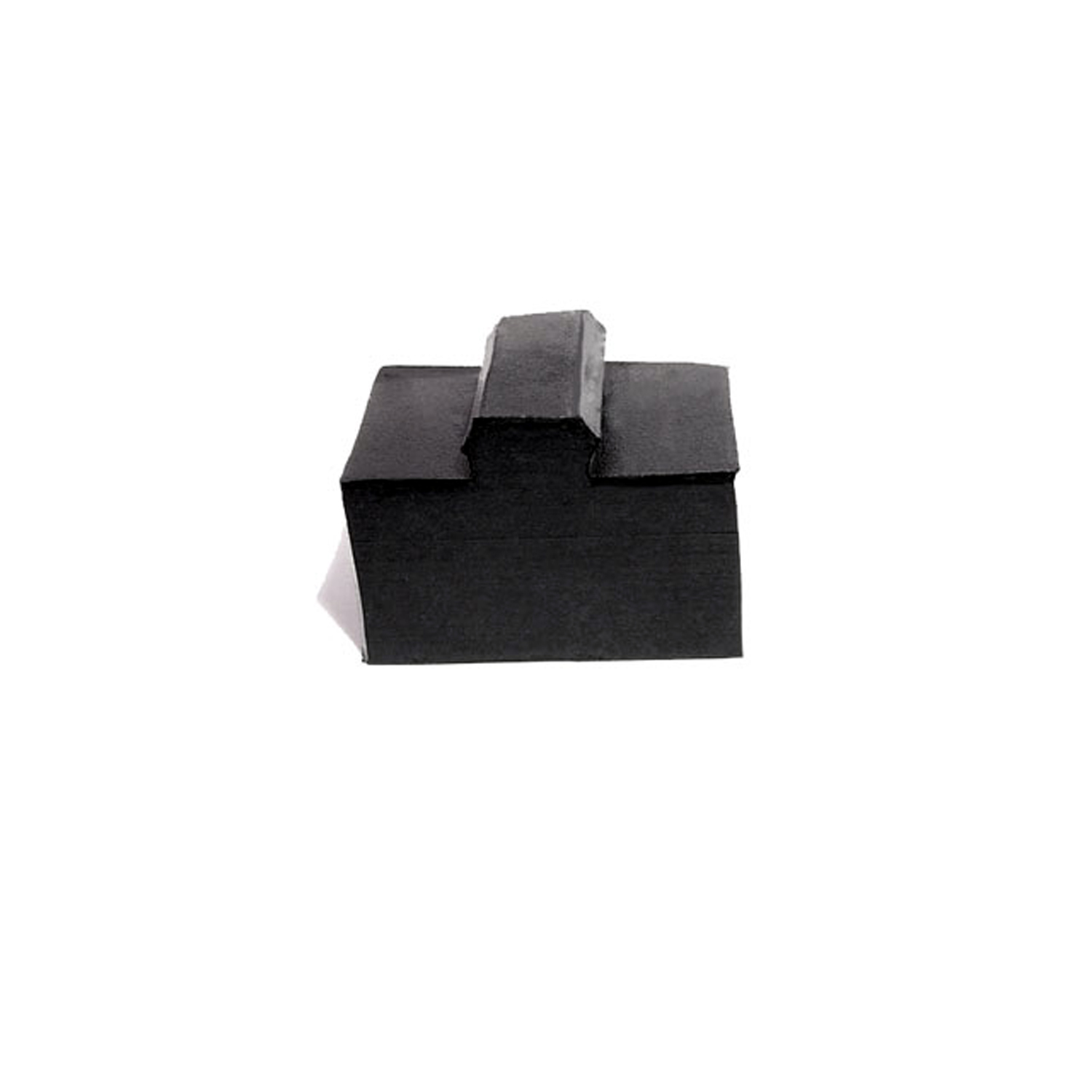 1967 Buick Wildcat Clutch Pedal Return Bumper-SB 64Clutch Pedal Return Bumper. 1-13/16" long X 13/16" wide X 7/8" high (center). Each
 1967 Buick Wildcat Bumper Brace to Filler Panel Spacer, 68-71 Chevy A Body, 67-71 GM B Body Exc Wgn-SB 68Bumper Brace to Filler Panel Spacer, 68-71 Chevy A Body Except Wagons, 67-71 GM B Body Except Wagons, Each. Replaces OEM # 3895100.
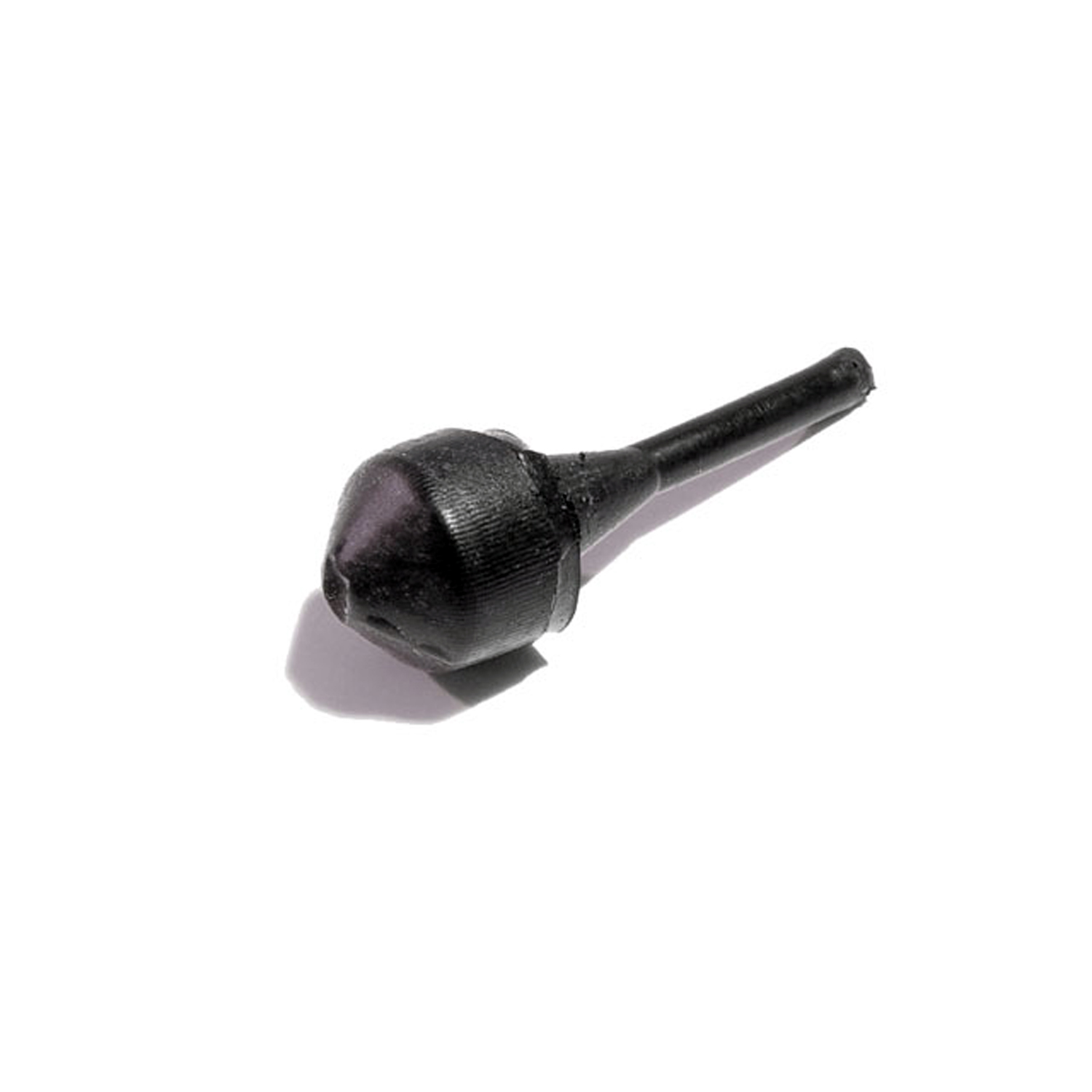 1967 Buick Wildcat Glove Box and Fuel Door Bumper. Fits 3/16" hole. Each-SB 78Glove Box and Fuel Door Bumper. Fits 3/16" hole. Each
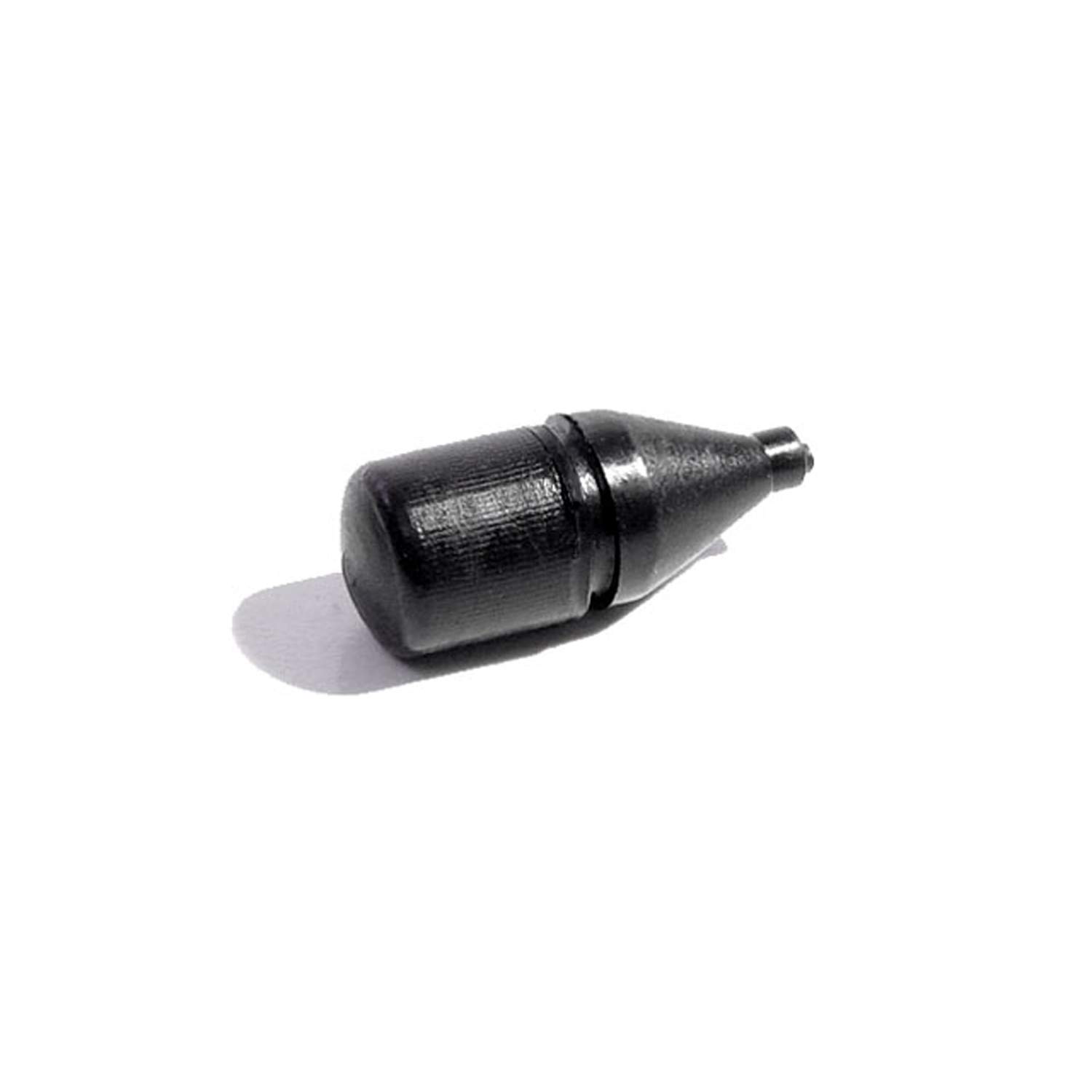 1967 Buick Wildcat Fuel Door Bumper. 7/8" high, 5/16" O.D. Each-SB 81Fuel Door Bumper. 7/8" high, 5/16" O.D. Each
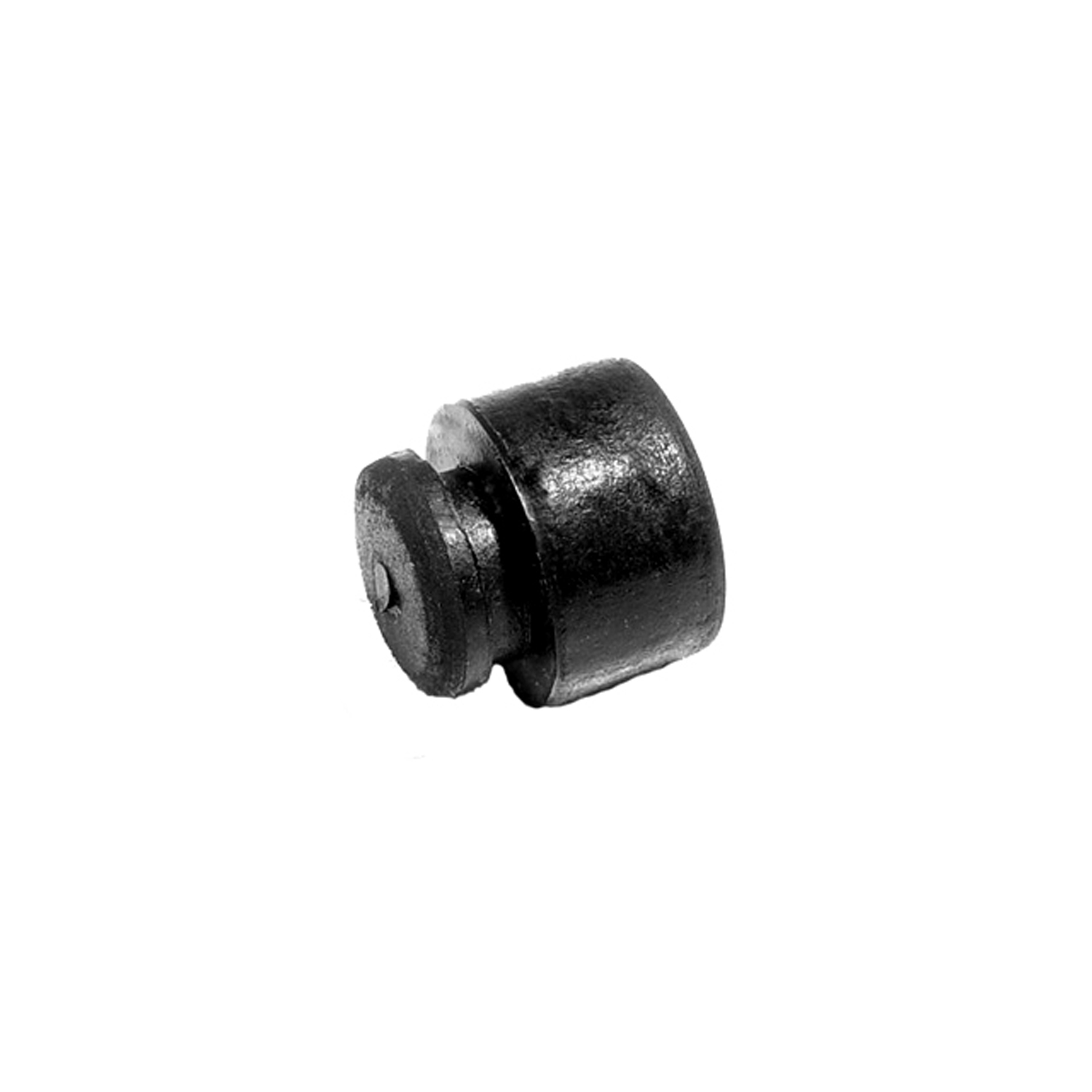 1967 Buick Wildcat License Plate Bumper. Fits a 1/4" hole. Each-SB 82License Plate Bumper. Fits a 1/4" hole. Each
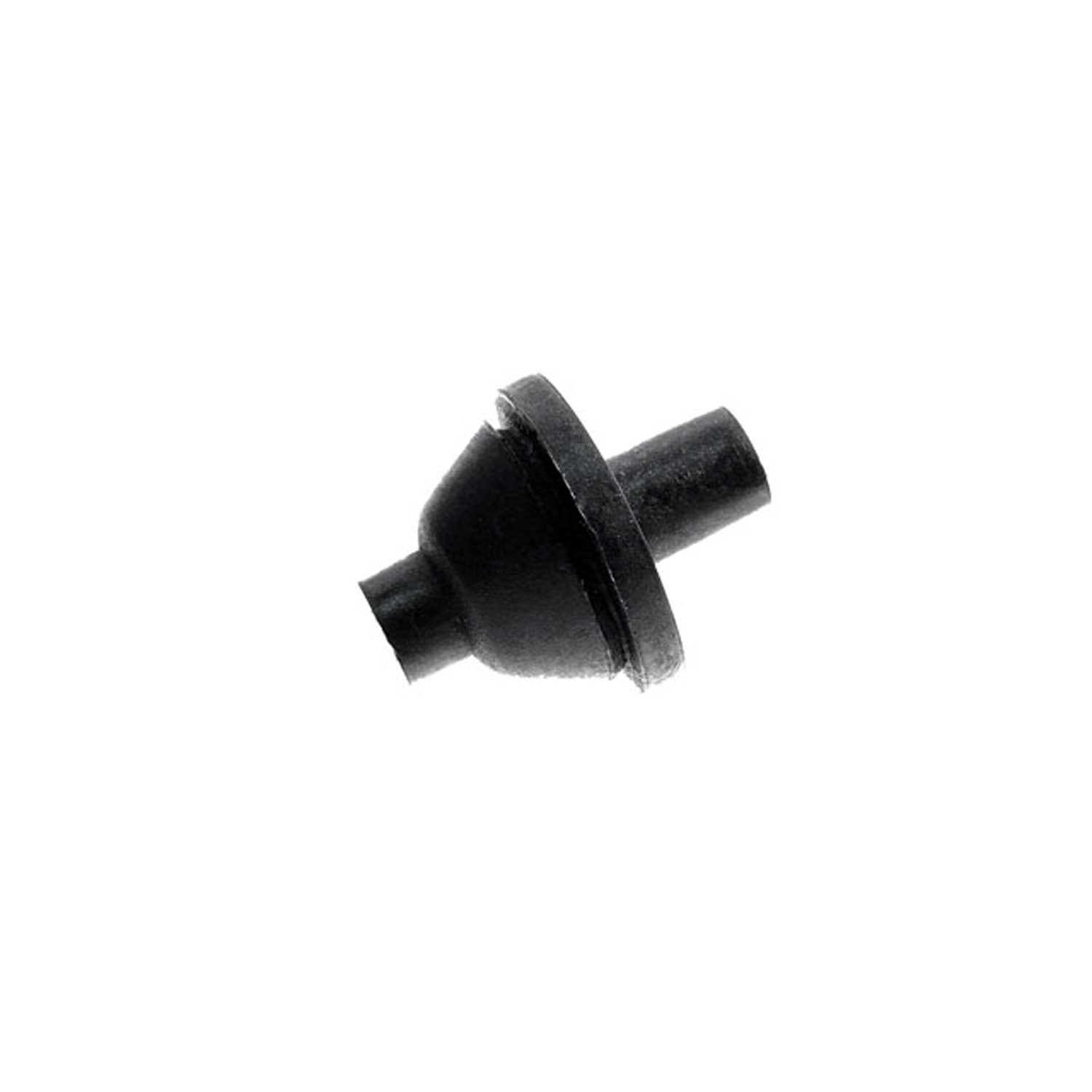 1967 Buick Wildcat Dash and Firewall Grommet. Single-hole type is for one wire-SM 101Dash and Firewall Grommet. Single-hole type is for one wire. Each
 1967 Buick Wildcat Dash and Firewall Grommet. Two hole type. Each-SM 101-ADash and Firewall Grommet. Two hole type. Each
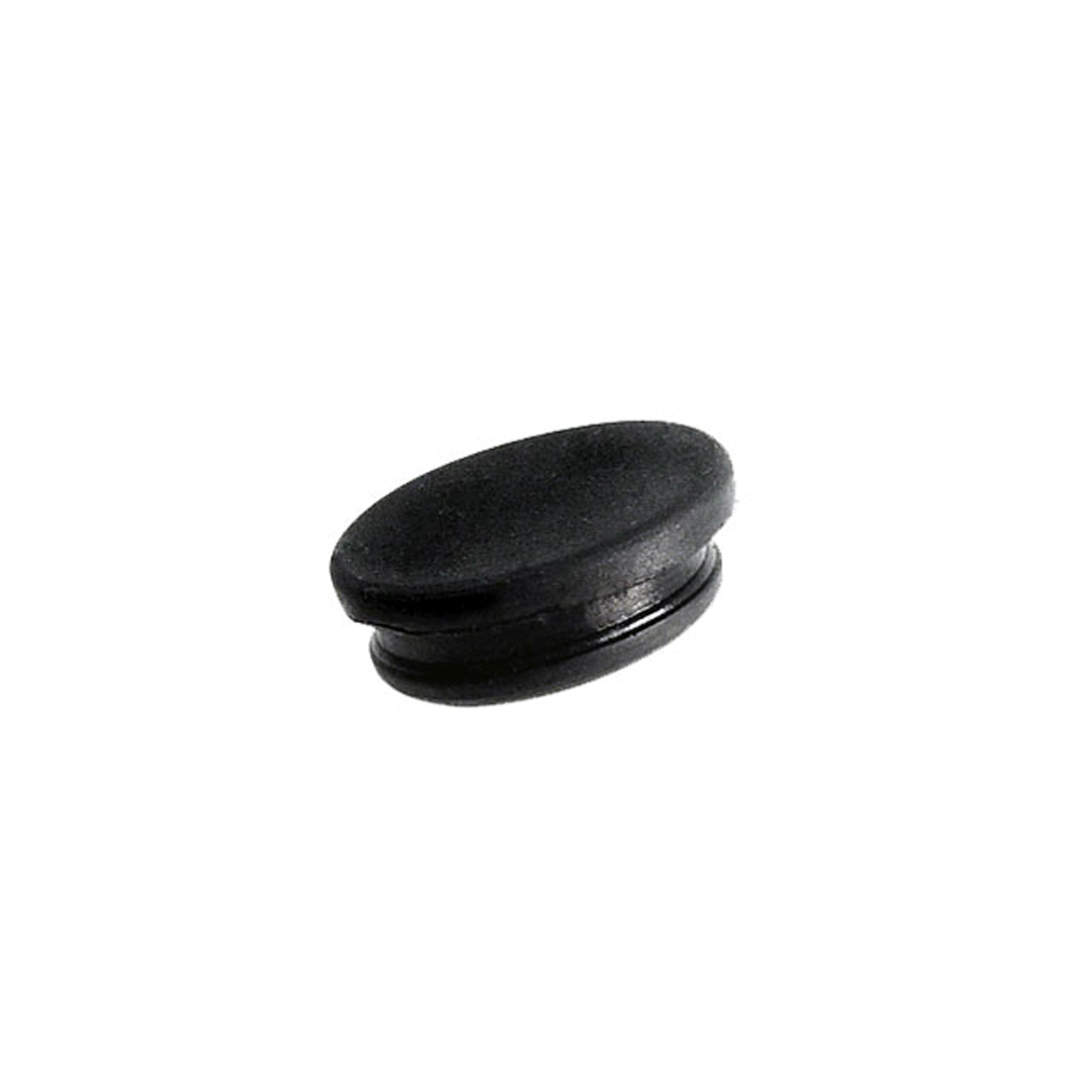 1967 Buick Wildcat Rocker Arm Cover. Neoprene plug. Fits 1" hole. Each-SM 66Rocker Arm Cover. Neoprene plug. Fits 1" hole. Each
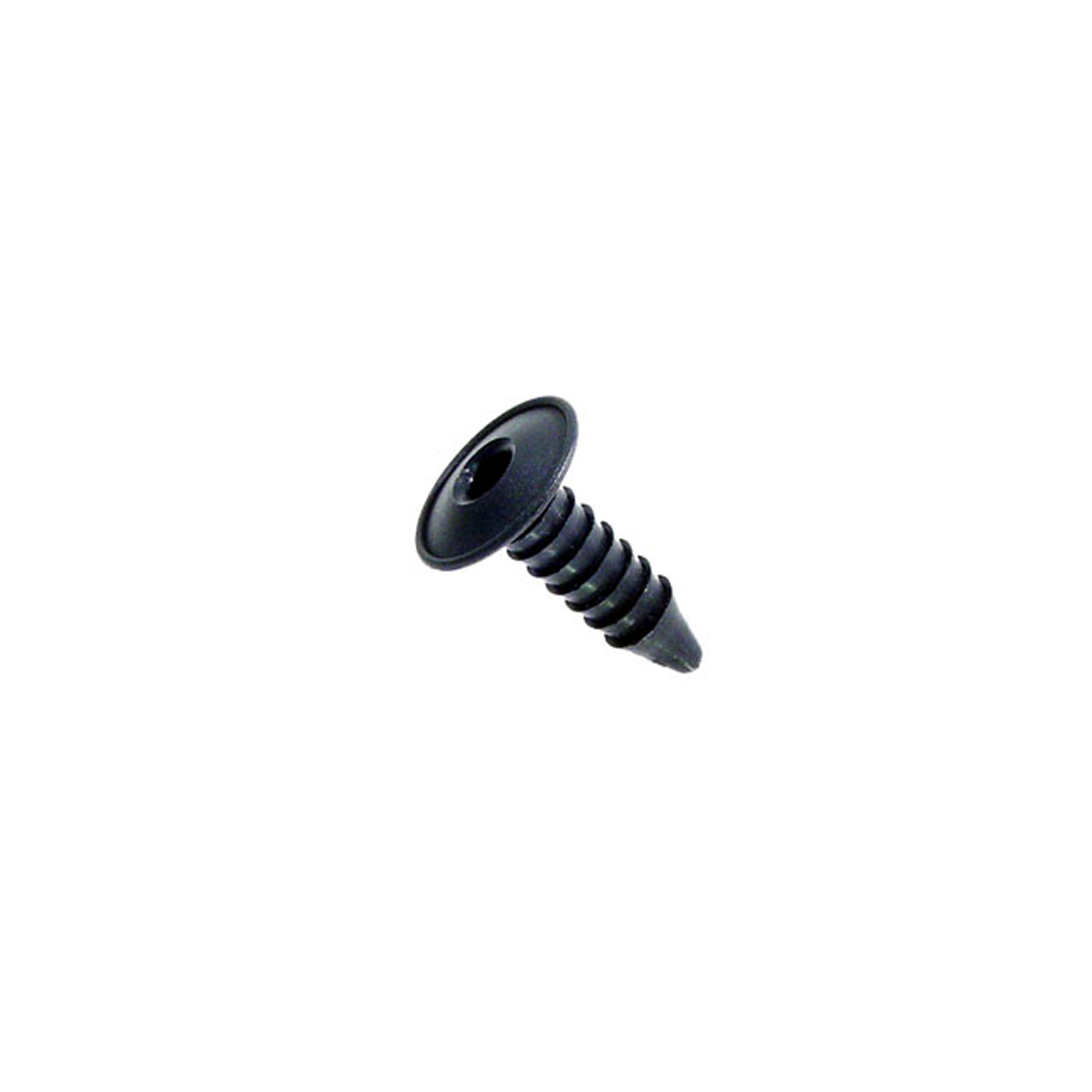 1967 Buick Wildcat Firewall insulation fastener. 1 in. dia. W head. 1-1/2 in. L-SM 80-AFirewall insulation fastener. 1 in. dia. W head. 1-1/2 in. L. Replaces OEM#'s (GM) 7642589 and (AMC) 4001934. Black. Each.
 1967 Buick Wildcat Trunk Seal. 18 feet long. Each-TK 46-18Trunk Seal. 18 feet long. Each
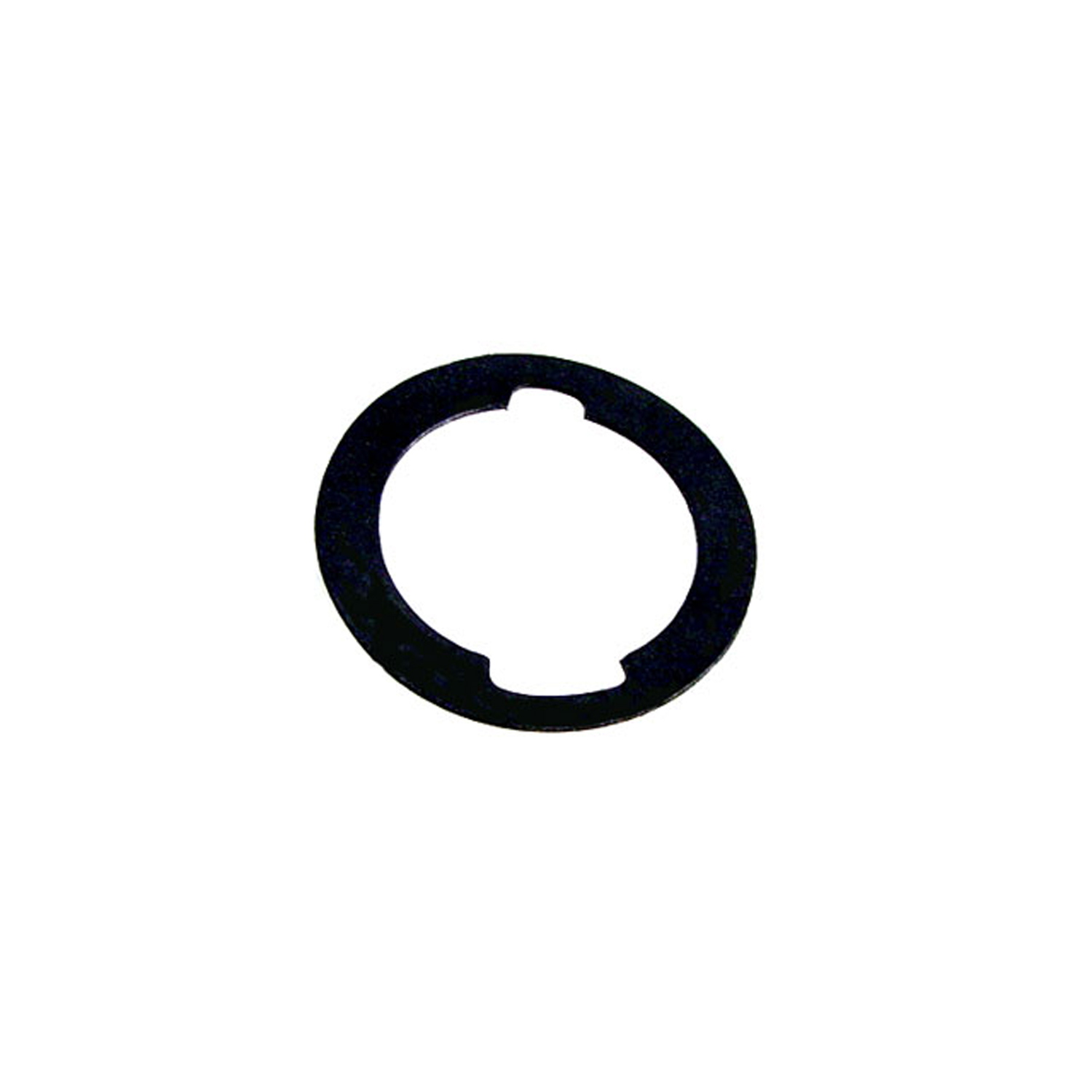 1967 Buick Wildcat Unbeaded Door and Trunk Lock Gasket. 1-3/16" O.D., 7/8" I.D-UM 1600-100Unbeaded Door and Trunk Lock Gasket. 1-3/16" O.D., 7/8" I.D. Each
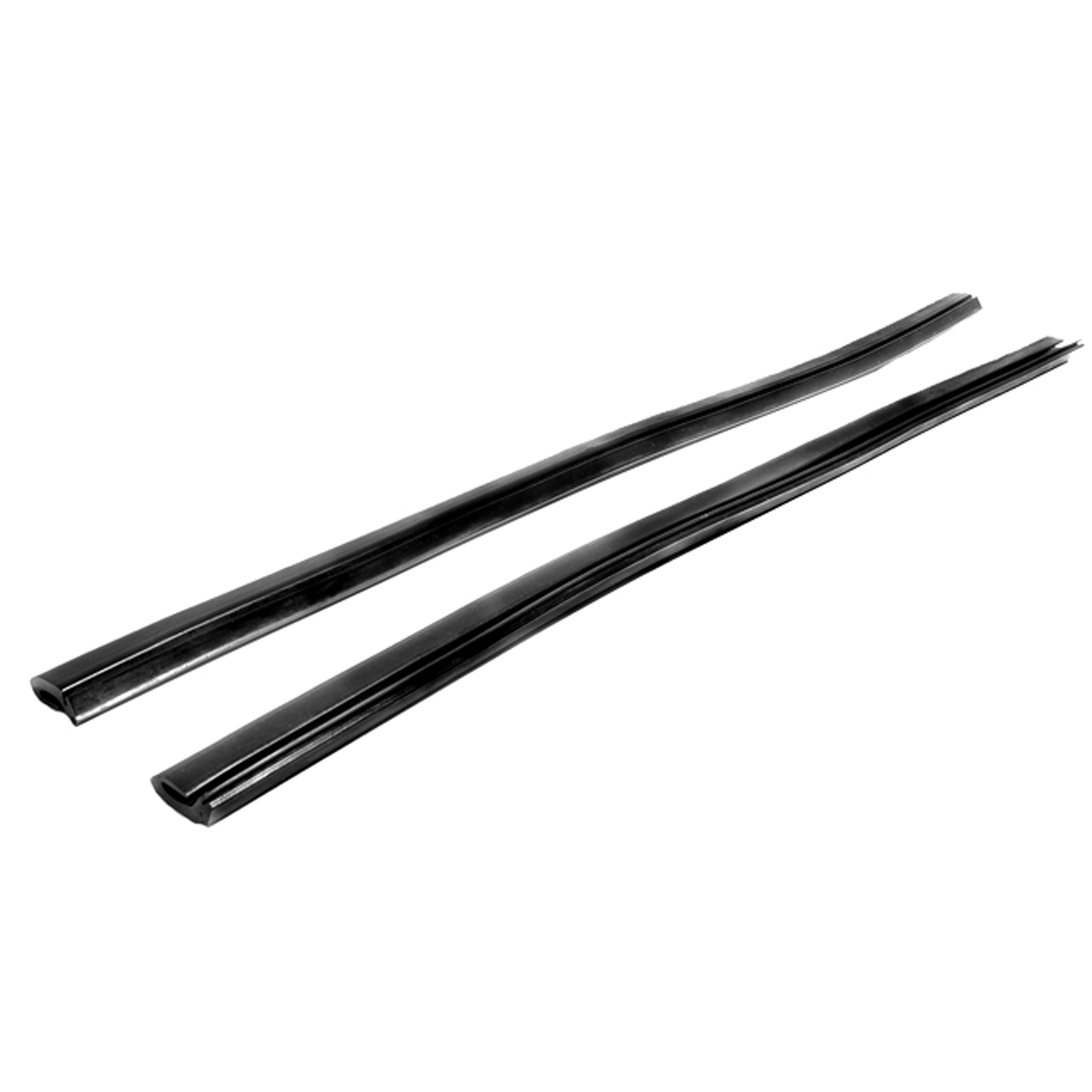 1967 Buick Wildcat Rear Side Roll-Up Window Seal, for Hardtops and Convertibles-VS 3Rear Side Roll-Up Window Seal, for Hardtops and Convertibles. Two 20" sections slide into metal track. No steel insert. Pair
 1967 Buick Wildcat Rear Roll-Up Quarter Window Seals-VS 3-RRear Roll-Up Quarter Window Seals, for 2-Door Hardtops and Convertibles. Pair
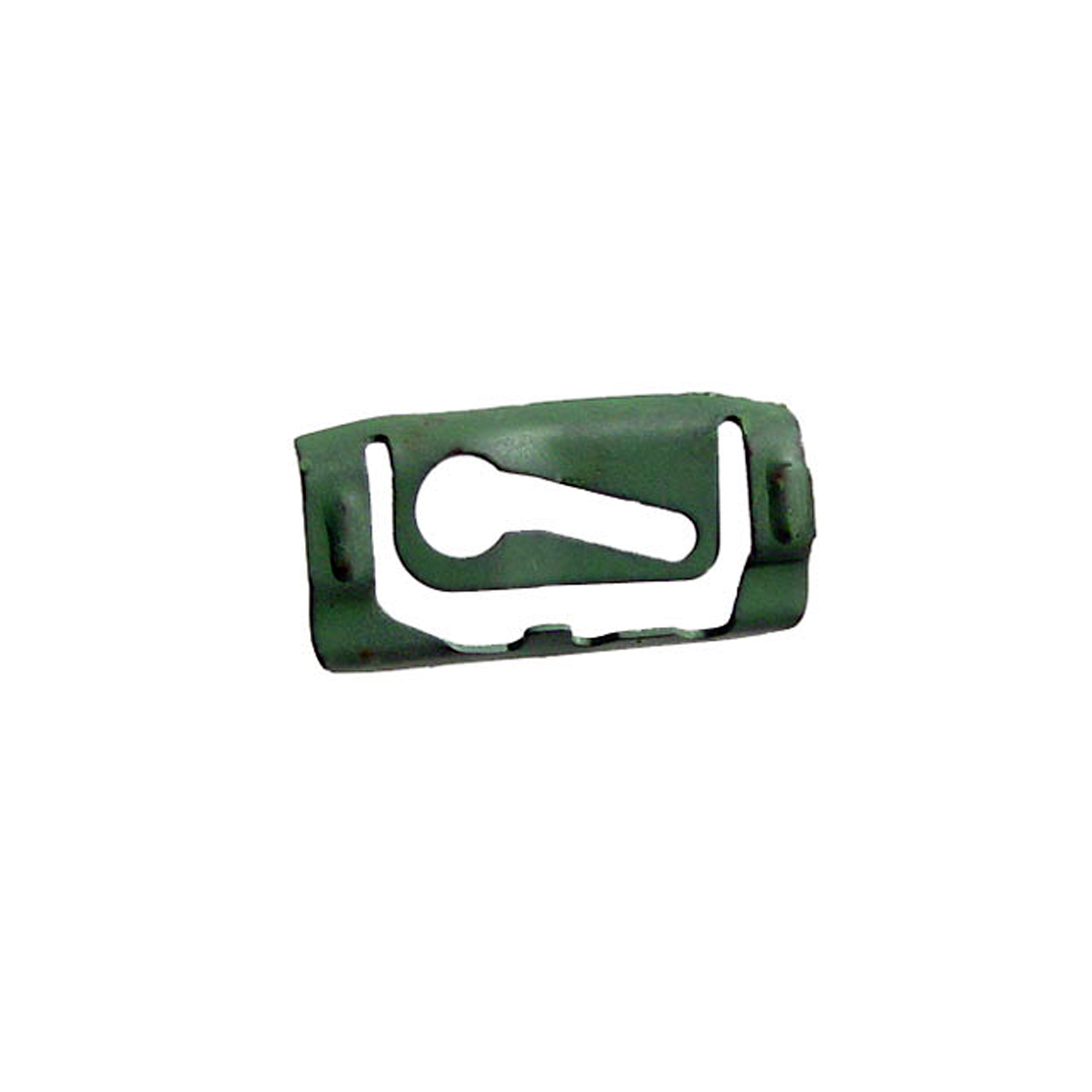 1967 Buick Wildcat Quarter Window Reveal Molding Clip. Made of Steel-WF 205Quarter Window Reveal Molding Clip. Made of Steel. 1-3/8" X 11/16". Each
 1967 Buick Wildcat Vent window and rear division channel seals-WR 2002-EVent window and rear division channel seals. Fits '65-'68 GM B-body and C-body 2-door and 4-door hardtops and convertibles. Top quality EPDM dense rubber. 4-piece set. R&L.
Why Choose Metro?
For over 100 years, Metro Moulded Parts has been the pinnacle of quality in classic car restoration parts. Our commitment to precision and authenticity in every component ensures a perfect fit and an OEM-level appearance.
- Expert Craftsmanship & Quality: Each part is a testament to our dedication to reliability and perfection, crafted from original designs and thoroughly tested.
- Advanced Technology: We use cutting-edge techniques to create flawless, long-lasting parts that surpass others in performance.
- SuperSoft Sponge – The Ultimate Door Seal: Not only are our door seals 30% softer than competitors', but they're also guaranteed to never leak. They effectively reduce wind and road noise, enhancing your classic car's comfort and driving experience.
- Proudly American: Our parts are a product of American craftsmanship, made in the USA with a spirit of excellence and heritage.
- Unrivaled Warranty: We back our products with a 30-year industry-leading warranty, a testament to our confidence in their quality.
Join us in preserving the legacy of classic cars with parts that are crafted for perfection, not just made.