

Image of 1968 Buick Lesabre, Note: These illustrations use artistic license and may differ from actual historical models.
Performance Metrics
Fundamental Metrics
Emotional Appeal
MMP Rating
| Engine Specifications | |
|---|---|
| Engine: | 350 cu in (5.7 L) V8, 400 cu in (6.6 L) V8, 430 cu in (7.0 L) V8 |
| Displacement: | 350-430 cu in |
| Horsepower: | 230-360 hp |
| Torque: | 340-475 lb-ft |
| Compression Ratio: | 10.25:1 |
| Ignition System: | Conventional |
| Cooling System: | Liquid-cooled |
| Performance Specifications | |
| 0-60 Time: | Estimated 8-10 seconds |
| 1/4 Mile Time: | Estimated 16-18 seconds |
| Top Speed: | 120 mph |
| Transmission and Drive | |
| Drive Type: | Rear-wheel drive |
| Transmission Type: | 3-speed automatic, 3-speed manual |
| Fuel and Efficiency | |
| Fuel System Type: | Carburetor |
| MPG: | Estimated 10-12 mpg |
| Dimensions and Brakes | |
| Brakes: | Front disc, rear drum |
| Wheelbase: | 119 inches |
| Weight: | 3,600-3,800 lbs |
Note: Specifications for classic cars are given to the best of our ability, considering the limited and variant data available.
1968 Buick LeSabre: Full-Size Comfort with Buick Style
The 1968 Buick LeSabre made a big car feel easygoing: it paired a broad, elegant body with a smooth V8 and the relaxed ride American buyers wanted from a full-size Buick. Built by Buick, a division of General Motors, the LeSabre sat at the more accessible end of the brand’s full-size range, below the Wildcat and Electra. It offered much of Buick’s traditional comfort and visual presence without reaching for the price or luxury appointments of its larger, more expensive siblings.
The LeSabre name had a memorable origin. It was first used on Buick’s dramatic 1951 Le Sabre show car, a futuristic design that helped introduce the public to jet-age styling. The production LeSabre arrived later, in 1959, as a very different kind of machine: a practical, mass-produced full-size car. By 1968, it had become a familiar part of Buick’s lineup, and that year’s redesigned body gave it a fresh look while preserving its comfortable, substantial character.
There is also a small historical detail worth spotting: 1968 was the first model year in which U.S. regulations required side marker lights on new cars. Look at a LeSabre’s front fenders and rear quarters and you will find those period-correct markers, a design feature that soon became ordinary but was still new at the time.
1968 LeSabre Styling and Interior
The 1968 LeSabre has the long, low proportions that define a classic American full-size car. Its broad grille and cleanly shaped front end give it a confident face, while the body’s gently sculpted sides catch the light without looking overly busy. Buick’s designers balanced crisp edges with rounded contours, and the result feels formal but not as imposing as an Electra. At the rear, the wide stance and sculpted quarter panels finish the car with a steady, planted look.
Inside, the LeSabre was built for comfortable miles rather than a cockpit-like driving position. The cabin generally featured wide bench seating, generous legroom, and a large, straightforward dashboard. Depending on trim and options, buyers could get cloth, vinyl, or combinations of the two, along with upgraded trim and carpeting. The materials were appropriate to a well-appointed Buick of the period: durable, inviting, and more focused on comfort than sports-car flair. Upholstery and equipment varied by body style and order, so surviving cars can differ considerably.
Available conveniences included automatic transmission, power steering, power brakes, air conditioning, and radio options. These were not all standard, and the equipment on an individual car depends on its original order. The driving controls were conventional and easy to understand, with a large steering wheel and simple instruments. For 1968, federal safety requirements also brought features such as a dual-circuit brake system and side marker lamps to new cars.
Buyers could choose among several body styles, including two-door and four-door models, pillarless hardtops, a four-door sedan, and a convertible. Buick also offered full-size wagon choices in this era, though model naming and lineup details can vary across references. The pillarless hardtop is especially striking: with its windows lowered, the side opening looks broad and uninterrupted. The convertible is the most instantly glamorous version, while the four-door hardtop makes a strong case as a practical classic with clean, open-sided styling.
Original paint choices varied by trim and production run. Period LeSabres appeared in restrained whites and creams as well as blues, greens, golds, and reds, including metallic finishes. White and darker, richer colors remain popular with collectors because they show off the car’s long body and bright trim particularly well. When evaluating a car, verify its paint code rather than assuming its current color is original.
Why the 1968 Buick LeSabre Matters
The LeSabre was not designed to introduce a radical new technology. Its importance lies in how well it represented Buick’s core formula: full-size comfort, quiet V8 power, tasteful styling, and a broad range of body and equipment choices. In 1968, that formula was wrapped in a newly styled body on GM’s full-size B-body platform. The LeSabre gave buyers a substantial Buick experience without requiring them to move up to the costlier Wildcat or Electra.
Its place in the market also set it apart from many contemporaries. A Chevrolet Impala could offer similar size and broad utility, while a Pontiac leaned more heavily into performance styling. The Buick occupied a comfortable middle ground, with a more restrained presentation and a ride tuned for cruising. The LeSabre’s influence was less about a single breakthrough than about sustaining a durable idea: a full-size car could be roomy and well equipped while remaining an attainable step into the Buick brand.
That approach helped make the LeSabre one of Buick’s enduring nameplates. It was a car for everyday family use, long-distance travel, and comfortable commuting, not just a special-occasion luxury machine. Its combination of familiar engineering and upscale touches is a big reason the model still appeals to classic-car buyers who want something substantial but not overly rare or delicate.
Buick LeSabre Engine, Speed, and Ride
The standard engine was Buick’s 350-cubic-inch V8. In common 1968 configurations, the two-barrel version was rated at about 230 gross horsepower, with a four-barrel version available at a higher rating. A 430-cubic-inch V8 was also offered in some LeSabre configurations. Exact equipment depended on body style, market, and how the car was ordered. These period horsepower figures were measured under the older gross-rating system, so they should not be compared directly with modern net-horsepower ratings.
Transmission choices included manual and automatic equipment, though most surviving LeSabres are automatics. The smaller-engine cars were commonly paired with Buick’s two-speed Super Turbine 300 automatic, while higher-powered combinations could use the three-speed Super Turbine 400. As with engine availability, check the specific car’s build information before assuming which transmission it left the factory with.
Performance depended on engine, gearing, body style, condition, and test method. A healthy 350-powered LeSabre is generally estimated to reach 60 mph in roughly 9 to 11 seconds, while a 430-equipped car can be quicker. Approximate top speed is in the 110 to 120 mph neighborhood, but that is a broad period-car estimate, not a guaranteed factory figure. These cars were built to cover ground comfortably, not to chase sports sedans through corners.
On the road, the LeSabre feels large and relaxed. Its coil-spring suspension softens ordinary bumps, and the long wheelbase helps it settle into a steady highway rhythm. Power steering makes parking and low-speed maneuvering manageable, though the car still has the wide turning circle and substantial footprint expected of a full-size vehicle. On winding roads, body lean and soft suspension remind the driver to take a measured pace. Crosswinds and uneven pavement are handled best with smooth steering inputs rather than quick corrections.
The engine note is a low V8 burble, becoming more pronounced under acceleration. The automatic transmission favors smooth progress, and the cabin’s bench-seat layout encourages an easy, upright driving posture. A well-maintained example feels composed and unhurried: the steering is light, the ride is generous, and the car’s size becomes less intimidating once you are moving. It is a classic for cruising, not for sharp turn-in or hard braking.
Living with a 1968 LeSabre
Most LeSabres today are used as weekend cruisers, show cars, or occasional drivers. They can also handle regular local use if they have been properly maintained, but their age, fuel consumption, and size make them less convenient than a modern daily driver. A LeSabre is happiest on open roads, where its roomy cabin and soft ride can do what they were designed to do.
Mechanical repairs are generally approachable for an experienced home mechanic. Buick’s V8 layout is conventional, and many routine service parts remain available through classic-car suppliers. The bigger challenges are often age-related: worn suspension bushings, tired brakes, electrical faults, cooling-system issues, and carburetor or fuel-system problems. Body and trim repairs can be more difficult, especially if a car needs rust repair or hard-to-find pieces of brightwork.
Before buying, inspect the frame and body carefully, including the floors, lower body panels, trunk, and areas around the wheel openings. Check that the engine reaches operating temperature without overheating, that the transmission shifts cleanly, and that the brakes stop the car straight. Electrical accessories, gauges, and power equipment deserve attention too. A solid, running car with honest wear is often a better starting point than a glossy project hiding structural repairs.
LeSabre Trivia and Common Criticisms
The LeSabre’s name connects a mass-market Buick to one of the brand’s most famous show cars, but the 1951 Le Sabre concept and the 1968 production model were very different vehicles. The concept was a futuristic design statement; the production car was a practical full-size automobile. That contrast neatly captures Buick’s ability to turn styling ideas into cars intended for everyday ownership.
There is no widely recognized LeSabre-specific speed or endurance record associated with the 1968 model. Its significance is rooted in its place in Buick’s lineup and the sheer number of full-size cars it put on American roads. Production estimates for the 1968 LeSabre vary by source and by which body styles are counted, but a reasonable broad estimate is around 190,000 to 200,000 cars across the line. Convertibles were a much smaller part of the total, which makes a sound original example more desirable than a typical sedan.
Common criticisms are familiar to owners of many American cars from the era: fuel economy is modest, the car is large to park, and handling is comfort-focused rather than nimble. Braking distances and safety equipment also reflect late-1960s standards, not modern expectations. These drawbacks are part of the ownership calculation, particularly if the car will see frequent traffic or long daily commutes.
1968 Buick LeSabre Collector Values
Values depend heavily on body style, condition, originality, engine, documentation, and the quality of any restoration. As a broad U.S. market guide for 2026, a project car may sell for roughly $2,000 to $6,000. A usable driver often falls around $8,000 to $18,000, while a well-presented, very good example can bring approximately $20,000 to $35,000. Exceptional restorations and desirable convertibles can exceed that range, with strong convertible examples potentially reaching $25,000 to $50,000 or more.
These are estimates rather than formal appraisals. A rusty car with missing trim can be worth far less than its appearance suggests, while a documented, rust-free convertible may command a substantial premium. Compared with the most celebrated muscle cars, the LeSabre remains relatively affordable, and its market tends to move gradually. Good convertibles and original, well-preserved cars have the strongest appreciation potential; ordinary four-door sedans are more likely to hold steady or rise modestly than to deliver dramatic returns.
LeSabres are not difficult to find in the broader classic-car market, but the best examples take patience to locate. Coupes, sedans, and hardtops appear periodically, while convertibles are scarcer. Because production totals are estimates and condition varies widely, buyers should prioritize a sound body, complete trim, and verifiable history over a particular odometer reading.
Final Word on the 1968 Buick LeSabre
The 1968 Buick LeSabre brought together the qualities that made full-size Buicks appealing: graceful styling, a roomy cabin, smooth V8 power, and a ride built for relaxed travel. It was not a record-breaking performance car or a technical showpiece, but it was an important expression of Buick’s everyday luxury at a moment when American manufacturers were refining the modern full-size automobile.
For today’s enthusiast, the LeSabre offers classic proportions and genuine cruising comfort without the prices attached to many better-known collectibles. Find a solid example, keep its mechanicals in order, and it rewards you with something increasingly rare: the unhurried pleasure of a big Buick doing exactly what a big Buick was made to do.
1968 Buick Lesabre Catalog of Parts
 1968 Buick LeSabre Upper door-lock pillar seal. 2-door hardtop and convertible-ALP 5053Upper door-lock pillar seal. 2-door hardtop and convertible. Does not fit Fastback models. Made with all details and galvanized steel cores. 2-3/16 in. W x 4-11/16 in. L. Pair. R&L.
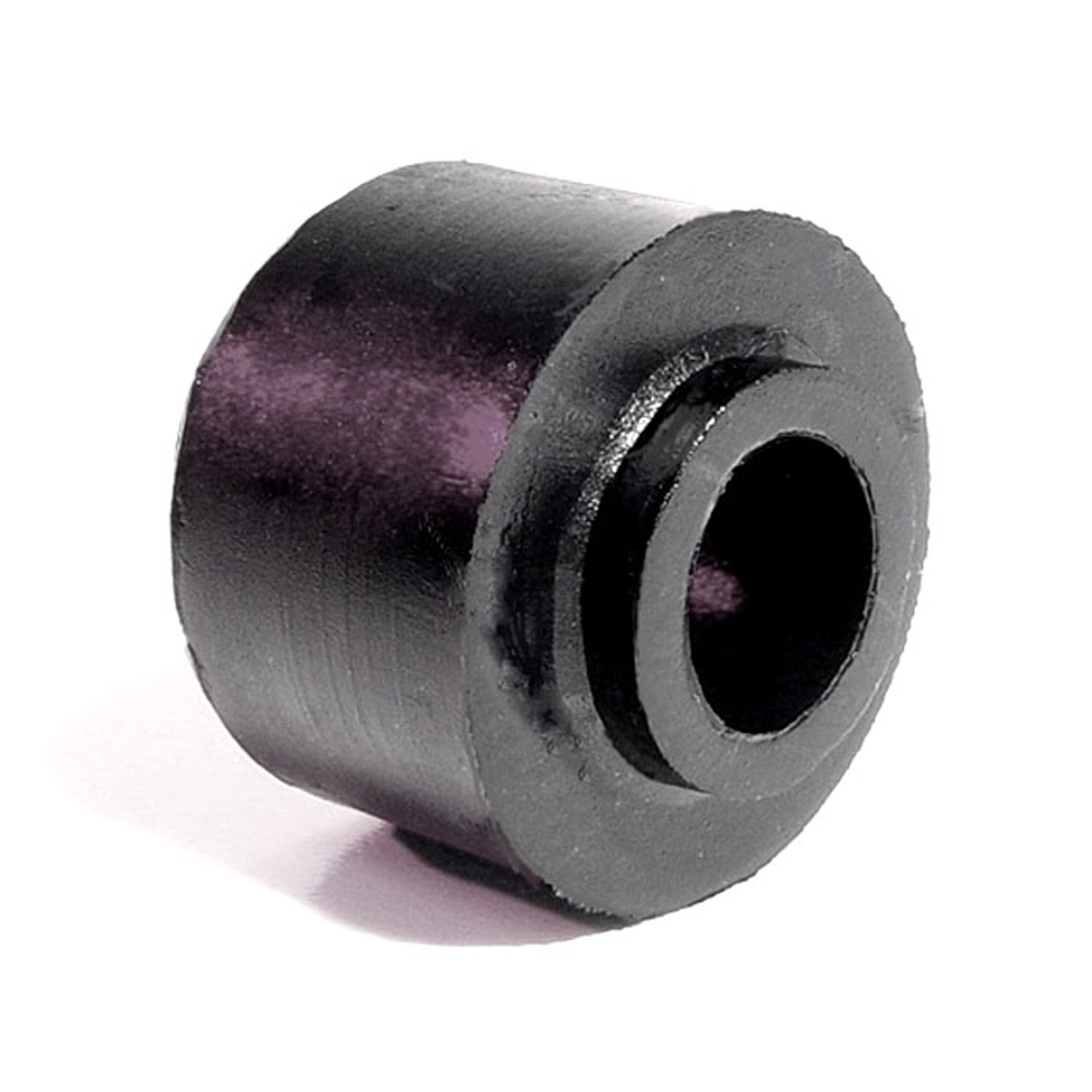 1968 Buick LeSabre Shock Absorber Grommet. 1" bottom O.D., 3/4" high-BN 1Shock Absorber Grommet. 1" bottom O.D., 3/4" high., with 7/16" I.D. Each
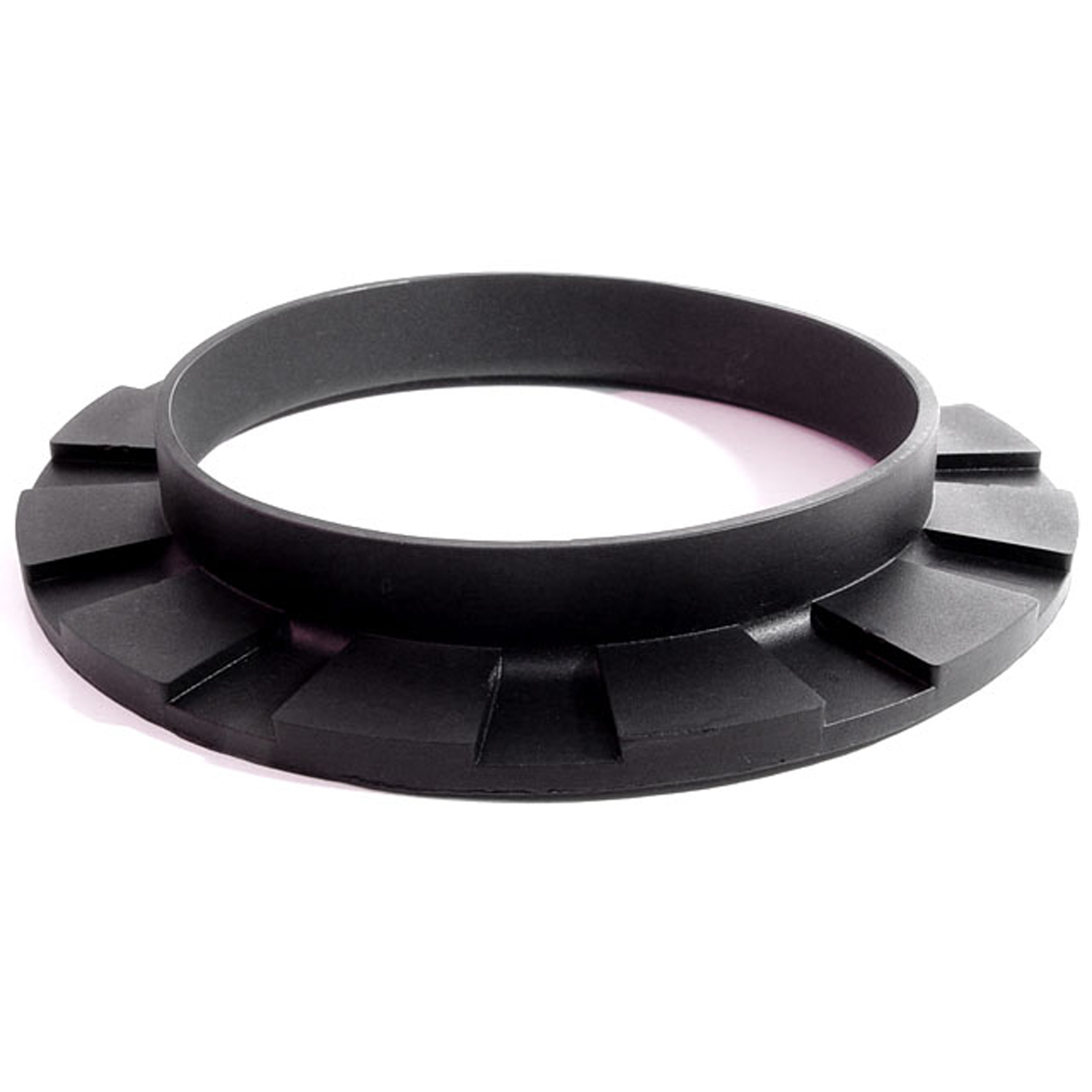 1968 Buick LeSabre Front coil-spring insulator-BN 110Front coil-spring insulator. Fits '41-'60 Oldsmobile and '50-'83 GM passenger models. 5-3/8 in. OD x 3-3/4 in. ID x 3/4 in. high with 13/16 in. wide bottom flange 1/4" thick, 12 flutes. Each.
 1968 Buick LeSabre Front Stabilizer End Repair Kit-BNK 23Front Stabilizer End Repair Kit. 22-piece set for two stabilizer bars. Contains all rubber bushings, washers, bolts and nuts, enough for one front end. Set
 1968 Buick LeSabre Butyl Glass Setting Tape-BT 1Butyl Glass Setting Tape. Used to install windshields and backlights. Superior sealing properties. 5/16" wide X 15' long. Each
 1968 Buick LeSabre Convertible Top Windshield Header Seal-C/LP 40-GConvertible Top Windshield Header Seal. Clips installed every 3-5/8". Made of soft, black, skin-covered sponge. Sold by the foot.
 1968 Buick LeSabre Clutch and Brake Pedal Pads. Exact reproduction-CB 99Clutch and Brake Pedal Pads. Exact reproduction. 3-1/2" wide. Pair
 1968 Buick LeSabre Park Brake Pedal Pad. 2-9/16" wide. Each-CB 99-APark Brake Pedal Pad. 2-9/16" wide. Each
 1968 Buick LeSabre Auto Brake Pedal Pad. 5-7/8" wide. Each-CB 99-BAuto Brake Pedal Pad. 5-7/8" wide. Each
 1968 Buick LeSabre Pillar Post Seals, 66-68 GM B & C Body Convertibles, Pair-CZ 8100-APillar Post Seals, 66-68 GM B & C Body Convertibles. Replaces OEM #'s 7602728 & 7602729. Also known as hinge pillar weatherstrips, this part can be found between the A-pillar post and the front door on convertible models. Our part has embedded cores surrounding the main mounting holes for extra strength when installing with original hardware.
 1968 Buick LeSabre Top Bow to Header Seal (fits late '66-'70 GM "B" body-HD 731Top Bow to Header Seal (fits late '66-'70 GM "B" body, '65-'70 GM "C" body). Made of smooth, skin-covered sponge, with steel core and molded ends, like original. 56-1/2" Long. Each
 1968 Buick LeSabre Rear Hood Bumper. Each-HF 27Rear Hood Bumper. Each
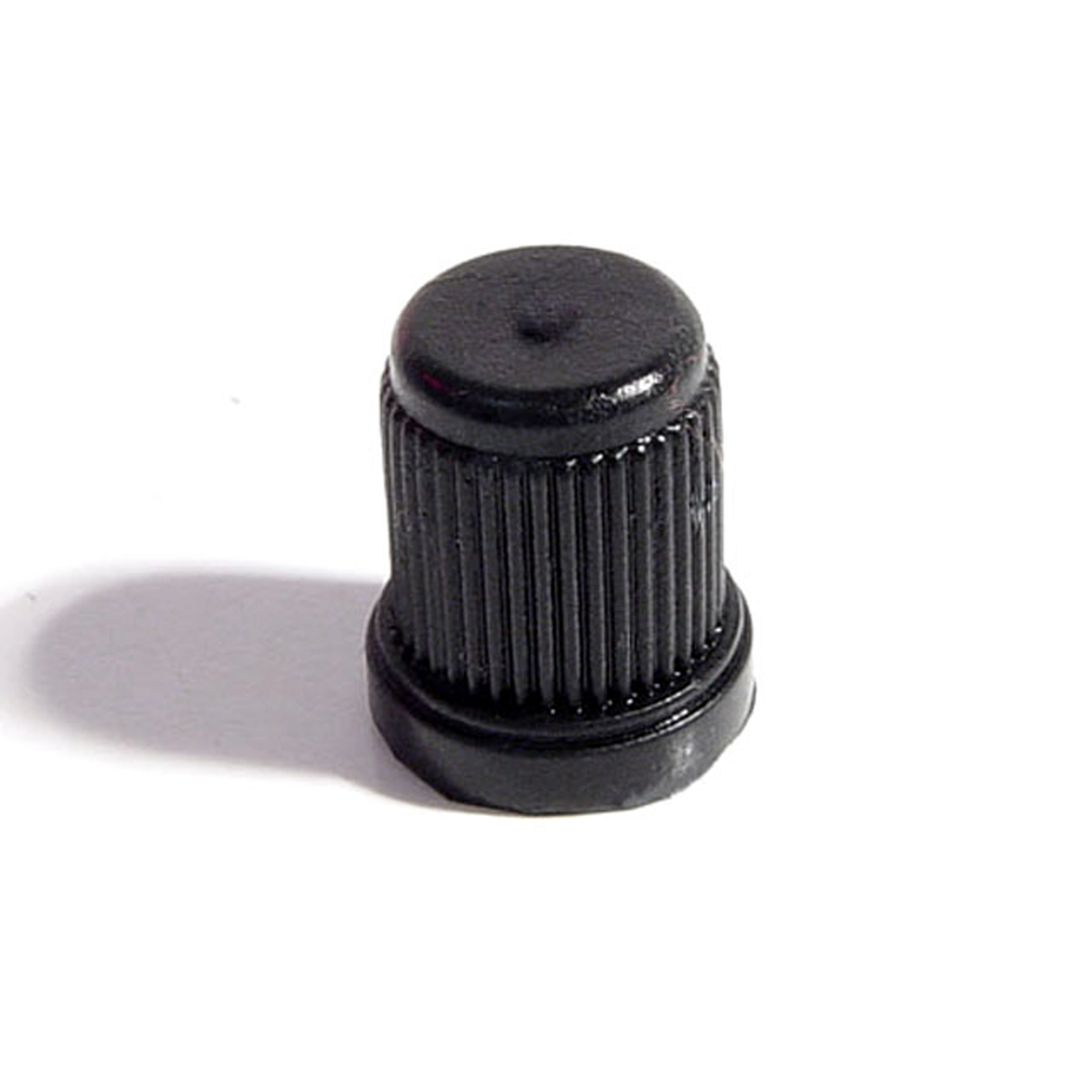 1968 Buick LeSabre Trip Meter Reset Knob. Made of black rubber-KN 10Trip Meter Reset Knob. Made of black rubber. Compare to measurements: 1/8" I.D., 7/16" O.D. X 1/2" tall. Each
 1968 Buick LeSabre Front Molded Door Seals with Clips. For 4-Door Sedan Only-LM 21-FFront Molded Door Seals with Clips. For 4-Door Sedan Only. Pair R&L
 1968 Buick LeSabre Rear Molded Door Seals with Clips. For 4-Door Sedan Only-LM 21-F/RRear Molded Door Seals with Clips. For 4-Door Sedan Only. Pair R&L
 1968 Buick LeSabre Molded Door Seals-LM 21-IMolded Door Seals. For 2-Door Hardtop and Convertibles (does not fit Grand Prix hardtop or formal top cars). Pair R&L. Original part numbers #7648132 and 7648133.
 1968 Buick LeSabre Front door seals-LM 21-JFront door seals. Fits '65-'66 GM B- and C-body 4-door hardtop (also called 'Sports Sedan') models. Replaces OEM#'s 4455994/5. Pair. R&L.
 1968 Buick LeSabre Trunk Liner. Loose weave-M 23Trunk Liner. Loose weave. Black with scattered white threads. 54" wide. Sold by the foot
 1968 Buick LeSabre Basic Kit, for 2-Door Hardtop-RKB 2007-100Basic Kit, for 2-Door Hardtop. Door (LM 21-I) Roof Rail (RR 5015) Trunk (TK 46-18), Seals. (Does not fit Fastback)
 1968 Buick LeSabre Basic Kit, for Convertibles-RKB 2007-101Basic Kit, for Convertibles. Door (LM 21-I) Roof Rail (RR 1811-B), Header (HD 731), Trunk (TK 46-18), Seals.
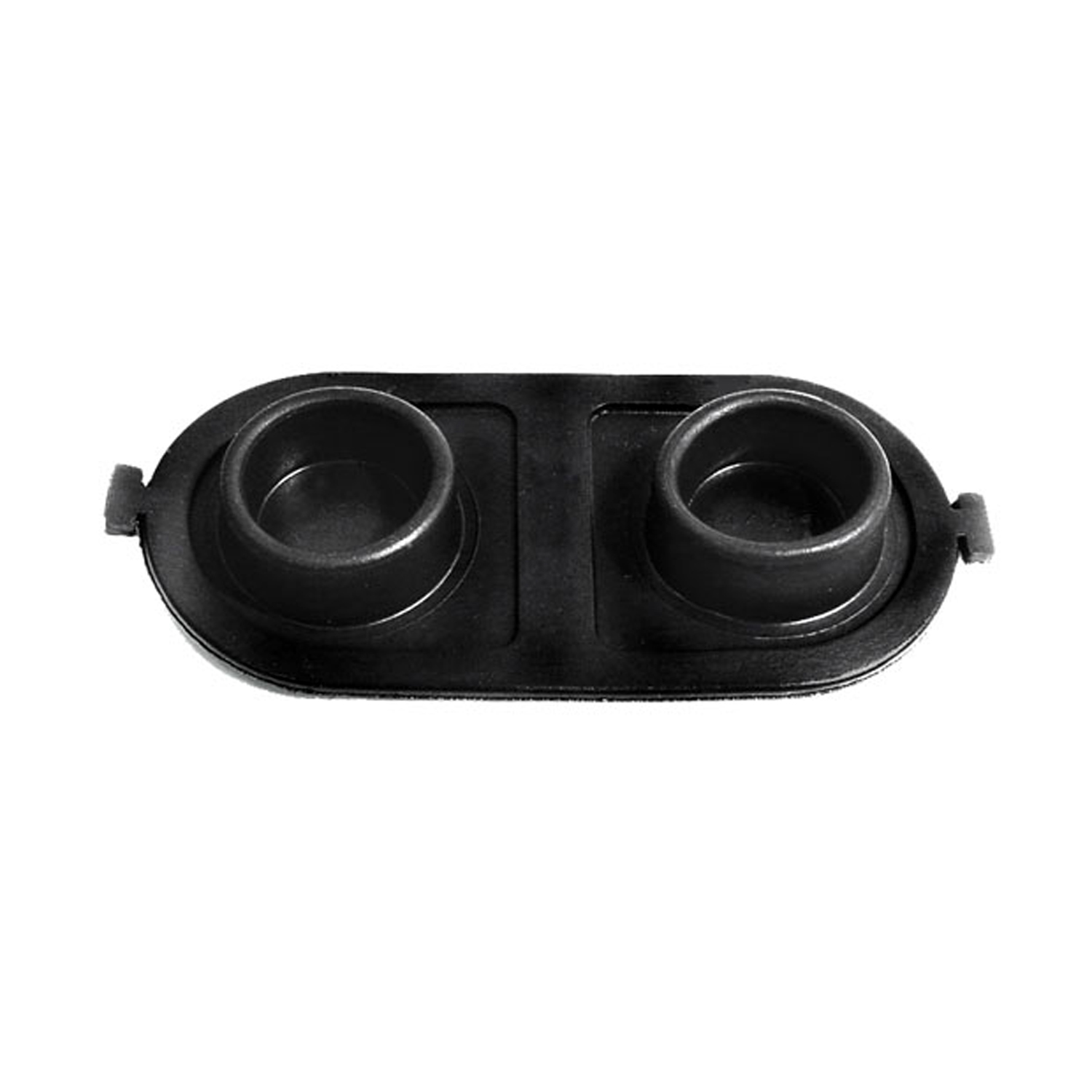 1968 Buick LeSabre Brake Master Cylinder Cover Seal. Replaces OEM #5470861-RP 2-EBrake Master Cylinder Cover Seal. Replaces OEM #5470861. 5" X 2-1/2". Each
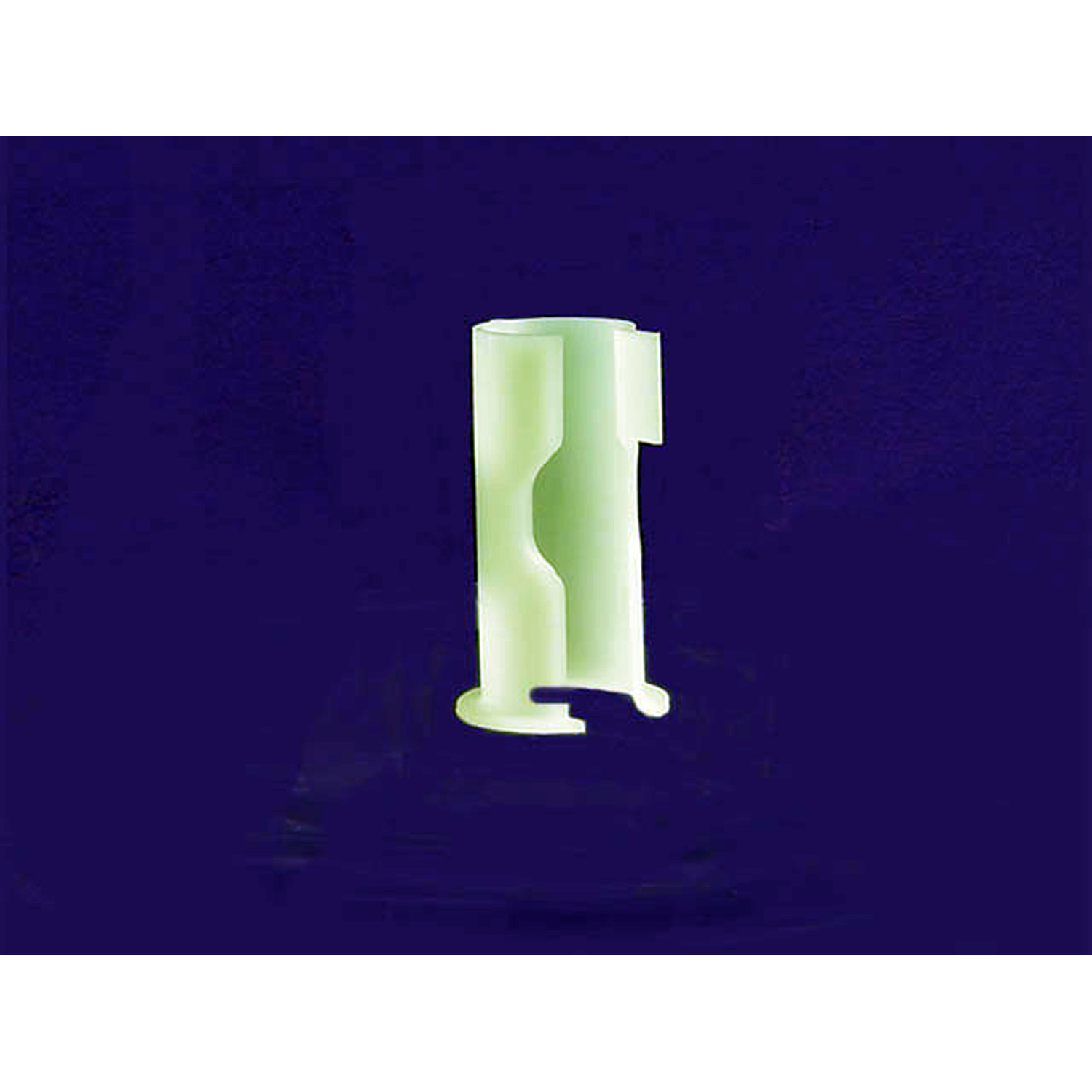 1968 Buick LeSabre Sun Visor Support Sleeve. Clear plastic. Each-RP 303-ASun Visor Support Sleeve. Clear plastic. Each
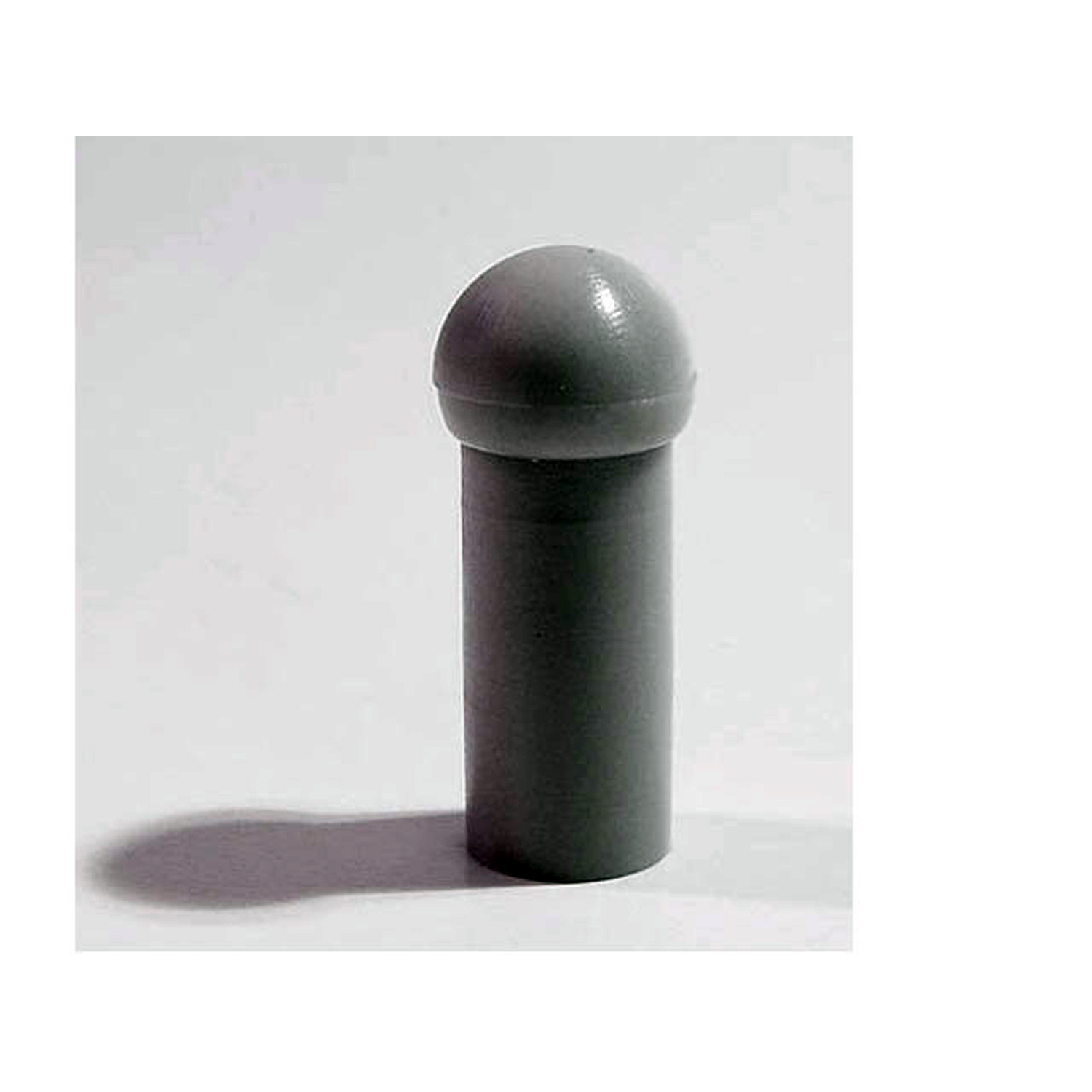 1968 Buick LeSabre Sun Visor Rod Rubber Grommet. 3/4" long. Gray. Each-RP 303-CSun Visor Rod Rubber Grommet. 3/4" long. Gray. Each
 1968 Buick LeSabre Molded Roof Rail Seals, for Convertibles-RR 1811-BMolded Roof Rail Seals, for Convertibles. 6-Piece set, with steel cores (remove rear flaps for '69-'70 Chevrolet). For molded sponge header seal, order part #HD 731.
 1968 Buick LeSabre Molded roof-rail seals-RR 5015Molded roof-rail seals. For 2-door hardtops only (does not fit Fastback). 68 in. long. Please check your old seal to ensure proper ordering. Pair. R&L.
 1968 Buick LeSabre Molded roof-rail seals-RR 5015-AMolded roof-rail seals. For 2-door Fastback models only (does not fit standard hardtop). 96 in. long. Please check your old seal to ensure proper ordering. Pair. R&L.
 1968 Buick LeSabre Molded Roof Rail Seals for 4-Door Hardtop. Pair-RR 5015-BMolded Roof Rail Seals for 4-Door Hardtop. Pair
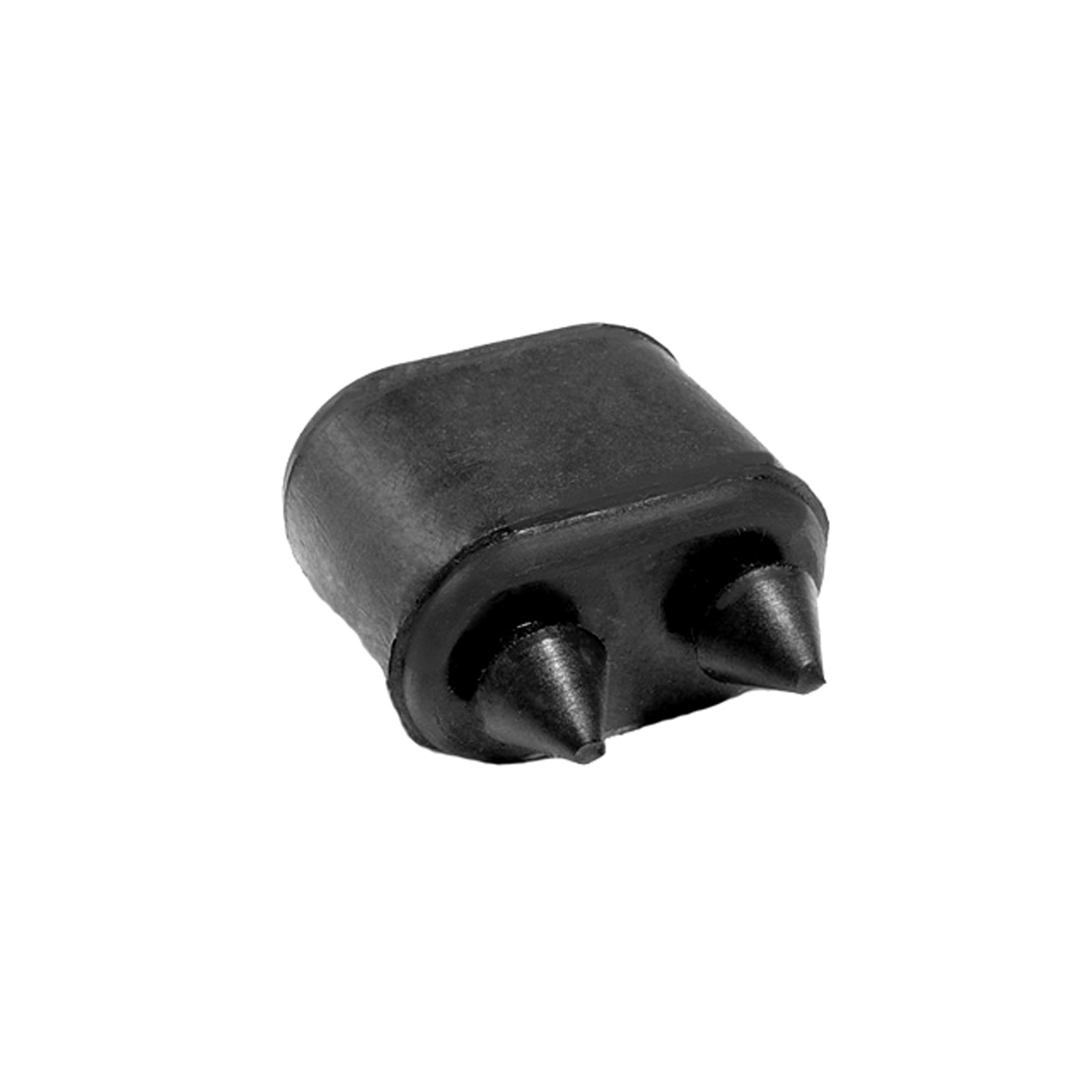 1968 Buick LeSabre Door Bumper, 57-74 GM Cars, Made with Twin Retainers, Each-SB 35Door Bumper, 57-74 GM Cars, made with twin retainers, Each. Measure 1-1/16" high X 19/32" wide X 1-1/32" long.
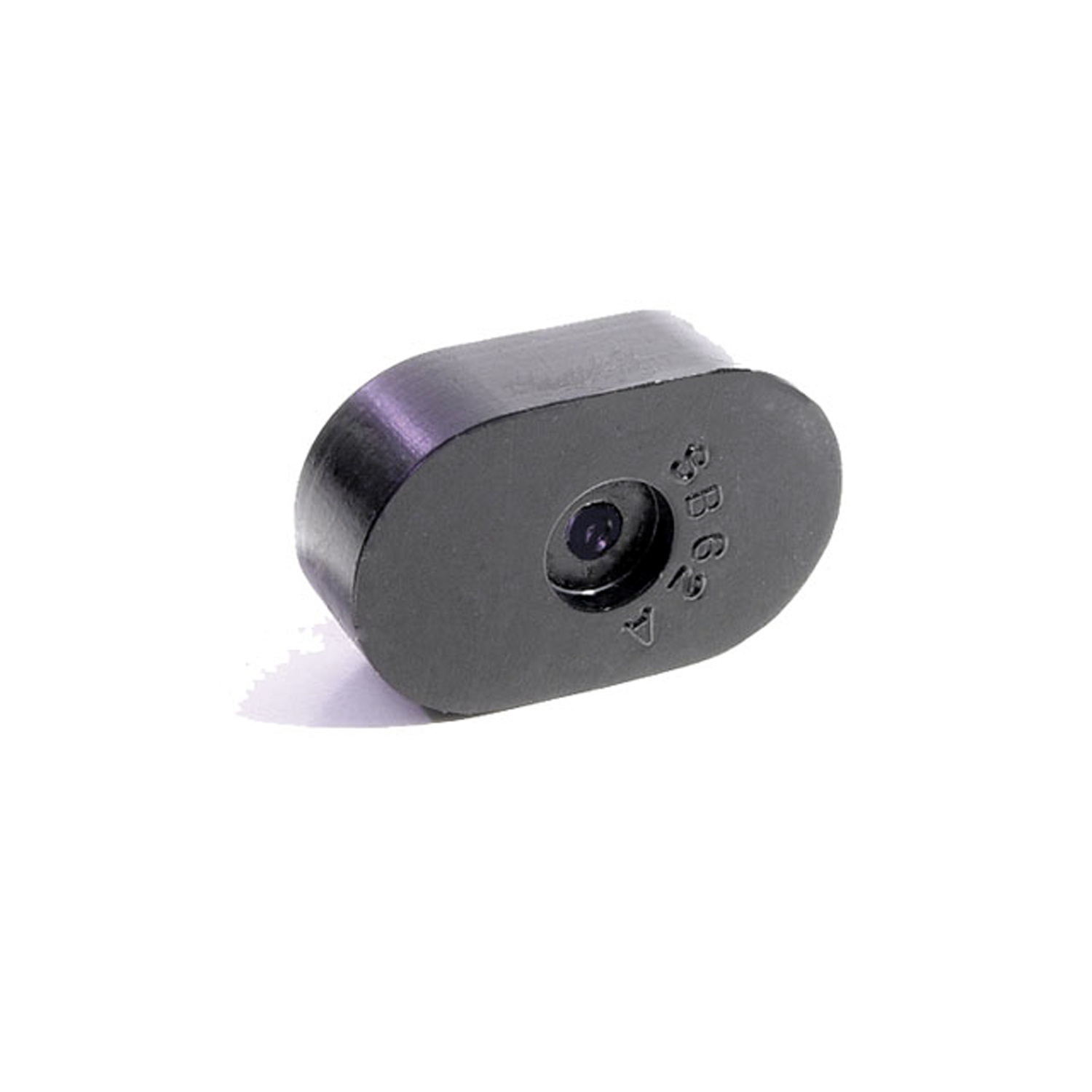 1968 Buick LeSabre Seat Bumper. Made with steel core like original-SB 62-ASeat Bumper. Made with steel core like original. 1-1/2" long, 7/16" thick. Two used per car. Each
 1968 Buick LeSabre Bumper Brace to Filler Panel Spacer, 68-71 Chevy A Body, 67-71 GM B Body Exc Wgn-SB 68Bumper Brace to Filler Panel Spacer, 68-71 Chevy A Body Except Wagons, 67-71 GM B Body Except Wagons, Each. Replaces OEM # 3895100.
 1968 Buick LeSabre Ashtray Bumper. 5/16" wide X 1/2" long X 3/16" high-SB 76Ashtray Bumper. 5/16" wide X 1/2" long X 3/16" high. (Fits some models) Each
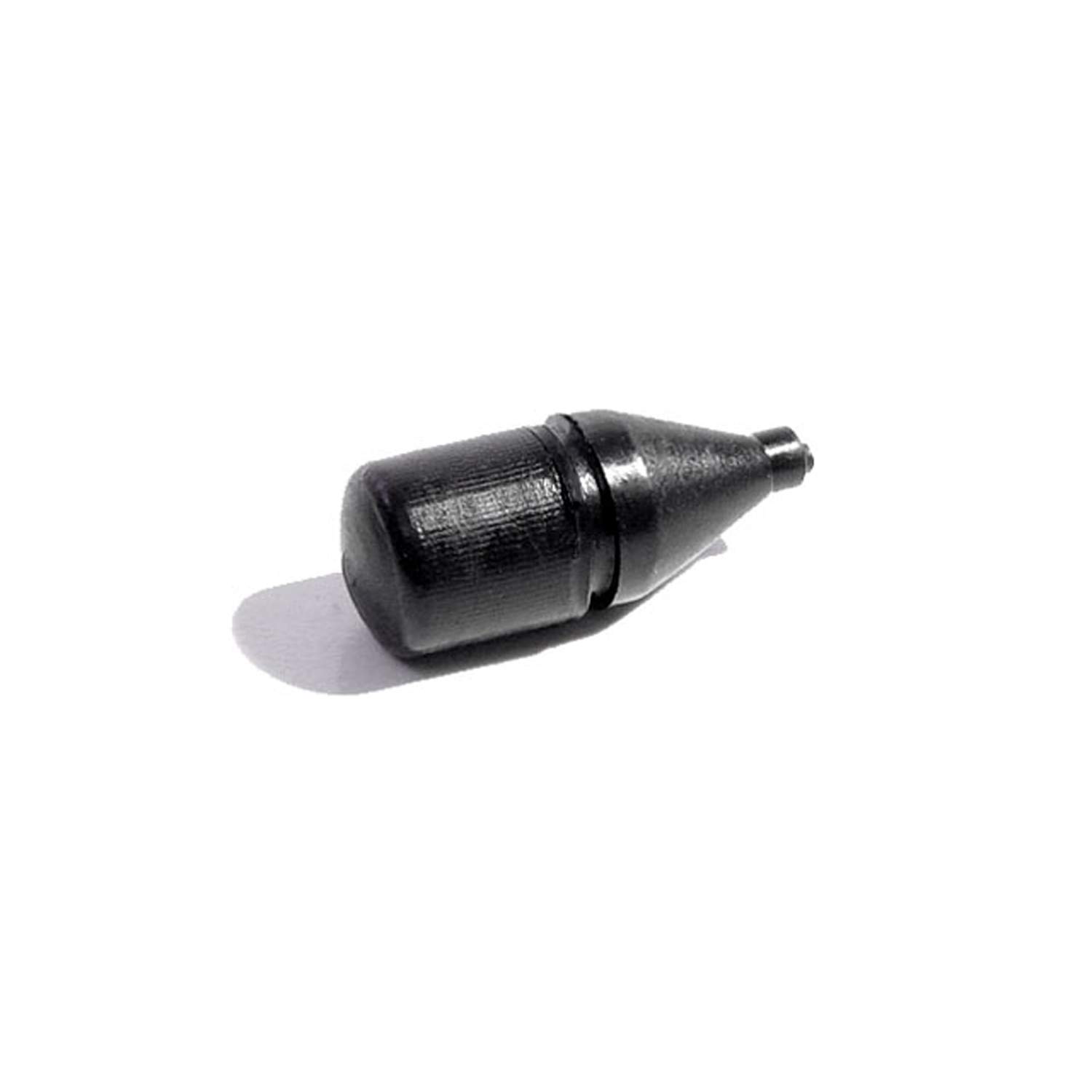 1968 Buick LeSabre Fuel Door Bumper. 7/8" high, 5/16" O.D. Each-SB 81Fuel Door Bumper. 7/8" high, 5/16" O.D. Each
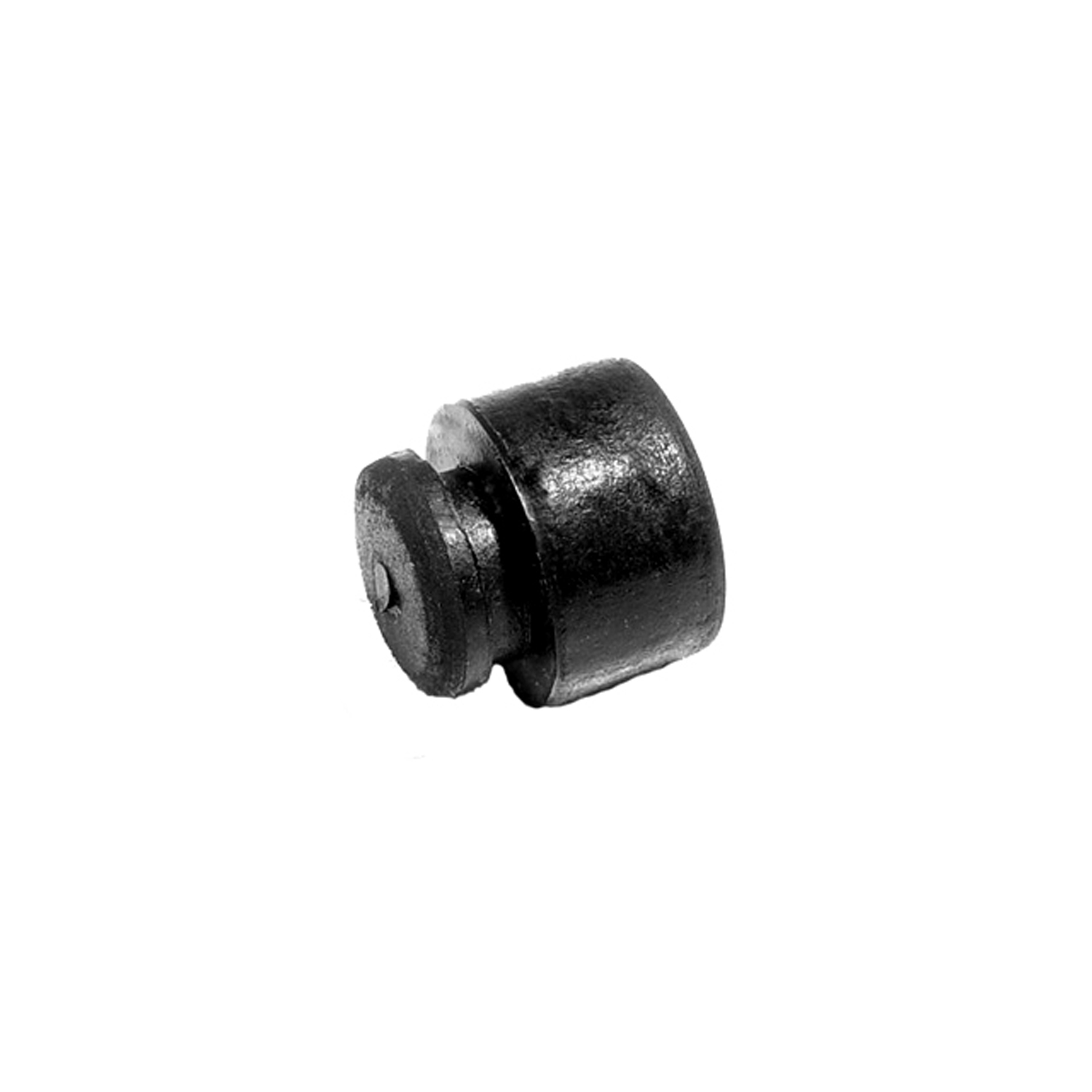 1968 Buick LeSabre License Plate Bumper. Fits a 1/4" hole. Each-SB 82License Plate Bumper. Fits a 1/4" hole. Each
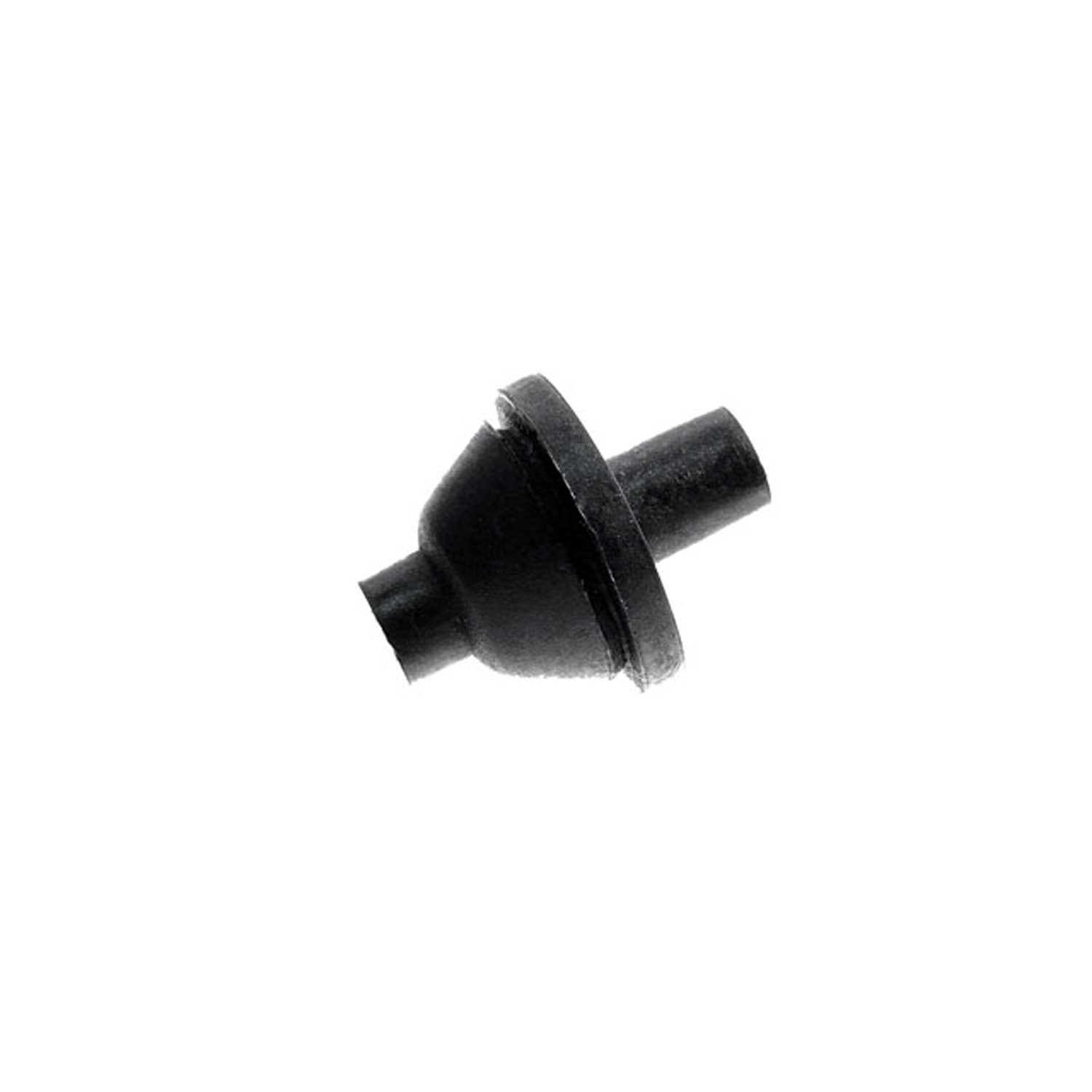 1968 Buick LeSabre Dash and Firewall Grommet. Single-hole type is for one wire-SM 101Dash and Firewall Grommet. Single-hole type is for one wire. Each
 1968 Buick LeSabre Dash and Firewall Grommet. Two hole type. Each-SM 101-ADash and Firewall Grommet. Two hole type. Each
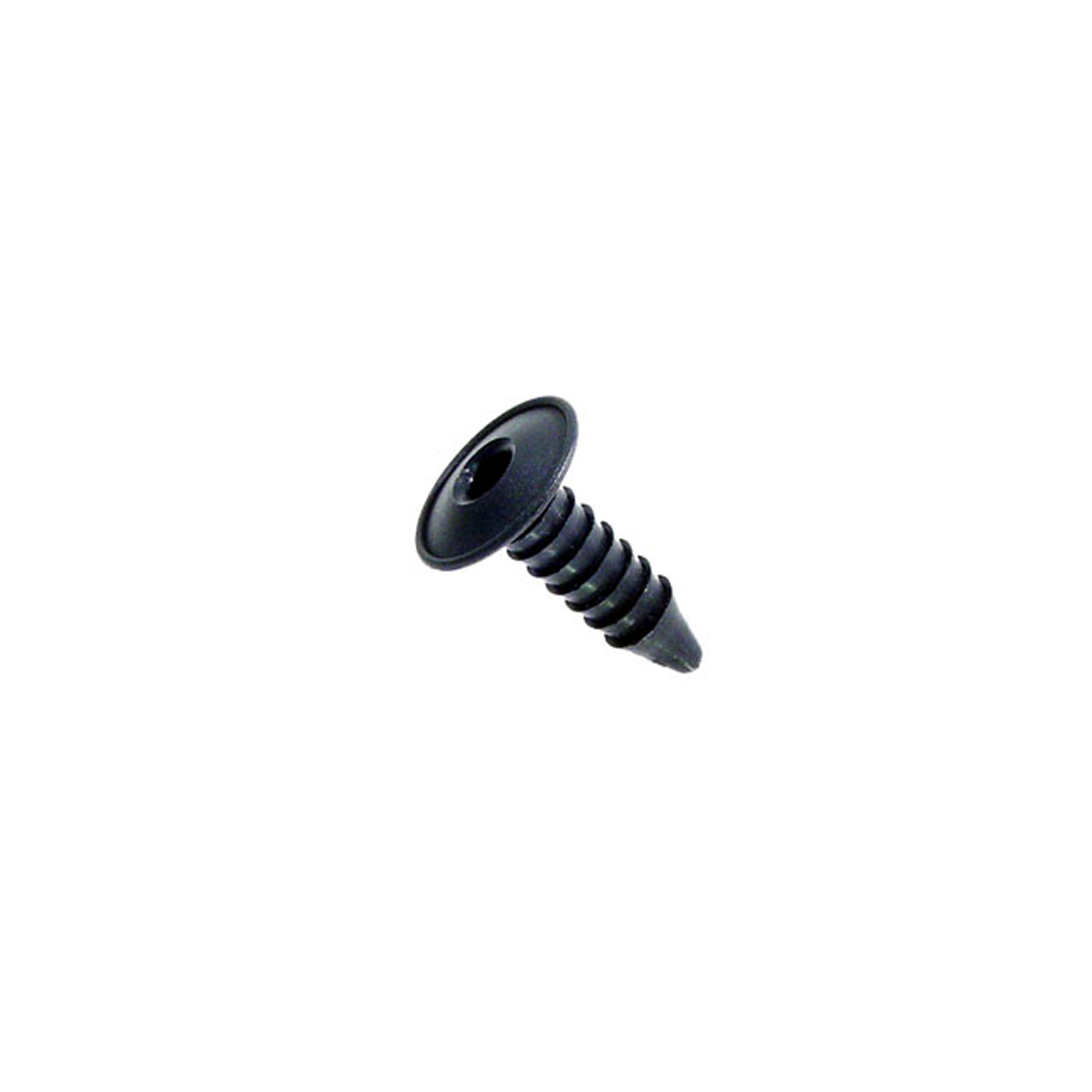 1968 Buick LeSabre Firewall insulation fastener. 1 in. dia. W head. 1-1/2 in. L-SM 80-AFirewall insulation fastener. 1 in. dia. W head. 1-1/2 in. L. Replaces OEM#'s (GM) 7642589 and (AMC) 4001934. Black. Each.
 1968 Buick LeSabre Trunk Seal. 18 feet long. Each-TK 46-18Trunk Seal. 18 feet long. Each
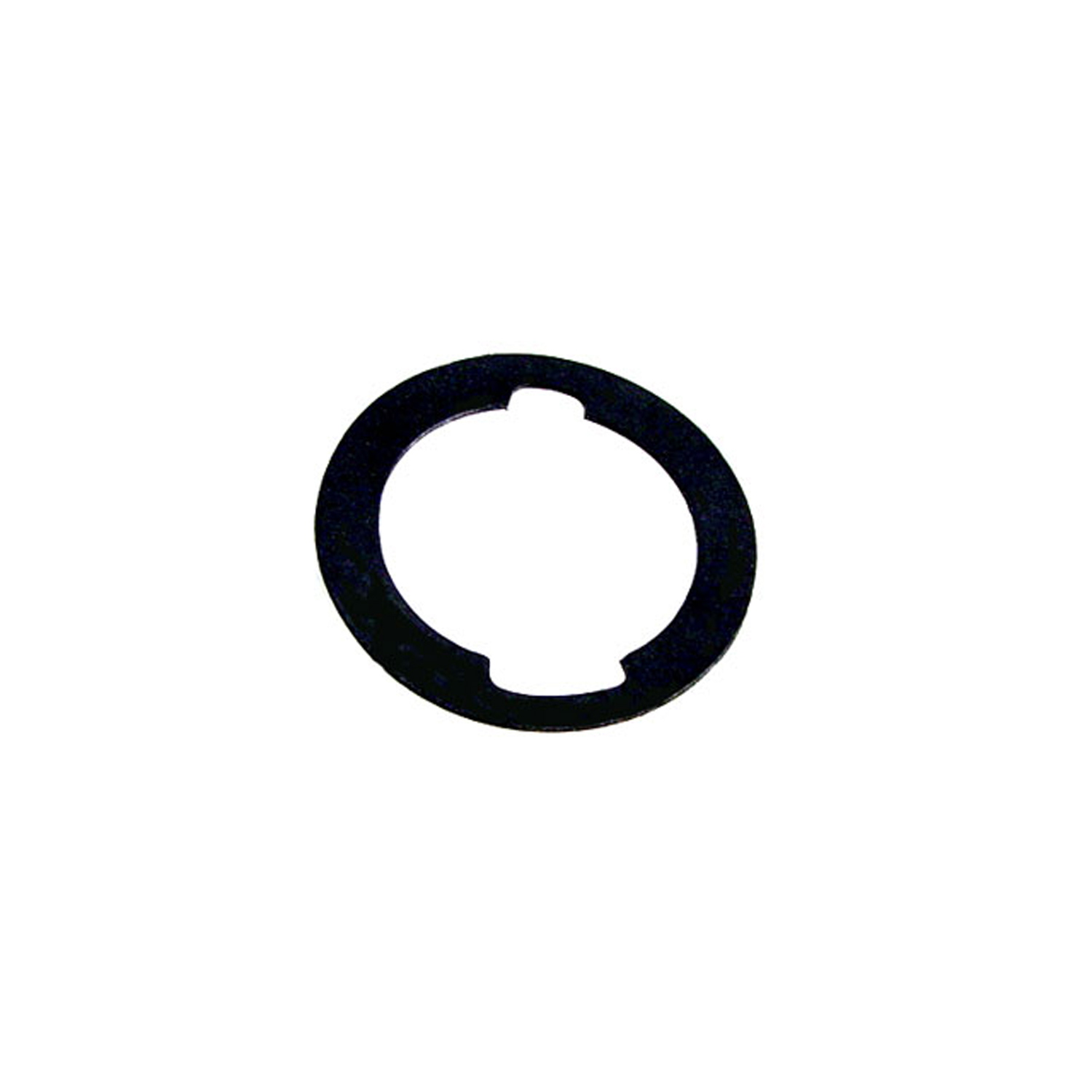 1968 Buick LeSabre Unbeaded Door and Trunk Lock Gasket. 1-3/16" O.D., 7/8" I.D-UM 1600-100Unbeaded Door and Trunk Lock Gasket. 1-3/16" O.D., 7/8" I.D. Each
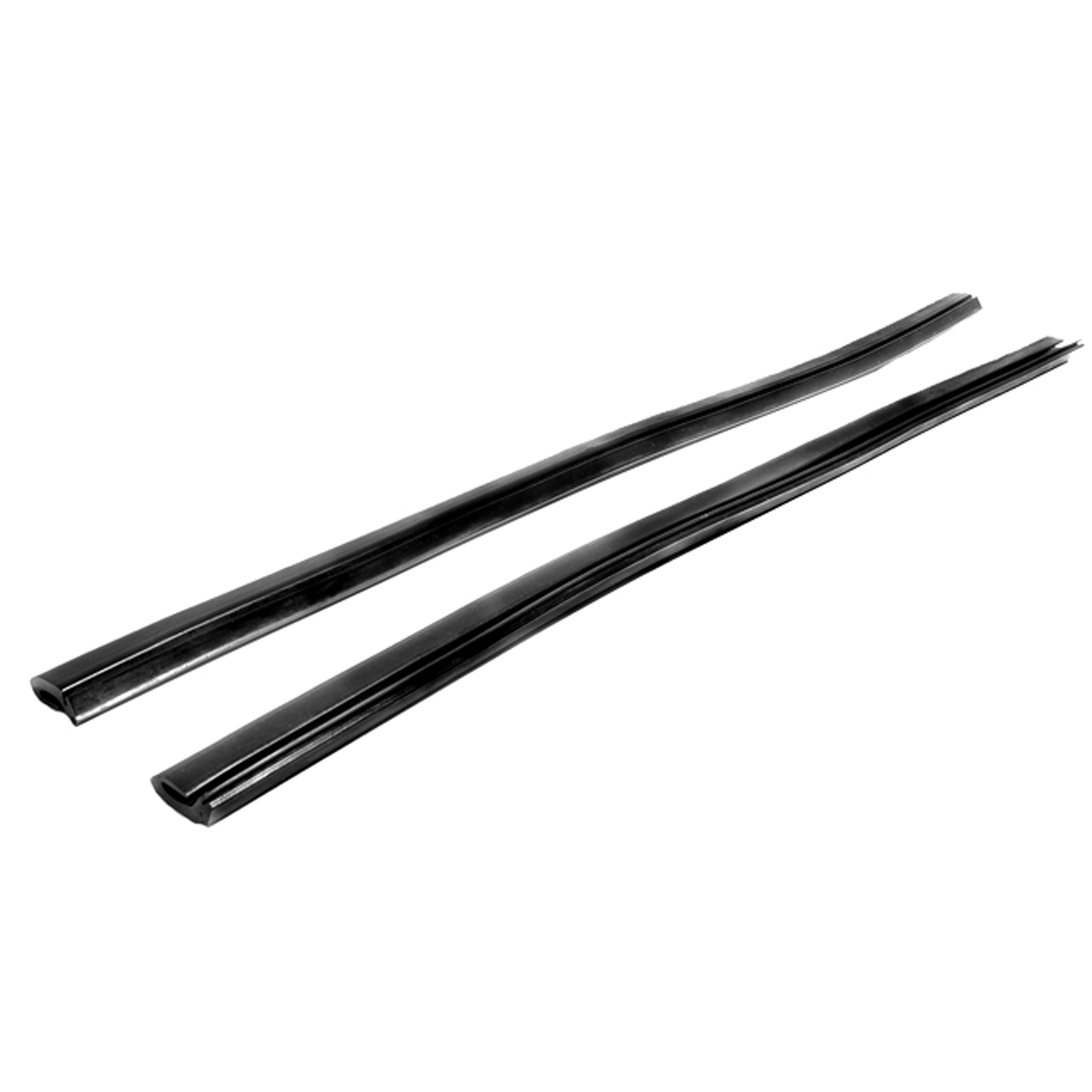 1968 Buick LeSabre Rear Side Roll-Up Window Seal, for Hardtops and Convertibles-VS 3Rear Side Roll-Up Window Seal, for Hardtops and Convertibles. Two 20" sections slide into metal track. No steel insert. Pair
 1968 Buick LeSabre Rear Roll-Up Quarter Window Seals-VS 3-RRear Roll-Up Quarter Window Seals, for 2-Door Hardtops and Convertibles. Pair
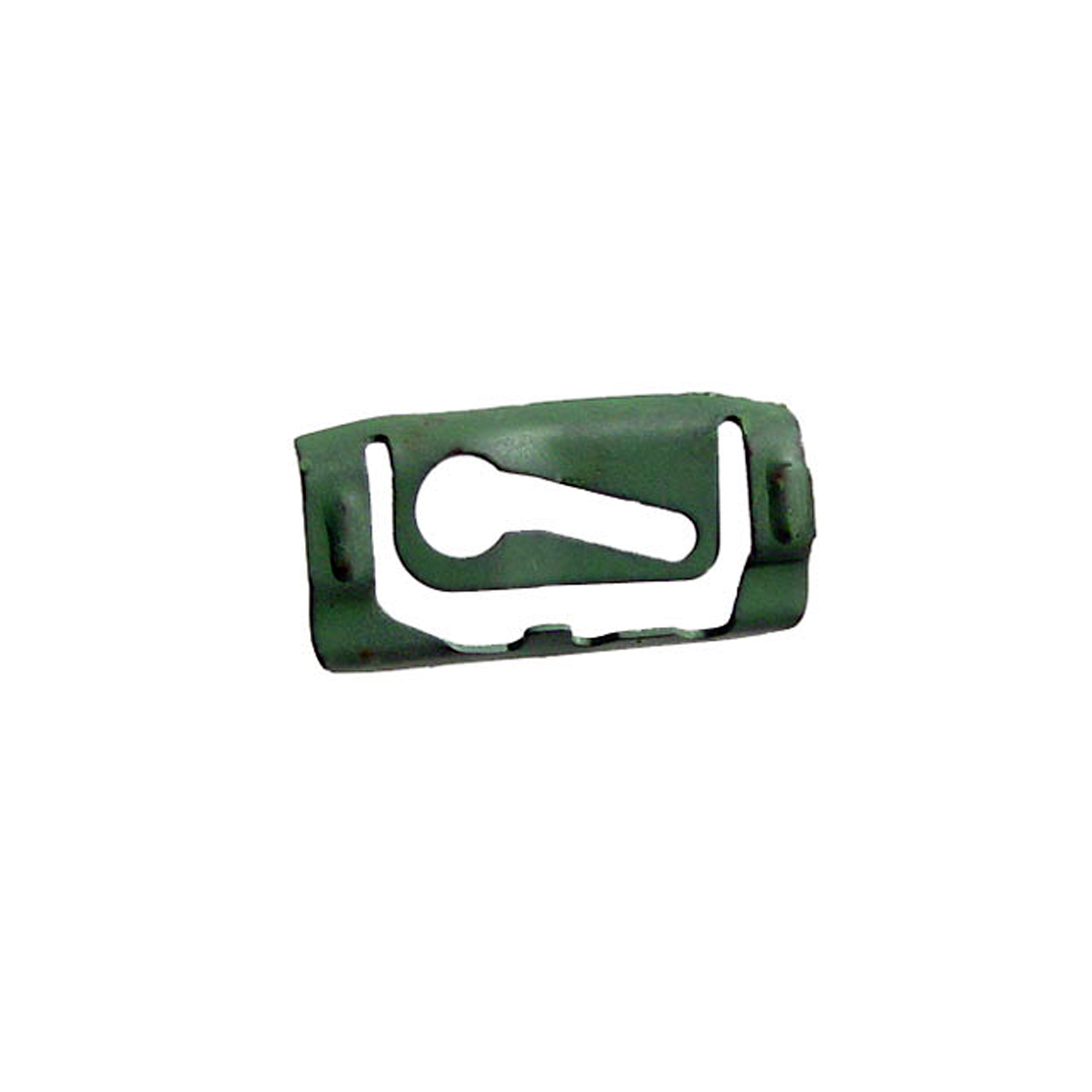 1968 Buick LeSabre Quarter Window Reveal Molding Clip. Made of Steel-WF 205Quarter Window Reveal Molding Clip. Made of Steel. 1-3/8" X 11/16". Each
 1968 Buick LeSabre Vent window and rear division channel seals-WR 2002-EVent window and rear division channel seals. Fits '65-'68 GM B-body and C-body 2-door and 4-door hardtops and convertibles. Top quality EPDM dense rubber. 4-piece set. R&L.
Why Choose Metro?
For over 100 years, Metro Moulded Parts has been the pinnacle of quality in classic car restoration parts. Our commitment to precision and authenticity in every component ensures a perfect fit and an OEM-level appearance.
- Expert Craftsmanship & Quality: Each part is a testament to our dedication to reliability and perfection, crafted from original designs and thoroughly tested.
- Advanced Technology: We use cutting-edge techniques to create flawless, long-lasting parts that surpass others in performance.
- SuperSoft Sponge – The Ultimate Door Seal: Not only are our door seals 30% softer than competitors', but they're also guaranteed to never leak. They effectively reduce wind and road noise, enhancing your classic car's comfort and driving experience.
- Proudly American: Our parts are a product of American craftsmanship, made in the USA with a spirit of excellence and heritage.
- Unrivaled Warranty: We back our products with a 30-year industry-leading warranty, a testament to our confidence in their quality.
Join us in preserving the legacy of classic cars with parts that are crafted for perfection, not just made.