

Image of 1969 Buick Riviera, Note: These illustrations use artistic license and may differ from actual historical models.
Performance Metrics
Fundamental Metrics
Emotional Appeal
MMP Rating
| Engine Specifications | |
|---|---|
| Engine Options: | 430 cu in (7.0 L) Buick V8 |
| Displacement Range: | 430 cu in (7.0 L) |
| Horsepower Range: | 360 hp at 5000 rpm |
| Torque: | 475 lb-ft at 3200 rpm |
| Compression Ratio: | 10.25:1 |
| Ignition System: | Conventional |
| Cooling System: | Liquid-cooled |
| Performance Specifications | |
| 0-60 Time: | 8 seconds |
| 1/4 Mile Time: | 16 seconds |
| Top Speed: | 130 mph |
| Transmission and Drive | |
| Drive Type: | Rear-wheel drive |
| Transmission Type: | 3-speed automatic |
| Fuel and Efficiency | |
| Fuel System Type: | Carburetor |
| MPG: | 10-12 mpg |
| Dimensions and Brakes | |
| Brakes: | Power-assisted drum brakes |
| Wheelbase: | 119 inches |
| Weight: | 4,200 lbs |
Note: Specifications for classic cars are given to the best of our ability, considering the limited and variant data available.
1969 Buick Riviera: A Personal-Luxury Classic
The 1969 Buick Riviera paired a long, low roofline with a big-block V8, creating a luxury coupe that looked every bit as confident as it felt on the open road. Built by Buick, a division of General Motors, the Riviera was conceived as an American answer to the growing market for upscale personal cars. By 1969, it had become one of the most distinctive models in that class.
The Riviera first appeared for the 1963 model year, shaped under the direction of GM design chief Bill Mitchell. Its sharp, European-influenced lines stood apart from the more ornamented styling common on many American cars. The 1969 model belongs to the Riviera’s second design generation, introduced for 1966 and produced through 1970. It is especially interesting as one of the final Rivieras before Buick’s dramatic 1971 “boattail” redesign.
A memorable detail is the Riviera’s concealed headlamps. Their doors folded away to reveal the lights, preserving the clean sweep of the nose when the lamps were off. It was a clever styling flourish that helped make the Riviera look sleek even when parked.
Design, Comfort, and 1960s Technology
The 1969 Riviera is a two-door hardtop with a long hood, a formal roofline, and a broad, sculpted body. Its proportions are unmistakably substantial, but the restrained trim and carefully drawn fenders keep it from looking clumsy. At the front, a wide grille and hidden headlights give the car a purposeful face. The rear design is equally broad and clean, with carefully integrated taillights and a substantial bumper.
Inside, Buick aimed for a comfortable, upscale atmosphere rather than a bare-bones performance cockpit. Buyers could find richly finished surfaces, supportive front seating, and a center console depending on the configuration. Upholstery choices included vinyl and cloth combinations, with leather available on some cars. Power accessories, including power windows and adjustable seats, could make the cabin feel especially luxurious for the period. A tilt steering wheel, cruise control, air conditioning, and upgraded radio equipment were among the features available, though equipment varied from car to car.
The Riviera was offered in a wide range of factory colors, including whites, blacks, reds, blues, greens, and metallic shades. Gold, copper-toned, dark green, and blue finishes suit the car’s formal character particularly well, while white and black remain popular choices with collectors. Exact paint names and availability depended on the factory color chart and production details.
There was just one body style: a two-door hardtop. The most notable performance-oriented choice was the Gran Sport, or GS, package. It added sportier suspension tuning and distinctive GS identification to the Riviera’s already powerful mechanical package. The hardtop body, with its uninterrupted roofline and absence of a fixed center pillar, is the model’s signature form.
Why the Riviera Mattered
The Riviera helped establish the modern American personal-luxury coupe: a large, stylish two-door designed to combine comfort, presence, and strong performance. It was not simply a trimmed-up family sedan. Buick gave it a distinct identity, a dedicated look, and the power to back up its grand-touring image.
That combination set the Riviera apart from contemporaries such as the Ford Thunderbird and Oldsmobile Toronado. The Toronado was front-wheel drive, while the Riviera used a traditional rear-wheel-drive layout. The Buick’s restrained, crisp design also showed that an American luxury car could make an impact without relying on excessive chrome or visual clutter. Its influence is clearest in the lasting appeal of the personal-luxury coupe: a car that made style and comfort central to the driving experience.
430 V8 Performance and Road Manners
Power came from Buick’s 430-cubic-inch V8, rated at 360 gross horsepower and 475 lb-ft of torque in 1969. It was paired with the Turbo Hydra-Matic automatic transmission and rear-wheel drive. The engine’s generous low-speed torque suited the Riviera’s character perfectly. Rather than needing high revs to feel strong, it delivered smooth, forceful acceleration with a light touch of the throttle.
Period performance figures vary with equipment, gearing, and testing conditions, but a healthy example can generally reach 60 mph in roughly 7.5 to 8 seconds. Top speed is commonly estimated at around 120 to 125 mph. Those are impressive numbers for a full-size luxury coupe, although the Riviera’s real talent was relaxed, effortless cruising rather than repeated hard launches.
On a smooth highway, the Riviera feels planted and quiet, with the V8 producing a deep, subdued rumble. Its weight and soft ride absorb ordinary road imperfections well. On broken pavement, the suspension favors comfort, though worn bushings or tired shocks can make an old example feel loose. Tight, winding roads reveal the trade-off: this is a large car, and it responds best to smooth inputs rather than quick direction changes. Crosswinds and narrow roads also remind the driver of its size.
Behind the wheel, the Riviera feels more like a grand tourer than a sports coupe. The automatic transmission, power steering, and broad torque make it easy to drive at a steady pace. The long hood and wide body require a little care when maneuvering in close quarters, but on an open road the car settles into an unhurried, confident rhythm.
Living With a 1969 Riviera
Most Rivieras today serve as weekend cruisers, show cars, or occasional-use classics. A well-sorted example can be driven regularly, but its size, age, and fuel appetite make it less practical as a modern daily driver. The 430 V8 is generally straightforward for a mechanic familiar with classic American engines, and many routine service items are familiar big-block Buick components.
As with any nearly six-decade-old car, condition matters more than reputation. Buyers should inspect the body and frame for corrosion, especially around the lower panels, floor, trunk, and areas where water can collect. Check the cooling system, transmission behavior, suspension, steering, brakes, and electrical accessories. Power features and air conditioning add comfort, but they can also add repair work. Parts support is reasonable for many mechanical items, while Riviera-specific trim and interior pieces may take more searching.
Notable Details and Common Complaints
Buick built approximately 52,872 Rivieras for the 1969 model year, making the car uncommon today but not exceptionally rare by classic-car standards. The GS package is more sought after than a standard Riviera, particularly when the car retains its original equipment and documentation. The 1969 Riviera is not widely known for a major speed record or a single defining historical event; its lasting distinction is its role in the evolution of American luxury-coupe design.
Common criticisms are practical ones. The Riviera is large, thirsty, and less nimble than a smaller performance car. Its hidden headlights and power accessories can require attention as they age, and some model-specific trim is harder to find than generic engine parts. Still, those drawbacks are part of the bargain for a car built around big-car comfort and dramatic presence.
Collector Values and Market Outlook
As a broad 2026-market estimate in U.S. dollars, a project car or rough driver may sell for about $7,000 to $15,000. A usable, presentable example often falls around $15,000 to $30,000, while a very clean or properly restored standard Riviera may bring roughly $30,000 to $50,000. Exceptional cars, especially well-documented GS models, can exceed that range, with top examples potentially reaching $60,000 or more. These are general estimates, not a substitute for comparing recent sales and inspecting an individual car.
Prices depend heavily on originality, body condition, restoration quality, and paperwork. The market for personal-luxury coupes has grown as collectors look beyond familiar muscle cars, but the Riviera has not always attracted the same premium. Values have generally been steady to gradually improving for strong examples, with the best cars appreciating more noticeably than tired drivers. Its production figure means buyers can still find cars for sale, though locating a rust-free, original GS can take patience.
The 1969 Riviera’s Lasting Appeal
The 1969 Buick Riviera brought together a striking hardtop body, a torque-rich 430 V8, and the comfort expected of a premium Buick. Its hidden headlights and disciplined styling gave it a distinctive presence, while its scale and smooth ride made it a natural long-distance cruiser. It may not be the most nimble or economical classic on the road, but it remains a compelling example of American personal-luxury design. The Riviera’s message is simple: travel in comfort, arrive in style, and let the V8 do the talking.
1969 Buick Riviera Catalog of Parts
 1969 Buick Riviera Quarter Window Door Lock Pillar Seal. Pair-ALP 5031Quarter Window Door Lock Pillar Seal. Pair
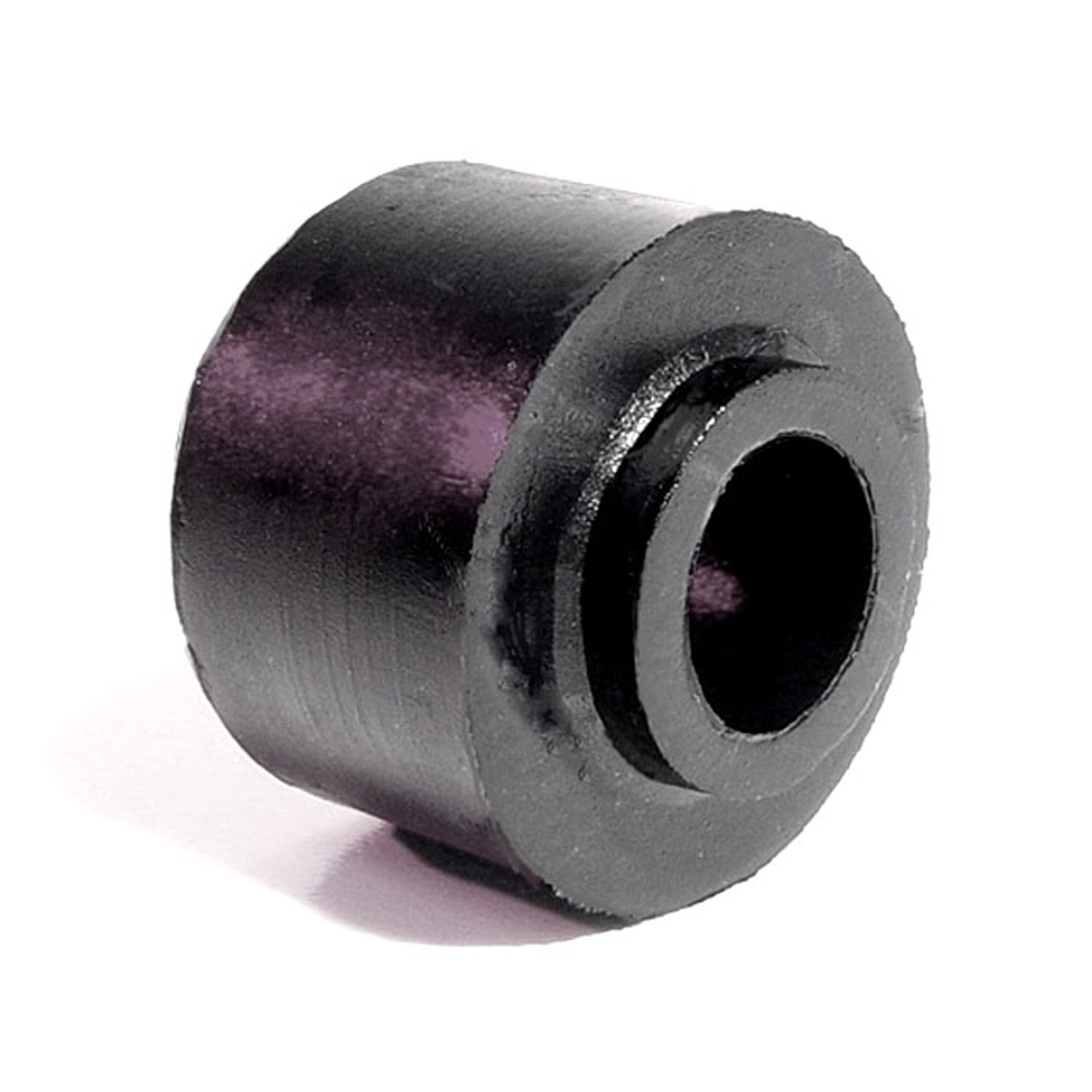 1969 Buick Riviera Shock Absorber Grommet. 1" bottom O.D., 3/4" high-BN 1Shock Absorber Grommet. 1" bottom O.D., 3/4" high., with 7/16" I.D. Each
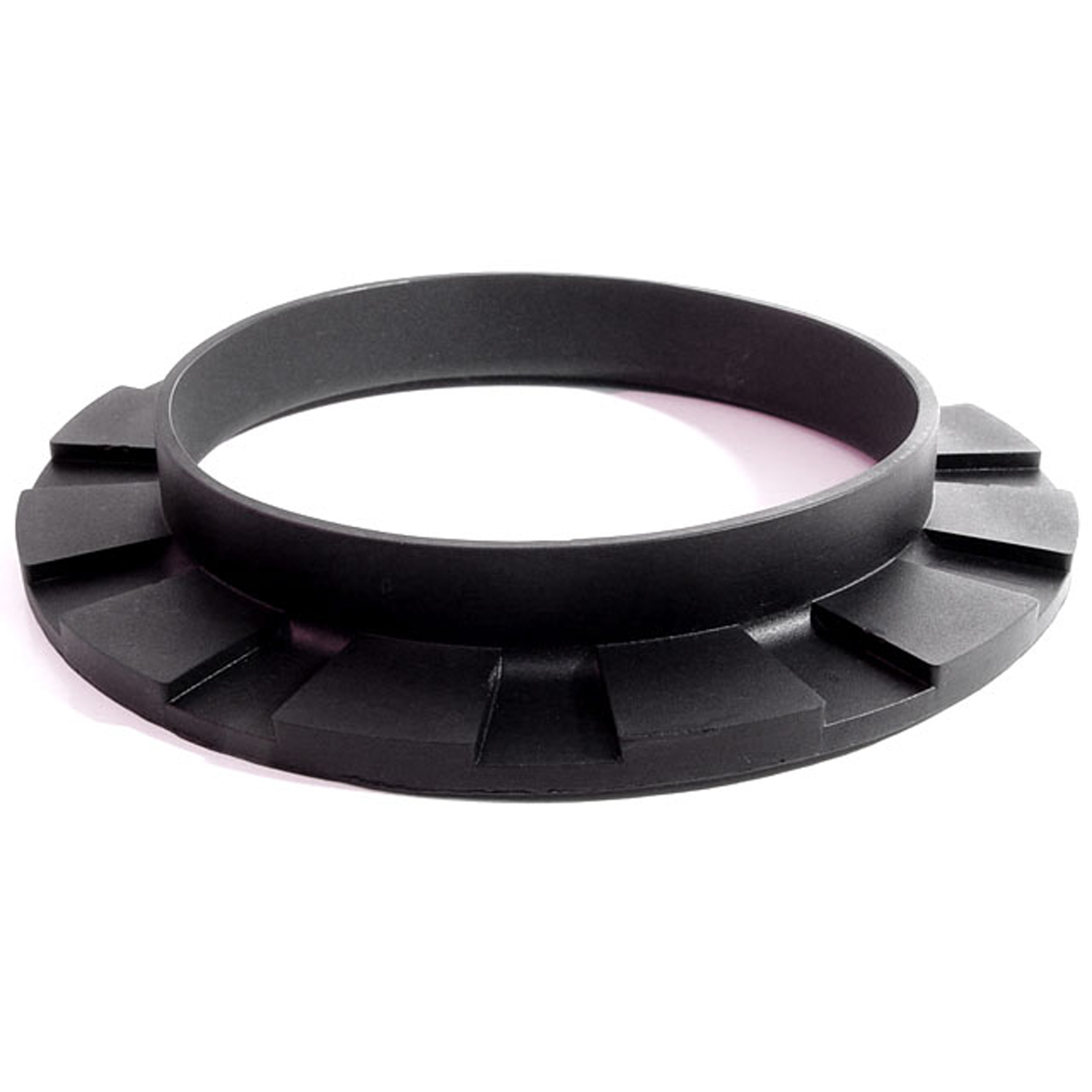 1969 Buick Riviera Front coil-spring insulator-BN 110Front coil-spring insulator. Fits '41-'60 Oldsmobile and '50-'83 GM passenger models. 5-3/8 in. OD x 3-3/4 in. ID x 3/4 in. high with 13/16 in. wide bottom flange 1/4" thick, 12 flutes. Each.
 1969 Buick Riviera Rear coil-spring insulator 1961-72 GM A-Body-BN 111Coil spring insulators are a great way to prevent metal-on-metal contact and noise. Manufactured to OEM specifications for a precise fit, these coil spring insulators are made of rubber and are used between the coil spring and the frame of your ride. 3-3/4 in. OD, 2-1/8 in. ID, 5/8 in. high with 3/16 in. , wide bottom flange 1/4 in. thick.
 1969 Buick Riviera Front Stabilizer End Repair Kit-BNK 23Front Stabilizer End Repair Kit. 22-piece set for two stabilizer bars. Contains all rubber bushings, washers, bolts and nuts, enough for one front end. Set
 1969 Buick Riviera Butyl Glass Setting Tape-BT 1Butyl Glass Setting Tape. Used to install windshields and backlights. Superior sealing properties. 5/16" wide X 15' long. Each
 1969 Buick Riviera Clutch and Brake Pedal Pads. Exact reproduction-CB 99Clutch and Brake Pedal Pads. Exact reproduction. 3-1/2" wide. Pair
 1969 Buick Riviera Park Brake Pedal Pad. 2-9/16" wide. Each-CB 99-APark Brake Pedal Pad. 2-9/16" wide. Each
 1969 Buick Riviera Auto Brake Pedal Pad. 5-7/8" wide. Each-CB 99-BAuto Brake Pedal Pad. 5-7/8" wide. Each
 1969 Buick Riviera Rear Hood Bumper. Each-HF 27Rear Hood Bumper. Each
 1969 Buick Riviera Door Seals with Molded Ends-LM 12-FDoor Seals with Molded Ends. For 2-Door Hardtops and Convertibles. Replaces OEM #7779558/9. Pair
 1969 Buick Riviera Trunk Liner. Loose weave-M 23Trunk Liner. Loose weave. Black with scattered white threads. 54" wide. Sold by the foot
 1969 Buick Riviera Basic Kit, for 2-Door Hardtop-RKB 1707-102Basic Kit, for 2-Door Hardtop. Door (LM 12-F) Roof Rail (RR 5009) Trunk (TK 46-18), Seals.
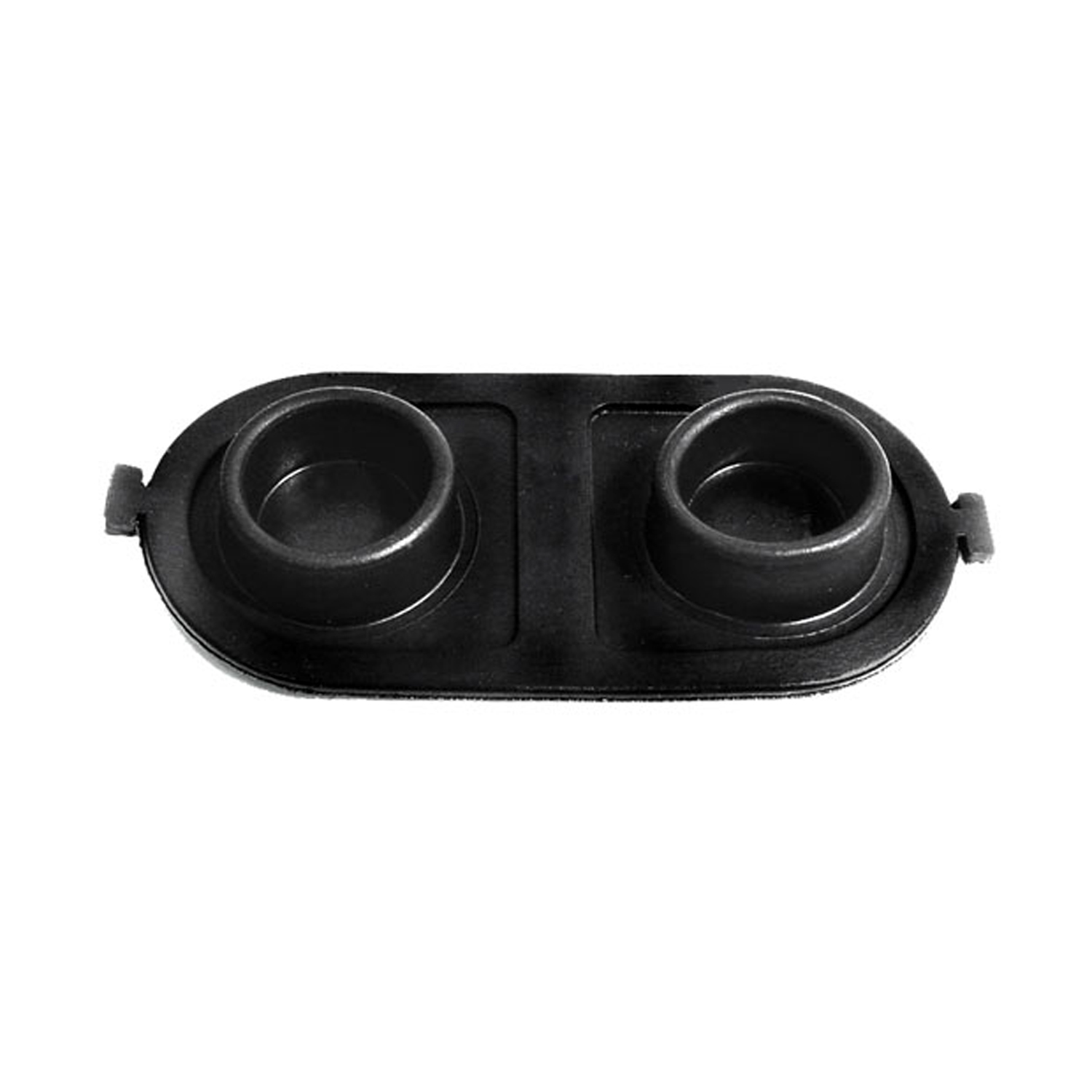 1969 Buick Riviera Brake Master Cylinder Cover Seal. Replaces OEM #5470861-RP 2-EBrake Master Cylinder Cover Seal. Replaces OEM #5470861. 5" X 2-1/2". Each
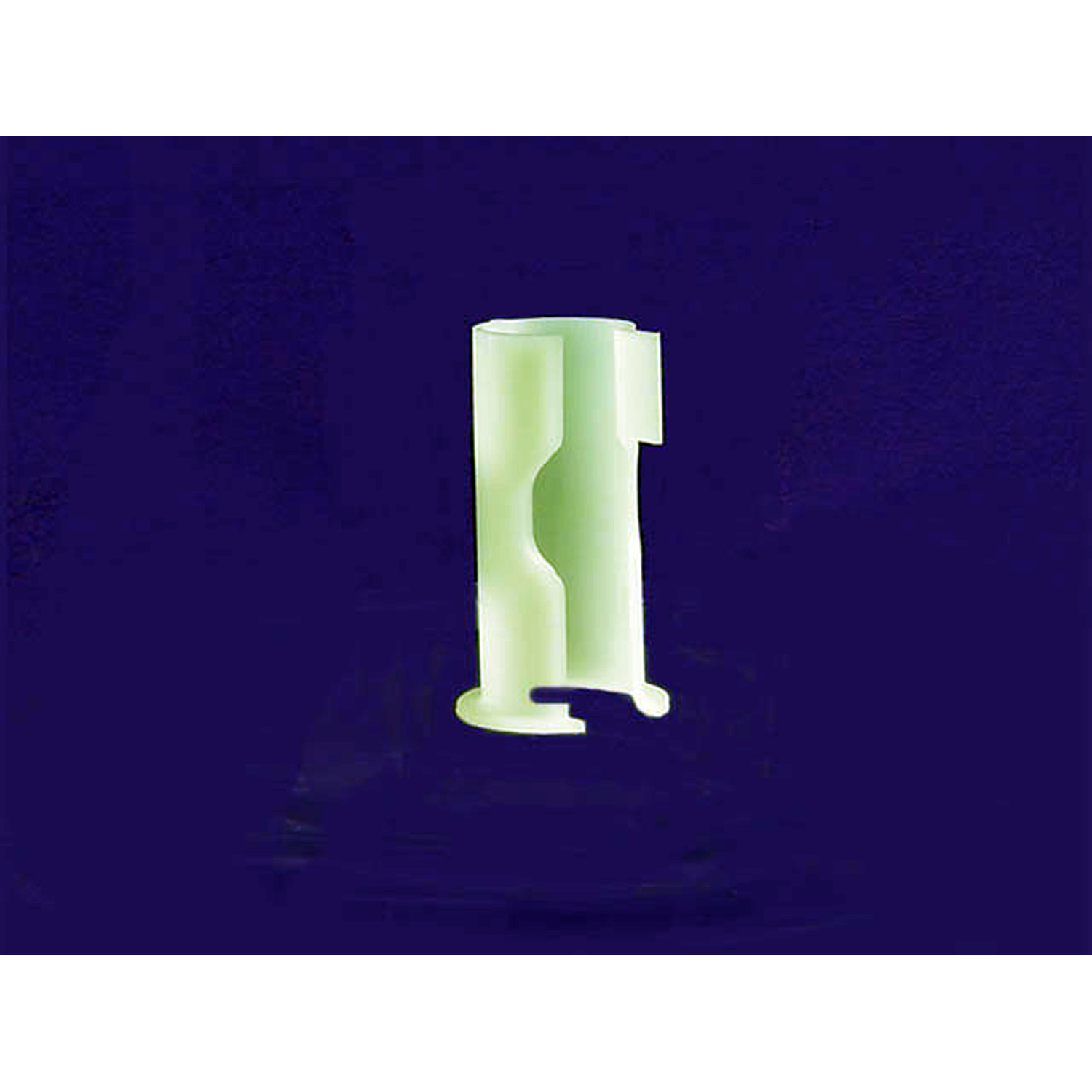 1969 Buick Riviera Sun Visor Support Sleeve. Clear plastic. Each-RP 303-ASun Visor Support Sleeve. Clear plastic. Each
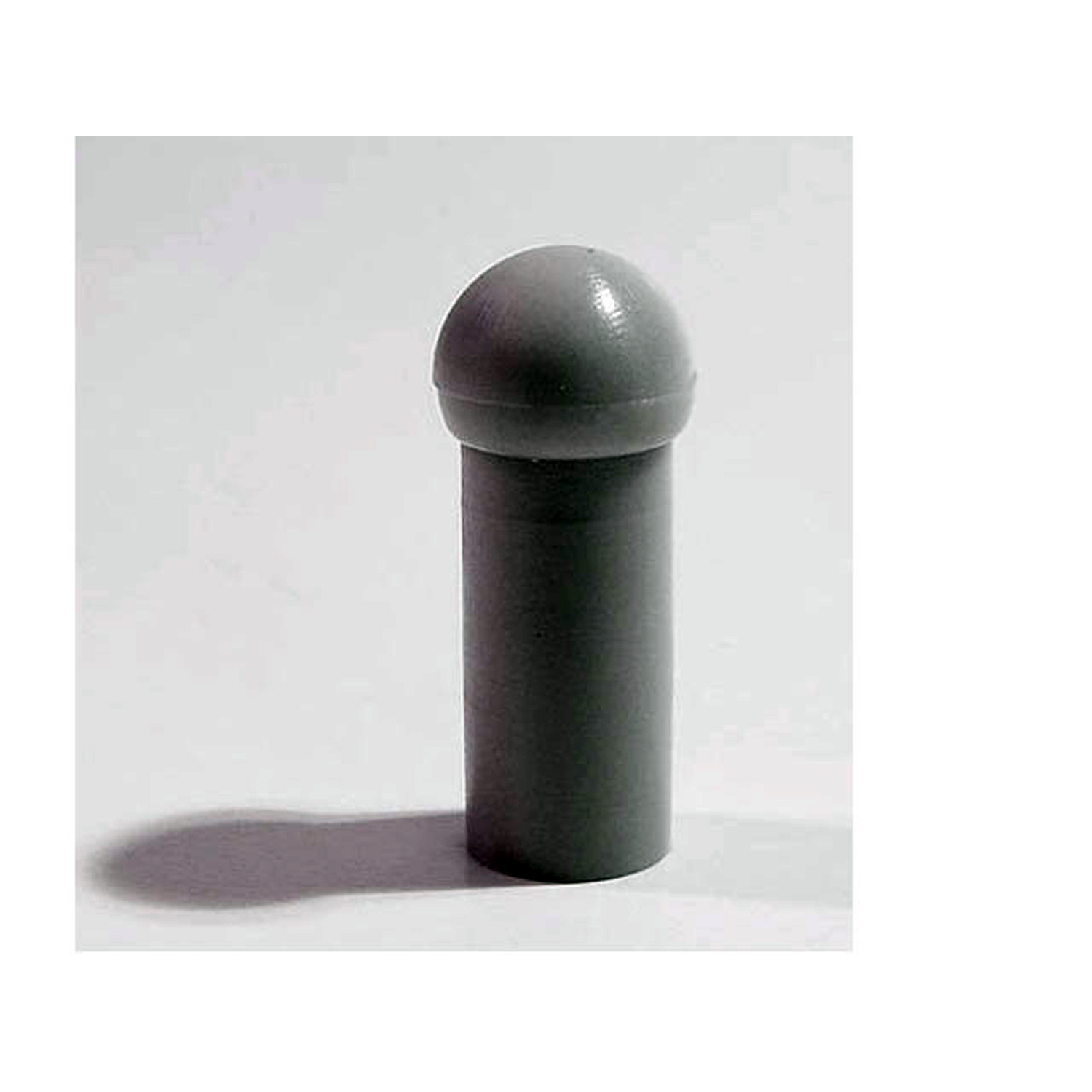 1969 Buick Riviera Sun Visor Rod Rubber Grommet. 3/4" long. Gray. Each-RP 303-CSun Visor Rod Rubber Grommet. 3/4" long. Gray. Each
 1969 Buick Riviera Molded Roof Rail Seals, for 2-Door Hardtop Only-RR 5009Molded Roof Rail Seals, for 2-Door Hardtop Only. Replaces windshield pillar seal and front top rail sections only. Molded end. 61-1/4" long each side. Connects to hard rubber rear seal covered by headliner. Pair R&L
 1969 Buick Riviera Door Bumper. Four used per car. Each-SB 32-DDoor Bumper. Four used per car. Each
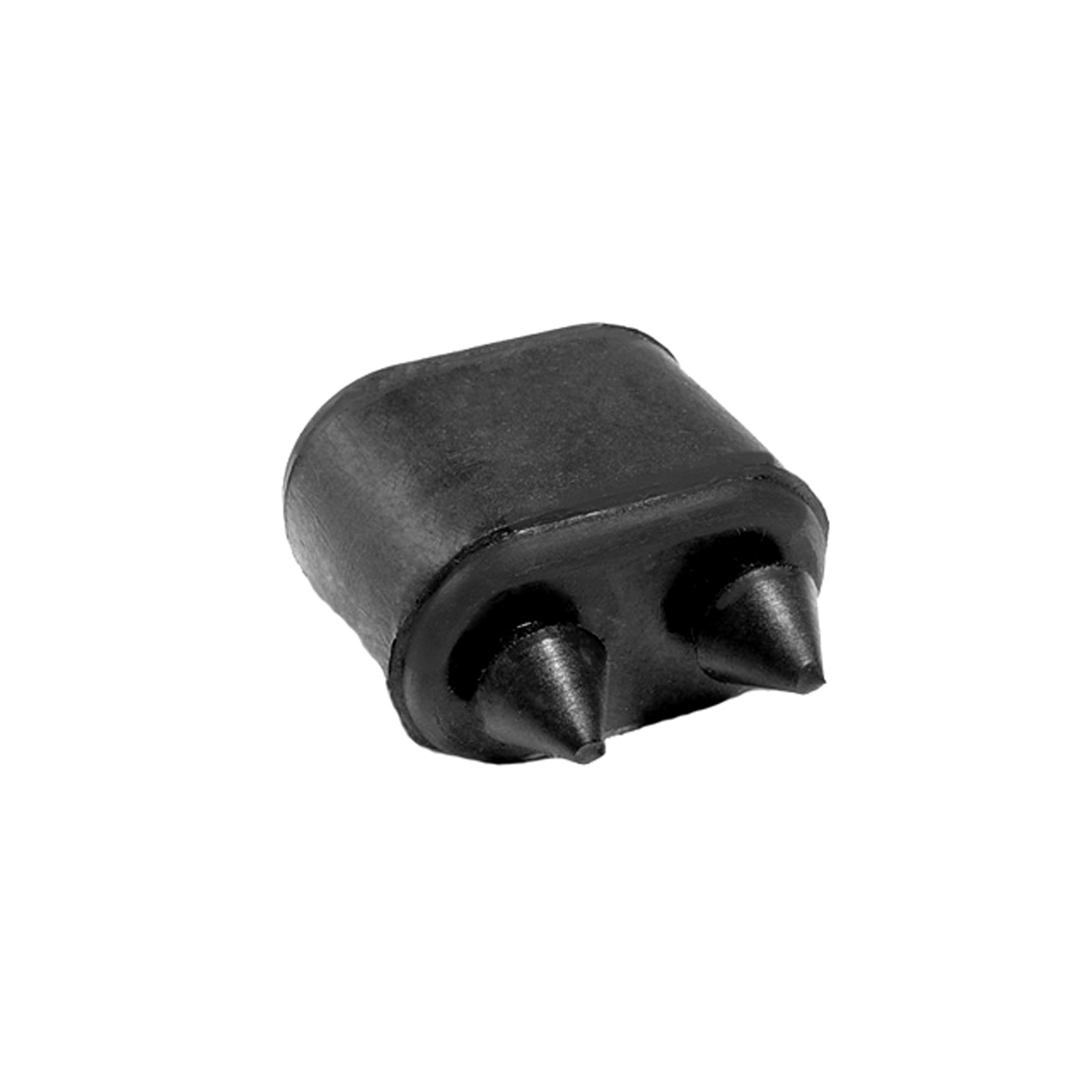 1969 Buick Riviera Door Bumper, 57-74 GM Cars, Made with Twin Retainers, Each-SB 35Door Bumper, 57-74 GM Cars, made with twin retainers, Each. Measure 1-1/16" high X 19/32" wide X 1-1/32" long.
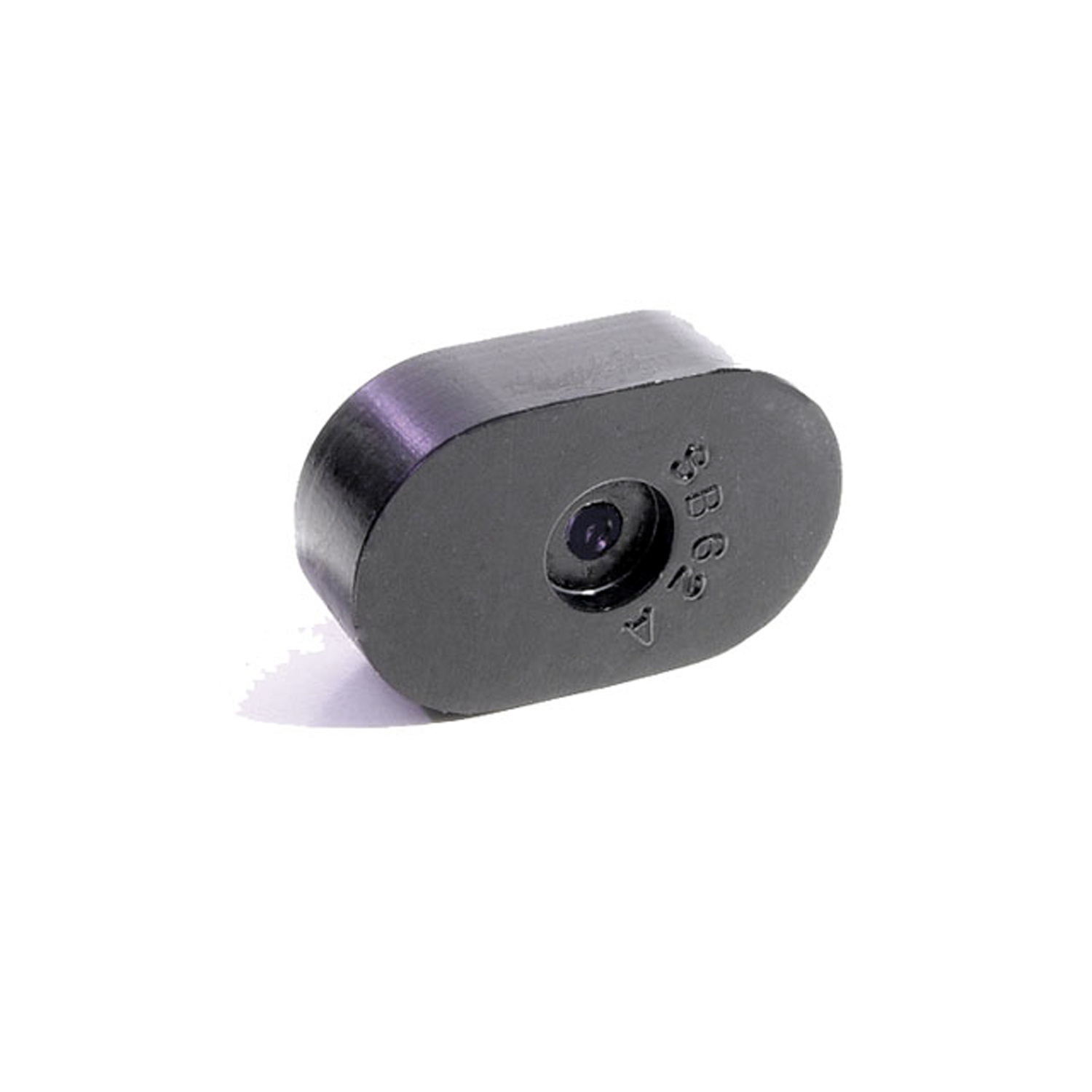 1969 Buick Riviera Seat Bumper. Made with steel core like original-SB 62-ASeat Bumper. Made with steel core like original. 1-1/2" long, 7/16" thick. Two used per car. Each
 1969 Buick Riviera Ashtray Bumper. 5/16" wide X 1/2" long X 3/16" high-SB 76Ashtray Bumper. 5/16" wide X 1/2" long X 3/16" high. (Fits some models) Each
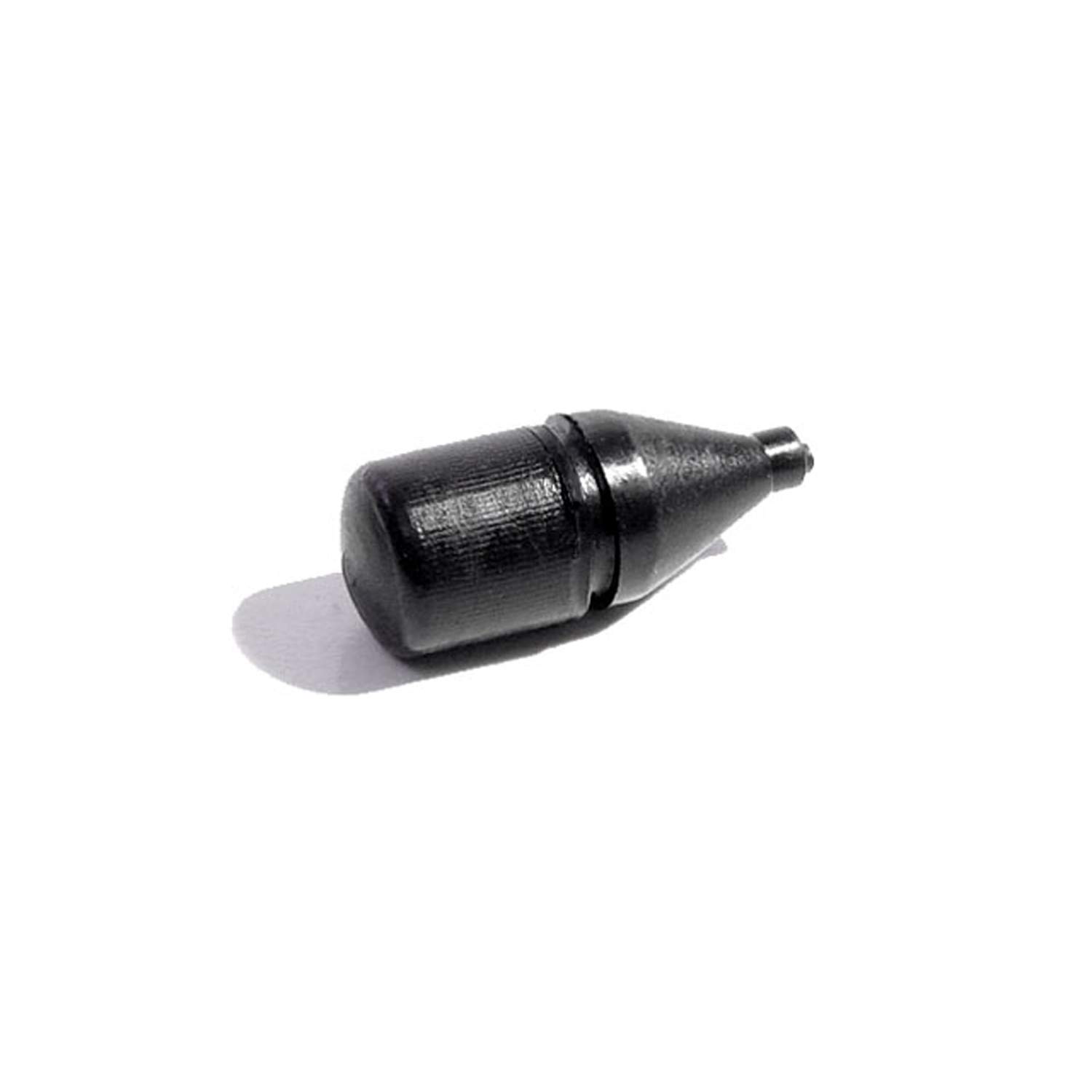 1969 Buick Riviera Fuel Door Bumper. 7/8" high, 5/16" O.D. Each-SB 81Fuel Door Bumper. 7/8" high, 5/16" O.D. Each
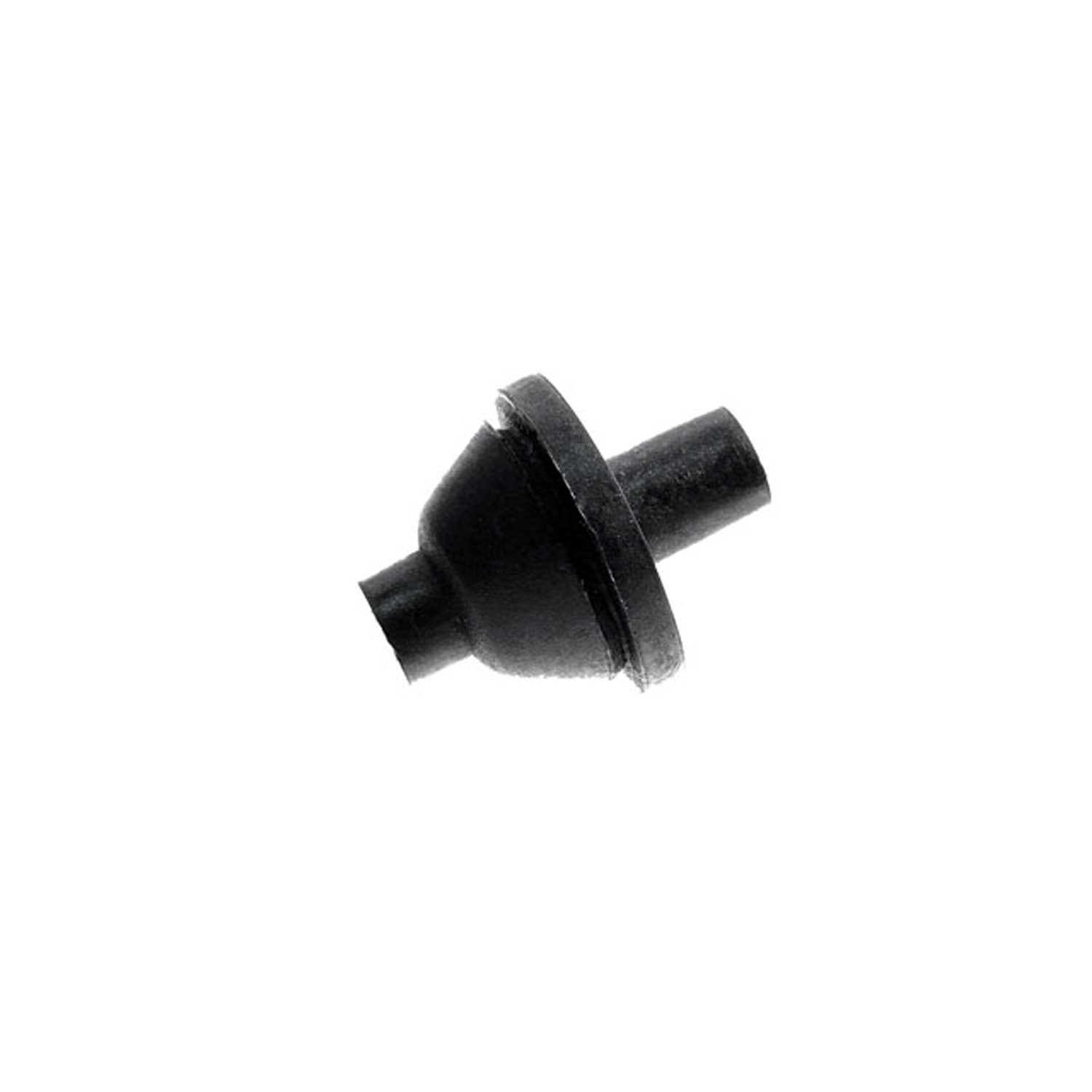 1969 Buick Riviera Dash and Firewall Grommet. Single-hole type is for one wire-SM 101Dash and Firewall Grommet. Single-hole type is for one wire. Each
 1969 Buick Riviera Dash and Firewall Grommet. Two hole type. Each-SM 101-ADash and Firewall Grommet. Two hole type. Each
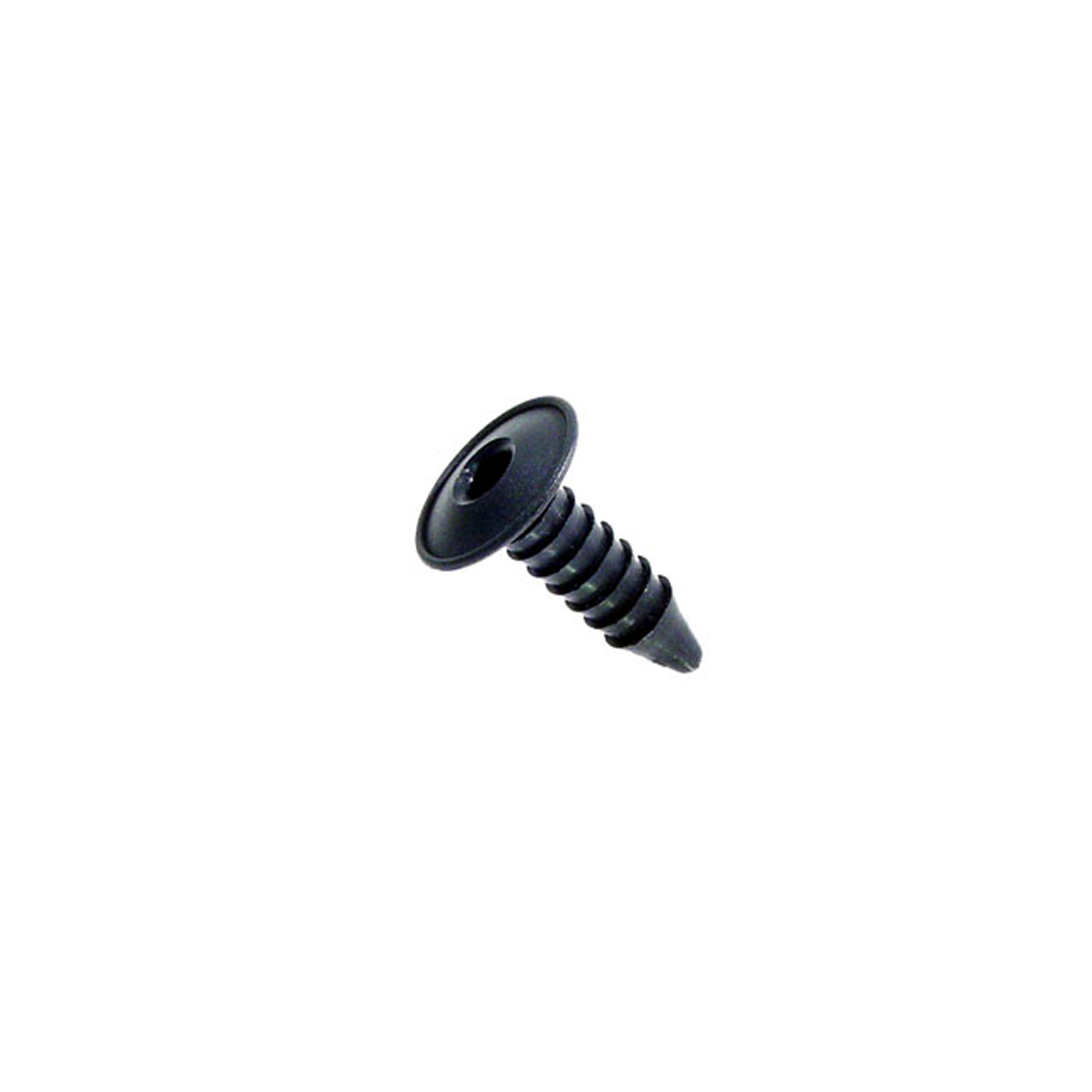 1969 Buick Riviera Firewall insulation fastener. 1 in. dia. W head. 1-1/2 in. L-SM 80-AFirewall insulation fastener. 1 in. dia. W head. 1-1/2 in. L. Replaces OEM#'s (GM) 7642589 and (AMC) 4001934. Black. Each.
 1969 Buick Riviera Trunk Seal. 18 feet long. Each-TK 46-18Trunk Seal. 18 feet long. Each
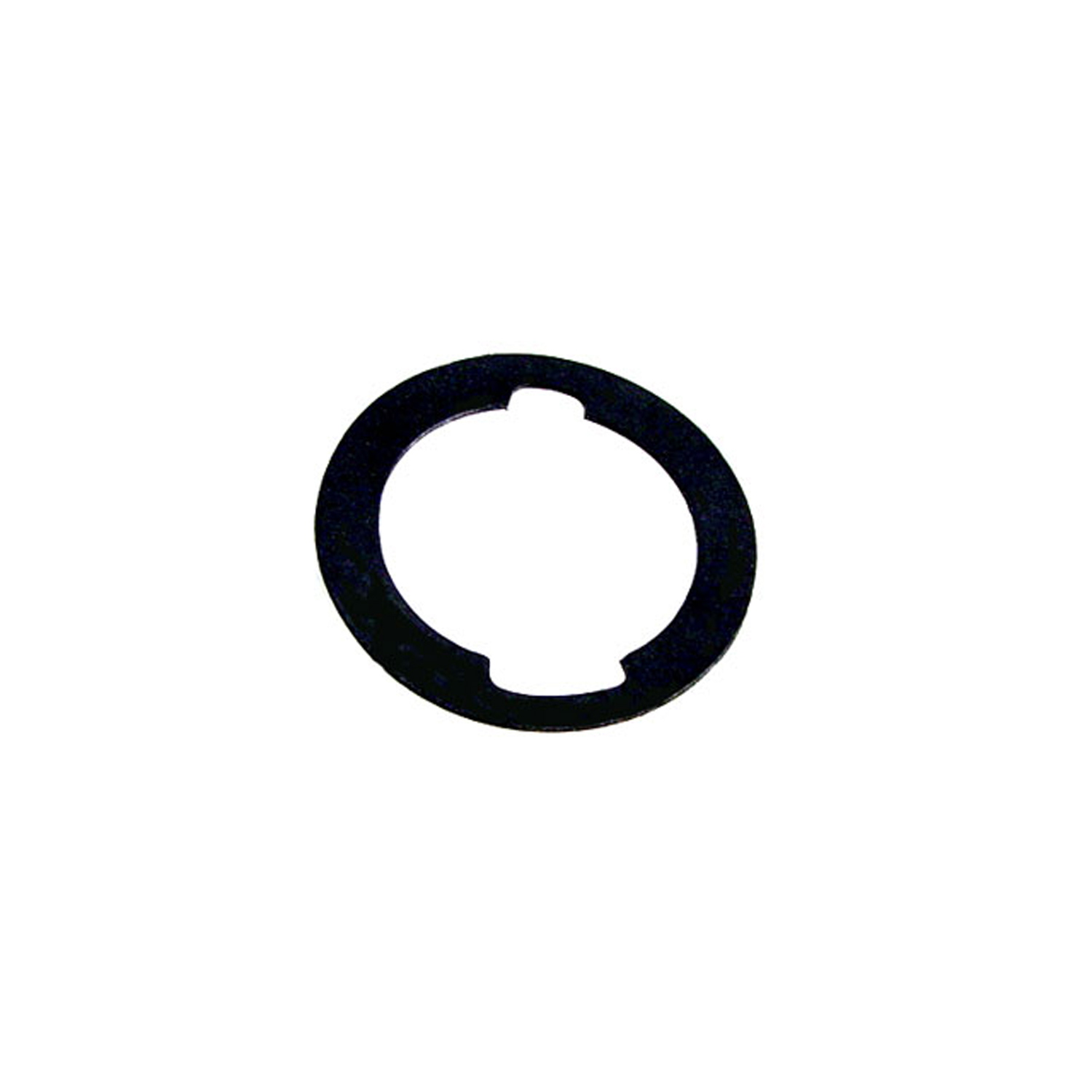 1969 Buick Riviera Unbeaded Door and Trunk Lock Gasket. 1-3/16" O.D., 7/8" I.D-UM 1600-100Unbeaded Door and Trunk Lock Gasket. 1-3/16" O.D., 7/8" I.D. Each
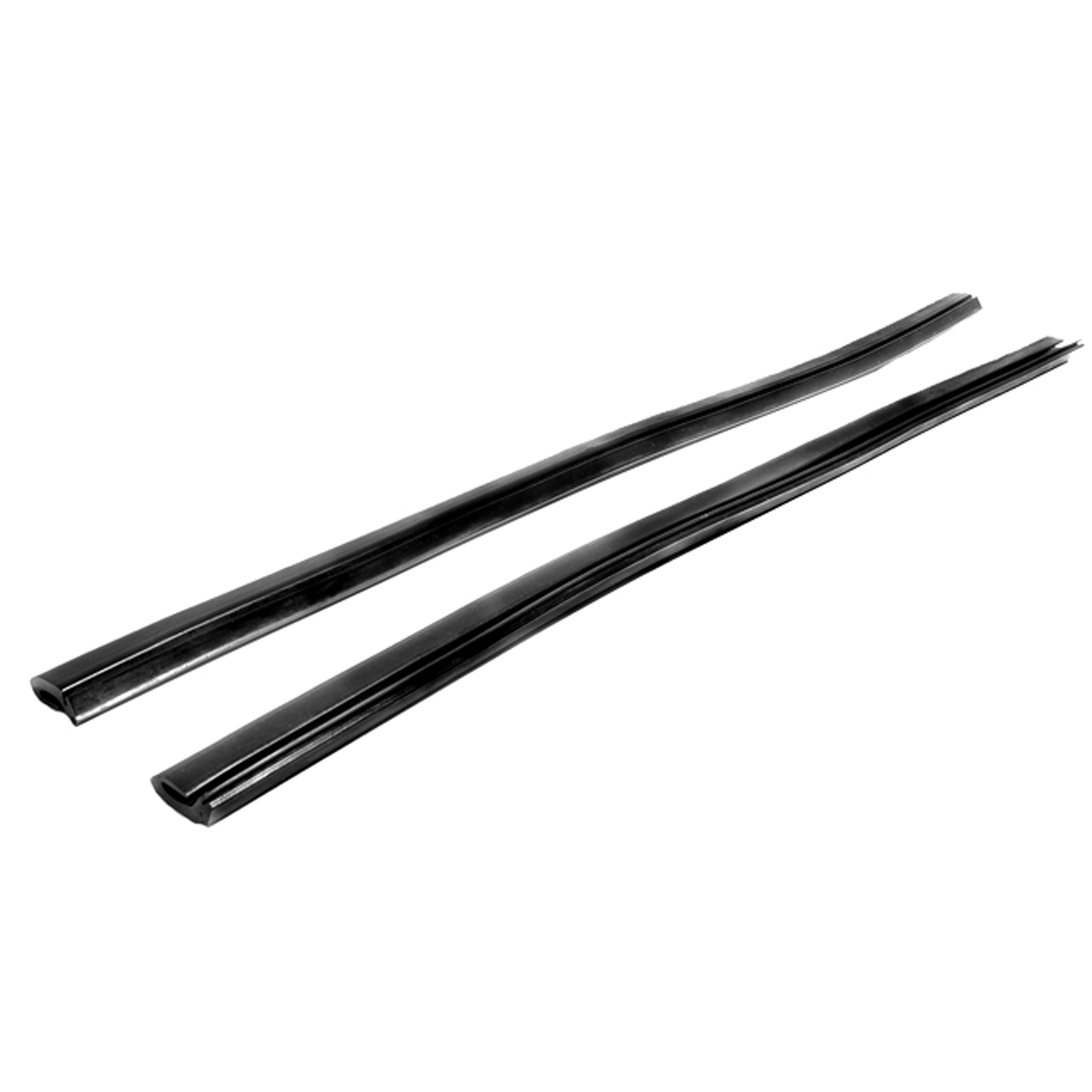 1969 Buick Riviera Rear Side Roll-Up Window Seal, for Hardtops and Convertibles-VS 3Rear Side Roll-Up Window Seal, for Hardtops and Convertibles. Two 20" sections slide into metal track. No steel insert. Pair
 1969 Buick Riviera Rear Roll-Up Vertical Window Seals, for 2-Door Hardtops-VS 3-IRear Roll-Up Vertical Window Seals, for 2-Door Hardtops. Made with steel core. 15-7/8" long. Pair
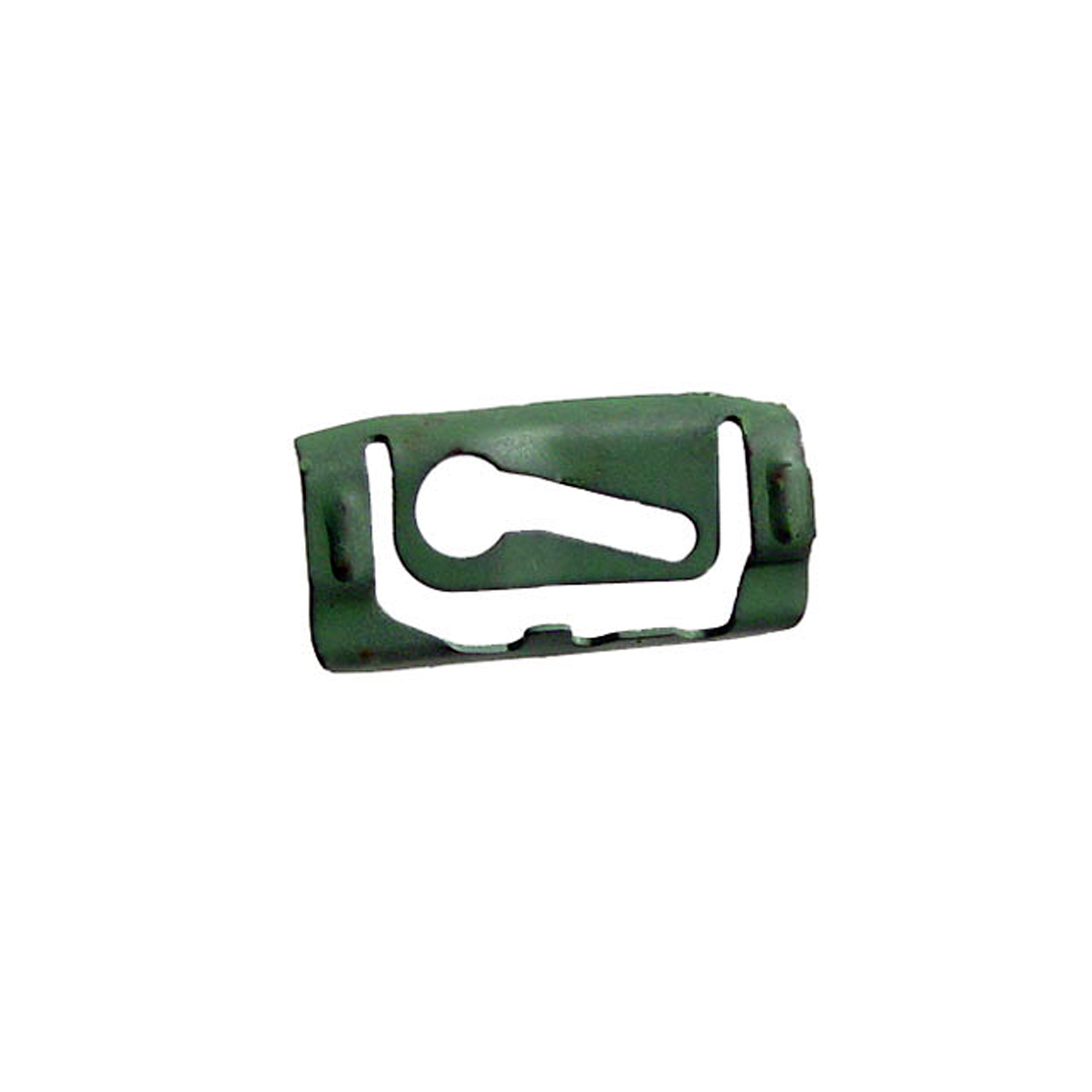 1969 Buick Riviera Quarter Window Reveal Molding Clip. Made of Steel-WF 205Quarter Window Reveal Molding Clip. Made of Steel. 1-3/8" X 11/16". Each
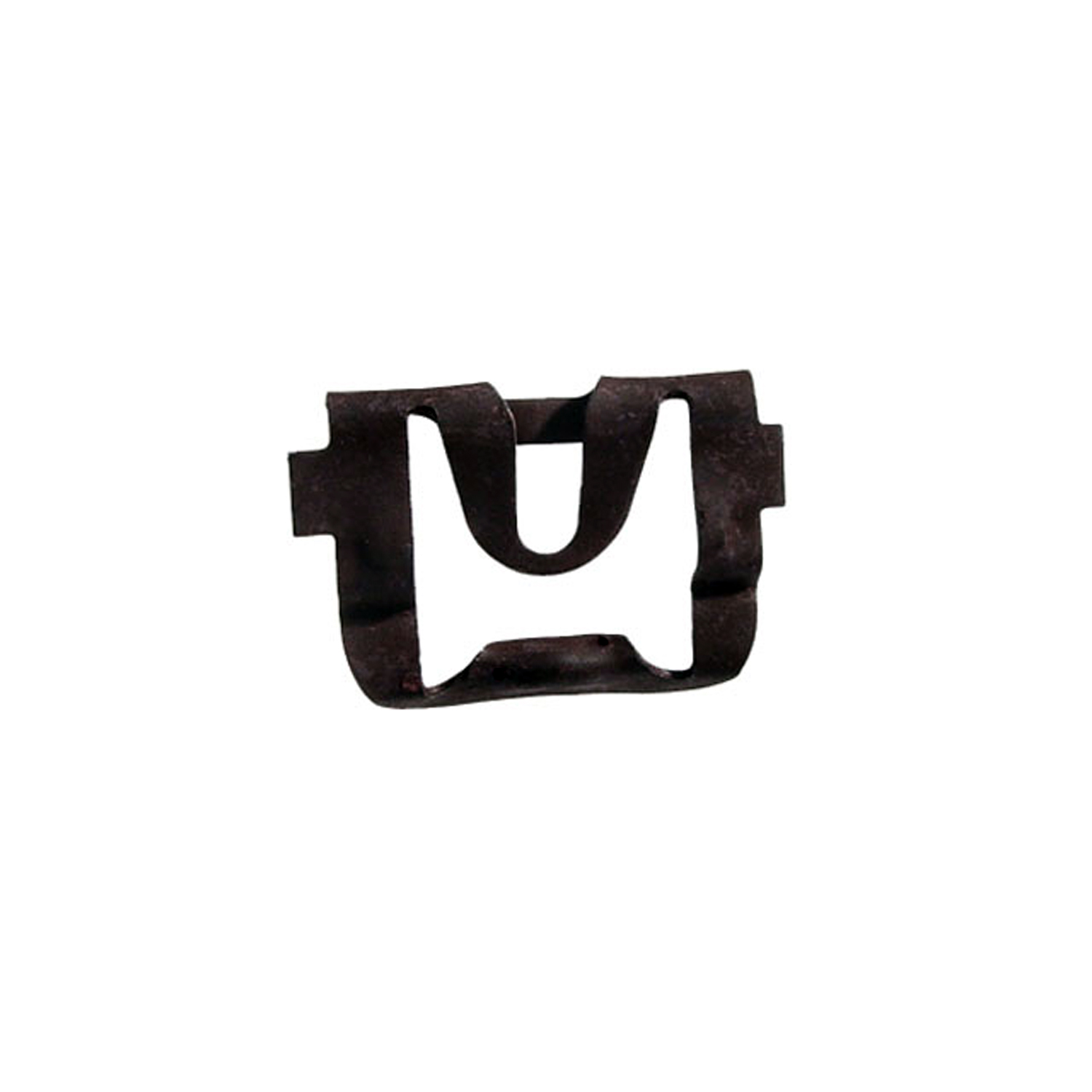 1969 Buick Riviera Rear Windshield Reveal Molding Clip. Made of steel-WF 211Rear Windshield Reveal Molding Clip. Made of steel. 15/16" X 3/4". Each
Why Choose Metro?
For over 100 years, Metro Moulded Parts has been the pinnacle of quality in classic car restoration parts. Our commitment to precision and authenticity in every component ensures a perfect fit and an OEM-level appearance.
- Expert Craftsmanship & Quality: Each part is a testament to our dedication to reliability and perfection, crafted from original designs and thoroughly tested.
- Advanced Technology: We use cutting-edge techniques to create flawless, long-lasting parts that surpass others in performance.
- SuperSoft Sponge – The Ultimate Door Seal: Not only are our door seals 30% softer than competitors', but they're also guaranteed to never leak. They effectively reduce wind and road noise, enhancing your classic car's comfort and driving experience.
- Proudly American: Our parts are a product of American craftsmanship, made in the USA with a spirit of excellence and heritage.
- Unrivaled Warranty: We back our products with a 30-year industry-leading warranty, a testament to our confidence in their quality.
Join us in preserving the legacy of classic cars with parts that are crafted for perfection, not just made.