

Image of 1969 Buick Special, Note: These illustrations use artistic license and may differ from actual historical models.
Performance Metrics
Fundamental Metrics
Emotional Appeal
MMP Rating
| Engine Specifications | |
|---|---|
| Engine Options: | 250 cu in (4.1 L) I6, 350 cu in (5.7 L) V8 |
| Displacement Range: | 4.1 - 5.7 L |
| Horsepower Range: | 155 - 315 hp |
| Torque: | 240 - 410 lb-ft |
| Compression Ratio: | 8.5:1 - 10.25:1 |
| Ignition System: | Conventional breaker-point ignition system |
| Cooling System: | Liquid-cooled |
| Performance Specifications | |
| 0-60 Time: | 8 - 10 seconds |
| 1/4 Mile Time: | 16 - 18 seconds |
| Top Speed: | 115 - 130 mph |
| Transmission and Drive | |
| Drive Type: | Rear-wheel drive |
| Transmission Type: | 3-speed manual, 4-speed manual, 3-speed automatic |
| Fuel and Efficiency | |
| Fuel System Type: | Carburetor |
| MPG: | 10 - 15 mpg |
| Dimensions and Brakes | |
| Brakes: | Front disc and rear drum brakes |
| Wheelbase: | 112 inches |
| Weight: | 3,200 - 3,600 lbs |
Note: Specifications for classic cars are given to the best of our ability, considering the limited and variant data available.
1969 Buick Special: The Quietly Important A-Body
The 1969 Buick Special brought Buick comfort and traditional styling to a more affordable, midsize package. Built by Buick, a division of General Motors, it occupied the value end of the brand’s lineup while sharing its basic A-body platform with cars such as the Chevrolet Chevelle, Oldsmobile Cutlass, and Pontiac Tempest. That family connection gave the Special familiar proportions and practical engineering, but Buick dressed it with its own grille, trim, and more upscale feel.
The Special’s appeal today is partly its position between ordinary transportation and the muscle-car spotlight. It was not a GS, and it did not need to be. Its less glamorous badge and broad range of practical body styles made it a straightforward way into Buick ownership. The 1969 model also represents one of the final appearances of the Special name as a distinct Buick series before the Skylark became the better-known entry point in the brand’s intermediate range.
A useful bit of context for shoppers and restorers: “Special,” “Special Deluxe,” and “Skylark” referred to different series or trim levels, not simply interchangeable names. Equipment and body-style availability depended on the specific series, so checking the car’s identification tags and original paperwork can reveal more than its current badges do.
1969 Special Styling and Interior
The Special wore the balanced, clean-lined shape typical of late-1960s GM A-body cars. Its long hood, modest rear overhang, and gently curved roof gave it a purposeful profile without the exaggerated scoops and stripes associated with muscle models. Buick’s distinctive grille and bright trim helped separate it from its corporate relatives, while the side molding and restrained detailing kept the design smart rather than flashy. For 1969, federally required side-marker lights became part of the exterior details.
Inside, the Special was designed for everyday use. Depending on series and options, buyers could get a front bench seat, more decorative trim, upgraded upholstery, or bucket seats on selected versions. Materials varied with the trim level: basic cars used durable vinyl and cloth combinations, while better-equipped models added richer-looking upholstery, patterned inserts, and extra brightwork. It was not a luxury-car cabin, but it generally felt more polished than a bare-bones economy model.
Technology was conventional for the period, which is part of the car’s appeal to hands-on owners. The Special used a straightforward dashboard and familiar mechanical controls. Available conveniences could include automatic transmission, power steering, power brakes, air conditioning, and an AM radio. Front disc brakes were available on some configurations, while many Specials retained four-wheel drum brakes. Equipment varied by body style and trim, so not every car received the same options.
Buick offered a broad factory paint palette, with choices that included period-typical whites, reds, blues, greens, golds, and metallic shades. Exact color names and availability changed across the lineup. White and darker blue or green shades suit the car’s understated lines particularly well, while brighter red and gold finishes give it a more distinctly late-sixties look. Original paint codes are worth checking before a restoration, especially when color authenticity matters.
Depending on series, the 1969 Special was available in practical two-door and four-door configurations, with sedan and station-wagon versions among the useful choices. Body-style availability differed across the Special and Special Deluxe range. Buyers seeking an open-top Buick generally looked to the Skylark convertible rather than assuming every Special series offered a convertible. The two-door coupe is often the most immediately recognizable today, while the four-door and wagon versions make especially appealing period drivers.
Why the Special Mattered
The 1969 Buick Special did not introduce a headline-grabbing invention, and its significance is better understood through its place in GM’s product strategy. It brought Buick’s traditionally comfortable character into the popular A-body class, a segment where buyers wanted manageable size, usable interiors, and a choice of six-cylinder or V8 power. Sharing a platform with other GM intermediates also meant broad parts availability and familiar service procedures.
What set the Special apart from many contemporaries was its blend of sensible packaging and Buick identity. It was less expensive and less heavily trimmed than many larger Buicks, yet it still offered a more refined image than a basic transportation car. Its restrained styling also gave it a different personality from the louder muscle offerings of the era. The Special’s influence was not a single dramatic design feature; it was part of the larger success of GM’s adaptable midsize platform strategy.
That shared architecture remains significant for restorers. Some components and service knowledge overlap with other A-body cars, although Buick-specific parts, engine details, trim, and body pieces still matter. The result is a car that can be approachable to maintain without being identical to every Chevrolet or Oldsmobile parked beside it.
Buick Special Performance and Road Manners
Engine availability depended on series and equipment, but 1969 Specials could be ordered with a 250-cubic-inch inline-six or Buick’s 350-cubic-inch V8. The six was rated at about 155 horsepower, while the 350 V8 was commonly offered in a 230-horsepower, two-barrel tune. Higher-output 350 configurations were available elsewhere in Buick’s A-body range, but buyers should verify an individual car’s original engine and trim rather than assume it has a particular specification. Three-speed manual and automatic transmissions were among the period choices, depending on configuration.
Performance figures vary with engine, transmission, rear-axle ratio, vehicle condition, and testing method. As a broad period-car estimate, a six-cylinder Special may take roughly 12 to 14 seconds to reach 60 mph. A healthy 350-powered car can manage the same sprint in approximately 9 to 11 seconds. A reasonable top-speed range is about 100 to 115 mph, although that is not a recommendation to test a fifty-seven-year-old car at full throttle. Brakes, tires, suspension, and mechanical condition matter far more than a theoretical maximum.
On the road, the Special feels like a classic American midsize car: relatively soft-riding, stable at ordinary highway speeds, and less eager to change direction than a modern sedan. Its suspension takes the edge off broken pavement, though worn bushings or tired shocks can make it floaty. On winding roads, the steering is slower and less precise than contemporary drivers may expect, and drum-brake cars need more planning during repeated hard stops.
The V8 provides a mellow, low-pitched rumble rather than the sharp, high-strung note of a sports car. The six-cylinder feels calmer and more economical, though less forceful when accelerating. From behind the wheel, the Special asks for smooth inputs: allow space for braking, ease it into corners, and enjoy the long, relaxed ride. That unhurried character is a big part of its charm.
Living With a 1969 Buick Special
Today, a Special can serve as a weekend cruiser, a local-show car, or a comfortable vintage-car project. A sound, well-maintained example can also be driven regularly, but it should not be treated like a modern daily driver without careful attention to safety and maintenance. Older lighting, braking performance, fuel systems, and crash protection are all different from what drivers expect today.
Routine work is generally familiar to a competent home mechanic. The engine bay is not packed with modern electronics, and many common service jobs use conventional tools and procedures. Parts shared across GM A-body cars can help with some repairs, but Buick-specific components and correct trim may take more searching. Before buying, inspect the frame, floors, body mounts, trunk, and lower body panels for corrosion. Also check the cooling system, transmission behavior, brake condition, and the availability of correct interior or exterior pieces.
Reliability depends more on the condition of the individual car than on the badge. A well-sorted Special can be dependable for pleasure use, while a neglected example can quickly need fuel-system, electrical, brake, and suspension work. A pre-purchase inspection by a mechanic familiar with older American cars is money well spent.
Special Facts, Rarity, and Criticisms
The Special’s low-key status is both a trivia point and a reason it can be harder to find in restored condition than a casual glance at the badge might suggest. Many surviving cars have been modified, used as parts donors, or overlooked in favor of Skylarks and GS models. There is no widely recognized 1969 Special speed or endurance record, and it is not known for a famous celebrity connection. Its story is more about everyday Buick ownership than headline-making performance.
Production totals can be difficult to pin down because figures may be reported by body style, series, or larger model group. A reasonable working estimate is that roughly 40,000 to 70,000 cars carried the Special or Special Deluxe identity for 1969, depending on which body styles and trim groupings are counted. Treat that as a broad estimate, not a verified factory total. The number of surviving, solid, original examples is much smaller.
Common criticisms are straightforward: the Special is not as quick or as collectible as a GS, its handling is firmly old-fashioned, and cars with drum brakes require a more measured driving style. Its modest reputation can also make it harder to justify an expensive restoration than a high-demand muscle car. On the plus side, that same lack of hype can make a good driver a more accessible entry into Buick’s late-sixties lineup.
1969 Buick Special Collector Values
As a general U.S. market guide for 2026, a project car may sell for around $3,000 to $7,000, depending heavily on rust and completeness. A usable driver in presentable condition may fall around $8,000 to $18,000. A very clean, well-restored, or unusually original example could bring roughly $20,000 to $30,000 or more, with standout cars and desirable equipment potentially exceeding that range. These are broad estimates, not appraisals; location, documentation, originality, body style, and mechanical condition all influence price.
The Special is generally more affordable than a comparable GS or other high-profile muscle car. Its values have benefited from the wider appreciation of classic American cars, but the market is selective: condition and quality of restoration usually matter more than simply having a 1969 Buick badge. Over the long term, clean original cars are likely to hold interest better than poorly documented modifications, while ordinary drivers may see slower and less predictable appreciation.
Availability is fair for a classic, but the right car can take patience to find. A solid, complete example is often a better buy than a cheap restoration project, especially if it retains correct Buick trim and hard-to-source parts. Before paying a premium, verify the series, engine, body style, and options with the car’s tags and documentation.
A Buick Worth Rediscovering
The 1969 Buick Special is not the loudest or fastest car from its era, and that is precisely why it deserves a closer look. It combines practical A-body engineering, Buick’s understated styling, straightforward mechanicals, and the relaxed road manners of a classic American cruiser. For enthusiasts who want something more distinctive than a common muscle-car replica, the Special offers a rewarding alternative.
Buy one for its condition, preserve what makes it a Buick, and drive it at the pace it was built to enjoy. The 1969 Special may have stood outside the spotlight in its own day, but its quiet blend of utility and character has aged remarkably well.
1969 Buick Special Catalog of Parts
 1969 Buick Special RE-ISSUE. Door lock pillar seal-ALP 5002RE-ISSUE. Door lock pillar seal. Fits '68-'72 GM A-body 2-door coupe, hardtop and convertible (except Pontiac - see ALP 5002-A).
 1969 Buick Special Body Cushion Kit. 28 piece set.-BCK 5Body Cushion Kit. 28 piece set.
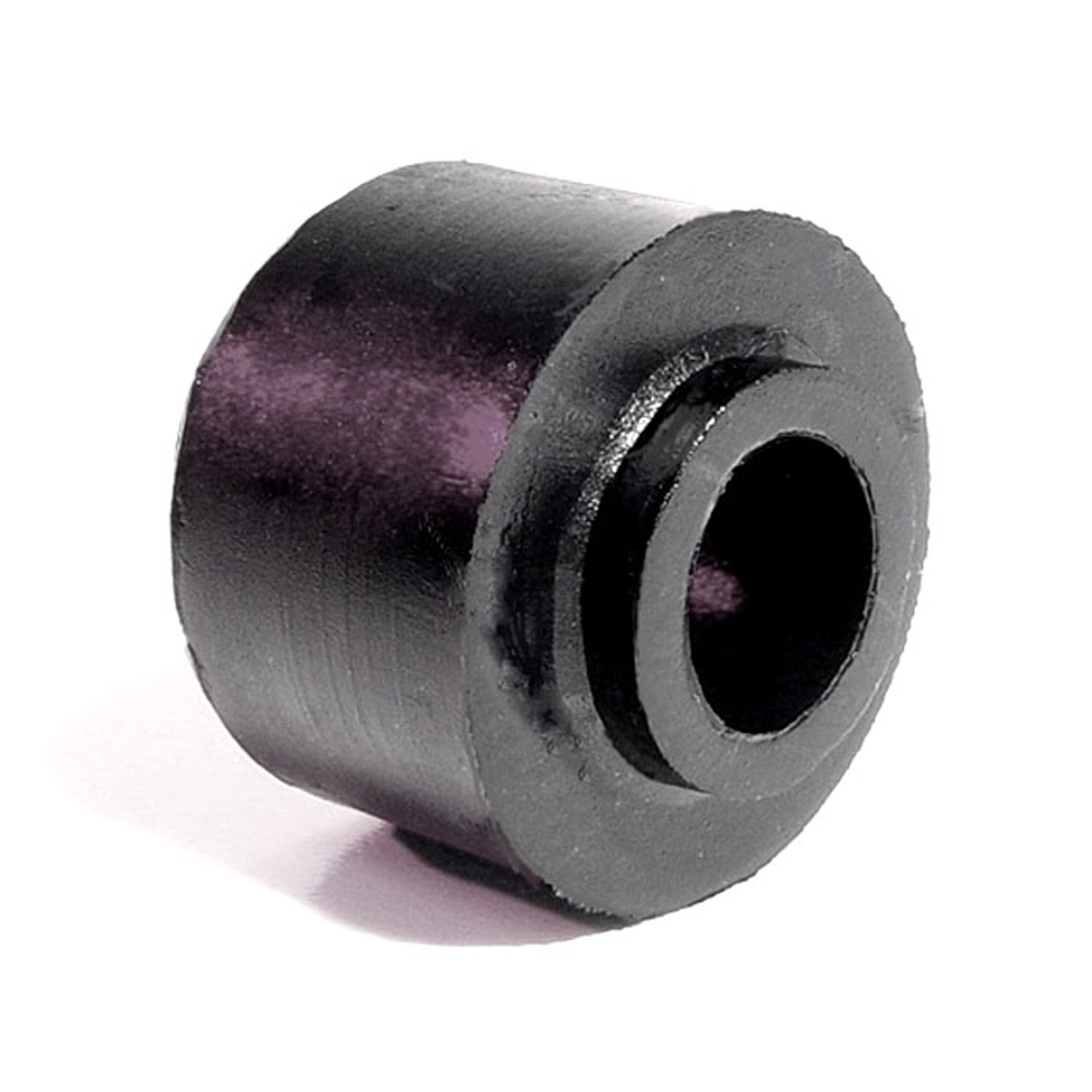 1969 Buick Special Shock Absorber Grommet. 1" bottom O.D., 3/4" high-BN 1Shock Absorber Grommet. 1" bottom O.D., 3/4" high., with 7/16" I.D. Each
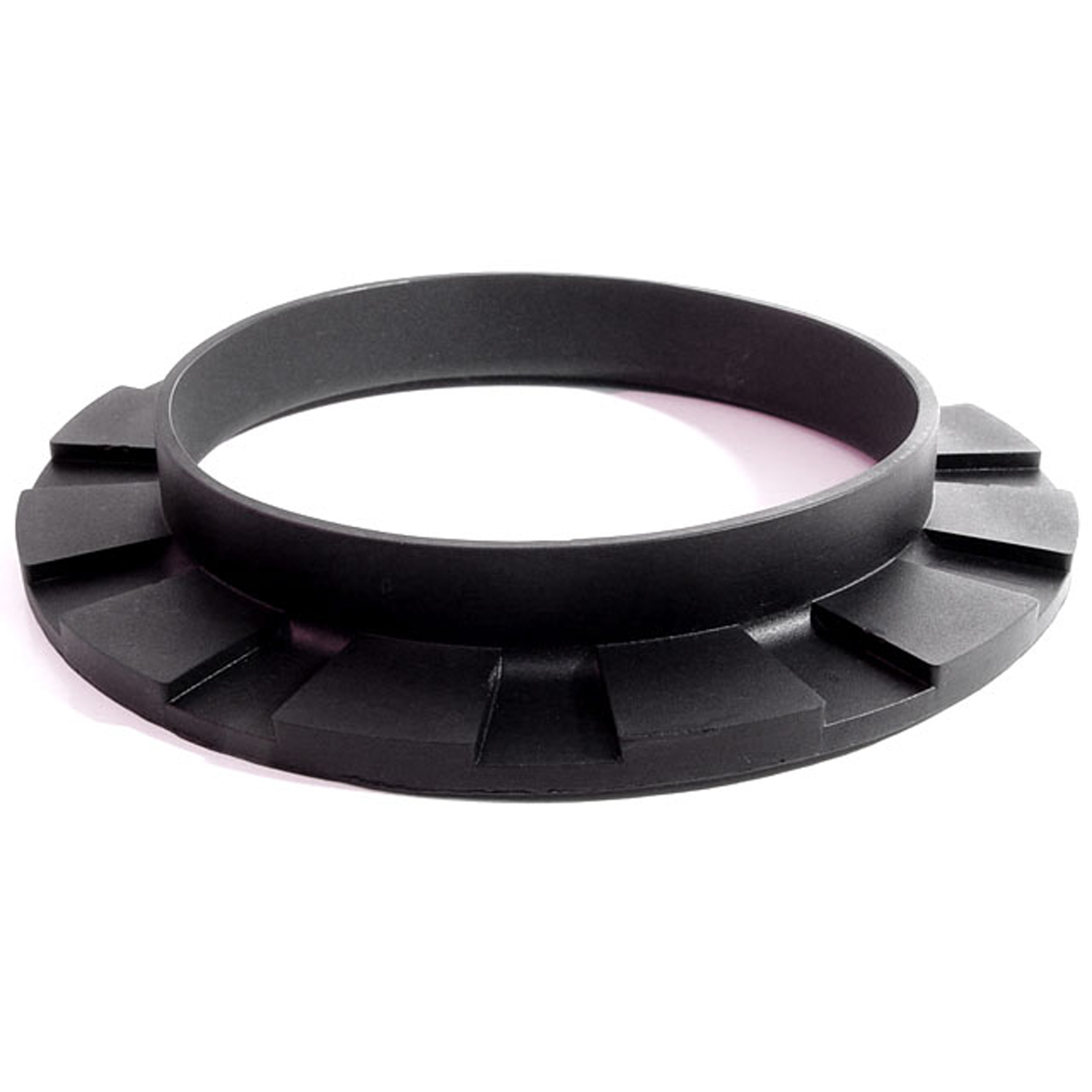 1969 Buick Special Front coil-spring insulator-BN 110Front coil-spring insulator. Fits '41-'60 Oldsmobile and '50-'83 GM passenger models. 5-3/8 in. OD x 3-3/4 in. ID x 3/4 in. high with 13/16 in. wide bottom flange 1/4" thick, 12 flutes. Each.
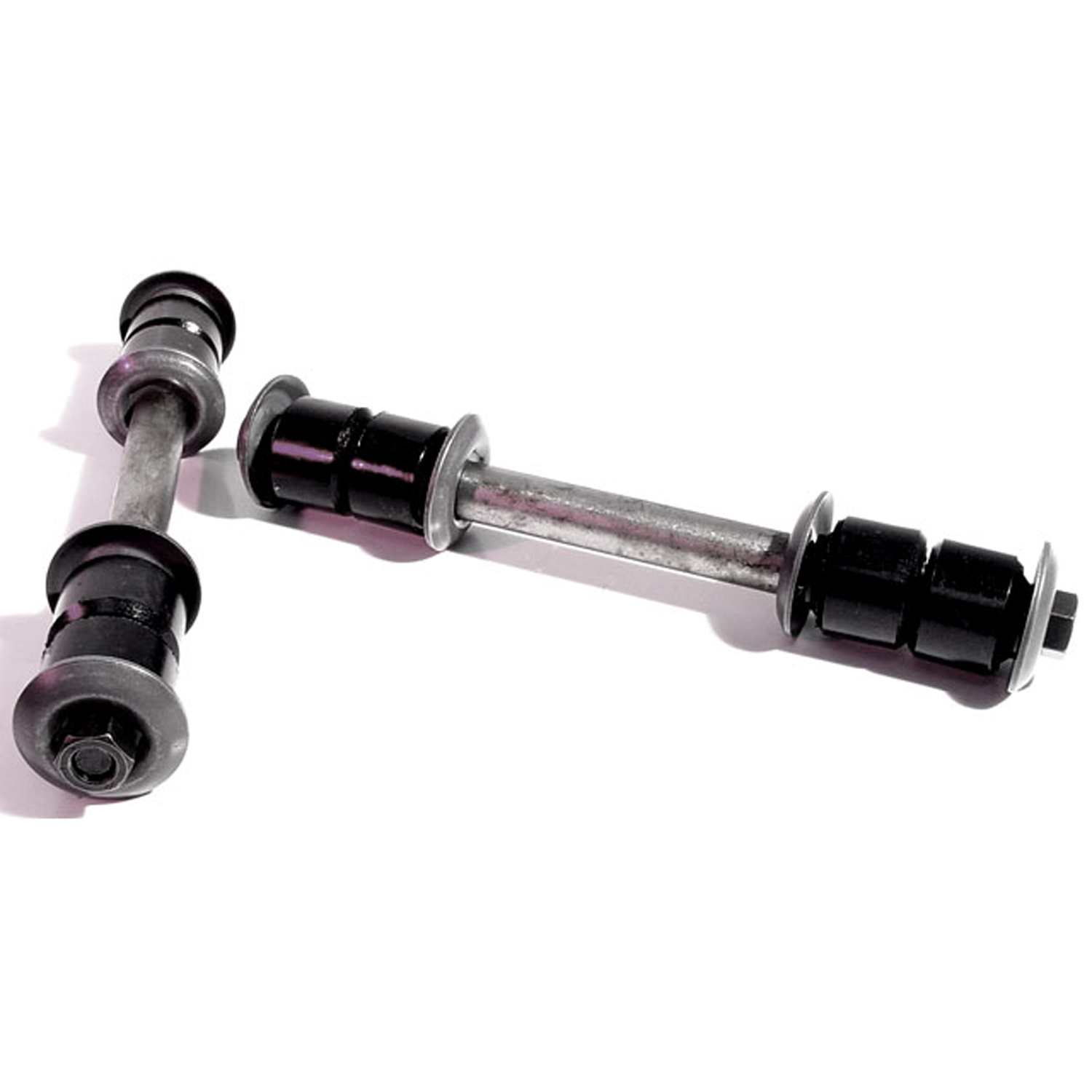 1969 Buick Special Front Stabilizer End Repair Kit-BNK 21Front Stabilizer End Repair Kit. 22-piece set for two stabilizer bars. Contains all rubber bushings, washers, bolts and nuts, enough for one front end. Set
 1969 Buick Special Butyl Glass Setting Tape-BT 1Butyl Glass Setting Tape. Used to install windshields and backlights. Superior sealing properties. 5/16" wide X 15' long. Each
 1969 Buick Special Clutch and Brake Pedal Pads. Exact reproduction-CB 99Clutch and Brake Pedal Pads. Exact reproduction. 3-1/2" wide. Pair
 1969 Buick Special Park Brake Pedal Pad. 2-9/16" wide. Each-CB 99-APark Brake Pedal Pad. 2-9/16" wide. Each
 1969 Buick Special Auto Brake Pedal Pad. 5-7/8" wide. Each-CB 99-BAuto Brake Pedal Pad. 5-7/8" wide. Each
 1969 Buick Special Clutch and Brake Pedal Pads. 3-3/4" wide. Pair-CB 99-DClutch and Brake Pedal Pads. 3-3/4" wide. Pair
 1969 Buick Special Park Brake Pedal Pad. 2-3/8" wide. Each-CB 99-EPark Brake Pedal Pad. 2-3/8" wide. Each
 1969 Buick Special Auto Brake Pedal Pad. Nice reproduction. 5-3/4" wide-CB 99-GAuto Brake Pedal Pad. Nice reproduction. 5-3/4" wide. Each
 1969 Buick Special Hood to Cowl Seal, with clips. 59-1/8" long. Each-CS 5Hood to Cowl Seal, with clips. 59-1/8" long. Each
 1969 Buick Special Rear Hood Bumper. Each-HF 27Rear Hood Bumper. Each
 1969 Buick Special Molded Door Seals with Clips. For 2-door sedans-LM 12-SMolded Door Seals with Clips. For 2-door sedans. Replaces OEM #7717766/7. Each is 143" long. Pair R&L
 1969 Buick Special Front Molded Door Seals with Clips-LM 12-TFront Molded Door Seals with Clips. For 4-door sedans and station wagons. Replaces OEM #7717764/5. Each is 127-1/4" long. Pair R&L
 1969 Buick Special Rear Molded Door Seals with Clips-LM 12-URear Molded Door Seals with Clips. For 4-door sedans and station wagons. Replaces OEM #771772/3. Each is 115" long. Pair R&L
 1969 Buick Special Trunk Liner. Loose weave-M 23Trunk Liner. Loose weave. Black with scattered white threads. 54" wide. Sold by the foot
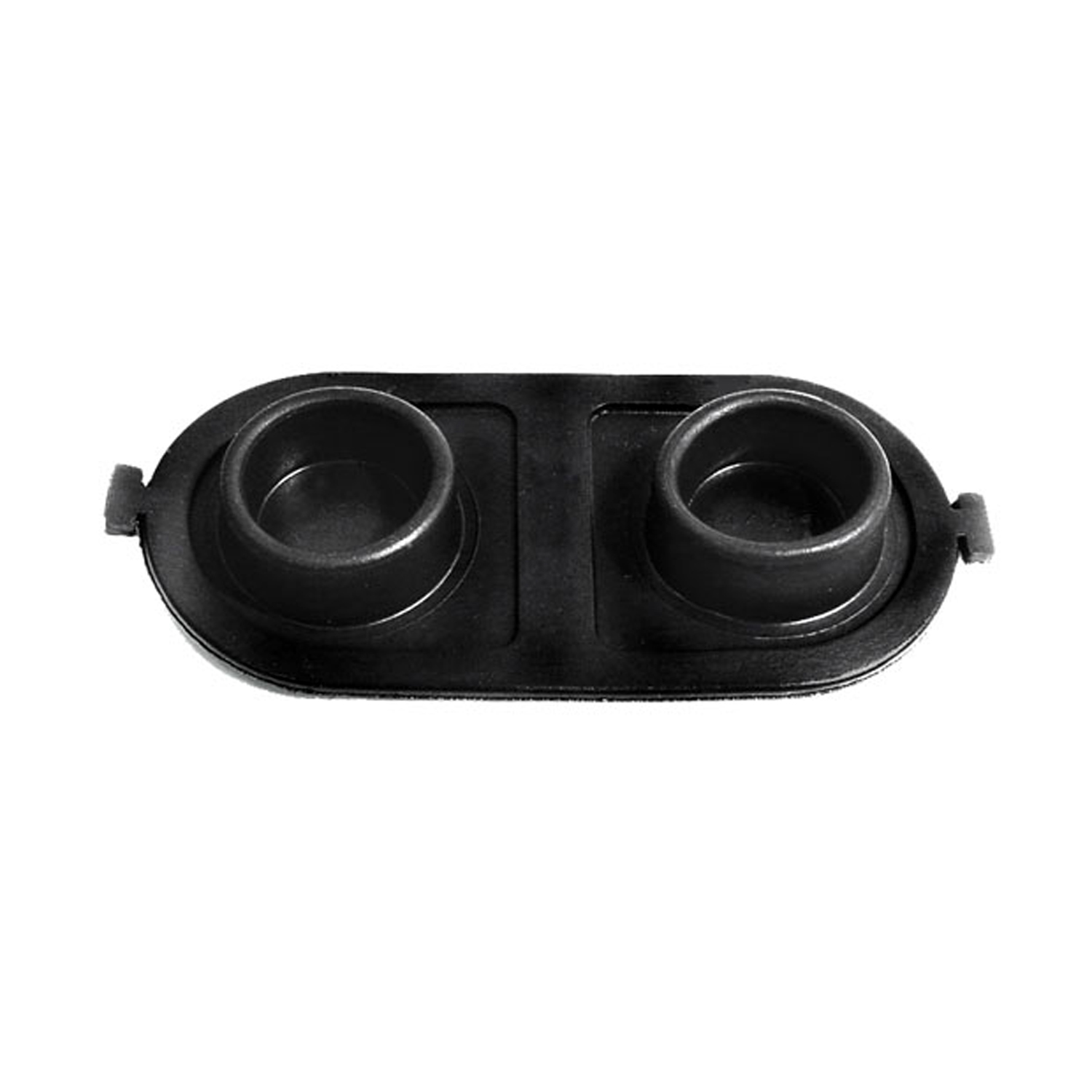 1969 Buick Special Brake Master Cylinder Cover Seal. Replaces OEM #5470861-RP 2-EBrake Master Cylinder Cover Seal. Replaces OEM #5470861. 5" X 2-1/2". Each
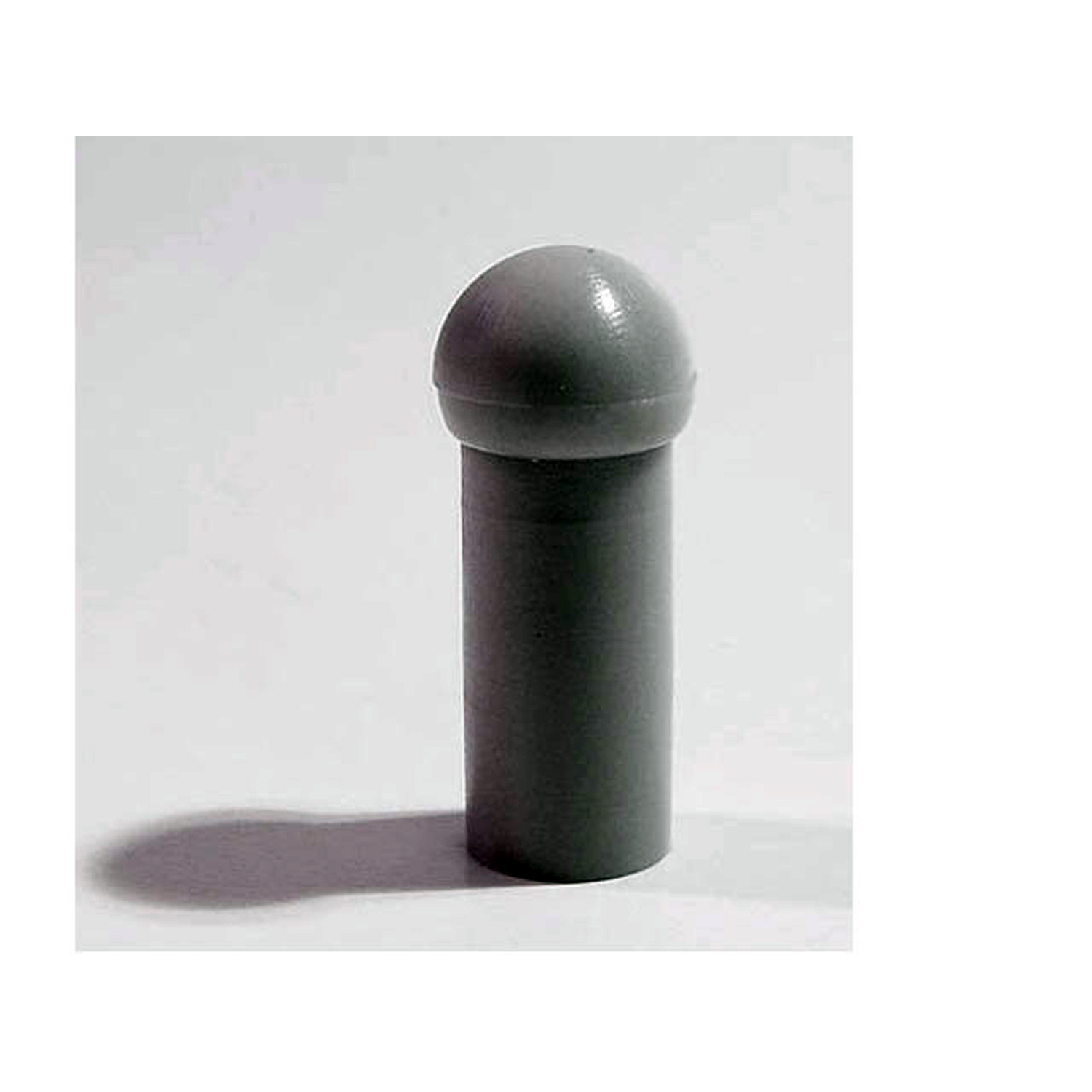 1969 Buick Special Sun Visor Rod Rubber Grommet. 3/4" long. Gray. Each-RP 303-CSun Visor Rod Rubber Grommet. 3/4" long. Gray. Each
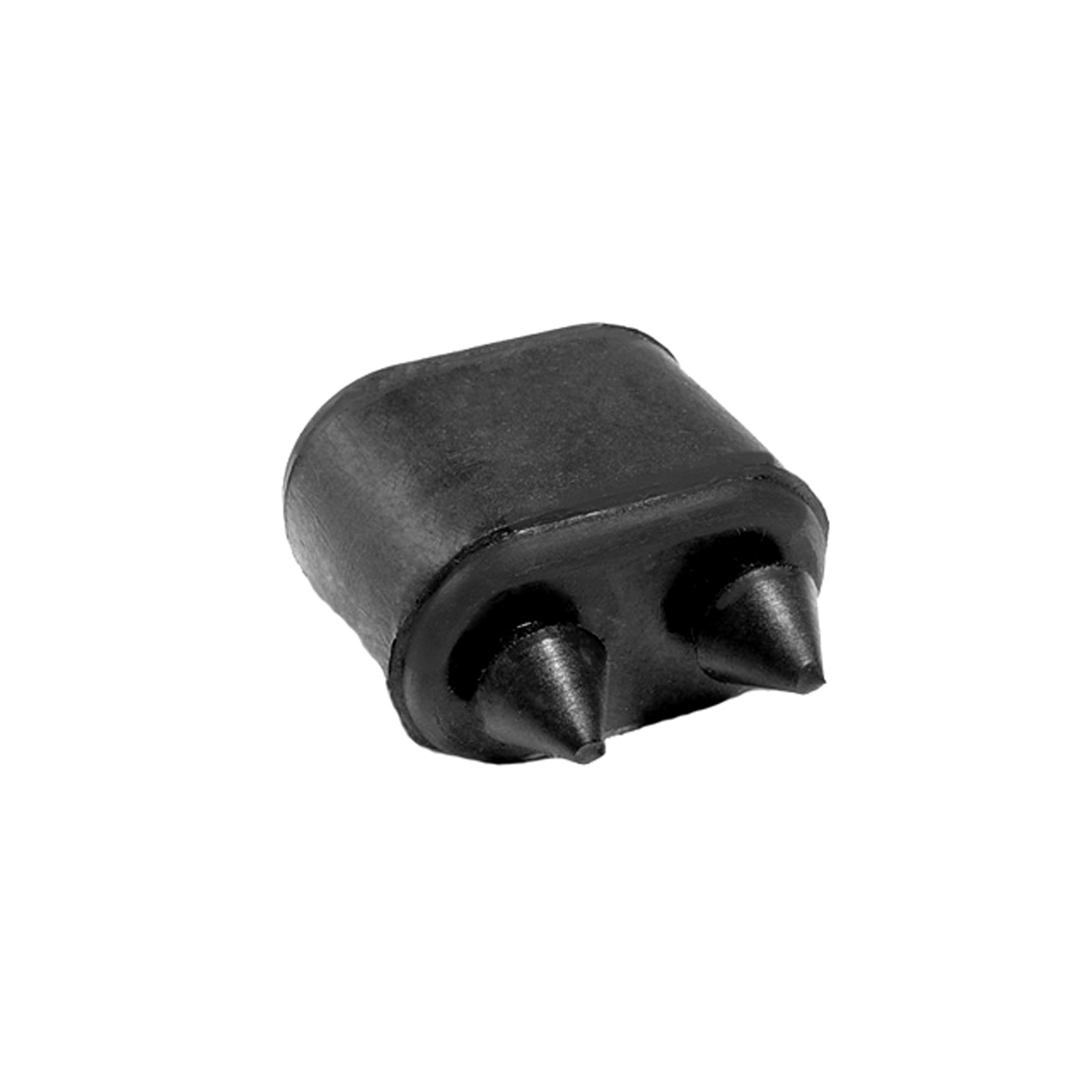 1969 Buick Special Door Bumper, 57-74 GM Cars, Made with Twin Retainers, Each-SB 35Door Bumper, 57-74 GM Cars, made with twin retainers, Each. Measure 1-1/16" high X 19/32" wide X 1-1/32" long.
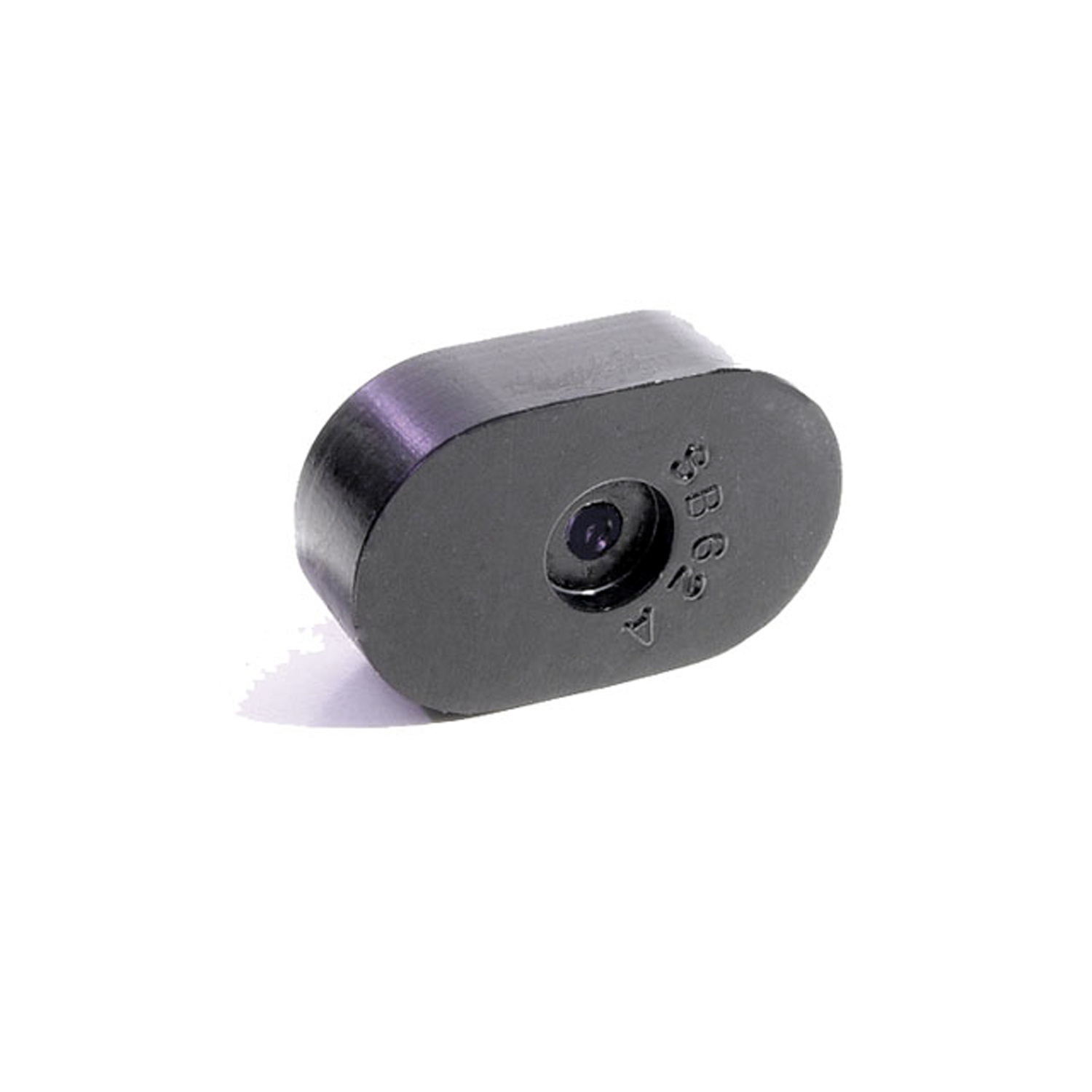 1969 Buick Special Seat Bumper. Made with steel core like original-SB 62-ASeat Bumper. Made with steel core like original. 1-1/2" long, 7/16" thick. Two used per car. Each
 1969 Buick Special Ashtray Bumper. 5/16" wide X 1/2" long X 3/16" high-SB 76Ashtray Bumper. 5/16" wide X 1/2" long X 3/16" high. (Fits some models) Each
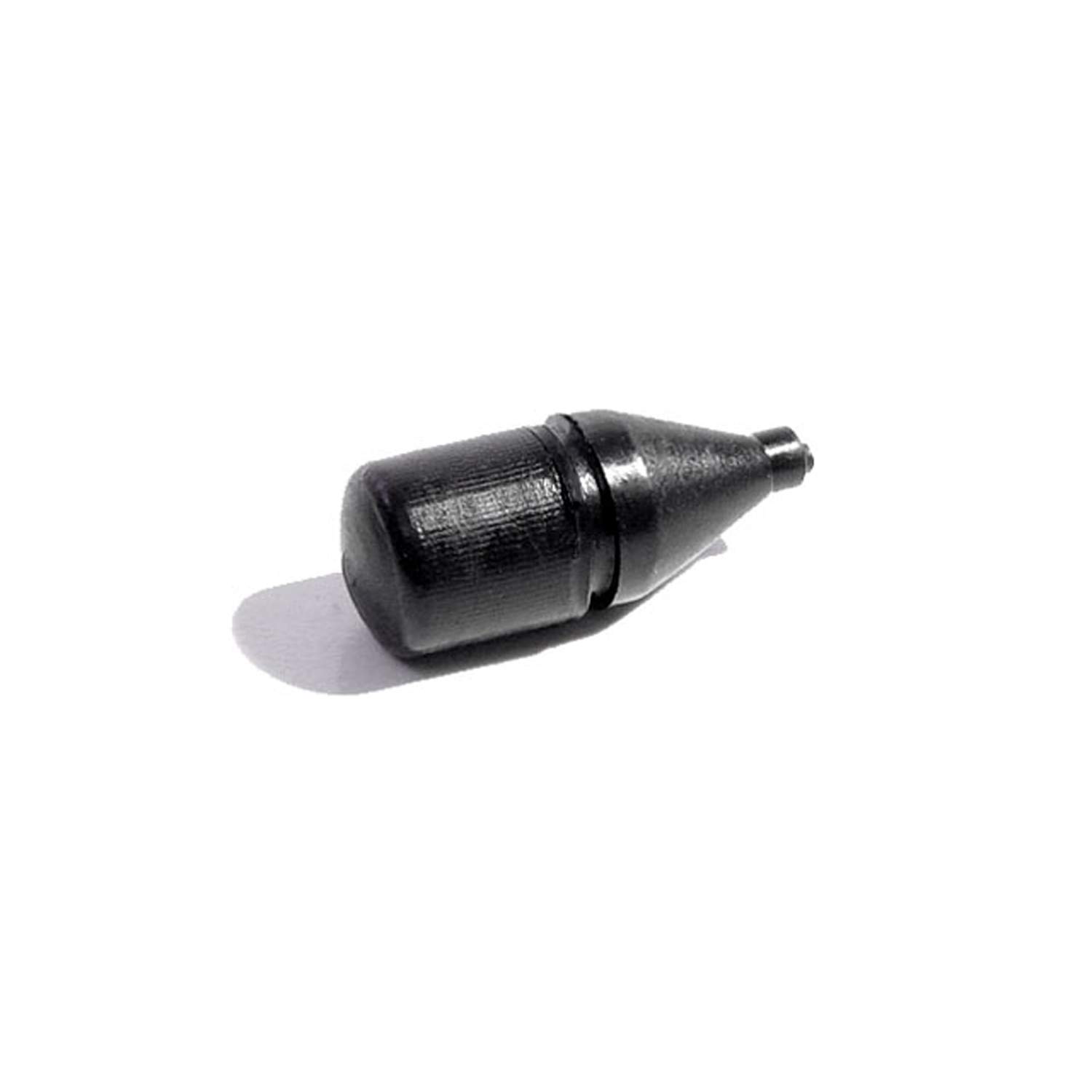 1969 Buick Special Fuel Door Bumper. 7/8" high, 5/16" O.D. Each-SB 81Fuel Door Bumper. 7/8" high, 5/16" O.D. Each
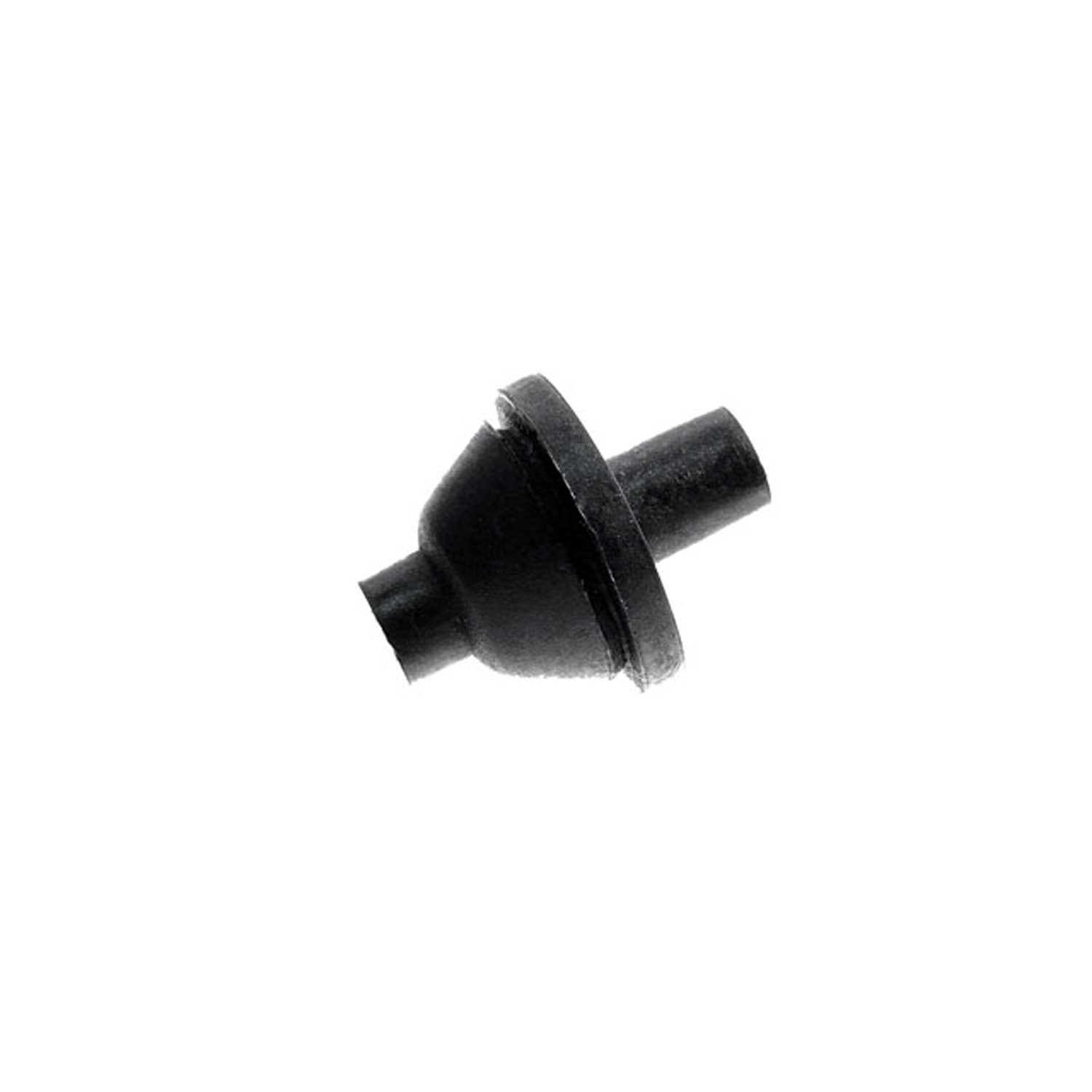 1969 Buick Special Dash and Firewall Grommet. Single-hole type is for one wire-SM 101Dash and Firewall Grommet. Single-hole type is for one wire. Each
 1969 Buick Special Dash and Firewall Grommet. Two hole type. Each-SM 101-ADash and Firewall Grommet. Two hole type. Each
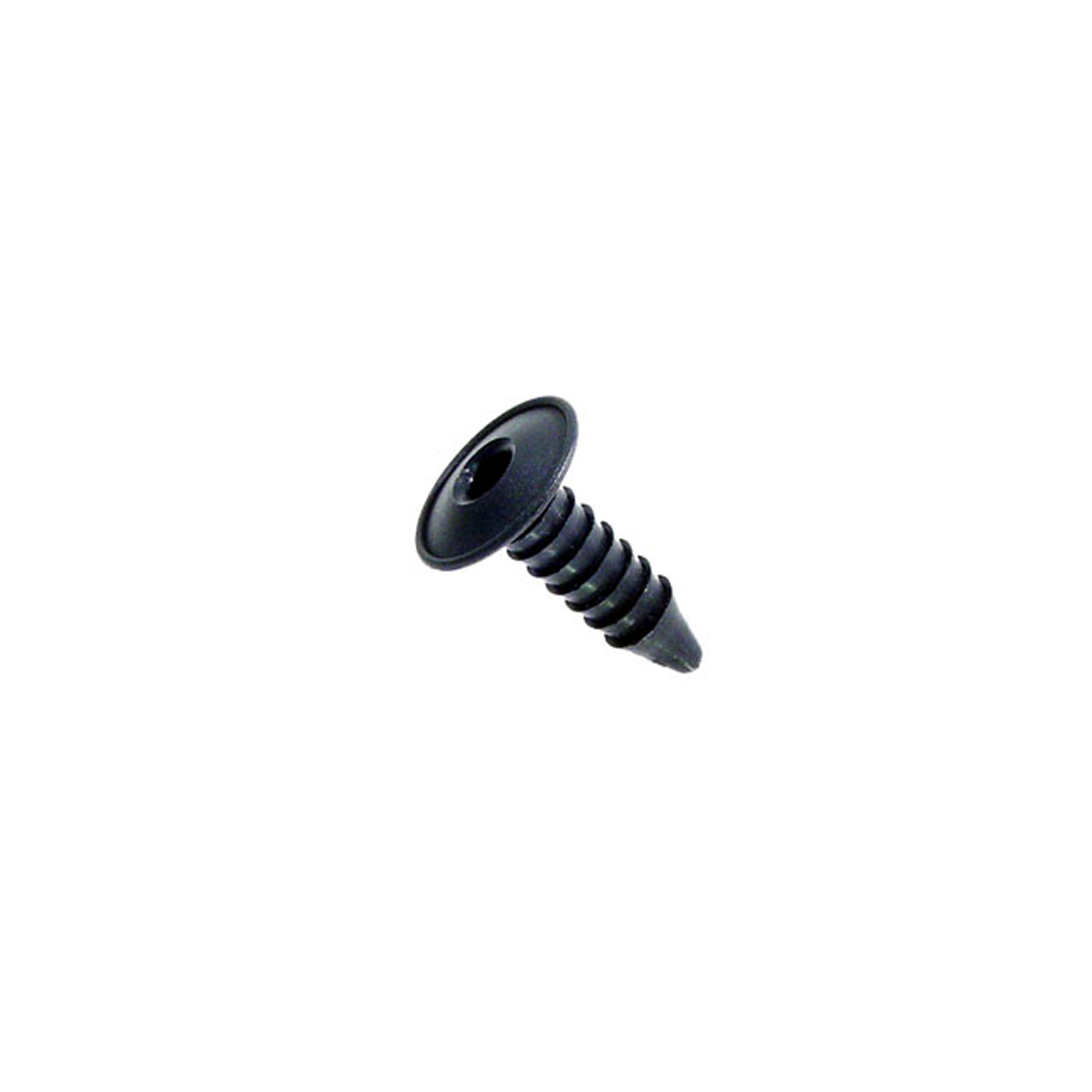 1969 Buick Special Firewall insulation fastener. 1 in. dia. W head. 1-1/2 in. L-SM 80-AFirewall insulation fastener. 1 in. dia. W head. 1-1/2 in. L. Replaces OEM#'s (GM) 7642589 and (AMC) 4001934. Black. Each.
 1969 Buick Special Tailgate Seal for 4-Door Stationwagons. Each-TG 16Tailgate Seal for 4-Door Stationwagons. Each
 1969 Buick Special Trunk Seal. 16 feet long. Each-TK 46-16Trunk Seal. 16 feet long. Each
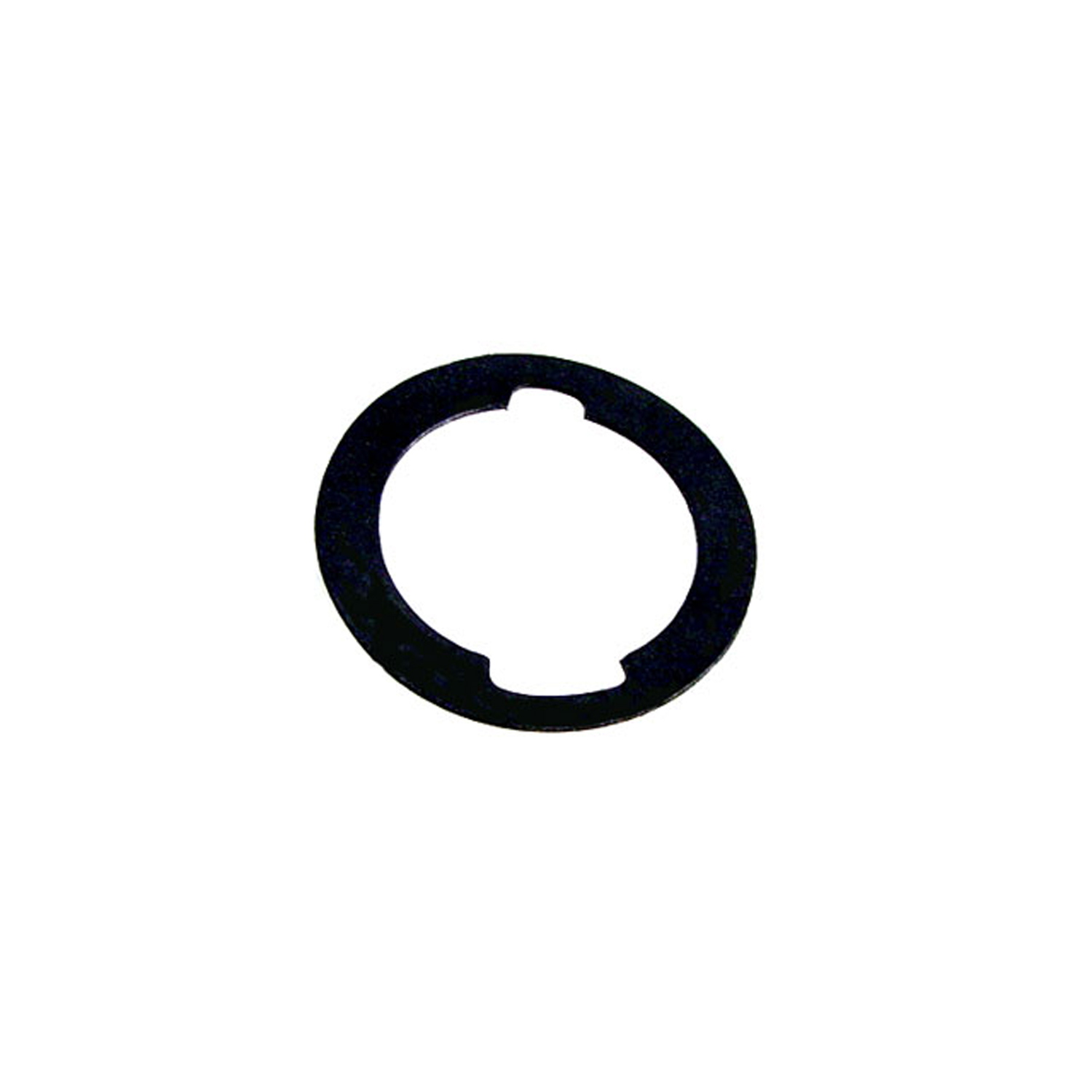 1969 Buick Special Unbeaded Door and Trunk Lock Gasket. 1-3/16" O.D., 7/8" I.D-UM 1600-100Unbeaded Door and Trunk Lock Gasket. 1-3/16" O.D., 7/8" I.D. Each
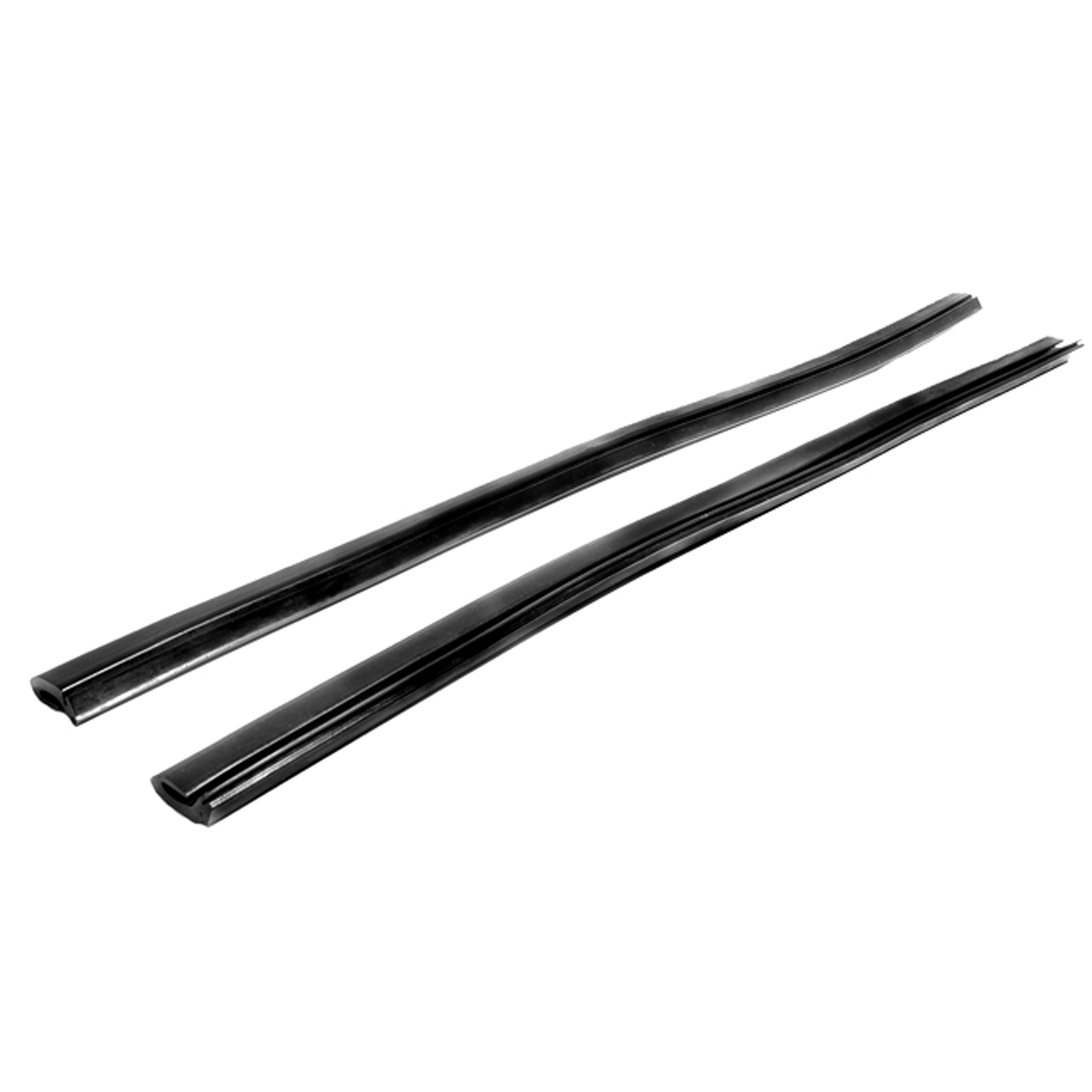 1969 Buick Special Rear Side Roll-Up Window Seal, for Hardtops and Convertibles-VS 3Rear Side Roll-Up Window Seal, for Hardtops and Convertibles. Two 20" sections slide into metal track. No steel insert. Pair
 1969 Buick Special Windshield Reveal Molding Clip. Made of steel-WF 203Windshield Reveal Molding Clip. Made of steel. 5/8" x 15/16". Each
 1969 Buick Special Rear Quarter Window Molding Clip. Made of steel-WF 204Rear Quarter Window Molding Clip. Made of steel. 3/4" x 1-3/8". Each
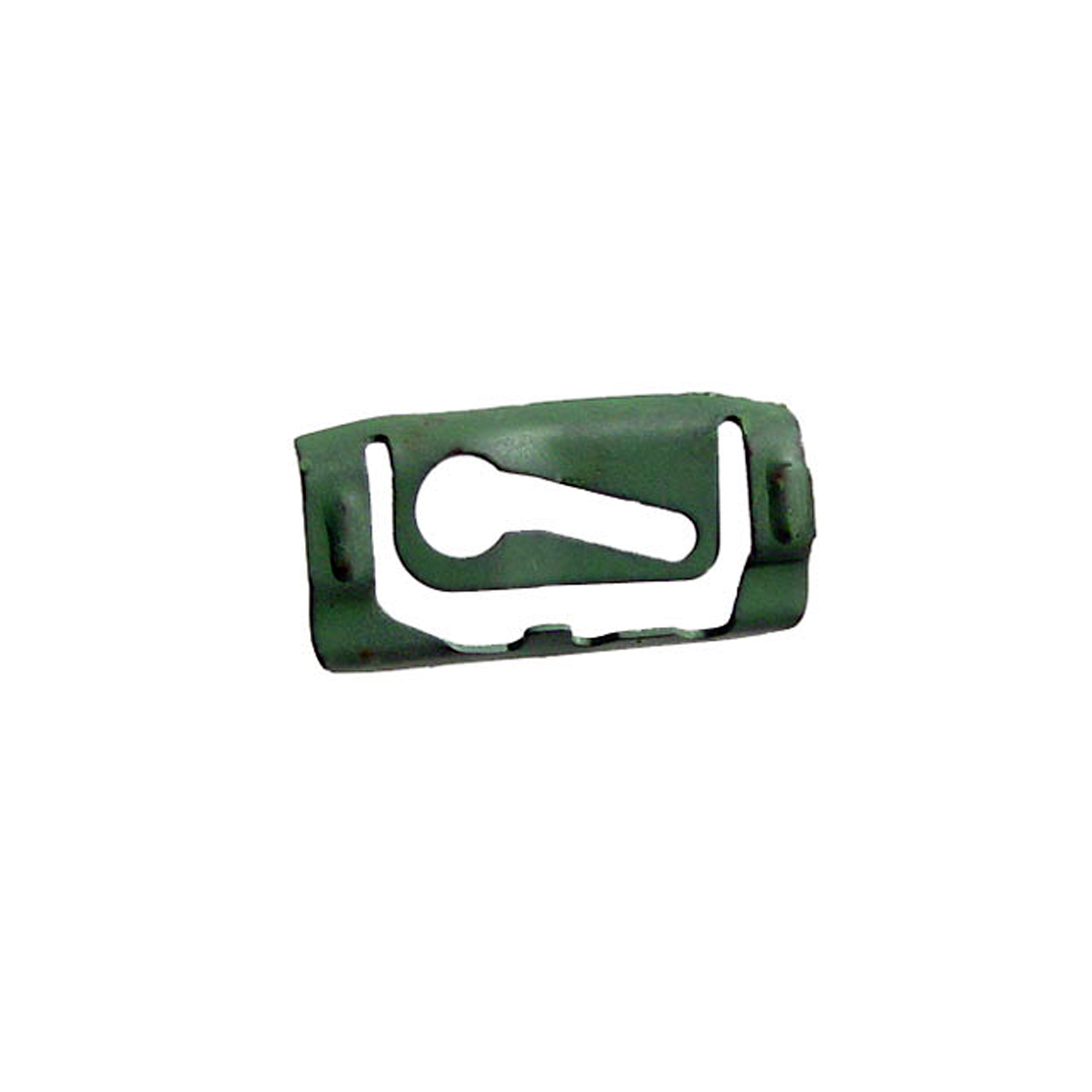 1969 Buick Special Quarter Window Reveal Molding Clip. Made of Steel-WF 205Quarter Window Reveal Molding Clip. Made of Steel. 1-3/8" X 11/16". Each
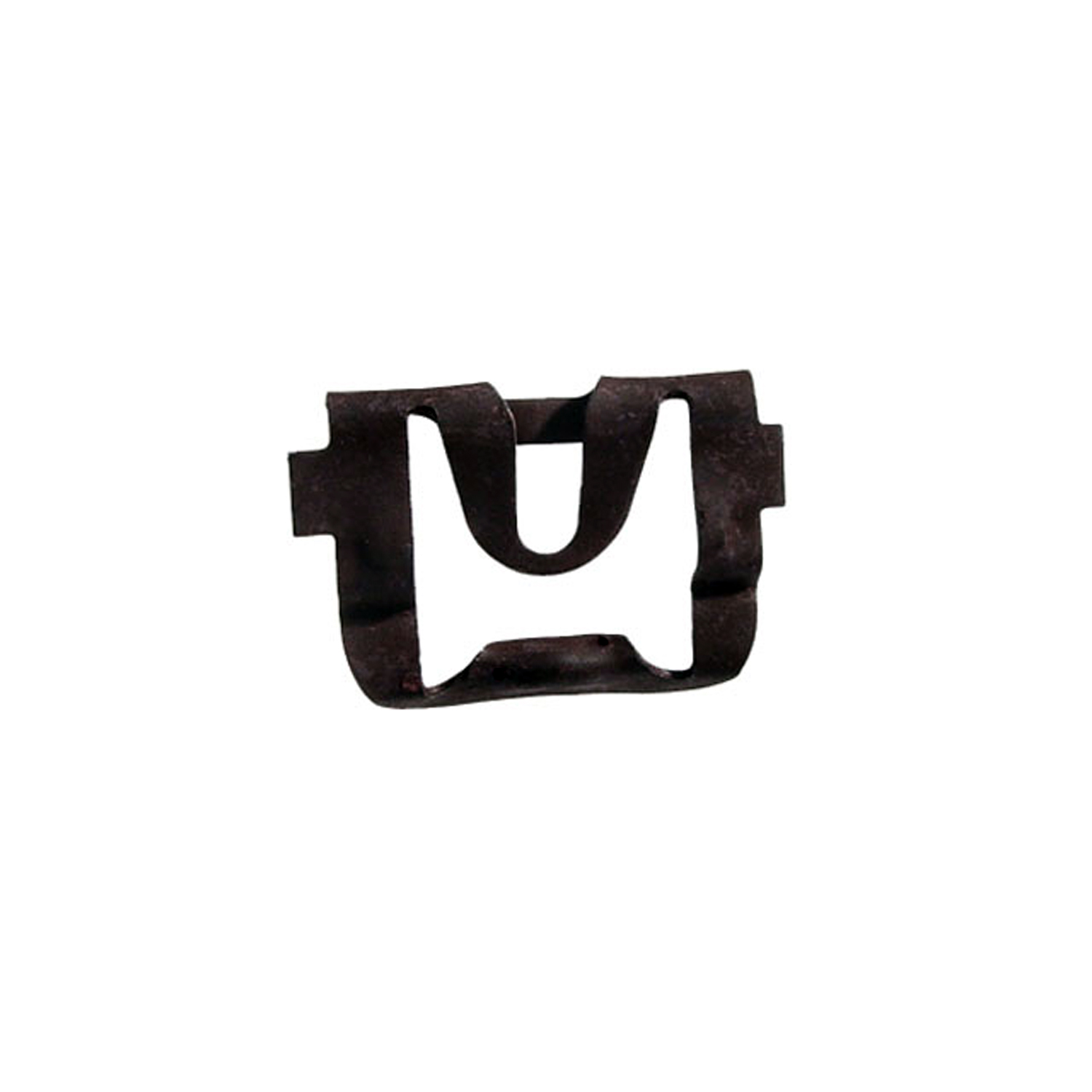 1969 Buick Special Rear Windshield Reveal Molding Clip. Made of steel-WF 211Rear Windshield Reveal Molding Clip. Made of steel. 15/16" X 3/4". Each
 1969 Buick Special Vent window seals-WR 2012Vent window seals. '68-'72 GM A-body 2-door sedan (coupe, sport coupe, club coupe) with body styles ending in 27 and 77. Includes El Camino and GMC Sprint. Supercedes IS-WR 2012. Replaces OEM#'s 9712554/5. 4-piece set. R&L.
Why Choose Metro?
For over 100 years, Metro Moulded Parts has been the pinnacle of quality in classic car restoration parts. Our commitment to precision and authenticity in every component ensures a perfect fit and an OEM-level appearance.
- Expert Craftsmanship & Quality: Each part is a testament to our dedication to reliability and perfection, crafted from original designs and thoroughly tested.
- Advanced Technology: We use cutting-edge techniques to create flawless, long-lasting parts that surpass others in performance.
- SuperSoft Sponge – The Ultimate Door Seal: Not only are our door seals 30% softer than competitors', but they're also guaranteed to never leak. They effectively reduce wind and road noise, enhancing your classic car's comfort and driving experience.
- Proudly American: Our parts are a product of American craftsmanship, made in the USA with a spirit of excellence and heritage.
- Unrivaled Warranty: We back our products with a 30-year industry-leading warranty, a testament to our confidence in their quality.
Join us in preserving the legacy of classic cars with parts that are crafted for perfection, not just made.