

Image of 1969 Buick Sportwagon, Note: These illustrations use artistic license and may differ from actual historical models.
Performance Metrics
Fundamental Metrics
Emotional Appeal
MMP Rating
| Engine Specifications | |
|---|---|
| Engine: | Buick 350 V8 |
| Displacement: | 350 cu in (5.7 L) |
| Horsepower: | 230-280 hp |
| Torque: | 350 lb-ft |
| Compression Ratio: | 10.25:1 |
| Ignition System: | Conventional breaker-point ignition system |
| Cooling System: | Liquid-cooled |
| Performance Specifications | |
| 0-60 Time: | 8.5 seconds |
| 1/4 Mile Time: | 16 seconds |
| Top Speed: | 120 mph |
| Transmission and Drive | |
| Drive Type: | Rear-wheel drive |
| Transmission Type: | 3-speed automatic or 4-speed manual |
| Fuel and Efficiency | |
| Fuel System Type: | Carburetor |
| MPG: | 10-12 mpg |
| Dimensions and Brakes | |
| Brakes: | Front disc and rear drum brakes |
| Wheelbase: | 119.9 in |
| Weight: | 3,800 lbs |
Note: Specifications for classic cars are given to the best of our ability, considering the limited and variant data available.
1969 Buick Sportwagon: The Vista-Roof Family Hauler
The 1969 Buick Sportwagon made a family station wagon look like it had arrived from the future. Its long, sculpted body, upscale Buick trim, and distinctive glass panels in the roof gave this mid-size wagon a personality all its own. Built by Buick, then part of General Motors, the Sportwagon blended the comfort of a Buick passenger car with the cargo space and versatility of a traditional wagon.
The Sportwagon name had debuted earlier in the decade, and by 1969 the model was part of Buick’s redesigned A-body lineup. It was aimed at buyers who wanted more room than a sedan could offer without stepping up to a full-size wagon. Its most memorable feature was the available Vista Roof: tinted glass panels set into a raised roof section, bringing extra light into the cabin and giving rear-seat passengers an unusual view of the sky.
That roof is also the Sportwagon’s most intriguing historical footnote. Buick was not the only GM division experimenting with panoramic roof glass, but the Sportwagon made the idea part of a practical family vehicle. Long before oversized sunroofs became a modern luxury-car selling point, Buick was letting wagon passengers look up.
Long Roof, Distinctive Buick Style
The 1969 Sportwagon wore the confident, flowing lines common to late-1960s Buicks. Its broad grille, four-headlamp front end, sculpted body sides, and long roof gave it a more substantial presence than a basic utility wagon. The extended wagon wheelbase, commonly listed at about 121 inches, helped create a roomy passenger compartment and a smoother ride than the car’s compact-looking roofline might suggest.
The Vista Roof changed the profile in a particularly striking way. Rather than a simple flat roof, the upper body rose above the passenger area to accommodate two tinted glass sections. From outside, the raised roofline was a defining visual cue. From inside, it made the rear cabin feel brighter and more open. The glass was fixed rather than an open-air roof, so it added light, not ventilation.
The Sportwagon was offered as a four-door station wagon, with trim and equipment packages that could make it feel anything from a practical family car to a well-appointed Buick. Seating was typically arranged for six, with an optional rear-facing third seat on some configurations. That extra seat could increase capacity, although it was best suited to children and shorter trips.
Buick’s interior leaned toward comfort rather than bare-bones utility. Buyers could find durable cloth and vinyl upholstery, an expansive bench-seat layout, and tasteful trim that helped distinguish the wagon from more basic family haulers. Depending on equipment, conveniences included power steering, power brakes, air conditioning, an AM radio, and other comfort options. Exact equipment varied by car, so original paperwork and option codes matter to restorers and collectors.
Factory paint choices varied by trim and production details, but the palette included colors in white, cream, gold, blue, green, and red, along with metallic shades. Metallic golds and greens suit the car’s period character especially well, while white and darker blue examples offer a more restrained look. For a specific car, the cowl tag or factory documentation is the best way to confirm its original paint and trim.
What Made the Sportwagon Different
The Sportwagon’s appeal came from combining two roles that were often kept separate. It had the passenger comfort and upscale presentation expected of a Buick, but its wagon body offered space for luggage, sports equipment, home-improvement supplies, and family travel. The long-wheelbase layout also helped it feel more settled on the highway than many smaller wagons.
The Vista Roof was the headline feature, but the larger idea was just as important: a family vehicle did not have to look purely practical. Buick gave the wagon a distinctive silhouette and an interior designed for comfortable travel. That approach anticipated later generations of lifestyle-oriented vehicles, from luxury wagons to crossover SUVs, that sold utility alongside style.
The Sportwagon was not a sports car despite its name. Its mission was comfort, space, and confident road manners. Still, it stood apart from more conventional wagons by making design a central part of its identity. The roof, long proportions, and Buick detailing made it recognizable even among a crowded field of late-1960s family cars.
Engines, Speed, and Road Manners
Engine availability depended on configuration, but the 1969 Sportwagon could be ordered with a 250-cubic-inch inline-six or Buick V8 power, including 350- and 400-cubic-inch options. The 350 was offered in different states of tune, with period gross horsepower ratings around 230 horsepower for a two-barrel version and about 280 horsepower for a four-barrel version. A 400-cubic-inch V8 could deliver roughly 300 gross horsepower in an appropriate configuration. These are period gross ratings, not directly comparable to modern net horsepower figures.
A three-speed manual was available, while many cars were equipped with an automatic transmission. The transmission and rear-axle gearing depended on the engine and options. A V8 Sportwagon was a strong highway cruiser, with enough torque to move a loaded wagon without feeling strained. The six-cylinder version was more focused on steady, economical family use than brisk acceleration.
There is no single definitive performance figure for every 1969 Sportwagon. As a reasonable period-car estimate, a V8 example might reach 60 mph in roughly 9 to 12 seconds, depending on engine, transmission, gearing, vehicle condition, and passenger or cargo load. A healthy 400-powered car would generally be toward the quicker end. Top speed could be in the neighborhood of 110 to 120 mph in suitable condition, although the Sportwagon was not designed or intended for sustained high-speed driving.
Behind the wheel, the car feels substantial and relaxed. The V8 produces the low, rounded burble typical of a large American engine, while the automatic transmission suits the wagon’s easygoing character. Buick’s soft suspension absorbs ordinary road imperfections well, and the long wheelbase helps the car track steadily over open highways. On broken pavement, it rides with a gentle float rather than the firm, controlled response of a modern vehicle.
On winding roads, the Sportwagon asks its driver to plan ahead. Its length, weight, and soft suspension bring noticeable body lean, and quick direction changes are not its strong suit. In crosswinds, the broad body can require attentive steering, particularly at highway speeds. The experience is best described as comfortable and composed, not nimble. It rewards smooth inputs and unhurried driving.
Living With a 1969 Sportwagon
Today, a Sportwagon is most often used as a weekend cruiser, show car, or distinctive classic for local events. Some owners still drive them regularly, but their age and wagon-specific parts make daily use a commitment. The roomy cargo area remains genuinely useful, although owners of well-preserved cars may think twice before loading it with heavy or dirty gear.
The mechanical layout is familiar to many classic GM specialists, and common service work on the engine, brakes, and suspension is generally manageable for an experienced home mechanic. Buick V8 parts support is good compared with many obscure makes, and the broad GM parts network can help with some shared components. However, not every part is interchangeable simply because the car is a GM product.
Body and trim restoration can be more challenging. Rust may appear in the floors, lower body panels, wheel arches, tailgate area, and other moisture-prone sections. Vista Roof glass, seals, trim, and wagon-specific interior pieces can be difficult or costly to source. A buyer should check for leaks around the glass and rear hatch, inspect the frame and underbody carefully, and verify that the tailgate operates correctly. A car with sound structure is usually a better buy than a shiny example hiding extensive corrosion.
Sportwagon Facts and Common Complaints
The raised Vista Roof was more than a styling flourish. It gave passengers in the back a brighter cabin and a distinctive overhead view, particularly useful on long family trips. The optional rear-facing third seat added another period-correct bit of practicality, though modern buyers should treat it as occasional seating rather than a substitute for contemporary safety equipment.
The Sportwagon is not known for a major speed record, racing achievement, or celebrity connection that defines its history. Its appeal is more unusual: it represents a time when automakers were willing to make a family wagon visually adventurous. It also belongs to the broader GM experimentation with roof glass that made the mid-1960s and late-1960s wagons so memorable.
Common criticisms are straightforward. The car is large, thirsty by modern standards, and less agile than its sporty name might imply. The raised glass roof can be a source of leaks if seals and drainage areas are neglected, and replacement glass or trim may take patience to find. Like other cars of its age, it also lacks modern crash protection, fuel economy, and convenience features.
1969 Buick Sportwagon Values and Rarity
Sportwagons are noticeably less common today than many same-era Buick sedans and coupes. Wagons often spent years doing hard family work, and rust or mechanical neglect took many out of circulation. Factory production figures for this exact model are not consistently presented in commonly available references, so any total should be treated as an estimate. A reasonable working estimate is roughly 15,000 to 25,000 Sportwagons built for the 1969 model year, rather than a confirmed factory figure.
Values depend heavily on rust, originality, engine, equipment, and the condition of the Vista Roof. As a broad U.S. market guide, a project or rough driver might sell for about $5,000 to $12,000. A usable, presentable car could fall around $12,000 to $25,000, while a well-restored or unusually original example may reach roughly $25,000 to $40,000 or more. Exceptional cars with desirable equipment and documented restoration can exceed that range, but wagon prices vary considerably by location and buyer interest.
Interest in classic American wagons has strengthened, giving good Sportwagons a healthier audience than they once had. Values appear to be firming and may rise for rare, well-preserved examples, but this remains a niche market rather than a guaranteed investment. Mechanical condition is important, yet body integrity and hard-to-find wagon parts often make the biggest difference to a buyer’s willingness to pay.
Why the 1969 Sportwagon Still Stands Out
The 1969 Buick Sportwagon brought together Buick comfort, V8 power, real family-car utility, and one of the most recognizable roof designs of its era. It was spacious without being a full-size wagon, upscale without being delicate, and unusual without sacrificing its practical purpose.
More than half a century later, the Vista Roof still draws attention, but the Sportwagon’s lasting charm comes from the whole package: the long, elegant body, the relaxed road manners, and the sense that even a family hauler could have a little theater. It is a classic Buick with room for the family and a view worth looking up for.
1969 Buick Sportwagon Catalog of Parts
 1969 Buick Sportwagon Body Cushion Kit. 28 piece set.-BCK 5Body Cushion Kit. 28 piece set.
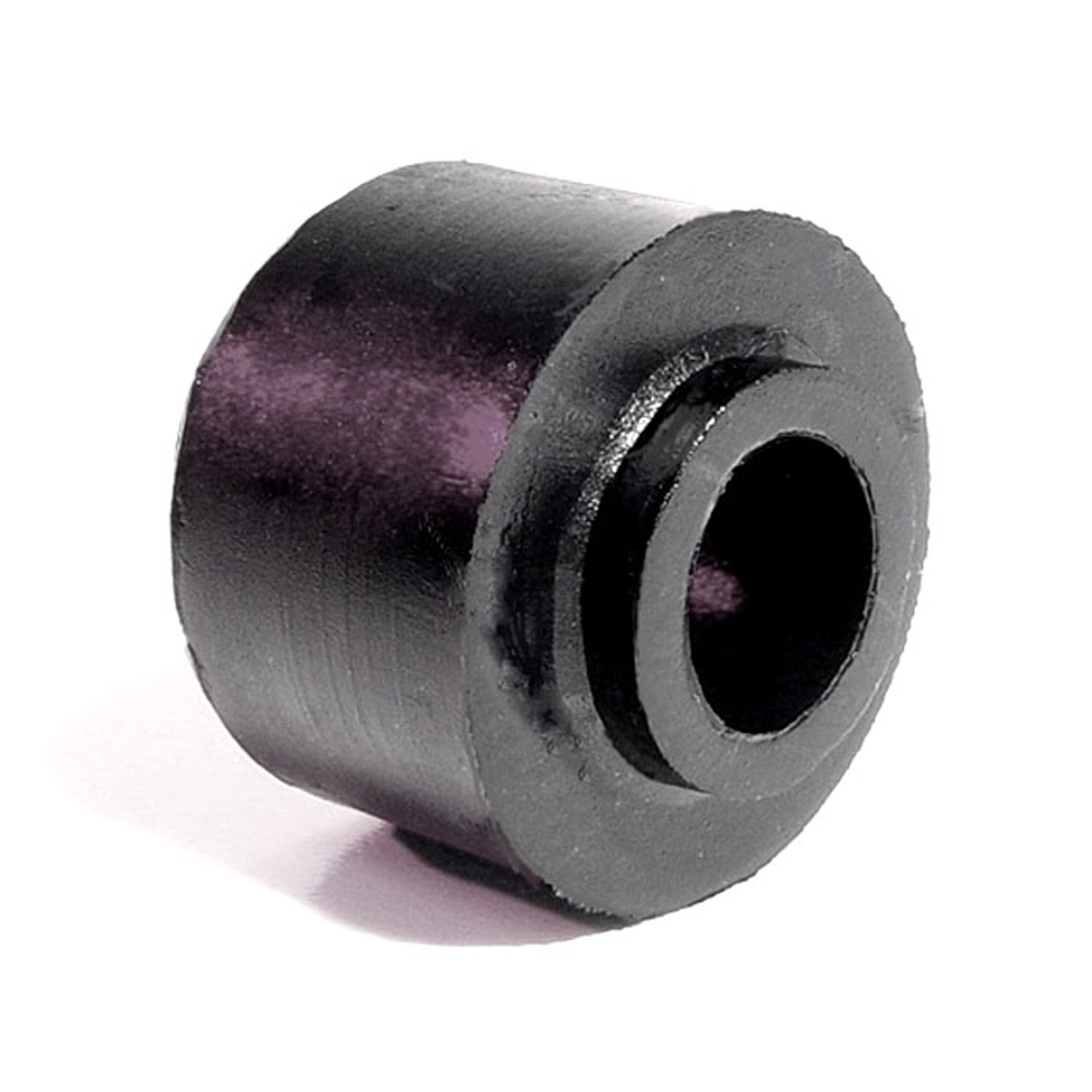 1969 Buick Sportwagon Shock Absorber Grommet. 1" bottom O.D., 3/4" high-BN 1Shock Absorber Grommet. 1" bottom O.D., 3/4" high., with 7/16" I.D. Each
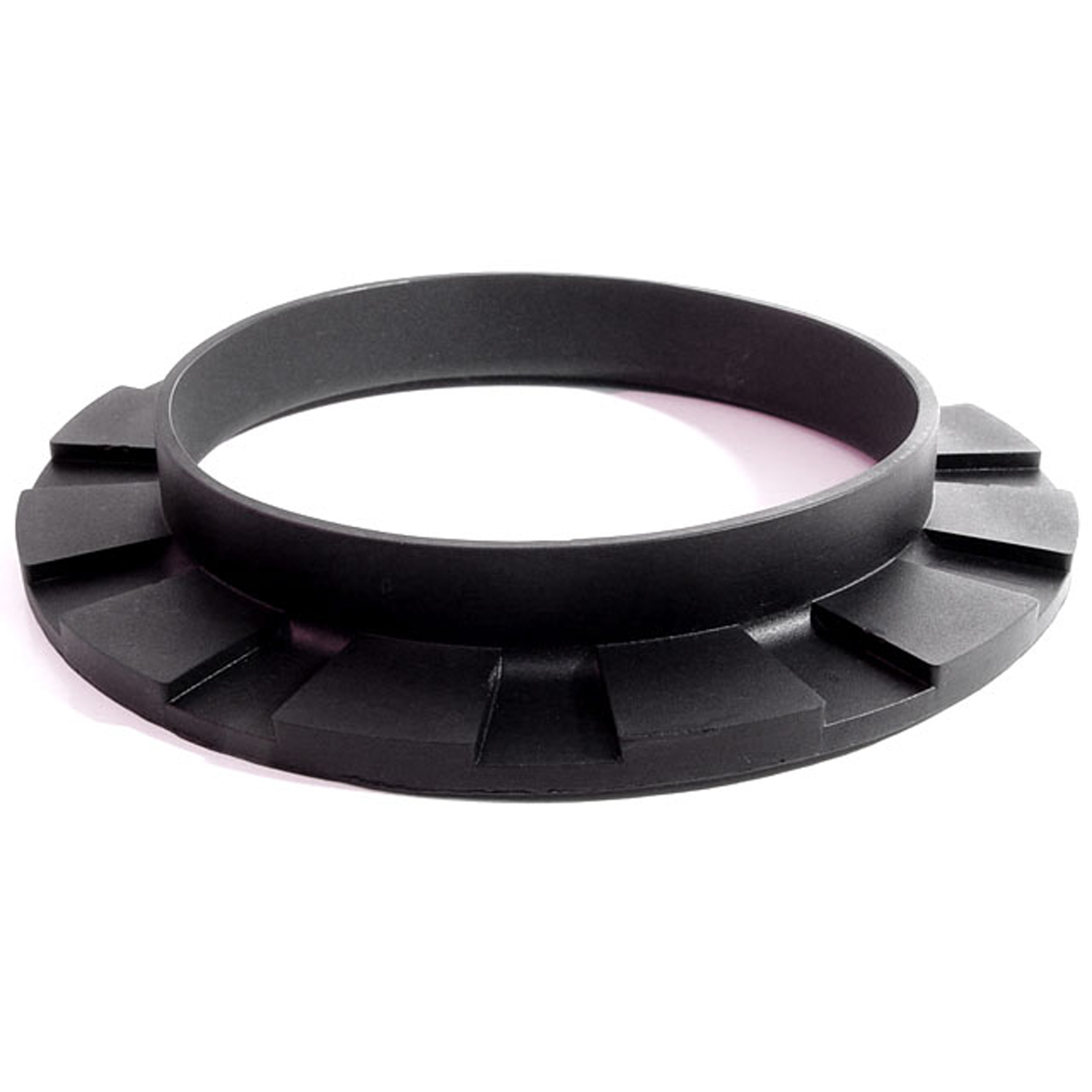 1969 Buick Sportwagon Front coil-spring insulator-BN 110Front coil-spring insulator. Fits '41-'60 Oldsmobile and '50-'83 GM passenger models. 5-3/8 in. OD x 3-3/4 in. ID x 3/4 in. high with 13/16 in. wide bottom flange 1/4" thick, 12 flutes. Each.
 1969 Buick Sportwagon Butyl Glass Setting Tape-BT 1Butyl Glass Setting Tape. Used to install windshields and backlights. Superior sealing properties. 5/16" wide X 15' long. Each
 1969 Buick Sportwagon Clutch and Brake Pedal Pads. Exact reproduction-CB 99Clutch and Brake Pedal Pads. Exact reproduction. 3-1/2" wide. Pair
 1969 Buick Sportwagon Park Brake Pedal Pad. 2-9/16" wide. Each-CB 99-APark Brake Pedal Pad. 2-9/16" wide. Each
 1969 Buick Sportwagon Auto Brake Pedal Pad. 5-7/8" wide. Each-CB 99-BAuto Brake Pedal Pad. 5-7/8" wide. Each
 1969 Buick Sportwagon Clutch and Brake Pedal Pads. 3-3/4" wide. Pair-CB 99-DClutch and Brake Pedal Pads. 3-3/4" wide. Pair
 1969 Buick Sportwagon Park Brake Pedal Pad. 2-3/8" wide. Each-CB 99-EPark Brake Pedal Pad. 2-3/8" wide. Each
 1969 Buick Sportwagon Auto Brake Pedal Pad. Nice reproduction. 5-3/4" wide-CB 99-GAuto Brake Pedal Pad. Nice reproduction. 5-3/4" wide. Each
 1969 Buick Sportwagon Hood to Cowl Seal, with clips. 59-1/8" long. Each-CS 5Hood to Cowl Seal, with clips. 59-1/8" long. Each
 1969 Buick Sportwagon Rear Hood Bumper. Each-HF 27Rear Hood Bumper. Each
 1969 Buick Sportwagon Front Molded Door Seals with Clips-LM 12-TFront Molded Door Seals with Clips. For 4-door sedans and station wagons. Replaces OEM #7717764/5. Each is 127-1/4" long. Pair R&L
 1969 Buick Sportwagon Rear Molded Door Seals with Clips-LM 12-URear Molded Door Seals with Clips. For 4-door sedans and station wagons. Replaces OEM #771772/3. Each is 115" long. Pair R&L
 1969 Buick Sportwagon Rear door seals-LM 12-UCRear door seals. Molded OEM-replacement seals with clips for GM A-body 4-door station wagons. 128 in. L. Pair. R&L.
 1969 Buick Sportwagon Trunk Liner. Loose weave-M 23Trunk Liner. Loose weave. Black with scattered white threads. 54" wide. Sold by the foot
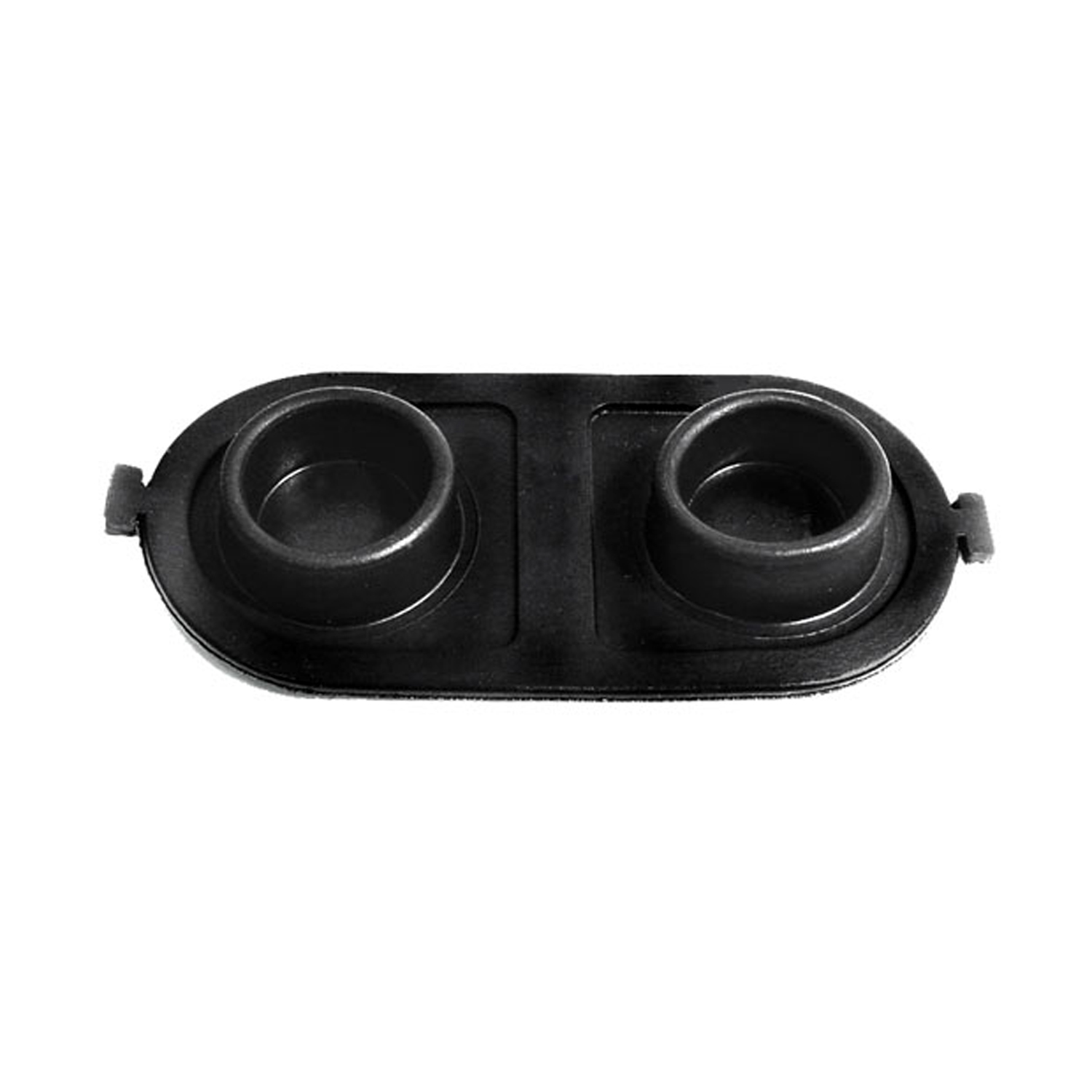 1969 Buick Sportwagon Brake Master Cylinder Cover Seal. Replaces OEM #5470861-RP 2-EBrake Master Cylinder Cover Seal. Replaces OEM #5470861. 5" X 2-1/2". Each
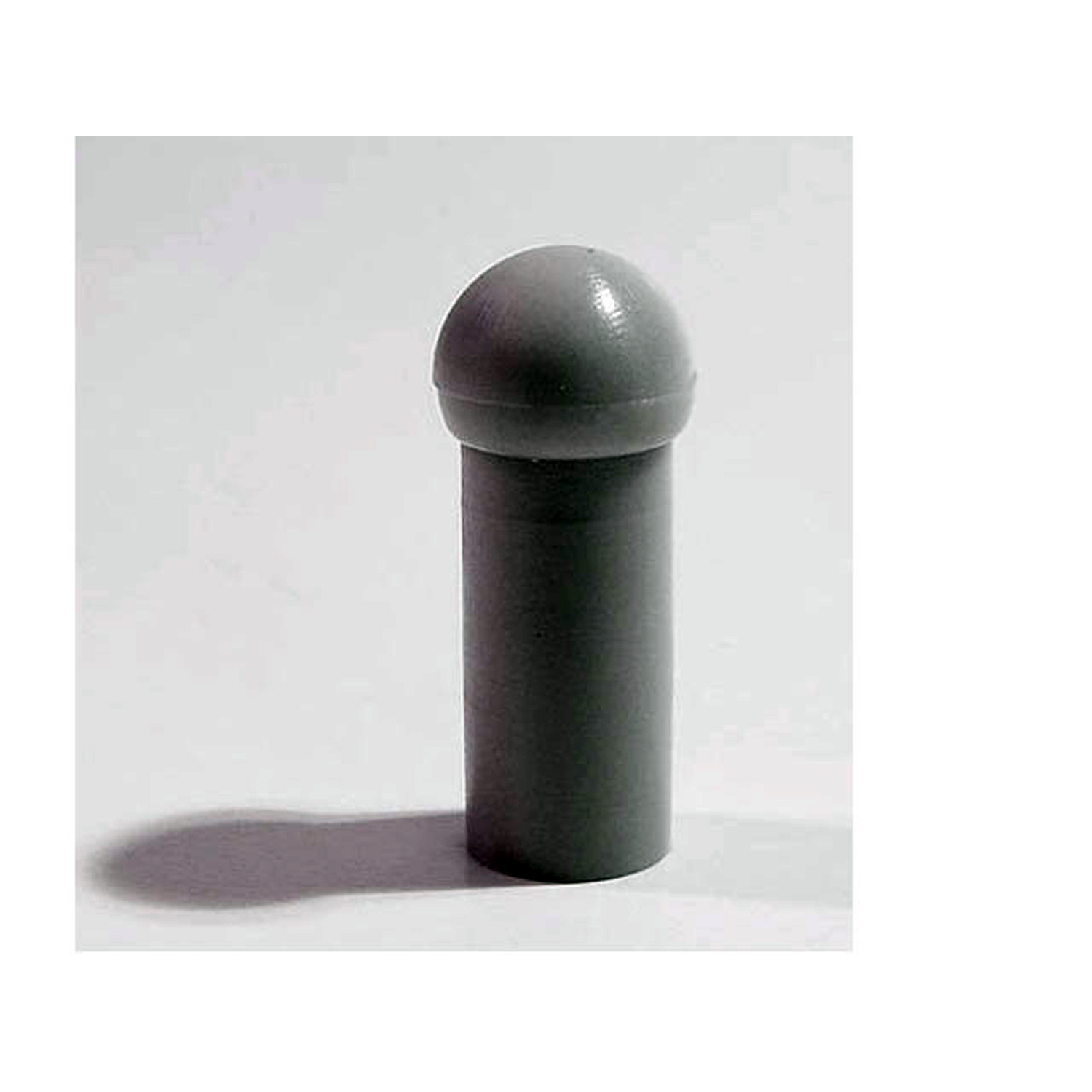 1969 Buick Sportwagon Sun Visor Rod Rubber Grommet. 3/4" long. Gray. Each-RP 303-CSun Visor Rod Rubber Grommet. 3/4" long. Gray. Each
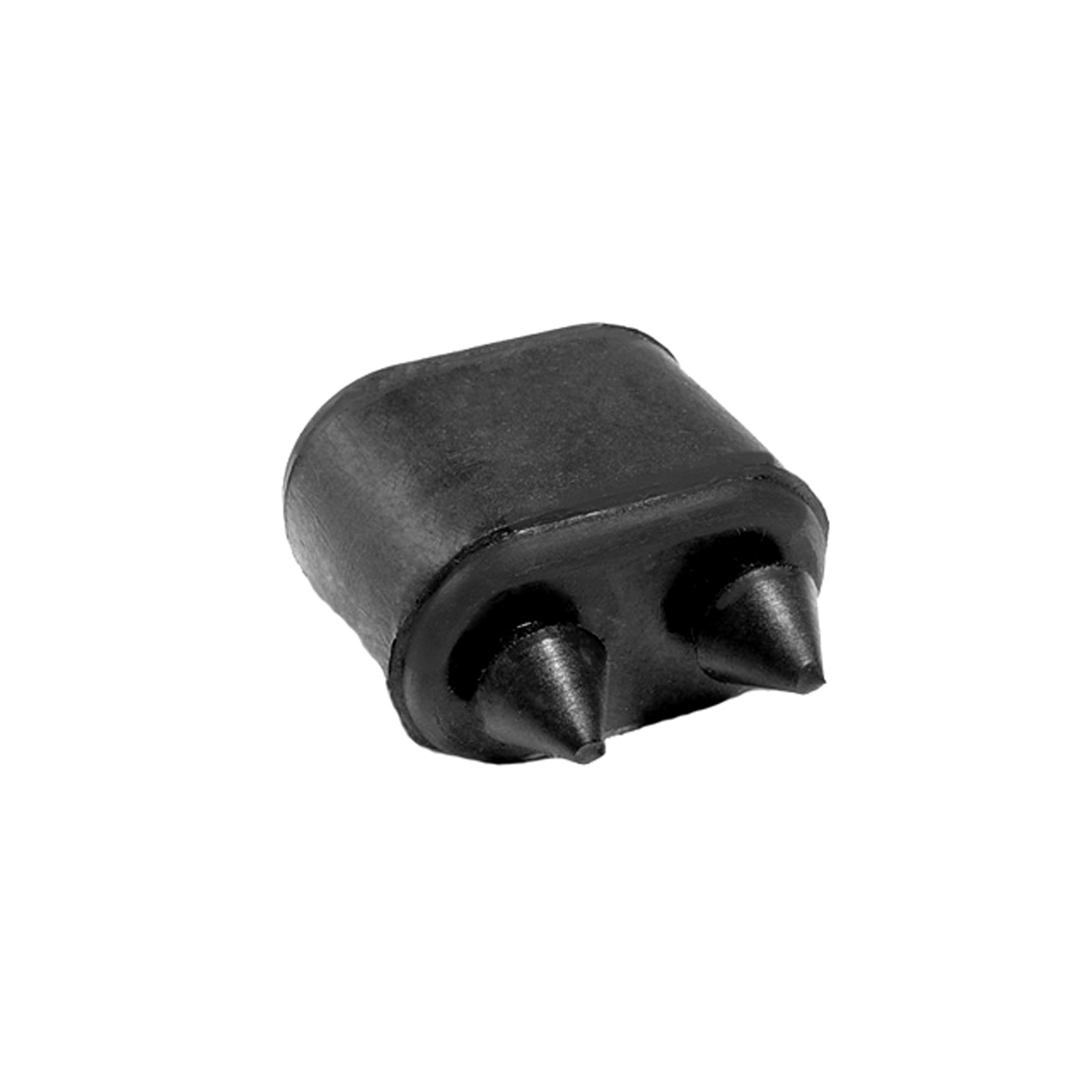 1969 Buick Sportwagon Door Bumper, 57-74 GM Cars, Made with Twin Retainers, Each-SB 35Door Bumper, 57-74 GM Cars, made with twin retainers, Each. Measure 1-1/16" high X 19/32" wide X 1-1/32" long.
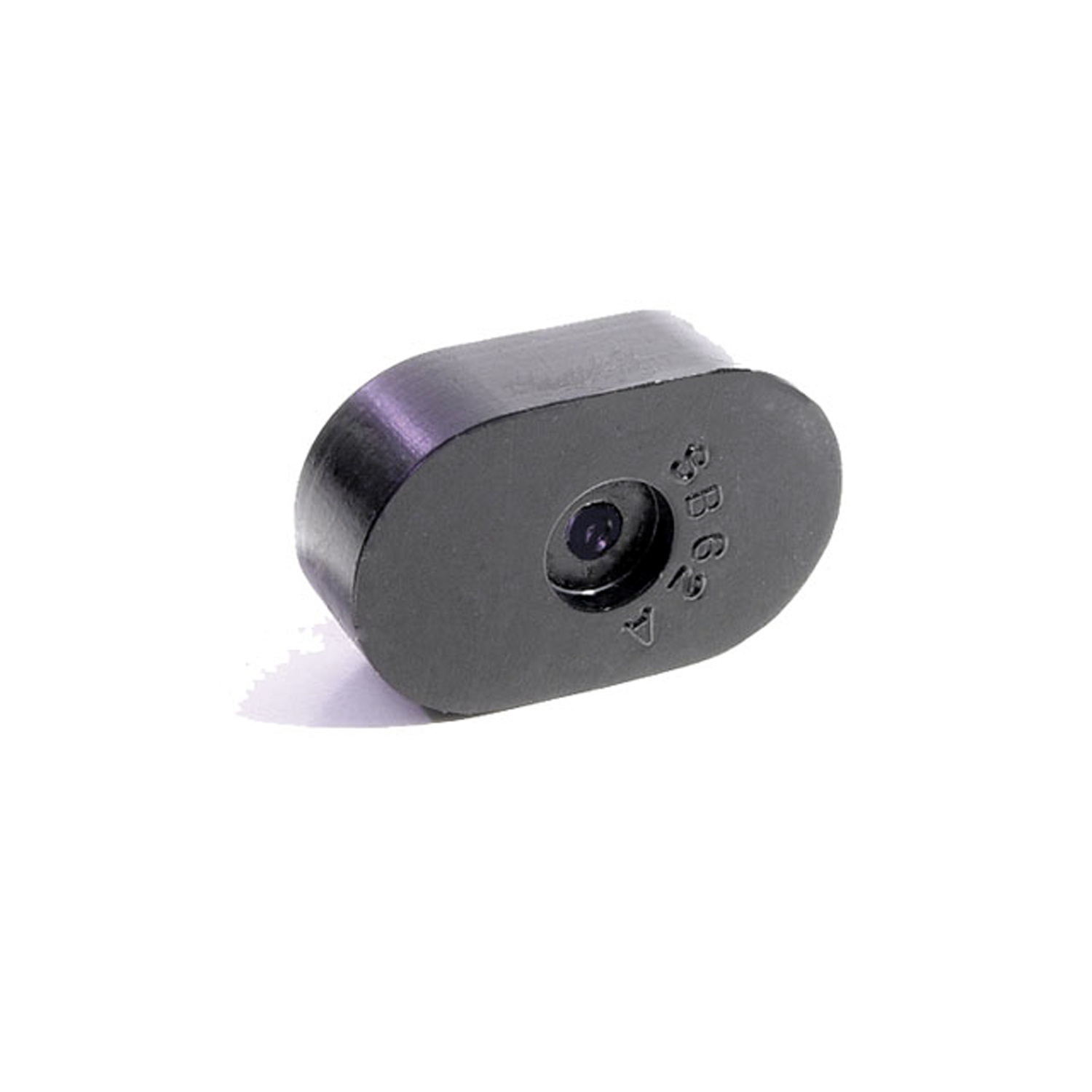 1969 Buick Sportwagon Seat Bumper. Made with steel core like original-SB 62-ASeat Bumper. Made with steel core like original. 1-1/2" long, 7/16" thick. Two used per car. Each
 1969 Buick Sportwagon Ashtray Bumper. 5/16" wide X 1/2" long X 3/16" high-SB 76Ashtray Bumper. 5/16" wide X 1/2" long X 3/16" high. (Fits some models) Each
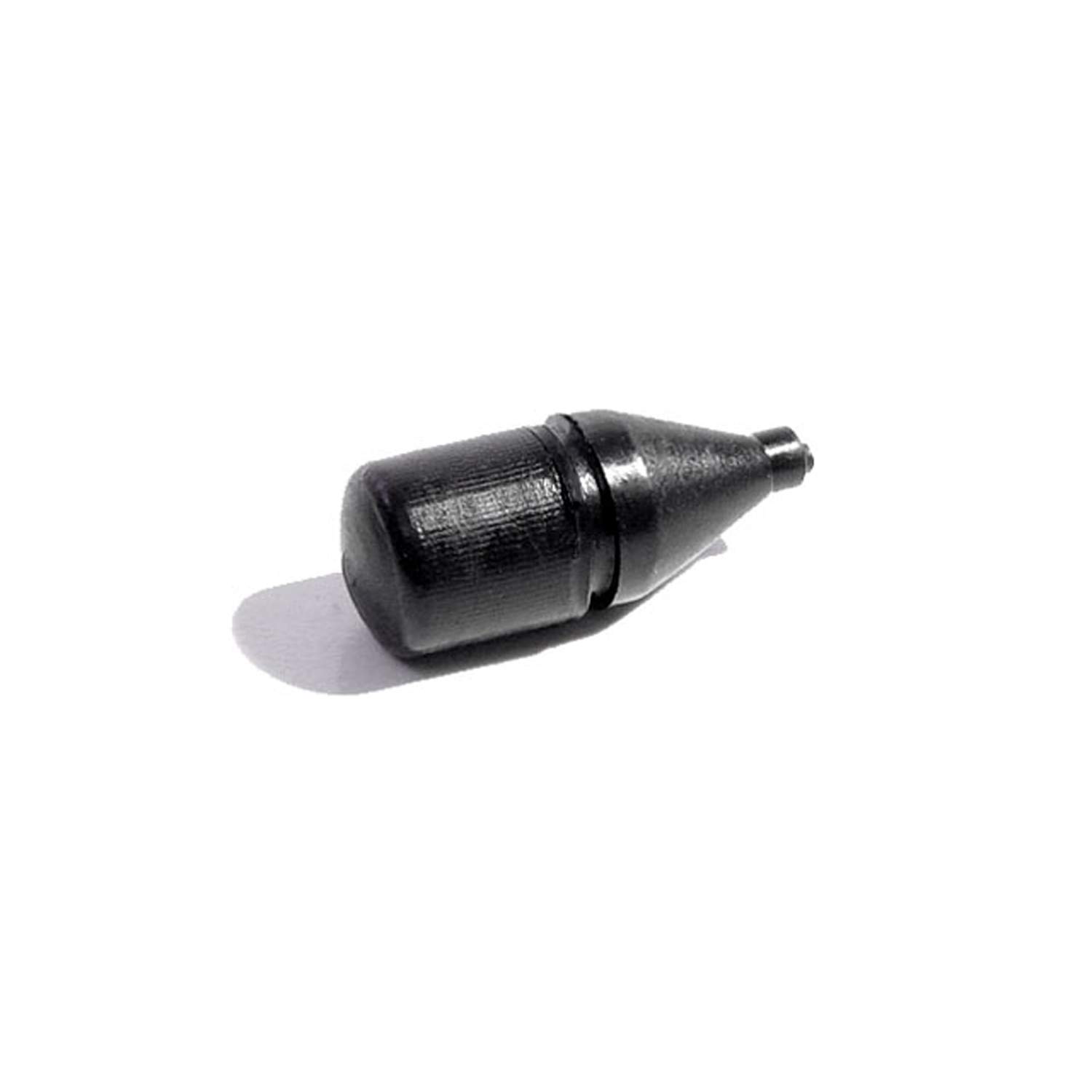 1969 Buick Sportwagon Fuel Door Bumper. 7/8" high, 5/16" O.D. Each-SB 81Fuel Door Bumper. 7/8" high, 5/16" O.D. Each
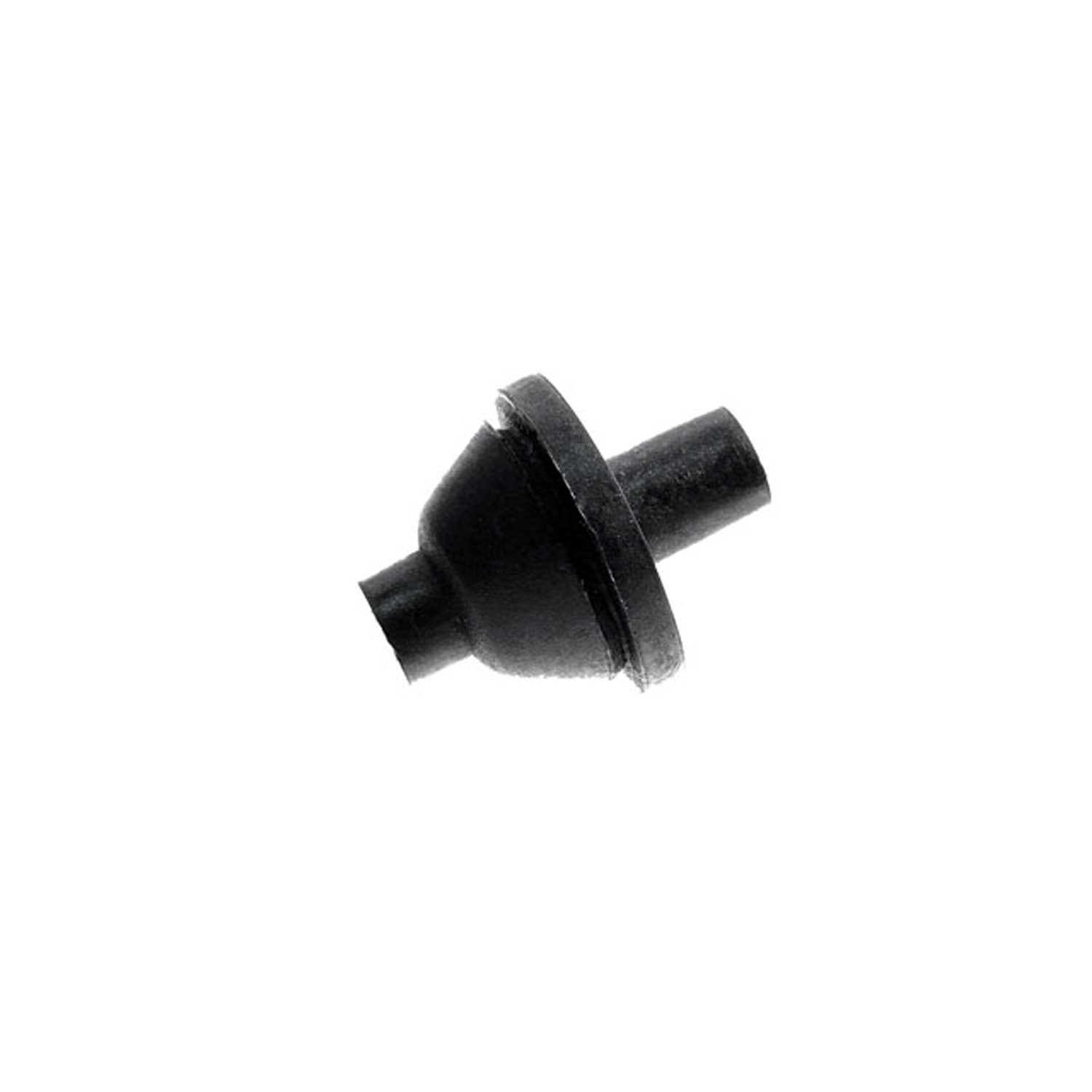 1969 Buick Sportwagon Dash and Firewall Grommet. Single-hole type is for one wire-SM 101Dash and Firewall Grommet. Single-hole type is for one wire. Each
 1969 Buick Sportwagon Dash and Firewall Grommet. Two hole type. Each-SM 101-ADash and Firewall Grommet. Two hole type. Each
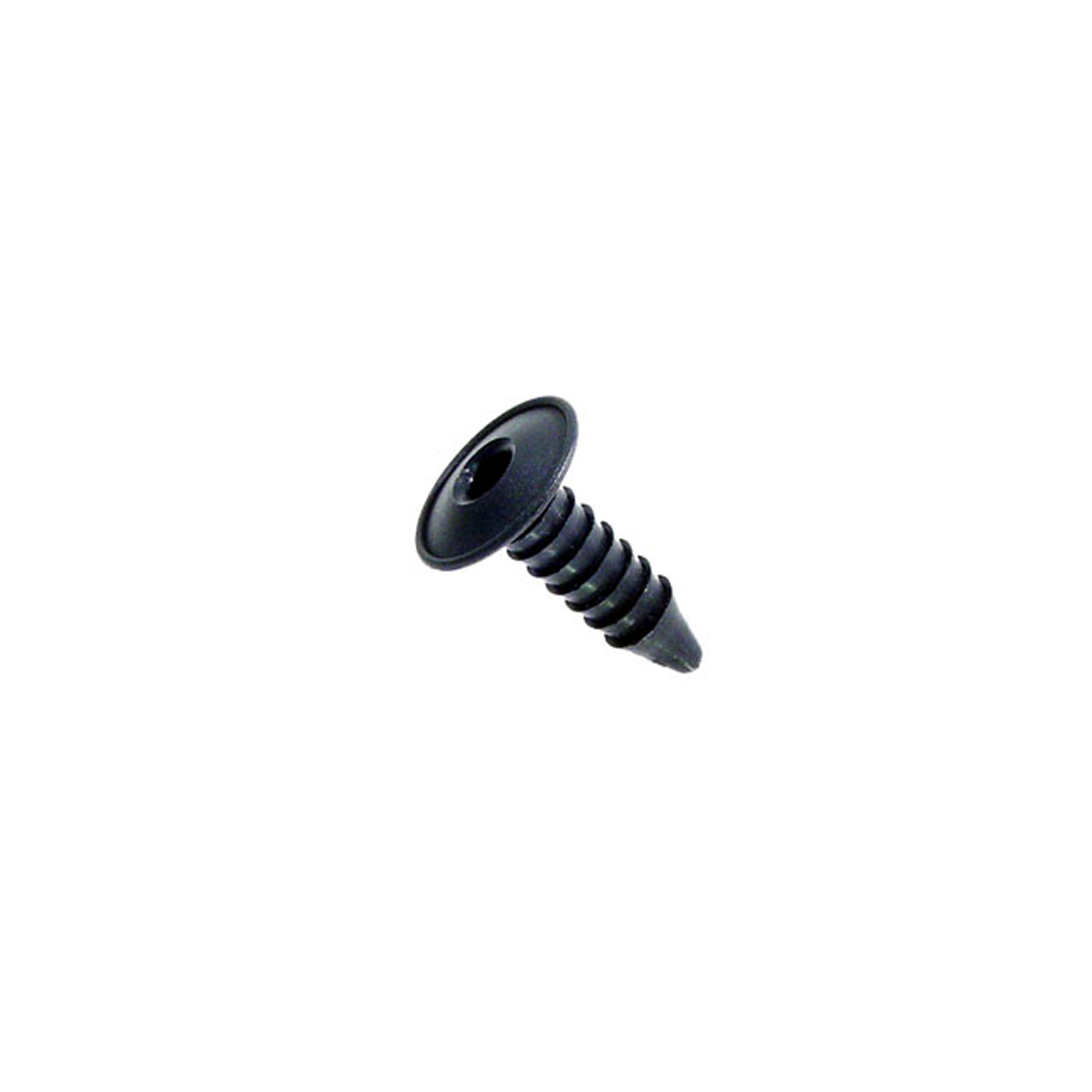 1969 Buick Sportwagon Firewall insulation fastener. 1 in. dia. W head. 1-1/2 in. L-SM 80-AFirewall insulation fastener. 1 in. dia. W head. 1-1/2 in. L. Replaces OEM#'s (GM) 7642589 and (AMC) 4001934. Black. Each.
 1969 Buick Sportwagon Tailgate Seal for 4-Door Stationwagons. Each-TG 16Tailgate Seal for 4-Door Stationwagons. Each
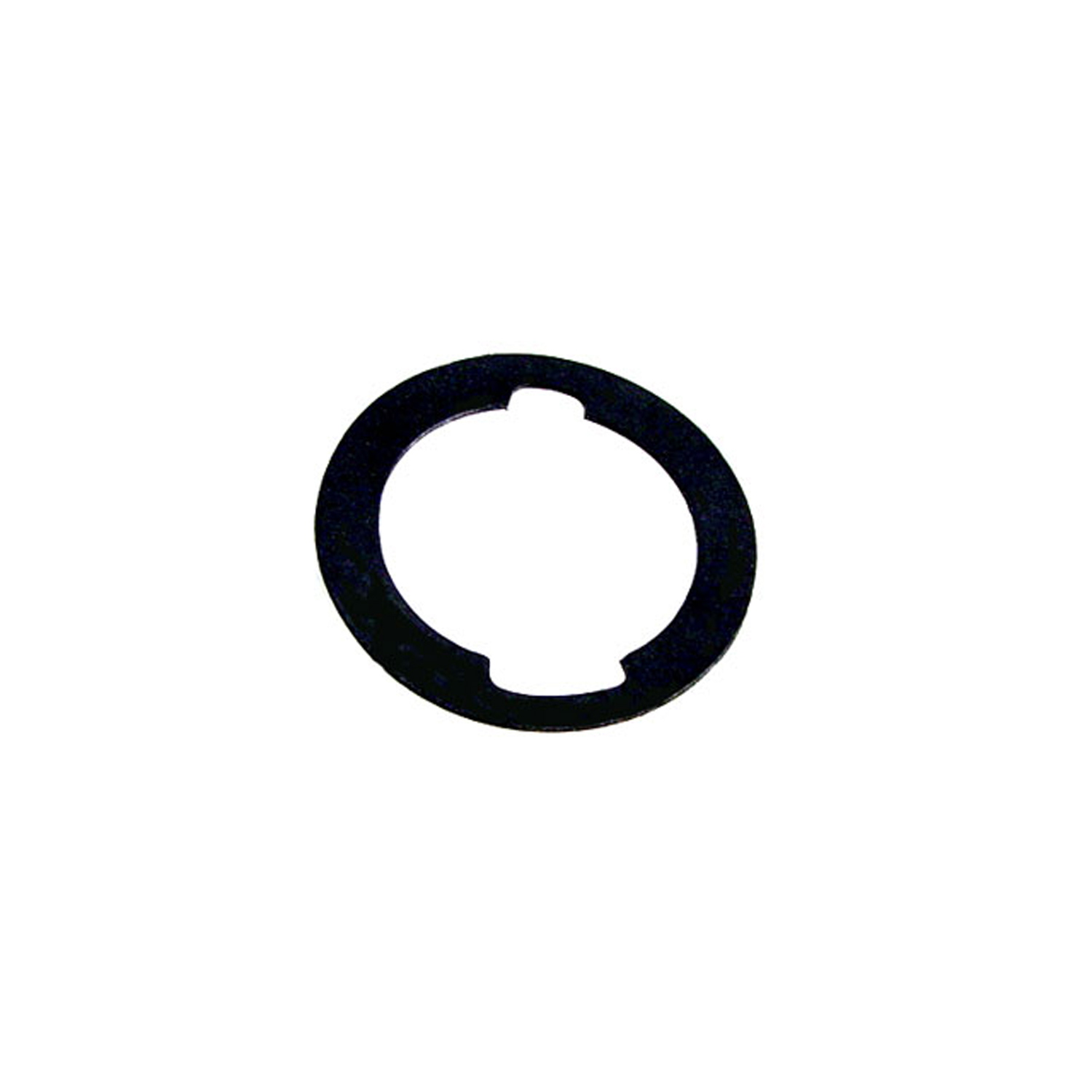 1969 Buick Sportwagon Unbeaded Door and Trunk Lock Gasket. 1-3/16" O.D., 7/8" I.D-UM 1600-100Unbeaded Door and Trunk Lock Gasket. 1-3/16" O.D., 7/8" I.D. Each
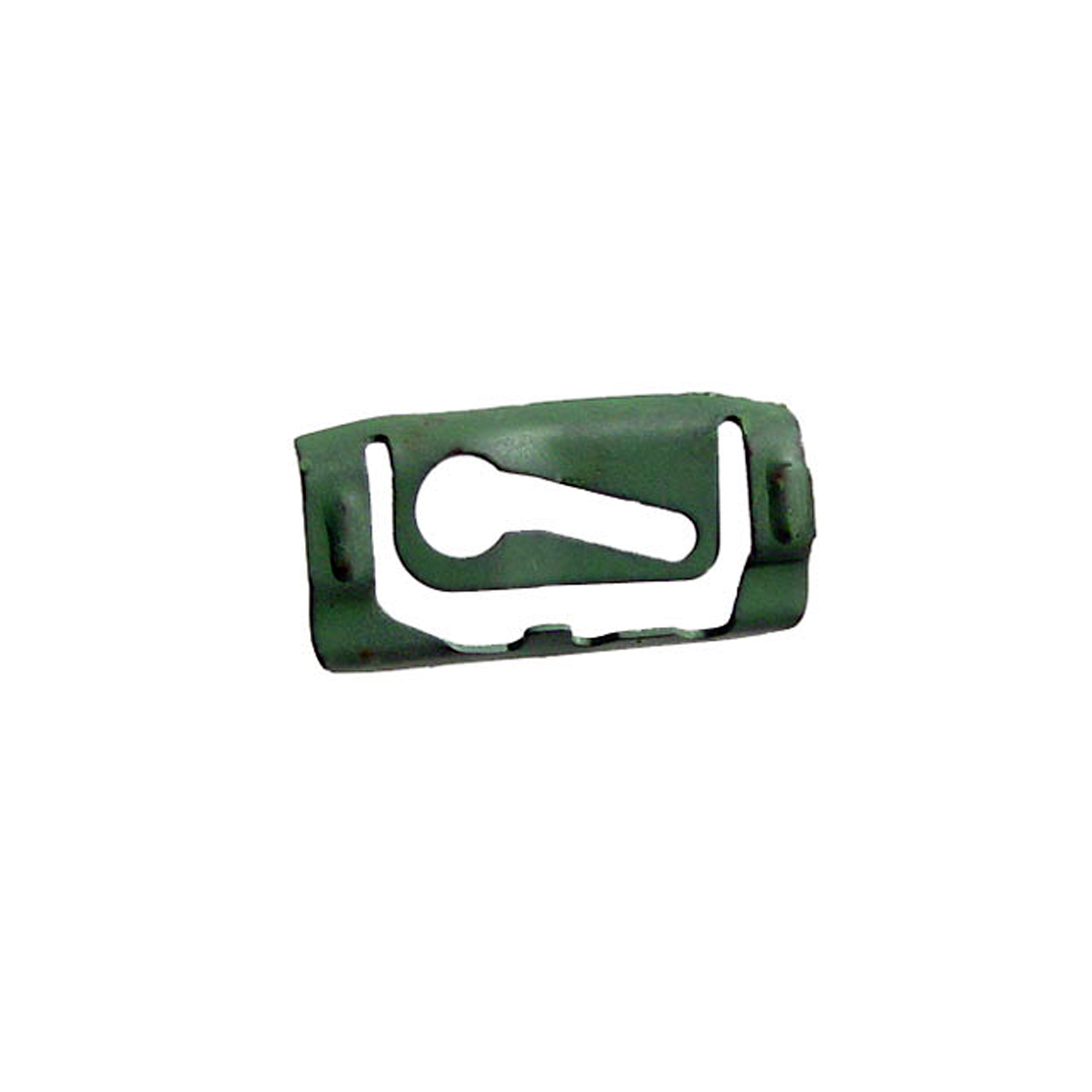 1969 Buick Sportwagon Quarter Window Reveal Molding Clip. Made of Steel-WF 205Quarter Window Reveal Molding Clip. Made of Steel. 1-3/8" X 11/16". Each
 1969 Buick Sportwagon Rear Window Reveal Molding Clip. For Station Wagons-WF 208Rear Window Reveal Molding Clip. For Station Wagons. Made of steel. 5/8" x 3/4". Each
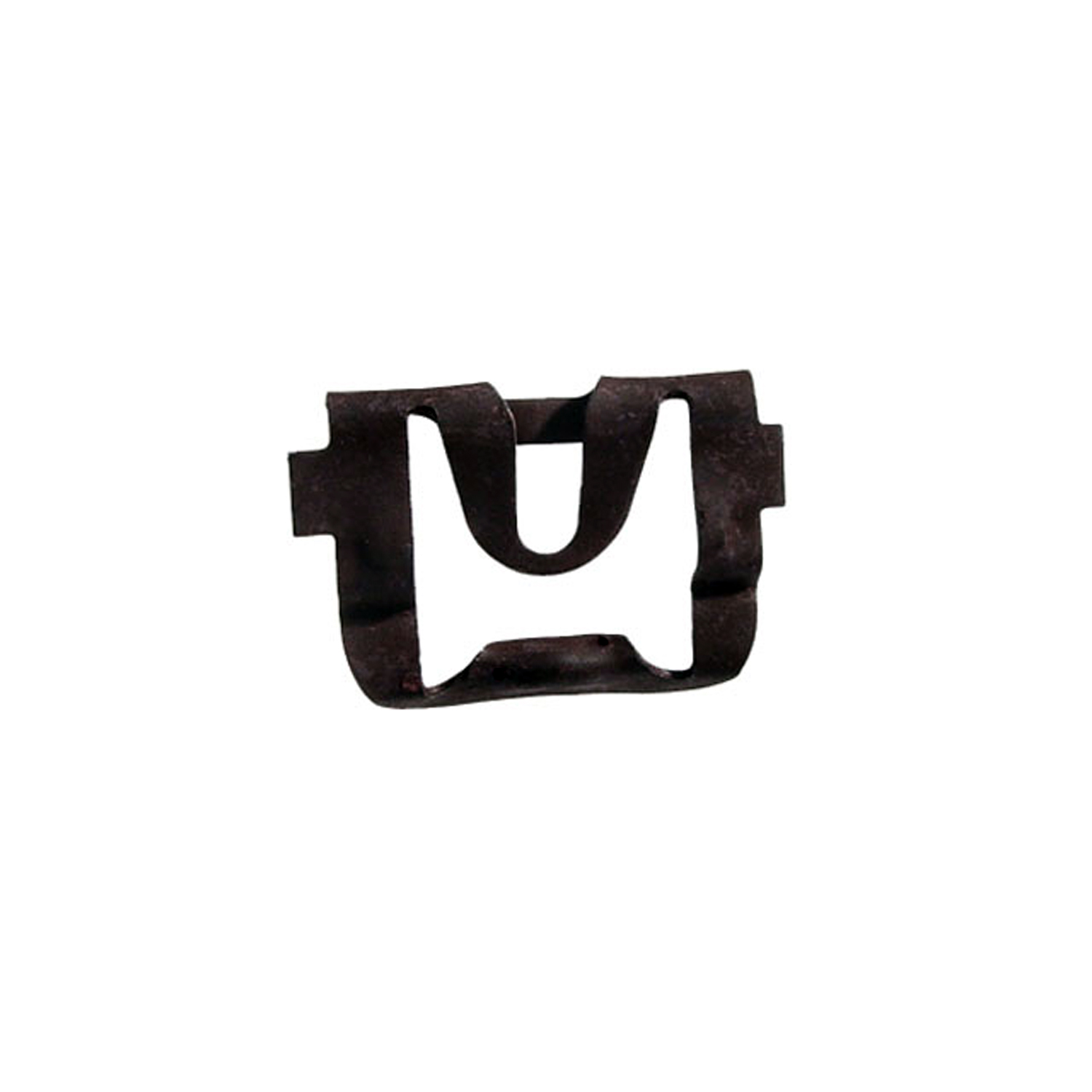 1969 Buick Sportwagon Rear Windshield Reveal Molding Clip. Made of steel-WF 211Rear Windshield Reveal Molding Clip. Made of steel. 15/16" X 3/4". Each
Why Choose Metro?
For over 100 years, Metro Moulded Parts has been the pinnacle of quality in classic car restoration parts. Our commitment to precision and authenticity in every component ensures a perfect fit and an OEM-level appearance.
- Expert Craftsmanship & Quality: Each part is a testament to our dedication to reliability and perfection, crafted from original designs and thoroughly tested.
- Advanced Technology: We use cutting-edge techniques to create flawless, long-lasting parts that surpass others in performance.
- SuperSoft Sponge – The Ultimate Door Seal: Not only are our door seals 30% softer than competitors', but they're also guaranteed to never leak. They effectively reduce wind and road noise, enhancing your classic car's comfort and driving experience.
- Proudly American: Our parts are a product of American craftsmanship, made in the USA with a spirit of excellence and heritage.
- Unrivaled Warranty: We back our products with a 30-year industry-leading warranty, a testament to our confidence in their quality.
Join us in preserving the legacy of classic cars with parts that are crafted for perfection, not just made.