

Image of 1970 Buick Estate Wagon, Note: These illustrations use artistic license and may differ from actual historical models.
Performance Metrics
Fundamental Metrics
Emotional Appeal
MMP Rating
| Engine Specifications | |
|---|---|
| Engine: | 455 cu in (7.5 L) Buick V8 |
| Displacement: | 455 cu in (7.5 L) |
| Horsepower: | 370 hp |
| Torque: | 510 lb-ft |
| Compression Ratio: | 10.0:1 |
| Ignition System: | Electronic Ignition System |
| Cooling System: | Liquid-cooled |
| Performance Specifications | |
| 0-60 Time: | 8.5 seconds |
| 1/4 Mile Time: | 16 seconds |
| Top Speed: | 125 mph |
| Transmission and Drive | |
| Drive Type: | Rear-wheel drive |
| Transmission Type: | 3-speed automatic |
| Fuel and Efficiency | |
| Fuel System Type: | Carburetor |
| MPG: | 10-12 mpg |
| Dimensions and Brakes | |
| Brakes: | Power-assisted front disc and rear drum brakes |
| Wheelbase: | 127 in |
| Weight: | 4,900 lbs |
Note: Specifications for classic cars are given to the best of our ability, considering the limited and variant data available.
1970 Buick Estate Wagon: The Big-Block Family Hauler
The 1970 Buick Estate Wagon was a family car with the heart of a muscle-era Buick: a long, wood-trimmed body, room for up to nine passengers, and a standard 455-cubic-inch V8. Built by Buick, then a division of General Motors, it sat at the luxurious end of the full-size wagon market, combining Electra-like comfort with the practicality of a cavernous cargo area.
Its timing gave it a distinctive place in Buick history. The 1970 model was among the last Estate Wagons built on the large, Electra-related platform. For 1971, Buick shifted the wagon to a different, smaller platform. That makes the 1970 an appealing snapshot of the traditional American luxury wagon at full scale, just before the market began moving toward more compact family vehicles.
One detail that sets it apart from many modern wagons is its available rear-facing third-row seat. With the optional seat, the Estate Wagon could carry up to nine people, with the rear passengers looking out toward traffic behind them. Add the standard-size 455 V8 and the result was a family hauler with remarkably generous power for its era.
Woodgrain, Wide Grille, and Wagon Space
The Estate Wagon wore the proportions of a classic American full-size car: a long hood, broad shoulders, generous glass, and a substantial rear cargo section. At roughly 225 inches long, it had the road presence of a Buick sedan, but its extended roofline and broad tailgate made its purpose clear. Up front, four headlights framed a wide Buick grille, while bright trim emphasized the car’s upscale character.
Simulated woodgrain side trim was a signature part of the Estate Wagon look. It gave the long body a warm, country-estate appearance and helped distinguish Buick’s wagon from more plainly finished utility models. A roof rack was available for additional carrying capacity, and buyers could choose exterior colors from Buick’s period palette. Popular-looking combinations included light body colors with contrasting woodgrain and bright chrome, though exact color availability depended on the chosen trim and production details.
The Estate Wagon was offered as a station wagon, not as a separate sedan or coupe body style. Buyers could configure it for six passengers or add the rear-facing third seat for a nine-passenger layout. Its wide-opening cargo area and folding rear seating made it suitable for luggage, home-improvement supplies, and the varied gear of a family road trip.
Inside, the Buick favored comfort over a bare-bones work-truck feel. Depending on equipment, buyers could get broad bench seating, plush upholstery, carpeting, wood-look accents, and power accessories. Options included items such as air conditioning, power windows, power seats, cruise control, and upgraded radio equipment. Exact materials and appointments varied by car, but the overall aim was clear: make a large wagon feel like a comfortable Buick, not simply a box for hauling cargo.
Big Buick Engineering for Family Duty
The 1970 Estate Wagon’s most notable technology was its powertrain. Buick’s 455-cubic-inch V8 was standard, paired with a Turbo Hydra-Matic automatic transmission and rear-wheel drive. The engine was rated at 350 horsepower and 510 lb-ft of torque under the period’s gross horsepower standards. Those ratings were measured differently from today’s net figures, so they should not be compared directly with modern engine specifications.
Power steering and power brakes helped make the large car manageable in everyday use. Its body-on-frame construction, long wheelbase, and coil-spring suspension were typical of full-size American cars of the period. They favored a quiet, cushioned ride over sharp cornering, while the automatic transmission made stop-and-go driving easy.
Options and equipment could add further convenience, but the Estate Wagon was not a showcase for advanced electronics. Its appeal was more straightforward: a powerful V8, automatic transmission, ample passenger space, and the sort of comfort features Buick buyers expected. In 1970, that was a compelling combination.
How It Drives: Torque Before Tacho
Buick did not market the Estate Wagon as a sports car, and its size and weight make that clear. Period specifications and performance estimates vary, but a healthy 455-powered example is generally expected to reach 60 mph in roughly 8 to 10 seconds. Top speed is commonly estimated in the neighborhood of 110 to 120 mph, though tire condition, gearing, engine health, and the car’s load all affect the result. These are estimates, not guaranteed figures for every surviving wagon.
The 455’s defining trait is its low-speed torque. Rather than needing to be revved hard, it delivers a strong, relaxed surge that suits merging, passing, or carrying a full load. The Turbo Hydra-Matic shifts smoothly when in good condition, and the V8’s deep exhaust note gives the wagon a more imposing character than its family-focused mission might suggest.
On rough roads, the long wheelbase and soft suspension help the Estate Wagon settle over bumps. That comfort comes with body roll and a leisurely response to quick steering inputs. On a winding road, it feels large and deliberate rather than nimble. In crosswinds, its broad sides and long body require a steady hand, particularly at highway speeds. The best driving experience comes from keeping a relaxed pace and letting the car’s torque and ride quality do the work.
Living with a 1970 Estate Wagon
Today, the Estate Wagon is most often used as a weekend cruiser, show car, or vintage road-trip vehicle. Some owners keep them in regular service, but a 1970 example is now old enough that condition matters more than its original purpose. A sound car can still be practical for occasional hauling, though its fuel consumption, size, and age make it a less convenient daily driver than a modern vehicle.
Many mechanical components are familiar to classic-car specialists, and the Buick 455 has a substantial enthusiast following. Routine work such as ignition service, brake repairs, and carburetor adjustment is within the reach of an experienced home mechanic. The wagon’s size can make some jobs awkward, however, and model-specific trim, glass, woodgrain, and interior pieces may be harder to source than common engine parts.
Before buying, inspect the frame and body carefully for rust, especially around floors, lower body panels, wheel openings, and the rear cargo area. Check the tailgate and its hardware, along with the condition of the glass and weatherstripping. A wagon with tired suspension, worn brakes, or cooling-system problems can quickly turn a low purchase price into a major project.
Wagon Trivia and Common Complaints
The Estate Wagon’s 455 was shared across Buick’s larger-car range, but its placement in a family wagon gave the engine a different kind of appeal. It was less about quarter-mile bragging rights and more about effortless acceleration with passengers and luggage aboard. The unusual rear-facing third-row seat is another conversation starter, and a reminder of how differently manufacturers once approached family seating.
There is no widely recognized production-speed or endurance record associated with the 1970 Estate Wagon. Its distinction is more cultural than competitive: it represents the era when a premium family wagon could be nearly as large and lavish as a luxury sedan, yet still carry a crowd and a substantial load.
Common criticisms are predictable. The car is thirsty, difficult to park by modern standards, and not especially agile. Its weight can put extra demands on brakes and suspension, while age-related rust and scarce trim parts can complicate restoration. Those drawbacks are balanced by a distinctive look, a spacious interior, and the relaxed character of Buick’s big V8.
Collector Values and Availability
Exact production totals for individual 1970 Estate Wagon configurations are not consistently reported in commonly available model references. A reasonable estimate is roughly 10,000 to 15,000 examples, but that should be treated as an informed approximation rather than a confirmed factory total. Surviving cars are noticeably less common than ordinary Buick sedans, and well-preserved examples can take time to find.
As a broad current-market guide, a project or heavily worn car might sell for about $4,000 to $10,000. A usable driver in fair to good condition could fall around $10,000 to $22,000, while a clean, well-restored example may bring approximately $25,000 to $45,000. Exceptional, highly original, or show-quality cars can exceed that range, but the right buyer and documentation matter. These are estimates; local markets, originality, rust, equipment, and restoration quality can shift prices considerably.
Values have generally been steadier than those of more famous muscle cars. The Estate Wagon has growing appeal among collectors who want something distinctive and usable, but it remains a niche vehicle. In the near term, careful examples are more likely to appreciate gradually than to experience dramatic price jumps. Condition and completeness are especially important because replacing wagon-specific trim and body parts can be challenging.
Why the 1970 Buick Estate Wagon Still Matters
The 1970 Buick Estate Wagon brought together full-size Buick comfort, the practicality of a station wagon, and the effortless torque of a 455 V8. Its woodgrain styling and available nine-passenger seating capture a distinctly American approach to family travel, while its position at the end of the Electra-related wagon era gives it added historical interest.
It is not the smallest, most economical, or most nimble classic on the road. That is precisely part of its charm. The Estate Wagon is a rolling reminder of when Buick built family transportation with luxury-car scale and big-block confidence, making every grocery run feel just a little more grand.
1970 Buick Estate Wagon Catalog of Parts
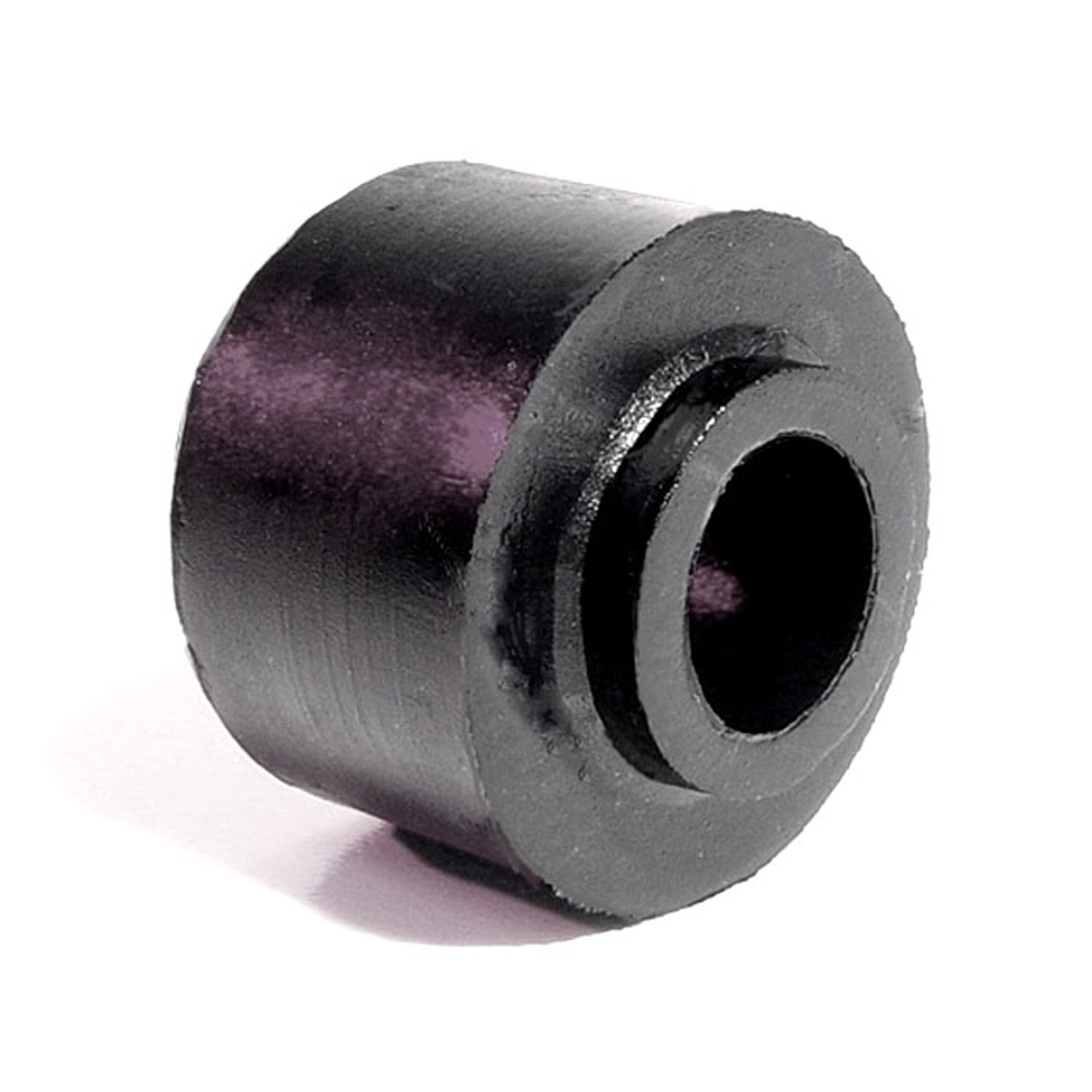 1970 Buick Estate Wagon Shock Absorber Grommet. 1" bottom O.D., 3/4" high-BN 1Shock Absorber Grommet. 1" bottom O.D., 3/4" high., with 7/16" I.D. Each
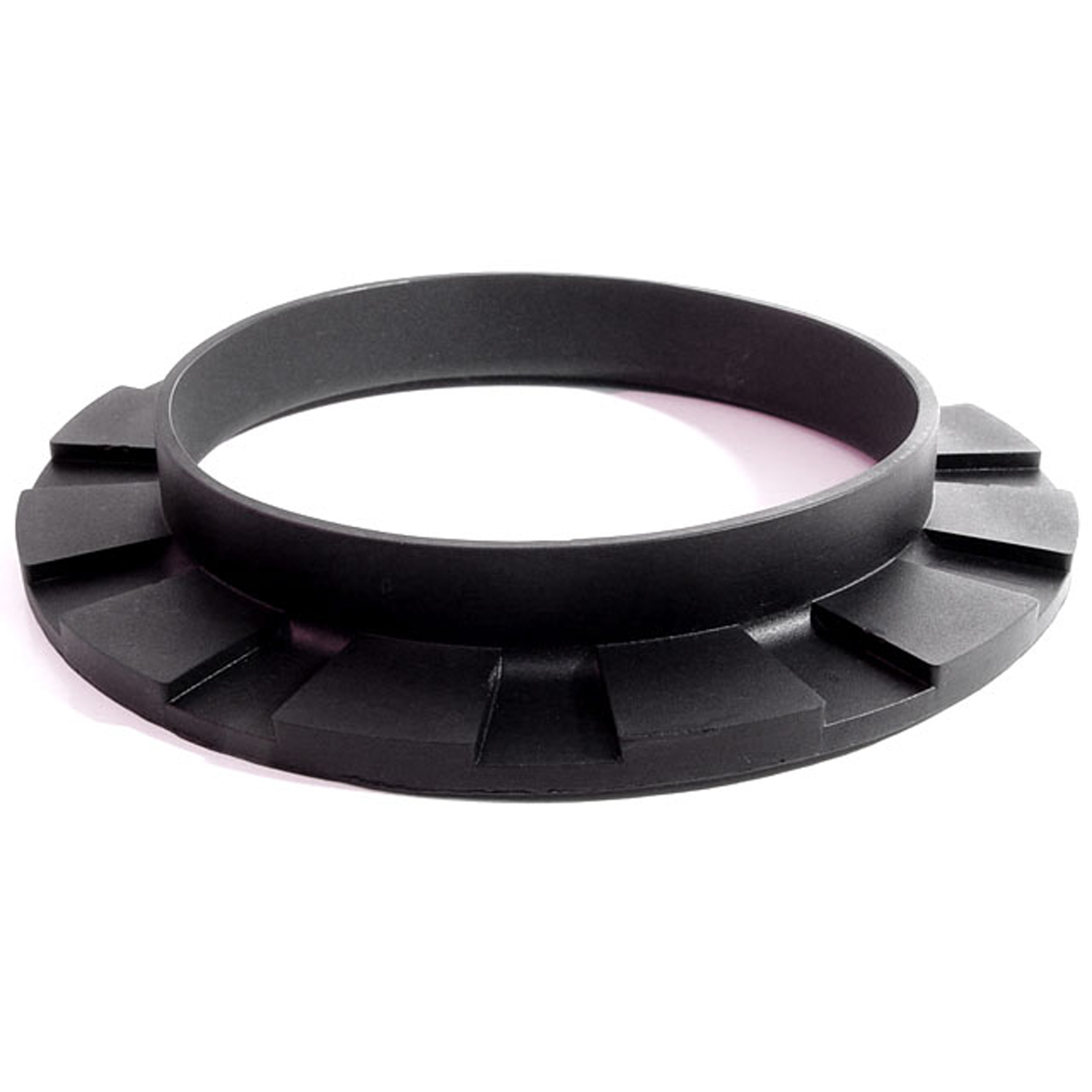 1970 Buick Estate Wagon Front coil-spring insulator-BN 110Front coil-spring insulator. Fits '41-'60 Oldsmobile and '50-'83 GM passenger models. 5-3/8 in. OD x 3-3/4 in. ID x 3/4 in. high with 13/16 in. wide bottom flange 1/4" thick, 12 flutes. Each.
 1970 Buick Estate Wagon Park Brake Pedal Pad. 2-9/16" wide. Each-CB 99-APark Brake Pedal Pad. 2-9/16" wide. Each
 1970 Buick Estate Wagon Auto Brake Pedal Pad. 5-7/8" wide. Each-CB 99-BAuto Brake Pedal Pad. 5-7/8" wide. Each
 1970 Buick Estate Wagon Rear Hood Bumper. Each-HF 27Rear Hood Bumper. Each
 1970 Buick Estate Wagon Trunk Liner. Loose weave-M 23Trunk Liner. Loose weave. Black with scattered white threads. 54" wide. Sold by the foot
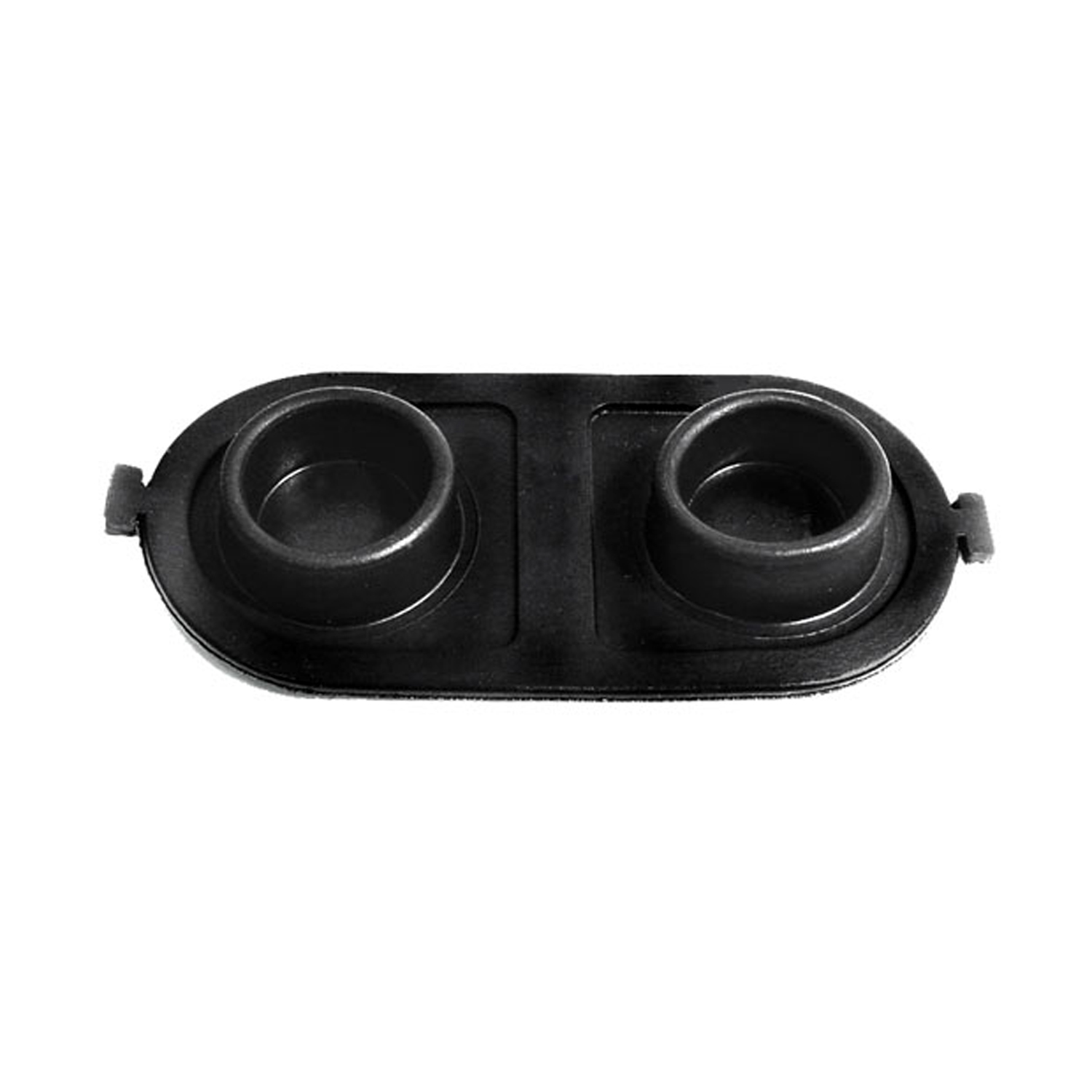 1970 Buick Estate Wagon Brake Master Cylinder Cover Seal. Replaces OEM #5470861-RP 2-EBrake Master Cylinder Cover Seal. Replaces OEM #5470861. 5" X 2-1/2". Each
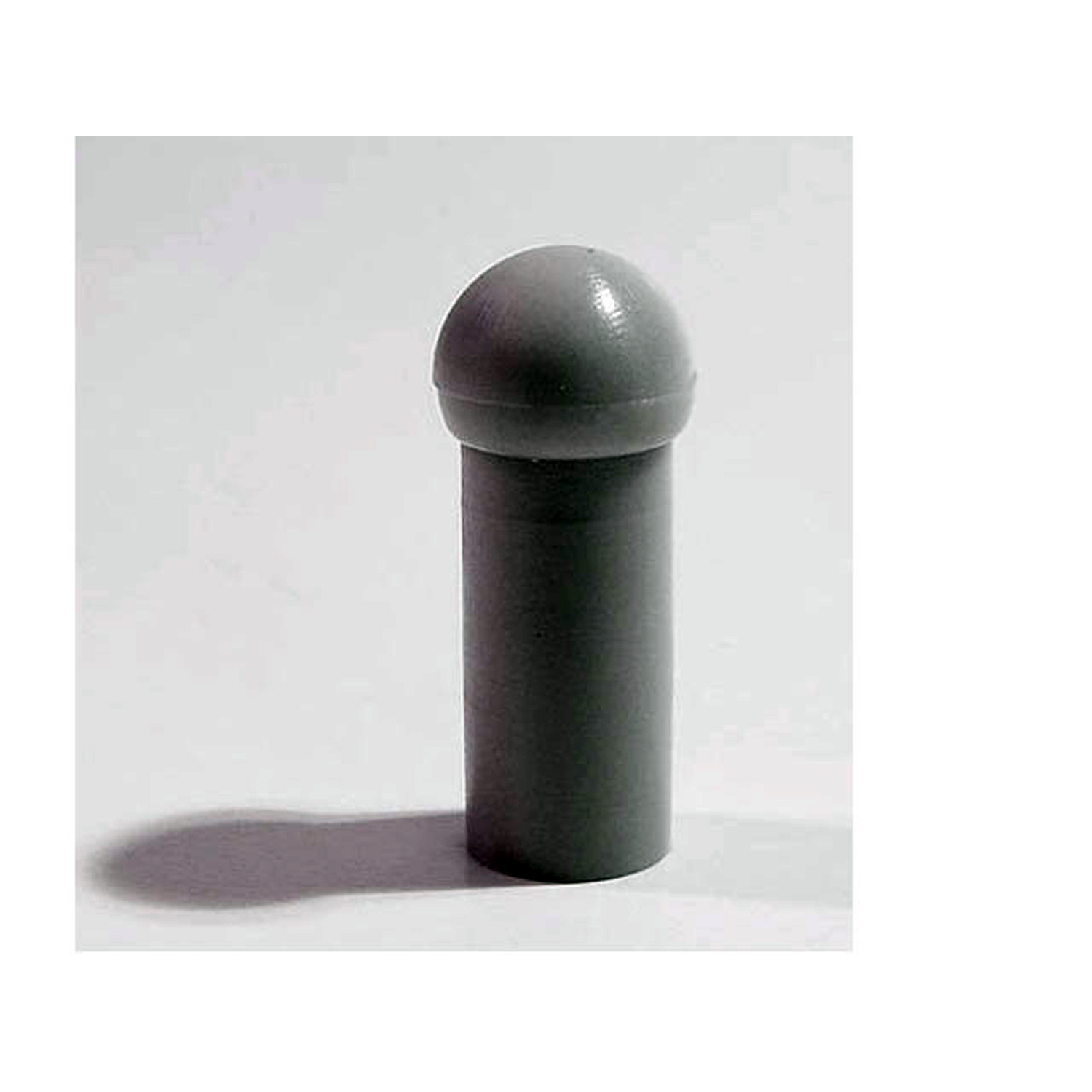 1970 Buick Estate Wagon Sun Visor Rod Rubber Grommet. 3/4" long. Gray. Each-RP 303-CSun Visor Rod Rubber Grommet. 3/4" long. Gray. Each
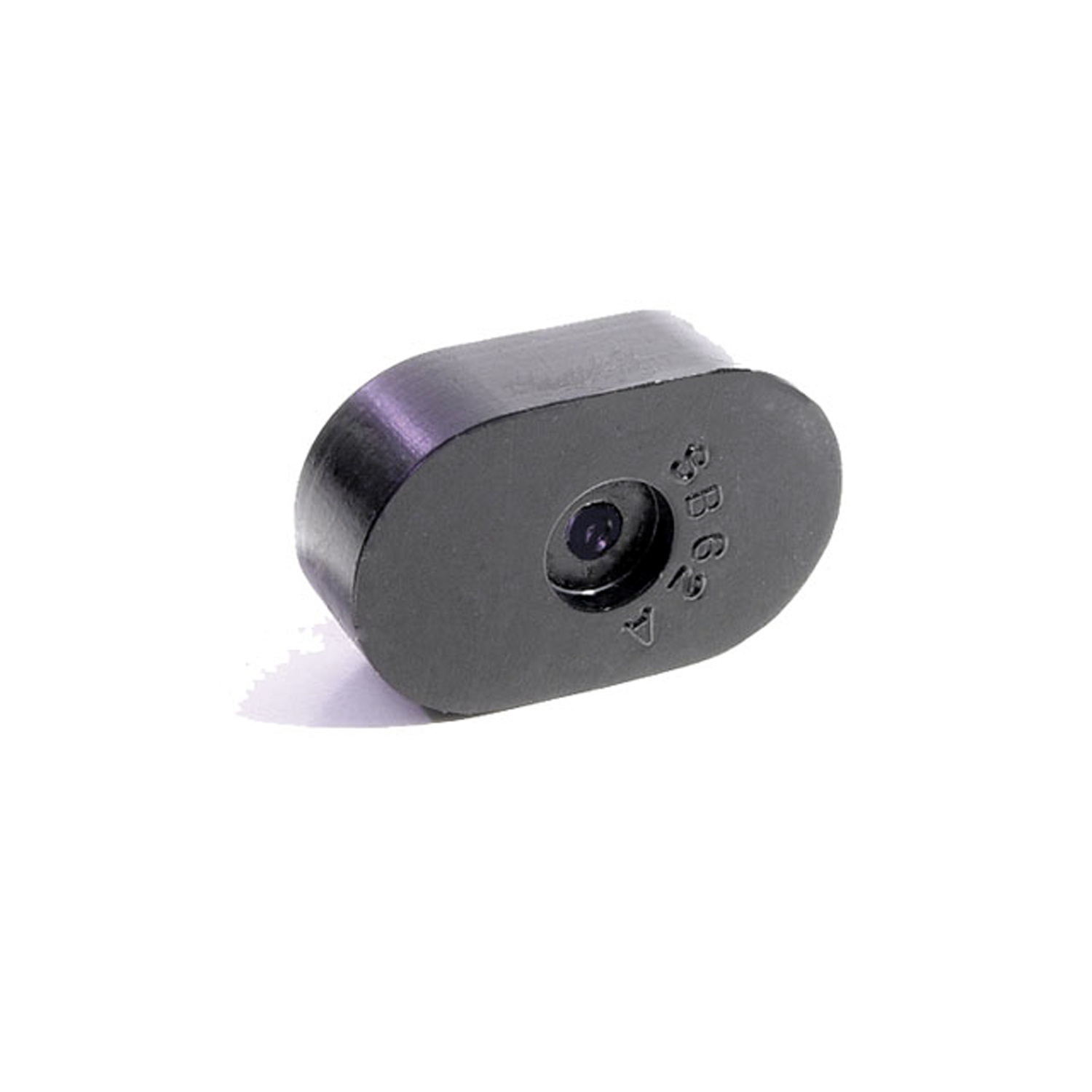 1970 Buick Estate Wagon Seat Bumper. Made with steel core like original-SB 62-ASeat Bumper. Made with steel core like original. 1-1/2" long, 7/16" thick. Two used per car. Each
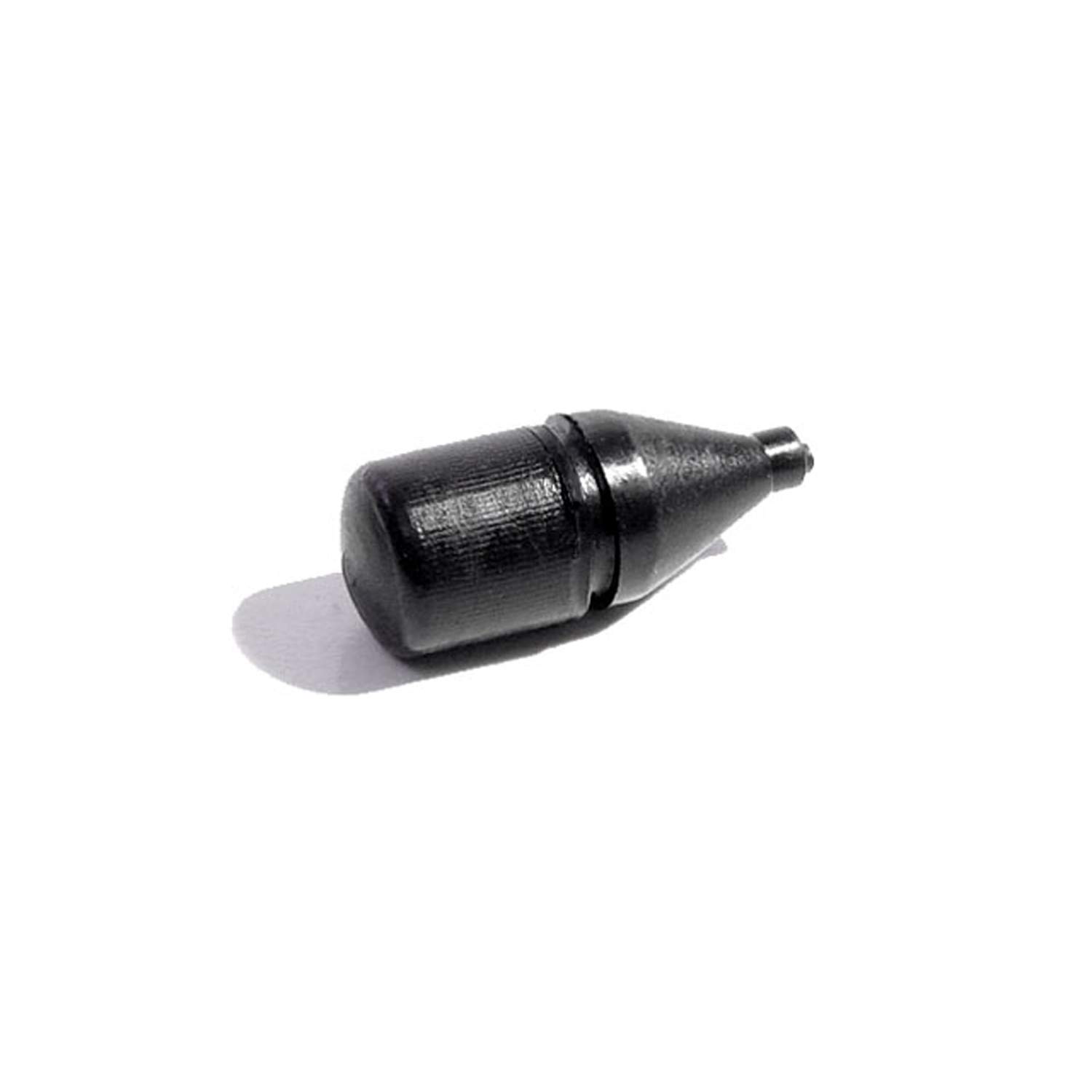 1970 Buick Estate Wagon Fuel Door Bumper. 7/8" high, 5/16" O.D. Each-SB 81Fuel Door Bumper. 7/8" high, 5/16" O.D. Each
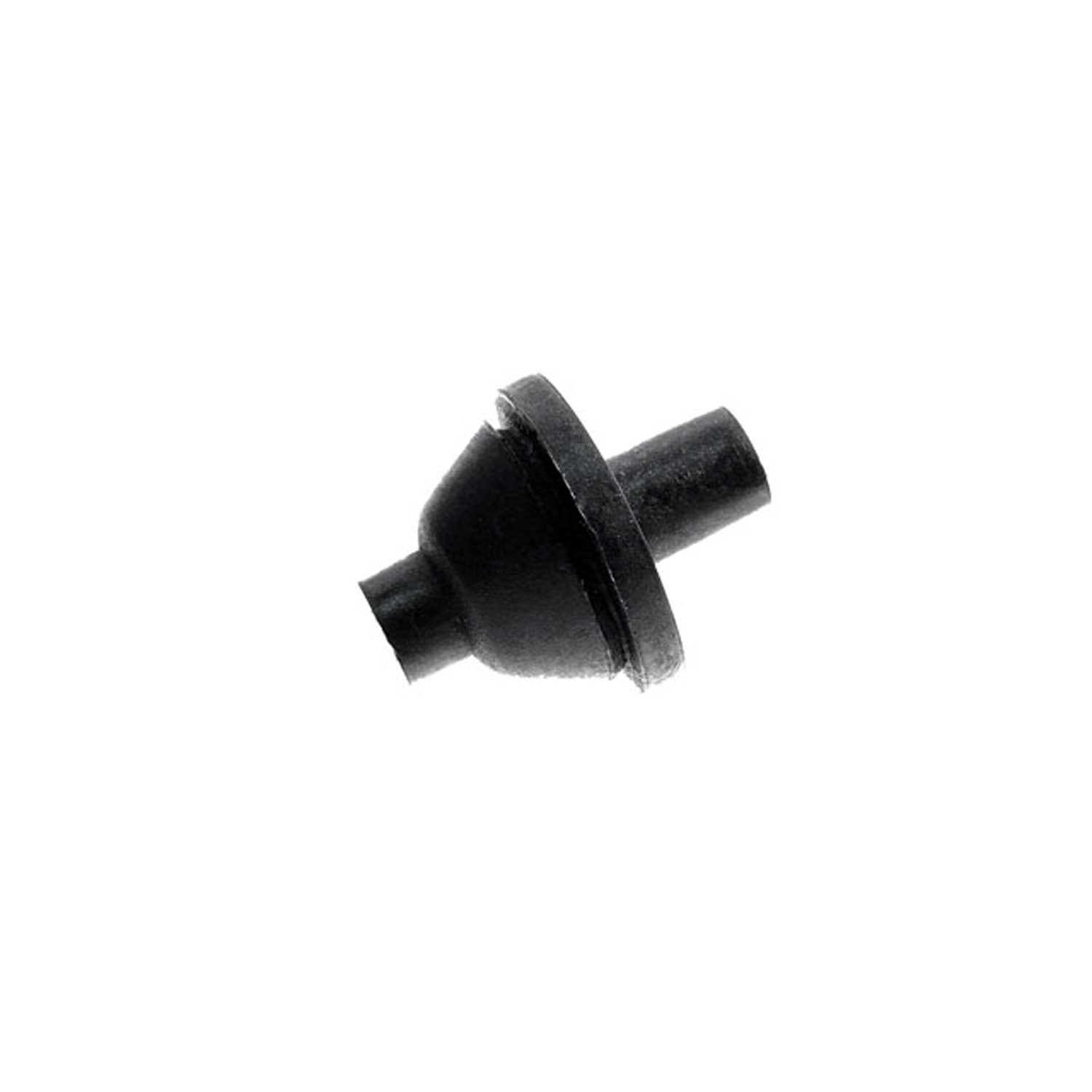 1970 Buick Estate Wagon Dash and Firewall Grommet. Single-hole type is for one wire-SM 101Dash and Firewall Grommet. Single-hole type is for one wire. Each
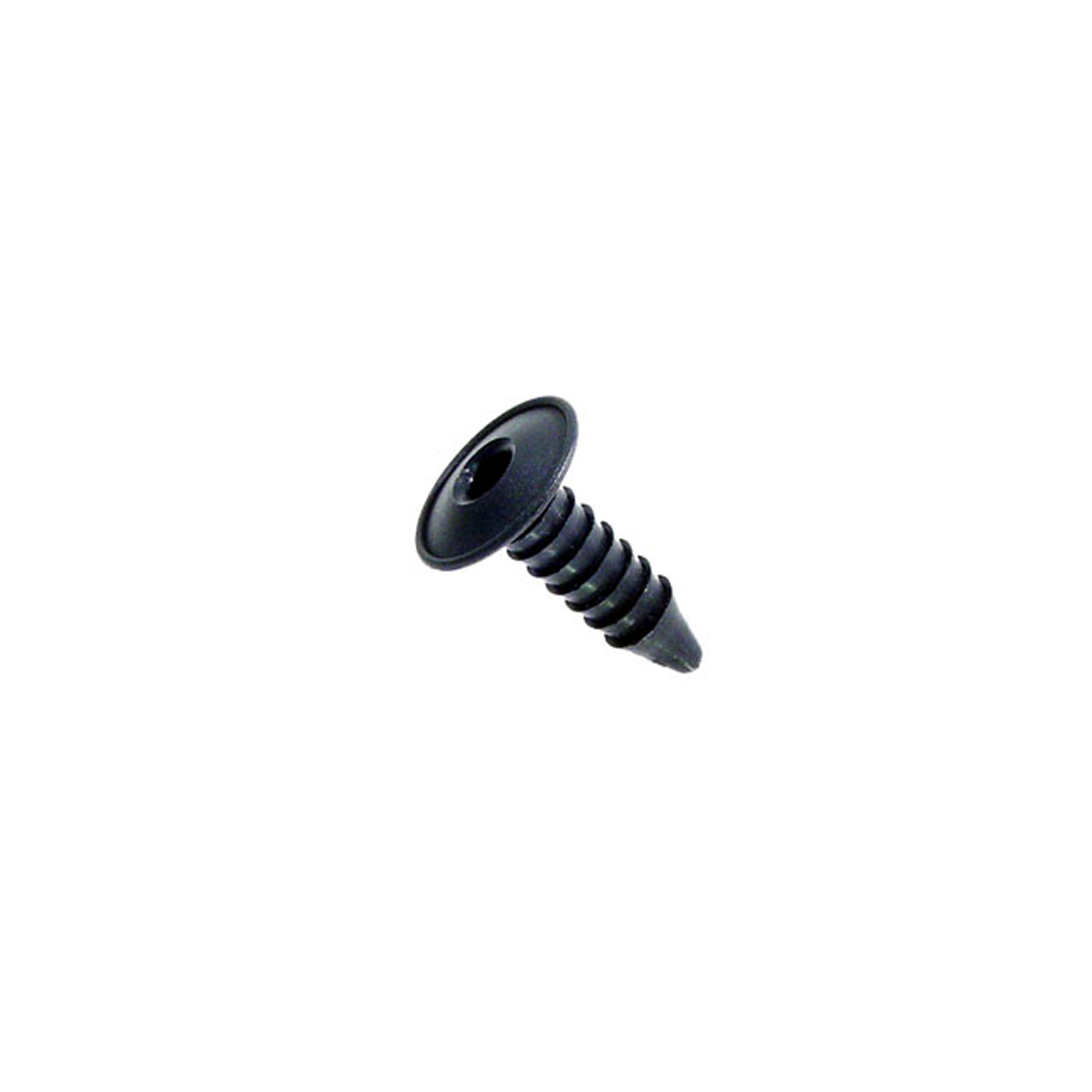 1970 Buick Estate Wagon Firewall insulation fastener. 1 in. dia. W head. 1-1/2 in. L-SM 80-AFirewall insulation fastener. 1 in. dia. W head. 1-1/2 in. L. Replaces OEM#'s (GM) 7642589 and (AMC) 4001934. Black. Each.
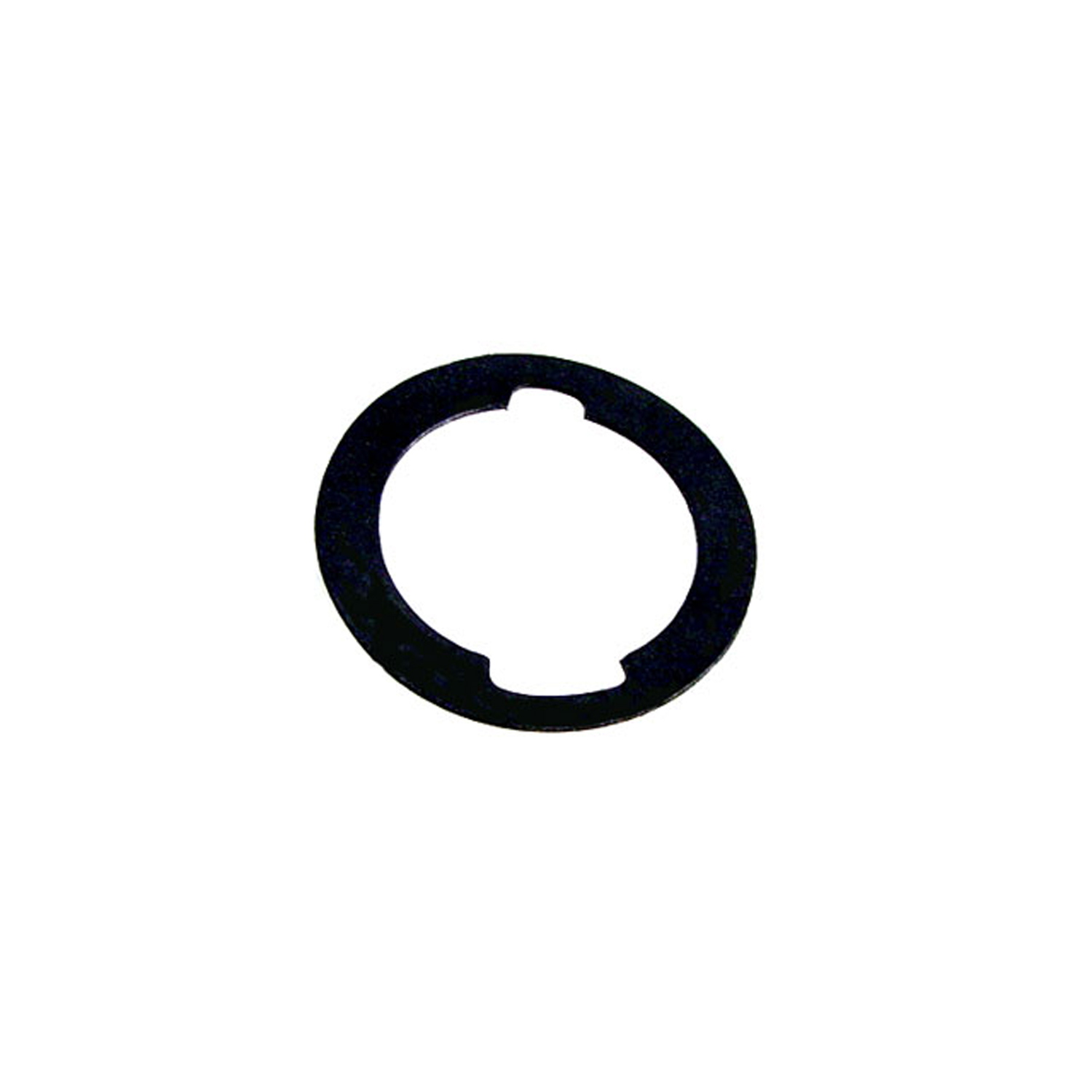 1970 Buick Estate Wagon Unbeaded Door and Trunk Lock Gasket. 1-3/16" O.D., 7/8" I.D-UM 1600-100Unbeaded Door and Trunk Lock Gasket. 1-3/16" O.D., 7/8" I.D. Each
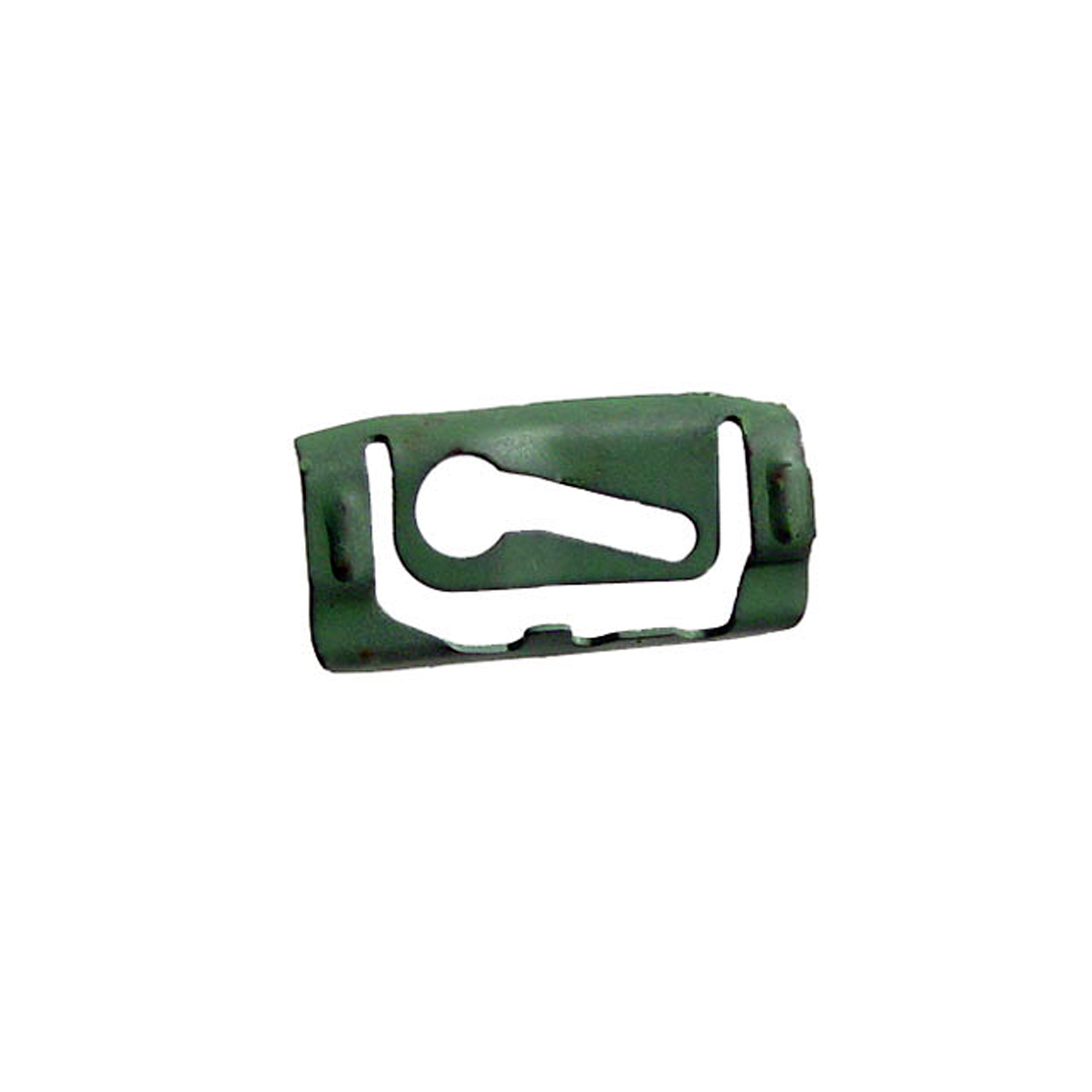 1970 Buick Estate Wagon Quarter Window Reveal Molding Clip. Made of Steel-WF 205Quarter Window Reveal Molding Clip. Made of Steel. 1-3/8" X 11/16". Each
 1970 Buick Estate Wagon Rear Window Reveal Molding Clip. For Station Wagons-WF 208Rear Window Reveal Molding Clip. For Station Wagons. Made of steel. 5/8" x 3/4". Each
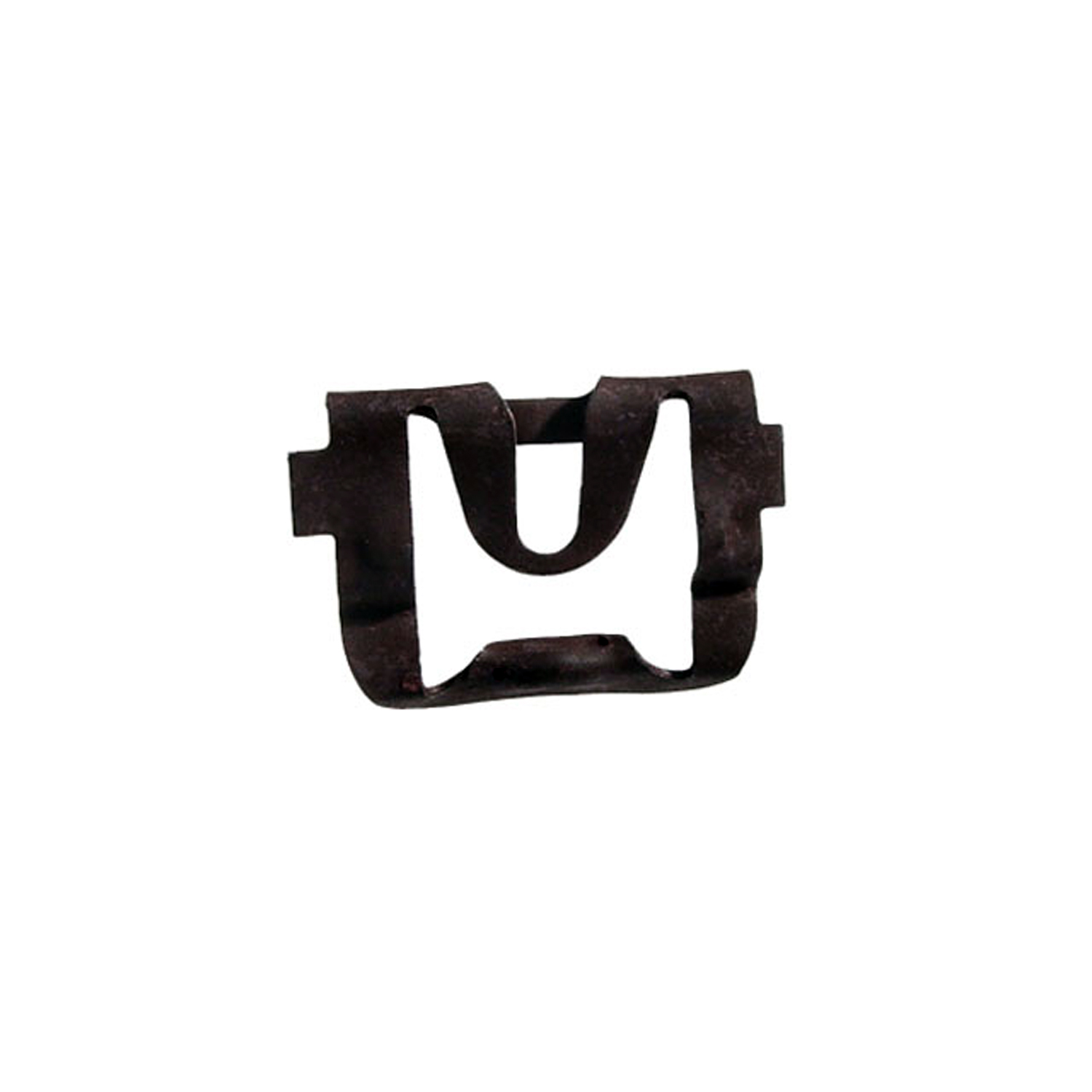 1970 Buick Estate Wagon Rear Windshield Reveal Molding Clip. Made of steel-WF 211Rear Windshield Reveal Molding Clip. Made of steel. 15/16" X 3/4". Each
Why Choose Metro?
For over 100 years, Metro Moulded Parts has been the pinnacle of quality in classic car restoration parts. Our commitment to precision and authenticity in every component ensures a perfect fit and an OEM-level appearance.
- Expert Craftsmanship & Quality: Each part is a testament to our dedication to reliability and perfection, crafted from original designs and thoroughly tested.
- Advanced Technology: We use cutting-edge techniques to create flawless, long-lasting parts that surpass others in performance.
- SuperSoft Sponge – The Ultimate Door Seal: Not only are our door seals 30% softer than competitors', but they're also guaranteed to never leak. They effectively reduce wind and road noise, enhancing your classic car's comfort and driving experience.
- Proudly American: Our parts are a product of American craftsmanship, made in the USA with a spirit of excellence and heritage.
- Unrivaled Warranty: We back our products with a 30-year industry-leading warranty, a testament to our confidence in their quality.
Join us in preserving the legacy of classic cars with parts that are crafted for perfection, not just made.