

Image of 1970 Buick Lesabre, Note: These illustrations use artistic license and may differ from actual historical models.
Performance Metrics
Fundamental Metrics
Emotional Appeal
MMP Rating
| Engine Specifications | |
|---|---|
| Engine: | 350 cu in (5.7 L) V8, 455 cu in (7.5 L) V8 |
| Displacement: | 350-455 cu in |
| Horsepower: | 230-370 hp |
| Torque: | 365-510 lb-ft |
| Compression Ratio: | 10.25:1 for the 350 cu in V8, 10.0:1 for the 455 cu in V8 |
| Ignition System: | Conventional breaker-point ignition system |
| Cooling System: | Liquid-cooled |
| Performance Specifications | |
| 0-60 Time: | 8-10 seconds |
| 1/4 Mile Time: | 16-18 seconds |
| Top Speed: | 120 mph |
| Transmission and Drive | |
| Drive Type: | Rear-wheel drive |
| Transmission Type: | 3-speed automatic, 4-speed manual |
| Fuel and Efficiency | |
| Fuel System Type: | Carburetor |
| MPG: | 10-12 mpg |
| Dimensions and Brakes | |
| Brakes: | Front disc brakes and rear drum brakes |
| Wheelbase: | 124 inches |
| Weight: | 3,900-4,200 lbs |
Note: Specifications for classic cars are given to the best of our ability, considering the limited and variant data available.
1970 Buick LeSabre: Full-Size Comfort with Buick Character
The 1970 Buick LeSabre made a simple promise: give drivers the room and smoothness of a full-size American car, with a little more polish than the everyday family sedan. Built by Buick, a division of General Motors, it occupied the more accessible end of Buick’s full-size range while retaining the brand’s distinctive styling, V8 power, and comfortable road manners.
The LeSabre belonged to an era when American manufacturers still offered large cars in several body styles, and buyers could choose their preferred combination of space, convenience, and price. Its 1970 styling was a refinement of the generation introduced for 1969, rather than a completely new design. One detail that still draws attention is the available 455-cubic-inch V8: a big-block engine capable of producing prodigious low-speed torque in a car designed primarily for relaxed cruising.
1970 LeSabre Styling and Interior
From the outside, the LeSabre has the long hood, broad shoulders, and generous proportions that define a classic American full-size car. A wide front grille sits between four headlamps, while sculpted body sides and restrained trim keep the overall look more elegant than flashy. The long roofline and substantial glass area give the car a formal presence without making it look overly ornate.
Inside, the emphasis is on space and comfort. Broad bench seats, a wide dashboard, and generous legroom make the cabin feel open, especially by modern standards. Depending on body style and trim, upholstery could be cloth, vinyl, or a combination of materials. Buick’s reputation for a more finished, upscale feel than a basic mass-market car showed in the cabin details, though the LeSabre was not as lavishly appointed as the higher-priced Electra.
Available equipment varied with trim and options. Buyers could order conveniences such as air conditioning, power windows and door locks, power steering, power brakes, and an AM radio. Cruise control was also available. These were significant comfort upgrades for the period, but the LeSabre remained a straightforward car mechanically, with familiar controls and a conventional instrument panel.
Buick offered the LeSabre in a range of period-appropriate exterior colors, including shades of white, blue, green, red, gold, bronze, and brown, along with darker finishes. Exact paint choices depended on the production date and market. Metallic golds and bronzes suited the car’s formal character, while white and darker colors remain popular among collectors restoring or showing one today.
The core LeSabre lineup included two-door and four-door hardtops, a four-door sedan, and a convertible. The hardtop models, with their pillarless side glass, are among the most visually iconic. Buick also sold full-size Estate Wagons during this period, though they were identified as Estate Wagons rather than simply another LeSabre body style. The convertible is especially appealing to collectors, while the four-door hardtop makes a compelling choice for anyone who wants classic styling with practical passenger access.
How the LeSabre Fit Its Time
In 1970, a full-size car was still a mainstream family vehicle, not a niche classic. The LeSabre competed in a crowded field of large General Motors cars, including the Chevrolet Impala, Pontiac Catalina, and Oldsmobile Delta 88. These cars shared broad corporate engineering foundations, but each division gave its models distinct styling, trim, and character. Buick’s pitch was a comfortable, well-finished car that sat below the more expensive Electra in the brand’s lineup.
The LeSabre’s significance is less about introducing a single groundbreaking technology and more about representing the maturity of the American full-size car. It paired body-on-frame construction and a traditional V8 with a roomy cabin and highway-oriented ride. Its combination of familiar engineering, broad availability, and upscale touches made it an important part of Buick’s identity during the final years before smaller cars and changing fuel priorities reshaped the market.
As a 1970 model, it also reflects the period’s growing attention to safety requirements. Federal rules had brought features such as side-marker lamps and energy-absorbing steering columns into American cars. These developments were becoming part of the broader industry, rather than exclusive Buick innovations, but they help place the LeSabre in the changing safety landscape of its time.
V8 Power and Road Manners
The standard engine was Buick’s 350-cubic-inch V8. Depending on carburetion and specification, period ratings were generally around 230 horsepower for a two-barrel version and approximately 260 horsepower for a four-barrel version. A 455-cubic-inch V8 was available on certain configurations. Published horsepower figures can vary by engine and rating method, so original documentation is useful when identifying a particular car.
Most LeSabres were equipped with an automatic transmission, commonly the three-speed Turbo Hydra-Matic. The 350-powered cars offered ample power for normal traffic and relaxed highway driving. A 455-equipped example had a more forceful reserve of torque, making it feel especially effortless when accelerating or climbing grades. Neither engine turns the LeSabre into a sports car. The point is smooth, unhurried power rather than high-revving performance.
Exact acceleration and top-speed figures depend on engine, gearing, body style, condition, and test conditions. As a general period-performance estimate, a healthy 350-powered LeSabre might reach 60 mph in roughly 10 to 12 seconds. A 455-equipped car could do it in about 8 to 9 seconds. Top speed is best thought of as roughly 110 to 120 mph in suitable mechanical condition, but the LeSabre was built for comfortable cruising, not sustained high-speed runs.
On the road, the car’s long wheelbase and soft suspension take the edge off broken pavement and highway seams. It feels composed on straight roads, although its size and comparatively soft suspension require patience on winding ones. Body lean is noticeable in corners, and the steering is geared toward ease rather than sharp response. Crosswinds and narrow streets are reminders that this is a substantial machine.
The driving experience is part of the appeal. The V8 produces a low, rounded rumble, the automatic shifts without drama, and the cabin encourages a relaxed pace. The driver sits behind a broad hood with a clear view of the road, while power steering helps make parking and low-speed maneuvering manageable. It feels like a car meant to cover distance in comfort, not chase lap times.
Living with a 1970 Buick LeSabre
Today, LeSabres are most often used as weekend cruisers, show cars, and occasional local drivers. A well-maintained example can still handle regular road use, but its fuel consumption, large dimensions, and age make it less convenient as a modern daily driver. The big V8, especially the 455, rewards a light right foot but was never designed with fuel economy as its main goal.
Routine repairs are generally approachable for an owner with mechanical experience. The V8 layout is familiar, many service procedures are straightforward, and common maintenance items are not unusual for a classic American car. Parts availability is reasonable for many mechanical components, though trim, interior pieces, and body-specific parts can take more searching.
Inspection is essential before buying. Look closely for rust in the lower body, floors, trunk, wheel openings, and around the windshield and rear glass. Check the frame, suspension, brakes, cooling system, and transmission, and make sure the engine’s numbers and equipment match the seller’s description. A car that has been stored outdoors or neglected can require substantial work, even if it looks presentable in photographs.
LeSabre Facts and Common Criticisms
The 455 is the LeSabre’s headline engine option. Its appeal comes less from a dramatic high-revving character than from the immense torque it delivers at ordinary engine speeds. That makes a large Buick feel surprisingly willing when asked to accelerate, while preserving the easygoing personality expected of a full-size cruiser.
The LeSabre was not known as a dedicated racing model, and it does not hold a famous production-car speed or endurance record. Its place in automotive history is more everyday: it was one of the many large Buicks that carried American families through a period when comfort, V8 power, and generous dimensions were central to the market.
Common criticisms are familiar to anyone considering a car of this type. The LeSabre is thirsty by modern standards, takes up a lot of space, and does not feel nimble on tight roads. Soft suspension can also feel floaty if shocks, springs, or steering components are worn. These traits are part of the original design, but good maintenance helps the car feel controlled rather than tired.
1970 LeSabre Collector Values
Exact production totals vary by body style, and surviving examples are harder to count than cars built new. A reasonable broad estimate is roughly 180,000 to 200,000 LeSabres across the model range, including its various configurations. That figure should be treated as an estimate rather than a precise factory total. The four-door models are generally easier to find than clean convertibles, while condition and documentation matter more than simple rarity for most buyers.
As a broad U.S. market guide, a project car may sell for about $3,000 to $8,000. A usable driver in decent condition often falls around $8,000 to $18,000. Well-restored or particularly clean cars can bring roughly $18,000 to $30,000 or more, with excellent convertibles and desirable, well-documented 455-equipped examples potentially exceeding that range. These are estimates, not guaranteed sale prices. Local demand, originality, rust, and restoration quality can move values substantially.
Values for mainstream American full-size cars have generally been steadier than those for high-profile muscle cars. The LeSabre’s appeal is its space, style, and easygoing V8 character, but it does not have the same collector demand as a Buick GS or other celebrated performance model. A sound, original car is often a wiser purchase than an ambitious restoration, since body and interior work can quickly cost more than the finished car’s market value.
Why the 1970 LeSabre Still Matters
The 1970 Buick LeSabre captures a particular moment in American motoring: a time when a family car could be full-size, V8-powered, and designed first for comfort. Its broad body styles, optional big-block power, and smooth road manners made it a versatile Buick, while its understated styling gave it a presence that did not need to shout.
It may not be the rarest Buick or the quickest car of its era, but the LeSabre delivers something increasingly unusual: the sensation of traveling in a spacious, traditional American cruiser. For anyone who values that experience, a well-kept 1970 LeSabre is more than a classic car. It is a rolling reminder of what Buick did best.
1970 Buick Lesabre Catalog of Parts
 1970 Buick LeSabre Upper Door Lock Pillar Seal-ALP 5054Upper Door Lock Pillar Seal. 69-70 GM B & C Body 2 Door Hardtop and Convertibles. Made with all details and steel cores. 2-1/8"W X 5-1/4"L. Pair R&L.
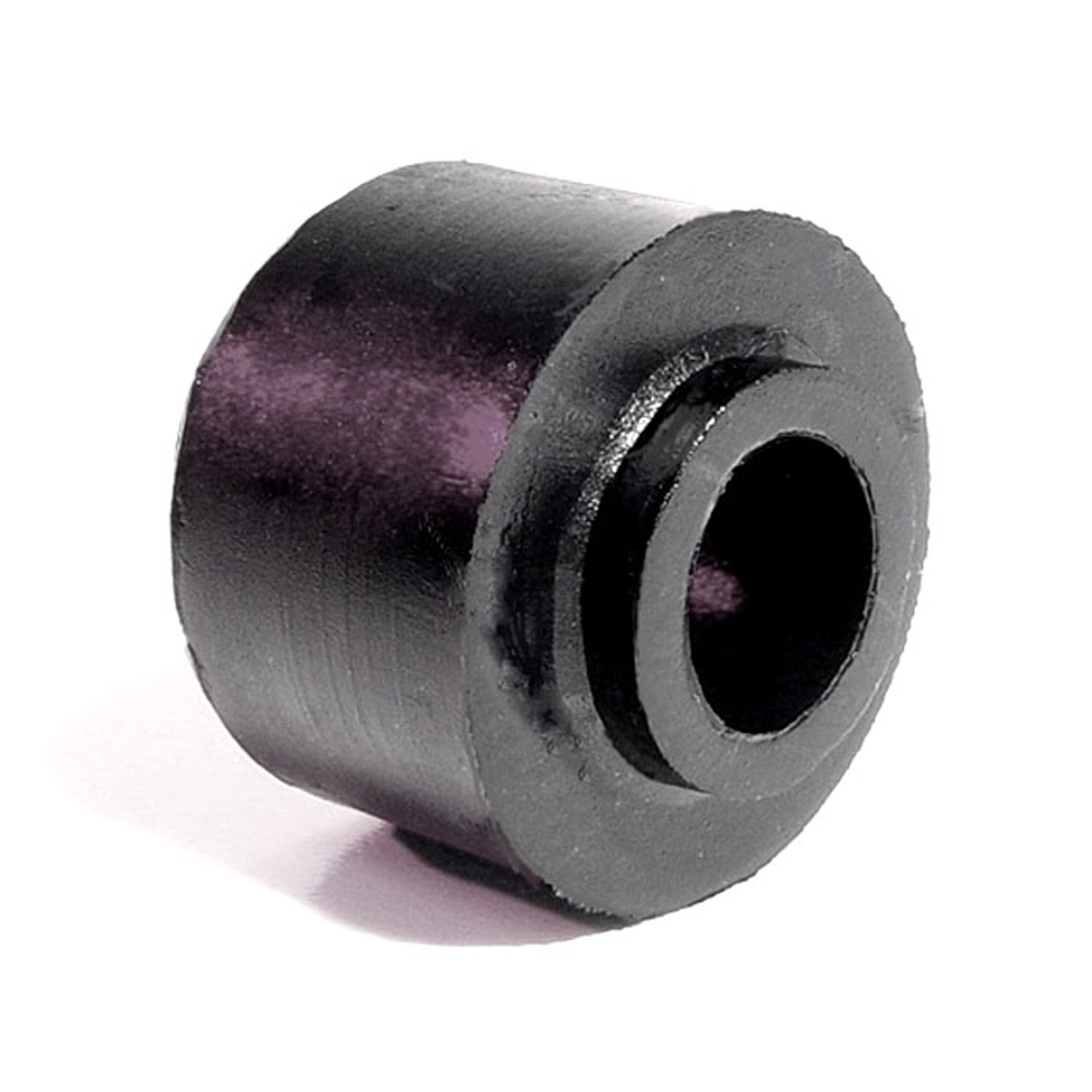 1970 Buick LeSabre Shock Absorber Grommet. 1" bottom O.D., 3/4" high-BN 1Shock Absorber Grommet. 1" bottom O.D., 3/4" high., with 7/16" I.D. Each
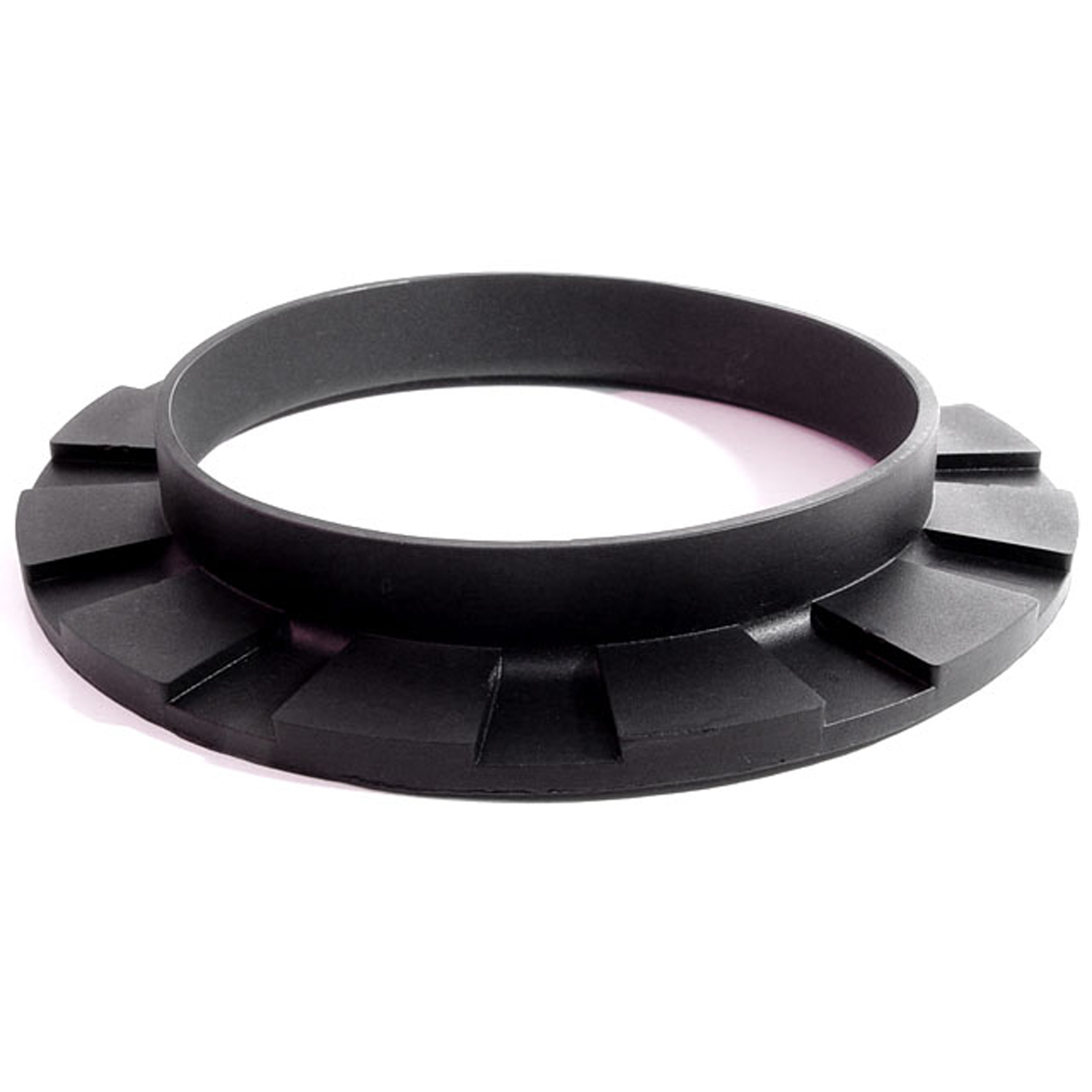 1970 Buick LeSabre Front coil-spring insulator-BN 110Front coil-spring insulator. Fits '41-'60 Oldsmobile and '50-'83 GM passenger models. 5-3/8 in. OD x 3-3/4 in. ID x 3/4 in. high with 13/16 in. wide bottom flange 1/4" thick, 12 flutes. Each.
 1970 Buick LeSabre Front Stabilizer End Repair Kit-BNK 23Front Stabilizer End Repair Kit. 22-piece set for two stabilizer bars. Contains all rubber bushings, washers, bolts and nuts, enough for one front end. Set
 1970 Buick LeSabre Convertible Top Windshield Header Seal-C/LP 40-GConvertible Top Windshield Header Seal. Clips installed every 3-5/8". Made of soft, black, skin-covered sponge. Sold by the foot.
 1970 Buick LeSabre Park Brake Pedal Pad. 2-9/16" wide. Each-CB 99-APark Brake Pedal Pad. 2-9/16" wide. Each
 1970 Buick LeSabre Auto Brake Pedal Pad. 5-7/8" wide. Each-CB 99-BAuto Brake Pedal Pad. 5-7/8" wide. Each
 1970 Buick LeSabre Windshield Pillar Post Seals for Convertibles-CZ 8106Windshield Pillar Post Seals for Convertibles. Two pieces, 25" long. Pair
 1970 Buick LeSabre Top Bow to Header Seal (fits late '66-'70 GM "B" body-HD 731Top Bow to Header Seal (fits late '66-'70 GM "B" body, '65-'70 GM "C" body). Made of smooth, skin-covered sponge, with steel core and molded ends, like original. 56-1/2" Long. Each
 1970 Buick LeSabre Rear Hood Bumper. Each-HF 27Rear Hood Bumper. Each
 1970 Buick LeSabre Molded Door Seals. For 2-door hardtop and convertible-LM 18-IMolded Door Seals. For 2-door hardtop and convertible. Replaces OEM #8781162/3. Pair R&L
 1970 Buick LeSabre Front Molded Door Seals. For 4-Door Sedan. Pair R&L-LM 21-HFront Molded Door Seals. For 4-Door Sedan. Pair R&L
 1970 Buick LeSabre Rear Molded Door Seals. For 4-door Sedan. Pair R&L-LM 21-H/RRear Molded Door Seals. For 4-door Sedan. Pair R&L
 1970 Buick LeSabre Trunk Liner. Loose weave-M 23Trunk Liner. Loose weave. Black with scattered white threads. 54" wide. Sold by the foot
 1970 Buick LeSabre Basic Kit, for 2-Door Hardtop-RKB 2007-110Basic Kit, for 2-Door Hardtop. Door (LM 18-I) Roof Rail (RR 5014) Trunk (TK 46-18), Seals.
 1970 Buick LeSabre Basic Kit, for Convertibles-RKB 2007-113Basic Kit, for Convertibles. Door (LM 18-I) Roof Rail (RR 1811-B) Trunk (TK 46-18) Header (HD 731), Seals.
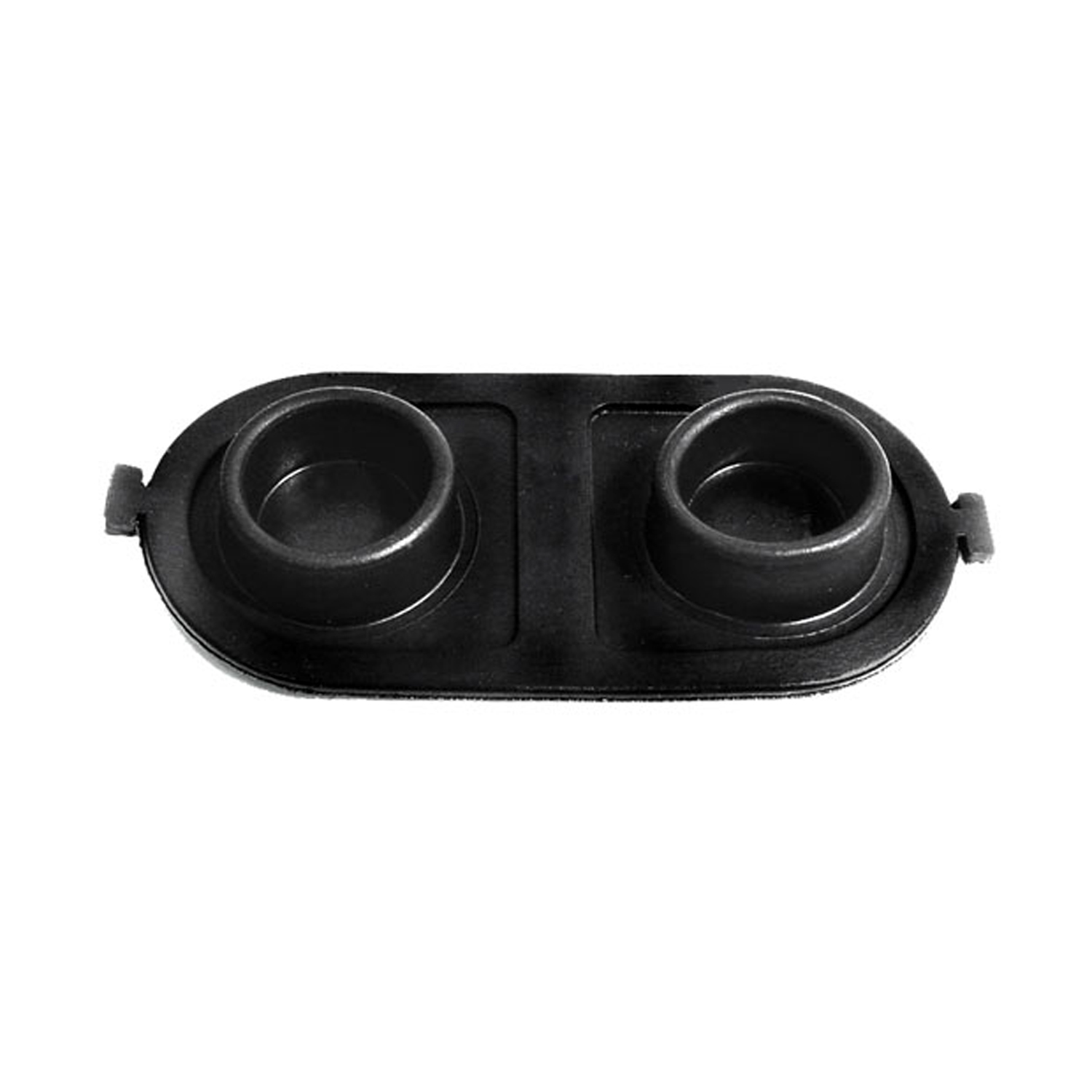 1970 Buick LeSabre Brake Master Cylinder Cover Seal. Replaces OEM #5470861-RP 2-EBrake Master Cylinder Cover Seal. Replaces OEM #5470861. 5" X 2-1/2". Each
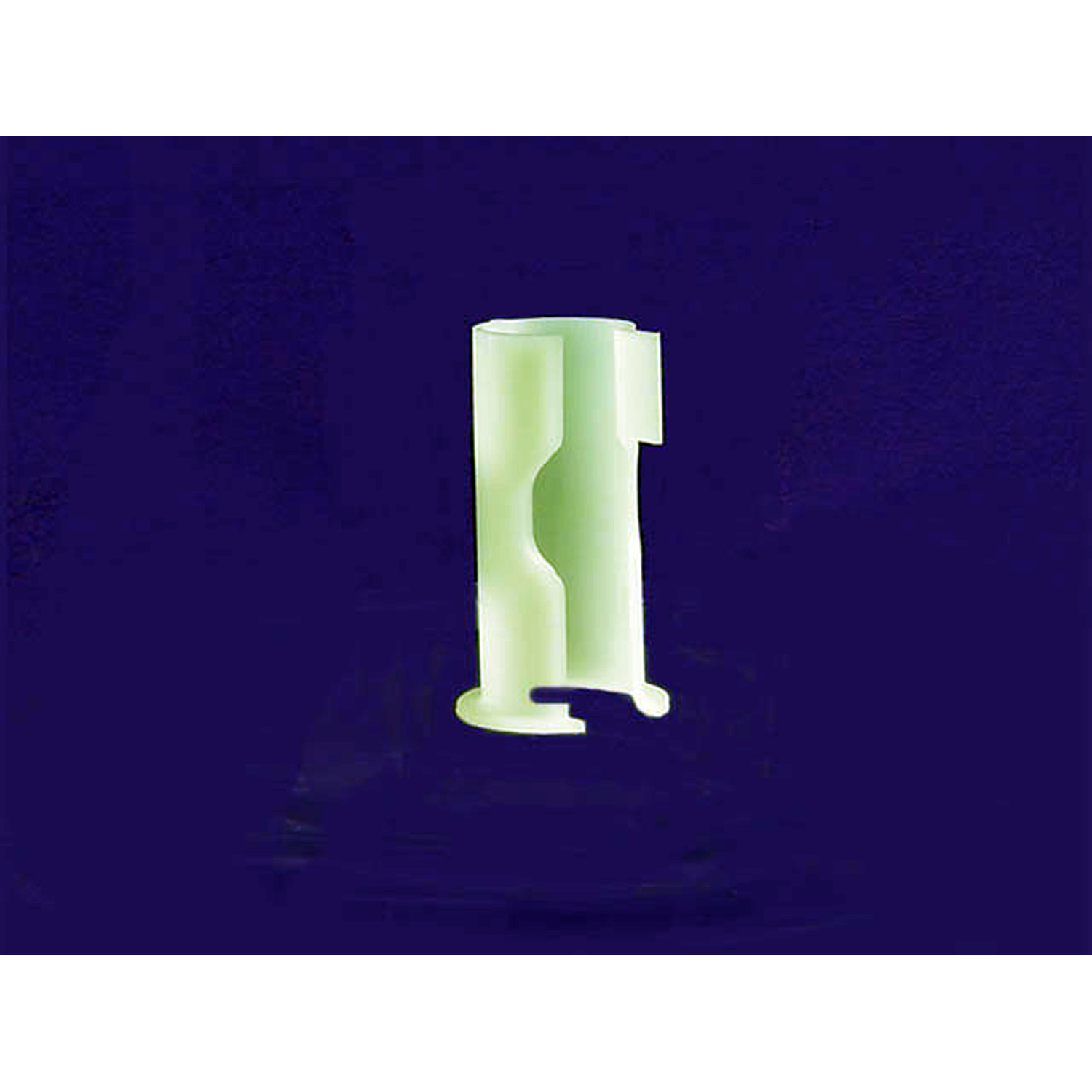 1970 Buick LeSabre Sun Visor Support Sleeve. Clear plastic. Each-RP 303-ASun Visor Support Sleeve. Clear plastic. Each
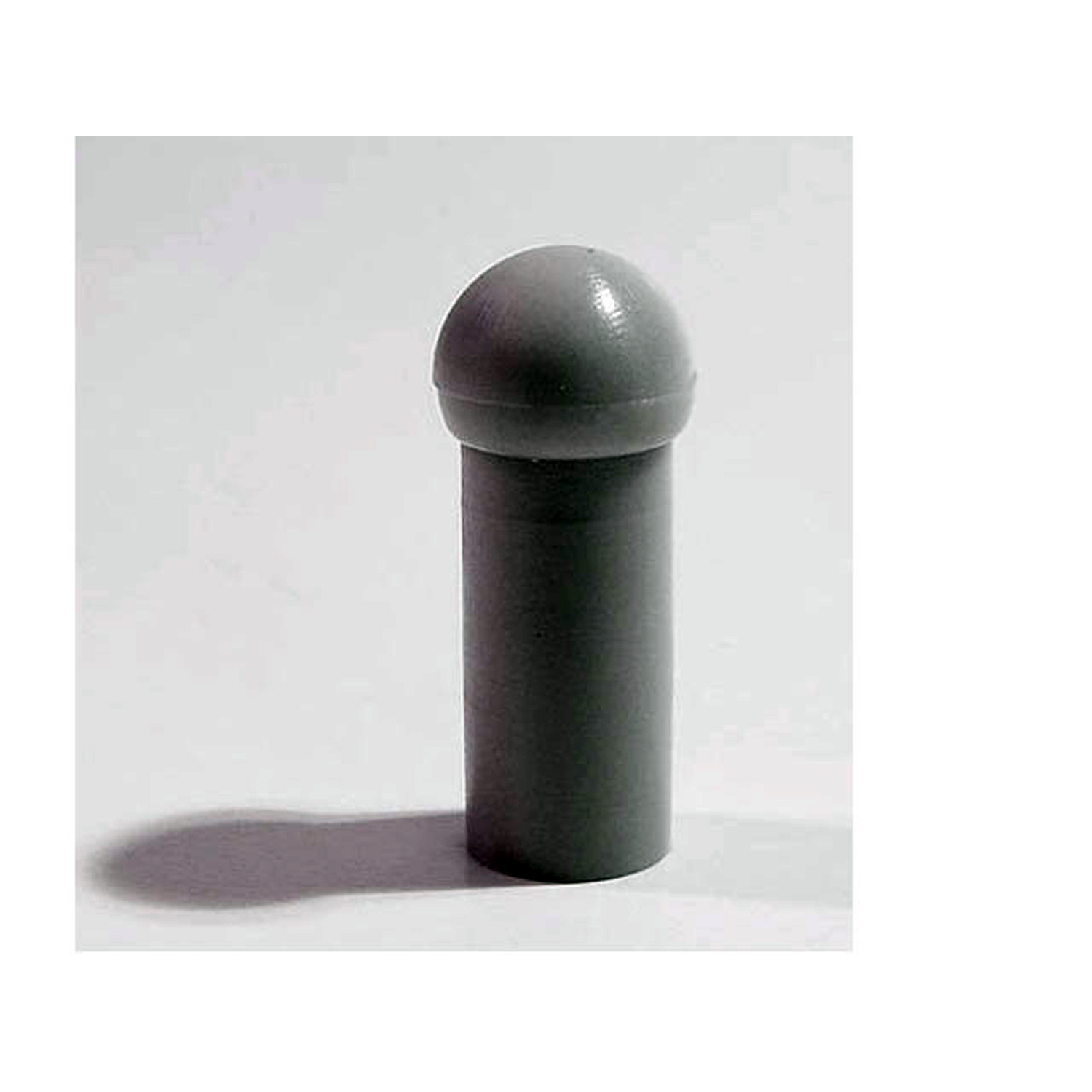 1970 Buick LeSabre Sun Visor Rod Rubber Grommet. 3/4" long. Gray. Each-RP 303-CSun Visor Rod Rubber Grommet. 3/4" long. Gray. Each
 1970 Buick LeSabre Molded Roof Rail Seals, for Convertibles-RR 1811-BMolded Roof Rail Seals, for Convertibles. 6-Piece set, with steel cores (remove rear flaps for '69-'70 Chevrolet). For molded sponge header seal, order part #HD 731.
 1970 Buick LeSabre Molded Roof Rail Seals, for 2-Door Hardtop. Pair R&L-RR 5014Molded Roof Rail Seals, for 2-Door Hardtop. Pair R&L
 1970 Buick LeSabre Molded Roof Rail Seals, for 2-Door Sport Hardtop. Pair R&L-RR 5014-AMolded Roof Rail Seals, for 2-Door Sport Hardtop. Pair R&L
 1970 Buick LeSabre Molded Roof Rail Seals for 4-Door Hardtop. Pair-RR 5014-BMolded Roof Rail Seals for 4-Door Hardtop. Pair
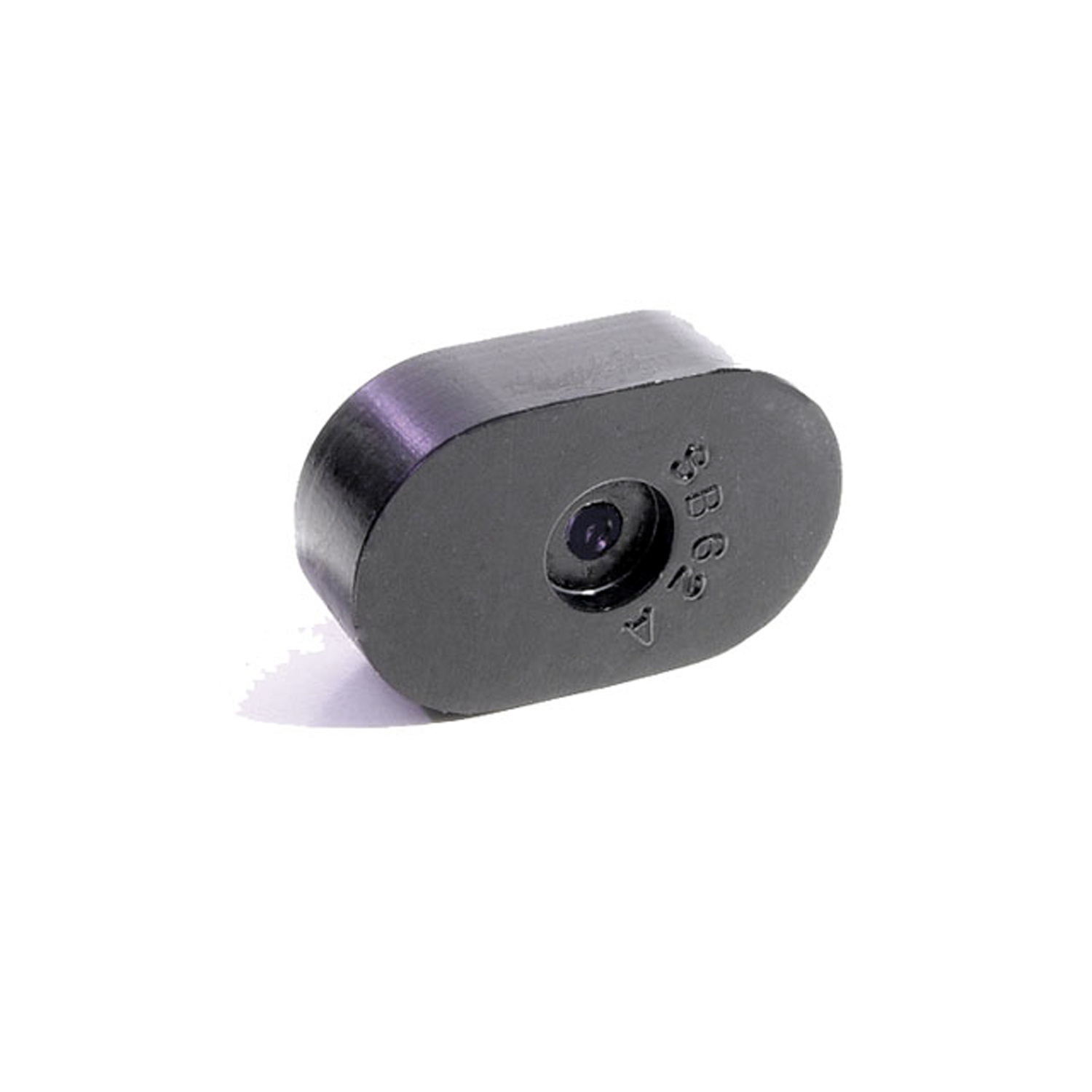 1970 Buick LeSabre Seat Bumper. Made with steel core like original-SB 62-ASeat Bumper. Made with steel core like original. 1-1/2" long, 7/16" thick. Two used per car. Each
 1970 Buick LeSabre Bumper Brace to Filler Panel Spacer, 68-71 Chevy A Body, 67-71 GM B Body Exc Wgn-SB 68Bumper Brace to Filler Panel Spacer, 68-71 Chevy A Body Except Wagons, 67-71 GM B Body Except Wagons, Each. Replaces OEM # 3895100.
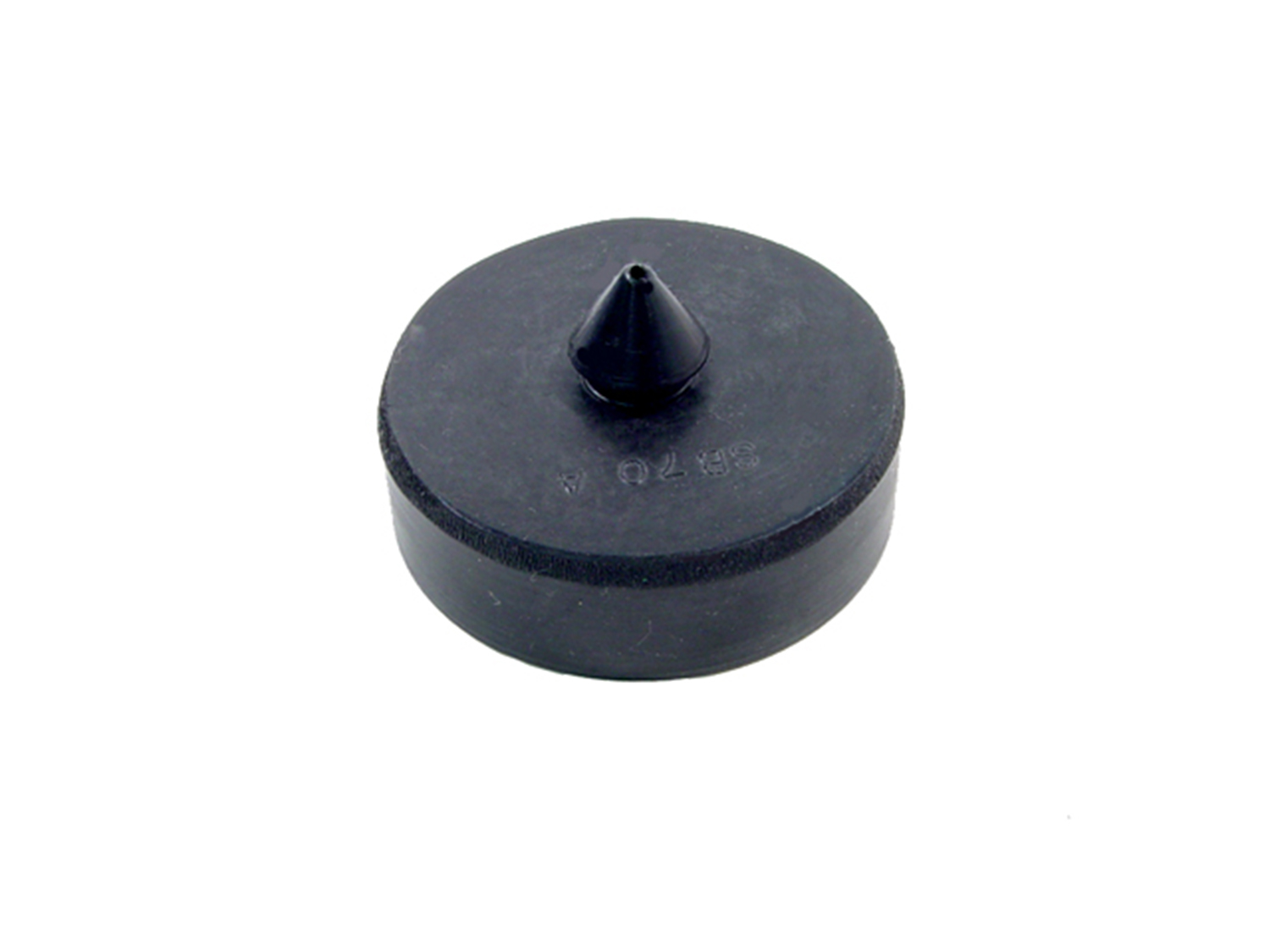 1970 Buick LeSabre Front door window stop bumper. ’70-’81 GM passenger cars-SB 70-AFront door window stop bumper. '70-'81 GM passenger cars. Dense rubber. Replaces OEM# 9810036. Each.
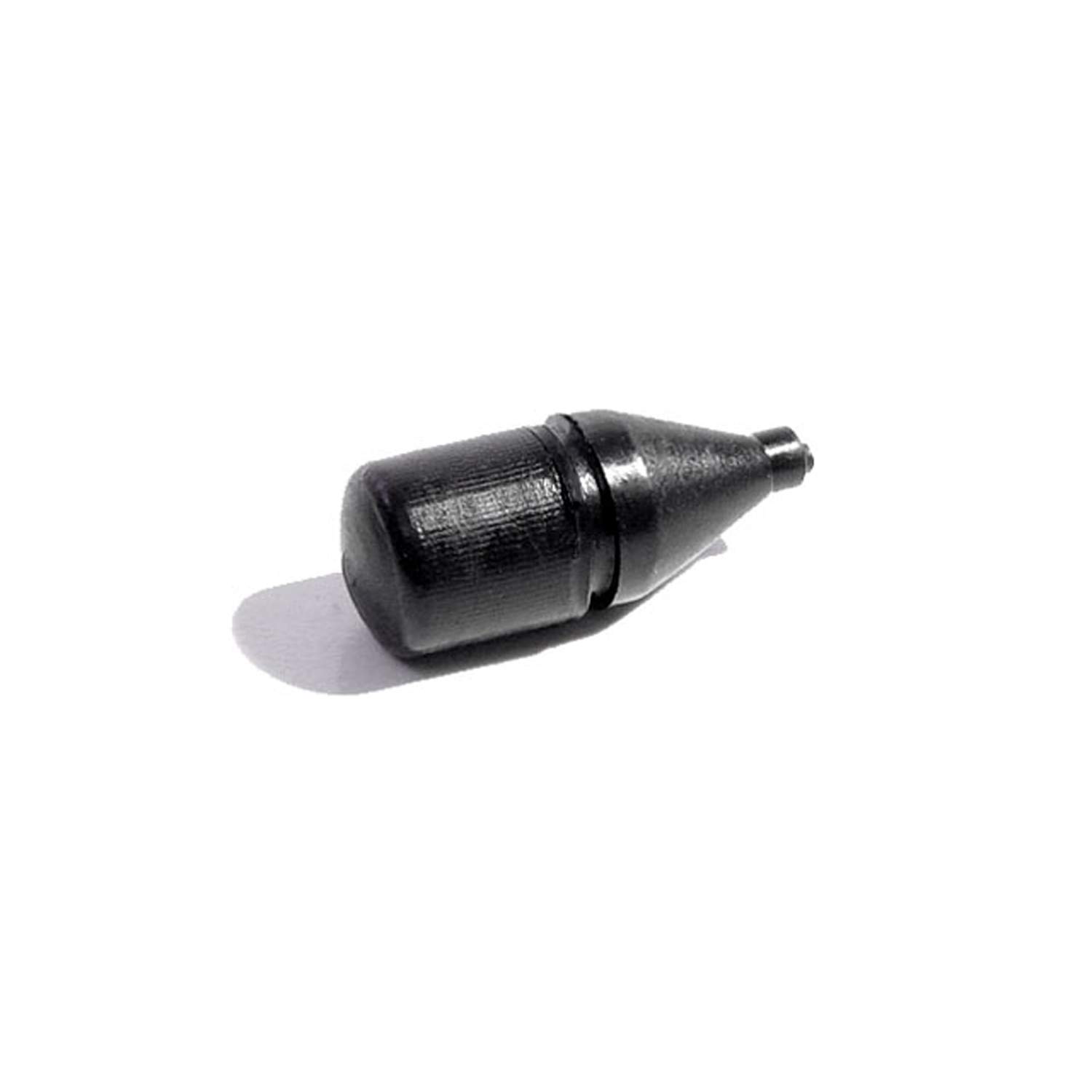 1970 Buick LeSabre Fuel Door Bumper. 7/8" high, 5/16" O.D. Each-SB 81Fuel Door Bumper. 7/8" high, 5/16" O.D. Each
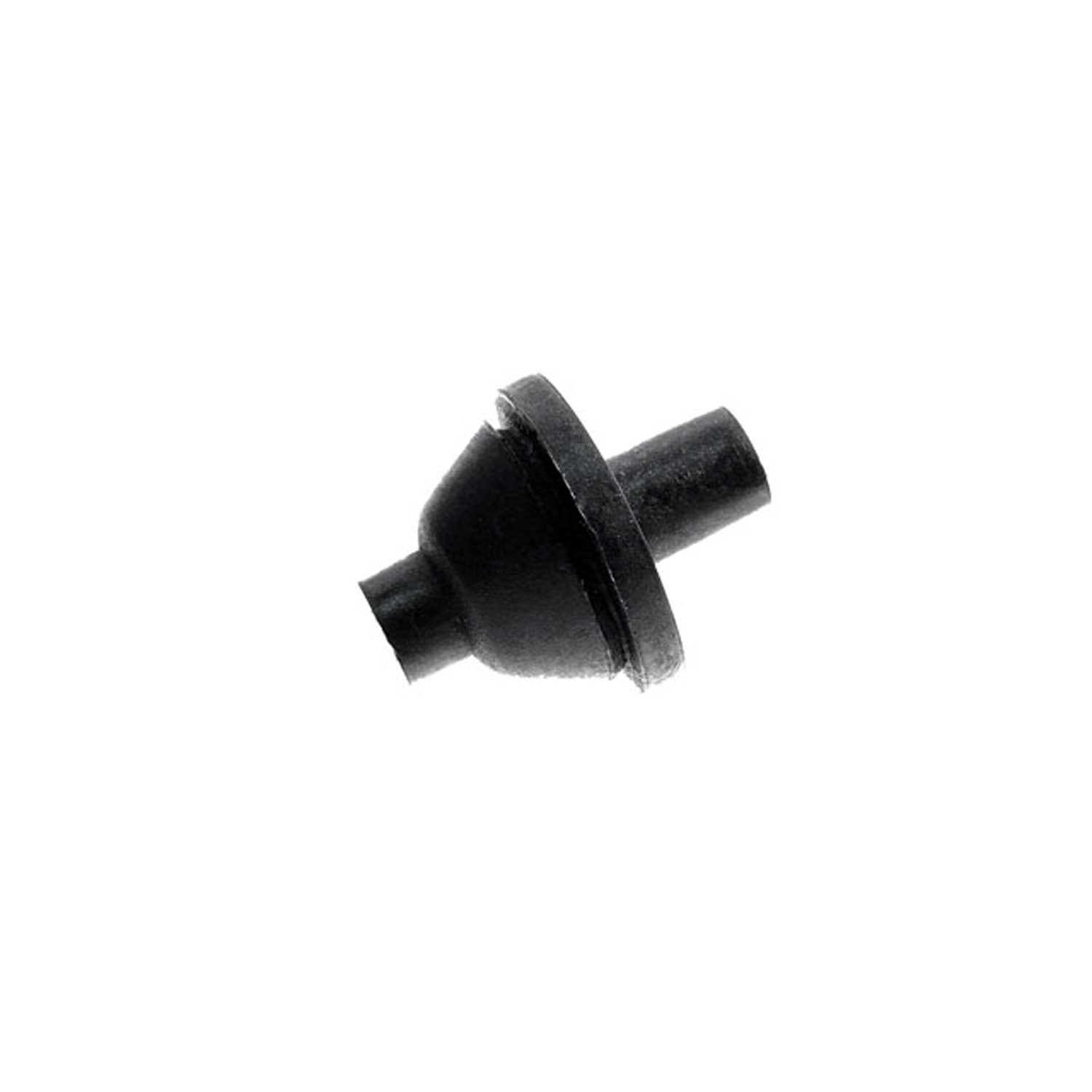 1970 Buick LeSabre Dash and Firewall Grommet. Single-hole type is for one wire-SM 101Dash and Firewall Grommet. Single-hole type is for one wire. Each
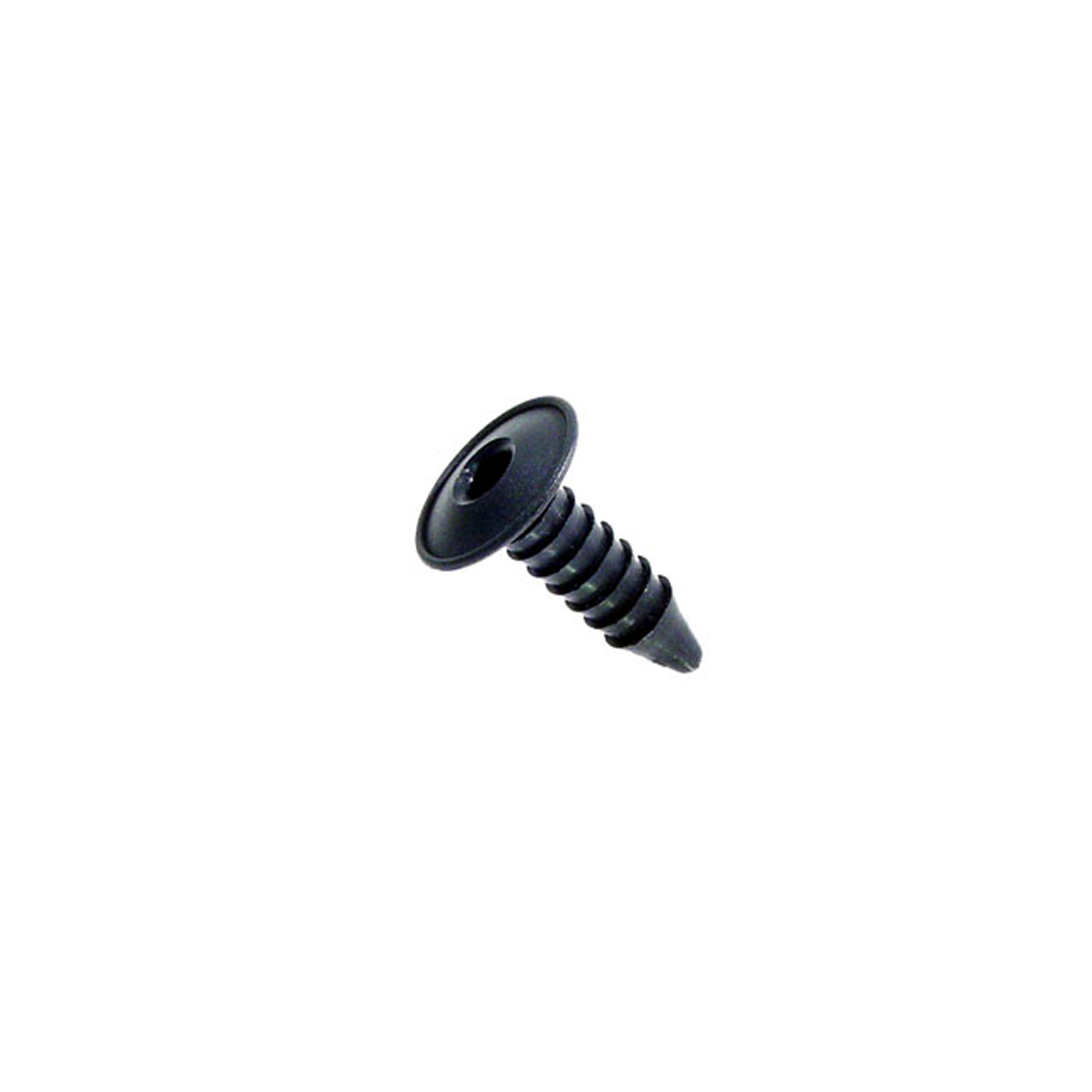 1970 Buick LeSabre Firewall insulation fastener. 1 in. dia. W head. 1-1/2 in. L-SM 80-AFirewall insulation fastener. 1 in. dia. W head. 1-1/2 in. L. Replaces OEM#'s (GM) 7642589 and (AMC) 4001934. Black. Each.
 1970 Buick LeSabre Trunk Seal. 18 feet long. Each-TK 46-18Trunk Seal. 18 feet long. Each
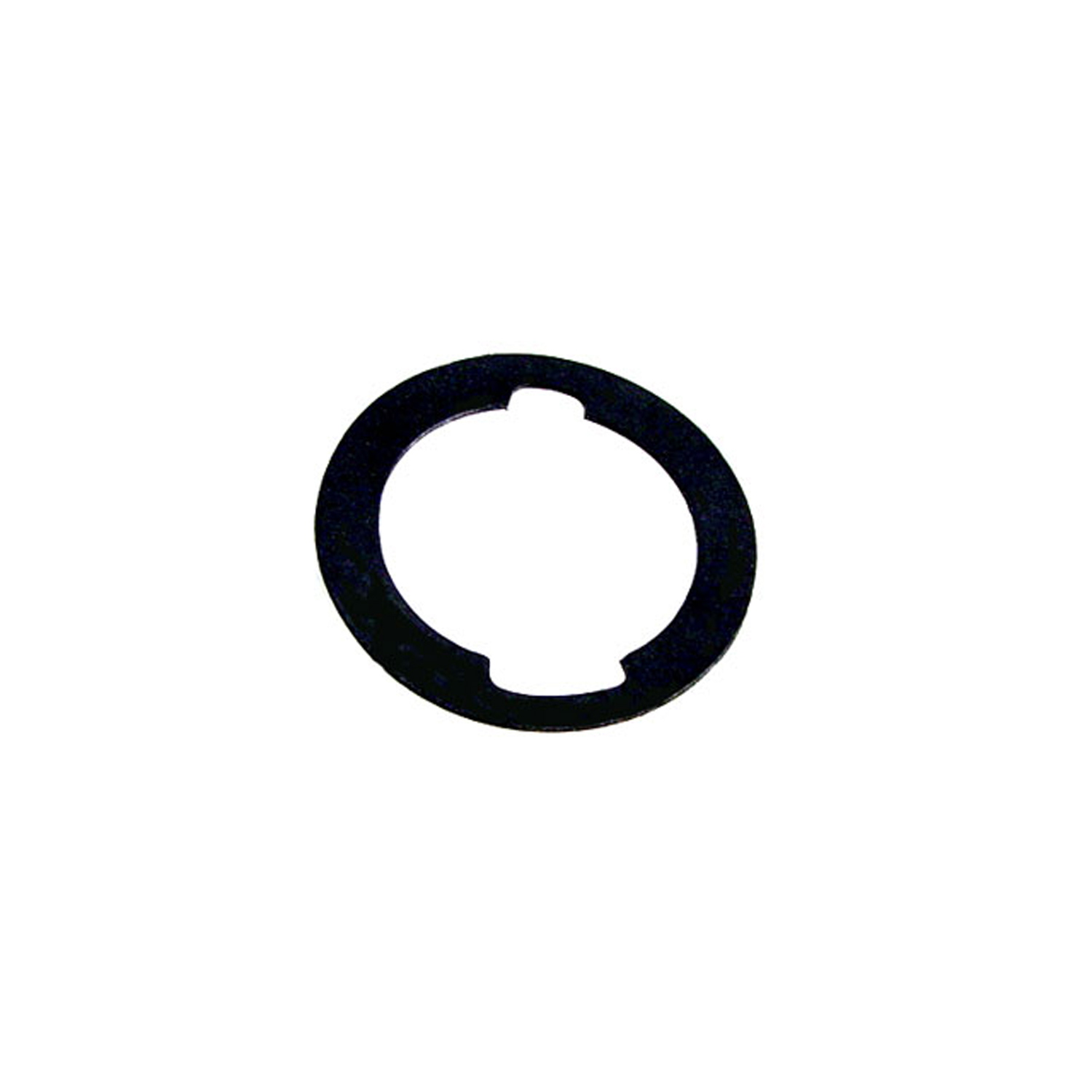 1970 Buick LeSabre Unbeaded Door and Trunk Lock Gasket. 1-3/16" O.D., 7/8" I.D-UM 1600-100Unbeaded Door and Trunk Lock Gasket. 1-3/16" O.D., 7/8" I.D. Each
 1970 Buick LeSabre Rear Roll-Up Quarter Window Seals-VS 3-MRear Roll-Up Quarter Window Seals, for 2-Door Hardtops and Convertibles. Made with a steel core stiffener. 16-1/2" long. Pair
 1970 Buick LeSabre Rear Roll-Up Quarter Window Seals-VS 3-MXRear Roll-Up Quarter Window Seals, for 2-Door Hardtops and Convertibles. Made without steel core. 16-1/2" long. Pair
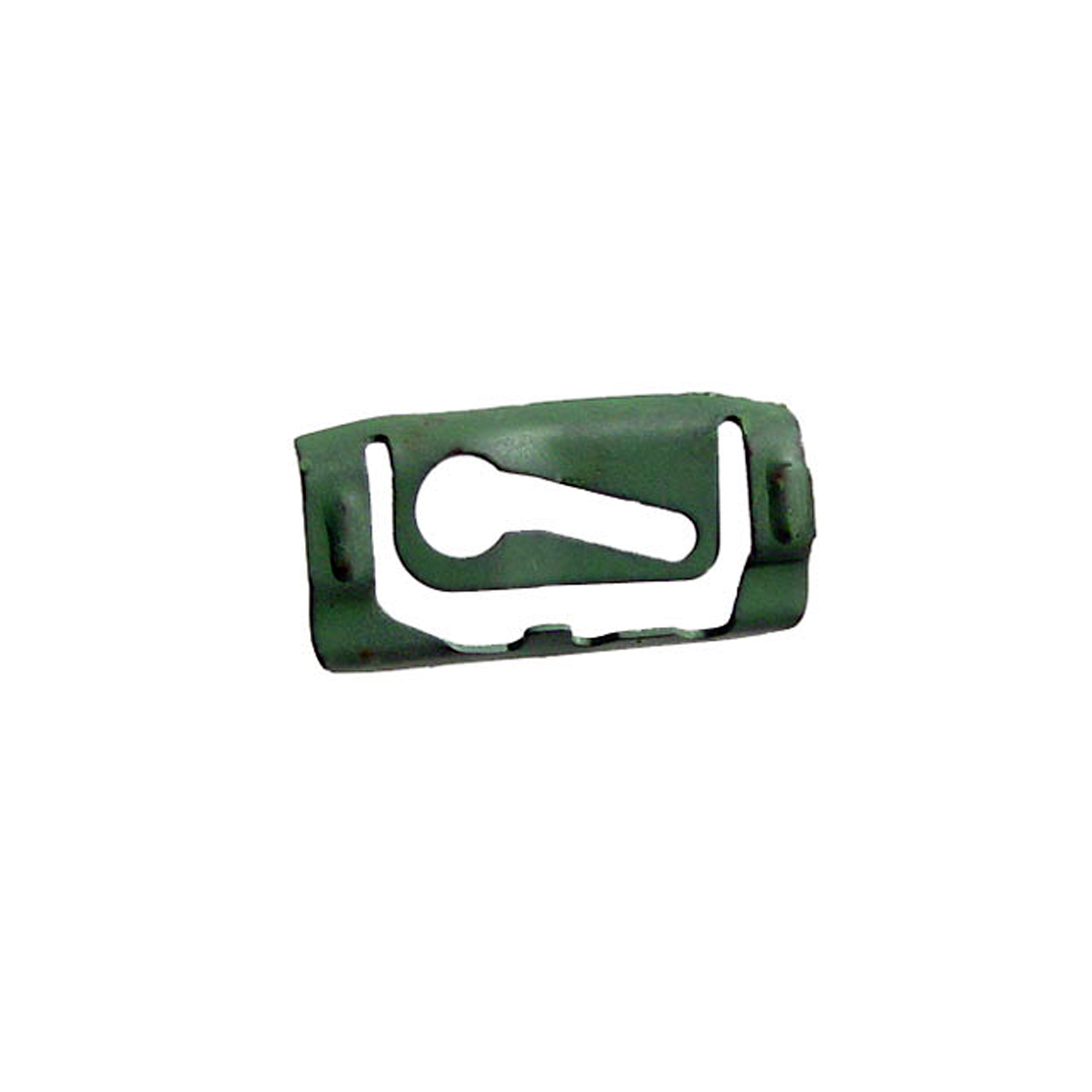 1970 Buick LeSabre Quarter Window Reveal Molding Clip. Made of Steel-WF 205Quarter Window Reveal Molding Clip. Made of Steel. 1-3/8" X 11/16". Each
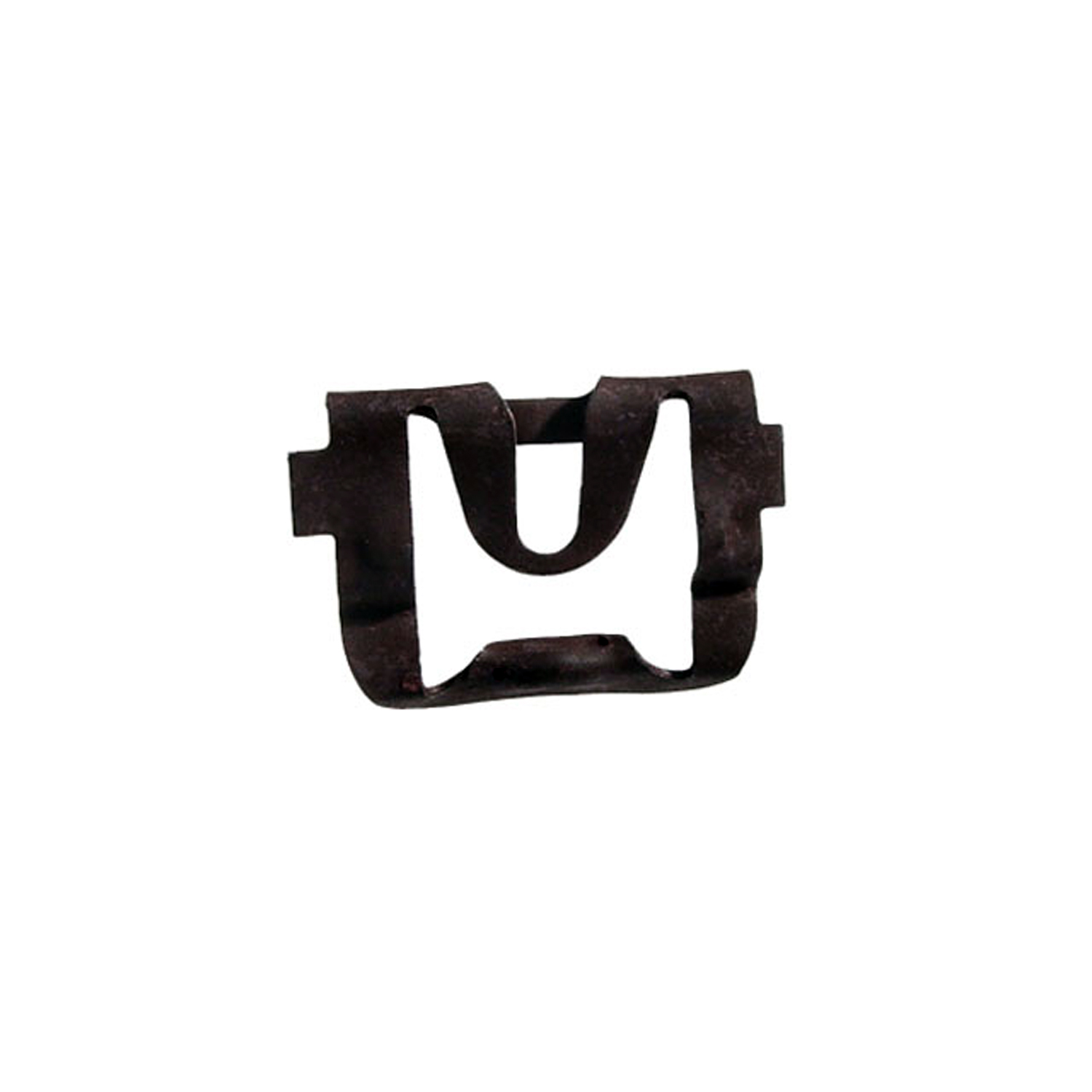 1970 Buick LeSabre Rear Windshield Reveal Molding Clip. Made of steel-WF 211Rear Windshield Reveal Molding Clip. Made of steel. 15/16" X 3/4". Each
Why Choose Metro?
For over 100 years, Metro Moulded Parts has been the pinnacle of quality in classic car restoration parts. Our commitment to precision and authenticity in every component ensures a perfect fit and an OEM-level appearance.
- Expert Craftsmanship & Quality: Each part is a testament to our dedication to reliability and perfection, crafted from original designs and thoroughly tested.
- Advanced Technology: We use cutting-edge techniques to create flawless, long-lasting parts that surpass others in performance.
- SuperSoft Sponge – The Ultimate Door Seal: Not only are our door seals 30% softer than competitors', but they're also guaranteed to never leak. They effectively reduce wind and road noise, enhancing your classic car's comfort and driving experience.
- Proudly American: Our parts are a product of American craftsmanship, made in the USA with a spirit of excellence and heritage.
- Unrivaled Warranty: We back our products with a 30-year industry-leading warranty, a testament to our confidence in their quality.
Join us in preserving the legacy of classic cars with parts that are crafted for perfection, not just made.