

Image of 1972 Buick Electra, Note: These illustrations use artistic license and may differ from actual historical models.
Performance Metrics
Fundamental Metrics
Emotional Appeal
MMP Rating
| Engine Specifications | |
|---|---|
| Engine: | 455 cu in (7.5 L) V8 |
| Displacement: | 455 cu in (7.5 L) |
| Horsepower: | 225-250 hp |
| Torque: | 375-510 lb-ft |
| Compression Ratio: | 8.5:1 |
| Ignition System: | Conventional breaker-point ignition system |
| Cooling System: | Liquid-cooled |
| Performance Specifications | |
| 0-60 Time: | 8.5 seconds |
| 1/4 Mile Time: | 16 seconds |
| Top Speed: | 125 mph |
| Transmission and Drive | |
| Drive Type: | Rear-wheel drive |
| Transmission Type: | 3-speed automatic |
| Fuel and Efficiency | |
| Fuel System Type: | Carburetor |
| MPG: | 10-12 mpg |
| Dimensions and Brakes | |
| Brakes: | Power-assisted front disc and rear drum brakes |
| Wheelbase: | 127 in (3,226 mm) |
| Weight: | 4,500 lbs |
Note: Specifications for classic cars are given to the best of our ability, considering the limited and variant data available.
1972 Buick Electra: A Full-Size American Flagship
The 1972 Buick Electra was built to make distance feel effortless. Long, broad, and powered by a big-block V8, it sat near the top of Buick’s lineup as a luxurious full-size car for buyers who wanted comfort, presence, and quiet authority rather than sports-car agility.
Buick, a division of General Motors, introduced the Electra name in 1959. The name is associated with sculptor Electra Waggoner Biggs, and the original Electra 225 was famously close to 225 inches long. By 1972, the Electra 225 measured about 225 inches overall, giving its “Deuce and a Quarter” nickname a pleasingly literal ring.
The 1972 model arrived at a turning point for American cars. It was part of the last generation of Electras before the larger styling and bumper changes of the following years, and 1972 was also an important year for horsepower ratings: manufacturers were moving from optimistic gross figures to more realistic SAE net ratings. That shift can make a 1972 car’s published horsepower look modest beside an earlier model, even when the engine remains impressively strong.
Long Lines and Buick Details
The Electra’s exterior is all confident proportions. Its long hood, broad grille, substantial bumpers, and sweeping sides give it the formal look expected of a Buick flagship. Four VentiPorts on each front fender provide a classic Buick signature, while the long rear deck and generous overhang emphasize the car’s considerable length. Depending on trim and equipment, wheel covers, bright moldings, and vinyl-roof treatments added even more visual formality.
Inside, the Electra puts comfort ahead of cockpit drama. The dashboard stretches across the cabin, and the wide seats, generous legroom, and soft ride make the car feel more like a rolling lounge than a driver-focused machine. Buyers could choose upholstery and trim in materials and finishes appropriate to the trim level, including vinyl and cloth combinations, with richer appointments available on upscale versions. Power windows, power seats, air conditioning, cruise control, and other convenience features could be added, though equipment varied by car.
The 1972 Electra 225 range included two-door hardtop, four-door hardtop, and four-door sedan body styles. The two-door hardtop has an especially sleek profile, but four-door versions were popular choices for families and chauffeur-style use. Buick also sold the separate Estate Wagon in this era, but it was marketed as its own model rather than simply being an Electra wagon body style.
Factory paint choices covered the period’s familiar palette of whites, blues, greens, reds, golds, and earth tones, with availability and color names varying by trim and production details. Today, original paint and unusual factory combinations can add appeal, but buyers often favor the rich metallic colors and contrasting vinyl roofs that make the car’s long body stand out.
Big-Block Power, Smooth-Speed Manners
A 455-cubic-inch Buick V8 was the Electra’s defining mechanical feature. For 1972, the four-barrel engine was rated at about 250 horsepower under the newer SAE net system. Its strong low-speed torque, commonly quoted at roughly 455 lb-ft depending on the rating reference, suited the car’s mission perfectly: move a heavy luxury sedan with minimal fuss. A Turbo Hydra-Matic automatic transmission was standard equipment, sending power to the rear wheels.
Period road-test figures vary with body style, gearing, condition, and test method. A sound example can be expected to reach 60 mph in roughly 9 to 10 seconds, with a top speed in the neighborhood of 115 mph. Those are estimates, not promises of factory-tested performance for every car. The Electra’s real talent was not setting a speed record. It was gathering speed smoothly and keeping the engine relaxed on the highway.
Behind the wheel, the 455 produces a deep, unhurried V8 note. The automatic transmission shifts without asking the driver to think about it, while power steering makes low-speed turns manageable despite the car’s size. The suspension favors a soft, composed ride, so broken pavement and highway joints are generally absorbed rather than announced. On winding roads, however, the Electra’s weight, soft suspension, and wide turning circle are hard to ignore. It is best driven with a calm hand and room to maneuver.
A Luxury Car at an Industry Turning Point
The Electra did not invent the American luxury car, but it delivered Buick’s interpretation with a distinctive blend of size, V8 torque, restrained styling, and upscale comfort. Compared with smaller or sportier contemporaries, it offered more cabin room and a more relaxed long-distance character. Its VentiPorts and formal proportions also helped preserve a recognizable Buick identity as manufacturers increasingly shared platforms and mechanical components across their divisions.
The 1972 model’s place in the transition from gross to net horsepower ratings is part of its historical interest. The new figures better represented an engine as installed in a production car, with accessories and exhaust equipment in place. As a result, the 455’s rating should not be compared directly with earlier gross-horsepower numbers without considering the change in measurement. The car captures a moment just before fuel economy, emissions rules, and changing consumer priorities began reshaping the big American luxury sedan.
Ownership, Maintenance, and Common Concerns
Most Electras today are used as weekend cruisers, touring cars, or show vehicles. Some owners keep them as occasional drivers, but their length, fuel consumption, and older safety equipment make them less convenient for modern daily use. The Electra is not a natural racing car, although its torquey engine and comfortable ride make it excellent for relaxed highway trips.
The 455 and Turbo Hydra-Matic are well-known pieces of GM hardware, and many routine repairs are within reach of an experienced home mechanic. Parts availability is generally reasonable for common service items, while correct trim pieces, interior details, and model-specific exterior parts can take more searching. Before buying, inspect the frame and body mounts, lower body panels, wheel arches, trunk floor, and any vinyl-roof area for rust. Also check the cooling system, transmission behavior, power accessories, and the condition of the brakes and suspension. A neglected luxury car can require expensive catch-up work even if its engine starts readily.
Electra Trivia and Honest Drawbacks
The Electra 225’s “Deuce and a Quarter” nickname became one of Buick’s best-known pieces of automotive slang, drawing on the model’s original 225-inch length. The 1972 car stayed remarkably close to that figure. Its four VentiPorts per front fender are another quick identification clue, though trim details can vary across years and versions.
There is no widely recognized production speed or endurance record associated with the 1972 Electra. Its distinction is more about scale, comfort, and the Buick 455 than competition. It is also not famous for one defining celebrity ownership story. The car’s strongest claim to lasting attention is its place among the final generations of classic, large American luxury sedans.
Common criticisms are straightforward: the Electra is thirsty, difficult to park in tight spaces, and less nimble than a smaller car. Its soft suspension can feel floaty to drivers used to modern handling, and its size makes careful inspection important because body repairs can be costly. Those trade-offs are part of the package, not hidden flaws in the design.
Collector Values and Availability
Exact production totals can be difficult to pin down when figures are separated by trim and body style. A reasonable broad estimate is roughly 70,000 to 90,000 Electras across the 1972 model range, rather than a precise number for every configuration. That makes the model uncommon today, but not exceptionally rare. Survivors are available through classic-car listings, auctions, Buick clubs, and private sales, with condition and originality making a greater difference than simple production numbers.
As a general North American market guide, a project or rough driver may sell for about $4,000 to $8,000. A usable, presentable car often falls around $8,000 to $18,000, while a very clean, well-maintained example may bring roughly $18,000 to $30,000. Exceptional, highly original, or professionally restored cars can reach approximately $30,000 to $40,000 or more, especially when the color, trim, and documentation are desirable. These are broad estimates; regional demand and the condition of the body and interior can move prices considerably.
Values tend to reward quality rather than dramatic short-term appreciation. The Electra has a loyal audience, but it is not as widely chased as some muscle cars or high-profile convertibles. Clean, original examples are becoming harder to find, which supports interest in good cars. Poorly maintained examples remain costly to restore relative to their market value, so a careful purchase is usually wiser than betting on an inexpensive project.
Why the 1972 Electra Still Matters
The 1972 Buick Electra combines a landmark 455 V8, formal full-size styling, roomy appointments, and the smooth ride that defined Buick luxury. It represents the closing chapter of an era when American flagship cars were measured in inches, cubic inches, and miles of effortless cruising. For collectors and drivers who appreciate that old-school approach, the Electra is more than a big car: it is a substantial piece of Buick history, built to make every journey feel unhurried.
1972 Buick Electra Catalog of Parts
 1972 Buick Electra RE-ISSUE. Door lock-pillar seal-ALP 5055RE-ISSUE. Door lock-pillar seal. Fits '71-'73 GM B-, C- and E-body 2-door hardtop, coupe and convertible (including Cadillac). This part has been completely re-designed from scratch with new cores and new molds. Replaces OEM#'s 9640451/2. Pair. R&L.
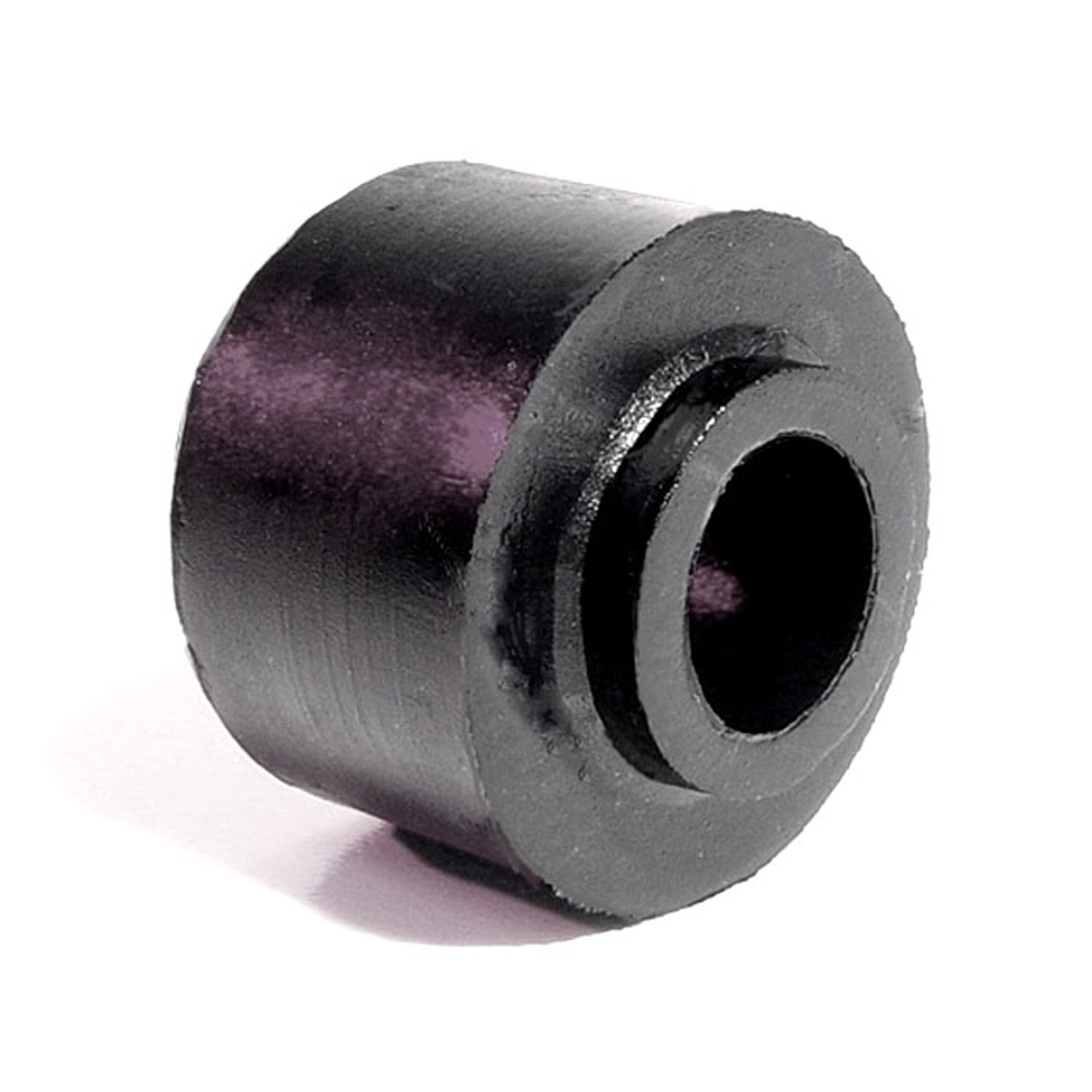 1972 Buick Electra Shock Absorber Grommet. 1" bottom O.D., 3/4" high-BN 1Shock Absorber Grommet. 1" bottom O.D., 3/4" high., with 7/16" I.D. Each
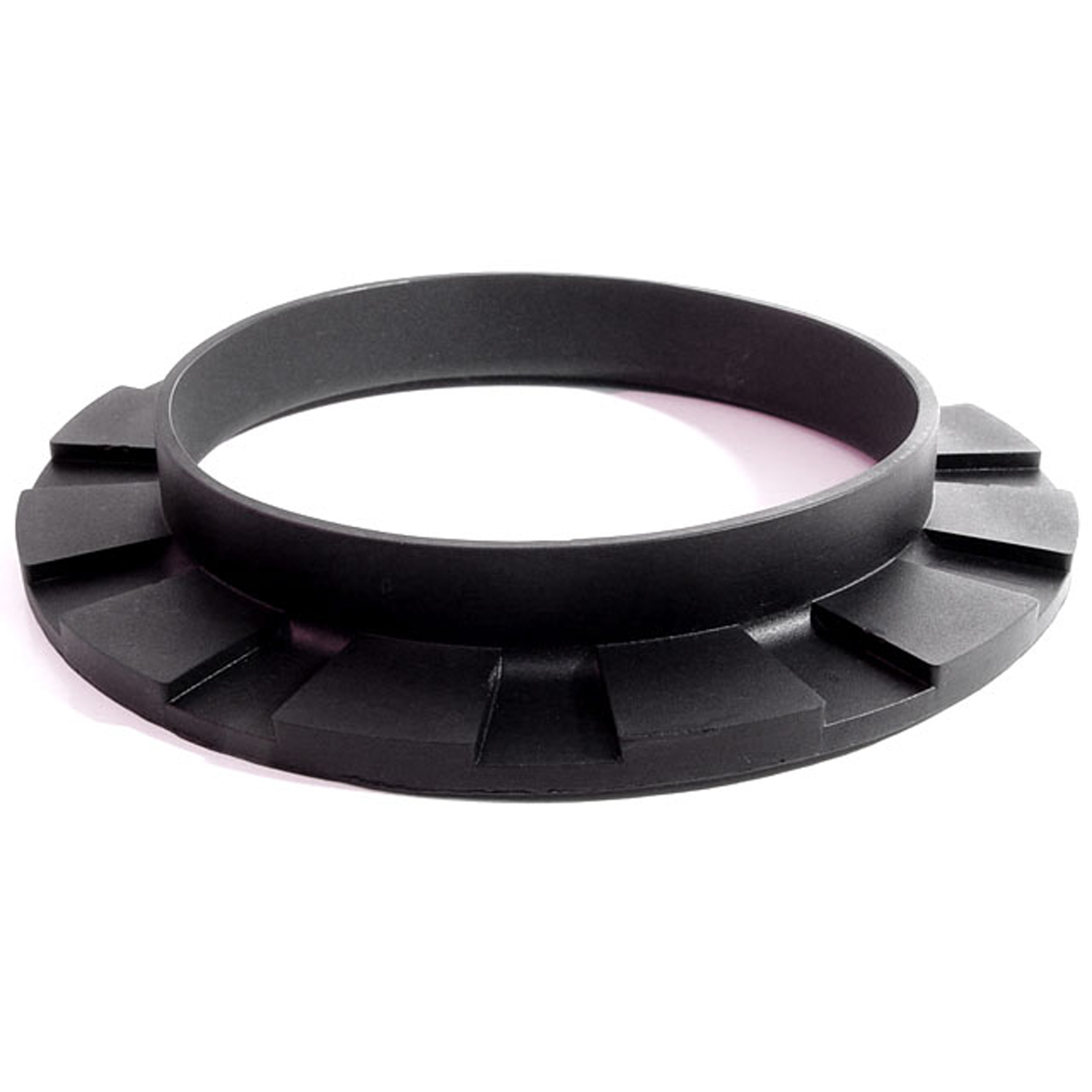 1972 Buick Electra Front coil-spring insulator-BN 110Front coil-spring insulator. Fits '41-'60 Oldsmobile and '50-'83 GM passenger models. 5-3/8 in. OD x 3-3/4 in. ID x 3/4 in. high with 13/16 in. wide bottom flange 1/4" thick, 12 flutes. Each.
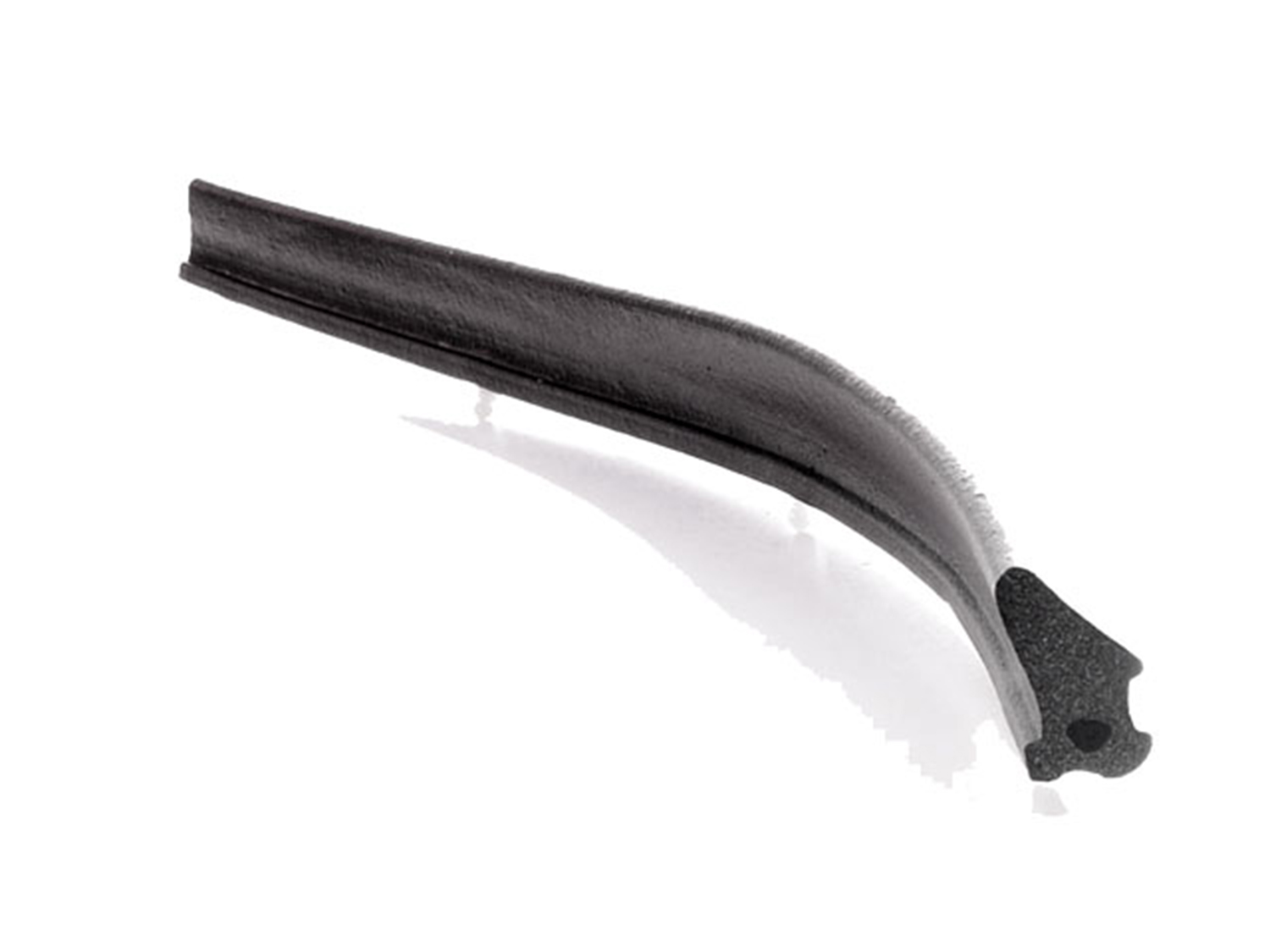 1972 Buick Electra Door Side Seal-C/LP 40-KDoor Side Seal. Made of smooth skin sponge extrusion, with clips installed. (For seal without clips, see LP 40-K) Sold by the foot.
 1972 Buick Electra Rear Hood Bumper. Each-HF 27Rear Hood Bumper. Each
 1972 Buick Electra Molded Door Seal with Clips, Pair-LM 21-RDoor Seal for Rear Doors, 71-74 GM C Body 4 Door Hardtops (Except Cadillac), Pair, R&L. Replaces OEM #'s 9697680/9697681. Proudly MADE IN AMERICA and manufactured with Metro’s SUPERsoft Sponge™ - our vastly superior soft yet durable EPDM sponge rubber compound - to protect against the elements. SUPERsoft™ rubber
 1972 Buick Electra Trunk Liner. Loose weave-M 23Trunk Liner. Loose weave. Black with scattered white threads. 54" wide. Sold by the foot
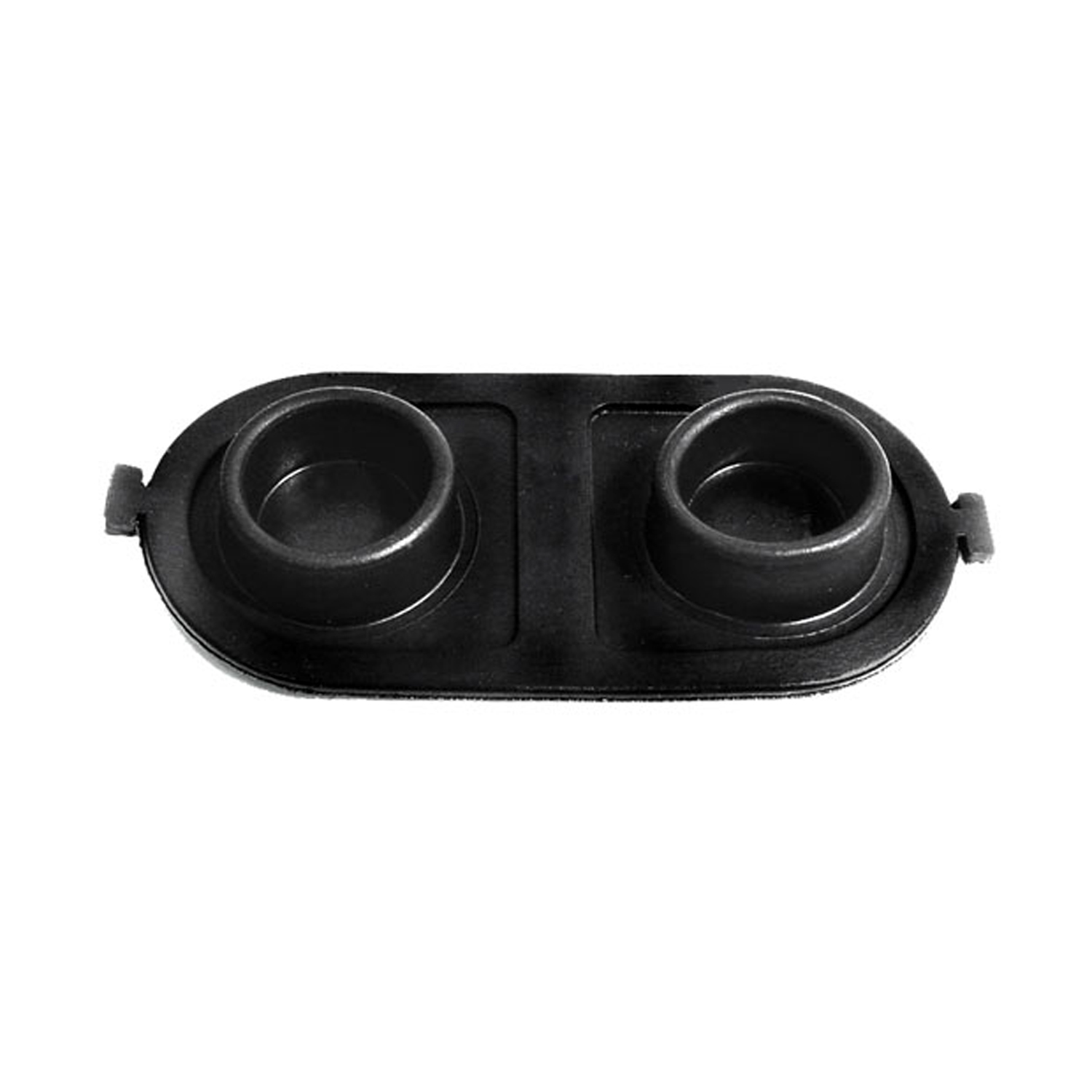 1972 Buick Electra Brake Master Cylinder Cover Seal. Replaces OEM #5470861-RP 2-EBrake Master Cylinder Cover Seal. Replaces OEM #5470861. 5" X 2-1/2". Each
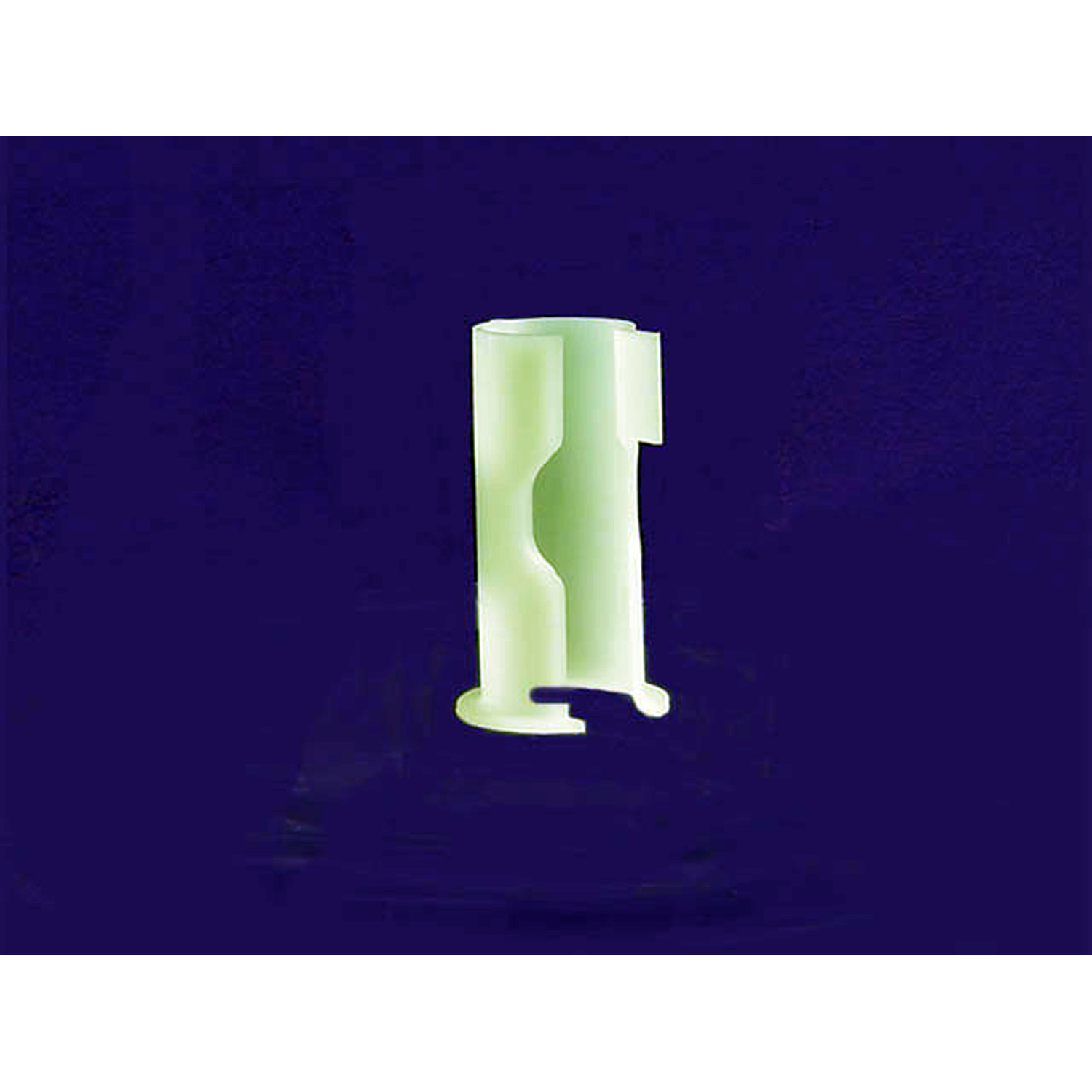 1972 Buick Electra Sun Visor Support Sleeve. Clear plastic. Each-RP 303-ASun Visor Support Sleeve. Clear plastic. Each
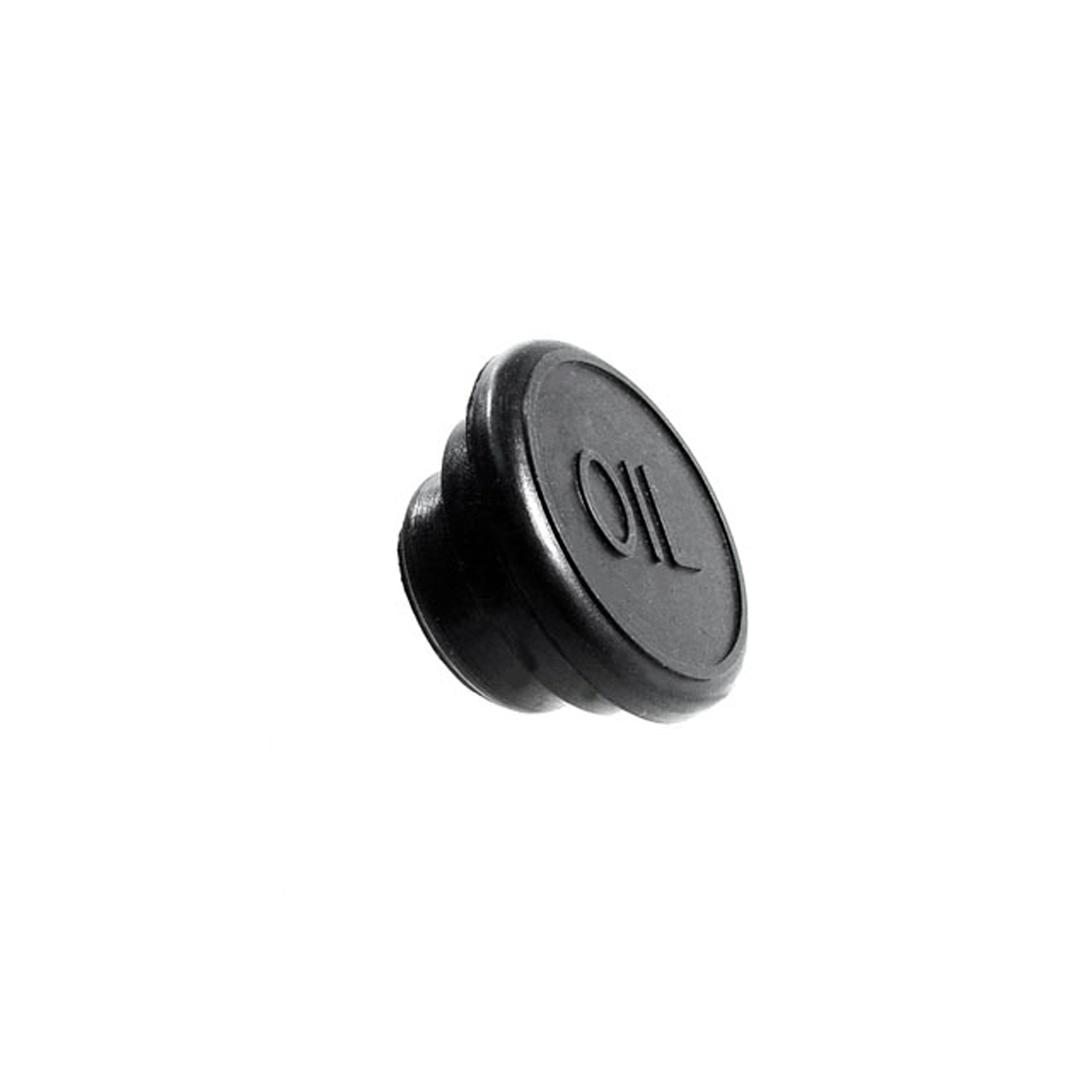 1972 Buick Electra Oil Filler Hole Cap. Made of rubber-RP 8Oil Filler Hole Cap. Made of rubber. Fits a 1-3/16" to 1-1/4" hole. Each
 1972 Buick Electra Molded Roof Rail Seals, for 2-Door Hardtop-RR 5007Molded Roof Rail Seals, for 2-Door Hardtop. Made with molded ends. 73-5/8" long. Pair R&L
 1972 Buick Electra Molded Roof Rail Seals for 4-Door Hardtop-RR 5007-FMolded Roof Rail Seals for 4-Door Hardtop. Replaces OEM part # 9726974/5. Pair
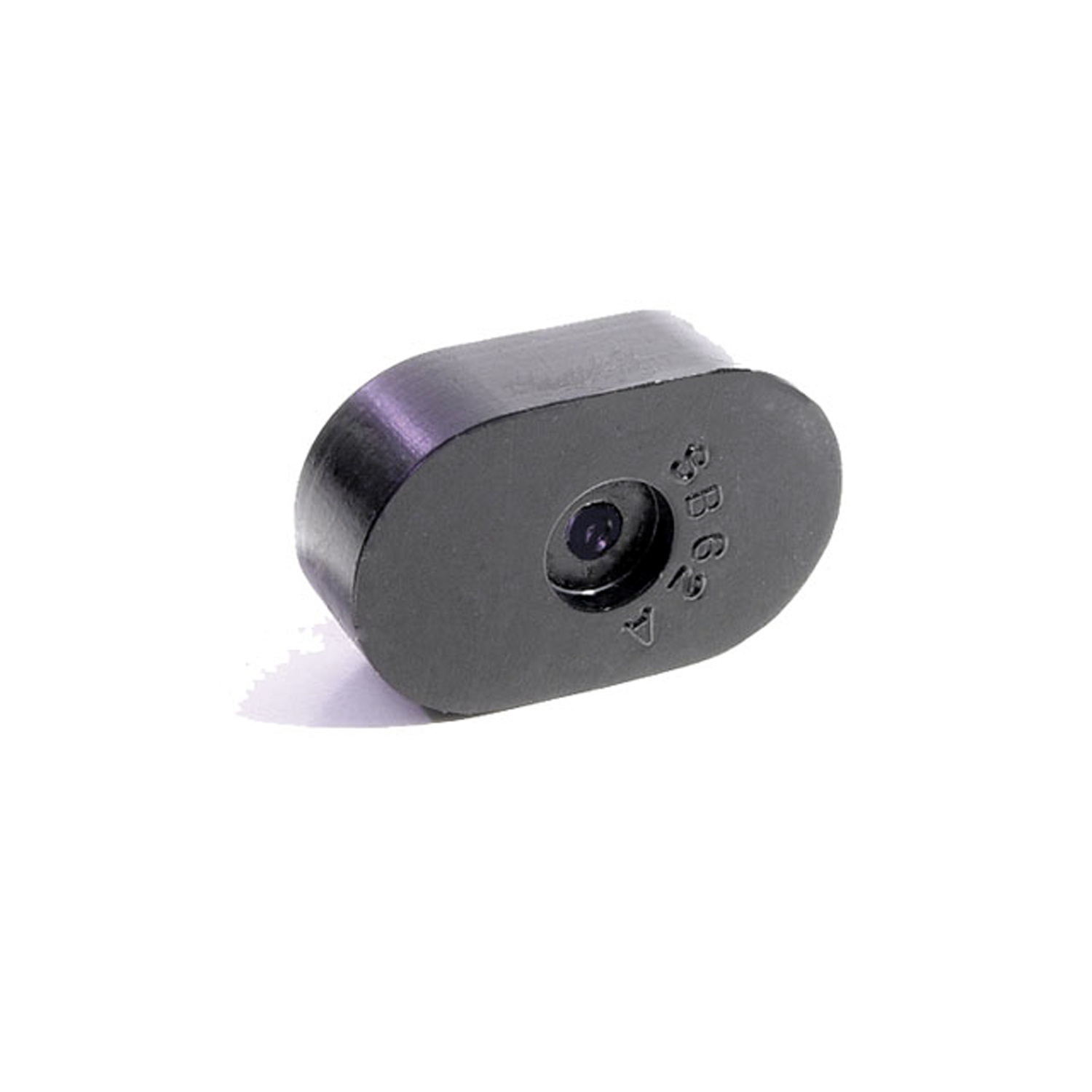 1972 Buick Electra Seat Bumper. Made with steel core like original-SB 62-ASeat Bumper. Made with steel core like original. 1-1/2" long, 7/16" thick. Two used per car. Each
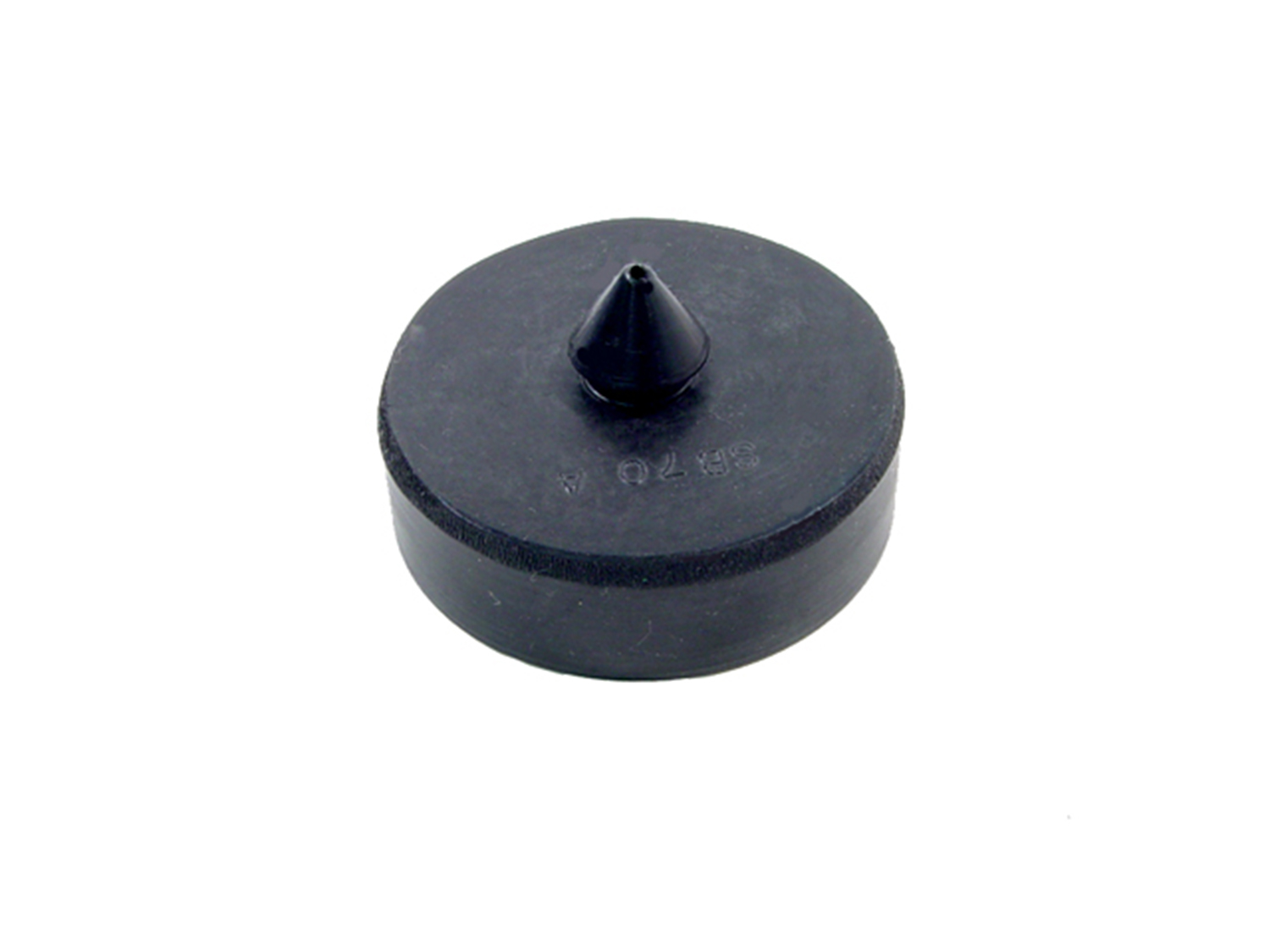 1972 Buick Electra Front door window stop bumper. ’70-’81 GM passenger cars-SB 70-AFront door window stop bumper. '70-'81 GM passenger cars. Dense rubber. Replaces OEM# 9810036. Each.
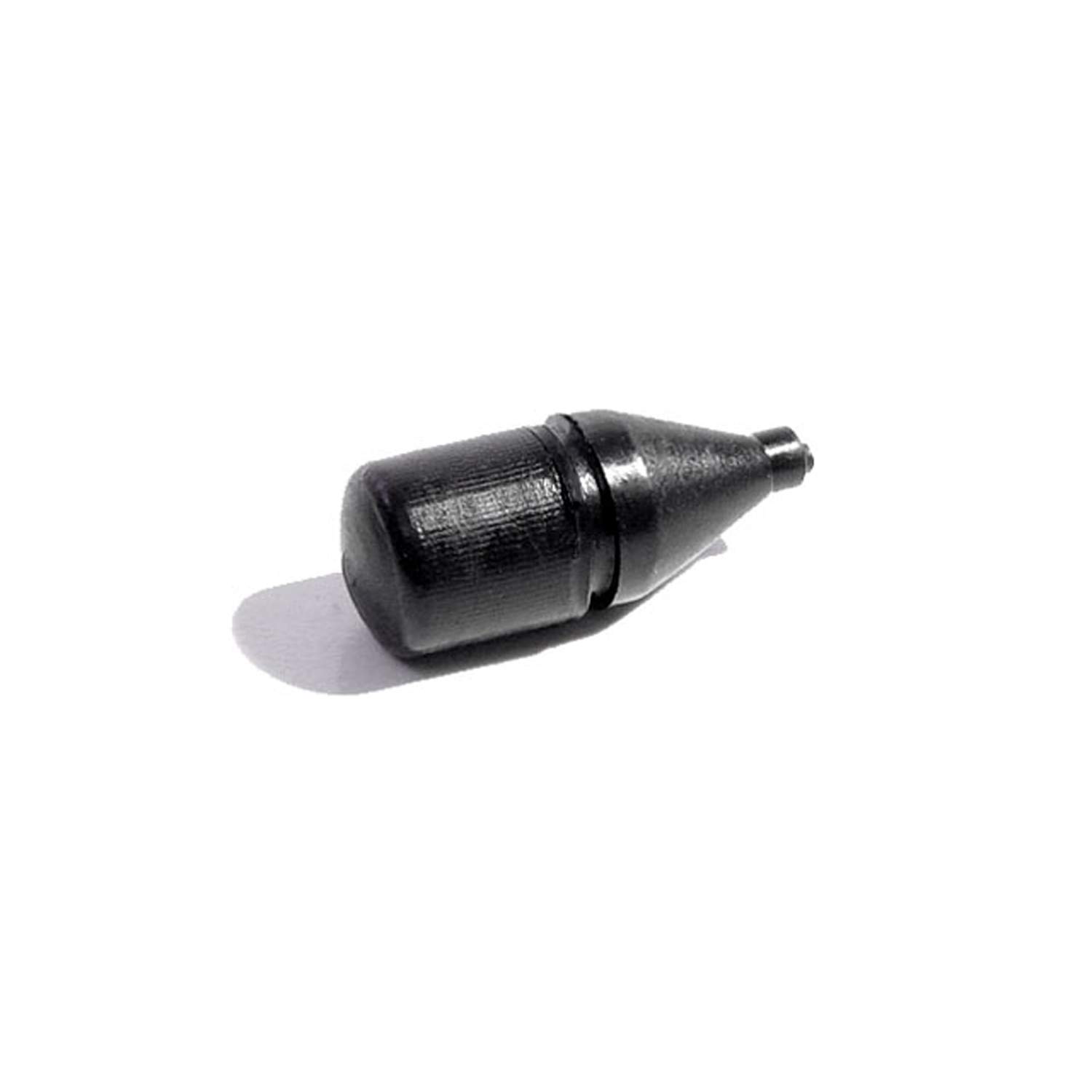 1972 Buick Electra Fuel Door Bumper. 7/8" high, 5/16" O.D. Each-SB 81Fuel Door Bumper. 7/8" high, 5/16" O.D. Each
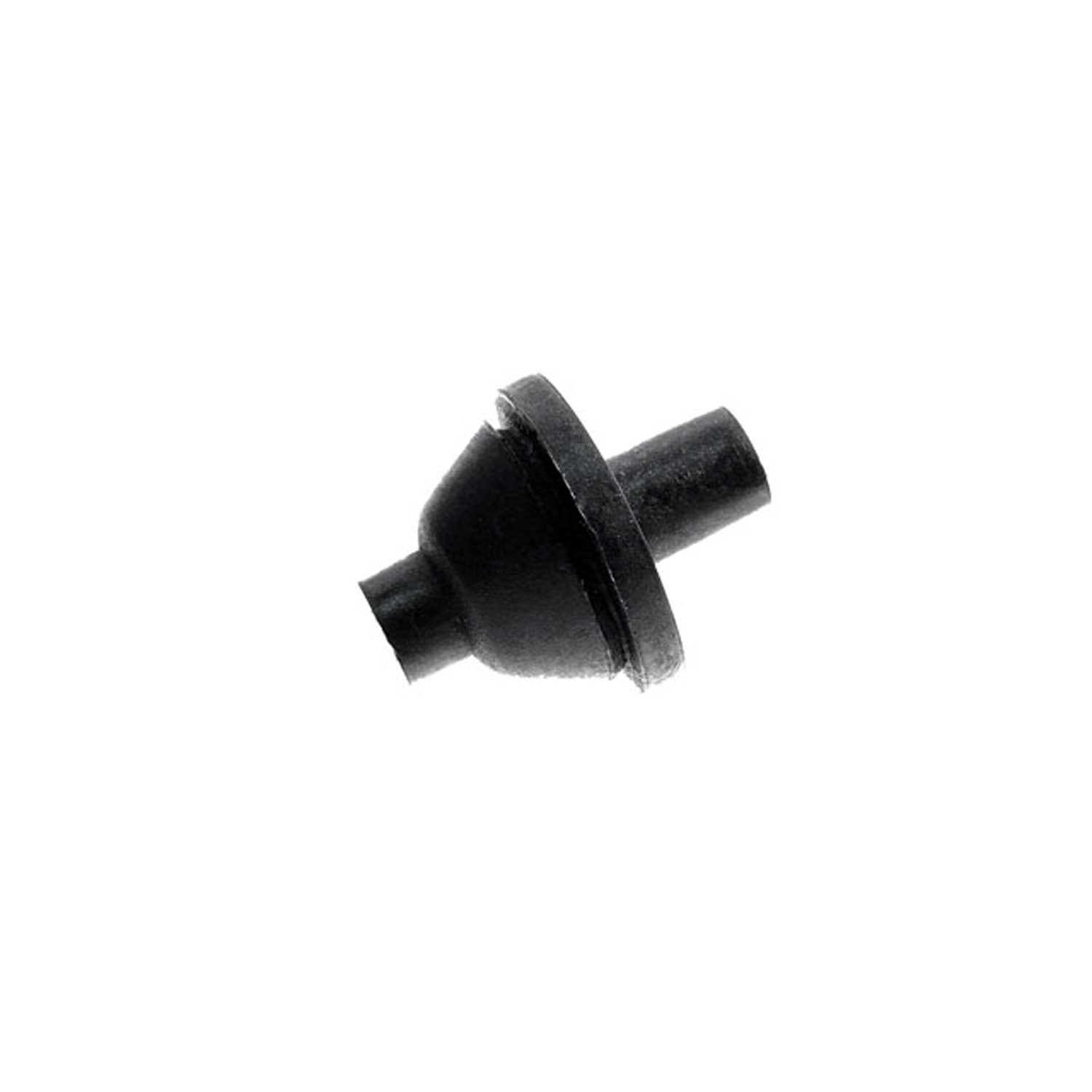 1972 Buick Electra Dash and Firewall Grommet. Single-hole type is for one wire-SM 101Dash and Firewall Grommet. Single-hole type is for one wire. Each
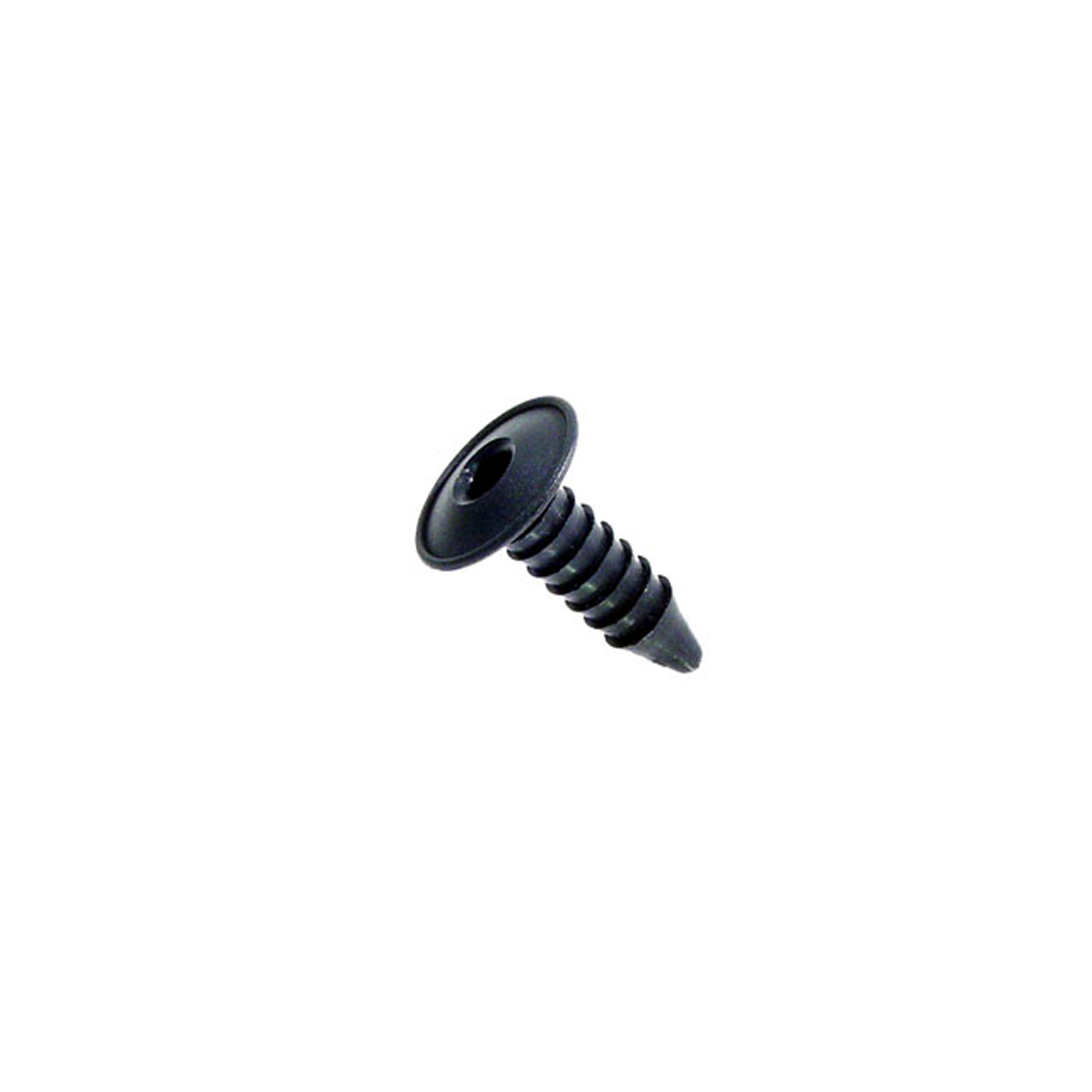 1972 Buick Electra Firewall insulation fastener. 1 in. dia. W head. 1-1/2 in. L-SM 80-AFirewall insulation fastener. 1 in. dia. W head. 1-1/2 in. L. Replaces OEM#'s (GM) 7642589 and (AMC) 4001934. Black. Each.
 1972 Buick Electra Trunk Seal. Each-TK 46-E/18Trunk Seal. Each
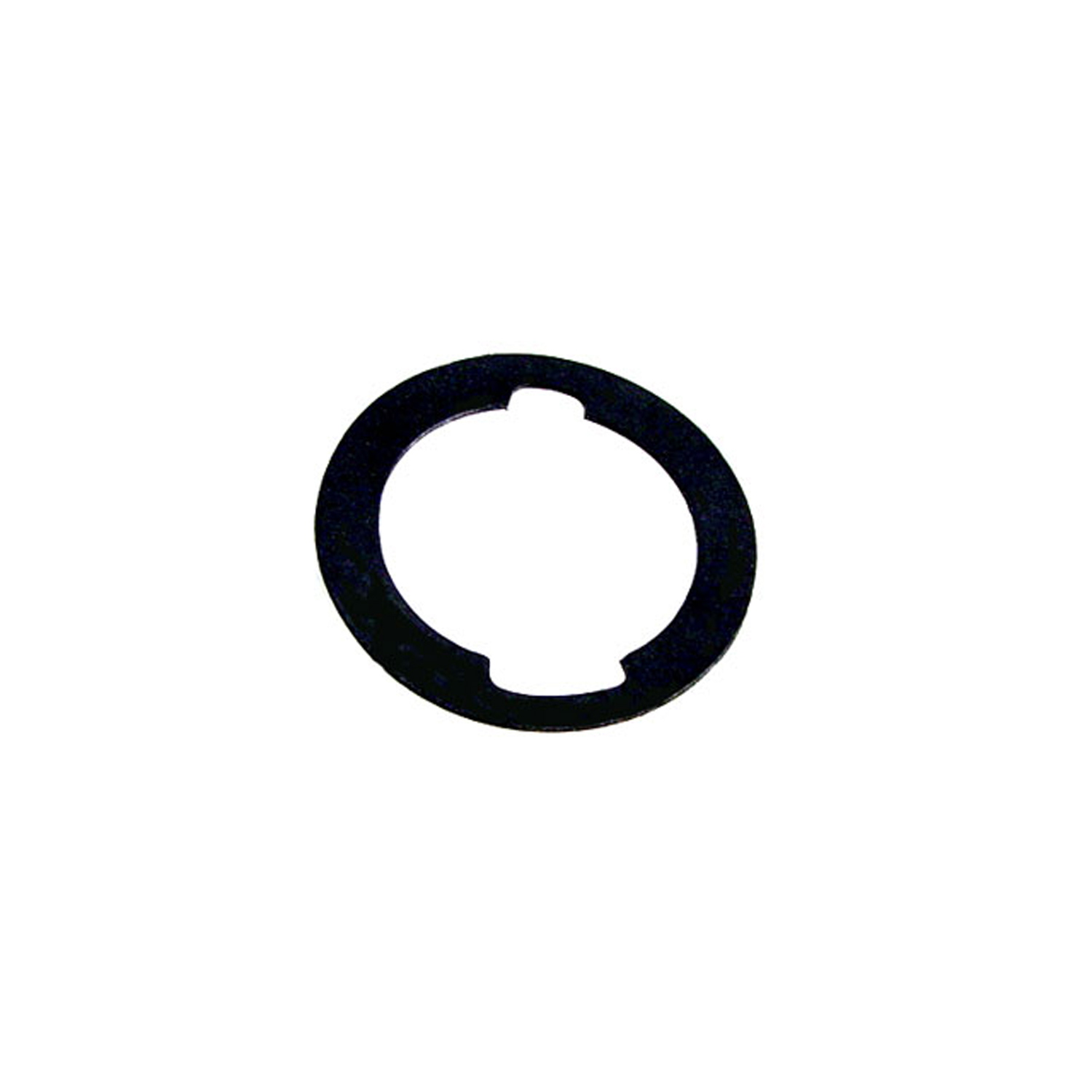 1972 Buick Electra Unbeaded Door and Trunk Lock Gasket. 1-3/16" O.D., 7/8" I.D-UM 1600-100Unbeaded Door and Trunk Lock Gasket. 1-3/16" O.D., 7/8" I.D. Each
 1972 Buick Electra Rear Roll-Up Quarter Window Seals, for 4-Door Hardtops-VS 3-PRear Roll-Up Quarter Window Seals, for 4-Door Hardtops. Pair
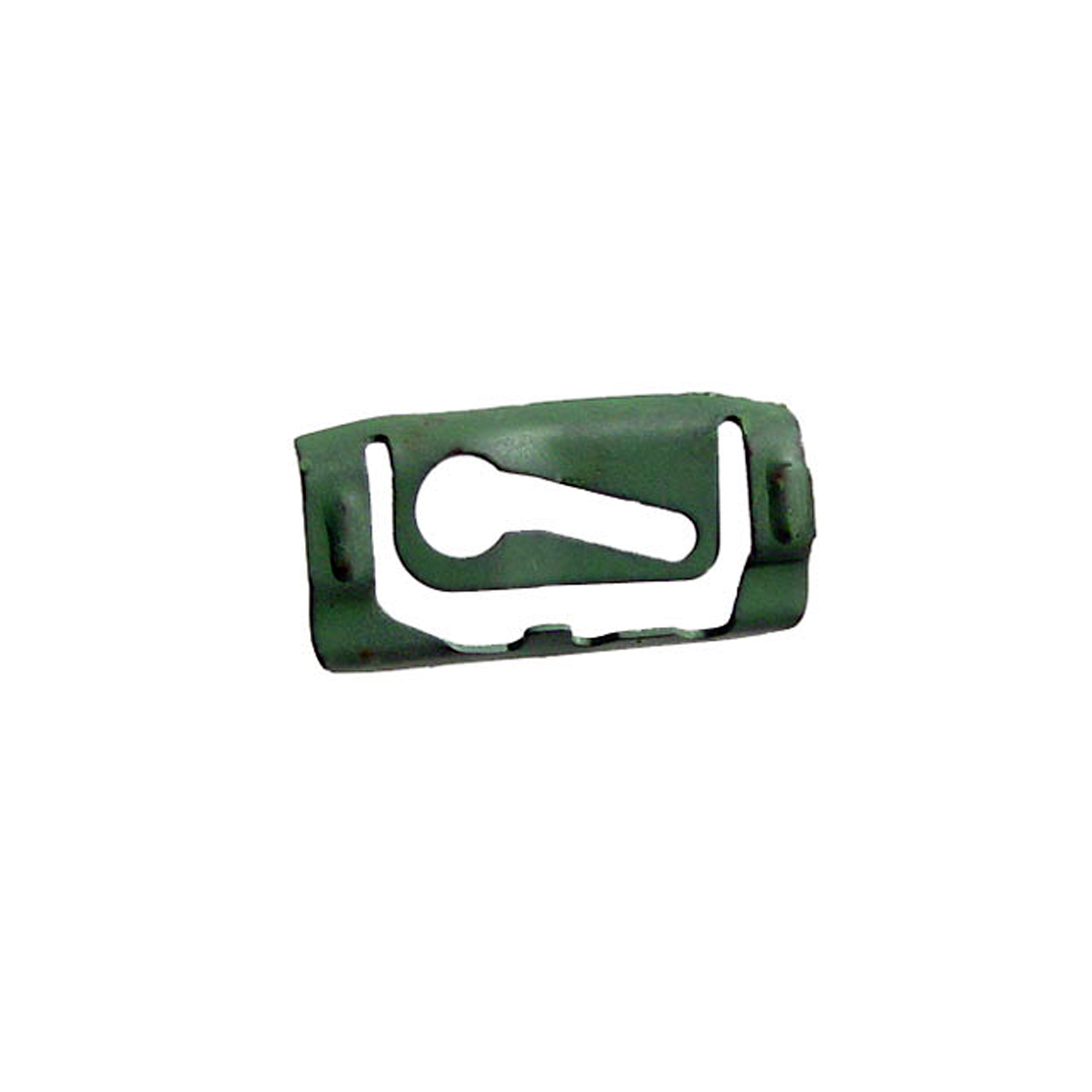 1972 Buick Electra Quarter Window Reveal Molding Clip. Made of Steel-WF 205Quarter Window Reveal Molding Clip. Made of Steel. 1-3/8" X 11/16". Each
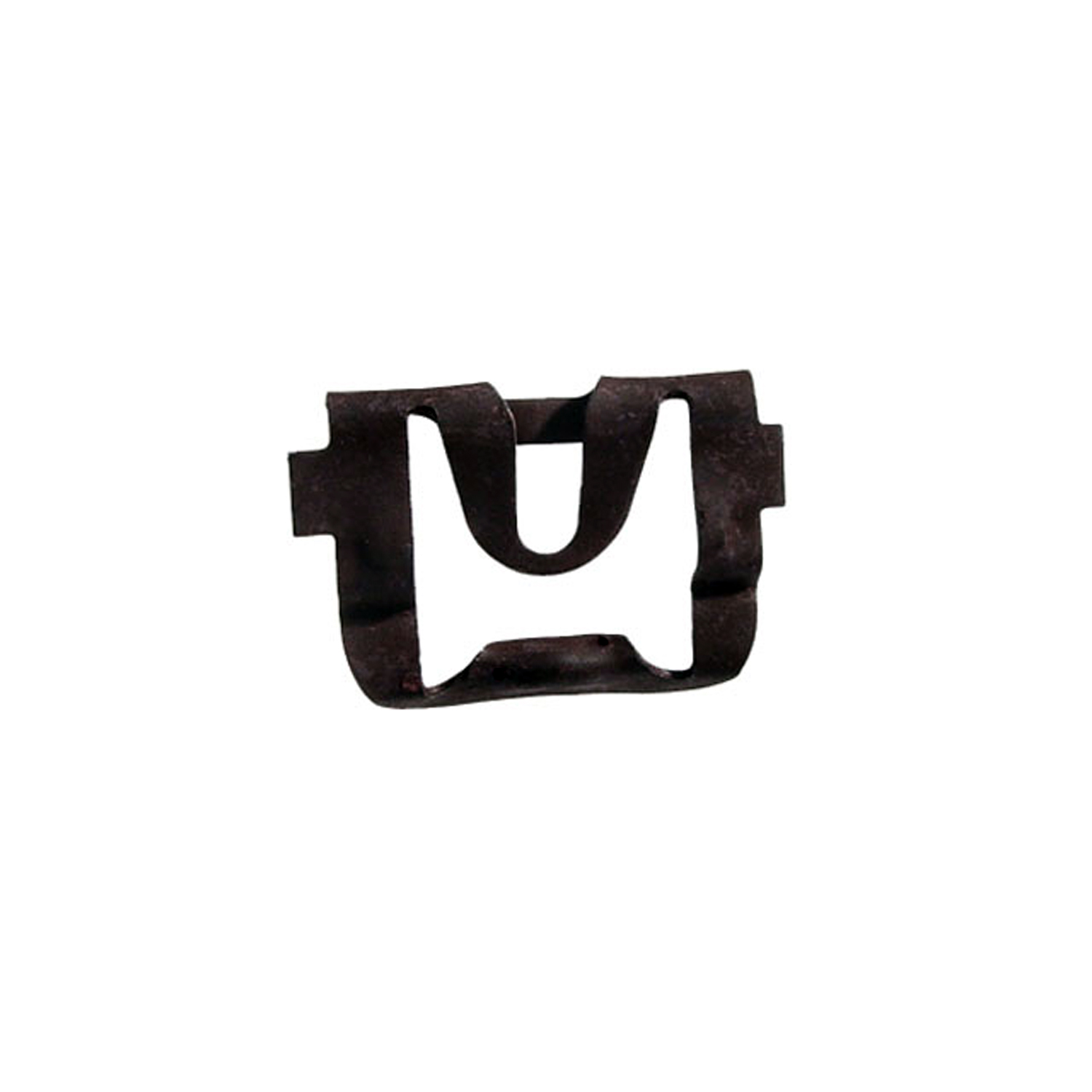 1972 Buick Electra Rear Windshield Reveal Molding Clip. Made of steel-WF 211Rear Windshield Reveal Molding Clip. Made of steel. 15/16" X 3/4". Each
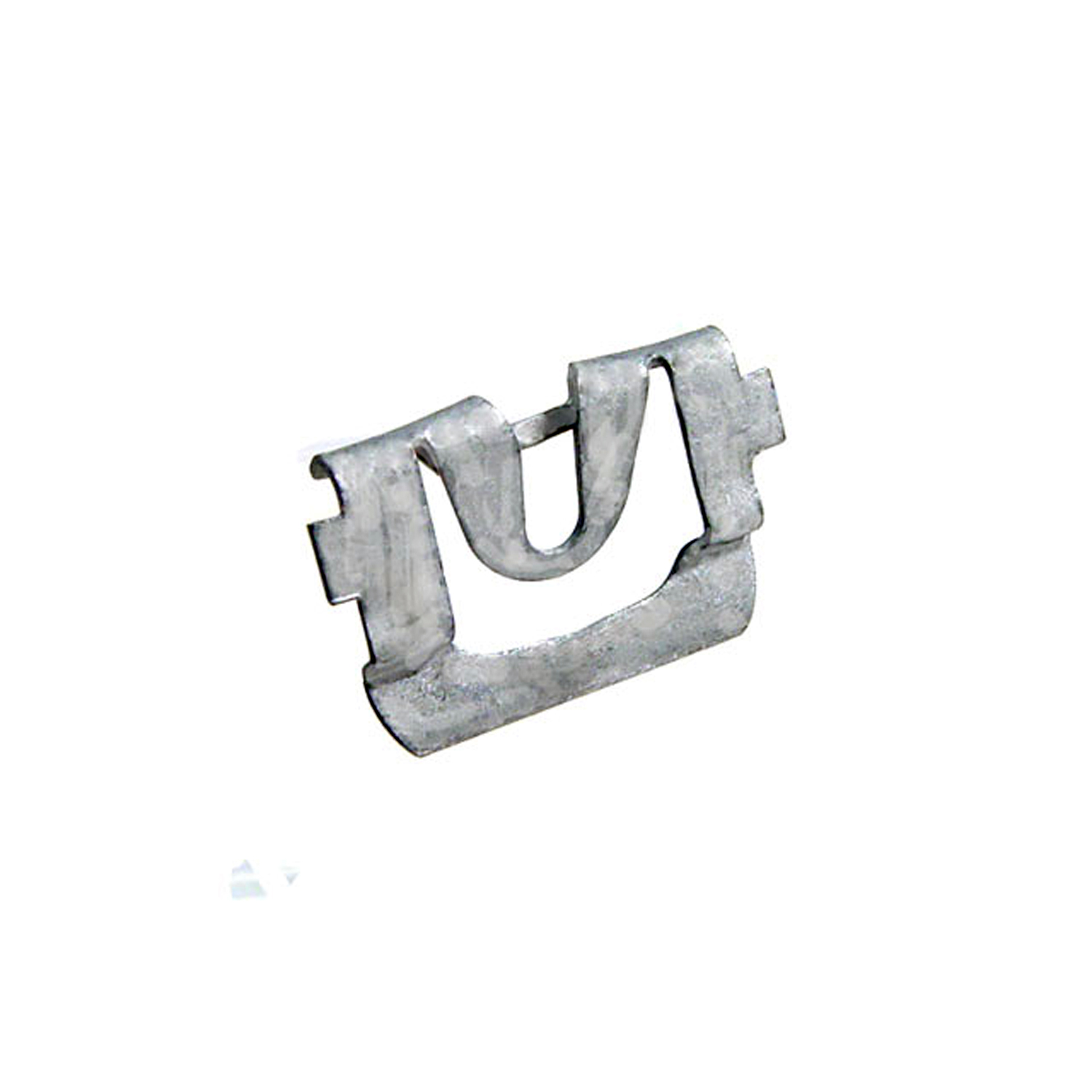 1972 Buick Electra Windshield Reveal Molding Clip. Made of steel-WF 223Windshield Reveal Molding Clip. Made of steel. 1/1/8" X 3/4". Each
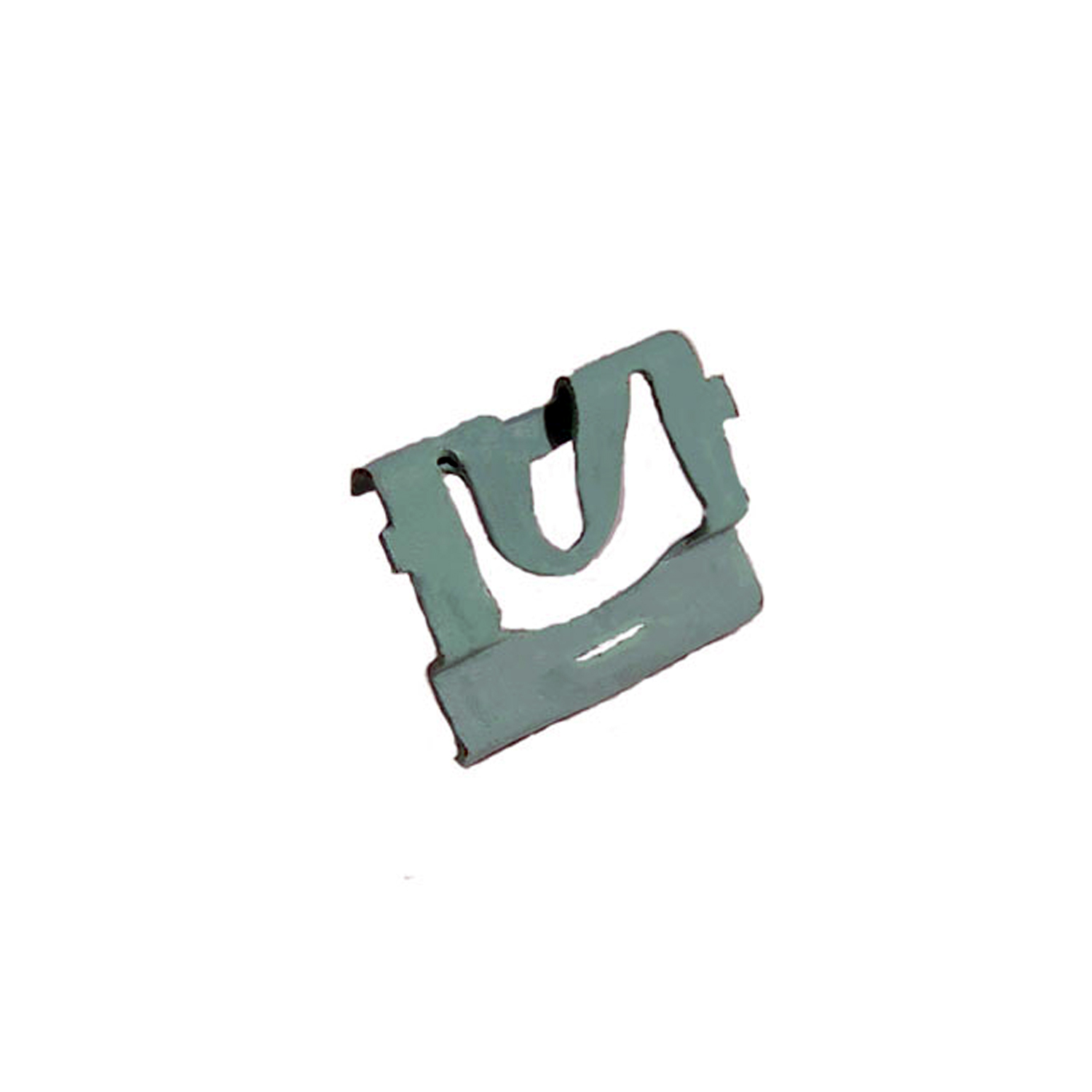 1972 Buick Electra Windshield Reveal Molding Clip. Made of steel-WF 224Windshield Reveal Molding Clip. Made of steel. 1-1/4" X 3/4". Fits many models. Each
Why Choose Metro?
For over 100 years, Metro Moulded Parts has been the pinnacle of quality in classic car restoration parts. Our commitment to precision and authenticity in every component ensures a perfect fit and an OEM-level appearance.
- Expert Craftsmanship & Quality: Each part is a testament to our dedication to reliability and perfection, crafted from original designs and thoroughly tested.
- Advanced Technology: We use cutting-edge techniques to create flawless, long-lasting parts that surpass others in performance.
- SuperSoft Sponge – The Ultimate Door Seal: Not only are our door seals 30% softer than competitors', but they're also guaranteed to never leak. They effectively reduce wind and road noise, enhancing your classic car's comfort and driving experience.
- Proudly American: Our parts are a product of American craftsmanship, made in the USA with a spirit of excellence and heritage.
- Unrivaled Warranty: We back our products with a 30-year industry-leading warranty, a testament to our confidence in their quality.
Join us in preserving the legacy of classic cars with parts that are crafted for perfection, not just made.