

Image of 1972 Buick Gs 455, Note: These illustrations use artistic license and may differ from actual historical models.
Performance Metrics
Fundamental Metrics
Emotional Appeal
MMP Rating
| Engine Specifications | |
|---|---|
| Engine: | Buick 455 cu in (7.5 L) V8 |
| Displacement: | 455 cu in (7.5 L) |
| Horsepower: | 250-310 HP |
| Torque: | 375-510 lb-ft |
| Compression Ratio: | 8.5:1 |
| Ignition System: | Conventional distributor and coil system |
| Cooling System: | Liquid-cooled |
| Performance Specifications | |
| 0-60 Time: | 6.5 seconds |
| 1/4 Mile Time: | 14.9 seconds |
| Top Speed: | 120 mph |
| Transmission and Drive | |
| Drive Type: | Rear-wheel drive |
| Transmission Type: | 3-speed automatic, 4-speed manual |
| Fuel and Efficiency | |
| Fuel System Type: | Carburetor |
| MPG: | 10-12 MPG |
| Dimensions and Brakes | |
| Brakes: | Front disc brakes and rear drum brakes |
| Wheelbase: | 112 inches |
| Weight: | 3,800 lbs |
Note: Specifications for classic cars are given to the best of our ability, considering the limited and variant data available.
1972 Buick GS 455: Buick’s Big-Block Muscle Car
The 1972 Buick GS 455 packed a huge V8 into a polished midsize coupe, giving muscle-car performance a distinctly Buick flavor. It was built by the Buick Motor Division of General Motors, part of the long-running Gran Sport family, and arrived as the muscle-car era was changing fast. Stricter emissions rules, rising insurance costs, and new horsepower-rating standards were reshaping the market, but Buick still offered a serious 455-cubic-inch engine for drivers who wanted abundant torque with their comfort.
A particularly intriguing detail is how much the published horsepower figure can mislead modern readers. The 1972 GS 455 was rated at 250 horsepower in standard form, while the Stage 1 version was rated at 270 horsepower. Those were net ratings, measured with accessories and exhaust equipment in place, rather than the more generous gross ratings used in earlier years. The numbers fell, but the big Buick remained a forceful street car, especially in the low and middle rev ranges.
The GS 455 should not be confused with the GSX. The GSX was a high-profile appearance and performance package based on the GS, and only a small number were built for 1972. The regular GS 455 is the broader model, available in more restrained trim and, depending on configuration, as a hardtop or convertible.
Big Buick Style, Inside and Out
The 1972 GS carried Buick’s muscular A-body proportions: a long hood, a short rear deck, broad shoulders, and a low roofline. Its twin headlights, sculpted front end, pronounced character lines, and wide grille gave it a confident look without the cartoonish excess associated with some muscle cars. GS-specific badges and trim identified the performance model, while the available hood treatment added visual weight over the engine bay.
The hardtop coupe was the classic muscle-car choice, with a fixed roof and pillarless side-window appearance. The convertible offered the same big-engine character in open-air form and is especially appealing to collectors today. The GSX package added more dramatic details, including bold striping, distinctive badging, and a rear spoiler. For 1972, GSX buyers were not limited to just one headline color, although vivid shades and contrasting graphics are what many enthusiasts picture first.
Buick’s cabin was a more dressed-up place than the stripped interiors of some rivals. Depending on equipment, buyers could get bucket seats, a center console, a floor shifter, woodgrain accents, carpeting, and a full instrument cluster. Vinyl was common, with upgraded trim available. The materials and finish suited Buick’s premium positioning: the GS could be driven hard, but it did not ask its owner to sacrifice comfort or a more refined appearance.
Available factory colors varied by model year, trim, and ordering choices. Buyers could choose from subdued metallics as well as stronger reds, greens, blues, and other period shades. Apollo White and bright, high-impact colors look especially at home on a GSX, while many standard GS cars wore more restrained combinations. Original paint and trim codes matter to restorers because a correctly finished car can look very different from one repainted in a popular but inaccurate color.
What Made the 1972 GS 455 Different
The GS 455’s defining feature was its torque-rich V8. Buick’s 455 was designed to deliver strong pulling power at everyday engine speeds, rather than requiring the driver to keep the engine high in the rev range. That gave the car relaxed highway manners and effortless passing ability, as well as the punch expected of a muscle car.
The optional Stage 1 package sharpened the formula with performance-oriented engine components and calibration. It was the choice for buyers who wanted the most potent factory GS 455, and it remains a major point of interest for collectors. Stage 1 cars should be verified carefully: engine identification, documentation, and matching components can make a substantial difference in both authenticity and value.
By 1972, the industry was adjusting to lower compression ratios, emissions equipment, and the switch from gross to net horsepower ratings. The GS is therefore a useful snapshot of muscle-car history at a turning point. It retained a large-displacement engine and genuine performance intent while reflecting the regulatory and market pressures that would soon make cars like it less common.
Compared with many contemporaries, the Buick offered a more upscale interpretation of performance. It was not as bare-bones as a budget muscle coupe, nor did it rely only on styling to suggest speed. The combination of a big engine, comfortable cabin, and substantial body made the GS 455 a distinctive alternative to Chevrolet, Pontiac, Oldsmobile, and other GM performance models.
455 Performance and Road Manners
The standard 455 was rated at 250 net horsepower, with the Stage 1 version rated at 270 net horsepower. Torque figures commonly associated with the 1972 engines are roughly 370 pound-feet for the standard version and about 390 pound-feet for Stage 1, though published figures can differ by source and specification. A three-speed Turbo-Hydramatic automatic was a popular choice, while manual transmissions were available for drivers who wanted more direct control.
Period performance varied with transmission, axle ratio, tires, weather, and test procedure. A healthy GS 455 can generally be thought of as a roughly 6.5-to-7.5-second 0-to-60-mph car, with a Stage 1 model toward the quicker end when properly equipped. Depending on gearing and condition, estimated top speed is around 120 to 130 mph. These are practical ballpark figures rather than a single guaranteed factory-tested result, and many surviving cars no longer have their original engine, gearing, or calibration.
The Buick’s strength is its broad, immediate shove. Press the throttle and the engine answers with a deep V8 growl, then builds speed without needing a dramatic high-rpm surge. The exhaust note is low and purposeful, especially under acceleration. With the automatic, the car feels relaxed in normal traffic and forceful when asked to pass.
Its handling reflects the priorities of a powerful 1970s midsize car. The suspension uses a conventional coil-spring layout, with independent suspension at the front and a solid rear axle. The GS is stable on open roads, but it is a large, heavy car by modern standards. On rough pavement, the suspension absorbs ordinary bumps well, though worn bushings, tired shocks, or old tires can make the ride loose and unsettled. On a winding road, expect more body movement and less precise steering than a modern performance coupe. Good brakes, fresh suspension parts, and properly sized tires make a major difference.
Living with a Classic GS 455
Today, a 1972 GS 455 is most often used as a weekend cruiser, show car, or occasional tour car. Some owners drive them regularly, but fuel consumption, age-related wear, and the scarcity of certain trim pieces make daily commuting less practical. A sound example is comfortable enough for highway trips, and the large engine is at its best when the car is allowed to settle into a steady pace.
Mechanical repairs are relatively straightforward for an experienced hobbyist. The Buick V8 is a traditional carbureted pushrod engine, and many routine jobs can be handled with standard tools and a factory service manual. Parts for common service items are generally available through classic-car suppliers. However, correct Stage 1 components, original interior pieces, body trim, and convertible-specific parts can be harder or more expensive to source.
As with any 50-plus-year-old car, condition matters more than the model badge. Check the frame, floorpans, body mounts, trunk, and lower body panels for rust or old repairs. Inspect the engine for leaks and signs of overheating, and confirm that the transmission shifts properly. A professional inspection is especially worthwhile before buying a claimed Stage 1 car or a convertible. Restoring a neglected example can cost far more than the purchase price suggests.
Rare GSX Facts and Common Criticisms
The 1972 GSX is the rare headline version. Production references commonly cite approximately 44 GSXs for the model year, although exact counts and how particular configurations are classified can vary among sources. Estimates for total 1972 GS production are around 8,000 cars, with roughly 2,600 GS 455 examples often cited. Treat these figures as useful production estimates, not a substitute for a factory record tied to an individual car.
The GS 455 is not known for holding a major land-speed or endurance record. Its reputation rests instead on its combination of displacement, torque, and street performance. The Stage 1 name became especially meaningful among Buick enthusiasts because it identified the most serious factory performance specification, rather than merely an appearance package.
Common criticisms are familiar to owners of classic muscle cars: fuel economy is poor by modern standards, the car is heavy, and its brakes and handling cannot match a contemporary performance vehicle. The lower 1972 horsepower rating can also disappoint buyers who compare it directly with earlier gross-rated figures. But the net-rating change is part of the explanation, and the engine’s real-world torque remains central to the car’s appeal.
1972 Buick GS 455 Values and Collectibility
Values depend heavily on body style, originality, documentation, rust, and engine specification. As a broad current-market estimate, a project GS 455 might sell for about $15,000 to $25,000. A usable driver commonly falls in the $30,000 to $50,000 range, while a well-restored, highly original coupe may bring roughly $55,000 to $85,000. Exceptional cars, genuine Stage 1 examples, and especially desirable convertibles can exceed $100,000. A rare, documented GSX Stage 1 can command substantially more, so it should be considered separately from an ordinary GS 455.
The GS 455 is uncommon but not impossible to find. Standard coupes appear on the market from time to time, while well-documented Stage 1 cars, convertibles, and GSXs are much scarcer. Prices have generally benefited from renewed interest in 1970s muscle cars, but the market is selective: originality and paperwork tend to outperform flashy but poorly documented restorations. As with most classics, values can move with broader collector-car demand, and no price estimate guarantees a future return.
Why the 1972 GS 455 Still Matters
The 1972 Buick GS 455 brought together a large, torque-rich V8, handsome midsize styling, and a more comfortable cabin than many muscle-car rivals. It arrived at the end of an era, when emissions rules and changing buyer expectations were beginning to reshape American performance. Its performance numbers need to be read in the context of net horsepower ratings and five decades of wear, but the car’s essential character is easy to understand: a refined Buick with serious big-block muscle.
For collectors, the appeal ranges from the usable standard GS 455 to the rare Stage 1 and GSX models. For anyone who loves classic American cars, the 1972 GS is a reminder that muscle did not have to be loud in every detail. Sometimes it wore a Buick badge, settled into a deep V8 rumble, and let its torque do the talking.
1972 Buick Gs 455 Catalog of Parts
 1972 Buick GS 455 RE-ISSUE. Door lock pillar seal-ALP 5002RE-ISSUE. Door lock pillar seal. Fits '68-'72 GM A-body 2-door coupe, hardtop and convertible (except Pontiac - see ALP 5002-A).
 1972 Buick GS 455 Convertible Top Compartment Side Panel Seals. Pair-ALP 5505Convertible Top Compartment Side Panel Seals. Pair
 1972 Buick GS 455 Body Cushion Kit. 28 piece set.-BCK 5Body Cushion Kit. 28 piece set.
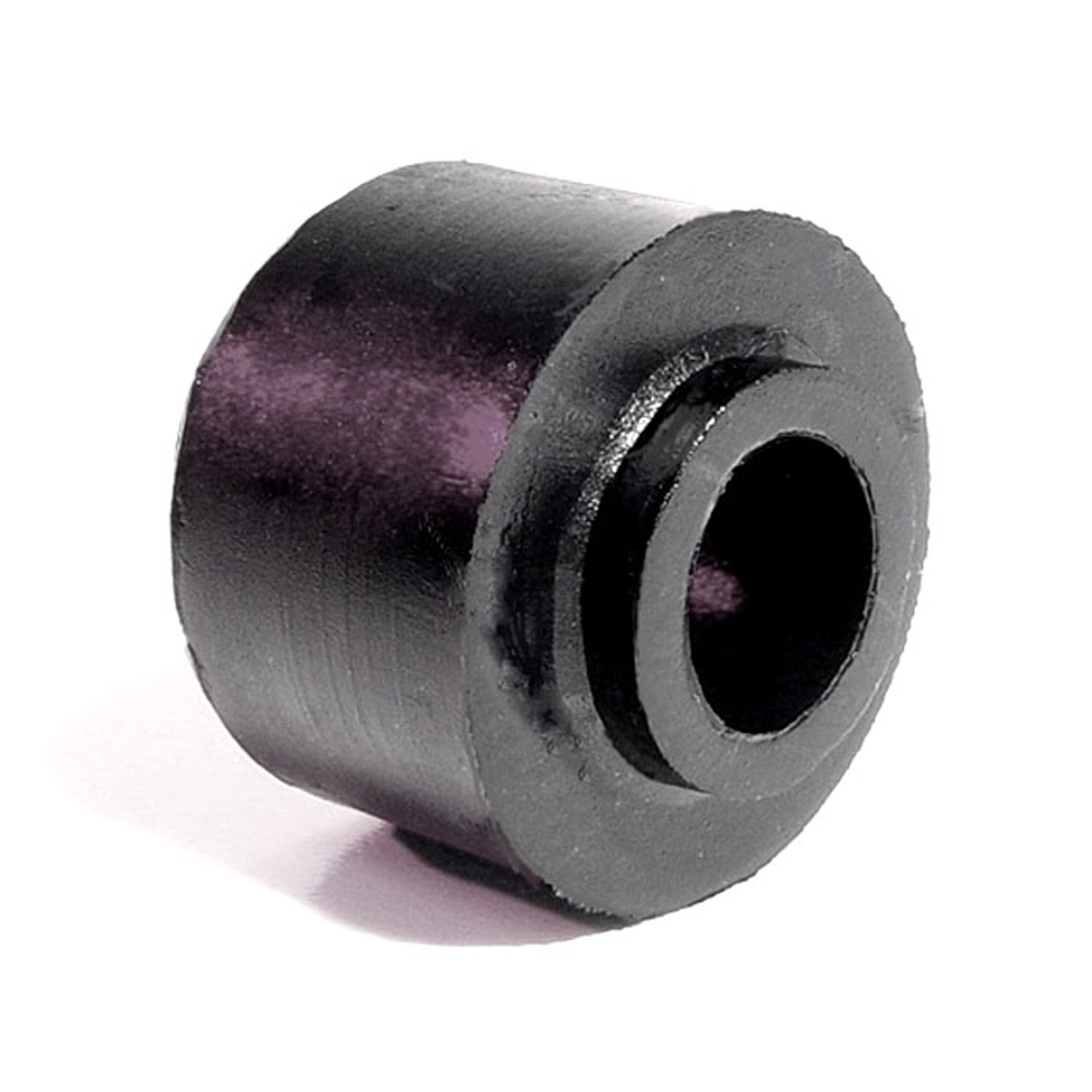 1972 Buick GS 455 Shock Absorber Grommet. 1" bottom O.D., 3/4" high-BN 1Shock Absorber Grommet. 1" bottom O.D., 3/4" high., with 7/16" I.D. Each
 1972 Buick GS 455 Stabilizer Bar Bushing. Better quality than the original-BN 202Stabilizer Bar Bushing. Better quality than the original. 2-3/4" high, 1" I.D. Each
 1972 Buick GS 455 Clutch and Brake Pedal Pads. 3-3/4" wide. Pair-CB 99-DClutch and Brake Pedal Pads. 3-3/4" wide. Pair
 1972 Buick GS 455 Park Brake Pedal Pad. 2-3/8" wide. Each-CB 99-EPark Brake Pedal Pad. 2-3/8" wide. Each
 1972 Buick GS 455 Auto Brake Pedal Pad. Nice reproduction. 5-3/4" wide-CB 99-GAuto Brake Pedal Pad. Nice reproduction. 5-3/4" wide. Each
 1972 Buick GS 455 Hood to Cowl Seal, with clips. 59-1/8" long. Each-CS 5Hood to Cowl Seal, with clips. 59-1/8" long. Each
 1972 Buick GS 455 Windshield Pillar Post Seals for Convertibles-CZ 8103Windshield Pillar Post Seals for Convertibles. Very accurate reproduction of original sponge. Each piece is 23-1/2" long. Pair
 1972 Buick GS 455 Header Seal for Convertibles-HD 730Header Seal for Convertibles. Made with molded ends and steel core. High-quality molded sponge. 53-3/4" Long. Each
 1972 Buick GS 455 Rear Hood Bumper. Each-HF 27Rear Hood Bumper. Each
 1972 Buick GS 455 Door lock pillar seal. Imported-IS-ALP 5002Door lock pillar seal. Imported. Fits '68-'72 GM A-body 2-door coupe, hardtop and convertible (except Pontiac - see ALP 5002-A). Replaces OEM#'s 7790754/5. Pair. R&L.
 1972 Buick GS 455 Door seal. With properly-spaced clips and molded ends-LM 12-ADoor seal. With properly-spaced clips and molded ends. 2-door hardtops and convertible. Replaces OEM#'s 8781164/5. Pair. R&L.
 1972 Buick GS 455 Trunk Liner. Loose weave-M 23Trunk Liner. Loose weave. Black with scattered white threads. 54" wide. Sold by the foot
 1972 Buick GS 455 Lower Radiator Cushion Insulator-RA 2Lower Radiator Cushion Insulator. For 2-door hardtop and convertible. Replaces OEM #476778-AU-7. 2-1/8" O.D., 3/4" I.D. Each
 1972 Buick GS 455 Basic Kit, for 2-Door Hardtop-RKB 2003-105Basic Kit, for 2-Door Hardtop. Door (LM 12-A) Roof Rail (RR 5003) Trunk (TK 46-16), Seals.
 1972 Buick GS 455 Basic Kit, for Convertibles-RKB 2003-113Basic Kit, for Convertibles. Door (LM 12-A) Roof Rail (RR 1610) Trunk (TK 46-16), Seals.
 1972 Buick GS 455 Basic Kit, for 2-Door Sedan-RKB 2003-114Basic Kit, for 2-Door Sedan. Door (LM 12-S) Trunk (TK 46-16), Seals.
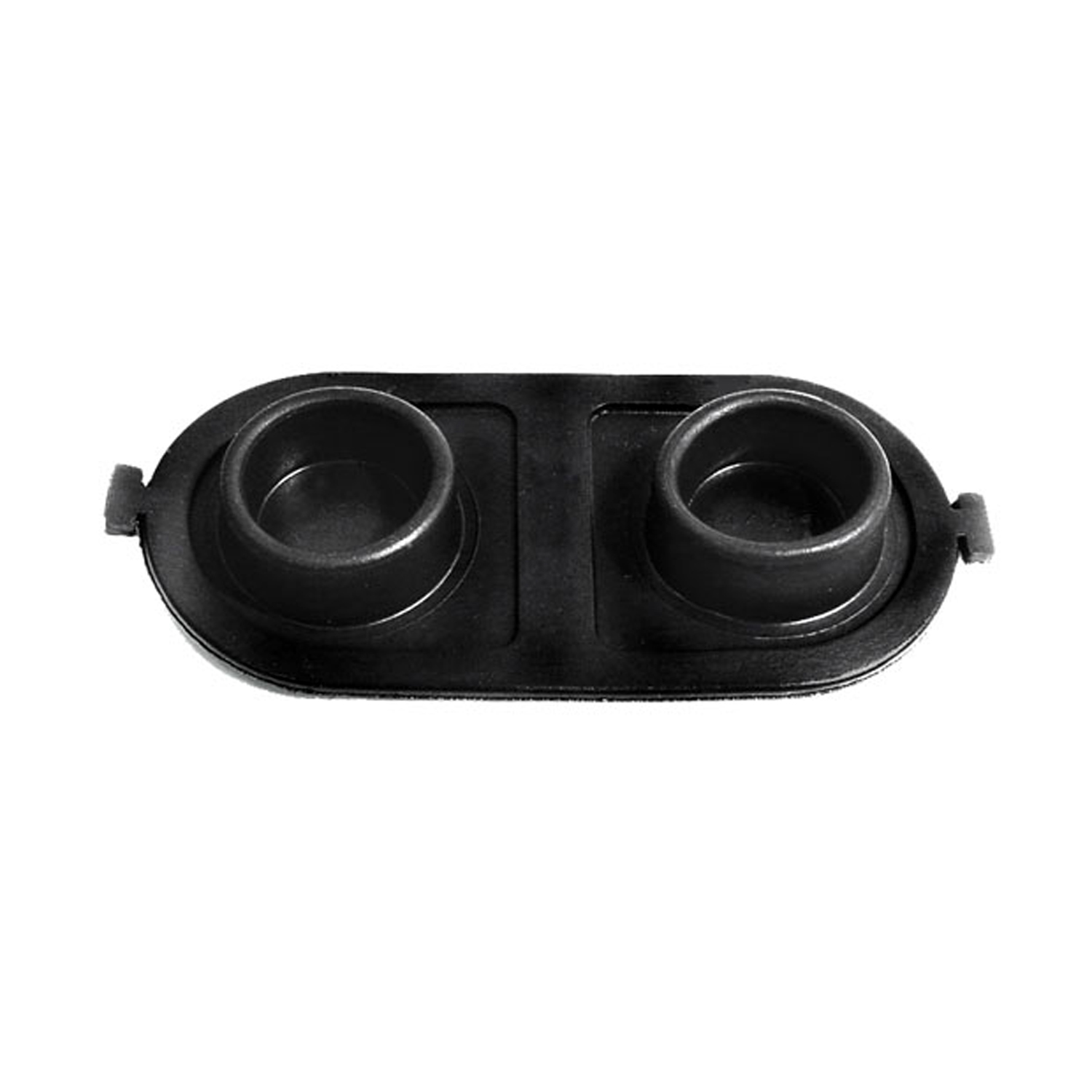 1972 Buick GS 455 Brake Master Cylinder Cover Seal. Replaces OEM #5470861-RP 2-EBrake Master Cylinder Cover Seal. Replaces OEM #5470861. 5" X 2-1/2". Each
 1972 Buick GS 455 Shift Boot. Each-RP 33-RShift Boot. Each
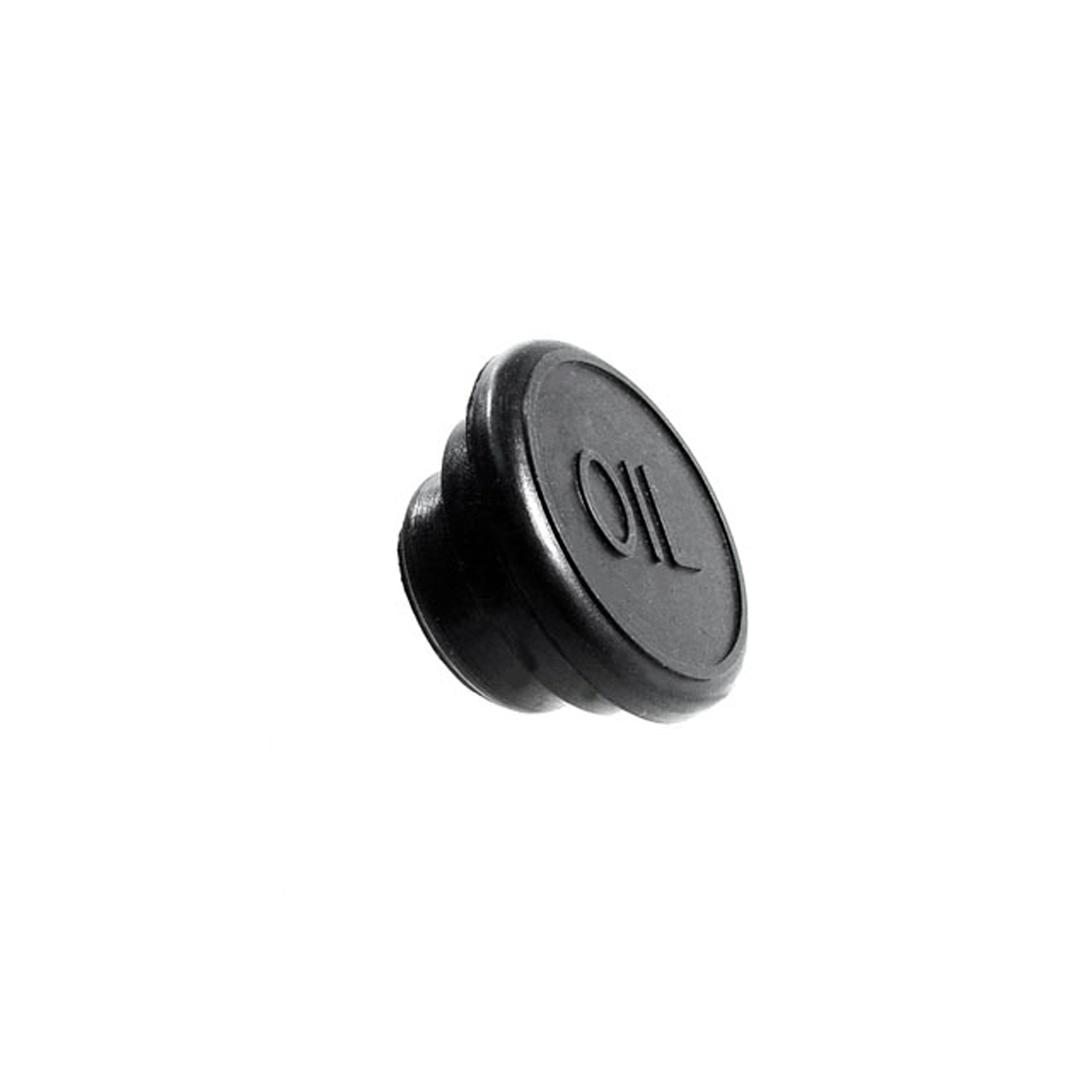 1972 Buick GS 455 Oil Filler Hole Cap. Made of rubber-RP 8Oil Filler Hole Cap. Made of rubber. Fits a 1-3/16" to 1-1/4" hole. Each
 1972 Buick GS 455 Convertible Top Rail Kit-RR 1610Convertible Top Rail Kit. 7-Piece set includes all right and left side top rail seals and windshield top header seal (HD 730).
 1972 Buick GS 455 Molded Roof Rail Seals for 2-Door Hardtop Only. Pair R&L-RR 5003Molded Roof Rail Seals for 2-Door Hardtop Only. Pair R&L
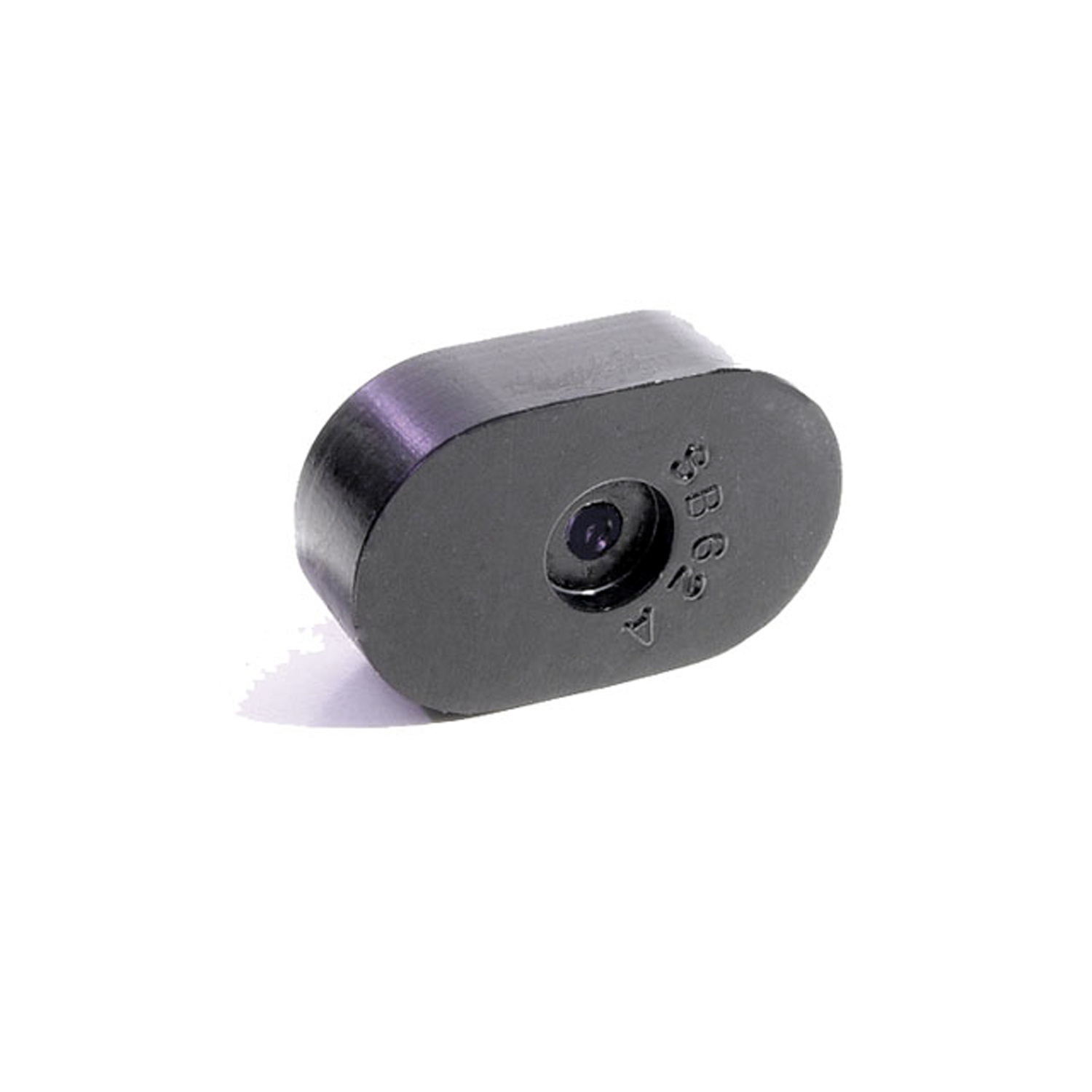 1972 Buick GS 455 Seat Bumper. Made with steel core like original-SB 62-ASeat Bumper. Made with steel core like original. 1-1/2" long, 7/16" thick. Two used per car. Each
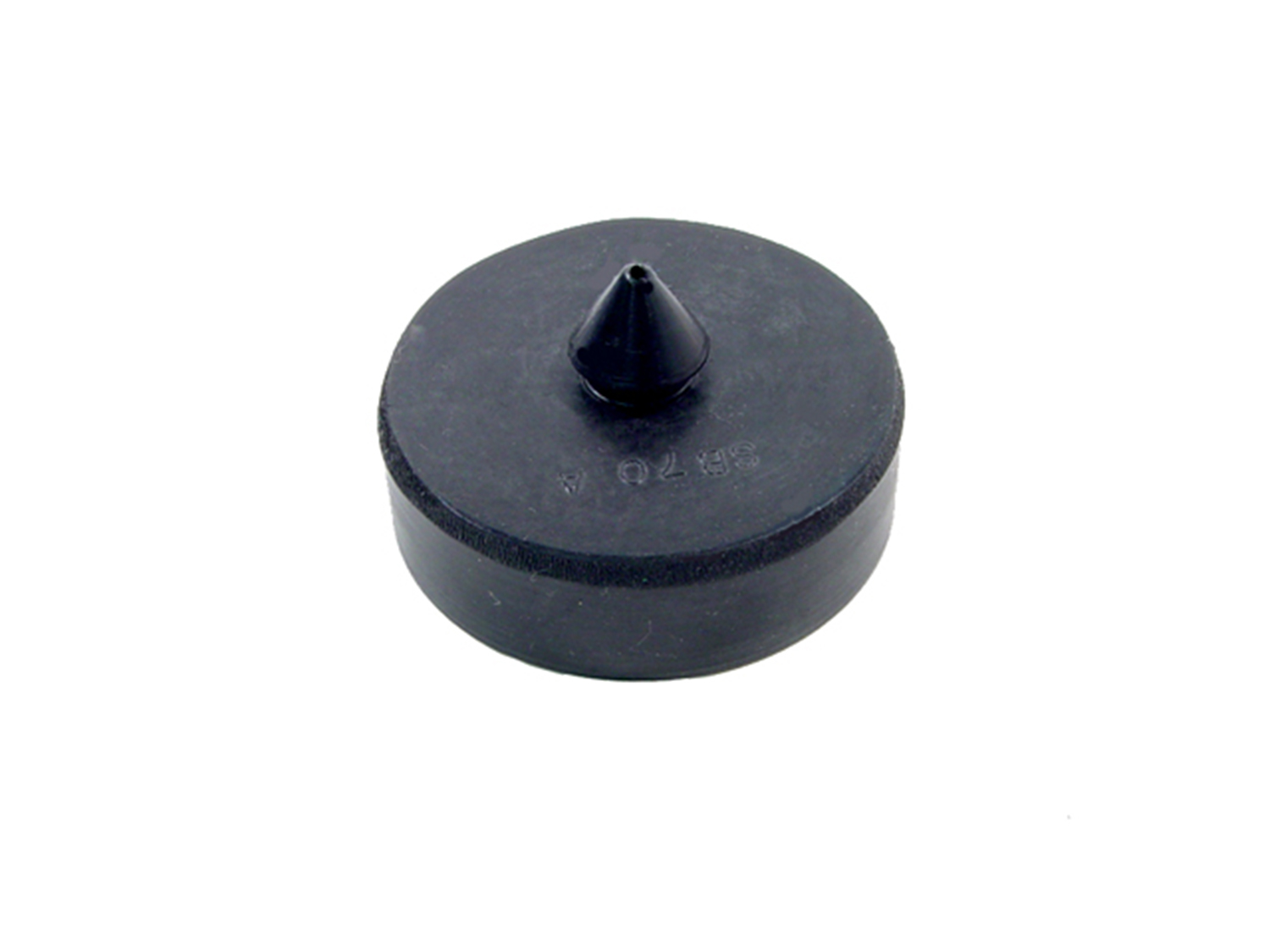 1972 Buick GS 455 Front door window stop bumper. ’70-’81 GM passenger cars-SB 70-AFront door window stop bumper. '70-'81 GM passenger cars. Dense rubber. Replaces OEM# 9810036. Each.
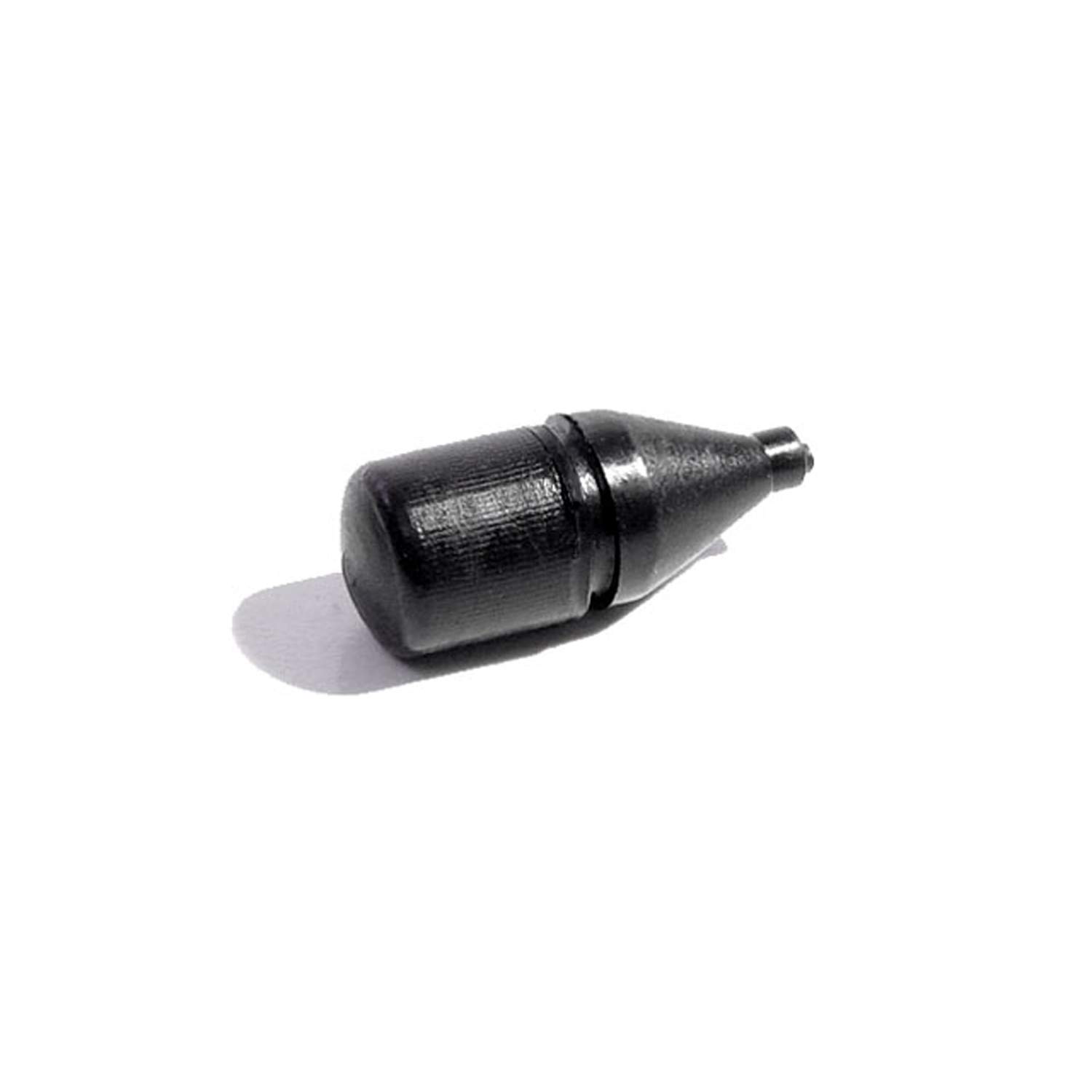 1972 Buick GS 455 Fuel Door Bumper. 7/8" high, 5/16" O.D. Each-SB 81Fuel Door Bumper. 7/8" high, 5/16" O.D. Each
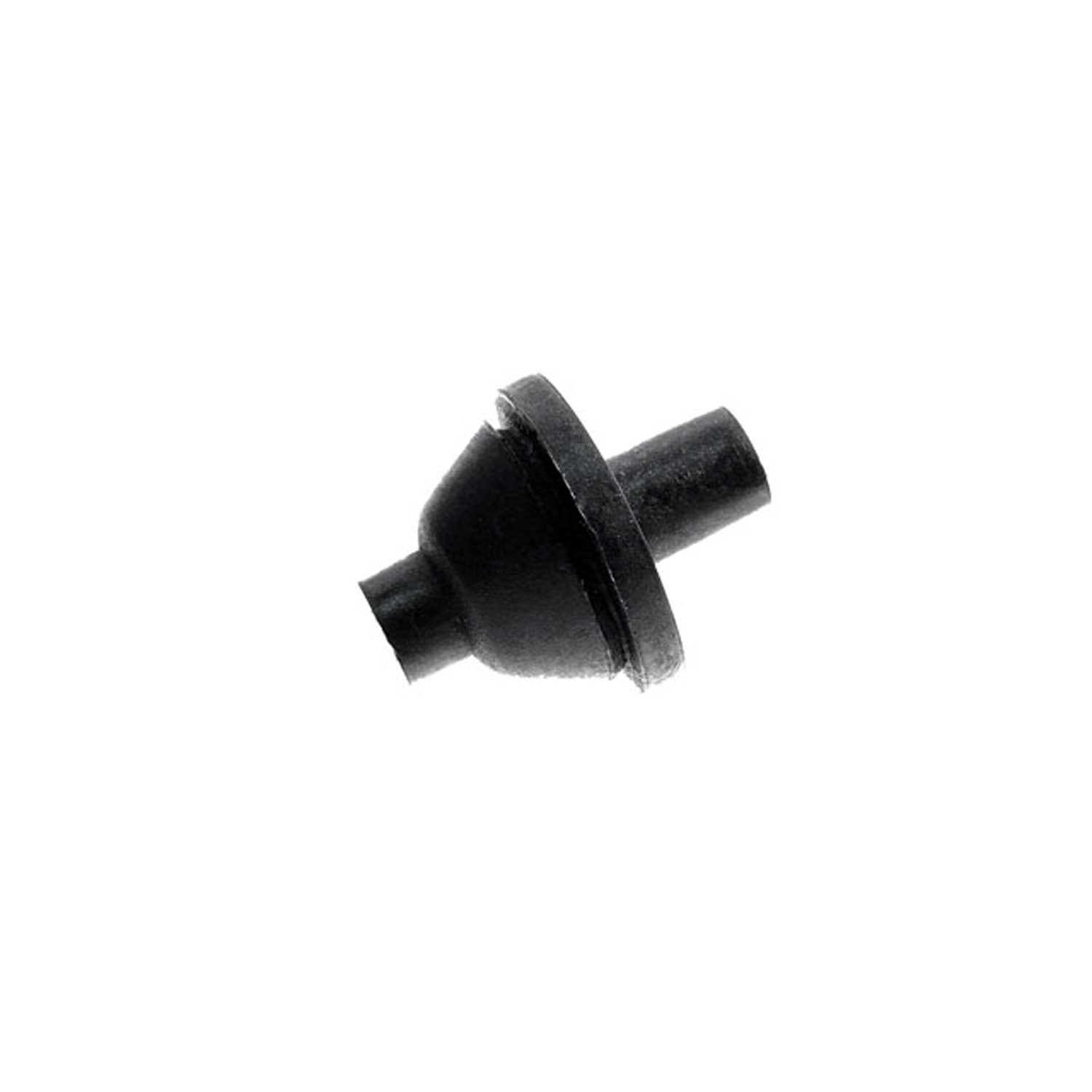 1972 Buick GS 455 Dash and Firewall Grommet. Single-hole type is for one wire-SM 101Dash and Firewall Grommet. Single-hole type is for one wire. Each
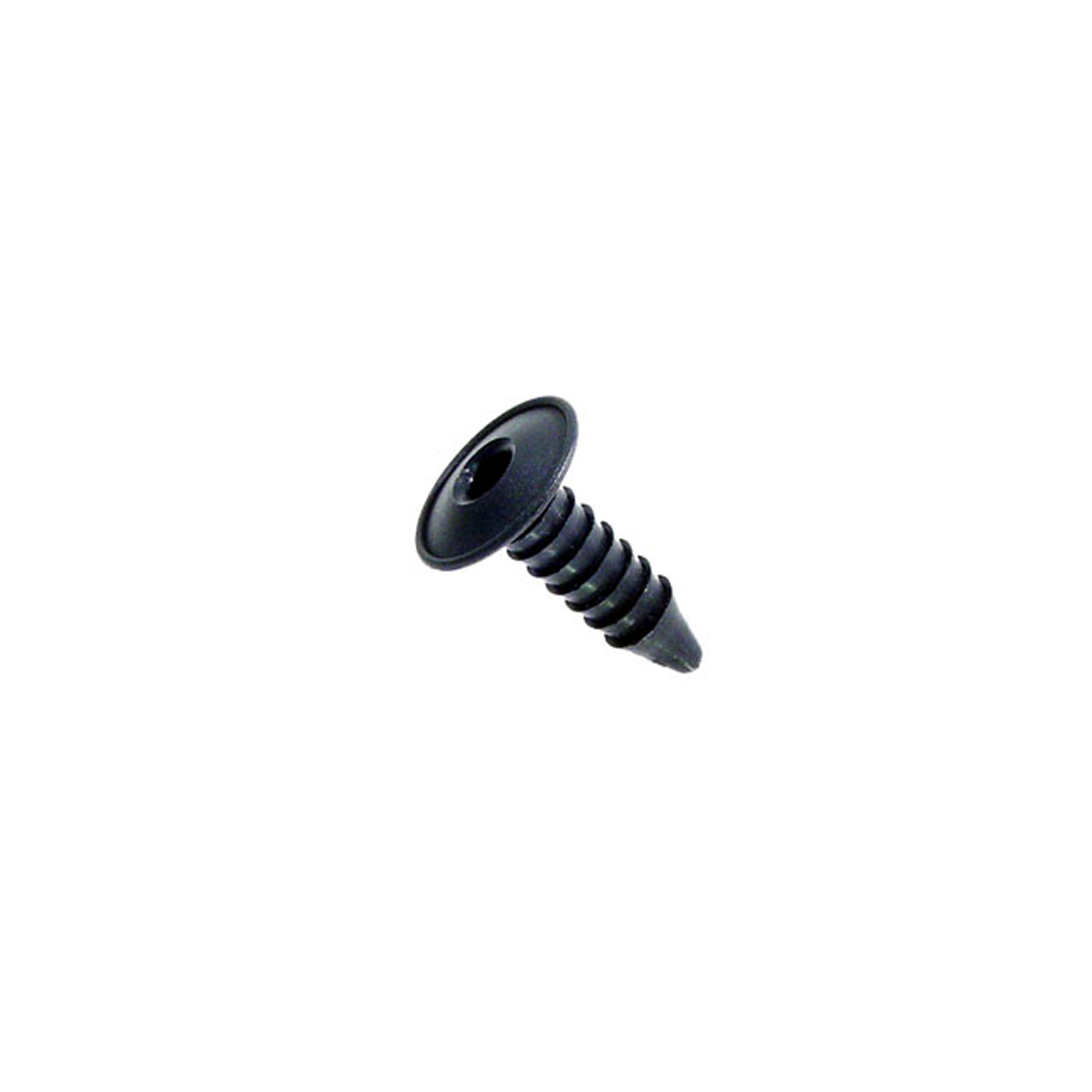 1972 Buick GS 455 Firewall insulation fastener. 1 in. dia. W head. 1-1/2 in. L-SM 80-AFirewall insulation fastener. 1 in. dia. W head. 1-1/2 in. L. Replaces OEM#'s (GM) 7642589 and (AMC) 4001934. Black. Each.
 1972 Buick GS 455 Trunk Seal. 16 feet long. Each-TK 46-16Trunk Seal. 16 feet long. Each
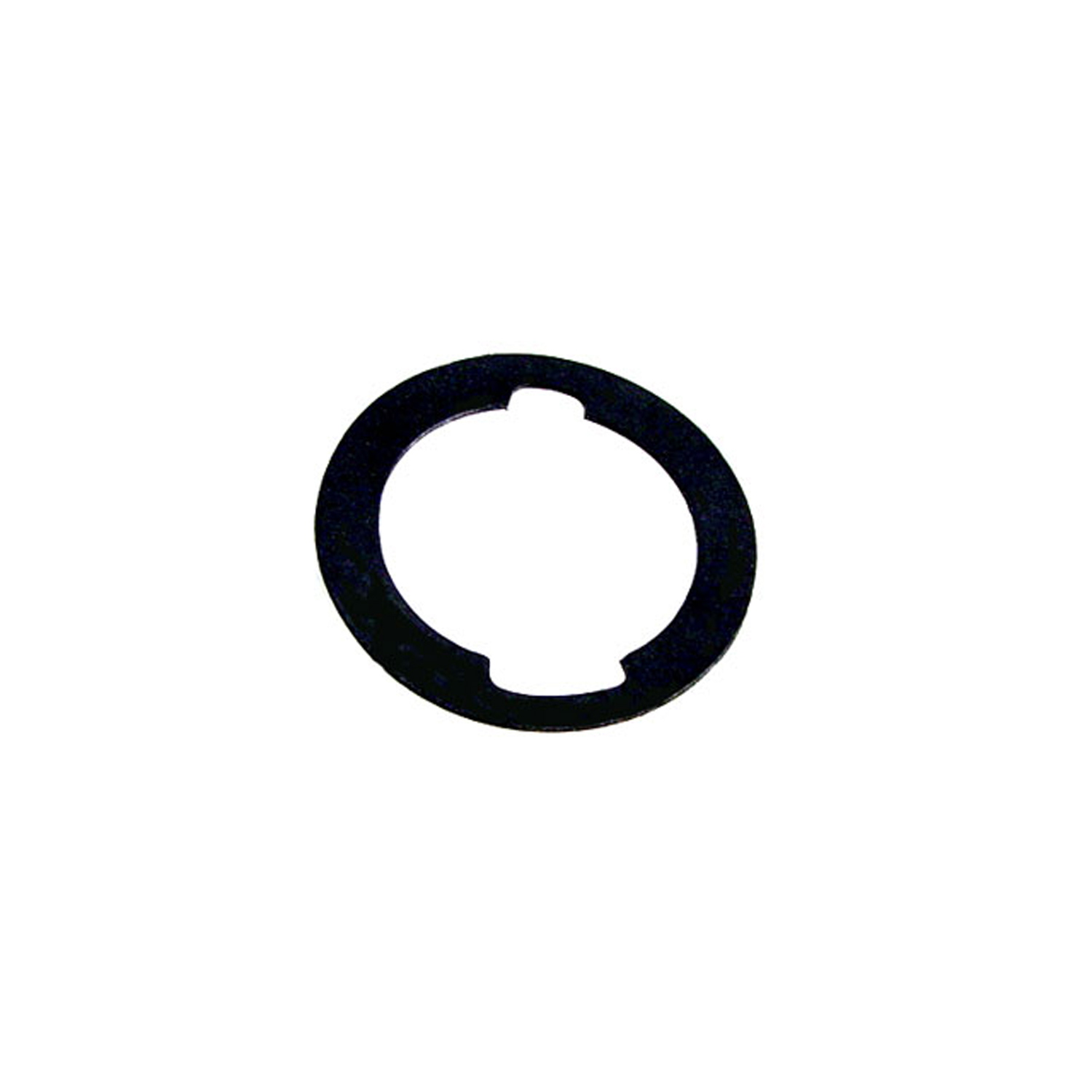 1972 Buick GS 455 Unbeaded Door and Trunk Lock Gasket. 1-3/16" O.D., 7/8" I.D-UM 1600-100Unbeaded Door and Trunk Lock Gasket. 1-3/16" O.D., 7/8" I.D. Each
 1972 Buick GS 455 Rear Roll-Up Quarter Window Seals-VS 3-MRear Roll-Up Quarter Window Seals, for 2-Door Hardtops and Convertibles. Made with a steel core stiffener. 16-1/2" long. Pair
 1972 Buick GS 455 Rear Roll-Up Quarter Window Seals-VS 3-MXRear Roll-Up Quarter Window Seals, for 2-Door Hardtops and Convertibles. Made without steel core. 16-1/2" long. Pair
 1972 Buick GS 455 Windshield Reveal Molding Clip. Made of steel-WF 203Windshield Reveal Molding Clip. Made of steel. 5/8" x 15/16". Each
 1972 Buick GS 455 Rear Quarter Window Molding Clip. Made of steel-WF 204Rear Quarter Window Molding Clip. Made of steel. 3/4" x 1-3/8". Each
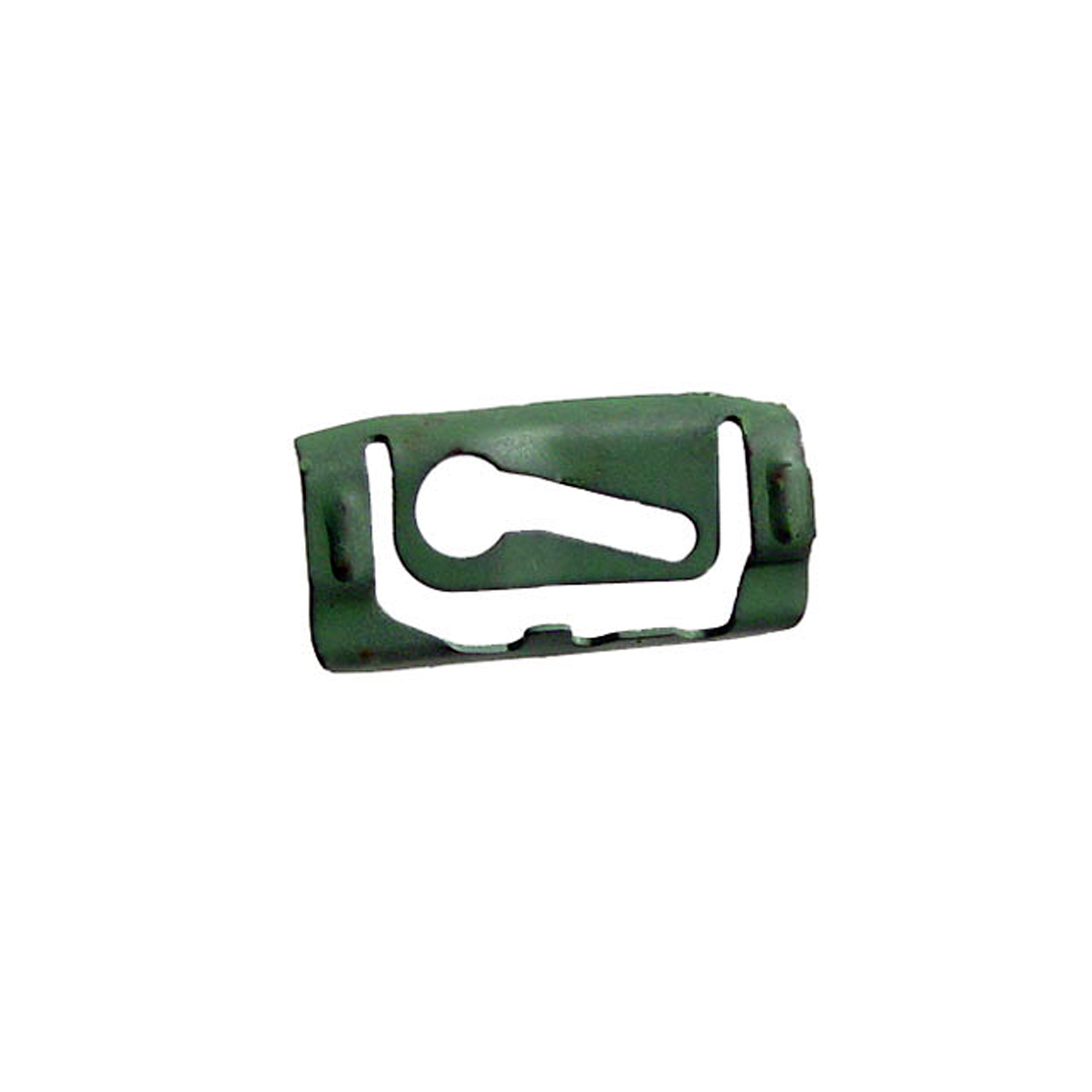 1972 Buick GS 455 Quarter Window Reveal Molding Clip. Made of Steel-WF 205Quarter Window Reveal Molding Clip. Made of Steel. 1-3/8" X 11/16". Each
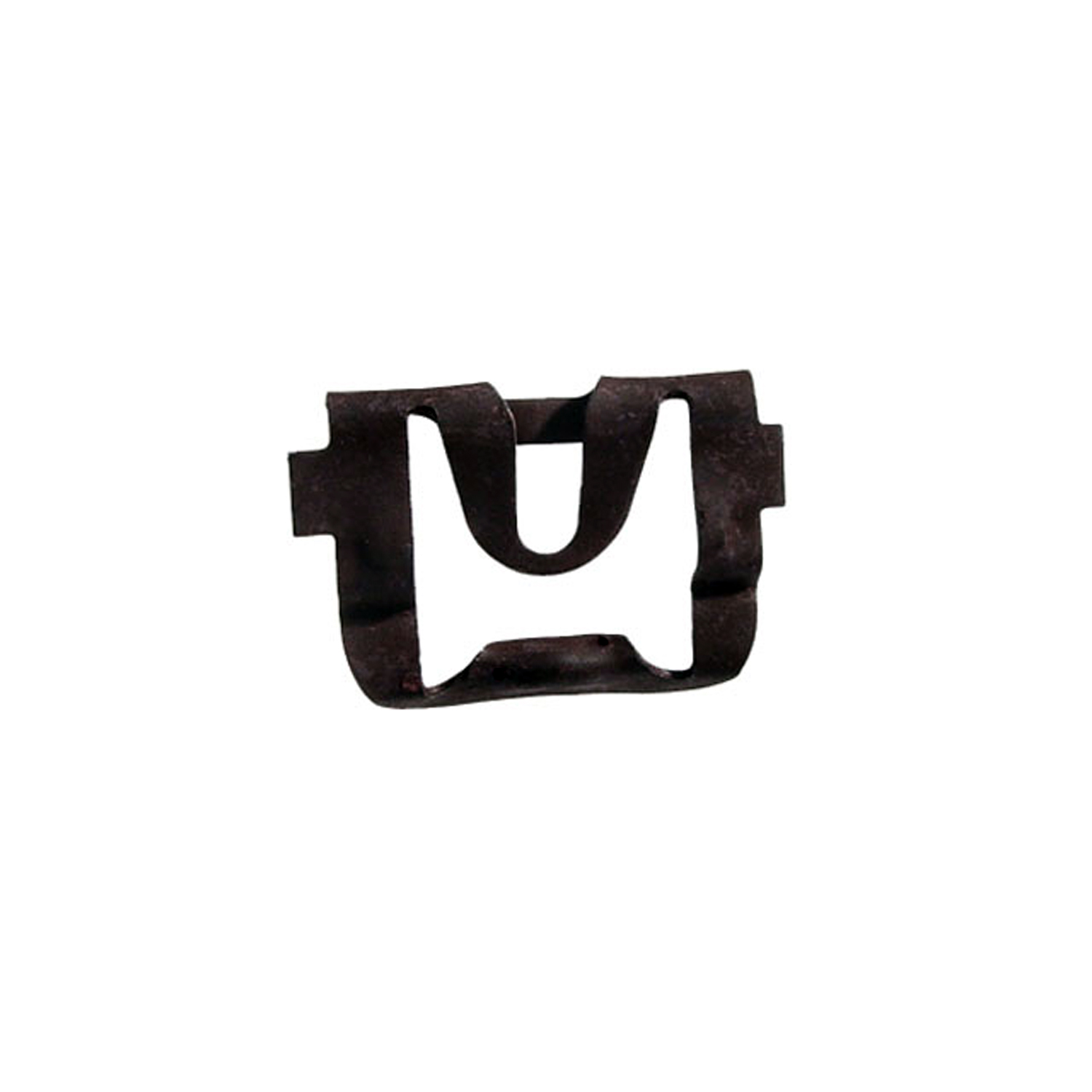 1972 Buick GS 455 Rear Windshield Reveal Molding Clip. Made of steel-WF 211Rear Windshield Reveal Molding Clip. Made of steel. 15/16" X 3/4". Each
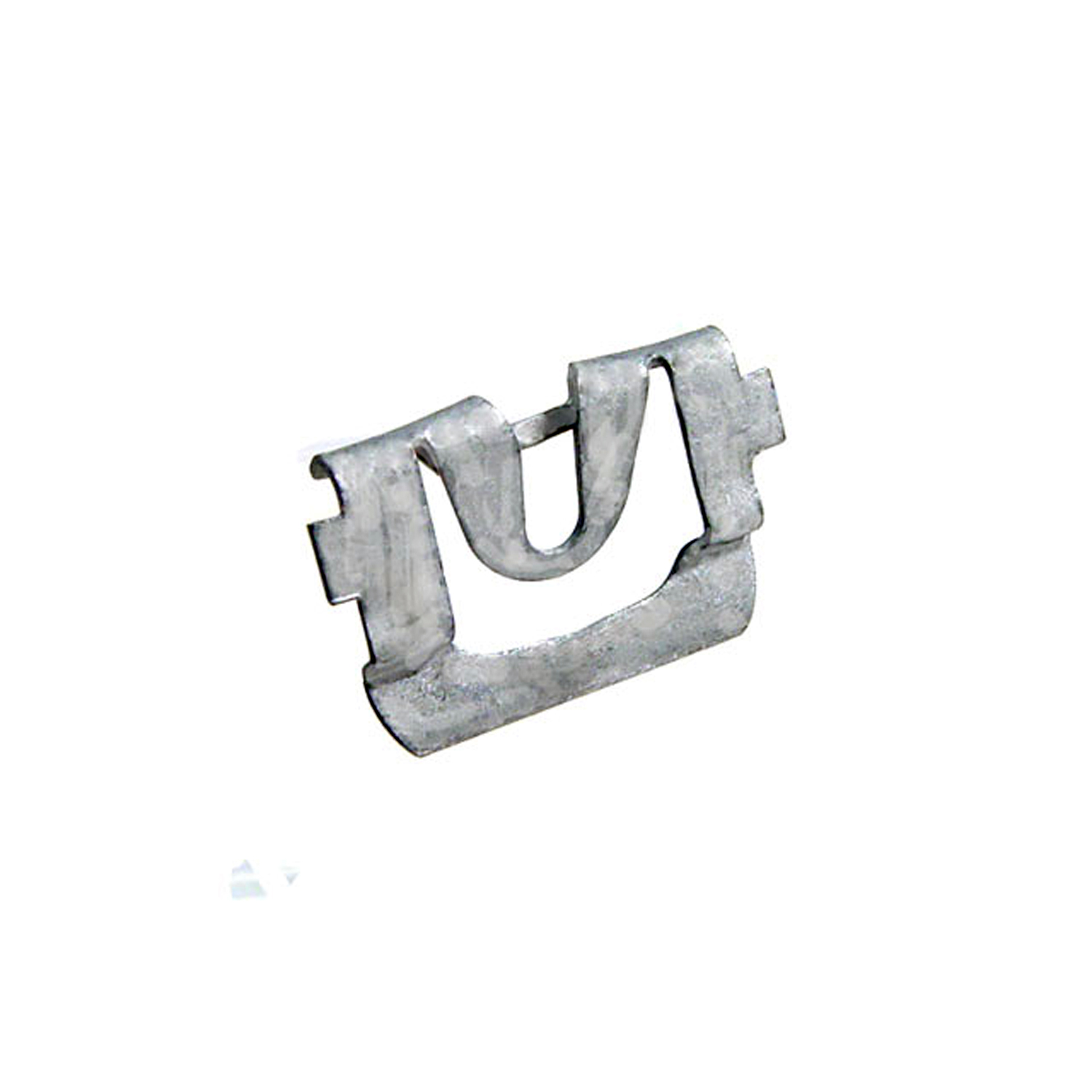 1972 Buick GS 455 Windshield Reveal Molding Clip. Made of steel-WF 223Windshield Reveal Molding Clip. Made of steel. 1/1/8" X 3/4". Each
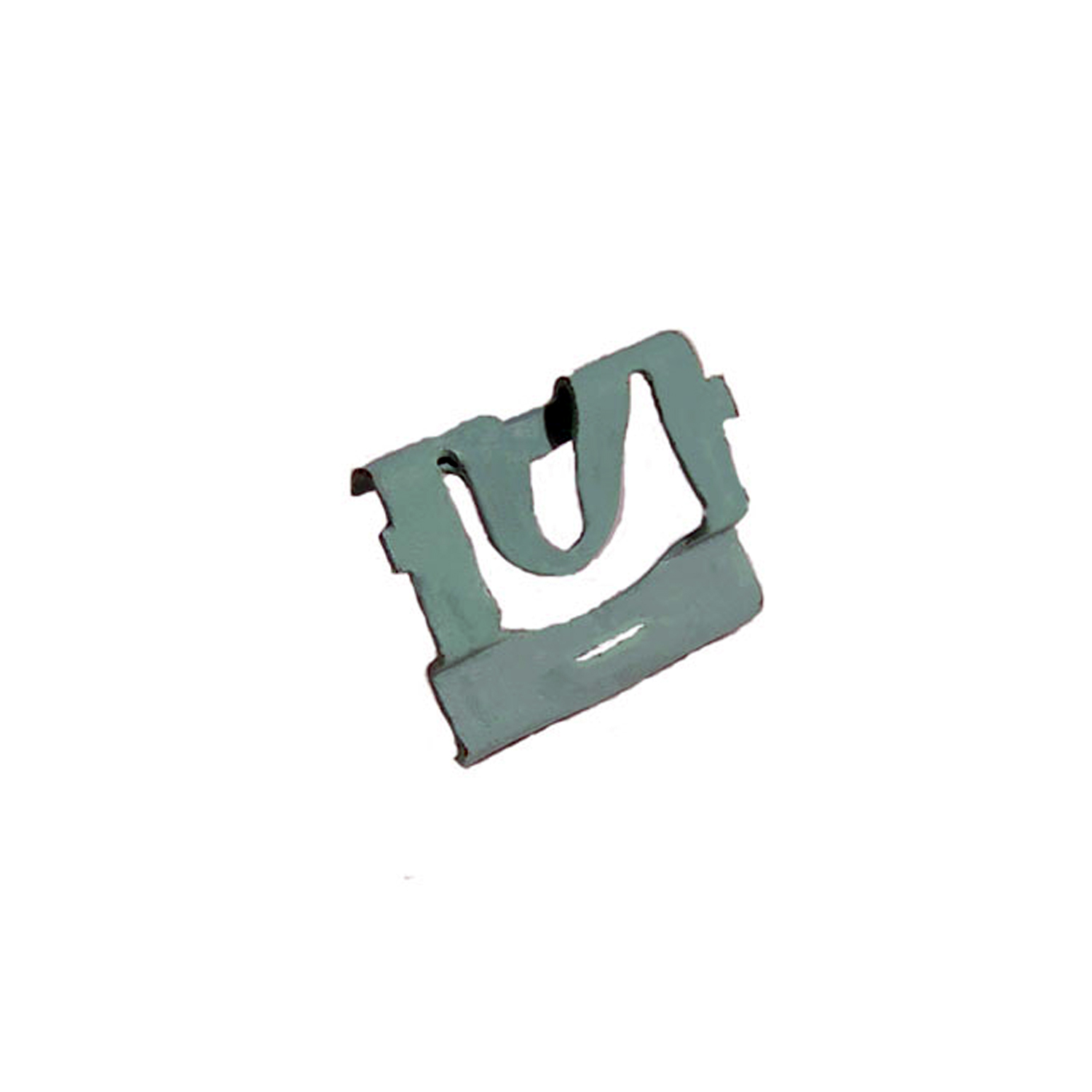 1972 Buick GS 455 Windshield Reveal Molding Clip. Made of steel-WF 224Windshield Reveal Molding Clip. Made of steel. 1-1/4" X 3/4". Fits many models. Each
 1972 Buick GS 455 Rear Axle Housing Bumper. Each-XB 33Rear Axle Housing Bumper. Each
Why Choose Metro?
For over 100 years, Metro Moulded Parts has been the pinnacle of quality in classic car restoration parts. Our commitment to precision and authenticity in every component ensures a perfect fit and an OEM-level appearance.
- Expert Craftsmanship & Quality: Each part is a testament to our dedication to reliability and perfection, crafted from original designs and thoroughly tested.
- Advanced Technology: We use cutting-edge techniques to create flawless, long-lasting parts that surpass others in performance.
- SuperSoft Sponge – The Ultimate Door Seal: Not only are our door seals 30% softer than competitors', but they're also guaranteed to never leak. They effectively reduce wind and road noise, enhancing your classic car's comfort and driving experience.
- Proudly American: Our parts are a product of American craftsmanship, made in the USA with a spirit of excellence and heritage.
- Unrivaled Warranty: We back our products with a 30-year industry-leading warranty, a testament to our confidence in their quality.
Join us in preserving the legacy of classic cars with parts that are crafted for perfection, not just made.