

Image of 1972 Buick Lesabre, Note: These illustrations use artistic license and may differ from actual historical models.
Performance Metrics
Fundamental Metrics
Emotional Appeal
MMP Rating
| Engine Specifications | |
|---|---|
| Engine: | 350 cu in (5.7 L) V8, 455 cu in (7.5 L) V8 |
| Displacement: | 350-455 cu in |
| Horsepower: | 160-250 hp |
| Torque: | 275-375 lb-ft |
| Compression Ratio: | 8.5:1 for the 350 cu in engine, 8.5:1 for the 455 cu in engine |
| Ignition System: | Conventional points ignition system |
| Cooling System: | Liquid-cooled |
| Performance Specifications | |
| 0-60 Time: | 10-12 seconds |
| 1/4 Mile Time: | 17-19 seconds |
| Top Speed: | 115-120 mph |
| Transmission and Drive | |
| Drive Type: | Rear-wheel drive |
| Transmission Type: | 3-speed automatic, 4-speed manual |
| Fuel and Efficiency | |
| Fuel System Type: | Carburetor |
| MPG: | 10-12 mpg |
| Dimensions and Brakes | |
| Brakes: | Front disc brakes, rear drum brakes |
| Wheelbase: | 124 inches |
| Weight: | 3,900-4,200 lbs |
Note: Specifications for classic cars are given to the best of our ability, considering the limited and variant data available.
1972 Buick LeSabre: Full-Size Comfort at the End of an Era
The 1972 Buick LeSabre made a long American highway feel like its own private boulevard. Built by Buick, General Motors’ comfort-minded premium division, it paired generous proportions and a smooth V8 with the quiet, easygoing character that defined a full-size Buick. The LeSabre sat below the more upscale Electra in Buick’s lineup and served as a roomy, attainable flagship for families who wanted a substantial car without stepping into the top price bracket.
Its timing gives the LeSabre extra historical interest. The 1972 model year came just before new federal bumper standards began reshaping American car design, and it marked the final year before the 1973 oil crisis changed buyers’ attitudes toward big, thirsty cars. It was also a year of transition in the industry: manufacturers increasingly reported horsepower using the more realistic SAE net standard rather than the older gross figures. That means a 1972 Buick’s published horsepower can look lower than figures for an earlier car, even when the difference is partly down to how the power was measured.
One detail that captures the LeSabre’s place in automotive history is its size. This was a car designed for broad roads, long trips, and passengers who expected room to stretch out. Today, that same scale makes it feel like a very different kind of driving experience from a modern sedan.
Long Lines, Plush Buick Cabin
The LeSabre wore the confident, horizontal styling typical of early-1970s American full-size cars. Its long hood, wide grille, gently sculpted body sides, and substantial rear quarters gave it a settled, imposing stance. Chrome trim added bright accents without overwhelming the bodywork, while the low roofline on the hardtop models helped soften the car’s otherwise massive profile. Details varied by trim and body style, but the overall look was unmistakably Buick: formal, polished, and designed to look at home in a hotel driveway or on an open highway.
Inside, the LeSabre emphasized space and comfort over sportiness. Depending on configuration, buyers could get broad bench seats, quality vinyl or available cloth upholstery, woodgrain-style trim, and a large, clearly arranged instrument panel. The front bench made room for three across, while the long wheelbase helped provide generous rear-seat legroom. A two-door hardtop offered a more personal look, while the four-door models suited family duty and easy passenger access.
Available conveniences could include air conditioning, power windows, power door locks, a power-adjustable seat, cruise control, an AM/FM radio, and a tilt steering wheel. Equipment varied with trim and options, so not every LeSabre had every feature. Power steering and an automatic transmission were central to the car’s relaxed character. Depending on the car’s equipment, buyers could also choose power-assisted braking, with front disc brakes available on some configurations.
Factory paint choices changed with trim and ordering choices, but the palette reflected the era: whites, creams, metallic golds, blues, greens, reds, and earth tones. White, darker blue, and rich metallic shades are popular with enthusiasts today because they suit the LeSabre’s formal lines and brightwork particularly well.
The LeSabre line included two-door and four-door models, with hardtop and sedan configurations offered in the range, as well as a convertible. Buick also offered full-size wagon models within its broader lineup, though exact model names and equipment depended on the series. The two-door hardtop is often the most visually striking choice, while the convertible is the most attention-grabbing and desirable for open-air cruising.
Why the 1972 LeSabre Matters
The LeSabre was not a radical engineering breakthrough, and that was part of its appeal. Buick focused on refining the full-size formula: a smooth V8, automatic transmission, comfortable suspension, broad seating, and a quiet cabin. In a market crowded with large cars from Chevrolet, Ford, Oldsmobile, and Chrysler, the Buick stood out through its more upscale presentation and easygoing ride.
Its historical importance comes from what it represents. The 1972 LeSabre belongs to the last generation of American cars shaped primarily around abundant fuel, generous dimensions, and relaxed highway travel. Soon, rising fuel prices and tighter emissions rules would push automakers toward smaller engines, lighter bodies, and more efficient designs. The LeSabre did not start that change, but it offers a vivid snapshot of the full-size car just before the industry’s priorities shifted.
It also illustrates the transition to horsepower figures that better reflected a car as installed with its production accessories and exhaust system. When comparing a 1972 LeSabre with an older Buick, it is important not to read the lower net-horsepower number as a simple measure of lost performance. The testing method had changed, and so had emissions and compression requirements.
350 V8 Power and Highway Manners
Most 1972 LeSabres used Buick’s 350-cubic-inch V8. The standard two-barrel version produced roughly 160 horsepower under the SAE net rating system, with a four-barrel 350 and larger 455-cubic-inch V8 available on some configurations. Exact output depended on engine and equipment. A three-speed Turbo-Hydramatic automatic was the typical transmission, delivering smooth, unhurried shifts rather than sporty snap.
Period performance varies with engine, axle ratio, body style, and test conditions. As a broad guide, a 350-powered LeSabre could take around 10 to 12 seconds to reach 60 mph. A larger-engine car could be quicker, while a heavily optioned model might be slower. Top speed was generally in the neighborhood of 110 to 120 mph, but these cars were built for comfortable cruising, not sustained high-speed runs. Tires, brakes, and the condition of a surviving example matter far more than a theoretical top-speed figure.
On the road, the LeSabre feels composed and substantial. Its soft suspension smooths out broken pavement and highway expansion joints, while power steering makes parking and low-speed turns manageable. The trade-off is noticeable body lean on tight, winding roads. This is a big rear-wheel-drive car, so it rewards smooth inputs and a measured pace rather than sharp cornering.
The engine’s sound is a deep, restrained V8 burble, especially under light throttle. Press harder and the exhaust note becomes more present, but the automatic transmission tends to keep the experience calm. The long hood, broad bench seat, and soft ride make the driver feel more like a captain than a racer. On a straight road, that is exactly the point.
Living With a LeSabre Today
A 1972 LeSabre is best suited to weekend cruising, local shows, and relaxed road trips. Some owners use them regularly, but their size, fuel consumption, and age make them less convenient as everyday transport than a modern car. A convertible makes a memorable summer cruiser, while a sedan or hardtop can be a practical entry into full-size Buick ownership.
Mechanical repairs are generally approachable for an owner with basic skills. Buick V8s are conventional pushrod engines, and many service parts are available through specialist suppliers and the wider GM parts network. Routine work such as ignition service, carburetor tuning, cooling-system repairs, and brake maintenance is familiar to classic-car mechanics. The Turbo-Hydramatic is also well understood by transmission shops.
Age, rather than unusual engineering, is usually the main challenge. Check carefully for rust in the floors, trunk, lower body panels, and around the windshield and rear window. Inspect the frame, suspension mounts, brake lines, and fuel system. Worn weatherstripping, tired interior materials, aging wiring, vacuum leaks, and cooling problems are common restoration concerns. Mechanical parts are often easier to find than correct trim, glass, upholstery patterns, and model-specific exterior pieces, so a complete car is usually a better starting point than a cheap project with missing parts.
Small Details and Common Complaints
The LeSabre’s appeal is closely tied to its original mission: comfortable transportation for a family or a long-distance traveler. It was not a dedicated performance car, and it did not set a headline-grabbing speed or endurance record. Its achievement was more everyday than that: Buick built a spacious, polished full-size car that could cover miles with little drama.
Among the most appealing versions, the convertible offers a combination of full-size Buick comfort and open-air motoring that is increasingly hard to find. Production totals for individual body styles vary among published sources, so claims about exact numbers should be checked against reliable model-specific records. As a general estimate, total 1972 LeSabre production was likely in the low hundreds of thousands, while convertible production was only a small fraction of that total.
Common criticisms are predictable. The car is wide and long by modern standards, fuel economy is modest, and soft suspension tuning can feel floaty to drivers accustomed to newer vehicles. Some owners also find that restoring exterior trim or a worn interior takes more patience than repairing the engine. Those drawbacks are part of the ownership bargain: the LeSabre offers space, presence, and an unmistakably period ride, not modern efficiency or precision handling.
Collector Values and Availability
Prices depend heavily on body style, rust, originality, mechanical condition, and the quality of any restoration. As a broad 2026 estimate in the U.S. market, a project-quality LeSabre might sell for about $2,000 to $6,000. A usable driver in presentable condition could land around $7,000 to $15,000, while a very clean or restored hardtop may bring roughly $15,000 to $28,000. A desirable, well-restored convertible can command approximately $25,000 to $45,000 or more, depending on provenance and condition.
These are guide ranges, not guaranteed appraisals. A car with rust or missing parts can be worth considerably less, while an unusually original example or a high-quality restoration may exceed the estimates. Ordinary hardtops and sedans appear from time to time, but the best-condition cars are less common. Convertibles are scarcer and tend to draw the strongest interest.
Values for standard LeSabres have generally been steady rather than explosive. Clean convertibles and unusually well-preserved cars have stronger appreciation potential, but the model is still more accessible than many high-profile muscle cars. For buyers, condition and completeness usually matter more than chasing a particular engine or trim badge.
A Buick Built for the Open Road
The 1972 Buick LeSabre combines full-size American styling, a smooth V8, and a comfortable ride in a package that captures the final years before the automotive world changed course. It was never meant to be a corner-carver or a fuel-sipping commuter. Its strengths are room, presence, straightforward mechanicals, and the unhurried pleasure of cruising behind a broad hood.
For collectors and enthusiasts, the LeSabre is a reminder that automotive history is not made only by race winners and rare muscle cars. Sometimes it is found in a well-kept family Buick, gliding down the highway exactly as its designers intended.
1972 Buick Lesabre Catalog of Parts
 1972 Buick LeSabre RE-ISSUE. Door lock-pillar seal-ALP 5055RE-ISSUE. Door lock-pillar seal. Fits '71-'73 GM B-, C- and E-body 2-door hardtop, coupe and convertible (including Cadillac). This part has been completely re-designed from scratch with new cores and new molds. Replaces OEM#'s 9640451/2. Pair. R&L.
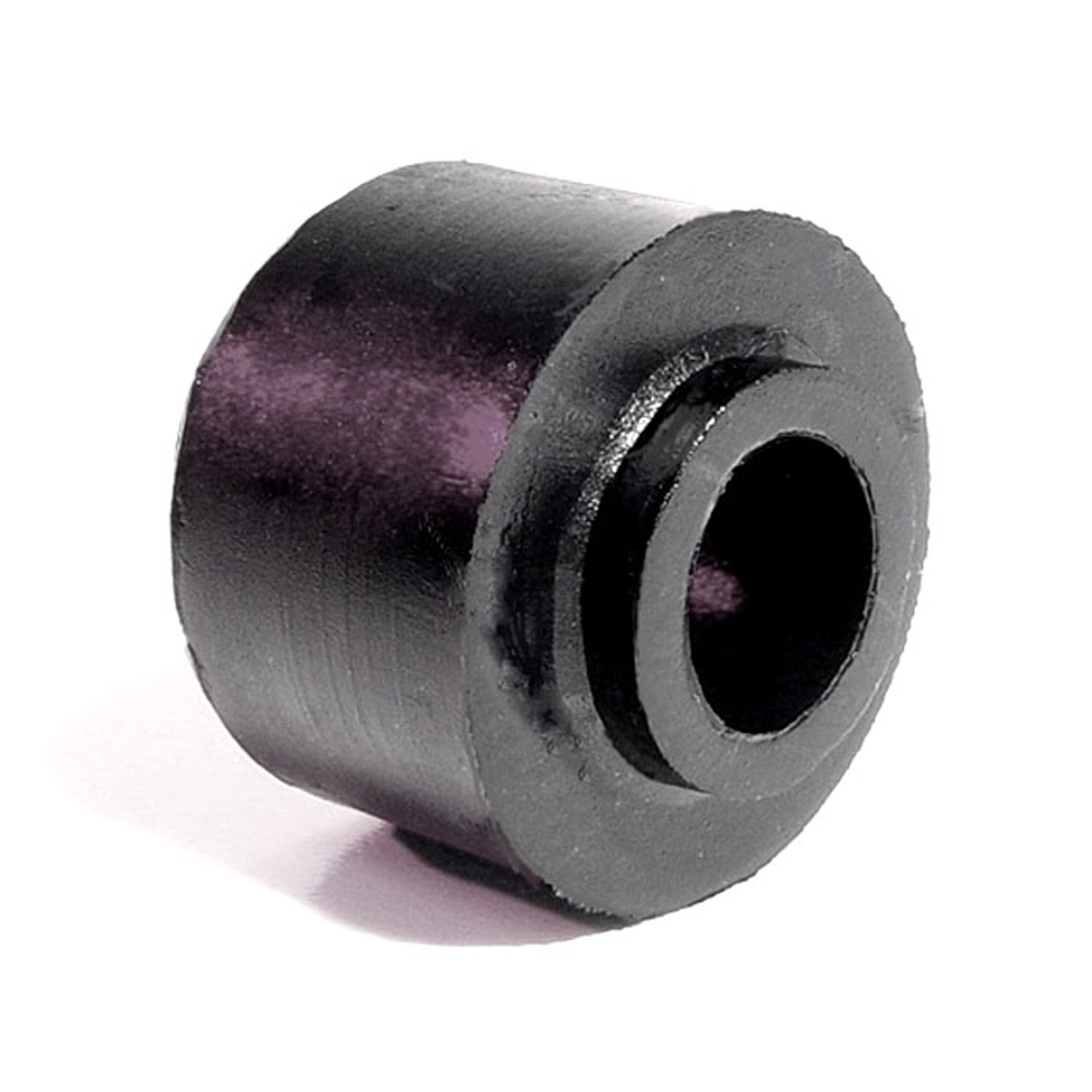 1972 Buick LeSabre Shock Absorber Grommet. 1" bottom O.D., 3/4" high-BN 1Shock Absorber Grommet. 1" bottom O.D., 3/4" high., with 7/16" I.D. Each
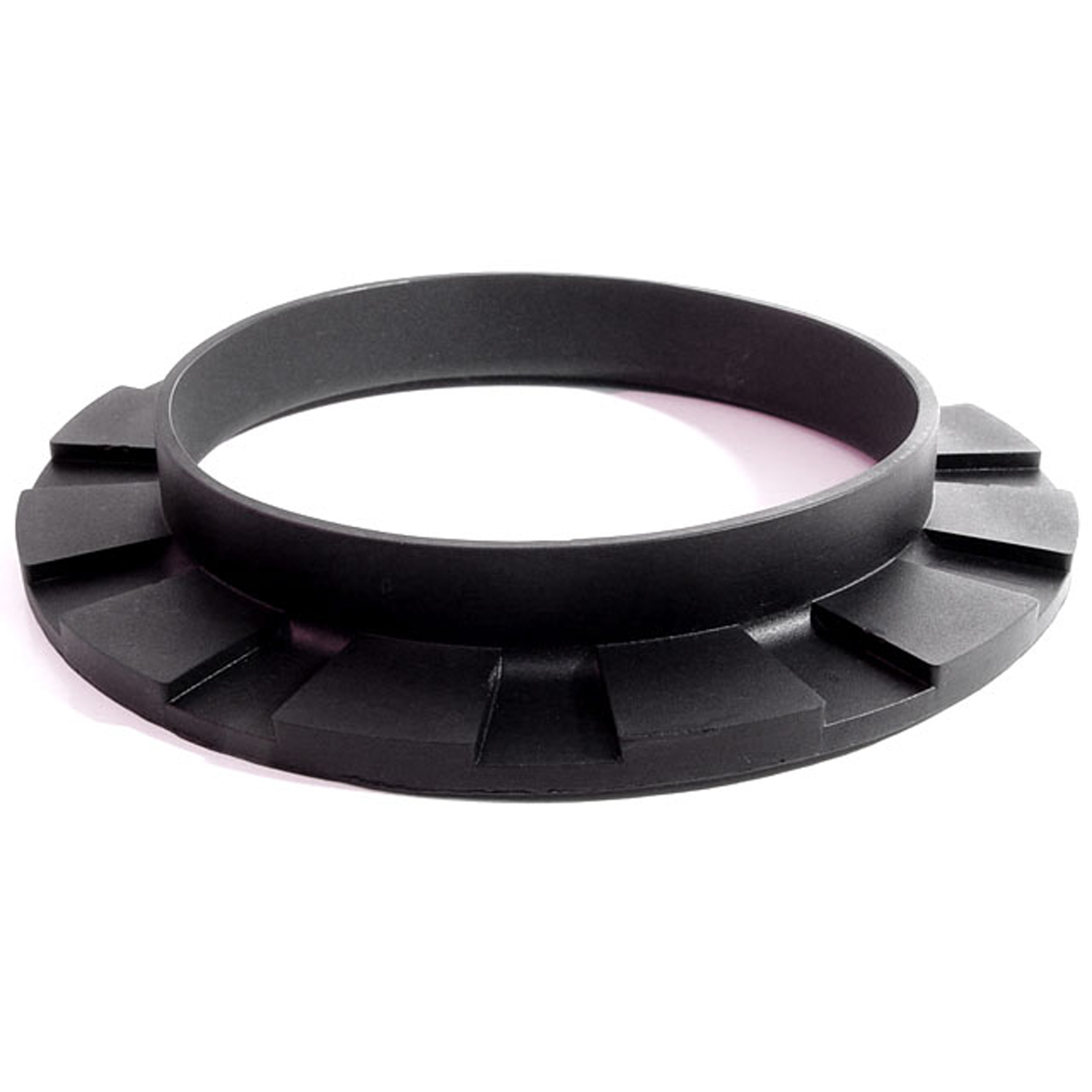 1972 Buick LeSabre Front coil-spring insulator-BN 110Front coil-spring insulator. Fits '41-'60 Oldsmobile and '50-'83 GM passenger models. 5-3/8 in. OD x 3-3/4 in. ID x 3/4 in. high with 13/16 in. wide bottom flange 1/4" thick, 12 flutes. Each.
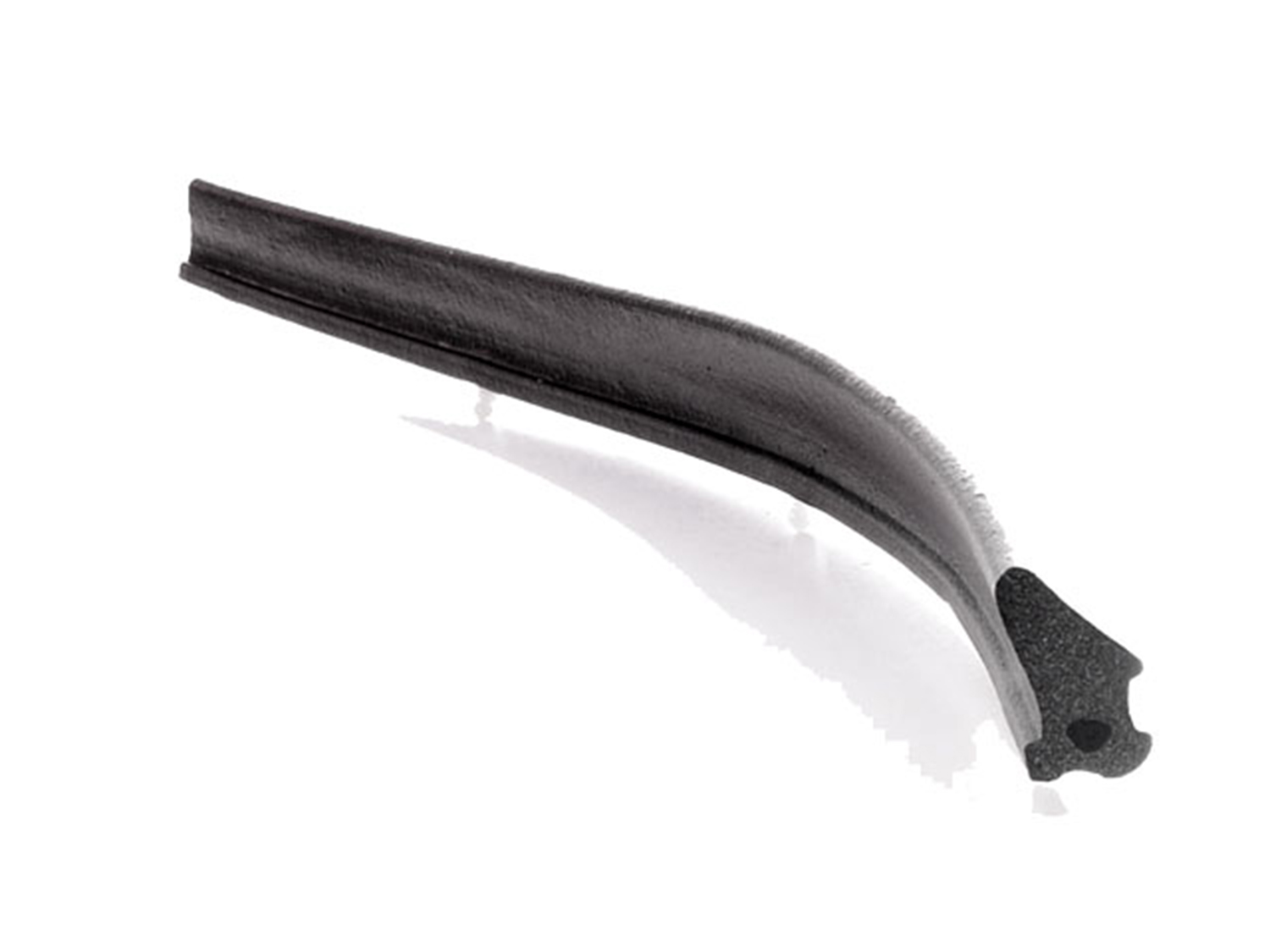 1972 Buick LeSabre Door Side Seal-C/LP 40-KDoor Side Seal. Made of smooth skin sponge extrusion, with clips installed. (For seal without clips, see LP 40-K) Sold by the foot.
 1972 Buick LeSabre Windshield Pillar Post Seals for Convertibles. 26" long-CZ 8130Windshield Pillar Post Seals for Convertibles. 26" long. Pair
 1972 Buick LeSabre REISSUE. Header seal-HD 732REISSUE. Header seal. Fits '71-'75 GM B-body and '71-'76 GM E-body convertibles. Molded from all-new 2015 retooled molds for improved fit and function.
 1972 Buick LeSabre Rear Hood Bumper. Each-HF 27Rear Hood Bumper. Each
 1972 Buick LeSabre Molded Door Seals. For 2-door hardtops and convertibles-LM 12-HMolded Door Seals. For 2-door hardtops and convertibles. Replaces OEM #9824514/5. Pair R&L
 1972 Buick LeSabre Front Molded Door Seals-LM 16-GFront Molded Door Seals. For 4-door sedan and wagon, with RWD. Each is 138-1/2" long. Pair R&L
 1972 Buick LeSabre Rear Molded Door Seals. For 4-door sedan only, with RWD-LM 16-G/RRear Molded Door Seals. For 4-door sedan only, with RWD. Each is 123-1/4" long. Pair R&L
 1972 Buick LeSabre Trunk Liner. Loose weave-M 23Trunk Liner. Loose weave. Black with scattered white threads. 54" wide. Sold by the foot
 1972 Buick LeSabre Basic Kit, for Convertibles-RKB 2007-115Basic Kit, for Convertibles. Door (LM 12-H) Roof Rail (RR 1814) Trunk (TK 46-E/18), Seals.
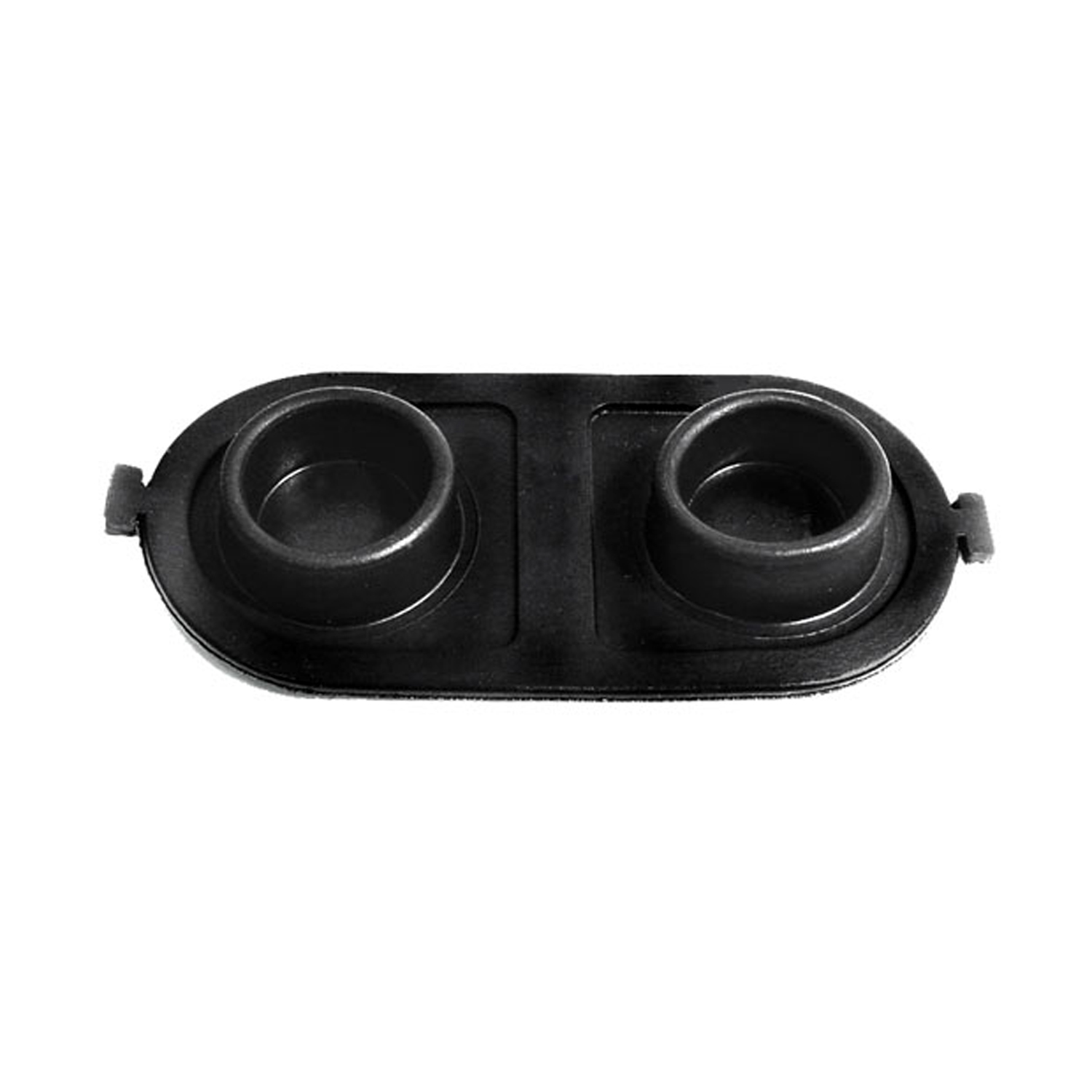 1972 Buick LeSabre Brake Master Cylinder Cover Seal. Replaces OEM #5470861-RP 2-EBrake Master Cylinder Cover Seal. Replaces OEM #5470861. 5" X 2-1/2". Each
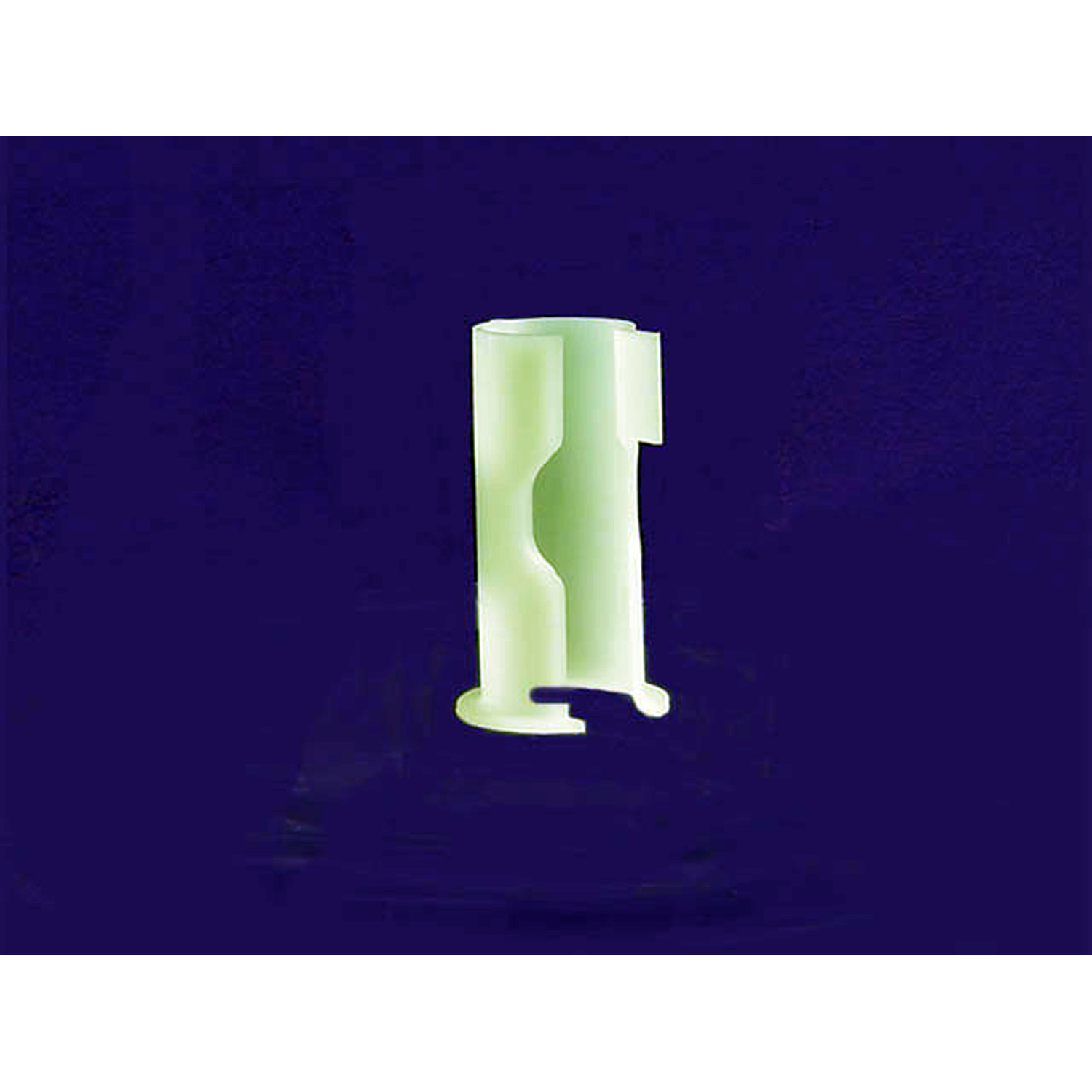 1972 Buick LeSabre Sun Visor Support Sleeve. Clear plastic. Each-RP 303-ASun Visor Support Sleeve. Clear plastic. Each
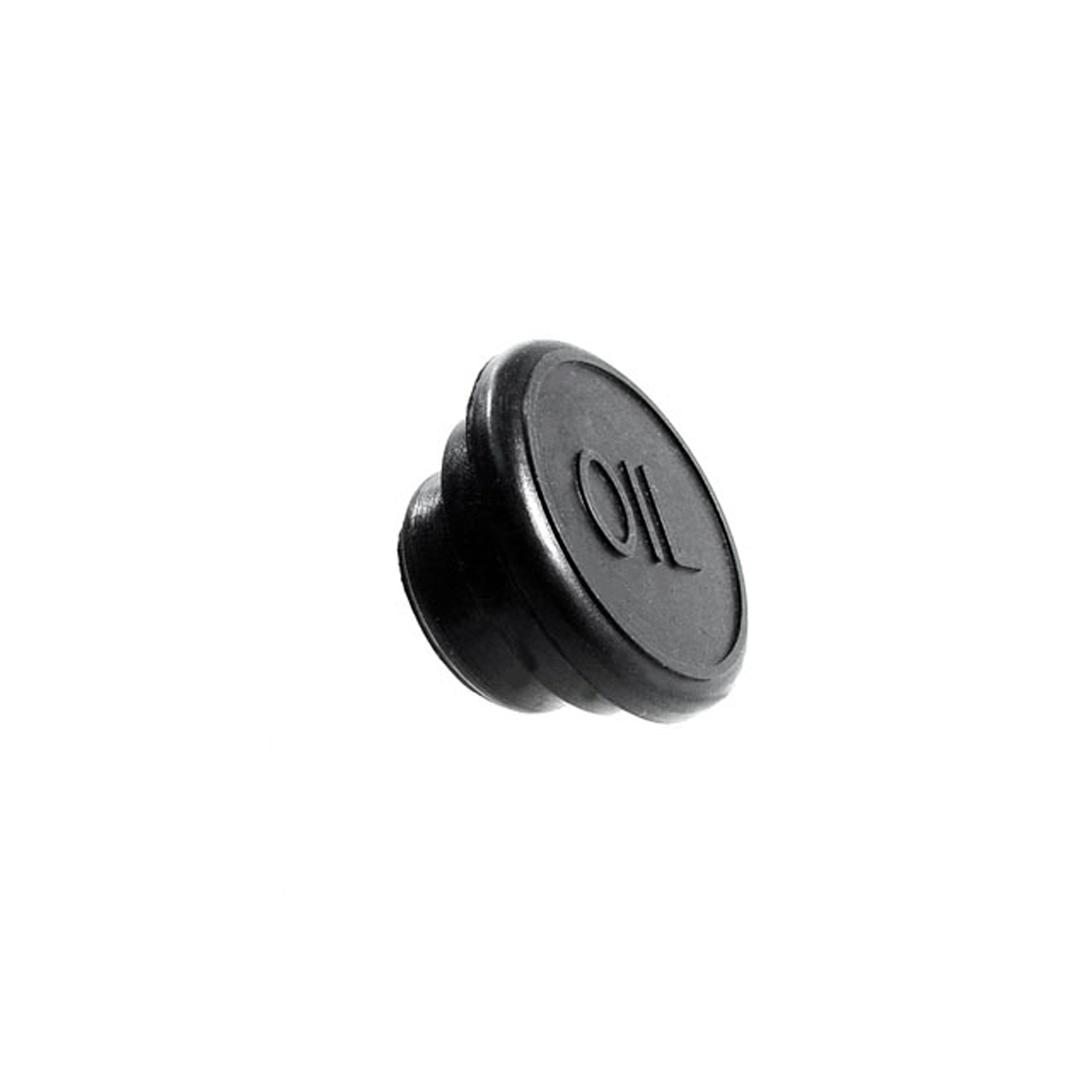 1972 Buick LeSabre Oil Filler Hole Cap. Made of rubber-RP 8Oil Filler Hole Cap. Made of rubber. Fits a 1-3/16" to 1-1/4" hole. Each
 1972 Buick LeSabre Convertible Top Roof Rail Kit-RR 1814Convertible Top Roof Rail Kit. 5-Piece set includes all right and left side top rail seals and the windshield top header seal.
 1972 Buick LeSabre Molded Roof Rail Seals-RR 5007-AMolded Roof Rail Seals, for 2-Door Hardtop -Sport (body style # ending in 57). 82" long. Pair R&L
 1972 Buick LeSabre Molded Roof Rail Seals for 4-Door Hardtop. Pair-RR 5007-EMolded Roof Rail Seals for 4-Door Hardtop. Pair
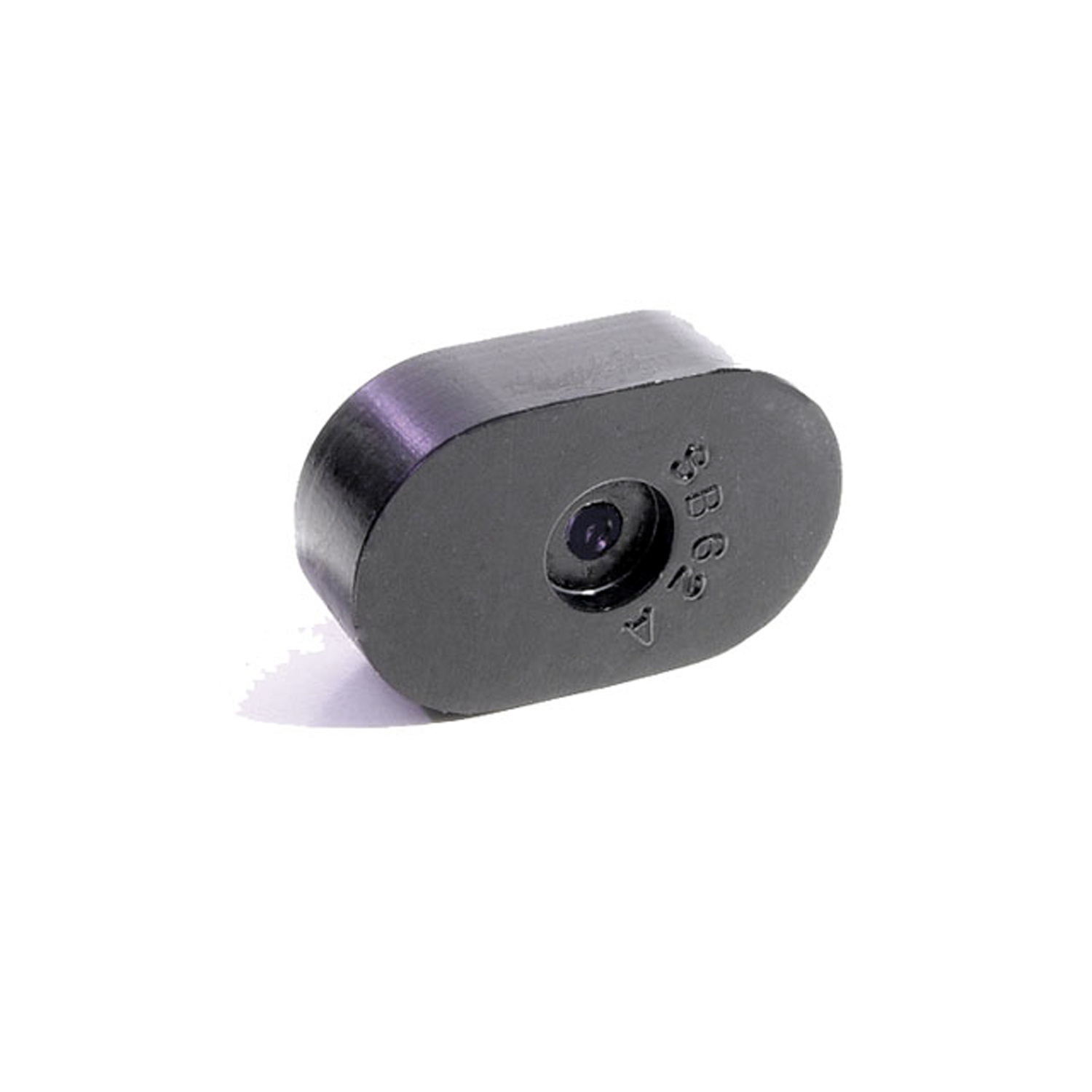 1972 Buick LeSabre Seat Bumper. Made with steel core like original-SB 62-ASeat Bumper. Made with steel core like original. 1-1/2" long, 7/16" thick. Two used per car. Each
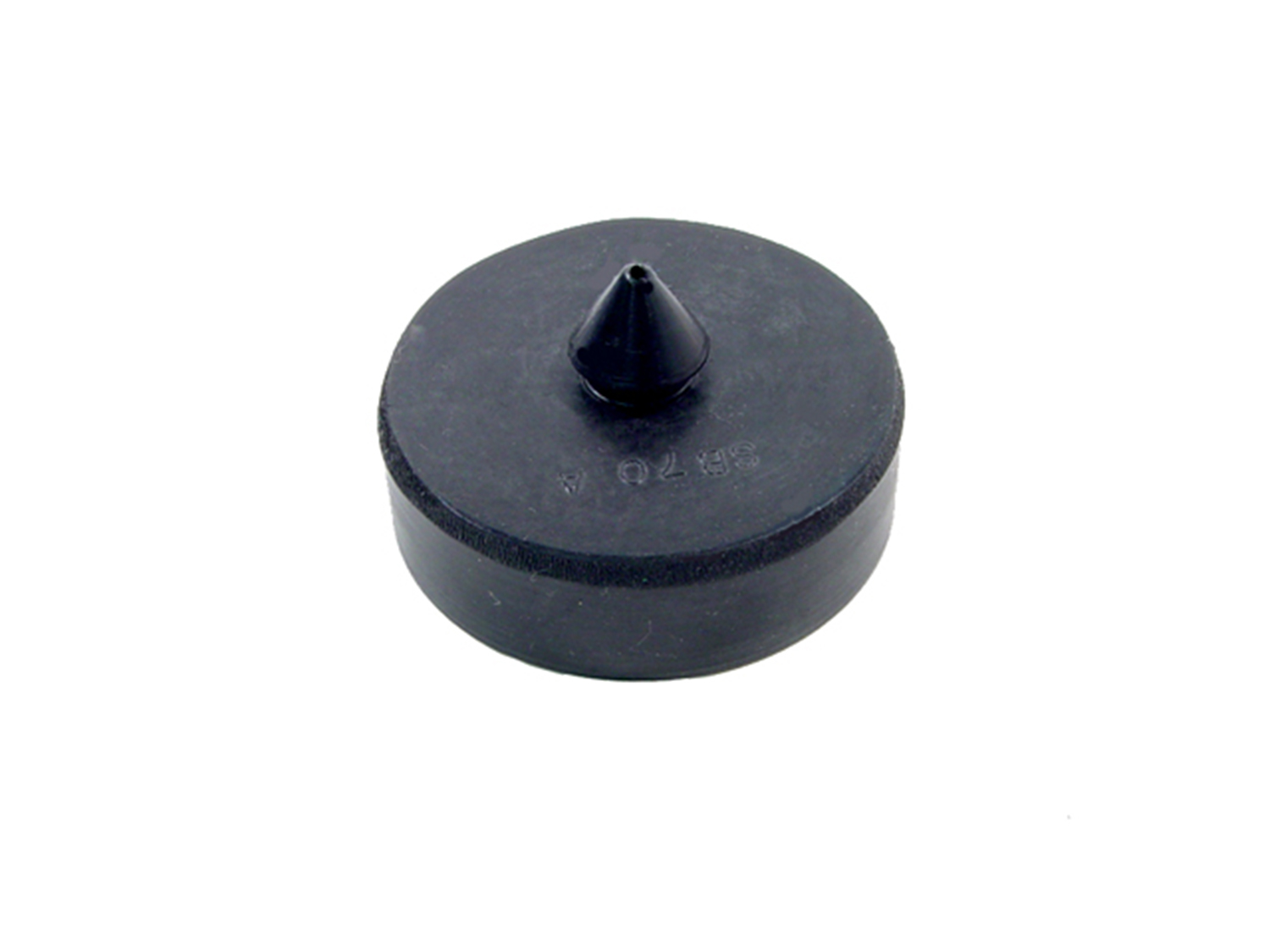 1972 Buick LeSabre Front door window stop bumper. ’70-’81 GM passenger cars-SB 70-AFront door window stop bumper. '70-'81 GM passenger cars. Dense rubber. Replaces OEM# 9810036. Each.
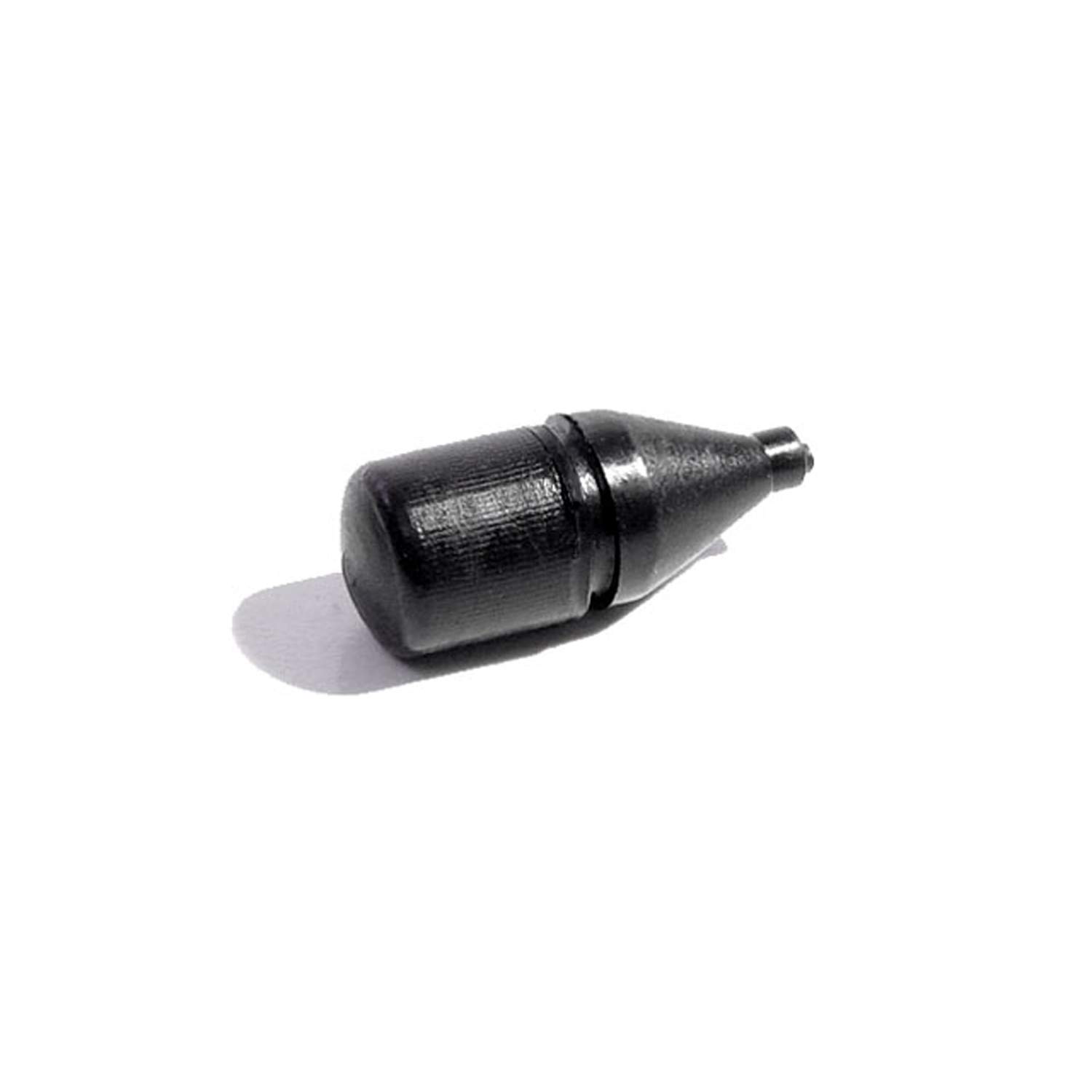 1972 Buick LeSabre Fuel Door Bumper. 7/8" high, 5/16" O.D. Each-SB 81Fuel Door Bumper. 7/8" high, 5/16" O.D. Each
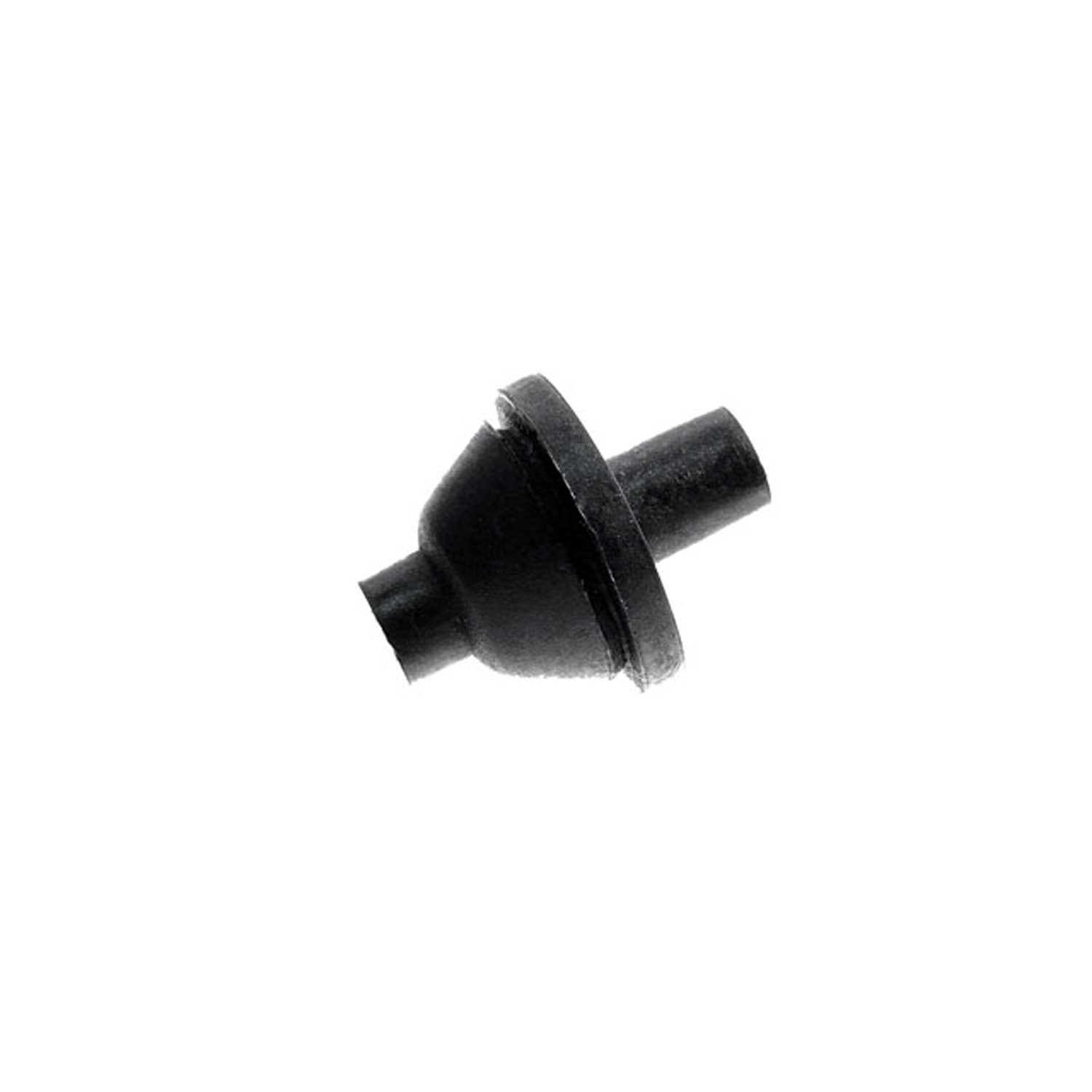 1972 Buick LeSabre Dash and Firewall Grommet. Single-hole type is for one wire-SM 101Dash and Firewall Grommet. Single-hole type is for one wire. Each
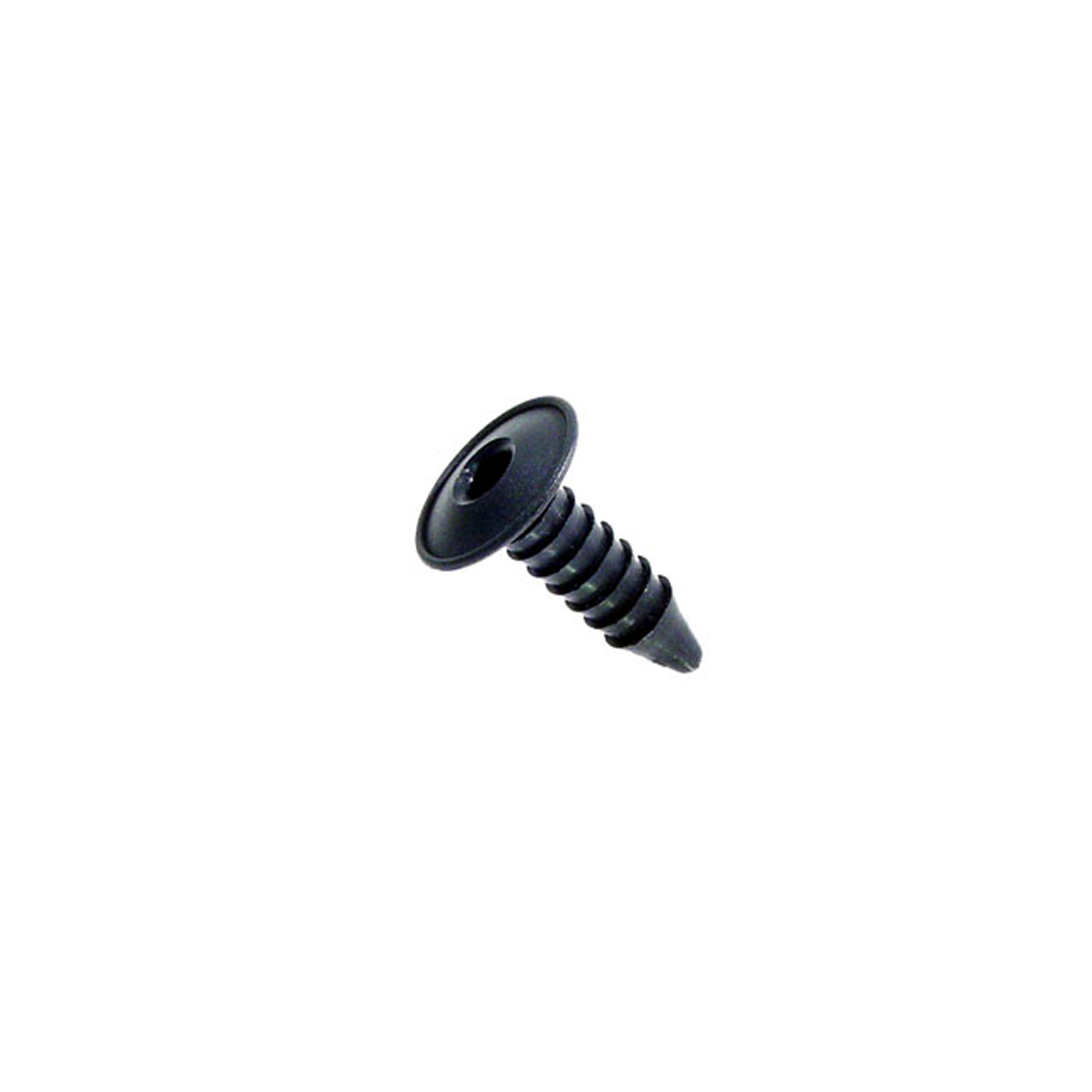 1972 Buick LeSabre Firewall insulation fastener. 1 in. dia. W head. 1-1/2 in. L-SM 80-AFirewall insulation fastener. 1 in. dia. W head. 1-1/2 in. L. Replaces OEM#'s (GM) 7642589 and (AMC) 4001934. Black. Each.
 1972 Buick LeSabre Trunk Seal. Each-TK 46-E/18Trunk Seal. Each
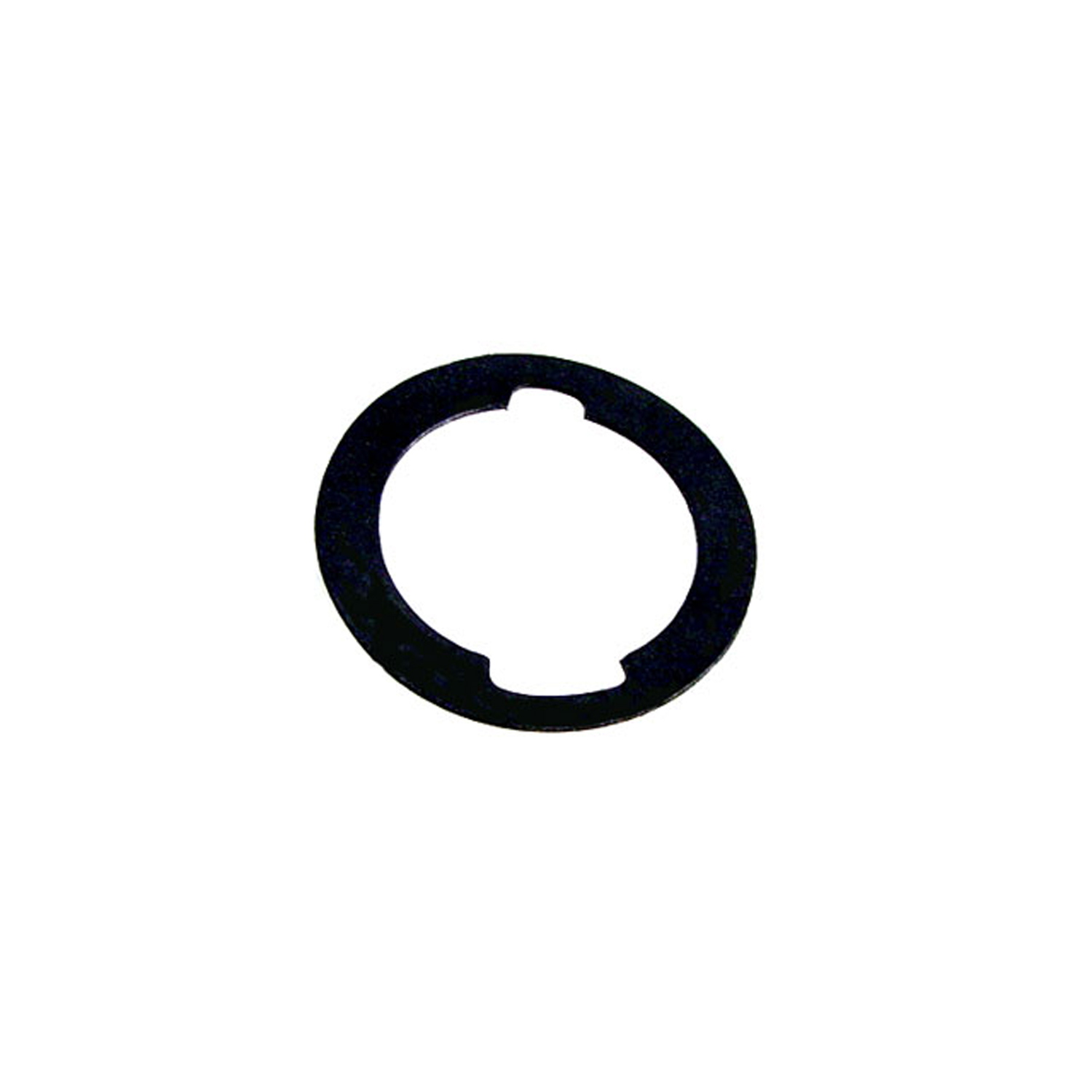 1972 Buick LeSabre Unbeaded Door and Trunk Lock Gasket. 1-3/16" O.D., 7/8" I.D-UM 1600-100Unbeaded Door and Trunk Lock Gasket. 1-3/16" O.D., 7/8" I.D. Each
 1972 Buick LeSabre Rear Roll-Up Quarter Window Seals, made with steel core-VS 3-NRear Roll-Up Quarter Window Seals, made with steel core. For 2-Door Hardtops and Convertibles. 18" Long. Pair
 1972 Buick LeSabre Rear Roll-Up Quarter Window Seals, for 4-Door Hardtops-VS 3-YRear Roll-Up Quarter Window Seals, for 4-Door Hardtops. 19-1/8" Long. Pair
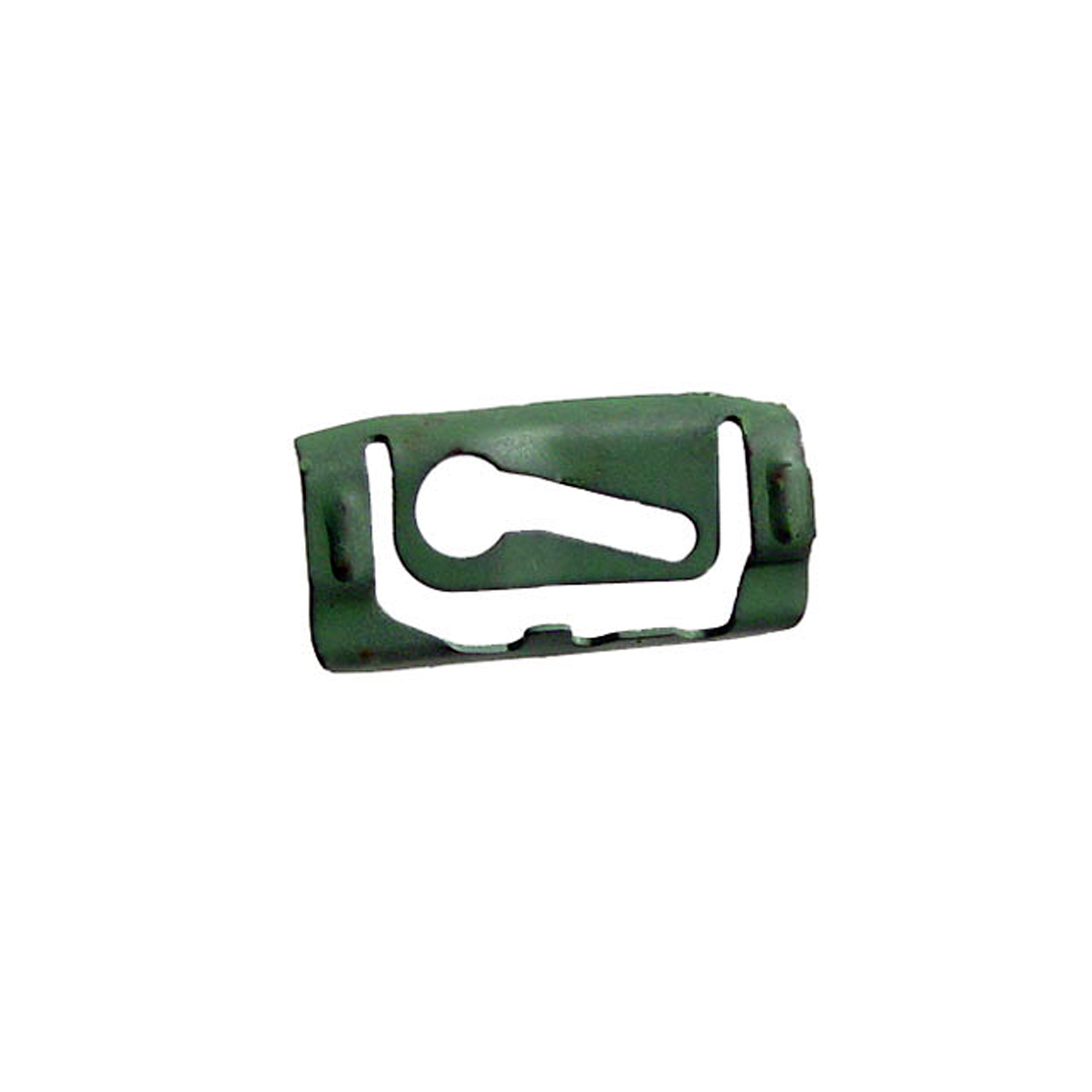 1972 Buick LeSabre Quarter Window Reveal Molding Clip. Made of Steel-WF 205Quarter Window Reveal Molding Clip. Made of Steel. 1-3/8" X 11/16". Each
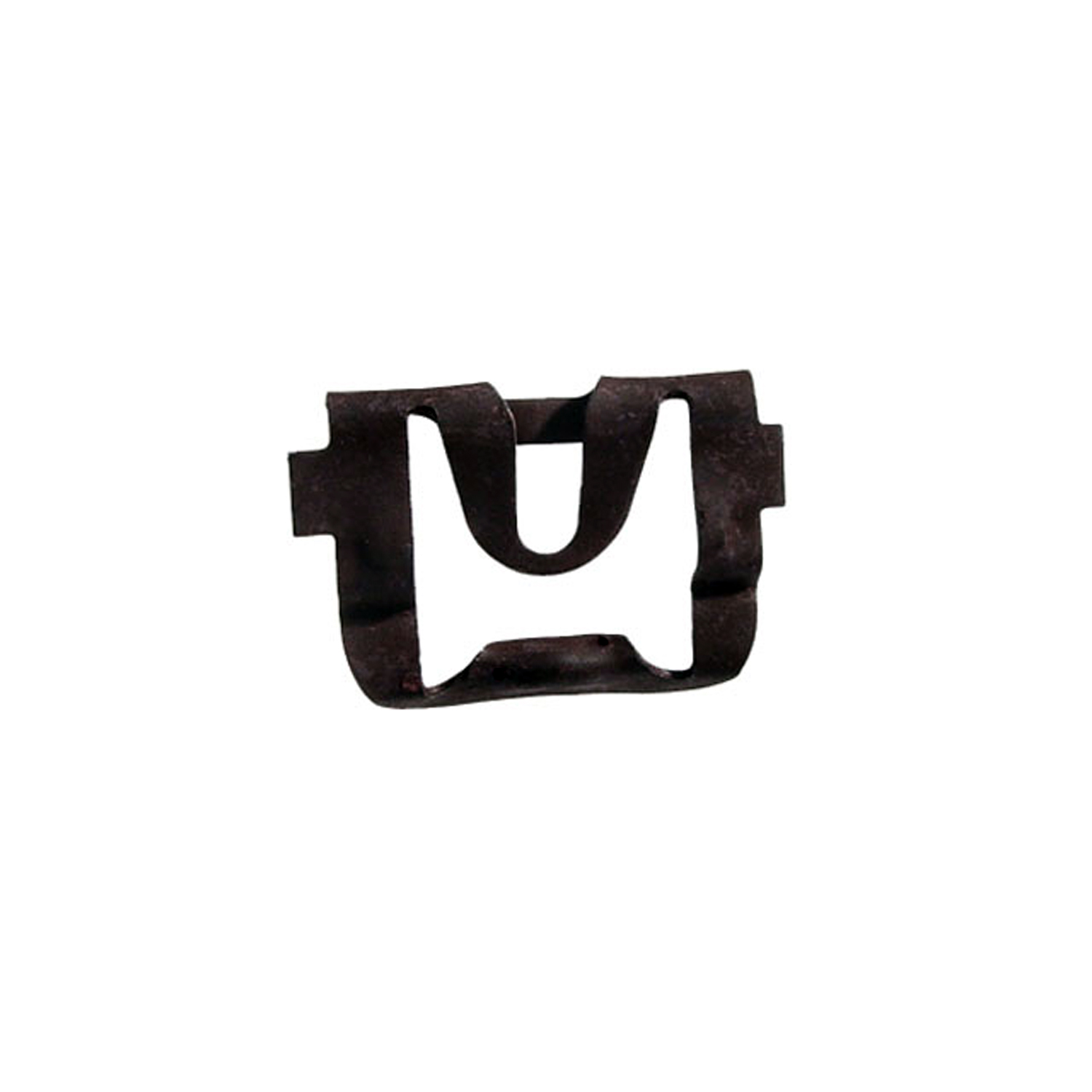 1972 Buick LeSabre Rear Windshield Reveal Molding Clip. Made of steel-WF 211Rear Windshield Reveal Molding Clip. Made of steel. 15/16" X 3/4". Each
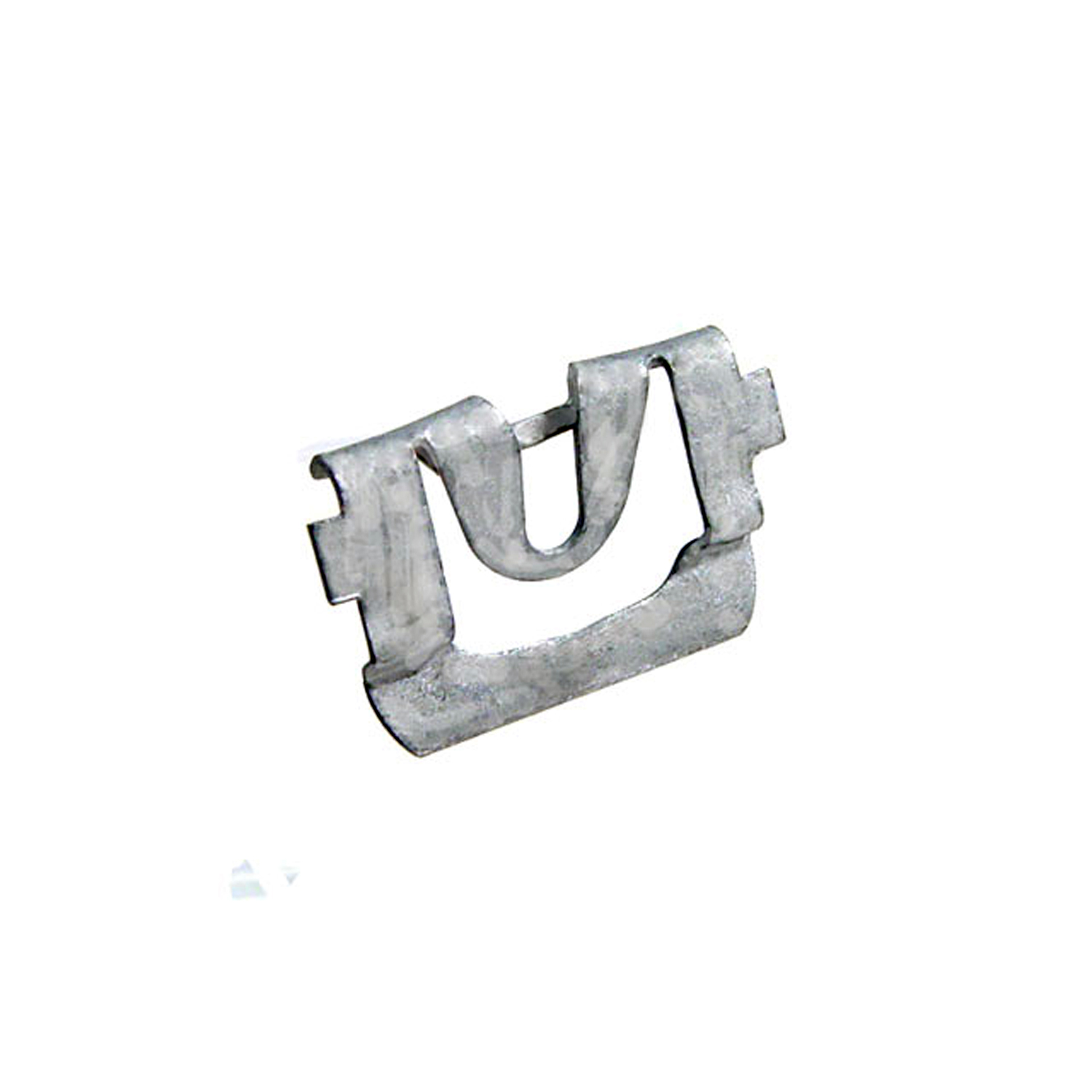 1972 Buick LeSabre Windshield Reveal Molding Clip. Made of steel-WF 223Windshield Reveal Molding Clip. Made of steel. 1/1/8" X 3/4". Each
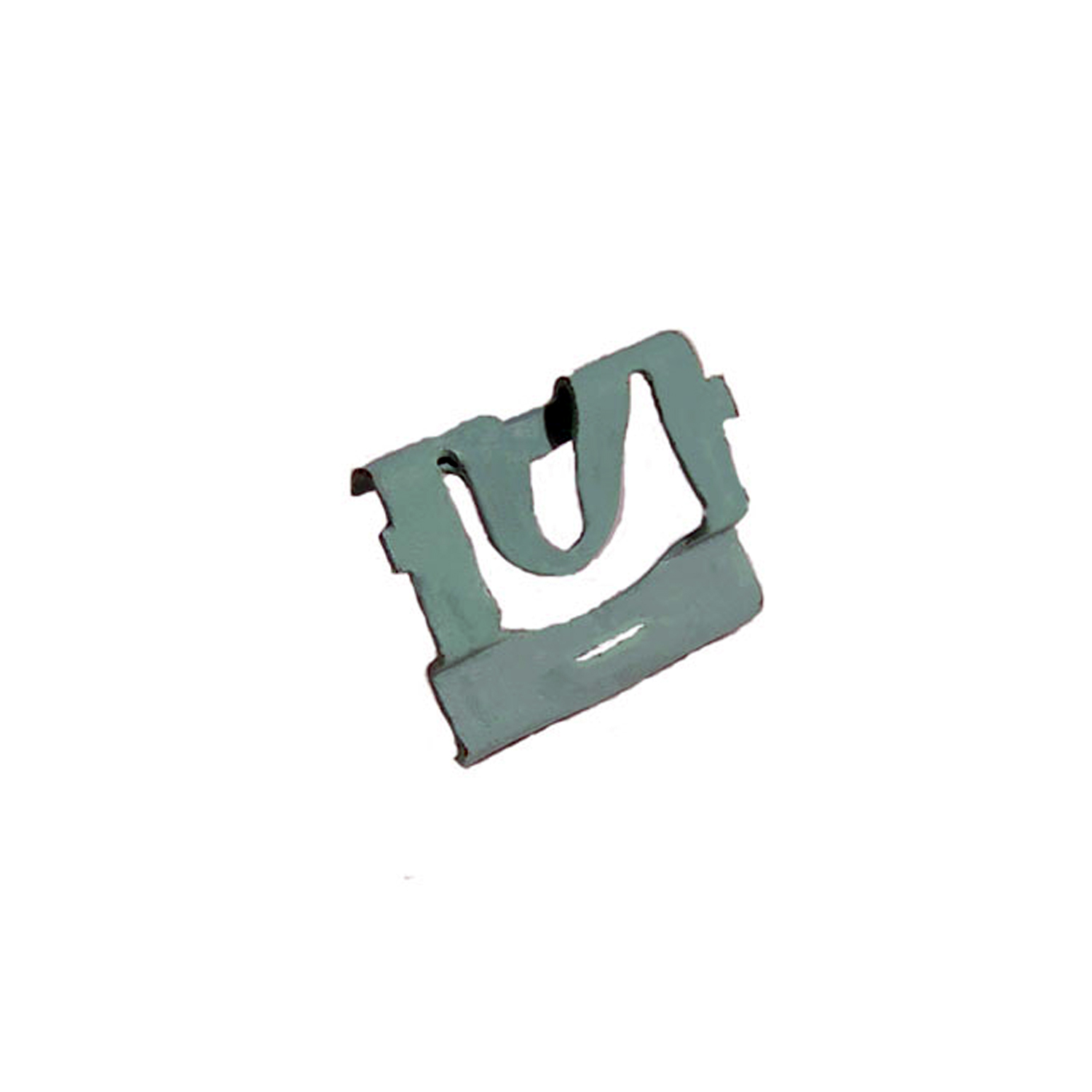 1972 Buick LeSabre Windshield Reveal Molding Clip. Made of steel-WF 224Windshield Reveal Molding Clip. Made of steel. 1-1/4" X 3/4". Fits many models. Each
Why Choose Metro?
For over 100 years, Metro Moulded Parts has been the pinnacle of quality in classic car restoration parts. Our commitment to precision and authenticity in every component ensures a perfect fit and an OEM-level appearance.
- Expert Craftsmanship & Quality: Each part is a testament to our dedication to reliability and perfection, crafted from original designs and thoroughly tested.
- Advanced Technology: We use cutting-edge techniques to create flawless, long-lasting parts that surpass others in performance.
- SuperSoft Sponge – The Ultimate Door Seal: Not only are our door seals 30% softer than competitors', but they're also guaranteed to never leak. They effectively reduce wind and road noise, enhancing your classic car's comfort and driving experience.
- Proudly American: Our parts are a product of American craftsmanship, made in the USA with a spirit of excellence and heritage.
- Unrivaled Warranty: We back our products with a 30-year industry-leading warranty, a testament to our confidence in their quality.
Join us in preserving the legacy of classic cars with parts that are crafted for perfection, not just made.