

Image of 1972 Buick Sportwagon, Note: These illustrations use artistic license and may differ from actual historical models.
Performance Metrics
Fundamental Metrics
Emotional Appeal
MMP Rating
| Engine Specifications | |
|---|---|
| Engine Options: | 350 cu in (5.7 L) V8, 455 cu in (7.5 L) V8 |
| Displacement Range: | 350-455 cu in |
| Horsepower Range: | 160-250 hp |
| Torque: | 275-375 lb-ft |
| Compression Ratio: | 8.5:1 - 10.0:1 |
| Ignition System: | Conventional distributor and coil ignition system |
| Cooling System: | Liquid-cooled |
| Performance Specifications | |
| 0-60 Time: | Estimated 8-10 seconds |
| 1/4 Mile Time: | Estimated 16-18 seconds |
| Top Speed: | 115-125 mph |
| Transmission and Drive | |
| Drive Type: | Rear-wheel drive |
| Transmission Type: | 3-speed automatic, 4-speed manual |
| Fuel and Efficiency | |
| Fuel System Type: | Carburetor |
| MPG: | Estimated 10-12 mpg |
| Dimensions and Brakes | |
| Brakes: | Front disc, rear drum |
| Wheelbase: | 121 inches |
| Weight: | 3,800-4,200 lbs |
Note: Specifications for classic cars are given to the best of our ability, considering the limited and variant data available.
1972 Buick Sportwagon: The Skylit Classic Wagon
The 1972 Buick Sportwagon turned family-hauling practicality into a rolling piece of American design, with V8 power, an upscale cabin, and an unmistakable glass-paneled roof. Built by Buick, General Motors’ premium-leaning brand, it was an intermediate-size station wagon with the presence and comfort many buyers expected from a full-size car.
The Sportwagon name first appeared in 1964, when Buick joined the era’s growing market for roomy wagons that were easier to drive and park than the largest models. The 1972 version is especially interesting because it was the final Sportwagon model year. Its best-known feature, Buick’s optional Vista Roof, gave the wagon a raised roofline and glass roof panels that brought daylight into the cabin. It was a memorable answer to the familiar station-wagon problem: lots of room, but not always much light.
Raised Roof, Long-Roof Style
The Sportwagon wore the clean, broad-shouldered styling of early-1970s Buick intermediates. Its long hood, wide grille, substantial bumpers, and straight body sides gave it a confident road presence, while the extended roof and cargo area made its wagon role unmistakable. The signature Vista Roof added a raised section over the passenger compartment, with glass panels that gave the car a more open feel than a conventional wagon.
Inside, the Sportwagon was designed for comfortable family travel rather than bare-bones utility. Depending on trim and equipment, buyers could find cloth or vinyl upholstery, carpeted flooring, woodgrain-style accents, and the broad bench seating typical of the period. The cabin was generous by intermediate-car standards, and available seating configurations could accommodate a third row. As with many classic wagons, the exact layout and equipment vary from car to car.
Available options included conveniences such as power steering, power brakes, air conditioning, and upgraded audio equipment. These features were not all standard, so a surviving car’s original build sheet or factory documentation is the best way to confirm its equipment. The Sportwagon’s biggest visual and functional option remained the Vista Roof, which is often the first detail enthusiasts notice.
Buick offered the wagon in the era’s broad palette of solid and metallic finishes. Buyers could choose from familiar shades of white, red, blue, green, gold, and brown, with exact color names depending on the factory paint chart. Today, original paint colors with strong period character, especially deep metallic shades, can make a well-preserved Sportwagon stand out at a show.
The 1972 Sportwagon was a four-door station wagon, offered in trim and equipment variations rather than a collection of different body styles. The Custom-trimmed examples generally brought a more dressed-up presentation, while the core Sportwagon formula balanced Buick comfort with practical cargo space. The Vista Roof-equipped wagon is the most iconic configuration, even though it was an option rather than a separate model.
Why the Sportwagon Mattered
The Sportwagon showed how automakers could make a family wagon feel more distinctive than a simple utility vehicle. Its raised roof and glass panels turned passenger visibility into a design feature, while its intermediate platform offered a useful middle ground between compact wagons and the biggest full-size models. That combination made it a notable entry in the 1960s and early-1970s competition for buyers who wanted space without moving up to the largest car in the showroom.
Buick was not alone in exploring glass-roof wagon designs. Oldsmobile’s Vista Cruiser was a close relative in concept and a key rival. The Sportwagon’s lasting appeal comes from its own Buick interpretation: a more tailored appearance, a comfortable interior, and the brand’s emphasis on smooth V8-powered cruising. Its discontinuation after 1972 also makes the final-year cars a clear endpoint for the nameplate.
V8 Performance and Road Manners
A 350-cubic-inch Buick V8 was the typical powerplant, paired with an automatic transmission. A larger 455-cubic-inch V8 was available on some configurations, giving buyers a substantial step up in torque. Exact specifications depend on engine, emissions equipment, and factory configuration. Period horsepower figures can also be confusing because the industry was shifting from gross ratings to more realistic net ratings around this time.
For a properly tuned 350-equipped car, a reasonable period-style estimate is roughly 11 to 13 seconds from 0 to 60 mph, with a top speed in the neighborhood of 100 to 110 mph. A 455-equipped example could be quicker, potentially reaching 60 mph in around 9 to 11 seconds. These are estimates, not guaranteed factory test figures. Vehicle condition, gearing, tires, transmission, and the wagon’s load all make a difference.
The Sportwagon was built to cruise, not carve corners. Its long wheelbase and soft suspension helped it absorb broken pavement and highway expansion joints, especially when the suspension and bushings were in good condition. On a winding road, its weight and body lean are more noticeable than they would be in a modern wagon. Crosswinds and a full load can also emphasize its size, so smooth inputs suit the car best.
From behind the wheel, the experience is classic Buick: a low V8 burble, relaxed automatic shifts, and a comfortable, unhurried ride. The elevated roof and broad windows help the cabin feel airy, while the long hood and expansive dashboard remind the driver that this is an early-1970s American car. The 455 is particularly appealing for easy passing and loaded-road trips, though the 350 is more than adequate for leisurely cruising.
Living With a Classic Buick Wagon
Most Sportwagons today are used as weekend drivers, show cars, family-event vehicles, or nostalgic cruisers. Their space makes them practical for road trips and car shows, but their age and fuel consumption make them less attractive as everyday transportation for many owners. A carefully maintained example can still be enjoyable on regular drives, particularly if its cooling system, brakes, tires, and suspension have been brought up to date.
The Buick V8 and automatic transmission are familiar to many classic-car mechanics, and routine service is straightforward for an owner comfortable with older American vehicles. The greater challenge is often finding correct trim, body, and interior parts. Rust deserves close inspection around the floors, lower body panels, wheel openings, tailgate area, and the roof structure. Cars with a Vista Roof also need careful checks for leaks, damaged seals, and previous water intrusion.
Reliability depends less on the badge than on condition and maintenance history. A neglected cooling system, worn suspension, aging fuel components, or electrical repairs made over several decades can turn an inexpensive project into a major undertaking. Before buying, check that the engine reaches operating temperature without overheating, the automatic shifts properly, and all windows, locks, lights, and roof seals work as intended.
Trivia, Rarity, and Common Criticisms
The Sportwagon’s Vista Roof is its standout bit of trivia: it gave passengers a view of the sky decades before panoramic roofs became a familiar feature on modern vehicles. The 1972 model also has built-in end-of-an-era appeal, since it was the nameplate’s final year. There is no widely recognized speed or endurance record associated with the Sportwagon, and celebrity ownership stories are not a defining part of its history.
Exact 1972 production figures can be difficult to establish from commonly repeated model summaries. A reasonable working estimate is roughly 15,000 to 20,000 Sportwagons, but that should be treated as an estimate rather than a verified production total. Survivors are less common than more popular Buick coupes and sedans, and cars with a sound body, complete trim, and the Vista Roof tend to attract the most attention.
The usual criticisms are familiar for a large early-1970s wagon: fuel economy is modest, handling is soft, and the car’s size can make tight parking awkward. The Vista Roof is charming but adds seals and glass that require careful maintenance. Those trade-offs are part of the appeal for many fans, but they are worth factoring into a purchase.
Collector Values and Buying Advice
Classic-wagon prices vary widely with rust, originality, mechanical condition, and equipment. As a broad current-market guide, a project or rough driver might sell for about $5,000 to $12,000. A usable, presentable example could fall around $12,000 to $25,000, while a very clean, well-restored, or especially well-optioned car may reach roughly $25,000 to $40,000 or more. Exceptional Vista Roof cars with strong documentation can command a premium, but condition matters more than any single option.
The Sportwagon is a niche collector vehicle, so it does not have the same steady buyer pool as a Buick GS or a popular full-size wagon. Values have generally benefited from renewed interest in vintage wagons, but they remain sensitive to the quality of the individual car. The best examples are likely to hold their appeal, while heavily rusted or incomplete cars can be expensive to restore relative to their resale value. Before committing, compare recent sales of similar-condition wagons and budget for parts that may be hard to source.
The Last Word on the 1972 Sportwagon
The 1972 Buick Sportwagon brings together an unusual roof design, relaxed V8 performance, a roomy cabin, and the comfortable character that made Buick a favorite for long-distance driving. As the final year of the nameplate, it also marks the close of a distinctive chapter in American wagon design. For collectors who appreciate practical classics with real personality, the Sportwagon is more than an old family hauler: it is a bright, glass-roofed reminder that utility and style once traveled the same road.
1972 Buick Sportwagon Catalog of Parts
 1972 Buick Sportwagon Body Cushion Kit. 28 piece set.-BCK 5Body Cushion Kit. 28 piece set.
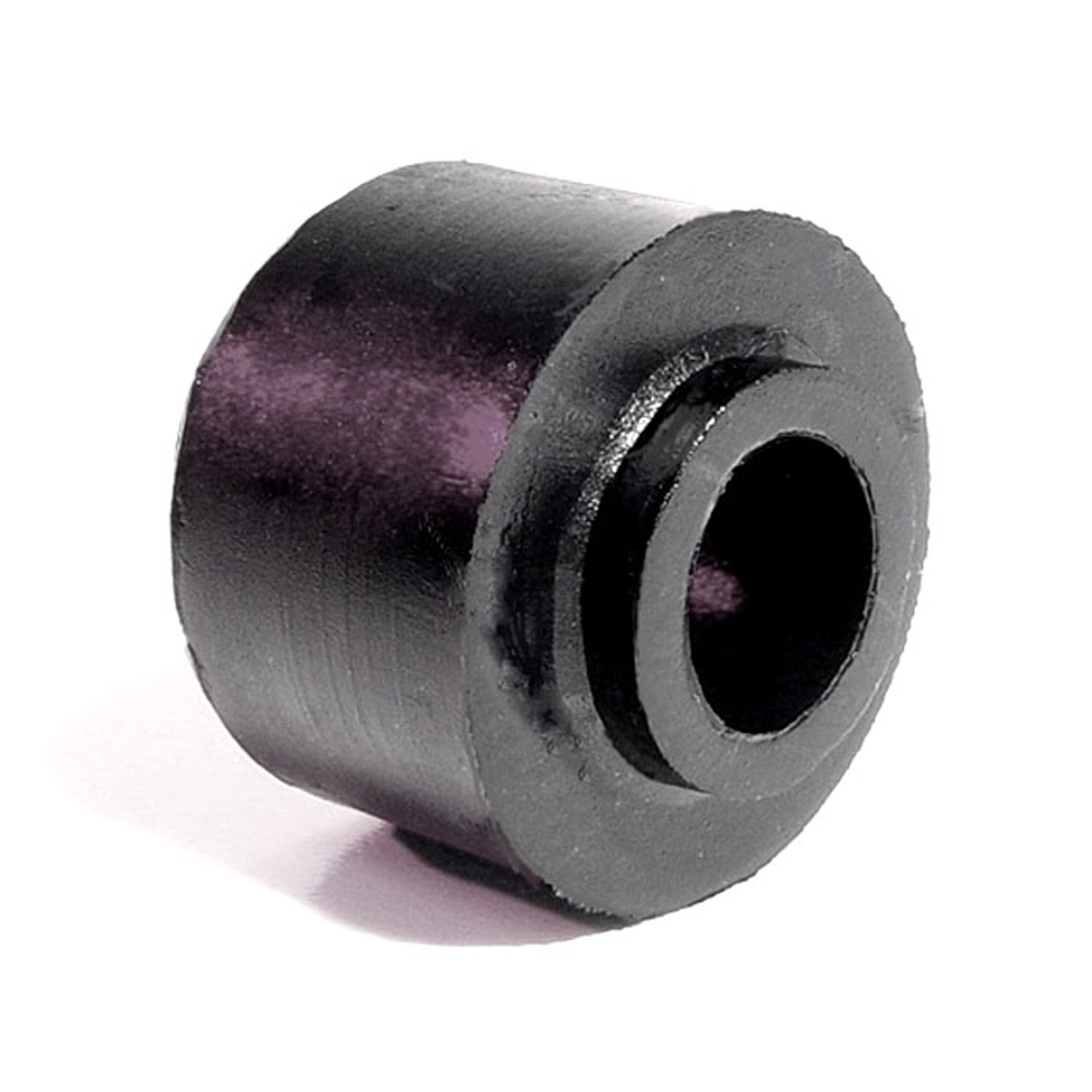 1972 Buick Sportwagon Shock Absorber Grommet. 1" bottom O.D., 3/4" high-BN 1Shock Absorber Grommet. 1" bottom O.D., 3/4" high., with 7/16" I.D. Each
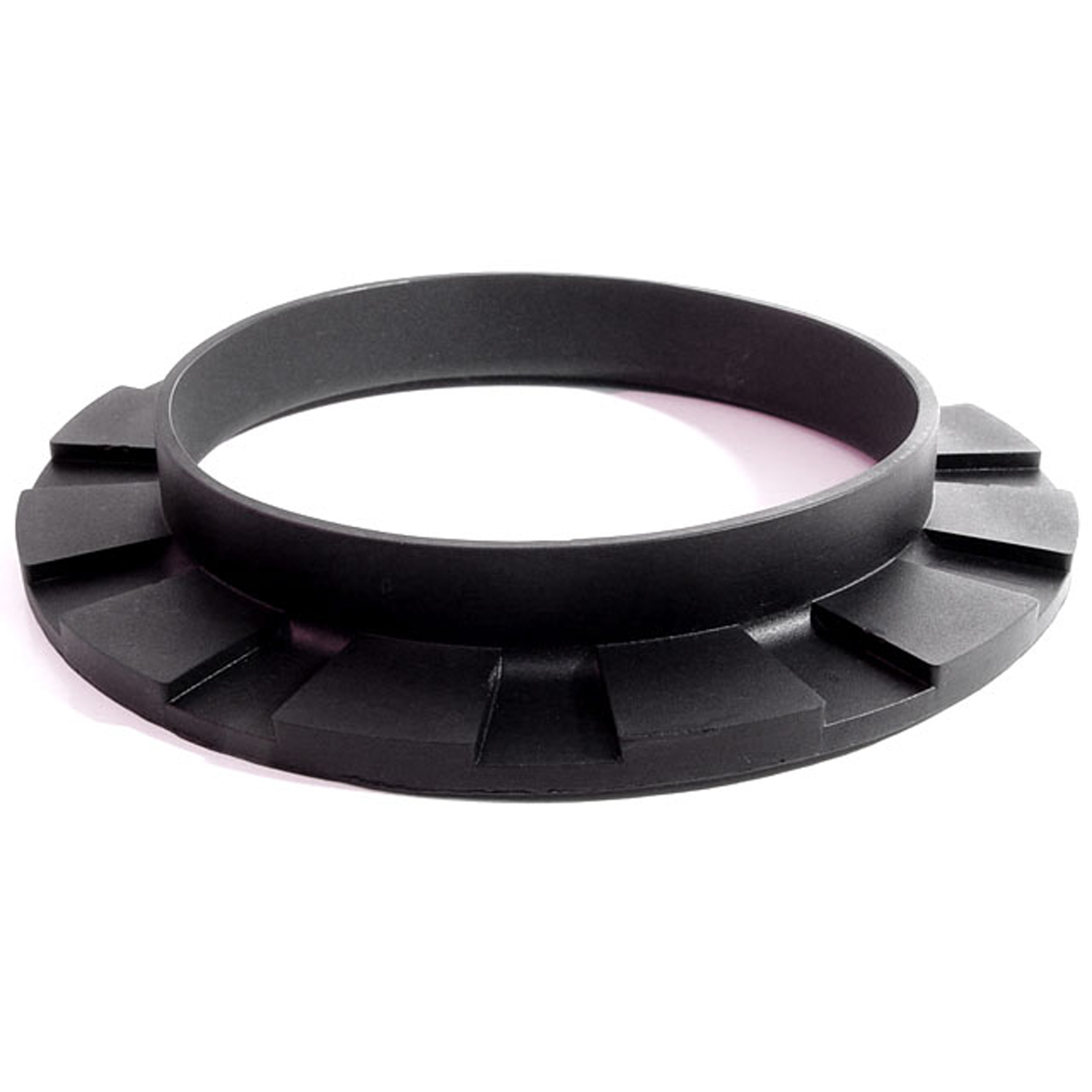 1972 Buick Sportwagon Front coil-spring insulator-BN 110Front coil-spring insulator. Fits '41-'60 Oldsmobile and '50-'83 GM passenger models. 5-3/8 in. OD x 3-3/4 in. ID x 3/4 in. high with 13/16 in. wide bottom flange 1/4" thick, 12 flutes. Each.
 1972 Buick Sportwagon Stabilizer Bar Bushing. Better quality than the original-BN 202Stabilizer Bar Bushing. Better quality than the original. 2-3/4" high, 1" I.D. Each
 1972 Buick Sportwagon Clutch and Brake Pedal Pads. 3-3/4" wide. Pair-CB 99-DClutch and Brake Pedal Pads. 3-3/4" wide. Pair
 1972 Buick Sportwagon Park Brake Pedal Pad. 2-3/8" wide. Each-CB 99-EPark Brake Pedal Pad. 2-3/8" wide. Each
 1972 Buick Sportwagon Auto Brake Pedal Pad. Nice reproduction. 5-3/4" wide-CB 99-GAuto Brake Pedal Pad. Nice reproduction. 5-3/4" wide. Each
 1972 Buick Sportwagon Hood to Cowl Seal, with clips. 59-1/8" long. Each-CS 5Hood to Cowl Seal, with clips. 59-1/8" long. Each
 1972 Buick Sportwagon Rear Hood Bumper. Each-HF 27Rear Hood Bumper. Each
 1972 Buick Sportwagon Front Molded Door Seals with Clips-LM 12-TFront Molded Door Seals with Clips. For 4-door sedans and station wagons. Replaces OEM #7717764/5. Each is 127-1/4" long. Pair R&L
 1972 Buick Sportwagon Rear Molded Door Seals with Clips-LM 12-URear Molded Door Seals with Clips. For 4-door sedans and station wagons. Replaces OEM #771772/3. Each is 115" long. Pair R&L
 1972 Buick Sportwagon Rear door seals-LM 12-UCRear door seals. Molded OEM-replacement seals with clips for GM A-body 4-door station wagons. 128 in. L. Pair. R&L.
 1972 Buick Sportwagon Trunk Liner. Loose weave-M 23Trunk Liner. Loose weave. Black with scattered white threads. 54" wide. Sold by the foot
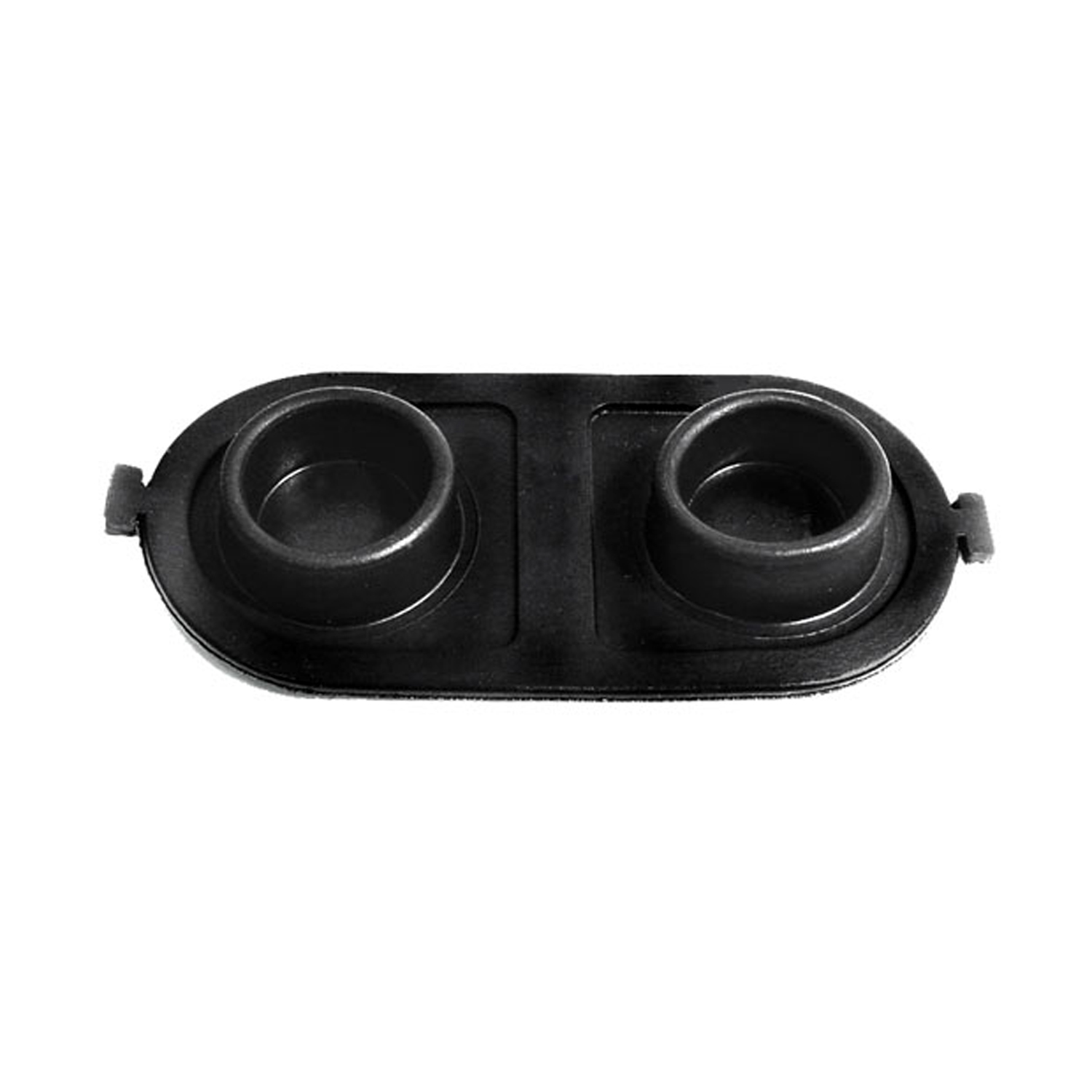 1972 Buick Sportwagon Brake Master Cylinder Cover Seal. Replaces OEM #5470861-RP 2-EBrake Master Cylinder Cover Seal. Replaces OEM #5470861. 5" X 2-1/2". Each
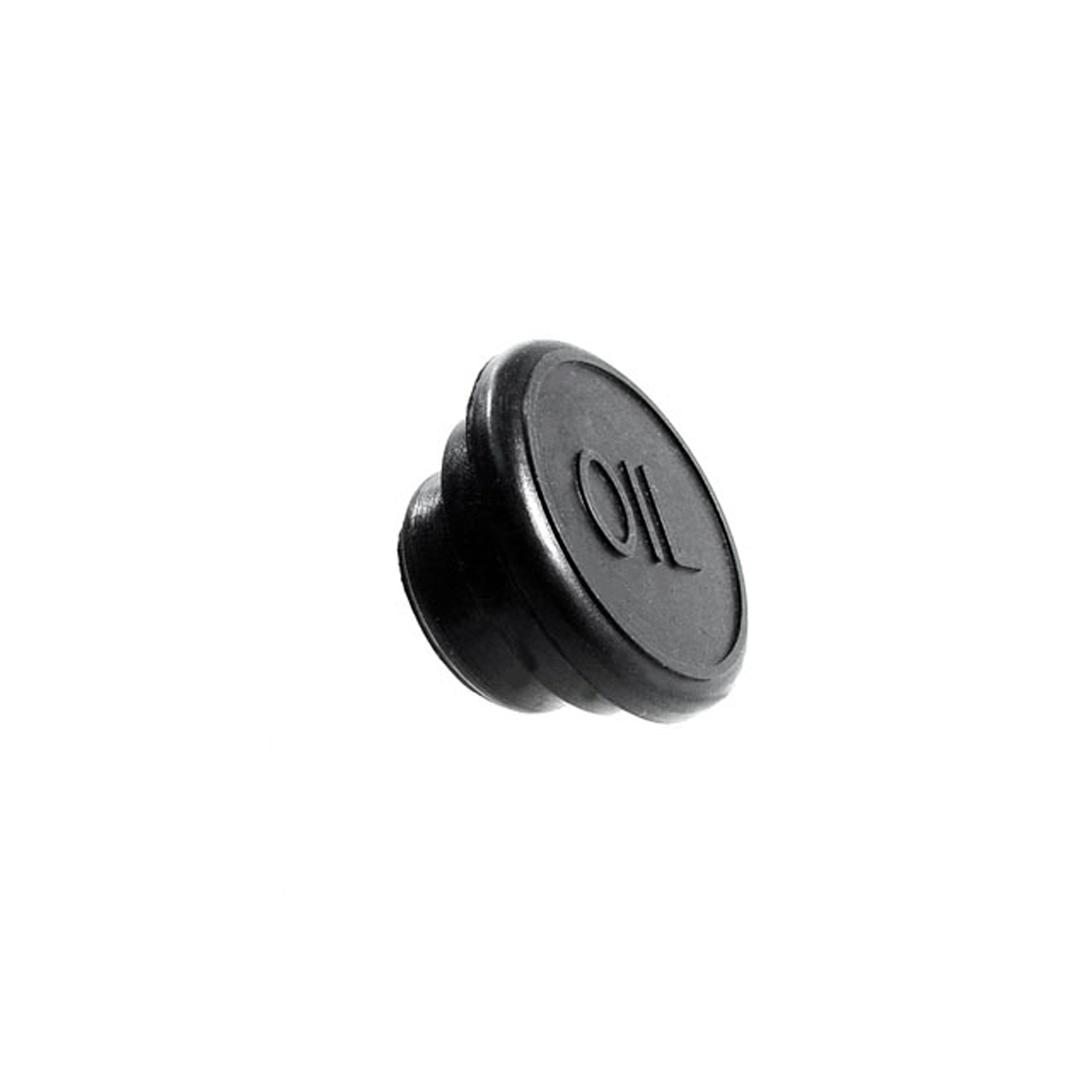 1972 Buick Sportwagon Oil Filler Hole Cap. Made of rubber-RP 8Oil Filler Hole Cap. Made of rubber. Fits a 1-3/16" to 1-1/4" hole. Each
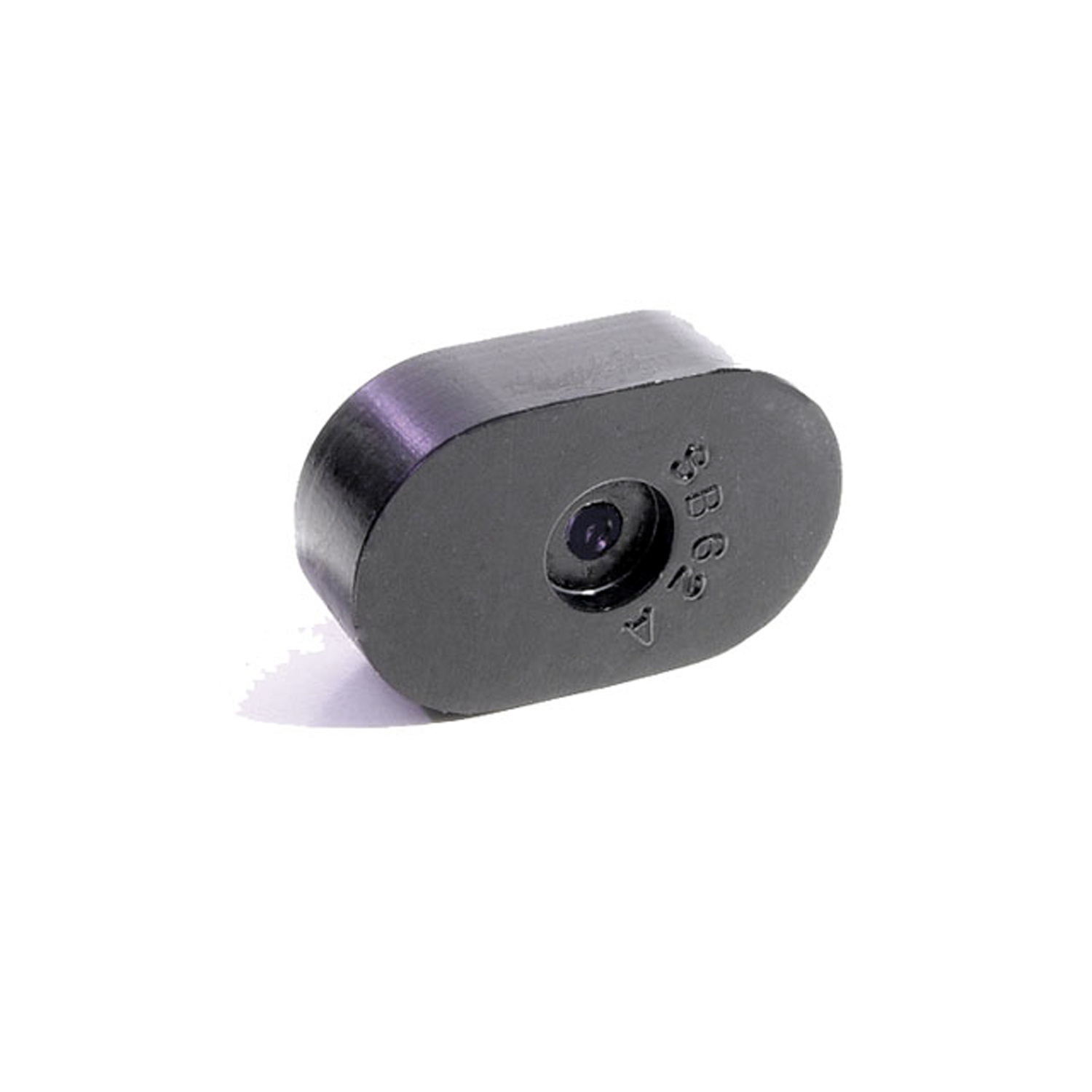 1972 Buick Sportwagon Seat Bumper. Made with steel core like original-SB 62-ASeat Bumper. Made with steel core like original. 1-1/2" long, 7/16" thick. Two used per car. Each
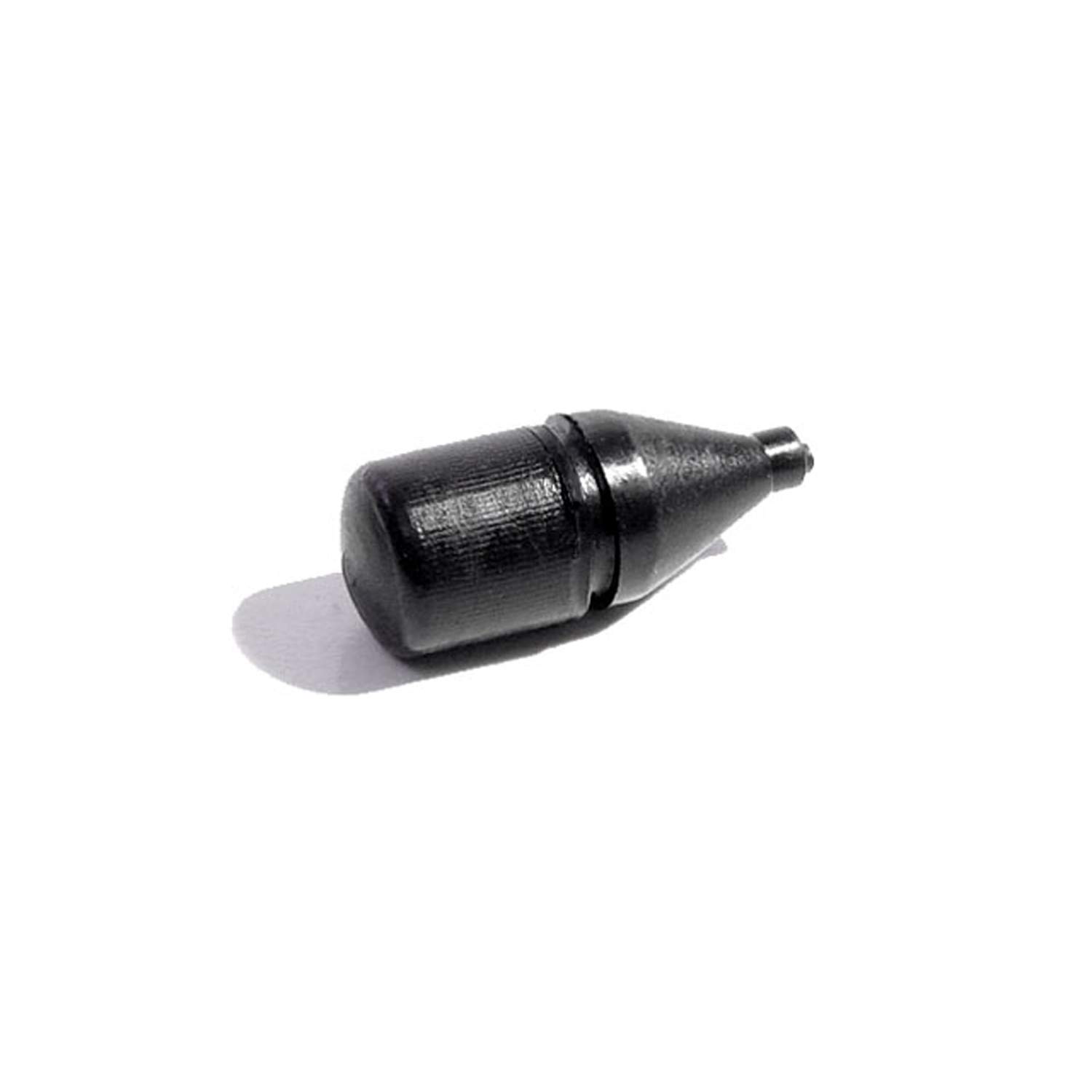 1972 Buick Sportwagon Fuel Door Bumper. 7/8" high, 5/16" O.D. Each-SB 81Fuel Door Bumper. 7/8" high, 5/16" O.D. Each
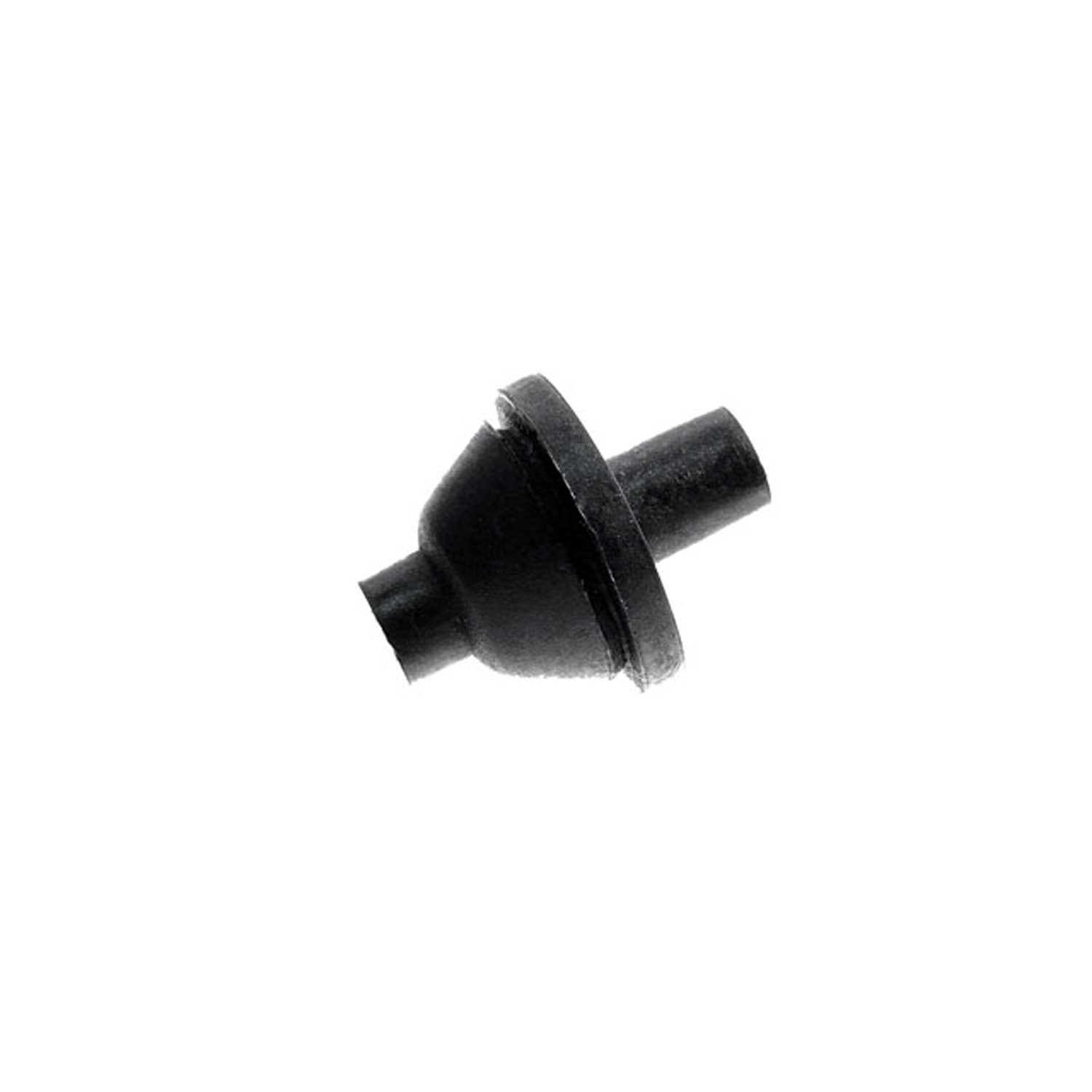 1972 Buick Sportwagon Dash and Firewall Grommet. Single-hole type is for one wire-SM 101Dash and Firewall Grommet. Single-hole type is for one wire. Each
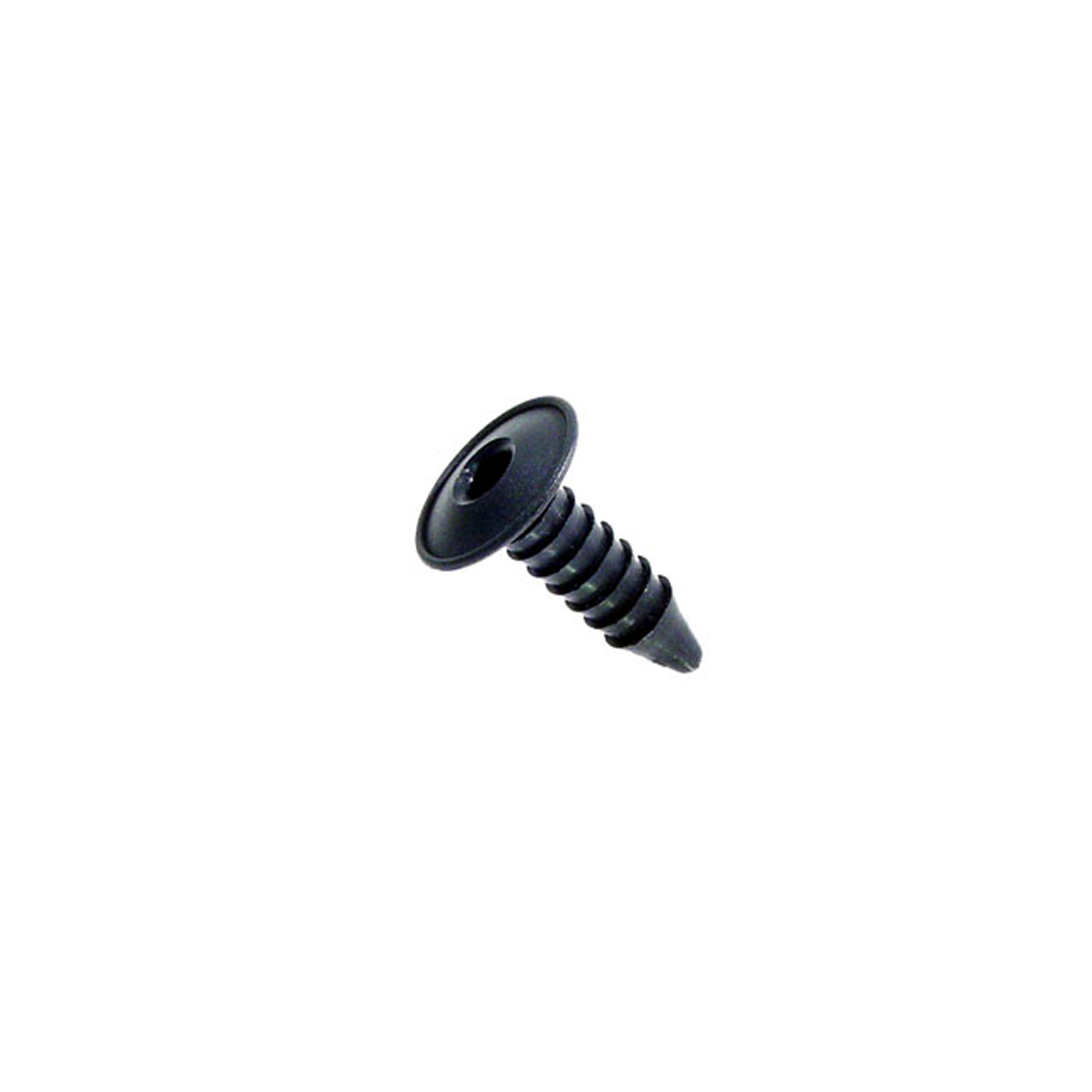 1972 Buick Sportwagon Firewall insulation fastener. 1 in. dia. W head. 1-1/2 in. L-SM 80-AFirewall insulation fastener. 1 in. dia. W head. 1-1/2 in. L. Replaces OEM#'s (GM) 7642589 and (AMC) 4001934. Black. Each.
 1972 Buick Sportwagon Tailgate Seal for 4-Door Stationwagons. Each-TG 16Tailgate Seal for 4-Door Stationwagons. Each
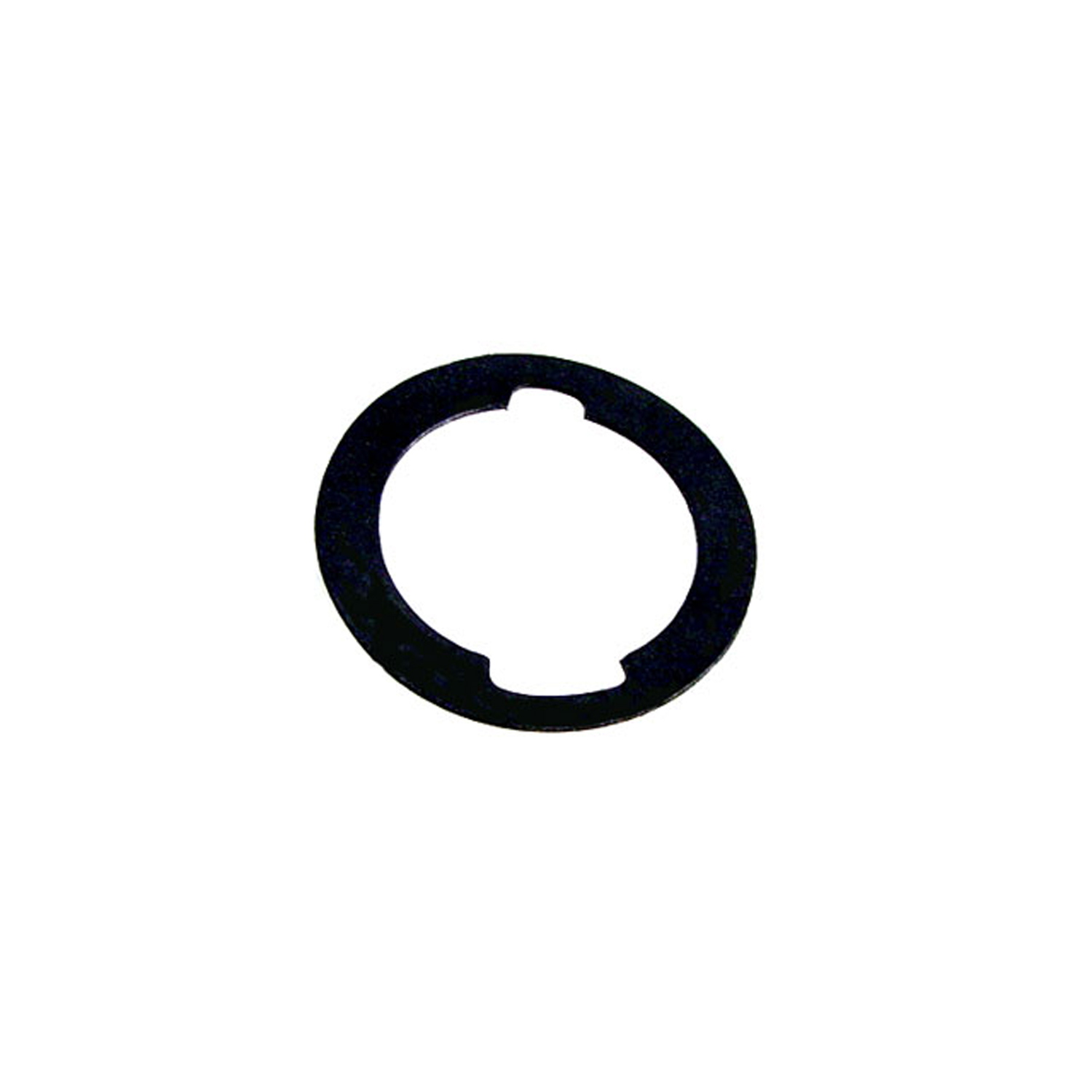 1972 Buick Sportwagon Unbeaded Door and Trunk Lock Gasket. 1-3/16" O.D., 7/8" I.D-UM 1600-100Unbeaded Door and Trunk Lock Gasket. 1-3/16" O.D., 7/8" I.D. Each
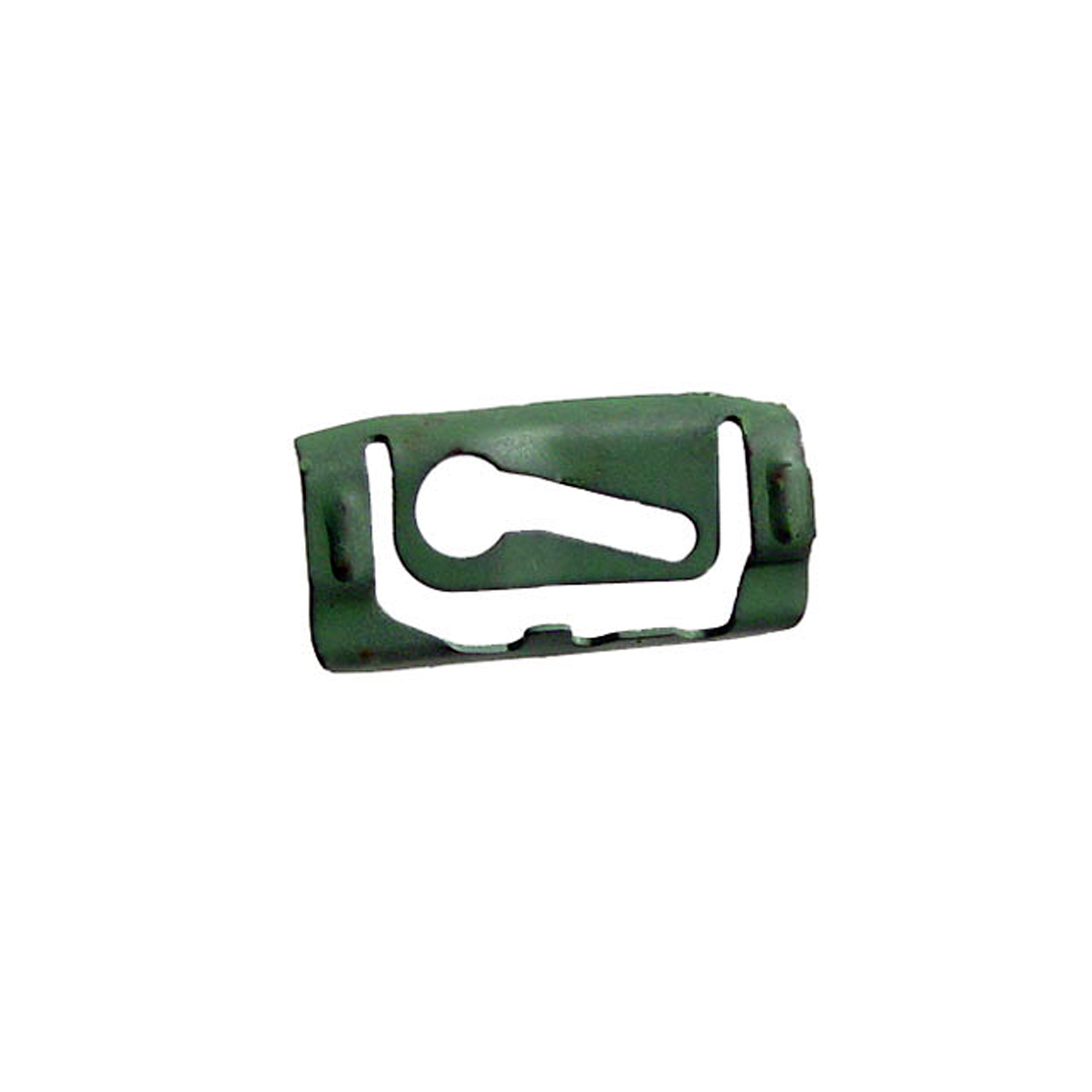 1972 Buick Sportwagon Quarter Window Reveal Molding Clip. Made of Steel-WF 205Quarter Window Reveal Molding Clip. Made of Steel. 1-3/8" X 11/16". Each
 1972 Buick Sportwagon Rear Window Reveal Molding Clip. For Station Wagons-WF 208Rear Window Reveal Molding Clip. For Station Wagons. Made of steel. 5/8" x 3/4". Each
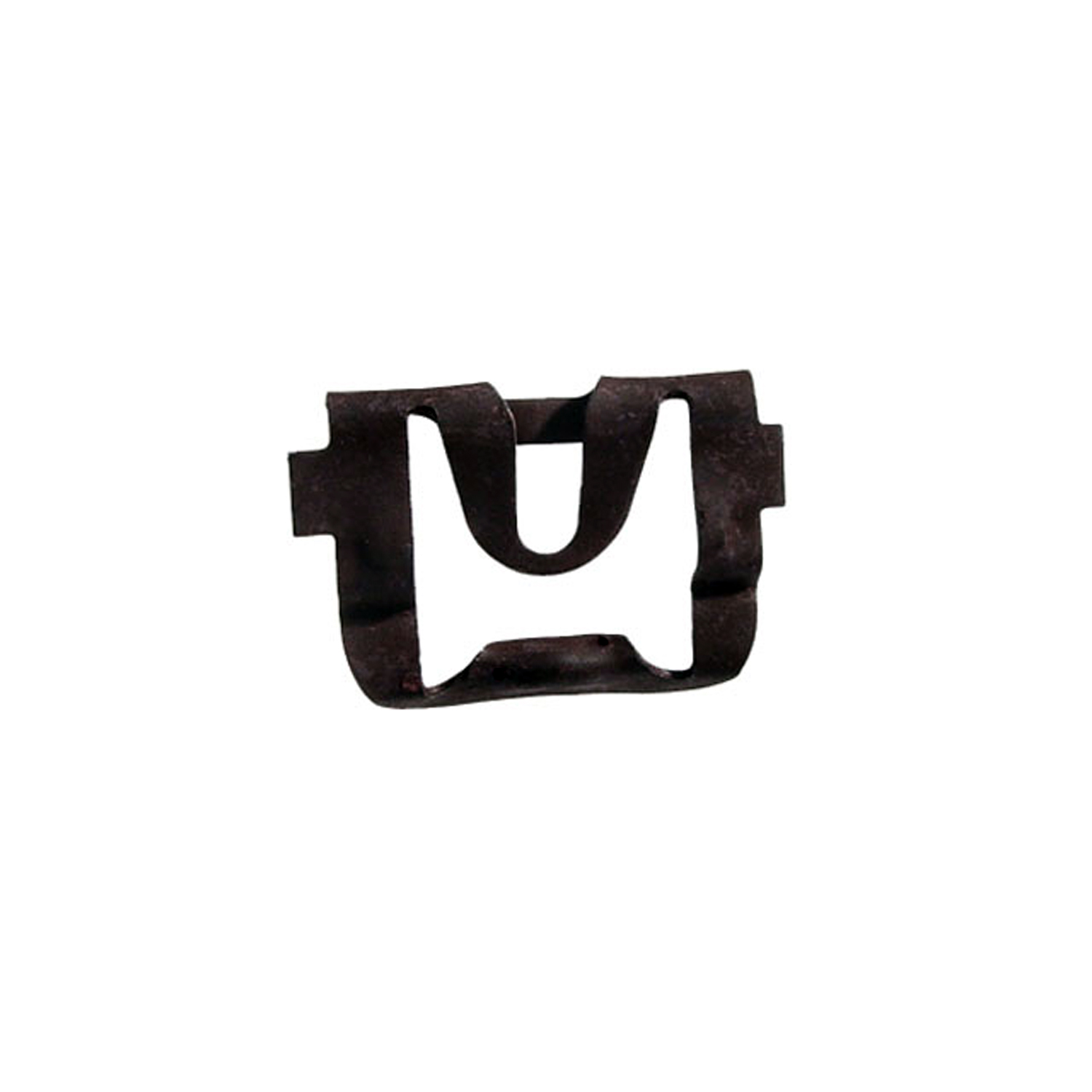 1972 Buick Sportwagon Rear Windshield Reveal Molding Clip. Made of steel-WF 211Rear Windshield Reveal Molding Clip. Made of steel. 15/16" X 3/4". Each
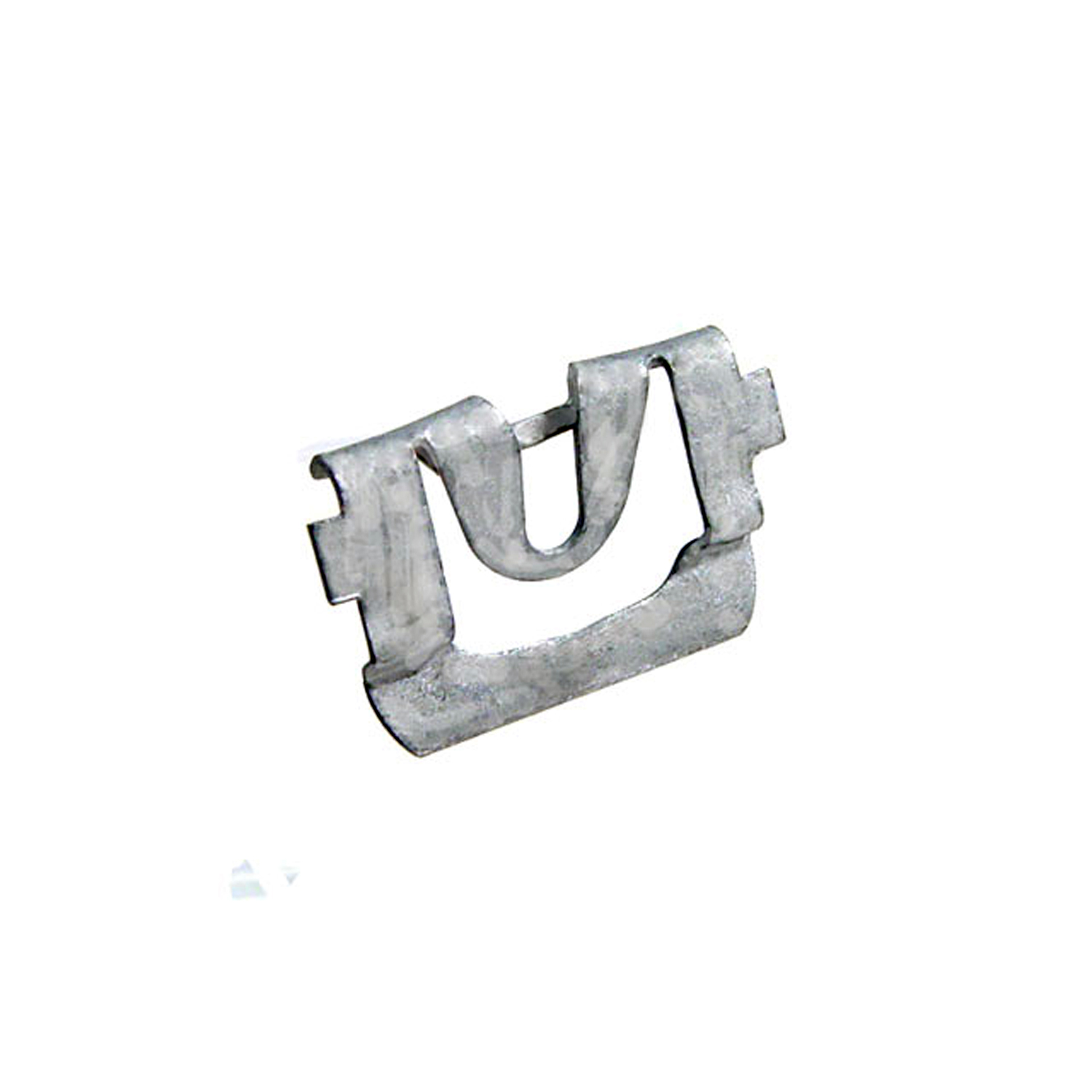 1972 Buick Sportwagon Windshield Reveal Molding Clip. Made of steel-WF 223Windshield Reveal Molding Clip. Made of steel. 1/1/8" X 3/4". Each
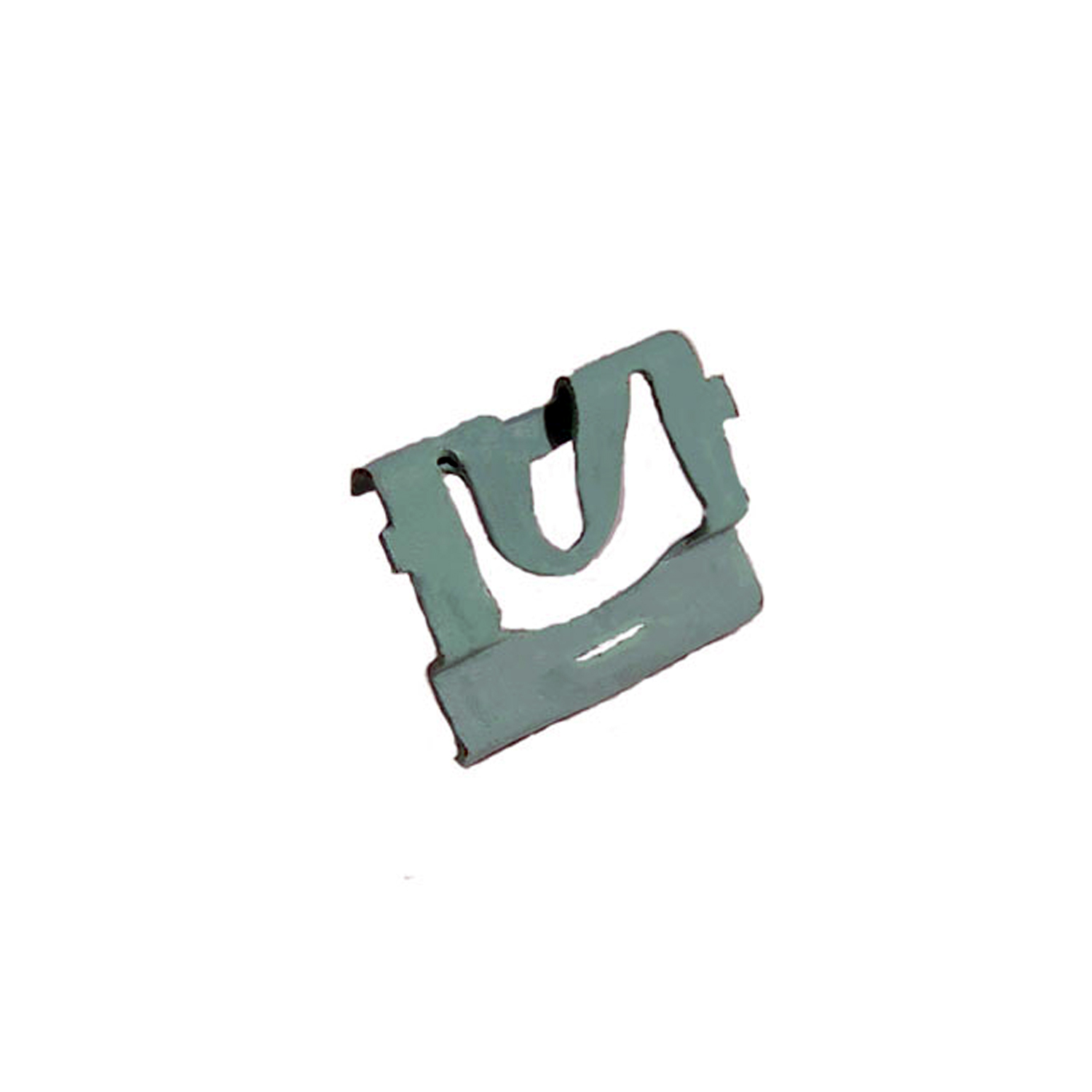 1972 Buick Sportwagon Windshield Reveal Molding Clip. Made of steel-WF 224Windshield Reveal Molding Clip. Made of steel. 1-1/4" X 3/4". Fits many models. Each
Why Choose Metro?
For over 100 years, Metro Moulded Parts has been the pinnacle of quality in classic car restoration parts. Our commitment to precision and authenticity in every component ensures a perfect fit and an OEM-level appearance.
- Expert Craftsmanship & Quality: Each part is a testament to our dedication to reliability and perfection, crafted from original designs and thoroughly tested.
- Advanced Technology: We use cutting-edge techniques to create flawless, long-lasting parts that surpass others in performance.
- SuperSoft Sponge – The Ultimate Door Seal: Not only are our door seals 30% softer than competitors', but they're also guaranteed to never leak. They effectively reduce wind and road noise, enhancing your classic car's comfort and driving experience.
- Proudly American: Our parts are a product of American craftsmanship, made in the USA with a spirit of excellence and heritage.
- Unrivaled Warranty: We back our products with a 30-year industry-leading warranty, a testament to our confidence in their quality.
Join us in preserving the legacy of classic cars with parts that are crafted for perfection, not just made.