

Image of 1973 Buick Centurion, Note: These illustrations use artistic license and may differ from actual historical models.
Performance Metrics
Fundamental Metrics
Emotional Appeal
MMP Rating
| Engine Specifications | |
|---|---|
| Engine Options: | 350 cu in (5.7 L) V8, 455 cu in (7.5 L) V8 |
| Displacement Range: | 350-455 cu in |
| Horsepower Range: | 175-250 hp |
| Torque: | 275-375 lb-ft |
| Compression Ratio: | 8.5:1 |
| Ignition System: | Electronic Ignition System |
| Cooling System: | Liquid-cooled |
| Performance Specifications | |
| 0-60 Time: | 10-12 seconds |
| 1/4 Mile Time: | 17-19 seconds |
| Top Speed: | 115-120 mph |
| Transmission and Drive | |
| Drive Type: | Rear-wheel drive |
| Transmission Type: | 3-speed automatic |
| Fuel and Efficiency | |
| Fuel System Type: | Carburetor |
| MPG: | 10-12 mpg |
| Dimensions and Brakes | |
| Brakes: | Front disc, rear drum |
| Wheelbase: | 124 inches |
| Weight: | 4,200-4,500 lbs |
Note: Specifications for classic cars are given to the best of our ability, considering the limited and variant data available.
1973 Buick Centurion: The Big Buick at the End of an Era
The 1973 Buick Centurion brought long-hood style, a big V8, and a roomy American-car ride together just as the classic full-size convertible was beginning to fade. Built by Buick, General Motors’ upscale division, the Centurion sat between the LeSabre and the more luxurious Electra in the brand’s full-size lineup. The 1973 model was the nameplate’s final year, closing a short but memorable run that began in 1971.
There is a neat piece of Buick history behind the name: “Centurion” first appeared on a dramatic Buick show car in 1956, years before it became a production model. The production Centurion was not a direct copy of that concept, but the name carried a sense of futuristic ambition into the very traditional world of large V8 Buicks.
Long Lines, Big Bumpers, Buick Comfort
The Centurion had the unmistakable proportions of an American full-size car: a long hood, broad shoulders, generous glass, and a sweeping rear deck. Its front end wore a broad Buick grille framed by paired headlights, while brightwork and carefully shaped body panels gave the car a polished, upscale appearance. For 1973, federal bumper requirements brought larger, more prominent impact-absorbing bumpers into the design. They added weight and visual bulk, but also marked a major change in how automakers had to build cars.
Inside, the Centurion favored comfort over sporting austerity. Buyers could get wide bench seating, plush cloth or vinyl upholstery, carpeting, and tasteful woodgrain-style trim, depending on the trim and options selected. The dash was broad and easy to read, with the controls arranged for relaxed cruising. Available conveniences included air conditioning, power windows and locks, power seats, cruise control, tilt steering, and an AM/FM radio. These were familiar luxury-car amenities by 1973, but they helped make the Centurion a comfortable place to spend a long afternoon on the highway.
Buick offered the Centurion in a period range of exterior colors, including shades of white, blue, green, gold, brown, and red. Exact paint choices varied by production year and trim. Traditional, subdued colors suited the car’s formal character, while brighter reds and blues gave its large body a more outgoing look. Vinyl roof coverings and contrasting convertible tops added another way for buyers to personalize the car.
Centurion Body Styles and Options
The 1973 Centurion lineup included a two-door hardtop coupe, a four-door hardtop, and a two-door convertible. The hardtops delivered the classic formal Buick profile without a fixed center roof pillar, while the four-door offered easier access for passengers. The convertible is often the most instantly recognizable version today: with the top down, its long body and generous cabin make for an especially dramatic open-air cruiser.
Buyers could also choose between different V8 engines and a substantial list of comfort and convenience options. Equipment varied by body style and specification, so surviving cars are not all alike. When assessing one, check its build information and installed equipment rather than assuming every Centurion left the factory with the same engine or features.
What Made the 1973 Centurion Significant?
The Centurion was a bridge between Buick’s traditional big-car formula and a fast-changing automotive industry. It delivered the space, quiet ride, and V8 power buyers expected from a premium American car, but it arrived as safety rules, emissions controls, and growing concern about fuel use were reshaping the market. Its large bumpers are a visible reminder of that transition.
It was not a radical engineering experiment or a trend-setting sports car. Its importance lies more in the way it represented the full-size Buick at a turning point. The Centurion gave Buick shoppers a distinct model above the LeSabre without moving all the way up to Electra territory. After the 1973 model year, Buick dropped the Centurion name, and the company’s full-size range carried on without it. That short production life gives the car a particular appeal among enthusiasts who enjoy the less familiar branches of Buick history.
455 V8 Power and a Smooth Highway Ride
Engine availability depended on configuration, but Centurions could be ordered with Buick V8 power, including the well-known 455-cubic-inch engine. Output figures can vary according to engine and equipment, and 1973 ratings were generally stated using the newer SAE net method. A 455-equipped car is commonly quoted at about 225 net horsepower, with strong low-speed torque. The 350-cubic-inch V8 was another available choice. A three-speed Turbo-Hydramatic automatic transmission and rear-wheel drive suited the car’s relaxed, high-torque character.
Period test figures vary, and there is no single performance number that applies to every 1973 Centurion. As a general estimate, a healthy 455 car could run from 0 to 60 mph in roughly 9 to 11 seconds, with a theoretical top speed around 110 to 115 mph. Those figures are best treated as approximations: engine condition, axle ratio, body style, tires, and test methods all matter. The Centurion was a heavyweight cruiser, not a factory-built muscle car.
On the road, its strengths were a soft, settled ride and easygoing power delivery. Coil-spring suspension and Buick’s emphasis on comfort helped it absorb ordinary road imperfections, while power steering made parking-lot maneuvers manageable for such a large car. On a winding road, though, the Centurion’s size and soft suspension were hard to ignore. It could lean noticeably in corners and felt more at home maintaining a steady pace than changing direction quickly. Strong crosswinds and uneven pavement also reminded the driver that this was a broad, heavy machine.
Start a V8-equipped example and the soundtrack is more deep rumble than high-revving bark. The automatic transmission shifts smoothly, and the engine’s torque lets the car gather speed without needing to be hurried. From behind the wheel, the experience is relaxed and commanding: a wide view over the hood, cushioned seating, and a gentle reminder to plan ahead when braking or squeezing into a tight space.
Living With a 1973 Buick Centurion
Most Centurions today are used as weekend cruisers, show cars, or occasional-use classics. A sound example can handle local trips and highway outings, but its size and fuel consumption make it less practical as a modern daily driver. Expect fuel economy to be poor by current standards, especially with a 455 and frequent city driving.
The mechanical side is generally approachable for an experienced home mechanic. Buick V8s and GM automatic transmissions are familiar to many classic-car shops, and routine jobs such as ignition service, brake work, and cooling-system repairs are straightforward with the right manual and tools. Age is the bigger challenge. Inspect the frame and body for corrosion, and check the engine, transmission, brakes, suspension, electrical system, and convertible-top mechanism carefully.
Some parts are easier to find than others. Mechanical components often have support through specialist suppliers and shared GM applications, while Centurion-specific trim, grille pieces, interior details, and convertible components can take more searching. A complete car is often a better starting point than a cheap project missing rare brightwork.
Useful Facts and Common Criticisms
The Centurion’s three-model-year production run, from 1971 through 1973, is one of its most appealing distinctions. The 1973 car was the final Centurion, and its mix of traditional V8 hardware and newly prominent safety bumpers captures a changing moment in American car design. The convertible is especially desirable because open full-size cars were already becoming less common, though it should not be confused with Buick’s final full-size convertible overall.
There is no widely recognized speed, endurance, or sales record associated with the 1973 Centurion. Its claim to fame is its place in Buick’s short-lived model lineup rather than a competition achievement. Nor is there a well-established celebrity connection that defines the model. Its appeal is more down-to-earth: big-car presence, available big-block power, and the rarity of seeing one on the road.
Criticisms are easy to understand. The Centurion is thirsty, bulky, and not especially nimble. Its 1973 bumpers can look heavy-handed to some eyes, and modern traffic can make its size feel cumbersome. On the other hand, those same dimensions create the spacious cabin and imposing road presence that fans value.
Collector Values and Availability
Production totals can vary across published references, so a precise figure should be checked against a reliable model-year production source. A reasonable working estimate is around 30,000 Centurions across all 1973 body styles, with only a few thousand convertibles. That makes the model uncommon without placing every example in the ultra-rare category. The convertible is generally the hardest and most sought-after body style to find in good condition.
As a broad U.S. market estimate, a project car may sell for roughly $2,000 to $6,000, while a usable driver could land around $8,000 to $16,000. Well-restored hardtops may bring approximately $18,000 to $30,000, and excellent convertibles can reach about $25,000 to $45,000 or more when condition, originality, and documentation are strong. Exceptional cars can exceed these ranges, while rust, incomplete restoration work, or major mechanical problems can push a car below them.
Values depend heavily on condition and body style. The broader classic-car market has shown steady interest in distinctive convertibles, while less familiar full-size hardtops tend to attract a smaller audience. The Centurion is best viewed as a niche collectible with selective appreciation potential, especially for original, well-preserved cars, rather than a guaranteed short-term investment.
Why the 1973 Centurion Still Matters
The 1973 Buick Centurion combined a spacious cabin, available 455 V8, smooth highway manners, and unmistakable full-size styling. It was not built to set records or carve corners. It was built to make distance feel easy, and to do it with the comfort and confidence Buick buyers expected.
As the final Centurion, the 1973 model stands at the end of a brief chapter in Buick history. Find a well-kept coupe, hardtop, or convertible today and you get more than a large old car: you get a rolling snapshot of the moment when American motoring was beginning to change.
1973 Buick Centurion Catalog of Parts
 1973 Buick Centurion RE-ISSUE. Door lock-pillar seal-ALP 5055RE-ISSUE. Door lock-pillar seal. Fits '71-'73 GM B-, C- and E-body 2-door hardtop, coupe and convertible (including Cadillac). This part has been completely re-designed from scratch with new cores and new molds. Replaces OEM#'s 9640451/2. Pair. R&L.
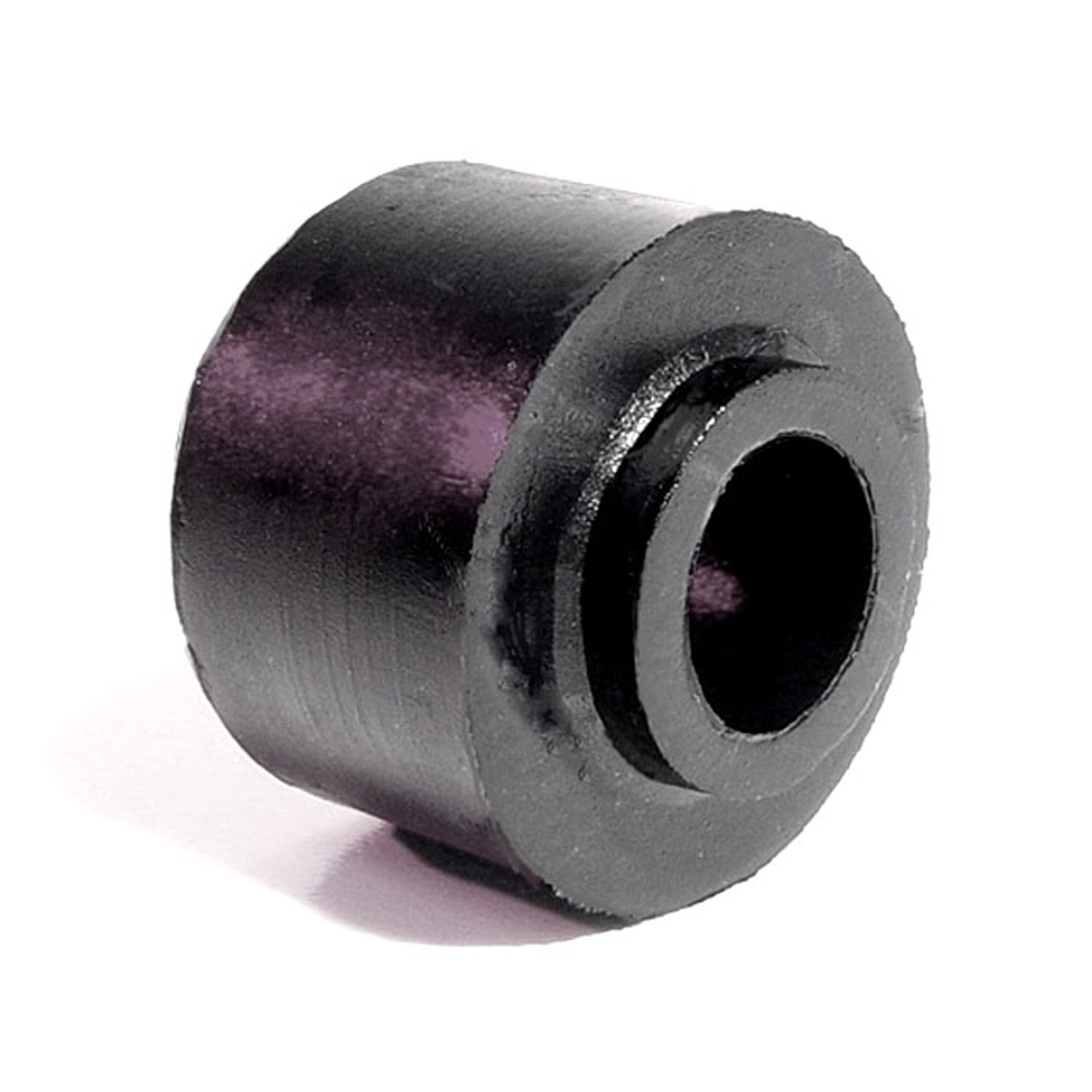 1973 Buick Centurion Shock Absorber Grommet. 1" bottom O.D., 3/4" high-BN 1Shock Absorber Grommet. 1" bottom O.D., 3/4" high., with 7/16" I.D. Each
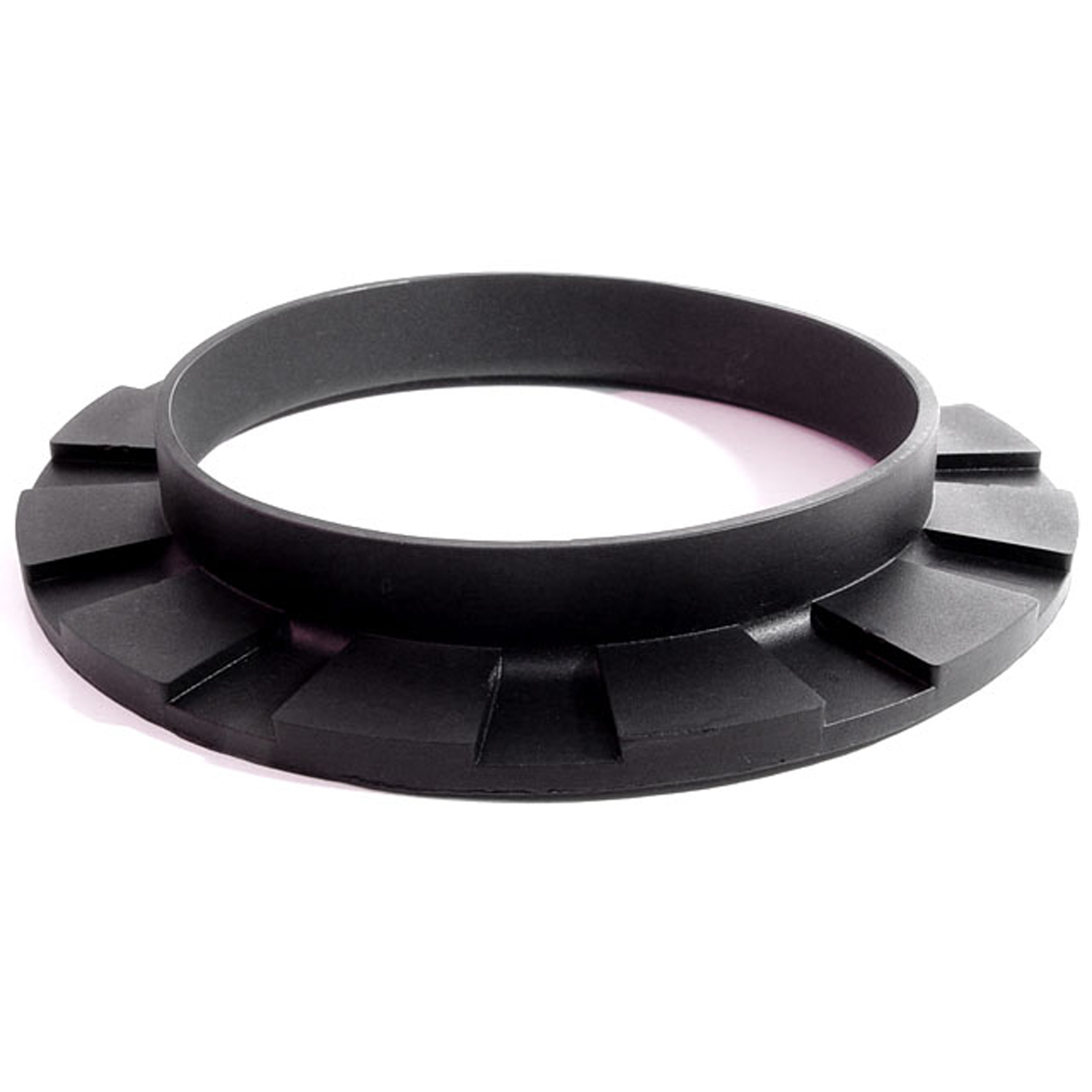 1973 Buick Centurion Front coil-spring insulator-BN 110Front coil-spring insulator. Fits '41-'60 Oldsmobile and '50-'83 GM passenger models. 5-3/8 in. OD x 3-3/4 in. ID x 3/4 in. high with 13/16 in. wide bottom flange 1/4" thick, 12 flutes. Each.
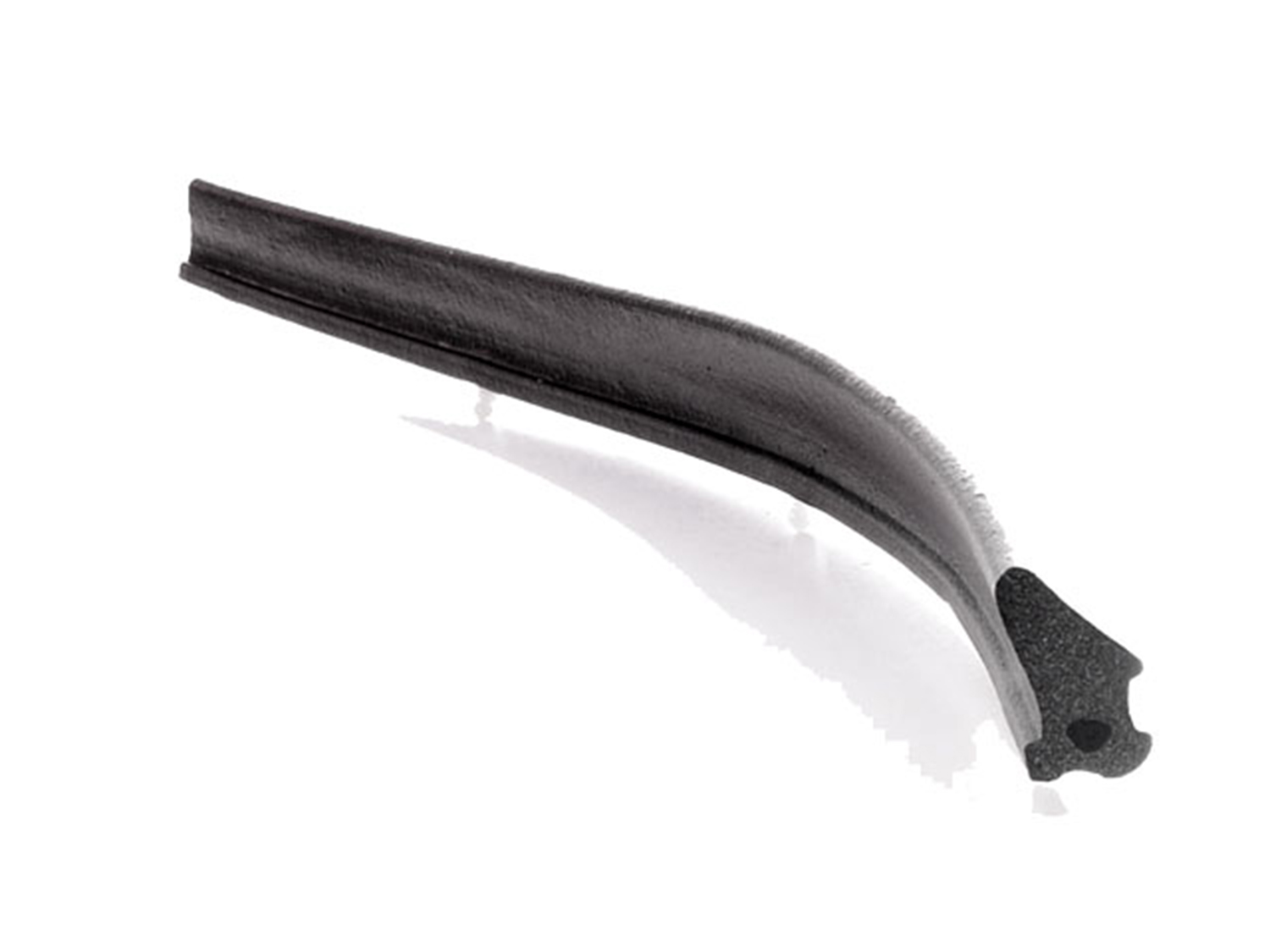 1973 Buick Centurion Door Side Seal-C/LP 40-KDoor Side Seal. Made of smooth skin sponge extrusion, with clips installed. (For seal without clips, see LP 40-K) Sold by the foot.
 1973 Buick Centurion Windshield Pillar Post Seals for Convertibles. 26" long-CZ 8130Windshield Pillar Post Seals for Convertibles. 26" long. Pair
 1973 Buick Centurion REISSUE. Header seal-HD 732REISSUE. Header seal. Fits '71-'75 GM B-body and '71-'76 GM E-body convertibles. Molded from all-new 2015 retooled molds for improved fit and function.
 1973 Buick Centurion Molded Door Seals. For 2-door hardtops and convertibles-LM 12-HMolded Door Seals. For 2-door hardtops and convertibles. Replaces OEM #9824514/5. Pair R&L
 1973 Buick Centurion Front Molded Door Seals-LM 16-GFront Molded Door Seals. For 4-door sedan and wagon, with RWD. Each is 138-1/2" long. Pair R&L
 1973 Buick Centurion Rear Molded Door Seals. For 4-door sedan only, with RWD-LM 16-G/RRear Molded Door Seals. For 4-door sedan only, with RWD. Each is 123-1/4" long. Pair R&L
 1973 Buick Centurion Trunk Liner. Loose weave-M 23Trunk Liner. Loose weave. Black with scattered white threads. 54" wide. Sold by the foot
 1973 Buick Centurion Basic kit-RKB 2003-115Basic kit. '73-'76 GM A-body Colonade, Formal, and Sport Coupe (Body Style 57 only). Includes Buick Century Luxus Colonade Coupe, Buick Centurion Sport Coupe, Buick Regal Formal Coupe, Buick LeSabre Sport Coupe and Custom Sport Coupe. Oldsmobile Cutlass Supreme and Supreme Salon Coupes. Doors (LM 12-Y), roof-rails (RR 5019-G), and trunk (TK 46-E/16) seals. 5-piece kit.
 1973 Buick Centurion Basic Kit, for Convertibles-RKB 2007-115Basic Kit, for Convertibles. Door (LM 12-H) Roof Rail (RR 1814) Trunk (TK 46-E/18), Seals.
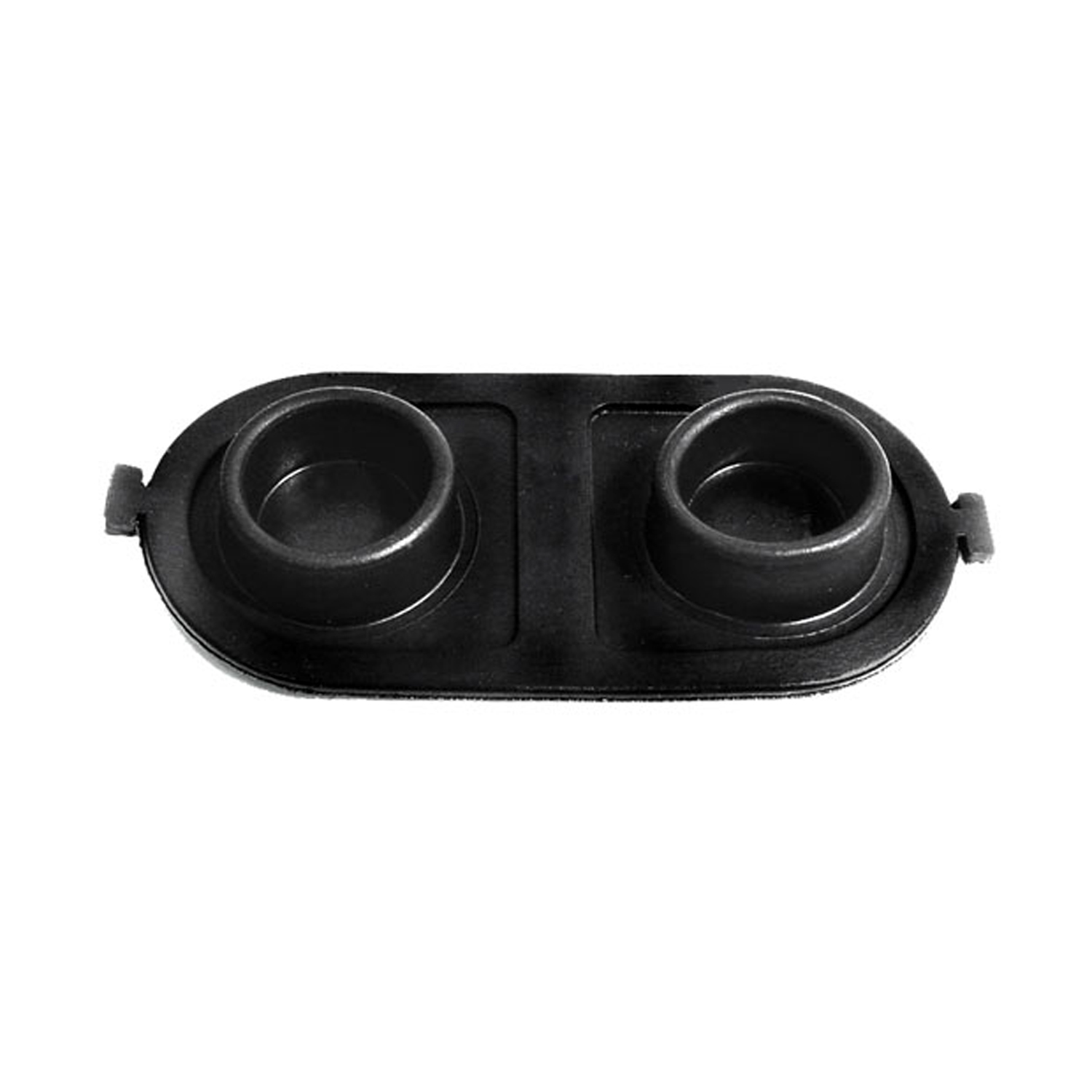 1973 Buick Centurion Brake Master Cylinder Cover Seal. Replaces OEM #5470861-RP 2-EBrake Master Cylinder Cover Seal. Replaces OEM #5470861. 5" X 2-1/2". Each
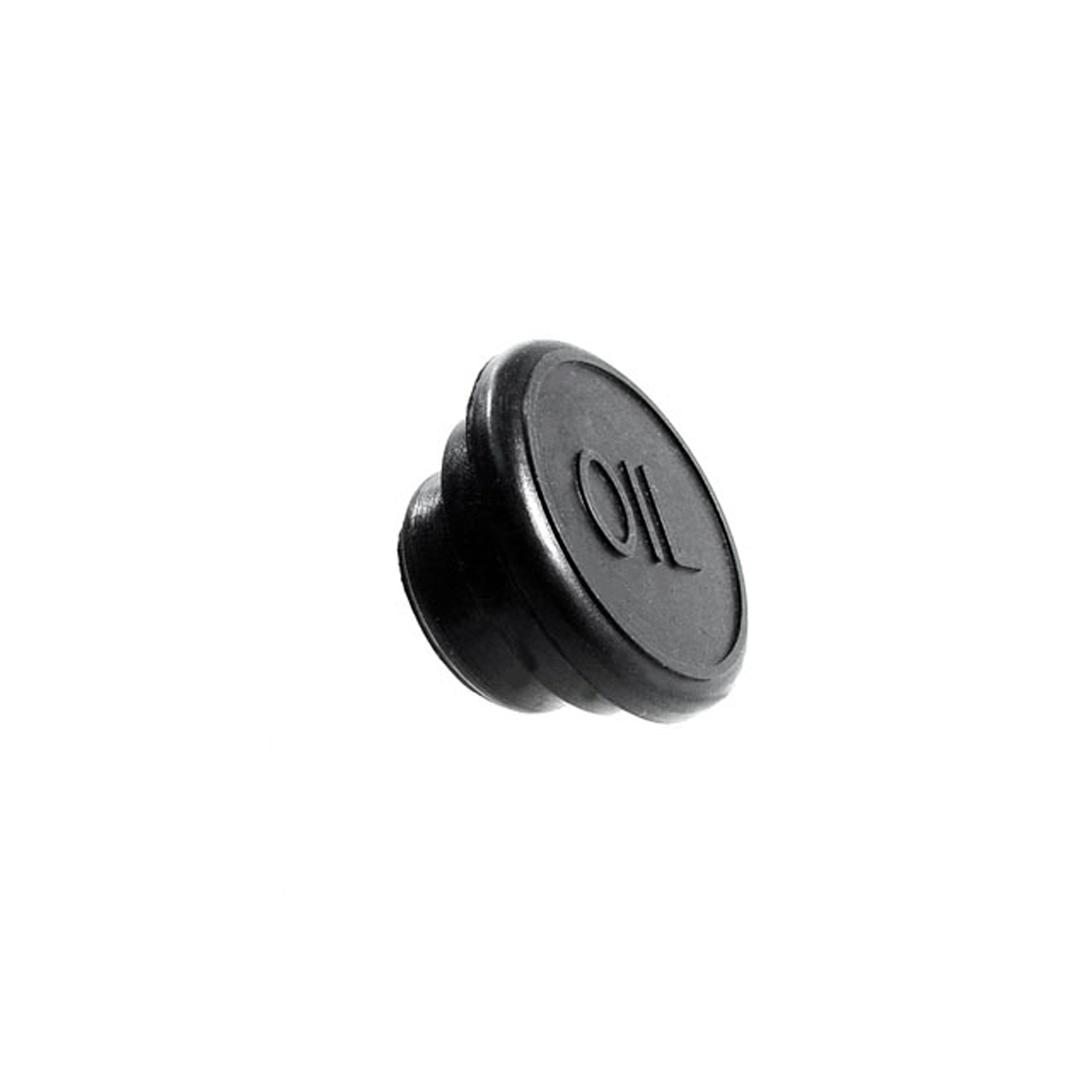 1973 Buick Centurion Oil Filler Hole Cap. Made of rubber-RP 8Oil Filler Hole Cap. Made of rubber. Fits a 1-3/16" to 1-1/4" hole. Each
 1973 Buick Centurion Convertible Top Roof Rail Kit-RR 1814Convertible Top Roof Rail Kit. 5-Piece set includes all right and left side top rail seals and the windshield top header seal.
 1973 Buick Centurion Molded Roof Rail Seals for 4-Door Hardtop. Pair-RR 5007-EMolded Roof Rail Seals for 4-Door Hardtop. Pair
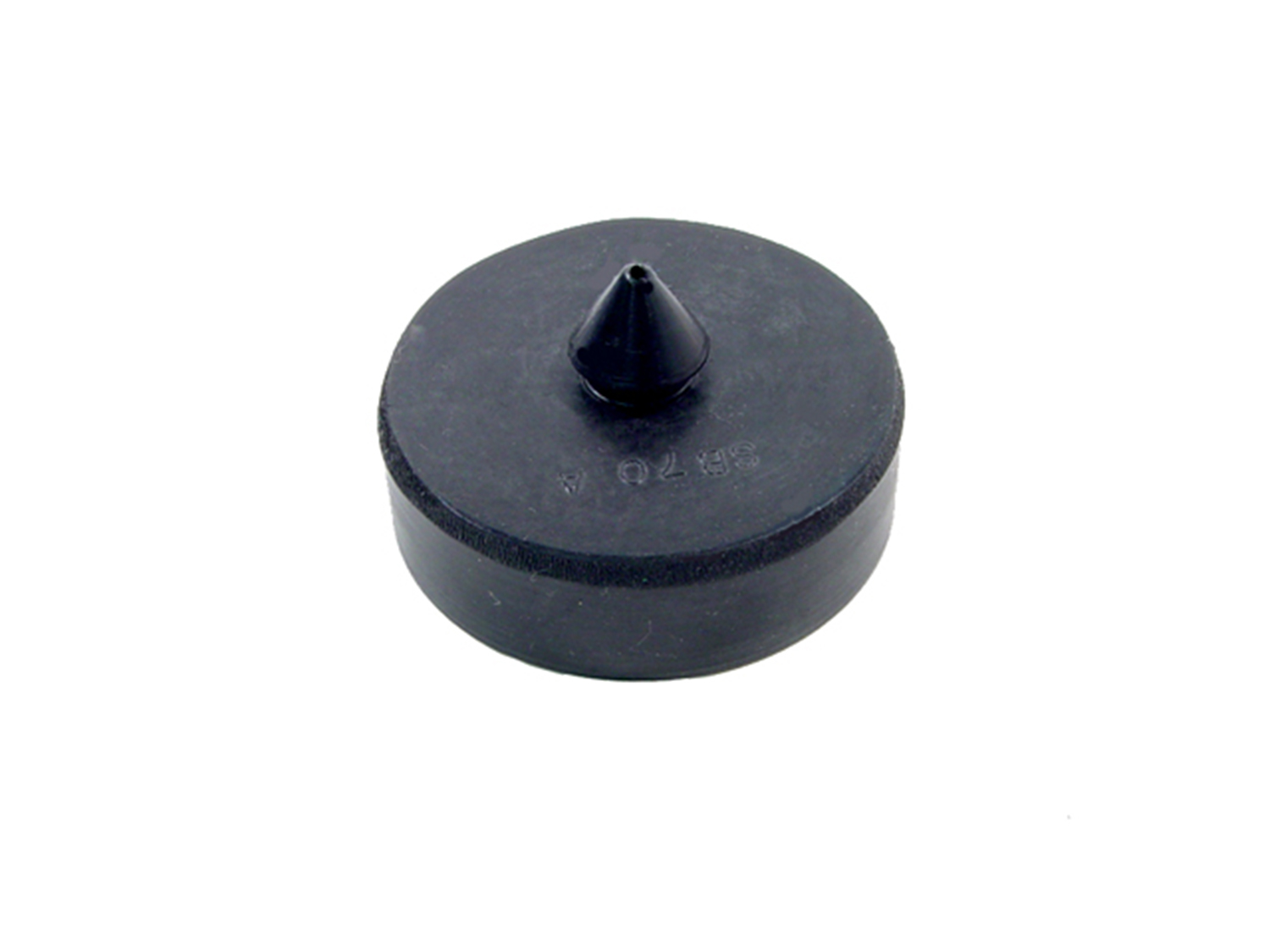 1973 Buick Centurion Front door window stop bumper. ’70-’81 GM passenger cars-SB 70-AFront door window stop bumper. '70-'81 GM passenger cars. Dense rubber. Replaces OEM# 9810036. Each.
 1973 Buick Centurion Trunk Seal. Each-TK 46-E/18Trunk Seal. Each
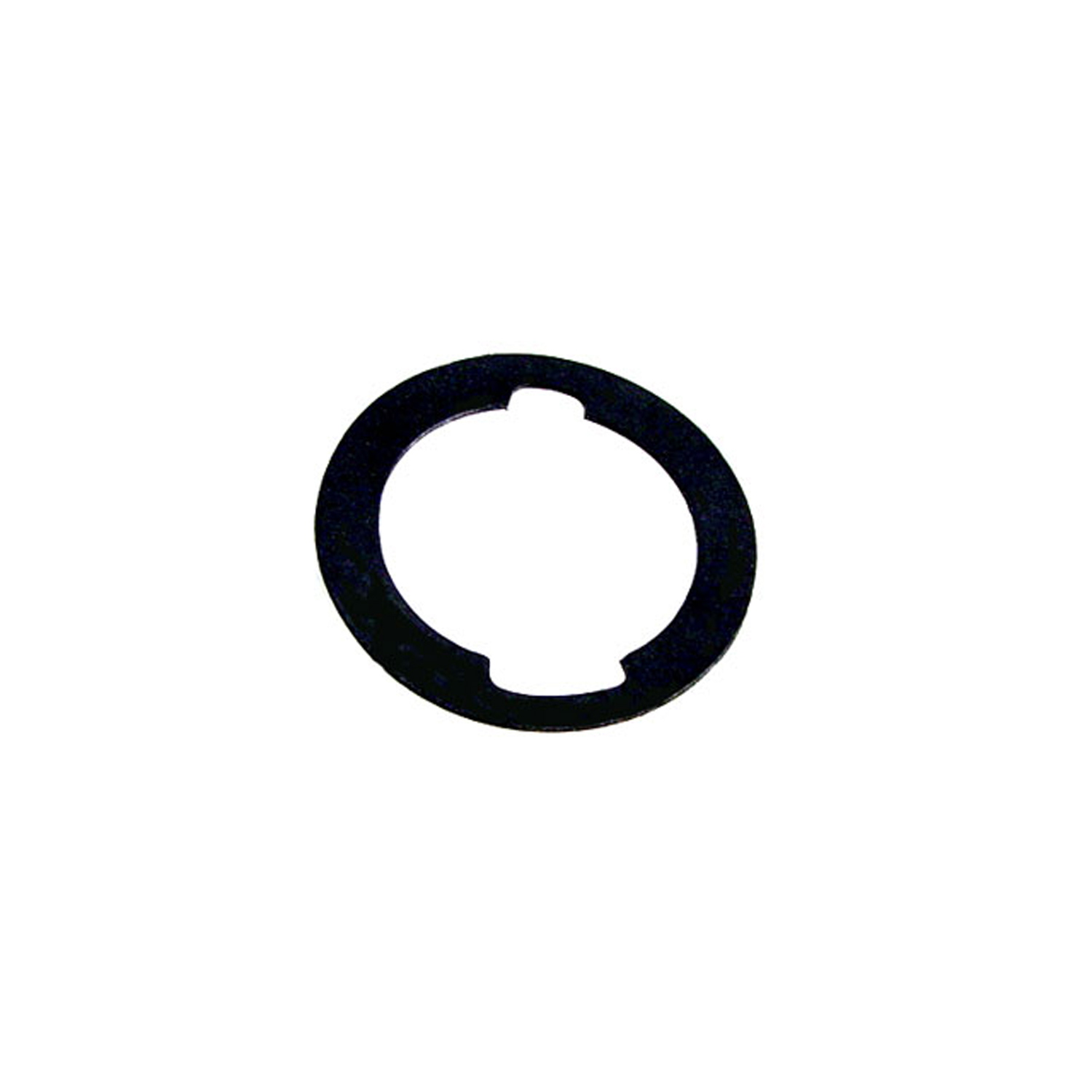 1973 Buick Centurion Unbeaded Door and Trunk Lock Gasket. 1-3/16" O.D., 7/8" I.D-UM 1600-100Unbeaded Door and Trunk Lock Gasket. 1-3/16" O.D., 7/8" I.D. Each
 1973 Buick Centurion Rear Roll-Up Quarter Window Seals, made with steel core-VS 3-NRear Roll-Up Quarter Window Seals, made with steel core. For 2-Door Hardtops and Convertibles. 18" Long. Pair
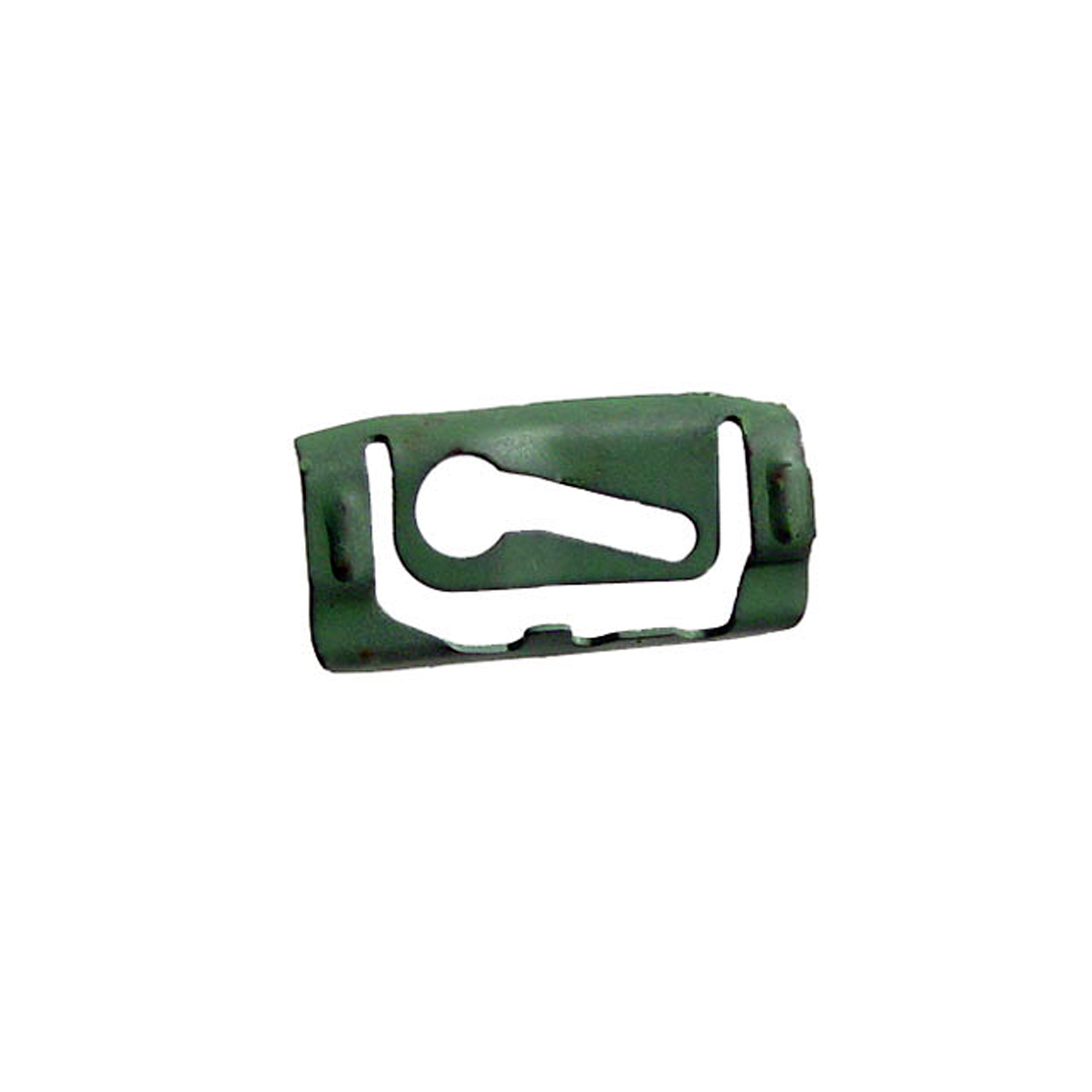 1973 Buick Centurion Quarter Window Reveal Molding Clip. Made of Steel-WF 205Quarter Window Reveal Molding Clip. Made of Steel. 1-3/8" X 11/16". Each
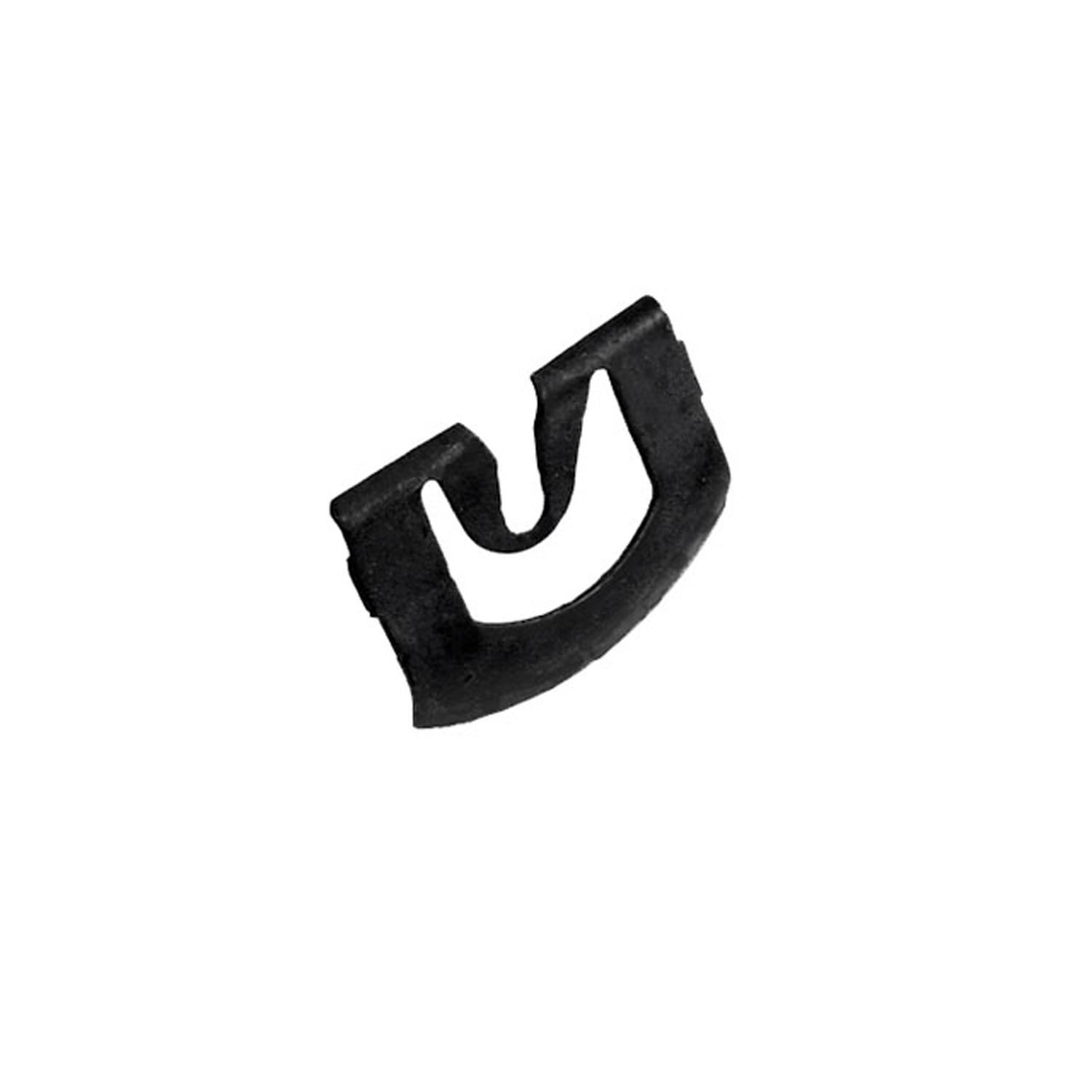 1973 Buick Centurion Windshield Reveal Molding Clip. Made of steel. 13/16" x 1"-WF 209Windshield Reveal Molding Clip. Made of steel. 13/16" x 1". Each
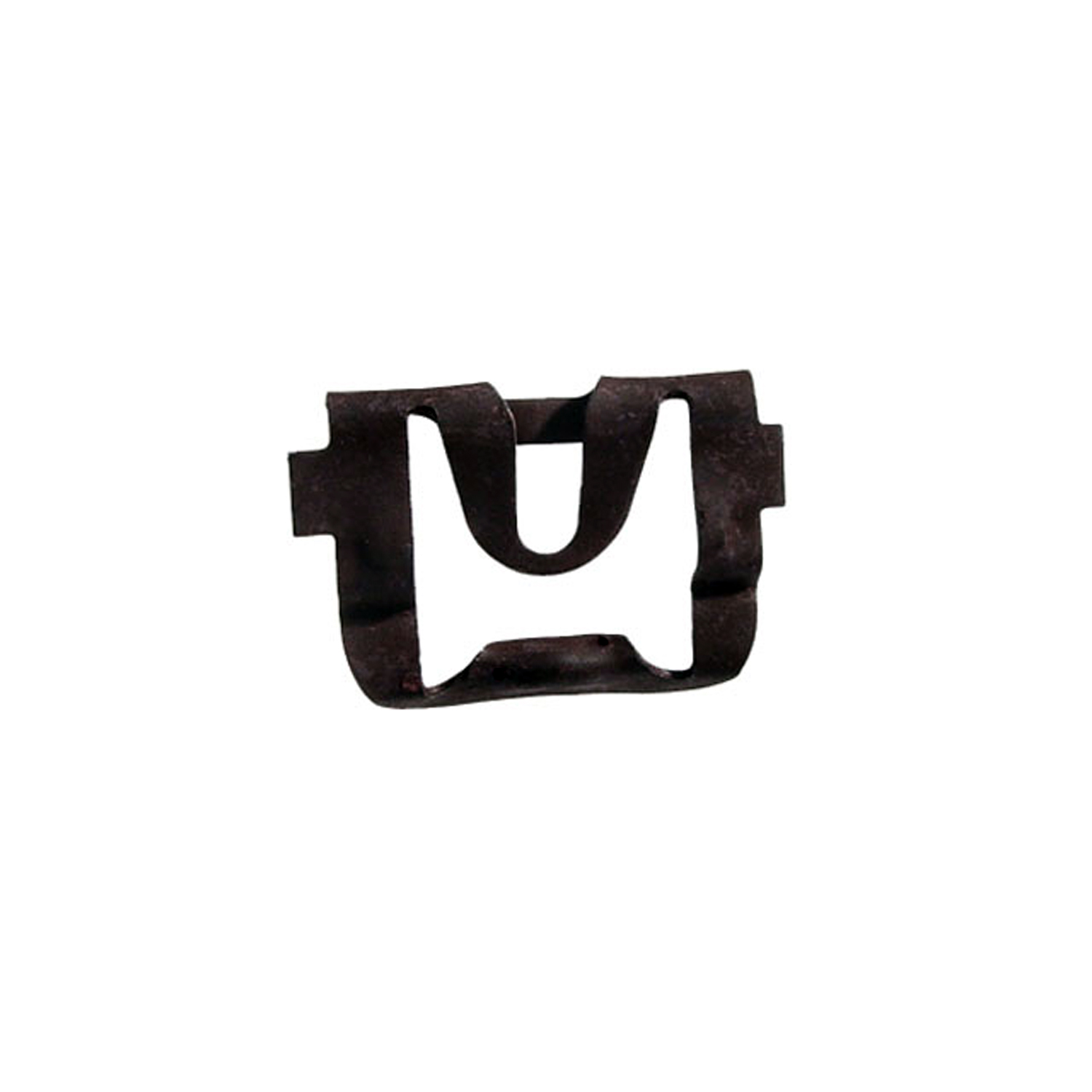 1973 Buick Centurion Rear Windshield Reveal Molding Clip. Made of steel-WF 211Rear Windshield Reveal Molding Clip. Made of steel. 15/16" X 3/4". Each
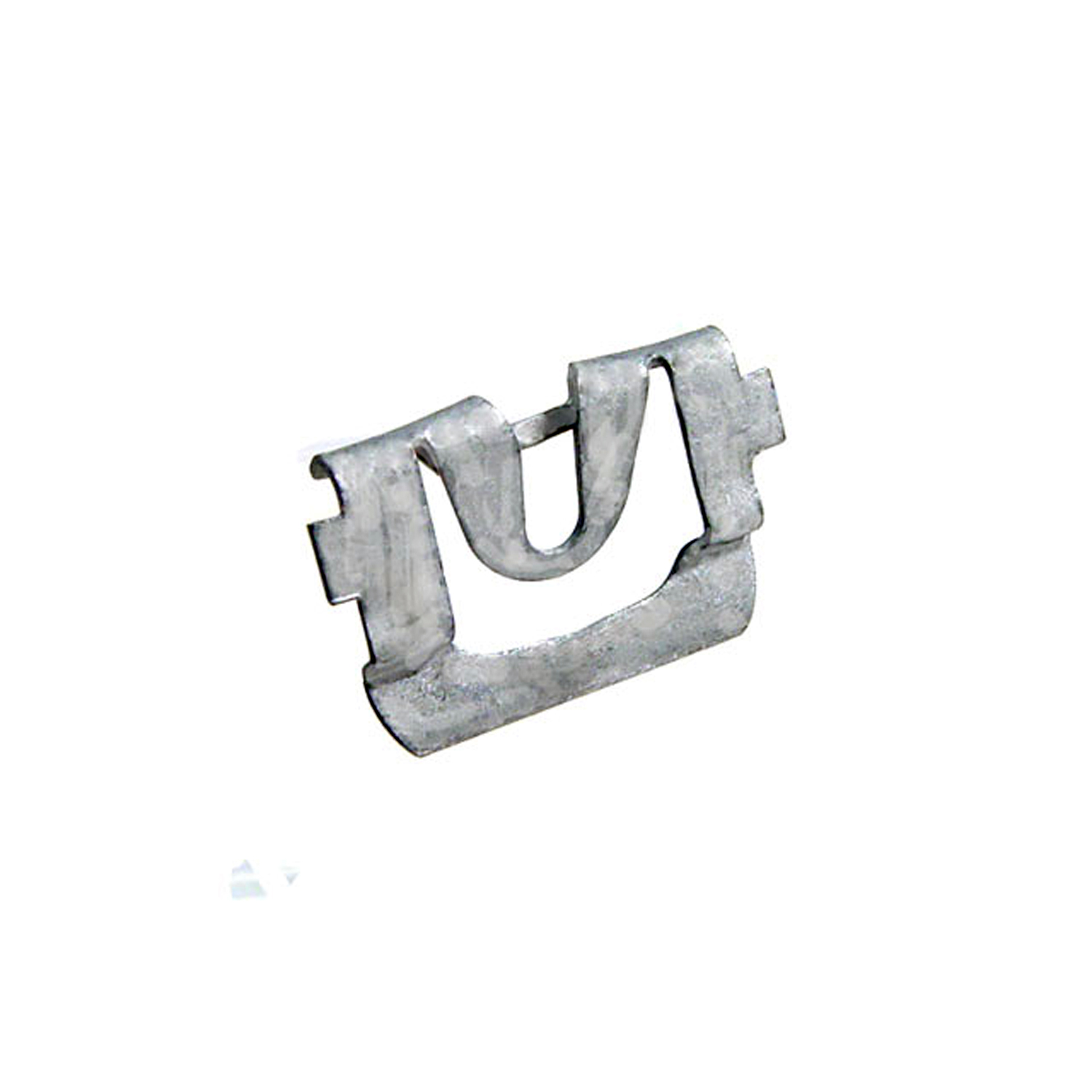 1973 Buick Centurion Windshield Reveal Molding Clip. Made of steel-WF 223Windshield Reveal Molding Clip. Made of steel. 1/1/8" X 3/4". Each
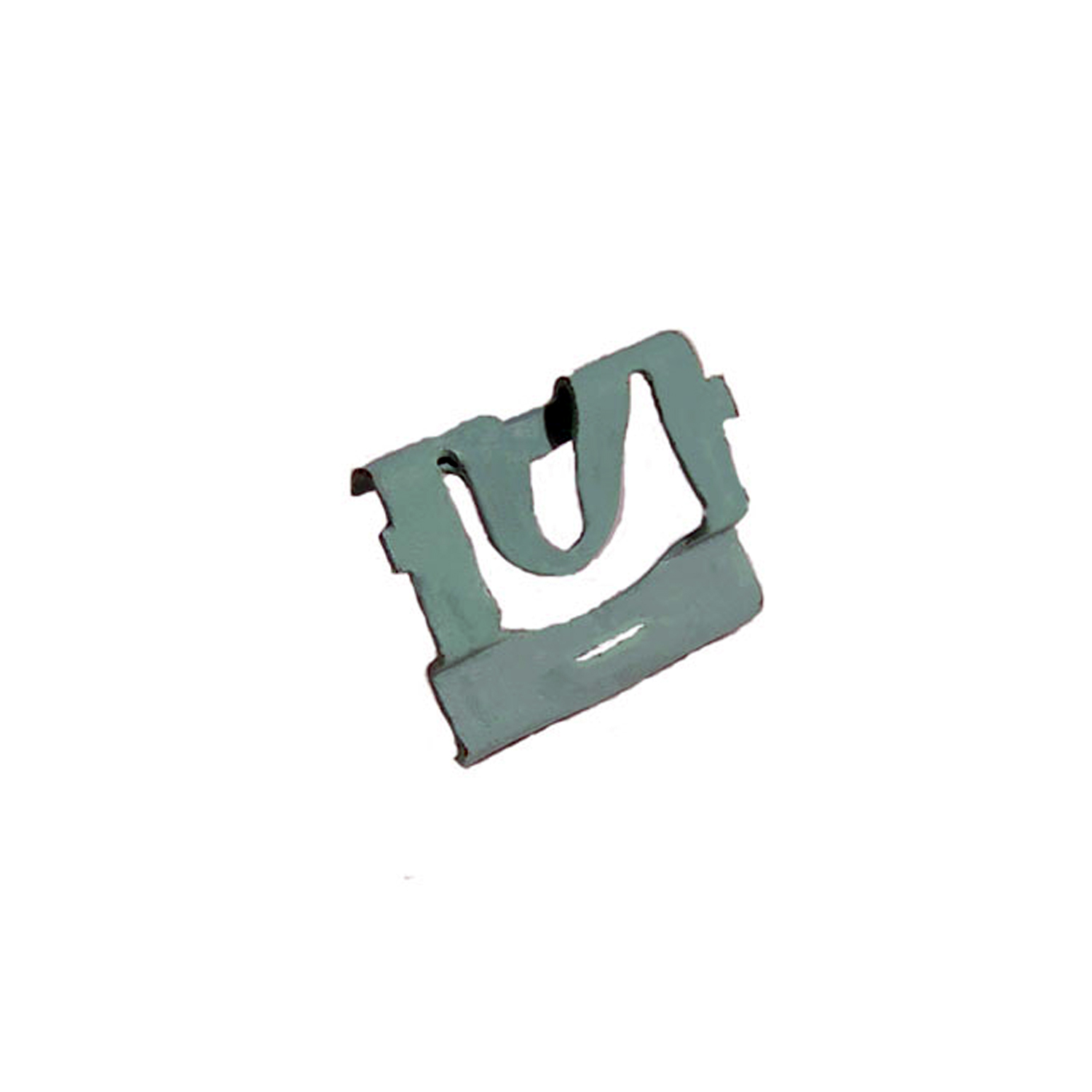 1973 Buick Centurion Windshield Reveal Molding Clip. Made of steel-WF 224Windshield Reveal Molding Clip. Made of steel. 1-1/4" X 3/4". Fits many models. Each
Why Choose Metro?
For over 100 years, Metro Moulded Parts has been the pinnacle of quality in classic car restoration parts. Our commitment to precision and authenticity in every component ensures a perfect fit and an OEM-level appearance.
- Expert Craftsmanship & Quality: Each part is a testament to our dedication to reliability and perfection, crafted from original designs and thoroughly tested.
- Advanced Technology: We use cutting-edge techniques to create flawless, long-lasting parts that surpass others in performance.
- SuperSoft Sponge – The Ultimate Door Seal: Not only are our door seals 30% softer than competitors', but they're also guaranteed to never leak. They effectively reduce wind and road noise, enhancing your classic car's comfort and driving experience.
- Proudly American: Our parts are a product of American craftsmanship, made in the USA with a spirit of excellence and heritage.
- Unrivaled Warranty: We back our products with a 30-year industry-leading warranty, a testament to our confidence in their quality.
Join us in preserving the legacy of classic cars with parts that are crafted for perfection, not just made.