

Image of 1973 Buick Electra, Note: These illustrations use artistic license and may differ from actual historical models.
Performance Metrics
Fundamental Metrics
Emotional Appeal
MMP Rating
| Engine Specifications | |
|---|---|
| Engine: | 455 cu in (7.5 L) V8 |
| Displacement: | 455 cu in (7.5 L) |
| Horsepower: | 250 hp |
| Torque: | 375 lb-ft |
| Compression Ratio: | 8.5:1 |
| Ignition System: | Electronic Ignition |
| Cooling System: | Liquid Cooled |
| Performance Specifications | |
| 0-60 Time: | 10 seconds |
| 1/4 Mile Time: | 17.5 seconds |
| Top Speed: | 120 mph |
| Transmission and Drive | |
| Drive Type: | Rear Wheel Drive |
| Transmission Type: | 3-speed automatic |
| Fuel and Efficiency | |
| Fuel System Type: | Carburetor |
| MPG: | 10-12 mpg |
| Dimensions and Brakes | |
| Brakes: | Power-assisted front disc and rear drum brakes |
| Wheelbase: | 127 in |
| Weight: | 4,600 lbs |
Note: Specifications for classic cars are given to the best of our ability, considering the limited and variant data available.
1973 Buick Electra: The American Land Yacht at Full Strength
The 1973 Buick Electra did not whisper its arrival: its broad chrome grille, long hood, and commanding profile announced a car built for comfort on a grand scale. Buick, the General Motors marque positioned between mainstream Chevrolet and luxury Cadillac, created the Electra for buyers who wanted substantial size, polished appointments, and effortless V8 power.
The Electra name first appeared in 1959, and the 1973 model belonged to the fifth-generation full-size cars introduced for 1971. Its “225” designation had become a famous nickname, “Deuce and a Quarter,” originally associated with Electras longer than 225 inches. In 1973, the Electra 225 measured about 226 inches overall, making the name especially fitting.
This was a car from the final high point of American full-size motoring. It arrived just as the oil crisis was reshaping expectations about fuel economy, making its large-displacement V8 and generous proportions a vivid snapshot of a different automotive era. Another notable detail: 1973 brought federally mandated front bumpers designed to withstand a 5-mph impact, and Buick integrated the required hardware into the Electra’s substantial front end.
Long-Hood Styling and Buick Comfort
The Electra’s exterior was all presence. A wide, horizontal grille sat between large headlamps, while a long hood flowed into a formal, upright cabin and a broad rear deck. Full-width bumpers, bright moldings, and Buick’s restrained trim gave the car a tailored look rather than a flashy one. Its scale was unmistakable, but the styling remained smooth and carefully proportioned.
Inside, the Electra emphasized quiet, relaxed travel. Depending on body style and trim, buyers could get broad bench seats upholstered in cloth, vinyl, or optional leather, along with wood-tone accents, deep carpeting, and extensive sound insulation. The instrument panel was wide and easy to read, while generous legroom and a soft, expansive seat made long journeys feel less demanding. Higher-trim Electra 225 Limited models added a more luxurious finish and additional comfort features.
Available equipment varied, but options could include power windows, power door locks, air conditioning, cruise control, a tilt steering wheel, power seats, and an AM/FM radio. These features were not unusual in the luxury class, but their combination with Buick’s smooth ride and quiet cabin made the Electra a convincing highway cruiser.
Factory paint choices changed with trim and production, but the palette reflected early-1970s tastes: white and cream, deep reds and blues, greens, metallic golds, and earthy browns. Neutral shades such as cream, gold, and brown suited the car’s formal character, while darker colors highlighted its long, uninterrupted body sides.
Electra 225 body styles included a two-door coupe, a four-door hardtop, and a four-door sedan. The hardtop versions, with their open-looking side glass and lack of a fixed center pillar, are especially evocative of the era. The four-door hardtop is often the most recognizable choice for buyers seeking classic full-size Buick style, though the coupe has its own long, dramatic profile.
What Made the Electra Stand Out
The 1973 Electra was not a technological revolution, but it represented a highly developed version of the traditional American luxury formula: body-on-frame construction, a large V8, automatic transmission, plush seating, and a suspension tuned for comfort. Its appeal was not sharp cornering or sports-car feedback. It was the ability to carry passengers across long distances with little effort and plenty of room.
That formula set the Electra apart from smaller, more economical cars and from luxury imports that prioritized compact dimensions or precise handling. Buick offered its own version of premium motoring, with a substantial road presence and a softer, quieter character. The model also reflects a turning point in the industry. Rising fuel costs, emissions rules, and safety standards would soon push manufacturers toward smaller and lighter designs. The Electra’s later downsizing for 1977 marked a clear change from the broad, heavy cars of 1973.
455 V8 Power and Road Manners
Most 1973 Electra 225s were equipped with Buick’s 455-cubic-inch V8, paired with a three-speed Turbo-Hydramatic automatic transmission. Period net ratings and equipment could vary, but the engine was commonly rated at about 250 horsepower. Its real strength was low-speed torque: it moved the Electra’s considerable mass with a relaxed, unhurried surge rather than a high-revving rush.
Exact performance figures depend on the car’s condition, gearing, tune, and test method. As a reasonable period-style estimate, a healthy example might reach 60 mph in roughly 10 to 12 seconds, with a top speed around 115 to 120 mph. Those figures are estimates, not a promise for every surviving car, and the Electra was designed for effortless cruising rather than repeated maximum-speed runs.
On the road, the suspension favors a cushioned ride. It smooths out broken pavement and highway expansion joints, while the long wheelbase helps the car feel settled on straight roads. On a winding route, however, the Electra’s size, soft suspension, and period tires make it lean and feel less nimble than a smaller car. Crosswinds can also be noticeable because of its broad body. The steering is typically light, and the driver sits high behind a wide hood, with the car’s dimensions taking some adjustment in tight parking spaces.
The engine note is a deep, subdued V8 rumble, most noticeable under acceleration. The automatic transmission shifts smoothly when properly maintained, and the overall impression is of a car that asks for calm inputs. Drive it as a quiet touring machine, not a corner-carving sport sedan, and its character makes sense immediately.
Owning and Maintaining a 1973 Electra
Today, the Electra is best suited to weekend drives, club events, local shows, and relaxed touring. Some owners use one regularly, but its size and fuel consumption make it less practical as a modern daily driver. The large V8 can be thirsty, particularly in city traffic, and fuel economy should not be a reason to buy one.
Routine mechanical work is familiar to many classic-car specialists and experienced home mechanics. The Buick 455 and Turbo-Hydramatic transmission are durable designs when serviced correctly, and basic maintenance such as ignition work, carburetor tuning, cooling-system repairs, and brake service is well understood. The car’s age matters more than its original reputation for reliability: inspect the cooling system, transmission behavior, suspension bushings, steering components, brake hydraulics, and electrical accessories.
Rust deserves particular attention. Check the frame, floor pans, lower body panels, wheel openings, trunk, and areas around the windshield and rear glass. Also test the power windows, locks, seat mechanisms, air conditioning, and other accessories, since repairing tired electrical or vacuum-operated components can take time. Mechanical parts are generally more obtainable than model-specific trim, body panels, and interior pieces, so a complete car is usually a better starting point than a cheap but heavily deteriorated project.
Electra Trivia, Myths, and Criticisms
The “Deuce and a Quarter” nickname is one of the Electra’s best-known pieces of trivia, and it captures the car’s size as neatly as its formal model name. The 1973 Electra also sits at an important historical crossroads: it combines the big-engine, big-body approach of the early 1970s with new safety requirements and the growing pressure to improve fuel economy.
There is no widely recognized 1973 Electra speed or endurance record, and the model was not developed as a racing car. Nor is there a single famous celebrity-owned example that defines its history. Its more meaningful legacy is cultural: it represents the spacious, V8-powered American luxury car that many manufacturers would soon scale back.
Common criticisms are straightforward. The Electra is large, heavy, fuel-hungry, and not especially agile. Its age can bring rust, worn suspension parts, and malfunctioning convenience features. But those shortcomings are also part of the context: Buick engineered the car to prioritize room, quietness, and ride comfort, not economy or sporting precision.
Collector Value and Market Outlook
Production totals vary by body style and source, so a precise figure should be treated cautiously. A reasonable broad estimate is that Buick built somewhere around 100,000 to 130,000 Electra 225s for 1973 across the available configurations. That makes the model far from unobtainable, though a sound, rust-free car with desirable trim and complete equipment can take time to find.
In the current U.S. collector market, rough project cars may sell for about $3,000 to $8,000. Usable drivers commonly fall around $10,000 to $20,000, while clean, well-maintained examples can reach roughly $20,000 to $35,000. Exceptional, highly original cars or particularly attractive hardtops may bring $35,000 to $50,000 or more in the right market. These are broad estimates; condition, rust, documentation, originality, and regional demand have a major effect on price.
Values have generally been steady to modestly rising for the best-preserved examples, while ordinary cars remain relatively affordable compared with more famous muscle cars and luxury models. The Electra’s size and fuel appetite limit its audience, but its classic styling and comfortable driving experience appeal to enthusiasts who want something less common than a familiar pony car. A well-kept, original car is likely to hold interest better than an incomplete restoration project.
Why the 1973 Buick Electra Still Matters
The 1973 Buick Electra brought together a powerful 455 V8, an expansive and carefully finished cabin, and the soft, steady ride that defined American luxury motoring. It was not built to be economical or nimble. It was built to make distance feel easy, and to do so with unmistakable presence.
As a collector car, the Electra offers a distinctive alternative to more celebrated performance models. It stands as a rolling reminder of the moment before fuel shortages and changing regulations transformed the American automobile. Start the V8, settle into that broad seat, and the Electra’s purpose becomes clear: this was not merely a big Buick, but a grand highway car from the last great age of the full-size cruiser.
1973 Buick Electra Catalog of Parts
 1973 Buick Electra RE-ISSUE. Door lock-pillar seal-ALP 5055RE-ISSUE. Door lock-pillar seal. Fits '71-'73 GM B-, C- and E-body 2-door hardtop, coupe and convertible (including Cadillac). This part has been completely re-designed from scratch with new cores and new molds. Replaces OEM#'s 9640451/2. Pair. R&L.
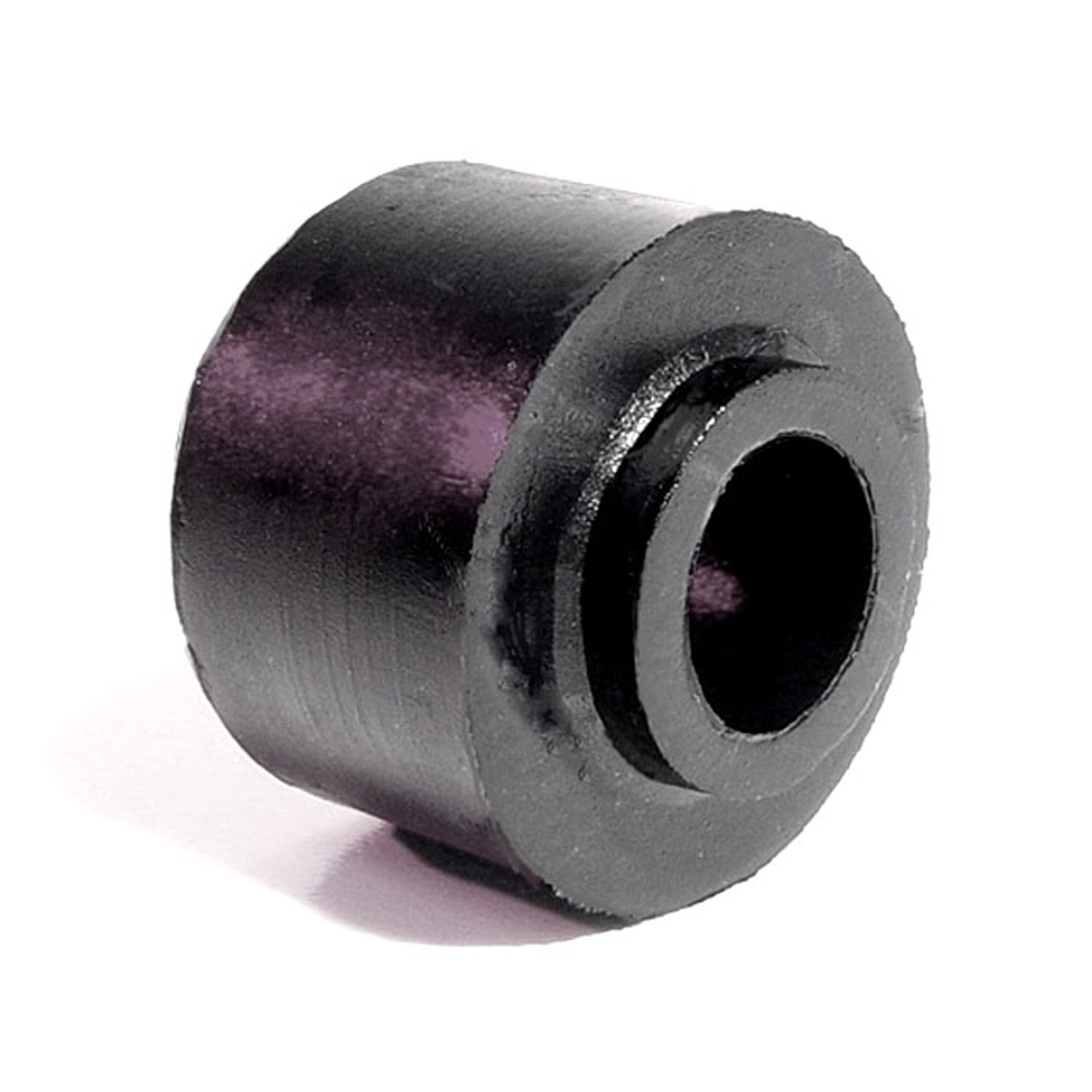 1973 Buick Electra Shock Absorber Grommet. 1" bottom O.D., 3/4" high-BN 1Shock Absorber Grommet. 1" bottom O.D., 3/4" high., with 7/16" I.D. Each
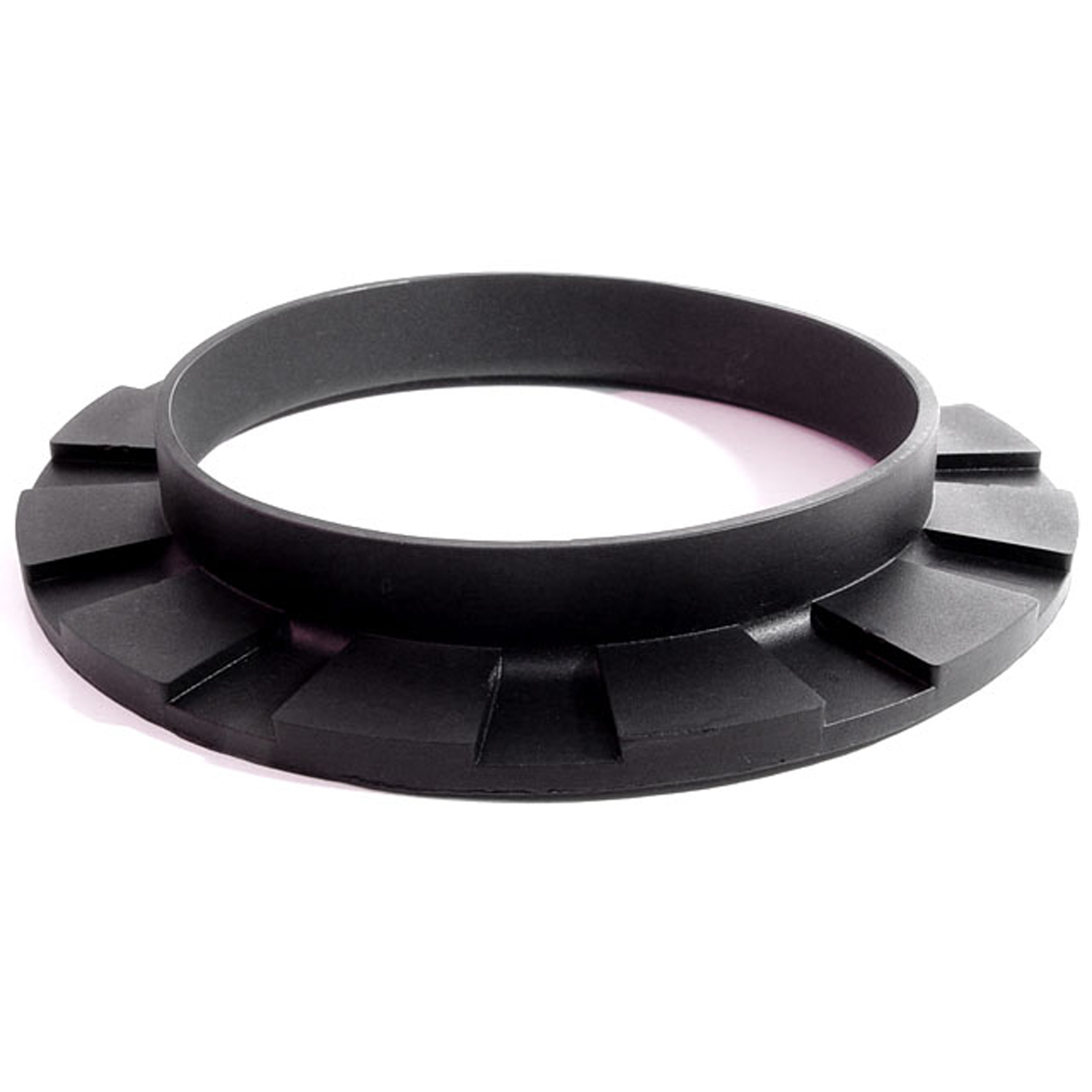 1973 Buick Electra Front coil-spring insulator-BN 110Front coil-spring insulator. Fits '41-'60 Oldsmobile and '50-'83 GM passenger models. 5-3/8 in. OD x 3-3/4 in. ID x 3/4 in. high with 13/16 in. wide bottom flange 1/4" thick, 12 flutes. Each.
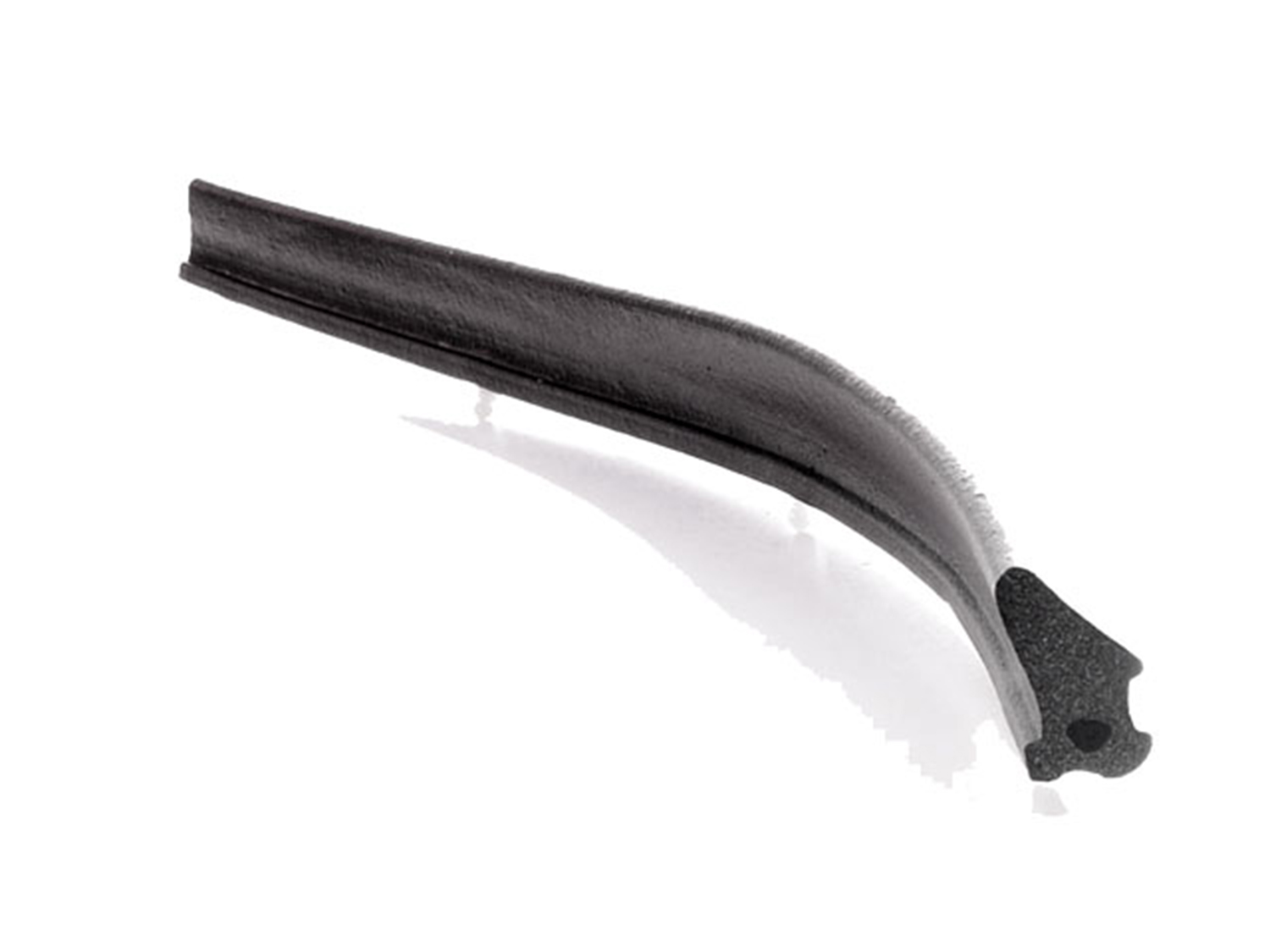 1973 Buick Electra Door Side Seal-C/LP 40-KDoor Side Seal. Made of smooth skin sponge extrusion, with clips installed. (For seal without clips, see LP 40-K) Sold by the foot.
 1973 Buick Electra Molded Door Seal with Clips, Pair-LM 21-RDoor Seal for Rear Doors, 71-74 GM C Body 4 Door Hardtops (Except Cadillac), Pair, R&L. Replaces OEM #'s 9697680/9697681. Proudly MADE IN AMERICA and manufactured with Metro’s SUPERsoft Sponge™ - our vastly superior soft yet durable EPDM sponge rubber compound - to protect against the elements. SUPERsoft™ rubber
 1973 Buick Electra Trunk Liner. Loose weave-M 23Trunk Liner. Loose weave. Black with scattered white threads. 54" wide. Sold by the foot
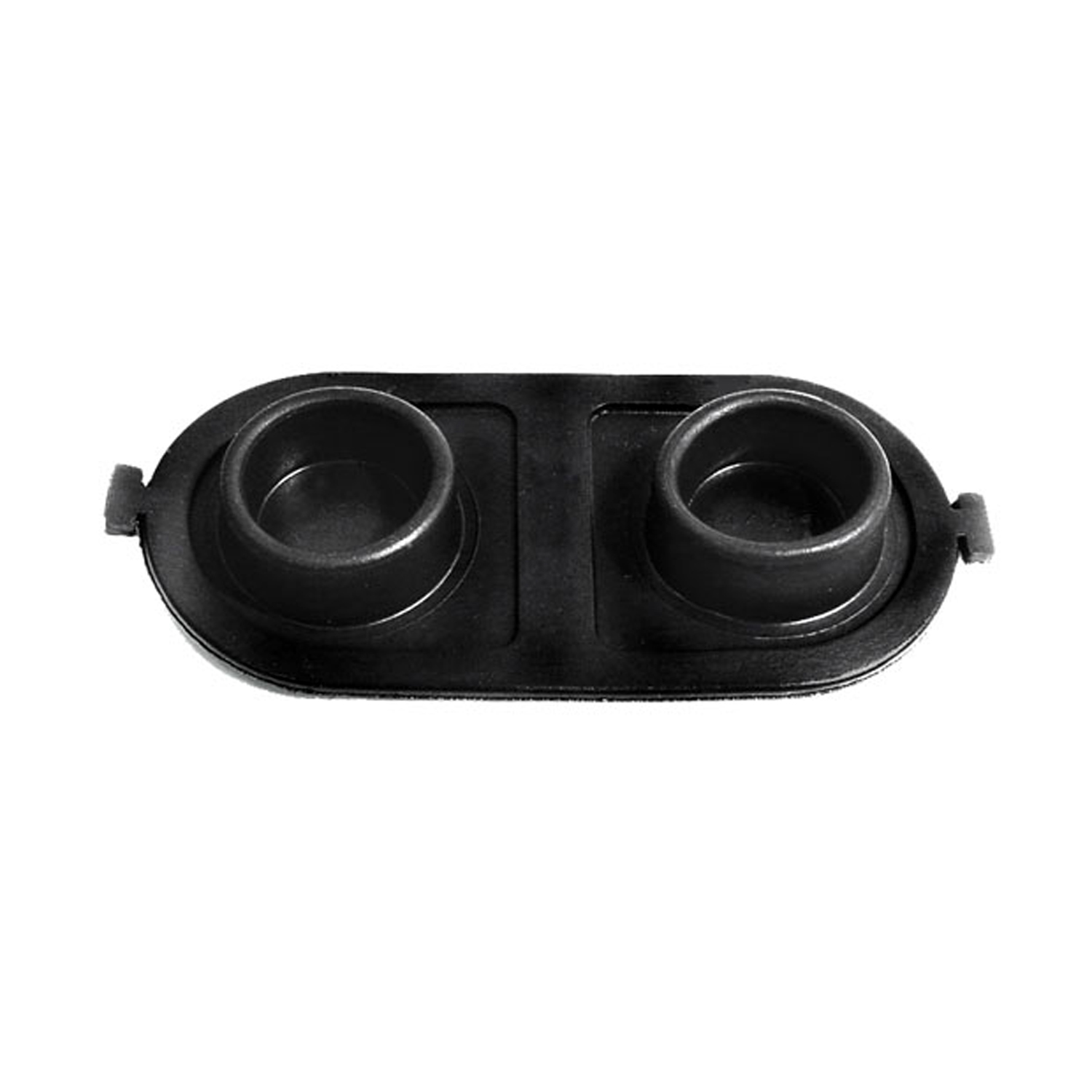 1973 Buick Electra Brake Master Cylinder Cover Seal. Replaces OEM #5470861-RP 2-EBrake Master Cylinder Cover Seal. Replaces OEM #5470861. 5" X 2-1/2". Each
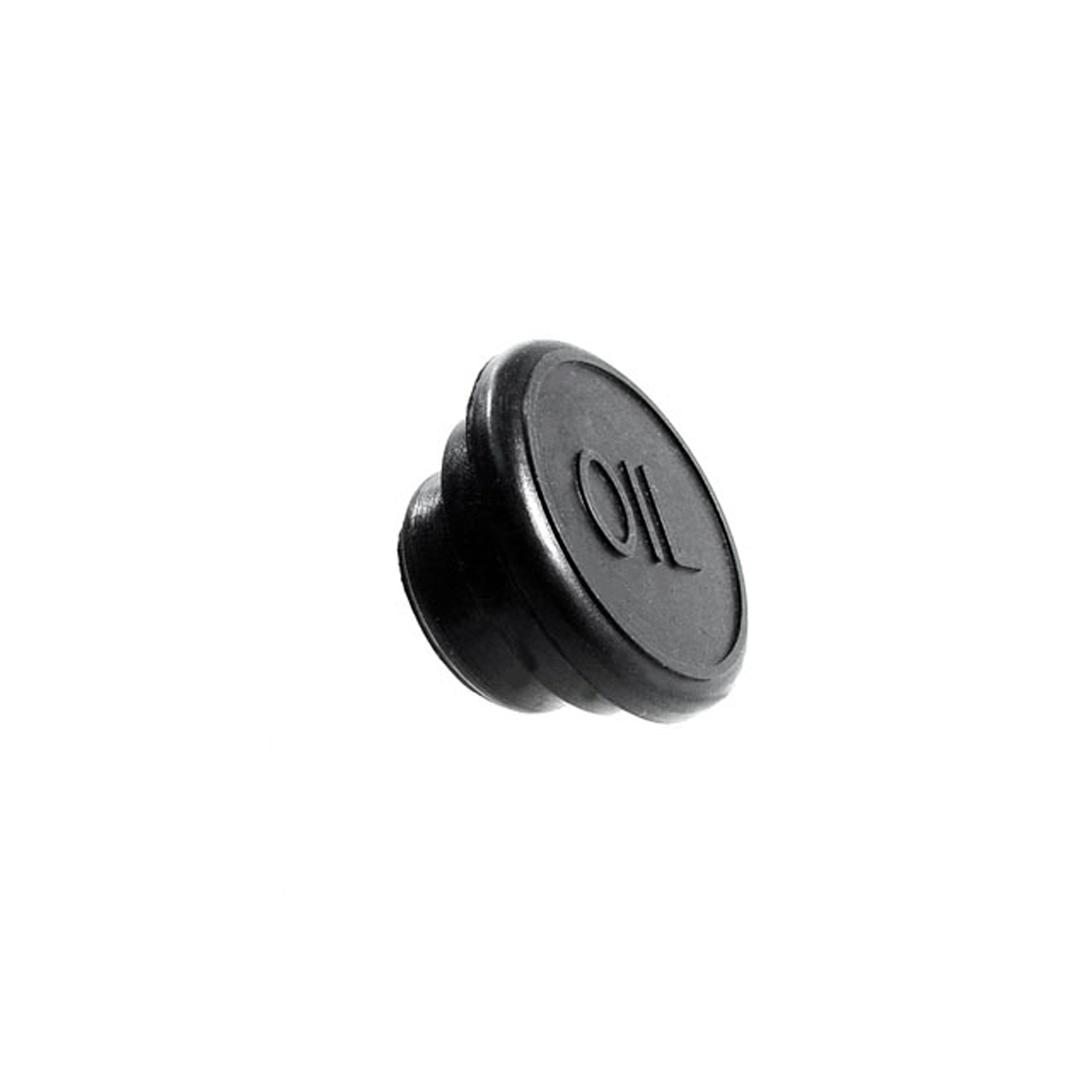 1973 Buick Electra Oil Filler Hole Cap. Made of rubber-RP 8Oil Filler Hole Cap. Made of rubber. Fits a 1-3/16" to 1-1/4" hole. Each
 1973 Buick Electra Molded Roof Rail Seals, for 2-Door Hardtop-RR 5007Molded Roof Rail Seals, for 2-Door Hardtop. Made with molded ends. 73-5/8" long. Pair R&L
 1973 Buick Electra Molded Roof Rail Seals for 4-Door Hardtop-RR 5007-FMolded Roof Rail Seals for 4-Door Hardtop. Replaces OEM part # 9726974/5. Pair
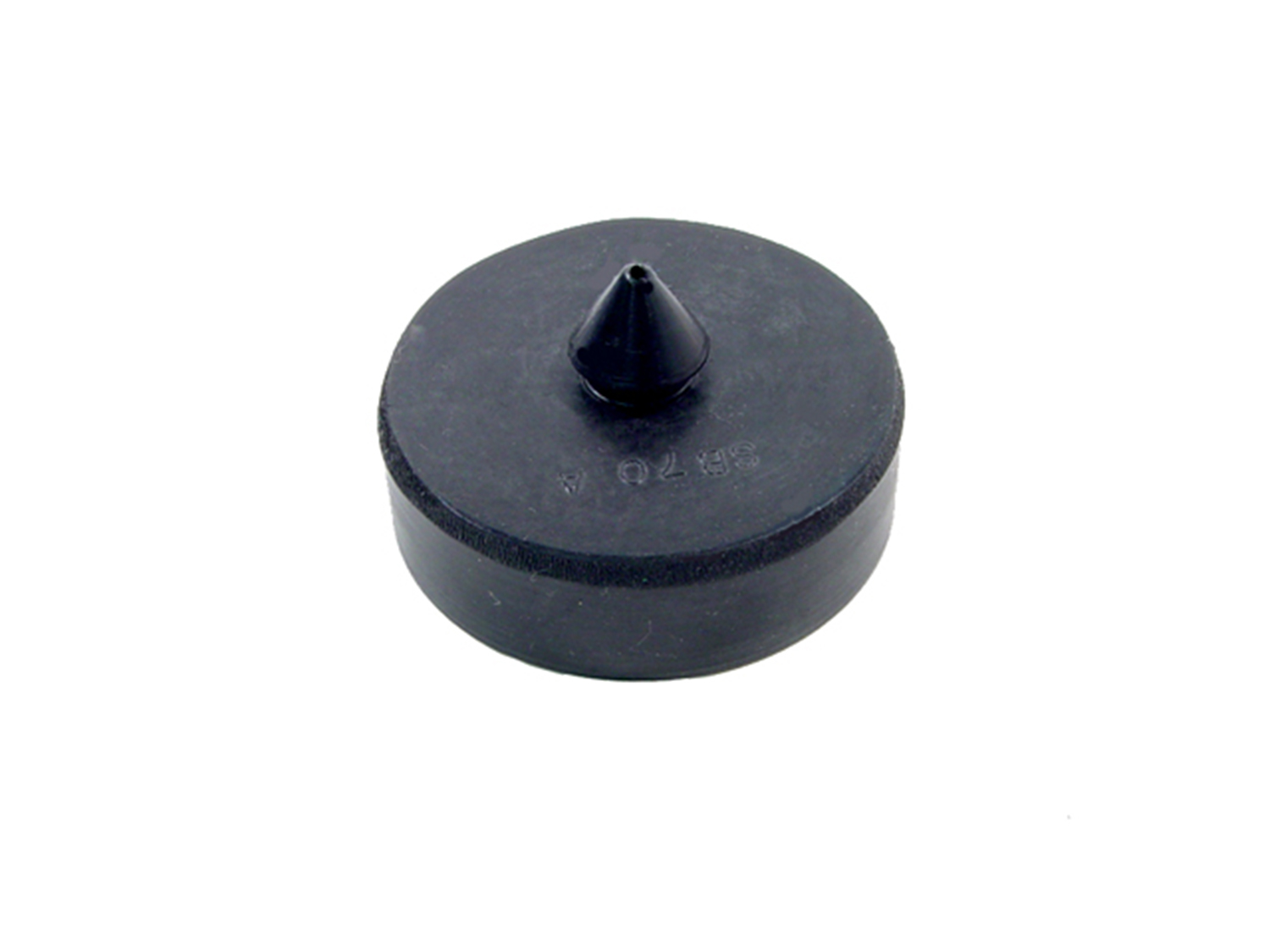 1973 Buick Electra Front door window stop bumper. ’70-’81 GM passenger cars-SB 70-AFront door window stop bumper. '70-'81 GM passenger cars. Dense rubber. Replaces OEM# 9810036. Each.
 1973 Buick Electra Trunk Seal. Each-TK 46-E/18Trunk Seal. Each
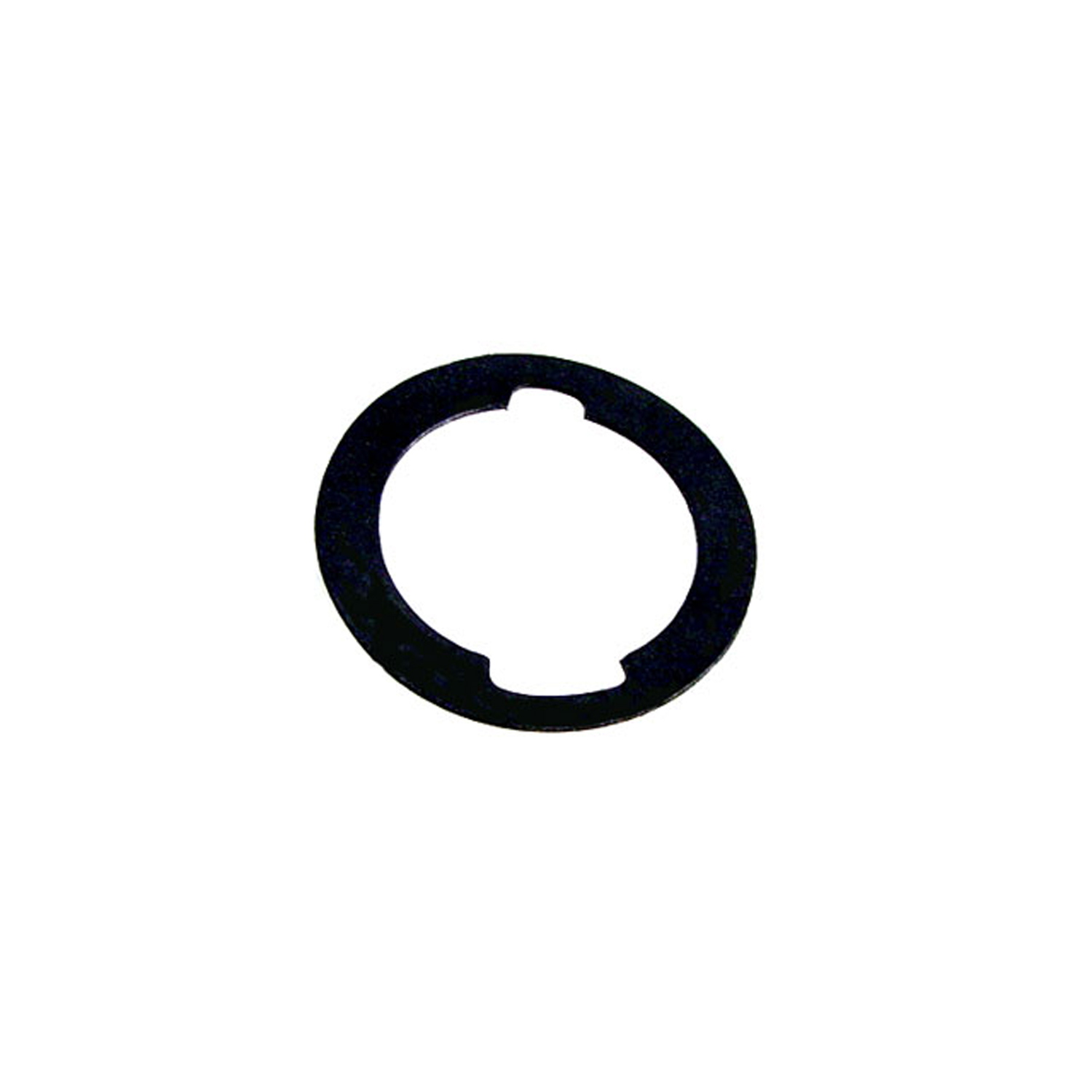 1973 Buick Electra Unbeaded Door and Trunk Lock Gasket. 1-3/16" O.D., 7/8" I.D-UM 1600-100Unbeaded Door and Trunk Lock Gasket. 1-3/16" O.D., 7/8" I.D. Each
 1973 Buick Electra Rear Roll-Up Quarter Window Seals, for 4-Door Hardtops-VS 3-PRear Roll-Up Quarter Window Seals, for 4-Door Hardtops. Pair
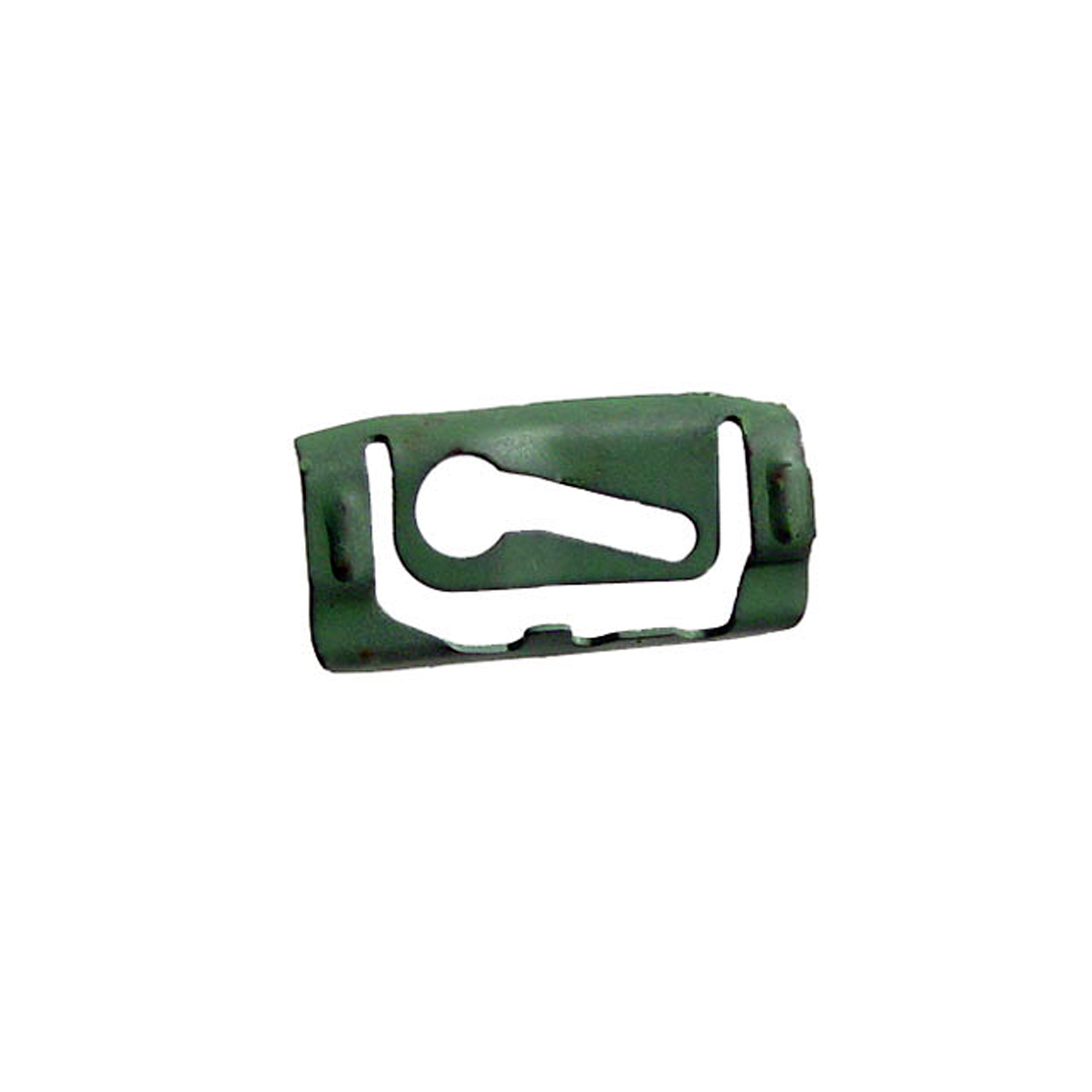 1973 Buick Electra Quarter Window Reveal Molding Clip. Made of Steel-WF 205Quarter Window Reveal Molding Clip. Made of Steel. 1-3/8" X 11/16". Each
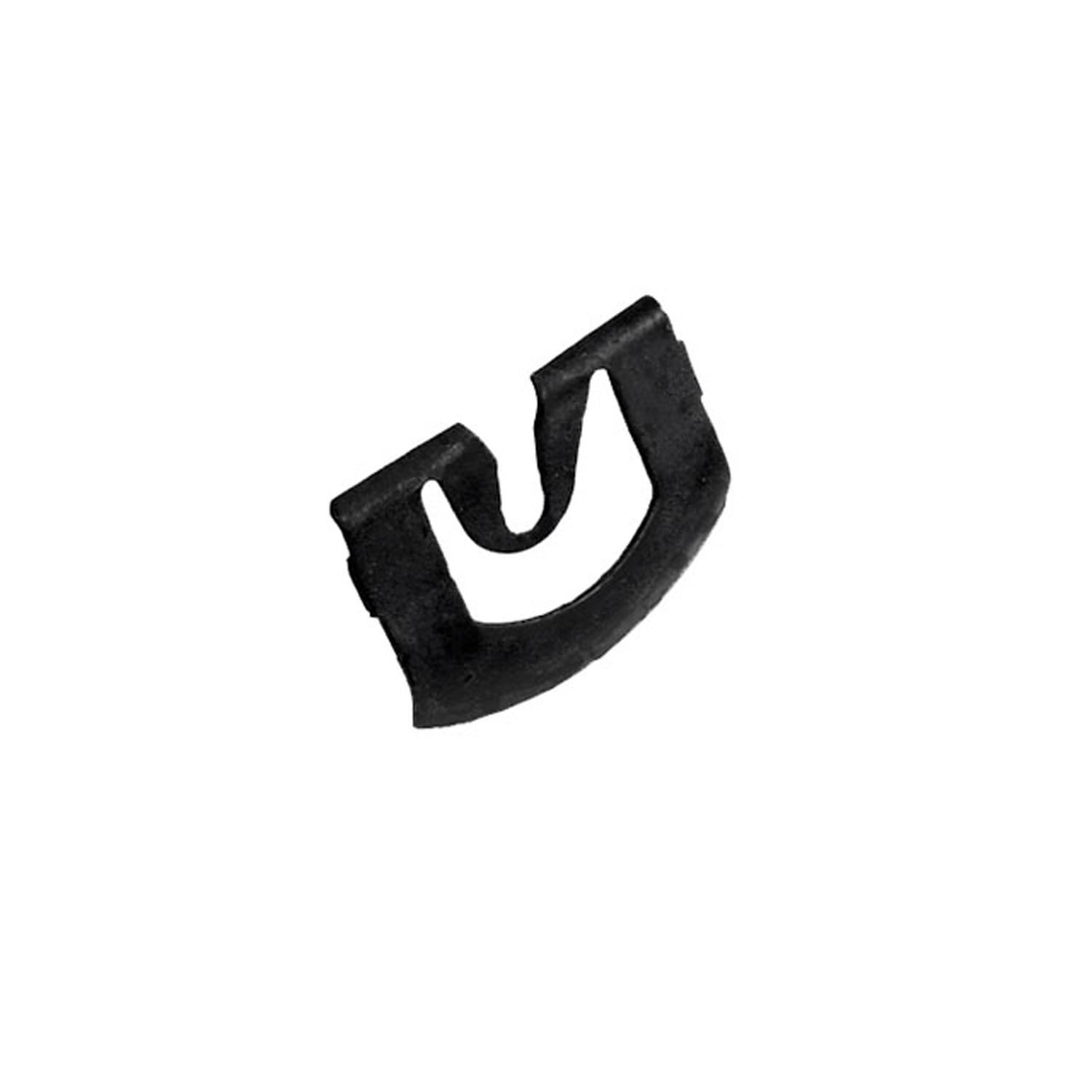 1973 Buick Electra Windshield Reveal Molding Clip. Made of steel. 13/16" x 1"-WF 209Windshield Reveal Molding Clip. Made of steel. 13/16" x 1". Each
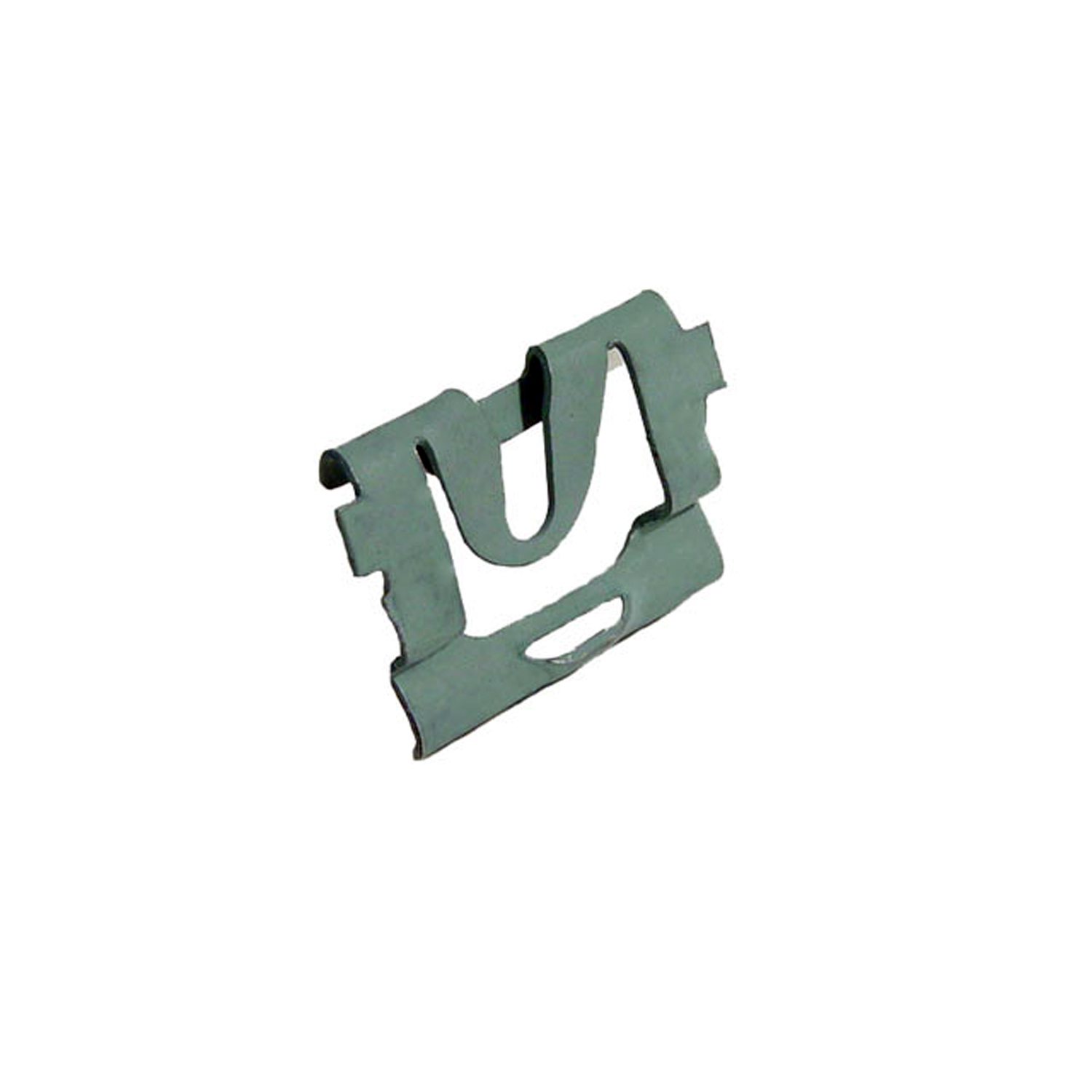 1973 Buick Electra Windshield Reveal Molding Clip. For models with vinyl top-WF 210Windshield Reveal Molding Clip. For models with vinyl top. 3/4" x 1-1/16". Each
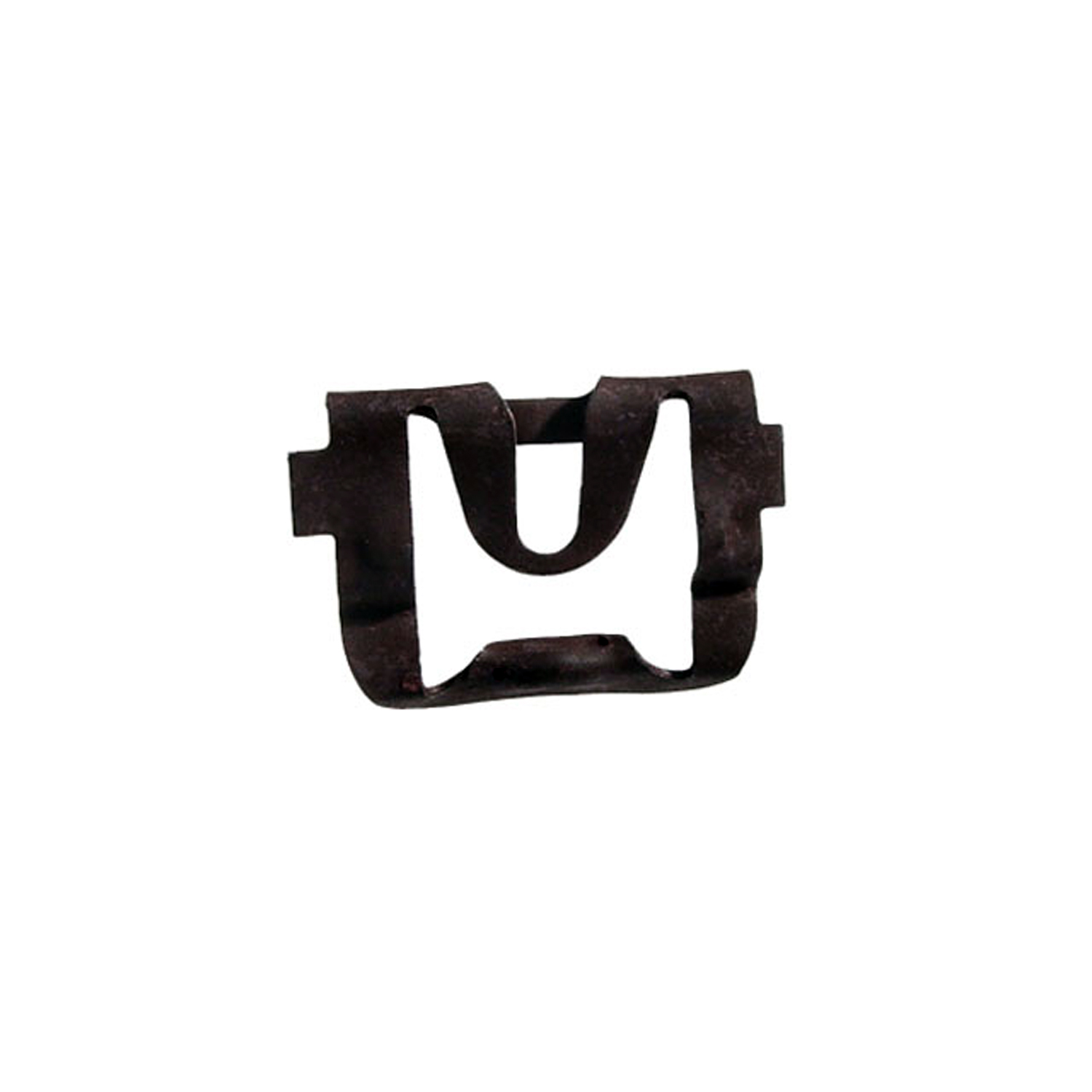 1973 Buick Electra Rear Windshield Reveal Molding Clip. Made of steel-WF 211Rear Windshield Reveal Molding Clip. Made of steel. 15/16" X 3/4". Each
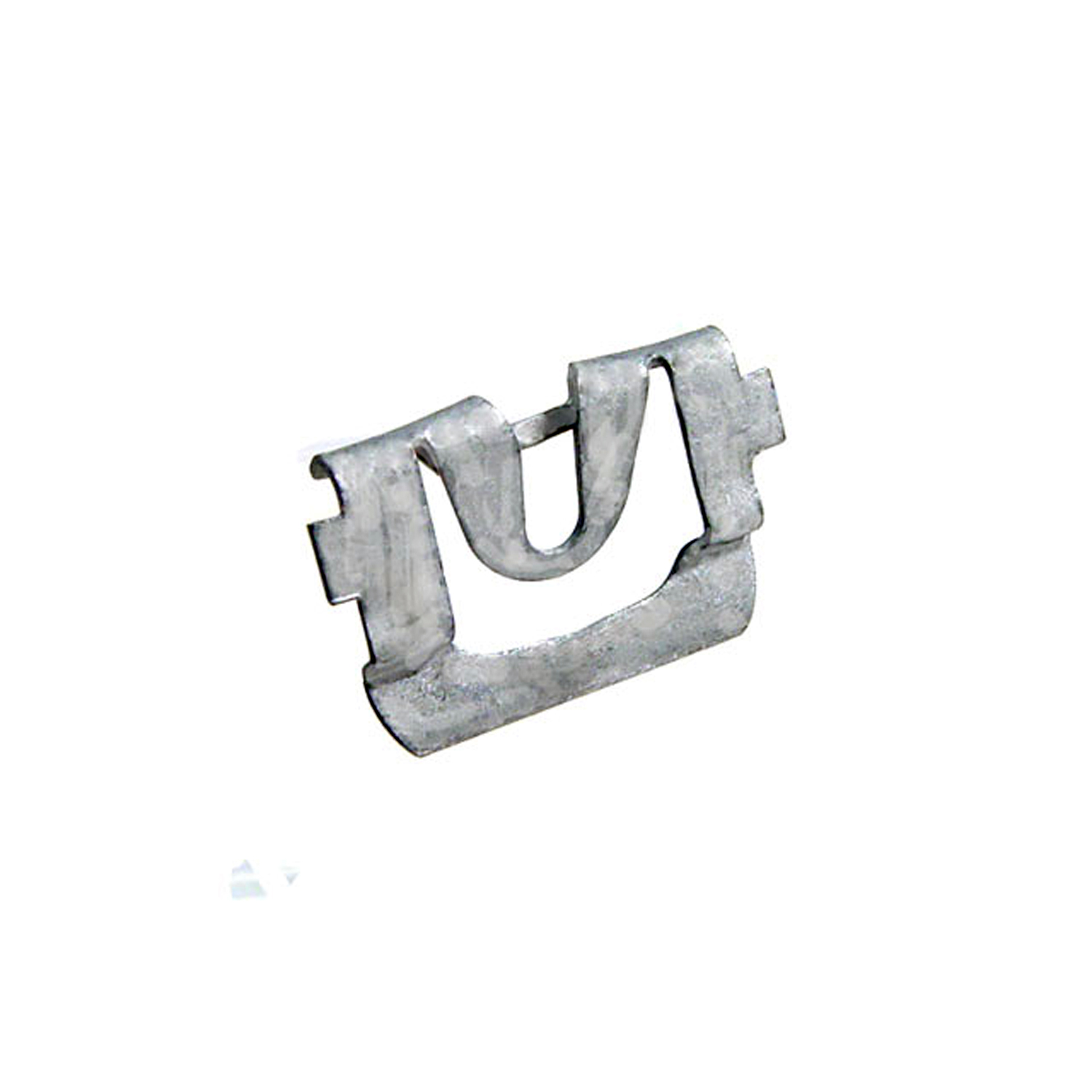 1973 Buick Electra Windshield Reveal Molding Clip. Made of steel-WF 223Windshield Reveal Molding Clip. Made of steel. 1/1/8" X 3/4". Each
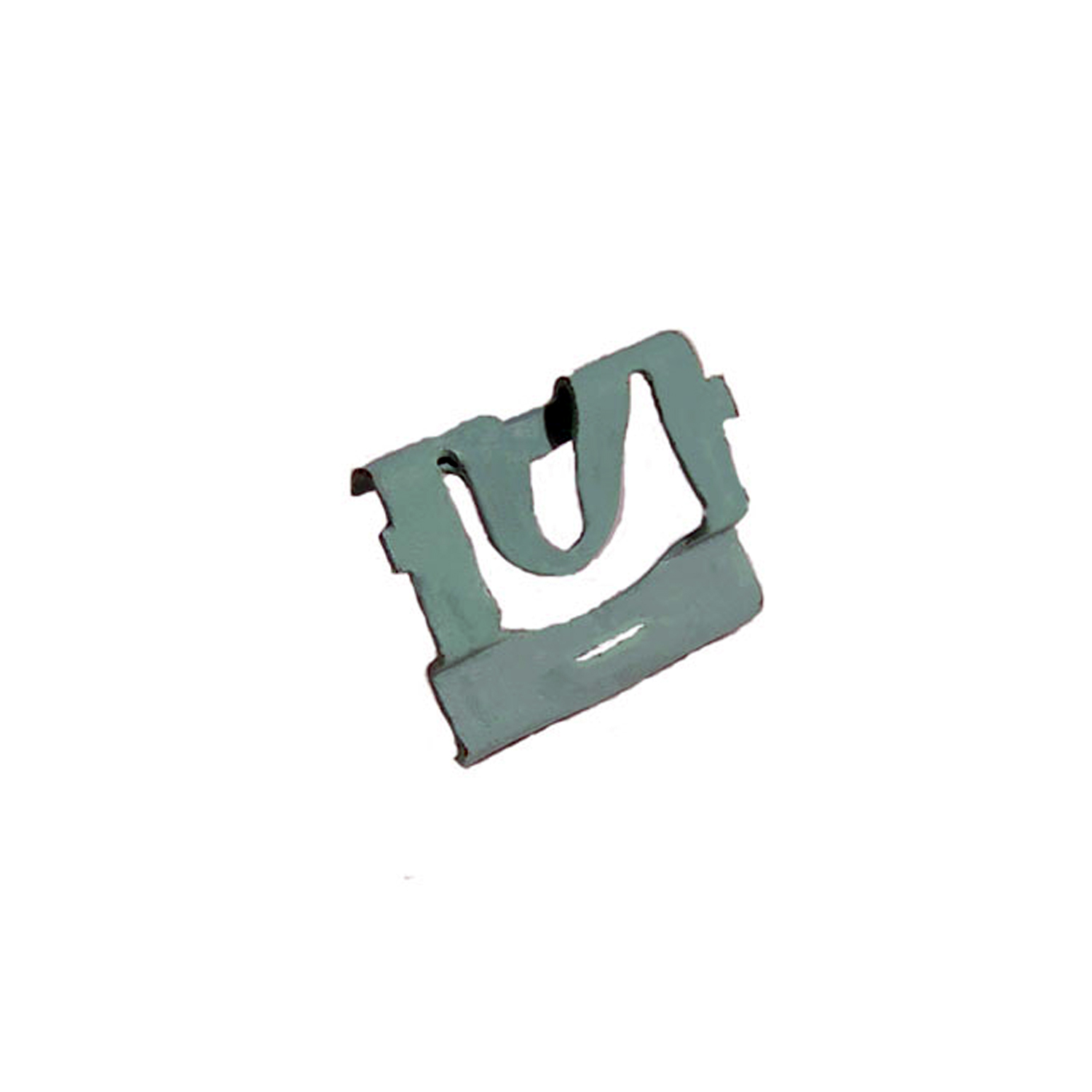 1973 Buick Electra Windshield Reveal Molding Clip. Made of steel-WF 224Windshield Reveal Molding Clip. Made of steel. 1-1/4" X 3/4". Fits many models. Each
Why Choose Metro?
For over 100 years, Metro Moulded Parts has been the pinnacle of quality in classic car restoration parts. Our commitment to precision and authenticity in every component ensures a perfect fit and an OEM-level appearance.
- Expert Craftsmanship & Quality: Each part is a testament to our dedication to reliability and perfection, crafted from original designs and thoroughly tested.
- Advanced Technology: We use cutting-edge techniques to create flawless, long-lasting parts that surpass others in performance.
- SuperSoft Sponge – The Ultimate Door Seal: Not only are our door seals 30% softer than competitors', but they're also guaranteed to never leak. They effectively reduce wind and road noise, enhancing your classic car's comfort and driving experience.
- Proudly American: Our parts are a product of American craftsmanship, made in the USA with a spirit of excellence and heritage.
- Unrivaled Warranty: We back our products with a 30-year industry-leading warranty, a testament to our confidence in their quality.
Join us in preserving the legacy of classic cars with parts that are crafted for perfection, not just made.