

Image of 1973 Buick Lesabre, Note: These illustrations use artistic license and may differ from actual historical models.
Performance Metrics
Fundamental Metrics
Emotional Appeal
MMP Rating
| Engine Specifications | |
|---|---|
| Engine: | 350 cu in (5.7 L) V8, 455 cu in (7.5 L) V8 |
| Displacement: | 350-455 cu in |
| Horsepower: | 150-250 hp |
| Torque: | 275-375 lb-ft |
| Compression Ratio: | 8.5:1 |
| Ignition System: | Electronic Ignition |
| Cooling System: | Liquid-cooled |
| Performance Specifications | |
| 0-60 Time: | 10-12 seconds |
| 1/4 Mile Time: | 17-19 seconds |
| Top Speed: | 115-120 mph |
| Transmission and Drive | |
| Drive Type: | Rear-wheel drive |
| Transmission Type: | 3-speed automatic |
| Fuel and Efficiency | |
| Fuel System Type: | Carburetor |
| MPG: | 10-12 mpg |
| Dimensions and Brakes | |
| Brakes: | Front disc, rear drum |
| Wheelbase: | 124 inches |
| Weight: | 4,000-4,500 lbs |
Note: Specifications for classic cars are given to the best of our ability, considering the limited and variant data available.
1973 Buick LeSabre: Full-Size Comfort at a Turning Point
The 1973 Buick LeSabre arrived with a broad chrome face, a long, confident profile, and the sort of cushioned ride that made a long American highway feel like home. Built by Buick, General Motors’ upscale mainstream division, it was a full-size car for buyers who wanted room, quiet, and V8 power without stepping up to a more expensive Electra or Cadillac.
The LeSabre had been a core Buick nameplate since 1959, and by 1973 it was part of a well-established lineup of large, comfortable family cars. Its timing is especially interesting: the new model year brought federally influenced bumper changes, while the oil crisis later that year began shifting attention toward fuel economy. The LeSabre therefore captures a moment when traditional American size and comfort were still in demand, but the industry was about to face a very different set of priorities.
One standout detail is that 1973 LeSabres could be ordered with Buick’s 455-cubic-inch V8. Even as emissions rules and changing fuel standards were beginning to reshape performance, this big Buick still offered the kind of displacement that had defined the American full-size car.
Styling, Cabin, and Available Body Styles
The 1973 LeSabre wears its size openly. Its long hood flows into a wide, formal-looking cabin, while a large grille and paired headlights give the front end a substantial, unmistakably early-1970s presence. Chrome trim, generous bumpers, and softly sculpted body sides add to its stately look. The federally influenced front bumper is particularly prominent, a feature that would become even more visually pronounced on many cars in the years that followed.
Inside, Buick emphasized space and comfort rather than a sporty, close-fitting cockpit. Wide bench seats, a broad dashboard, and ample legroom made the car well suited to family travel. Depending on trim and equipment, buyers could find cloth or vinyl upholstery, carpeting, woodgrain-style accents, and more elaborate interior appointments. Higher trims and option packages could add touches such as power windows, power door locks, air conditioning, cruise control, and a tilt steering wheel.
The LeSabre was offered in several full-size body styles, including two-door coupe and four-door configurations. A four-door hardtop was available in the era’s full-size lineup, while the LeSabre convertible had already disappeared after 1972. The coupe appealed to buyers who wanted a more personal-looking car; the four-door sedan was the practical choice for family use. Exact combinations of body style and trim varied across the range.
Factory paint choices reflected the period’s mix of conservative and expressive tastes. White, cream, silver, blue, green, gold, and red tones were among the kinds of colors buyers could choose, with availability varying by trim and production details. Neutral shades suited the LeSabre’s formal character, while darker greens, blues, and rich metallic colors gave the large body extra presence.
Technology and the 1973 Model-Year Shift
The LeSabre was not a technology showcase in the modern sense, but it offered the comfort and convenience features expected of a well-equipped American car. Power steering and power brakes were common, and automatic transmissions, air conditioning, radios, cruise control, and power accessories were available depending on the car’s specification. The result was an easygoing machine designed to make everyday driving less tiring.
Its bumpers tell an important part of the 1973 story. Federal safety requirements were pushing automakers toward stronger, energy-absorbing bumper systems, and the LeSabre’s substantial front bumper reflects that change. The car also belonged to an era of growing emissions controls and the transition to horsepower ratings measured under more realistic “net” conditions. Comparisons with earlier muscle-era horsepower figures can therefore be misleading: rating methods had changed, and engine output was being affected by new regulations.
Why the LeSabre Mattered
The 1973 LeSabre’s importance lies less in a single breakthrough than in how well it represents Buick’s core mission. It delivered full-size American comfort, a quiet and spacious cabin, and available V8 power in a package positioned below Buick’s most luxurious models. Its appeal was broad: families, highway commuters, and buyers who wanted a comfortable step up from a smaller car could all find something to like.
It also illustrates the transition from the optimistic, high-displacement years of the 1960s toward a more regulated and fuel-conscious automotive era. The LeSabre did not abandon traditional values overnight. Instead, it carried them forward: roomy proportions, a soft ride, automatic convenience, and the option of a large V8. That combination is what sets it apart from more performance-focused contemporaries, and it helps explain why the car remains a useful snapshot of American motoring just before the energy crisis changed the conversation.
V8 Performance and Road Manners
A 350-cubic-inch Buick V8 was the typical starting point, with a 455 available for buyers who wanted more displacement. Engine output varied by engine, carburetion, equipment, and the period’s emissions configuration. For context, published specifications for comparable 1973 LeSabre engines commonly put the 350 in the neighborhood of 150 net horsepower, while the optional 455 was rated around 225 net horsepower. Exact figures should be checked against the specific engine and original factory documentation.
Factory acceleration figures are not consistently reported for every body style and engine combination, so performance estimates are best treated as general guidance. A sound 350-equipped car might take roughly 11 to 13 seconds to reach 60 mph, while a healthy 455 car could be quicker, often in the 9-to-11-second range. Estimated top speed is roughly 105 to 115 mph, depending on gearing, condition, tires, and engine specification. These are period-car estimates, not guarantees for an individual example.
On the road, the LeSabre favors a relaxed pace. Its soft suspension smooths ordinary pavement and takes the sting out of broad bumps, while the long wheelbase helps it settle into a steady highway rhythm. On winding roads, the tradeoff becomes clear: body lean is noticeable, steering response is leisurely, and the car feels more comfortable sweeping through a bend than darting into one. Strong crosswinds can also remind the driver that this is a large, tall-sided automobile.
Behind the wheel, the experience is defined by the low rumble of the V8, the gentle movement of the suspension, and the light effort of power steering. The automatic transmission encourages smooth, unhurried progress rather than rapid gear changes. A well-maintained example feels composed and comfortable; a worn one may wander, clunk over bumps, or feel vague because of tired suspension and steering components.
Living With a 1973 LeSabre
Today, the LeSabre is most often used as a weekend cruiser, a local show car, or a nostalgic driver. Its size makes it less convenient for tight city parking and modern daily commuting, and its fuel consumption is far removed from that of a contemporary sedan. The 350 is generally the more practical choice for regular use, while the 455 adds character and stronger acceleration at the cost of greater fuel use.
Mechanical repairs are manageable for an owner with basic experience. Buick V8s and common GM automatic transmissions are familiar to many classic-car mechanics, and routine service items are generally straightforward. Parts availability is reasonable for common components, though trim-specific items, interior pieces, and good body panels can take more searching. Rust deserves close inspection, particularly around lower body sections, floors, trunk areas, and any seams where moisture can collect. As with any older car, condition and maintenance history matter more than the odometer alone.
Facts, Myths, and Common Complaints
The LeSabre’s big 455 is its most conversation-starting feature, but it is not a rare high-performance edition in the same sense as a limited-production muscle car. The model’s appeal is more about traditional Buick comfort and the availability of substantial V8 power. There is no widely recognized LeSabre production or speed record associated with the 1973 model, and claims about celebrity ownership should be treated as stories unless supported by documentation.
A notable piece of context is the car’s arrival during a period of rapid change. The 1973 oil crisis helped make fuel economy a national concern, while the LeSabre represented the large-car formula that had been popular for decades. That contrast is part of its historical interest. Common criticisms are predictable: fuel consumption, bulky dimensions, soft handling, and the challenge of finding pristine trim for a particular model. Buyers should also remember that an old V8’s actual performance depends heavily on tune, compression, transmission condition, and gearing.
Collector Values and Market Outlook
As a broad current-market estimate, a 1973 Buick LeSabre project car may sell for around $1,500 to $4,000. A usable driver in fair-to-good condition may fall roughly between $4,000 and $12,000, while a clean, well-presented example can reach approximately $12,000 to $20,000. Exceptional cars, especially those with documented history, desirable equipment, or unusually original condition, can ask more. These are general U.S. estimates; location, body style, originality, rust, and mechanical condition make a major difference.
Exact production totals can vary depending on how sources group trim and body styles. A reasonable working estimate is roughly 200,000 to 210,000 LeSabres for the model year, making the car far from scarce in overall production. Good examples are still available, but finding one with solid bodywork, complete trim, and a well-preserved interior may take patience.
Values have generally moved gradually rather than dramatically. The 1973 LeSabre is not usually a high-dollar investment car, and the market tends to reward condition and originality more than a long list of modifications. Its value may rise as interest in overlooked full-size classics grows, but buyers should approach it as an enjoyable piece of motoring history first and a speculative asset second.
Why the 1973 LeSabre Still Appeals
The 1973 Buick LeSabre combines spacious American-car proportions, a comfortable ride, familiar V8 power, and an especially telling place in automotive history. It was built for relaxed travel, not lap times, and its big bumpers and available 455 capture an industry standing at the edge of major change.
For classic-car fans, the LeSabre offers a rewarding alternative to the usual muscle-car story: a roomy, characterful Buick that brings the open-road comfort of its era to life every time its V8 settles into a steady cruise.
1973 Buick Lesabre Catalog of Parts
 1973 Buick LeSabre RE-ISSUE. Door lock-pillar seal-ALP 5055RE-ISSUE. Door lock-pillar seal. Fits '71-'73 GM B-, C- and E-body 2-door hardtop, coupe and convertible (including Cadillac). This part has been completely re-designed from scratch with new cores and new molds. Replaces OEM#'s 9640451/2. Pair. R&L.
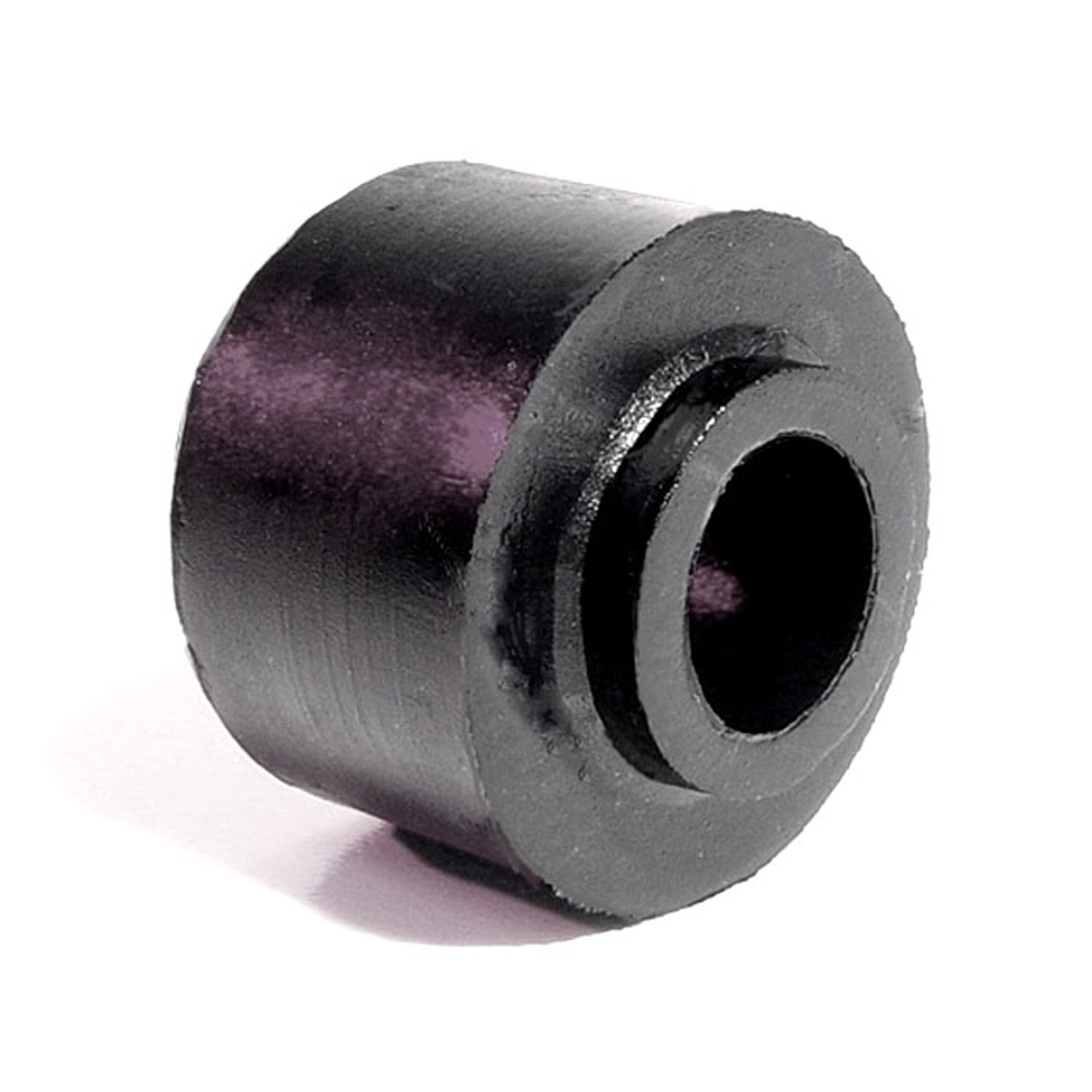 1973 Buick LeSabre Shock Absorber Grommet. 1" bottom O.D., 3/4" high-BN 1Shock Absorber Grommet. 1" bottom O.D., 3/4" high., with 7/16" I.D. Each
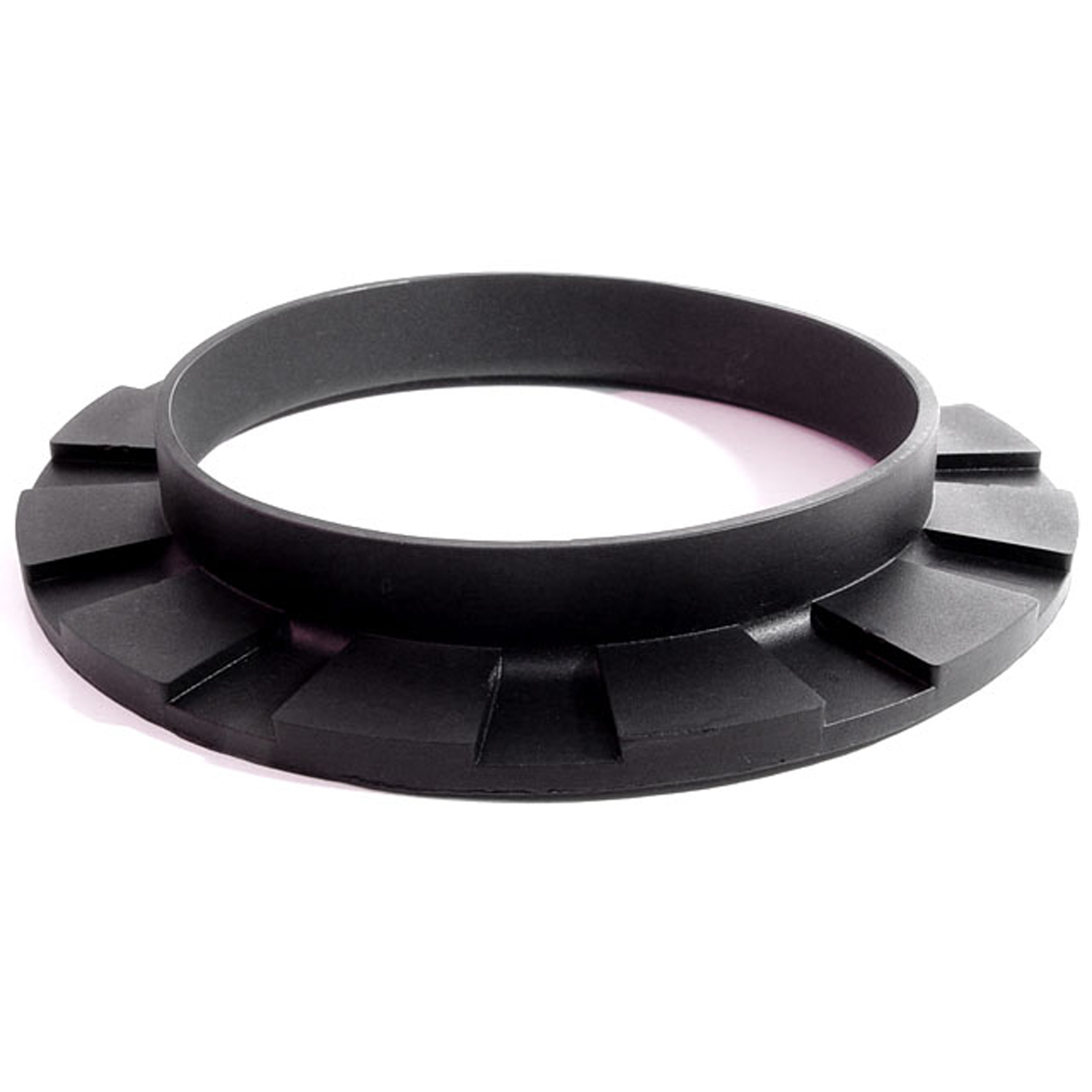 1973 Buick LeSabre Front coil-spring insulator-BN 110Front coil-spring insulator. Fits '41-'60 Oldsmobile and '50-'83 GM passenger models. 5-3/8 in. OD x 3-3/4 in. ID x 3/4 in. high with 13/16 in. wide bottom flange 1/4" thick, 12 flutes. Each.
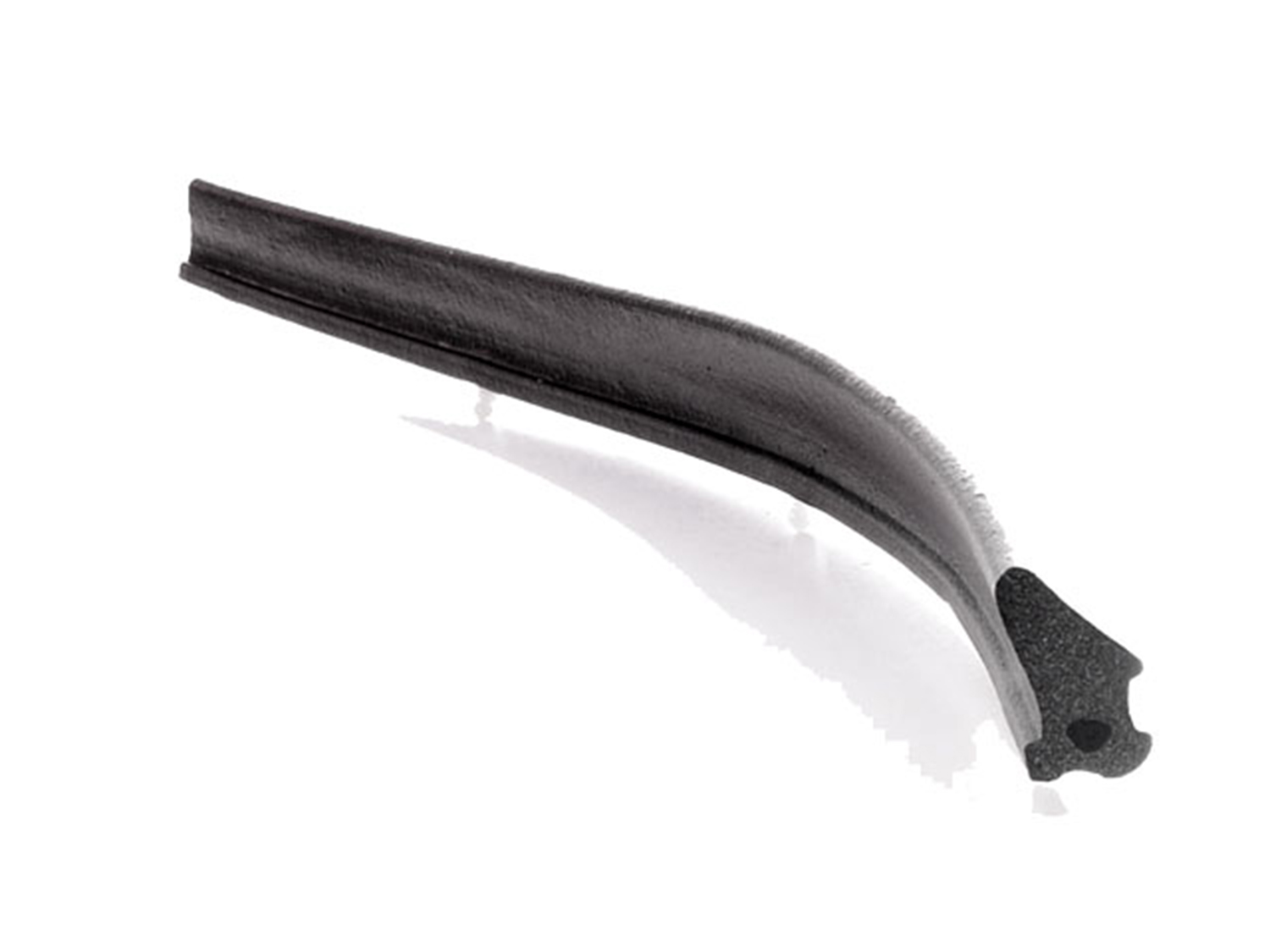 1973 Buick LeSabre Door Side Seal-C/LP 40-KDoor Side Seal. Made of smooth skin sponge extrusion, with clips installed. (For seal without clips, see LP 40-K) Sold by the foot.
 1973 Buick LeSabre Molded Door Seals. For 2-door hardtops and convertibles-LM 12-HMolded Door Seals. For 2-door hardtops and convertibles. Replaces OEM #9824514/5. Pair R&L
 1973 Buick LeSabre Front Molded Door Seals-LM 16-GFront Molded Door Seals. For 4-door sedan and wagon, with RWD. Each is 138-1/2" long. Pair R&L
 1973 Buick LeSabre Rear Molded Door Seals. For 4-door sedan only, with RWD-LM 16-G/RRear Molded Door Seals. For 4-door sedan only, with RWD. Each is 123-1/4" long. Pair R&L
 1973 Buick LeSabre Trunk Liner. Loose weave-M 23Trunk Liner. Loose weave. Black with scattered white threads. 54" wide. Sold by the foot
 1973 Buick LeSabre Basic Kit, for 2-Door Hardtop-RKB 2007-116Basic Kit, for 2-Door Hardtop. Door (LM 12-H) Roof Rail (RR 5007-A) Trunk (TK 46-E/18), Seals.
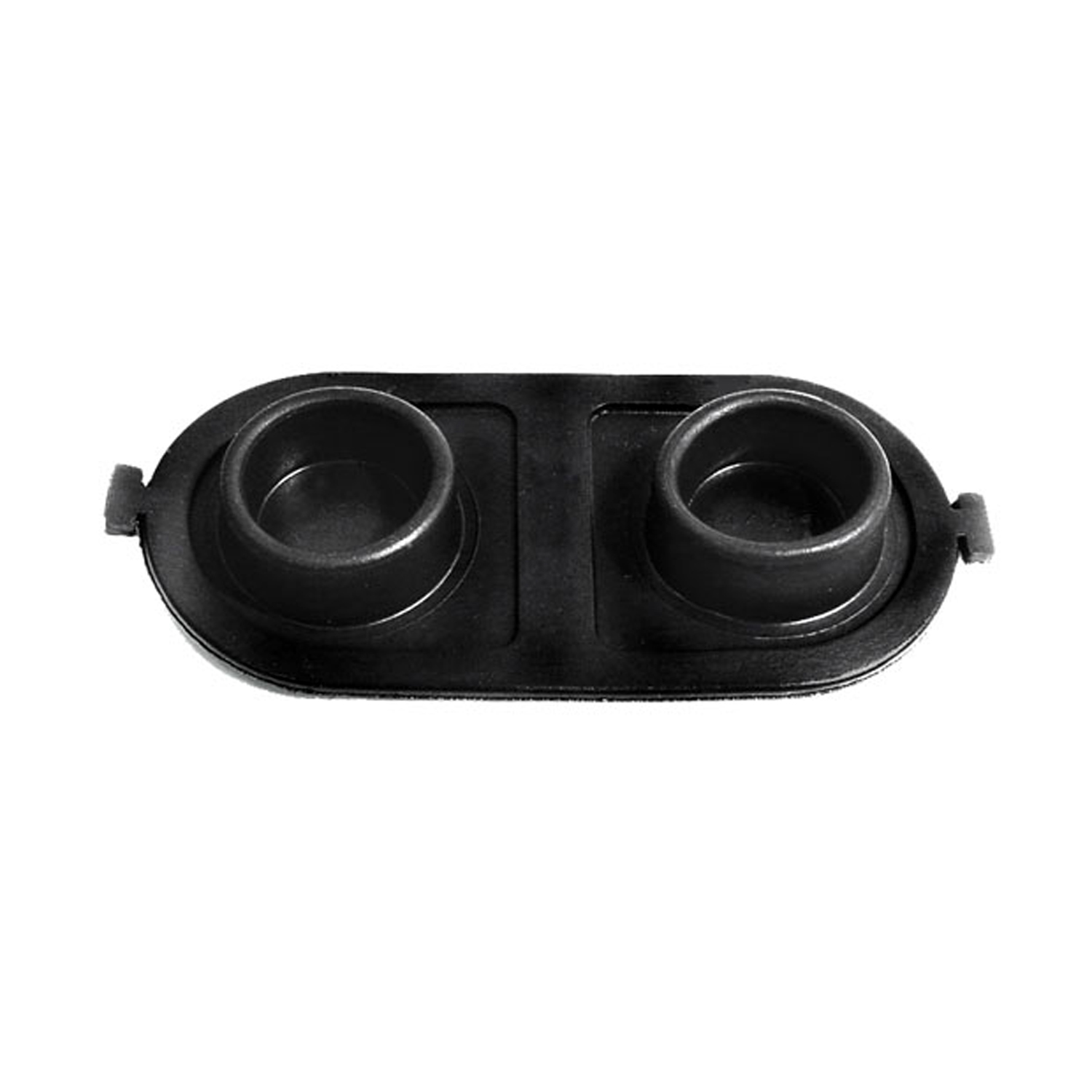 1973 Buick LeSabre Brake Master Cylinder Cover Seal. Replaces OEM #5470861-RP 2-EBrake Master Cylinder Cover Seal. Replaces OEM #5470861. 5" X 2-1/2". Each
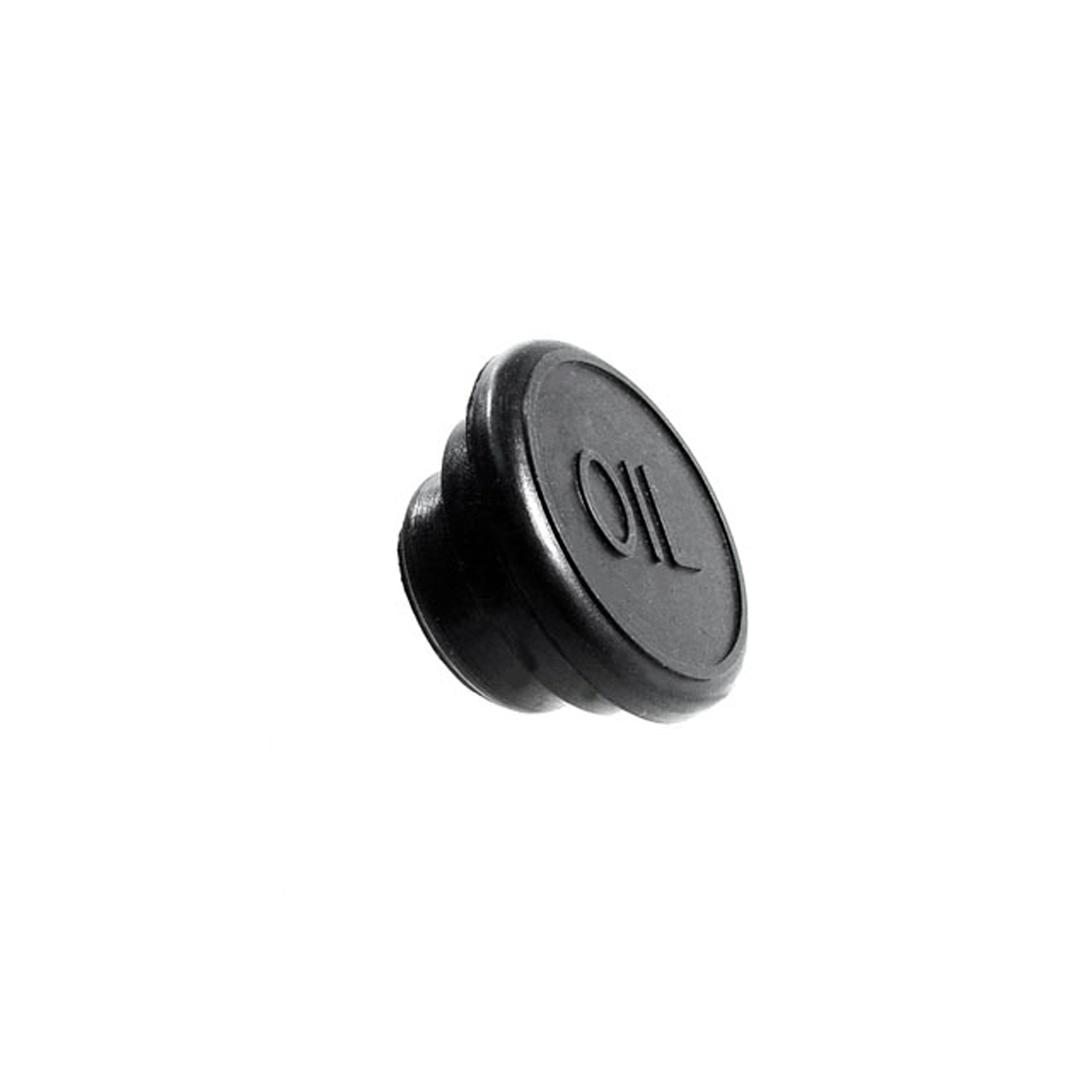 1973 Buick LeSabre Oil Filler Hole Cap. Made of rubber-RP 8Oil Filler Hole Cap. Made of rubber. Fits a 1-3/16" to 1-1/4" hole. Each
 1973 Buick LeSabre Convertible Top Roof Rail Kit-RR 1814Convertible Top Roof Rail Kit. 5-Piece set includes all right and left side top rail seals and the windshield top header seal.
 1973 Buick LeSabre Molded Roof Rail Seals-RR 5007-AMolded Roof Rail Seals, for 2-Door Hardtop -Sport (body style # ending in 57). 82" long. Pair R&L
 1973 Buick LeSabre Molded Roof Rail Seals for 4-Door Hardtop. Pair-RR 5007-EMolded Roof Rail Seals for 4-Door Hardtop. Pair
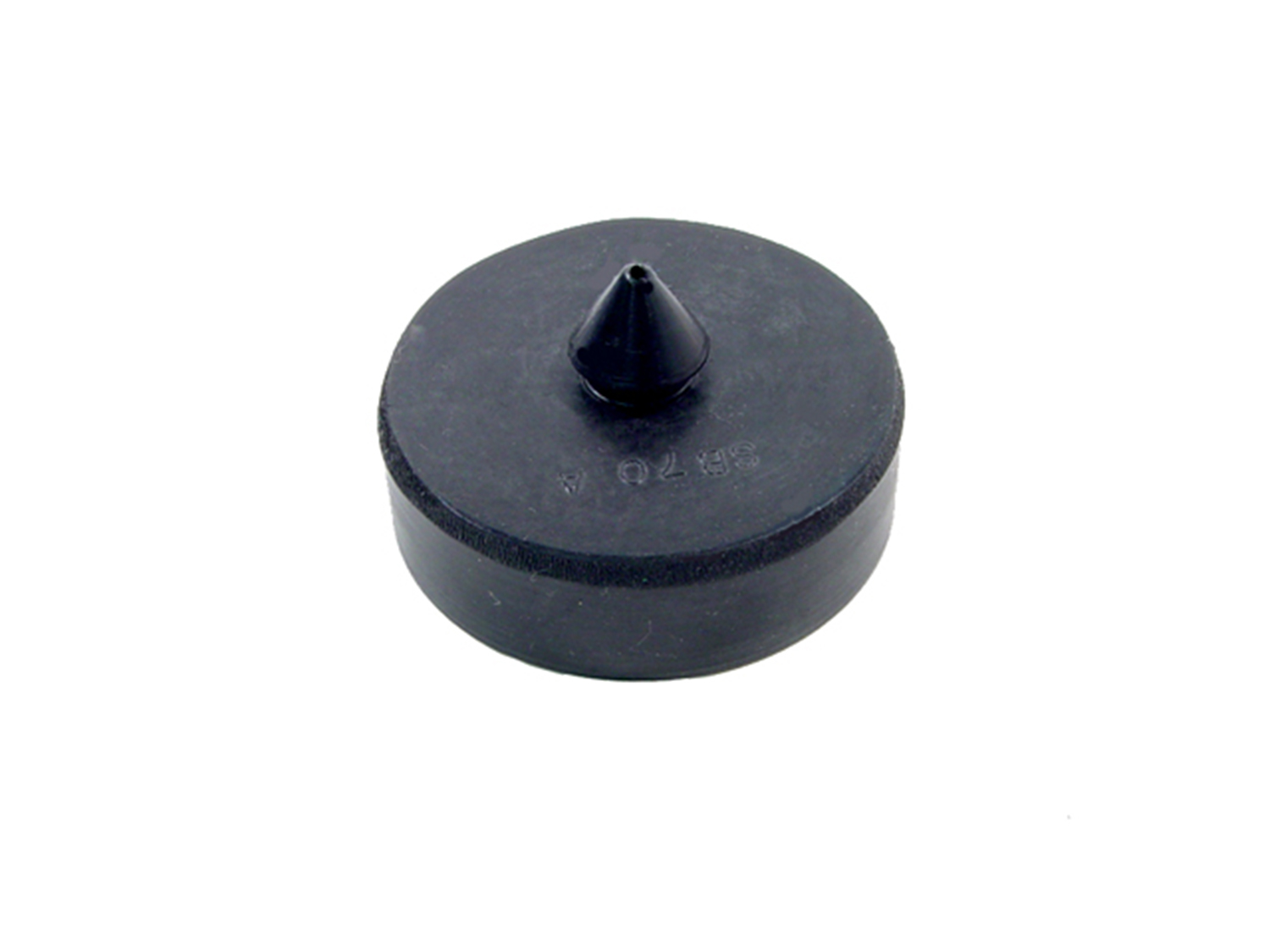 1973 Buick LeSabre Front door window stop bumper. ’70-’81 GM passenger cars-SB 70-AFront door window stop bumper. '70-'81 GM passenger cars. Dense rubber. Replaces OEM# 9810036. Each.
 1973 Buick LeSabre Trunk Seal. Each-TK 46-E/18Trunk Seal. Each
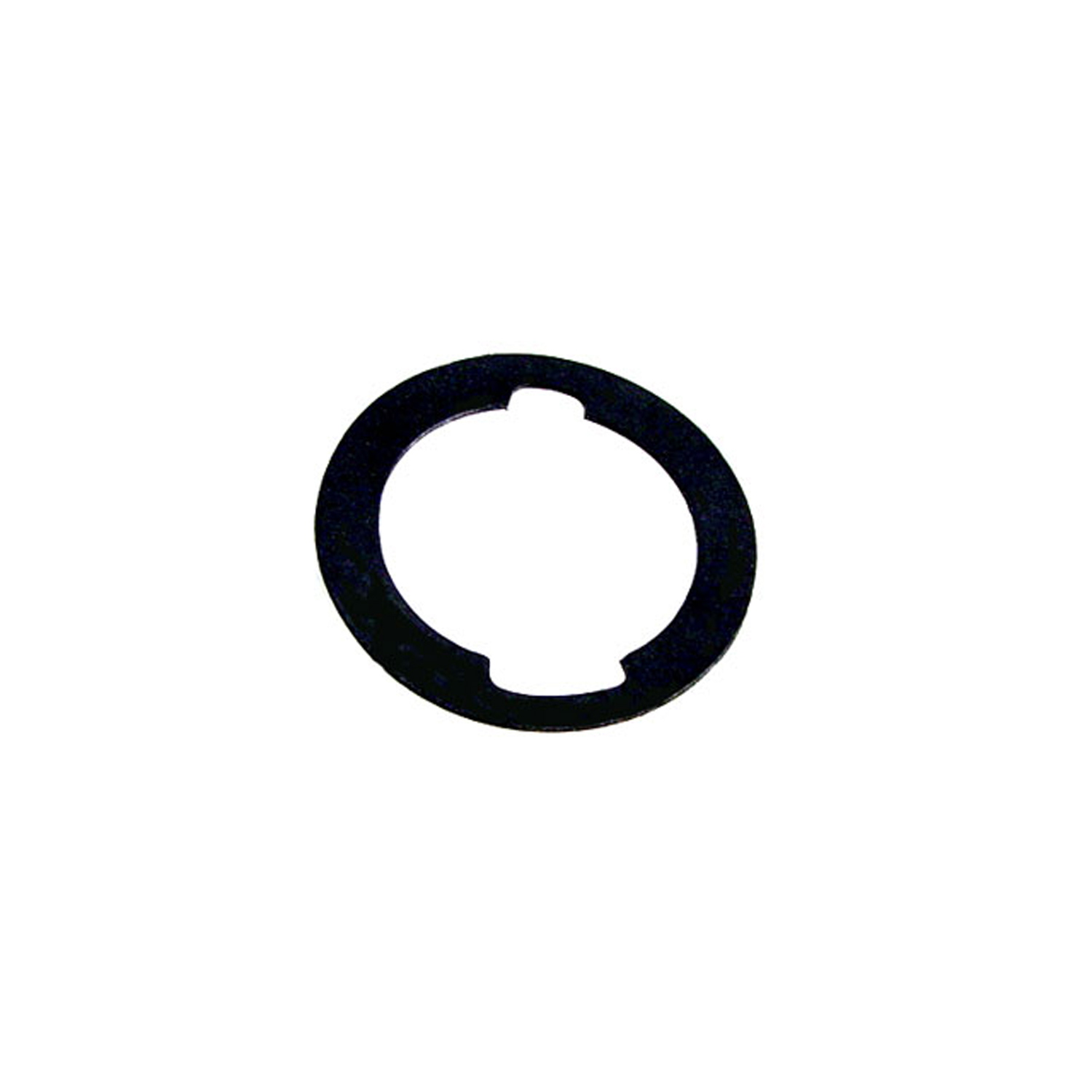 1973 Buick LeSabre Unbeaded Door and Trunk Lock Gasket. 1-3/16" O.D., 7/8" I.D-UM 1600-100Unbeaded Door and Trunk Lock Gasket. 1-3/16" O.D., 7/8" I.D. Each
 1973 Buick LeSabre Rear Roll-Up Quarter Window Seals, made with steel core-VS 3-NRear Roll-Up Quarter Window Seals, made with steel core. For 2-Door Hardtops and Convertibles. 18" Long. Pair
 1973 Buick LeSabre Rear Roll-Up Quarter Window Seals, for 4-Door Hardtops-VS 3-YRear Roll-Up Quarter Window Seals, for 4-Door Hardtops. 19-1/8" Long. Pair
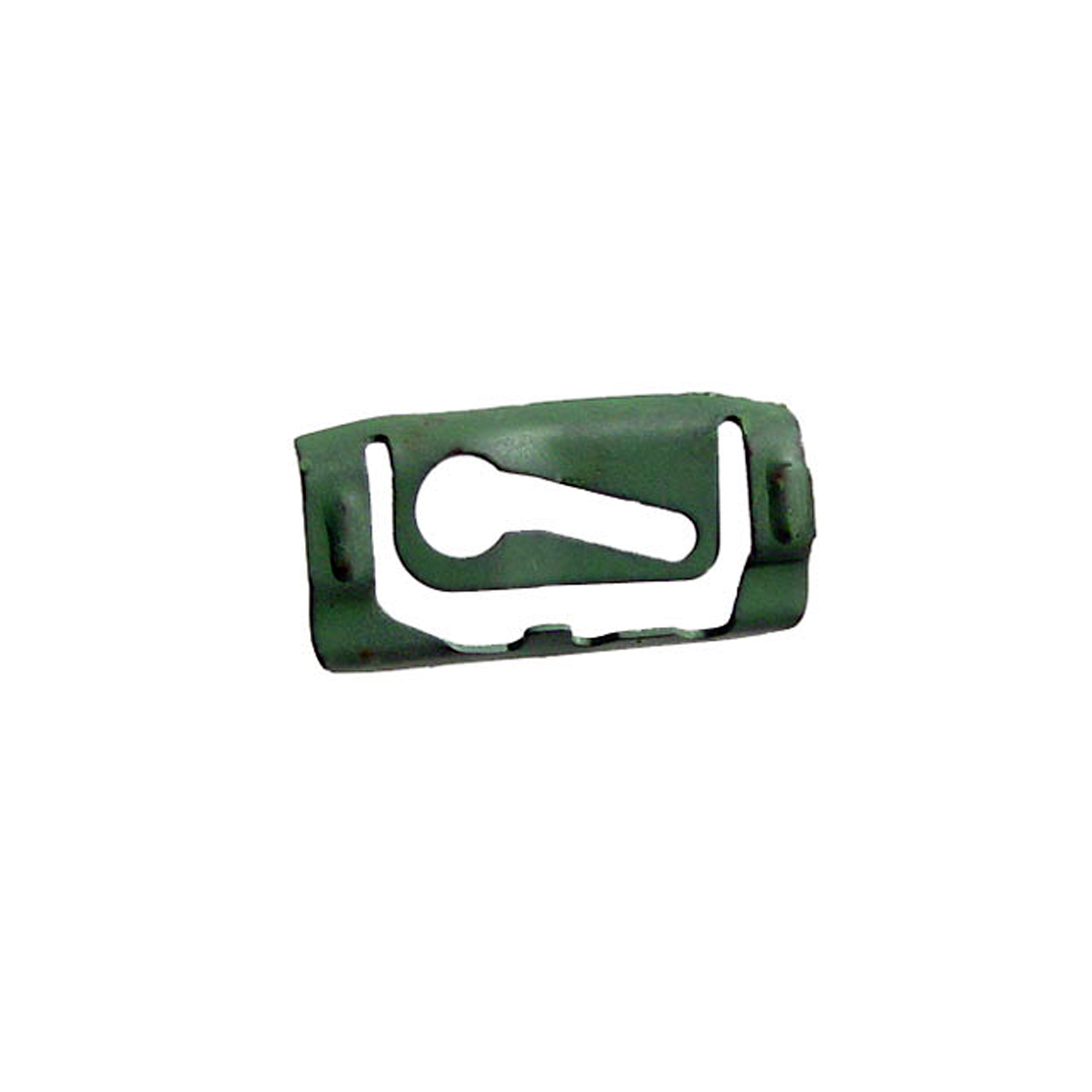 1973 Buick LeSabre Quarter Window Reveal Molding Clip. Made of Steel-WF 205Quarter Window Reveal Molding Clip. Made of Steel. 1-3/8" X 11/16". Each
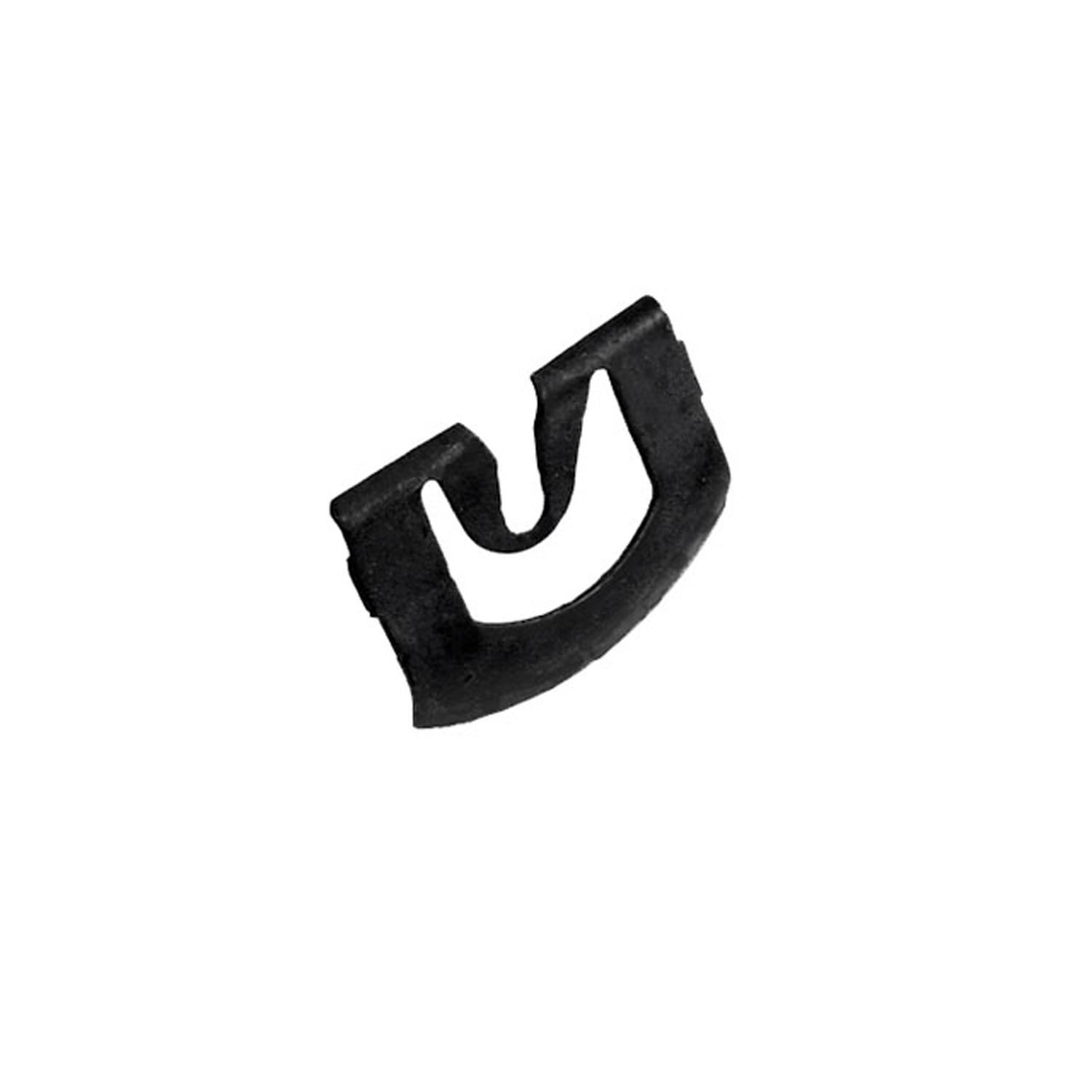 1973 Buick LeSabre Windshield Reveal Molding Clip. Made of steel. 13/16" x 1"-WF 209Windshield Reveal Molding Clip. Made of steel. 13/16" x 1". Each
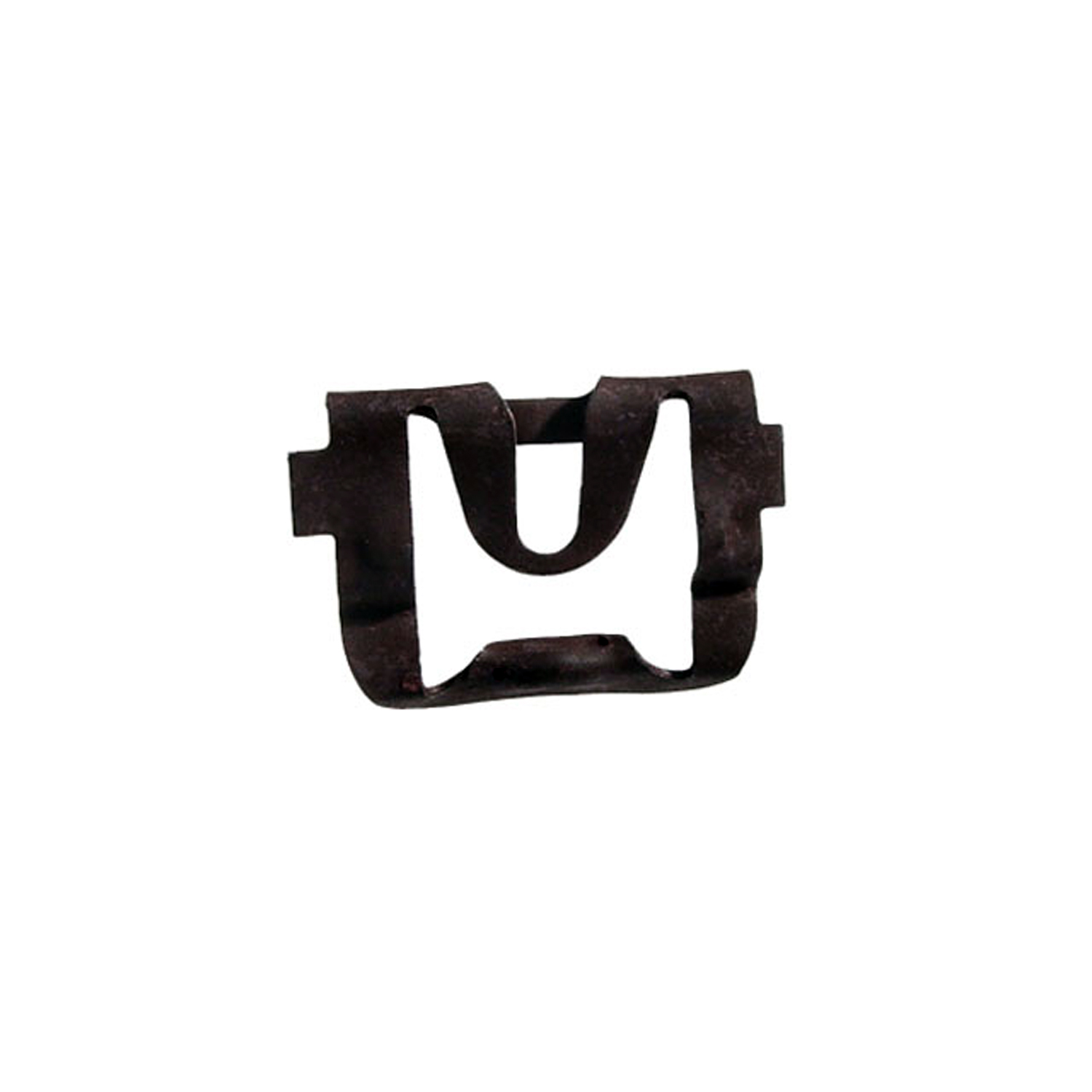 1973 Buick LeSabre Rear Windshield Reveal Molding Clip. Made of steel-WF 211Rear Windshield Reveal Molding Clip. Made of steel. 15/16" X 3/4". Each
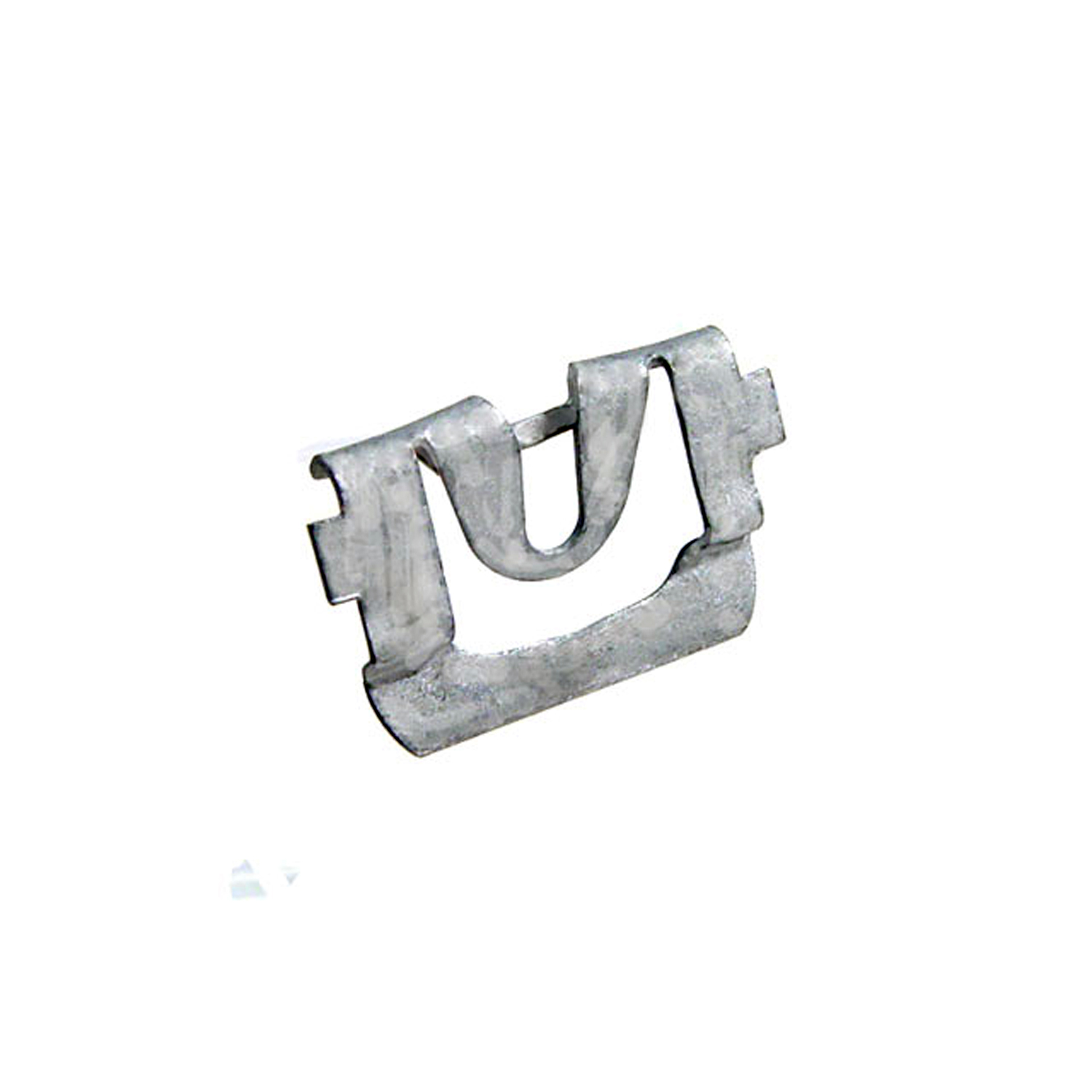 1973 Buick LeSabre Windshield Reveal Molding Clip. Made of steel-WF 223Windshield Reveal Molding Clip. Made of steel. 1/1/8" X 3/4". Each
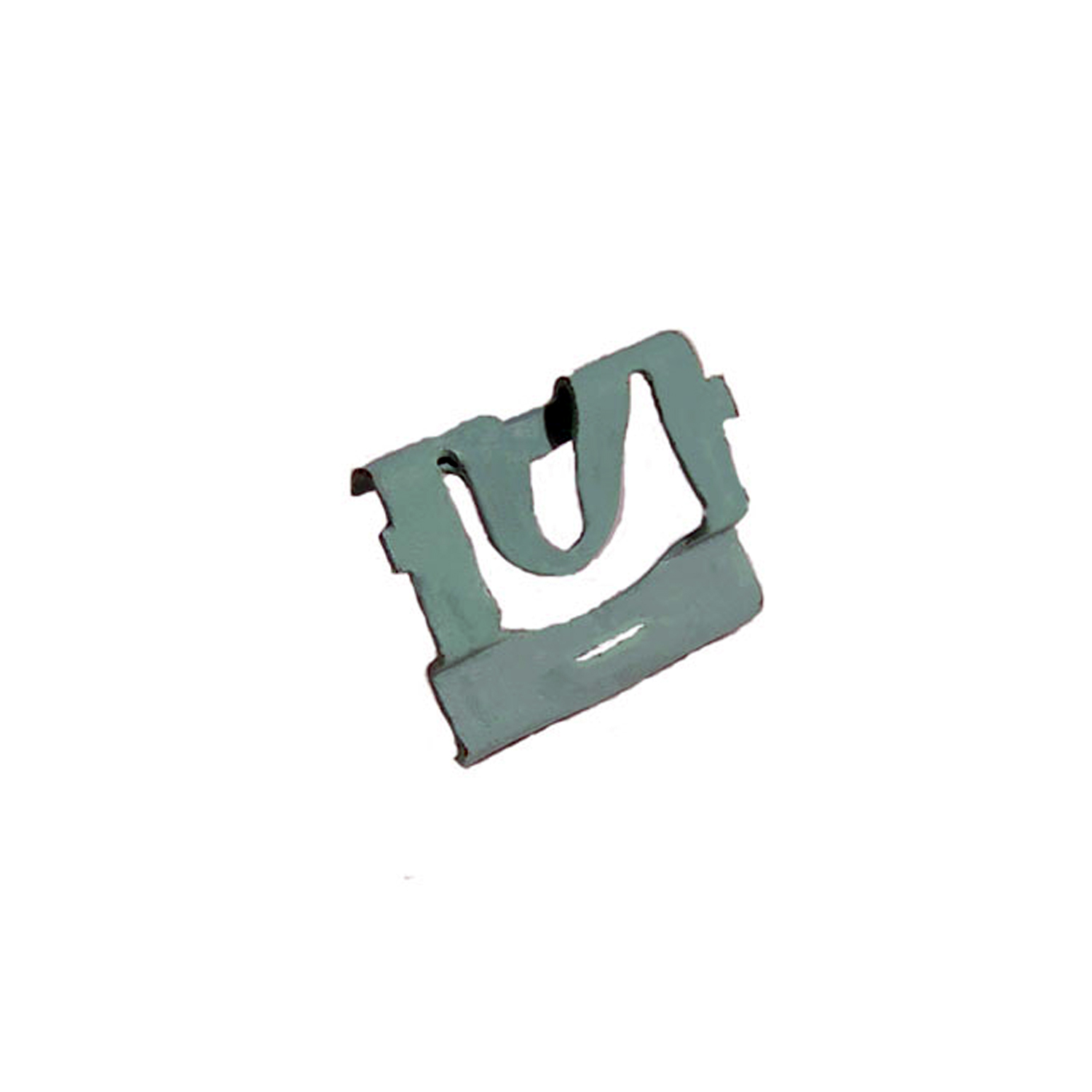 1973 Buick LeSabre Windshield Reveal Molding Clip. Made of steel-WF 224Windshield Reveal Molding Clip. Made of steel. 1-1/4" X 3/4". Fits many models. Each
Why Choose Metro?
For over 100 years, Metro Moulded Parts has been the pinnacle of quality in classic car restoration parts. Our commitment to precision and authenticity in every component ensures a perfect fit and an OEM-level appearance.
- Expert Craftsmanship & Quality: Each part is a testament to our dedication to reliability and perfection, crafted from original designs and thoroughly tested.
- Advanced Technology: We use cutting-edge techniques to create flawless, long-lasting parts that surpass others in performance.
- SuperSoft Sponge – The Ultimate Door Seal: Not only are our door seals 30% softer than competitors', but they're also guaranteed to never leak. They effectively reduce wind and road noise, enhancing your classic car's comfort and driving experience.
- Proudly American: Our parts are a product of American craftsmanship, made in the USA with a spirit of excellence and heritage.
- Unrivaled Warranty: We back our products with a 30-year industry-leading warranty, a testament to our confidence in their quality.
Join us in preserving the legacy of classic cars with parts that are crafted for perfection, not just made.