

Image of 1974 Buick Century, Note: These illustrations use artistic license and may differ from actual historical models.
Performance Metrics
Fundamental Metrics
Emotional Appeal
MMP Rating
| Engine Specifications | |
|---|---|
| Engine Options: | 350 V8, 455 V8 |
| Displacement Range: | 350 - 455 cu in |
| Horsepower Range: | 155 - 250 hp |
| Torque: | 275 - 375 lb-ft |
| Compression Ratio: | 8.5:1 (350 V8), 8.5:1 (455 V8) |
| Ignition System: | Electronic Ignition |
| Cooling System: | Liquid Cooled |
| Performance Specifications | |
| 0-60 Time: | 10 - 12 seconds |
| 1/4 Mile Time: | 17 - 19 seconds |
| Top Speed: | 110 - 120 mph |
| Transmission and Drive | |
| Drive Type: | RWD (Rear Wheel Drive) |
| Transmission Type: | 3-speed automatic, 4-speed manual |
| Fuel and Efficiency | |
| Fuel System Type: | Carburetor |
| MPG: | 12 - 15 mpg |
| Dimensions and Brakes | |
| Brakes: | Front Disc, Rear Drum |
| Wheelbase: | 112.0 in |
| Weight: | 3,500 - 3,800 lbs |
Note: Specifications for classic cars are given to the best of our ability, considering the limited and variant data available.
1974 Buick Century: A Colonnade-Era Classic
The 1974 Buick Century brought traditional American V8 character into a new era of safety rules, emissions controls, and changing buyer tastes. Built by Buick, a division of General Motors, it was a midsize car with a broad lineup that could serve as a family sedan, a comfortable coupe, or a practical station wagon.
The Century name had a performance-minded past. Buick first used it in 1936 for a car that paired a relatively compact body with the powerful engine of its larger Roadmaster, earning a reputation for speed. By 1974, the name had returned to a more comfort-oriented midsize model. One intriguing link to the past remained: the Century was still capable of relaxed highway cruising, even as fuel economy and emissions regulations reshaped what American cars could be.
Colonnade Styling and Buick Comfort
The 1974 Century belonged to GM’s “Colonnade” generation, introduced for 1973. Its most noticeable design feature was the substantial center roof pillar, or B-pillar, between the front and rear side windows. Unlike the pillarless hardtops that had defined many earlier American coupes, the Colonnade cars used fixed rear side glass and a more enclosed roof structure. The result was a formal, sturdy-looking profile that reflected growing attention to rollover protection and body strength.
From the front, the Century wore a broad grille, rectangular headlamps, and a long, squared-off hood. Its beltline sat relatively high, while the rear quarters and trunk gave the car a substantial stance. Federal bumper requirements also changed the look of the period: the 1974 model had prominent impact-resistant bumpers, part of the industry’s move toward equipment designed to withstand low-speed impacts with less damage.
Inside, the Century leaned into Buick’s reputation for comfort. Depending on trim and equipment, buyers could find cloth or vinyl upholstery, patterned seat inserts, carpeting, woodgrain-style trim, and a padded dashboard. The cabin was roomy by modern standards, especially in the rear seat and in the wagon. Bench seats were common, while higher-trim cars could be equipped with more luxurious seating and convenience features. These were not hand-built, exotic materials, but the interior generally felt more plush than the basic transportation offered by some rivals.
Factory paint choices varied by trim and production details, but period Buicks commonly appeared in shades such as white, cream, silver, blue, green, gold, and red, alongside darker tones. White and metallic colors suited the Century’s formal lines particularly well, while deep green and burgundy gave the car a distinctly 1970s look. Buyers could also choose contrasting vinyl roofs on some models, adding an upscale touch to the coupe’s roofline.
Body styles included a two-door coupe, a four-door sedan, and a four-door station wagon. The coupe was the most visually distinctive, especially in upscale Regal trim, while the sedan made the best all-purpose family car. The wagon offered useful cargo space and a lower-key alternative to the era’s increasingly popular sport-utility vehicles. Trim names and equipment varied across the range, so a particular car’s original specification is best confirmed by its build documentation or factory records.
What Made the 1974 Century Significant?
The Century was not a radical engineering breakthrough, but it captured a major transition in American car design. The Colonnade body structure replaced the open-sided hardtop look with a more substantial roof and fixed center pillars. That change was tied to the period’s emphasis on safety and structural rigidity, and it became a defining visual feature of many GM midsize cars of the 1970s.
At the same time, the Century reflected the end of the big-engine, low-regulation era. Fuel prices had become a growing concern after the 1973 oil crisis, while emissions standards were increasing in difficulty. Buick continued to offer V8 power, but performance figures were falling compared with earlier muscle-car years. The Century’s appeal increasingly rested on quiet comfort, space, and smooth highway manners rather than outright acceleration.
That balance set it apart from smaller economy cars and from more overtly sporty competitors. A Century could feel substantial and well-appointed without stepping up to a full-size Buick. Its influence was less about a single groundbreaking feature and more about how it represented the new American midsize formula: safer-feeling construction, generous interior room, and a softer, more refined ride.
V8 Power and Road Manners
Engine availability depended on body style and trim. Buick’s 231-cubic-inch V6 was offered in parts of the Century range, while 350-cubic-inch V8s were common choices. A larger 455-cubic-inch V8 was available in certain configurations, though availability and equipment could vary. Most examples used a three-speed Turbo Hydra-Matic automatic transmission, well suited to the car’s relaxed character.
Exact performance figures are difficult to give as one number because engine, transmission, axle ratio, vehicle condition, and testing method all matter. As a broad period-style estimate, a V8 Century could take roughly 10 to 13 seconds to reach 60 mph. Cars with the larger engine could be quicker, while a V6 model would generally be slower. Depending on configuration, gearing, and condition, top speed was approximately 100 to 115 mph. Those figures are estimates, not a promise for every surviving car.
The Century’s suspension favored comfort over sharp cornering. It absorbed broken pavement and expansion joints with the soft, composed motion expected of a Buick, though worn bushings or tired shocks can make an old example feel floaty. On winding roads, the car’s size, soft suspension, and period tires encourage a measured pace rather than aggressive driving. Crosswinds are noticeable, as they are in many tall, substantial cars of the period, but the long wheelbase helps it feel settled on the highway.
Behind the wheel, the experience is about low-effort cruising. The V8 makes a subdued, rounded rumble at idle and a deeper growl under acceleration. The automatic transmission shifts without demanding much attention, and the steering is generally light rather than especially communicative. A healthy Century feels comfortable and unhurried. It is at its best on a long, open road, where the cabin, broad seats, and smooth ride all make sense.
Living with a 1974 Buick Century
Today, the Century is most often used as a weekend cruiser, show car, or nostalgic family classic. A clean, dependable example can also be driven regularly, but it should be treated as a 50-year-old vehicle rather than modern transportation. Braking distances, fuel consumption, visibility, and crash protection are all different from those of a current car.
Routine mechanical work is usually approachable for an owner with basic tools and experience. The Buick V6 and V8 engines are conventional, carbureted designs, and the automatic transmission is familiar to many classic-car shops. Wear items such as belts, hoses, ignition parts, brake components, suspension bushings, and cooling-system parts are generally more straightforward to address than body damage or missing trim.
Rust deserves particular attention. Inspect the lower body, wheel openings, floor pans, trunk, frame areas, and around the windshield and rear glass. Also check the condition of the vinyl roof, if fitted, because trapped moisture can hide corrosion. Original trim, interior pieces, and model-specific wagon parts may take more searching than ordinary mechanical components. As with any classic, a well-maintained car with records is usually a better buy than the cheapest example on the market.
Century Trivia and Common Complaints
The Century’s name is older than the 1974 model by nearly four decades. Buick revived it several times after its 1930s debut, and the original name was associated with the idea of a Buick capable of reaching 100 mph. The 1974 car was a very different machine, but the name still carried a hint of that earlier performance identity.
The 1974 Century was also part of a broad GM family of Colonnade midsize cars, sharing its basic architecture with related models from other GM divisions. That common platform helped make the design economical to produce, but it also meant the Buick’s uniqueness came largely from its styling, trim, and ride character rather than an entirely separate chassis.
There is no widely recognized production record or major historical event that belongs specifically to the 1974 Century. Its story is more representative than headline-making: it shows how an established American brand adapted to new safety and emissions expectations. Common criticisms include heavy fuel consumption, soft handling, modest performance by modern standards, and the susceptibility to rust found in many cars of its age. Buyers should also be wary of assuming that every Century is a rare performance model simply because of the name’s earlier sporting history.
Collector Value and Market Outlook
The 1974 Century is generally an accessible classic rather than a high-dollar collector car. Values depend heavily on condition, originality, engine, body style, and location. As a broad current-market estimate, a project car may sell for about $1,500 to $4,000. A usable driver in sound condition might fall around $4,000 to $9,000, while a very clean, well-preserved example could bring roughly $10,000 to $18,000. An exceptional car with desirable equipment, excellent documentation, or unusual originality may exceed that range, but buyers should compare it with recent local sales.
Buick did not make the 1974 Century a limited-production model, and surviving cars are not especially rare in collector terms. A reasonable broad estimate is that production across the Century line was in the neighborhood of 150,000 to 200,000 cars, though exact totals depend on which body styles and related trim lines are counted. Wagons and well-preserved cars with specific factory equipment can be harder to find than ordinary coupes and sedans.
Values have generally been steady to modestly rising for clean examples, while ordinary drivers and projects remain affordable. The Century is unlikely to follow the price trajectory of a rare muscle car, but its roomy styling and 1970s character appeal to buyers looking for an approachable classic. Condition and originality matter more than speculative rarity.
A Comfortable Classic with Colonnade Character
The 1974 Buick Century combines a substantial Colonnade-era body, a comfortable cabin, and familiar Buick power in a package that reflects a turning point for American cars. It is not the quickest or rarest Buick of its generation, but it offers an appealing mix of space, smoothness, and period style. For anyone seeking an honest, usable classic from the 1970s, the Century delivers a relaxed kind of motoring that is increasingly distinctive today.
1974 Buick Century Catalog of Parts
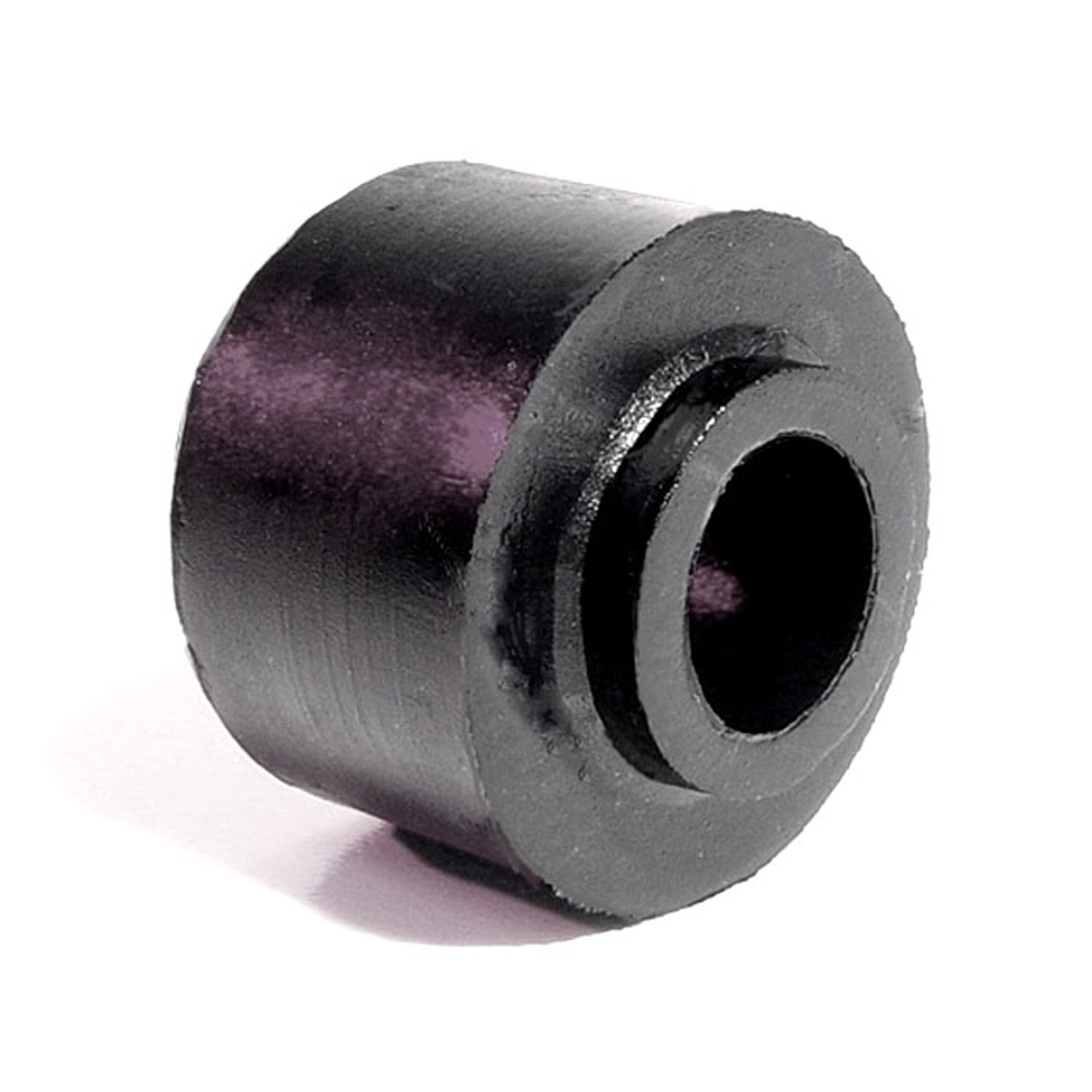 1974 Buick Century Shock Absorber Grommet. 1" bottom O.D., 3/4" high-BN 1Shock Absorber Grommet. 1" bottom O.D., 3/4" high., with 7/16" I.D. Each
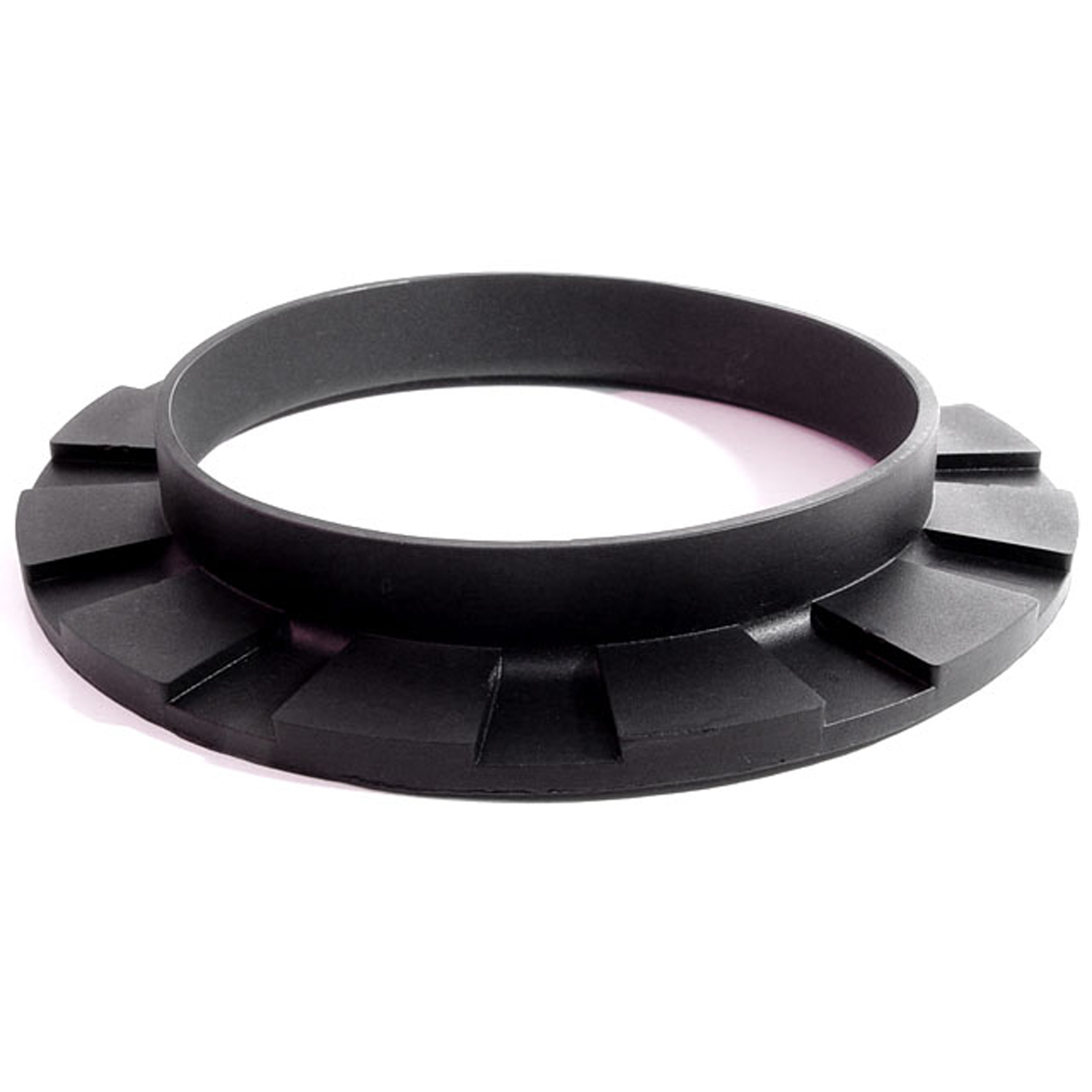 1974 Buick Century Front coil-spring insulator-BN 110Front coil-spring insulator. Fits '41-'60 Oldsmobile and '50-'83 GM passenger models. 5-3/8 in. OD x 3-3/4 in. ID x 3/4 in. high with 13/16 in. wide bottom flange 1/4" thick, 12 flutes. Each.
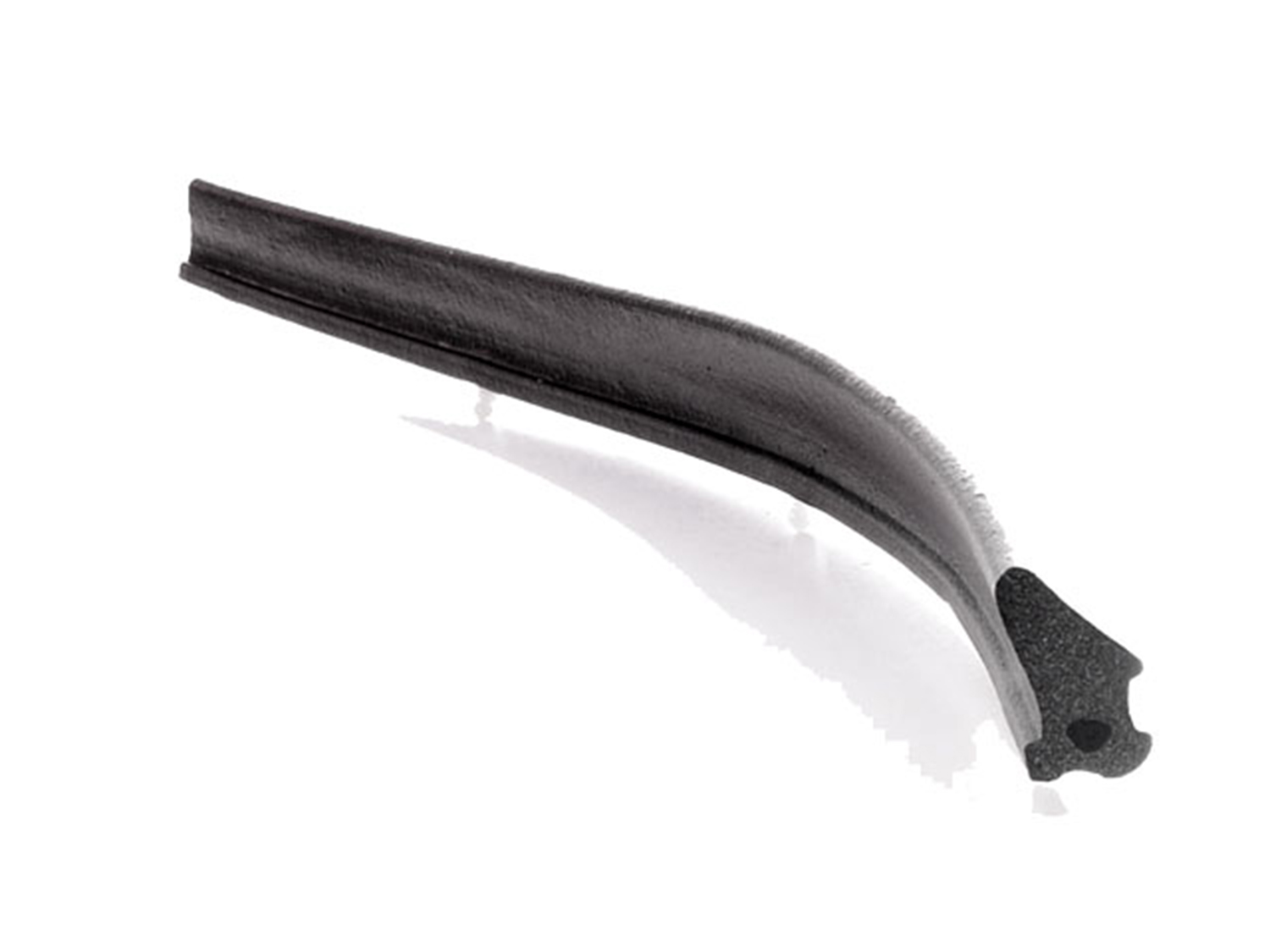 1974 Buick Century Door Side Seal-C/LP 40-KDoor Side Seal. Made of smooth skin sponge extrusion, with clips installed. (For seal without clips, see LP 40-K) Sold by the foot.
 1974 Buick Century Molded Door Seals with Clips. For 2-door hardtops-LM 12-YMolded Door Seals with Clips. For 2-door hardtops. Replaces OEM #9870752/3. Each is 95-1/4" long. Pair R&L
 1974 Buick Century Front Molded Door Seals with Clips. For 4-door hardtops-LM 12-ZFront Molded Door Seals with Clips. For 4-door hardtops. Replaces OEM #9870656/7. Pair R&L
 1974 Buick Century Trunk Liner. Loose weave-M 23Trunk Liner. Loose weave. Black with scattered white threads. 54" wide. Sold by the foot
 1974 Buick Century Trunk Liner. Loose weave, jet black. 50" wide-M 30Trunk Liner. Loose weave, jet black. 50" wide. Sold by the foot
 1974 Buick Century Basic kit-RKB 2003-115Basic kit. '73-'76 GM A-body Colonade, Formal, and Sport Coupe (Body Style 57 only). Includes Buick Century Luxus Colonade Coupe, Buick Centurion Sport Coupe, Buick Regal Formal Coupe, Buick LeSabre Sport Coupe and Custom Sport Coupe. Oldsmobile Cutlass Supreme and Supreme Salon Coupes. Doors (LM 12-Y), roof-rails (RR 5019-G), and trunk (TK 46-E/16) seals. 5-piece kit.
 1974 Buick Century Basic Kit-RKB 2003-116Basic Kit. '73-'76 GM A-body Colonade 2-door hardtop coupe (body style 37 only). Doors (LM 12-Y), roof-rails (RR 5019), and trunk (TK 46-E/16) seals. 5-piece kit.
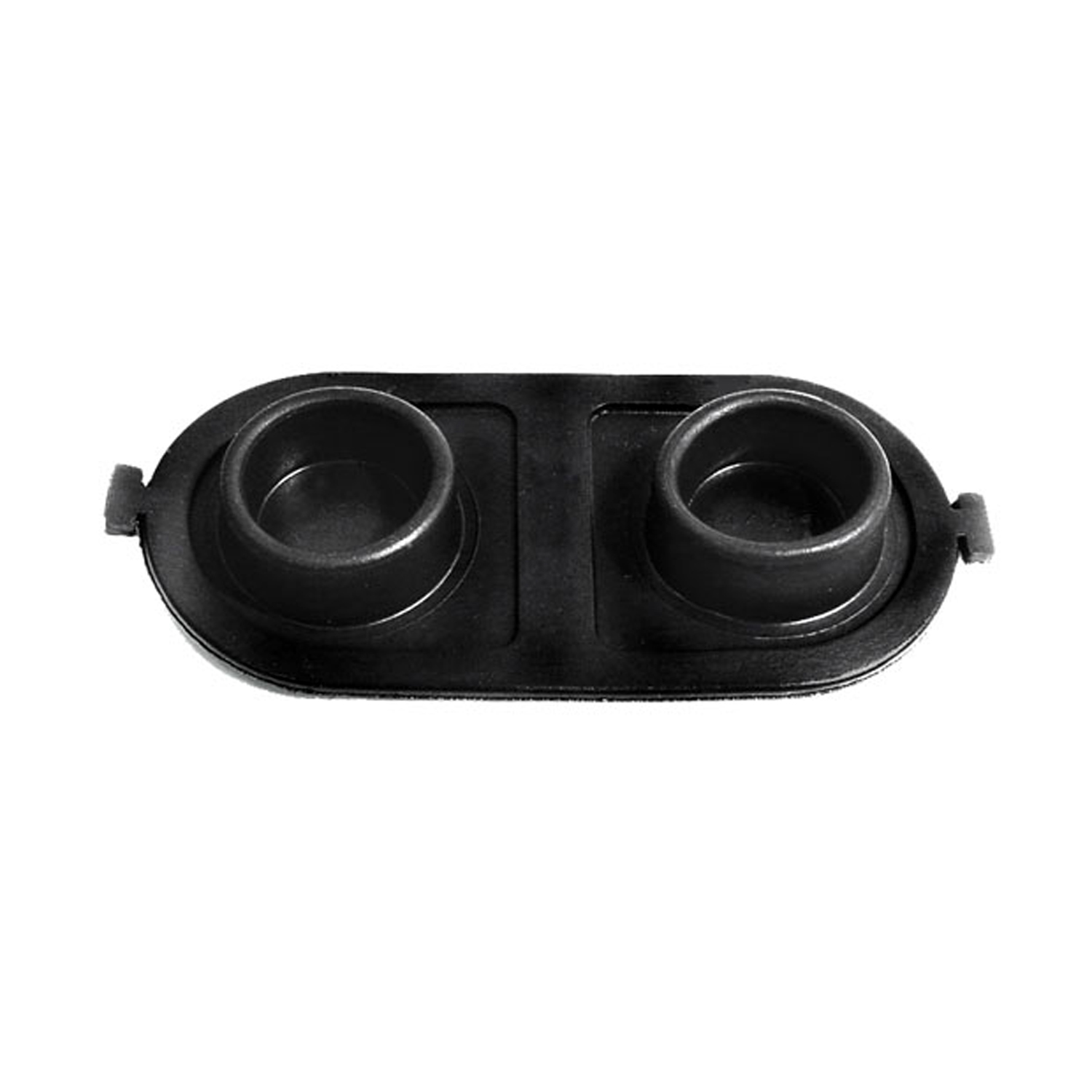 1974 Buick Century Brake Master Cylinder Cover Seal. Replaces OEM #5470861-RP 2-EBrake Master Cylinder Cover Seal. Replaces OEM #5470861. 5" X 2-1/2". Each
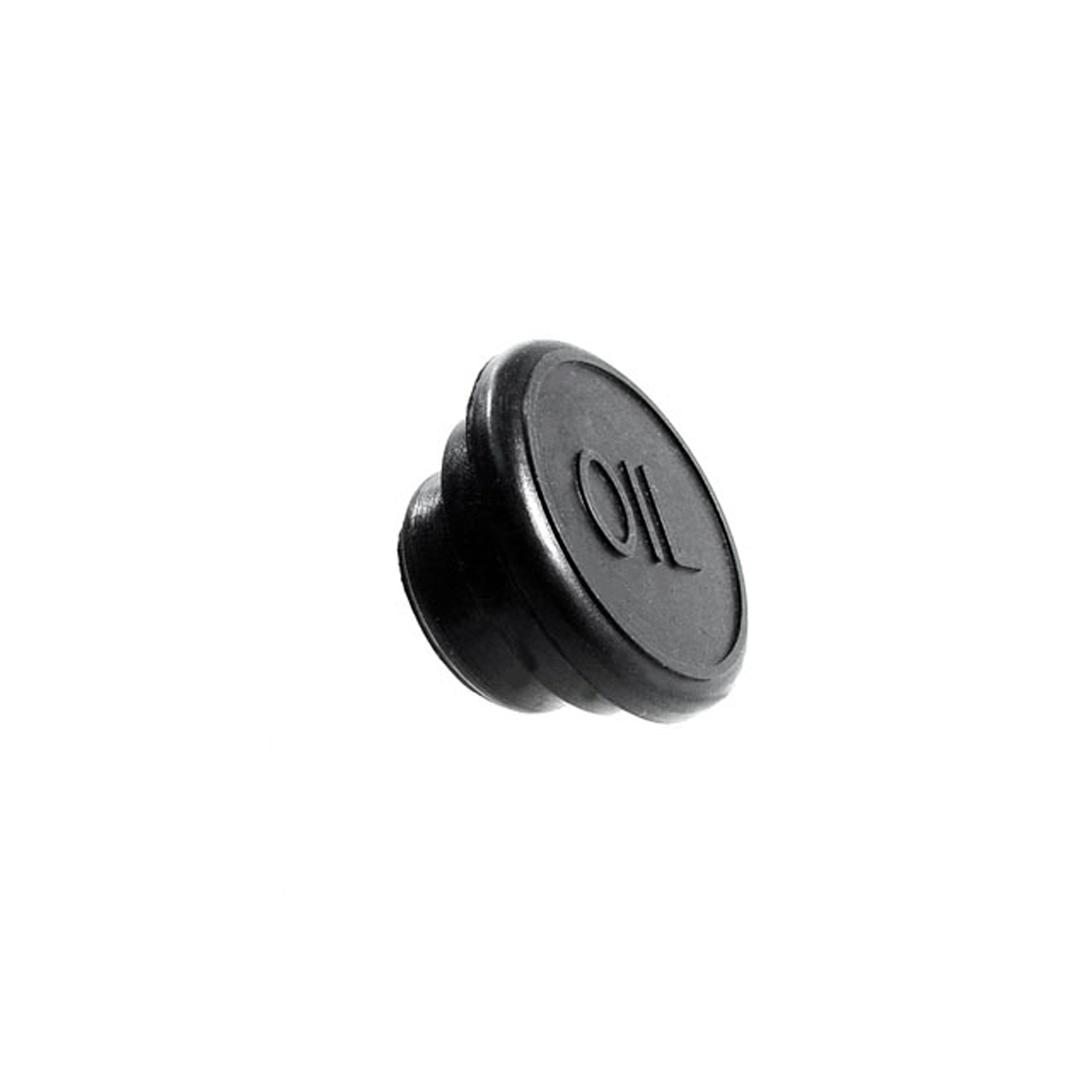 1974 Buick Century Oil Filler Hole Cap. Made of rubber-RP 8Oil Filler Hole Cap. Made of rubber. Fits a 1-3/16" to 1-1/4" hole. Each
 1974 Buick Century Molded roof-rail seals. 2-door hardtop-RR 5019Molded roof-rail seals. 2-door hardtop. Fits '73-'76 GM A-body Coupe and Sport Coupe (Body Style 37 only). (Ex: Buick Century 350 Coupe, Electra 225 Sport Coupe, Electra 225 Custom Sport Coupe.) Pair. R&L.
 1974 Buick Century Molded roof-rail seals. 2-door hardtop-RR 5019-GMolded roof-rail seals. 2-door hardtop. Fits '73-'76 GM A-body Colonade, Formal and Sport Coupe (Body Style 57 only). (Ex: Buick Century Luxus Colonade Coupe, Centurion Sport Coupe, Regal Formal Coupe, LeSabre Sport Coupe, LeSabre Custom Sport Coupe.) Replaces OEM#'s 9629700/01. Pair. R&L.
 1974 Buick Century Rear roof rail seals, ’73-‘77 GM body 4 door hardtop models-RR 5019-RRear roof rail seals, '73-'77 GM body 4 door hardtop models, pair. Replaces OEM #'s 9878794/9878795
 1974 Buick Century Front Roof Rail Seals-RR 5019-SFront Roof Rail Seals. Fits 4-door stationwagon and 4-door pillared hardtop sedans. Pair
 1974 Buick Century Rear Roof Rail Seals. Fits 4-door stationwagon. Pair-RR 5019-TRear Roof Rail Seals. Fits 4-door stationwagon. Pair
 1974 Buick Century Tailgate Seal for 4-Door Station Wagons. Each-TG 15Tailgate Seal for 4-Door Station Wagons. Each
 1974 Buick Century Trunk Seal. Each-TK 46-E/16Trunk Seal. Each
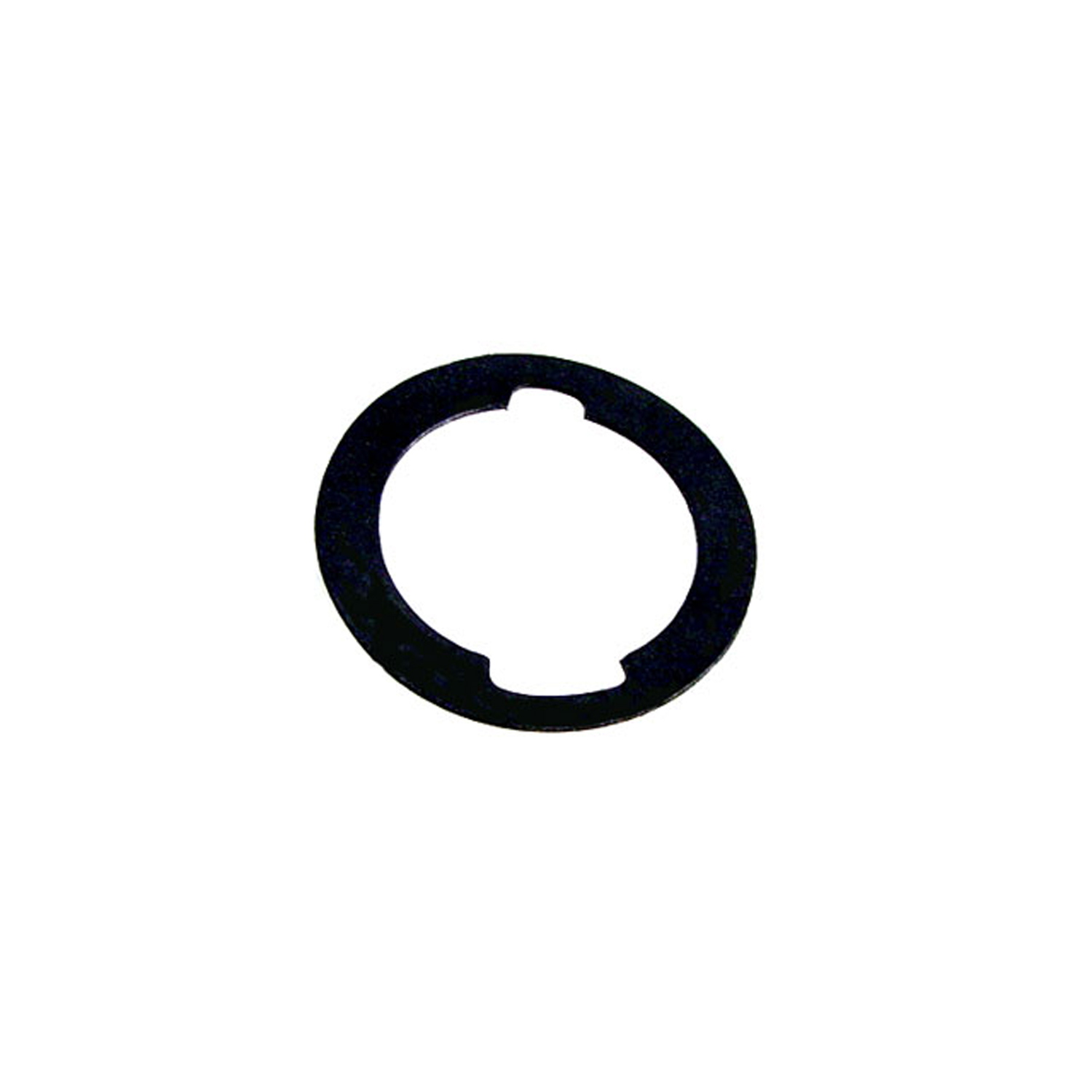 1974 Buick Century Unbeaded Door and Trunk Lock Gasket. 1-3/16" O.D., 7/8" I.D-UM 1600-100Unbeaded Door and Trunk Lock Gasket. 1-3/16" O.D., 7/8" I.D. Each
 1974 Buick Century Windshield Reveal Molding Clip. Made of steel-WF 203Windshield Reveal Molding Clip. Made of steel. 5/8" x 15/16". Each
 1974 Buick Century Rear Quarter Window Molding Clip. Made of steel-WF 204Rear Quarter Window Molding Clip. Made of steel. 3/4" x 1-3/8". Each
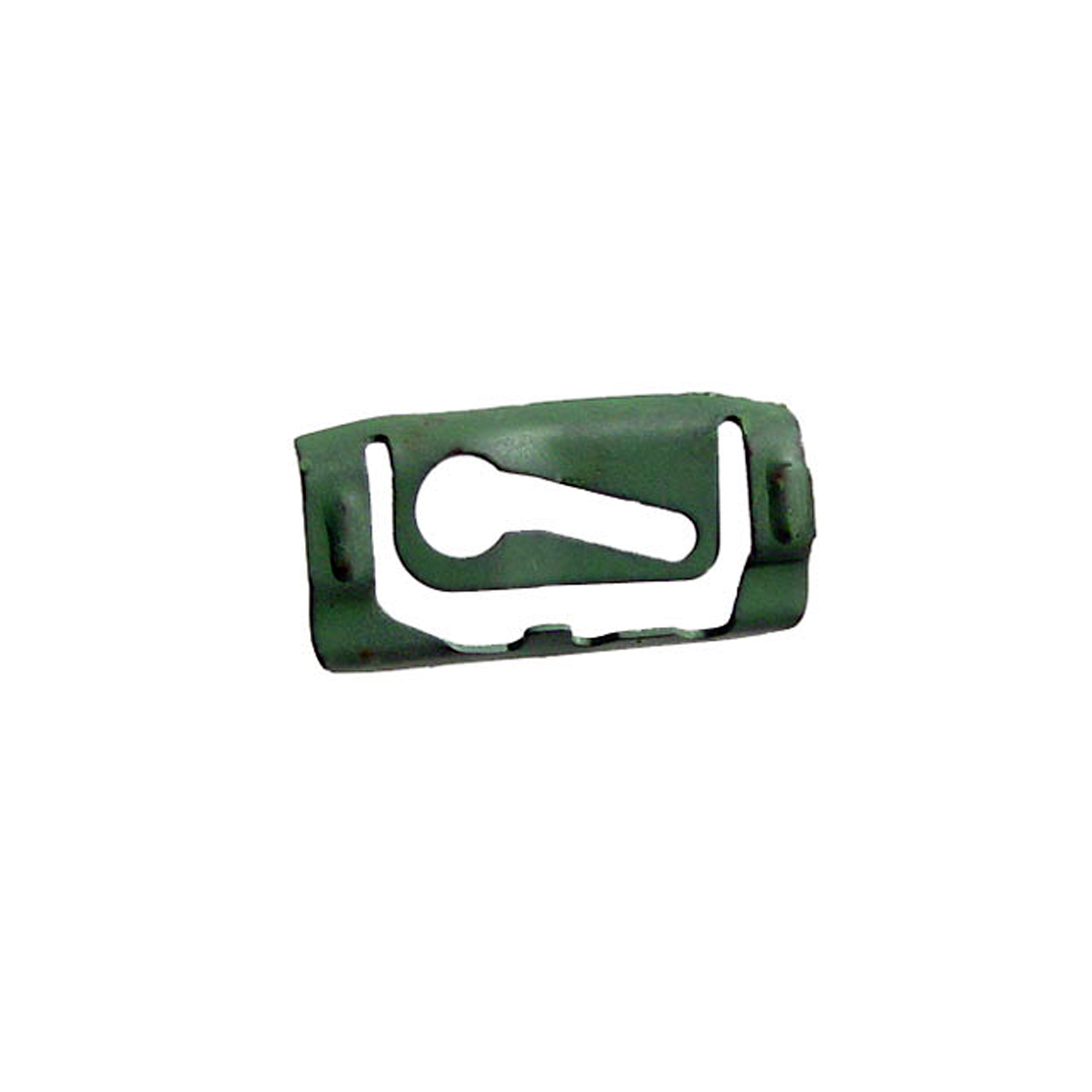 1974 Buick Century Quarter Window Reveal Molding Clip. Made of Steel-WF 205Quarter Window Reveal Molding Clip. Made of Steel. 1-3/8" X 11/16". Each
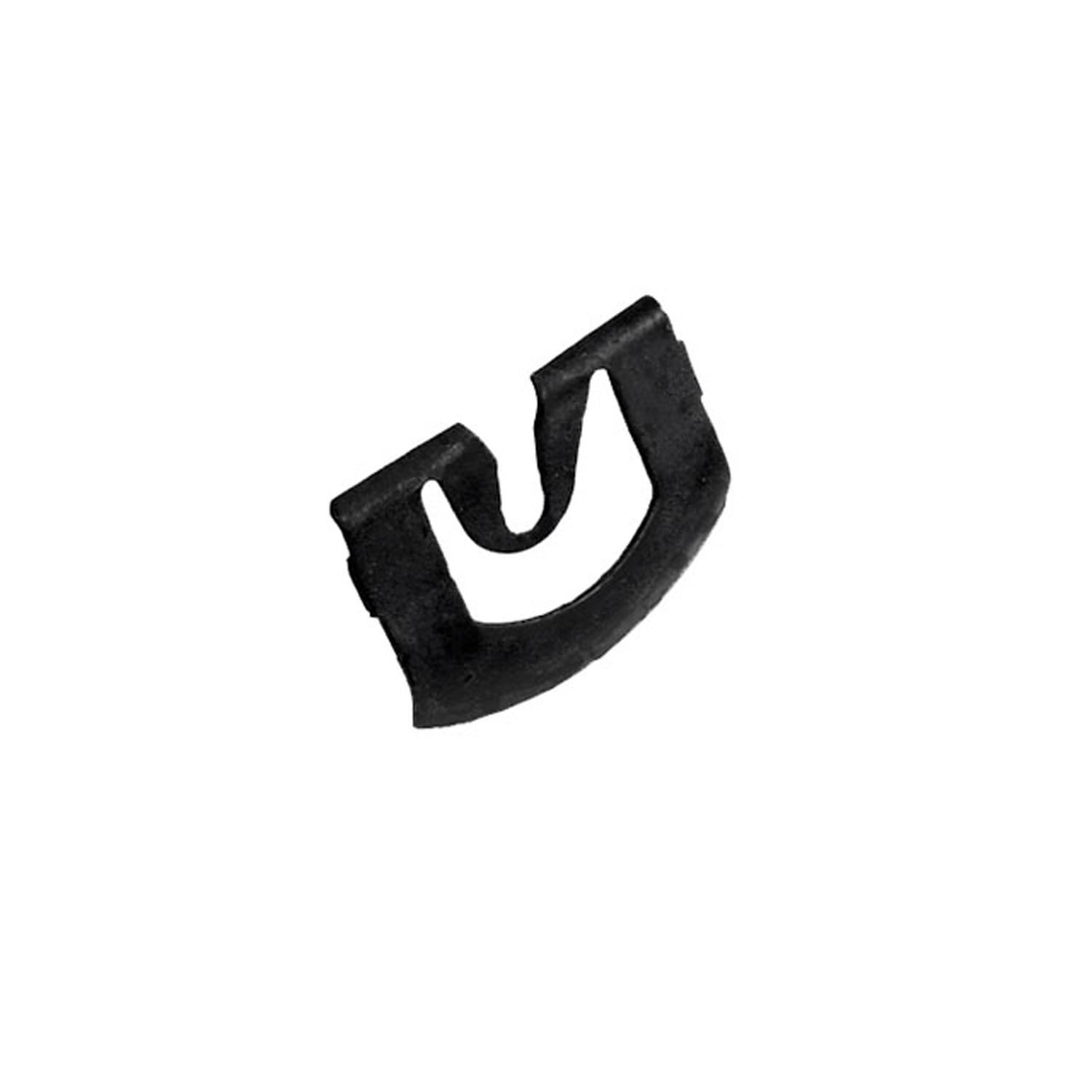 1974 Buick Century Windshield Reveal Molding Clip. Made of steel. 13/16" x 1"-WF 209Windshield Reveal Molding Clip. Made of steel. 13/16" x 1". Each
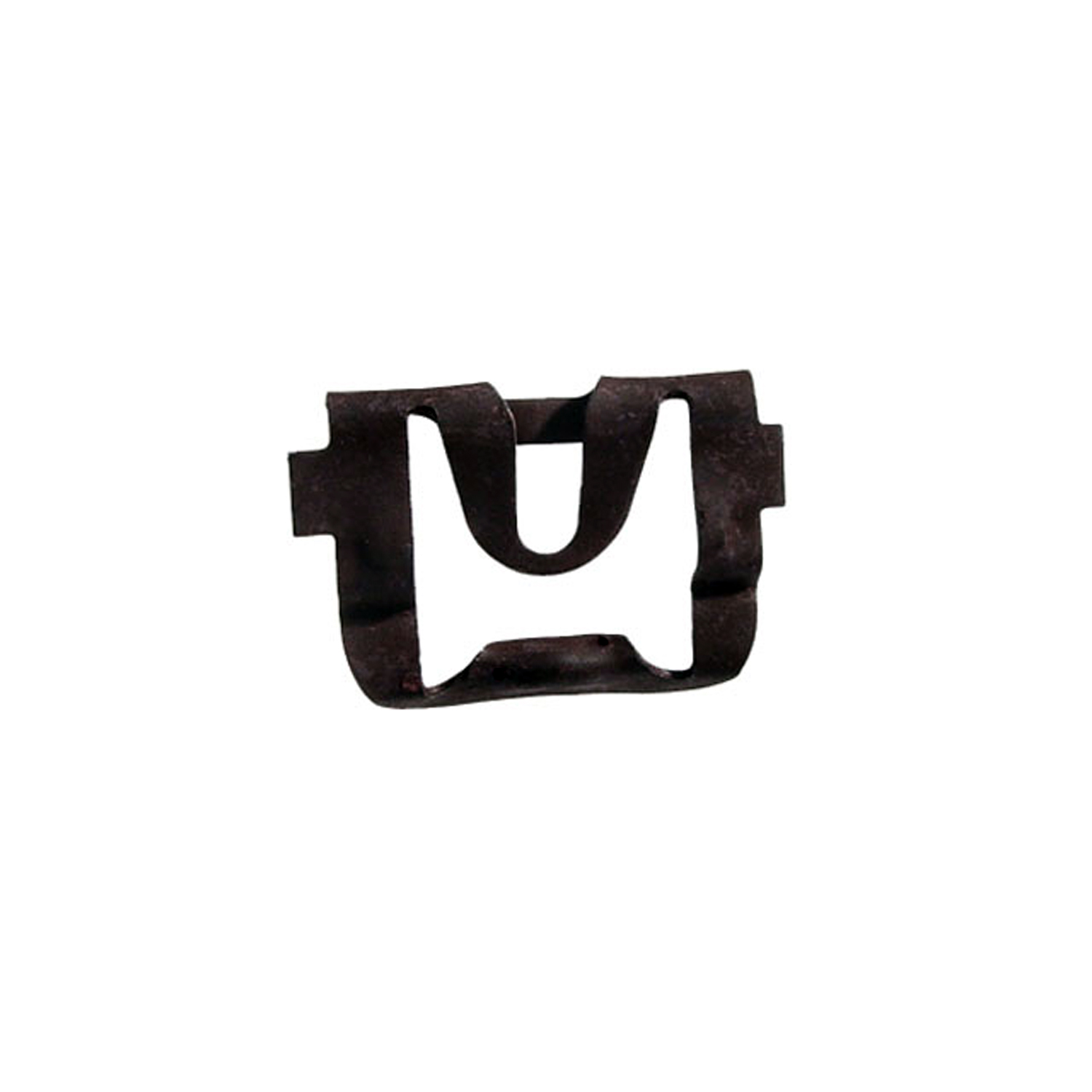 1974 Buick Century Rear Windshield Reveal Molding Clip. Made of steel-WF 211Rear Windshield Reveal Molding Clip. Made of steel. 15/16" X 3/4". Each
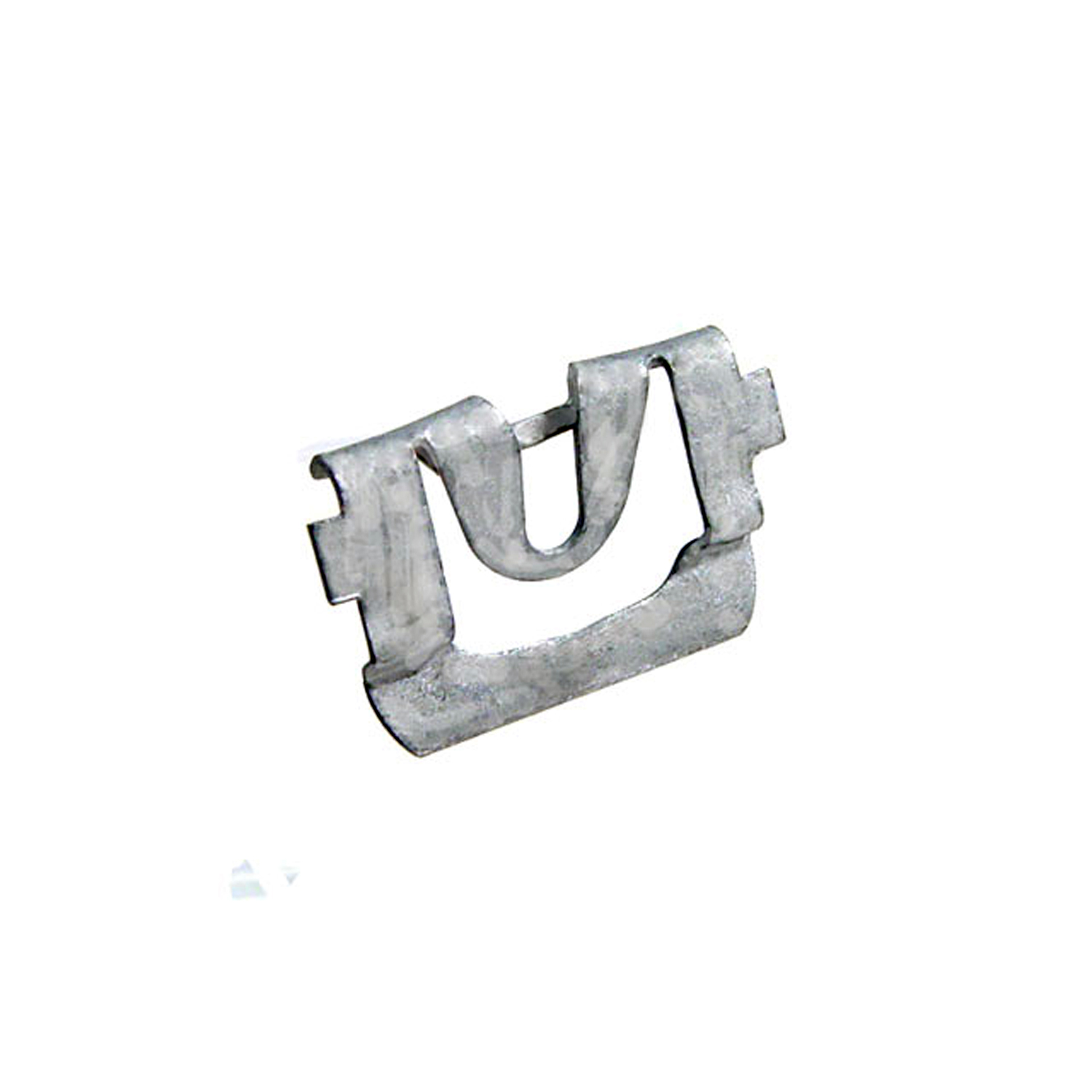 1974 Buick Century Windshield Reveal Molding Clip. Made of steel-WF 223Windshield Reveal Molding Clip. Made of steel. 1/1/8" X 3/4". Each
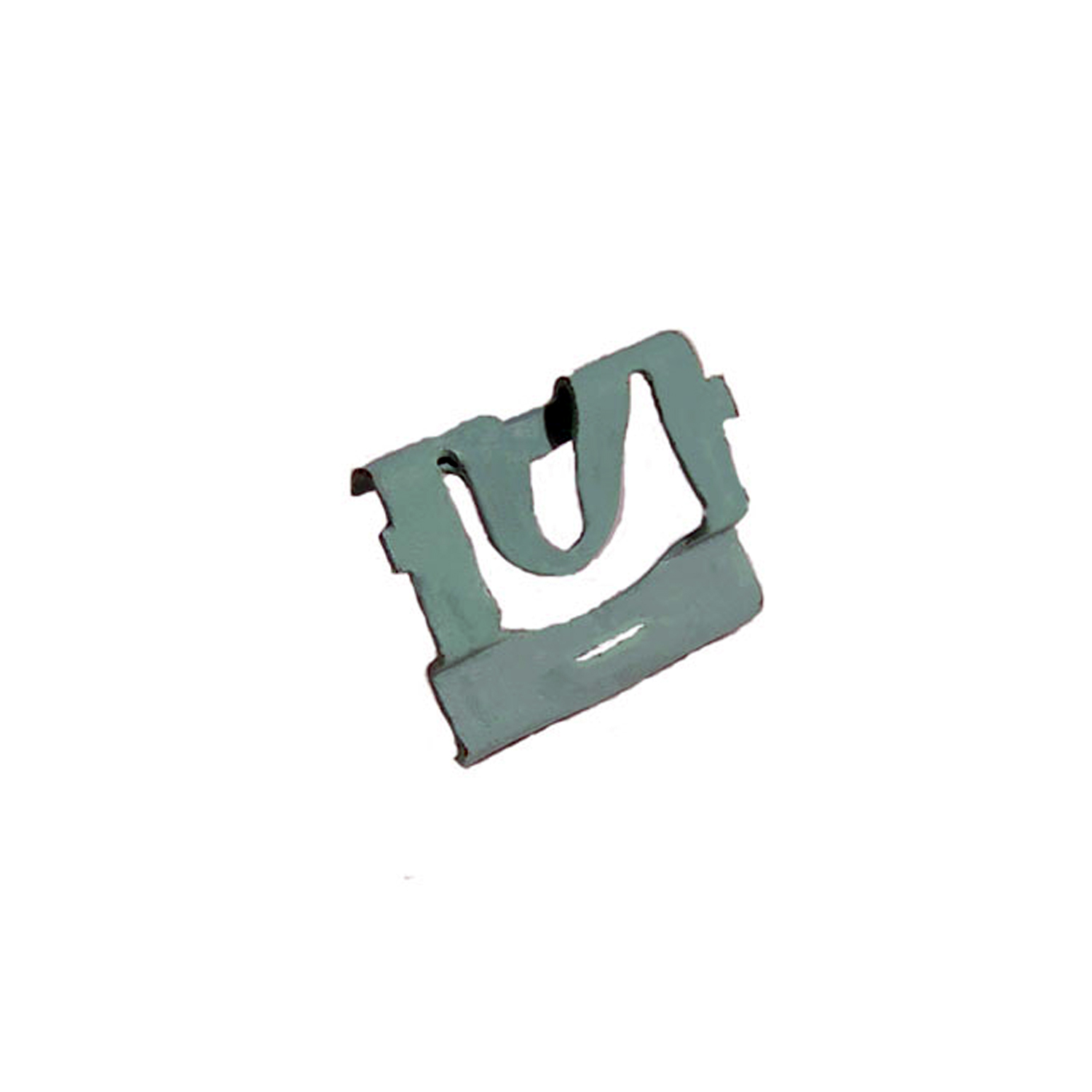 1974 Buick Century Windshield Reveal Molding Clip. Made of steel-WF 224Windshield Reveal Molding Clip. Made of steel. 1-1/4" X 3/4". Fits many models. Each
Why Choose Metro?
For over 100 years, Metro Moulded Parts has been the pinnacle of quality in classic car restoration parts. Our commitment to precision and authenticity in every component ensures a perfect fit and an OEM-level appearance.
- Expert Craftsmanship & Quality: Each part is a testament to our dedication to reliability and perfection, crafted from original designs and thoroughly tested.
- Advanced Technology: We use cutting-edge techniques to create flawless, long-lasting parts that surpass others in performance.
- SuperSoft Sponge – The Ultimate Door Seal: Not only are our door seals 30% softer than competitors', but they're also guaranteed to never leak. They effectively reduce wind and road noise, enhancing your classic car's comfort and driving experience.
- Proudly American: Our parts are a product of American craftsmanship, made in the USA with a spirit of excellence and heritage.
- Unrivaled Warranty: We back our products with a 30-year industry-leading warranty, a testament to our confidence in their quality.
Join us in preserving the legacy of classic cars with parts that are crafted for perfection, not just made.