

Image of 1974 Buick Electra, Note: These illustrations use artistic license and may differ from actual historical models.
Performance Metrics
Fundamental Metrics
Emotional Appeal
MMP Rating
| Engine Specifications | |
|---|---|
| Engine: | 455 cu in (7.5 L) V8 |
| Displacement: | 455 cu in (7.5 L) |
| Horsepower: | 230-250 hp |
| Torque: | 375 lb-ft |
| Compression Ratio: | 8.5:1 |
| Ignition System: | Electronic Ignition System |
| Cooling System: | Liquid-cooled |
| Performance Specifications | |
| 0-60 Time: | 10 seconds |
| 1/4 Mile Time: | 17.5 seconds |
| Top Speed: | 120 mph |
| Transmission and Drive | |
| Drive Type: | Rear-wheel drive |
| Transmission Type: | 3-speed automatic |
| Fuel and Efficiency | |
| Fuel System Type: | Carburetor |
| MPG: | 10-12 mpg |
| Dimensions and Brakes | |
| Brakes: | Power-assisted front disc and rear drum brakes |
| Wheelbase: | 127 inches |
| Weight: | 4,600 lbs |
Note: Specifications for classic cars are given to the best of our ability, considering the limited and variant data available.
1974 Buick Electra: A Full-Size Luxury Buick at a Turning Point
The 1974 Buick Electra delivered American luxury on a truly grand scale: a long, softly sprung V8 cruiser built just as rising fuel prices were beginning to challenge the big-car tradition. Buick, a division of General Motors, positioned the Electra above its LeSabre, giving buyers a spacious, well-appointed flagship with the presence and comfort expected of a premium domestic car.
The Electra name had been introduced for the 1959 model year. By 1974, the car was part of a generation shaped by new safety rules, tighter emissions standards, and the oil crisis that followed the 1973 embargo. One notable detail is that the Electra’s 455-cubic-inch V8 remained standard equipment even as the industry began shifting toward smaller engines. It was a bold reminder of the big Buick’s original mission: effortless, low-stress cruising.
Long Lines, Plush Trim, and Full-Size Presence
The Electra’s styling was formal and unmistakably substantial. Its broad hood, upright grille, long side panels, and sweeping rear quarters gave it the visual weight of a luxury car without relying on sharp, European-inspired angles. Federal bumper-impact requirements had also influenced 1974 styling. The larger, more prominent bumpers were designed to withstand low-speed impacts, adding another solid-looking element to the front and rear.
Inside, the Electra emphasized space and comfort. Depending on trim and options, buyers could get plush cloth or vinyl upholstery, generous carpeting, woodgrain accents, a wide instrument panel, and deeply padded seating. The cabin was designed for relaxed travel rather than sporty driving. Front and rear passengers had ample room, and the broad bench seats made the car especially comfortable on long trips.
Available equipment varied by model and package, but power steering, power brakes, automatic transmission, and air conditioning were among the features buyers commonly sought. Higher-end versions could add power windows, power seat adjustment, upgraded trim, and other convenience options. These were familiar technologies by 1974, but in a large luxury Buick they contributed to a notably easygoing driving experience.
Buick offered the Electra in a range of period colors, from restrained whites, creams, and silvers to darker blues, greens, and browns, with richer metallic finishes also available. Earth tones and subdued metallics suited the car’s formal character, while brighter colors gave its large body a more attention-grabbing look. Exact colors and combinations depended on the trim and production choices for the year.
Body styles included a two-door coupe and four-door versions, with availability and roof treatment varying by model. The four-door hardtop is often the most recognizable Electra of the period: it paired easy passenger access with a clean roofline and the sweeping profile associated with classic American luxury cars. Trim names included Electra 225, Limited, and Park Avenue, with the Park Avenue package representing the more upscale end of the range.
Why the 1974 Electra Matters
The 1974 Electra captures the final years of the traditional American land yacht: rear-wheel drive, a large V8, body-on-frame construction, and a suspension tuned for comfort. It was not designed to set a new benchmark for cornering or fuel efficiency. Instead, it offered a quiet, spacious alternative to smaller cars and helped define Buick’s reputation for smooth, understated luxury.
Its historical importance comes partly from its timing. The car still embodied the pre-oil-crisis preference for size and power, but it arrived during a period when manufacturers were facing new safety rules, emissions controls, and a sudden consumer focus on fuel economy. That contrast makes the 1974 Electra a useful snapshot of an industry in transition. Its influence was less about introducing a single revolutionary technology and more about representing the high point of a familiar full-size formula before priorities changed.
455 V8 Performance and Road Manners
The standard engine was Buick’s 455-cubic-inch V8, paired with a three-speed Turbo Hydra-Matic automatic transmission and rear-wheel drive. Output was approximately 230 horsepower under the era’s net-rating system, with torque commonly listed around 370 lb-ft. Horsepower ratings from this period should be compared carefully with earlier gross figures, which were measured differently and usually appeared higher.
Period test results and the condition of an individual car can vary, but a reasonable estimate for a healthy 1974 Electra is a 0-to-60 mph time in roughly 10 to 12 seconds. Top speed was around 110 mph, depending on gearing, equipment, and mechanical condition. Those figures tell only part of the story: the 455’s abundant low-speed torque made the Electra feel relaxed in ordinary traffic, even if it was a very heavy car.
On the road, the Electra’s long wheelbase and soft suspension smooth out broken pavement and highway joints. It feels composed when cruising straight ahead, though its size and weight demand planning in tight parking lots and narrow streets. On winding roads, expect noticeable body lean and a steering response aimed at comfort rather than sharpness. The engine produces a deep, subdued V8 rumble, while the automatic transmission shifts with an easy, unhurried character. The driver’s main job is to guide the car smoothly and let its torque do the work.
Living With a Classic Electra
Today, the 1974 Electra is most often used as a weekend cruiser, local show car, or occasional long-distance classic. It can be driven regularly, but its size and fuel appetite make it a less practical daily choice than a modern sedan. Fuel economy is typically poor by current standards, often in the single digits or low teens depending on traffic, tuning, and driving style.
Basic maintenance is familiar to many classic-car owners. The pushrod V8 and conventional rear-wheel-drive layout are straightforward to service, and routine work such as ignition tune-ups, brake repairs, and fluid changes does not require modern diagnostic equipment. Parts support is generally workable, especially for common mechanical components, though trim pieces, interior details, and model-specific body parts can take more searching. Age-related issues to inspect include rust, worn suspension bushings, brake condition, cooling-system health, transmission behavior, and the condition of rubber weatherstripping.
1974 Buick Electra Facts and Common Criticisms
The Electra name has a longer history than the 1974 model itself. It debuted in 1959 and remained a central Buick nameplate for decades, eventually becoming associated with Buick’s later front-wheel-drive luxury sedans as well. The Park Avenue, which began as an Electra trim level, would later become a Buick model in its own right.
There is no widely recognized speed or endurance record associated with the 1974 Electra. Its distinction is more cultural than competitive: it represents the full-size American luxury car at a moment when that kind of vehicle was starting to lose ground. The common criticisms are easy to understand. It is thirsty, cumbersome in confined spaces, and slower off the line than many modern cars. Its soft handling and large footprint are drawbacks for some drivers, but they are also part of the period-correct character that appeals to fans.
Collector Value and Market Availability
Production totals for the 1974 Electra vary by body style and trim, and exact figures are not consistently reported in readily available sources. A reasonable broad estimate for the Electra line is roughly 100,000 to 120,000 cars, making it uncommon today but not exceptionally rare by classic-car standards. Survivors are available, though finding a particularly clean, original example with desirable trim can take patience.
As a general 2026 market estimate, a project car or rough driver might sell for about $2,000 to $5,000. A running car in usable condition could bring roughly $5,000 to $10,000, while a well-kept, attractive example may fall in the $10,000 to $18,000 range. Excellent, highly original cars or exceptional restorations can exceed $20,000, especially when condition, documentation, and trim are compelling. These are broad estimates, not guaranteed sale prices; location, rust, originality, and mechanical condition make a major difference.
Values have generally been steady rather than explosive. Clean examples benefit from growing interest in 1970s American cars, but the Electra’s size, fuel consumption, and relatively modest performance keep it more accessible than many high-profile muscle cars. Buyers are usually paying for condition, comfort, and period character, not investment-grade rarity.
The Lasting Appeal of the 1974 Buick Electra
The 1974 Buick Electra combined a torque-rich 455 V8, a spacious and well-trimmed cabin, and suspension tuned to make long journeys feel effortless. It arrived at a turning point for American automobiles, preserving the big-car luxury formula even as the industry began moving in another direction. For today’s enthusiasts, its appeal lies in that unmistakable blend of size, softness, and V8 composure: the Electra does not hurry, and that is exactly the point.
1974 Buick Electra Catalog of Parts
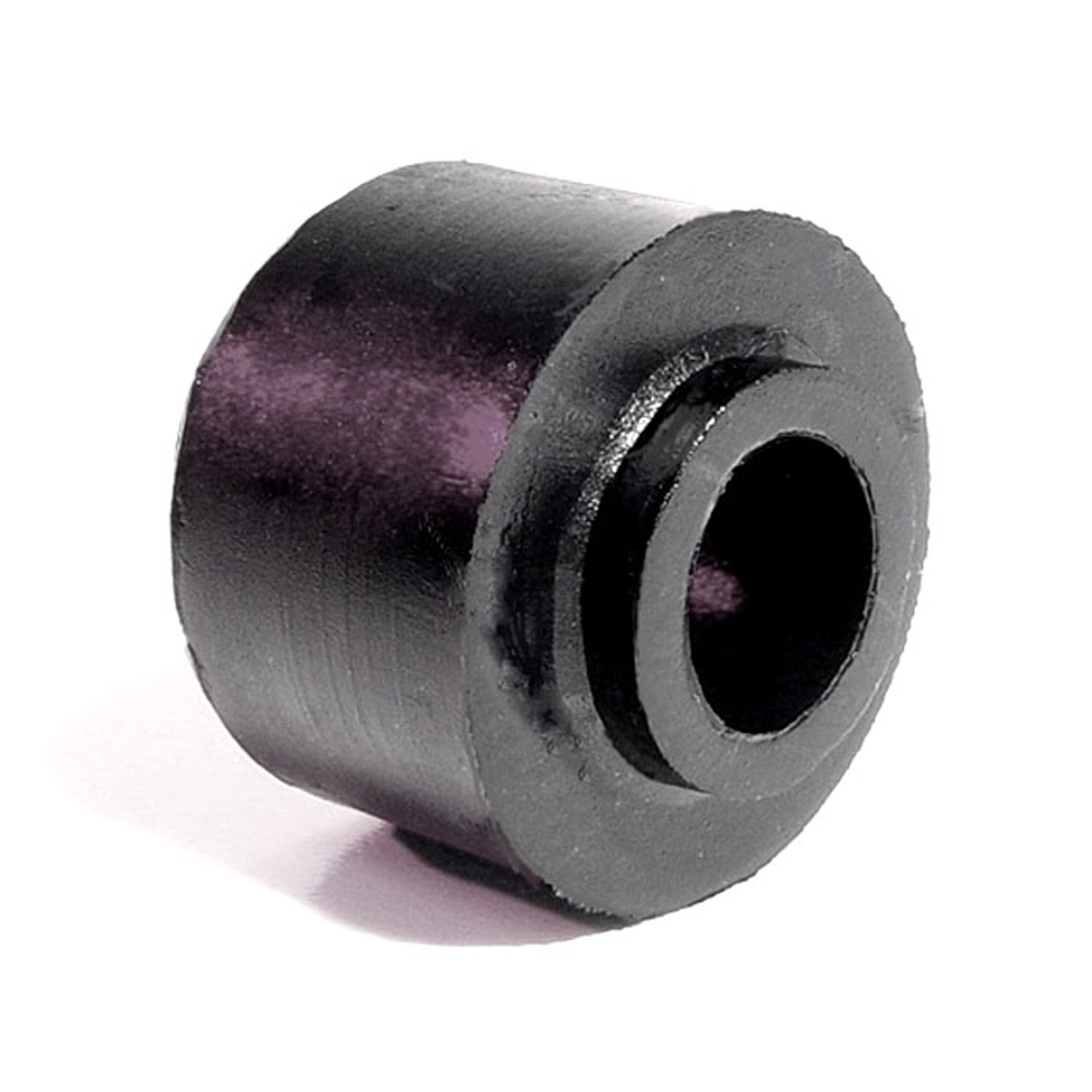 1974 Buick Electra Shock Absorber Grommet. 1" bottom O.D., 3/4" high-BN 1Shock Absorber Grommet. 1" bottom O.D., 3/4" high., with 7/16" I.D. Each
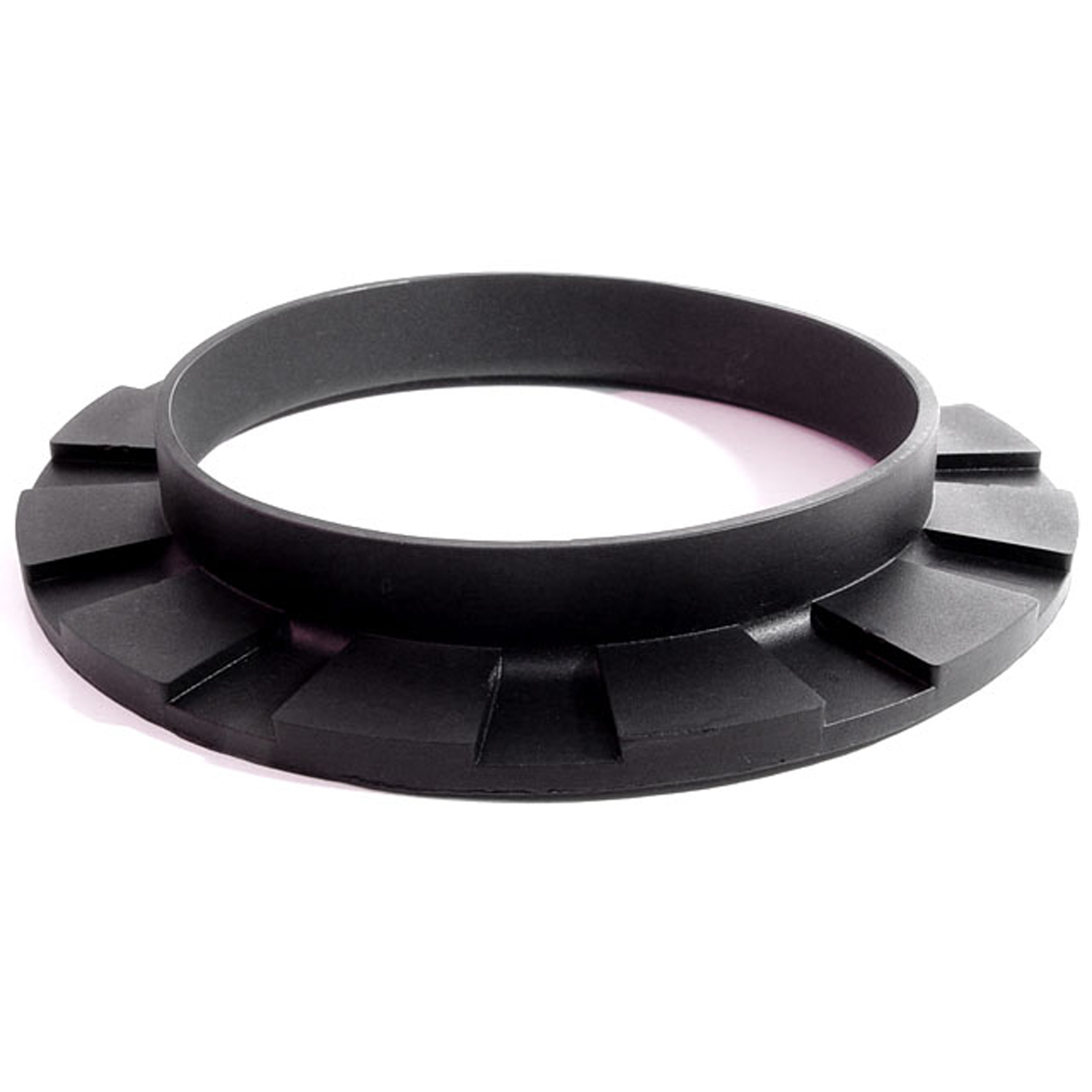 1974 Buick Electra Front coil-spring insulator-BN 110Front coil-spring insulator. Fits '41-'60 Oldsmobile and '50-'83 GM passenger models. 5-3/8 in. OD x 3-3/4 in. ID x 3/4 in. high with 13/16 in. wide bottom flange 1/4" thick, 12 flutes. Each.
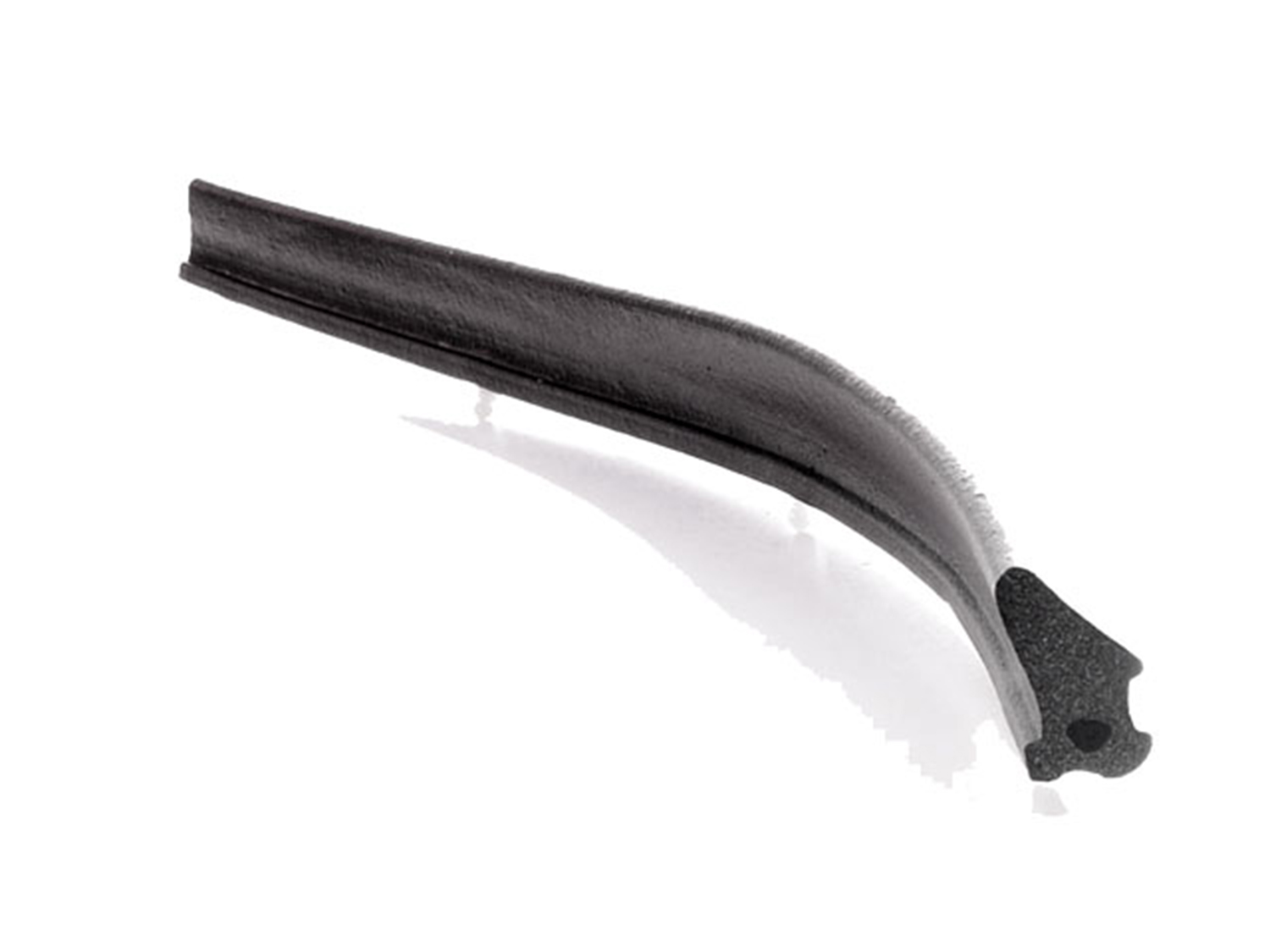 1974 Buick Electra Door Side Seal-C/LP 40-KDoor Side Seal. Made of smooth skin sponge extrusion, with clips installed. (For seal without clips, see LP 40-K) Sold by the foot.
 1974 Buick Electra Molded Door Seal with Clips, Pair-LM 21-RDoor Seal for Rear Doors, 71-74 GM C Body 4 Door Hardtops (Except Cadillac), Pair, R&L. Replaces OEM #'s 9697680/9697681. Proudly MADE IN AMERICA and manufactured with Metro’s SUPERsoft Sponge™ - our vastly superior soft yet durable EPDM sponge rubber compound - to protect against the elements. SUPERsoft™ rubber
 1974 Buick Electra Trunk Liner. Loose weave-M 23Trunk Liner. Loose weave. Black with scattered white threads. 54" wide. Sold by the foot
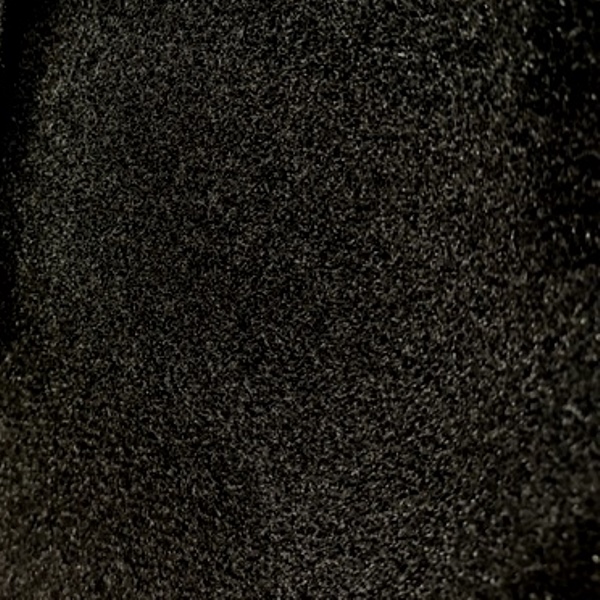 1974 Buick Electra Trunk Liner. Loose weave, jet black. 50" wide-M 30Trunk Liner. Loose weave, jet black. 50" wide. Sold by the foot
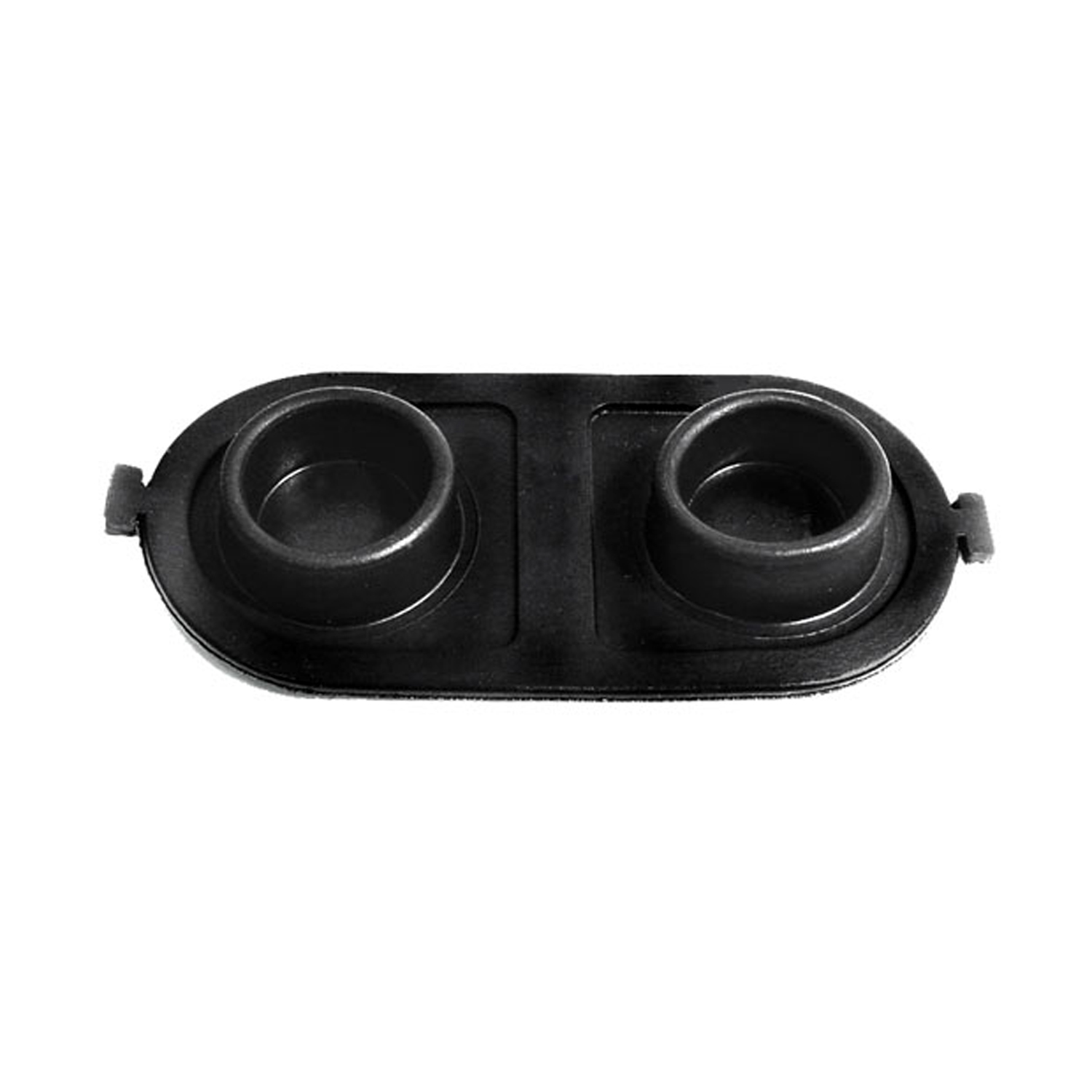 1974 Buick Electra Brake Master Cylinder Cover Seal. Replaces OEM #5470861-RP 2-EBrake Master Cylinder Cover Seal. Replaces OEM #5470861. 5" X 2-1/2". Each
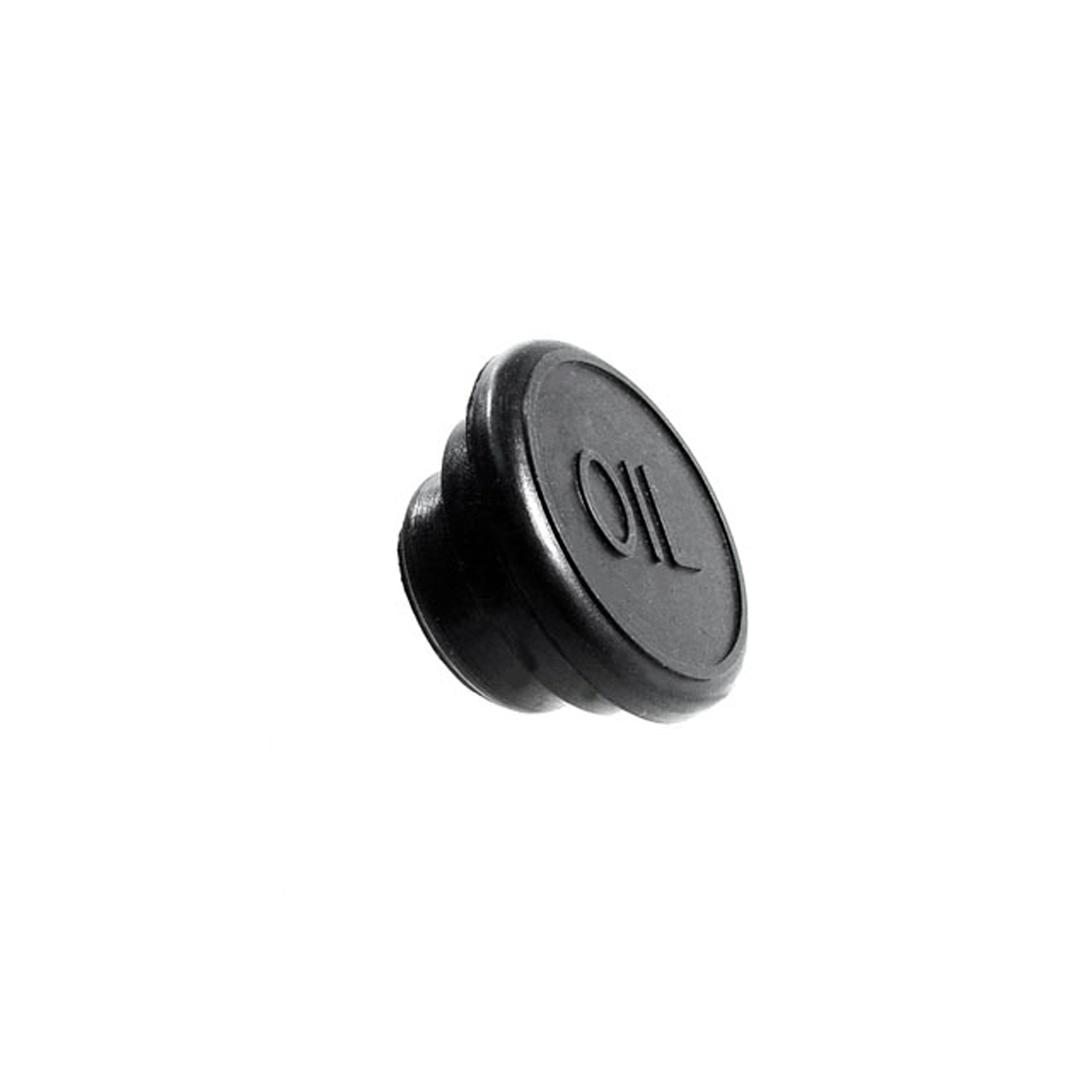 1974 Buick Electra Oil Filler Hole Cap. Made of rubber-RP 8Oil Filler Hole Cap. Made of rubber. Fits a 1-3/16" to 1-1/4" hole. Each
 1974 Buick Electra Molded Roof Rail Seals, for 2-Door Hardtop-RR 5007Molded Roof Rail Seals, for 2-Door Hardtop. Made with molded ends. 73-5/8" long. Pair R&L
 1974 Buick Electra Molded Roof Rail Seals for 4-Door Hardtop-RR 5007-FMolded Roof Rail Seals for 4-Door Hardtop. Replaces OEM part # 9726974/5. Pair
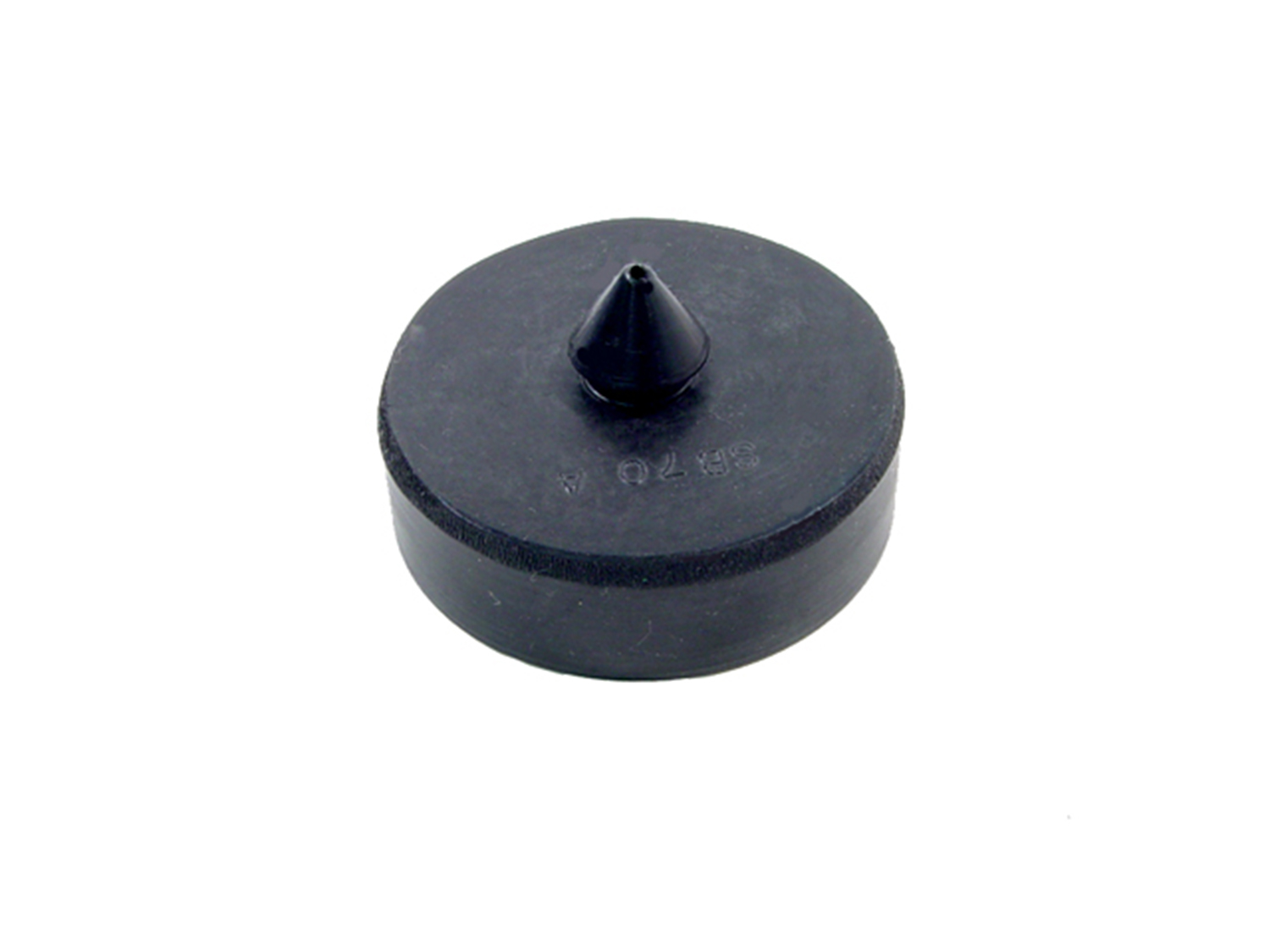 1974 Buick Electra Front door window stop bumper. ’70-’81 GM passenger cars-SB 70-AFront door window stop bumper. '70-'81 GM passenger cars. Dense rubber. Replaces OEM# 9810036. Each.
 1974 Buick Electra Trunk Seal. Each-TK 46-E/18Trunk Seal. Each
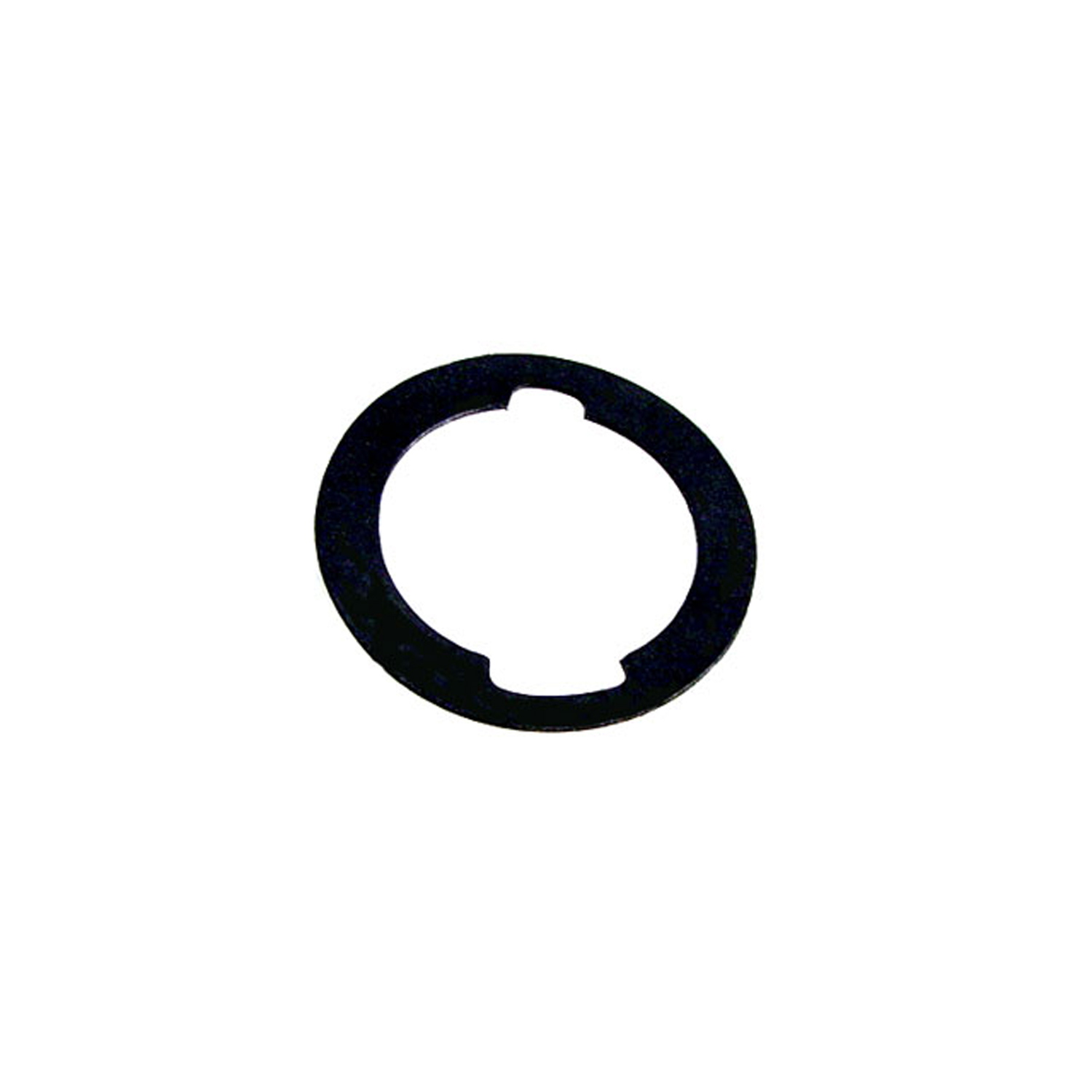 1974 Buick Electra Unbeaded Door and Trunk Lock Gasket. 1-3/16" O.D., 7/8" I.D-UM 1600-100Unbeaded Door and Trunk Lock Gasket. 1-3/16" O.D., 7/8" I.D. Each
 1974 Buick Electra Rear Roll-Up Quarter Window Seals, for 4-Door Hardtops-VS 3-PRear Roll-Up Quarter Window Seals, for 4-Door Hardtops. Pair
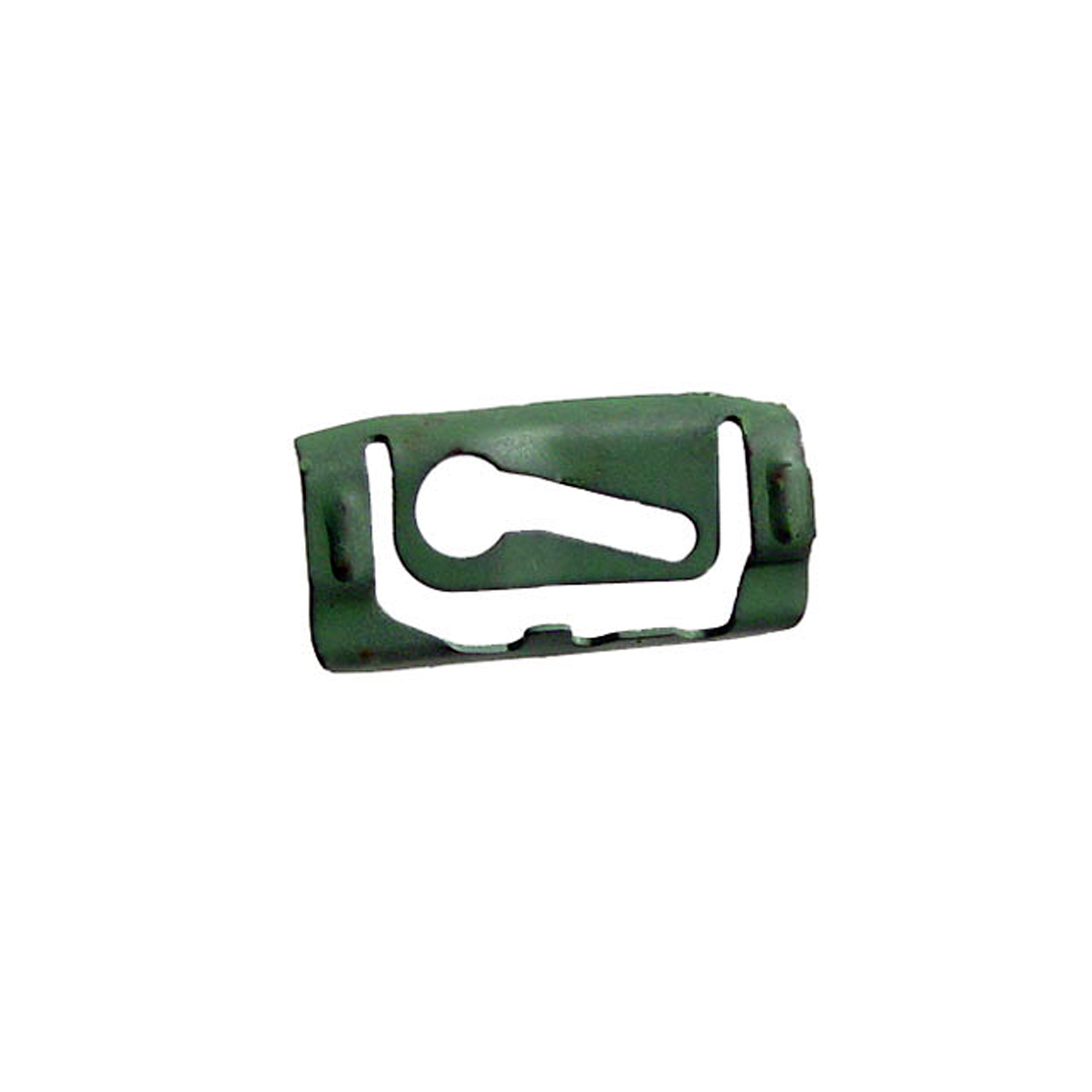 1974 Buick Electra Quarter Window Reveal Molding Clip. Made of Steel-WF 205Quarter Window Reveal Molding Clip. Made of Steel. 1-3/8" X 11/16". Each
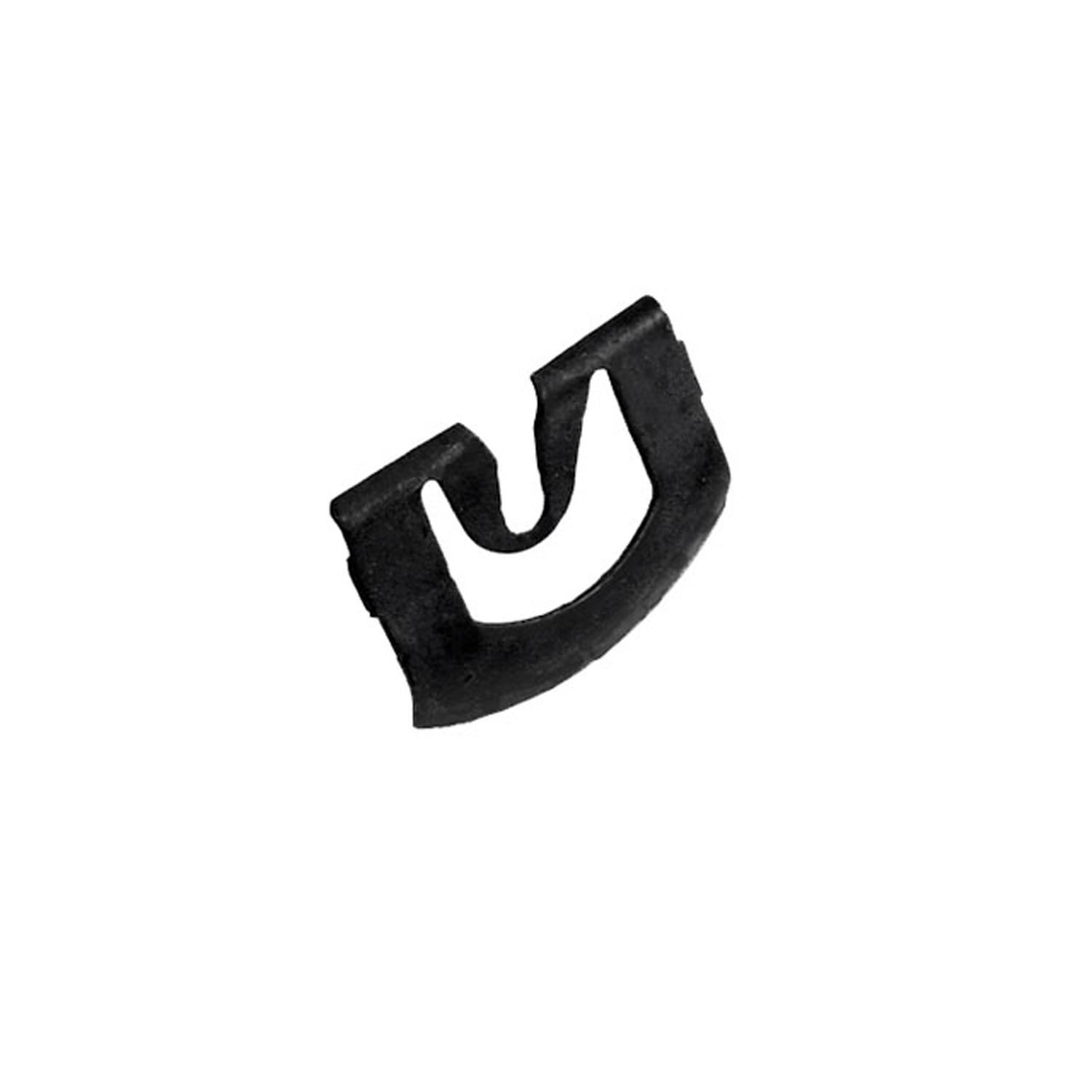 1974 Buick Electra Windshield Reveal Molding Clip. Made of steel. 13/16" x 1"-WF 209Windshield Reveal Molding Clip. Made of steel. 13/16" x 1". Each
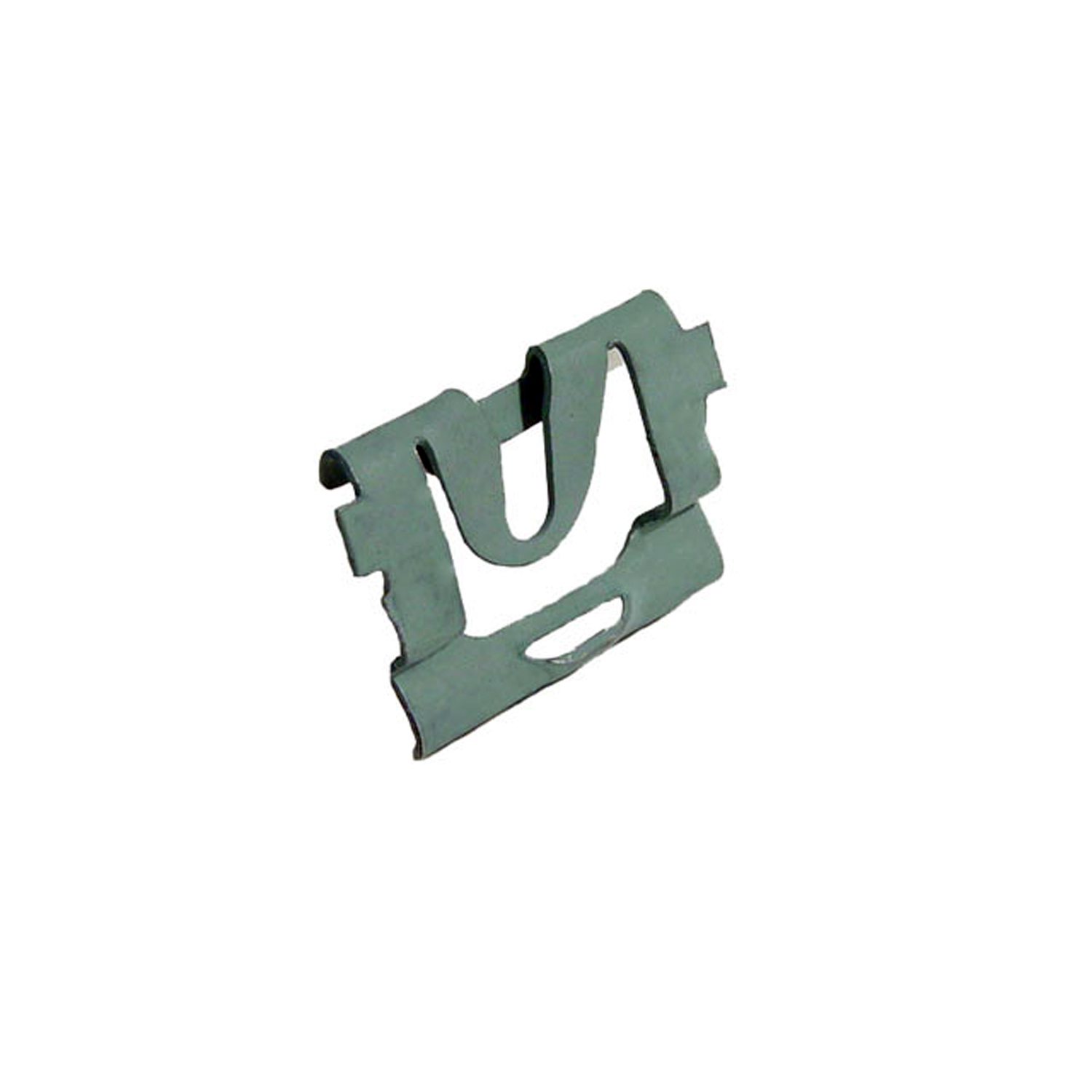 1974 Buick Electra Windshield Reveal Molding Clip. For models with vinyl top-WF 210Windshield Reveal Molding Clip. For models with vinyl top. 3/4" x 1-1/16". Each
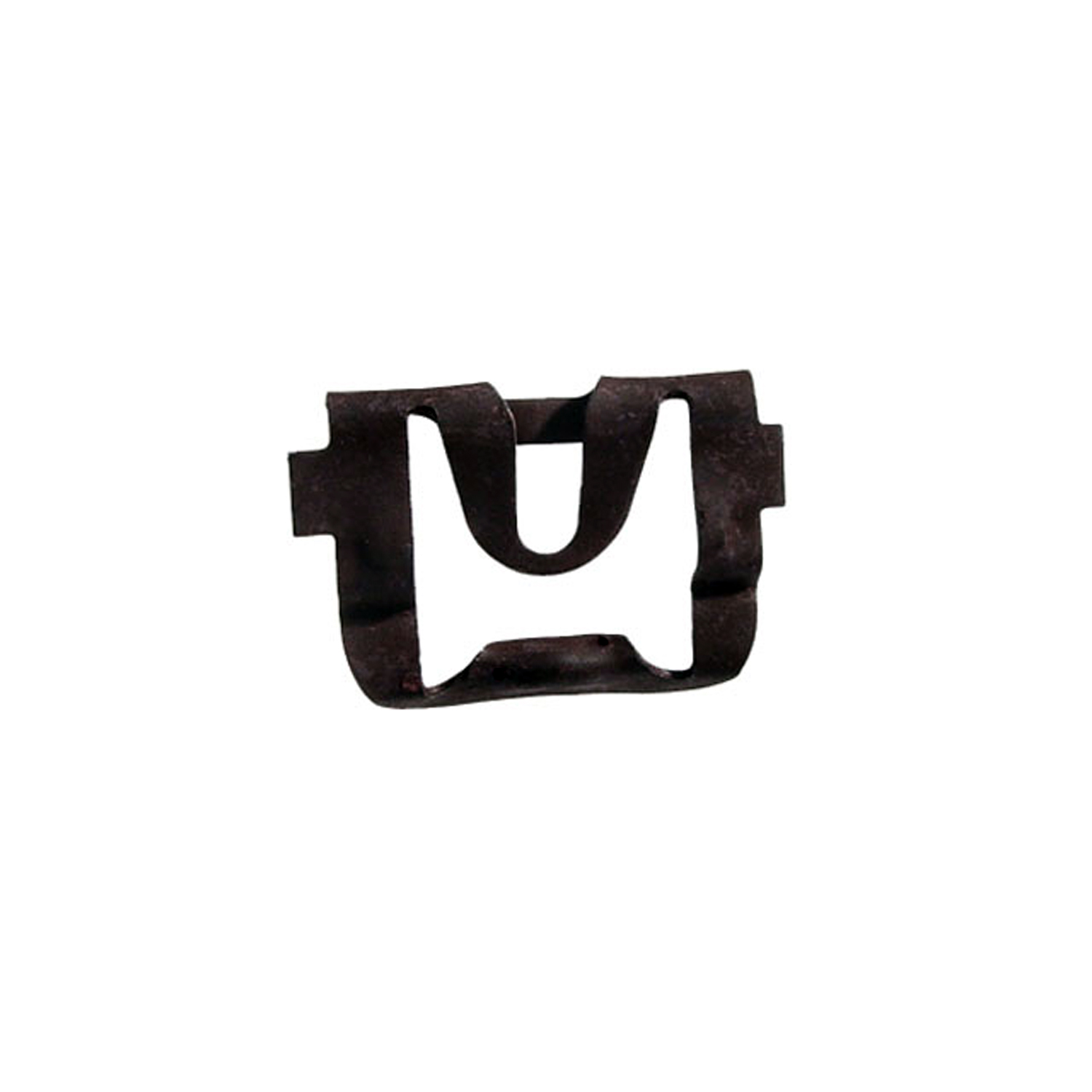 1974 Buick Electra Rear Windshield Reveal Molding Clip. Made of steel-WF 211Rear Windshield Reveal Molding Clip. Made of steel. 15/16" X 3/4". Each
 1974 Buick Electra Rear Windshield Reveal Molding Clip. Made of steel-WF 213Rear Windshield Reveal Molding Clip. Made of steel. 7/8" X 5/8". Each
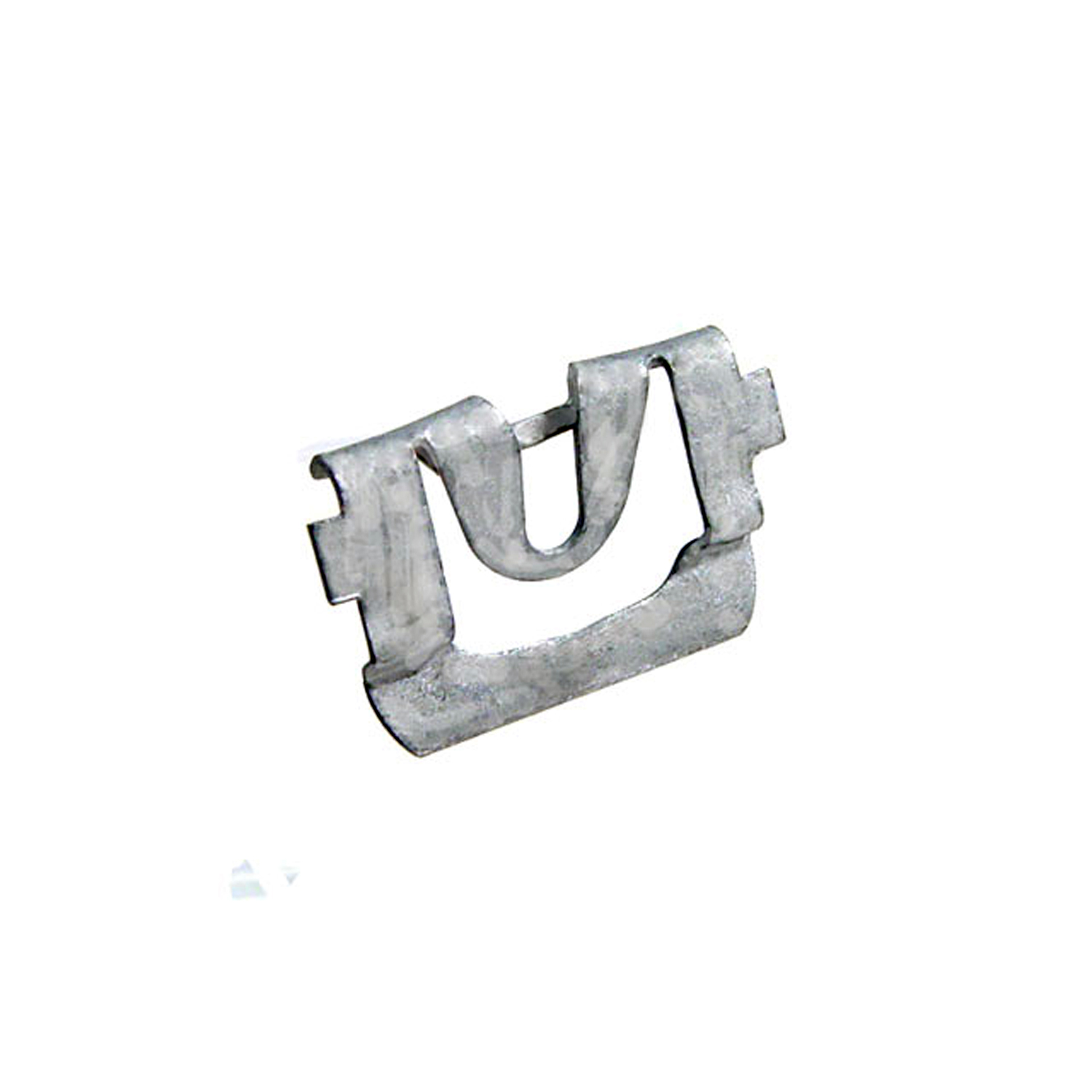 1974 Buick Electra Windshield Reveal Molding Clip. Made of steel-WF 223Windshield Reveal Molding Clip. Made of steel. 1/1/8" X 3/4". Each
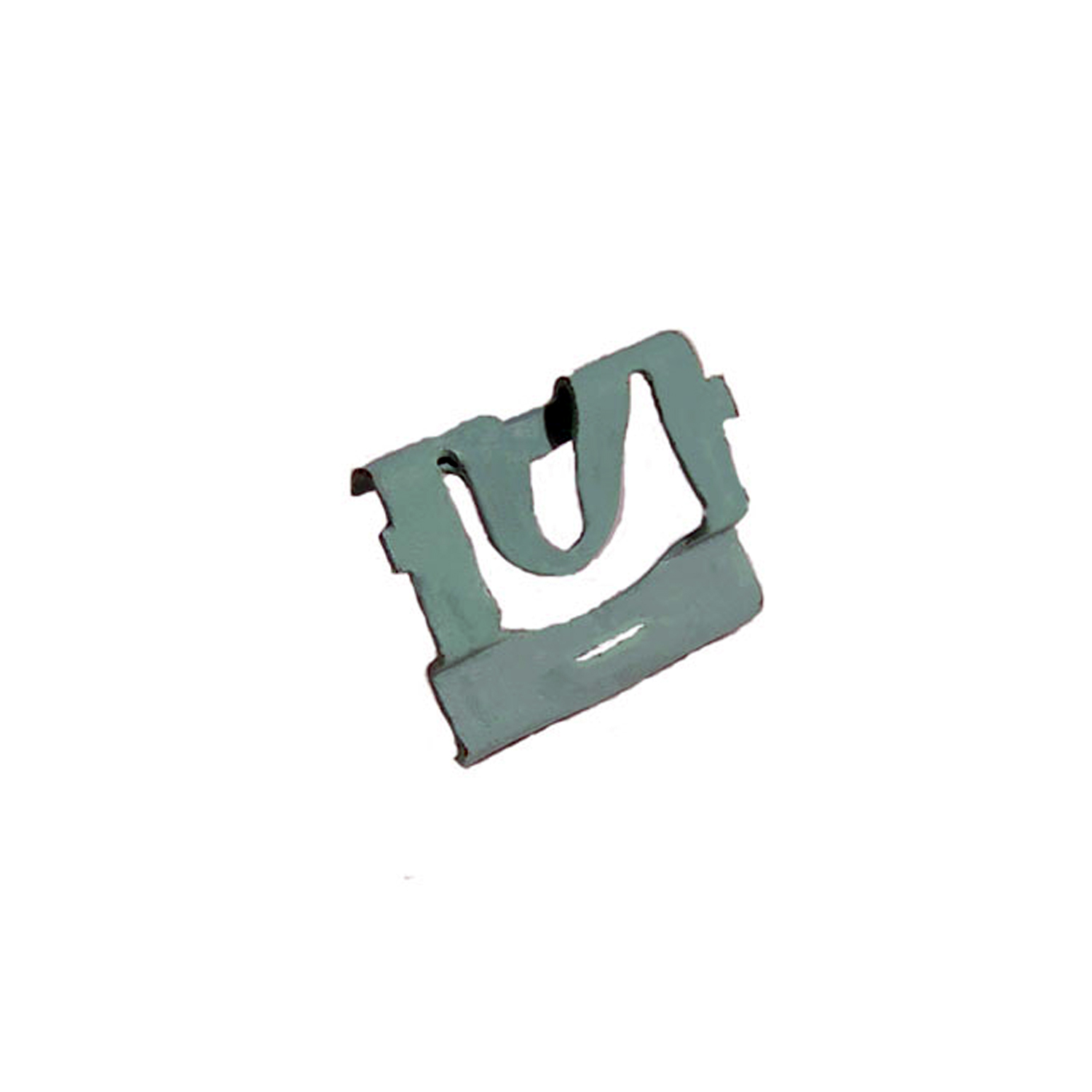 1974 Buick Electra Windshield Reveal Molding Clip. Made of steel-WF 224Windshield Reveal Molding Clip. Made of steel. 1-1/4" X 3/4". Fits many models. Each
Why Choose Metro?
For over 100 years, Metro Moulded Parts has been the pinnacle of quality in classic car restoration parts. Our commitment to precision and authenticity in every component ensures a perfect fit and an OEM-level appearance.
- Expert Craftsmanship & Quality: Each part is a testament to our dedication to reliability and perfection, crafted from original designs and thoroughly tested.
- Advanced Technology: We use cutting-edge techniques to create flawless, long-lasting parts that surpass others in performance.
- SuperSoft Sponge – The Ultimate Door Seal: Not only are our door seals 30% softer than competitors', but they're also guaranteed to never leak. They effectively reduce wind and road noise, enhancing your classic car's comfort and driving experience.
- Proudly American: Our parts are a product of American craftsmanship, made in the USA with a spirit of excellence and heritage.
- Unrivaled Warranty: We back our products with a 30-year industry-leading warranty, a testament to our confidence in their quality.
Join us in preserving the legacy of classic cars with parts that are crafted for perfection, not just made.