

Image of 1974 Buick Regal, Note: These illustrations use artistic license and may differ from actual historical models.
Performance Metrics
Fundamental Metrics
Emotional Appeal
MMP Rating
| Engine Specifications | |
|---|---|
| Engine: | 350 cu in (5.7 L) V8, 455 cu in (7.5 L) V8 |
| Displacement: | 350-455 cu in |
| Horsepower: | 175-225 hp |
| Torque: | 275-375 lb-ft |
| Compression Ratio: | 8.5:1 |
| Ignition System: | Electronic Ignition |
| Cooling System: | Liquid-cooled |
| Performance Specifications | |
| 0-60 Time: | 8-10 seconds |
| 1/4 Mile Time: | 16-18 seconds |
| Top Speed: | 120 mph |
| Transmission and Drive | |
| Drive Type: | Rear-wheel drive |
| Transmission Type: | 3-speed automatic, 4-speed manual |
| Fuel and Efficiency | |
| Fuel System Type: | Carburetor |
| MPG: | 12-15 mpg |
| Dimensions and Brakes | |
| Brakes: | Front disc, rear drum |
| Wheelbase: | 112.0 in |
| Weight: | 3,600-3,800 lbs |
Note: Specifications for classic cars are given to the best of our ability, considering the limited and variant data available.
1974 Buick Regal: The Mid-Size Personal Luxury Buick
The 1974 Buick Regal brought a little extra polish to the American mid-size car at a time when drivers were beginning to rethink size, power, and fuel use. It was an upscale version of Buick’s Century, built by the Buick Motor Division of General Motors, and paired the familiar underpinnings of a family car with dressier styling and a more premium feel.
The Regal arrived during a remarkable turning point in the auto industry. The 1973 oil crisis had made fuel economy a daily concern, while emissions rules were reshaping engine performance. Against that backdrop, the Regal offered a comfortable, stylish alternative to both large, thirsty luxury cars and plain basic transportation.
One detail that can surprise modern enthusiasts: the 1974 Regal was not yet a standalone model. It was part of the Century range, several years before Buick separated the Regal name from Century for the 1978 model year. It also predates the Grand National and turbocharged Regals that would later make the name famous.
Regal Styling and Body Choices
The 1974 Regal wore the confident proportions typical of a mid-1970s American car, with a long hood, broad body sides, and a formal roofline. Its front end featured a wide grille, rectangular headlamps, and substantial chrome trim. Buick kept the look tasteful rather than flashy, giving the Regal a more upscale presence than a basic Century without the imposing scale of a full-size Electra.
Depending on trim and equipment, details such as bright moldings, wheel covers, and a vinyl roof added to its dressy character. The long side profile and generous glass made the car look substantial, while the coupe’s roofline gave it a more personal-luxury flavor. The four-door sedan, meanwhile, emphasized easy access and practical family use.
Regal models were offered as two-door coupes and four-door sedans. The coupe is generally the more recognizable enthusiast choice, thanks to its sleek profile and stronger connection to the personal-luxury fashion of the era. The sedan is less commonly celebrated today but makes a comfortable and usable classic.
Interior Comfort and 1970s Technology
Inside, the Regal put comfort ahead of sportiness. Buyers could find cloth or vinyl upholstery, with higher-grade trim and more elaborate seat and door-panel treatments available depending on configuration. The cabin typically featured a wide dashboard, generous bench seating, and the relaxed driving position expected of a Buick. Cars with optional bucket seats and a center console had a more personal, driver-focused feel.
Available equipment could include air conditioning, power steering, power brakes, power windows, cruise control, a tilt steering wheel, and upgraded radios or stereo systems. Many Regals also had an automatic transmission, which suited the car’s easygoing character. These were convenience features, not cutting-edge electronics: there were no modern driver aids or digital displays, but a well-equipped example could feel impressively luxurious for its day.
Factory color choices varied by trim and production details, but the palette reflected the period: shades of blue, green, gold, brown, red, silver, and white were among the kinds of colors buyers could choose. Deep metallic tones and a coordinating vinyl roof were especially fitting on the coupe. Today, original paint and trim combinations can be a major part of a car’s appeal, particularly when the colors are documented and in good condition.
Engines, Performance, and Road Manners
Engine availability depended on configuration and market, but the Regal was associated with Buick V8 power, including the 350-cubic-inch V8 and, in some applications, the larger 455-cubic-inch V8. The 350 was the more common, sensible choice. The 455 delivered stronger low-speed torque and made the car feel more effortless, though it came with a greater appetite for fuel. Engine output and equipment could vary with emissions requirements and calibration, so a car’s original specifications should be confirmed by its build information or factory records.
Performance figures should be treated as period-style estimates rather than guarantees. A 350-powered Regal might take roughly 10 to 12 seconds to reach 60 mph, while a properly equipped 455 car could do it in approximately 8 to 10 seconds. Depending on engine, gearing, condition, and tires, top speed was broadly in the neighborhood of 100 to 115 mph. These figures are estimates, and a 1974 car’s present-day performance depends heavily on maintenance and restoration quality.
On the road, the Regal favors a soft, composed ride. Its suspension is well suited to patched pavement and long highway stretches, where the car settles into a relaxed cruise. The tradeoff is that it does not feel light or sharply responsive on a winding road. Body roll, a broad turning feel, and period tires remind the driver that this is a comfortable mid-size Buick, not a modern sport coupe.
With a V8 under the hood, the driving experience has a familiar soundtrack: a low, steady rumble at idle and a deeper note when the throttle opens. The automatic transmission and power steering make everyday driving easy, while the long hood and broad body ask for a little more care in tight parking spaces. The car feels most at home gliding along a highway, not being hustled through corners.
Why the 1974 Regal Matters
The Regal’s significance lies in how neatly it captured the changing tastes of the American market. It combined the practical foundations of a mid-size car with the trim, comfort, and image of a more luxurious personal car. That formula was not unique to Buick, but Buick gave it a distinctive, restrained character that appealed to buyers who wanted comfort and status without moving up to a full-size model.
The 1974 model also sits at a useful point in Regal history. It belongs to the Century-based era, before the Regal became a separate model in 1978. Later Regals would build a very different reputation through performance versions such as the Grand National, but the 1974 car shows the name’s original role: a well-appointed Buick for relaxed, everyday motoring.
It did not introduce a major automotive technology that transformed the industry. Its lasting influence is more about the market position it occupied and the nameplate it helped establish. The Regal’s blend of comfort, style, and available V8 power gave Buick a strong platform for later versions that would take the model in more dramatic directions.
Living With a 1974 Buick Regal
Today, a Regal can serve as a weekend cruiser, a local show car, or even a regular-use classic for an owner who is comfortable with vintage-car upkeep. Its straightforward mechanical layout is one of its advantages. An experienced home mechanic can handle many routine tasks, and common service items are familiar to shops that work on traditional American cars.
Before buying, pay close attention to rust, especially around the lower body, wheel openings, floor pans, trunk, and windshield areas. Check the condition of the engine, transmission, brakes, steering, and cooling system, as well as the availability and quality of interior trim. A car that has been sitting may need fuel-system work, fresh tires, brake service, and attention to rubber hoses and seals even if it starts and runs.
Parts support is generally reasonable for common mechanical components, though some Regal-specific trim, body pieces, and interior details can take more searching. Reliability depends less on the badge than on maintenance and restoration quality. A sound, regularly serviced Regal can be pleasant to own, but fuel economy is modest by modern standards, especially with the 455.
Regal Trivia and Common Criticisms
The 1974 Regal is sometimes mistakenly grouped with later Grand National and turbocharged models. It is part of the same broader nameplate story, but it is a different kind of car: a comfortable, V8-era Buick rather than a factory-built turbo performance coupe. That distinction makes it especially interesting to collectors who want to explore the Regal’s history before its best-known performance chapters.
There is no widely recognized 1974 Regal speed or endurance record, and it was not a famous competition model. Its historical moment was the broader energy crisis and emissions transition, which changed what buyers expected from American cars. The period also brought criticism of many domestic cars for heavy weight, soft handling, and reduced performance compared with earlier muscle-car years. The Regal shares some of those traits, but its comfortable ride and upscale cabin were part of the point.
1974 Buick Regal Values and Rarity
The 1974 Regal is not generally considered a rare model in the same way as a limited-production performance car. Exact production figures can be difficult to pin down by trim and body style, so a reasonable broad estimate is roughly 50,000 to 70,000 Regals across the model year. That is an estimate, not a definitive factory total. Surviving cars in excellent, original condition are much less common than the original production suggests.
As a broad U.S. market guide, a project car or rough driver might sell for about $2,500 to $6,000. A usable, presentable example could fall around $6,000 to $12,000, while a very clean, well-restored or unusually well-equipped car might reach roughly $12,000 to $25,000. Exceptional examples, especially those with desirable original equipment, documented history, or a particularly strong presentation, can ask more. These ranges are estimates and vary with region, condition, originality, and current demand.
Values have generally been steadier than those of famous muscle cars. The Regal has appeal among Buick fans and people seeking an approachable 1970s cruiser, but it does not yet command the same premium as the later Grand National models. Clean examples are likely to remain the most desirable, while neglected cars can be expensive to restore relative to their resale value.
A Buick Built for the Long Cruise
The 1974 Buick Regal captures a moment when American automakers were balancing comfort, style, V8 tradition, and a new pressure to use less fuel. Its plush ride, available big-block power, and polished mid-size design make it an appealing classic, while its place in the early history of the Regal name gives it added context for Buick enthusiasts.
It may not be the loudest or quickest chapter in Regal history, but it is an important one: a comfortable, confident Buick that helped set the stage for a nameplate with a much longer story to tell.
1974 Buick Regal Catalog of Parts
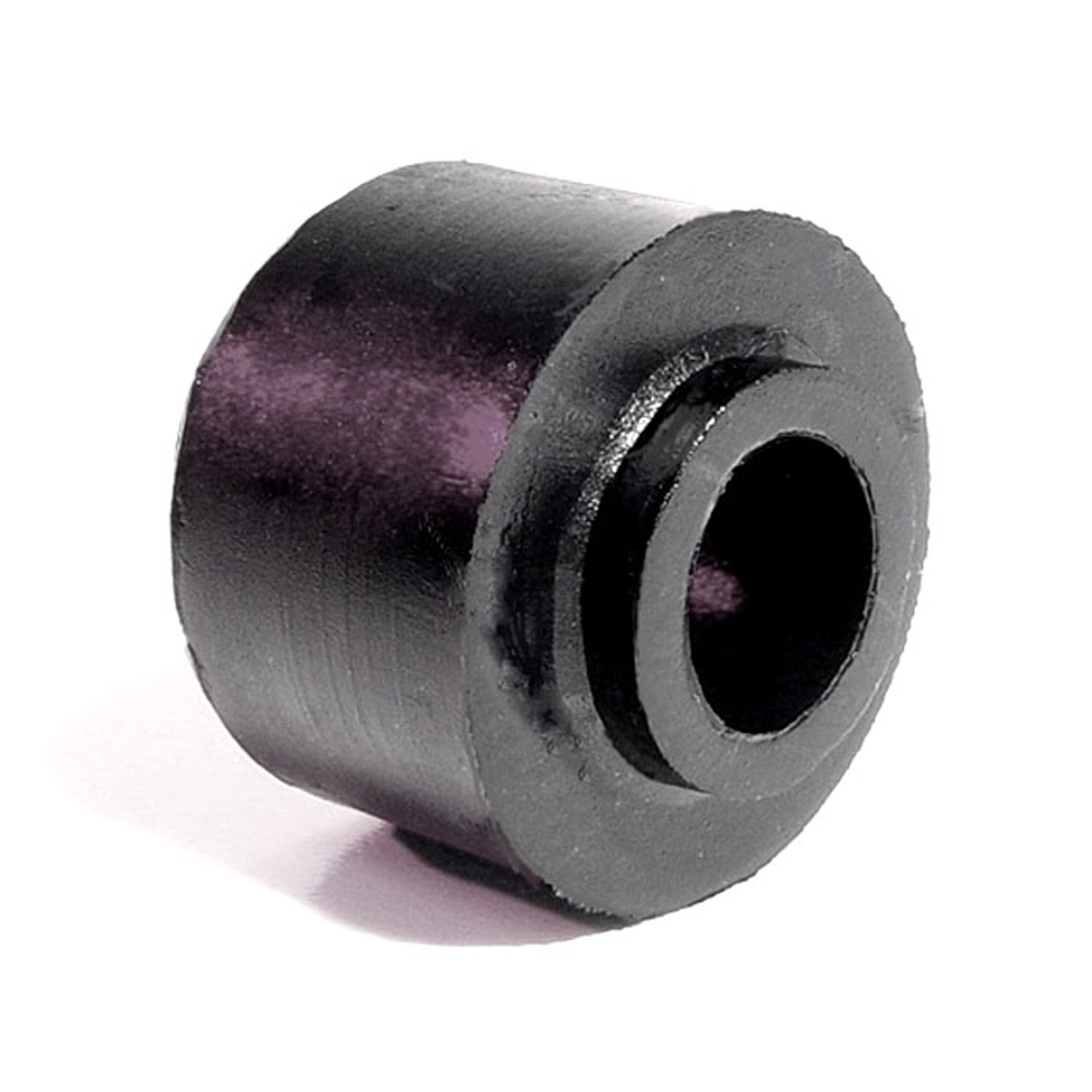 1974 Buick Regal Shock Absorber Grommet. 1" bottom O.D., 3/4" high-BN 1Shock Absorber Grommet. 1" bottom O.D., 3/4" high., with 7/16" I.D. Each
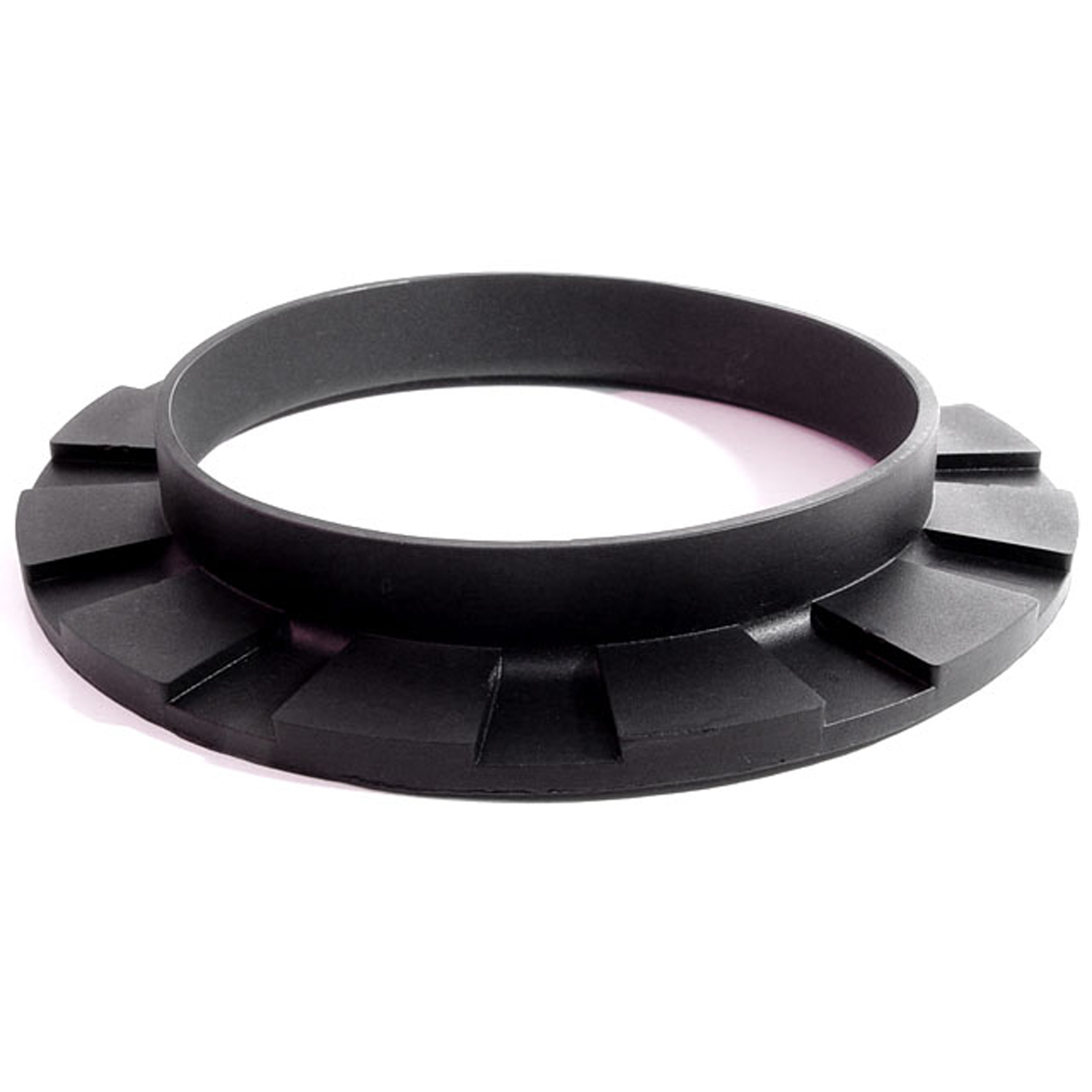 1974 Buick Regal Front coil-spring insulator-BN 110Front coil-spring insulator. Fits '41-'60 Oldsmobile and '50-'83 GM passenger models. 5-3/8 in. OD x 3-3/4 in. ID x 3/4 in. high with 13/16 in. wide bottom flange 1/4" thick, 12 flutes. Each.
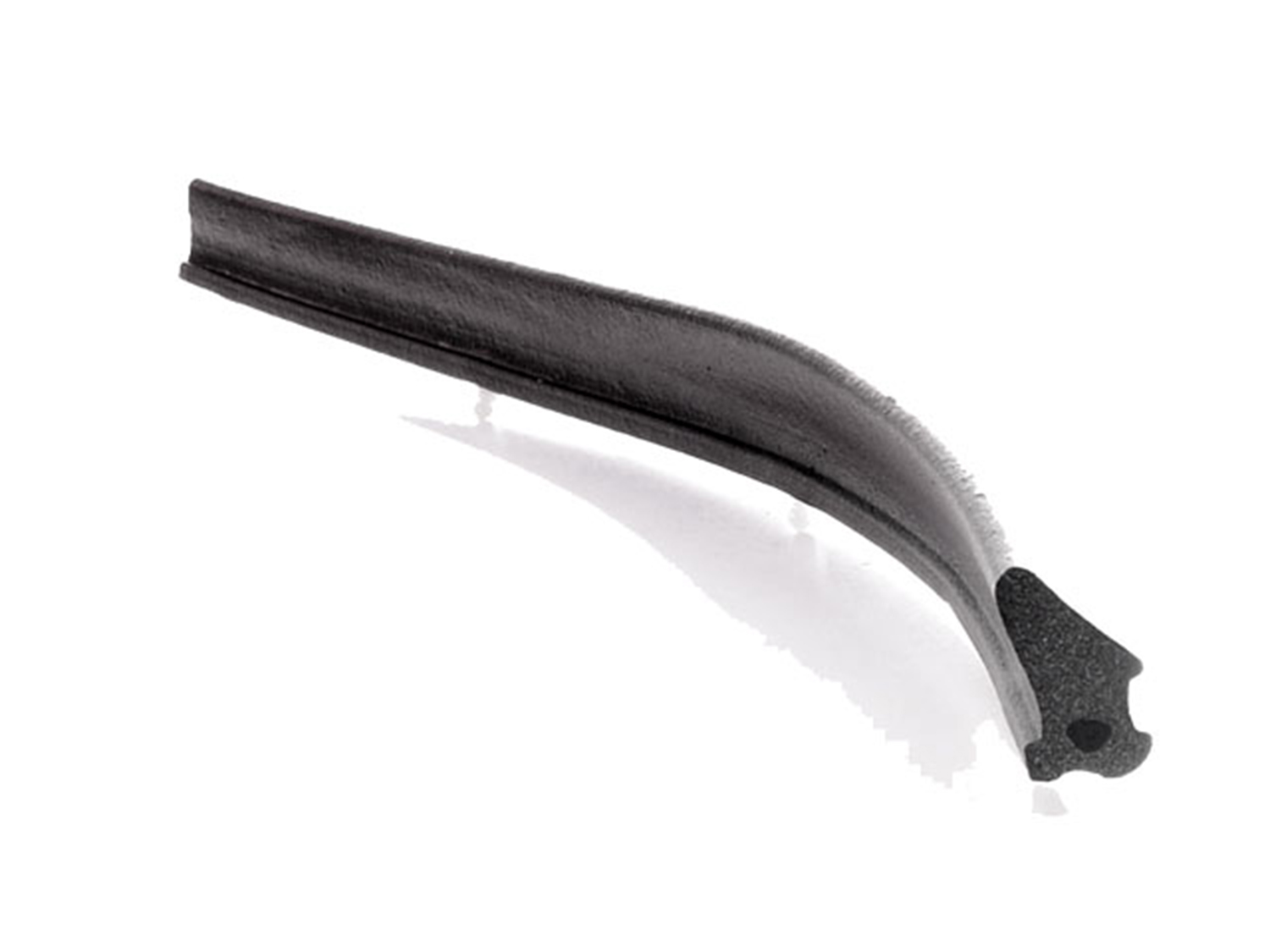 1974 Buick Regal Door Side Seal-C/LP 40-KDoor Side Seal. Made of smooth skin sponge extrusion, with clips installed. (For seal without clips, see LP 40-K) Sold by the foot.
 1974 Buick Regal Molded Door Seals with Clips. For 2-door hardtops-LM 12-YMolded Door Seals with Clips. For 2-door hardtops. Replaces OEM #9870752/3. Each is 95-1/4" long. Pair R&L
 1974 Buick Regal Front Molded Door Seals with Clips. For 4-door hardtops-LM 12-ZFront Molded Door Seals with Clips. For 4-door hardtops. Replaces OEM #9870656/7. Pair R&L
 1974 Buick Regal Trunk Liner. Loose weave-M 23Trunk Liner. Loose weave. Black with scattered white threads. 54" wide. Sold by the foot
 1974 Buick Regal Trunk Liner. Loose weave, jet black. 50" wide-M 30Trunk Liner. Loose weave, jet black. 50" wide. Sold by the foot
 1974 Buick Regal Basic kit-RKB 2003-115Basic kit. '73-'76 GM A-body Colonade, Formal, and Sport Coupe (Body Style 57 only). Includes Buick Century Luxus Colonade Coupe, Buick Centurion Sport Coupe, Buick Regal Formal Coupe, Buick LeSabre Sport Coupe and Custom Sport Coupe. Oldsmobile Cutlass Supreme and Supreme Salon Coupes. Doors (LM 12-Y), roof-rails (RR 5019-G), and trunk (TK 46-E/16) seals. 5-piece kit.
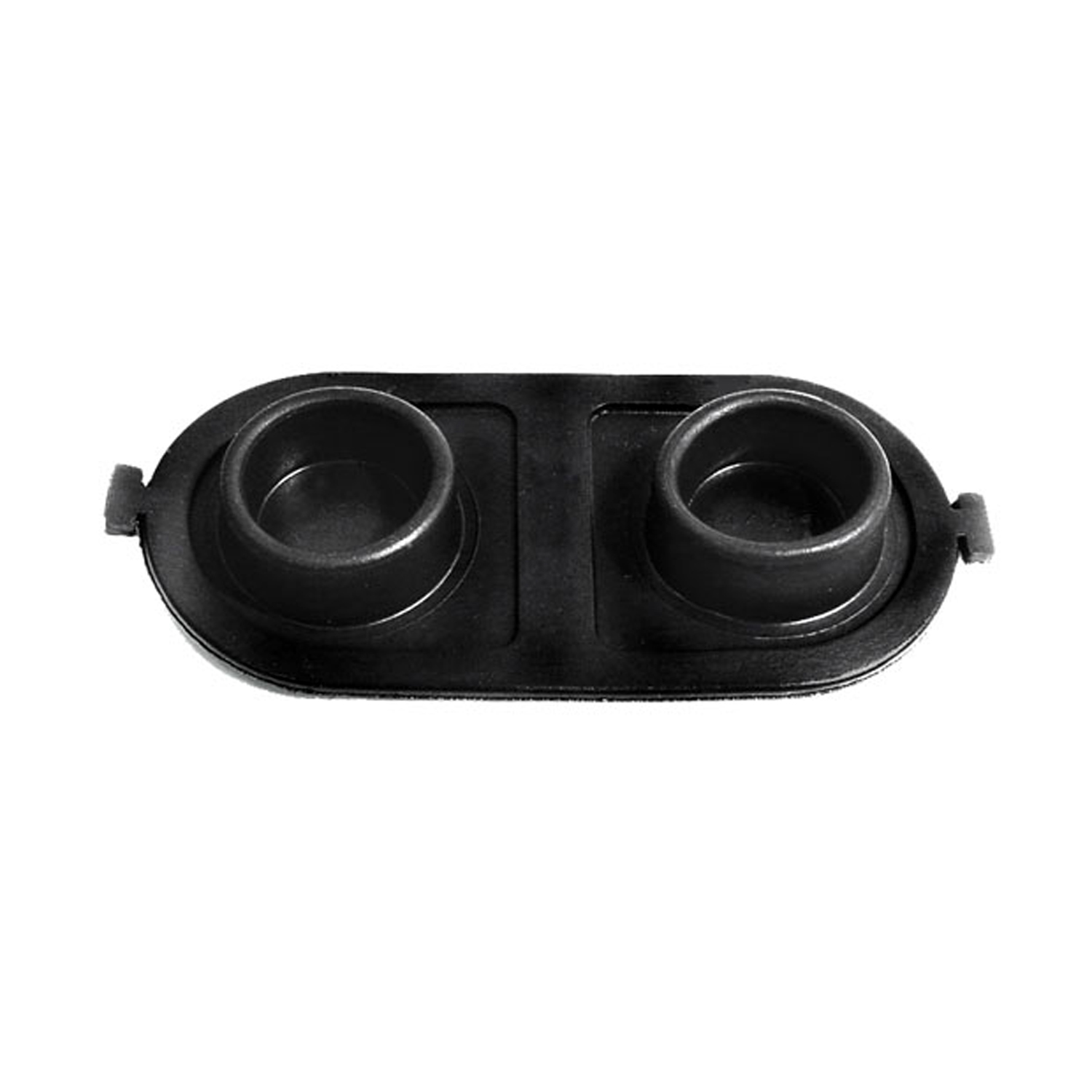 1974 Buick Regal Brake Master Cylinder Cover Seal. Replaces OEM #5470861-RP 2-EBrake Master Cylinder Cover Seal. Replaces OEM #5470861. 5" X 2-1/2". Each
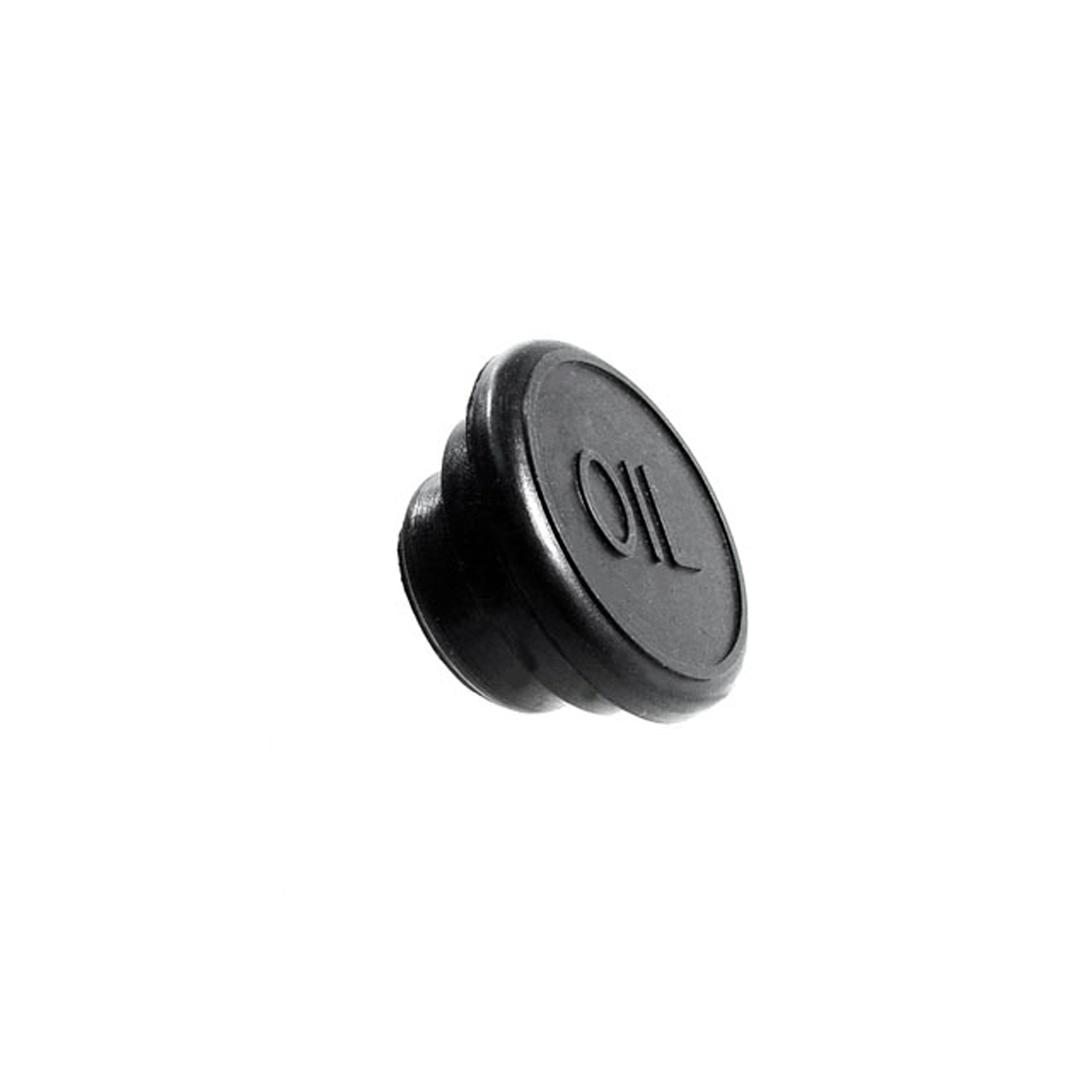 1974 Buick Regal Oil Filler Hole Cap. Made of rubber-RP 8Oil Filler Hole Cap. Made of rubber. Fits a 1-3/16" to 1-1/4" hole. Each
 1974 Buick Regal Molded roof-rail seals. 2-door hardtop-RR 5019-GMolded roof-rail seals. 2-door hardtop. Fits '73-'76 GM A-body Colonade, Formal and Sport Coupe (Body Style 57 only). (Ex: Buick Century Luxus Colonade Coupe, Centurion Sport Coupe, Regal Formal Coupe, LeSabre Sport Coupe, LeSabre Custom Sport Coupe.) Replaces OEM#'s 9629700/01. Pair. R&L.
 1974 Buick Regal Rear roof rail seals, ’73-‘77 GM body 4 door hardtop models-RR 5019-RRear roof rail seals, '73-'77 GM body 4 door hardtop models, pair. Replaces OEM #'s 9878794/9878795
 1974 Buick Regal Trunk Seal. Each-TK 46-E/16Trunk Seal. Each
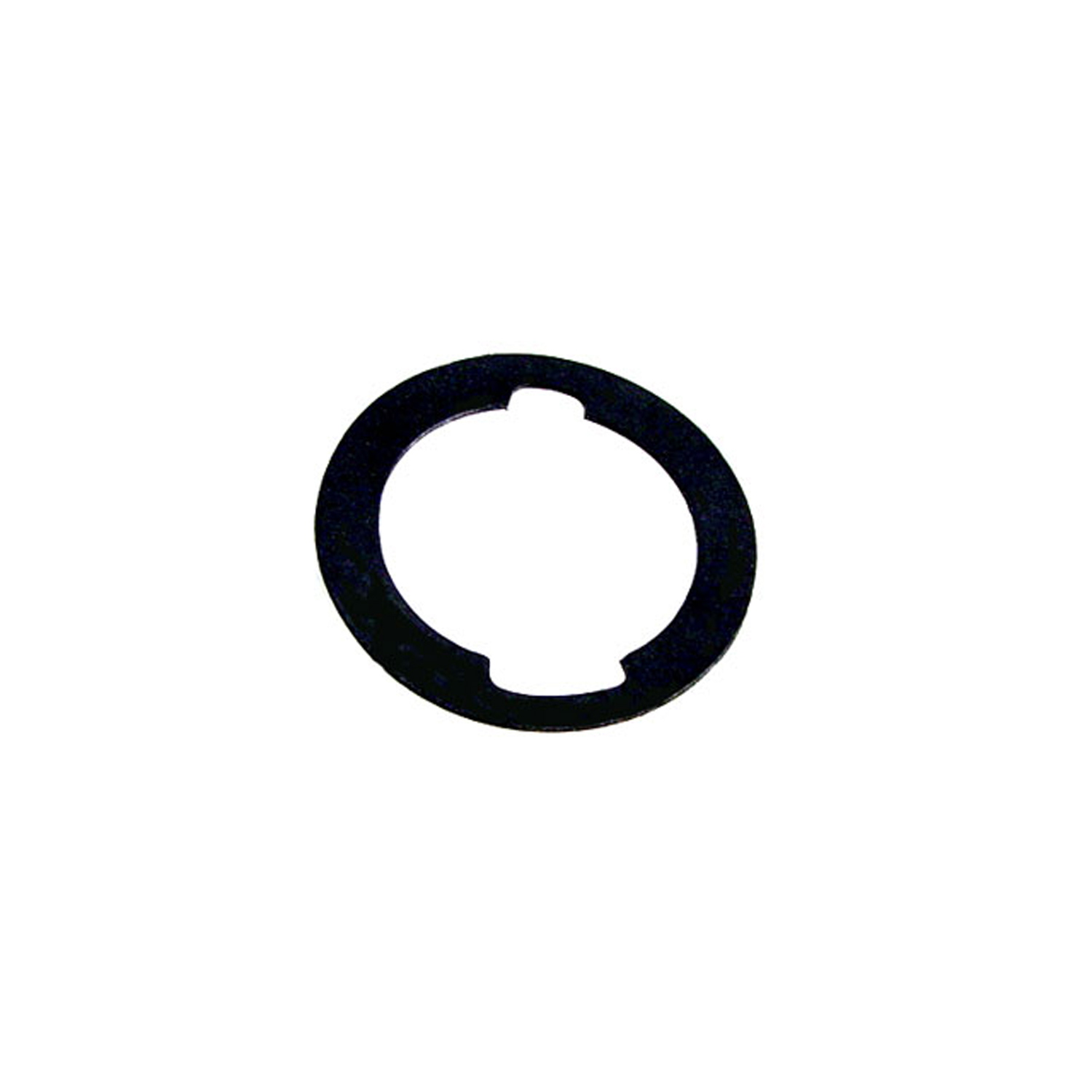 1974 Buick Regal Unbeaded Door and Trunk Lock Gasket. 1-3/16" O.D., 7/8" I.D-UM 1600-100Unbeaded Door and Trunk Lock Gasket. 1-3/16" O.D., 7/8" I.D. Each
 1974 Buick Regal Windshield Reveal Molding Clip. Made of steel-WF 203Windshield Reveal Molding Clip. Made of steel. 5/8" x 15/16". Each
 1974 Buick Regal Rear Quarter Window Molding Clip. Made of steel-WF 204Rear Quarter Window Molding Clip. Made of steel. 3/4" x 1-3/8". Each
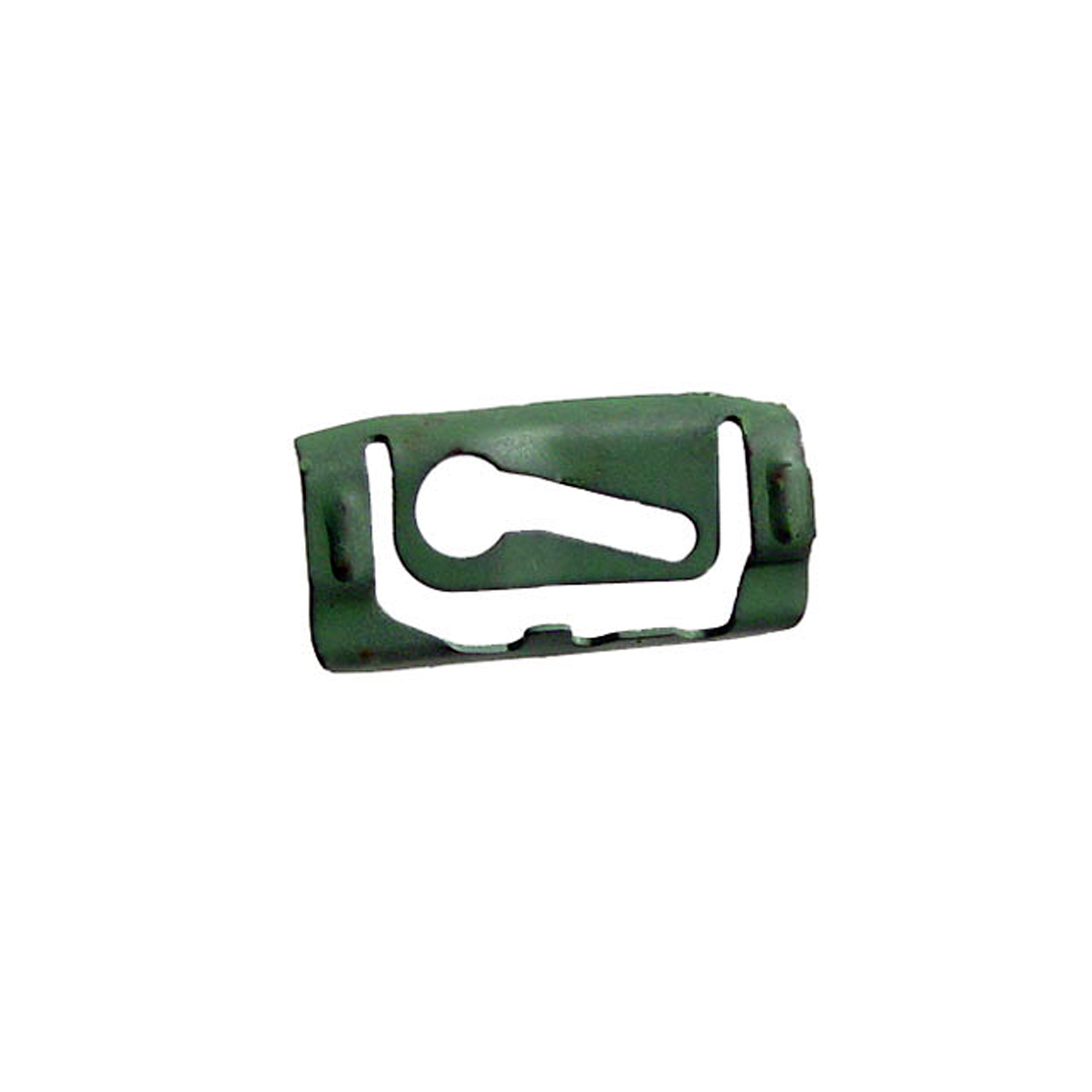 1974 Buick Regal Quarter Window Reveal Molding Clip. Made of Steel-WF 205Quarter Window Reveal Molding Clip. Made of Steel. 1-3/8" X 11/16". Each
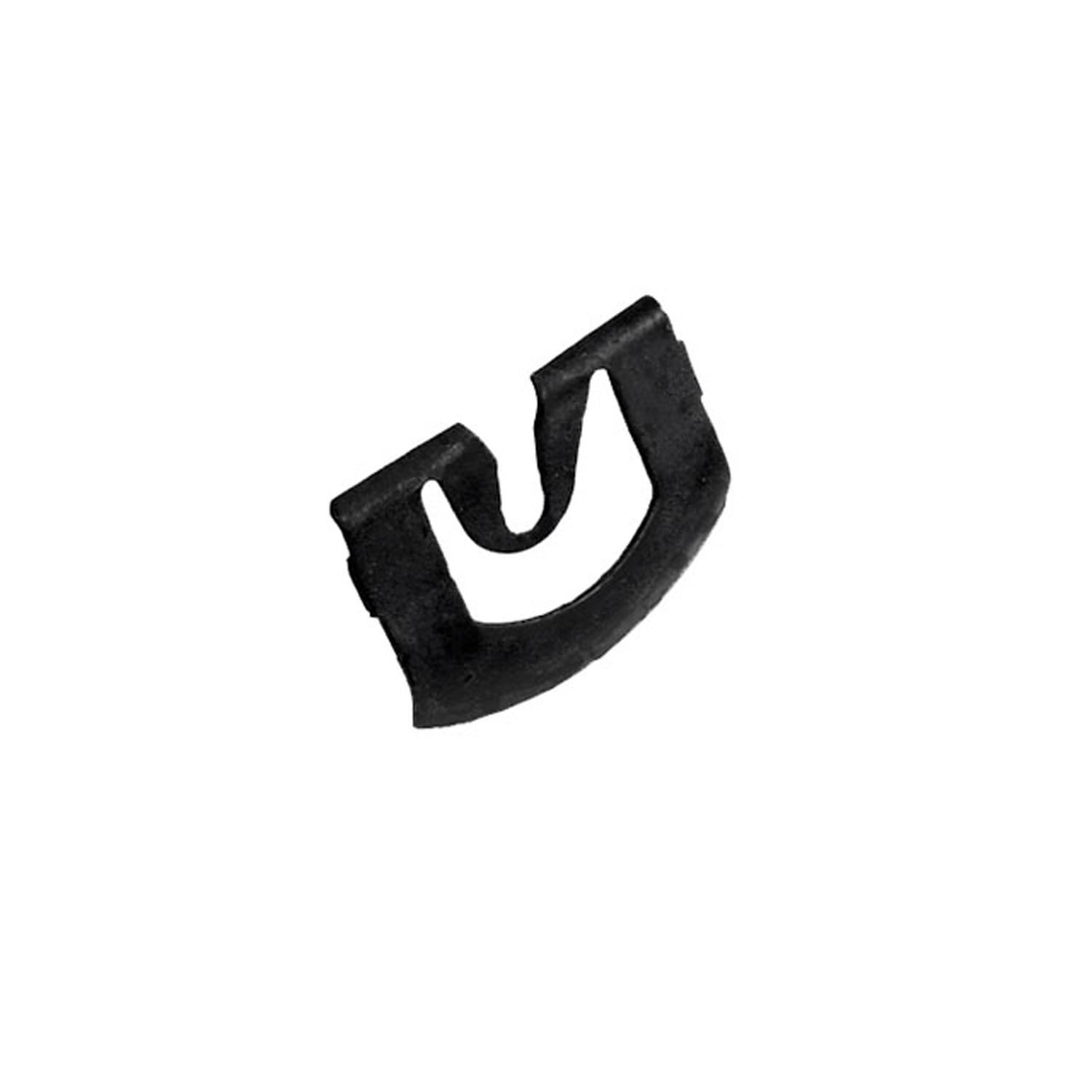 1974 Buick Regal Windshield Reveal Molding Clip. Made of steel. 13/16" x 1"-WF 209Windshield Reveal Molding Clip. Made of steel. 13/16" x 1". Each
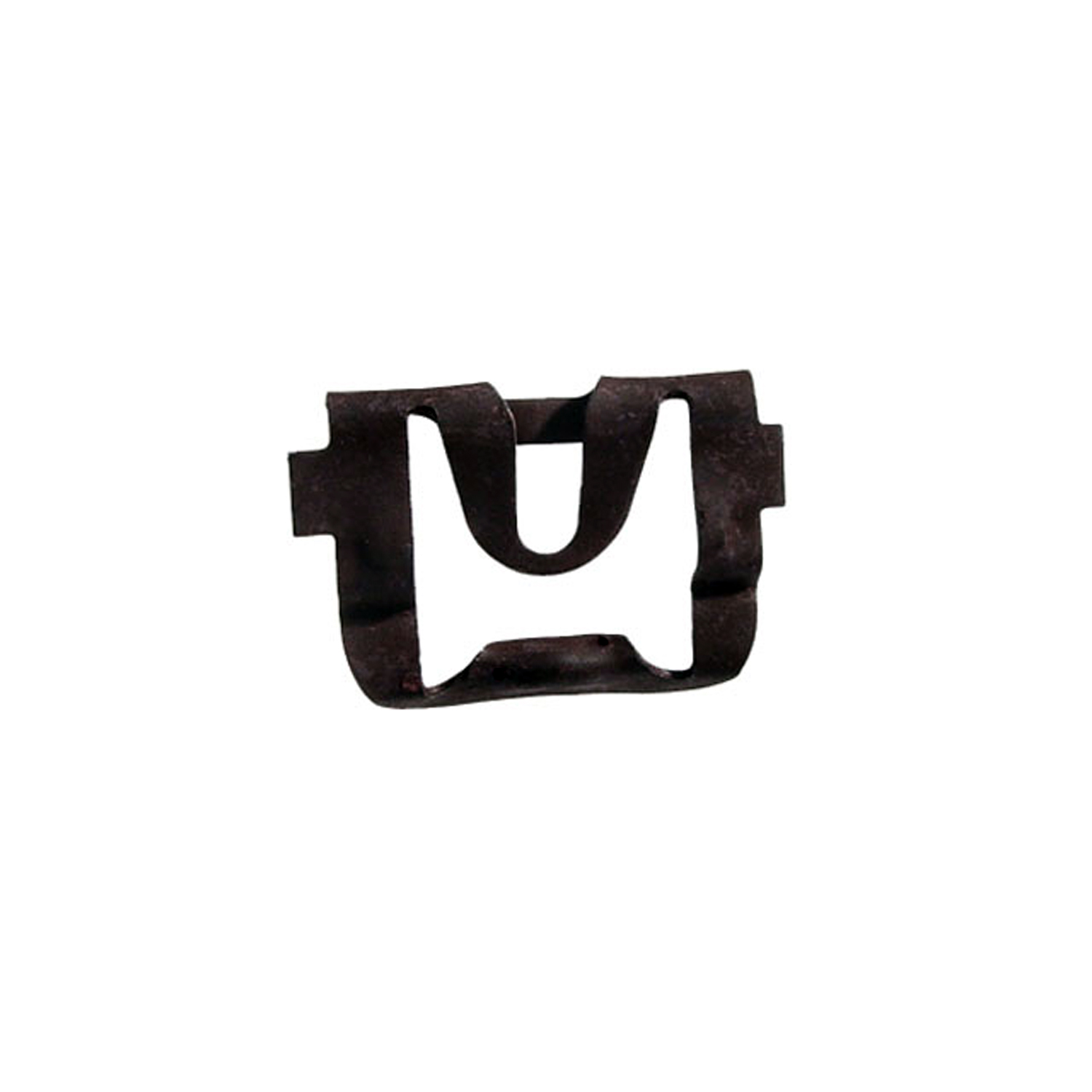 1974 Buick Regal Rear Windshield Reveal Molding Clip. Made of steel-WF 211Rear Windshield Reveal Molding Clip. Made of steel. 15/16" X 3/4". Each
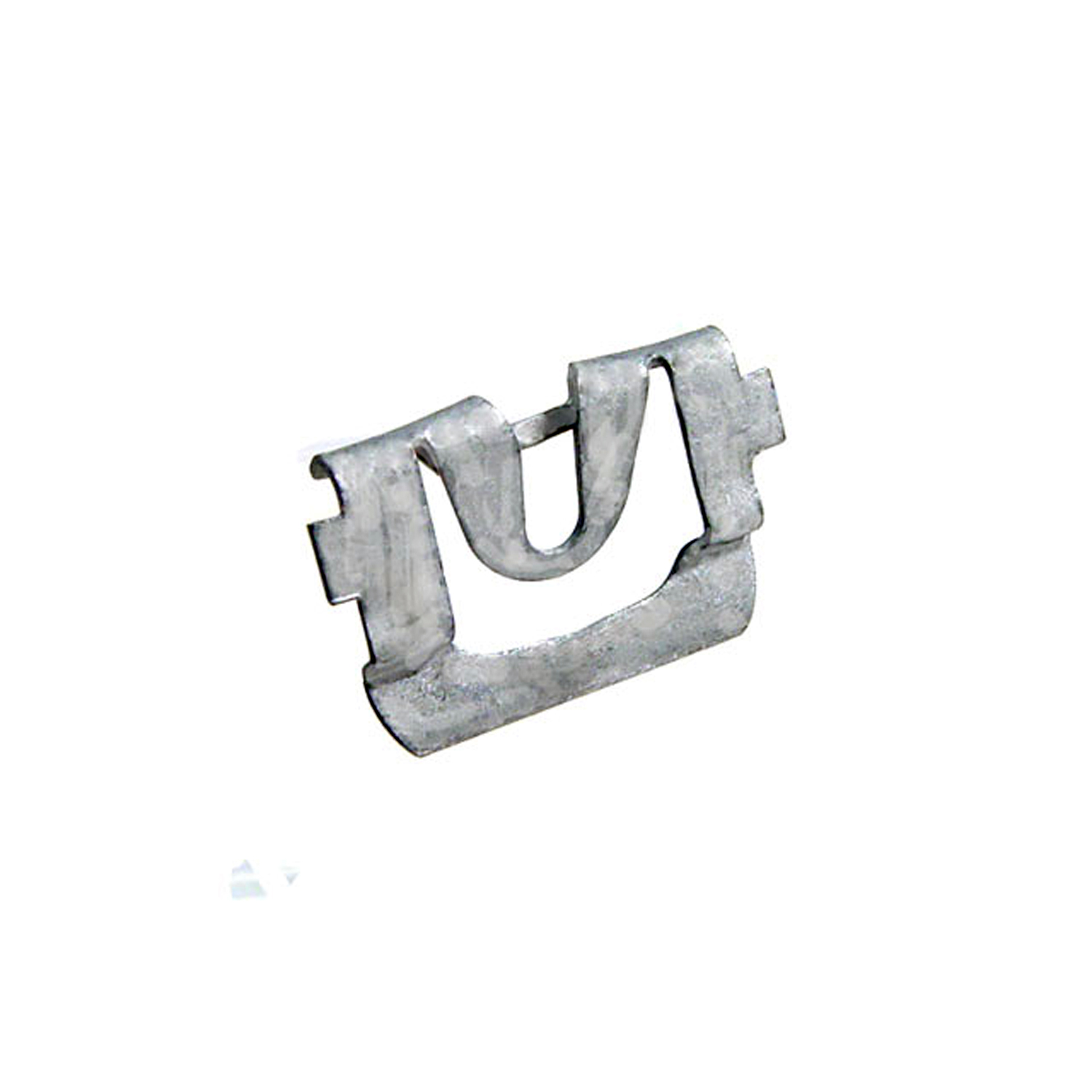 1974 Buick Regal Windshield Reveal Molding Clip. Made of steel-WF 223Windshield Reveal Molding Clip. Made of steel. 1/1/8" X 3/4". Each
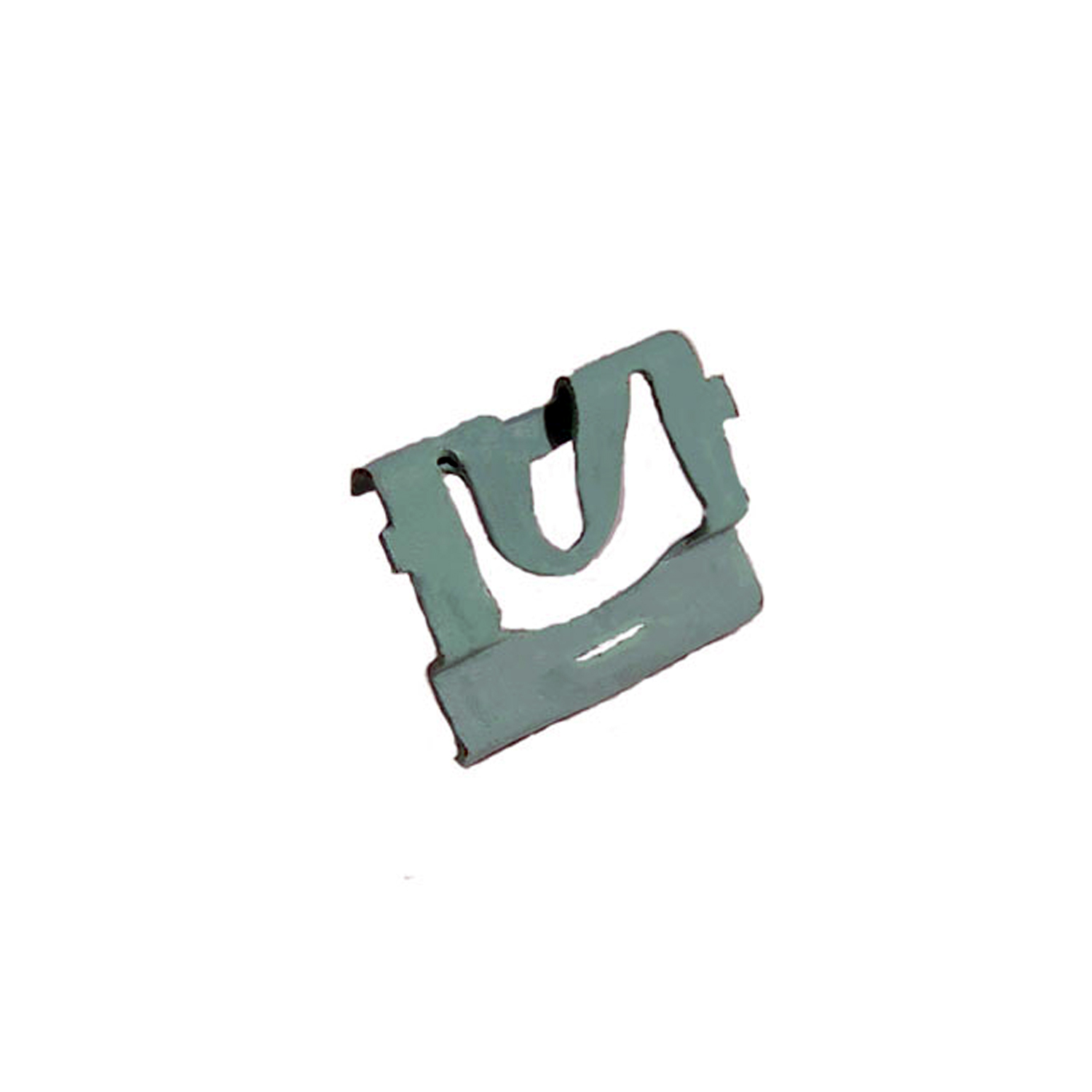 1974 Buick Regal Windshield Reveal Molding Clip. Made of steel-WF 224Windshield Reveal Molding Clip. Made of steel. 1-1/4" X 3/4". Fits many models. Each
Why Choose Metro?
For over 100 years, Metro Moulded Parts has been the pinnacle of quality in classic car restoration parts. Our commitment to precision and authenticity in every component ensures a perfect fit and an OEM-level appearance.
- Expert Craftsmanship & Quality: Each part is a testament to our dedication to reliability and perfection, crafted from original designs and thoroughly tested.
- Advanced Technology: We use cutting-edge techniques to create flawless, long-lasting parts that surpass others in performance.
- SuperSoft Sponge – The Ultimate Door Seal: Not only are our door seals 30% softer than competitors', but they're also guaranteed to never leak. They effectively reduce wind and road noise, enhancing your classic car's comfort and driving experience.
- Proudly American: Our parts are a product of American craftsmanship, made in the USA with a spirit of excellence and heritage.
- Unrivaled Warranty: We back our products with a 30-year industry-leading warranty, a testament to our confidence in their quality.
Join us in preserving the legacy of classic cars with parts that are crafted for perfection, not just made.