

Image of 1974 Buick Riviera, Note: These illustrations use artistic license and may differ from actual historical models.
Performance Metrics
Fundamental Metrics
Emotional Appeal
MMP Rating
| Engine Specifications | |
|---|---|
| Engine Options: | 455 cu in (7.5 L) V8 |
| Displacement Range: | 455 cu in (7.5 L) |
| Horsepower Range: | 230-250 hp |
| Torque: | 375 lb-ft |
| Compression Ratio: | 8.5:1 |
| Ignition System: | Electronic Ignition System |
| Cooling System: | Liquid-cooled |
| Performance Specifications | |
| 0-60 Time: | 8.5 seconds |
| 1/4 Mile Time: | 16 seconds |
| Top Speed: | 125 mph |
| Transmission and Drive | |
| Drive Type: | Rear-wheel drive |
| Transmission Type: | 3-speed automatic |
| Fuel and Efficiency | |
| Fuel System Type: | Carburetor |
| MPG: | 12-15 mpg |
| Dimensions and Brakes | |
| Brakes: | Power-assisted front disc and rear drum brakes |
| Wheelbase: | 122 in |
| Weight: | 4,400 lbs |
Note: Specifications for classic cars are given to the best of our ability, considering the limited and variant data available.
1974 Buick Riviera: The Boattail’s Bold Successor
The 1974 Buick Riviera traded the dramatic sweep of its famous boattail predecessor for a long hood, crisp formal roofline, and more traditional luxury-coupe proportions. Built by Buick, a division of General Motors, it was a rear-wheel-drive personal-luxury car designed to make distance feel effortless. Its 455-cubic-inch V8 gave it plenty of presence, even as rising fuel prices and new safety requirements began changing what American drivers expected from a large car.
The Riviera name had been associated with upscale styling since the model’s 1963 debut. The 1971 to 1973 cars became especially memorable for their tapered, boat-tail rear ends. For 1974, Buick took the Riviera in a different direction. The redesign was a notable response to shifting tastes: buyers were moving toward more formal, upright luxury styling, while federal bumper rules and the energy crisis were reshaping the industry.
One intriguing detail is that 1974 marked the end of the Riviera’s original boattail era, not the end of its big-engine character. The new car kept Buick’s 455 V8 and imposing road presence, but wrapped them in a squared-off body that looked more like a traditional grand touring coupe.
Formal Lines and Personal-Luxury Comfort
The 1974 Riviera is long, low, and unmistakably substantial. A broad hood leads into a prominent grille, while concealed headlamps give the front end a clean, uninterrupted look when they are closed. The roofline is more upright and formal than the fastback shape of the 1971 to 1973 models. At the rear, a conventional trunk replaces the distinctive tapered tail. The overall effect is less sculptural than the boattail, but very much in step with the luxury-coupe styling of the mid-1970s.
Inside, the Riviera emphasizes comfort over sportiness. Buyers could choose richly trimmed cloth or vinyl, with leather available depending on equipment and trim. Wide seats, generous legroom, deep carpeting, and a padded dashboard helped give the cabin a suitably upscale feel. Many cars were ordered with amenities such as power windows, power door locks, a power seat, air conditioning, cruise control, tilt steering, and an AM/FM stereo. Equipment varies from car to car, so original option documentation is useful when evaluating one today.
Buick offered the Riviera as a two-door coupe only. There was no convertible or four-door version. The most recognizable sporting variant was the Riviera GS, or Gran Sport, which added a more performance-oriented character with a firmer suspension and distinctive trim. The standard Riviera remained the more common choice, combining the big V8 with a plush ride and luxury-focused equipment.
Paint choices varied by year and trim, but buyers could select from a broad palette of period colors, including white, black, reds, blues, greens, and metallic or earth-toned shades. White and darker hues tend to suit the Riviera’s formal shape particularly well, while brighter colors give it a more distinctly 1970s personality. Original paint codes can be found on the car’s body data plate and are worth checking during a restoration.
A Riviera at a Turning Point
The 1974 model is significant because it captures a major change in Buick’s design direction. The boattail Riviera had made a strong visual statement, but its unusual shape was not universally loved. The 1974 redesign answered demand for a more conventional luxury coupe, with a formal roof and a separate-looking trunk. That change makes the car an interesting bridge between the flamboyant personal-luxury designs of the early 1970s and the more restrained cars that followed.
Its timing also matters. The 1973 oil crisis made fuel economy a pressing concern, while stricter emissions rules reduced the output of many large-displacement engines. New bumper regulations added weight and influenced exterior design. Against that backdrop, the Riviera’s sheer size and 455 V8 felt like a confident holdover from an earlier era. It stood apart from smaller, more economical cars and competed in the premium coupe market with models such as the Cadillac Eldorado, Ford Thunderbird, and Lincoln Continental Mark IV.
The Riviera did not invent the personal-luxury coupe, but it helped define the category through its combination of distinctive styling, upscale appointments, and relaxed long-distance performance. The 1974 version is less famous than the boattail cars, yet it shows how quickly luxury-car design adapted when customer preferences and regulations changed.
455 V8 Performance and Road Manners
Power came from Buick’s 455-cubic-inch, or 7.5-liter, V8 paired with a Turbo-Hydramatic automatic transmission and rear-wheel drive. For 1974, the engine was rated at about 230 horsepower using the period’s net-rating standard. That figure looks modest beside earlier gross horsepower ratings, but the V8 still delivered substantial torque and an easy, unhurried character. The Riviera was built to gather speed smoothly rather than chase sports-car response.
Period performance figures vary with test conditions, vehicle equipment, and the effects of emissions-era tuning. A reasonable estimate for a standard 1974 Riviera is a 0-to-60 mph time in roughly 9 to 10 seconds, with top speed around 115 to 120 mph. These are estimates, not guaranteed figures for every car. Today, condition, carburetor adjustment, ignition health, gearing, and tire choice can all affect performance.
On the road, the Riviera feels large and composed. Its long wheelbase helps it glide over broken pavement, and the soft suspension takes the edge off bumps. The trade-off is more body roll and less agility than a smaller, firmer car. Tight, winding roads call for patience: the Riviera is happiest when the driver makes smooth inputs and lets the car’s size and weight do their work. Crosswinds and narrow parking spaces are also reminders that this is a full-size American coupe.
The V8 produces a deep, relaxed rumble, especially under gentle acceleration. The automatic transmission shifts unobtrusively when properly maintained, and the steering and suspension are tuned for comfort rather than sharp feedback. Behind the wheel, the car feels less like a sports coupe and more like a quiet, powerful touring machine.
Living With a 1974 Riviera
Most Rivieras today are used for weekend cruising, local shows, and classic-car touring rather than daily commuting or competition. Their size, fuel consumption, and age make them less convenient for routine modern traffic, but a well-maintained example can be a rewarding driver. The broad cabin and smooth ride suit relaxed highway trips particularly well.
Basic mechanical work is familiar to many classic-car owners. The 455 V8 and Turbo-Hydramatic transmission have strong enthusiast support, and replacement parts are available through specialist suppliers and salvage networks. However, the Riviera’s age means that condition matters more than reputation. Check for rust in the body and frame, worn suspension components, leaks, cooling-system problems, and electrical faults. Power accessories and concealed headlamp mechanisms can need attention, while trim pieces and model-specific interior parts may take more effort to source.
Fuel economy is a common reality check. A large 455-powered coupe is thirsty by modern standards, especially in stop-and-go driving. Buyers should also inspect the braking system, tires, and steering carefully. A car that has sat for years may need more than fresh fluids before it is safe and dependable on the road.
Riviera Trivia and Common Criticisms
The 1974 Riviera had one body style: a two-door coupe. Its most notable special version was the GS, which gave the big Buick a firmer, more sporting edge without turning it into a lightweight performance car. Exact GS production totals are less commonly cited than overall Riviera production, so buyers should verify claimed special features through factory documentation where possible.
Buick built approximately 20,129 Rivieras for the 1974 model year. That makes the car less common than an ordinary mass-market sedan, but not exceptionally scarce in collector terms. Survivors can be found, though the best original cars and well-documented GS examples are naturally harder to locate.
The Riviera is not known for a major speed record or a defining endurance achievement. Its appeal is instead rooted in American luxury, big-engine cruising, and its place in Buick design history. The most frequent criticisms are its heavy fuel consumption, substantial size, and the fact that the 1974 styling lacks the instantly recognizable boattail shape. Some enthusiasts also consider its emissions-era performance less forceful than the muscle-car image of earlier big V8s suggests.
1974 Buick Riviera Values and Collectability
Collector values depend heavily on rust, originality, mechanical condition, trim, and documentation. As a broad current-market guide, a project car may fall around $2,500 to $6,000, while a usable driver often lands between $7,000 and $15,000. Clean, well-preserved examples can bring roughly $15,000 to $25,000, and exceptional restorations or desirable GS cars may exceed that range. These are estimates rather than fixed price quotes; regional demand and recent auction results can move the numbers significantly.
The 1974 Riviera is generally more affordable than the 1971 to 1973 boattail models, which tend to attract stronger recognition and demand. Prices for good examples have benefited from growing interest in overlooked 1970s cars, but the market remains condition-sensitive. A sound, original car is usually a safer buy than an inexpensive project with missing trim or extensive rust. The model is best viewed as a relatively accessible classic with room for appreciation, rather than a guaranteed investment.
Why the 1974 Riviera Still Matters
The 1974 Buick Riviera was a major design departure, but it retained the qualities that made the name important: generous comfort, imposing style, and effortless V8 power. It arrived just as fuel shortages, emissions controls, and safety rules were changing the American automobile. That makes it more than a handsome old coupe. It is a snapshot of Buick adapting its flagship personal-luxury car to a new era.
For collectors, the appeal lies in its unusual position between the celebrated boattail Rivieras and the more restrained luxury cars that came later. For drivers, it offers a spacious cabin, a smooth ride, and the unmistakable sound of a big Buick V8. The 1974 Riviera may have left the boat-tail behind, but it carried the Riviera’s grand-touring spirit into a very different decade.
1974 Buick Riviera Catalog of Parts
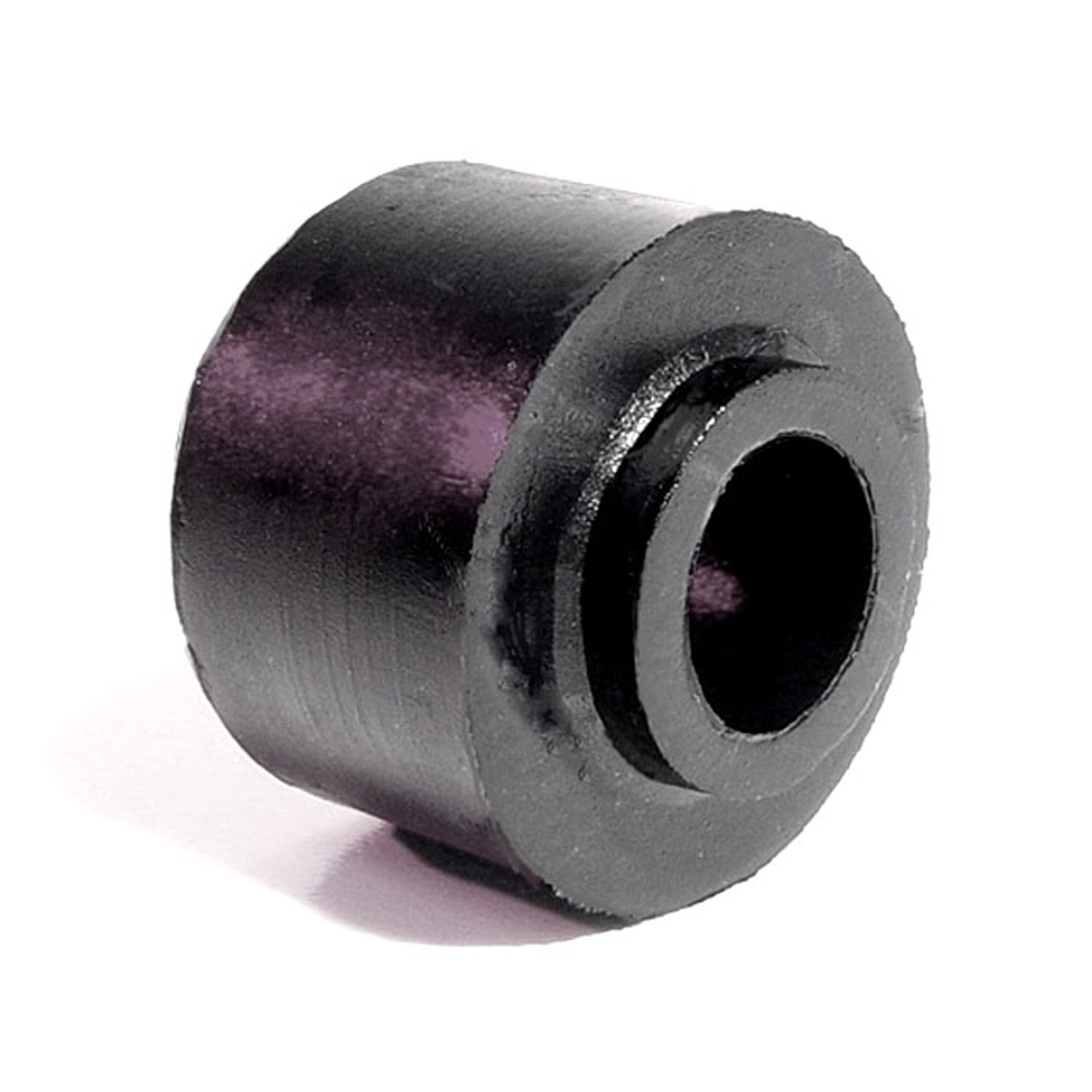 1974 Buick Riviera Shock Absorber Grommet. 1" bottom O.D., 3/4" high-BN 1Shock Absorber Grommet. 1" bottom O.D., 3/4" high., with 7/16" I.D. Each
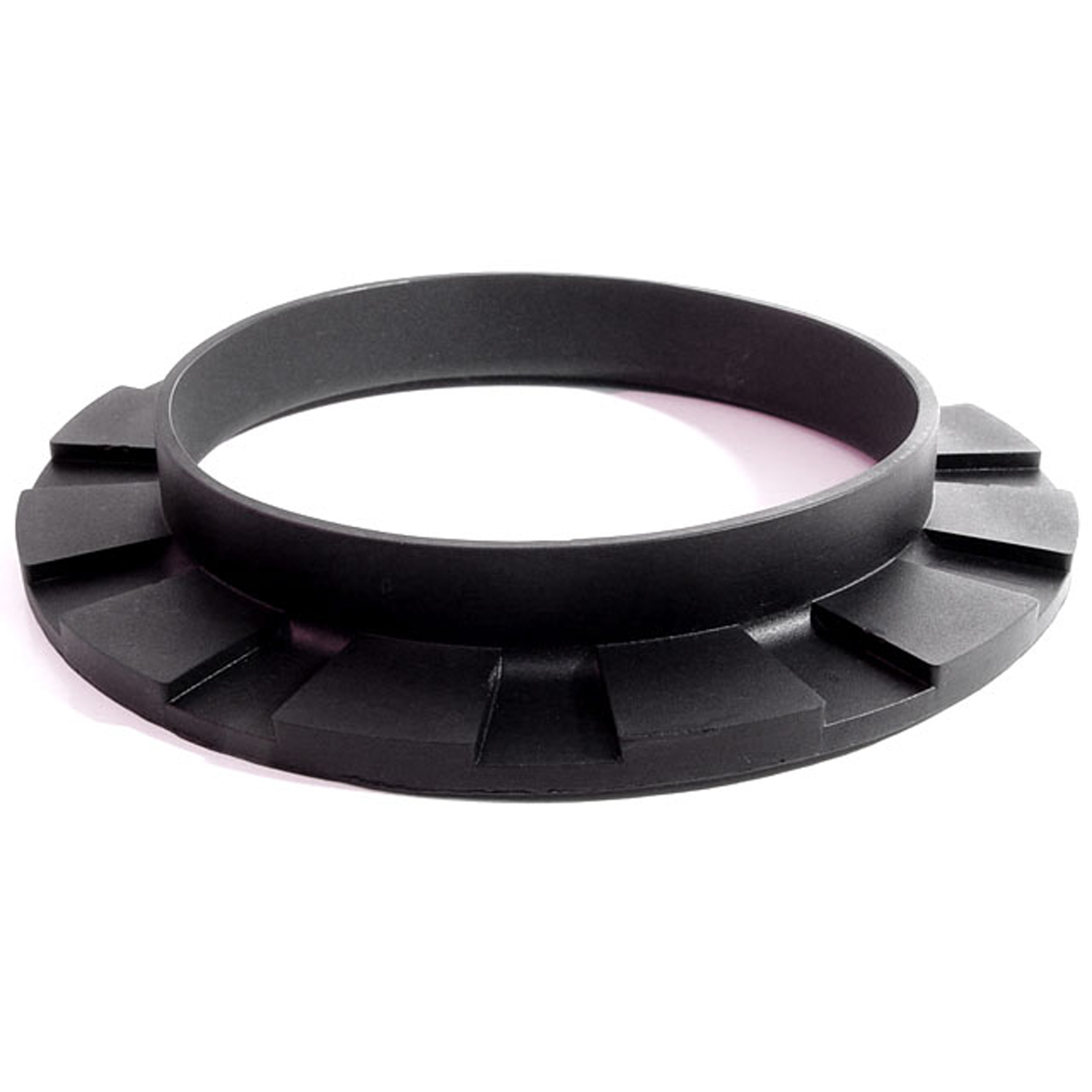 1974 Buick Riviera Front coil-spring insulator-BN 110Front coil-spring insulator. Fits '41-'60 Oldsmobile and '50-'83 GM passenger models. 5-3/8 in. OD x 3-3/4 in. ID x 3/4 in. high with 13/16 in. wide bottom flange 1/4" thick, 12 flutes. Each.
 1974 Buick Riviera Rear coil-spring insulator 1961-72 GM A-Body-BN 111Coil spring insulators are a great way to prevent metal-on-metal contact and noise. Manufactured to OEM specifications for a precise fit, these coil spring insulators are made of rubber and are used between the coil spring and the frame of your ride. 3-3/4 in. OD, 2-1/8 in. ID, 5/8 in. high with 3/16 in. , wide bottom flange 1/4 in. thick.
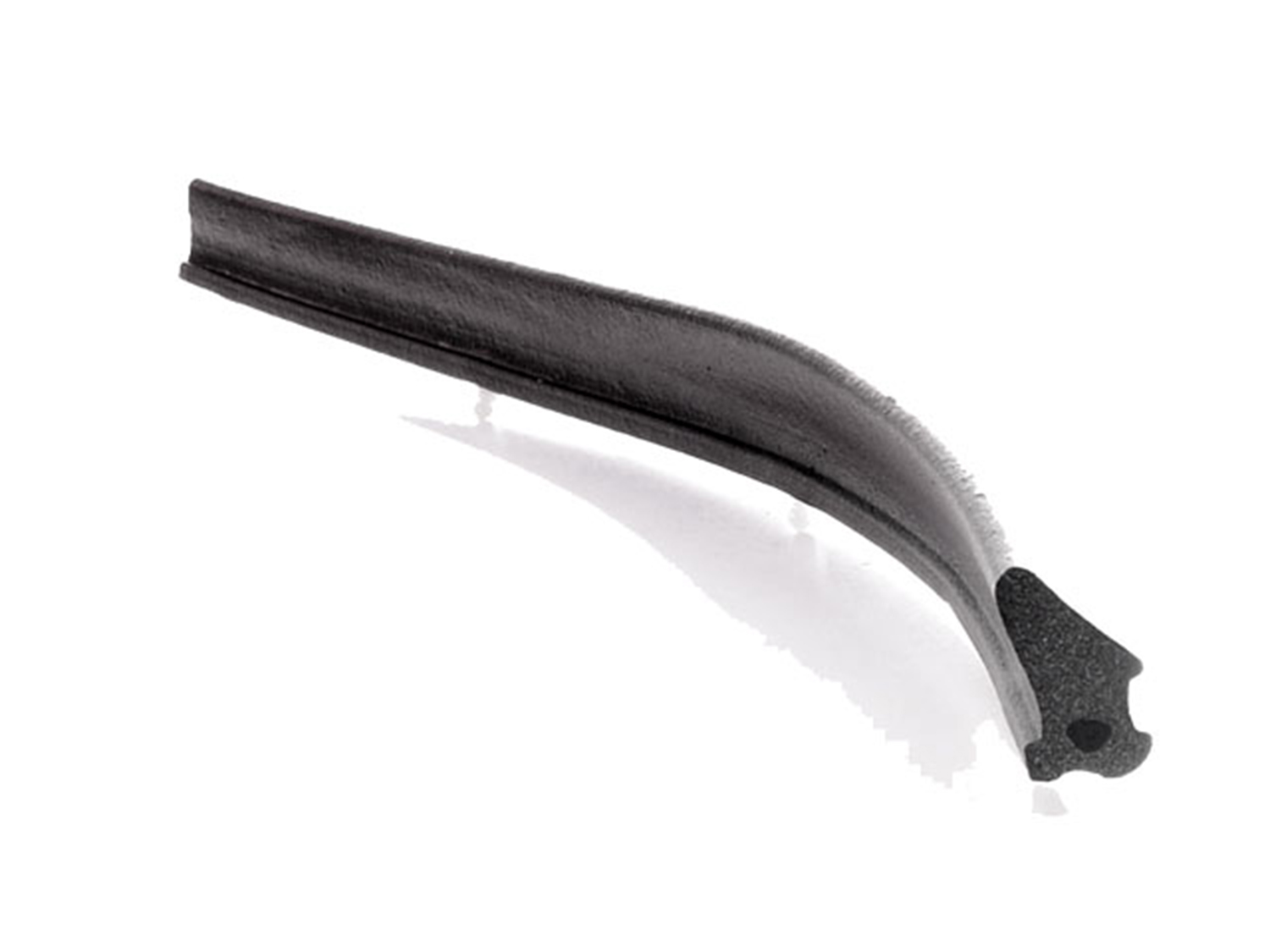 1974 Buick Riviera Door Side Seal-C/LP 40-KDoor Side Seal. Made of smooth skin sponge extrusion, with clips installed. (For seal without clips, see LP 40-K) Sold by the foot.
 1974 Buick Riviera Molded Door Seals. For 2-door hardtop. Pair R&L-LM 18-JMolded Door Seals. For 2-door hardtop. Pair R&L
 1974 Buick Riviera Trunk Liner. Loose weave-M 23Trunk Liner. Loose weave. Black with scattered white threads. 54" wide. Sold by the foot
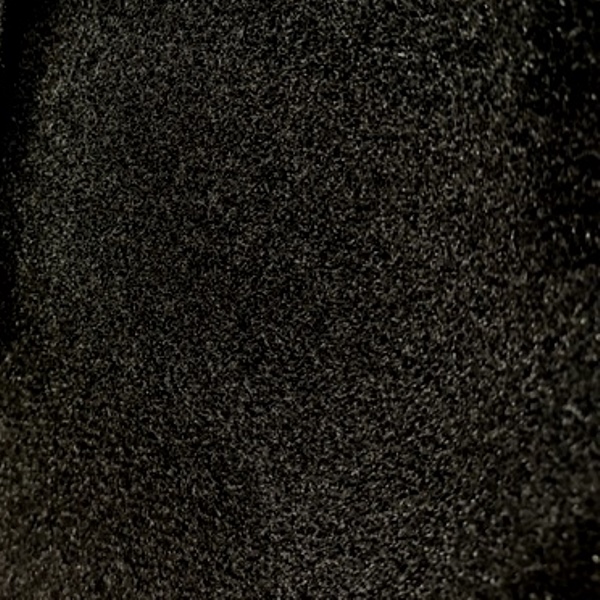 1974 Buick Riviera Trunk Liner. Loose weave, jet black. 50" wide-M 30Trunk Liner. Loose weave, jet black. 50" wide. Sold by the foot
 1974 Buick Riviera Basic Kit, for 2-Door Hardtop-RKB 2007-120Basic Kit, for 2-Door Hardtop. Door (LM 18-J) Roof Rail (RR 5012) Trunk (TK 46-E/18), Seals.
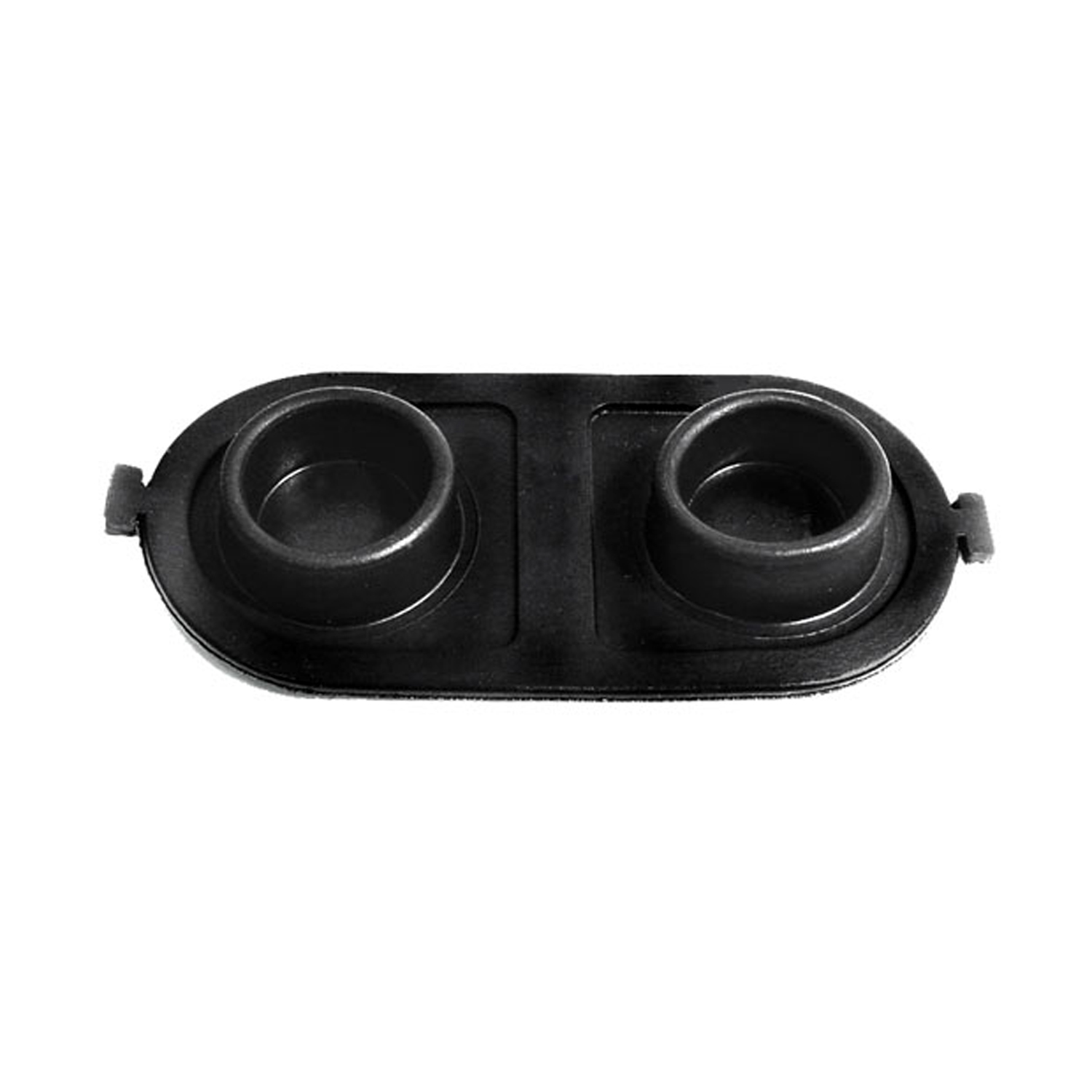 1974 Buick Riviera Brake Master Cylinder Cover Seal. Replaces OEM #5470861-RP 2-EBrake Master Cylinder Cover Seal. Replaces OEM #5470861. 5" X 2-1/2". Each
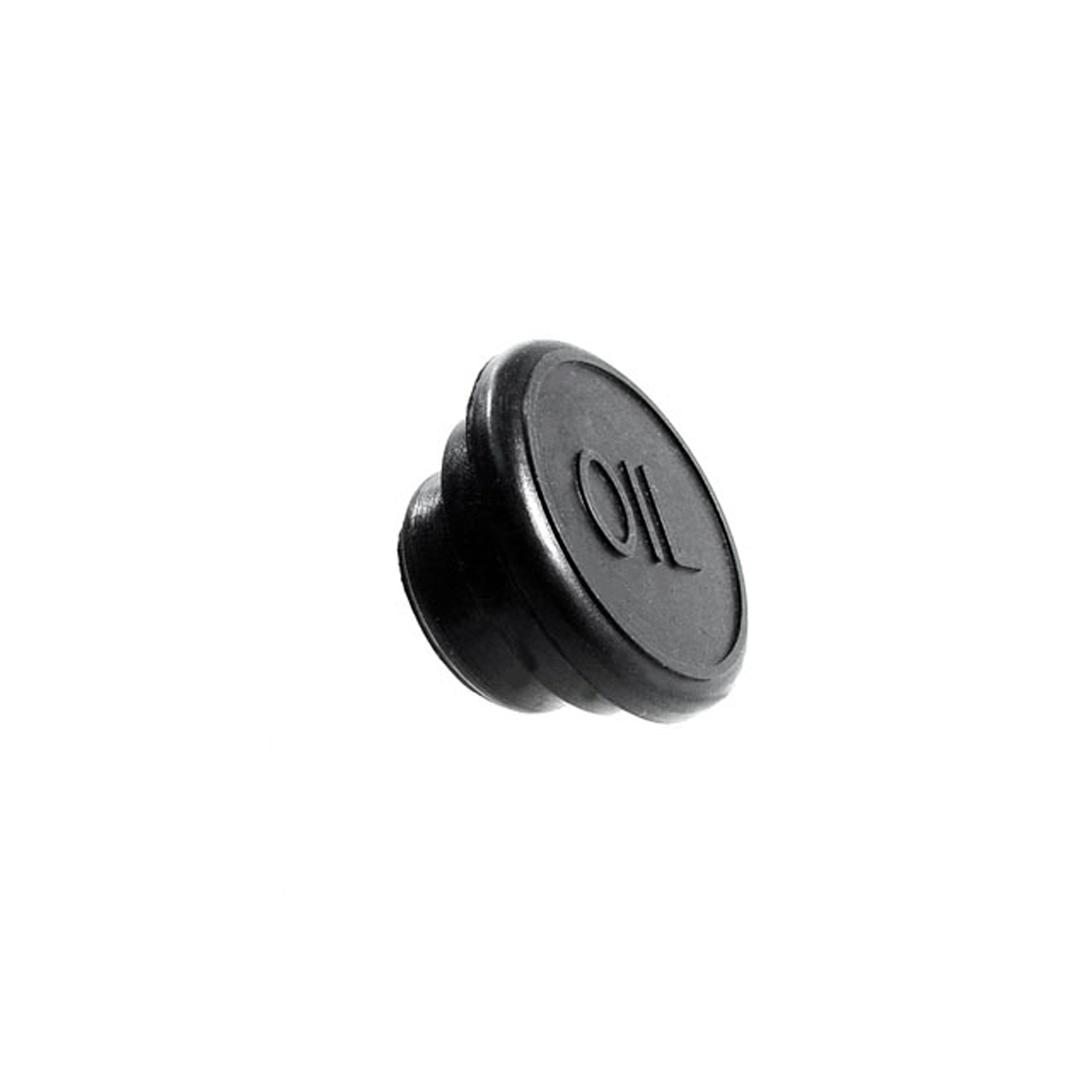 1974 Buick Riviera Oil Filler Hole Cap. Made of rubber-RP 8Oil Filler Hole Cap. Made of rubber. Fits a 1-3/16" to 1-1/4" hole. Each
 1974 Buick Riviera Molded Roof Rail Seals, for 2-Door Hardtop. Pair R&L-RR 5012Molded Roof Rail Seals, for 2-Door Hardtop. Pair R&L
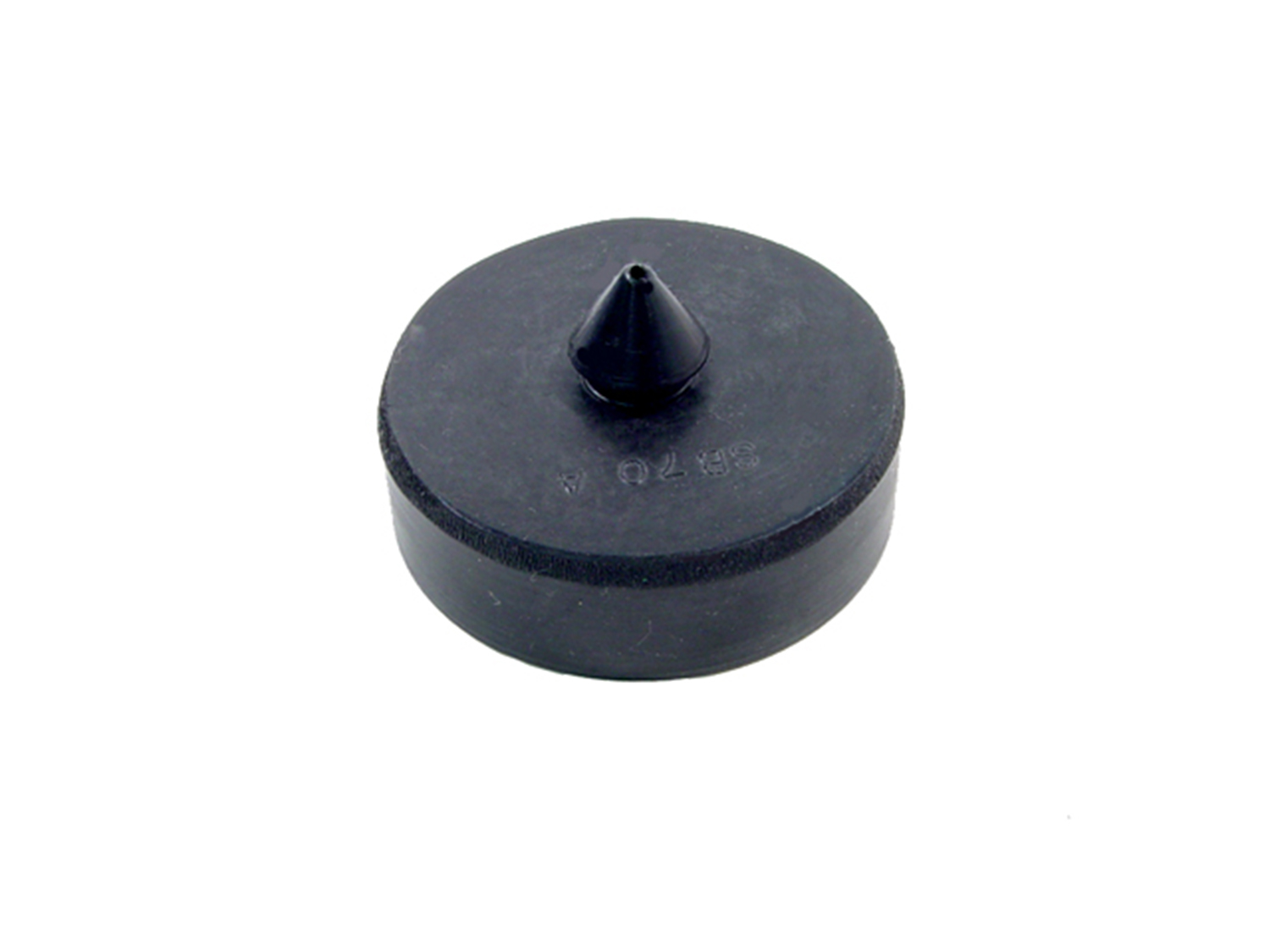 1974 Buick Riviera Front door window stop bumper. ’70-’81 GM passenger cars-SB 70-AFront door window stop bumper. '70-'81 GM passenger cars. Dense rubber. Replaces OEM# 9810036. Each.
 1974 Buick Riviera Trunk Seal. Each-TK 46-E/18Trunk Seal. Each
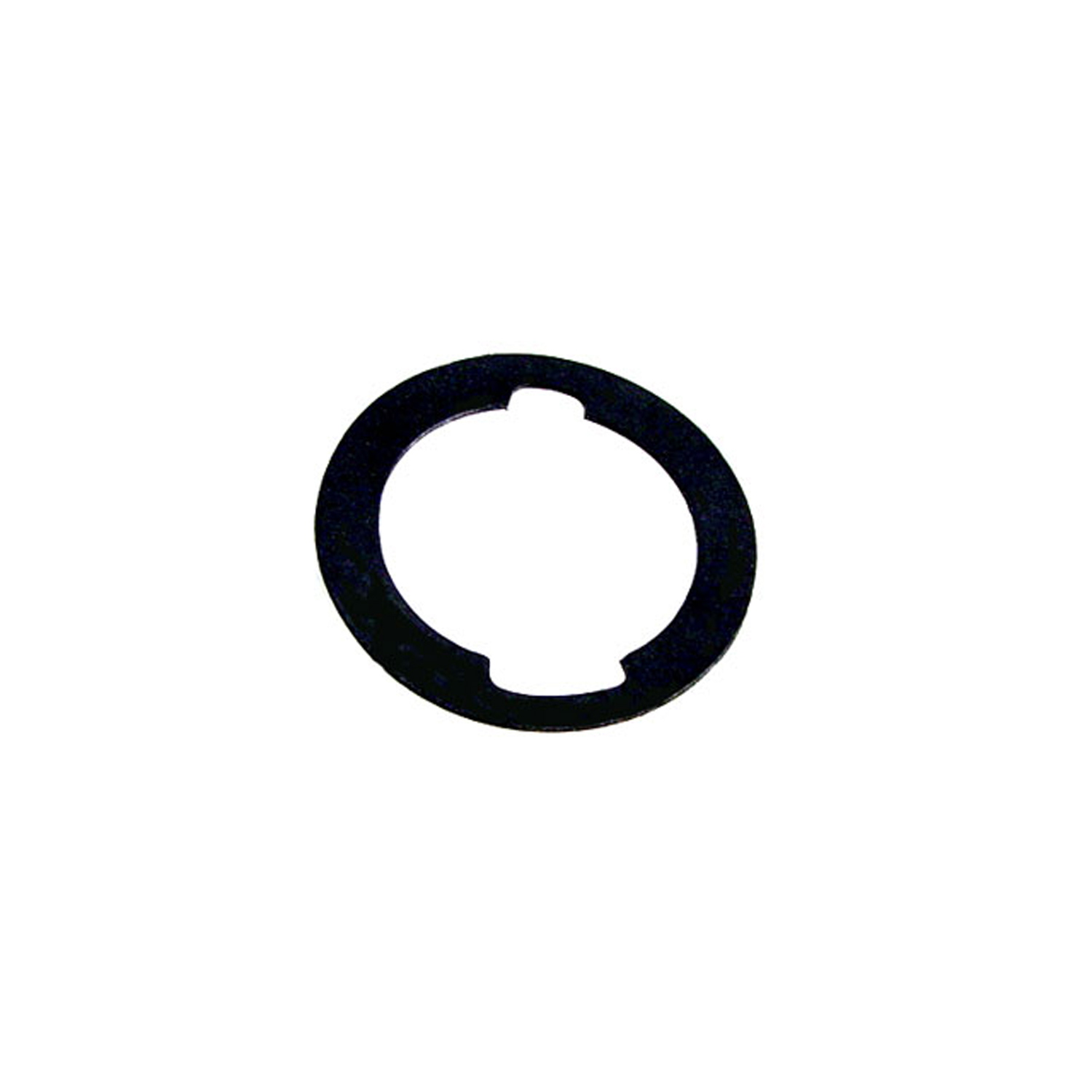 1974 Buick Riviera Unbeaded Door and Trunk Lock Gasket. 1-3/16" O.D., 7/8" I.D-UM 1600-100Unbeaded Door and Trunk Lock Gasket. 1-3/16" O.D., 7/8" I.D. Each
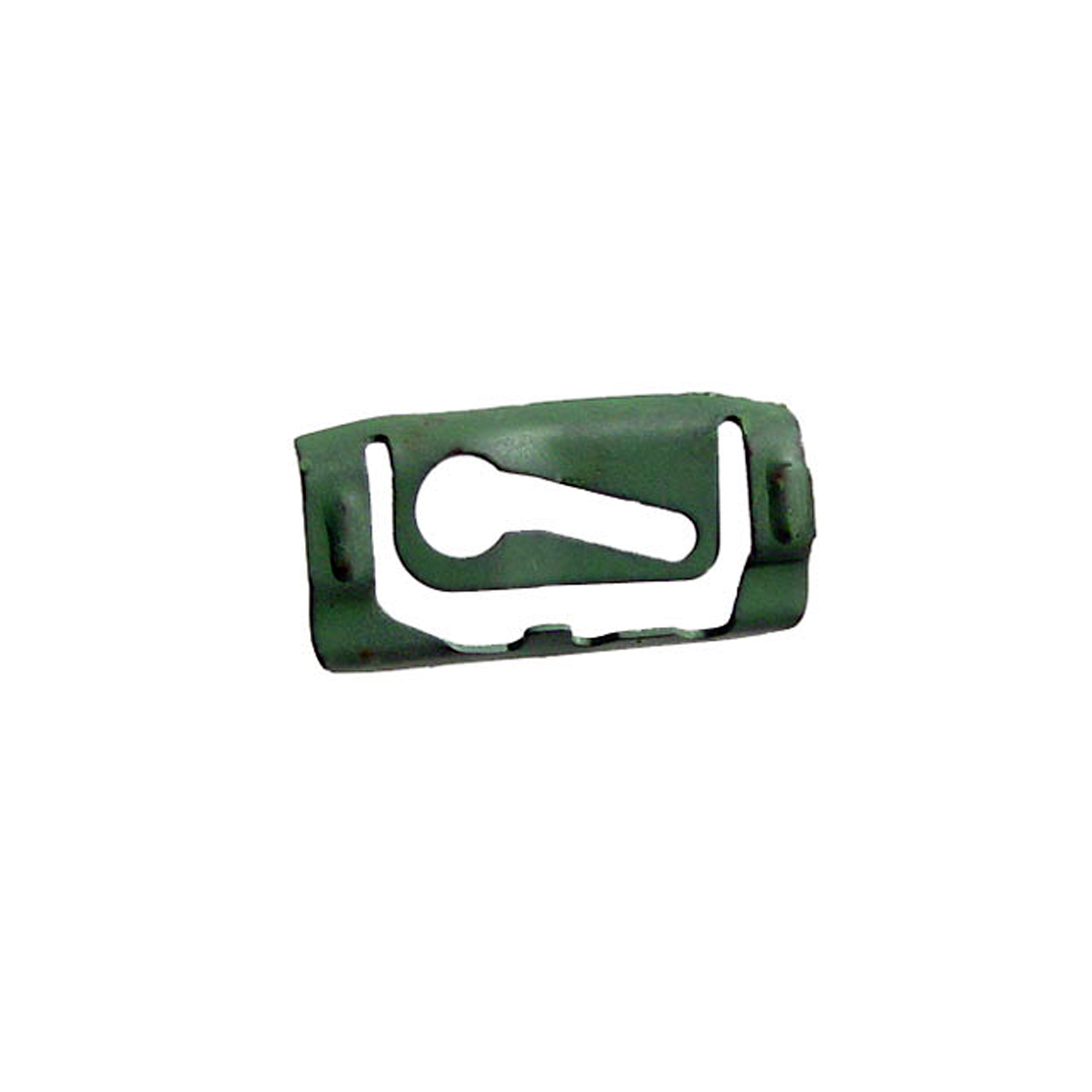 1974 Buick Riviera Quarter Window Reveal Molding Clip. Made of Steel-WF 205Quarter Window Reveal Molding Clip. Made of Steel. 1-3/8" X 11/16". Each
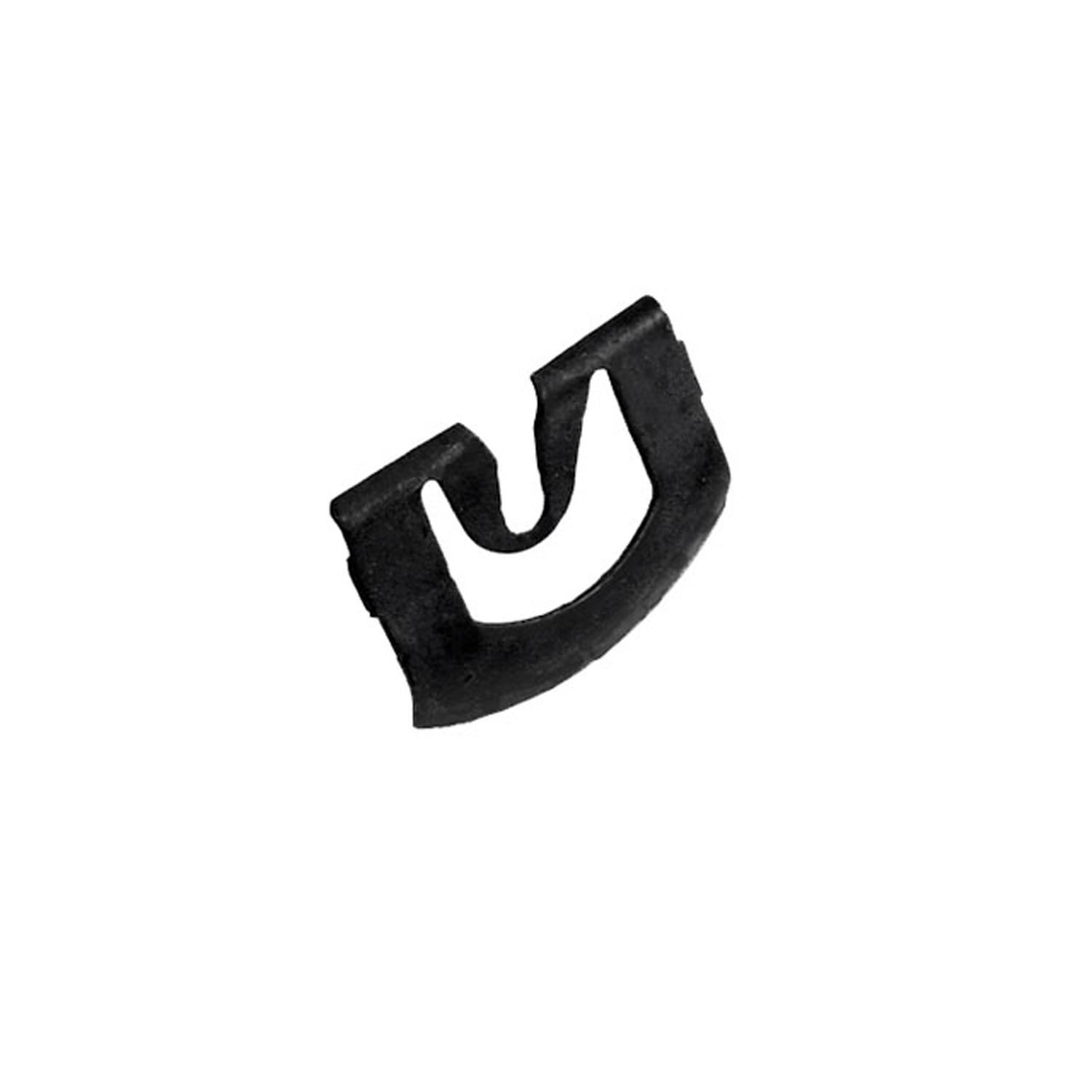 1974 Buick Riviera Windshield Reveal Molding Clip. Made of steel. 13/16" x 1"-WF 209Windshield Reveal Molding Clip. Made of steel. 13/16" x 1". Each
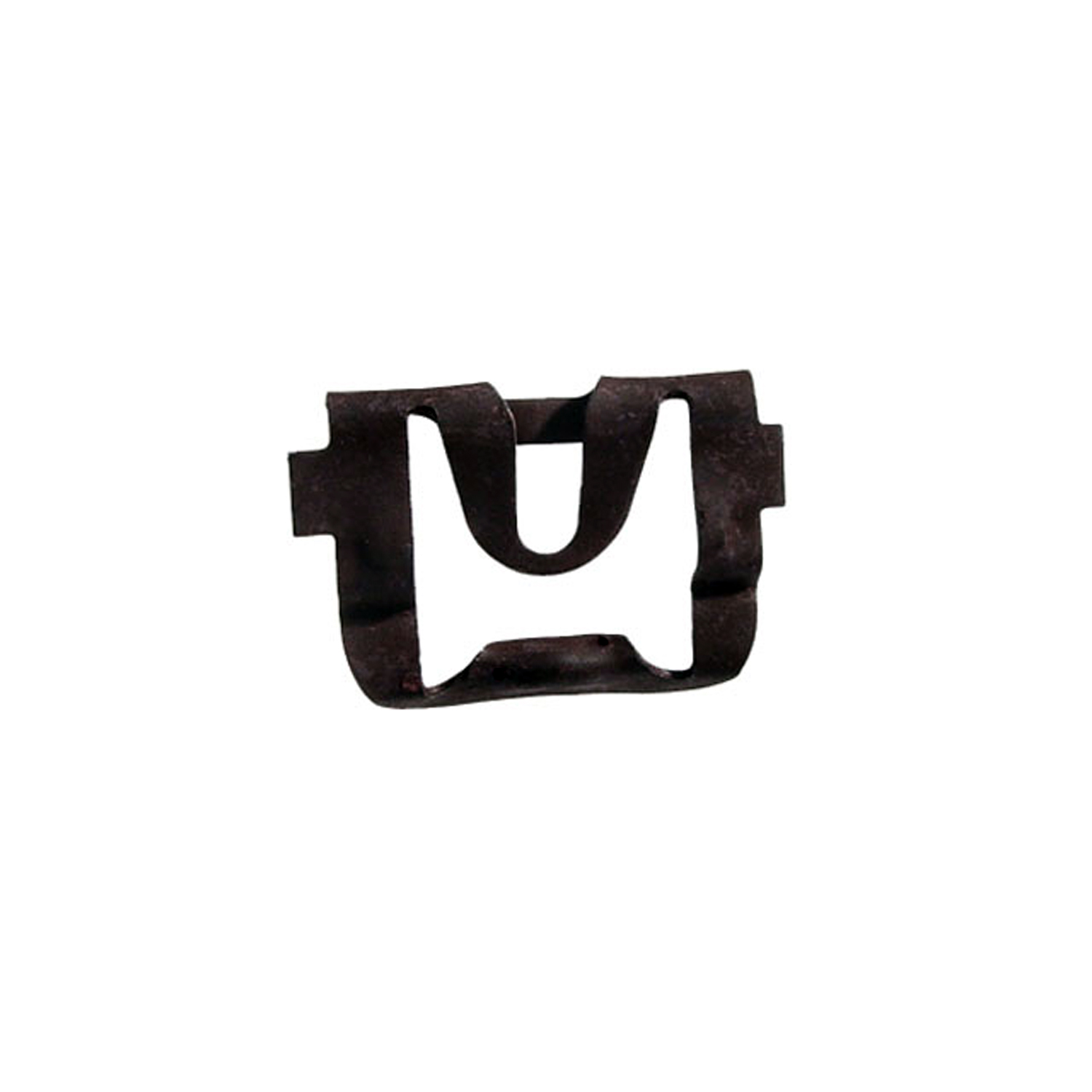 1974 Buick Riviera Rear Windshield Reveal Molding Clip. Made of steel-WF 211Rear Windshield Reveal Molding Clip. Made of steel. 15/16" X 3/4". Each
 1974 Buick Riviera Rear Windshield Reveal Molding Clip. Made of steel-WF 213Rear Windshield Reveal Molding Clip. Made of steel. 7/8" X 5/8". Each
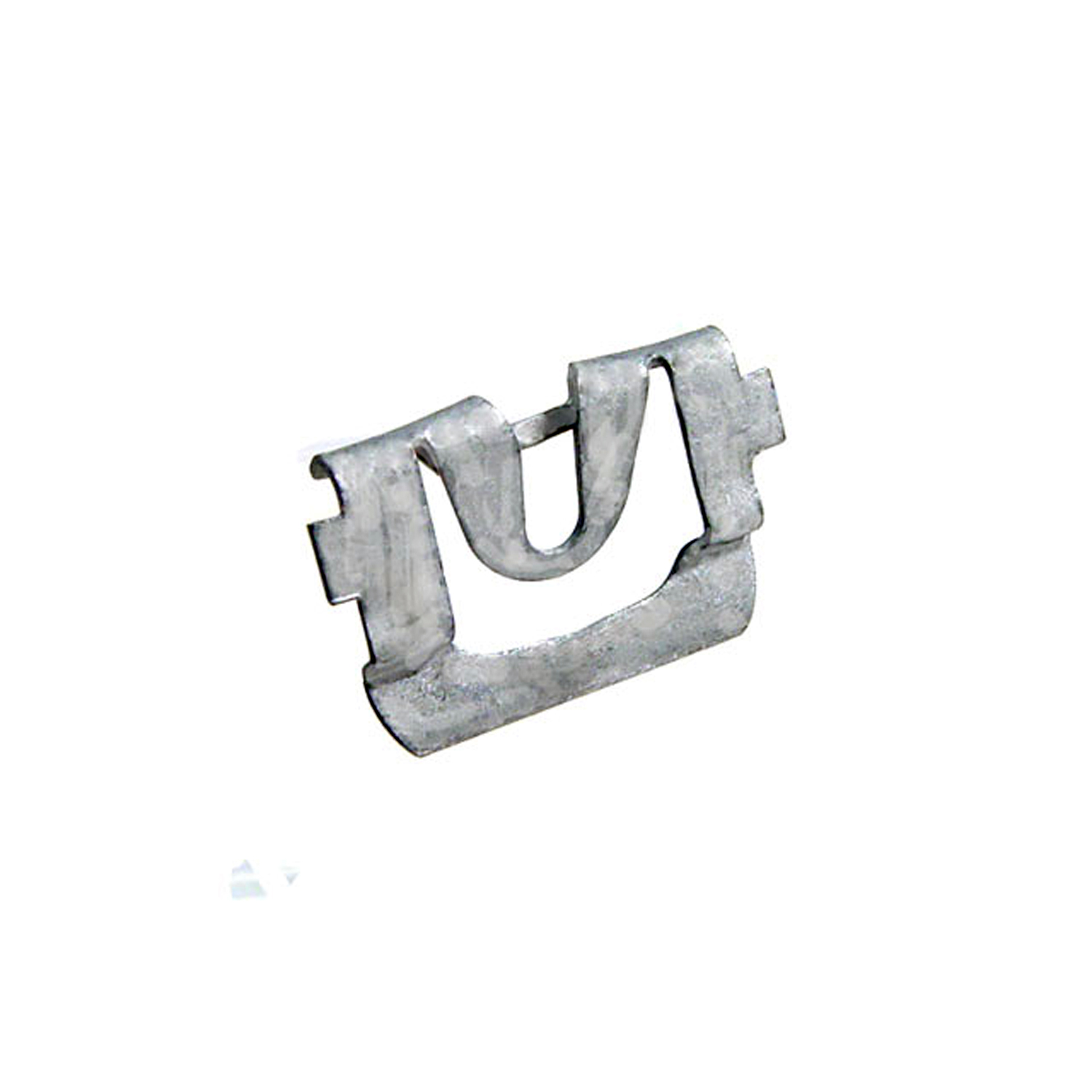 1974 Buick Riviera Windshield Reveal Molding Clip. Made of steel-WF 223Windshield Reveal Molding Clip. Made of steel. 1/1/8" X 3/4". Each
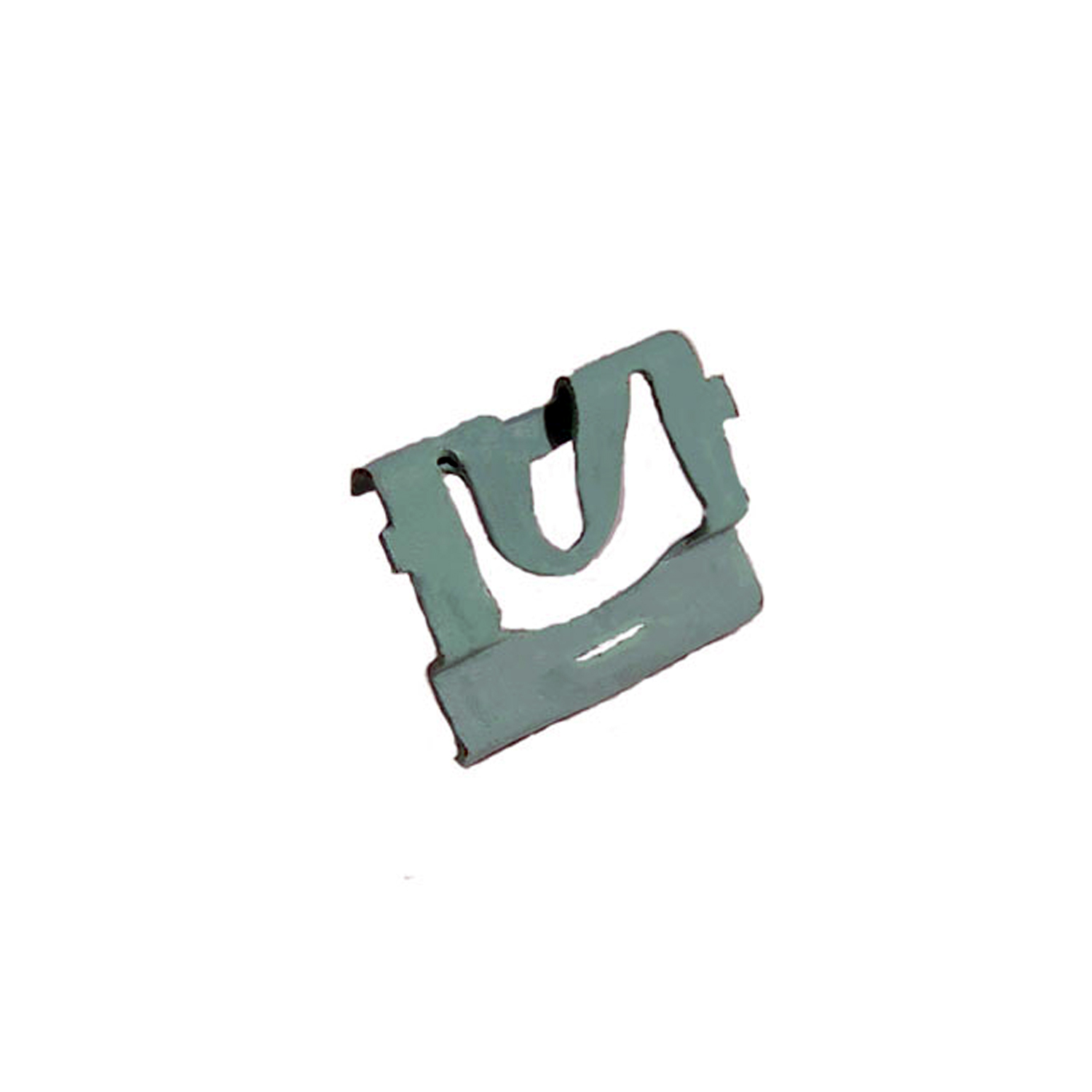 1974 Buick Riviera Windshield Reveal Molding Clip. Made of steel-WF 224Windshield Reveal Molding Clip. Made of steel. 1-1/4" X 3/4". Fits many models. Each
Why Choose Metro?
For over 100 years, Metro Moulded Parts has been the pinnacle of quality in classic car restoration parts. Our commitment to precision and authenticity in every component ensures a perfect fit and an OEM-level appearance.
- Expert Craftsmanship & Quality: Each part is a testament to our dedication to reliability and perfection, crafted from original designs and thoroughly tested.
- Advanced Technology: We use cutting-edge techniques to create flawless, long-lasting parts that surpass others in performance.
- SuperSoft Sponge – The Ultimate Door Seal: Not only are our door seals 30% softer than competitors', but they're also guaranteed to never leak. They effectively reduce wind and road noise, enhancing your classic car's comfort and driving experience.
- Proudly American: Our parts are a product of American craftsmanship, made in the USA with a spirit of excellence and heritage.
- Unrivaled Warranty: We back our products with a 30-year industry-leading warranty, a testament to our confidence in their quality.
Join us in preserving the legacy of classic cars with parts that are crafted for perfection, not just made.