

Image of 1975 Buick Estate Wagon, Note: These illustrations use artistic license and may differ from actual historical models.
Performance Metrics
Fundamental Metrics
Emotional Appeal
MMP Rating
| Engine Specifications | |
|---|---|
| Engine: | 455 cu in (7.5 L) V8 |
| Displacement: | 455 cu in (7.5 L) |
| Horsepower: | 205-250 hp |
| Torque: | 350 lb-ft |
| Compression Ratio: | 8.5:1 |
| Ignition System: | Electronic Ignition |
| Cooling System: | Liquid-cooled |
| Performance Specifications | |
| 0-60 Time: | 10 seconds |
| 1/4 Mile Time: | 17.5 seconds |
| Top Speed: | 115 mph |
| Transmission and Drive | |
| Drive Type: | Rear-wheel drive |
| Transmission Type: | 3-speed automatic |
| Fuel and Efficiency | |
| Fuel System Type: | Carburetor |
| MPG: | 10-12 mpg |
| Dimensions and Brakes | |
| Brakes: | Power-assisted disc brakes (front), drum brakes (rear) |
| Wheelbase: | 127 in |
| Weight: | 5,000 lbs |
Note: Specifications for classic cars are given to the best of our ability, considering the limited and variant data available.
1975 Buick Estate Wagon: The Full-Size Family Cruiser
The 1975 Buick Estate Wagon could carry a family, a weekend’s worth of luggage, and a surprising amount of furniture without giving up the plush ride of a Buick. Built in the United States by Buick, a division of General Motors, it was a full-size, rear-wheel-drive station wagon from the era when American automakers treated long-distance comfort and cargo capacity as a package deal.
The Estate Wagon belonged to the final generation of Buick’s traditional, full-size wagons before GM downsized its large cars for 1977. That timing gives the 1975 model a distinctive place in automotive history: it combined the broad proportions and big V8 character of the early 1970s with the emissions equipment and fuel-conscious mood of the mid-1970s. One especially memorable feature was GM’s available “Glide-Away” power tailgate, which slid down beneath the load floor rather than swinging out into a crowded parking space.
Big Buick Style and Useful Details
Long, low, and unmistakably American, the Estate Wagon wore a formal front end with a broad grille, quad rectangular headlamps, and a substantial chrome bumper. Its long roofline stretched back over a generous cargo area, while the tall glass and large side panels gave it the useful, almost architectural look of a classic family hauler. At roughly 18 feet long, it was a sizeable car even by 1970s standards.
Many examples were ordered with simulated woodgrain side trim, a feature that became closely associated with upscale American wagons. The appliqué ran along the body sides and visually emphasized the car’s length. Buyers could also choose from a range of period paint colors, including shades of blue, green, white, burgundy, and metallic finishes. Woodgrain-equipped wagons in deep green or dark blue are particularly evocative today, though color availability varied by order and production details.
The interior was designed for comfort rather than austerity. Depending on equipment, buyers could find broad bench seating, plush cloth or vinyl upholstery, carpeting, woodtone accents, and power accessories such as windows and a seat. Air conditioning, cruise control, and upgraded radios were among the features available. The third-row seat, where fitted, added occasional passenger capacity, making the wagon more than just a roomy two-row cruiser.
The Estate Wagon’s most distinctive practical option was the power-operated Glide-Away tailgate. The glass lowered into the tailgate, and the gate itself retracted beneath the cargo floor. It could be operated electrically, saving the space needed to open a conventional rear door. The system was clever and memorable, although it added mechanical complexity compared with a simple liftgate.
For 1975, the Estate Wagon was offered as a full-size wagon rather than as a family of different body styles. The key choices were in equipment, seating, engine, and trim. A woodgrain package, a third-row seat, and the power tailgate could transform the car’s appearance and usefulness, making a well-optioned Estate Wagon the most recognizable version.
Its Place in Buick and GM History
The 1975 Estate Wagon was part of GM’s shared full-size-car engineering world. It used a rear-wheel-drive platform related to other large GM cars and wagons, while Buick’s trim, styling details, and available engines gave it a more upscale character. This shared architecture helped GM build a wide range of vehicles efficiently, but each division still worked to give its models a distinct identity.
Its historical significance is less about introducing a new performance technology and more about representing a turning point. The car arrived during the fuel crisis and amid tightening emissions rules, yet it retained the long hood, large cabin, and V8 power that buyers had expected from a big American wagon. A catalytic converter and unleaded-fuel requirements were part of the new reality for 1975 cars. The Estate Wagon illustrates how automakers were adapting familiar luxury and utility to a changing regulatory and economic landscape.
It also stands among the last of Buick’s big, traditionally proportioned wagons. GM’s 1977 downsizing brought more compact exterior dimensions and revised packaging. That makes the 1975 model appealing to enthusiasts who want the earlier generation’s full-size presence, without stepping back into the chrome-heavy designs of the 1950s or 1960s.
455 V8 Power and Road Manners
The standard engine was a 350-cubic-inch Buick V8, rated at about 155 horsepower under the net-rating system used in the period. A larger 455-cubic-inch V8 was available, rated at roughly 205 horsepower in 1975. Exact specifications can vary with equipment and emissions calibration. Both engines were paired with automatic transmissions, and power was sent to the rear wheels.
Those figures may look modest beside the high gross-horsepower claims of earlier muscle cars, but the 455’s strength was its low-speed torque. It suited a heavy wagon, helping it pull away smoothly with passengers or cargo aboard. The Estate Wagon was not a quick car by modern standards. Depending on engine, condition, gearing, and load, a 0-to-60-mph run generally falls in the neighborhood of 12 to 15 seconds. A healthy example might reach approximately 100 to 110 mph, though this is an estimate rather than a guaranteed factory figure, and these cars were built for relaxed travel, not top-speed runs.
On the road, the Buick feels substantial and softly sprung. It absorbs ordinary bumps and expansion joints with the easygoing, floaty ride expected of a large 1970s American car. On a winding road, its size, body roll, and slower steering response are obvious. It rewards a smooth hand rather than quick direction changes. Strong crosswinds and rough pavement can also remind the driver that this is a long, heavy wagon, especially if the suspension or tires are worn.
From behind the wheel, the experience is a mix of quiet comfort and V8 presence. The engine produces a low, relaxed rumble, while the automatic transmission shifts without demanding much attention. The high seating position and large glass make the car feel open, although its length takes practice in tight parking lots. The best driving experience comes on open roads, where the Estate Wagon can settle into an unhurried cruise.
Living With a 1975 Estate Wagon
Today, the Estate Wagon makes a natural classic-car cruiser, road-trip vehicle, or show-field conversation starter. It can serve as a usable driver, but its size and fuel consumption make it less convenient for dense city traffic or daily commuting. Owners should expect single-digit to low-teens miles per gallon in many real-world situations, with results depending heavily on engine condition, tuning, gearing, and driving style.
Basic maintenance is familiar to anyone who has worked on a traditional American V8: oil changes, ignition tune-ups, cooling-system service, brake work, and suspension repairs are generally straightforward. Many service parts are shared with other GM vehicles of the era, and the simple rear-wheel-drive layout is an advantage for home mechanics. The 455 is a robust engine when maintained, but age-related issues such as leaks, worn carburetors, cooling problems, and tired transmissions are common concerns.
Buyers should pay close attention to rust, especially around the floors, lower body panels, wheel openings, tailgate, and rear cargo area. They should also test every power accessory. The Glide-Away tailgate is a wonderful piece of engineering, but a faulty motor, switch, or worn mechanism can turn a convenient feature into an expensive repair. Woodgrain trim, interior pieces, and wagon-specific components may be harder to find than ordinary mechanical parts.
Wagon Trivia and Common Complaints
The Glide-Away tailgate was more than a styling flourish. By retracting beneath the floor, it let occupants load the cargo area without needing clearance behind the car for a large swinging gate. It is one of the features most likely to make a 1970s GM wagon instantly recognizable to enthusiasts.
The optional third row also gave the Estate Wagon genuine people-moving flexibility, though the rear-facing seating arrangement found in many large American wagons of the period is not to everyone’s taste. With the seat in use, cargo space was reduced, so the wagon’s best configuration depended on whether passengers or luggage were the priority.
The 1975 Estate Wagon is not widely known for a single record-setting achievement or a defining celebrity ownership story. Its appeal is more everyday and cultural: it represents the large American family wagon at a moment when fuel economy, emissions rules, and changing lifestyles were beginning to reshape the market. Common criticisms include its thirsty V8s, bulky dimensions, soft handling, and aging power-tailgate hardware. Those drawbacks are also part of what makes it such a distinctive period vehicle.
Collector Values and Availability
There is no dependable, commonly cited production total for every 1975 Estate Wagon configuration. As a reasonable estimate, production was likely in the tens of thousands, perhaps around 15,000 to 25,000 cars. That is a broad estimate, not a verified factory figure. Survivors are less common than the original number suggests, particularly cars with intact interiors, working power tailgates, and clean woodgrain trim.
Values vary sharply with rust, mechanical condition, originality, and equipment. A project or rough driver may sell for roughly $2,500 to $6,000. A usable, presentable example often falls around $6,000 to $14,000, while a well-restored or unusually original wagon could bring approximately $15,000 to $25,000 or more. These are general estimates; regional demand and the quality of a restoration can move the price considerably.
Prices for classic American wagons have gained attention as buyers look beyond muscle cars and convertibles, but the Estate Wagon remains a niche collectible. Values appear to be holding steady or appreciating modestly for clean, distinctive examples rather than rising rapidly across the board. A 455-powered car, an attractive color combination, factory woodgrain, and a fully functioning Glide-Away tailgate can all strengthen its appeal.
Why the 1975 Buick Estate Wagon Matters
The 1975 Buick Estate Wagon brought together the comfort, size, and V8 character of a traditional American family car with practical innovations such as the retracting power tailgate. It was not built to win a drag race or carve through mountain corners. Its strengths were space, smooth cruising, and the reassuring sense that there was room for nearly everything.
As one of the last full-size Buick wagons before GM downsized its lineup, it preserves a particular moment in American motoring. Find a solid example, keep its systems working, and this long-roof Buick offers something increasingly rare: a classic that is both a rolling piece of history and a genuinely useful machine.
1975 Buick Estate Wagon Catalog of Parts
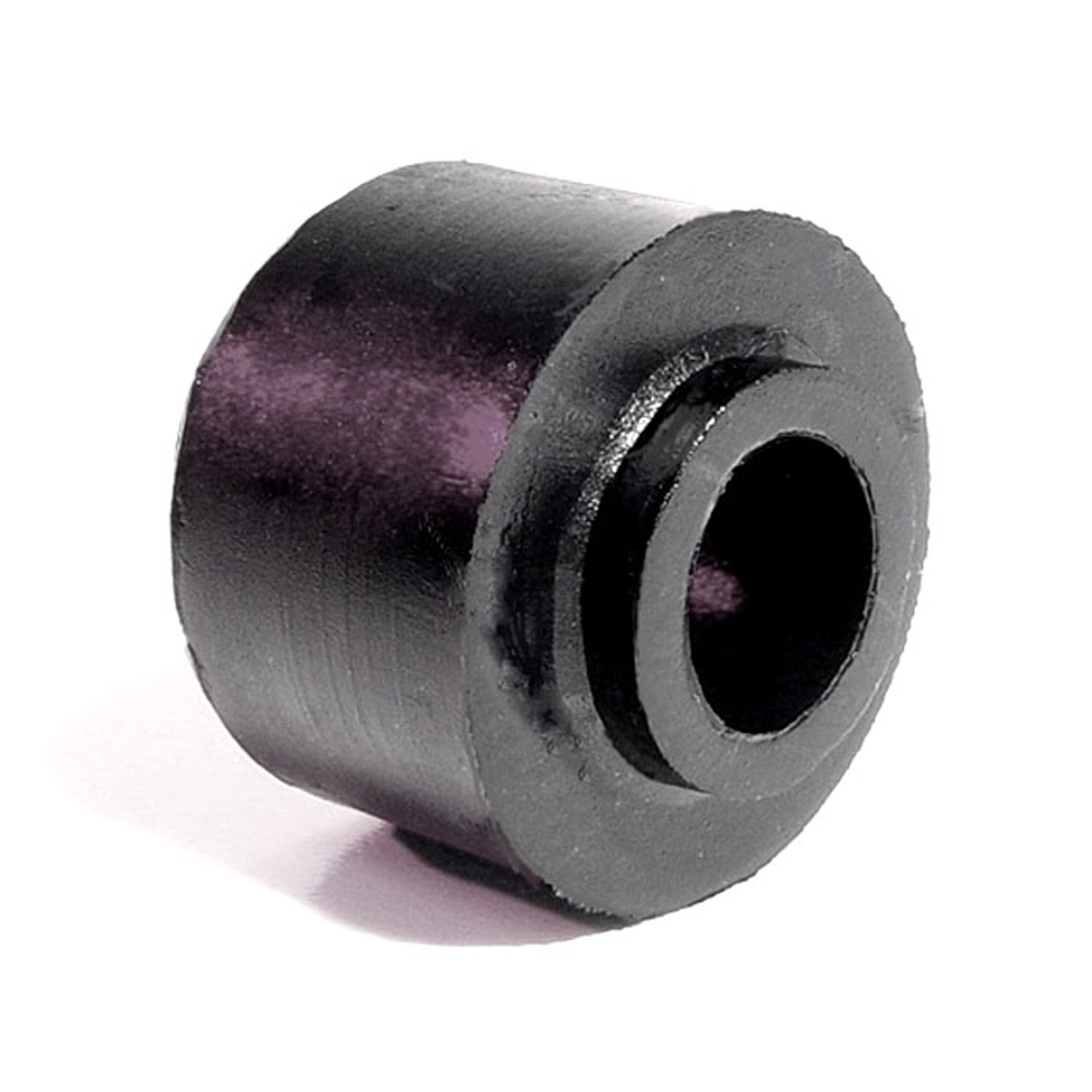 1975 Buick Estate Wagon Shock Absorber Grommet. 1" bottom O.D., 3/4" high-BN 1Shock Absorber Grommet. 1" bottom O.D., 3/4" high., with 7/16" I.D. Each
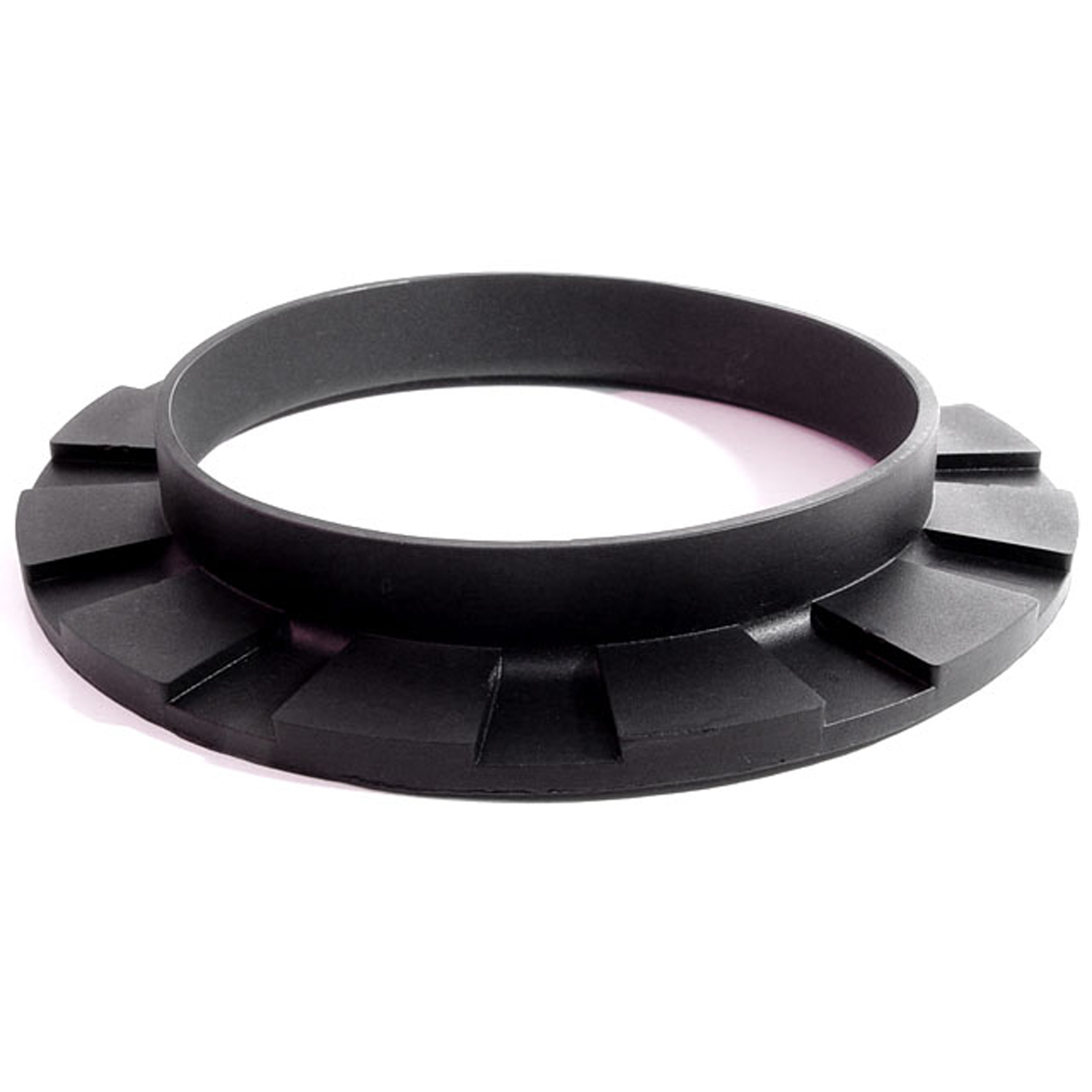 1975 Buick Estate Wagon Front coil-spring insulator-BN 110Front coil-spring insulator. Fits '41-'60 Oldsmobile and '50-'83 GM passenger models. 5-3/8 in. OD x 3-3/4 in. ID x 3/4 in. high with 13/16 in. wide bottom flange 1/4" thick, 12 flutes. Each.
 1975 Buick Estate Wagon Front Molded Door Seals-LM 16-GFront Molded Door Seals. For 4-door sedan and wagon, with RWD. Each is 138-1/2" long. Pair R&L
 1975 Buick Estate Wagon Rear Molded Door Seals. For 4-door wagon only, with RWD-LM 16-G/WRear Molded Door Seals. For 4-door wagon only, with RWD. Each is 127-1/2" long. Pair R&L
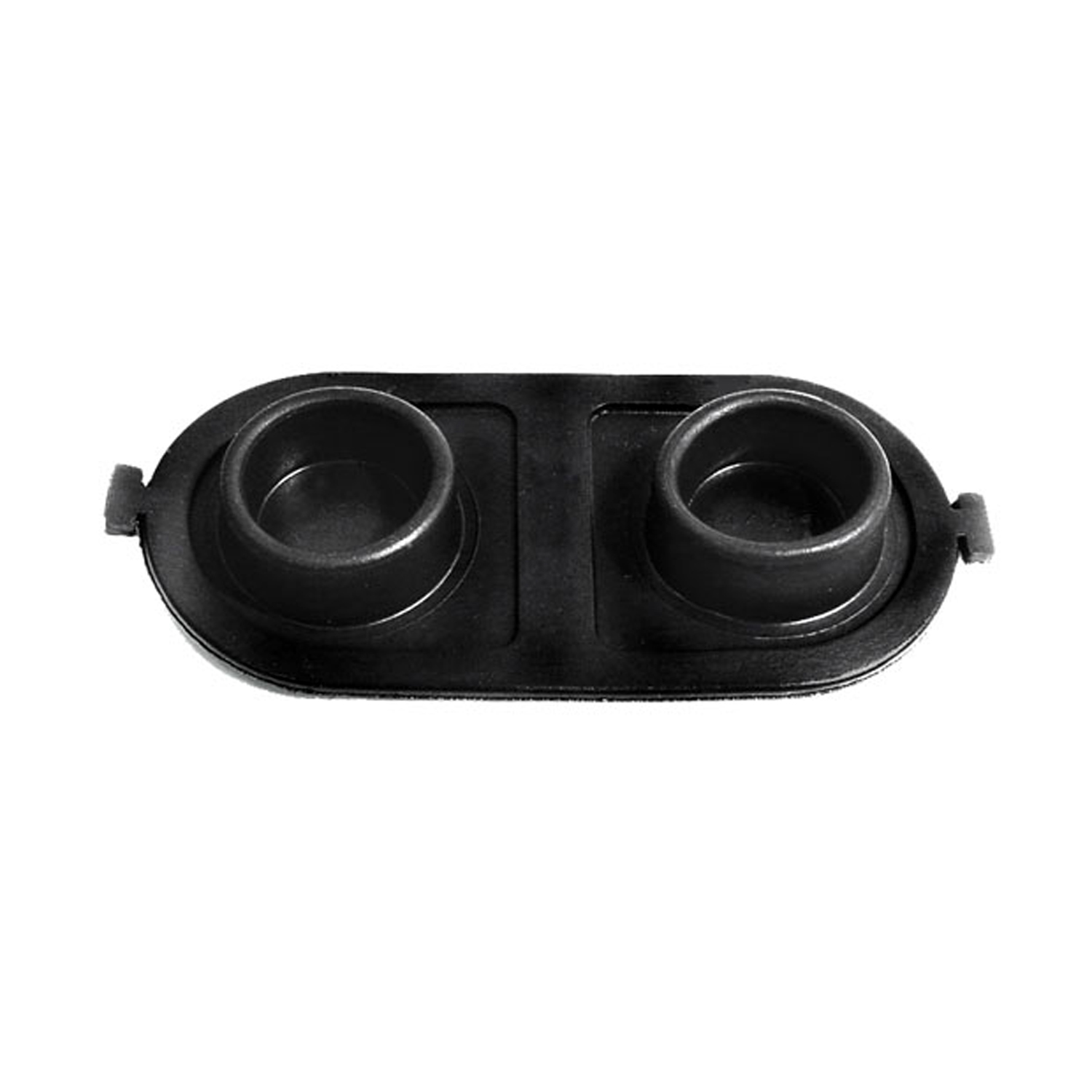 1975 Buick Estate Wagon Brake Master Cylinder Cover Seal. Replaces OEM #5470861-RP 2-EBrake Master Cylinder Cover Seal. Replaces OEM #5470861. 5" X 2-1/2". Each
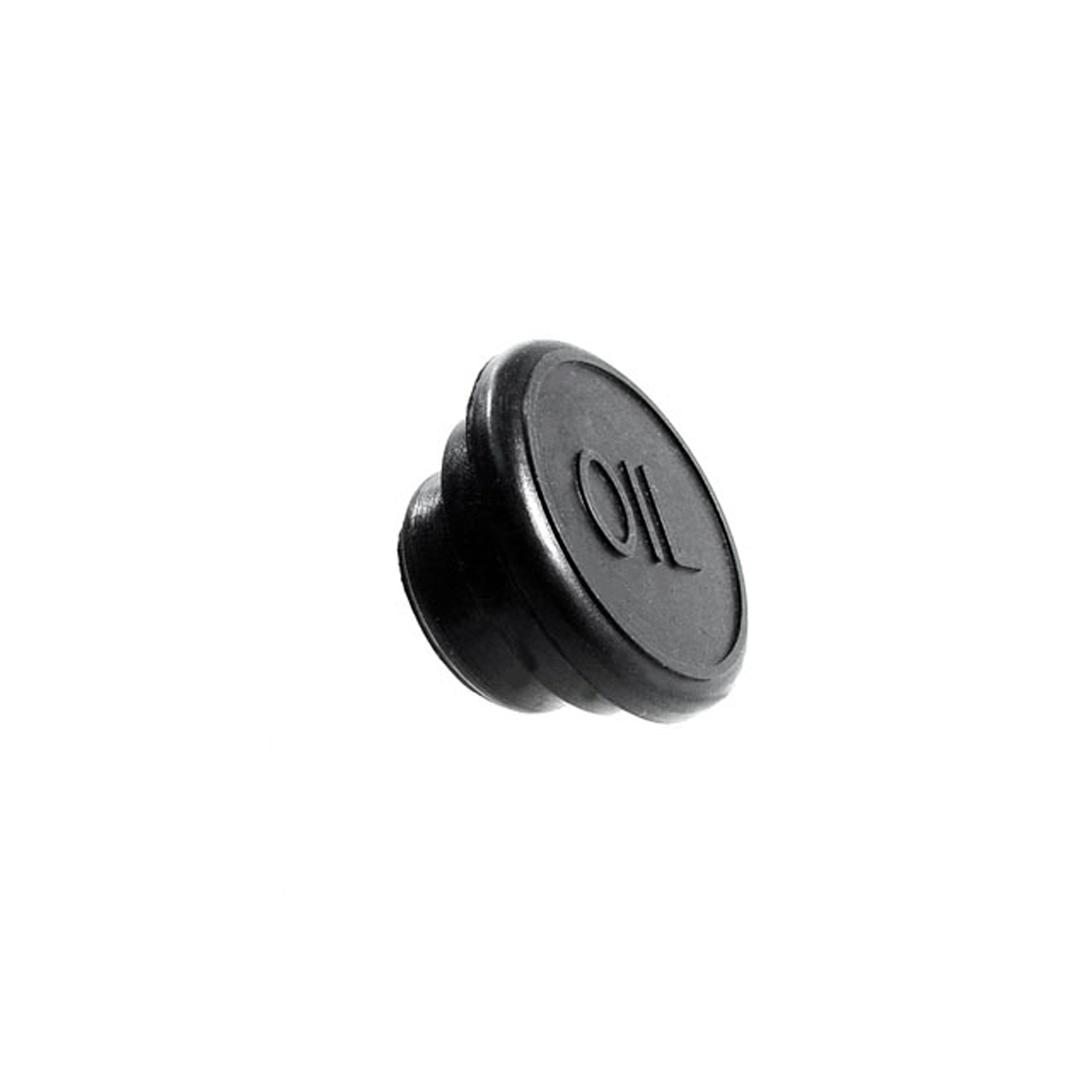 1975 Buick Estate Wagon Oil Filler Hole Cap. Made of rubber-RP 8Oil Filler Hole Cap. Made of rubber. Fits a 1-3/16" to 1-1/4" hole. Each
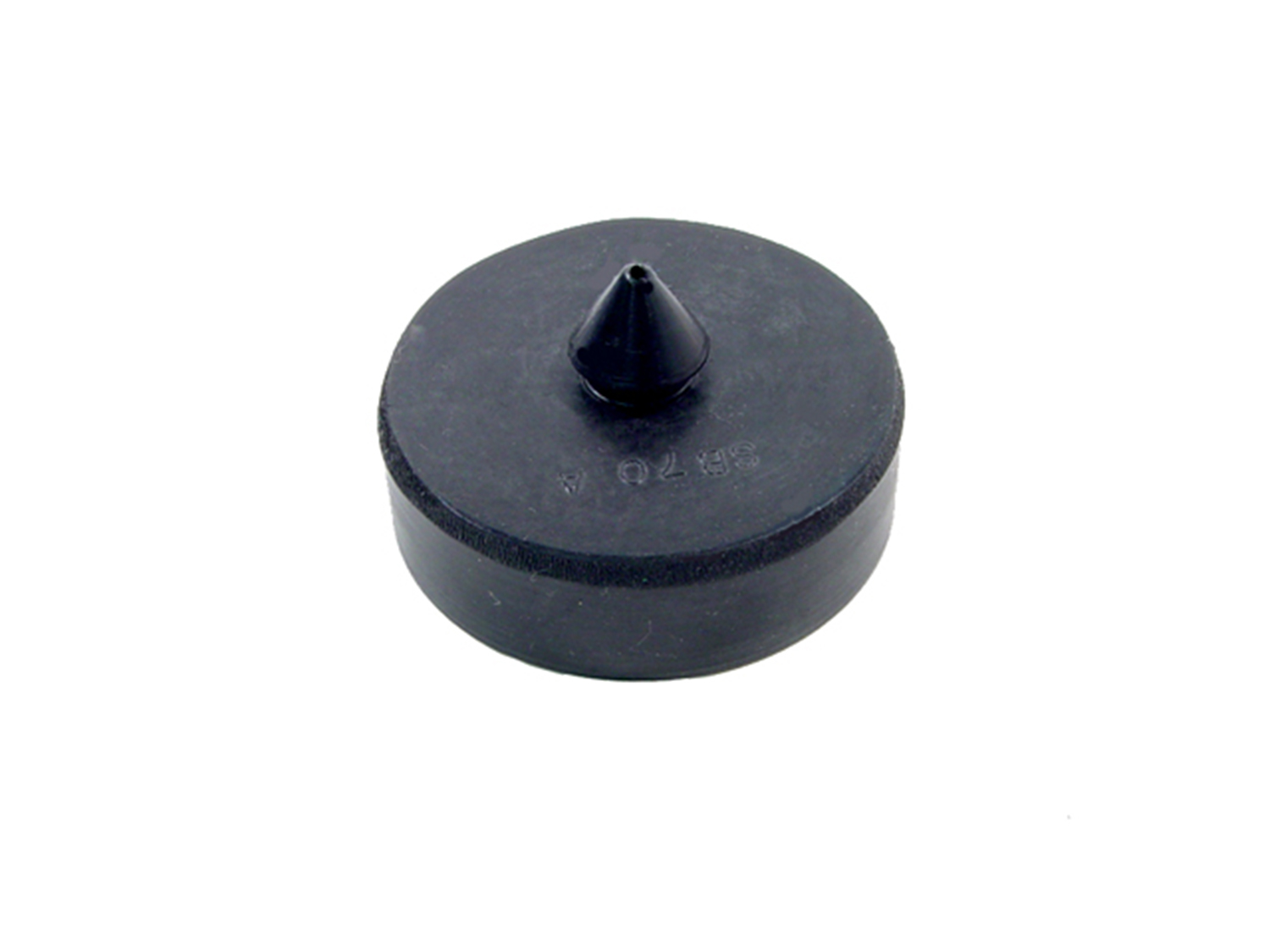 1975 Buick Estate Wagon Front door window stop bumper. ’70-’81 GM passenger cars-SB 70-AFront door window stop bumper. '70-'81 GM passenger cars. Dense rubber. Replaces OEM# 9810036. Each.
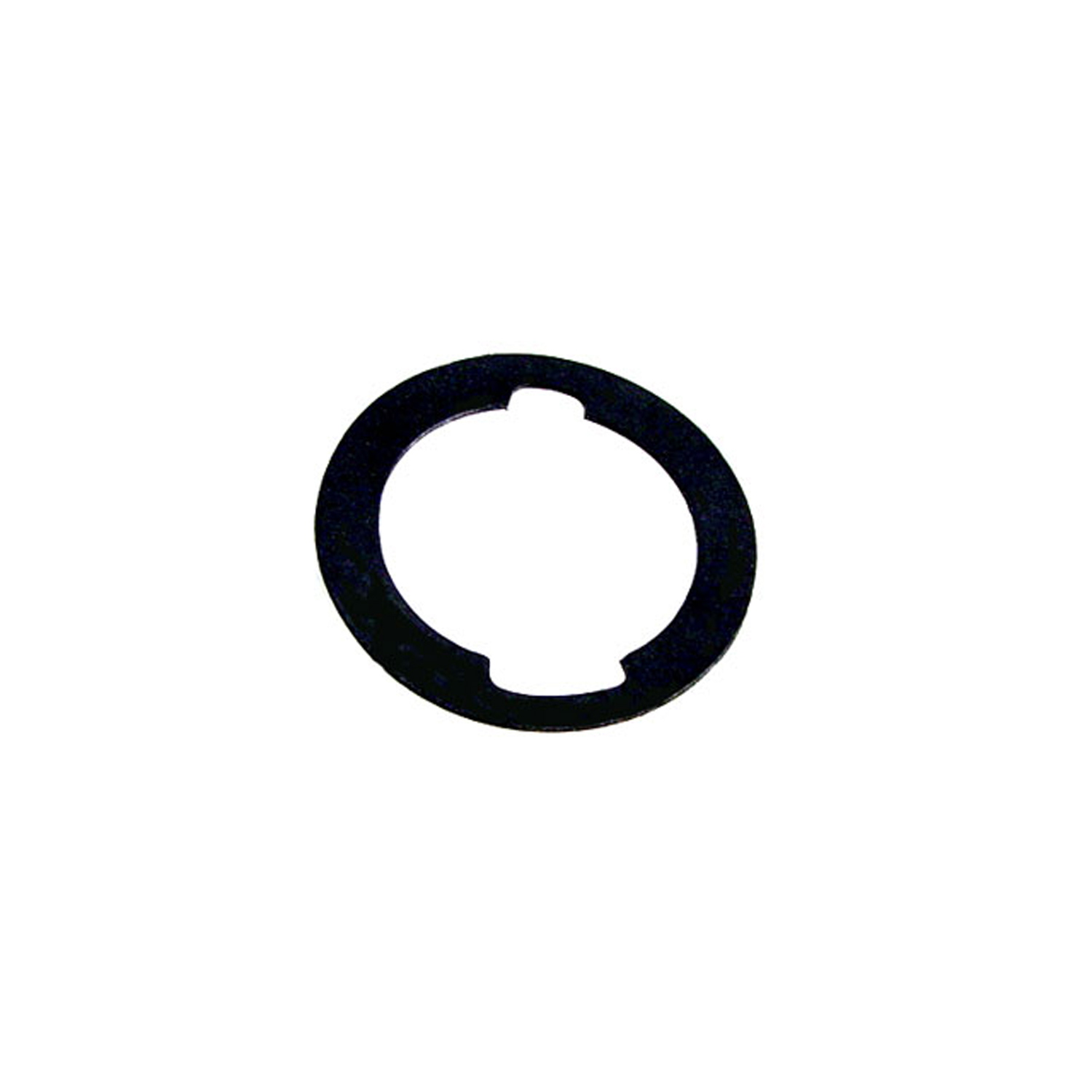 1975 Buick Estate Wagon Unbeaded Door and Trunk Lock Gasket. 1-3/16" O.D., 7/8" I.D-UM 1600-100Unbeaded Door and Trunk Lock Gasket. 1-3/16" O.D., 7/8" I.D. Each
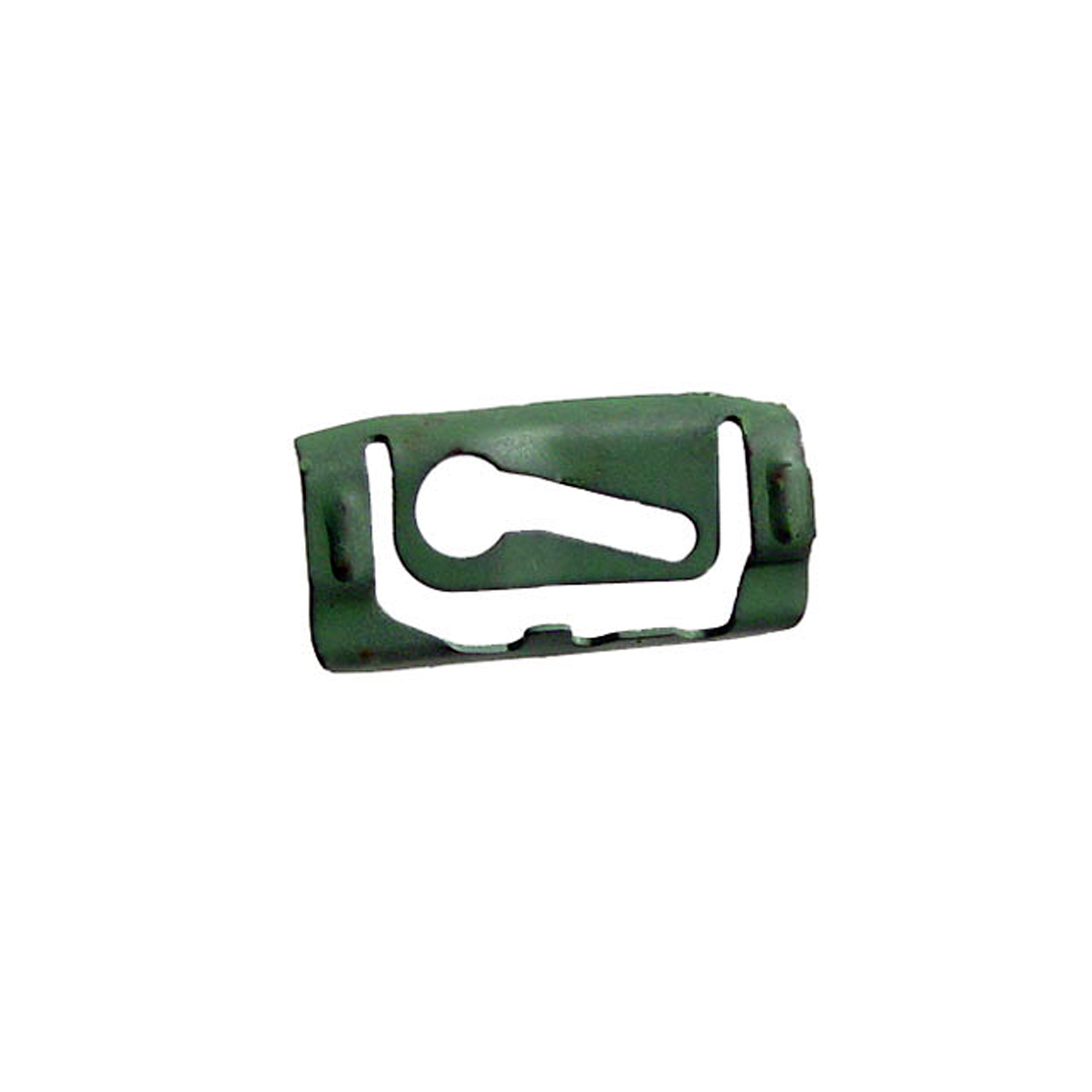 1975 Buick Estate Wagon Quarter Window Reveal Molding Clip. Made of Steel-WF 205Quarter Window Reveal Molding Clip. Made of Steel. 1-3/8" X 11/16". Each
 1975 Buick Estate Wagon Rear Window Reveal Molding Clip. For Station Wagons-WF 208Rear Window Reveal Molding Clip. For Station Wagons. Made of steel. 5/8" x 3/4". Each
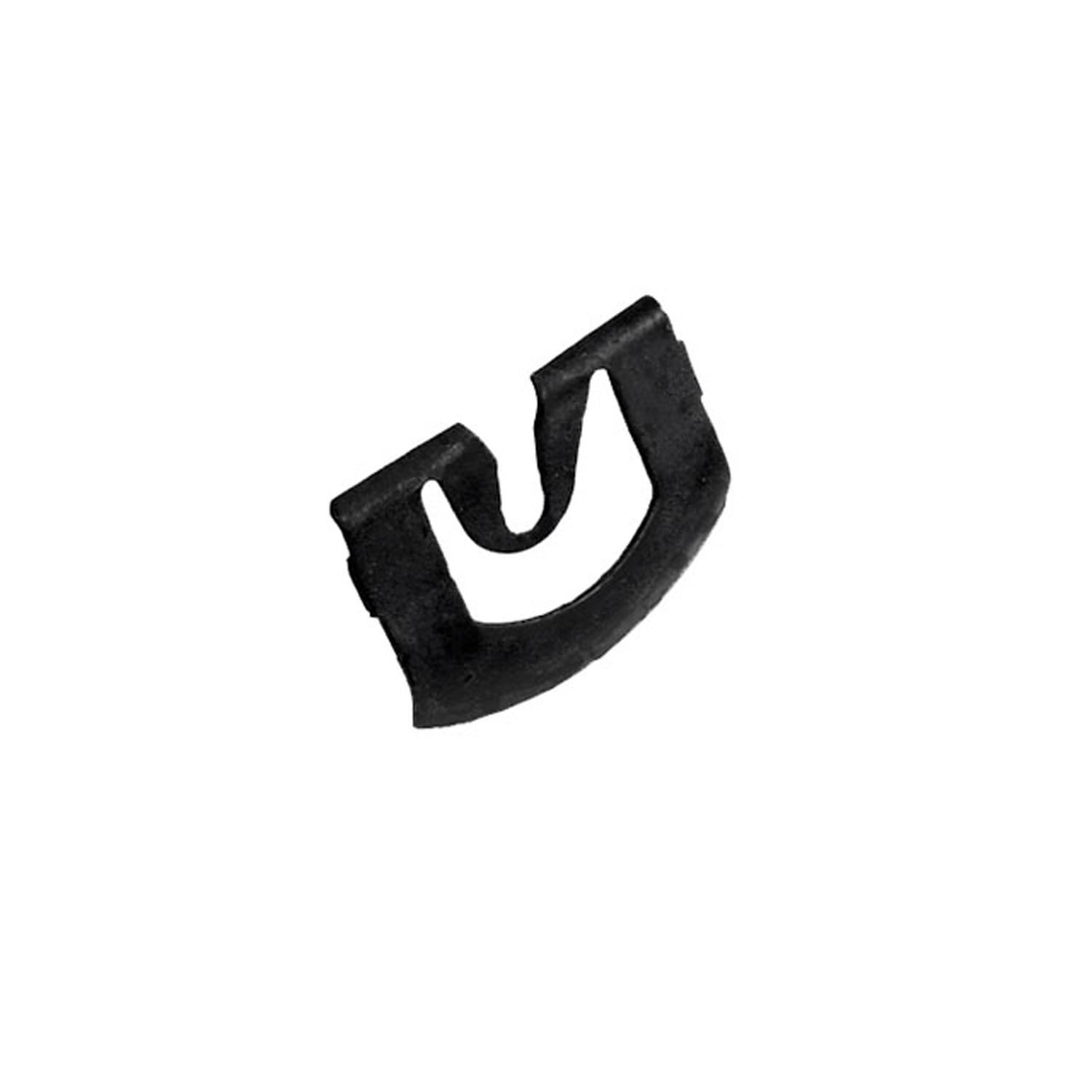 1975 Buick Estate Wagon Windshield Reveal Molding Clip. Made of steel. 13/16" x 1"-WF 209Windshield Reveal Molding Clip. Made of steel. 13/16" x 1". Each
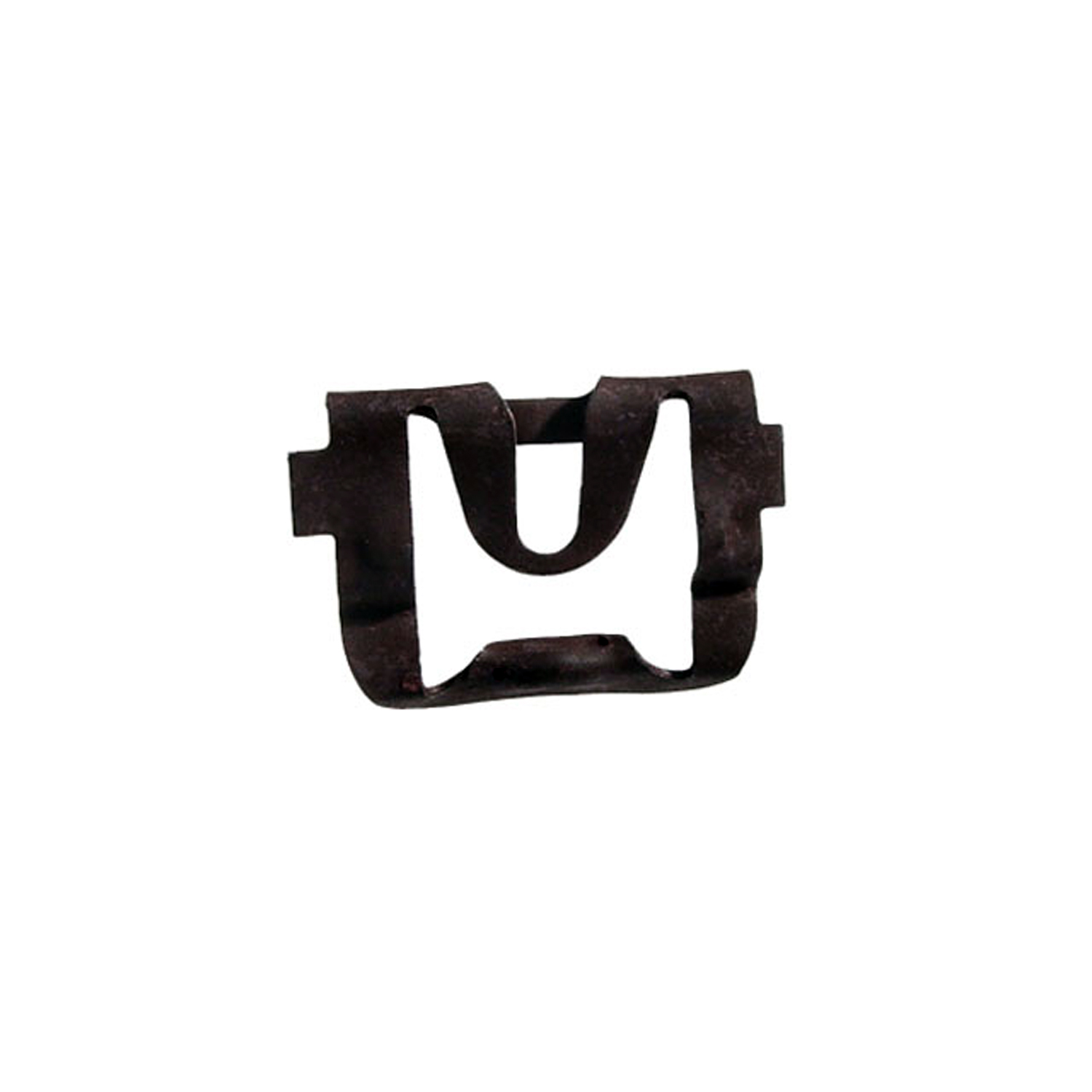 1975 Buick Estate Wagon Rear Windshield Reveal Molding Clip. Made of steel-WF 211Rear Windshield Reveal Molding Clip. Made of steel. 15/16" X 3/4". Each
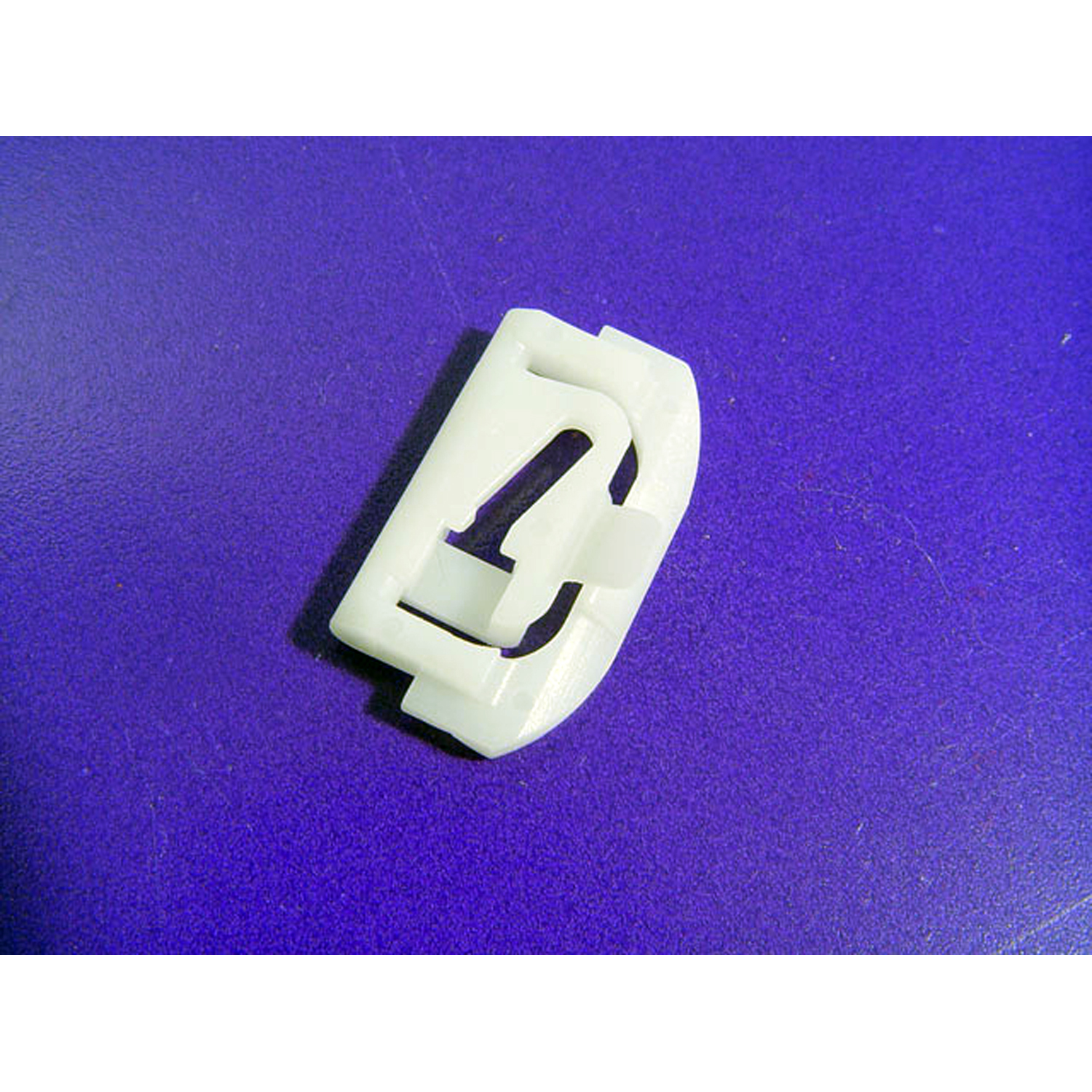 1975 Buick Estate Wagon Lower Side Window Reveal Molding Clip. Made of nylon-WF 214Lower Side Window Reveal Molding Clip. Made of nylon. 1-1/4" x 3/4". Each
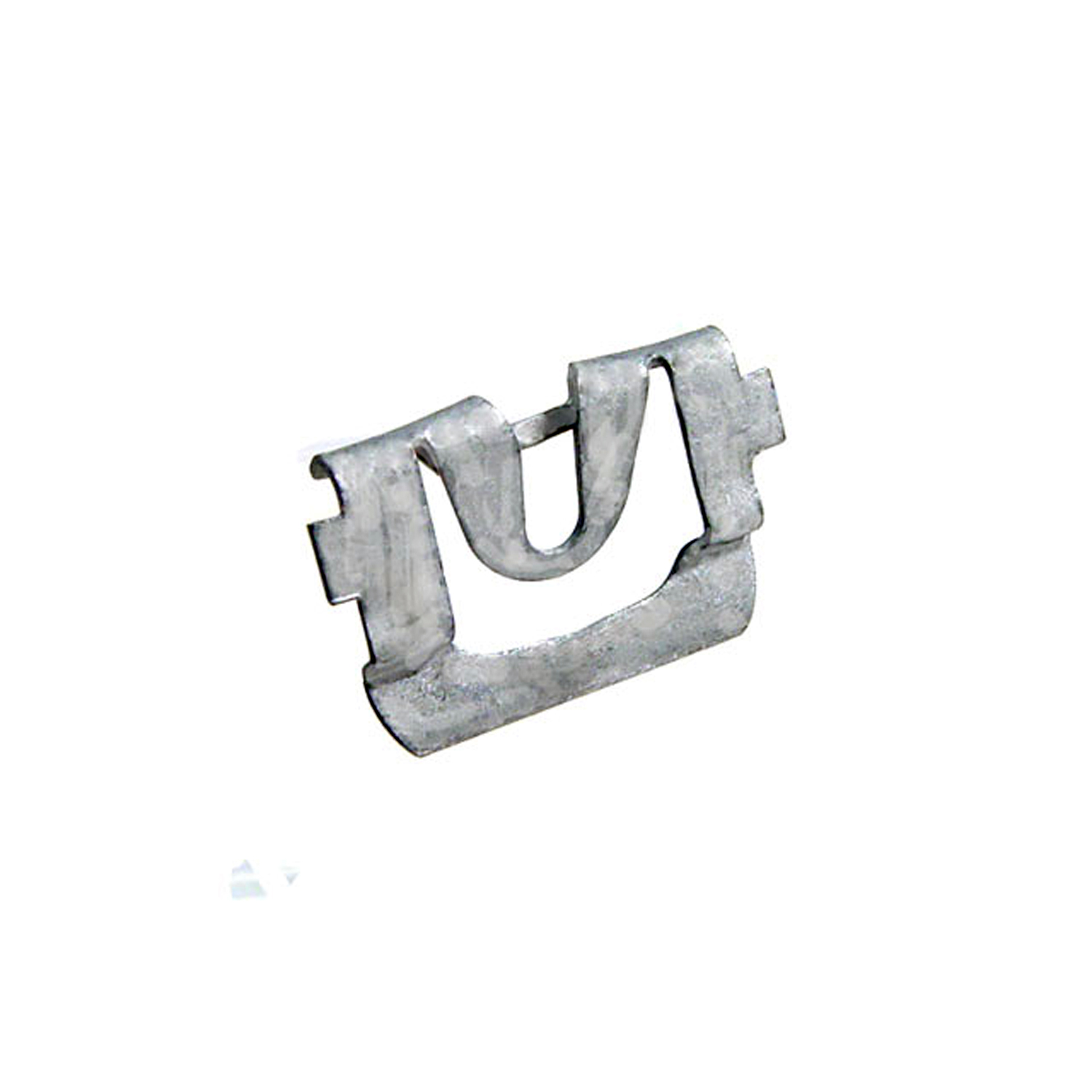 1975 Buick Estate Wagon Windshield Reveal Molding Clip. Made of steel-WF 223Windshield Reveal Molding Clip. Made of steel. 1/1/8" X 3/4". Each
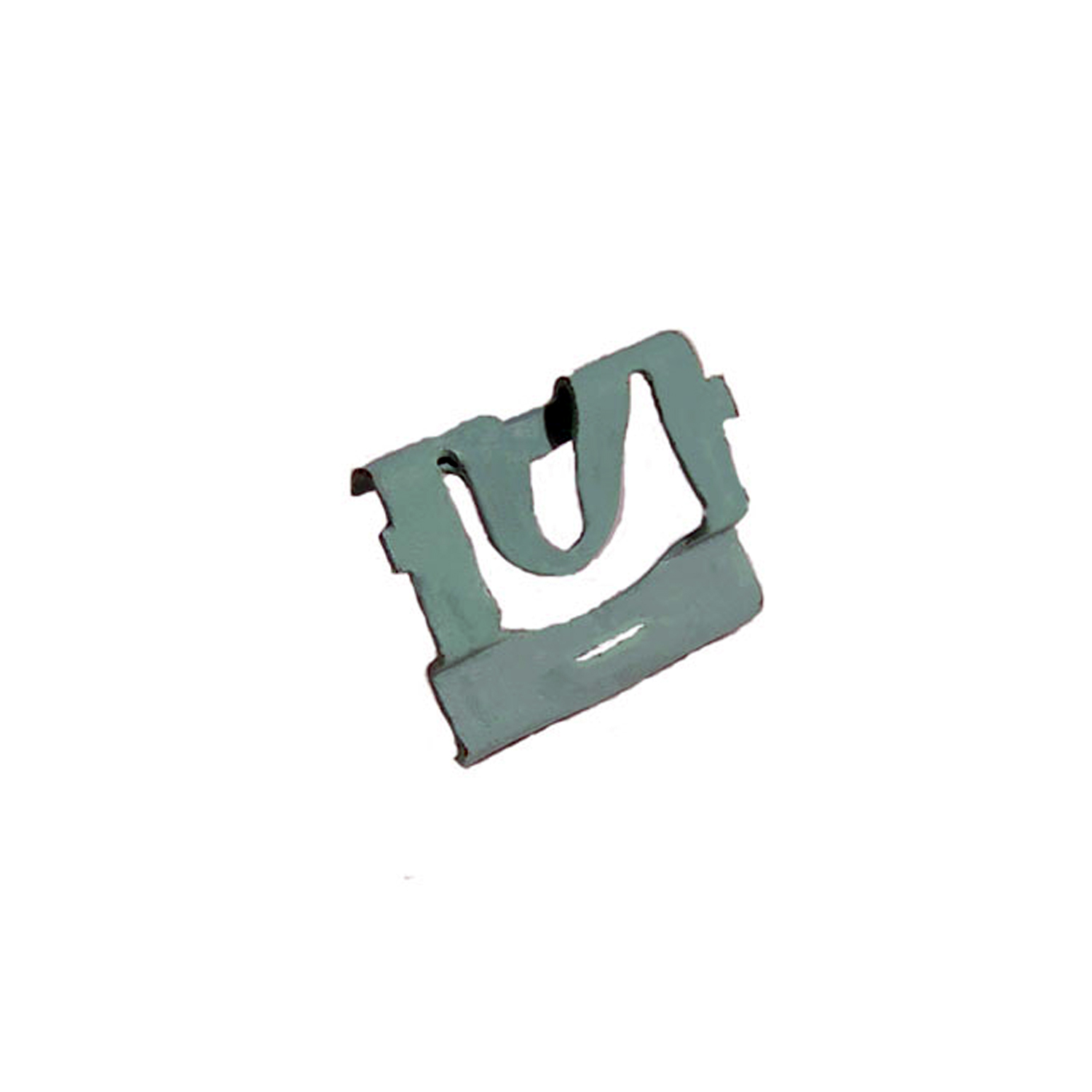 1975 Buick Estate Wagon Windshield Reveal Molding Clip. Made of steel-WF 224Windshield Reveal Molding Clip. Made of steel. 1-1/4" X 3/4". Fits many models. Each
Why Choose Metro?
For over 100 years, Metro Moulded Parts has been the pinnacle of quality in classic car restoration parts. Our commitment to precision and authenticity in every component ensures a perfect fit and an OEM-level appearance.
- Expert Craftsmanship & Quality: Each part is a testament to our dedication to reliability and perfection, crafted from original designs and thoroughly tested.
- Advanced Technology: We use cutting-edge techniques to create flawless, long-lasting parts that surpass others in performance.
- SuperSoft Sponge – The Ultimate Door Seal: Not only are our door seals 30% softer than competitors', but they're also guaranteed to never leak. They effectively reduce wind and road noise, enhancing your classic car's comfort and driving experience.
- Proudly American: Our parts are a product of American craftsmanship, made in the USA with a spirit of excellence and heritage.
- Unrivaled Warranty: We back our products with a 30-year industry-leading warranty, a testament to our confidence in their quality.
Join us in preserving the legacy of classic cars with parts that are crafted for perfection, not just made.