

Image of 1975 Buick Lesabre, Note: These illustrations use artistic license and may differ from actual historical models.
Performance Metrics
Fundamental Metrics
Emotional Appeal
MMP Rating
| Engine Specifications | |
|---|---|
| Engine: | 350 cu in (5.7 L) V8, 455 cu in (7.5 L) V8 |
| Displacement: | 350-455 cu in |
| Horsepower: | 155-225 hp |
| Torque: | 275-375 lb-ft |
| Compression Ratio: | 8.5:1 |
| Ignition System: | Electronic Ignition System |
| Cooling System: | Liquid-cooled |
| Performance Specifications | |
| 0-60 Time: | 10-12 seconds |
| 1/4 Mile Time: | 17-19 seconds |
| Top Speed: | 110-120 mph |
| Transmission and Drive | |
| Drive Type: | Rear-wheel drive |
| Transmission Type: | 3-speed automatic |
| Fuel and Efficiency | |
| Fuel System Type: | Carburetor |
| MPG: | 10-12 mpg |
| Dimensions and Brakes | |
| Brakes: | Front disc, rear drum |
| Wheelbase: | 124 inches |
| Weight: | 4,500 lbs |
Note: Specifications for classic cars are given to the best of our ability, considering the limited and variant data available.
1975 Buick LeSabre: A Full-Size American Cruiser
The 1975 Buick LeSabre was built for a moment when American motorists were rethinking what a big car should be. It still offered the long hood, broad cabin, V8 power, and easygoing ride that Buick buyers expected, but it arrived amid rising fuel prices, tighter emissions rules, and a national 55-mph speed limit. The result was a traditional full-size Buick shaped by a rapidly changing era.
Buick, a division of General Motors, positioned the LeSabre below the more luxurious Electra and above smaller models in its range. The name had been part of Buick’s lineup since the mid-1950s, and by 1975 the LeSabre had become one of the brand’s core full-size cars. A notable detail of the 1975 model year is that new U.S. cars were required to run on unleaded fuel, making the arrival of catalytic converters part of everyday ownership. This was no longer simply a matter of choosing a large engine: drivers also had to adapt to new fuel and emissions technology.
LeSabre Styling and Interior
The 1975 LeSabre wore its size with classic Buick restraint. Its long, relatively flat hood led to a broad grille and paired rectangular headlamps, while the squared-off roof and generous glass gave the passenger cabin a substantial, formal look. The bumpers were large and prominent, reflecting federal crash requirements. At the rear, wide taillamps and a broad trunk completed a shape designed more for presence and comfort than aerodynamic efficiency.
Inside, the LeSabre delivered the spacious, softly finished environment expected of a full-size Buick. Depending on trim and equipment, buyers could find cloth or vinyl upholstery, padded door panels, wood-tone accents, and a wide bench seat. The front bench made room for three across, while the broad rear seat offered adults generous legroom. Higher trims and optional equipment could add a more elaborate interior, air conditioning, power accessories, and upgraded upholstery. The impression was plush rather than sporty, with comfort and quiet taking priority over a tightly tailored cockpit.
Color choices varied with body style, trim, and regional availability. Period Buick palettes included conservative whites, creams, and darker blues, greens, reds, and earth tones, often paired with contrasting vinyl or fabric interiors. Metallic finishes suited the LeSabre’s large body particularly well. The Estate Wagon added its own visual character, with long side panels and, on some versions, simulated woodgrain trim.
The LeSabre range included two-door coupe and four-door sedan body styles, as well as an Estate Wagon. The four-door sedan was the practical choice for families and everyday transportation, while the coupe gave the full-size car a more personal, formal profile. The wagon was the most versatile version, offering substantial cargo capacity for road trips and household duties. Trim names and equipment differed by body style, so a specific car’s badges and options are worth checking when identifying one today.
Historical Importance: Buick in a Changing Era
The 1975 LeSabre did not introduce a radical new body structure or a headline-grabbing gadget. Its significance lies in how it represents the transition from the pre-oil-crisis American land yacht to the more efficiency-conscious cars that followed. Buick continued to sell size and comfort, but the energy crisis and emissions legislation were beginning to reshape the priorities of both manufacturers and buyers.
Compared with many rivals, the LeSabre stood out for its combination of full-size room, a quiet ride, and Buick’s upscale finish. It was not as formal or expensive as an Electra, yet it delivered much of the same relaxed cruising character in a more accessible package. The model also belongs to the final period before General Motors’ major 1977 downsizing of its full-size cars. That makes the 1975 LeSabre an appealing example of the traditional, pre-downsizing American Buick: substantial, softly sprung, and unmistakably built around comfort.
V8 Performance and Road Manners
Most 1975 LeSabres were powered by Buick V8 engines paired with an automatic transmission. A 350-cubic-inch V8 was a common choice, with larger-displacement power available in some configurations. Output depended on engine, emissions equipment, and body style; period ratings were modest by earlier muscle-car standards. The aim was smooth, usable torque rather than high-revving performance.
There is no single dependable factory 0-to-60-mph figure that applies to every 1975 LeSabre configuration. As a general real-world estimate, a healthy 350-powered example is likely to take roughly 11 to 13 seconds to reach 60 mph. A larger-engine car may be quicker, while a heavy wagon or a car with tired mechanicals may be slower. Top speed is also best treated as an estimate rather than a certified specification: depending on gearing, engine, tires, and condition, a LeSabre might reach roughly 110 to 120 mph. It was designed to cruise comfortably, not to chase a high-speed record.
On the road, the LeSabre’s long wheelbase and soft suspension take the sharp edge off broken pavement and expansion joints. The body can lean noticeably through winding turns, and steering response feels relaxed by modern standards. Crosswinds and narrow roads remind the driver that this is a large, heavy car, so it rewards smooth inputs rather than abrupt maneuvering.
From behind the wheel, the experience is about ease. The V8 produces a low, unhurried burble, the automatic transmission shifts without demanding much attention, and the wide seat encourages a relaxed driving position. The car feels most at home on open roads, where it can settle into a steady pace. In town, its size calls for patience when parking and turning, but the commanding seating position and broad cabin make it an inviting place to spend time.
Owning and Maintaining a 1975 LeSabre
Today, a LeSabre can serve as a weekend cruiser, a nostalgic family car, a local-show entry, or an occasional driver. It is not generally regarded as a racing platform, and its size, weight, and original suspension tuning are better suited to comfortable touring. The Estate Wagon is especially useful for owners who want vintage character with room for luggage, equipment, or family outings.
Many basic maintenance jobs are approachable for a mechanically capable owner. The V8 layout is relatively straightforward, and routine work such as ignition service, belt replacement, brake maintenance, and carburetor attention can be handled by a home mechanic with suitable tools and a service manual. However, age matters more than the car’s original reputation for durability. Rubber components, cooling systems, brakes, electrical connections, and fuel systems all deserve careful inspection. Cars equipped with catalytic converters also need to be kept in suitable working order and fueled as specified.
Before buying, check for rust in the floor pans, trunk, lower body panels, and around the windshield. Inspect the frame and suspension mounting areas, and look for evidence of poorly repaired collision damage. A smooth-running engine is encouraging, but a complete inspection should also cover transmission operation, steering play, brake condition, and the availability of body-specific trim. Mechanical parts are often easier to source than sound, original interior pieces and wagon-specific components.
Facts, Misconceptions, and the 1975 Context
The 1975 LeSabre arrived in a year when unleaded gasoline and catalytic converters became important parts of the American car-buying experience. The federal 55-mph speed limit also shaped how people used their cars, making relaxed highway cruising more relevant than outright top speed. These changes help explain why a big V8 Buick of this period feels oriented toward smooth, steady travel rather than the performance image associated with some earlier 1960s and early-1970s models.
There is no widely recognized celebrity-owned 1975 LeSabre or famous speed record that defines the model. Its appeal is more everyday than legendary: it was a familiar full-size Buick built for families, commuters, and long-distance travelers. Common criticisms are equally straightforward. It uses a lot of space, consumes more fuel than a modern car, and handles with noticeable body roll. Its size can make city driving awkward, while emissions equipment and decades of aging can complicate upkeep on a neglected example.
1975 Buick LeSabre Values and Rarity
The LeSabre was a mainstream model rather than a limited-production special, so it is not rare in the same sense as a low-volume performance car. Exact production totals depend on how body styles and trims are counted, and reliable model-by-model figures can be difficult to confirm. A reasonable broad estimate is that Buick built somewhere in the neighborhood of 200,000 to 250,000 LeSabres across the 1975 range. The Estate Wagon is less commonly encountered today than the sedan, while condition and originality matter more to most buyers than a particular badge.
As a general U.S. market guide, a running but tired example might sell for about $2,000 to $5,000. A solid, presentable driver could fall around $5,000 to $10,000, while a very clean, well-sorted car may bring roughly $10,000 to $18,000. Exceptional restorations or unusually desirable wagons can exceed that range, but top prices depend heavily on documented condition, originality, and buyer interest. These are broad estimates, not guaranteed appraisals; local markets and the car’s mechanical and cosmetic condition can shift the price substantially.
Values have generally been steady rather than explosive. The LeSabre has a loyal audience, but it does not attract the same competition as a famous muscle car or a rare luxury coupe. Clean examples are becoming harder to find as ordinary cars are used up, which may support values over time. Still, buyers should choose one because they enjoy the experience, not because they expect it to become a fast-growing investment.
Why the 1975 LeSabre Still Matters
The 1975 Buick LeSabre is a generous, comfort-first American car from the point when familiar V8 luxury met new economic and regulatory realities. Its broad styling, roomy interior, smooth power delivery, and easygoing ride make it a rewarding classic for drivers who value the journey over stopwatch numbers. It may not be rare or razor-sharp, but it captures the character of a full-size Buick at a turning point in automotive history: a big, relaxed cruiser learning to live in a very different decade.
1975 Buick Lesabre Catalog of Parts
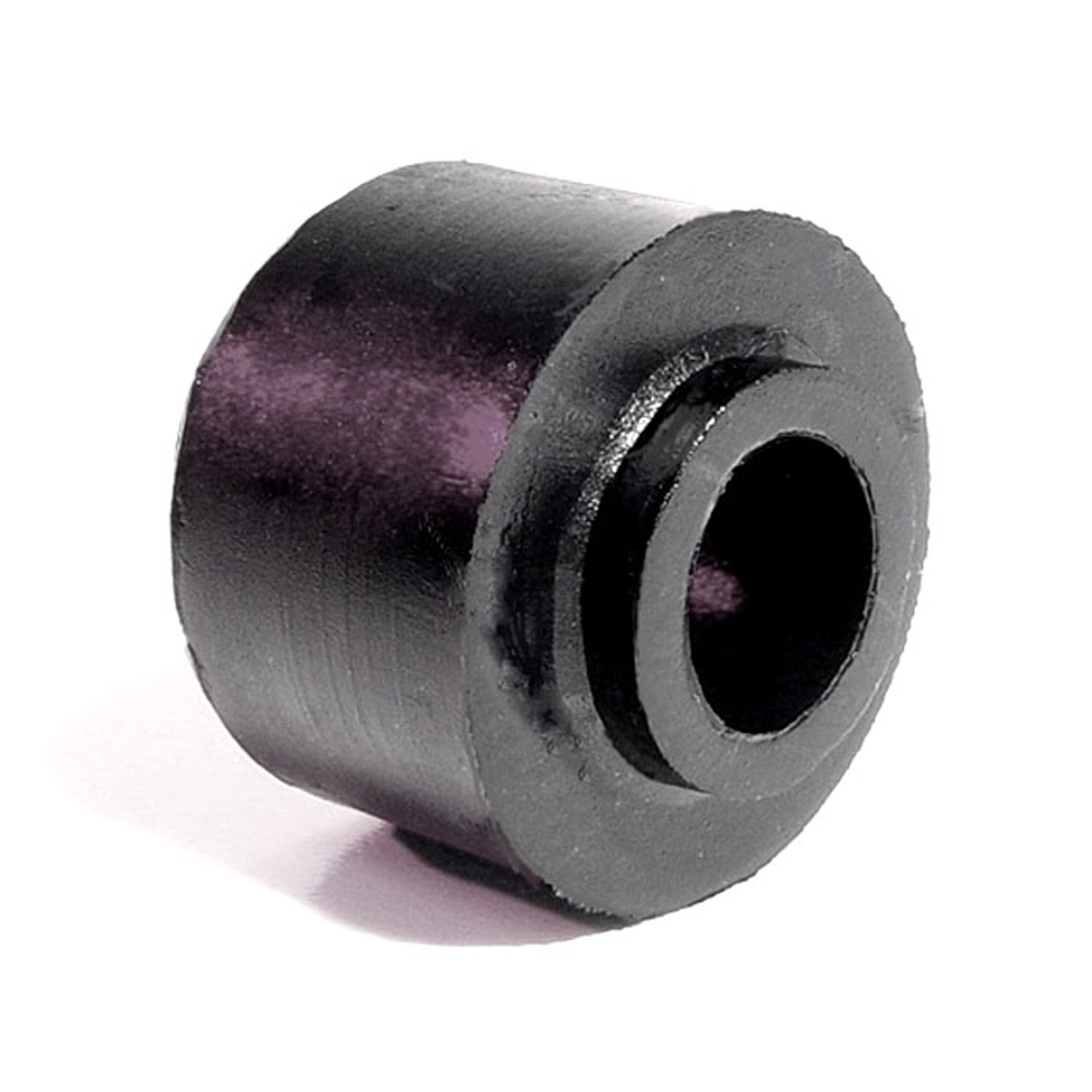 1975 Buick LeSabre Shock Absorber Grommet. 1" bottom O.D., 3/4" high-BN 1Shock Absorber Grommet. 1" bottom O.D., 3/4" high., with 7/16" I.D. Each
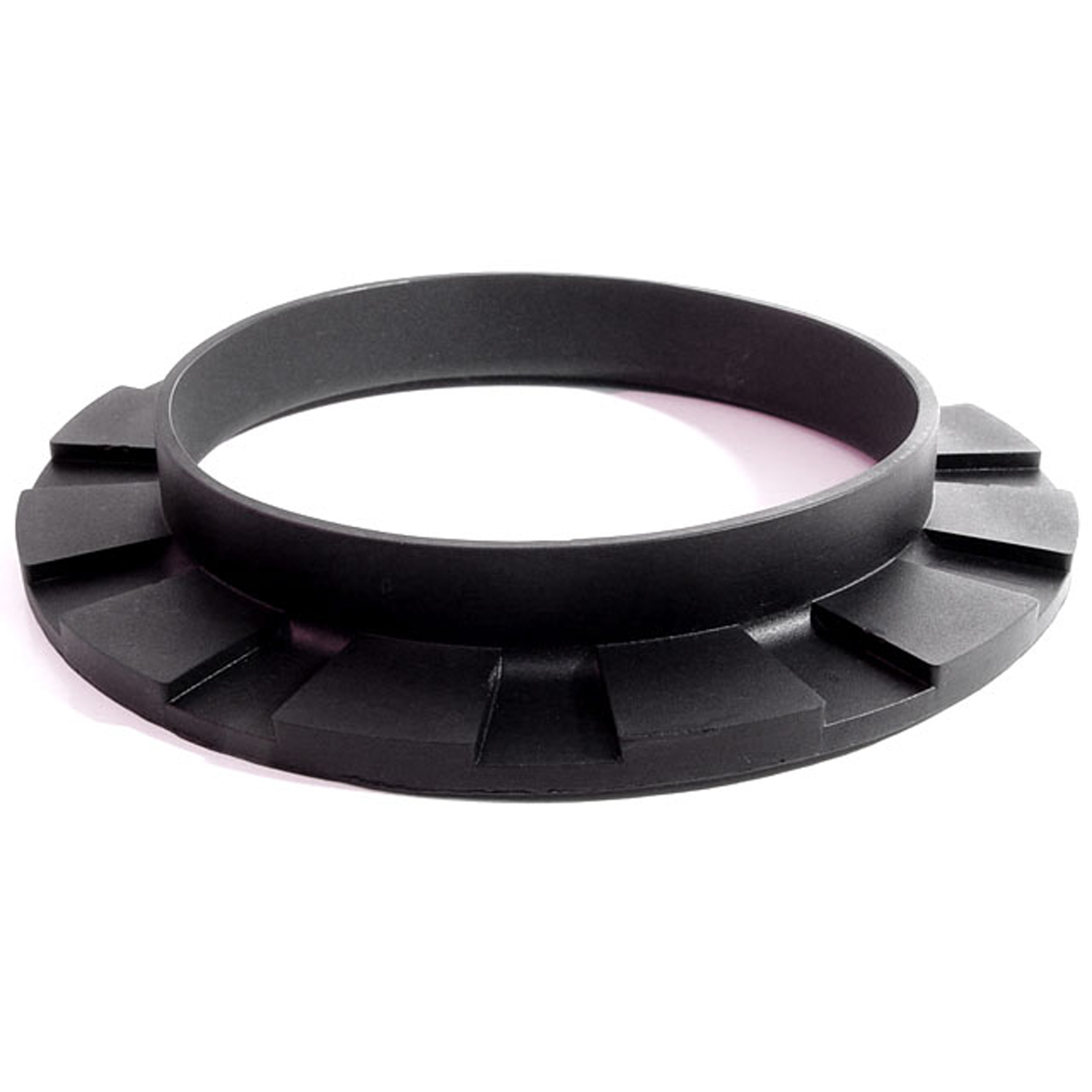 1975 Buick LeSabre Front coil-spring insulator-BN 110Front coil-spring insulator. Fits '41-'60 Oldsmobile and '50-'83 GM passenger models. 5-3/8 in. OD x 3-3/4 in. ID x 3/4 in. high with 13/16 in. wide bottom flange 1/4" thick, 12 flutes. Each.
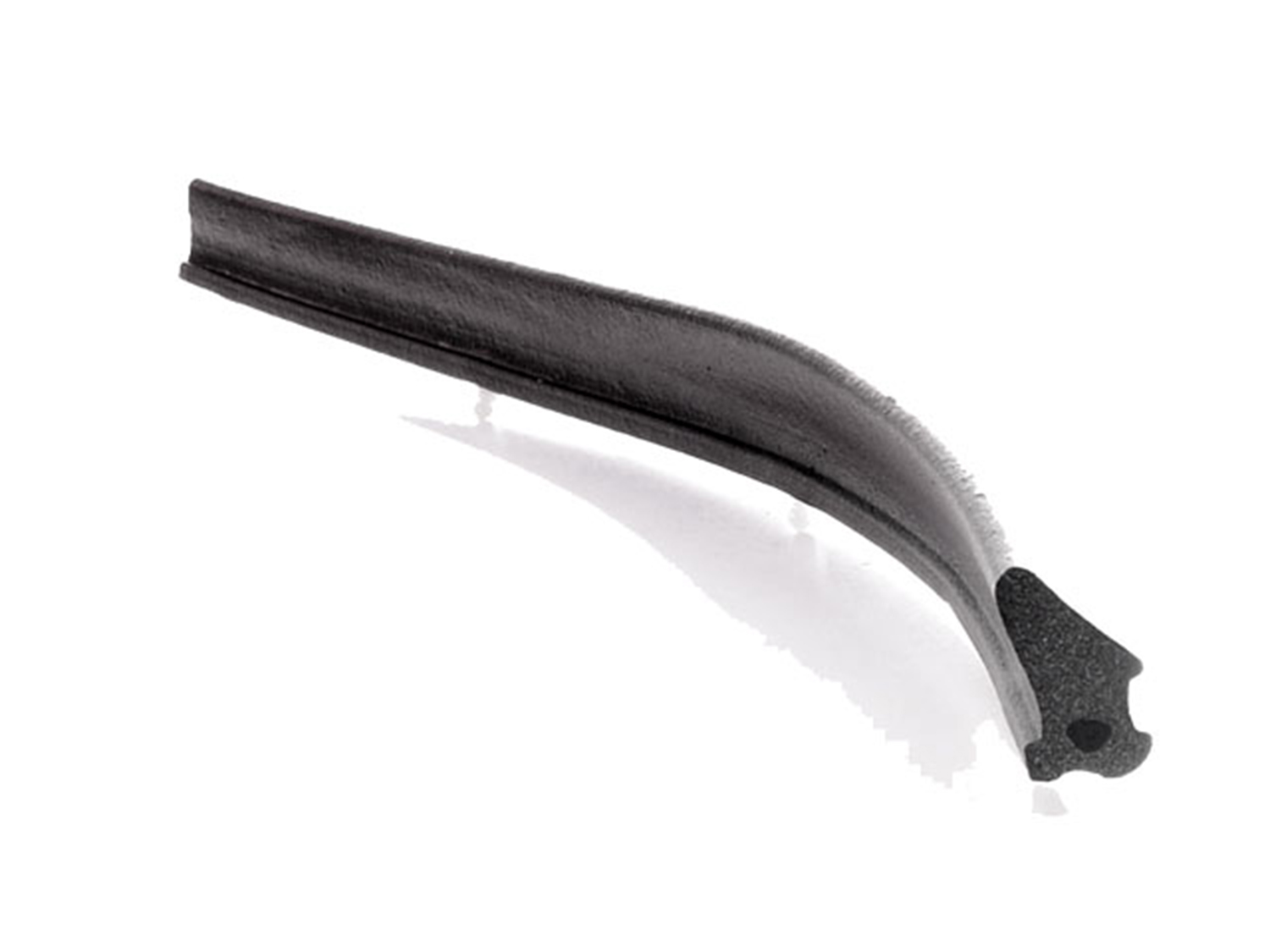 1975 Buick LeSabre Door Side Seal-C/LP 40-KDoor Side Seal. Made of smooth skin sponge extrusion, with clips installed. (For seal without clips, see LP 40-K) Sold by the foot.
 1975 Buick LeSabre Windshield Pillar Post Seals for Convertibles. 26" long-CZ 8130Windshield Pillar Post Seals for Convertibles. 26" long. Pair
 1975 Buick LeSabre REISSUE. Header seal-HD 732REISSUE. Header seal. Fits '71-'75 GM B-body and '71-'76 GM E-body convertibles. Molded from all-new 2015 retooled molds for improved fit and function.
 1975 Buick LeSabre Molded Door Seals. For 2-door hardtops and convertibles-LM 12-HMolded Door Seals. For 2-door hardtops and convertibles. Replaces OEM #9824514/5. Pair R&L
 1975 Buick LeSabre Front Molded Door Seals-LM 16-GFront Molded Door Seals. For 4-door sedan and wagon, with RWD. Each is 138-1/2" long. Pair R&L
 1975 Buick LeSabre Rear Molded Door Seals. For 4-door sedan only, with RWD-LM 16-G/SRear Molded Door Seals. For 4-door sedan only, with RWD. Each is 129" long. Pair R&L
 1975 Buick LeSabre Trunk Liner. Loose weave, jet black. 50" wide-M 30Trunk Liner. Loose weave, jet black. 50" wide. Sold by the foot
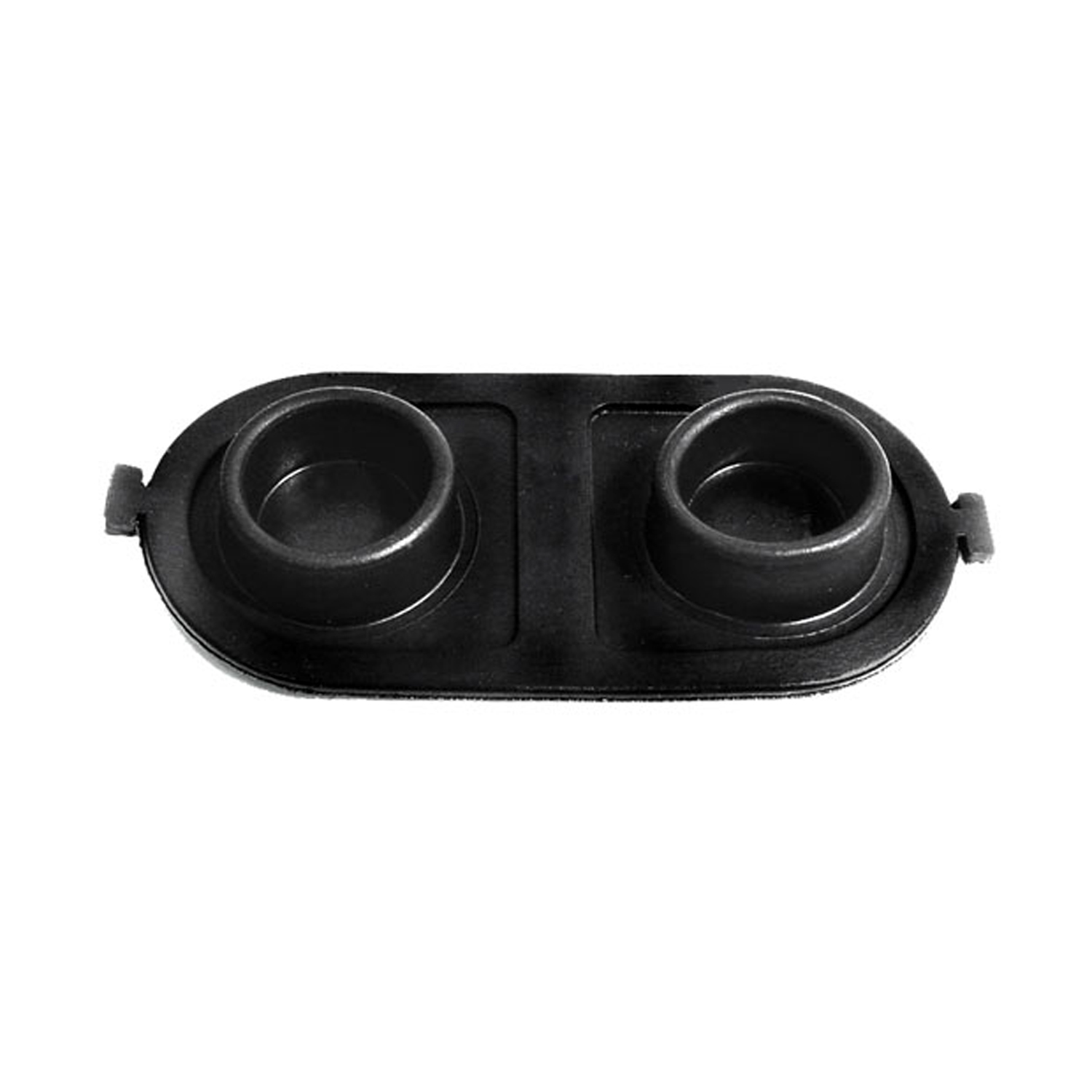 1975 Buick LeSabre Brake Master Cylinder Cover Seal. Replaces OEM #5470861-RP 2-EBrake Master Cylinder Cover Seal. Replaces OEM #5470861. 5" X 2-1/2". Each
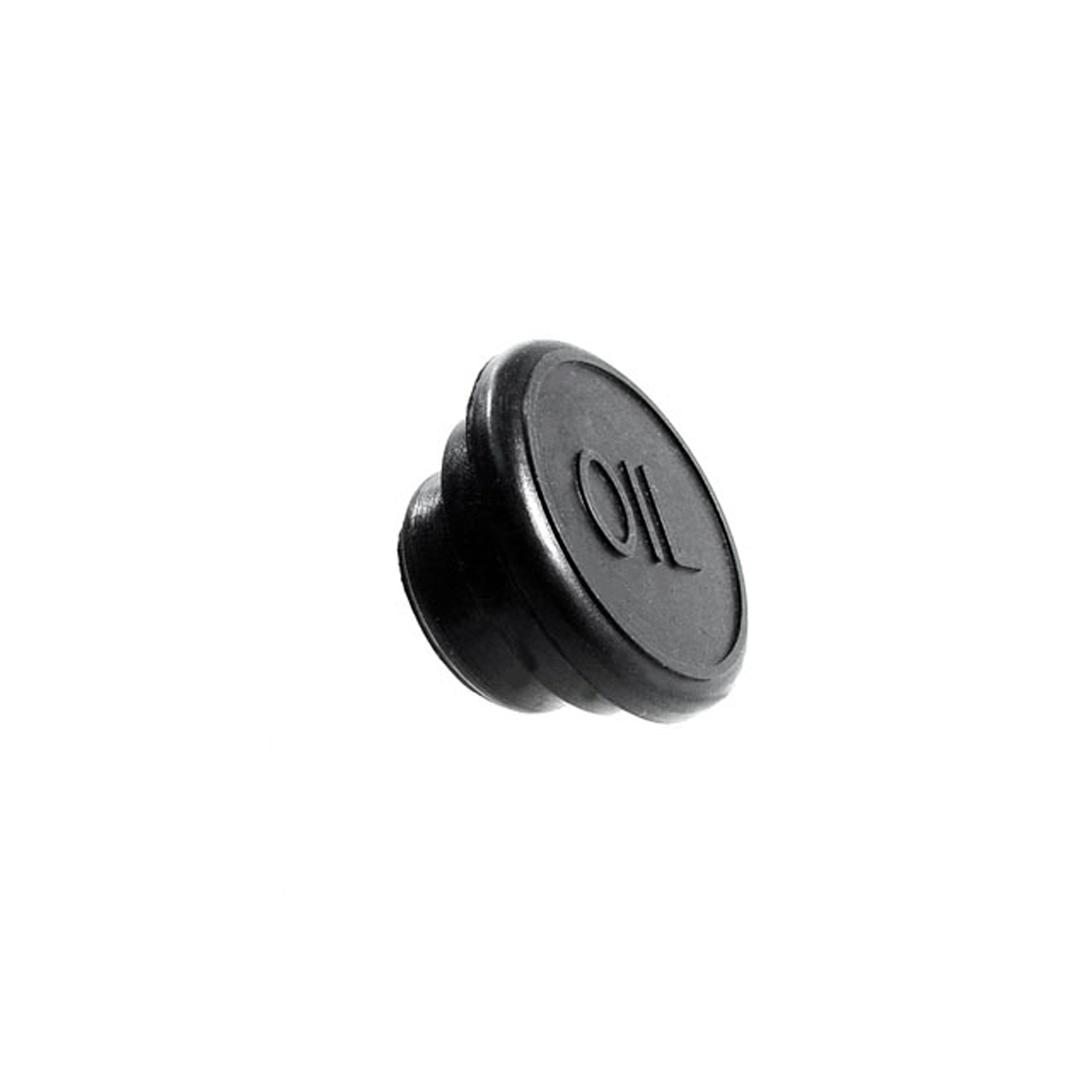 1975 Buick LeSabre Oil Filler Hole Cap. Made of rubber-RP 8Oil Filler Hole Cap. Made of rubber. Fits a 1-3/16" to 1-1/4" hole. Each
 1975 Buick LeSabre Convertible Top Roof Rail Kit-RR 1814Convertible Top Roof Rail Kit. 5-Piece set includes all right and left side top rail seals and the windshield top header seal.
 1975 Buick LeSabre Molded Roof Rail Seals, for 2-Door Hardtop-RR 5007Molded Roof Rail Seals, for 2-Door Hardtop. Made with molded ends. 73-5/8" long. Pair R&L
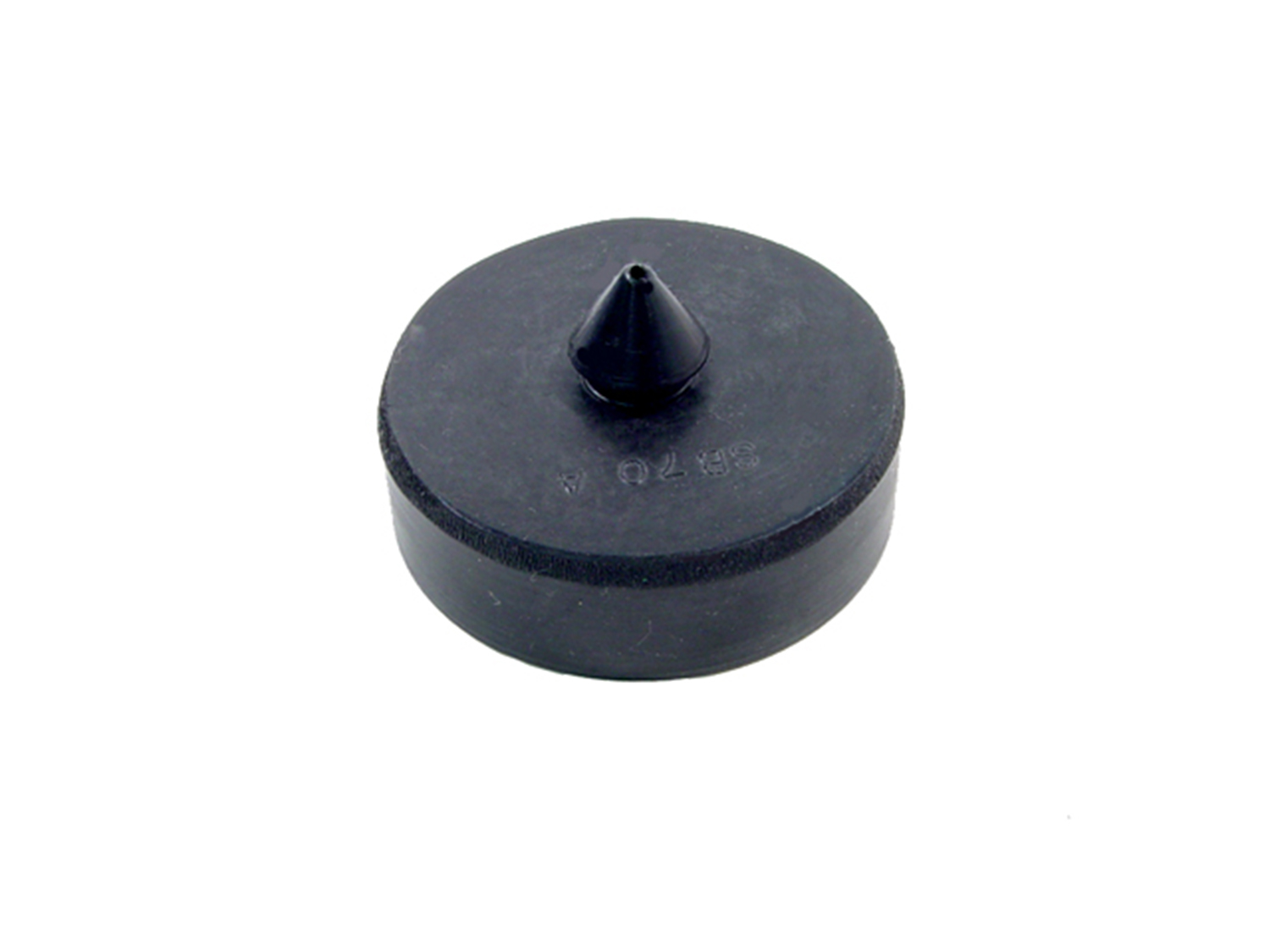 1975 Buick LeSabre Front door window stop bumper. ’70-’81 GM passenger cars-SB 70-AFront door window stop bumper. '70-'81 GM passenger cars. Dense rubber. Replaces OEM# 9810036. Each.
 1975 Buick LeSabre Trunk Seal. Each-TK 46-E/18Trunk Seal. Each
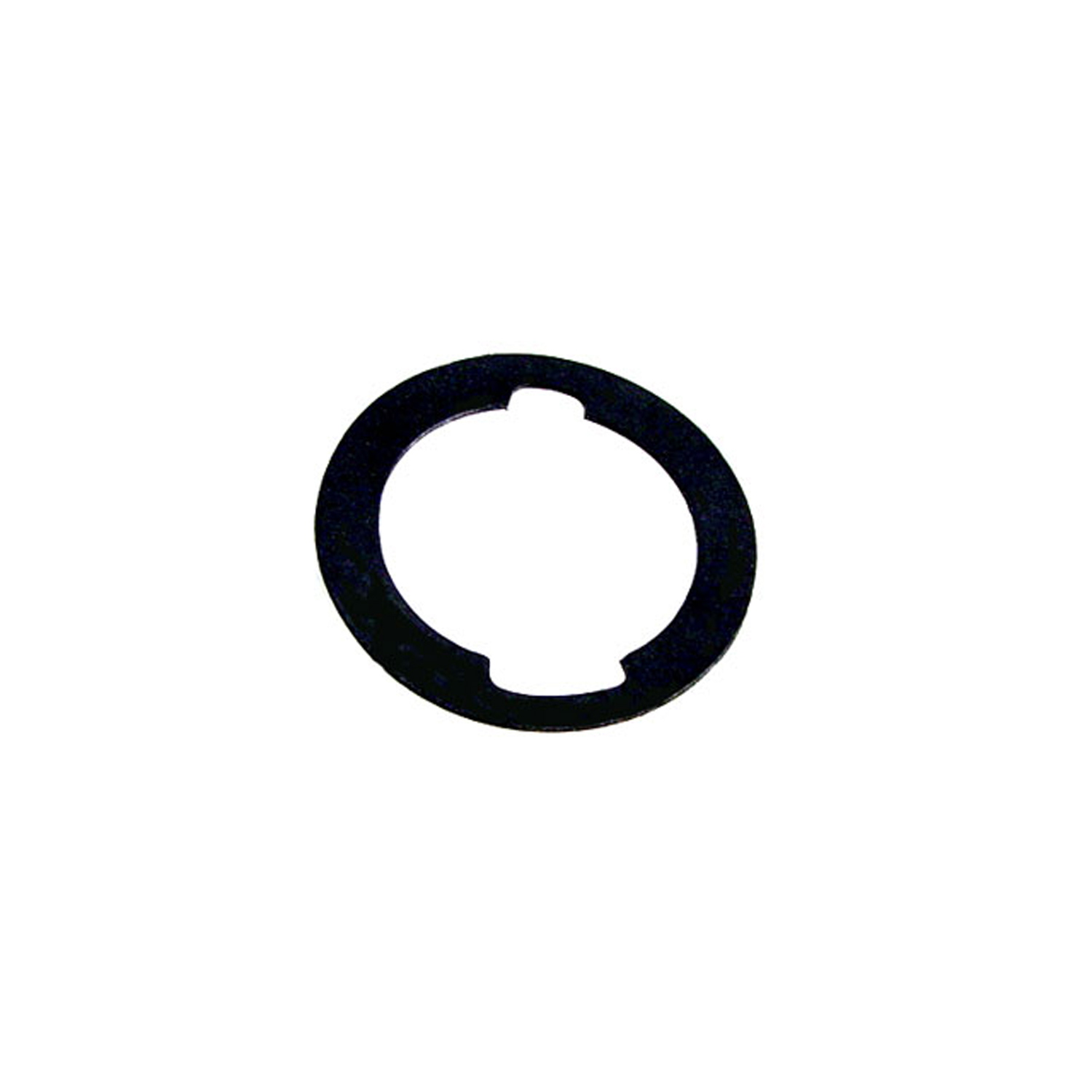 1975 Buick LeSabre Unbeaded Door and Trunk Lock Gasket. 1-3/16" O.D., 7/8" I.D-UM 1600-100Unbeaded Door and Trunk Lock Gasket. 1-3/16" O.D., 7/8" I.D. Each
 1975 Buick LeSabre Rear Roll-Up Quarter Window Seals, made with steel core-VS 3-NRear Roll-Up Quarter Window Seals, made with steel core. For 2-Door Hardtops and Convertibles. 18" Long. Pair
 1975 Buick LeSabre Rear Roll-Up Quarter Window Seals, for 4-Door Hardtops-VS 3-YRear Roll-Up Quarter Window Seals, for 4-Door Hardtops. 19-1/8" Long. Pair
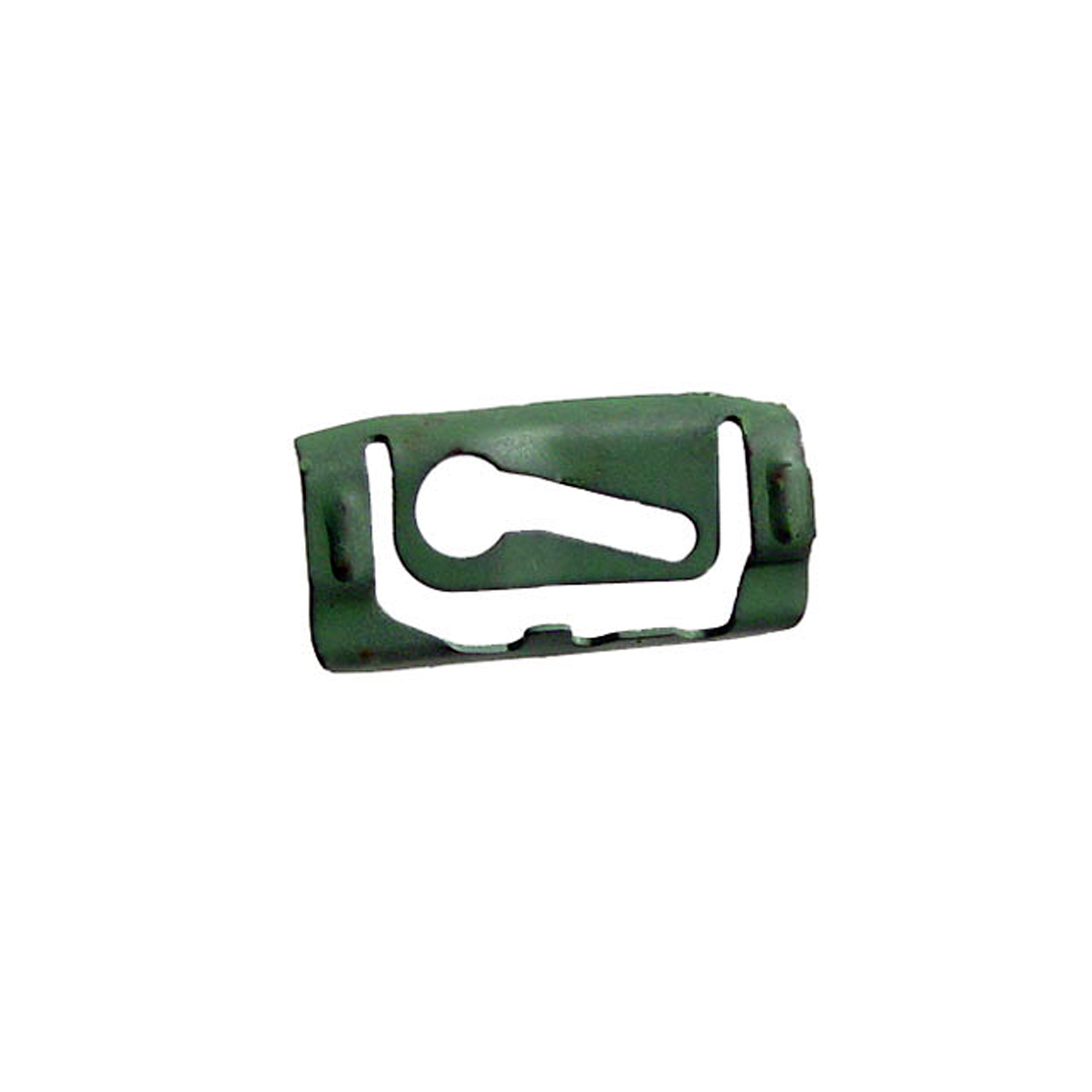 1975 Buick LeSabre Quarter Window Reveal Molding Clip. Made of Steel-WF 205Quarter Window Reveal Molding Clip. Made of Steel. 1-3/8" X 11/16". Each
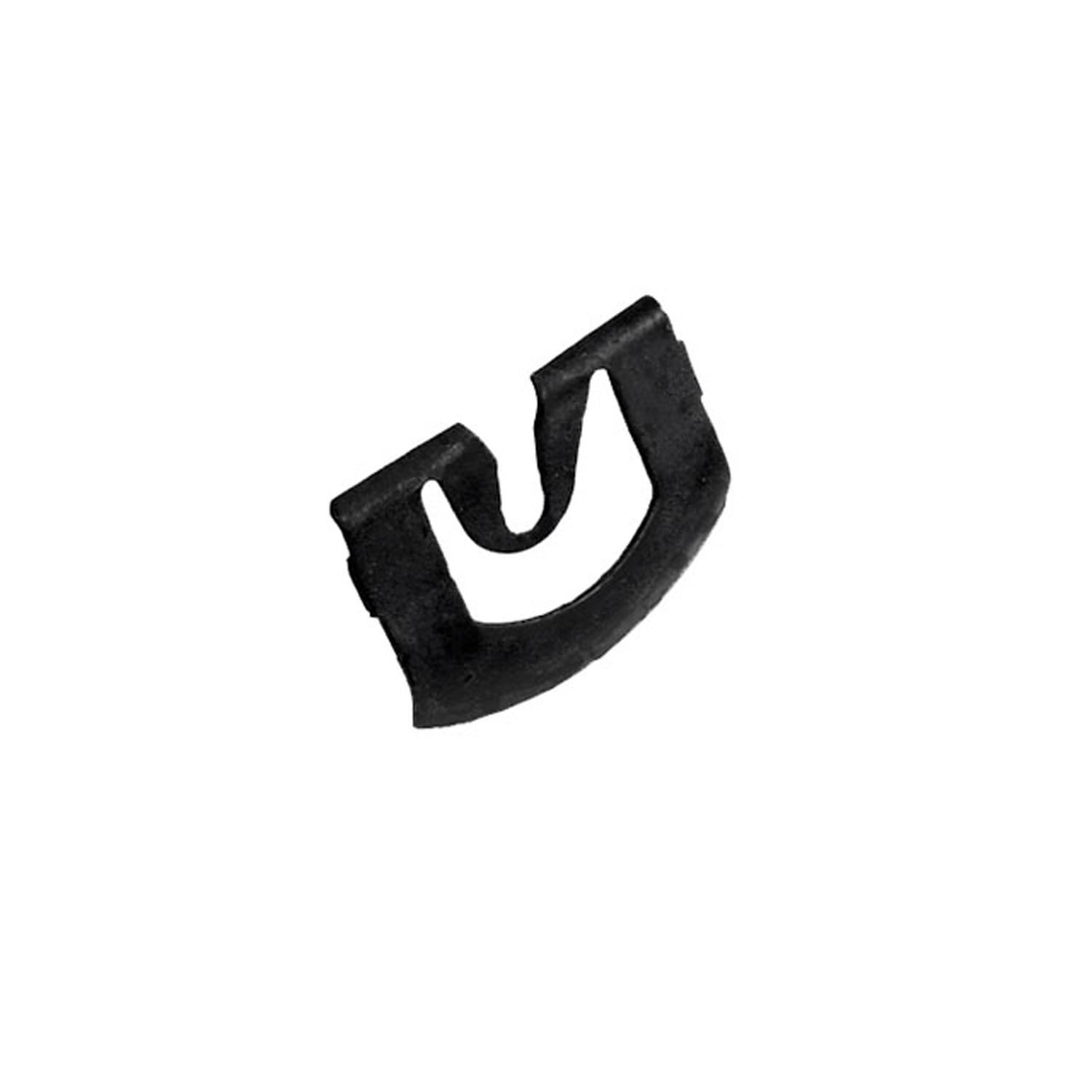 1975 Buick LeSabre Windshield Reveal Molding Clip. Made of steel. 13/16" x 1"-WF 209Windshield Reveal Molding Clip. Made of steel. 13/16" x 1". Each
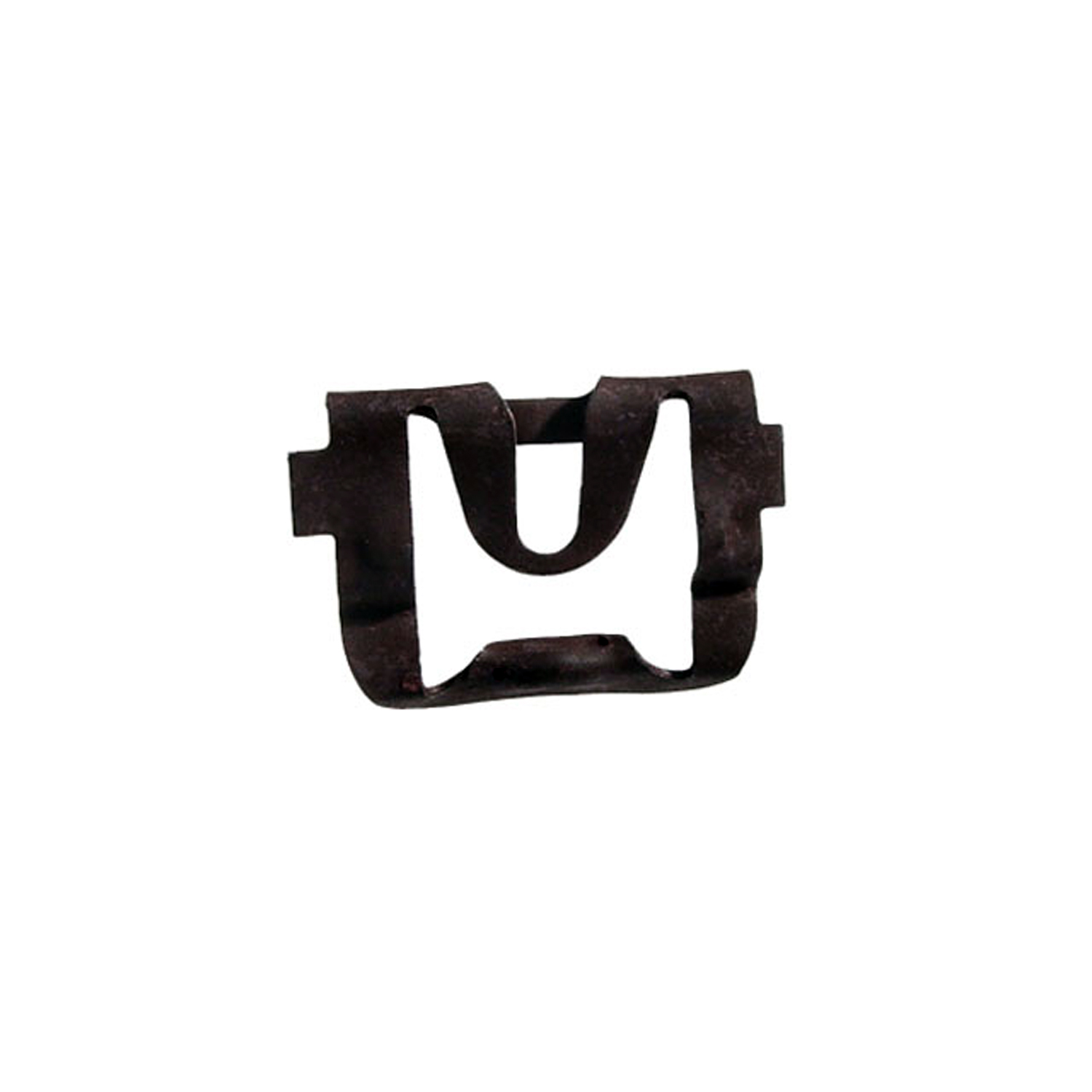 1975 Buick LeSabre Rear Windshield Reveal Molding Clip. Made of steel-WF 211Rear Windshield Reveal Molding Clip. Made of steel. 15/16" X 3/4". Each
 1975 Buick LeSabre Rear Windshield Reveal Molding Clip. Made of steel-WF 213Rear Windshield Reveal Molding Clip. Made of steel. 7/8" X 5/8". Each
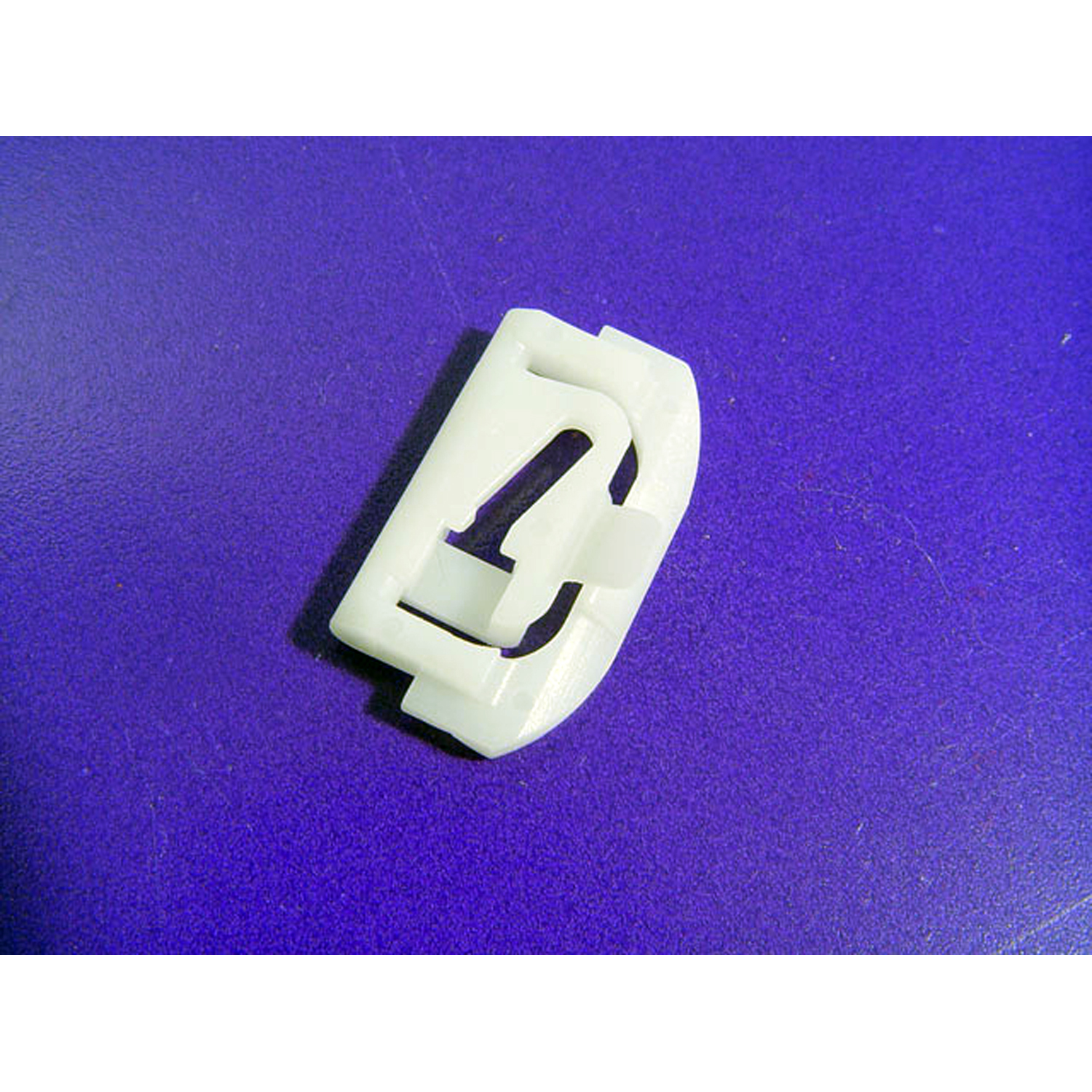 1975 Buick LeSabre Lower Side Window Reveal Molding Clip. Made of nylon-WF 214Lower Side Window Reveal Molding Clip. Made of nylon. 1-1/4" x 3/4". Each
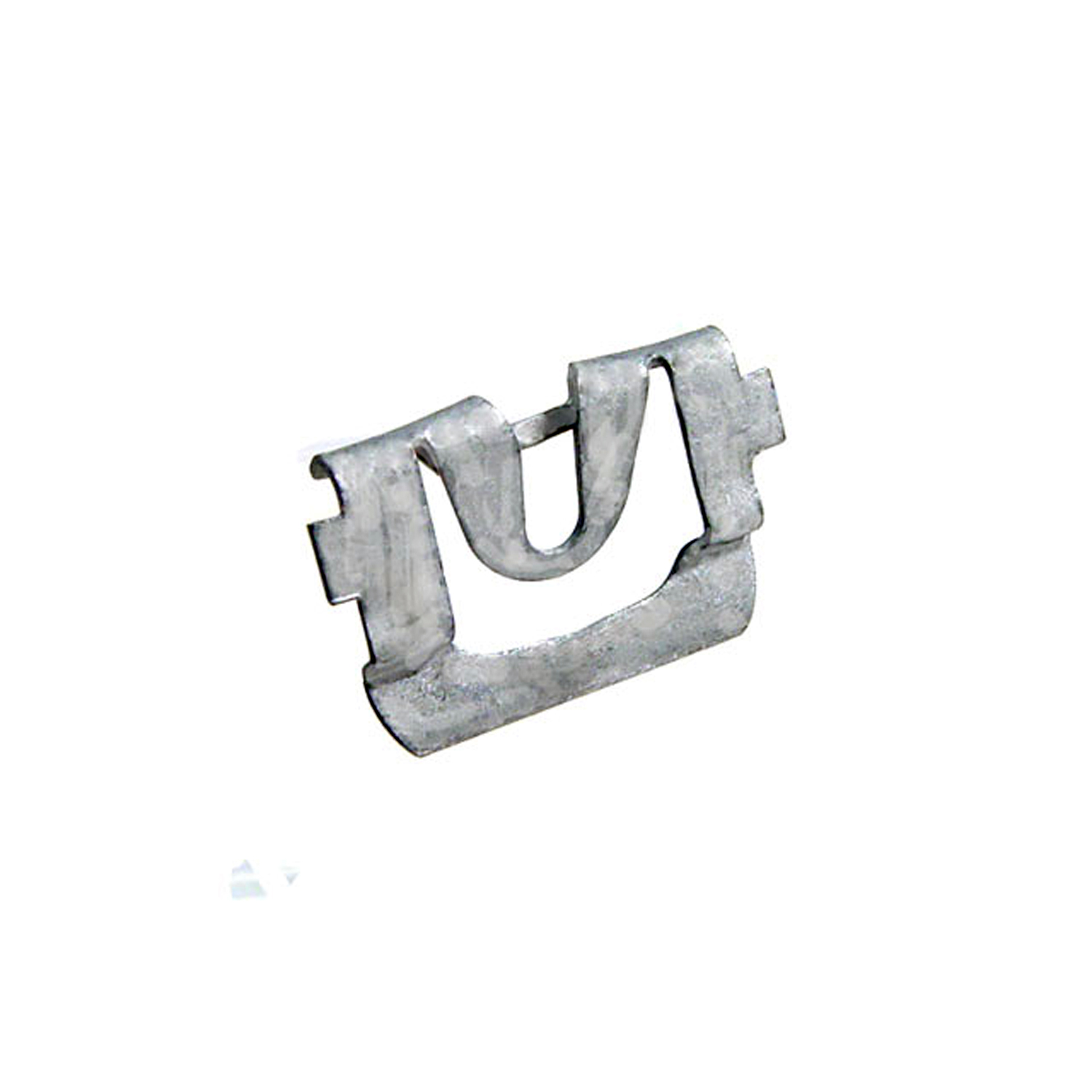 1975 Buick LeSabre Windshield Reveal Molding Clip. Made of steel-WF 223Windshield Reveal Molding Clip. Made of steel. 1/1/8" X 3/4". Each
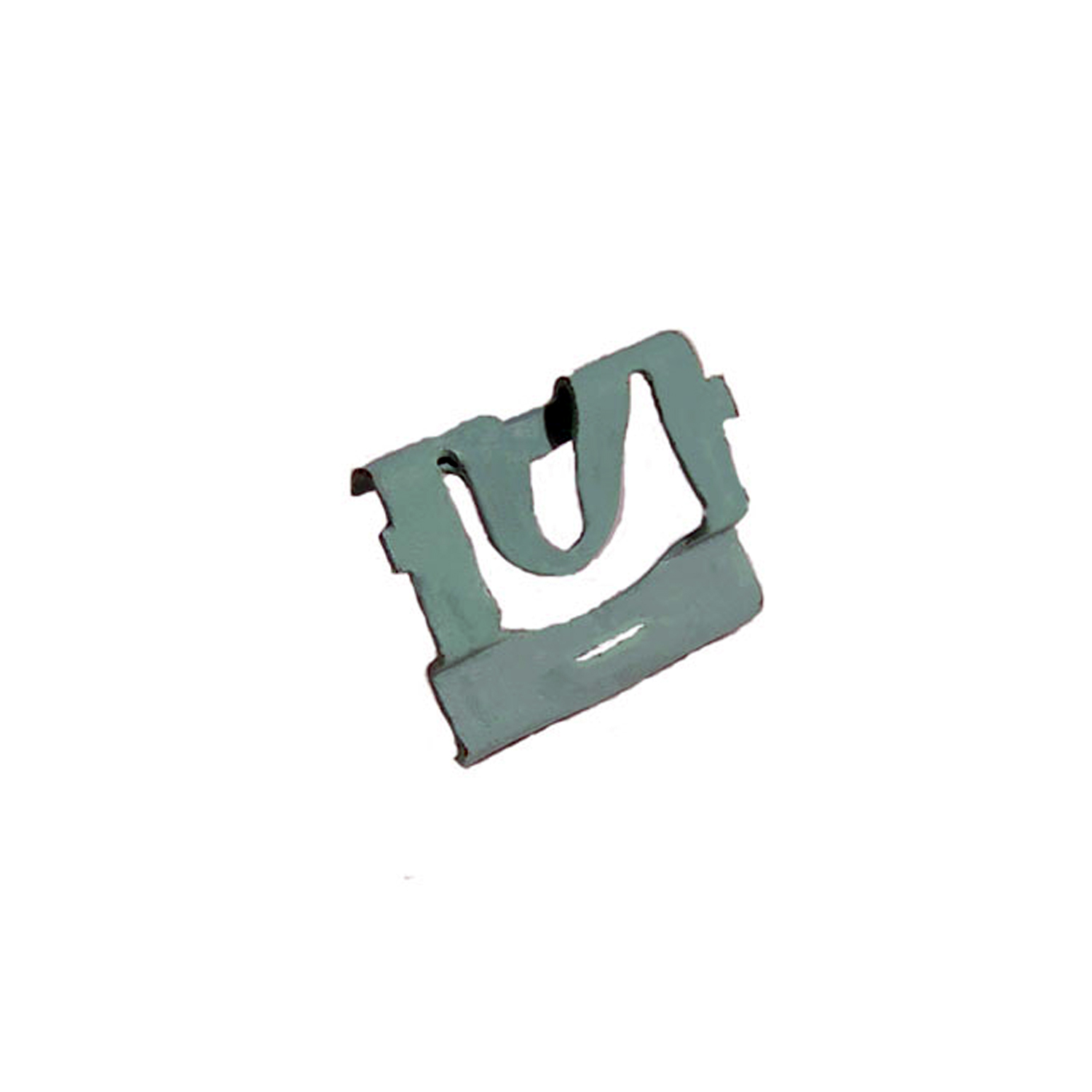 1975 Buick LeSabre Windshield Reveal Molding Clip. Made of steel-WF 224Windshield Reveal Molding Clip. Made of steel. 1-1/4" X 3/4". Fits many models. Each
Why Choose Metro?
For over 100 years, Metro Moulded Parts has been the pinnacle of quality in classic car restoration parts. Our commitment to precision and authenticity in every component ensures a perfect fit and an OEM-level appearance.
- Expert Craftsmanship & Quality: Each part is a testament to our dedication to reliability and perfection, crafted from original designs and thoroughly tested.
- Advanced Technology: We use cutting-edge techniques to create flawless, long-lasting parts that surpass others in performance.
- SuperSoft Sponge – The Ultimate Door Seal: Not only are our door seals 30% softer than competitors', but they're also guaranteed to never leak. They effectively reduce wind and road noise, enhancing your classic car's comfort and driving experience.
- Proudly American: Our parts are a product of American craftsmanship, made in the USA with a spirit of excellence and heritage.
- Unrivaled Warranty: We back our products with a 30-year industry-leading warranty, a testament to our confidence in their quality.
Join us in preserving the legacy of classic cars with parts that are crafted for perfection, not just made.