

Image of 1975 Buick Skyhawk, Note: These illustrations use artistic license and may differ from actual historical models.
Performance Metrics
Fundamental Metrics
Emotional Appeal
MMP Rating
| Engine Specifications | |
|---|---|
| Engine Options: | 3.8L V6, 5.7L V8 |
| Displacement Range: | 231-350 cu in |
| Horsepower Range: | 110-165 hp |
| Torque: | 185-275 lb-ft |
| Compression Ratio: | 8.0:1 - 8.5:1 |
| Ignition System: | Electronic Ignition |
| Cooling System: | Liquid Cooled |
| Performance Specifications | |
| 0-60 Time: | Estimated 10-12 seconds |
| 1/4 Mile Time: | Estimated 17-19 seconds |
| Top Speed: | 105-115 mph |
| Transmission and Drive | |
| Drive Type: | RWD (Rear Wheel Drive) |
| Transmission Type: | 3-speed automatic, 4-speed manual |
| Fuel and Efficiency | |
| Fuel System Type: | Carburetor |
| MPG: | Estimated 15-20 mpg |
| Dimensions and Brakes | |
| Brakes: | Front Disc, Rear Drum |
| Wheelbase: | 97.0 in |
| Weight: | 3000-3200 lbs |
Note: Specifications for classic cars are given to the best of our ability, considering the limited and variant data available.
1975 Buick Skyhawk: Buick’s Sporty New Compact
The 1975 Buick Skyhawk brought a distinctly Buick flavor to the American compact car: a rear-wheel-drive hatchback with a standard V6, sporty proportions, and more upscale ambitions than its small size suggested. It arrived during a turning point for the auto industry, when fuel economy and smaller cars were suddenly central concerns, but buyers still wanted comfort and style.
Built by Buick, a division of General Motors, the Skyhawk was part of GM’s H-body family. It shared its basic architecture with cars such as the Chevrolet Monza and Pontiac Sunbird, but Buick gave it its own grille, trim, interior touches, and character. One detail that set it apart from many small cars of the era was its standard 3.8-liter V6. The Skyhawk name would return on a later Buick, but the 1975 model was the first and remains the original rear-drive version.
Fastback Shape, Buick Details
The 1975 Skyhawk was a two-door hatchback coupe, with a long hood, short rear deck, and steeply sloped hatch. Its compact proportions gave it a sporty profile without making it look quite like a conventional economy car. Buick-specific grille and badging helped distinguish it from its H-body relatives, while brightwork and carefully placed trim lent the little car a more polished appearance.
The hatchback layout was practical as well as stylish. Folding the rear seat expanded the cargo area, making the Skyhawk more useful than its coupe-like roofline might suggest. It was not a spacious family wagon, but it could handle luggage, shopping, or weekend gear more easily than a traditional small coupe.
Inside, the Skyhawk aimed for a more finished feel than a basic subcompact. Buyers could find bucket seats, a center console, carpet, and a choice of vinyl or cloth-and-vinyl upholstery, depending on equipment and configuration. The cabin used the period’s familiar mix of molded plastics, vinyl, and modest trim accents rather than true luxury materials. Air conditioning, power steering, an automatic transmission, and upgraded radio equipment were among the available conveniences.
Factory paint choices varied by production date and equipment. Period palettes included restrained shades such as white, silver, and darker blues, alongside more expressive colors such as red, green, and metallic brown or copper tones. Bright colors suited the Skyhawk’s sporty shape, while silver and dark blue gave it a more understated Buick look. Original paint codes are worth checking when researching a particular car.
Small-Car Technology in a Changing Era
The Skyhawk used a front-engine, rear-wheel-drive layout on GM’s H-body platform. That arrangement gave it a different character from the front-drive imports that were becoming increasingly influential. Its compact footprint made it easier to park and maneuver than a full-size Buick, while its V6 gave it more low-speed pulling power than many small four-cylinder rivals.
The 1975 model also belonged to the first wave of cars built under tighter emissions and fuel requirements. Like other new U.S. cars of the year, it was designed to run on unleaded fuel and used emissions-control equipment including a catalytic converter. These changes were significant for owners and mechanics, who had to adapt to new servicing requirements and the gradual disappearance of leaded gasoline.
There was only one body style for the 1975 Skyhawk: the two-door hatchback. Equipment and trim packages could change its appearance and comfort level, but there was no sedan or wagon version of the original model. The hatchback is consequently the defining and most recognizable form of the first-year Skyhawk.
Why the 1975 Skyhawk Matters
The Skyhawk reflected Buick’s effort to move into a smaller-car market without abandoning the brand’s emphasis on comfort and refinement. In the wake of the 1973 oil crisis, American buyers were reconsidering large, fuel-hungry cars. Buick responded with a compact that was easier to live with in town but still offered a smooth six-cylinder engine and a more dressed-up cabin than many economy models.
Its standard V6 was a meaningful distinction. Many compact competitors relied on four-cylinder engines, while the Skyhawk offered the relaxed torque and familiar sound of Buick’s 3.8-liter engine. It was not a muscle car, and it did not transform small-car engineering, but it showed how a domestic manufacturer could use shared platform engineering to offer different personalities across GM brands.
The Skyhawk’s lasting significance is also tied to the broader H-body family. GM used the platform across several divisions, allowing it to spread development costs while giving each brand a separate identity. That approach became increasingly common across the industry. The Skyhawk was one of Buick’s early attempts to make a compact feel like a legitimate member of its lineup rather than simply a smaller, cheaper substitute.
V6 Performance and Road Manners
The standard engine was Buick’s 231-cubic-inch, or 3.8-liter, V6. Published output is generally listed at about 110 horsepower and 190 lb-ft of torque, though specifications can vary by source and testing method. Depending on transmission, gearing, condition, and road conditions, a period Skyhawk could reach 60 mph in roughly 11 to 13 seconds. A healthy example might top out around 100 to 105 mph, but it was designed for everyday driving, not sustained high-speed performance.
Transmission choices included manual and automatic gearboxes, with availability depending on the specific car and equipment. The V6’s torque made the Skyhawk feel willing at ordinary speeds, especially compared with small cars that needed to be revved hard. Its acceleration was steady rather than forceful, and modern traffic can make a well-preserved example feel modest by today’s standards.
On the road, the Skyhawk’s compact size is an advantage. It is easy to place in a lane, manageable in parking lots, and generally less intimidating on narrow streets than a full-size 1970s Buick. Its suspension and relatively short wheelbase, however, do not erase the limitations of an older compact. Rough pavement can produce more movement and impact than in a modern car, and the body may lean noticeably through a quick corner.
On winding roads, expect a straightforward, old-school experience rather than sports-car precision. Steering feel, tire condition, suspension wear, and alignment make a major difference today. The V6 provides a familiar low rumble, while the cabin delivers a more mechanical, less isolated sensation than a contemporary Buick. For many owners, that combination is part of the appeal: compact dimensions, rear-wheel drive, and a traditional American six-cylinder feel.
Living With a Skyhawk
A 1975 Skyhawk can serve as a weekend cruiser, a local show car, or an occasional-use classic. Some owners use one for regular short trips, but its age means that reliability depends more on maintenance and condition than on the original specification. A carefully sorted car can be enjoyable to drive, while a neglected example may need substantial work before it is dependable.
The 3.8-liter Buick V6 has a long history across GM vehicles, which helps with routine engine parts and general mechanical knowledge. Basic service work is familiar to many independent mechanics and experienced home restorers. The car’s simpler systems can make repairs more approachable than on a modern vehicle, although age, corrosion, and previous repairs can complicate even routine jobs.
Inspect the body carefully, especially the floors, lower body panels, wheel openings, hatch area, and structural mounting points. Weatherstripping, glass, interior trim, and Skyhawk-specific exterior pieces may be harder to locate than common engine-service items. Check that the hatch seals properly and that the rear cargo area is dry. On any 1975 car, also inspect emissions equipment, fuel-system condition, wiring, and brakes before regular use.
Skyhawk Trivia and Common Criticisms
The Skyhawk’s most notable first-year fact is that Buick made a V6 standard equipment in a compact hatchback. That gave it a distinctive identity within the H-body family and helped it feel more substantial than its dimensions suggested. The model was also part of GM’s broader response to the demand for smaller cars after the fuel crisis.
Production for 1975 is commonly reported at approximately 21,000 cars, with figures often cited near 21,149. That makes the Skyhawk far less familiar today than high-volume Buicks, although it was not an ultra-low-production special when new. Exact numbers can vary between production references, so treat them as a useful estimate rather than a guarantee for any particular trim or option combination.
The 1975 Skyhawk is not widely associated with a major speed record, endurance achievement, or celebrity ownership story. Its historical interest comes instead from its place in Buick’s move into the compact market and its use of the H-body platform. It also does not have the same established racing reputation as some contemporary performance coupes.
Common criticisms include modest acceleration, limited rear-seat and cargo space, and interior materials that feel basic by Buick standards. Its ride and handling are also less polished than those of later cars. Today, parts availability can be uneven: mechanical components are generally easier to source than model-specific trim and body pieces.
Collector Values and Rarity
The 1975 Skyhawk occupies an appealing niche for collectors who like overlooked American cars. It is uncommon enough to attract attention at shows, but it does not usually command the prices of a rare muscle car or a high-performance Buick. Condition, originality, rust, documentation, and the quality of any restoration matter more than a simple mileage figure.
As a broad U.S. market estimate for 2026, a project car might sell for roughly $1,500 to $4,000. A usable driver in fair-to-good condition could fall around $5,000 to $10,000, while a well-kept or carefully restored example may bring about $10,000 to $16,000. An exceptional, highly original car could exceed that range, perhaps reaching $18,000 to $22,000 in the right sale, but such results should be considered uncommon rather than typical.
Values have tended to be modest and uneven. Interest in unusual 1970s cars has helped clean examples find appreciative buyers, but the Skyhawk remains a niche collectible with a smaller audience than more famous Buick models. The best outlook is for excellent, original cars with solid bodies and complete trim. A rough car can cost more to restore than it will be worth on the open market, so inspect carefully before buying.
A Buick Worth Rediscovering
The 1975 Buick Skyhawk combined a compact hatchback body, rear-wheel-drive layout, standard 3.8-liter V6, and a more upscale character than many small cars of its time. It was a practical response to a changing market, and an interesting example of Buick adapting its traditional strengths to a smaller format.
It may not be the quickest or most luxurious Buick of the decade, but its uncommon blend of size, V6 power, and hatchback utility gives it a personality all its own. For collectors willing to look beyond the obvious classics, the first-year Skyhawk offers a rewarding glimpse of Buick reinventing itself one small car at a time.
1975 Buick Skyhawk Catalog of Parts
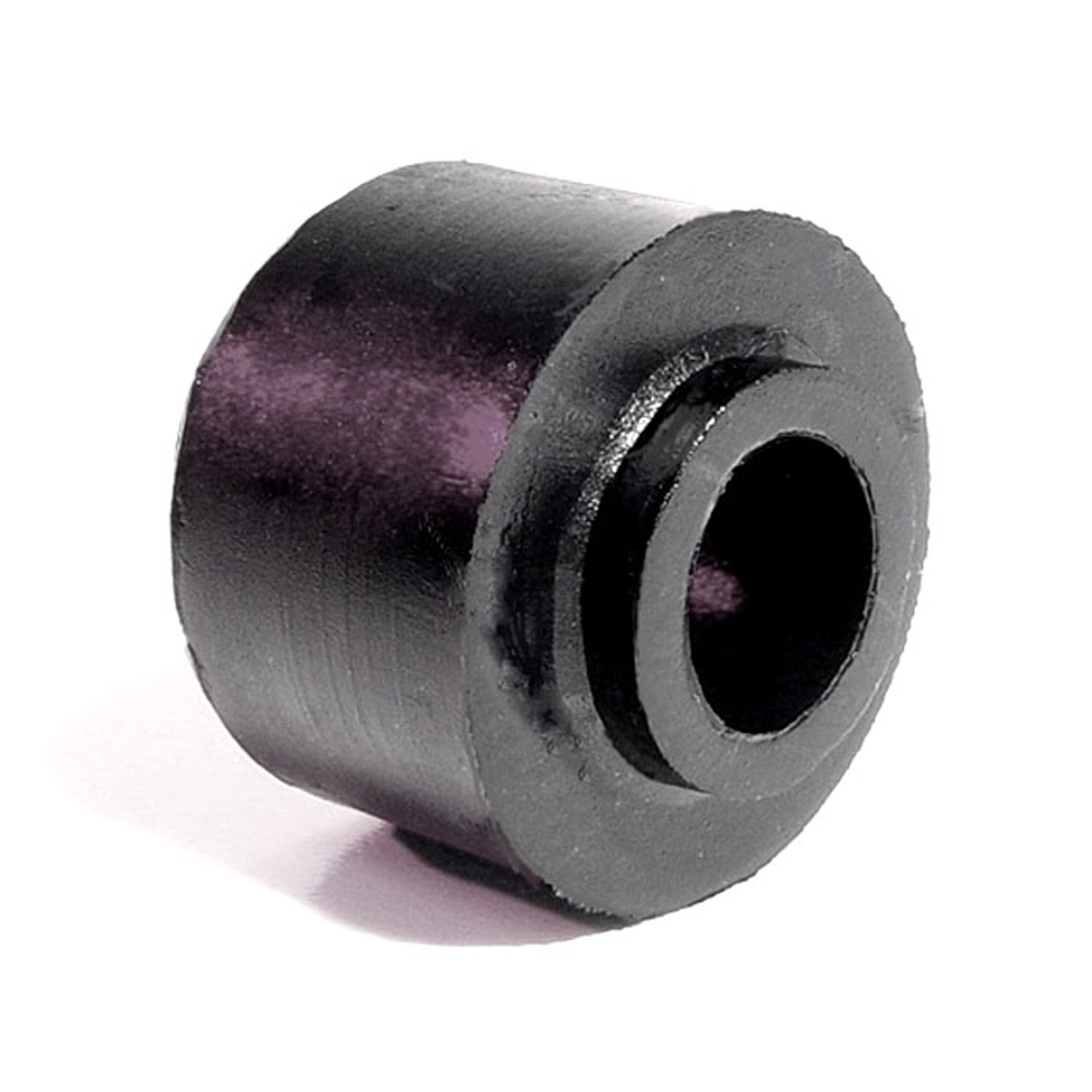 1975 Buick Skyhawk Shock Absorber Grommet. 1" bottom O.D., 3/4" high-BN 1Shock Absorber Grommet. 1" bottom O.D., 3/4" high., with 7/16" I.D. Each
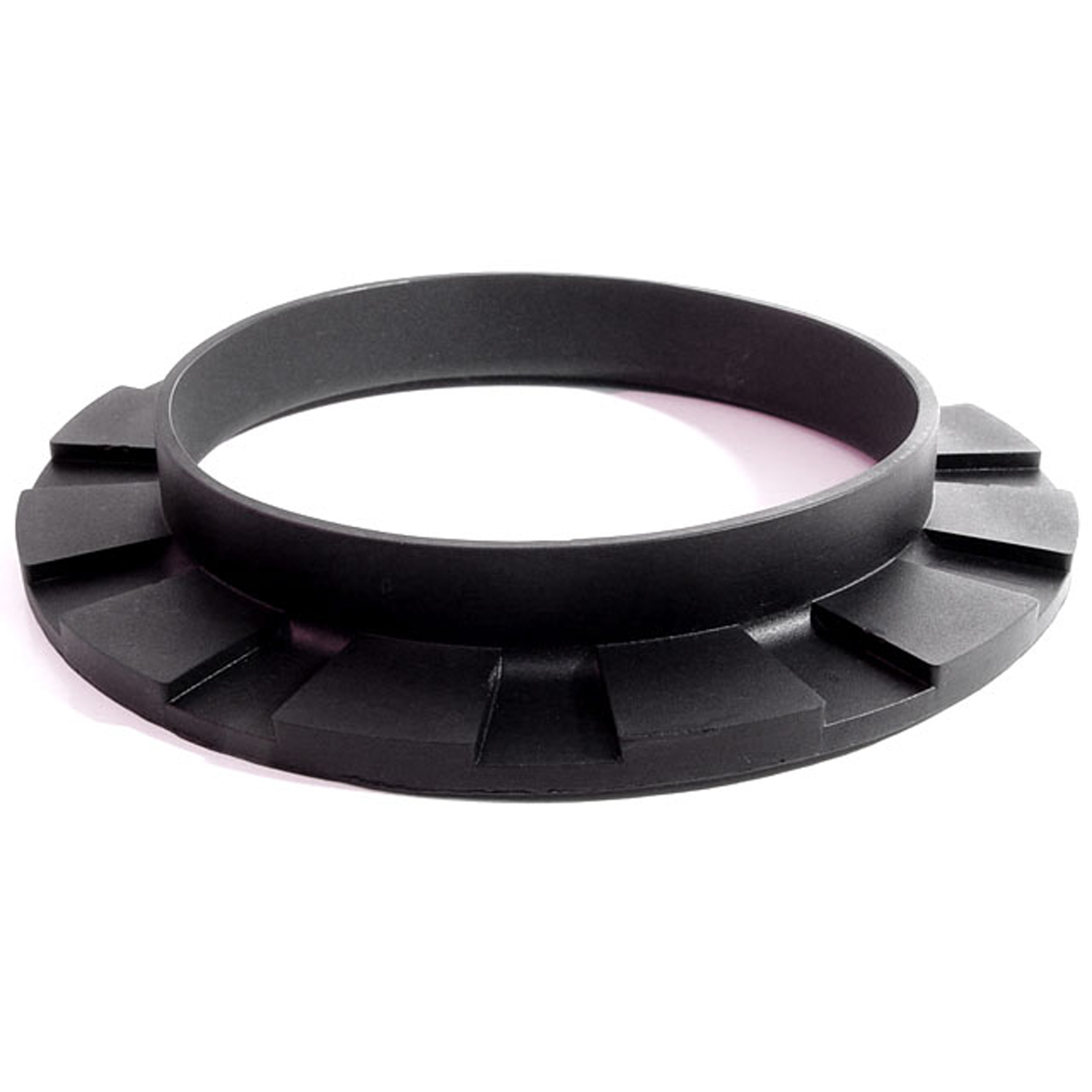 1975 Buick Skyhawk Front coil-spring insulator-BN 110Front coil-spring insulator. Fits '41-'60 Oldsmobile and '50-'83 GM passenger models. 5-3/8 in. OD x 3-3/4 in. ID x 3/4 in. high with 13/16 in. wide bottom flange 1/4" thick, 12 flutes. Each.
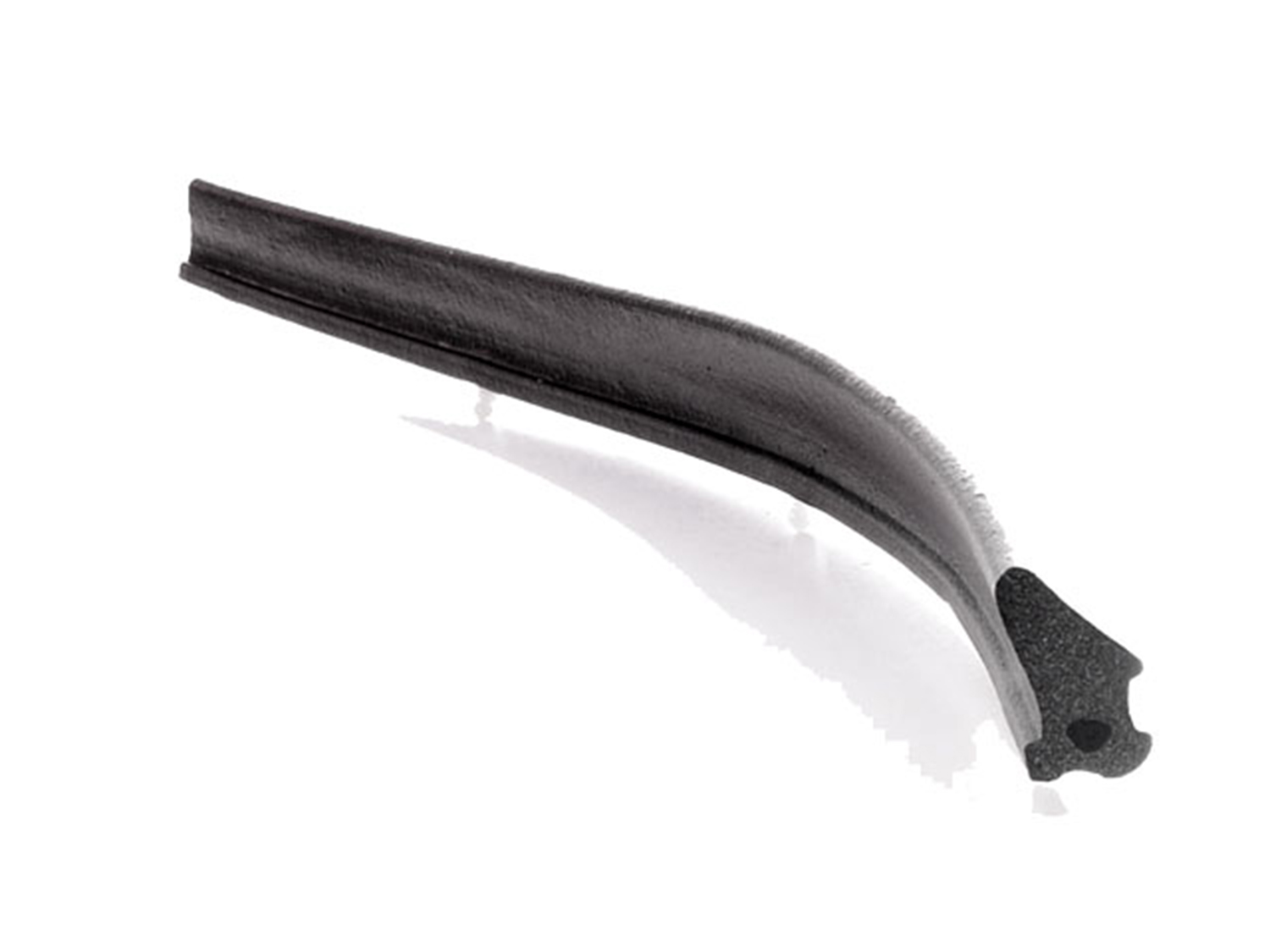 1975 Buick Skyhawk Door Side Seal-C/LP 40-KDoor Side Seal. Made of smooth skin sponge extrusion, with clips installed. (For seal without clips, see LP 40-K) Sold by the foot.
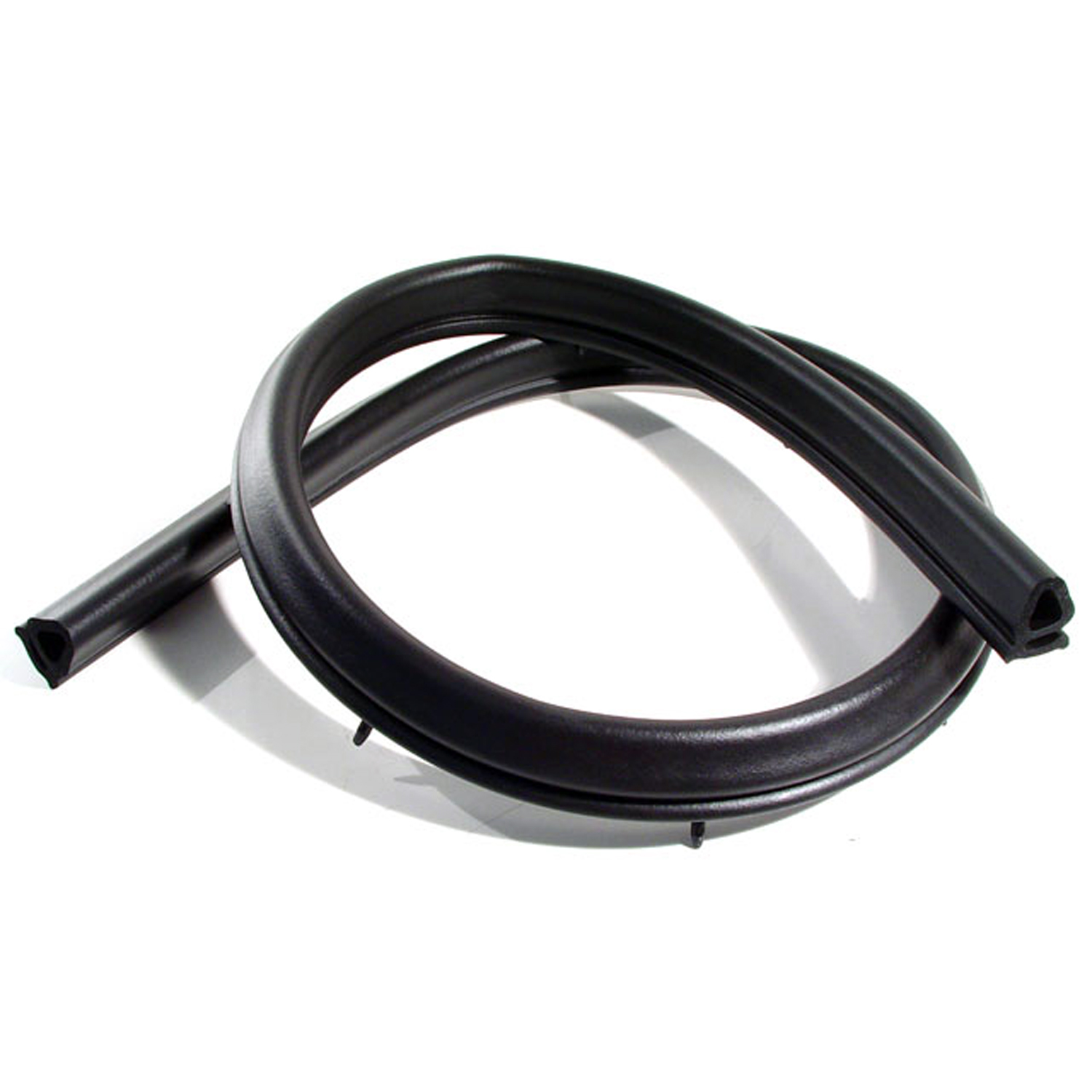 1975 Buick Skyhawk Hood to Cowl Seal, 71-80 GM H Body, Each-CS 13-HHood to Cowl Seal, 71-80 GM H Body, Each. Replaces OEM # 9829415. 50" Long. Comes with five mounting clips.
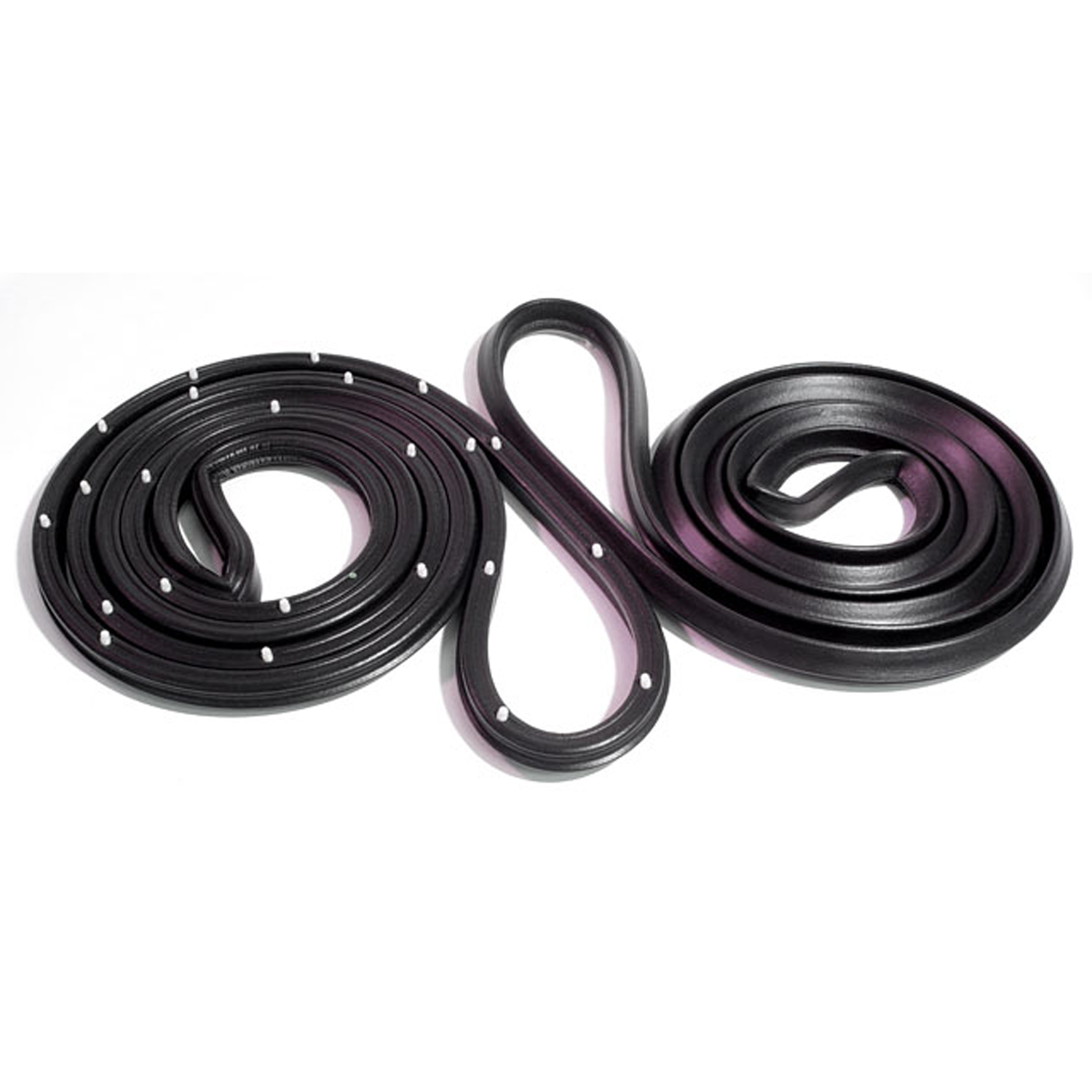 1975 Buick Skyhawk Molded Door Seals for Hatchbacks. 151-1/2" long each-LM 13-MMolded Door Seals for Hatchbacks. 151-1/2" long each. Pair R&L
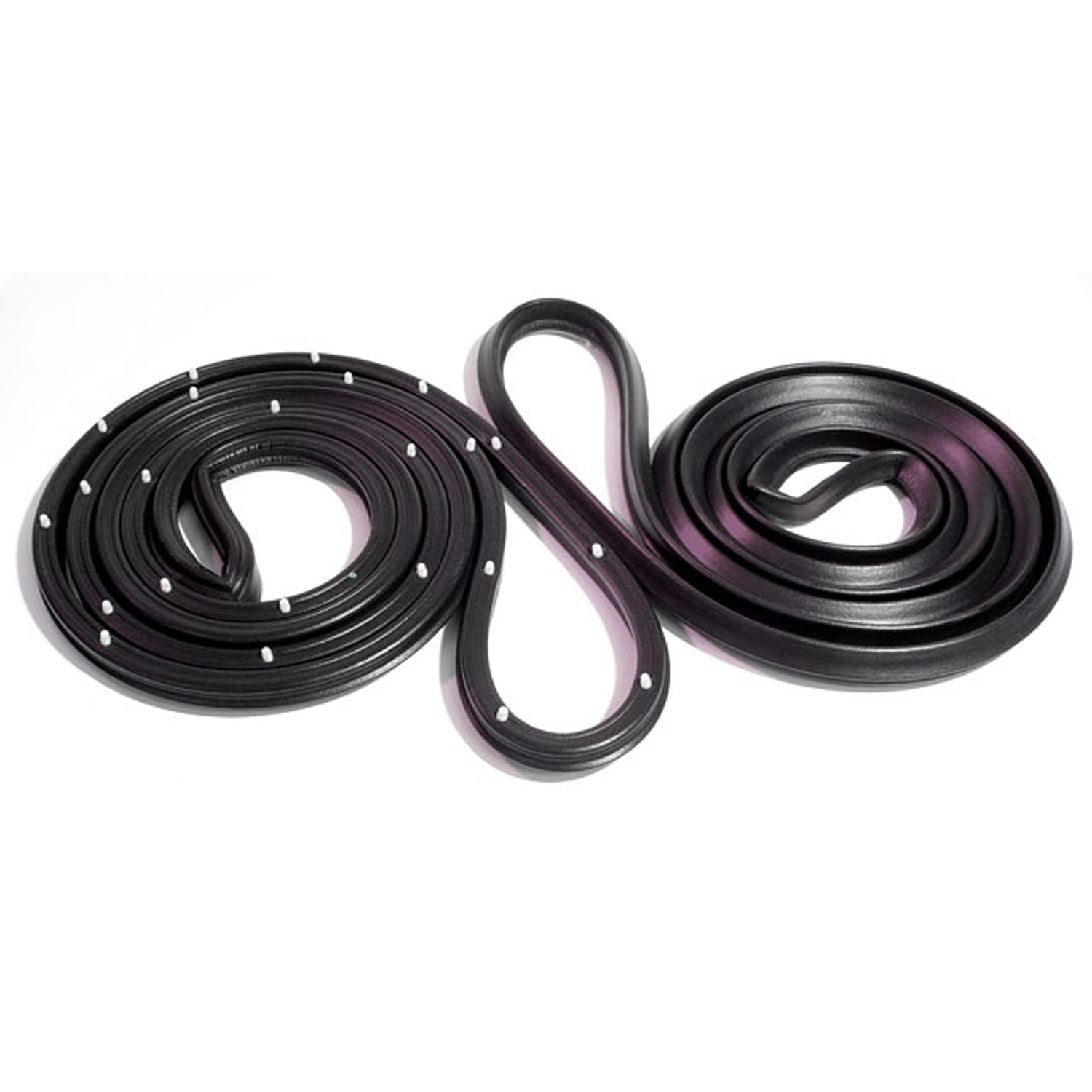 1975 Buick Skyhawk Molded Door Seals for Coupes. 151" Long. Pair R&L-LM 13-NMolded Door Seals for Coupes. 151" Long. Pair R&L
 1975 Buick Skyhawk Trunk Liner. Loose weave, jet black. 50" wide-M 30Trunk Liner. Loose weave, jet black. 50" wide. Sold by the foot
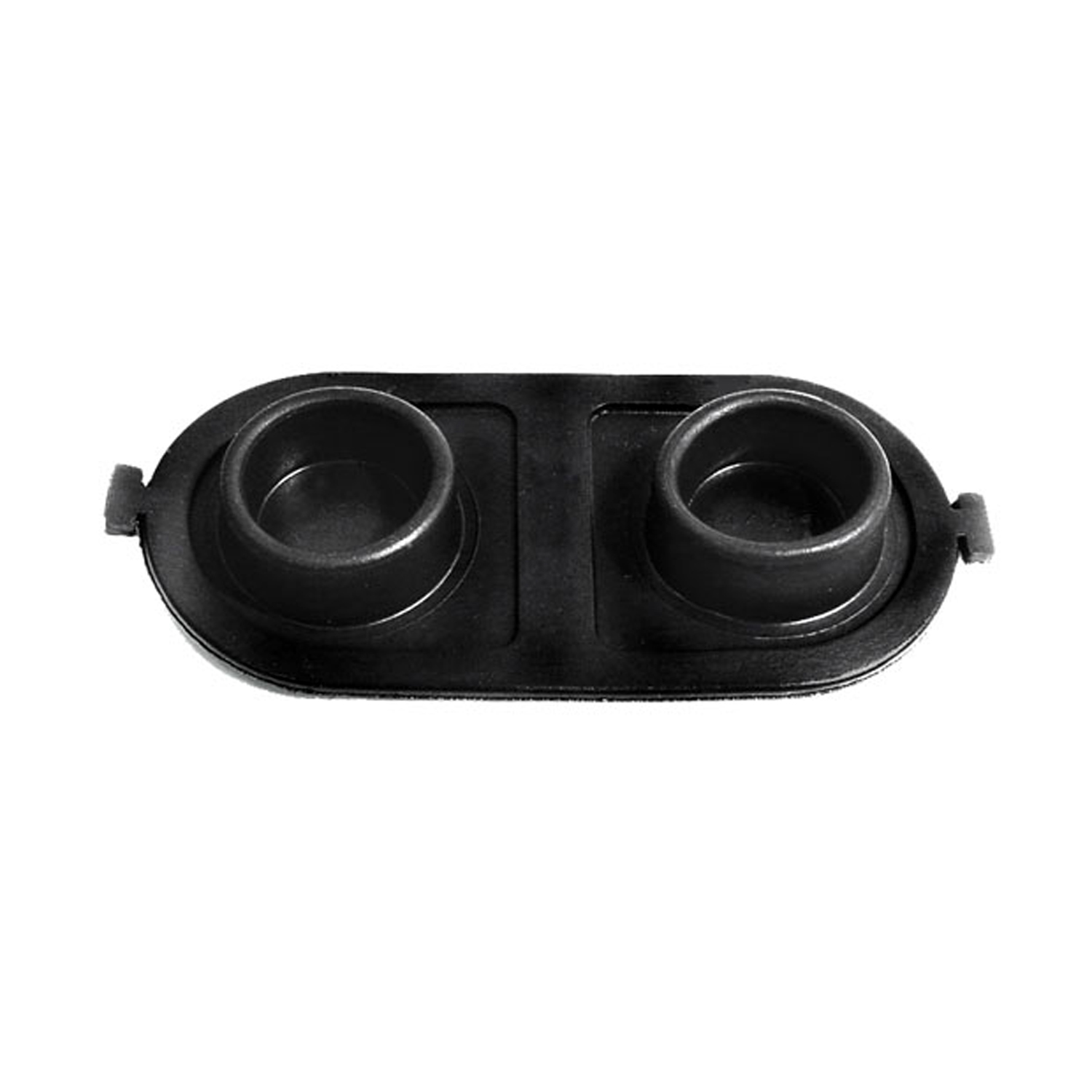 1975 Buick Skyhawk Brake Master Cylinder Cover Seal. Replaces OEM #5470861-RP 2-EBrake Master Cylinder Cover Seal. Replaces OEM #5470861. 5" X 2-1/2". Each
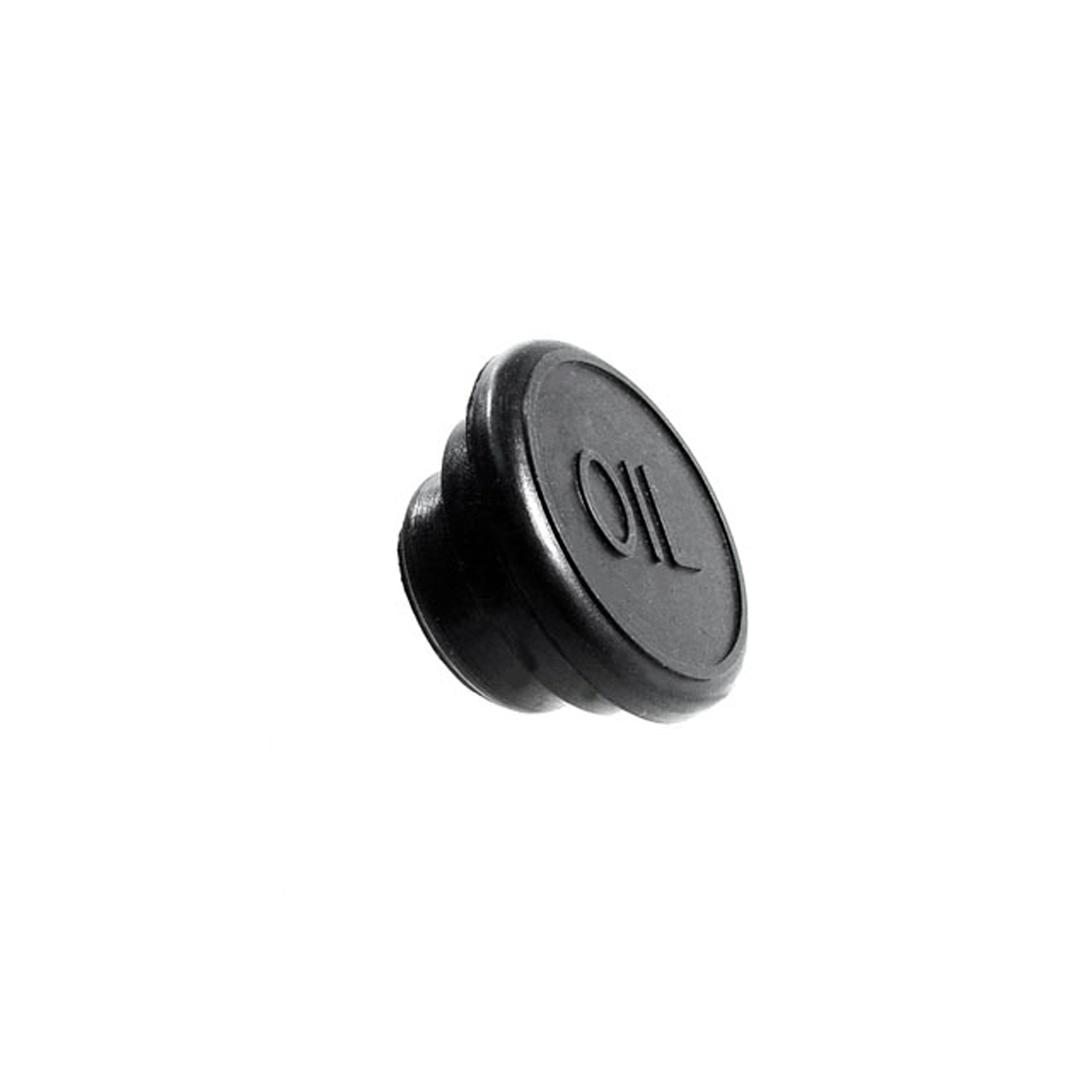 1975 Buick Skyhawk Oil Filler Hole Cap. Made of rubber-RP 8Oil Filler Hole Cap. Made of rubber. Fits a 1-3/16" to 1-1/4" hole. Each
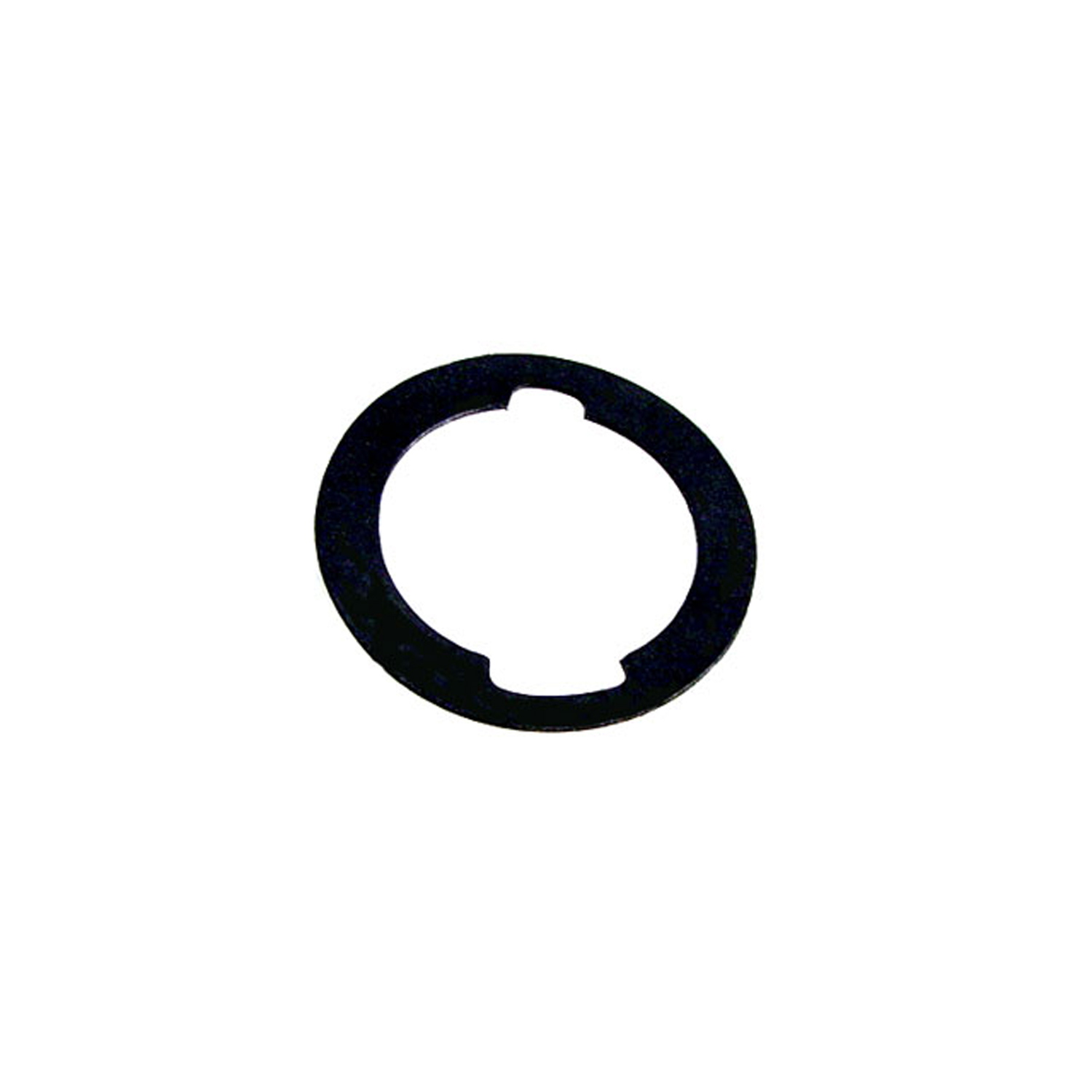 1975 Buick Skyhawk Unbeaded Door and Trunk Lock Gasket. 1-3/16" O.D., 7/8" I.D-UM 1600-100Unbeaded Door and Trunk Lock Gasket. 1-3/16" O.D., 7/8" I.D. Each
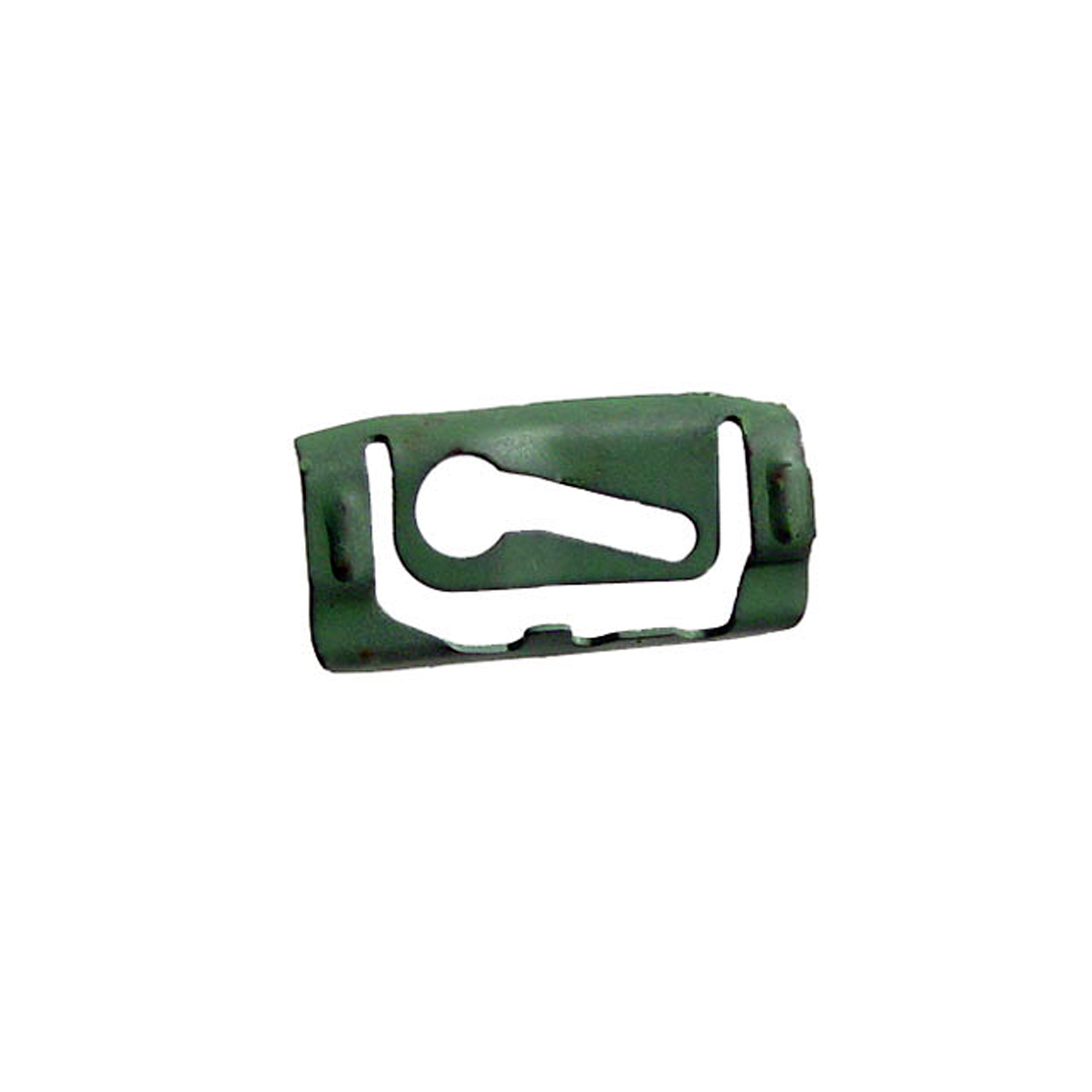 1975 Buick Skyhawk Quarter Window Reveal Molding Clip. Made of Steel-WF 205Quarter Window Reveal Molding Clip. Made of Steel. 1-3/8" X 11/16". Each
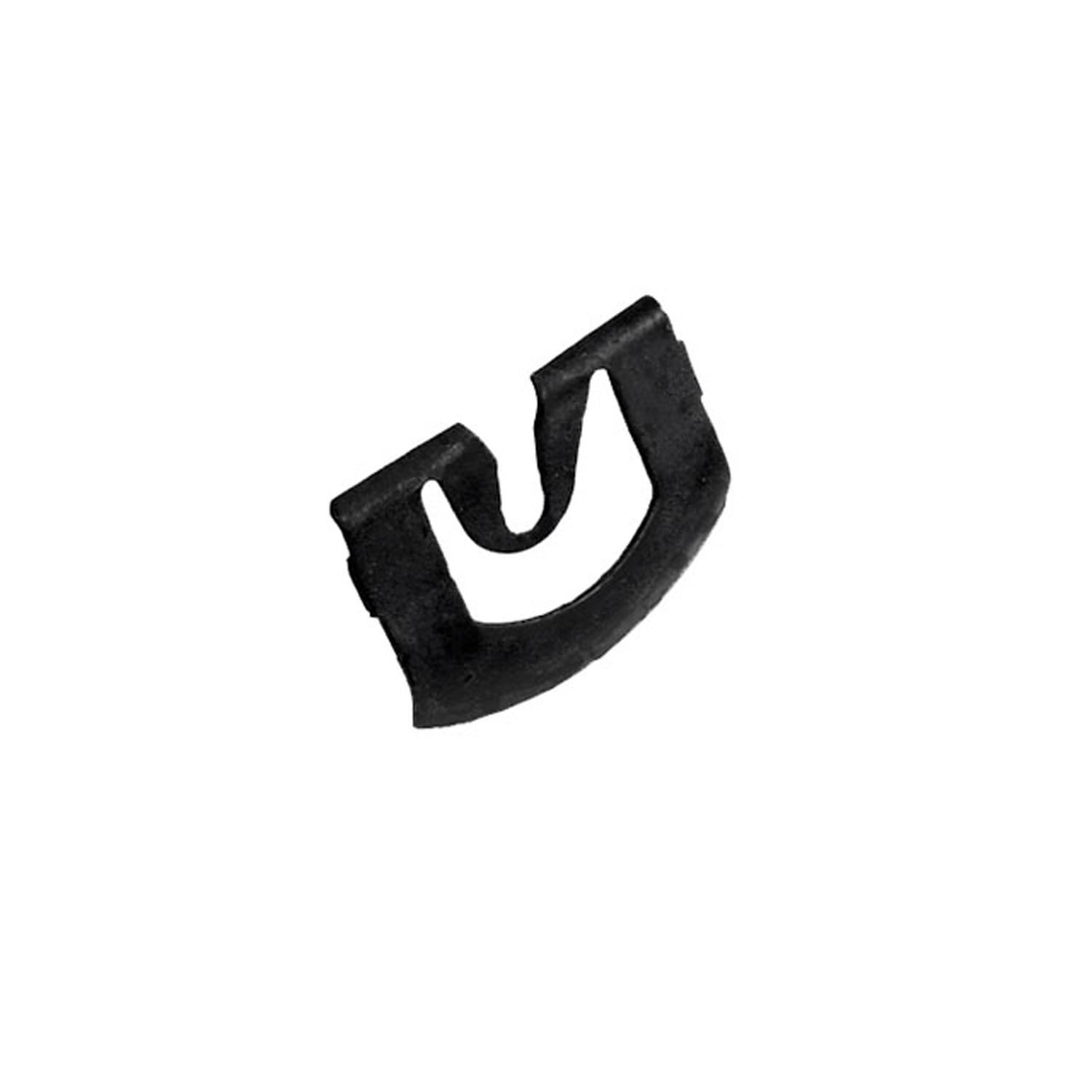 1975 Buick Skyhawk Windshield Reveal Molding Clip. Made of steel. 13/16" x 1"-WF 209Windshield Reveal Molding Clip. Made of steel. 13/16" x 1". Each
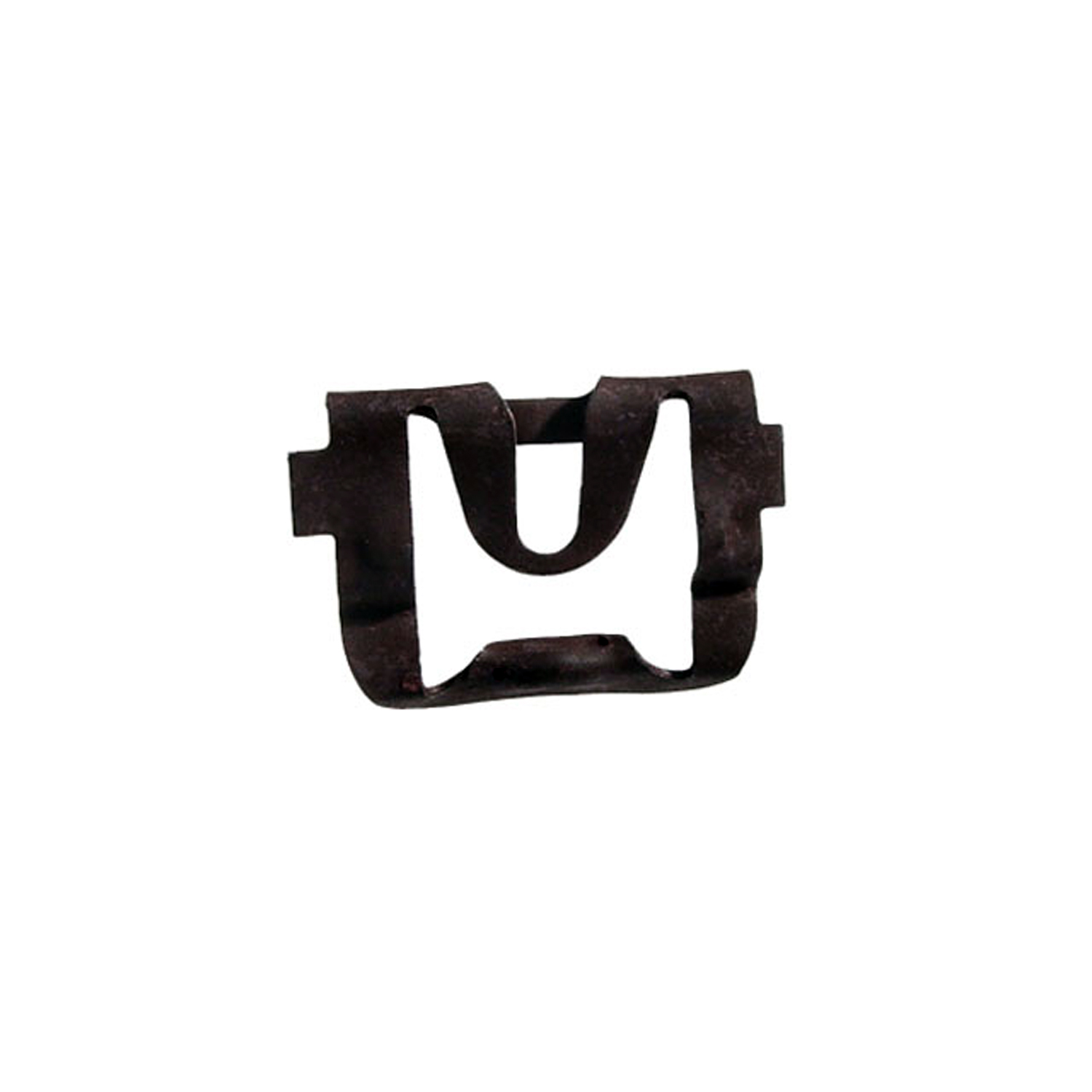 1975 Buick Skyhawk Rear Windshield Reveal Molding Clip. Made of steel-WF 211Rear Windshield Reveal Molding Clip. Made of steel. 15/16" X 3/4". Each
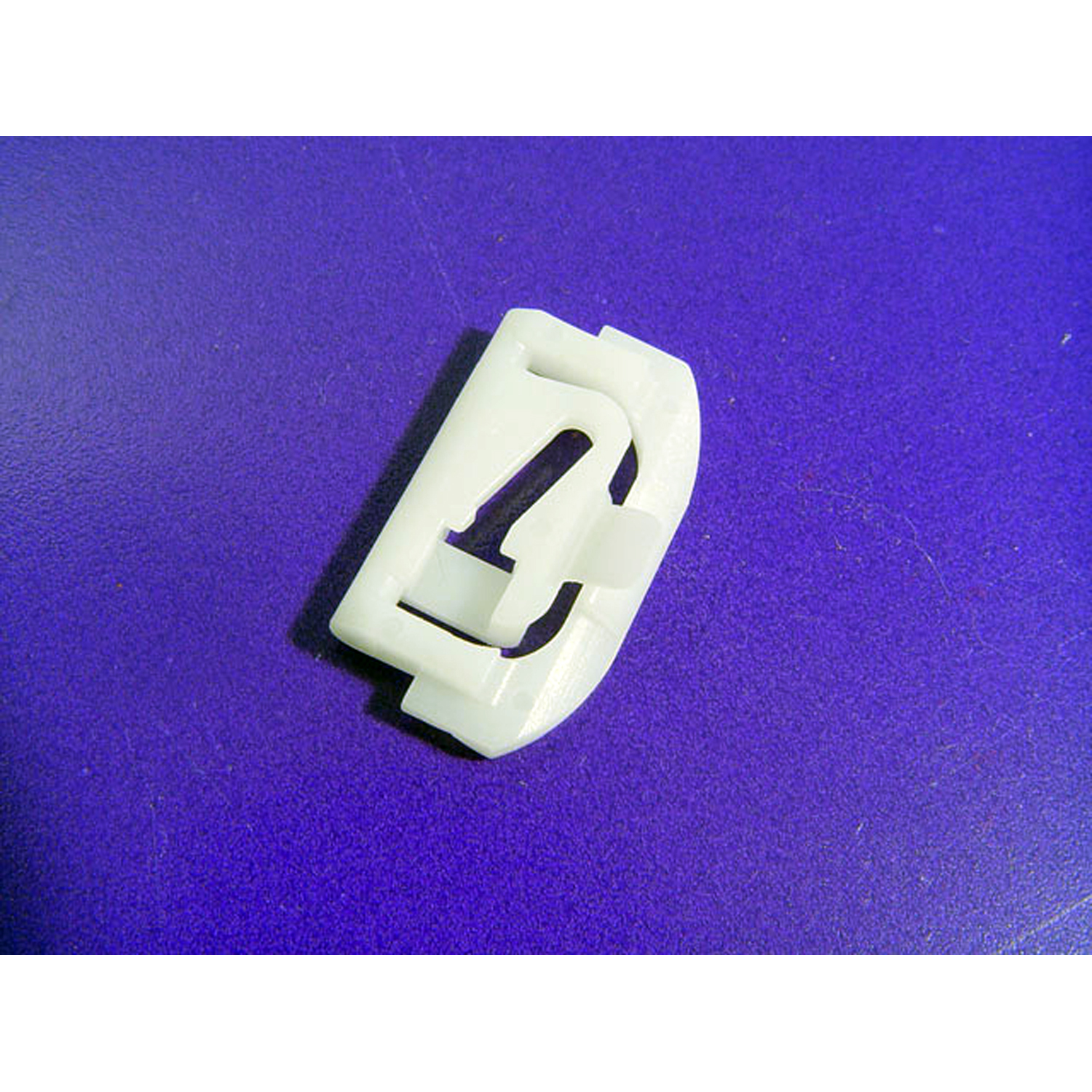 1975 Buick Skyhawk Lower Side Window Reveal Molding Clip. Made of nylon-WF 214Lower Side Window Reveal Molding Clip. Made of nylon. 1-1/4" x 3/4". Each
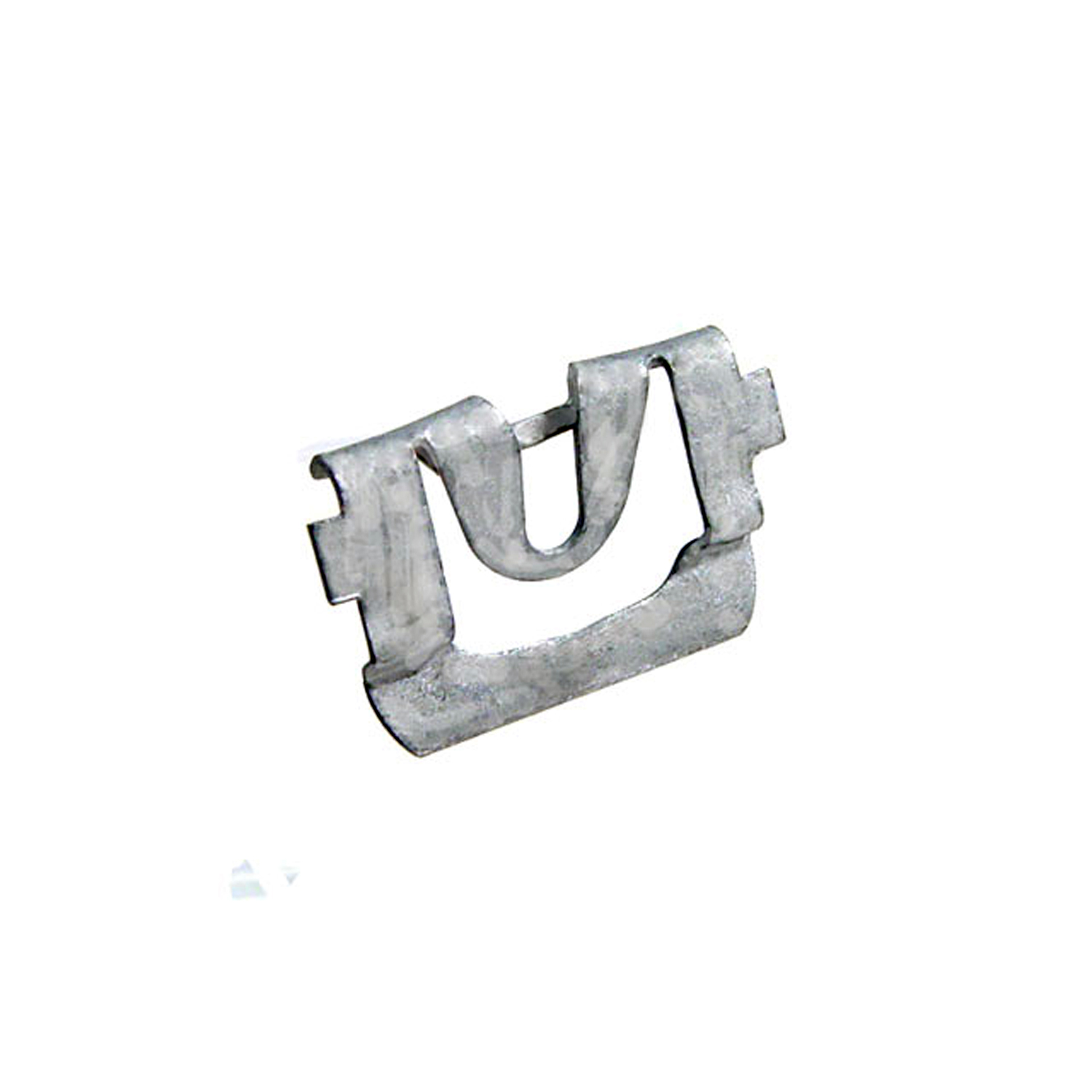 1975 Buick Skyhawk Windshield Reveal Molding Clip. Made of steel-WF 223Windshield Reveal Molding Clip. Made of steel. 1/1/8" X 3/4". Each
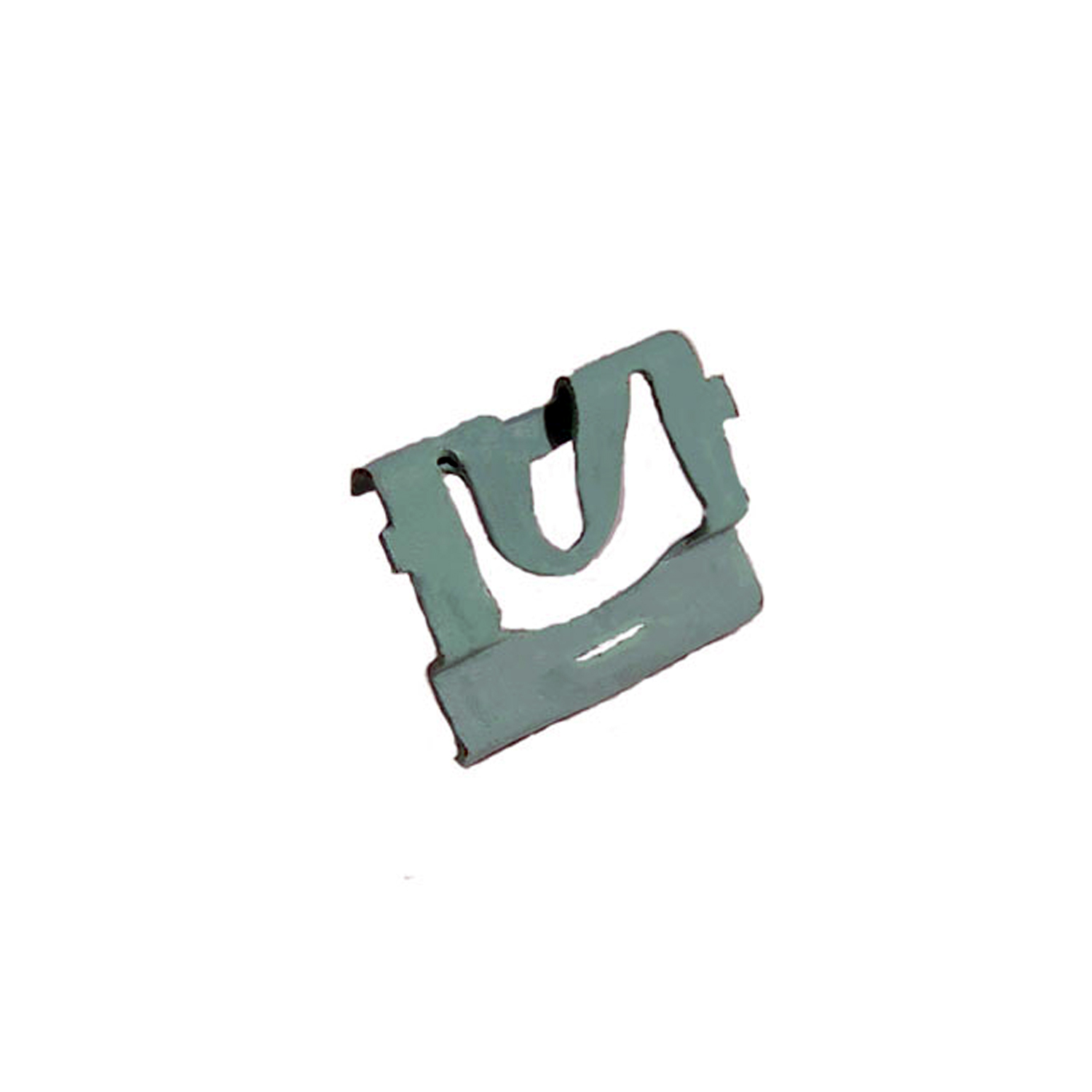 1975 Buick Skyhawk Windshield Reveal Molding Clip. Made of steel-WF 224Windshield Reveal Molding Clip. Made of steel. 1-1/4" X 3/4". Fits many models. Each
Why Choose Metro?
For over 100 years, Metro Moulded Parts has been the pinnacle of quality in classic car restoration parts. Our commitment to precision and authenticity in every component ensures a perfect fit and an OEM-level appearance.
- Expert Craftsmanship & Quality: Each part is a testament to our dedication to reliability and perfection, crafted from original designs and thoroughly tested.
- Advanced Technology: We use cutting-edge techniques to create flawless, long-lasting parts that surpass others in performance.
- SuperSoft Sponge – The Ultimate Door Seal: Not only are our door seals 30% softer than competitors', but they're also guaranteed to never leak. They effectively reduce wind and road noise, enhancing your classic car's comfort and driving experience.
- Proudly American: Our parts are a product of American craftsmanship, made in the USA with a spirit of excellence and heritage.
- Unrivaled Warranty: We back our products with a 30-year industry-leading warranty, a testament to our confidence in their quality.
Join us in preserving the legacy of classic cars with parts that are crafted for perfection, not just made.