

Image of 1975 Buick Skylark, Note: These illustrations use artistic license and may differ from actual historical models.
Performance Metrics
Fundamental Metrics
Emotional Appeal
MMP Rating
| Engine Specifications | |
|---|---|
| Engine Options: | 231 cu in (3.8 L) Buick V6, 350 cu in (5.7 L) Buick V8 |
| Displacement Range: | 231-350 cu in |
| Horsepower Range: | 110-155 hp |
| Torque: | 185-285 lb-ft |
| Compression Ratio: | 8.0:1 - 8.5:1 |
| Ignition System: | Conventional distributor ignition |
| Cooling System: | Liquid-cooled |
| Performance Specifications | |
| 0-60 Time: | Estimated 10-12 seconds |
| 1/4 Mile Time: | Estimated 17-19 seconds |
| Top Speed: | 105-110 mph |
| Transmission and Drive | |
| Drive Type: | Rear-wheel drive |
| Transmission Type: | 3-speed automatic, 4-speed manual |
| Fuel and Efficiency | |
| Fuel System Type: | Carburetor |
| MPG: | Estimated 12-15 mpg |
| Dimensions and Brakes | |
| Brakes: | Front disc, rear drum |
| Wheelbase: | 111.0 in |
| Weight: | 3,400-3,600 lbs |
Note: Specifications for classic cars are given to the best of our ability, considering the limited and variant data available.
1975 Buick Skylark: A Classic Built for a Changing America
The 1975 Buick Skylark brought familiar American comfort into a new automotive era, with a roomy Colonnade body, available Buick V8 power, and styling shaped by changing safety and emissions rules. Built by Buick, then a division of General Motors, it was an intermediate-sized car for drivers who wanted more space and presence than a compact offered without moving up to a full-size luxury model.
The Skylark name had a long history by 1975, but this generation belonged to Buick’s 1973-to-1977 A-body family. Its timing is part of its appeal: the country was confronting higher fuel costs, new emissions standards, and stricter crash-safety requirements. One telling detail is that 1975 was the first model year in which catalytic converters became a standard part of new-car life across much of the American market. The Skylark therefore captures the moment when traditional V8 comfort had to adapt to a very different set of priorities.
Colonnade Styling and Buick Comfort
The Skylark’s exterior had the substantial, squared-off look typical of mid-1970s American cars. Its long hood, broad grille, prominent bumpers, and gently sculpted flanks gave it a formal presence without the sheer scale of a full-size Buick. The model used GM’s “Colonnade” design approach, with a fixed center pillar between the side windows. That pillar added structure and helped distinguish the car from the pillarless hardtops of earlier years.
Federal bumper rules influenced the design, too. The substantial bumpers were intended to withstand low-speed impacts with less damage than earlier, slimmer chrome pieces. They add weight and visual bulk, but they are an unmistakable part of the Skylark’s period character.
Inside, the Skylark emphasized space and an easygoing ride. Depending on trim and equipment, buyers could find cloth or vinyl upholstery, carpeting, woodgrain-style accents, a padded dashboard, and a bench seat or optional bucket seats. The materials were designed for comfort and durability rather than modern luxury-car softness. Options such as air conditioning, power steering, power brakes, cruise control, and an upgraded stereo could make the car a pleasant long-distance cruiser.
Factory paint selections varied by trim and production details, but buyers could choose from period shades that included whites, blues, greens, reds, and warmer metallic colors. Vinyl roofs and contrasting interior trims added another layer of customization. There is no single universally recognized “must-have” Skylark color, though deep blues, greens, and copper-toned finishes suit the car’s 1970s styling especially well.
Body Styles and Available Equipment
The 1975 Skylark range included two-door coupe and four-door sedan versions, with a station wagon offered in the broader Skylark lineup. Availability and equipment varied by body style and trim. The coupe is often the most visually memorable today: its long doors and sweeping roofline give it a sporty profile while retaining the comfort and proportions of a family-oriented intermediate.
Buyers could choose a more modest six-cylinder setup or move up to a V8, along with different transmissions and comfort options. Buick also offered sport-oriented equipment in the era, but the exact packages and badging should be checked against the individual car’s documentation. Trim names and equipment can be confused in listings, so a factory build sheet or original sales literature is helpful when verifying a claimed special version.
Why the 1975 Skylark Matters
The Skylark was not a radical engineering breakthrough, and that is precisely why it is a useful snapshot of the period. It shows how an established American intermediate adapted to tighter emissions rules, fuel concerns, and safety regulations without abandoning the basic formula of roomy seating, rear-wheel drive, and available V8 power.
Its engine choices also reflect Buick’s broader history. The 3.8-liter Buick V6 became one of the marque’s most significant powerplants over time, although the naturally aspirated 1975 version was aimed at everyday use rather than high performance. The Skylark’s mix of V6 economy and V8 availability gave buyers a choice that was increasingly important during the mid-1970s.
Compared with smaller imports and emerging fuel-conscious cars, the Skylark offered a quieter, more spacious ride. Compared with larger American sedans, it was easier to maneuver and generally less imposing. It did not define the era on its own, but it represents the transition from the high-powered optimism of the 1960s to the more regulated, efficiency-minded automotive market that followed.
Engines, Acceleration, and Road Manners
Engine specifications depended on body style, equipment, and market. Common choices included Buick’s 231-cubic-inch (3.8-liter) V6 and a 350-cubic-inch (5.7-liter) V8. The V8 was typically paired with an automatic transmission, while transmission availability could vary. Because 1975 engines were calibrated for emissions compliance and used net horsepower ratings, their numbers should not be compared directly with older gross-horsepower figures.
Performance varied considerably. As a general guide, a V8 Skylark could reach 60 mph in roughly 10 to 12 seconds, with a top speed in the neighborhood of 100 to 110 mph, depending on gearing, condition, and body style. A V6 car was usually slower, with a 0-to-60 time more likely in the 13-to-15-second range. These are broad estimates, not guaranteed factory figures: period tests and modern measurements differ, and decades of wear or mechanical changes can alter performance.
The Skylark’s character is more relaxed cruiser than corner-carver. Power steering makes parking and low-speed turns manageable, while the suspension is tuned to soften ordinary road imperfections. On broken pavement, the car tends to absorb bumps with a gentle, buoyant motion. On a winding road, its size, soft suspension, and period tires encourage a measured pace rather than sharp, modern-style responses. Crosswinds can be noticeable, particularly in a car with worn suspension components or loose steering.
A V8 Skylark has a low, familiar American rumble, though the stock exhaust is generally subdued compared with a muscle car. From behind the wheel, the experience is about a wide seat, a broad view over the hood, and an unhurried automatic shift. The car feels substantial and comfortable, with the driver making small, deliberate inputs rather than hustling it through corners.
Living With a 1975 Skylark
Today, most Skylarks are best suited to weekend drives, local shows, and relaxed cruising. A well-maintained example can also handle occasional everyday use, but fuel consumption, age-related wear, and the availability of certain trim pieces make it less convenient than a modern daily driver. A V6 car may be the sensible choice for regular use, while a V8 offers the traditional sound and stronger low-speed pull many enthusiasts want.
Routine mechanical work is within reach for an owner comfortable with older American cars. The pushrod engines and conventional rear-wheel-drive layout are familiar to many independent shops, and common service items are generally straightforward. The bigger challenges are often age-related: rust, worn suspension bushings, tired brakes, electrical faults, leaking seals, and previous repairs that were done poorly. Check the frame and body carefully, and inspect the cooling system, transmission, and brake components before buying.
Parts availability is mixed but workable. Mechanical components shared with other GM cars are often easier to find than Skylark-specific interior trim, exterior moldings, or clean body panels. A car that is complete and unmodified is usually a better starting point than an inexpensive project missing hard-to-source details.
Skylark Trivia and Common Criticisms
The 1975 Skylark arrived during the shift to catalytic converters and unleaded gasoline, making it a genuine representative of the early emissions-control era. Its large bumpers are another period marker, reflecting a new emphasis on low-speed impact protection. The Buick 350 V8 also gives the model a connection to the brand’s long-running small-block engine tradition, even though this was not a peak-performance year for the Skylark.
The car’s main criticisms are familiar ones for mid-1970s intermediates: modest performance by modern standards, relatively heavy construction, and fuel economy that can be costly, especially with a V8. Some drivers also find the soft ride and broad body less composed on twisty roads than later cars. These are not defects so much as reminders of what the Skylark was designed to do: carry people comfortably and cover distance without fuss.
There is no widely established production total for every 1975 Skylark body and trim combination in common collector references. A reasonable working estimate for the model year is roughly 150,000 to 200,000 cars across the range, but that should be treated as an estimate rather than a verified count. Specific configurations, colors, and well-preserved examples are much harder to find than the model’s overall production suggests.
Collector Values and Market Outlook
The 1975 Skylark remains an affordable classic compared with better-known muscle cars and luxury models. As a broad U.S. market guide, a project or rough driver may sell for around $1,500 to $4,000. A usable, presentable example often falls in the $5,000 to $12,000 range, while a clean, well-restored car may bring approximately $13,000 to $22,000. Exceptional restorations or especially attractive, documented examples can exceed that range, though buyers should compare the car’s condition and originality rather than relying on asking prices alone.
Values vary by region, body style, engine, rust condition, and restoration quality. Prices have generally remained more modest than those of headline-grabbing muscle cars, and the Skylark is better viewed as a steady enthusiast-market classic than a guaranteed investment. The strongest examples are likely to hold their appeal because they are complete, usable pieces of Buick history, but the cost of a high-quality restoration can exceed the car’s eventual sale price.
The 1975 Skylark’s Lasting Appeal
The 1975 Buick Skylark combines Colonnade-era styling, practical intermediate-car space, and a choice of V6 or V8 power in a package shaped by one of the industry’s biggest transitions. It is comfortable rather than fast, distinctive rather than exotic, and approachable for enthusiasts who enjoy working on traditional American cars.
For anyone seeking a classic that tells the story of how Buick adapted to the 1970s, the Skylark is an honest and rewarding choice. Its value is not just in chrome or horsepower, but in the way it preserves the sound, feel, and everyday character of an American road car in the middle of a changing decade.
1975 Buick Skylark Catalog of Parts
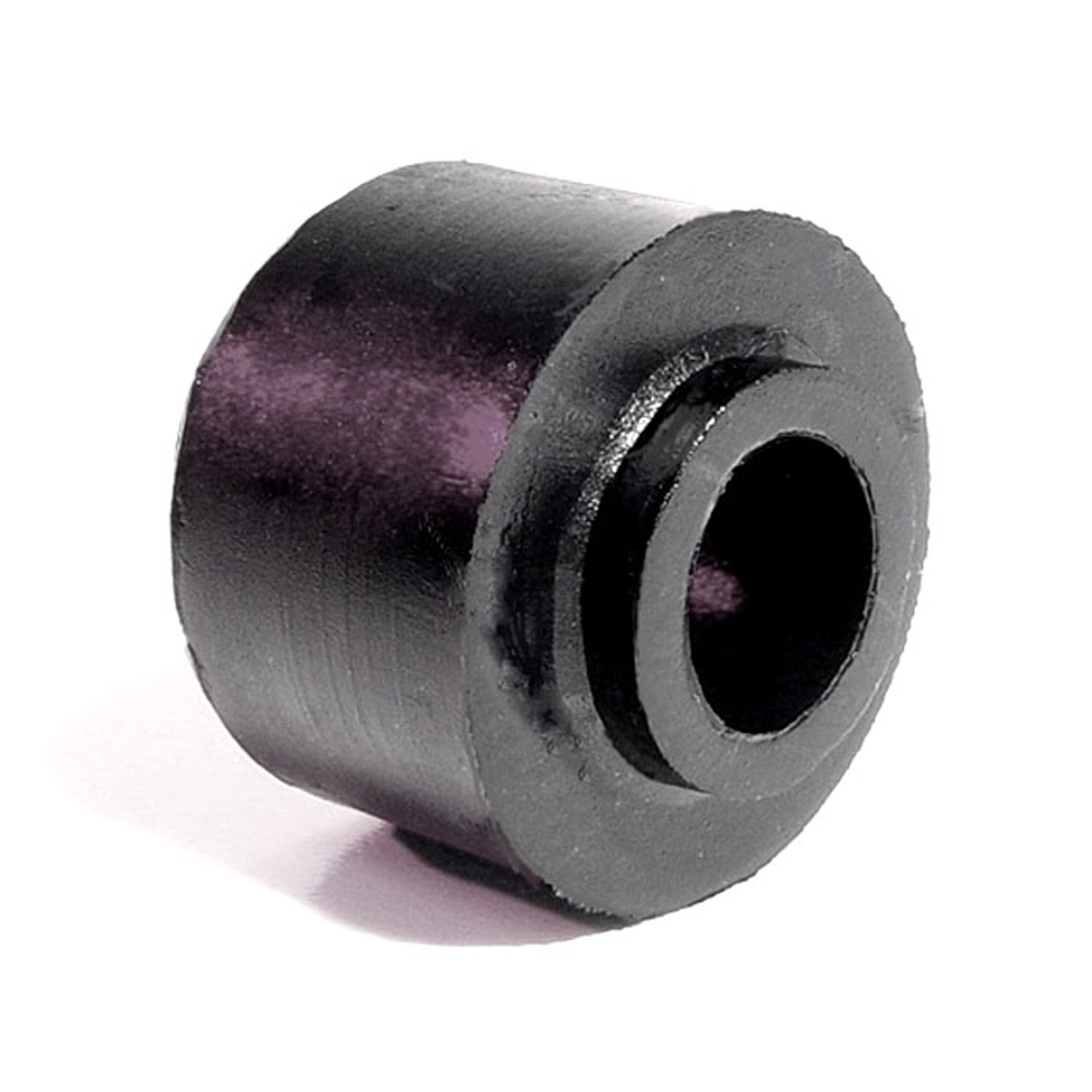 1975 Buick Skylark Shock Absorber Grommet. 1" bottom O.D., 3/4" high-BN 1Shock Absorber Grommet. 1" bottom O.D., 3/4" high., with 7/16" I.D. Each
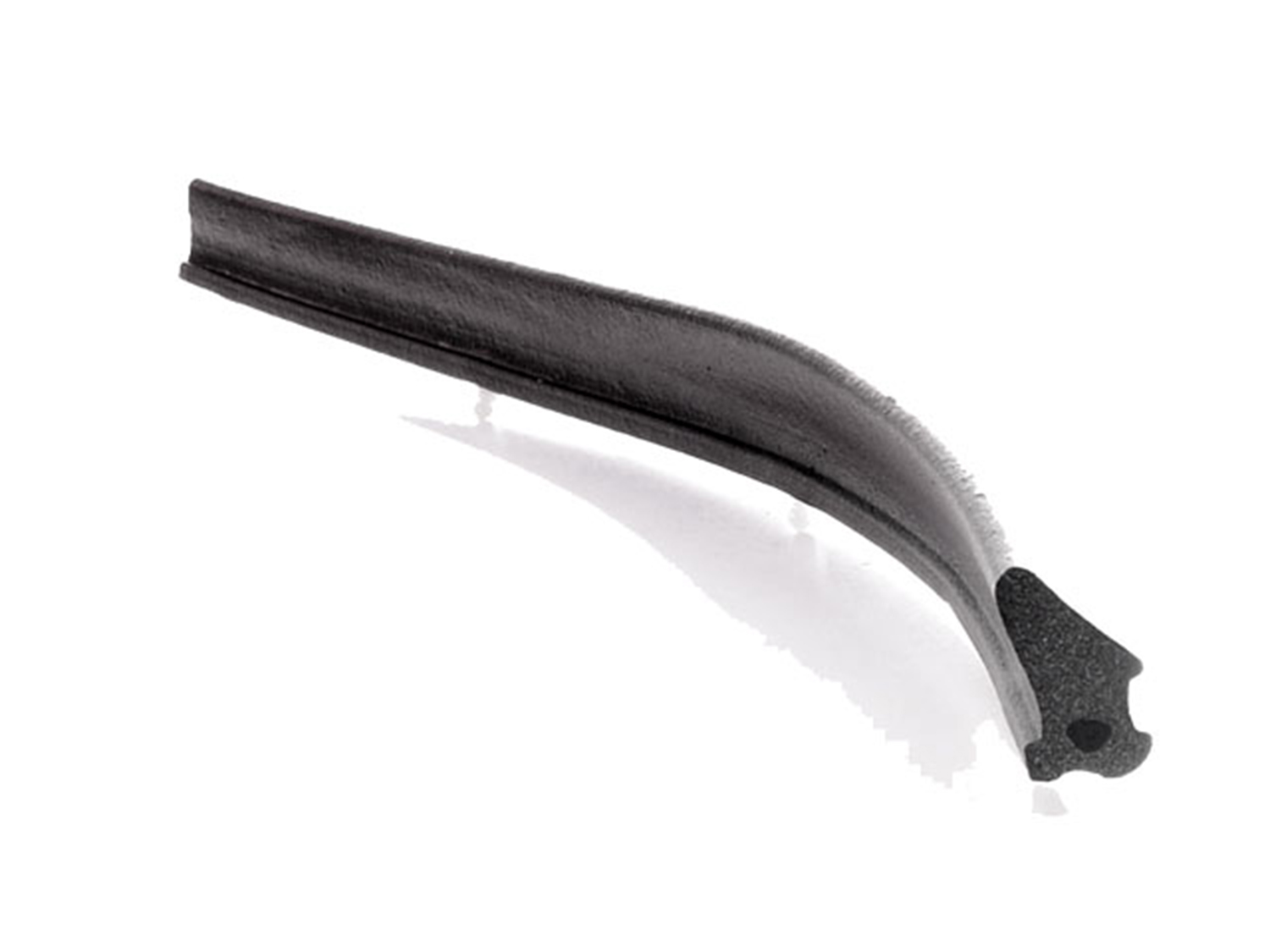 1975 Buick Skylark Door Side Seal-C/LP 40-KDoor Side Seal. Made of smooth skin sponge extrusion, with clips installed. (For seal without clips, see LP 40-K) Sold by the foot.
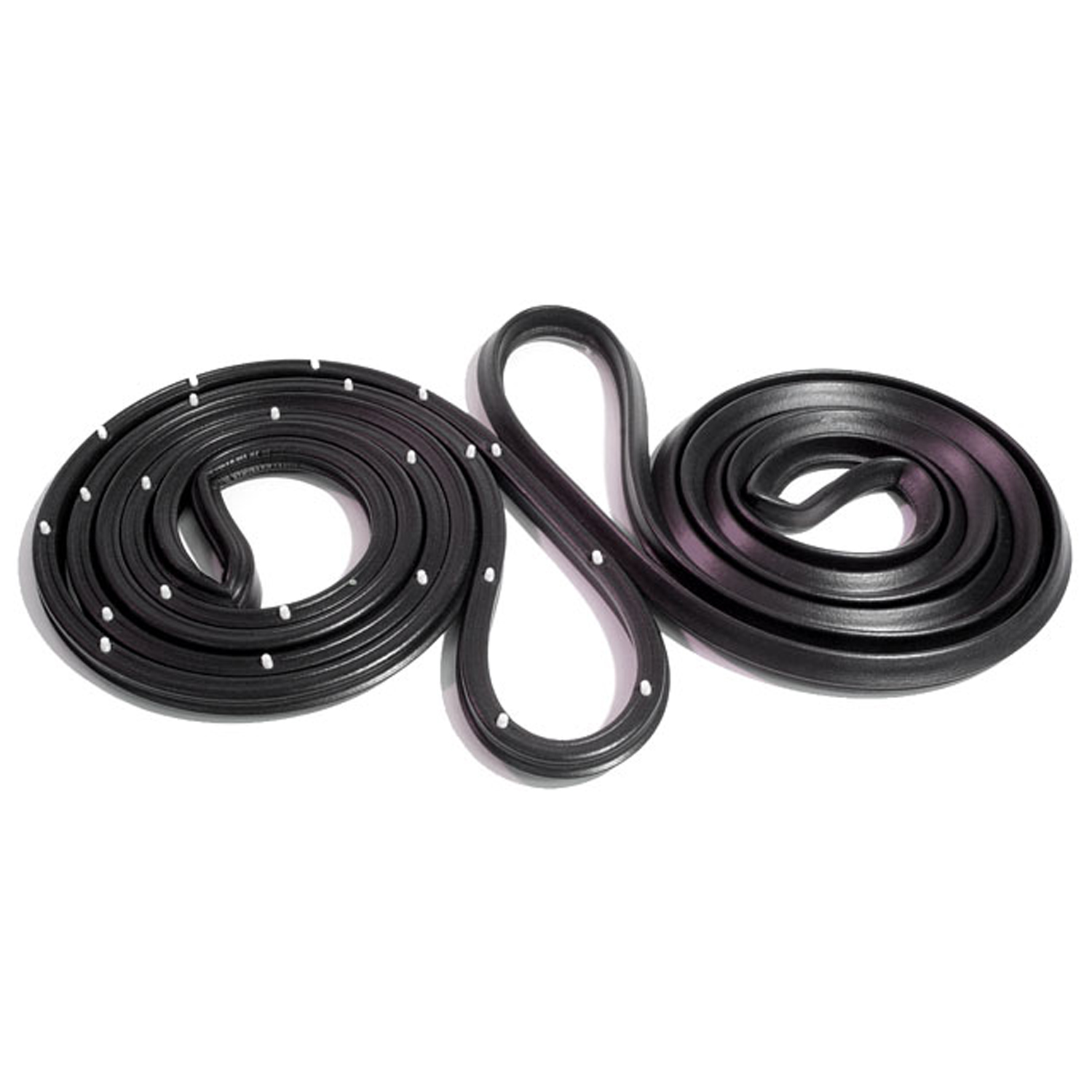 1975 Buick Skylark Door Seals, with Clips and Molded Ends. For 2-Door Sedan-LM 20-ODoor Seals, with Clips and Molded Ends. For 2-Door Sedan. Pair R&L
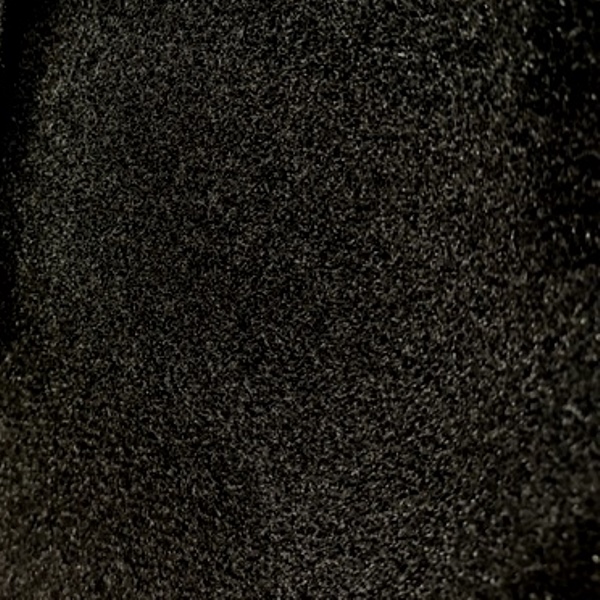 1975 Buick Skylark Trunk Liner. Loose weave, jet black. 50" wide-M 30Trunk Liner. Loose weave, jet black. 50" wide. Sold by the foot
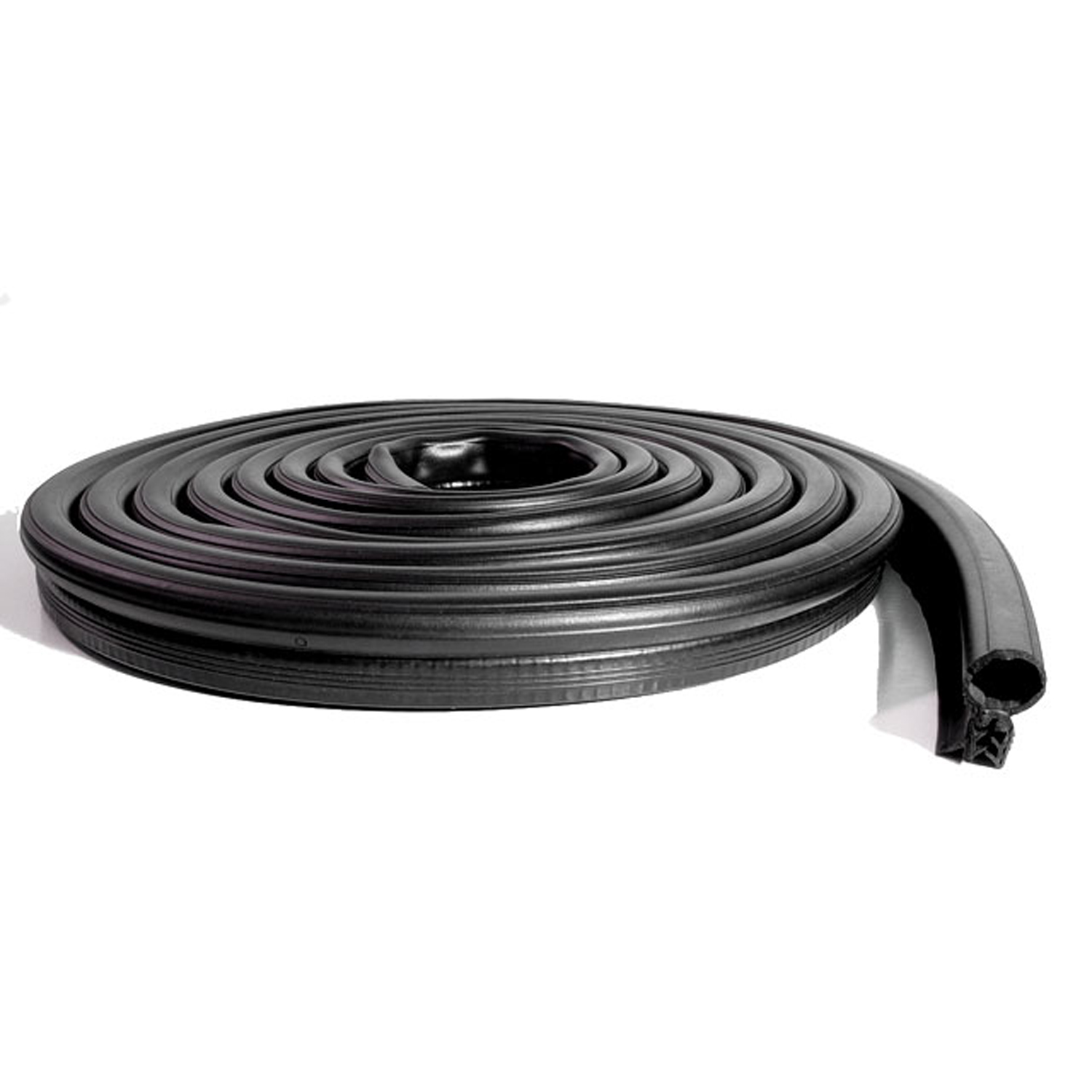 1975 Buick Skylark Trunk seal-MW00101Trunk seal. Also replaces '75-'79 Buick Skylark hatchback seal. Made with steel cores. 1-3/8 in. x 3/4 in. x 17 ft. L. Each.
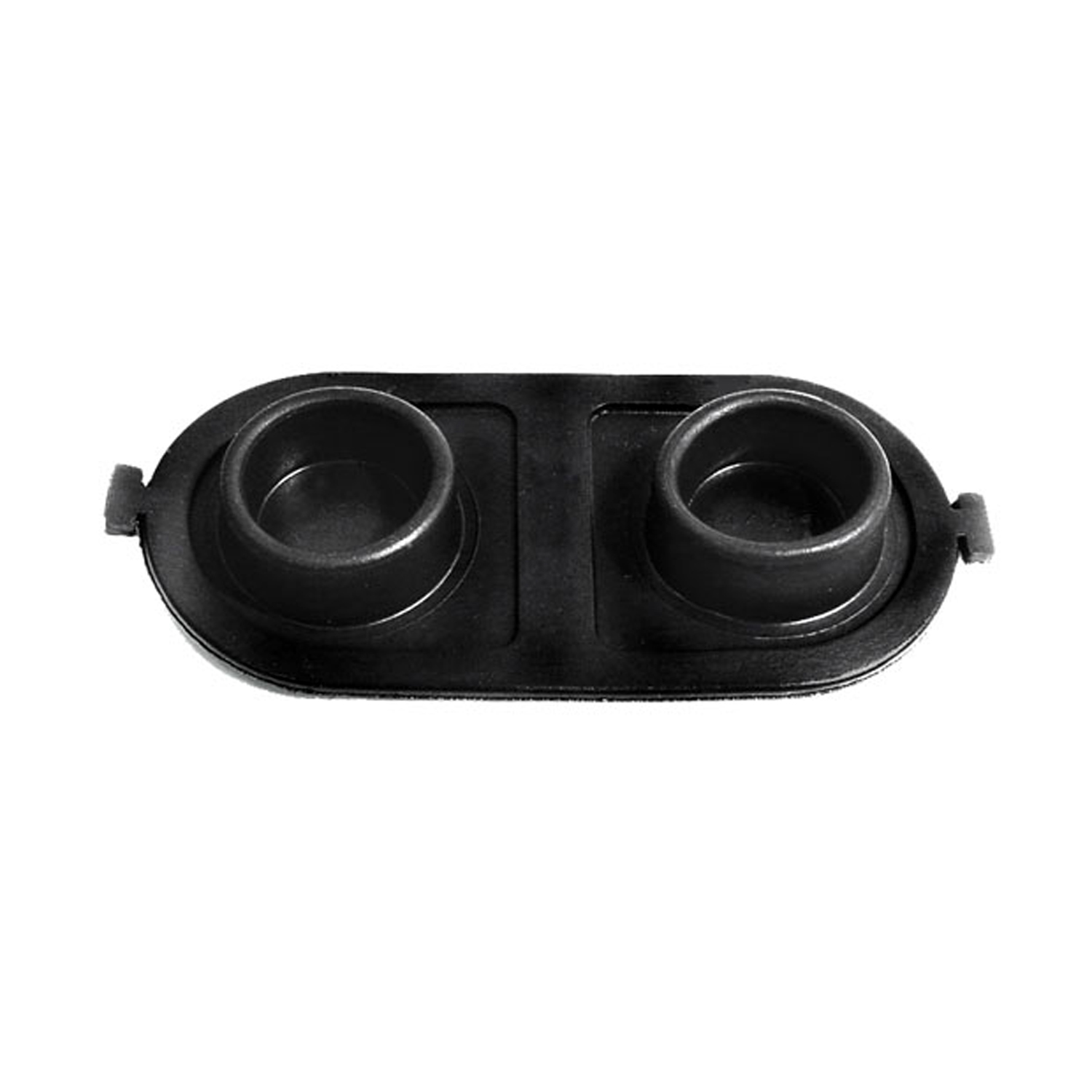 1975 Buick Skylark Brake Master Cylinder Cover Seal. Replaces OEM #5470861-RP 2-EBrake Master Cylinder Cover Seal. Replaces OEM #5470861. 5" X 2-1/2". Each
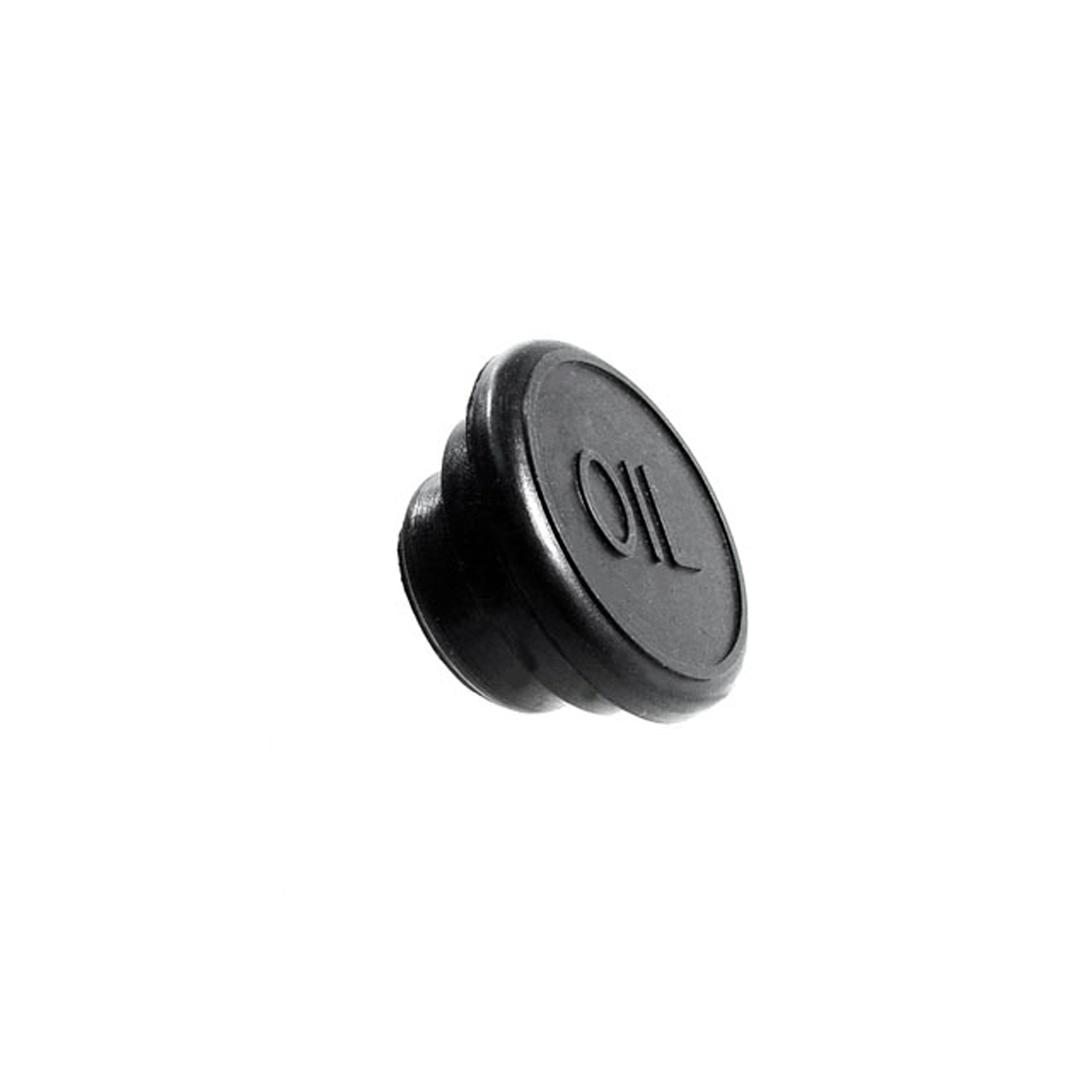 1975 Buick Skylark Oil Filler Hole Cap. Made of rubber-RP 8Oil Filler Hole Cap. Made of rubber. Fits a 1-3/16" to 1-1/4" hole. Each
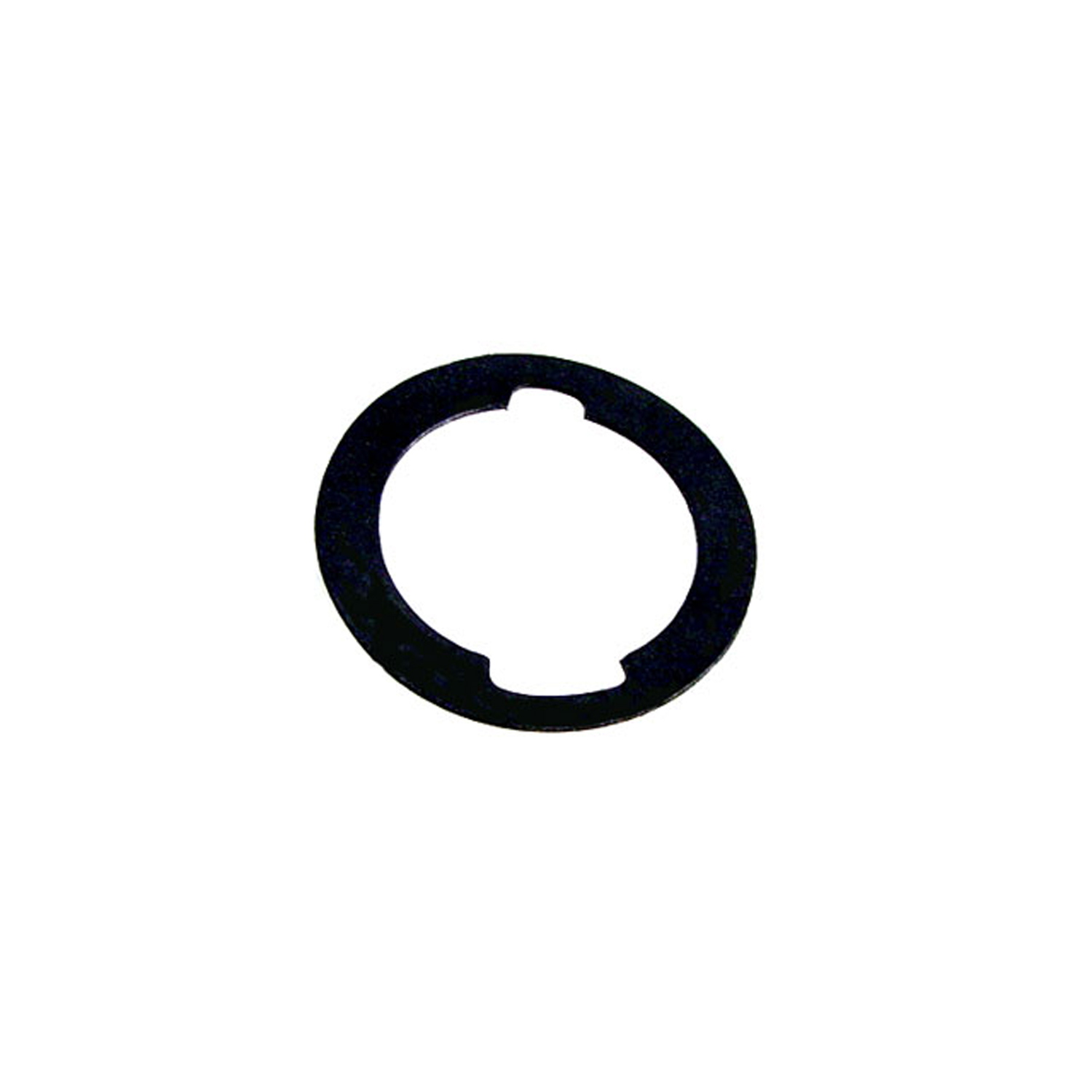 1975 Buick Skylark Unbeaded Door and Trunk Lock Gasket. 1-3/16" O.D., 7/8" I.D-UM 1600-100Unbeaded Door and Trunk Lock Gasket. 1-3/16" O.D., 7/8" I.D. Each
 1975 Buick Skylark Windshield Reveal Molding Clip. Made of steel-WF 203Windshield Reveal Molding Clip. Made of steel. 5/8" x 15/16". Each
 1975 Buick Skylark Rear Quarter Window Molding Clip. Made of steel-WF 204Rear Quarter Window Molding Clip. Made of steel. 3/4" x 1-3/8". Each
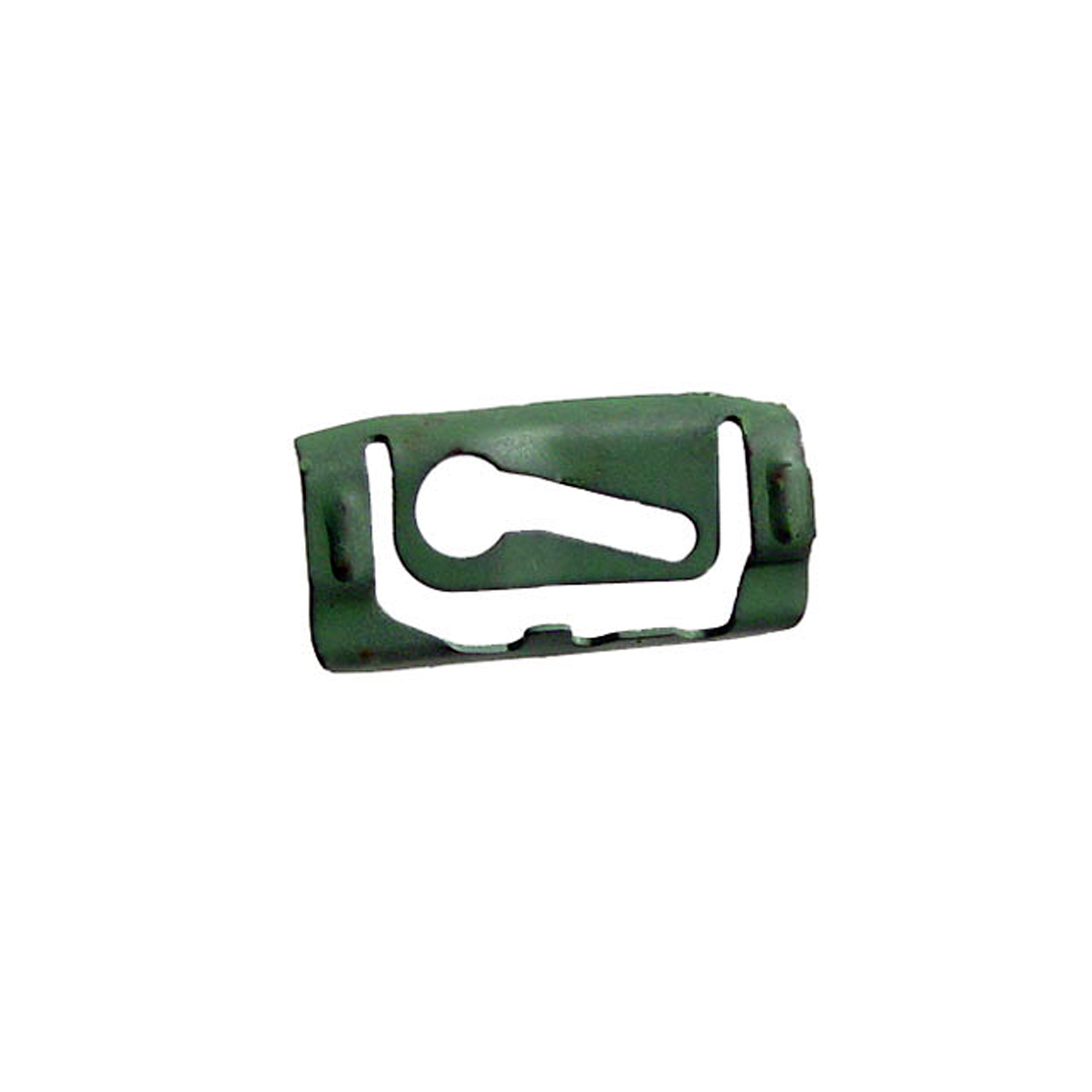 1975 Buick Skylark Quarter Window Reveal Molding Clip. Made of Steel-WF 205Quarter Window Reveal Molding Clip. Made of Steel. 1-3/8" X 11/16". Each
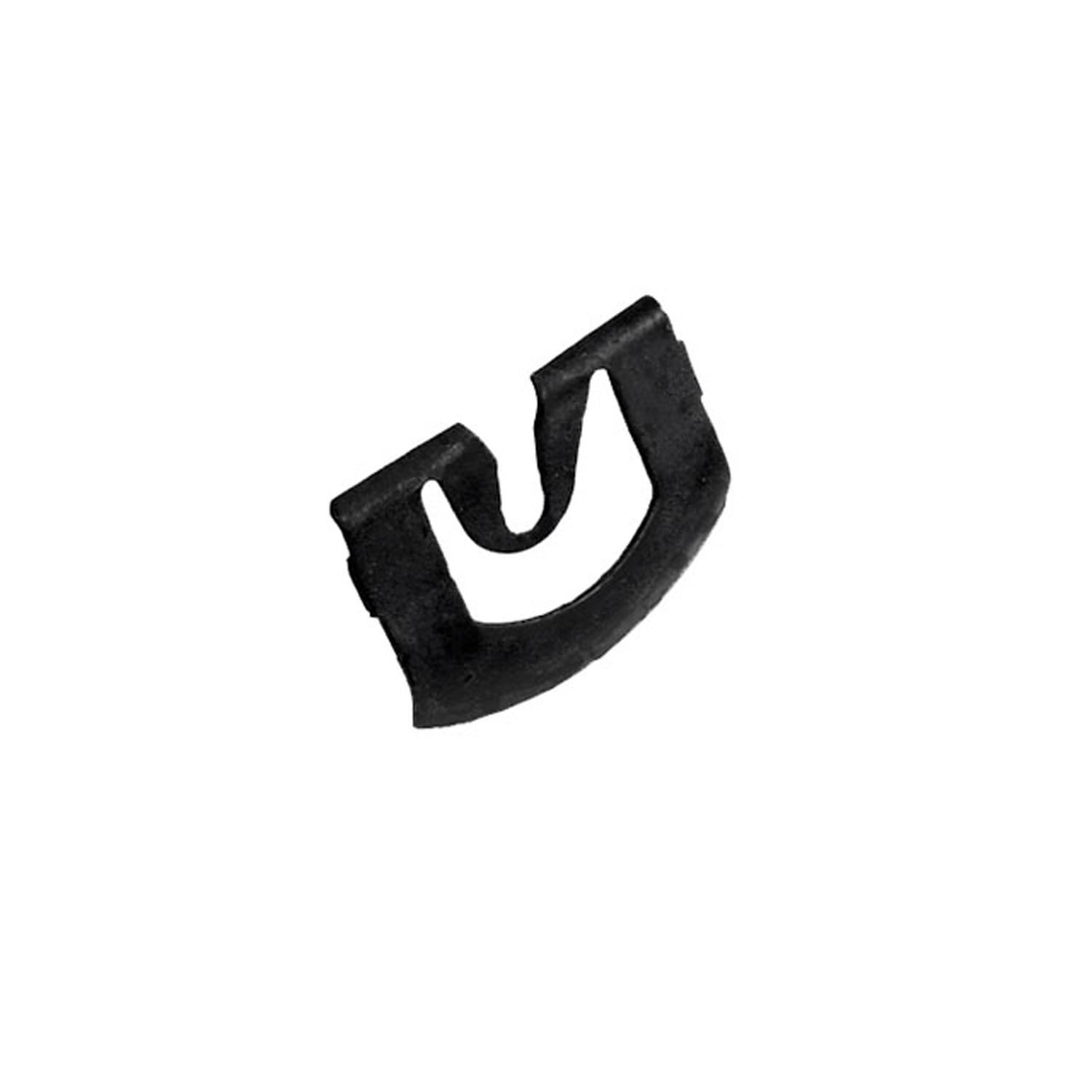 1975 Buick Skylark Windshield Reveal Molding Clip. Made of steel. 13/16" x 1"-WF 209Windshield Reveal Molding Clip. Made of steel. 13/16" x 1". Each
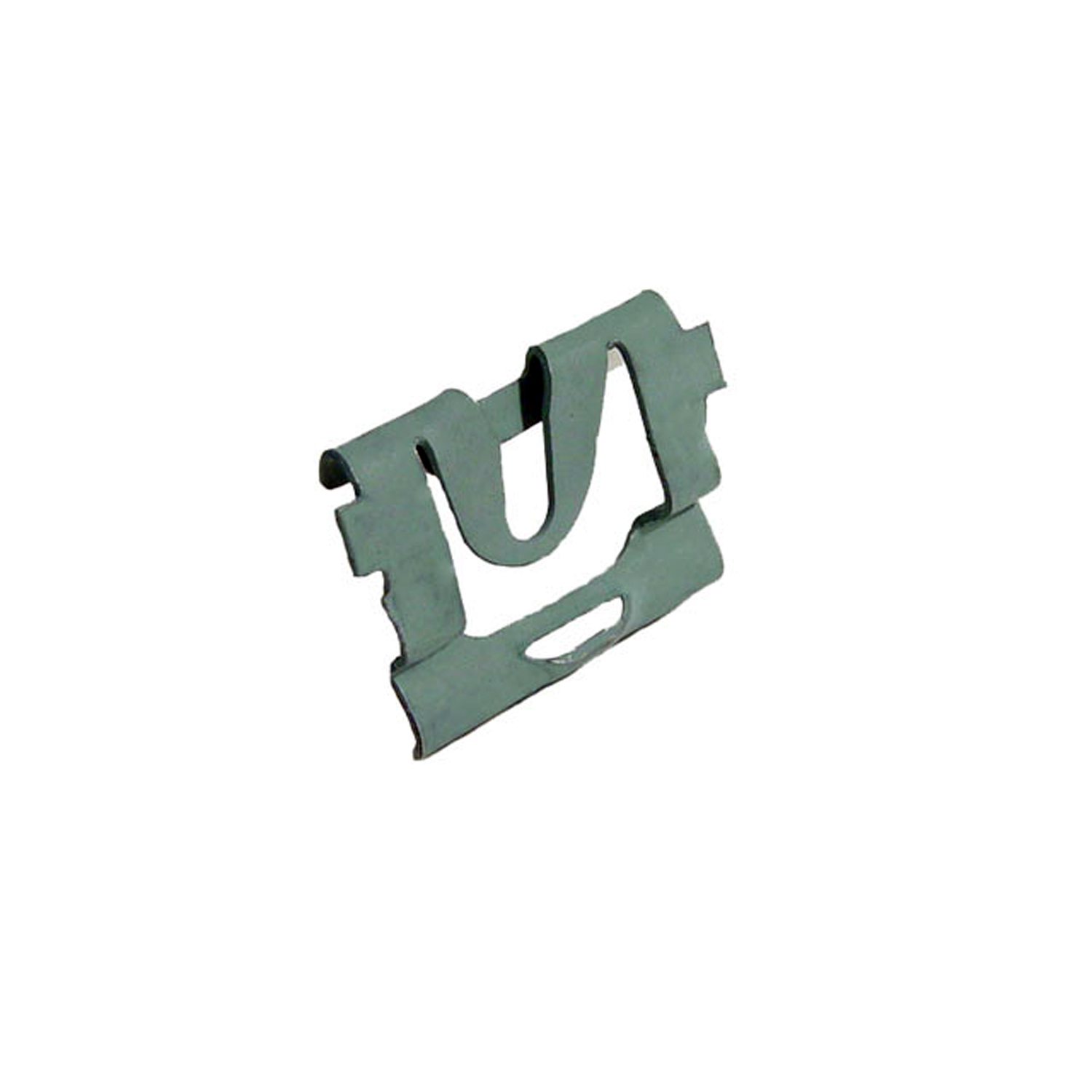 1975 Buick Skylark Windshield Reveal Molding Clip. For models with vinyl top-WF 210Windshield Reveal Molding Clip. For models with vinyl top. 3/4" x 1-1/16". Each
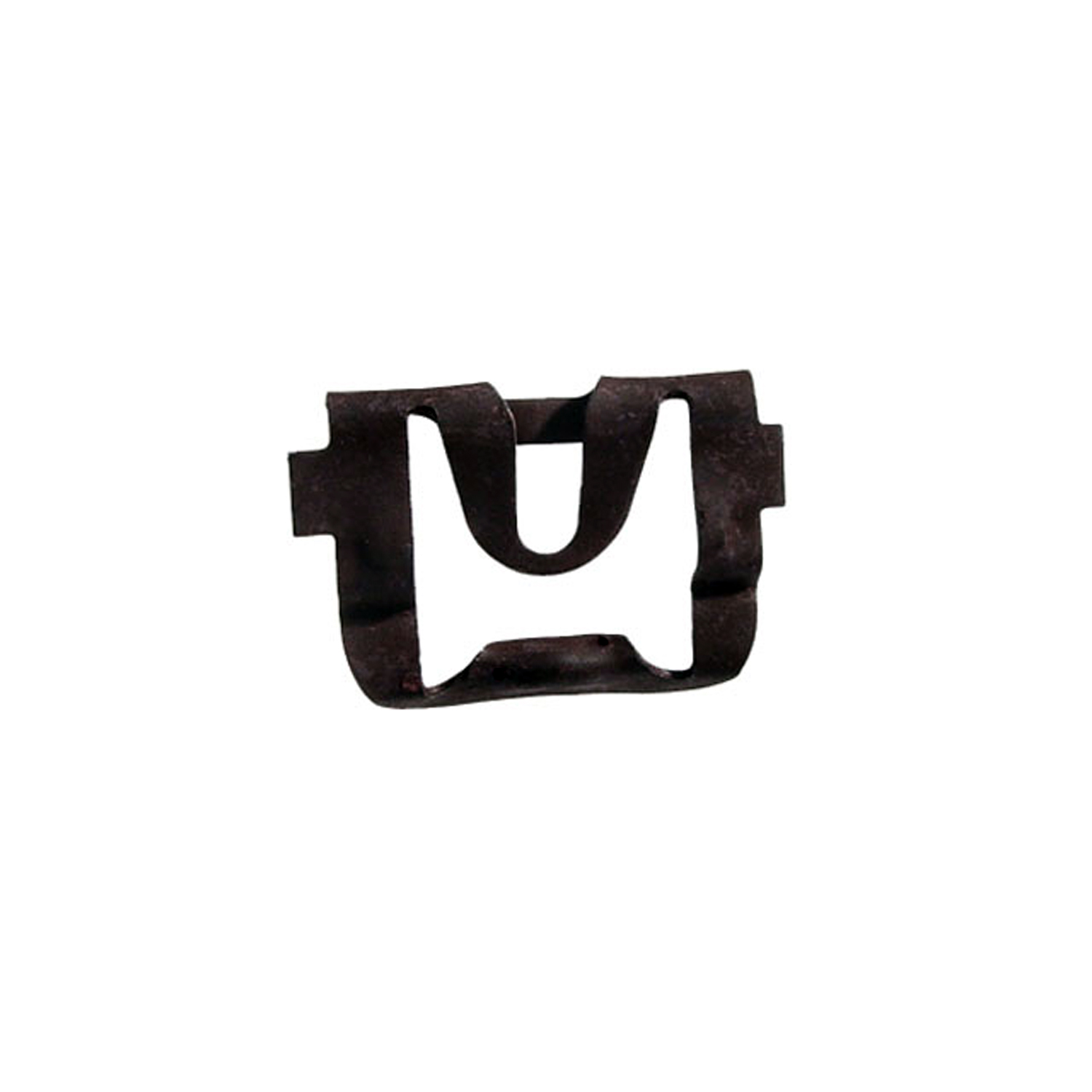 1975 Buick Skylark Rear Windshield Reveal Molding Clip. Made of steel-WF 211Rear Windshield Reveal Molding Clip. Made of steel. 15/16" X 3/4". Each
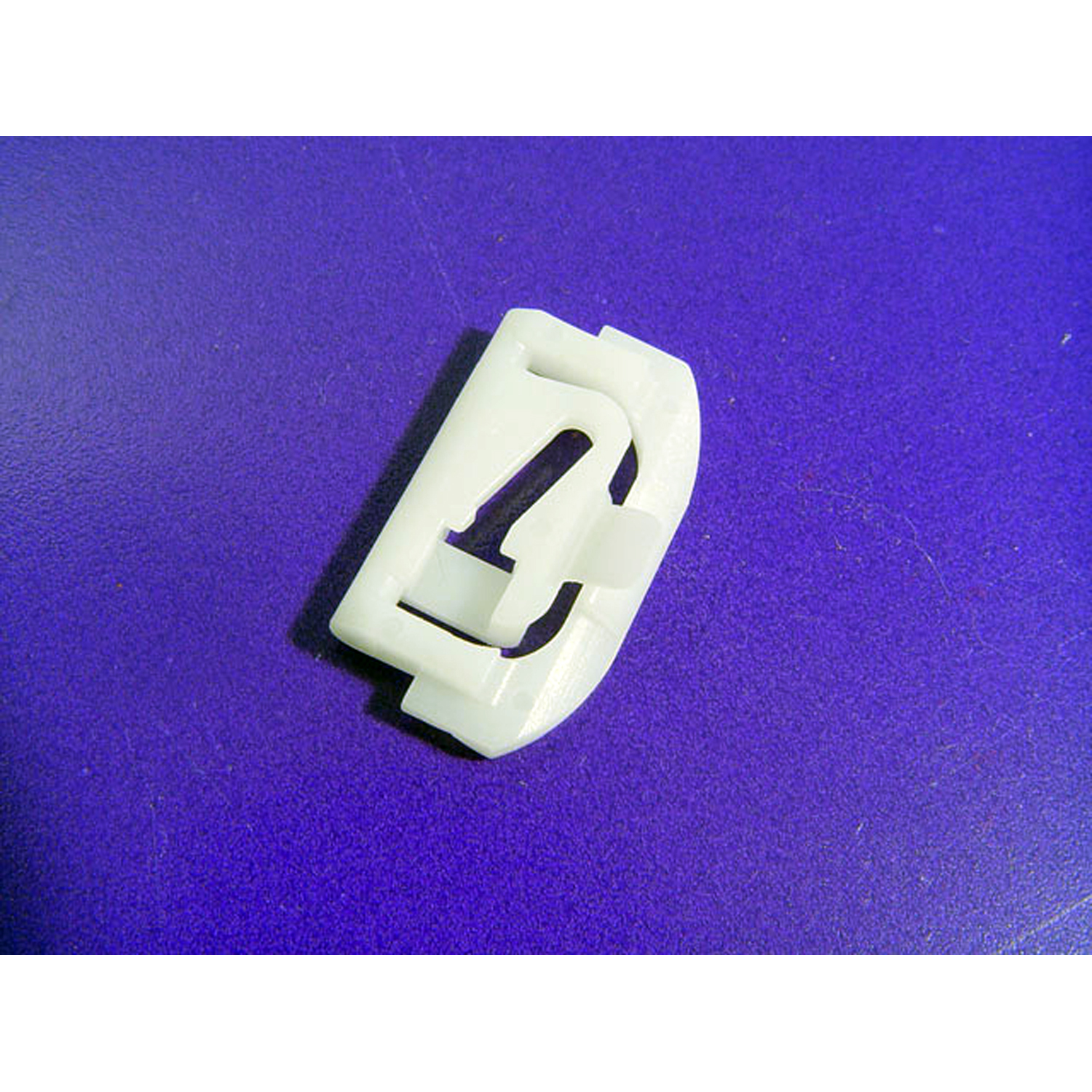 1975 Buick Skylark Lower Side Window Reveal Molding Clip. Made of nylon-WF 214Lower Side Window Reveal Molding Clip. Made of nylon. 1-1/4" x 3/4". Each
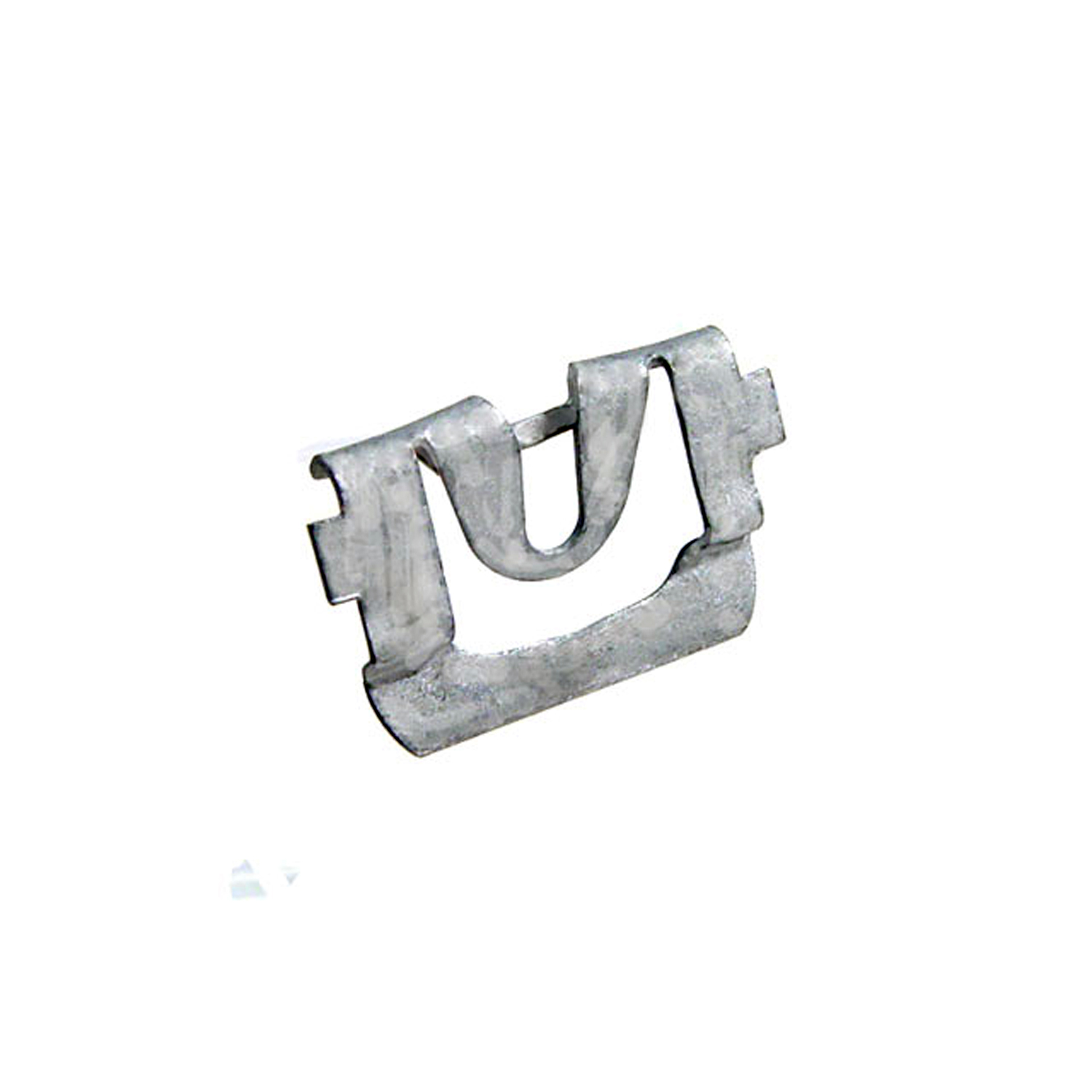 1975 Buick Skylark Windshield Reveal Molding Clip. Made of steel-WF 223Windshield Reveal Molding Clip. Made of steel. 1/1/8" X 3/4". Each
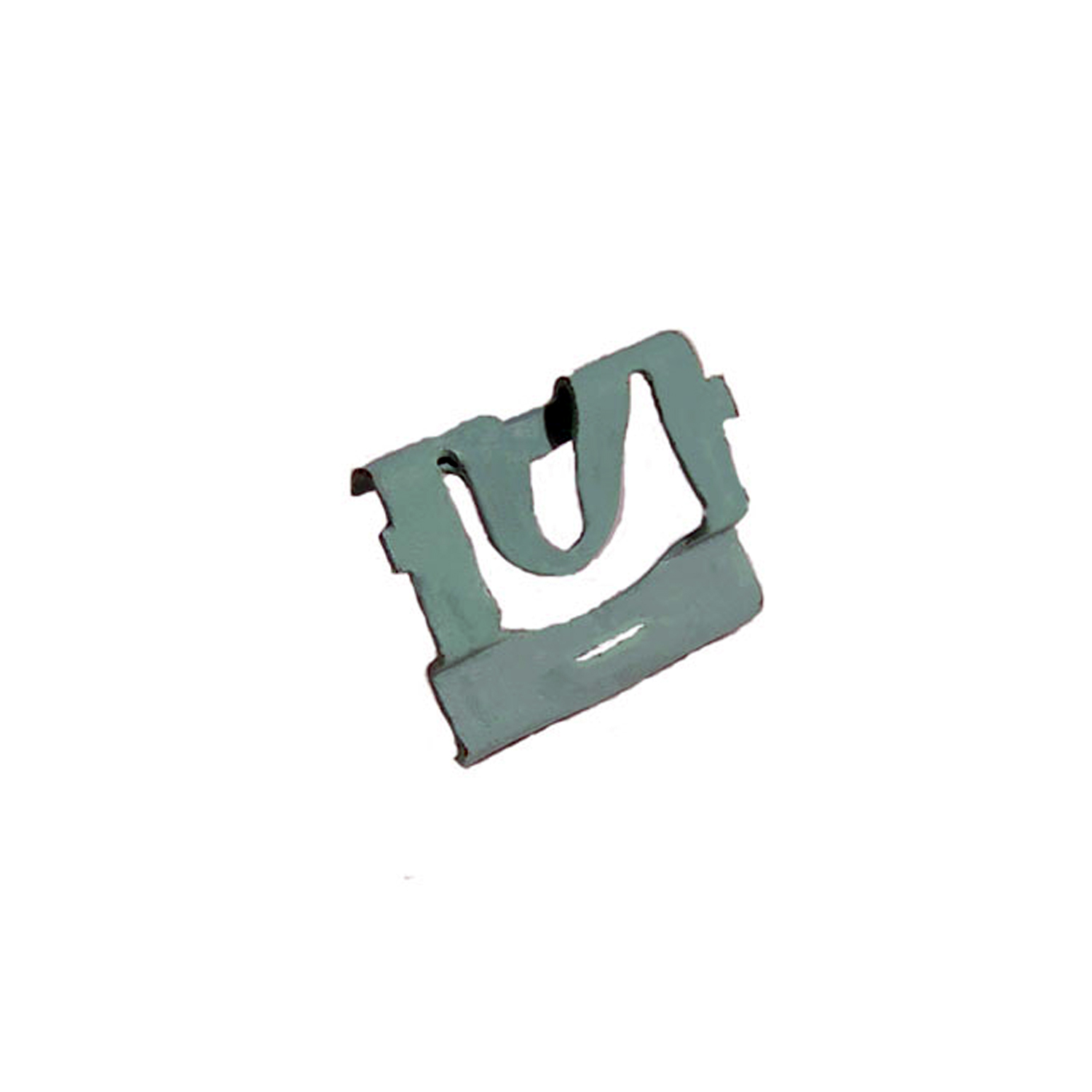 1975 Buick Skylark Windshield Reveal Molding Clip. Made of steel-WF 224Windshield Reveal Molding Clip. Made of steel. 1-1/4" X 3/4". Fits many models. Each
Why Choose Metro?
For over 100 years, Metro Moulded Parts has been the pinnacle of quality in classic car restoration parts. Our commitment to precision and authenticity in every component ensures a perfect fit and an OEM-level appearance.
- Expert Craftsmanship & Quality: Each part is a testament to our dedication to reliability and perfection, crafted from original designs and thoroughly tested.
- Advanced Technology: We use cutting-edge techniques to create flawless, long-lasting parts that surpass others in performance.
- SuperSoft Sponge – The Ultimate Door Seal: Not only are our door seals 30% softer than competitors', but they're also guaranteed to never leak. They effectively reduce wind and road noise, enhancing your classic car's comfort and driving experience.
- Proudly American: Our parts are a product of American craftsmanship, made in the USA with a spirit of excellence and heritage.
- Unrivaled Warranty: We back our products with a 30-year industry-leading warranty, a testament to our confidence in their quality.
Join us in preserving the legacy of classic cars with parts that are crafted for perfection, not just made.