

Image of 1976 Buick Century, Note: These illustrations use artistic license and may differ from actual historical models.
Performance Metrics
Fundamental Metrics
Emotional Appeal
MMP Rating
| Engine Specifications | |
|---|---|
| Engine: | 231 cu in (3.8 L) Buick V6, 350 cu in (5.7 L) Buick V8 |
| Displacement: | 231-350 cu in |
| Horsepower: | 105-165 hp |
| Torque: | 185-275 lb-ft |
| Compression Ratio: | 8.0:1 - 8.5:1 |
| Ignition System: | Electronic Ignition |
| Cooling System: | Liquid-cooled |
| Performance Specifications | |
| 0-60 Time: | Estimated 10-12 seconds |
| 1/4 Mile Time: | Estimated 17-19 seconds |
| Top Speed: | 105-110 mph |
| Transmission and Drive | |
| Drive Type: | Rear-wheel drive |
| Transmission Type: | 3-speed automatic, 4-speed manual |
| Fuel and Efficiency | |
| Fuel System Type: | Carburetor |
| MPG: | Estimated 15-20 mpg |
| Dimensions and Brakes | |
| Brakes: | Front disc, rear drum |
| Wheelbase: | 112.0 in |
| Weight: | 3,500-3,800 lbs |
Note: Specifications for classic cars are given to the best of our ability, considering the limited and variant data available.
1976 Buick Century: The Colonnade-Era Classic
The 1976 Buick Century was a comfortable American intermediate with a name that already carried decades of Buick history. Built by Buick, a division of General Motors, it paired traditional big-car comfort with a more manageable midsize footprint. Its upright Colonnade styling, broad range of body styles, and available V8 power made it a versatile choice for families and highway drivers alike.
The Century name dates to 1936, when Buick used it for a fast, powerful model capable of reaching 100 mph, an impressive figure for the era. Buick brought the name back in 1973 for its midsize A-body line. By 1976, the Century had settled into a role that suited changing times: roomy and substantial, but more compact than Buick’s full-size cars.
One of the Century’s intriguing historical details is that it belonged to GM’s “Colonnade” generation, named for the prominent fixed roof pillars used across several GM intermediates. Those pillars gave the cars a distinctive profile and supported the stronger roof structures required by evolving safety standards.
Colonnade Styling and Buick Comfort
The 1976 Century had the formal, substantial look that defined many American cars of the mid-1970s. Its long hood, upright grille, squared-off front end, and wide body gave it a confident road presence. The front and rear bumpers were large, reflecting federal requirements of the period, while crisp body lines kept the design from looking overly bulky.
Coupe models had a particularly recognizable profile, with a fixed B-pillar and, on some versions, formal roof treatments and opera-style rear-quarter windows. Unlike a true pillarless hardtop, the Colonnade coupe retained a substantial center pillar. Buick’s more luxurious Regal versions added additional trim and a dressier roofline, giving buyers a more personal-luxury look within the Century family.
Inside, the Century emphasized comfort over sportiness. Depending on trim and options, buyers could choose cloth or vinyl upholstery, bench seating or front bucket seats, carpeting, woodgrain-look accents, and a range of convenience equipment. The cabin was wide and easy to settle into, with large, clearly arranged controls. Air conditioning, power windows, power locks, cruise control, and upgraded radios were available, though equipment varied by model and order.
Period color choices covered the familiar mid-1970s palette: white, black, reds, blues, greens, tans, browns, and metallic shades. Earth tones and muted metallics suited the Century’s formal character, while brighter reds and blues gave the coupe a livelier appearance. Exact colors varied by trim and paint code.
Buyers could choose a two-door coupe, four-door sedan, or station wagon. The coupe is often the most visually memorable today, particularly in well-equipped Regal form, but the sedan and wagon were practical alternatives for families. The wagon added useful cargo space while retaining the Century’s Buick ride and upscale feel.
Why the 1976 Century Matters
The Century was not a revolutionary car, and that was part of its appeal. It brought Buick styling and comfort to GM’s intermediate platform, giving buyers a middle ground between compact economy cars and full-size cruisers. The A-body platform was shared across GM divisions, but Buick distinguished its version through trim, interior appointments, ride tuning, and engine choices.
The Colonnade design also marked a significant transition in American car construction. The fixed center pillars and more substantial roof structures reflected the growing influence of safety requirements. At the same time, the Century retained many of the visual cues buyers expected from a traditional American car: a long hood, generous seating, and a relaxed highway character.
Its lasting appeal comes from this balance. The Century was large enough to feel comfortable on long trips, yet smaller and easier to maneuver than Buick’s full-size models. It represents the final years of the classic, rear-drive American intermediate before the wave of late-1970s downsizing changed the market.
Engines, Speed, and Road Manners
Engine availability depended on configuration and equipment, but the Century lineup included Buick’s 231-cubic-inch V6 and 350-cubic-inch V8 options. The V6 delivered roughly 110 net horsepower in typical specification, while the 350 V8 offered more relaxed acceleration and stronger passing power. Automatic transmissions were common, and the Century’s rear-wheel-drive layout was familiar and straightforward to service.
Performance was modest by modern standards. A V6 Century could take roughly 14 to 16 seconds to reach 60 mph, while a V8 version might manage the run in about 10 to 12 seconds, depending on body style, axle ratio, condition, and test method. Top speed was generally in the neighborhood of 100 to 110 mph, though the car was designed for comfortable cruising rather than sustained high-speed running. These are broad estimates, not a single factory figure for every configuration.
On the road, the Century favored a soft, composed ride. Its suspension absorbed ordinary pavement seams and broken surfaces well, making it a comfortable commuter and highway car. The trade-off was noticeable body lean in corners. On winding roads, the steering felt less precise than that of a modern sedan, and the car responded best to smooth, unhurried inputs.
The V6 produced a subdued, workmanlike sound, while the V8 added a deeper note under acceleration. Inside, the Century felt insulated and relaxed when new, with a broad seat and a commanding view over the hood. Today, the experience is more mechanical: the driver feels the car’s weight, hears more engine and road noise, and works with slower steering and braking responses than modern drivers may expect.
Living With a 1976 Buick Century
Most Centuries served as family transportation, daily drivers, and long-distance cruisers. Today, they are more likely to appear as weekend classics, local show cars, or nostalgic family vehicles. They are not generally sought after as dedicated race cars, although the rear-drive platform and Buick V8 options have attracted occasional performance-minded owners.
Routine maintenance is relatively approachable for an owner comfortable with older American cars. The carburetor, distributor, belts, hoses, and conventional rear-wheel-drive drivetrain are familiar components, and many mechanical parts were shared with other GM A-body models. Parts availability is generally better than for many low-volume classics, though trim pieces, model-specific interior parts, and rust-free body panels can take more searching.
As with any nearly 50-year-old car, condition matters more than the odometer reading. Inspect the frame, floor pans, lower fenders, rocker panels, and rear quarter panels for rust. Cars with vinyl roofs deserve a close look around the roof edges and window openings, where trapped moisture can cause hidden corrosion. Check that the automatic transmission shifts cleanly, the cooling system holds temperature, and the brakes and steering have been properly maintained.
Useful Trivia and Common Criticisms
The Century name has a speed-related origin: Buick’s original 1936 Century was named for its ability to reach 100 mph. The 1976 model was a much more comfort-oriented car, but the historic name gave it a stronger identity than a simple model number.
There is no widely recognized 1976 Century production record or major motorsport achievement that defines the model. Its significance is more everyday than dramatic: it was part of Buick’s core midsize lineup during a period when American manufacturers were adapting to stricter safety and emissions rules, changing fuel costs, and shifting consumer expectations.
Common criticisms include modest acceleration, substantial fuel consumption with a V8, and handling that feels soft by modern standards. The large bumpers and formal styling can also seem heavy to drivers accustomed to newer cars. On the other hand, those same qualities are part of the appeal for enthusiasts who want an authentic, comfortable 1970s Buick rather than a modern car dressed up as a classic.
Collector Value and Availability
The 1976 Century is not especially rare by classic-car standards. A reasonable broad estimate is roughly 100,000 to 150,000 Century-badged cars for the model year, though totals depend on how production figures group body styles and Regal models. Specific, well-documented configurations and exceptionally preserved examples are much less common than the overall production number suggests.
As a general U.S. market estimate in 2026, a project car or rough driver may sell for about $2,000 to $5,000. A solid, usable example often falls around $5,000 to $10,000, while a clean, original car or a particularly appealing coupe may bring roughly $10,000 to $18,000. An exceptional restoration can exceed that range, especially when its history, condition, and documentation are strong. These are estimates, and regional demand can move prices considerably.
Values have generally been steady rather than explosive. The Century lacks the broad performance-car following enjoyed by some muscle-era Buicks, which limits top-end prices. However, clean original cars are becoming harder to find, and interest in overlooked 1970s models has helped good examples hold their value. Condition, originality, and rust-free bodywork remain the biggest factors in price.
A Comfortable Piece of Buick History
The 1976 Buick Century combines classic American proportions, a comfortable ride, and practical midsize dimensions. Its Colonnade styling records an important chapter in GM’s safety-era design, while its V6 and V8 choices gave buyers a useful range of performance and economy for the time.
It may not be the loudest or rarest Buick of its generation, but the Century has a character all its own: relaxed, substantial, and unmistakably rooted in the American road-trip tradition. For enthusiasts who appreciate the overlooked classics, it is a welcoming way to experience Buick history from behind the wheel.
1976 Buick Century Catalog of Parts
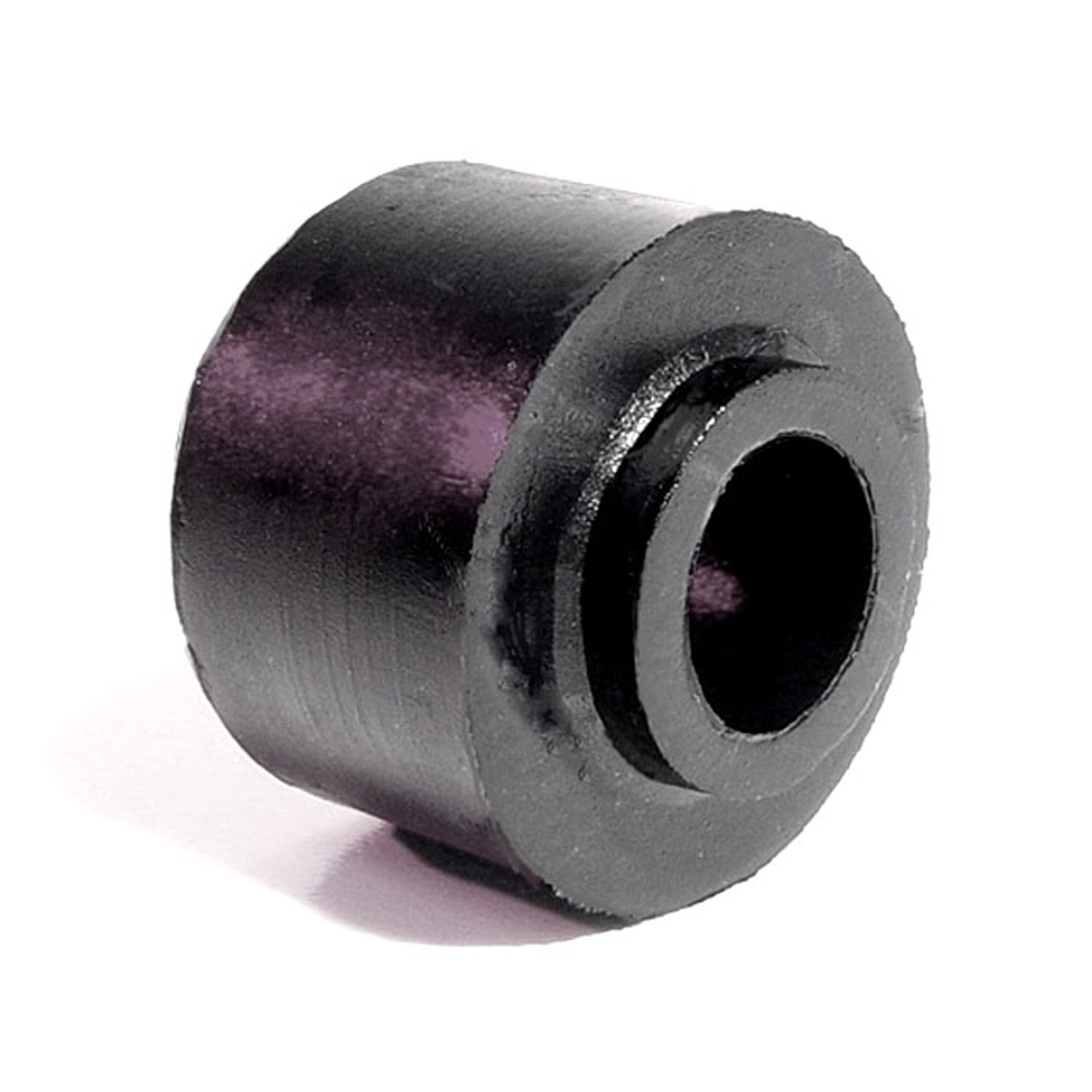 1976 Buick Century Shock Absorber Grommet. 1" bottom O.D., 3/4" high-BN 1Shock Absorber Grommet. 1" bottom O.D., 3/4" high., with 7/16" I.D. Each
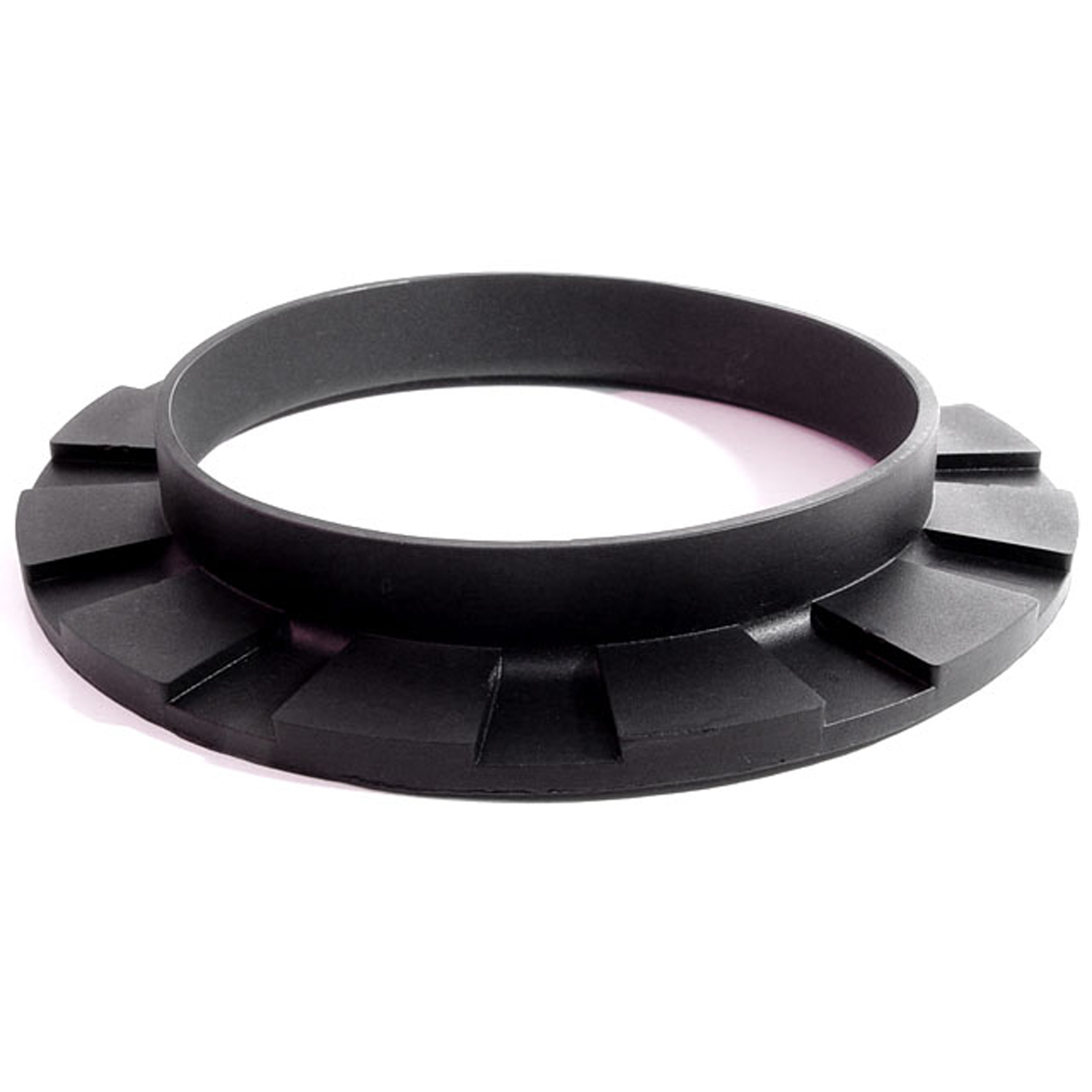 1976 Buick Century Front coil-spring insulator-BN 110Front coil-spring insulator. Fits '41-'60 Oldsmobile and '50-'83 GM passenger models. 5-3/8 in. OD x 3-3/4 in. ID x 3/4 in. high with 13/16 in. wide bottom flange 1/4" thick, 12 flutes. Each.
 1976 Buick Century Molded Door Seals with Clips. For 2-door hardtops-LM 12-YMolded Door Seals with Clips. For 2-door hardtops. Replaces OEM #9870752/3. Each is 95-1/4" long. Pair R&L
 1976 Buick Century Front Molded Door Seals with Clips. For 4-door hardtops-LM 12-ZFront Molded Door Seals with Clips. For 4-door hardtops. Replaces OEM #9870656/7. Pair R&L
 1976 Buick Century Trunk Liner. Loose weave, jet black. 50" wide-M 30Trunk Liner. Loose weave, jet black. 50" wide. Sold by the foot
 1976 Buick Century Basic kit-RKB 2003-115Basic kit. '73-'76 GM A-body Colonade, Formal, and Sport Coupe (Body Style 57 only). Includes Buick Century Luxus Colonade Coupe, Buick Centurion Sport Coupe, Buick Regal Formal Coupe, Buick LeSabre Sport Coupe and Custom Sport Coupe. Oldsmobile Cutlass Supreme and Supreme Salon Coupes. Doors (LM 12-Y), roof-rails (RR 5019-G), and trunk (TK 46-E/16) seals. 5-piece kit.
 1976 Buick Century Basic Kit-RKB 2003-116Basic Kit. '73-'76 GM A-body Colonade 2-door hardtop coupe (body style 37 only). Doors (LM 12-Y), roof-rails (RR 5019), and trunk (TK 46-E/16) seals. 5-piece kit.
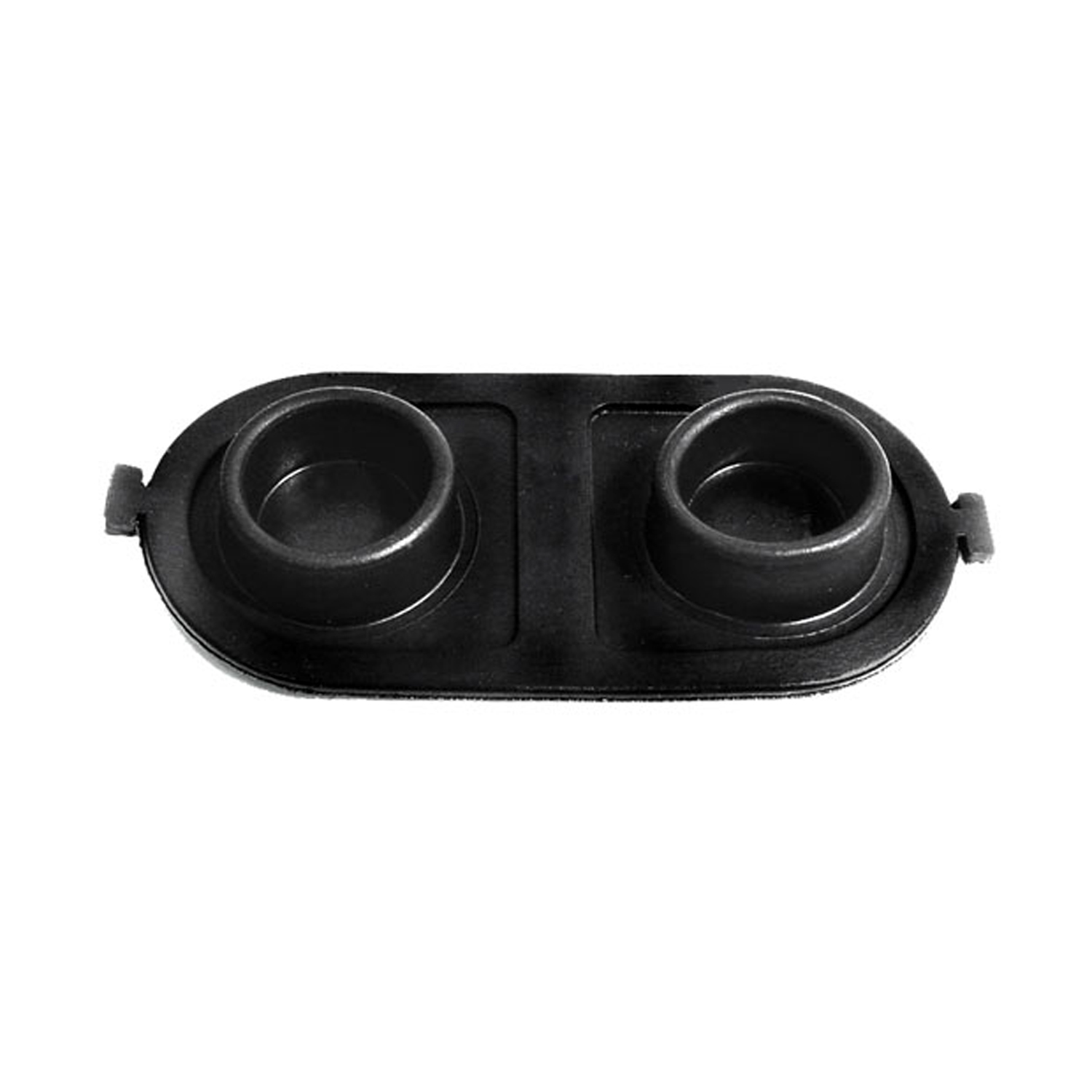 1976 Buick Century Brake Master Cylinder Cover Seal. Replaces OEM #5470861-RP 2-EBrake Master Cylinder Cover Seal. Replaces OEM #5470861. 5" X 2-1/2". Each
 1976 Buick Century Molded roof-rail seals. 2-door hardtop-RR 5019Molded roof-rail seals. 2-door hardtop. Fits '73-'76 GM A-body Coupe and Sport Coupe (Body Style 37 only). (Ex: Buick Century 350 Coupe, Electra 225 Sport Coupe, Electra 225 Custom Sport Coupe.) Pair. R&L.
 1976 Buick Century Rear roof rail seals, ’73-‘77 GM body 4 door hardtop models-RR 5019-RRear roof rail seals, '73-'77 GM body 4 door hardtop models, pair. Replaces OEM #'s 9878794/9878795
 1976 Buick Century Front Roof Rail Seals-RR 5019-SFront Roof Rail Seals. Fits 4-door stationwagon and 4-door pillared hardtop sedans. Pair
 1976 Buick Century Rear Roof Rail Seals. Fits 4-door stationwagon. Pair-RR 5019-TRear Roof Rail Seals. Fits 4-door stationwagon. Pair
 1976 Buick Century Tailgate Seal for 4-Door Station Wagons. Each-TG 15Tailgate Seal for 4-Door Station Wagons. Each
 1976 Buick Century Trunk Seal. Each-TK 46-E/16Trunk Seal. Each
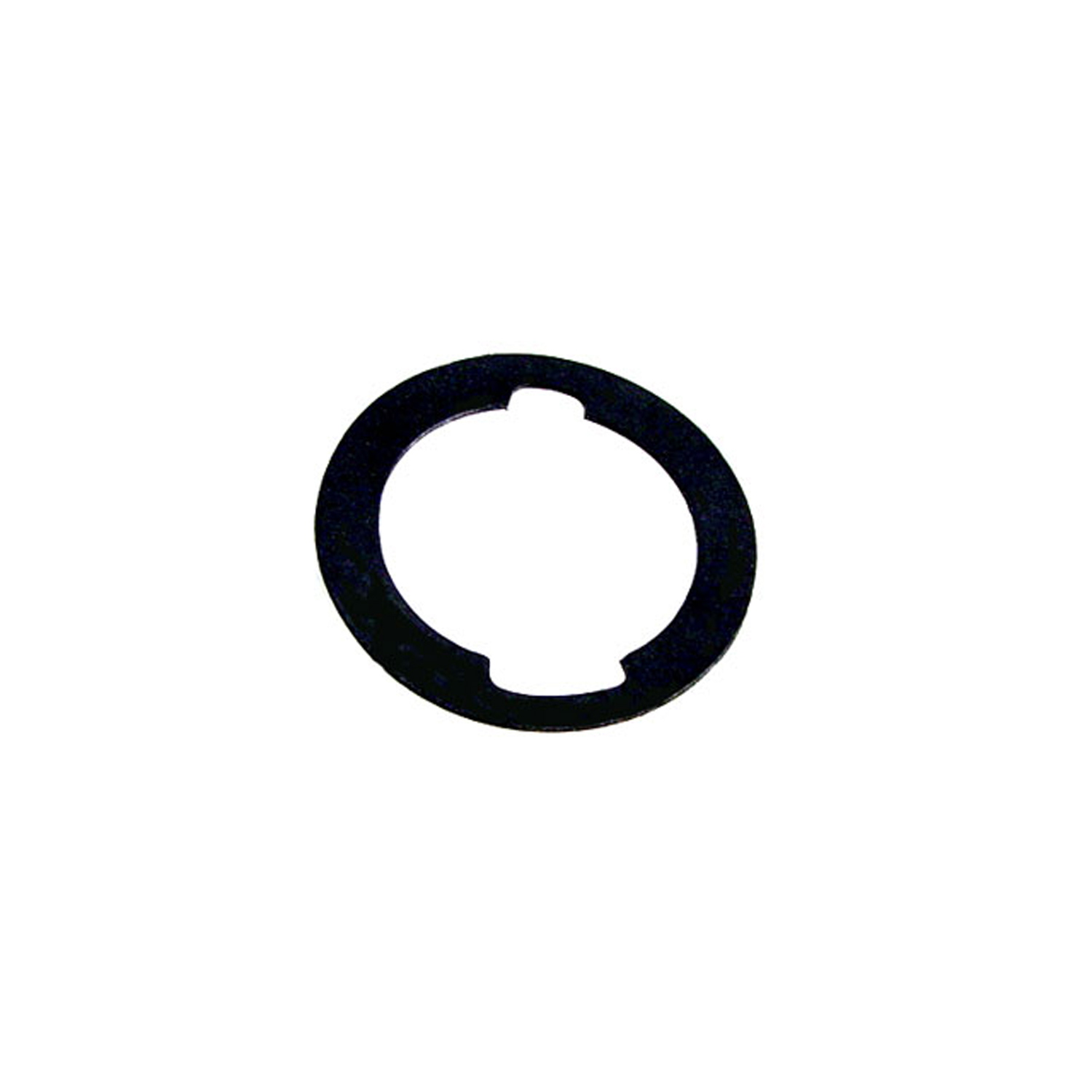 1976 Buick Century Unbeaded Door and Trunk Lock Gasket. 1-3/16" O.D., 7/8" I.D-UM 1600-100Unbeaded Door and Trunk Lock Gasket. 1-3/16" O.D., 7/8" I.D. Each
 1976 Buick Century Rear Quarter Window Molding Clip. Made of steel-WF 204Rear Quarter Window Molding Clip. Made of steel. 3/4" x 1-3/8". Each
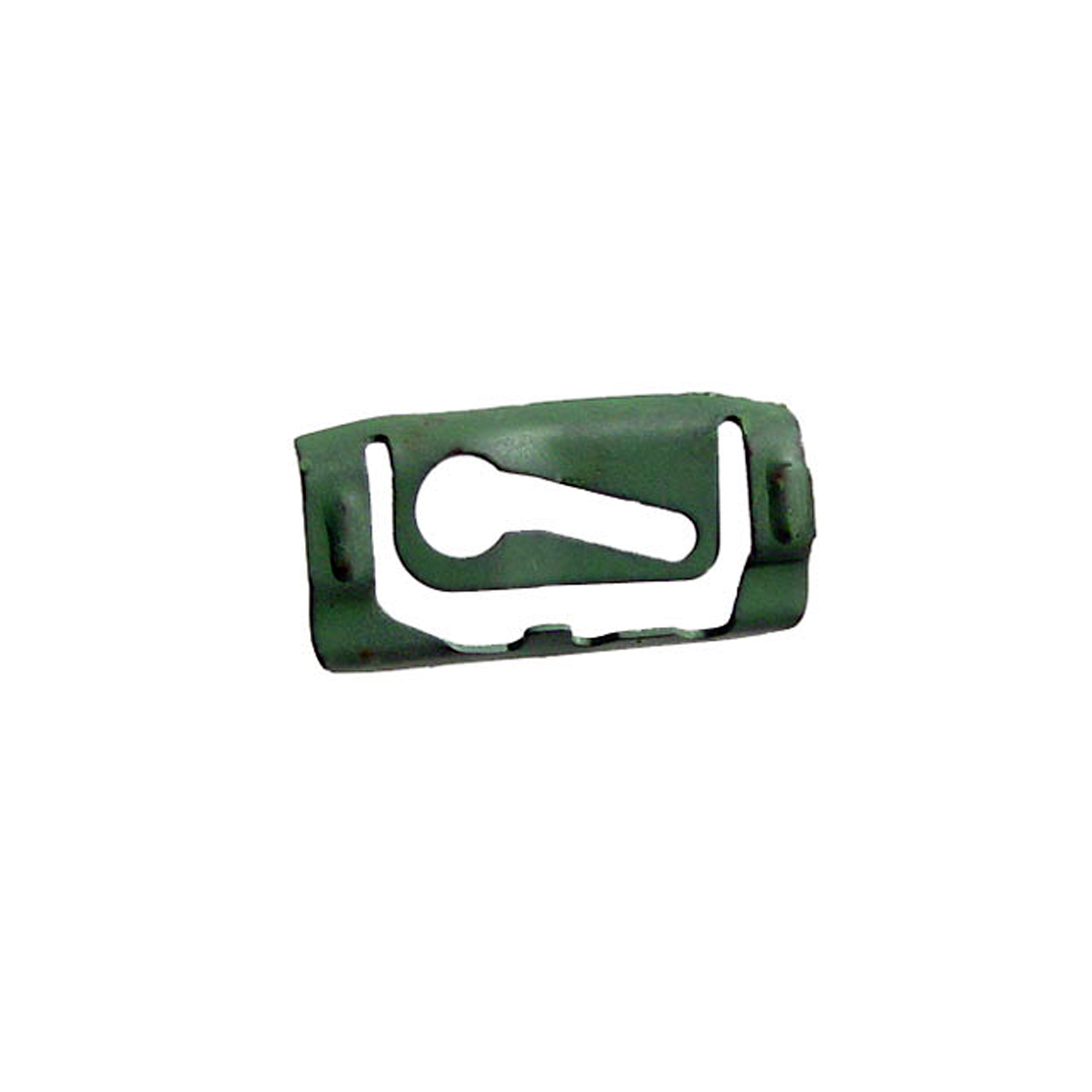 1976 Buick Century Quarter Window Reveal Molding Clip. Made of Steel-WF 205Quarter Window Reveal Molding Clip. Made of Steel. 1-3/8" X 11/16". Each
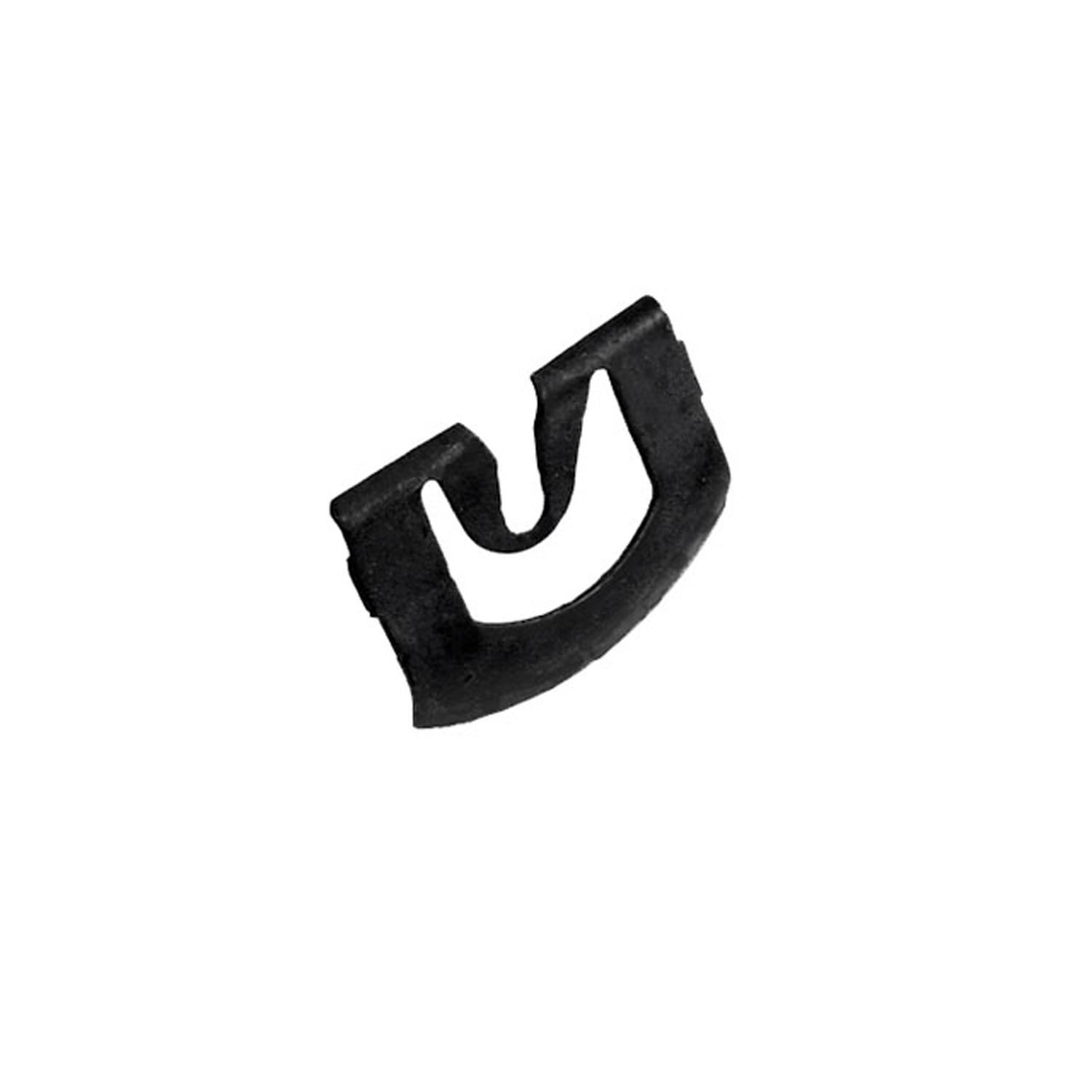 1976 Buick Century Windshield Reveal Molding Clip. Made of steel. 13/16" x 1"-WF 209Windshield Reveal Molding Clip. Made of steel. 13/16" x 1". Each
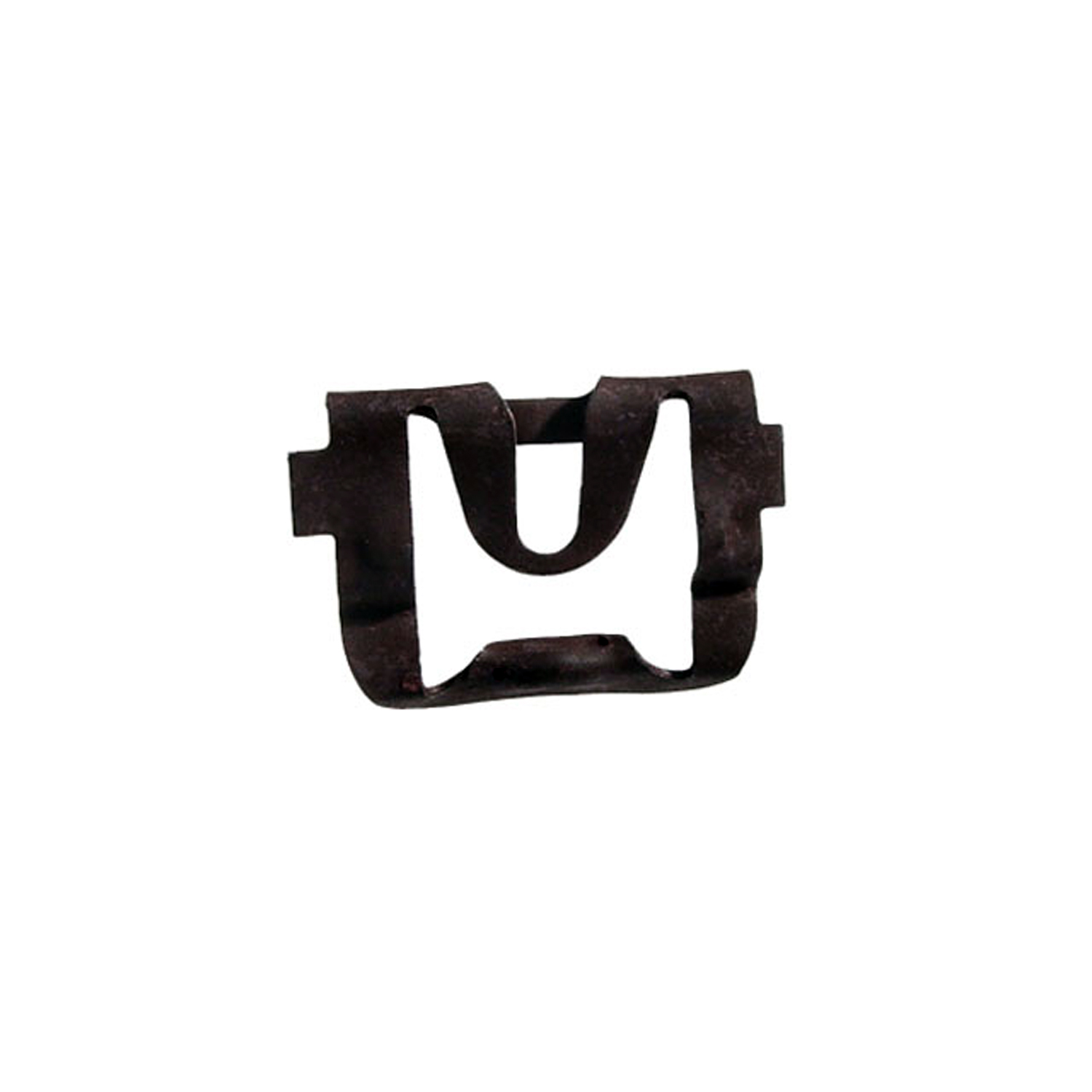 1976 Buick Century Rear Windshield Reveal Molding Clip. Made of steel-WF 211Rear Windshield Reveal Molding Clip. Made of steel. 15/16" X 3/4". Each
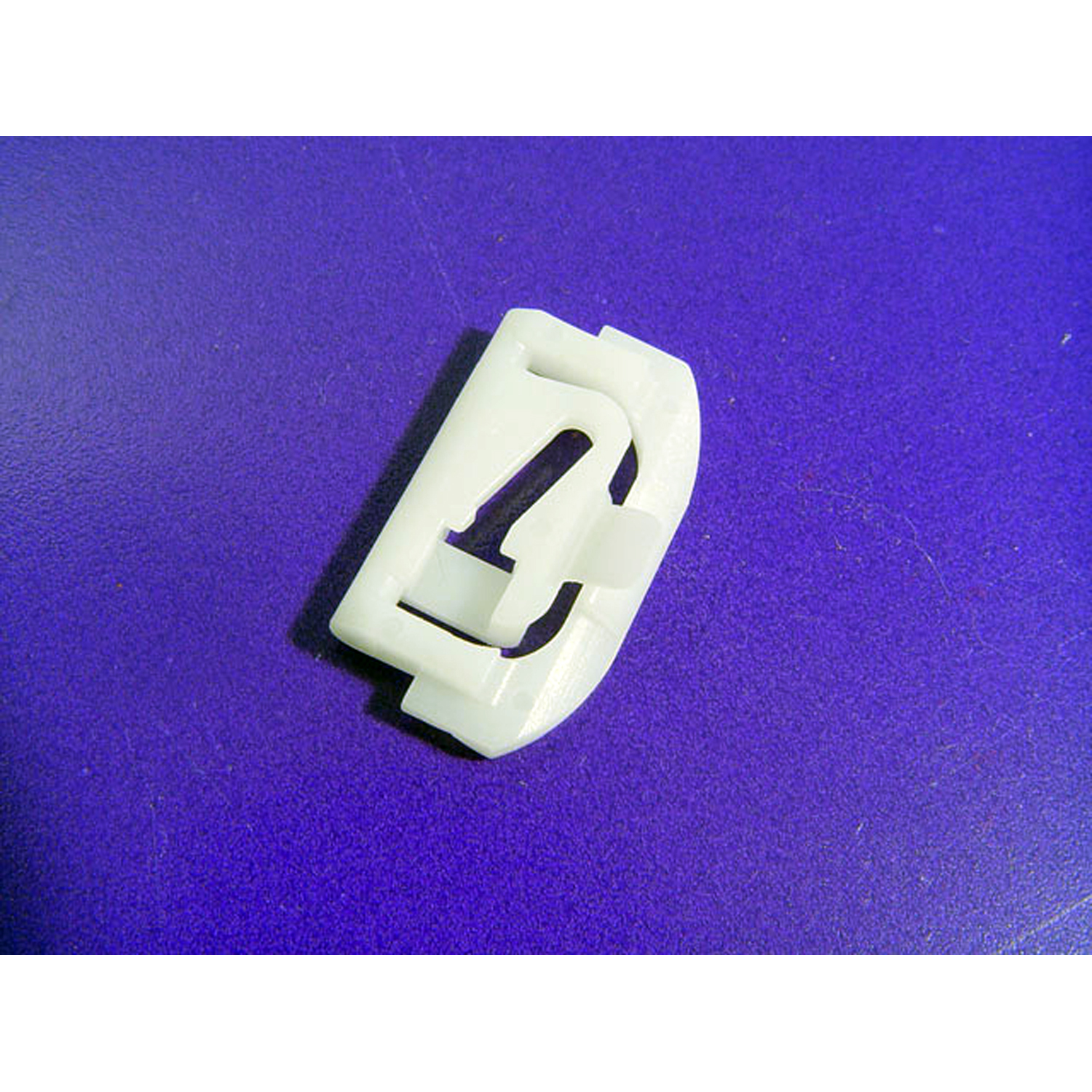 1976 Buick Century Lower Side Window Reveal Molding Clip. Made of nylon-WF 214Lower Side Window Reveal Molding Clip. Made of nylon. 1-1/4" x 3/4". Each
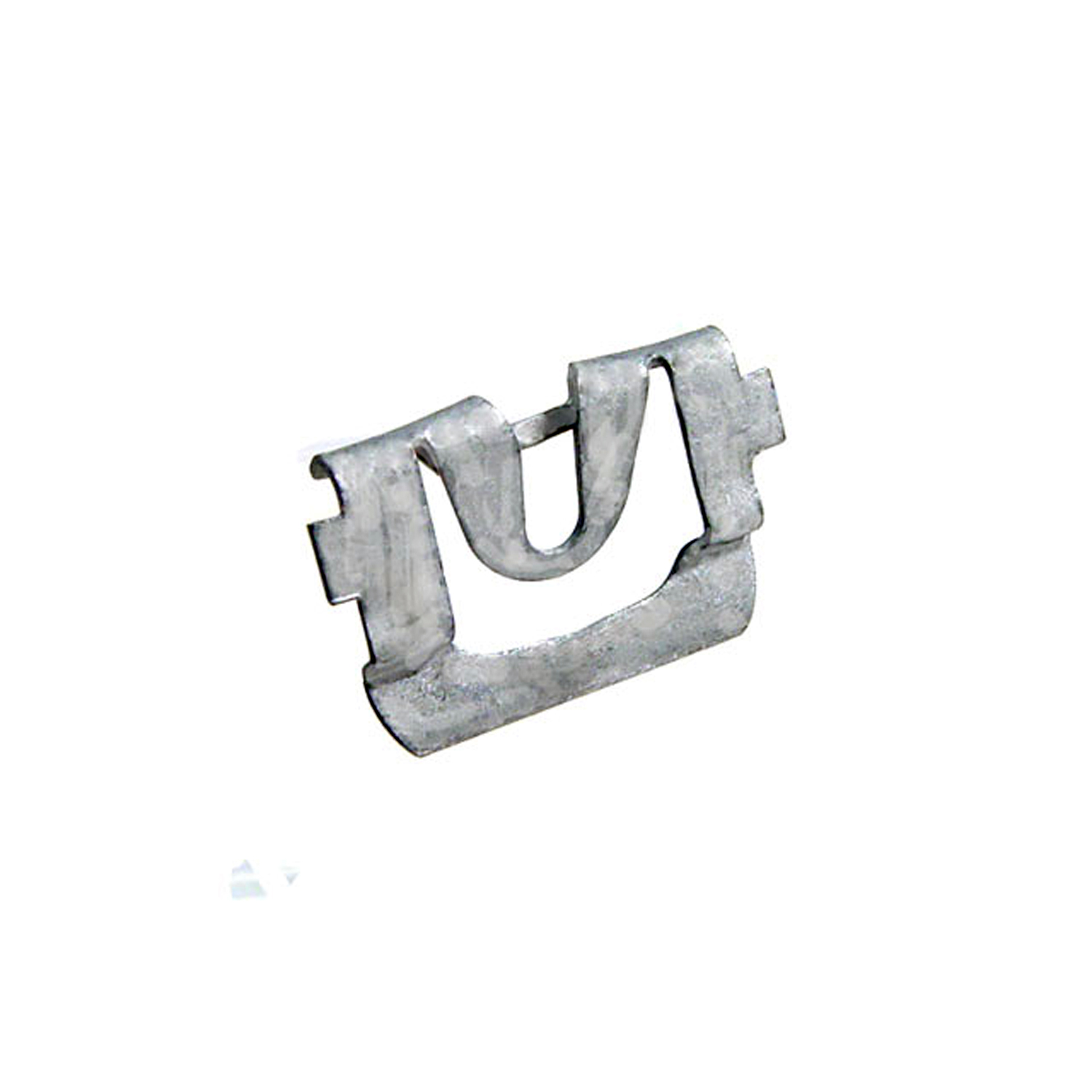 1976 Buick Century Windshield Reveal Molding Clip. Made of steel-WF 223Windshield Reveal Molding Clip. Made of steel. 1/1/8" X 3/4". Each
Why Choose Metro?
For over 100 years, Metro Moulded Parts has been the pinnacle of quality in classic car restoration parts. Our commitment to precision and authenticity in every component ensures a perfect fit and an OEM-level appearance.
- Expert Craftsmanship & Quality: Each part is a testament to our dedication to reliability and perfection, crafted from original designs and thoroughly tested.
- Advanced Technology: We use cutting-edge techniques to create flawless, long-lasting parts that surpass others in performance.
- SuperSoft Sponge – The Ultimate Door Seal: Not only are our door seals 30% softer than competitors', but they're also guaranteed to never leak. They effectively reduce wind and road noise, enhancing your classic car's comfort and driving experience.
- Proudly American: Our parts are a product of American craftsmanship, made in the USA with a spirit of excellence and heritage.
- Unrivaled Warranty: We back our products with a 30-year industry-leading warranty, a testament to our confidence in their quality.
Join us in preserving the legacy of classic cars with parts that are crafted for perfection, not just made.