

Image of 1976 Buick Lesabre, Note: These illustrations use artistic license and may differ from actual historical models.
Performance Metrics
Fundamental Metrics
Emotional Appeal
MMP Rating
| Engine Specifications | |
|---|---|
| Engine: | 350 cu in (5.7 L) V8, 455 cu in (7.5 L) V8 |
| Displacement: | 350-455 cu in |
| Horsepower: | 155-225 hp |
| Torque: | 275-375 lb-ft |
| Compression Ratio: | 8.5:1 |
| Ignition System: | Electronic Ignition |
| Cooling System: | Liquid-cooled |
| Performance Specifications | |
| 0-60 Time: | 10-12 seconds |
| 1/4 Mile Time: | 17-19 seconds |
| Top Speed: | 110-120 mph |
| Transmission and Drive | |
| Drive Type: | Rear-wheel drive |
| Transmission Type: | 3-speed automatic |
| Fuel and Efficiency | |
| Fuel System Type: | Carburetor |
| MPG: | 10-12 mpg |
| Dimensions and Brakes | |
| Brakes: | Front disc, rear drum |
| Wheelbase: | 124 inches |
| Weight: | 4,500 lbs |
Note: Specifications for classic cars are given to the best of our ability, considering the limited and variant data available.
1976 Buick LeSabre: The Last of the Big Buicks
The 1976 Buick LeSabre brought American full-size motoring to the end of an era: roomy, softly sprung, V8-powered, and dressed with the bright trim buyers expected from Buick. Built by the Buick division of General Motors, it was a more attainable companion to the upscale Electra, offering generous passenger space and a substantial road presence without quite reaching its larger sibling’s price and formality.
The timing gives this model special significance. The 1976 LeSabre was among the final full-size Buicks built before GM’s extensive 1977 downsizing, which made the next generation shorter and lighter. It also came at a turning point for American cars, as fuel concerns and emissions rules were reshaping the industry. A neat piece of LeSabre history reaches even further back: its name was inspired by GM’s dramatic 1951 Le Sabre concept car, a jet-age design study that helped make the word synonymous with Buick.
Full-Size Buick Styling
The 1976 LeSabre wears its size proudly. Its long hood, broad shoulders, upright grille, and squared-off roofline give it the composed look of a classic American road car. Rectangular headlamps and a wide front fascia bring a distinctly mid-1970s character, while bright exterior trim and substantial bumpers underline the era’s taste for polished details and protective hardware. From the side, the generous glass area and long body make the cabin look as spacious as it feels.
Inside, the LeSabre emphasizes comfort over sportiness. Depending on trim and equipment, buyers could find cloth or vinyl upholstery, with richer materials and more decorative trim available on better-equipped versions. A wide dashboard, padded surfaces, easy-to-read analog instruments, and a column-mounted shifter made the cabin straightforward to use. Bench seating was a natural fit for the car’s relaxed mission, while options such as air conditioning, power windows, power locks, cruise control, tilt steering, and an upgraded radio could add welcome convenience. Equipment varied by trim and individual car, so surviving examples can differ considerably.
The model range included two-door coupes, four-door sedans, and LeSabre Estate wagons. Trim names and equipment varied across the line, with Custom and Luxus versions among the offerings. The sedan was a familiar choice for family and personal use, while the coupe gave the large Buick a more formal, personal-car look. The Estate wagon was the practical standout, pairing Buick comfort with substantial cargo capacity. Color choices covered the period’s popular palette, including white, red, blue, green, gold, brown, and silver tones. Availability depended on the body style and trim; today, the most memorable examples often combine a strong exterior color with a contrasting vinyl or cloth interior.
1976’s Place in Buick History
The LeSabre did not introduce a revolutionary new technology in 1976. Its significance is more about what it represents: the mature, pre-downsizing American full-size car at the end of its traditional format. The following year, GM reduced the size and weight of many of its large cars to respond to changing fuel-economy expectations. That makes a 1976 LeSabre a useful snapshot of the earlier formula: long wheelbase, broad cabin, substantial V8, and a suspension tuned for comfort.
Its equipment also reflects a changing regulatory landscape. Catalytic converters were already part of the American emissions-control era, and unleaded fuel was required for cars equipped with them. Meanwhile, federal bumper standards had encouraged the prominent bumper designs seen on cars of the period. The LeSabre balanced these new realities with the familiar Buick priorities of quietness, comfort, and an unhurried driving experience. It was not a radical design, but it delivered a well-established kind of American luxury to a wider range of buyers than the flagship Electra.
V8 Performance and Ride
A 350-cubic-inch Buick V8 was a central part of the LeSabre’s character, with engine and carburetor choices varying by configuration. A three-speed Turbo-Hydramatic automatic transmission was typical, and power steering and power brakes helped make the large car manageable in everyday use. Exact output depends on the engine and its emissions specification, but period ratings for 350 V8 versions were generally in the neighborhood of 155 to 165 horsepower. A larger 455-cubic-inch V8 was available in some LeSabre configurations, though it is less common and should be verified against the specific car’s documentation.
Performance figures are best treated as estimates, since engine choice, axle gearing, vehicle condition, and test methods all matter. A 350-powered LeSabre generally needs roughly 11 to 13 seconds to reach 60 mph, with a top speed around 100 to 110 mph under favorable conditions. Those numbers describe a large, comfort-focused car, not a muscle machine. Its strengths are relaxed cruising and effortless-feeling low-speed response, rather than quick acceleration.
On the road, the Buick’s suspension absorbs ordinary bumps with the soft, floating motion many people associate with classic American luxury cars. The long wheelbase helps it feel settled on highways, although its size is noticeable in tight parking lots and narrow streets. On winding roads, body lean and a relatively slow steering feel encourage a smooth pace rather than aggressive cornering. The V8’s subdued rumble, the automatic’s gentle shifts, and the quiet, cushioned ride create an experience that rewards patience. From behind the wheel, the LeSabre feels less like a car asking to be hustled and more like one inviting its driver to settle in and cover distance comfortably.
Living With a LeSabre
Today, a 1976 LeSabre can serve as a weekend cruiser, a family classic, or a show car. A solid sedan is generally the most straightforward entry point, while a wagon can be especially appealing to collectors who want a less common body style and extra usefulness. The car is not suited to modern fuel prices or tight urban parking as well as a compact vehicle, but it can still handle local drives and relaxed highway outings when properly maintained.
Many mechanical parts are shared with other GM cars of the era, which can make routine service and repairs manageable for an experienced home mechanic. Common maintenance concerns include carburetor tuning, aging ignition and cooling components, transmission condition, worn suspension bushings, brake repairs, and leaks from old seals. Rust deserves careful attention, particularly around the floors, lower body panels, trunk, and areas where moisture collects. Interior trim, body-specific wagon parts, and well-preserved exterior pieces may take more time to find than basic service items. As with any classic, condition and maintenance history matter more than the odometer alone.
LeSabre Facts and Criticisms
The LeSabre name has a glamorous origin: it was borrowed from GM’s 1951 Le Sabre concept, a striking show car influenced by aircraft and the jet age. The production LeSabre that followed became a long-running Buick nameplate, but the 1976 model itself was not known for racing success or a major speed record. Its appeal was comfort, space, and Buick presence rather than competition performance.
There is no widely recognized celebrity-owned 1976 LeSabre or defining historical event that made this model famous. Its strongest claim to distinction is its timing as one of the last examples of Buick’s traditional full-size design before the 1977 change. Common criticisms are familiar: fuel consumption can be substantial, handling is soft by modern standards, and the car’s size can feel cumbersome in everyday traffic. Those same traits are part of its appeal to enthusiasts who want an authentic, unhurried 1970s driving experience.
Collector Value and Availability
Production was substantial, but exact totals vary by body style and trim. A reasonable estimate for all 1976 LeSabre versions combined is roughly 250,000 to 300,000 cars. That is a broad estimate, not a precise factory production figure, and surviving examples are far fewer. Ordinary sedans are still found on the market, while clean wagons, unusual colors, and well-documented cars can take longer to locate.
As a general U.S. market guide, a project or rough driver might sell for about $2,000 to $5,000. A usable, presentable car may bring roughly $5,000 to $10,000, while a particularly clean and well-kept example could reach $10,000 to $18,000 or more. Exceptional wagons or unusually original cars can exceed that range, though condition, location, documentation, and buyer interest have a major effect on price. These are broad estimates rather than guaranteed values.
Values have tended to remain modest compared with those of highly sought-after muscle cars and luxury convertibles. The best examples may appreciate gradually as interest in 1970s American cars grows, but most LeSabres are better viewed as enjoyable classics than as investment vehicles. Originality, rust-free bodywork, sound mechanical condition, and a complete interior are usually the strongest factors in a sale.
Why the 1976 LeSabre Still Matters
The 1976 Buick LeSabre captures a particular moment in American motoring: the final stretch of the big, traditional Buick before downsizing changed the full-size formula. Its generous cabin, V8 power, soft ride, and broad model range made it a comfortable everyday car in its day, and those qualities still define its appeal. It may not be the fastest or rarest Buick, but as a well-preserved sedan, coupe, or wagon, it offers an honest and enjoyable connection to the last years of the classic full-size American cruiser.
1976 Buick Lesabre Catalog of Parts
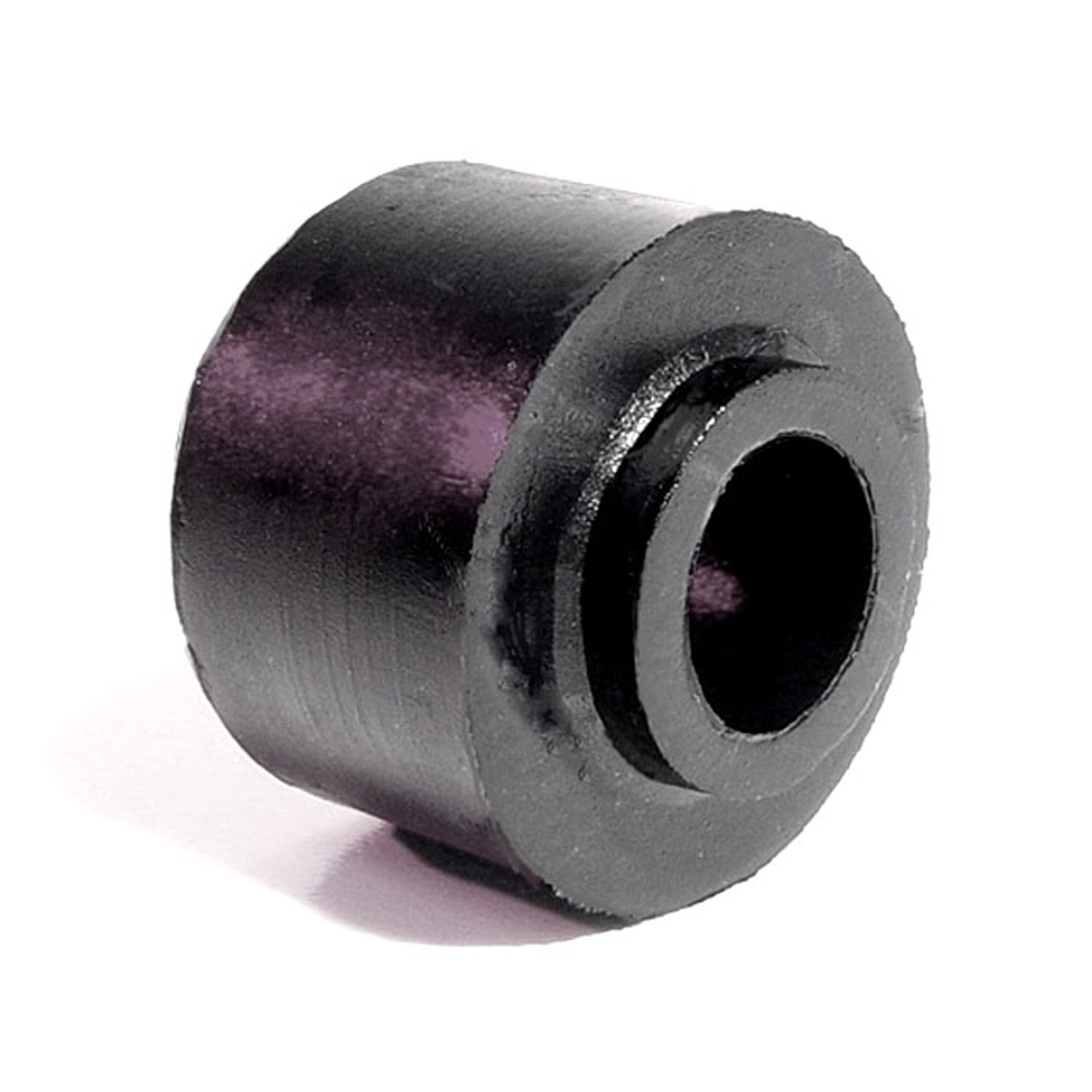 1976 Buick LeSabre Shock Absorber Grommet. 1" bottom O.D., 3/4" high-BN 1Shock Absorber Grommet. 1" bottom O.D., 3/4" high., with 7/16" I.D. Each
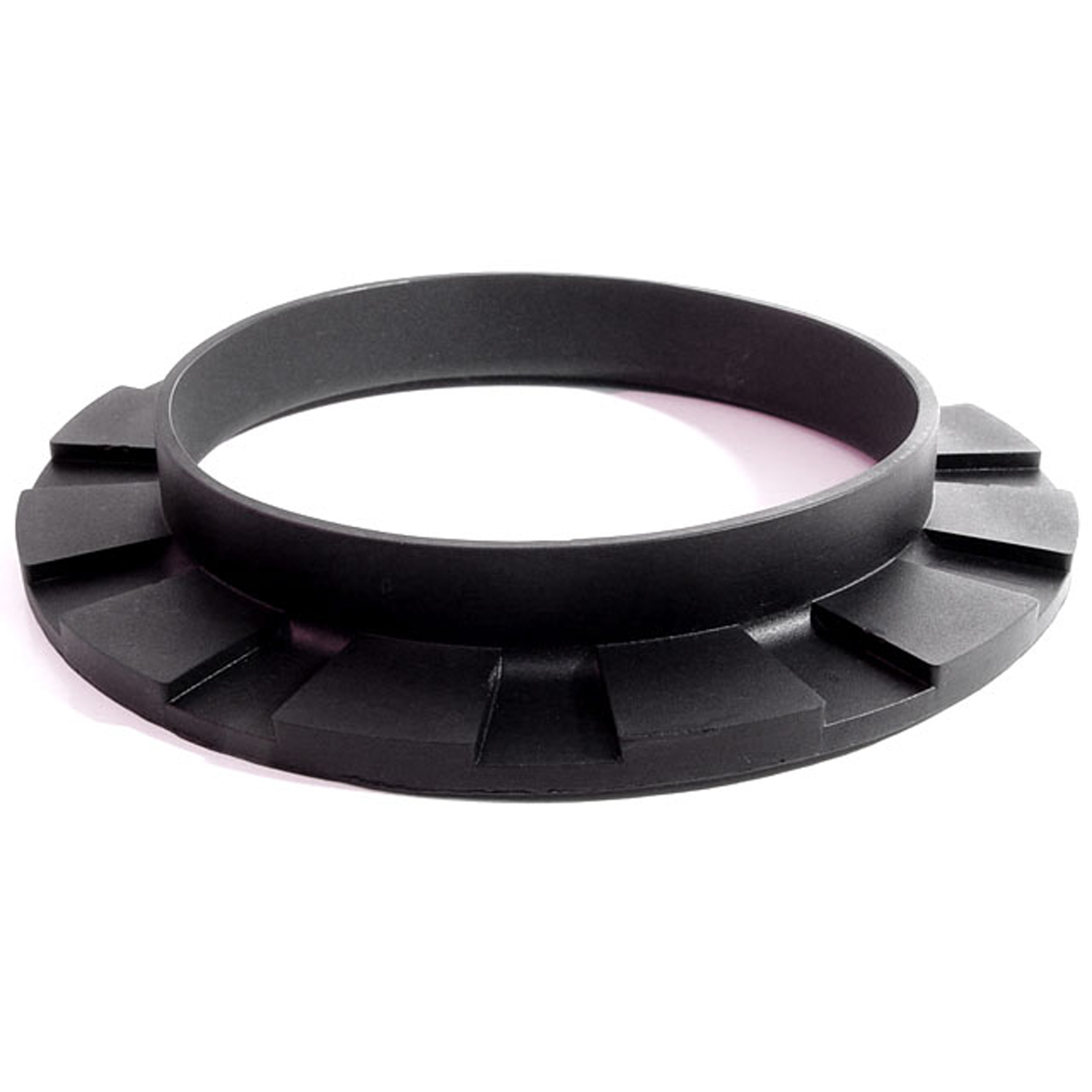 1976 Buick LeSabre Front coil-spring insulator-BN 110Front coil-spring insulator. Fits '41-'60 Oldsmobile and '50-'83 GM passenger models. 5-3/8 in. OD x 3-3/4 in. ID x 3/4 in. high with 13/16 in. wide bottom flange 1/4" thick, 12 flutes. Each.
 1976 Buick LeSabre Molded Door Seals. For 2-door hardtops and convertibles-LM 12-HMolded Door Seals. For 2-door hardtops and convertibles. Replaces OEM #9824514/5. Pair R&L
 1976 Buick LeSabre Front Molded Door Seals-LM 16-GFront Molded Door Seals. For 4-door sedan and wagon, with RWD. Each is 138-1/2" long. Pair R&L
 1976 Buick LeSabre Rear Molded Door Seals. For 4-door sedan only, with RWD-LM 16-G/SRear Molded Door Seals. For 4-door sedan only, with RWD. Each is 129" long. Pair R&L
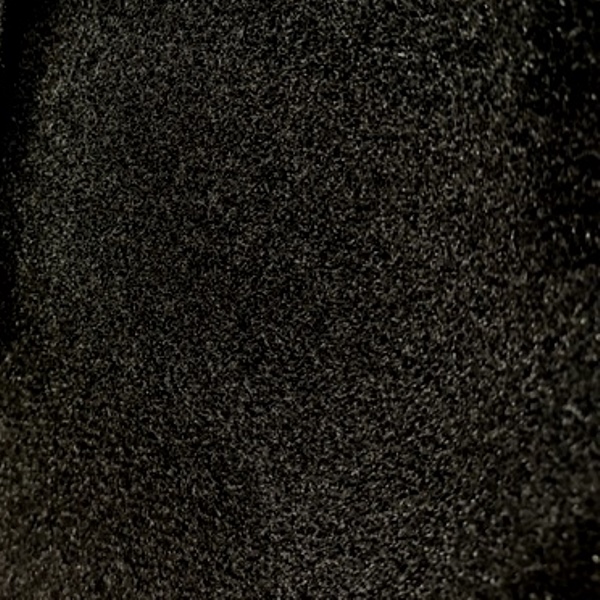 1976 Buick LeSabre Trunk Liner. Loose weave, jet black. 50" wide-M 30Trunk Liner. Loose weave, jet black. 50" wide. Sold by the foot
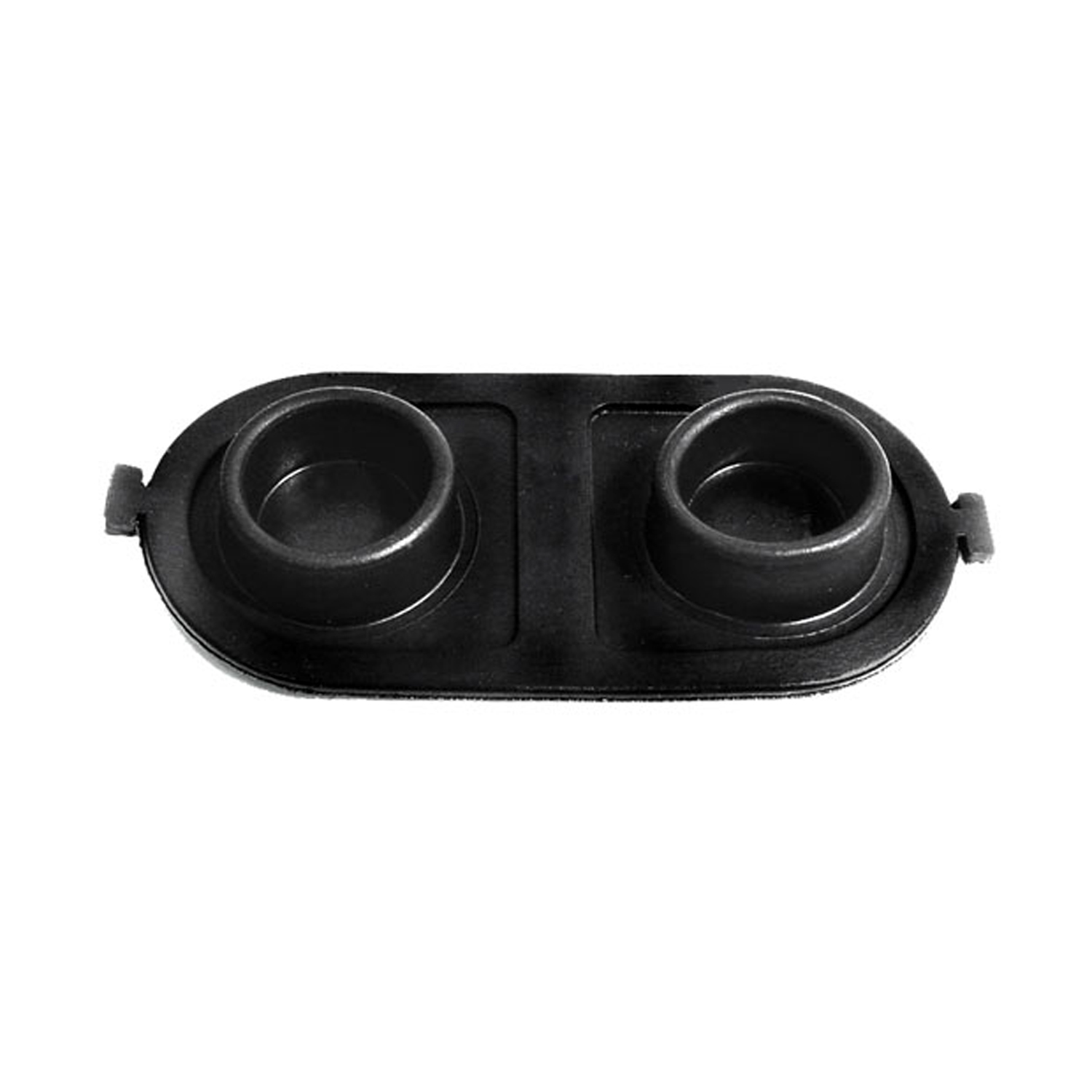 1976 Buick LeSabre Brake Master Cylinder Cover Seal. Replaces OEM #5470861-RP 2-EBrake Master Cylinder Cover Seal. Replaces OEM #5470861. 5" X 2-1/2". Each
 1976 Buick LeSabre Molded Roof Rail Seals, for 2-Door Hardtop-RR 5007Molded Roof Rail Seals, for 2-Door Hardtop. Made with molded ends. 73-5/8" long. Pair R&L
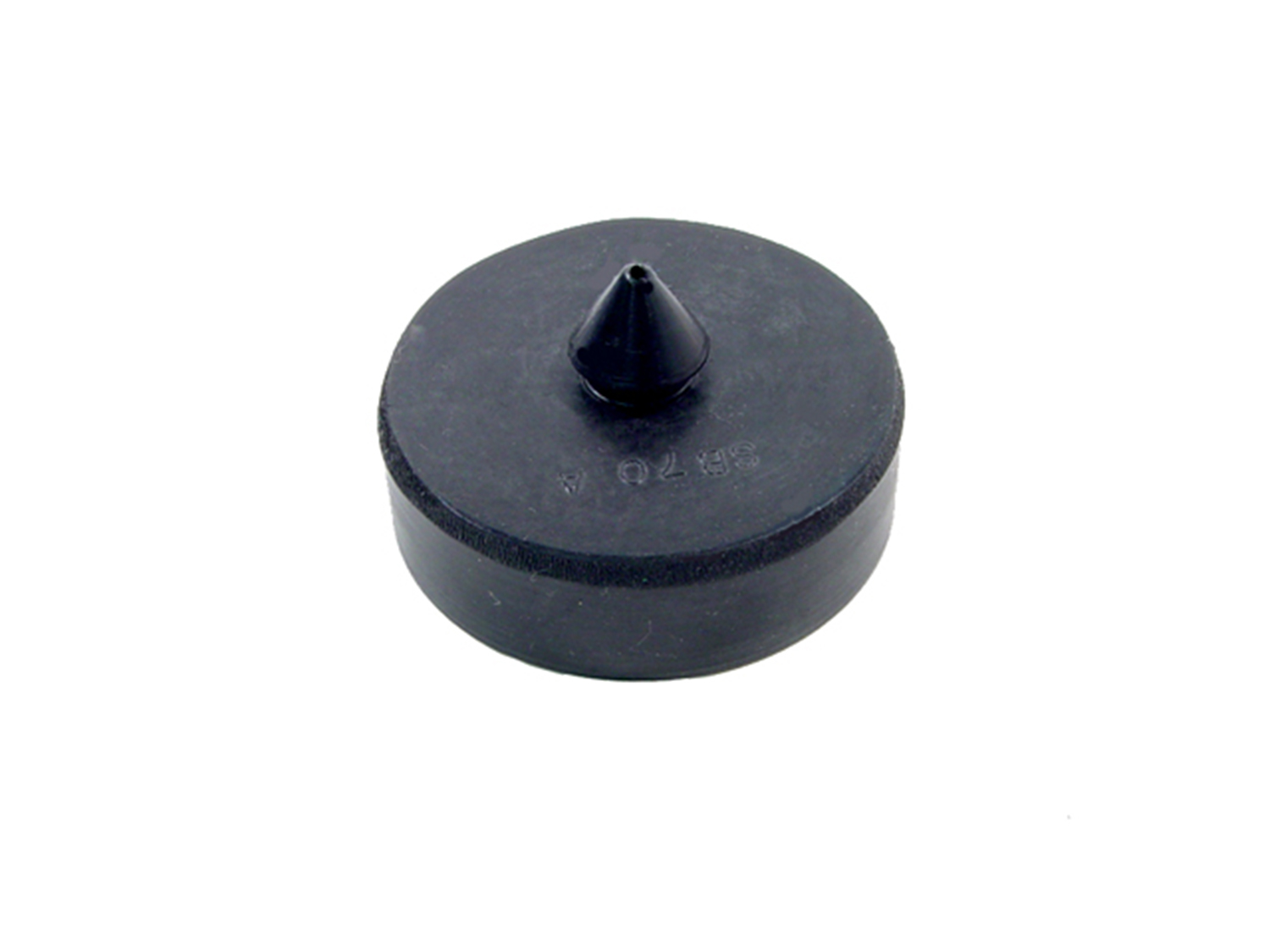 1976 Buick LeSabre Front door window stop bumper. ’70-’81 GM passenger cars-SB 70-AFront door window stop bumper. '70-'81 GM passenger cars. Dense rubber. Replaces OEM# 9810036. Each.
 1976 Buick LeSabre Trunk Seal. Each-TK 46-E/18Trunk Seal. Each
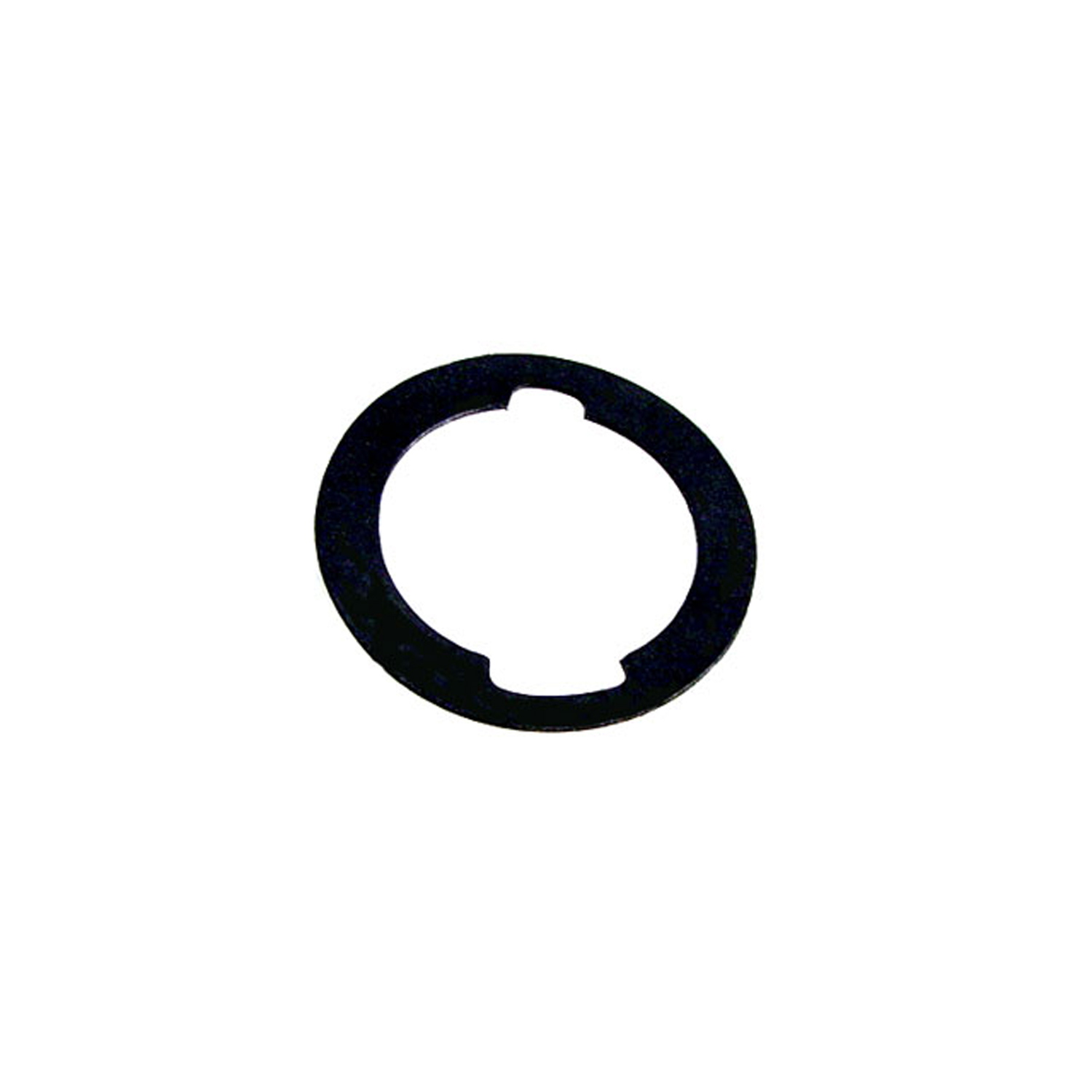 1976 Buick LeSabre Unbeaded Door and Trunk Lock Gasket. 1-3/16" O.D., 7/8" I.D-UM 1600-100Unbeaded Door and Trunk Lock Gasket. 1-3/16" O.D., 7/8" I.D. Each
 1976 Buick LeSabre Rear Roll-Up Quarter Window Seals, for 4-Door Hardtops-VS 3-YRear Roll-Up Quarter Window Seals, for 4-Door Hardtops. 19-1/8" Long. Pair
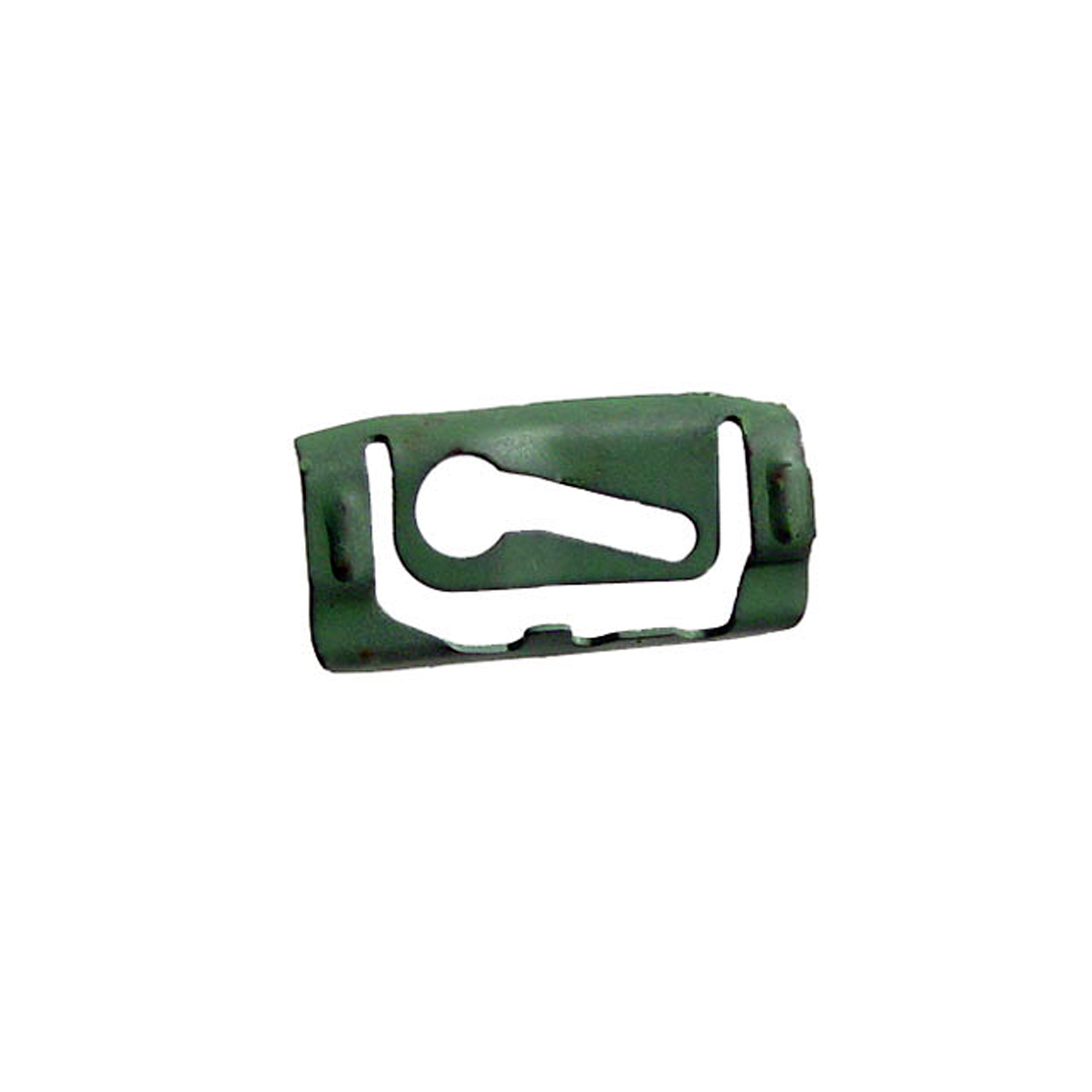 1976 Buick LeSabre Quarter Window Reveal Molding Clip. Made of Steel-WF 205Quarter Window Reveal Molding Clip. Made of Steel. 1-3/8" X 11/16". Each
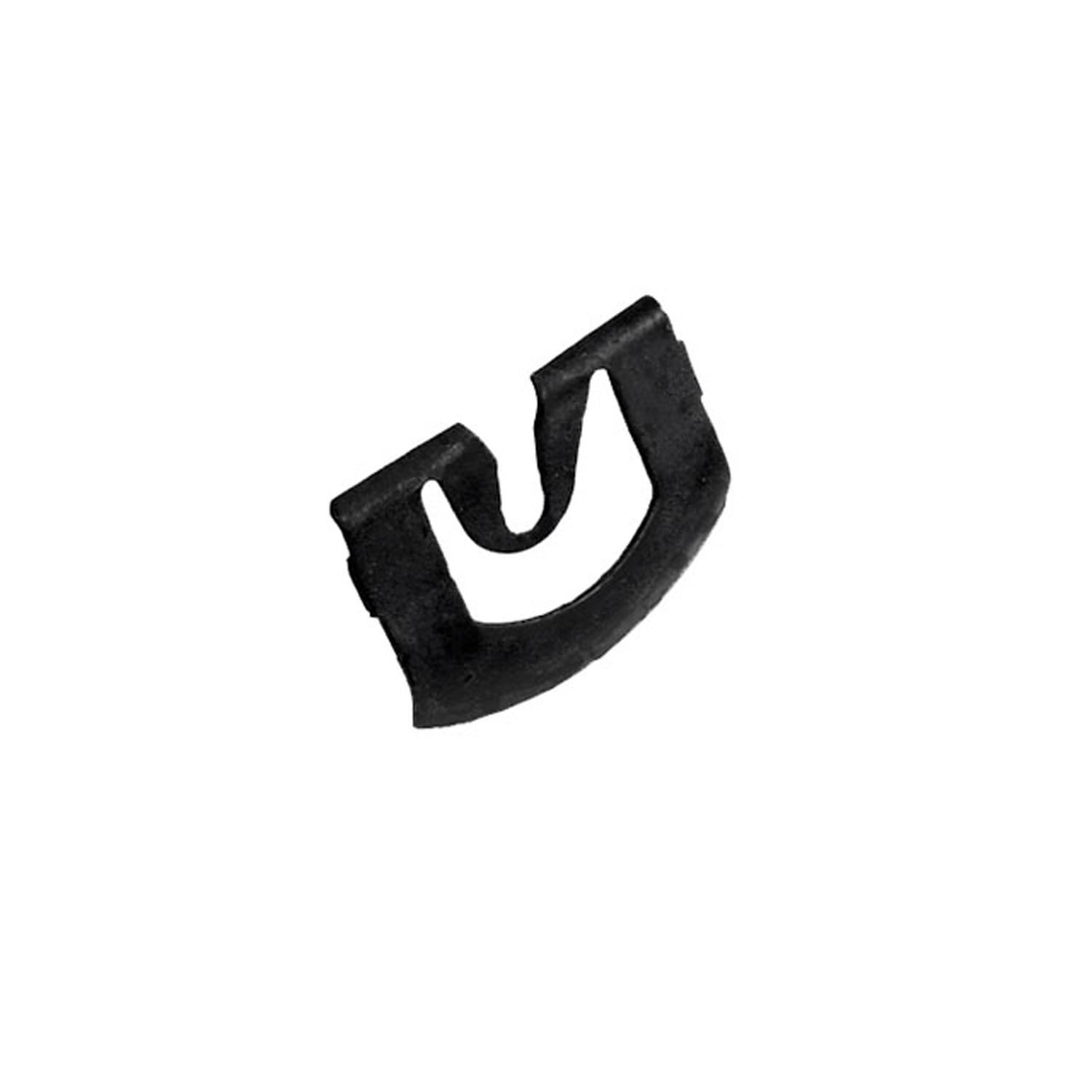 1976 Buick LeSabre Windshield Reveal Molding Clip. Made of steel. 13/16" x 1"-WF 209Windshield Reveal Molding Clip. Made of steel. 13/16" x 1". Each
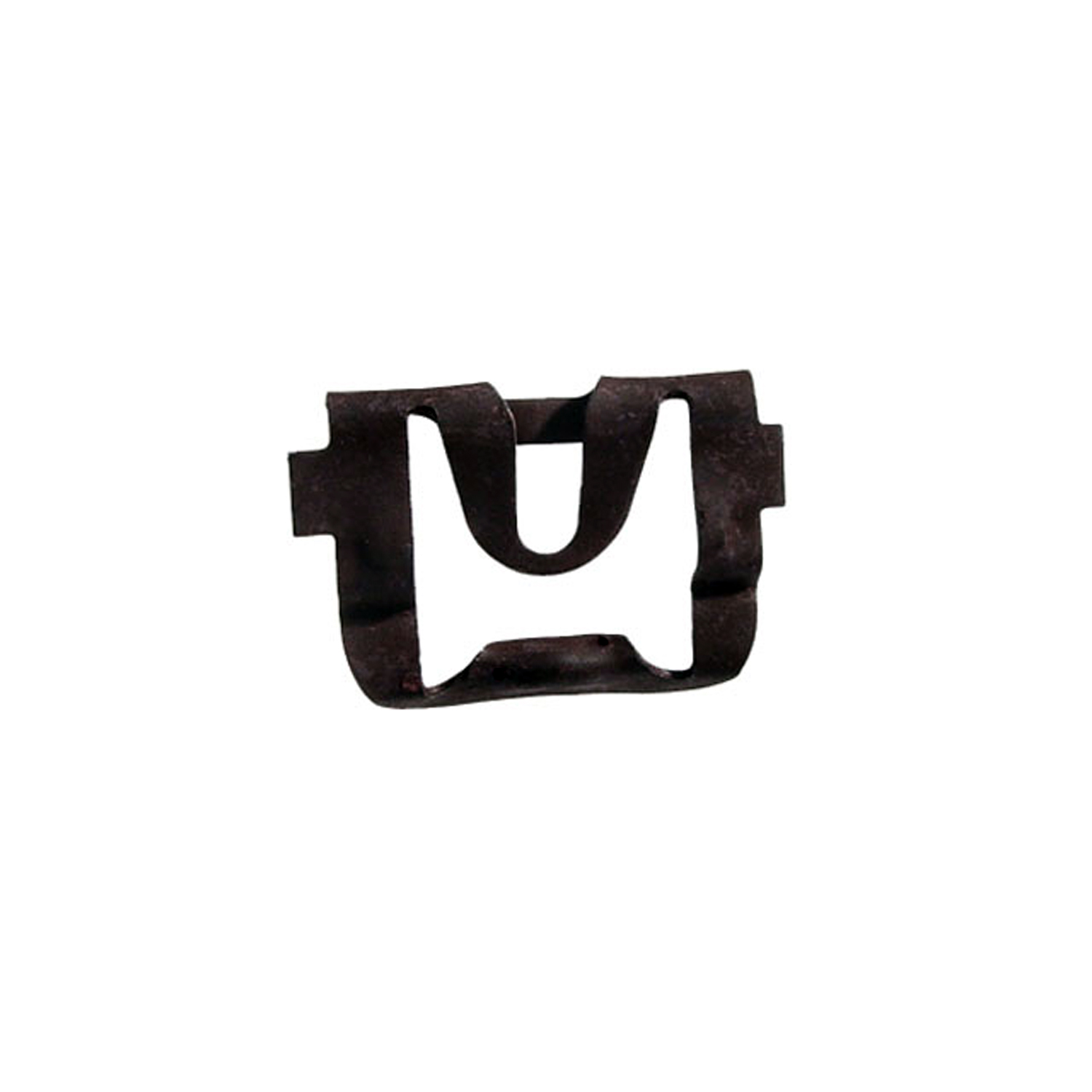 1976 Buick LeSabre Rear Windshield Reveal Molding Clip. Made of steel-WF 211Rear Windshield Reveal Molding Clip. Made of steel. 15/16" X 3/4". Each
 1976 Buick LeSabre Rear Windshield Reveal Molding Clip. Made of steel-WF 213Rear Windshield Reveal Molding Clip. Made of steel. 7/8" X 5/8". Each
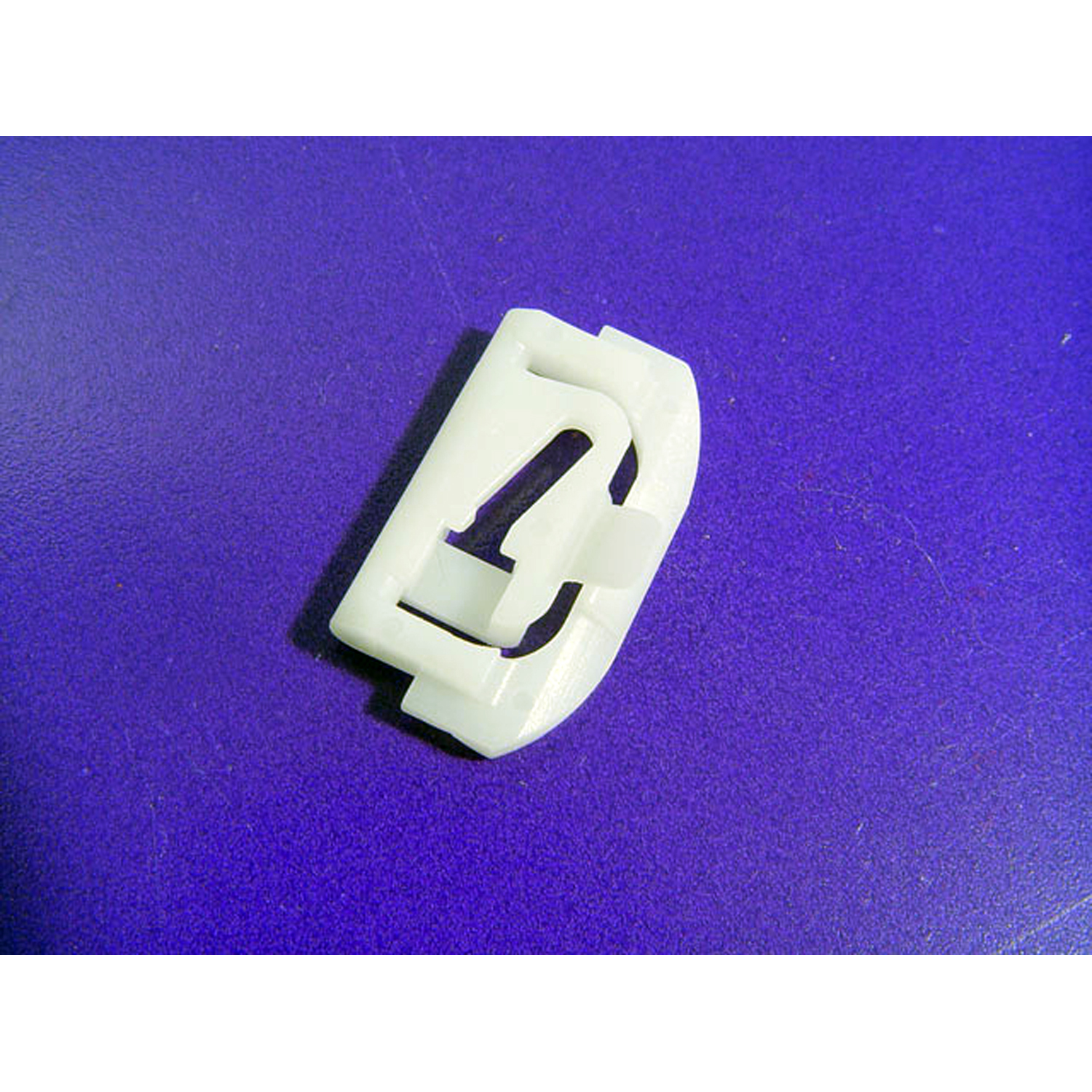 1976 Buick LeSabre Lower Side Window Reveal Molding Clip. Made of nylon-WF 214Lower Side Window Reveal Molding Clip. Made of nylon. 1-1/4" x 3/4". Each
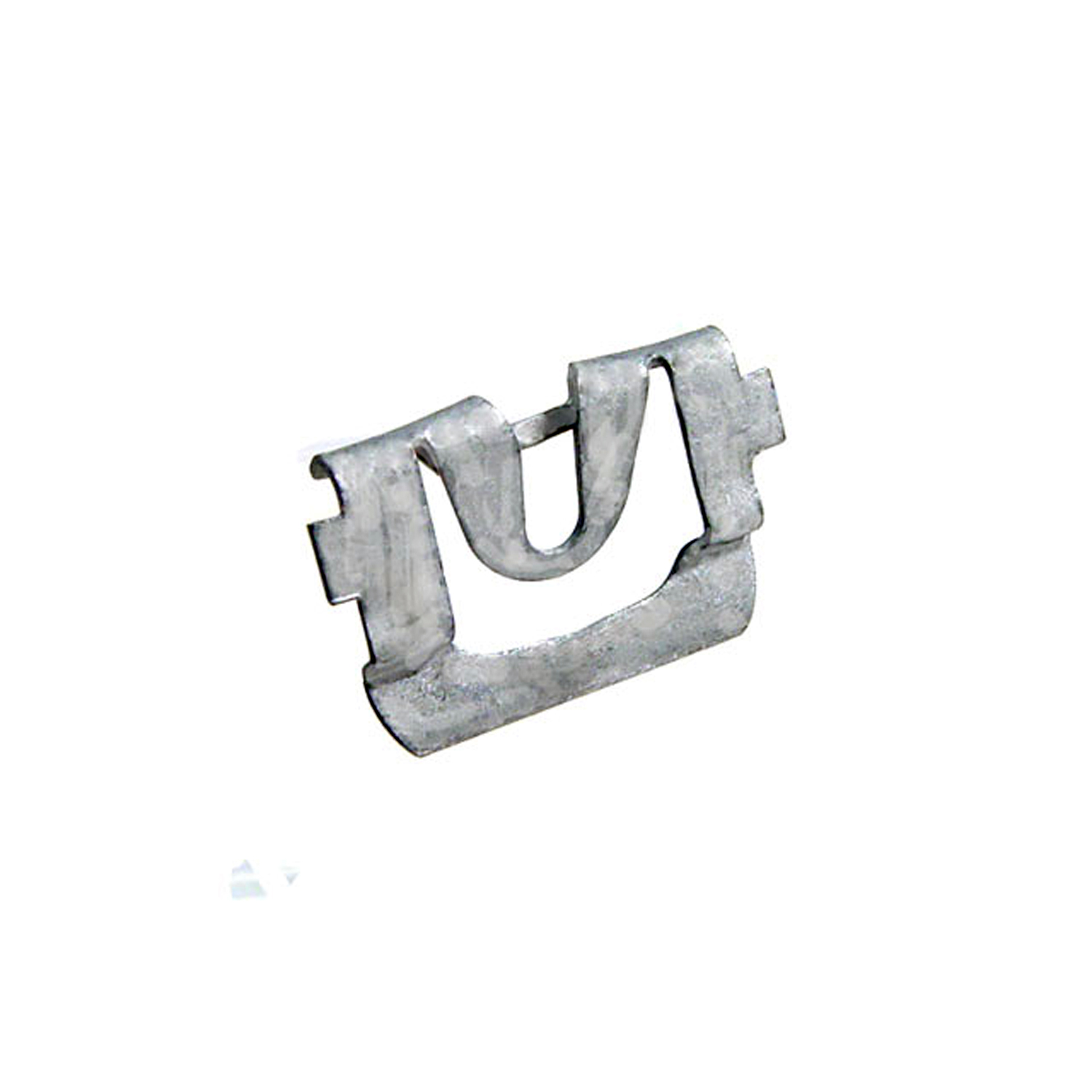 1976 Buick LeSabre Windshield Reveal Molding Clip. Made of steel-WF 223Windshield Reveal Molding Clip. Made of steel. 1/1/8" X 3/4". Each
Why Choose Metro?
For over 100 years, Metro Moulded Parts has been the pinnacle of quality in classic car restoration parts. Our commitment to precision and authenticity in every component ensures a perfect fit and an OEM-level appearance.
- Expert Craftsmanship & Quality: Each part is a testament to our dedication to reliability and perfection, crafted from original designs and thoroughly tested.
- Advanced Technology: We use cutting-edge techniques to create flawless, long-lasting parts that surpass others in performance.
- SuperSoft Sponge – The Ultimate Door Seal: Not only are our door seals 30% softer than competitors', but they're also guaranteed to never leak. They effectively reduce wind and road noise, enhancing your classic car's comfort and driving experience.
- Proudly American: Our parts are a product of American craftsmanship, made in the USA with a spirit of excellence and heritage.
- Unrivaled Warranty: We back our products with a 30-year industry-leading warranty, a testament to our confidence in their quality.
Join us in preserving the legacy of classic cars with parts that are crafted for perfection, not just made.