

Image of 1976 Buick Regal, Note: These illustrations use artistic license and may differ from actual historical models.
Performance Metrics
Fundamental Metrics
Emotional Appeal
MMP Rating
| Engine Specifications | |
|---|---|
| Engine: | 350 cu in (5.7 L) V8, 455 cu in (7.5 L) V8 |
| Displacement: | 350-455 cu in (5.7-7.5 L) |
| Horsepower: | 155-225 hp |
| Torque: | 275-375 lb-ft |
| Compression Ratio: | 8.5:1 for the 350 V8, 8.5:1 for the 455 V8 |
| Ignition System: | Conventional distributor ignition system |
| Cooling System: | Liquid-cooled |
| Performance Specifications | |
| 0-60 Time: | 10-12 seconds |
| 1/4 Mile Time: | 17-19 seconds |
| Top Speed: | 110-120 mph |
| Transmission and Drive | |
| Drive Type: | Rear-wheel drive |
| Transmission Type: | 3-speed automatic, 4-speed manual |
| Fuel and Efficiency | |
| Fuel System Type: | Carburetor |
| MPG: | 12-15 mpg |
| Dimensions and Brakes | |
| Brakes: | Front disc, rear drum |
| Wheelbase: | 112.0 in |
| Weight: | 3,600-3,800 lbs |
Note: Specifications for classic cars are given to the best of our ability, considering the limited and variant data available.
1976 Buick Regal: A Colonnade-Era Classic
The 1976 Buick Regal paired the comfort of a personal luxury coupe with the practical engineering of a midsize American car. Long hood, formal roofline, and plush cabin gave it an upscale presence, while its Buick V6 or available V8 supplied relaxed, unhurried power. It was not yet the turbocharged performance icon the Regal would later become. Instead, this Regal represents a distinctive chapter in Buick history, shaped by changing safety rules, fuel concerns, and the tastes of mid-1970s drivers.
Buick, part of General Motors, introduced the Regal name in 1973 as a more luxurious version of its Century intermediate. By 1976, the Regal was a two-door coupe built on GM’s rear-wheel-drive A-body platform. That platform gave it a roomy cabin and conventional, serviceable mechanicals, while Buick’s trim and appointments helped it stand apart from more modestly equipped midsize cars.
The timing is part of the story. The 1976 Regal arrived during the aftermath of the oil crisis and amid tightening emissions and safety requirements. Automakers were balancing fuel economy and cleaner exhaust with buyers’ expectations of comfort and V8 power. One useful point of comparison with later Regals: the 1976 car had no Grand National or turbocharged V6 option. Those performance associations came later, making this model a more traditional, comfort-minded Buick.
Colonnade Styling and Buick Comfort
The Regal’s exterior has the confident proportions typical of a 1970s American coupe: a long hood, a short rear deck, and a gently swept roof. Its Colonnade body used a fixed center pillar between the front and rear side windows rather than the pillarless construction of earlier hardtops. The design reflected changing safety priorities, but it still looked sleek, especially with the windows lowered and the car’s broad, bright trim catching the light.
At the front, a wide grille and rectangular headlamps gave the Buick a formal, substantial face. The rear quarters and roofline added visual weight, while available vinyl-roof treatments and decorative trim could make the car look even more like a personal luxury coupe. Period wheel covers, whitewall tires, and carefully chosen exterior colors completed the look. Paint choices varied by trim and production details, but buyers could choose from the muted earth tones, metallics, and brighter colors popular in the decade. Deep blues, burgundy shades, and silver tones suit the Regal’s upscale character particularly well.
The 1976 Regal was offered as a coupe, not as a four-door sedan or station wagon. Those body styles belonged to the broader Century lineup. Regal trim and equipment varied, with more luxurious appointments available for buyers seeking a richer interior and additional convenience features. A well-equipped Regal with a vinyl roof and upscale cabin is often the version that most clearly captures the model’s original personality.
Inside, the emphasis was on comfort rather than a sporty, close-fitting cockpit. Depending on configuration, the cabin could have a front bench or optional bucket seats, with cloth or vinyl upholstery and coordinating door panels. The dashboard was broad and straightforward, with large, legible instruments and familiar controls. Woodgrain-style accents and soft-touch trim helped create a more expensive feel, although materials and fit reflect the standards and manufacturing methods of the 1970s rather than modern luxury-car expectations.
Available conveniences could include air conditioning, power steering, power brakes, power windows, cruise control, and an AM/FM radio. A three-speed automatic transmission was a common pairing, especially with V8-equipped cars. These were desirable features in their day, but the Regal’s technology was conventional: its appeal came from comfort, size, and ease of use, not from advanced electronics.
Why the 1976 Regal Matters
The Regal’s significance lies partly in how it translated changing design and safety demands into a car that still felt recognizably American. The fixed center pillar of GM’s Colonnade body structure helped meet evolving safety expectations, while the coupe’s long roof and sweeping profile preserved much of the visual drama buyers expected. The result was a compromise that became a defining look of the era.
The 1976 Regal also helped establish a name that Buick would later use in very different ways. The rear-wheel-drive Regal became a familiar platform for comfort-oriented coupes, and later versions gained a reputation for performance, especially through turbocharged models and the Grand National. The 1976 car is not the source of that turbo legend, but it is an important early part of the nameplate’s story.
Compared with many contemporaries, the Regal offered a more polished image than a basic family coupe without the cost or size of a full-size luxury car. Its lasting influence is less about a single groundbreaking feature than about Buick’s successful blend of formal styling, quiet-road manners, and accessible upscale equipment.
V6 and V8 Performance
A Buick 3.8-liter V6, displacing 231 cubic inches, was among the engine choices. It produced roughly 110 horsepower in typical 1976 specification, though exact output could vary with emissions equipment and configuration. A Buick 350-cubic-inch V8 was also available, producing around 150 horsepower in period ratings. These figures are modest by modern standards, but they suited a car designed for smooth everyday transportation.
Performance depended on engine, transmission, axle ratio, vehicle condition, and altitude. As a practical period-car estimate, a V6 Regal might take roughly 13 to 15 seconds to reach 60 mph, while a healthy V8 car could manage it in about 10 to 12 seconds. Top speed was not the car’s main selling point; estimates generally fall around 100 to 110 mph, but actual capability varies and should not be treated as a guaranteed factory figure. Neither engine turns the Regal into a modern performance car, and the V8 is best appreciated for its easy, low-speed torque.
On the road, the Regal feels substantial and relaxed. Its suspension is tuned more for comfort than corner carving, so it tends to absorb ordinary bumps and expansion joints with a soft, floating motion. On a winding road, the car’s size, weight, and comfort-biased suspension encourage a steady pace rather than sharp, aggressive driving. Strong crosswinds can also remind the driver that this is a broad, relatively heavy coupe.
The driving experience is part of its appeal. The V6 has a familiar mechanical hum, while the V8 adds a deeper exhaust note and more effortless response when pulling away or climbing a grade. Steering is generally light with power assistance, and the automatic transmission favors smooth shifts over quick reactions. Behind the wheel, the Regal feels like a classic American cruiser: comfortable, easygoing, and happiest on a long stretch of open road.
Living With a 1976 Buick Regal
Today, a 1976 Regal can serve as a weekend cruiser, a show-car project, or an occasional-use classic. A solid, well-maintained example can also handle local trips, though it is wise to remember that a nearly 50-year-old car may lack modern crash protection, fuel economy, braking performance, and climate-control efficiency. Many owners enjoy the Regal precisely because it offers an approachable taste of classic-car motoring without the complexity of a high-performance or exotic vehicle.
Routine maintenance is familiar to anyone who works on older American cars. The engines are conventional, the automatic transmission is widely understood, and many common service tasks can be handled by an experienced home mechanic. Parts for basic mechanical repairs are generally easier to source than rare trim pieces. Rust, worn suspension components, aging rubber seals, and electrical faults deserve careful inspection. Interior upholstery, specific moldings, and clean body panels can be more difficult to find in excellent condition.
Before buying, check the frame and body for corrosion, especially around lower body panels, wheel openings, and areas where water may collect. Confirm that the transmission shifts properly, the cooling system holds temperature, and the brakes stop the car evenly. A car that has been stored or modified may need more attention than its appearance suggests. Originality and documentation can matter to collectors, but mechanical condition and rust-free structure should come first.
Regal Trivia and Common Misconceptions
The most common point of confusion is the Regal’s connection to Buick’s later turbo cars. The 1976 model is not a Grand National, and it did not leave the factory with the turbocharged V6 that made later Regals famous. Buick introduced turbocharged Regal variants after this model year, and the best-known Grand National versions arrived later still. The 1976 car’s appeal is its period-correct combination of comfort, style, and straightforward V6 or V8 power.
There is no widely recognized record-setting achievement attached specifically to the 1976 Regal, nor is it chiefly remembered for celebrity ownership or a major historical event. Its more lasting distinction is cultural: it belongs to the Colonnade generation of GM intermediates and helped carry the Regal name through the transition from traditional American luxury to later performance fame.
Common criticisms include its modest acceleration, relatively heavy feel, and fuel consumption, especially with the V8. The broad body and soft suspension are not ideal for tight roads, and some examples may show the wear or corrosion typical of cars from this period. For enthusiasts, those shortcomings are balanced by the Regal’s comfort, character, and accessible mechanical layout.
Collector Values and Availability
The 1976 Regal is generally more affordable than a later turbocharged Regal or Grand National. As a broad U.S. market guide, a project car may sell for around $2,000 to $5,000, while a usable driver in decent condition might fall in the $6,000 to $12,000 range. A clean, well-restored, or unusually well-preserved example could bring roughly $15,000 to $25,000 or more, depending on originality, equipment, provenance, and local demand. These are estimates, not appraisals, and exceptional cars can fall outside them.
Exact model-specific production totals can be difficult to confirm from commonly available summaries. A reasonable working estimate is that roughly 70,000 to 100,000 1976 Regals were built, but buyers should treat that as an approximate range rather than a verified factory figure. The car is not exceptionally rare in the way a limited-production performance model might be, yet clean, original examples are less common than ordinary survivors because many were used as everyday transportation.
Values have generally been steady to gradually improving for the best examples, rather than climbing rapidly. The Regal benefits from growing interest in 1970s American cars, but it does not have the same demand premium as a Grand National or Turbo-T. Condition, originality, and color combination make a major difference. For many buyers, the model remains an appealing entry into classic Buick ownership rather than a short-term investment.
A Classic Buick With Its Own Character
The 1976 Buick Regal is a comfortable Colonnade coupe from a period when American automakers were adapting to new safety and efficiency pressures without abandoning style. Its formal exterior, roomy cabin, conventional V6 and V8 power, and easygoing road manners make it a distinctive alternative to more famous muscle cars and later turbo Regals.
It may not be the quickest Buick of its era, but it delivers a rewarding kind of classic-car experience: the sound of an old-school engine, a soft ride, and the unmistakable presence of a big American coupe. The 1976 Regal deserves attention not as a footnote to the Grand National, but as a stylish and approachable Buick in its own right.
1976 Buick Regal Catalog of Parts
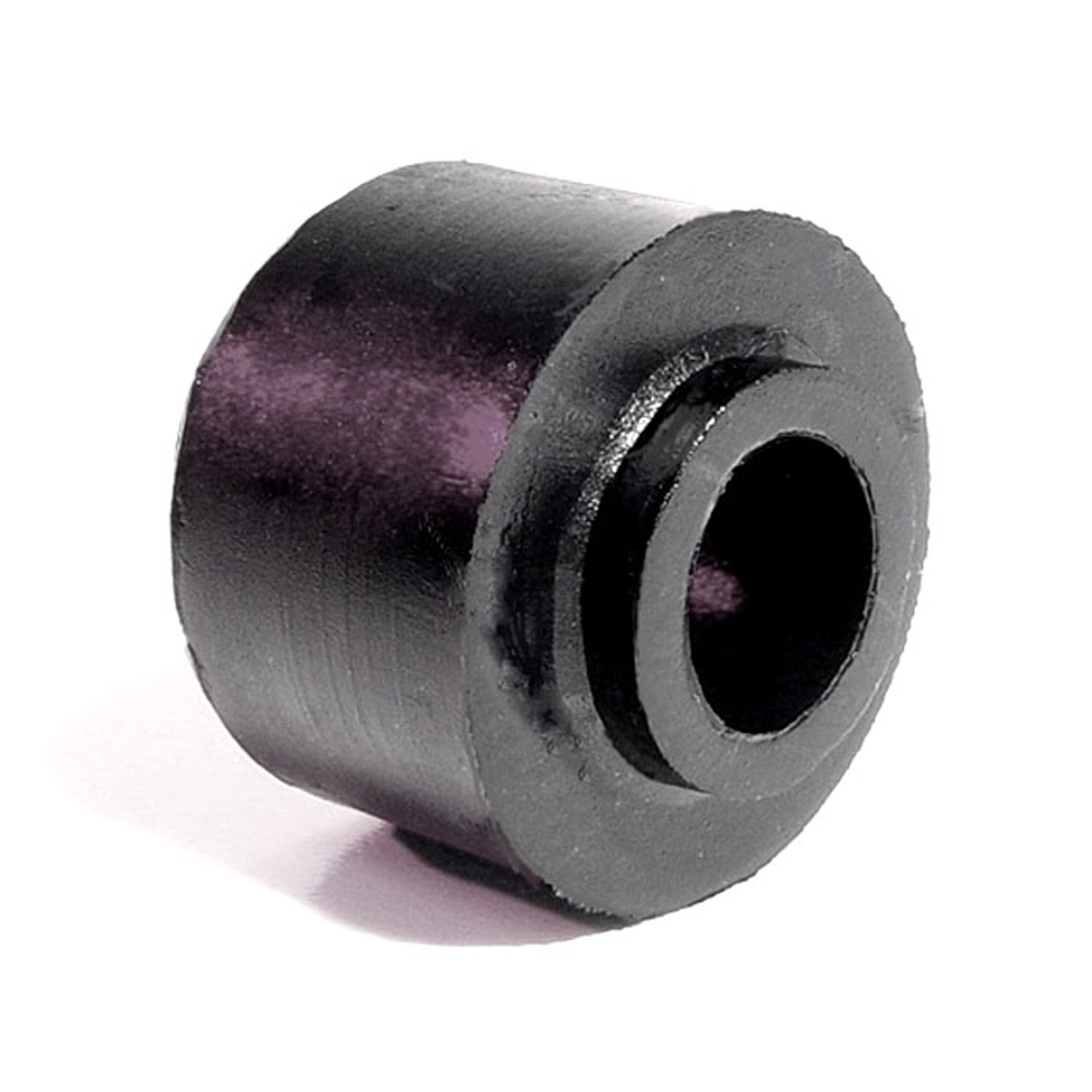 1976 Buick Regal Shock Absorber Grommet. 1" bottom O.D., 3/4" high-BN 1Shock Absorber Grommet. 1" bottom O.D., 3/4" high., with 7/16" I.D. Each
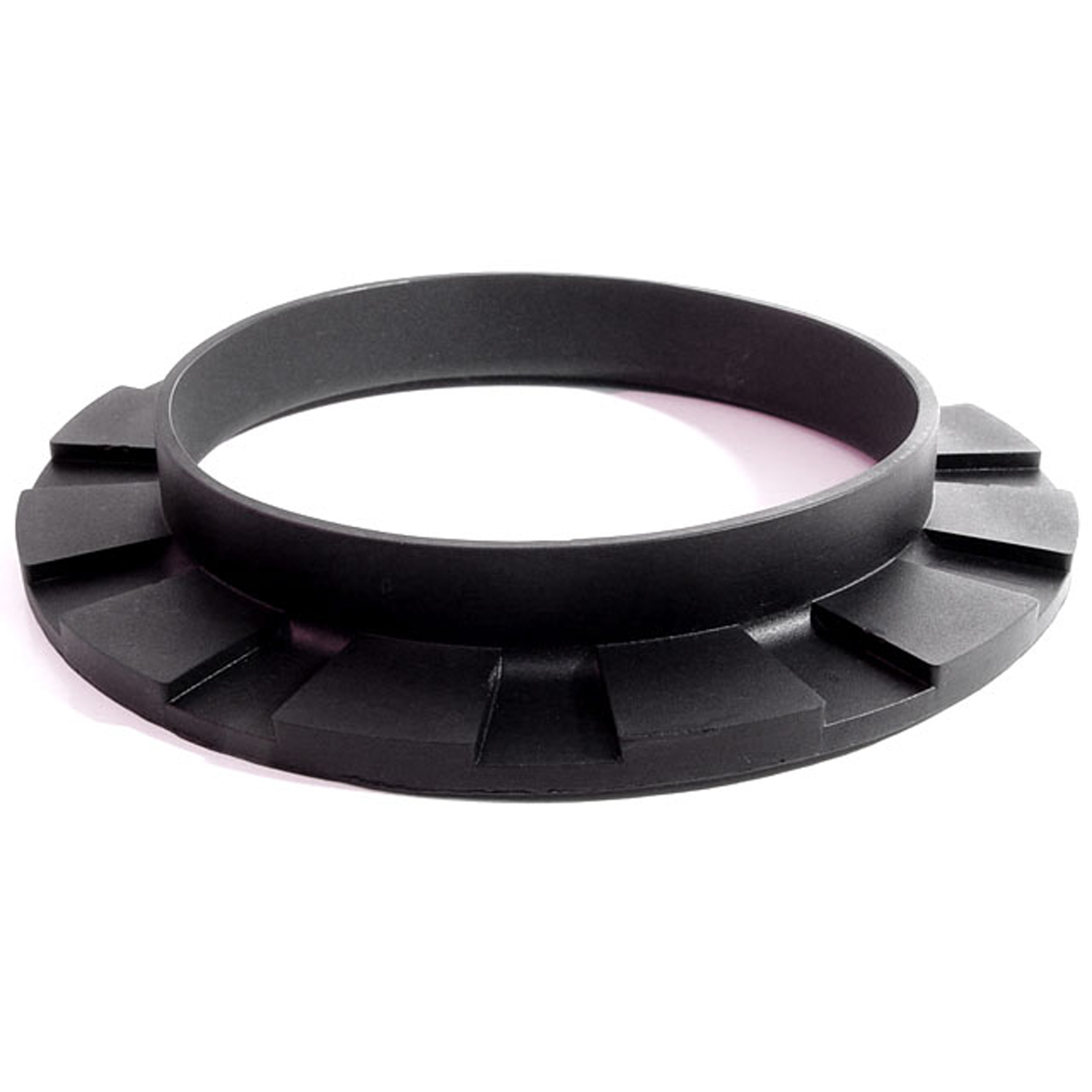 1976 Buick Regal Front coil-spring insulator-BN 110Front coil-spring insulator. Fits '41-'60 Oldsmobile and '50-'83 GM passenger models. 5-3/8 in. OD x 3-3/4 in. ID x 3/4 in. high with 13/16 in. wide bottom flange 1/4" thick, 12 flutes. Each.
 1976 Buick Regal Molded Door Seals with Clips. For 2-door hardtops-LM 12-YMolded Door Seals with Clips. For 2-door hardtops. Replaces OEM #9870752/3. Each is 95-1/4" long. Pair R&L
 1976 Buick Regal Front Molded Door Seals with Clips. For 4-door hardtops-LM 12-ZFront Molded Door Seals with Clips. For 4-door hardtops. Replaces OEM #9870656/7. Pair R&L
 1976 Buick Regal Trunk Liner. Loose weave, jet black. 50" wide-M 30Trunk Liner. Loose weave, jet black. 50" wide. Sold by the foot
 1976 Buick Regal Basic kit-RKB 2003-115Basic kit. '73-'76 GM A-body Colonade, Formal, and Sport Coupe (Body Style 57 only). Includes Buick Century Luxus Colonade Coupe, Buick Centurion Sport Coupe, Buick Regal Formal Coupe, Buick LeSabre Sport Coupe and Custom Sport Coupe. Oldsmobile Cutlass Supreme and Supreme Salon Coupes. Doors (LM 12-Y), roof-rails (RR 5019-G), and trunk (TK 46-E/16) seals. 5-piece kit.
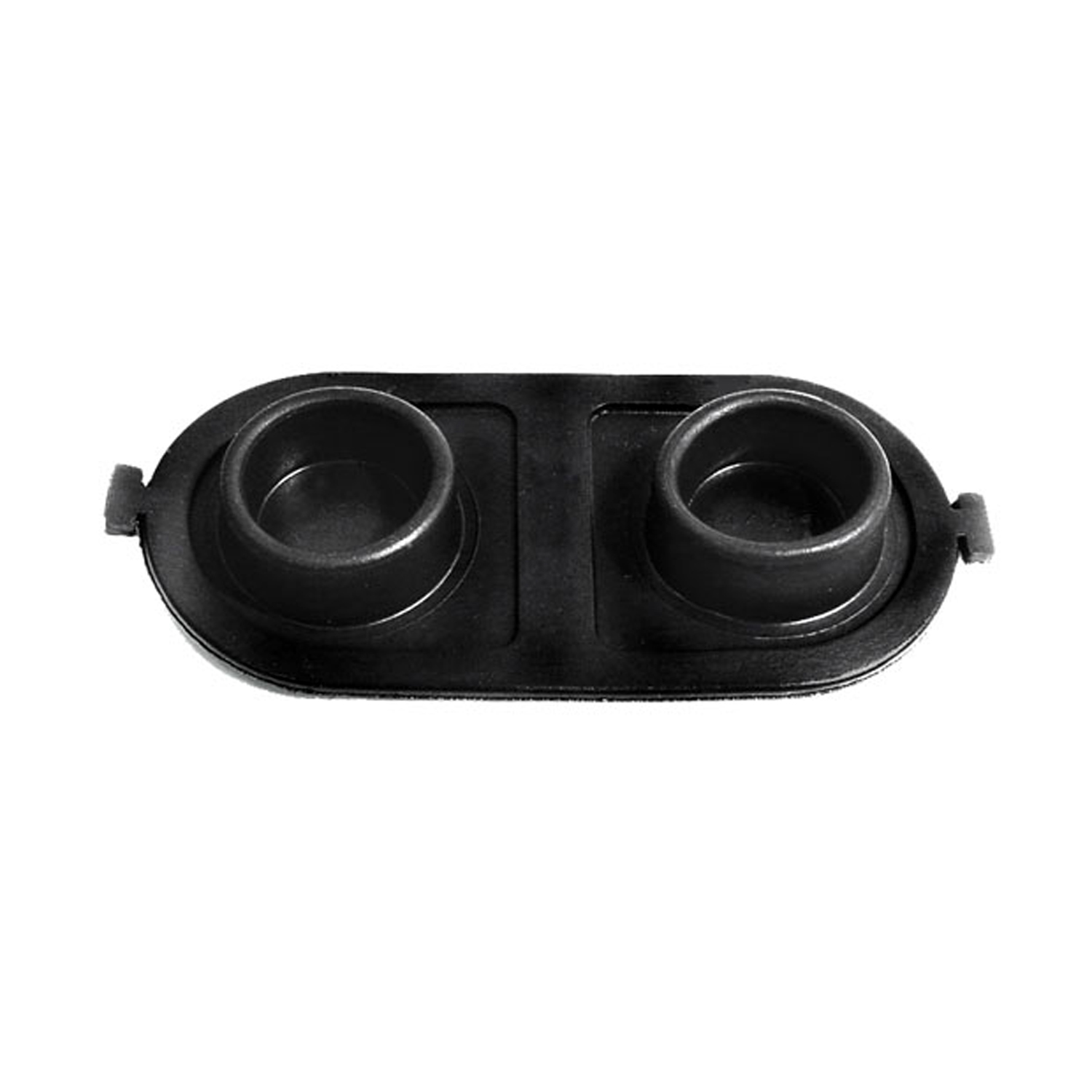 1976 Buick Regal Brake Master Cylinder Cover Seal. Replaces OEM #5470861-RP 2-EBrake Master Cylinder Cover Seal. Replaces OEM #5470861. 5" X 2-1/2". Each
 1976 Buick Regal Molded roof-rail seals. 2-door hardtop-RR 5019-GMolded roof-rail seals. 2-door hardtop. Fits '73-'76 GM A-body Colonade, Formal and Sport Coupe (Body Style 57 only). (Ex: Buick Century Luxus Colonade Coupe, Centurion Sport Coupe, Regal Formal Coupe, LeSabre Sport Coupe, LeSabre Custom Sport Coupe.) Replaces OEM#'s 9629700/01. Pair. R&L.
 1976 Buick Regal Rear roof rail seals, ’73-‘77 GM body 4 door hardtop models-RR 5019-RRear roof rail seals, '73-'77 GM body 4 door hardtop models, pair. Replaces OEM #'s 9878794/9878795
 1976 Buick Regal Trunk Seal. Each-TK 46-E/16Trunk Seal. Each
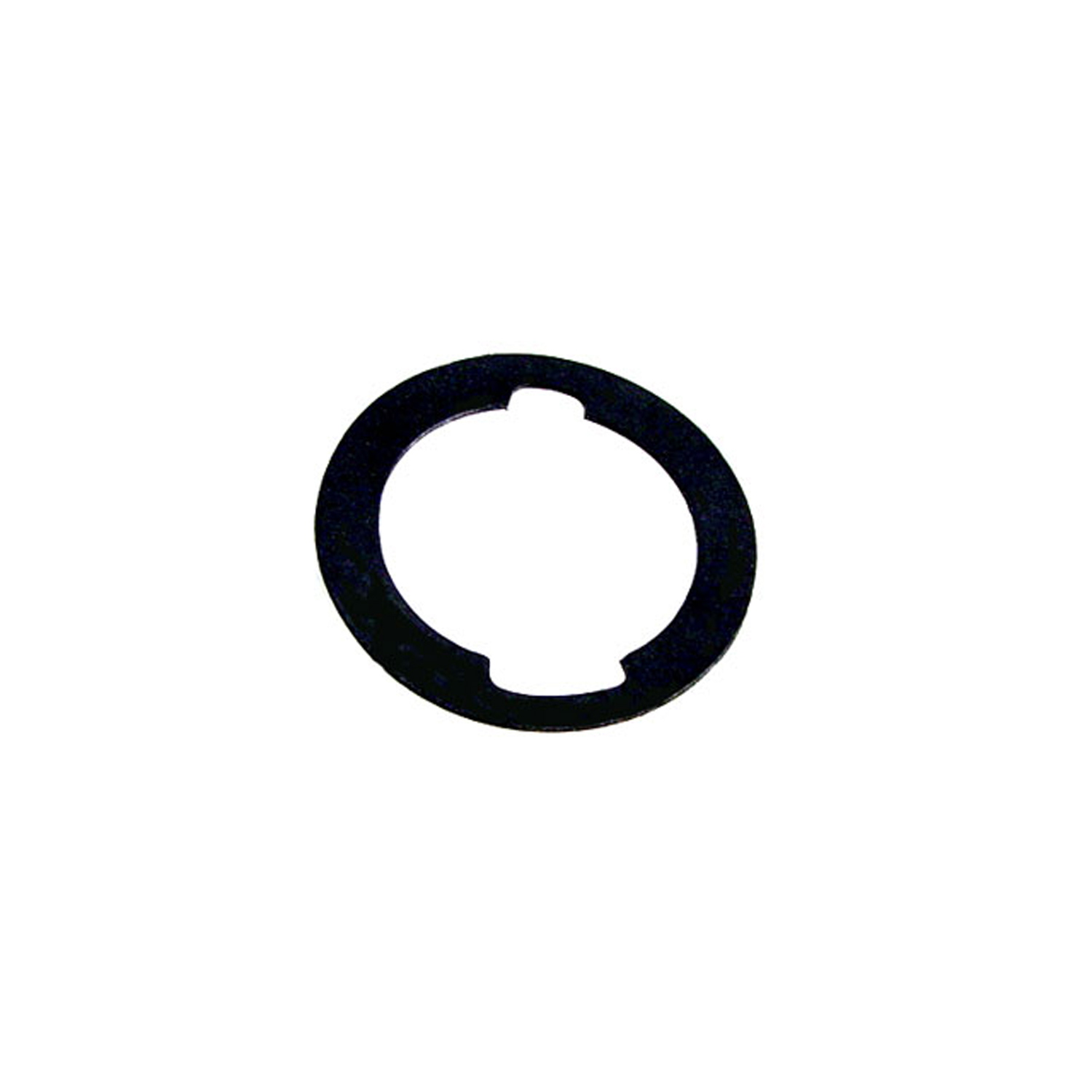 1976 Buick Regal Unbeaded Door and Trunk Lock Gasket. 1-3/16" O.D., 7/8" I.D-UM 1600-100Unbeaded Door and Trunk Lock Gasket. 1-3/16" O.D., 7/8" I.D. Each
 1976 Buick Regal Rear Quarter Window Molding Clip. Made of steel-WF 204Rear Quarter Window Molding Clip. Made of steel. 3/4" x 1-3/8". Each
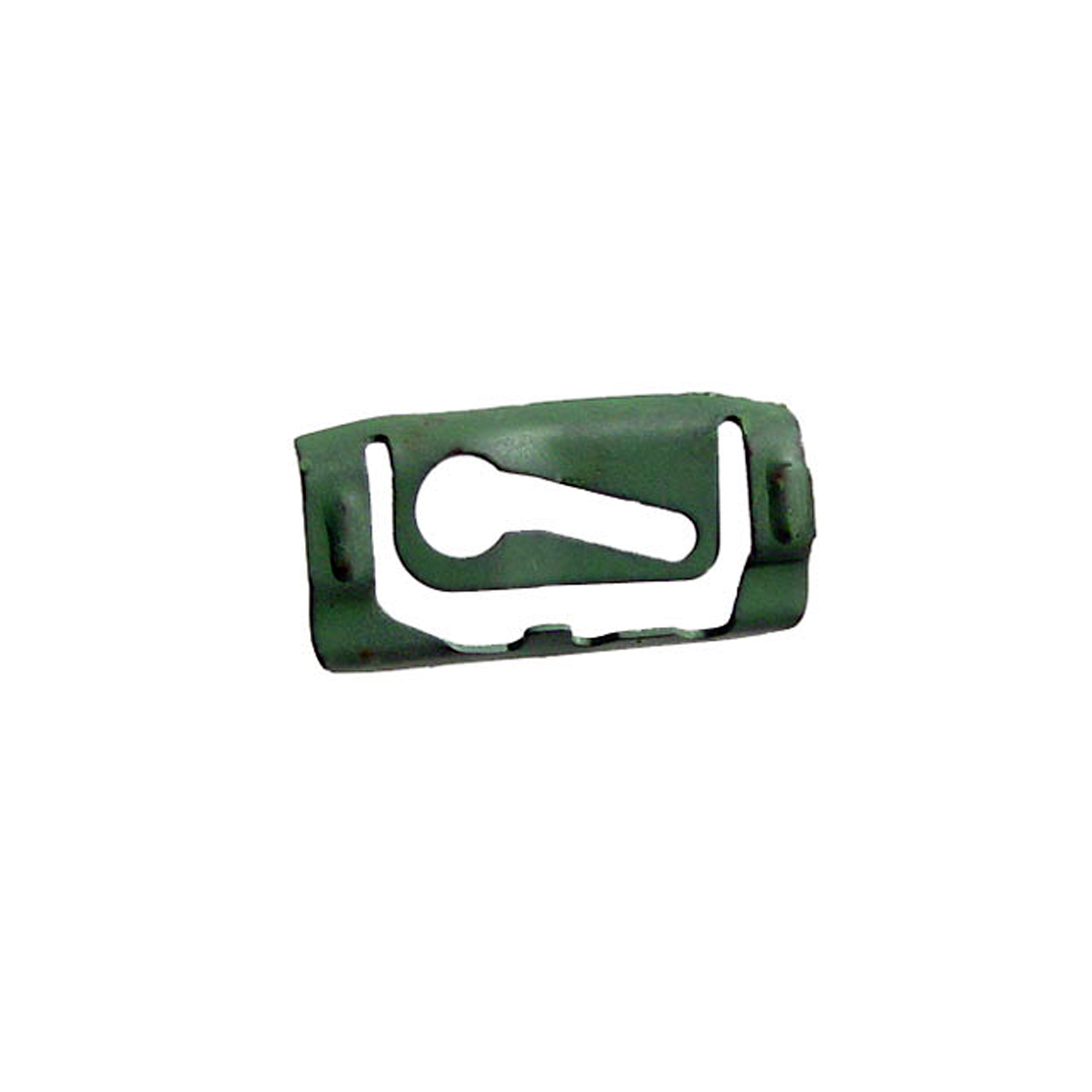 1976 Buick Regal Quarter Window Reveal Molding Clip. Made of Steel-WF 205Quarter Window Reveal Molding Clip. Made of Steel. 1-3/8" X 11/16". Each
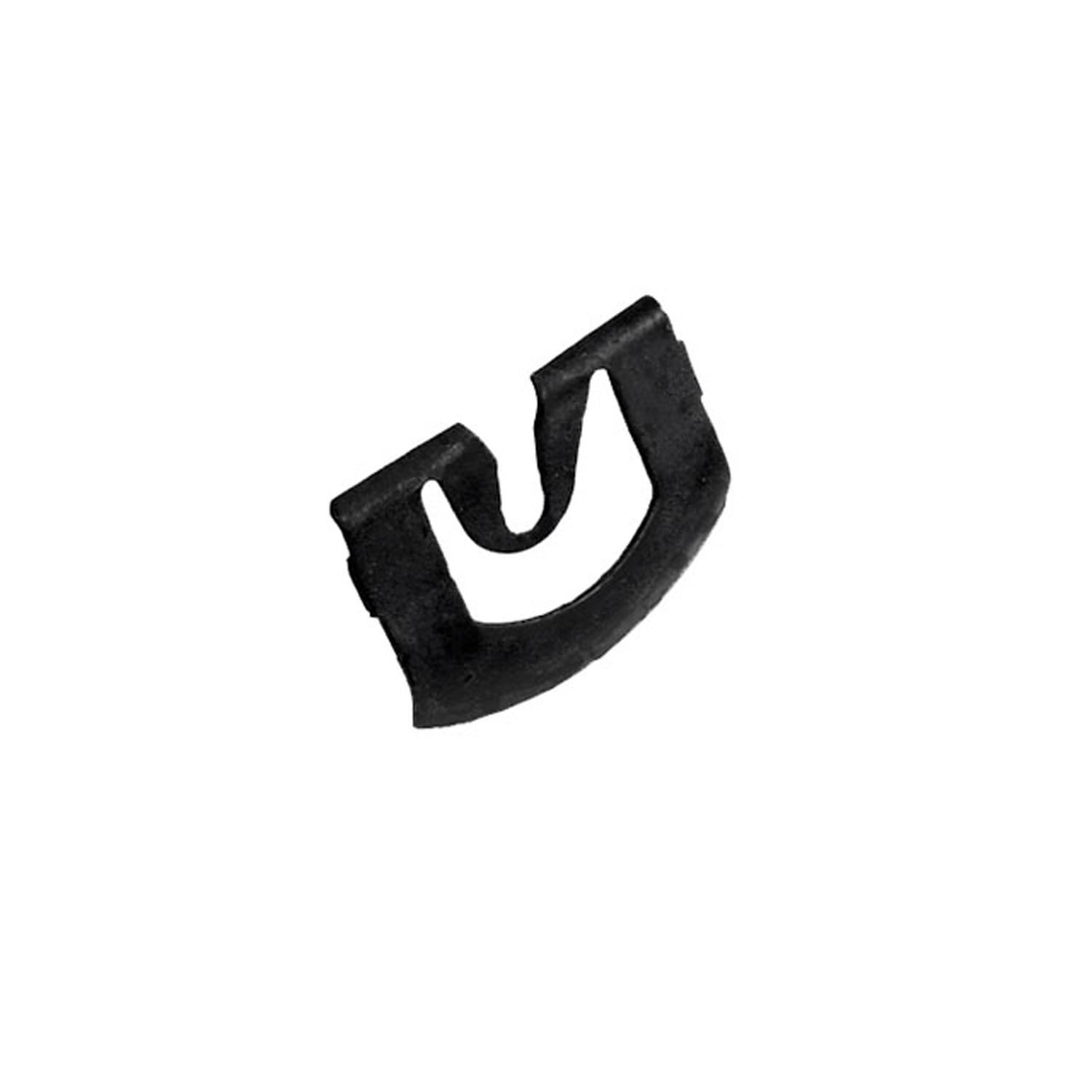 1976 Buick Regal Windshield Reveal Molding Clip. Made of steel. 13/16" x 1"-WF 209Windshield Reveal Molding Clip. Made of steel. 13/16" x 1". Each
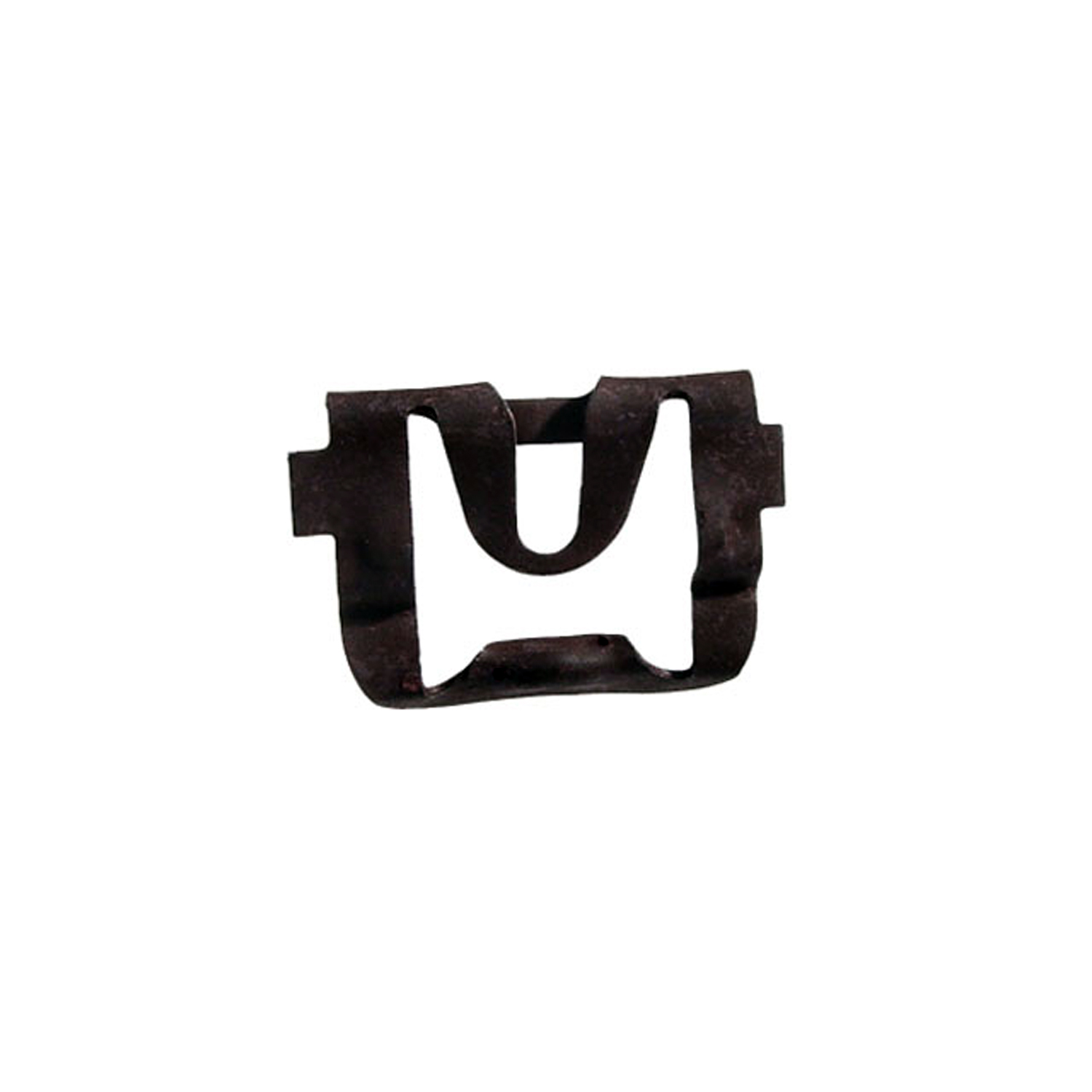 1976 Buick Regal Rear Windshield Reveal Molding Clip. Made of steel-WF 211Rear Windshield Reveal Molding Clip. Made of steel. 15/16" X 3/4". Each
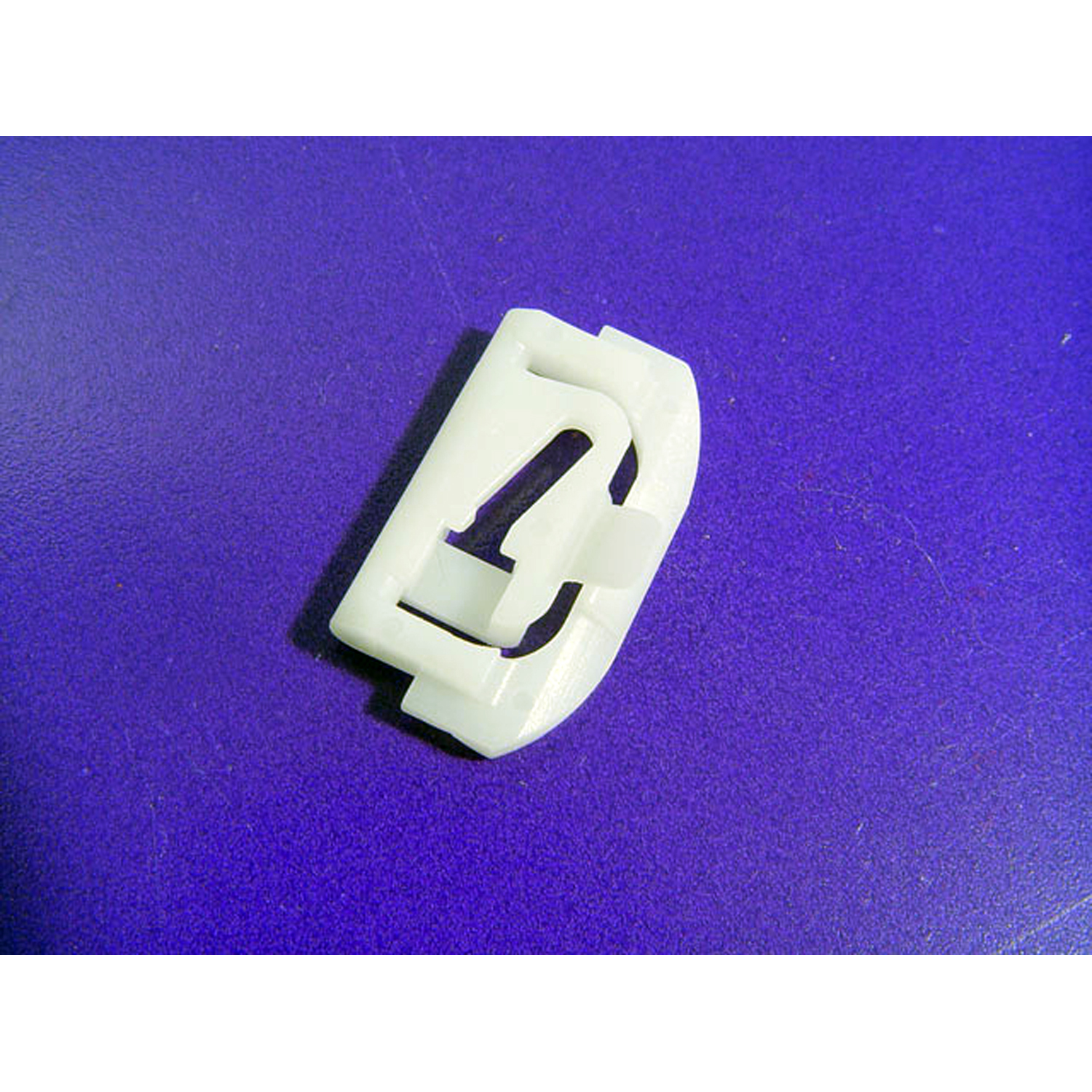 1976 Buick Regal Lower Side Window Reveal Molding Clip. Made of nylon-WF 214Lower Side Window Reveal Molding Clip. Made of nylon. 1-1/4" x 3/4". Each
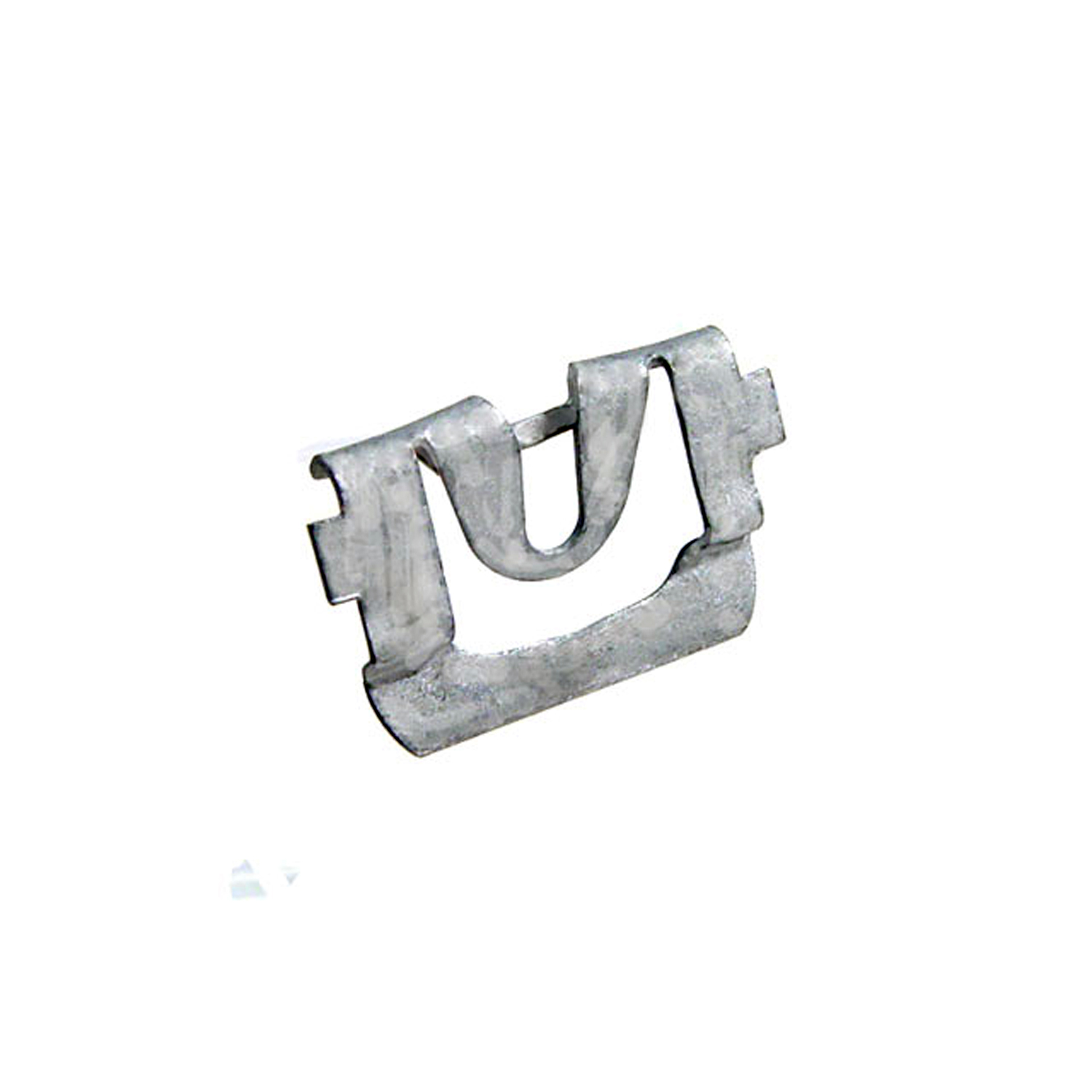 1976 Buick Regal Windshield Reveal Molding Clip. Made of steel-WF 223Windshield Reveal Molding Clip. Made of steel. 1/1/8" X 3/4". Each
Why Choose Metro?
For over 100 years, Metro Moulded Parts has been the pinnacle of quality in classic car restoration parts. Our commitment to precision and authenticity in every component ensures a perfect fit and an OEM-level appearance.
- Expert Craftsmanship & Quality: Each part is a testament to our dedication to reliability and perfection, crafted from original designs and thoroughly tested.
- Advanced Technology: We use cutting-edge techniques to create flawless, long-lasting parts that surpass others in performance.
- SuperSoft Sponge – The Ultimate Door Seal: Not only are our door seals 30% softer than competitors', but they're also guaranteed to never leak. They effectively reduce wind and road noise, enhancing your classic car's comfort and driving experience.
- Proudly American: Our parts are a product of American craftsmanship, made in the USA with a spirit of excellence and heritage.
- Unrivaled Warranty: We back our products with a 30-year industry-leading warranty, a testament to our confidence in their quality.
Join us in preserving the legacy of classic cars with parts that are crafted for perfection, not just made.