

Image of 1976 Buick Skyhawk, Note: These illustrations use artistic license and may differ from actual historical models.
Performance Metrics
Fundamental Metrics
Emotional Appeal
MMP Rating
| Engine Specifications | |
|---|---|
| Engine: | 3.8L V6, 5.0L V8 |
| Displacement: | 231-305 cu in |
| Horsepower: | 110-140 hp |
| Torque: | 190-245 lb-ft |
| Compression Ratio: | 8.0:1 (V6), 8.4:1 (V8) |
| Ignition System: | Electronic Ignition |
| Cooling System: | Liquid-cooled |
| Performance Specifications | |
| 0-60 Time: | 10-12 seconds |
| 1/4 Mile Time: | 17-19 seconds |
| Top Speed: | 105-110 mph |
| Transmission and Drive | |
| Drive Type: | RWD |
| Transmission Type: | 3-speed automatic, 4-speed manual |
| Fuel and Efficiency | |
| Fuel System Type: | Carburetor |
| MPG: | 15-20 mpg |
| Dimensions and Brakes | |
| Brakes: | Front disc, rear drum |
| Wheelbase: | 97.0 in |
| Weight: | 3000-3200 lbs |
Note: Specifications for classic cars are given to the best of our ability, considering the limited and variant data available.
1976 Buick Skyhawk: A Compact Buick with a Sporty Streak
The 1976 Buick Skyhawk packed a Buick V6, rear-wheel drive, and hatchback practicality into a compact package that looked ready to take the long way home. Built by Buick, a division of General Motors, it was part of GM’s H-body family, alongside the Chevrolet Monza, Pontiac Sunbird, and Oldsmobile Starfire. The Skyhawk offered a more upscale take on the small sporty car at a time when the fuel crisis and tighter emissions rules were reshaping American automobiles.
One intriguing detail is that GM’s H-body program began with ambitious plans for a rotary engine. Those plans were abandoned as fuel economy and emissions concerns took priority. The Skyhawk that reached showrooms instead made its Buick identity clear with a 3.8-liter V6, an unusual choice in a compact car of the period.
Skyhawk Styling and Interior
The 1976 Skyhawk came as a two-door hatchback, with a long hood, sloping rear roofline, and short, squared-off tail. Its fastback profile gave it a European-flavored sporty look, while details such as the grille and trim helped distinguish it from its H-body relatives. The rear hatch opened onto a useful cargo area, giving the car more everyday flexibility than its low-slung shape suggested.
Inside, the Skyhawk balanced compact-car dimensions with the familiar Buick emphasis on comfort. Bucket seats were a natural match for its sporty layout, and buyers could choose features such as a center console, upgraded upholstery, carpeting, and additional convenience equipment. Materials and trim varied by configuration: it was not a full-size Buick’s plush cabin, but it aimed to feel more finished than a basic economy car. As with many cars of the era, vinyl and hard-wearing surfaces were common, while optional trim added a more dressed-up feel.
Available equipment could include power steering, power brakes, air conditioning, and an AM/FM radio. The car’s most important technology was under the skin: a front-engine, rear-wheel-drive layout, independent front suspension, and Buick’s compact 231-cubic-inch V6. A three-speed manual was the standard transmission, with a four-speed manual and three-speed automatic available depending on equipment.
Buick offered the Skyhawk in a range of solid and metallic exterior colors. Reds, white, silver, and darker shades suit the car especially well and are often seen on surviving examples, though exact color names and combinations depended on the factory palette. The 1976 lineup also included the sporty S/R package, which added visual flair and a more performance-minded character. The hatchback itself is the defining body style for the 1976 model year.
Why the 1976 Skyhawk Matters
The Skyhawk reflected a major shift in American car design. In the years after the 1973 oil crisis, automakers had to make smaller cars more appealing without giving up the comfort, power, and styling that buyers expected. Buick’s answer was not simply to build a basic commuter car. It gave the Skyhawk a six-cylinder engine and a sporty rear-drive layout, presenting compact size as a desirable choice rather than a compromise.
That combination set it apart from many small cars of the time, which relied on four-cylinder engines and more utilitarian presentation. The Skyhawk was not a high-volume sports car or a technology breakthrough, but it showed how GM could adapt its established engineering to a new market. Its H-body platform also became a recognizable part of GM’s small-car history, carrying several brands’ versions of the compact sport hatchback idea.
V6 Performance and Road Manners
The 1976 Skyhawk’s 3.8-liter Buick V6 produced about 110 net horsepower, with figures varying by calibration and equipment. That output may seem modest today, but the car was relatively light, and the V6 gave it more low-speed pulling power than many four-cylinder rivals. Period performance figures vary, but a reasonable estimate is around 11 to 13 seconds for 0 to 60 mph, with a top speed in the neighborhood of 100 to 105 mph. These are approximate figures, not a guarantee for every surviving car.
On the road, the Skyhawk feels compact and direct. Its short wheelbase makes it easy to place in traffic and parking lots, while the rear-wheel-drive layout gives it a more traditional sports-car feel than a front-drive economy hatchback. The suspension can feel firm, particularly on an S/R-equipped car, and sharp bumps are more noticeable than they would be in a larger Buick. On winding roads, it is enjoyable at sensible speeds, though period tires, suspension design, and modest power mean it is better thought of as a sporty cruiser than a modern performance car.
The V6 gives the cabin a distinct, slightly throaty note under acceleration. Steering and controls have the mechanical feel typical of a 1970s car, with less isolation and precision than a contemporary vehicle. That is part of the appeal: the driver feels involved, rather than insulated from the engine and road.
Living with a 1976 Buick Skyhawk
Today, a Skyhawk can serve as a weekend cruiser, a local show car, or an unusual classic for someone who enjoys overlooked American compacts. It can be used for regular driving if it is well maintained, but age and parts availability matter more than the original design. The Buick V6 is a familiar GM engine, and many routine repairs are within reach of a capable home mechanic. Parts shared across GM models can help, although Skyhawk-specific trim, body pieces, and interior details may take more searching.
Before buying, inspect the body carefully for rust, especially around the floors, lower body panels, hatch area, and suspension mounting points. Check the V6 for oil leaks and cooling-system problems, and make sure the transmission shifts properly. A car that has sat for years may need attention to its fuel system, brakes, tires, rubber bushings, and electrical connections. A complete, running car is often a better starting point than a cheap project missing hard-to-find trim.
Skyhawk Facts and Common Criticisms
The Skyhawk’s most notable distinction is its Buick V6 in a compact, rear-drive hatchback. The S/R package is a particularly appealing version for buyers who want a factory-sporty look. There is no widely recognized speed or endurance record associated with the 1976 Skyhawk, and it did not become a major motorsport icon. Its appeal is quieter: it represents a short-lived but distinctive period when American manufacturers were experimenting with smaller sporty cars.
No major celebrity ownership story or defining historical event is closely associated with the model. Its more common criticism is that it can feel less polished than Buick’s larger cars, while its performance falls short of what the sporty styling might promise. The cabin is compact, the ride can be firm, and some H-body components reflect the cost-conscious engineering of the era. Those drawbacks are part of the context, and they help explain why the Skyhawk remains an enthusiast’s discovery rather than a mainstream collectible.
1976 Skyhawk Values and Rarity
The Skyhawk is uncommon on today’s collector market, but rarity does not automatically make it expensive. As a broad U.S. market estimate, a project car might sell for roughly $1,500 to $4,000. A usable driver could fall around $5,000 to $10,000, while a clean, well-presented example may bring $10,000 to $18,000. An especially attractive, original S/R or exceptionally restored car could exceed that range, depending on condition, documentation, and buyer interest. These are estimates, and actual sales can vary considerably because comparable transactions are limited.
A precise 1976 production total is not easy to establish from commonly available model summaries. A reasonable working estimate is roughly 50,000 to 60,000 Skyhawks for the model year, but that figure should be treated as an estimate rather than a verified factory count. The car is scarce in the modern market, especially in original, rust-free condition, yet parts and buyer demand are more limited than for better-known muscle cars. Values have generally been steady to mildly stronger for the best examples, while ordinary cars remain affordable. Condition and originality matter more than speculation about a sudden boom.
A Small Buick with Lasting Character
The 1976 Buick Skyhawk combined a distinctive hatchback shape, a useful rear seat and cargo area, and the character of Buick’s 3.8-liter V6. It was shaped by an era of fuel concerns and changing expectations, yet it still aimed to make compact motoring feel stylish and enjoyable. Not the fastest or most famous Buick, the Skyhawk is a memorable reminder that some of the most interesting classics are the ones that took a less obvious road.
1976 Buick Skyhawk Catalog of Parts
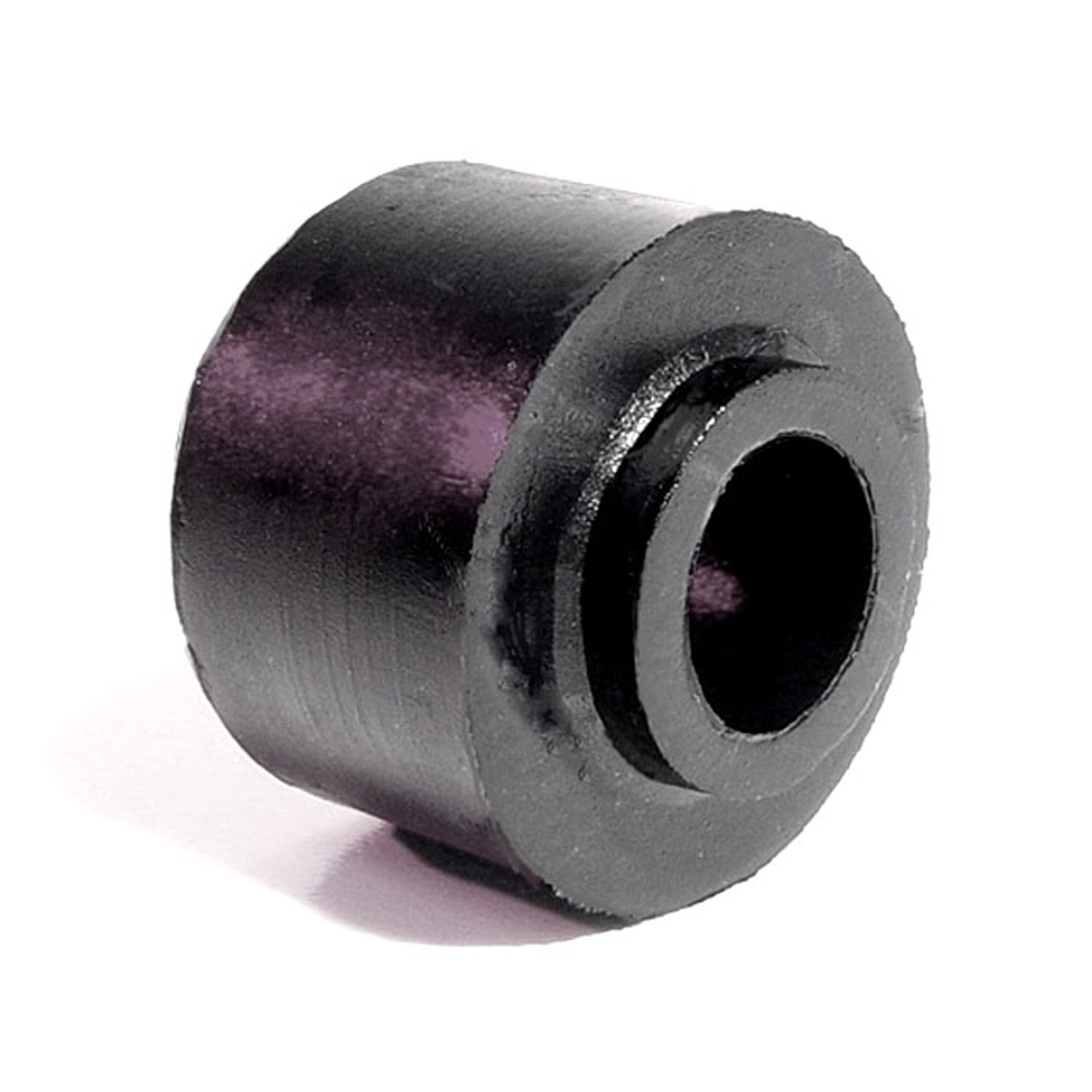 1976 Buick Skyhawk Shock Absorber Grommet. 1" bottom O.D., 3/4" high-BN 1Shock Absorber Grommet. 1" bottom O.D., 3/4" high., with 7/16" I.D. Each
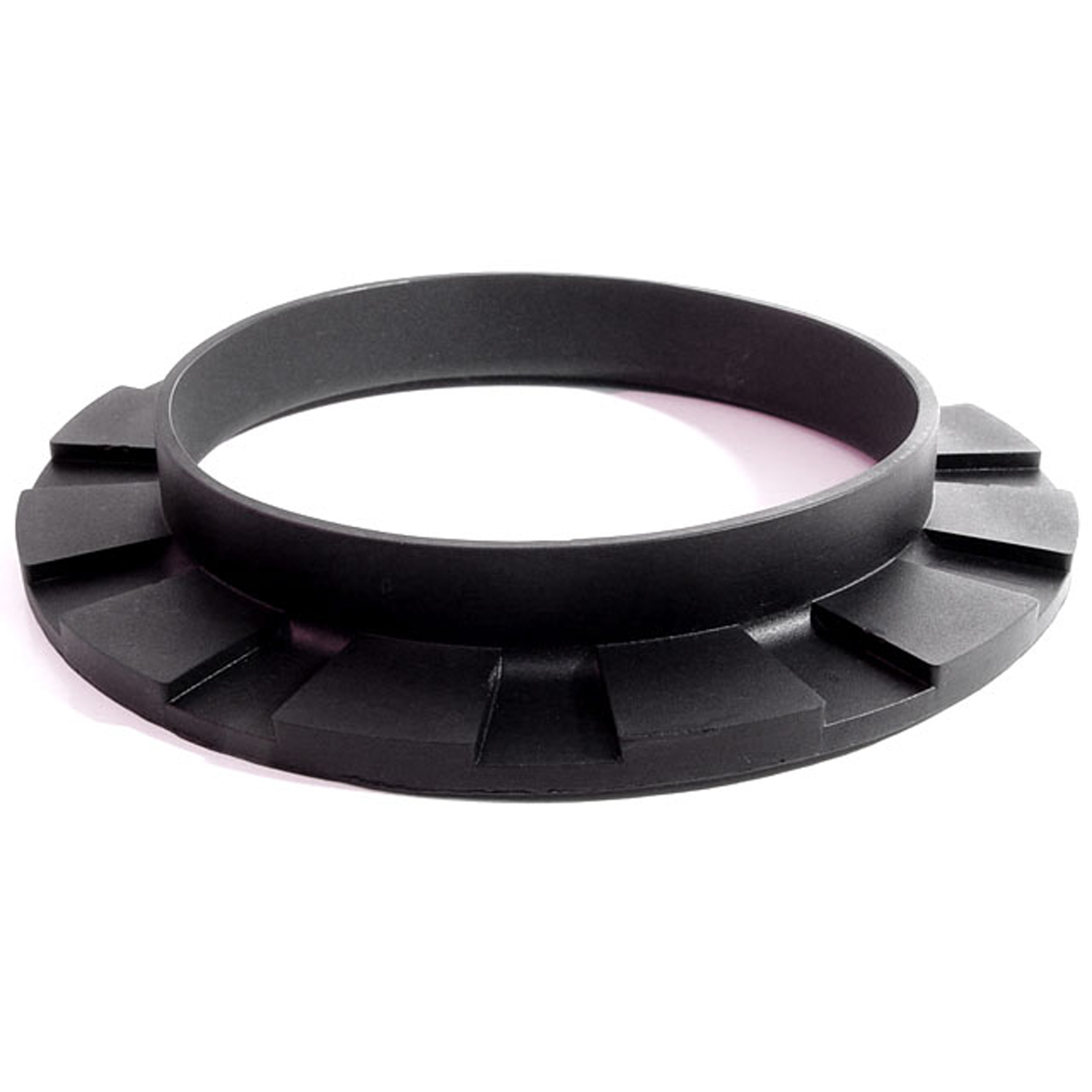 1976 Buick Skyhawk Front coil-spring insulator-BN 110Front coil-spring insulator. Fits '41-'60 Oldsmobile and '50-'83 GM passenger models. 5-3/8 in. OD x 3-3/4 in. ID x 3/4 in. high with 13/16 in. wide bottom flange 1/4" thick, 12 flutes. Each.
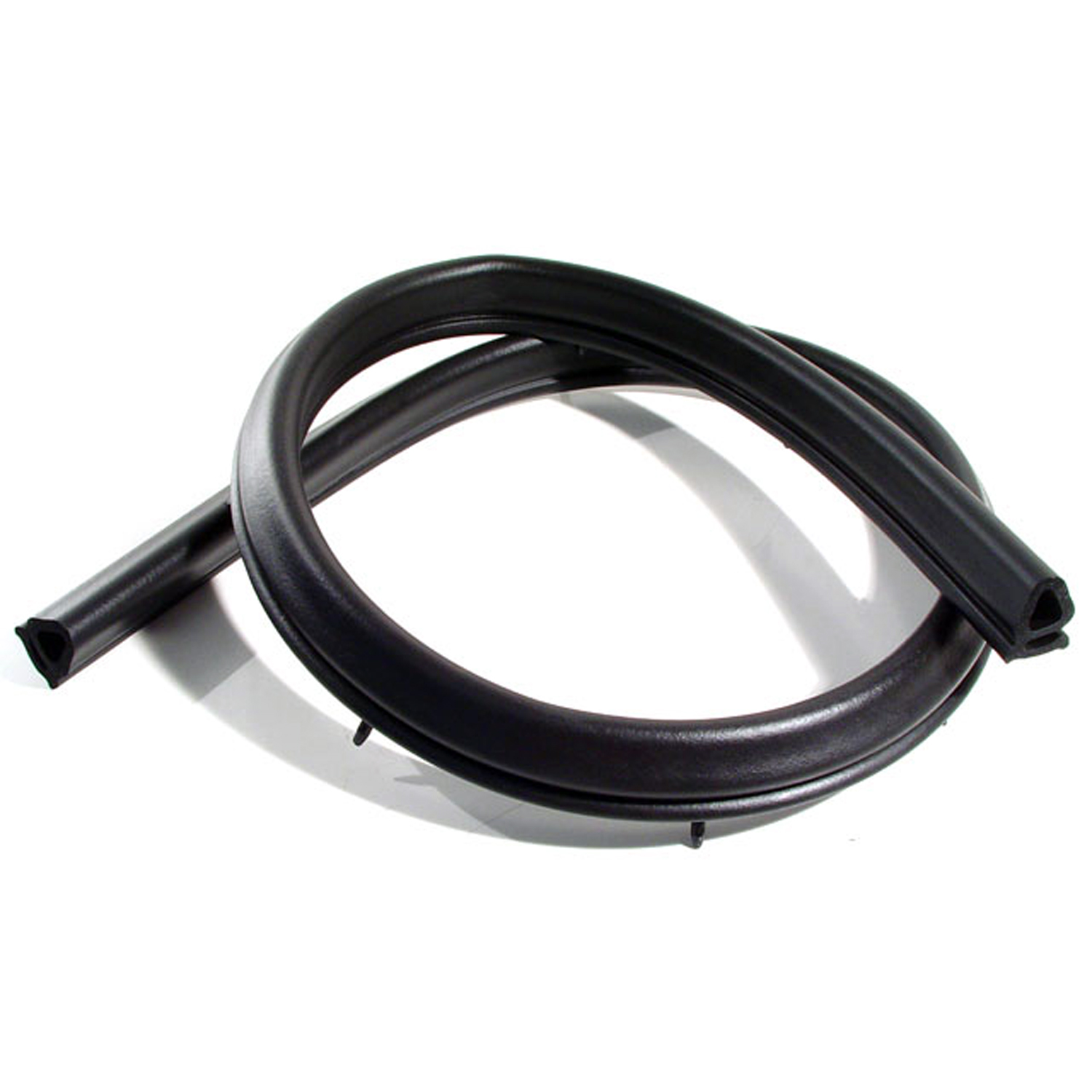 1976 Buick Skyhawk Hood to Cowl Seal, 71-80 GM H Body, Each-CS 13-HHood to Cowl Seal, 71-80 GM H Body, Each. Replaces OEM # 9829415. 50" Long. Comes with five mounting clips.
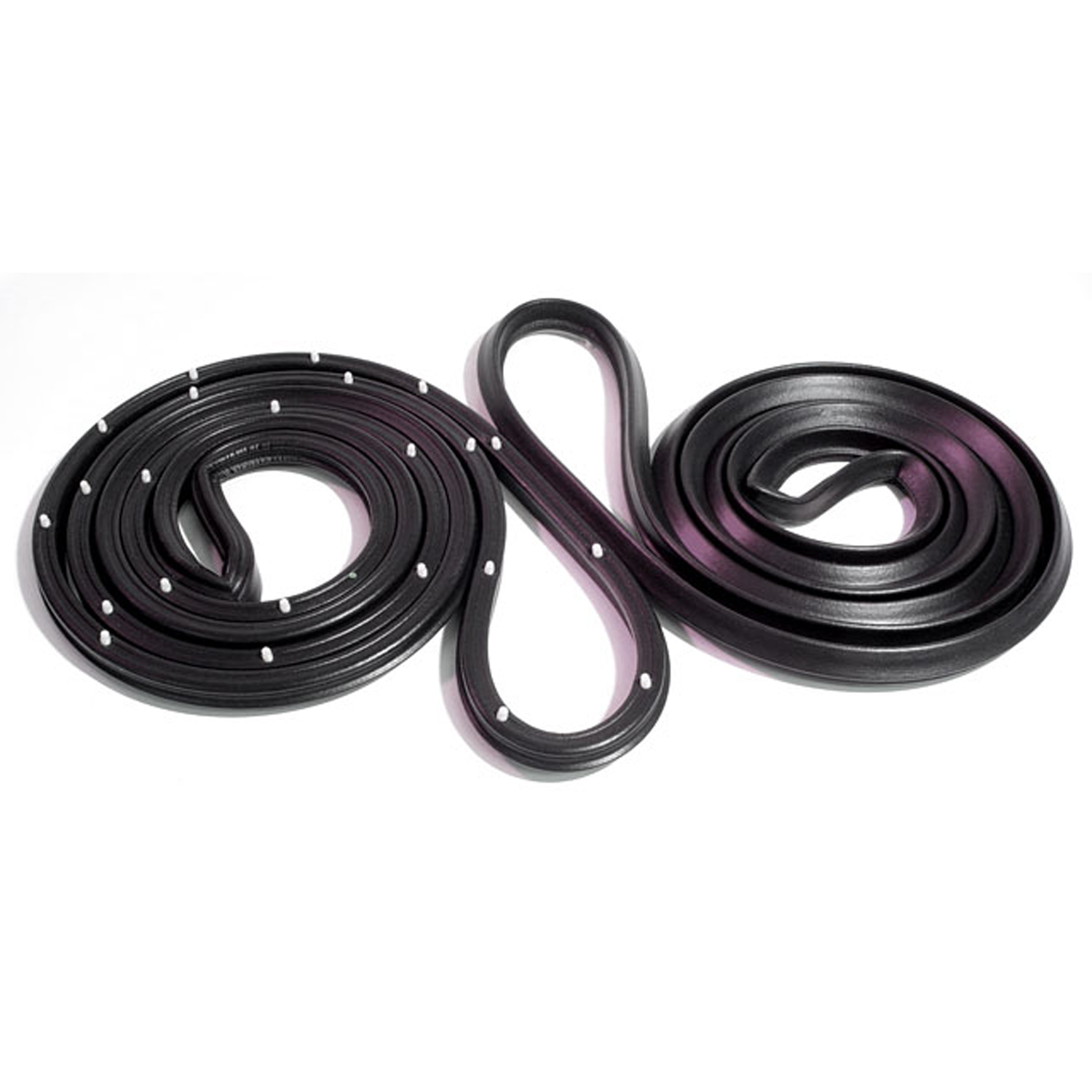 1976 Buick Skyhawk Molded Door Seals for Hatchbacks. 151-1/2" long each-LM 13-MMolded Door Seals for Hatchbacks. 151-1/2" long each. Pair R&L
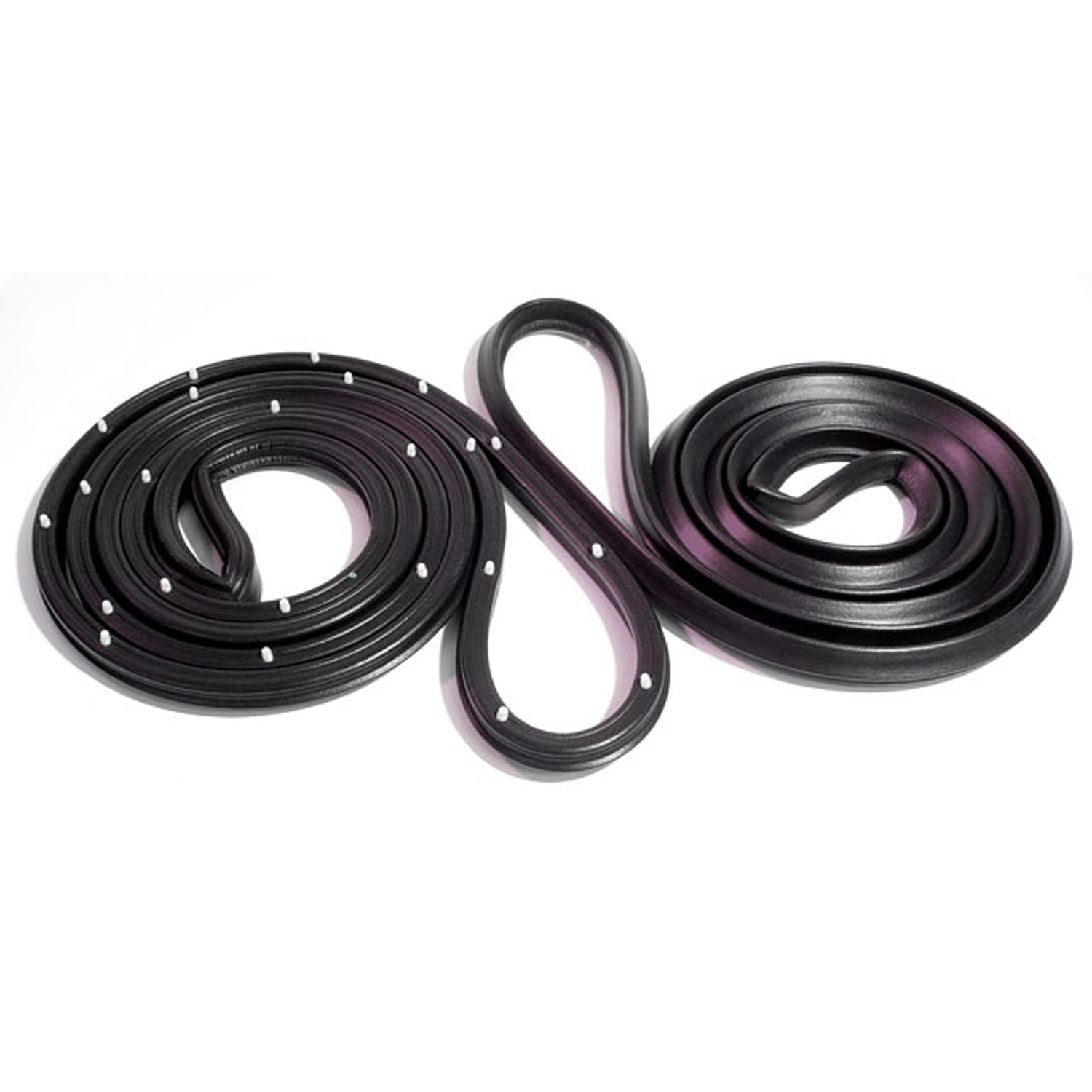 1976 Buick Skyhawk Molded Door Seals for Coupes. 151" Long. Pair R&L-LM 13-NMolded Door Seals for Coupes. 151" Long. Pair R&L
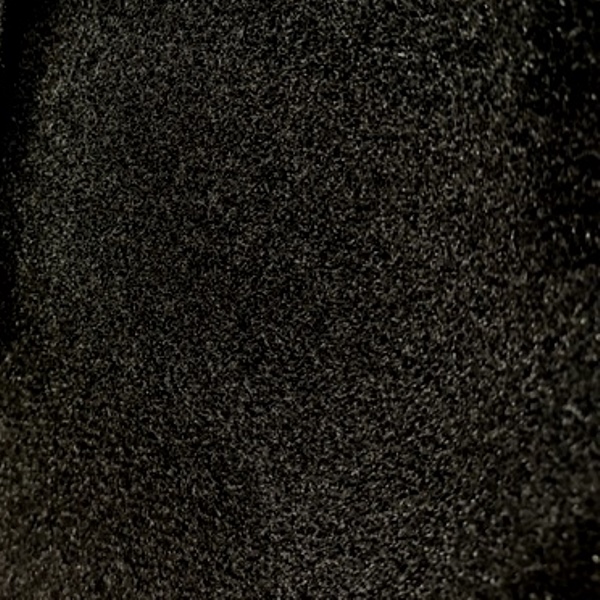 1976 Buick Skyhawk Trunk Liner. Loose weave, jet black. 50" wide-M 30Trunk Liner. Loose weave, jet black. 50" wide. Sold by the foot
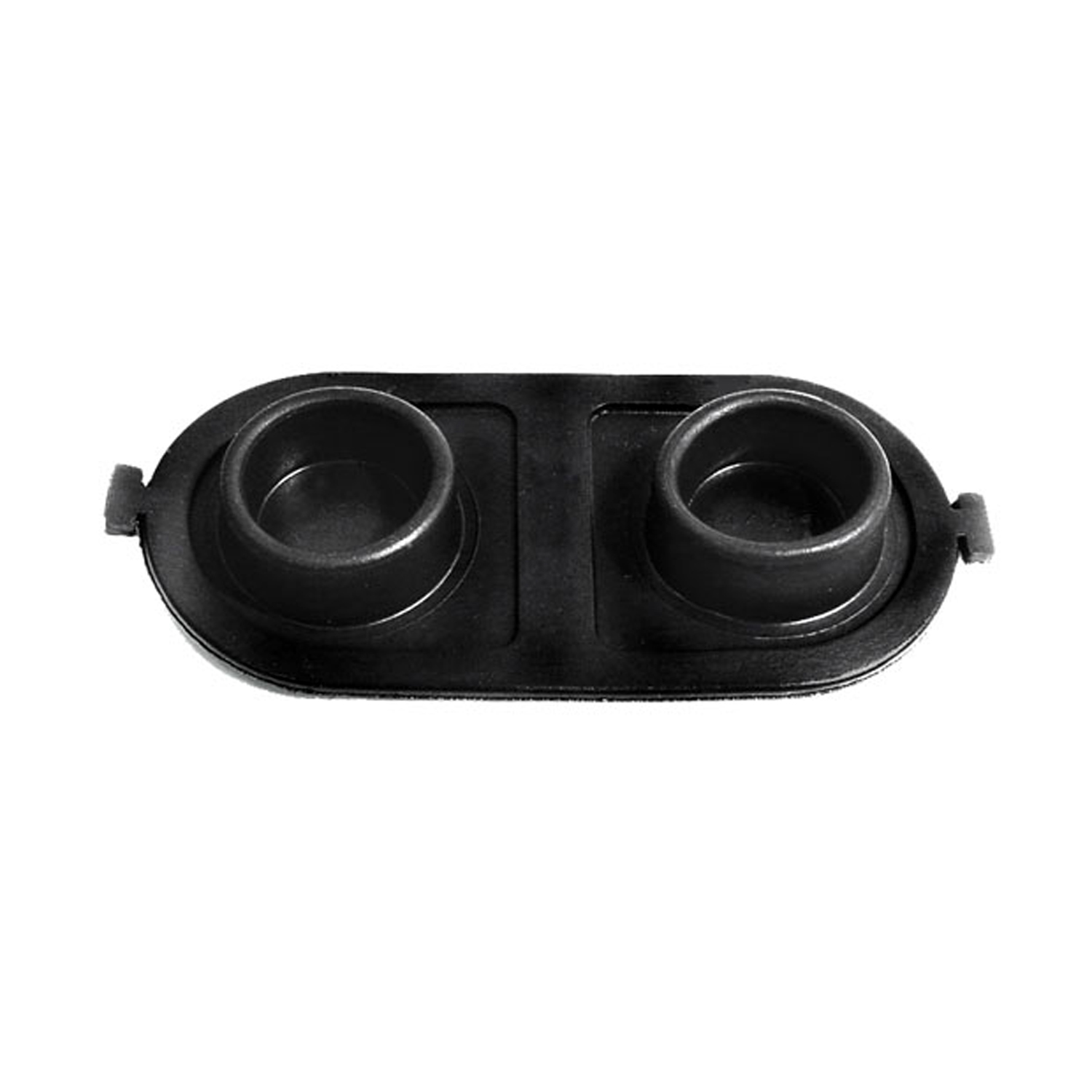 1976 Buick Skyhawk Brake Master Cylinder Cover Seal. Replaces OEM #5470861-RP 2-EBrake Master Cylinder Cover Seal. Replaces OEM #5470861. 5" X 2-1/2". Each
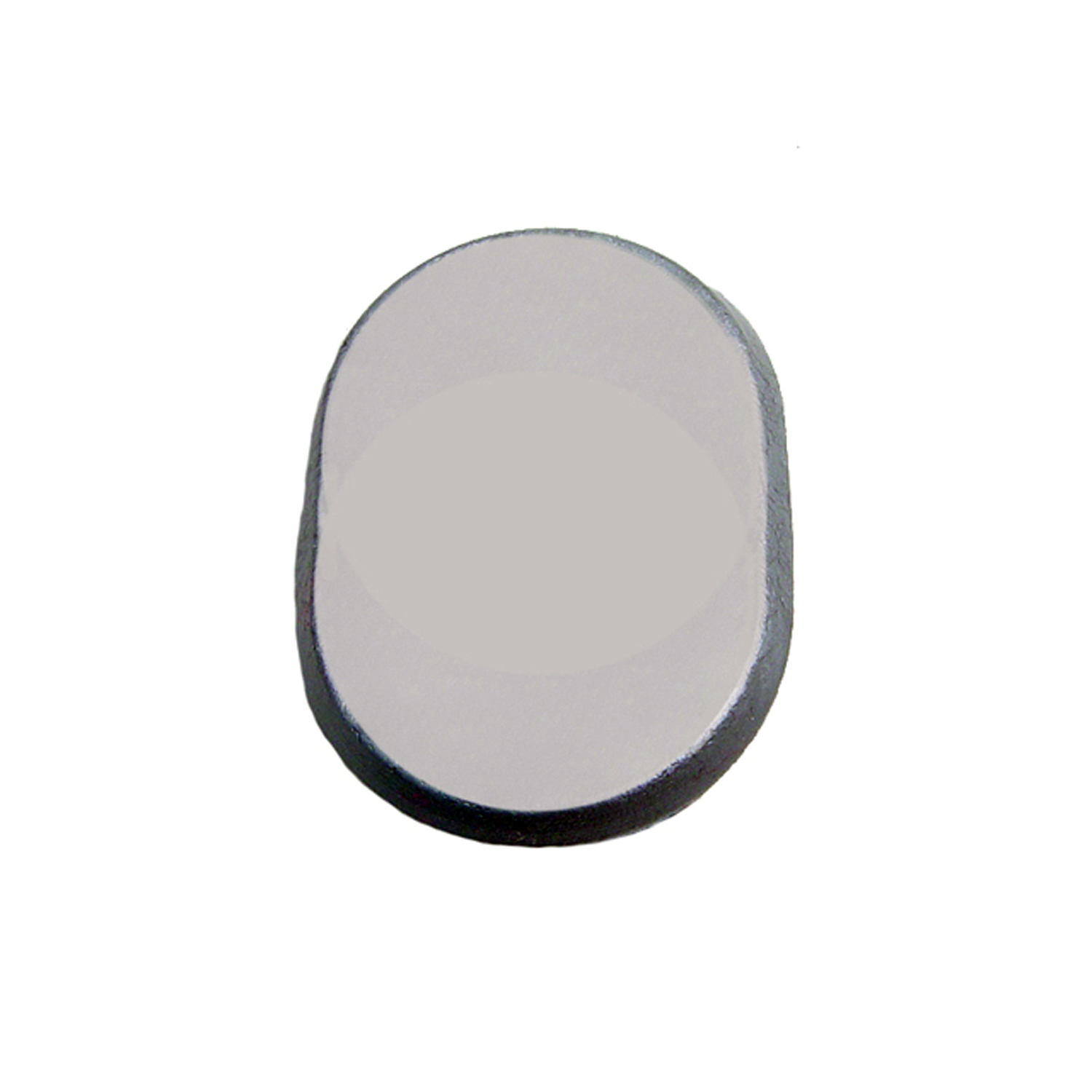 1976 Buick Skyhawk Hole Plug for Front Door Inner Panel Access Hole-SM 81Hole Plug for Front Door Inner Panel Access Hole. 1-1/2" X 1". Each
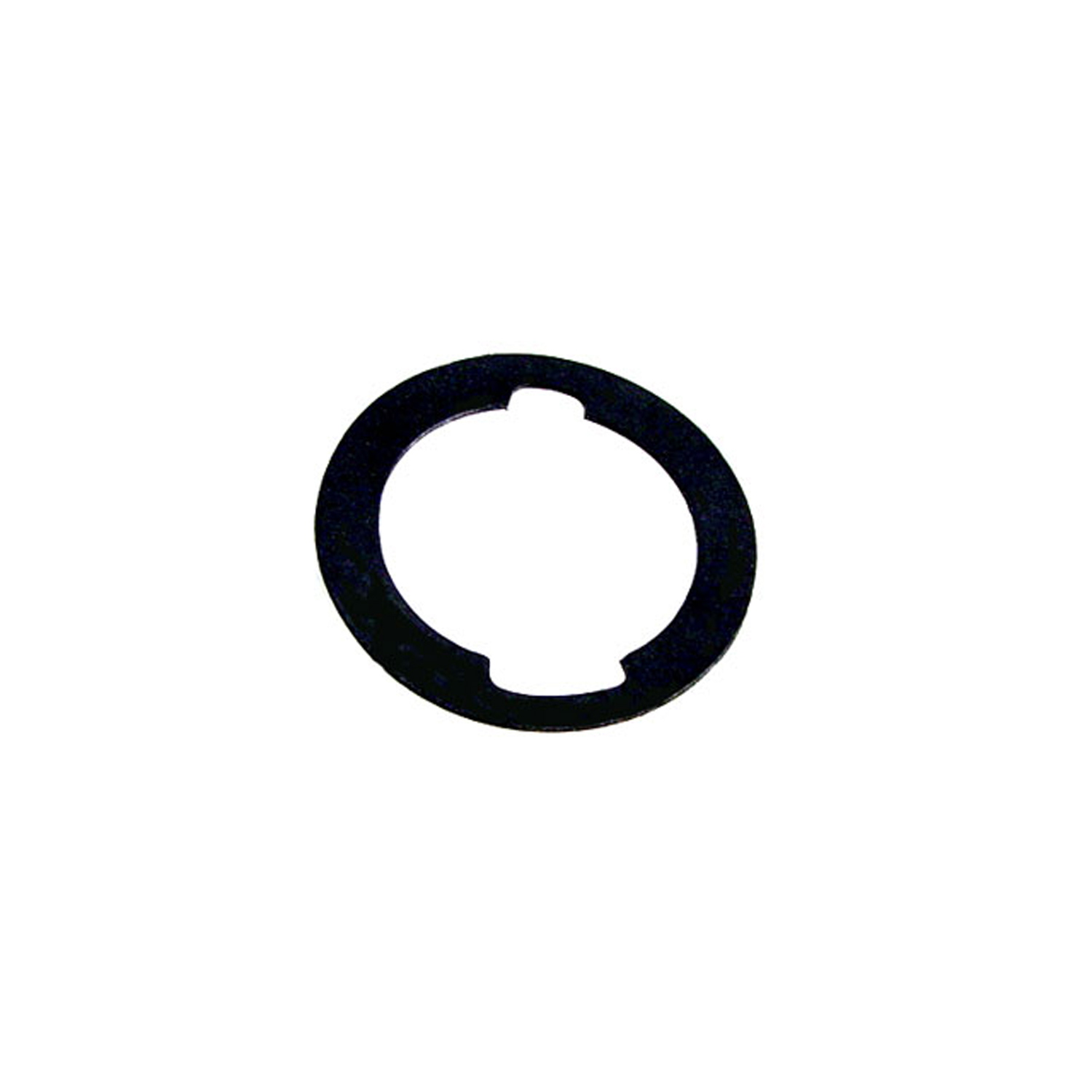 1976 Buick Skyhawk Unbeaded Door and Trunk Lock Gasket. 1-3/16" O.D., 7/8" I.D-UM 1600-100Unbeaded Door and Trunk Lock Gasket. 1-3/16" O.D., 7/8" I.D. Each
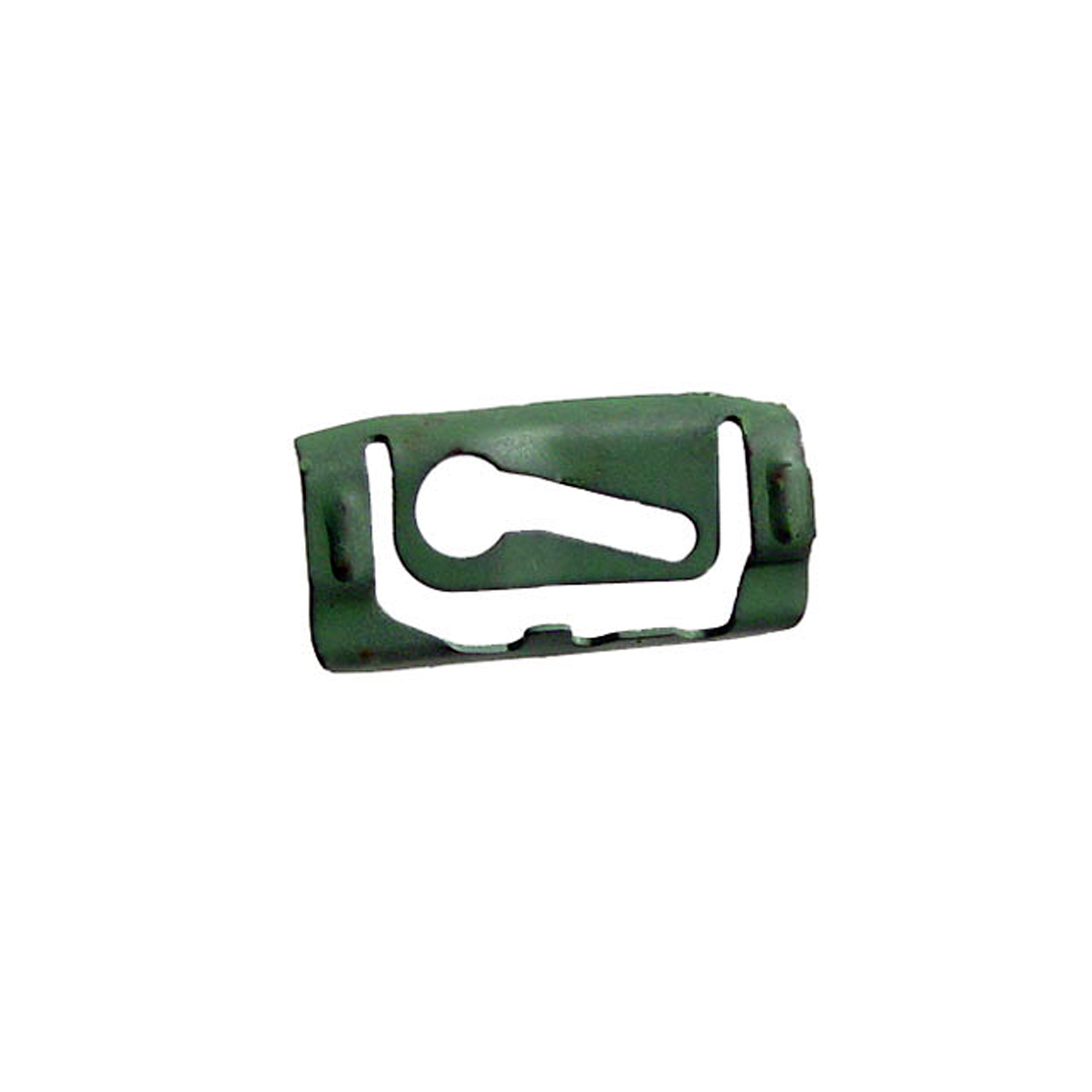 1976 Buick Skyhawk Quarter Window Reveal Molding Clip. Made of Steel-WF 205Quarter Window Reveal Molding Clip. Made of Steel. 1-3/8" X 11/16". Each
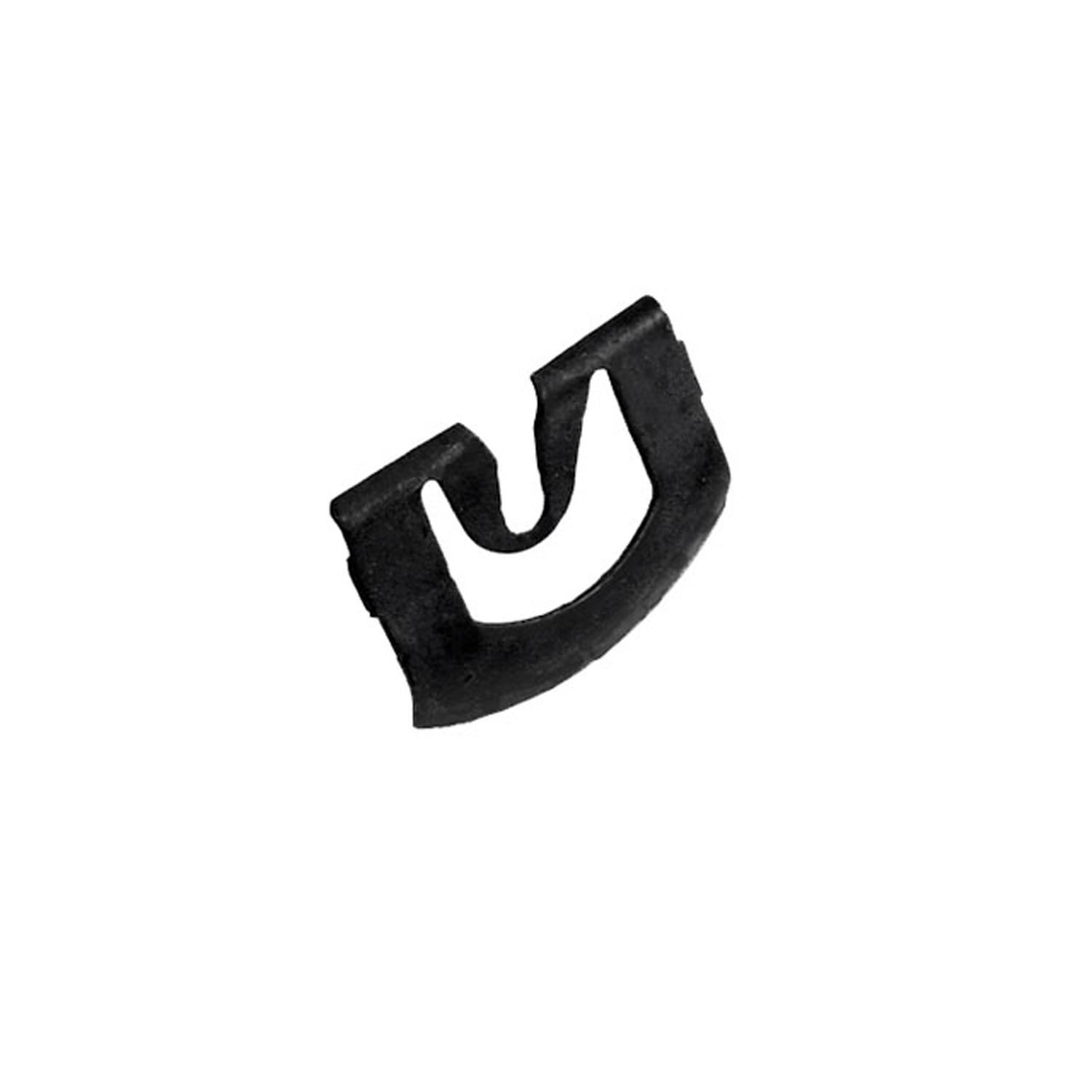 1976 Buick Skyhawk Windshield Reveal Molding Clip. Made of steel. 13/16" x 1"-WF 209Windshield Reveal Molding Clip. Made of steel. 13/16" x 1". Each
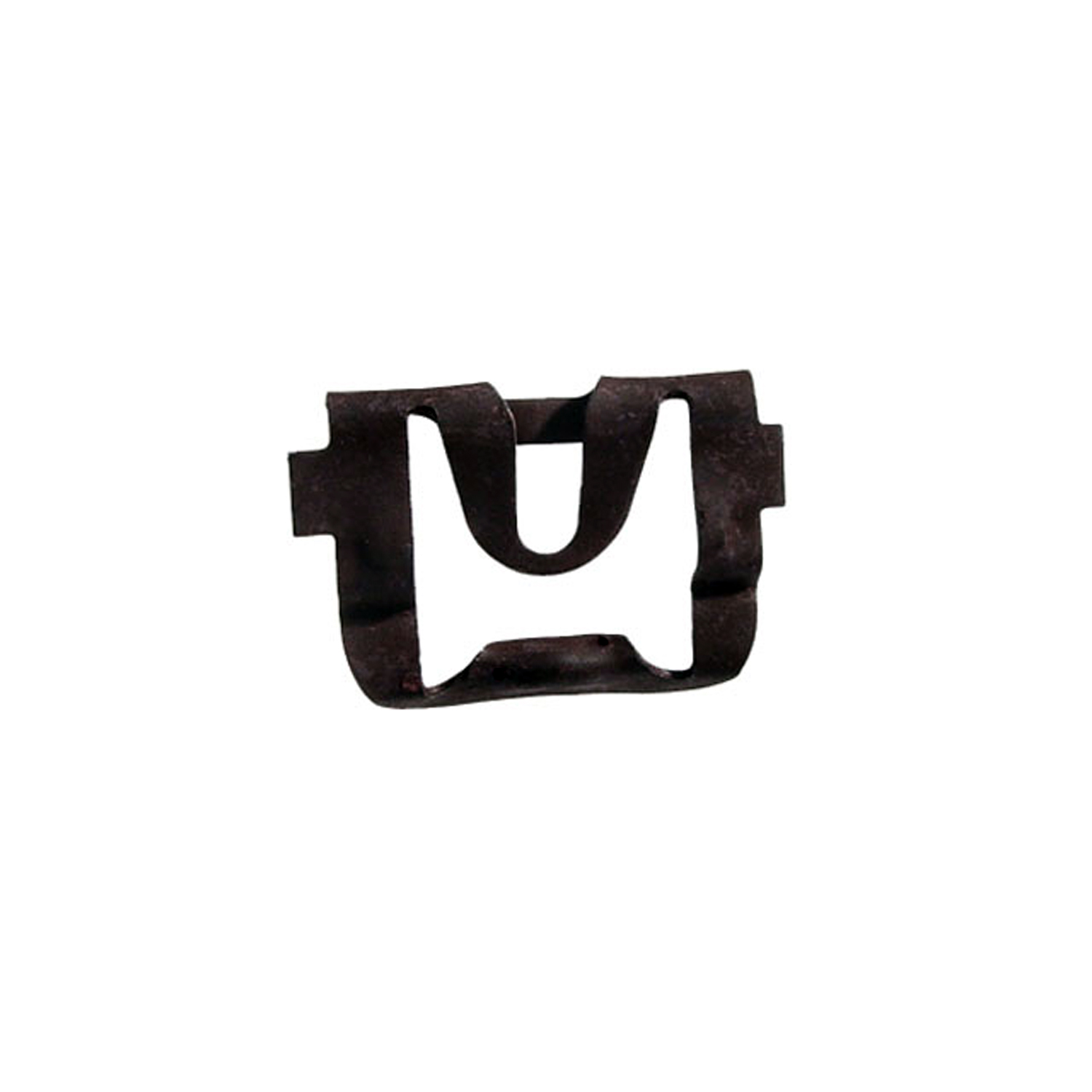 1976 Buick Skyhawk Rear Windshield Reveal Molding Clip. Made of steel-WF 211Rear Windshield Reveal Molding Clip. Made of steel. 15/16" X 3/4". Each
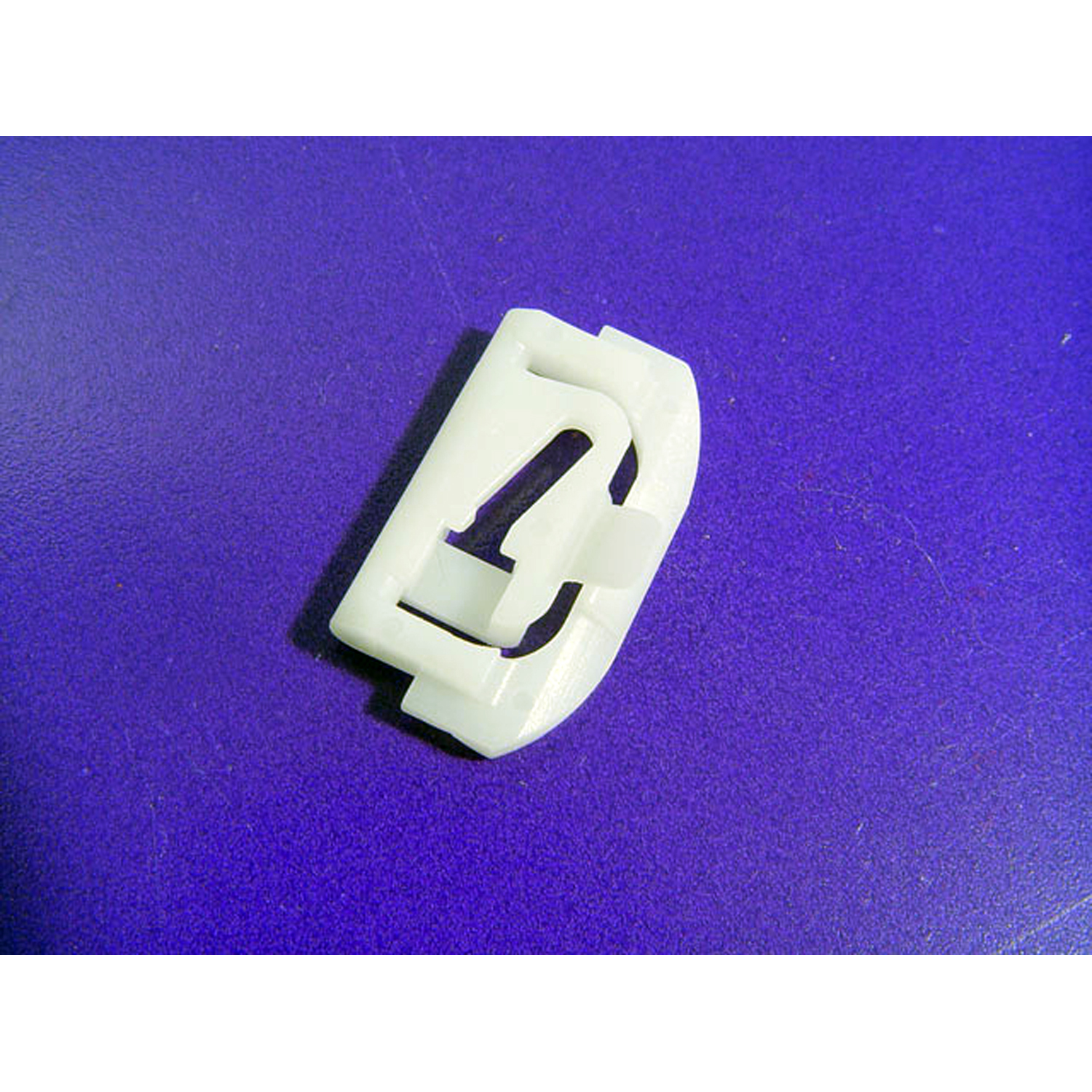 1976 Buick Skyhawk Lower Side Window Reveal Molding Clip. Made of nylon-WF 214Lower Side Window Reveal Molding Clip. Made of nylon. 1-1/4" x 3/4". Each
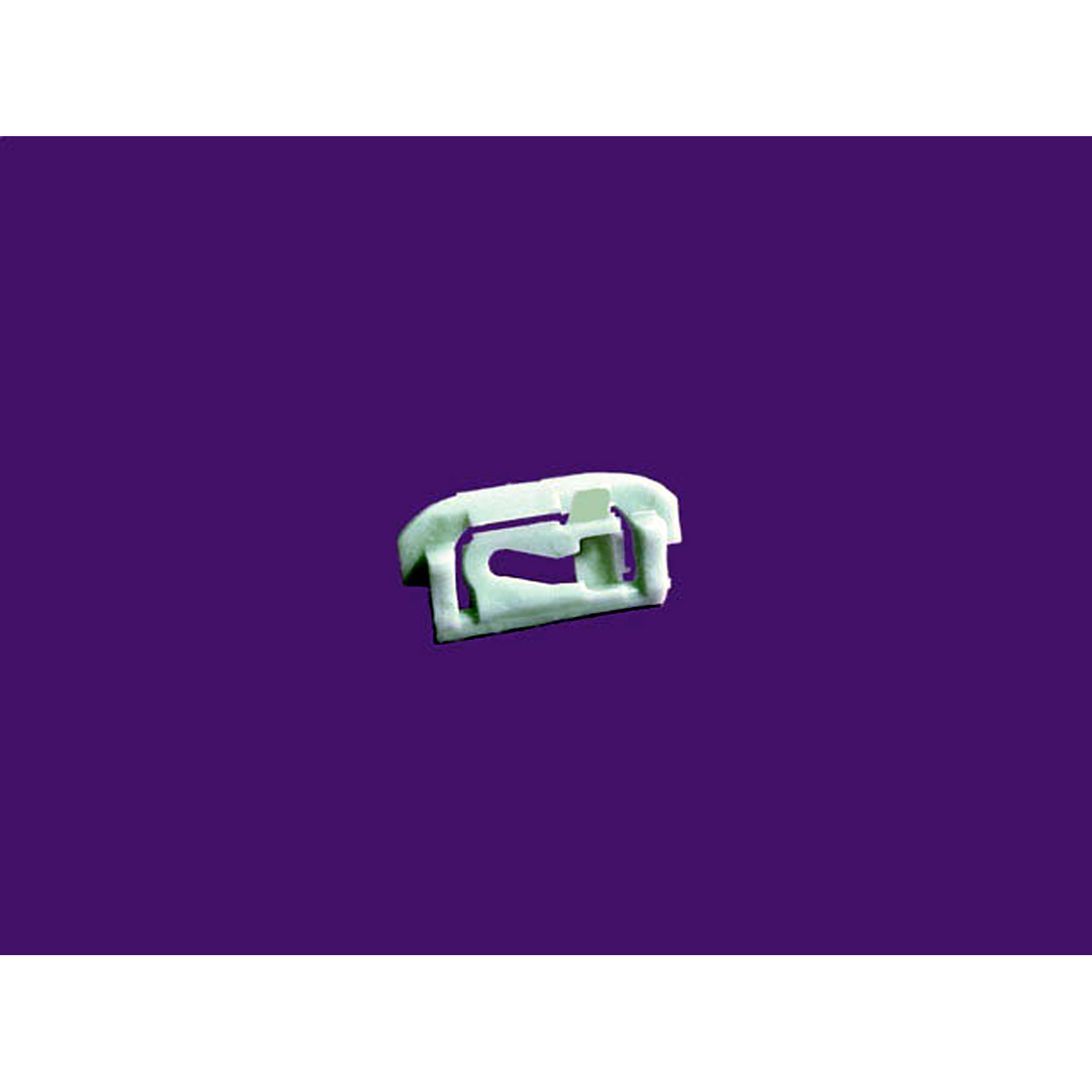 1976 Buick Skyhawk Windshield and Rear Windshield Reveal Molding Clip-WF 215Windshield and Rear Windshield Reveal Molding Clip. Made of nylon. 1-1/4" X 5/8". Each
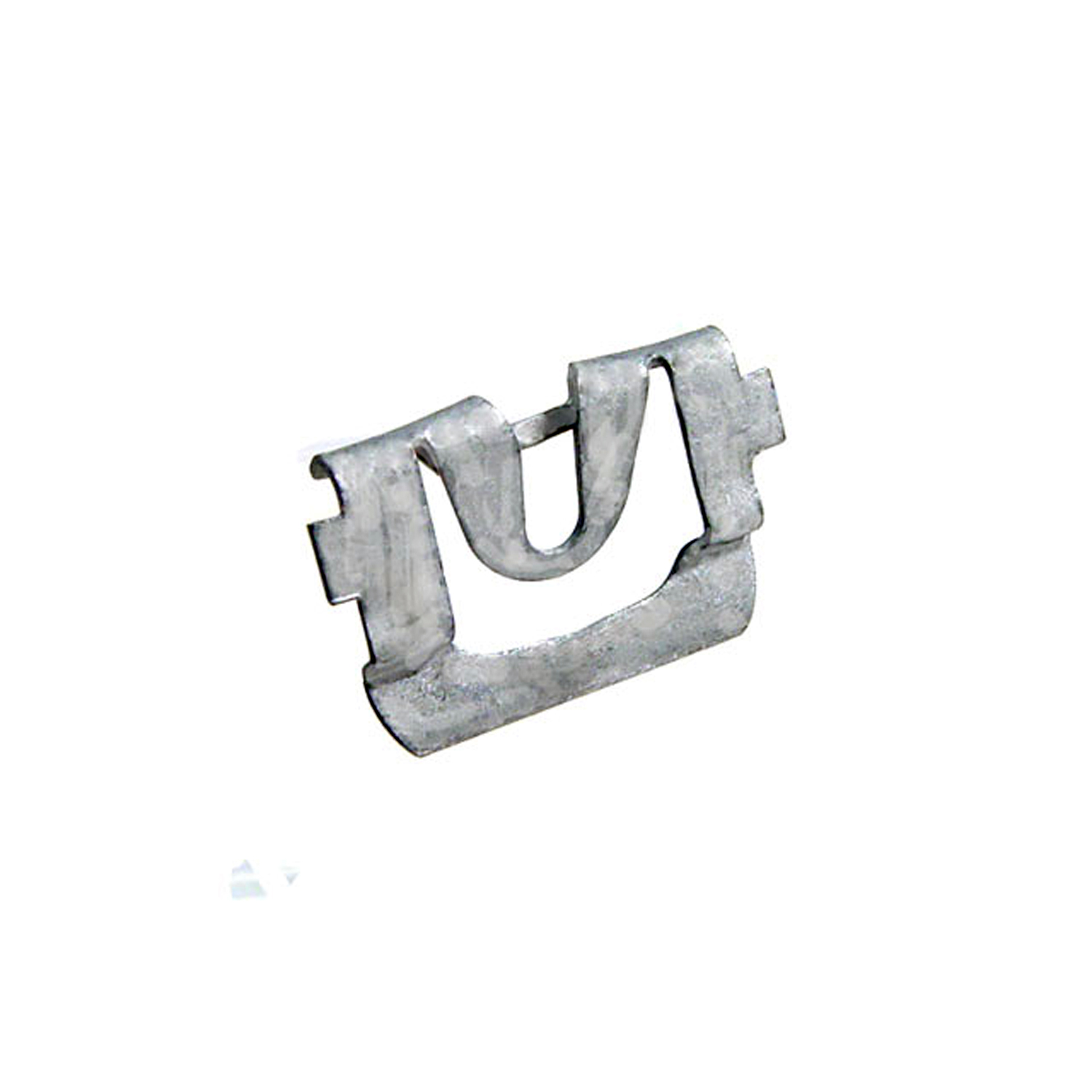 1976 Buick Skyhawk Windshield Reveal Molding Clip. Made of steel-WF 223Windshield Reveal Molding Clip. Made of steel. 1/1/8" X 3/4". Each
Why Choose Metro?
For over 100 years, Metro Moulded Parts has been the pinnacle of quality in classic car restoration parts. Our commitment to precision and authenticity in every component ensures a perfect fit and an OEM-level appearance.
- Expert Craftsmanship & Quality: Each part is a testament to our dedication to reliability and perfection, crafted from original designs and thoroughly tested.
- Advanced Technology: We use cutting-edge techniques to create flawless, long-lasting parts that surpass others in performance.
- SuperSoft Sponge – The Ultimate Door Seal: Not only are our door seals 30% softer than competitors', but they're also guaranteed to never leak. They effectively reduce wind and road noise, enhancing your classic car's comfort and driving experience.
- Proudly American: Our parts are a product of American craftsmanship, made in the USA with a spirit of excellence and heritage.
- Unrivaled Warranty: We back our products with a 30-year industry-leading warranty, a testament to our confidence in their quality.
Join us in preserving the legacy of classic cars with parts that are crafted for perfection, not just made.