

Image of 1977 Buick Skyhawk, Note: These illustrations use artistic license and may differ from actual historical models.
Performance Metrics
Fundamental Metrics
Emotional Appeal
MMP Rating
| Engine Specifications | |
|---|---|
| Engine: | 3.8L V6, 5.0L V8 |
| Displacement: | 231-305 cu in |
| Horsepower: | 105-145 hp |
| Torque: | 185-245 lb-ft |
| Compression Ratio: | 8.0:1 - 8.4:1 |
| Ignition System: | Electronic Ignition |
| Cooling System: | Liquid Cooled |
| Performance Specifications | |
| 0-60 Time: | Estimated 10-12 seconds |
| 1/4 Mile Time: | Estimated 17-19 seconds |
| Top Speed: | 105-110 mph |
| Transmission and Drive | |
| Drive Type: | RWD (Rear Wheel Drive) |
| Transmission Type: | 3-speed automatic, 4-speed manual |
| Fuel and Efficiency | |
| Fuel System Type: | Carburetor |
| MPG: | Estimated 15-20 mpg |
| Dimensions and Brakes | |
| Brakes: | Front Disc / Rear Drum |
| Wheelbase: | 97.0 in |
| Weight: | 2800-3000 lbs |
Note: Specifications for classic cars are given to the best of our ability, considering the limited and variant data available.
1977 Buick Skyhawk: A Buick V6 in a Compact Package
The 1977 Buick Skyhawk brought a distinctly Buick ingredient to the American sporty compact: a smooth 3.8-liter V6 tucked beneath a sharply styled hatchback hood. Built by Buick, a division of General Motors, the Skyhawk was part of GM’s H-body family, sharing its basic platform with cars such as the Chevrolet Monza and Oldsmobile Starfire. It offered drivers a smaller, more fuel-conscious alternative to a traditional midsize Buick without giving up the brand’s signature six-cylinder character.
The timing mattered. The 1970s fuel crunch had made compact cars increasingly important, while buyers still wanted sporty looks and comfortable features. The Skyhawk answered that demand with a rear hatch, bucket-seat layout, and V6 power in a package that was far more compact than Buick’s familiar full-size cars. One appealing detail is that its engine was not a small four-cylinder: the Skyhawk’s Buick 3.8-liter V6 gave this compact a distinctly different feel from many of its rivals.
Hatchback Styling and Buick Details
The Skyhawk’s long hood, short rear deck, and sloping hatch gave it a fastback profile that looked sporty without relying on oversized wings or extravagant trim. Its pointed front end and neatly integrated grille and headlamps gave the car a purposeful face, while the broad hatch opening made the compact coupe more useful than its silhouette suggested. The overall shape was unmistakably part of the 1970s GM design family, but Buick’s grille and trim helped set it apart from its Chevrolet and Oldsmobile relatives.
Inside, the Skyhawk was arranged as a compact personal car, with front bucket seats and a rear seat for occasional passengers. Depending on equipment, buyers could choose cloth or vinyl upholstery, with vinyl offering the period’s familiar durability and cloth adding a softer touch. The dash was functional rather than lavish, with analog instruments and straightforward controls. Fold the rear seat, where fitted, and the hatchback’s cargo area could handle luggage, groceries, or weekend gear more easily than a conventional small coupe.
Factory paint choices varied by model year and trim, but the Skyhawk was offered in the period’s broad mix of solid and metallic colors. Blues, reds, greens, silver tones, and neutral shades all suited its angular profile. Bright colors tend to stand out today, though a well-preserved car in a restrained original color can be just as appealing to collectors.
The 1977 Skyhawk was offered as a two-door hatchback coupe, rather than as a sedan or wagon. Trim and equipment packages varied, and buyers could select from manual and automatic transmissions, along with comfort and appearance options. The hatchback body is the defining version: it gives the Skyhawk its sporty shape and much of its practical appeal.
Why the Skyhawk Mattered
The Skyhawk was part of GM’s broader effort to give each division a distinct compact while sharing a common platform. That strategy let Buick offer a smaller car without designing an entirely separate chassis, and it gave buyers a way to move into a compact without leaving the Buick showroom. In the fuel-conscious 1970s, that was an important shift for a marque best known for larger, more traditional cars.
What distinguished the Buick was its V6-powered character. The 3.8-liter engine delivered more low-speed torque and a smoother, more relaxed feel than many small four-cylinder competitors. The Skyhawk was not a groundbreaking technology showcase, but it demonstrated how GM could adapt a shared compact platform to different brand identities. Its lasting significance lies in that blend of downsized dimensions, upscale aspirations, and familiar Buick power.
3.8-Liter V6 Performance and Road Manners
The 1977 Skyhawk’s defining engine was Buick’s 3.8-liter, or 231-cubic-inch, V6. Output is commonly listed at roughly 110 horsepower, with torque in the neighborhood of 185 lb-ft, though published figures can vary with emissions equipment and specification. A manual transmission was available, as was an automatic. These were modest numbers by modern standards, but the V6’s torque helped the car feel responsive in ordinary traffic.
Period performance figures vary, and surviving cars may differ in tune, transmission, and condition. A reasonable estimate for a stock example is a 0-to-60-mph time in the 11-to-13-second range and a top speed around 100 mph, give or take. The Skyhawk was built for everyday driving and relaxed cruising, not high-speed competition.
On the road, its compact size makes the Skyhawk easy to place in traffic and park. The front end responds willingly on winding roads, though the car’s period suspension, modest tires, and live rear axle do not deliver modern sports-coupe precision. Sharp bumps can unsettle the rear, and wind or rough pavement may call for more steering correction than drivers expect from a contemporary car. The ride is generally more firm than plush, but it remains comfortable enough for ordinary trips.
From behind the wheel, the V6 supplies a low, familiar Buick burble rather than a high-revving sports-car note. The engine’s strongest impression is its easy torque, while the compact cabin and upright controls keep the driver closely connected to the car. A well-maintained Skyhawk feels nimble and approachable, especially on suburban roads, even if its acceleration is leisurely by today’s standards.
Living With a 1977 Skyhawk
Today, the Skyhawk is most often used as a weekend classic, a local-show car, or a nostalgic driver. Its hatchback layout still makes it more practical than many coupes of the period. It is not a common choice for racing, although the shared H-body architecture and Buick V6 make it interesting to enthusiasts who enjoy modifying classic compacts.
Routine maintenance is familiar to anyone who has worked on a 1970s GM car. The V6 is mechanically straightforward, and many service tasks can be handled by a home mechanic with a workshop manual and ordinary tools. Parts availability is mixed: common engine and service components are generally easier to find than Skyhawk-specific trim, body panels, interior pieces, and badges. Before buying, inspect for rust, worn suspension parts, leaks, aging wiring, and previous repair work. Finding sound original trim can be more challenging than servicing the engine.
Reliability depends heavily on upkeep and condition. A neglected example may need attention to its cooling system, carburetion, ignition, brakes, and rubber components. On an older car, age-related deterioration matters as much as mileage, so a careful inspection is more valuable than a claim that the car is “all original.”
Skyhawk Trivia and Common Criticisms
The Skyhawk’s strongest calling card was its Buick 3.8-liter V6, an engine with a much longer story than the compact car around it. Buick’s V6 family became one of the company’s best-known powerplant lines, later appearing in a wide range of GM vehicles. The Skyhawk gave that engine a compact, sporty setting at a time when many buyers were rethinking the size and fuel appetite of their next car.
There is no widely recognized speed, endurance, or sales record associated with the 1977 Skyhawk, and it is not especially known for celebrity ownership or a major historical-event appearance. Its appeal is more personal: it represents the era when American manufacturers adapted to fuel concerns while trying to preserve the style and brand character buyers expected.
Common criticisms include modest acceleration, limited rear-seat space, and a ride that can feel busy over broken pavement. It also shares many components and design cues with its H-body siblings, so it does not have the exclusivity of a clean-sheet Buick. On the other hand, the shared platform can help with some mechanical and service needs, and the Skyhawk’s V6 gives it a personality that is not simply a badge swap.
1977 Buick Skyhawk Values and Rarity
The Skyhawk is a niche collectible rather than a high-dollar mainstream classic. As a broad U.S. market estimate for 2026, a project car might sell for roughly $1,000 to $3,000, while a usable driver could fall around $3,000 to $8,000. A clean, well-preserved example may bring about $8,000 to $15,000, with exceptional original cars or carefully restored examples potentially asking more. Condition, rust, documentation, and the availability of original trim have a major effect on price.
Exact 1977 production figures can be difficult to pin down in commonly available references. A reasonable working estimate is roughly 20,000 to 35,000 cars for the model year, but treat that as an estimate rather than a verified factory total. The Skyhawk is uncommon enough that buyers may need patience to find a good one, yet it is not so rare that every surviving example commands a premium.
Prices have generally remained below those of better-known muscle cars and highly collectible sports coupes. The Skyhawk’s value is strongest among Buick fans, H-body enthusiasts, and buyers looking for an unusual 1970s driver. Rather than expecting rapid appreciation, prospective owners should focus on buying the best-condition car they can afford. Originality and preservation are likely to matter more than costly modifications.
Why the 1977 Buick Skyhawk Still Stands Out
The 1977 Buick Skyhawk combined a compact hatchback body, practical cargo access, and Buick’s torquey 3.8-liter V6 at a time when American buyers were looking for smaller, more economical cars. It was not the fastest or most technologically advanced compact of its era, but it offered a distinctive blend of comfort, style, and straightforward mechanical character.
For today’s enthusiast, the Skyhawk is a chance to enjoy an often-overlooked corner of Buick history. Find a solid one, keep its original character intact, and this compact V6 hatchback makes a memorable reminder that downsizing did not have to mean giving up personality.
1977 Buick Skyhawk Catalog of Parts
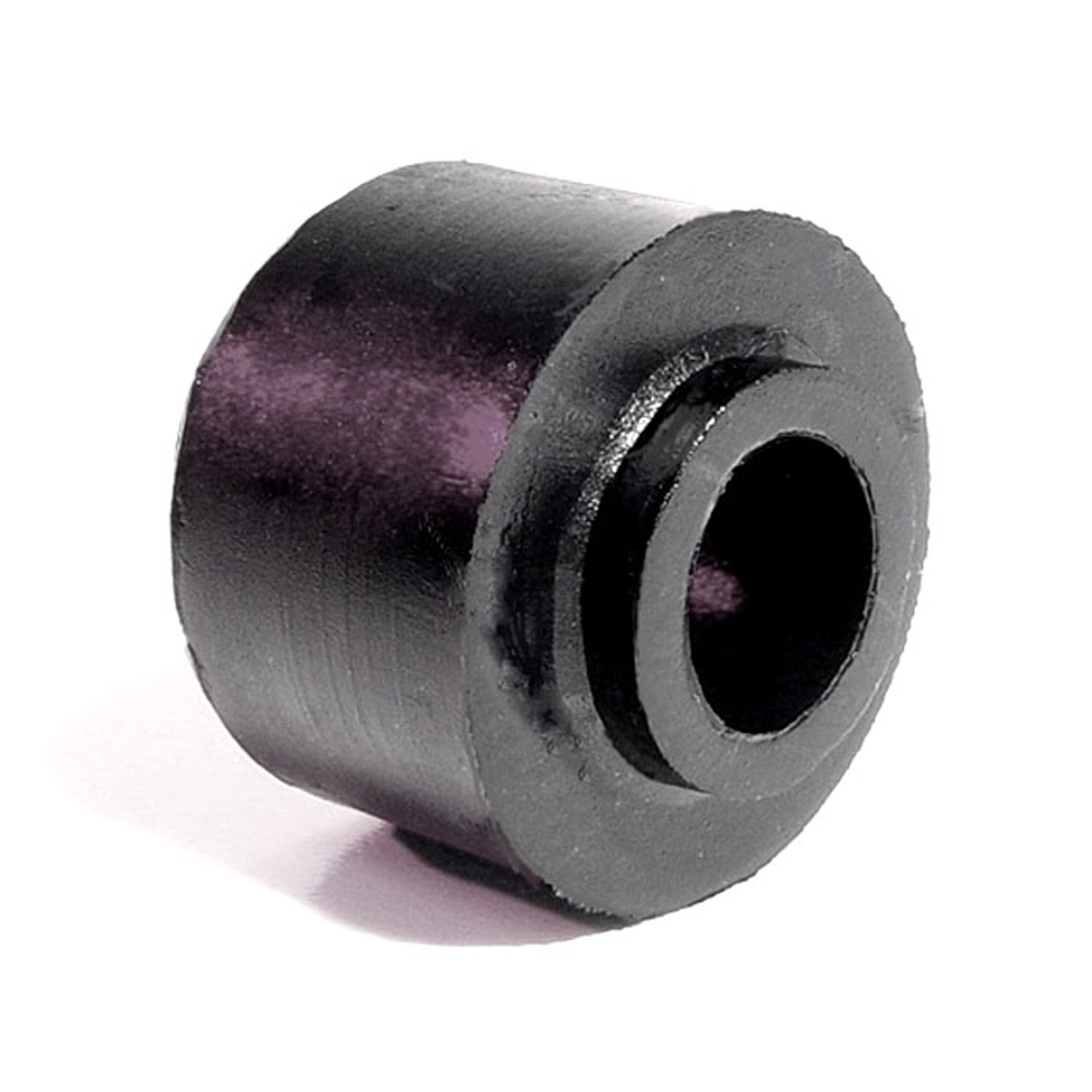 1977 Buick Skyhawk Shock Absorber Grommet. 1" bottom O.D., 3/4" high-BN 1Shock Absorber Grommet. 1" bottom O.D., 3/4" high., with 7/16" I.D. Each
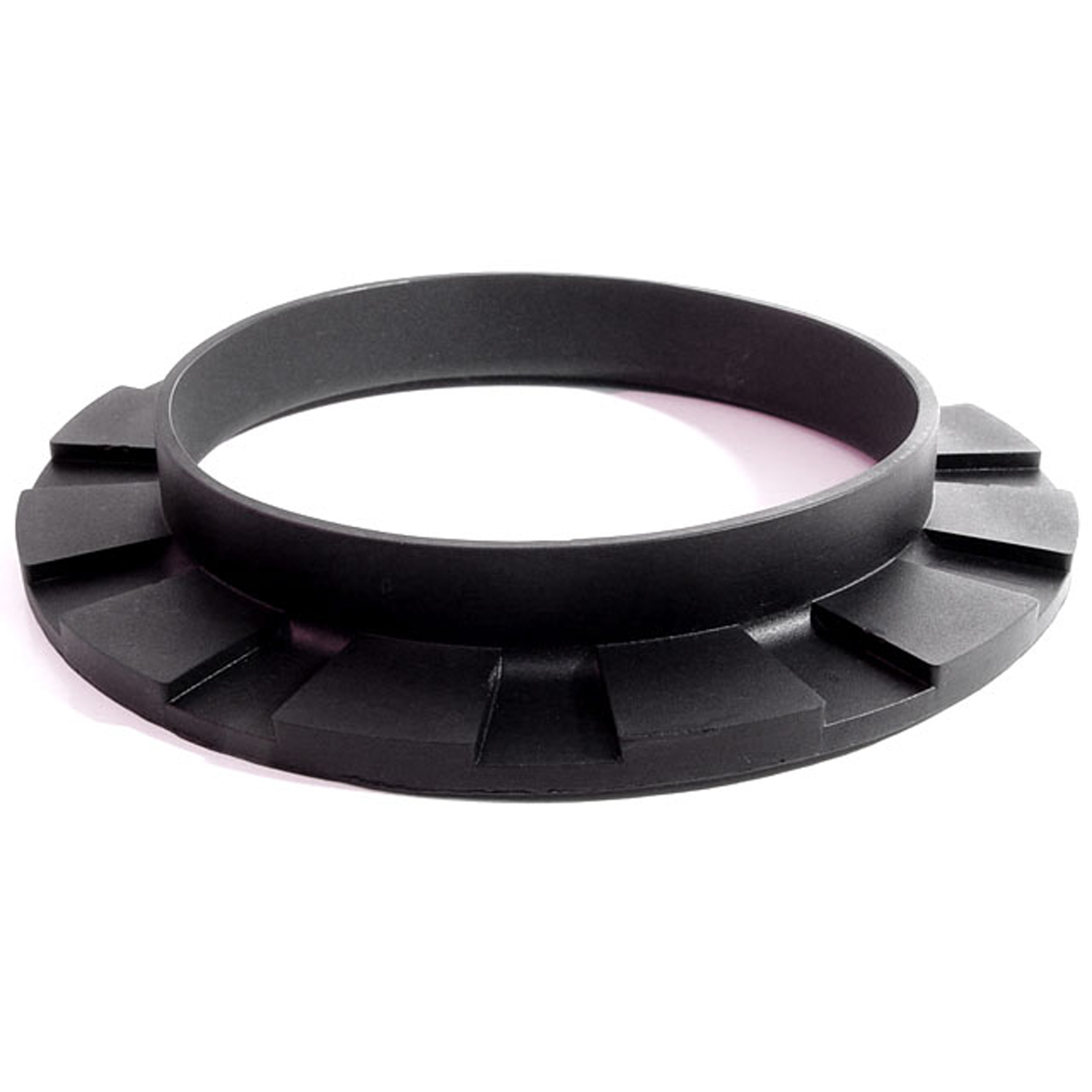 1977 Buick Skyhawk Front coil-spring insulator-BN 110Front coil-spring insulator. Fits '41-'60 Oldsmobile and '50-'83 GM passenger models. 5-3/8 in. OD x 3-3/4 in. ID x 3/4 in. high with 13/16 in. wide bottom flange 1/4" thick, 12 flutes. Each.
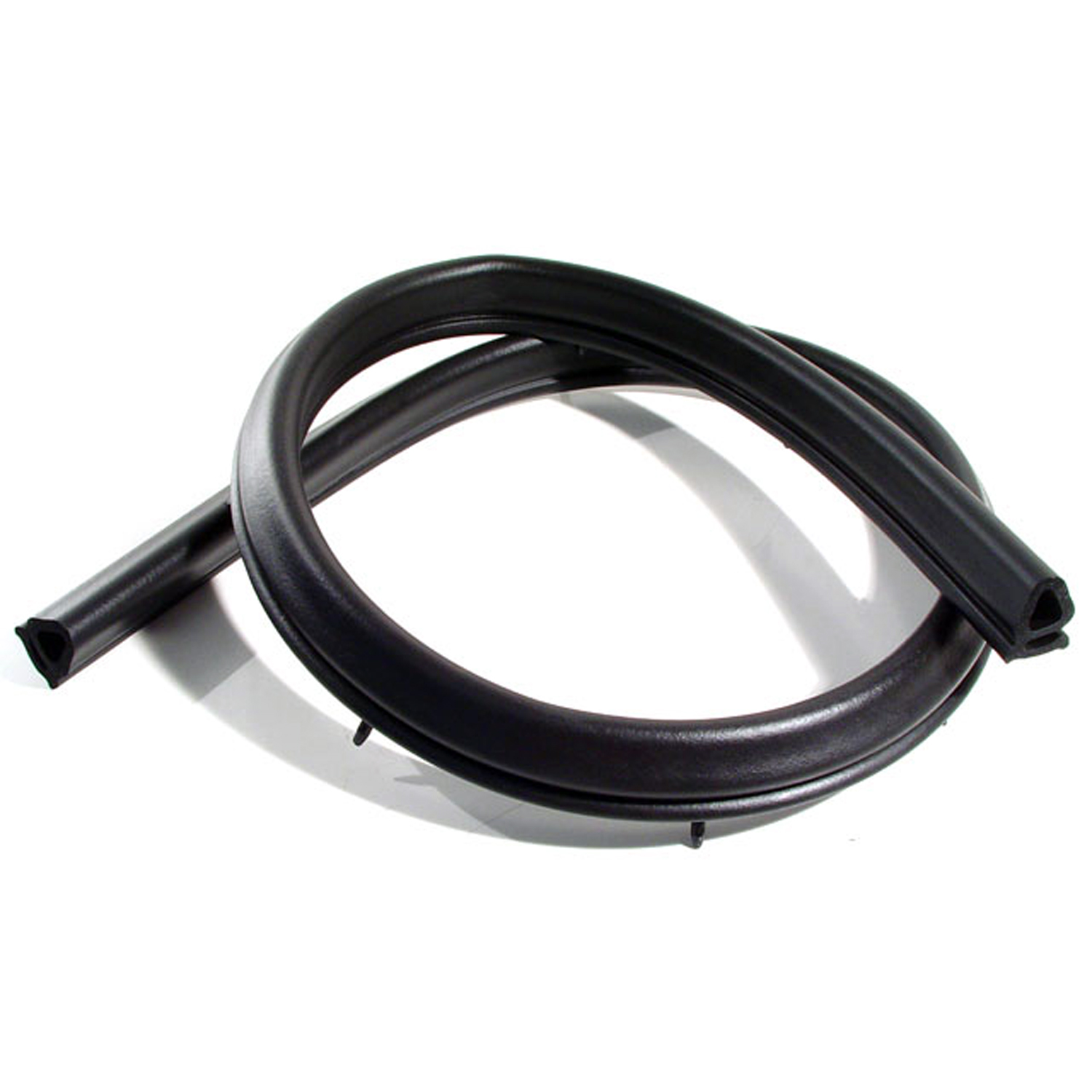 1977 Buick Skyhawk Hood to Cowl Seal, 71-80 GM H Body, Each-CS 13-HHood to Cowl Seal, 71-80 GM H Body, Each. Replaces OEM # 9829415. 50" Long. Comes with five mounting clips.
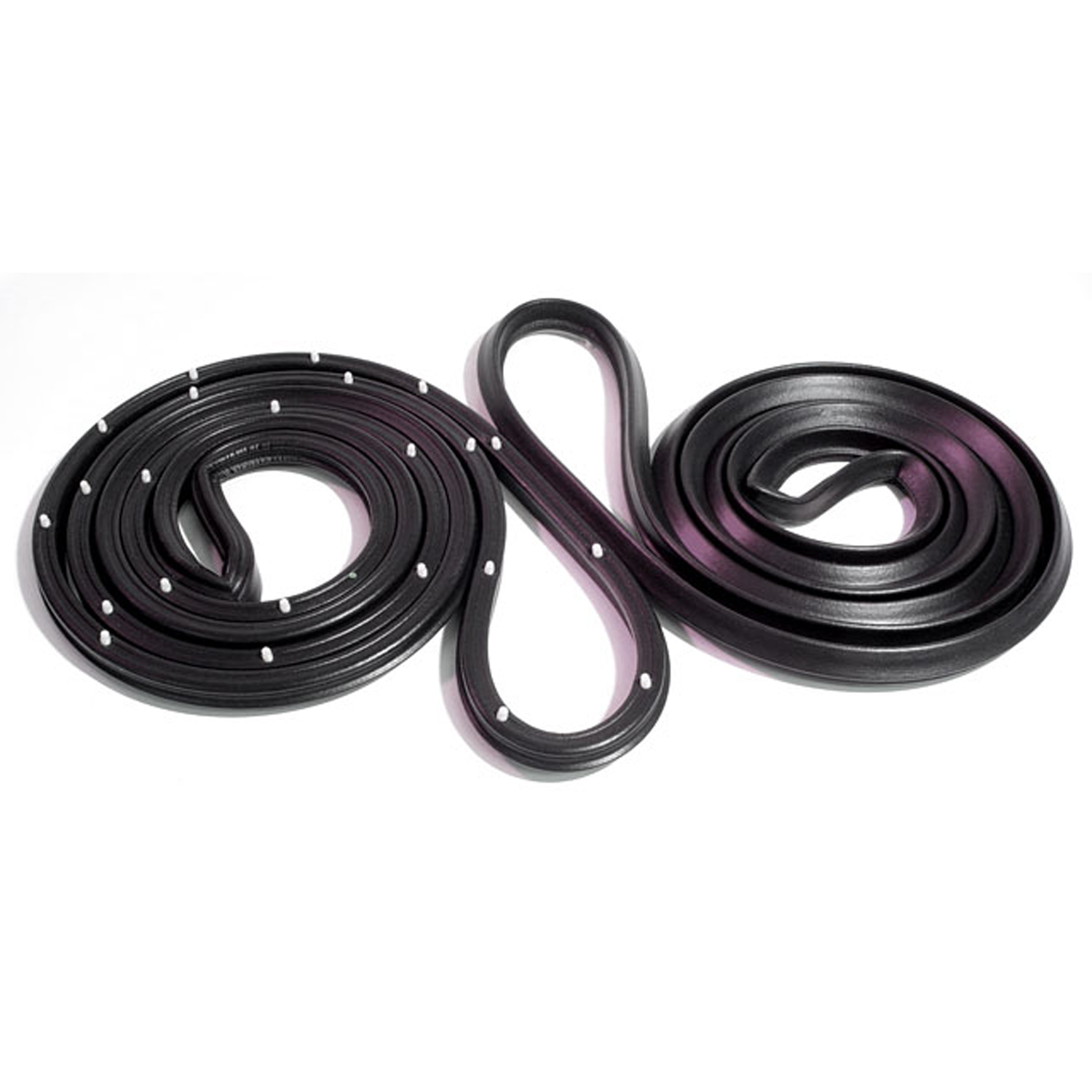 1977 Buick Skyhawk Molded Door Seals for Hatchbacks. 151-1/2" long each-LM 13-MMolded Door Seals for Hatchbacks. 151-1/2" long each. Pair R&L
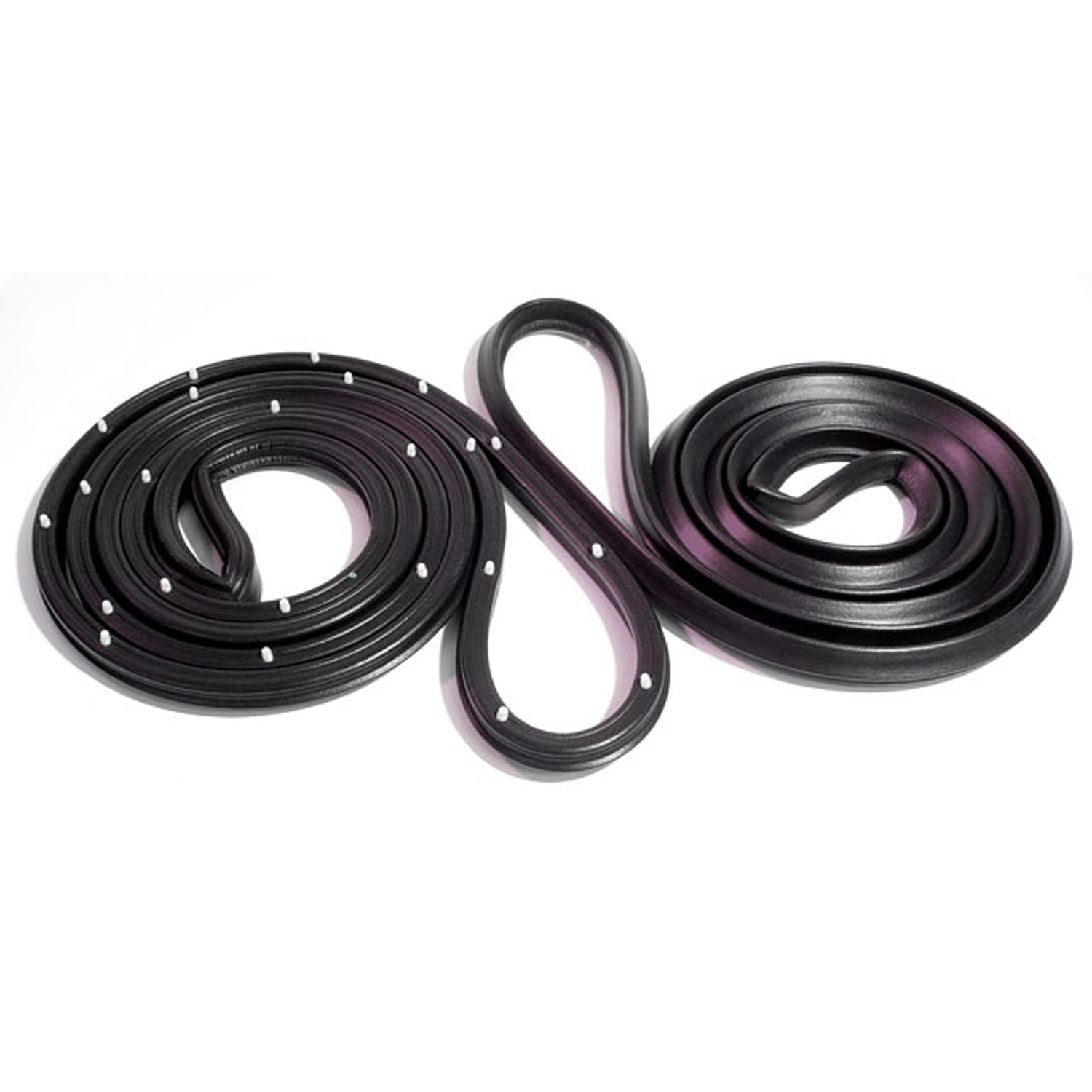 1977 Buick Skyhawk Molded Door Seals for Coupes. 151" Long. Pair R&L-LM 13-NMolded Door Seals for Coupes. 151" Long. Pair R&L
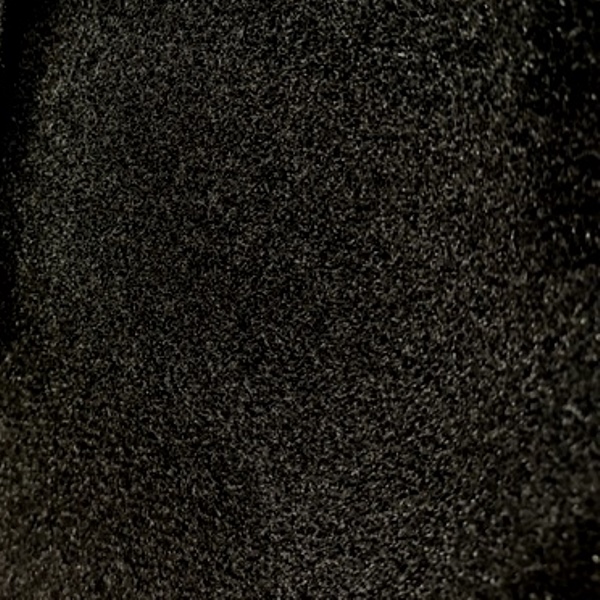 1977 Buick Skyhawk Trunk Liner. Loose weave, jet black. 50" wide-M 30Trunk Liner. Loose weave, jet black. 50" wide. Sold by the foot
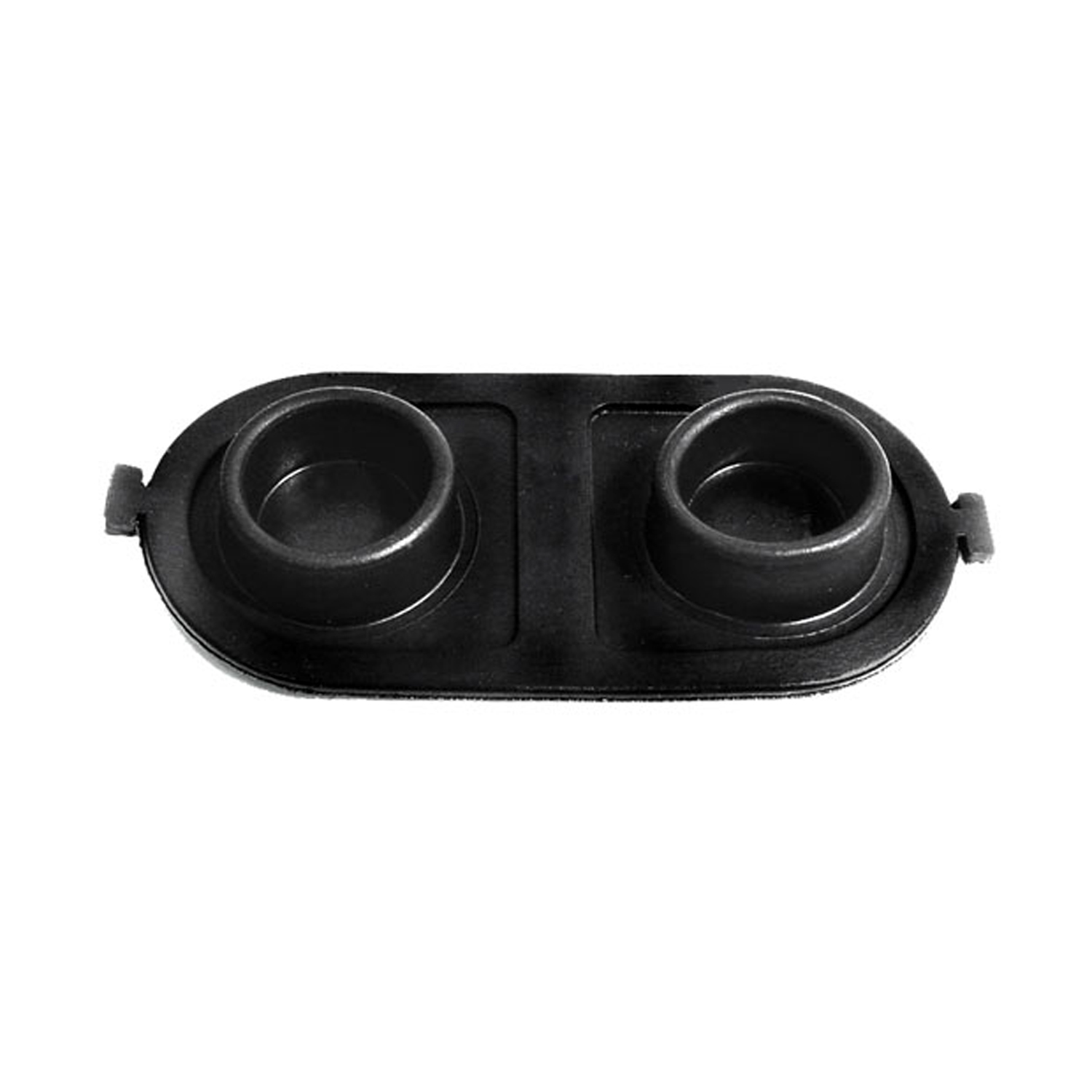 1977 Buick Skyhawk Brake Master Cylinder Cover Seal. Replaces OEM #5470861-RP 2-EBrake Master Cylinder Cover Seal. Replaces OEM #5470861. 5" X 2-1/2". Each
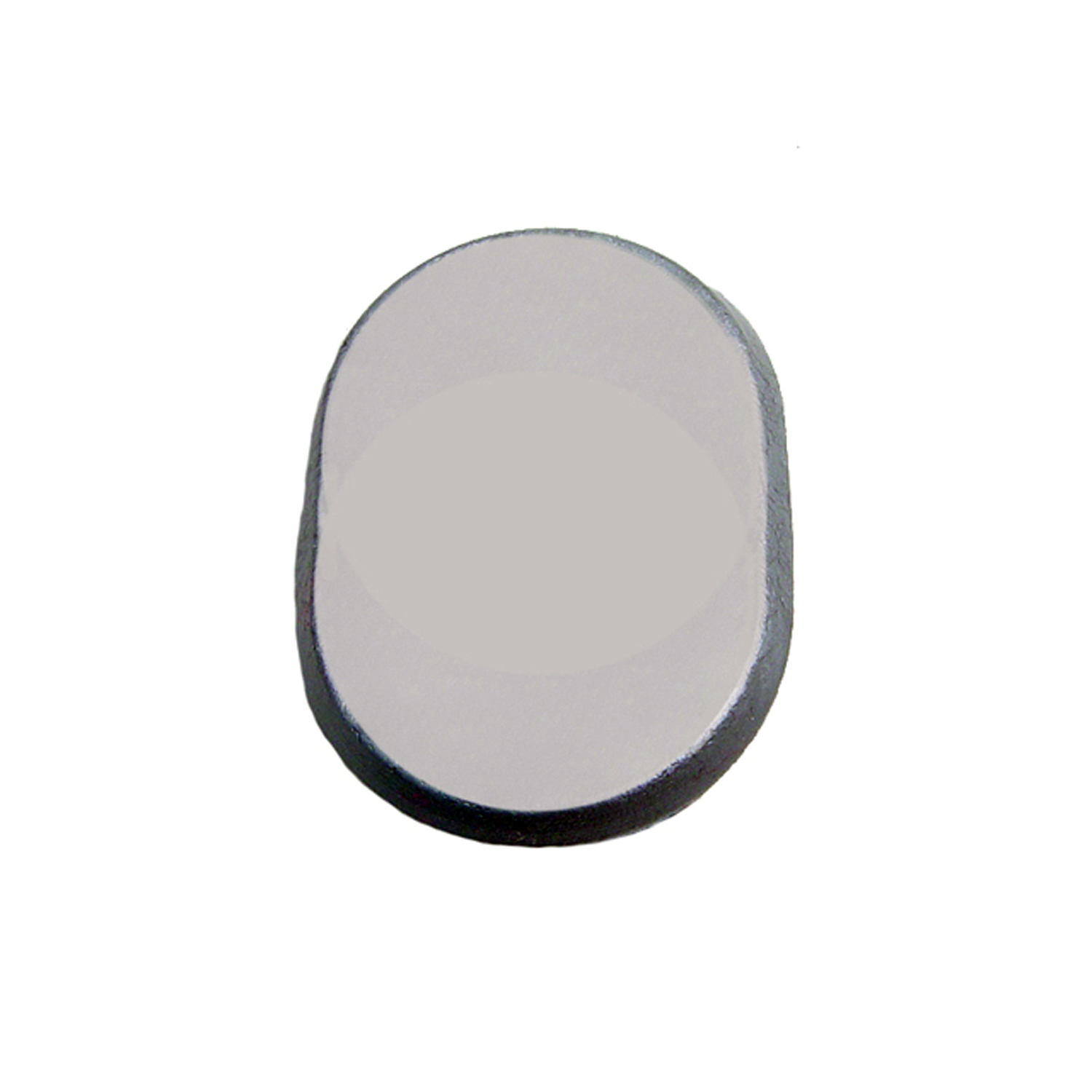 1977 Buick Skyhawk Hole Plug for Front Door Inner Panel Access Hole-SM 81Hole Plug for Front Door Inner Panel Access Hole. 1-1/2" X 1". Each
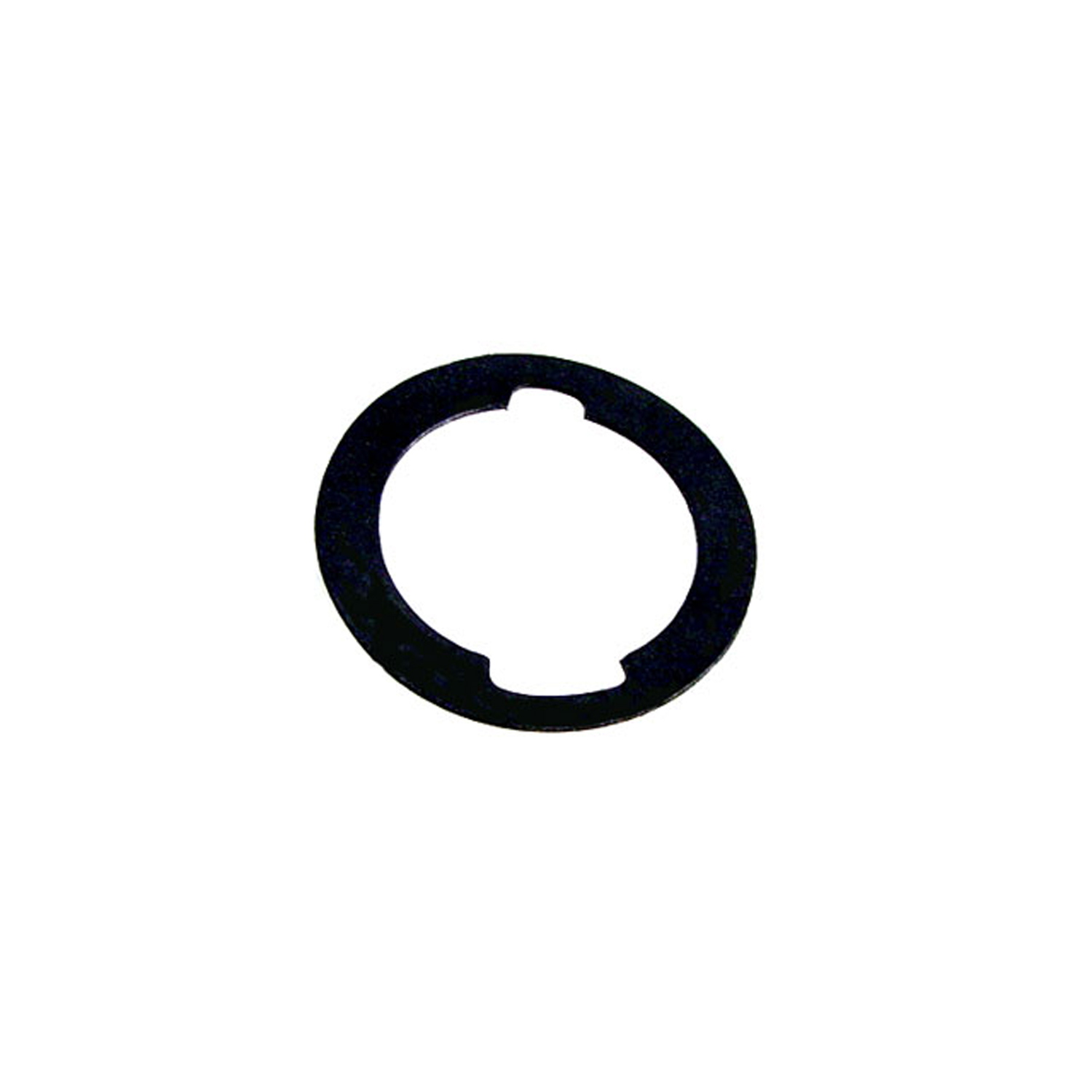 1977 Buick Skyhawk Unbeaded Door and Trunk Lock Gasket. 1-3/16" O.D., 7/8" I.D-UM 1600-100Unbeaded Door and Trunk Lock Gasket. 1-3/16" O.D., 7/8" I.D. Each
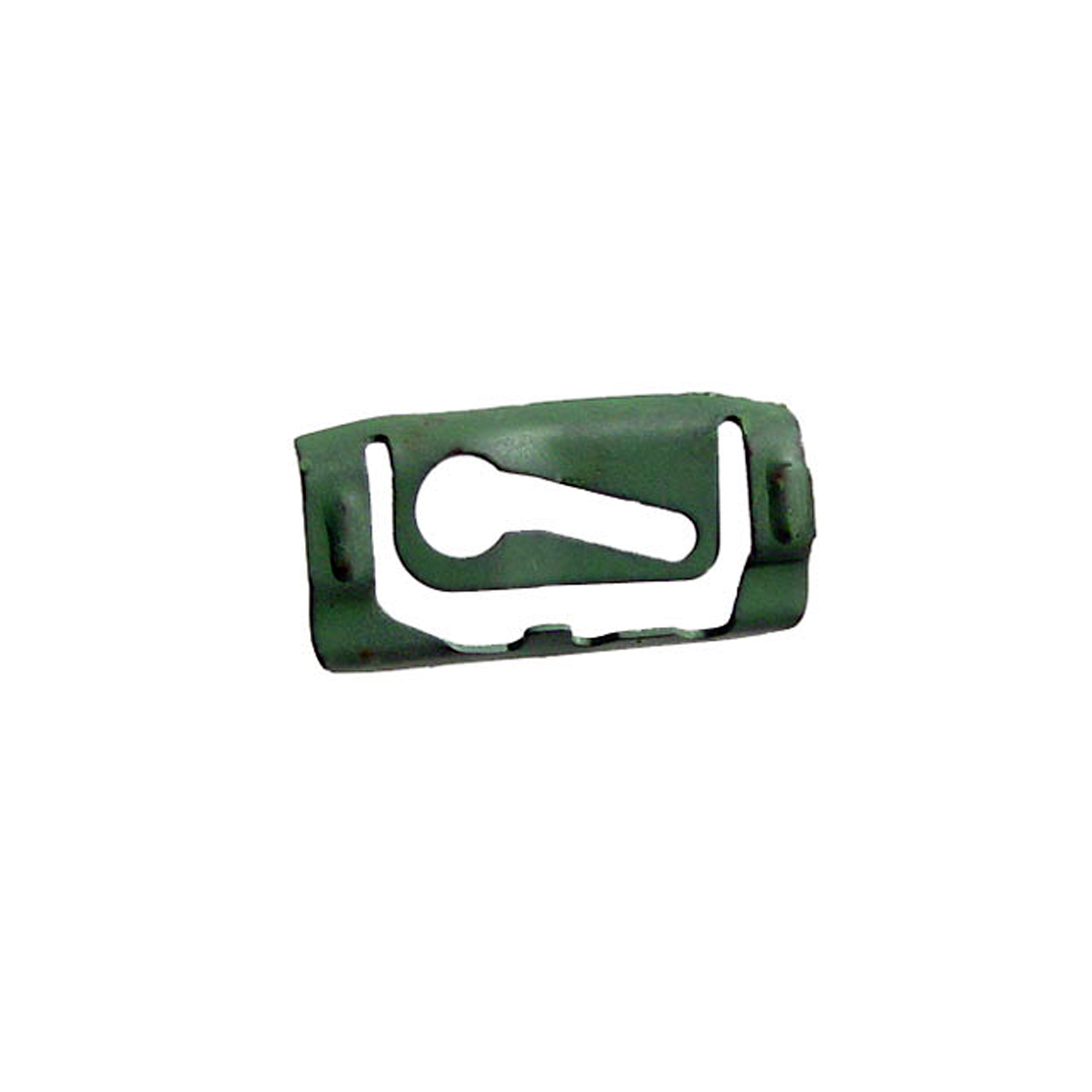 1977 Buick Skyhawk Quarter Window Reveal Molding Clip. Made of Steel-WF 205Quarter Window Reveal Molding Clip. Made of Steel. 1-3/8" X 11/16". Each
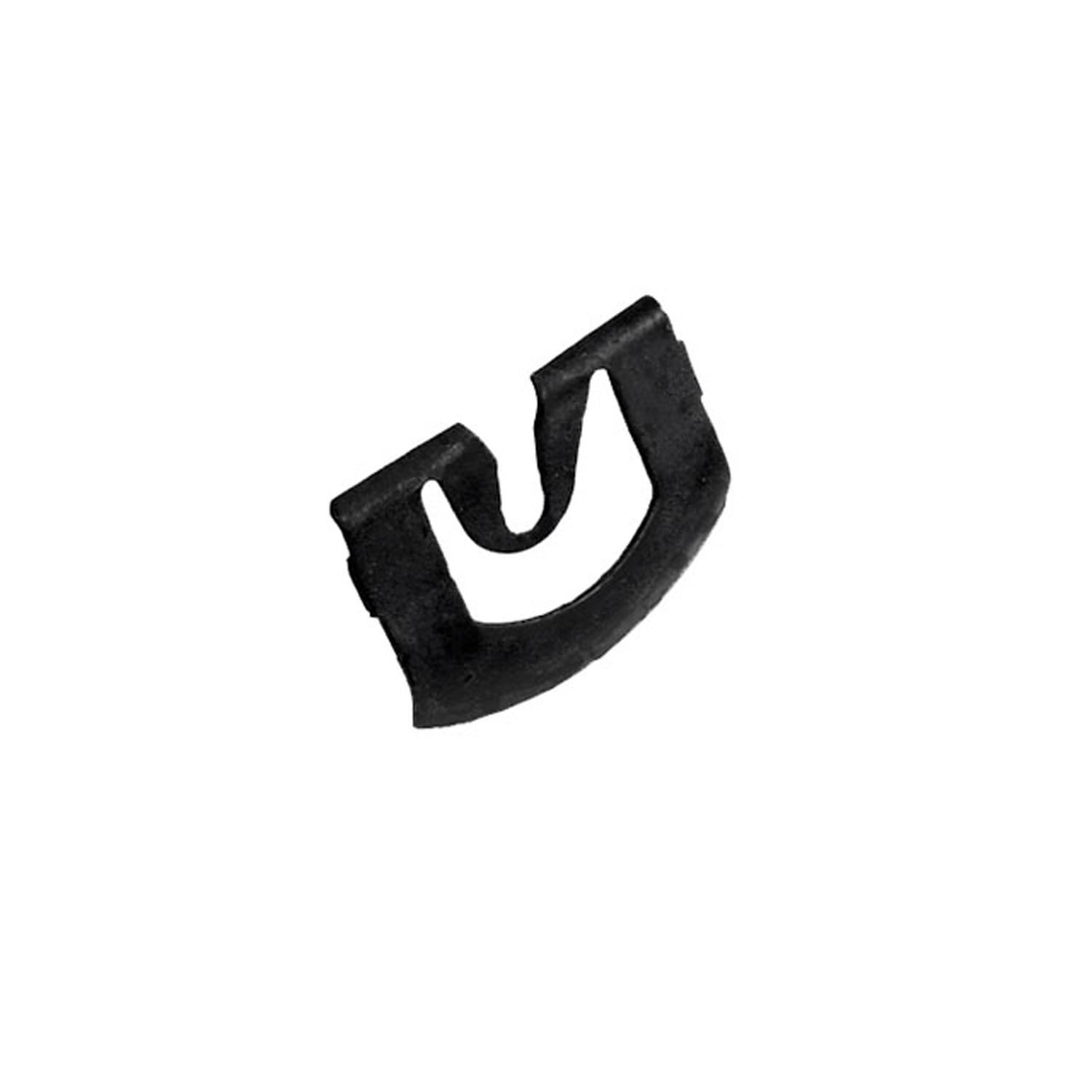 1977 Buick Skyhawk Windshield Reveal Molding Clip. Made of steel. 13/16" x 1"-WF 209Windshield Reveal Molding Clip. Made of steel. 13/16" x 1". Each
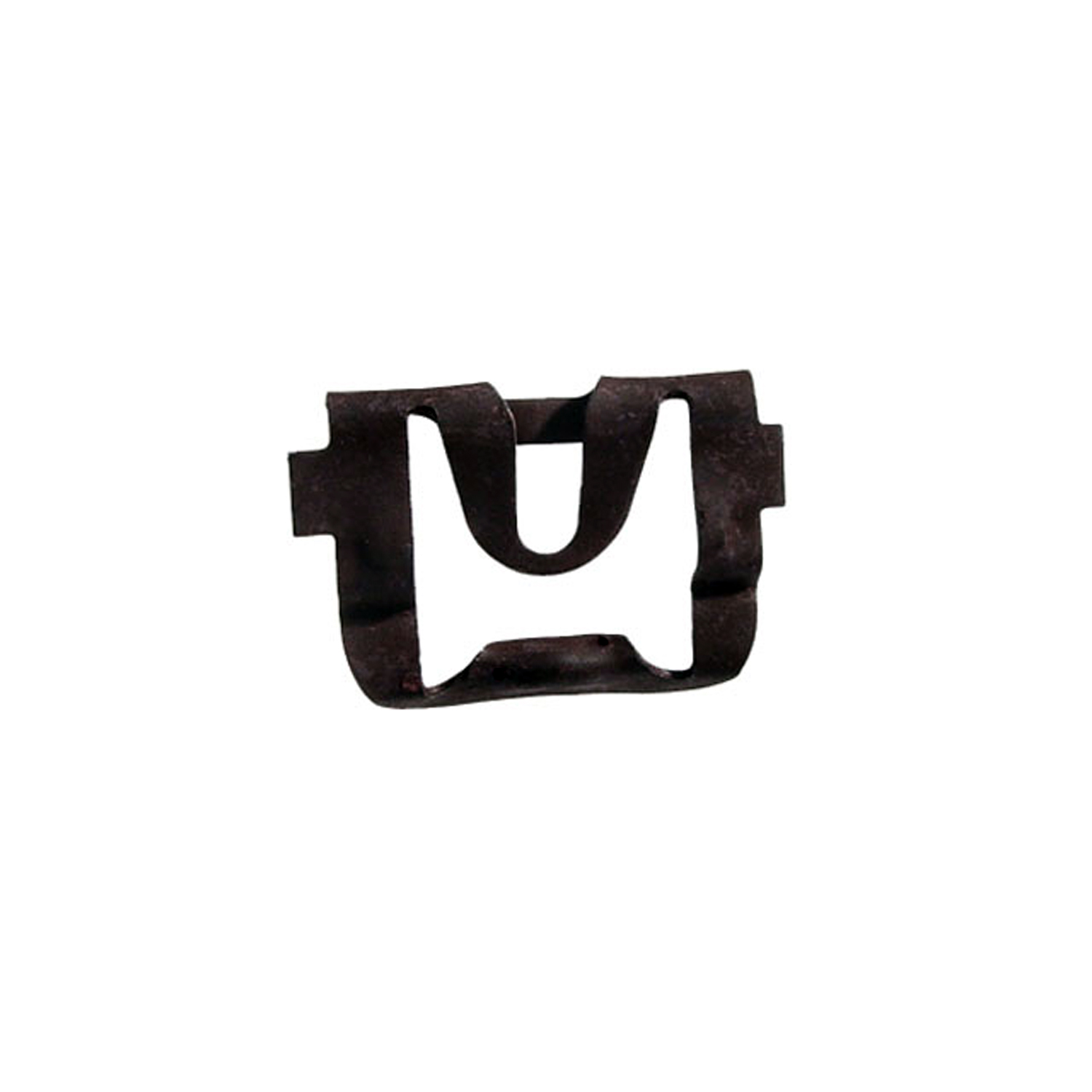 1977 Buick Skyhawk Rear Windshield Reveal Molding Clip. Made of steel-WF 211Rear Windshield Reveal Molding Clip. Made of steel. 15/16" X 3/4". Each
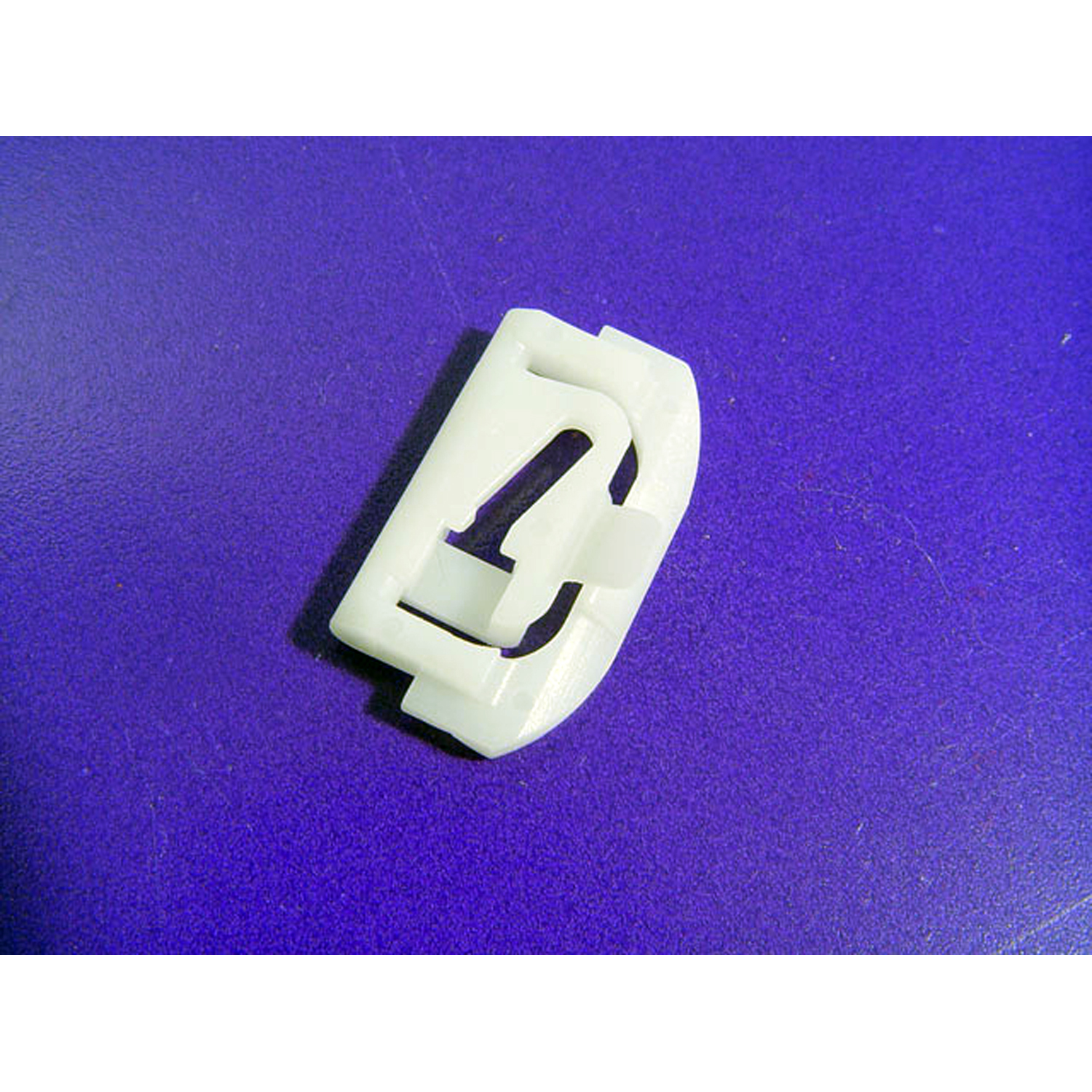 1977 Buick Skyhawk Lower Side Window Reveal Molding Clip. Made of nylon-WF 214Lower Side Window Reveal Molding Clip. Made of nylon. 1-1/4" x 3/4". Each
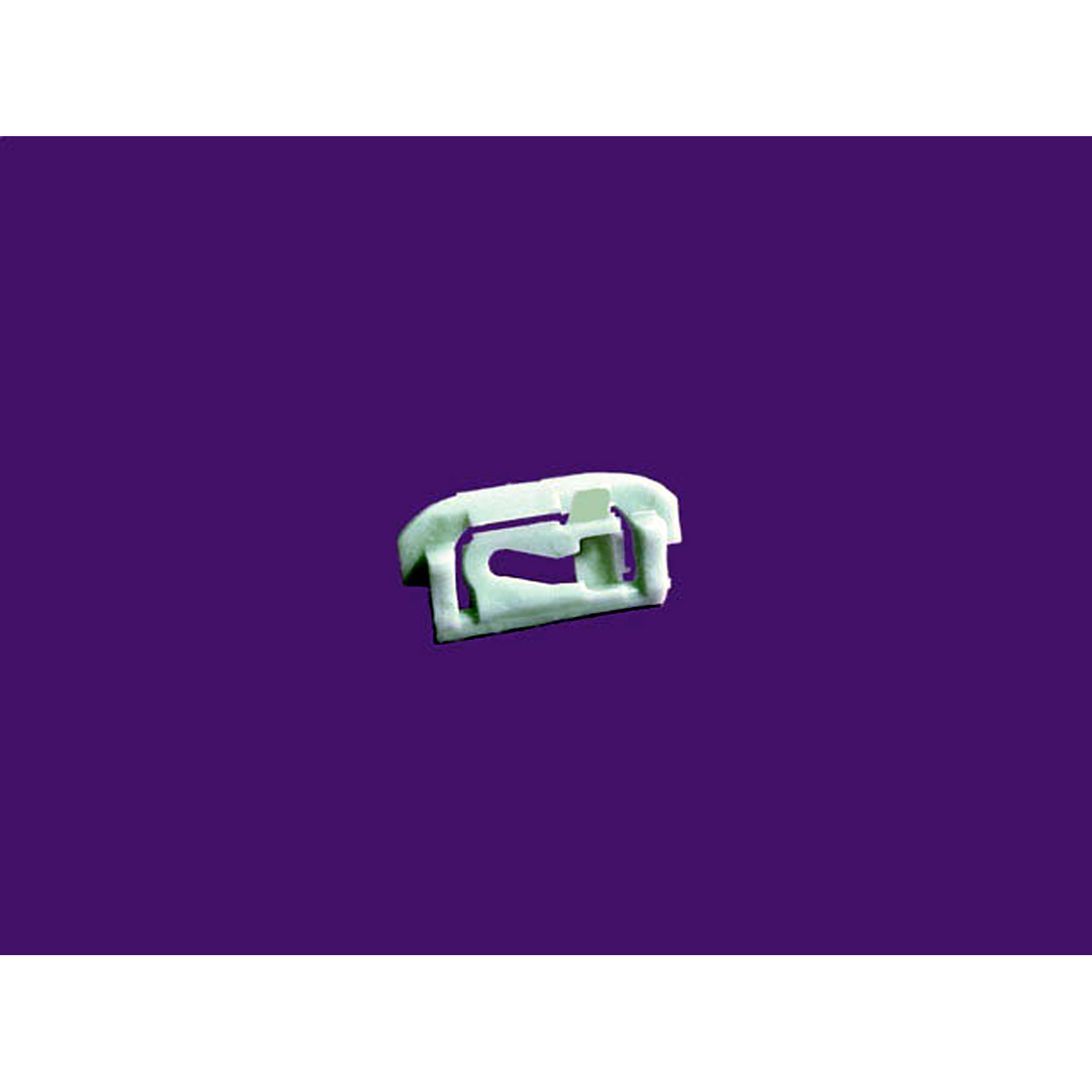 1977 Buick Skyhawk Windshield and Rear Windshield Reveal Molding Clip-WF 215Windshield and Rear Windshield Reveal Molding Clip. Made of nylon. 1-1/4" X 5/8". Each
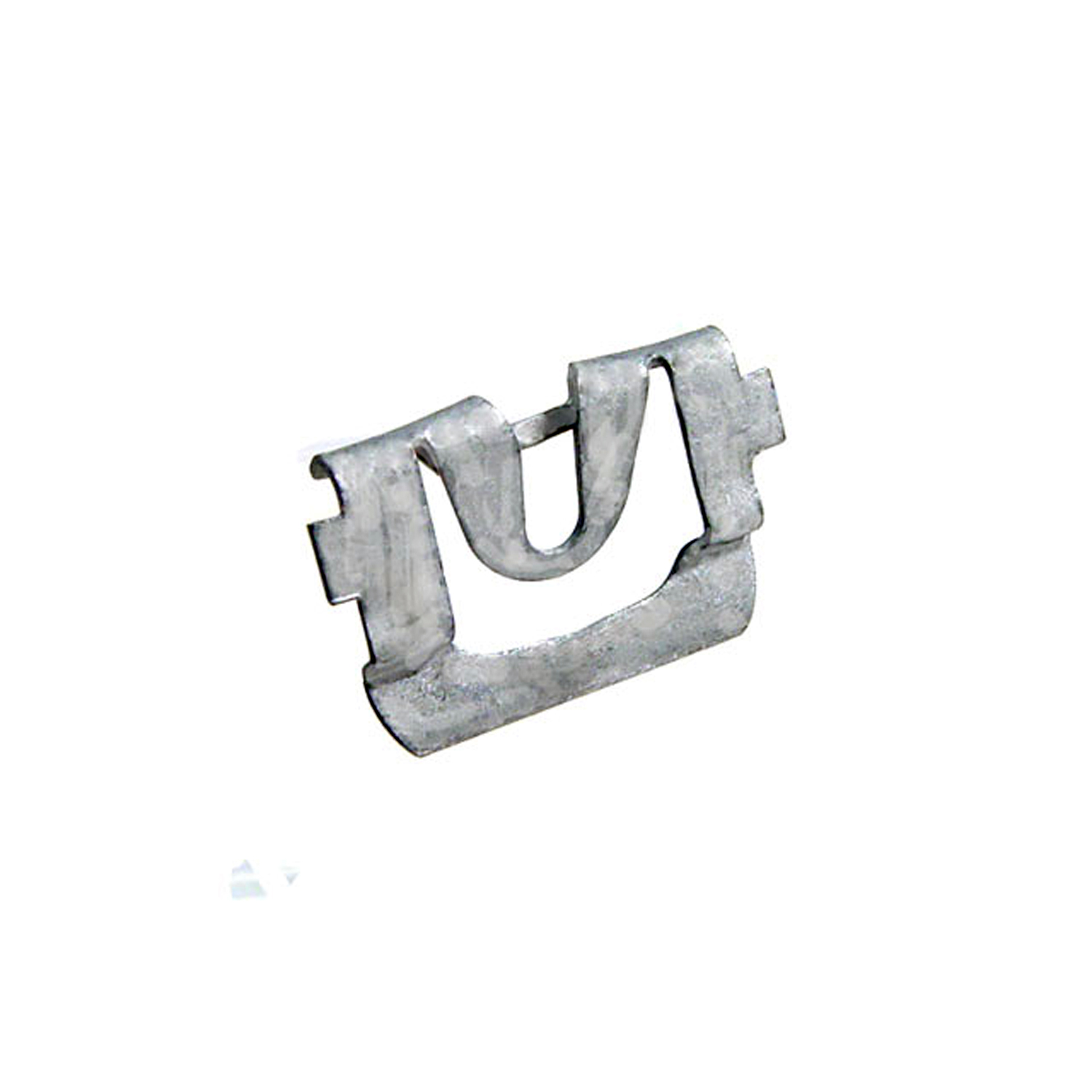 1977 Buick Skyhawk Windshield Reveal Molding Clip. Made of steel-WF 223Windshield Reveal Molding Clip. Made of steel. 1/1/8" X 3/4". Each
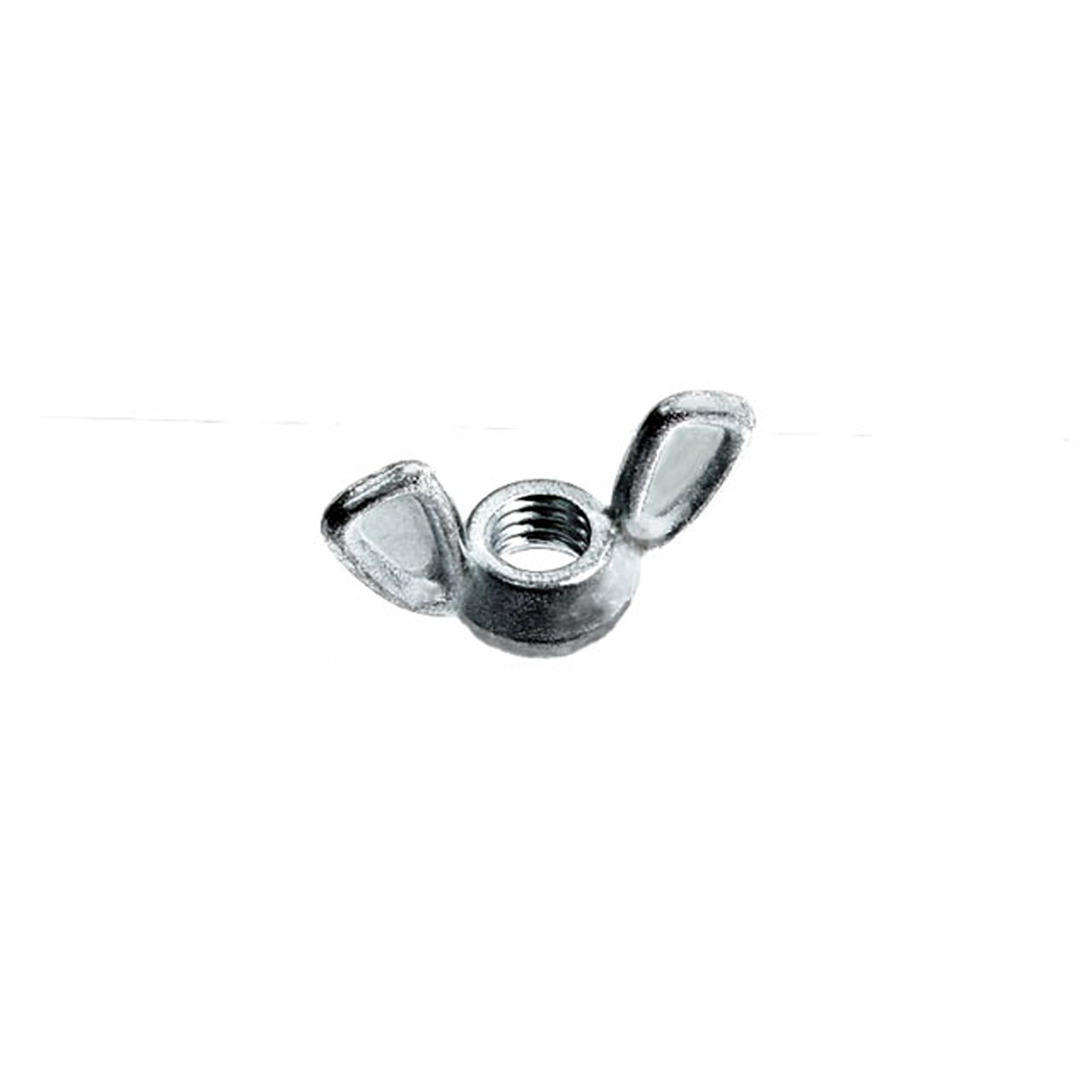 1977 Buick Skyhawk Jack Handle Tie Down Nut. Replaces OEM #11502763. 8 mm-WF 3502Jack Handle Tie Down Nut. Replaces OEM #11502763. 8 mm. Each
Why Choose Metro?
For over 100 years, Metro Moulded Parts has been the pinnacle of quality in classic car restoration parts. Our commitment to precision and authenticity in every component ensures a perfect fit and an OEM-level appearance.
- Expert Craftsmanship & Quality: Each part is a testament to our dedication to reliability and perfection, crafted from original designs and thoroughly tested.
- Advanced Technology: We use cutting-edge techniques to create flawless, long-lasting parts that surpass others in performance.
- SuperSoft Sponge – The Ultimate Door Seal: Not only are our door seals 30% softer than competitors', but they're also guaranteed to never leak. They effectively reduce wind and road noise, enhancing your classic car's comfort and driving experience.
- Proudly American: Our parts are a product of American craftsmanship, made in the USA with a spirit of excellence and heritage.
- Unrivaled Warranty: We back our products with a 30-year industry-leading warranty, a testament to our confidence in their quality.
Join us in preserving the legacy of classic cars with parts that are crafted for perfection, not just made.