

Image of 1978 Buick Century, Note: These illustrations use artistic license and may differ from actual historical models.
Performance Metrics
Fundamental Metrics
Emotional Appeal
MMP Rating
| Engine Specifications | |
|---|---|
| Engine Options: | Buick 231 V6, Buick 305 V8 |
| Displacement Range: | 231-305 cu in (3.8-5.0 L) |
| Horsepower Range: | 105-145 hp |
| Torque: | 185-245 lb-ft |
| Compression Ratio: | 8.0:1 - 8.4:1 |
| Ignition System: | Electronic ignition |
| Cooling System: | Liquid-cooled |
| Performance Specifications | |
| 0-60 Time: | 10-12 seconds |
| 1/4 Mile Time: | 17-19 seconds |
| Top Speed: | 105-110 mph |
| Transmission and Drive | |
| Drive Type: | Rear-wheel drive |
| Transmission Type: | 3-speed automatic, 4-speed manual |
| Fuel and Efficiency | |
| Fuel System Type: | Carburetor |
| MPG: | 15-20 mpg |
| Dimensions and Brakes | |
| Brakes: | Front disc, rear drum |
| Wheelbase: | 108.1 inches |
| Weight: | 3,200-3,500 lbs |
Note: Specifications for classic cars are given to the best of our ability, considering the limited and variant data available.
1978 Buick Century: Buick’s Downsized Classic
The 1978 Buick Century brought Buick comfort into a smaller, lighter package, marking a major turning point for the nameplate. Built by Buick, a division of General Motors, it was part of GM’s newly downsized A-body family, alongside cars such as the Chevrolet Malibu, Oldsmobile Cutlass, and Pontiac LeMans. The Century offered traditional rear-wheel-drive manners and a roomy cabin, but with less bulk than its predecessor.
The name had a much older story. Buick first introduced the Century in 1936, naming it for a car capable of reaching 100 mph, an impressive figure for its day. The 1978 model carried that heritage into a very different era, when fuel economy, emissions rules, and changing buyer tastes were reshaping American cars. One useful detail for enthusiasts: the 1978 Century was an all-new downsized design, not simply a lightly restyled version of the larger 1977 car.
Fresh A-Body Styling and Cabin Comfort
The 1978 Century had a crisp, upright profile, with a formal-looking grille, squared-off headlamps, and clean, restrained body lines. Its proportions were noticeably trimmer than those of earlier full-size Buicks, yet the long hood and broad roofline still gave it a substantial presence. Depending on trim and body style, bright exterior moldings, wheel covers, and a vinyl roof added a more upscale appearance.
Inside, the Century leaned into Buick’s reputation for comfort rather than sportiness. Buyers could find cloth-and-vinyl combinations, plus richer upholstery and trim in better-equipped versions. A front bench seat suited families and relaxed cruising, while certain coupes could be ordered with bucket seats and a console. Available amenities included air conditioning, power windows and door locks, cruise control, and AM or AM/FM radios. Equipment varied by trim and options, so not every Century had the same level of luxury.
Paint choices reflected late-1970s tastes, with subdued metallics, earth tones, blues, reds, and traditional whites and blacks among the colors offered across the range. Exact color names and availability depended on the body style and production run. Popular choices often paired a conservative body color with a contrasting vinyl roof or interior.
Three body styles made the Century unusually versatile: a two-door coupe, a four-door sedan, and a four-door station wagon. The coupe delivered the most personal, sporty look, while the sedan was the straightforward family choice. The wagon, with its generous cargo area, is now one of the more distinctive versions to spot at a show or in a classified listing.
Why the 1978 Redesign Mattered
GM’s 1978 A-body redesign was one of the decade’s clearest responses to the energy-conscious market. The new Century was shorter and narrower than the model it replaced and substantially lighter, while its more efficient packaging kept the cabin practical. That combination helped make the car easier to maneuver and less demanding at the fuel pump than a large traditional American sedan.
The Century was not a radical technology showcase, but it represented an important shift in mainstream American design. It showed that a Buick could retain a quiet ride, generous seating, and a polished presentation without relying on the dimensions of a full-size car. Its formula helped define the mid-size family car for the years that followed: rear-wheel drive, familiar mechanicals, a comfortable cabin, and a choice of body styles.
Compared with contemporaries, the Century’s calling card was its balance. It was more comfort-oriented than a basic economy car, but less imposing and generally easier to handle than a full-size Buick. That middle ground is a major part of why the 1978 redesign remains historically interesting.
Engines, Speed, and Road Manners
Depending on body style, trim, and market, the 1978 Century could be fitted with Buick’s 3.8-liter V6 or optional V8 power, including engines in the roughly 4.9- to 5.7-liter range. Exact engine availability and output varied, and period horsepower figures are not directly comparable with modern ratings. Most cars were paired with an automatic transmission, with a three-speed unit typical of the era.
Performance was steady rather than spectacular. A V6-equipped Century generally needed about 13 to 16 seconds to reach 60 mph, while a V8 model could do it in roughly 10 to 13 seconds, depending on gearing, condition, and equipment. A healthy example might reach approximately 100 to 110 mph, though gearing and engine choice affected its actual top speed. These are practical estimates, not guarantees for every surviving car.
On the road, the Century feels composed and comfort-focused. Its suspension softens ordinary bumps and broken pavement, and the long-travel ride suits highway cruising. In tight corners or on a winding road, body roll and slower steering response make its age and mission clear. Crosswinds can also be felt more than in a modern car, especially in a wagon, but the Century is generally predictable when driven at a sensible pace.
Expect a low, smooth engine note rather than a sharp performance-car growl. The V6 is relaxed in normal use, while a V8 gives the car more effortless passing power and a deeper sound. The driving position is upright, the hood is easy to judge from the driver’s seat, and the controls feel straightforward by modern standards. It is an old-school car in the best sense: uncomplicated, comfortable, and happiest at an unhurried pace.
Owning and Maintaining a Century
A 1978 Century can serve as a weekend cruiser, a nostalgic family car, or a local-show display. A well-maintained example may also handle occasional daily driving, although its fuel economy, braking distances, and safety equipment are far behind those of a modern vehicle. Most were built for ordinary use, not competition, so original, unmodified cars are the norm.
Routine repairs are generally manageable for an owner with basic mechanical skills. The pushrod engines and conventional rear-wheel-drive layout are familiar to many independent mechanics, and common service parts remain available through classic-car and general parts suppliers. Age is the bigger challenge: rubber hoses, fuel lines, seals, suspension bushings, wiring, and brake components may need attention even if mileage is low.
Before buying, inspect the frame and body for rust, especially around the lower body panels, wheel openings, floorpans, and wagon cargo area. Check for transmission slipping, engine overheating, tired suspension, and poorly repaired electrical faults. Trim pieces and body-specific parts can take longer to find than routine mechanical components, so a complete car is usually a better starting point than a cheap project missing interior or exterior pieces.
Century Trivia and Common Complaints
The Century name’s 100-mph origin is a fun piece of Buick history, but it should not be mistaken for a claim about the performance of every later Century. The 1978 model was a mainstream mid-size car, not a special high-speed edition. Buick’s famous 1976 Century Indy 500 pace car is also a separate model-year story, rather than a 1978 Century trim package.
The 1978 Century is not known for a major production record, a celebrity connection, or a special-edition run on the scale of a limited collector car. Its appeal comes instead from its role in GM’s downsizing transition and the variety of its body styles. Period sales were substantial, but model-year production figures are not consistently reported by body and trim. A reasonable broad estimate is roughly 140,000 to 180,000 Centurys across the 1978 lineup, with the exact total depending on which production counts are included.
Common criticisms are familiar to owners of late-1970s American cars: modest acceleration in V6 form, soft handling, thirsty V8 options, and emissions-era engines that can feel less lively than their displacement suggests. The cabin’s materials and safety features also reflect the standards of the period. On the other hand, its simple layout and comfortable ride are exactly what many enthusiasts enjoy.
Collector Values and Availability
The 1978 Century is generally an accessible classic rather than a high-dollar collectible. As a broad 2026 market estimate, a running driver-quality car may sell for about $3,000 to $8,000. A clean, well-kept example can bring roughly $8,000 to $15,000, while an exceptionally original or professionally restored car may reach $15,000 to $20,000 or more. Condition, body style, location, documentation, and the quality of any restoration have a major effect on price.
Availability is fair, though buyers may wait for a particular body style or color combination. Sedans and coupes appear more often than especially tidy wagons, and well-preserved examples are far less common than rough project cars. Values have tended to rise gradually for clean, original examples, but the Century remains more affordable than many better-known muscle cars and premium classics. The best examples are likely to hold their appeal, while ordinary cars remain sensitive to condition and local demand.
A Practical Buick with a Place in History
The 1978 Buick Century combined a recognizable Buick emphasis on comfort with the lighter dimensions of GM’s newly downsized A-body platform. It offered three useful body styles, familiar mechanicals, and a calmer, more manageable alternative to a full-size car. Its performance was modest, but its ride, usability, and design make it a compelling snapshot of American motoring in transition.
For collectors, the Century’s appeal is not about rarity or headline-grabbing speed. It is about finding an honest, comfortable survivor that captures the moment when American family cars learned to do more with less. That quiet achievement gives the 1978 Buick Century a place worth remembering.
1978 Buick Century Catalog of Parts
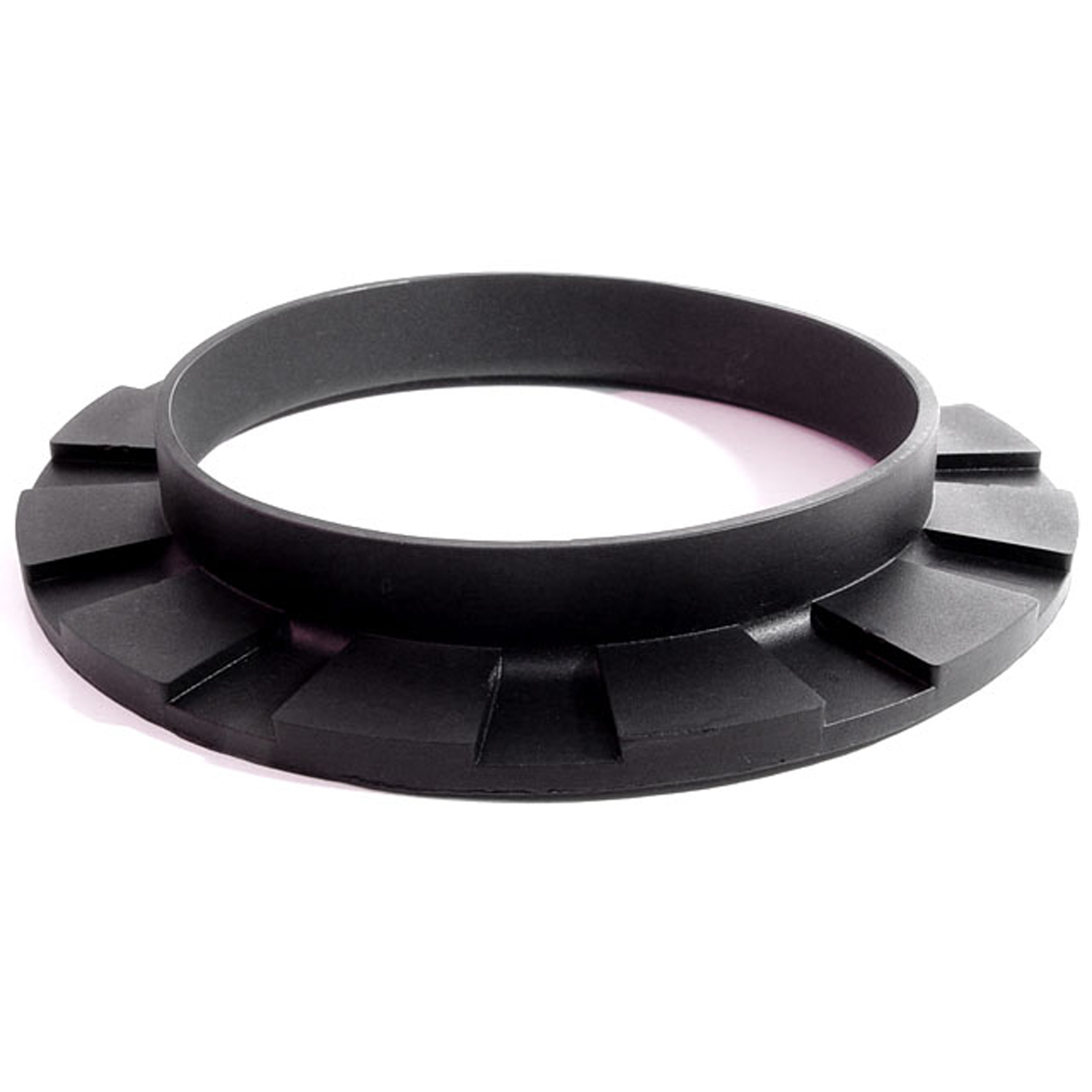 1978 Buick Century Front coil-spring insulator-BN 110Front coil-spring insulator. Fits '41-'60 Oldsmobile and '50-'83 GM passenger models. 5-3/8 in. OD x 3-3/4 in. ID x 3/4 in. high with 13/16 in. wide bottom flange 1/4" thick, 12 flutes. Each.
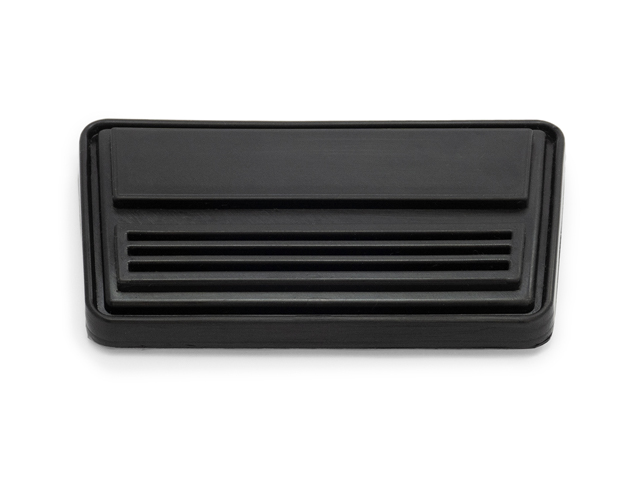 1978 Buick Century Automatic brake pedal pad fits '78-88 GM A, Spec A, G Body-CB 101-DCB 101-D replaces the automatic brake pedal pad on many 1978-1988 General Motors A, Spec A and G body models. Also fits many 1982-1991 GM J, L, N and P body models. 4-1/2" wide X 2-1/2" long. Each
 1978 Buick Century Hood and cowl seal-CS 13-GHood and cowl seal. Fits '78-'88 GM A-body, A-Special (A-SPEC) and G-body 2-door hardtop coupes with rear wheel drive (RWD). Dual-durometer extrusion with flexible metal core. Easy to install; fits over pinchweld. Replaces OEM# 20255857 and 25505704. Made in the USA. Each.
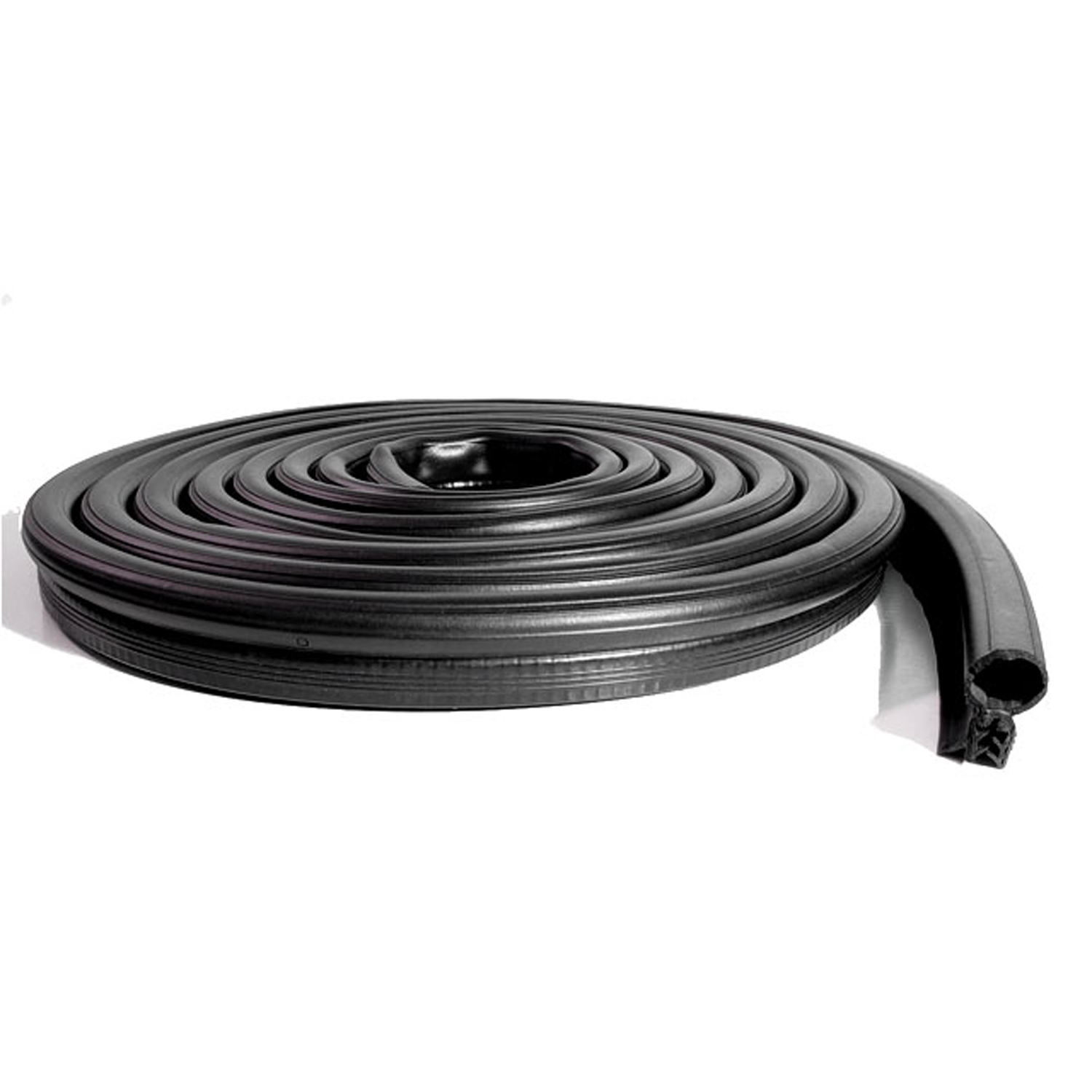 1978 Buick Century Trunk Seal (Imported). Made with steel cores-IS-MW00101Trunk Seal (Imported). Made with steel cores. 1-3/8" X 3/4" X 17'. Each
 1978 Buick Century Molded Door Seals. 2-Door Coupe-LM 16-JEMolded Door Seals. 2-Door Coupe. Replaces OEM part numbers 20008188/9. Pair. R&L.
 1978 Buick Century Lower Door Sill Seal, 78-88 GM G Body 2 Doors, Pair-LM 16-JSLower Door Sill Seal, 78-88 GM G Body 2 Doors, Pair. Replaces OEM # 20376226. These seals fit in between the panel and the lower part of the doors.
 1978 Buick Century Front molded door seals. For 4-door sedan and wagon-LM 16-SFront molded door seals. For 4-door sedan and wagon. Replaces OEM#'s 20008186/7. Pair. R&L.
 1978 Buick Century Rear molded door seals-LM 16-S/RRear molded door seals. Fits 4-door sedan only (except Ciera). Replaces OEM#'s 20008190/1. Pair. R&L.
 1978 Buick Century Rear molded door seals. Fits 4-door wagon only, with RWD-LM 16-S/WRear molded door seals. Fits 4-door wagon only, with RWD. Pair. R&L.
 1978 Buick Century Trunk Liner. Loose weave, jet black. 50" wide-M 30Trunk Liner. Loose weave, jet black. 50" wide. Sold by the foot
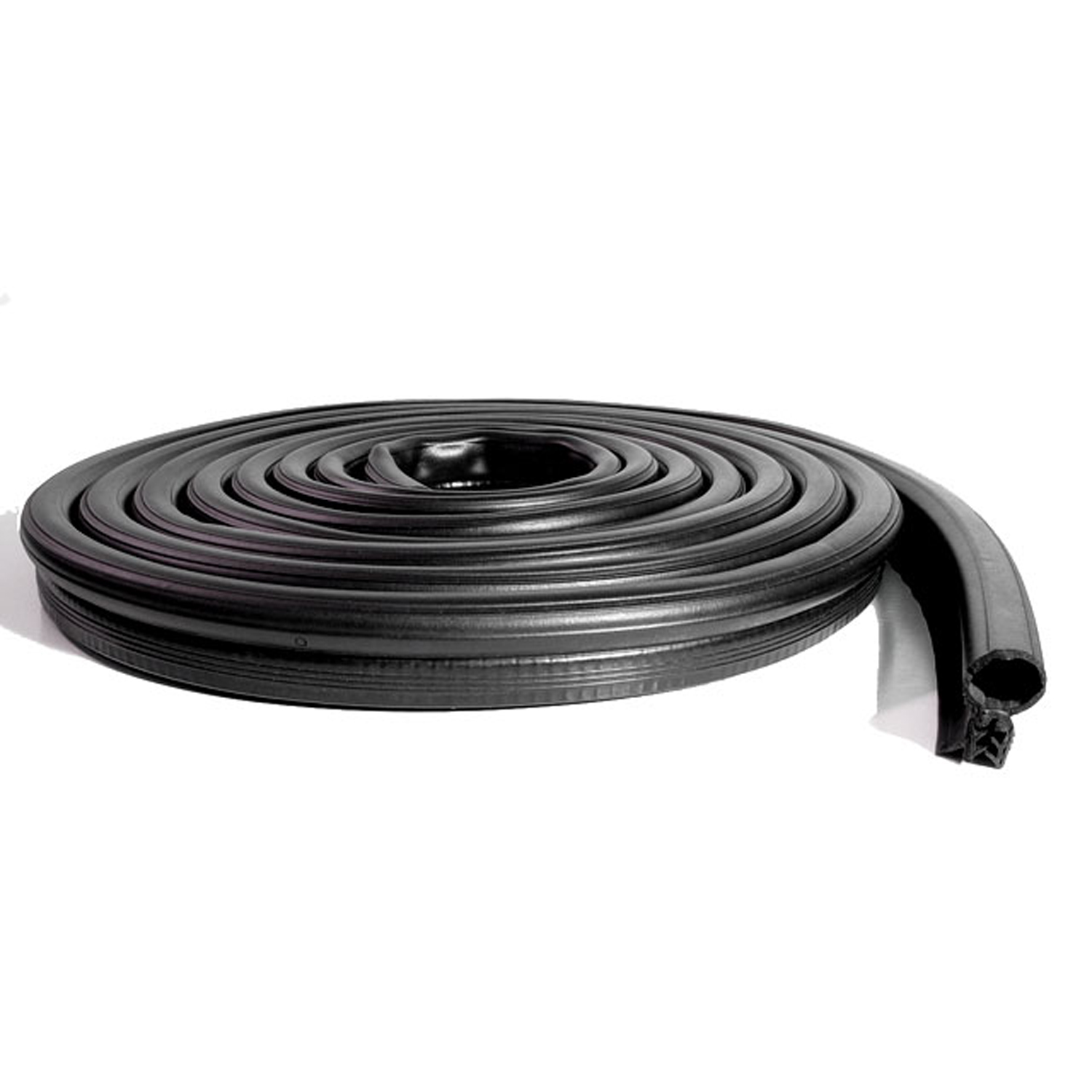 1978 Buick Century Trunk seal-MW00101Trunk seal. Also replaces '75-'79 Buick Skylark hatchback seal. Made with steel cores. 1-3/8 in. x 3/4 in. x 17 ft. L. Each.
 1978 Buick Century Basic kit. ’78-’80 Buick Century 2-door coupe-RKB 1900-100Basic kit. '78-'80 Buick Century 2-door coupe. Door (LM 16-JE), roof-rail (RR 5020) and trunk (MW00101) seals. 5-piece set.
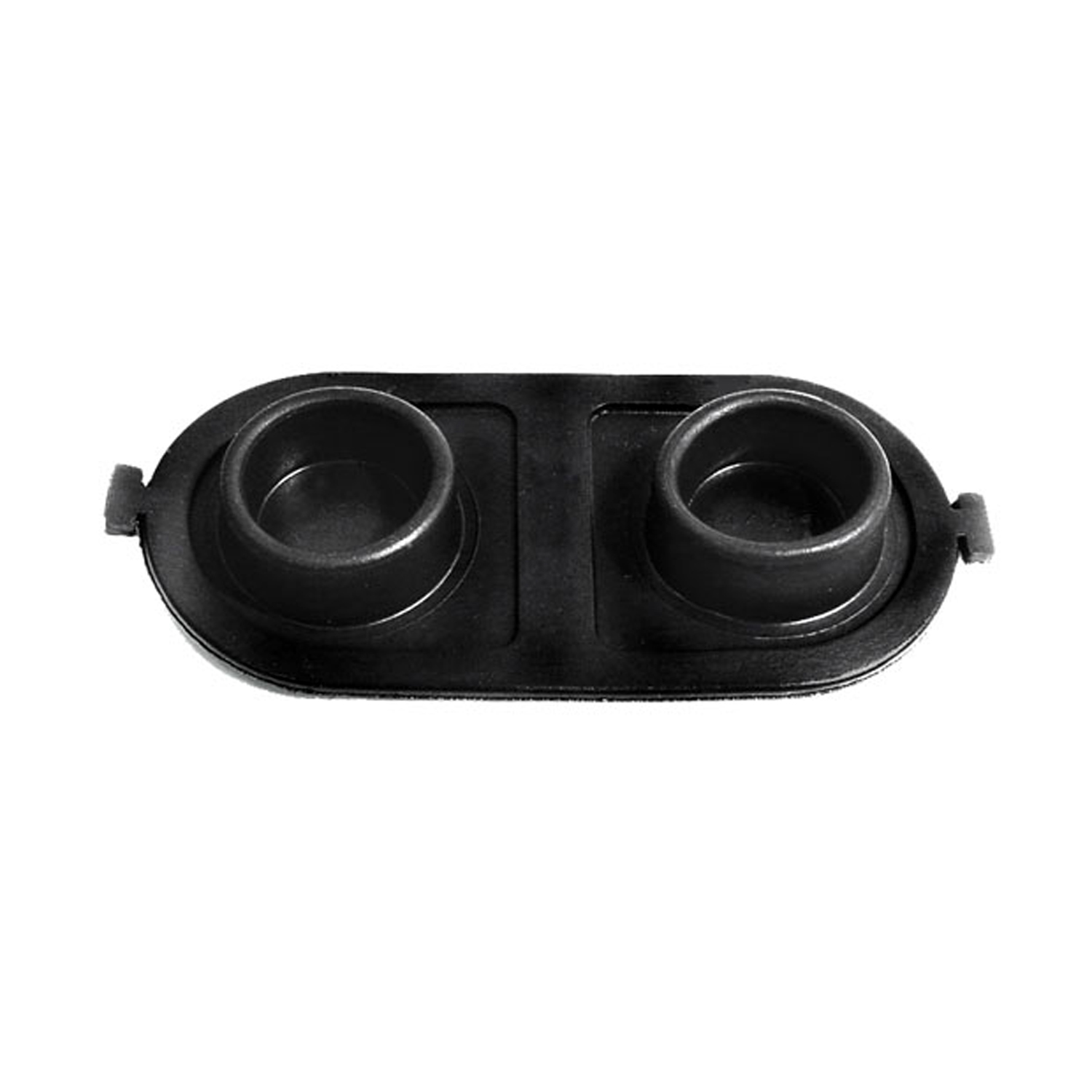 1978 Buick Century Brake Master Cylinder Cover Seal. Replaces OEM #5470861-RP 2-EBrake Master Cylinder Cover Seal. Replaces OEM #5470861. 5" X 2-1/2". Each
 1978 Buick Century Molded roof-rail seals. 2-door hardtop-RR 5020Molded roof-rail seals. 2-door hardtop. Replaces OEM#'s 20154101/2. Pair. R&L.
 1978 Buick Century Glove Box Bumper. Each-SB 78-AGlove Box Bumper. Each
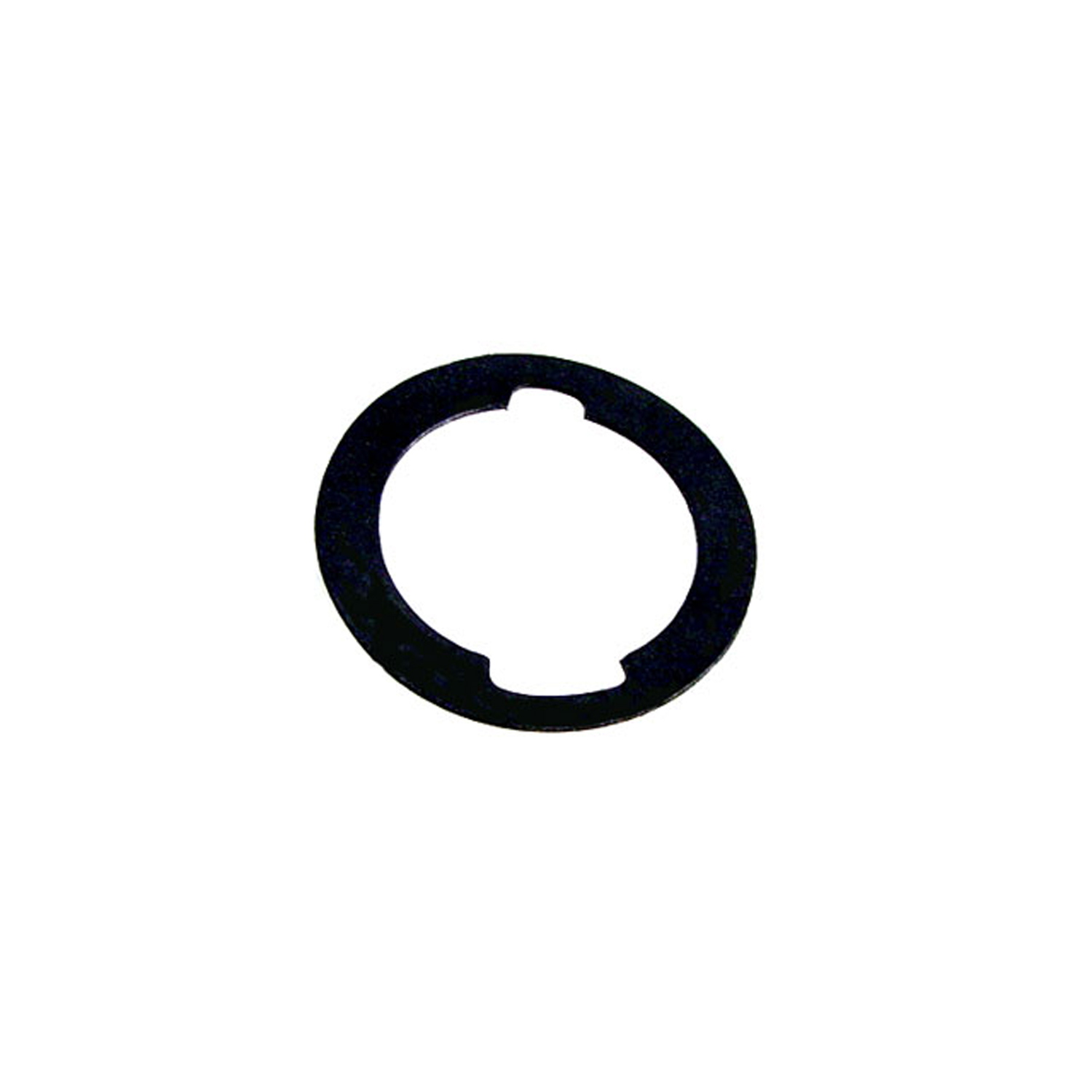 1978 Buick Century Unbeaded Door and Trunk Lock Gasket. 1-3/16" O.D., 7/8" I.D-UM 1600-100Unbeaded Door and Trunk Lock Gasket. 1-3/16" O.D., 7/8" I.D. Each
 1978 Buick Century Rear Quarter Window Molding Clip. Made of steel-WF 204Rear Quarter Window Molding Clip. Made of steel. 3/4" x 1-3/8". Each
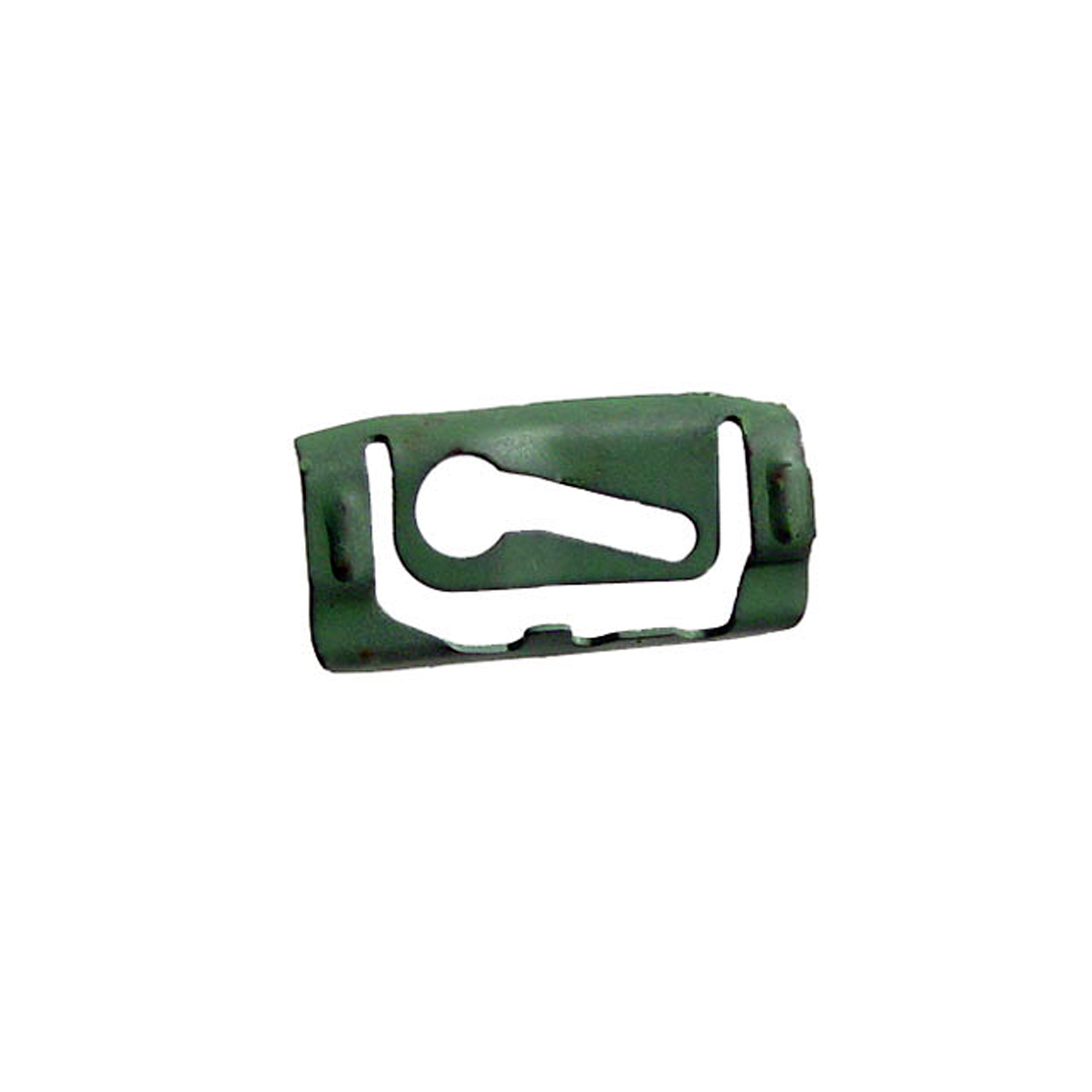 1978 Buick Century Quarter Window Reveal Molding Clip. Made of Steel-WF 205Quarter Window Reveal Molding Clip. Made of Steel. 1-3/8" X 11/16". Each
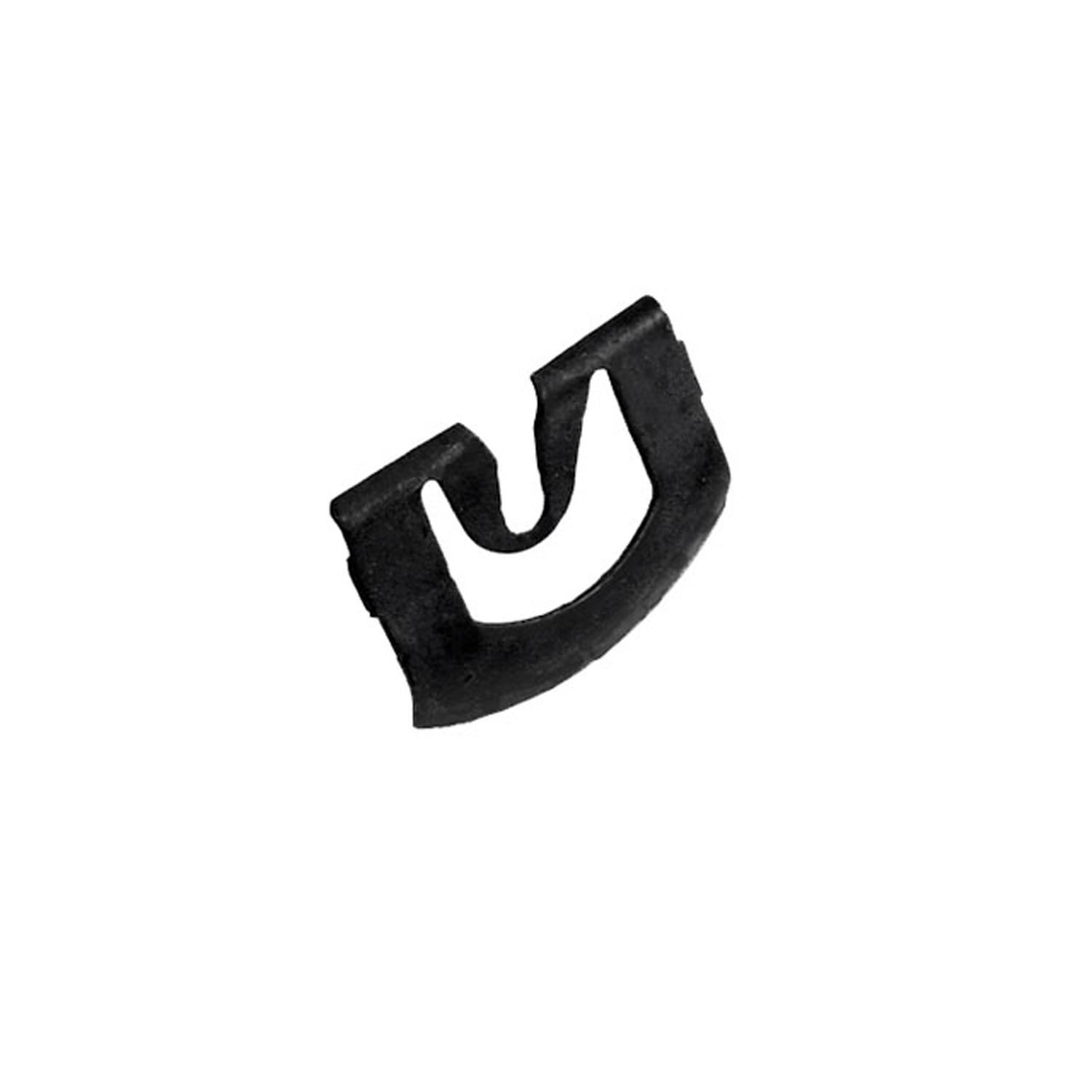 1978 Buick Century Windshield Reveal Molding Clip. Made of steel. 13/16" x 1"-WF 209Windshield Reveal Molding Clip. Made of steel. 13/16" x 1". Each
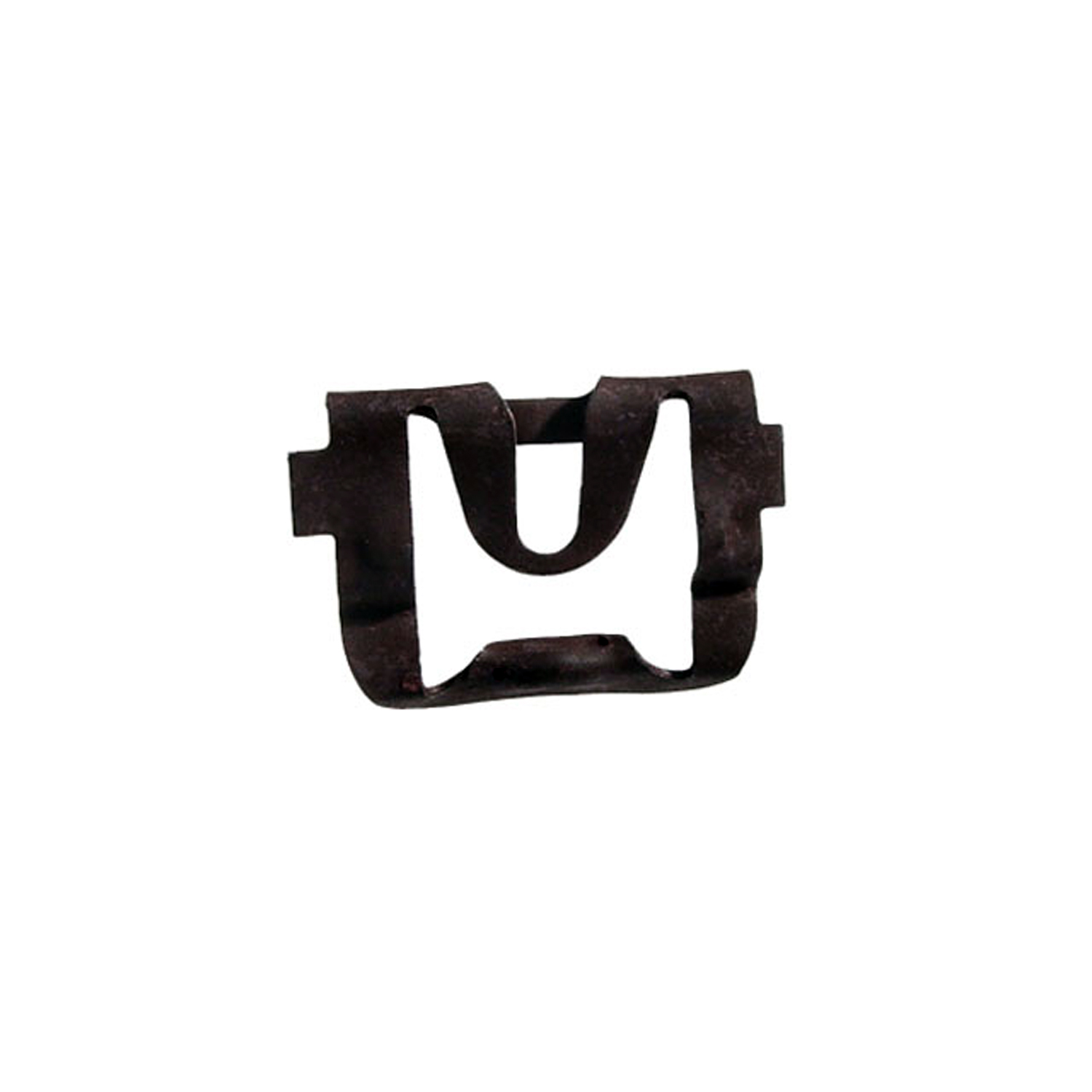 1978 Buick Century Rear Windshield Reveal Molding Clip. Made of steel-WF 211Rear Windshield Reveal Molding Clip. Made of steel. 15/16" X 3/4". Each
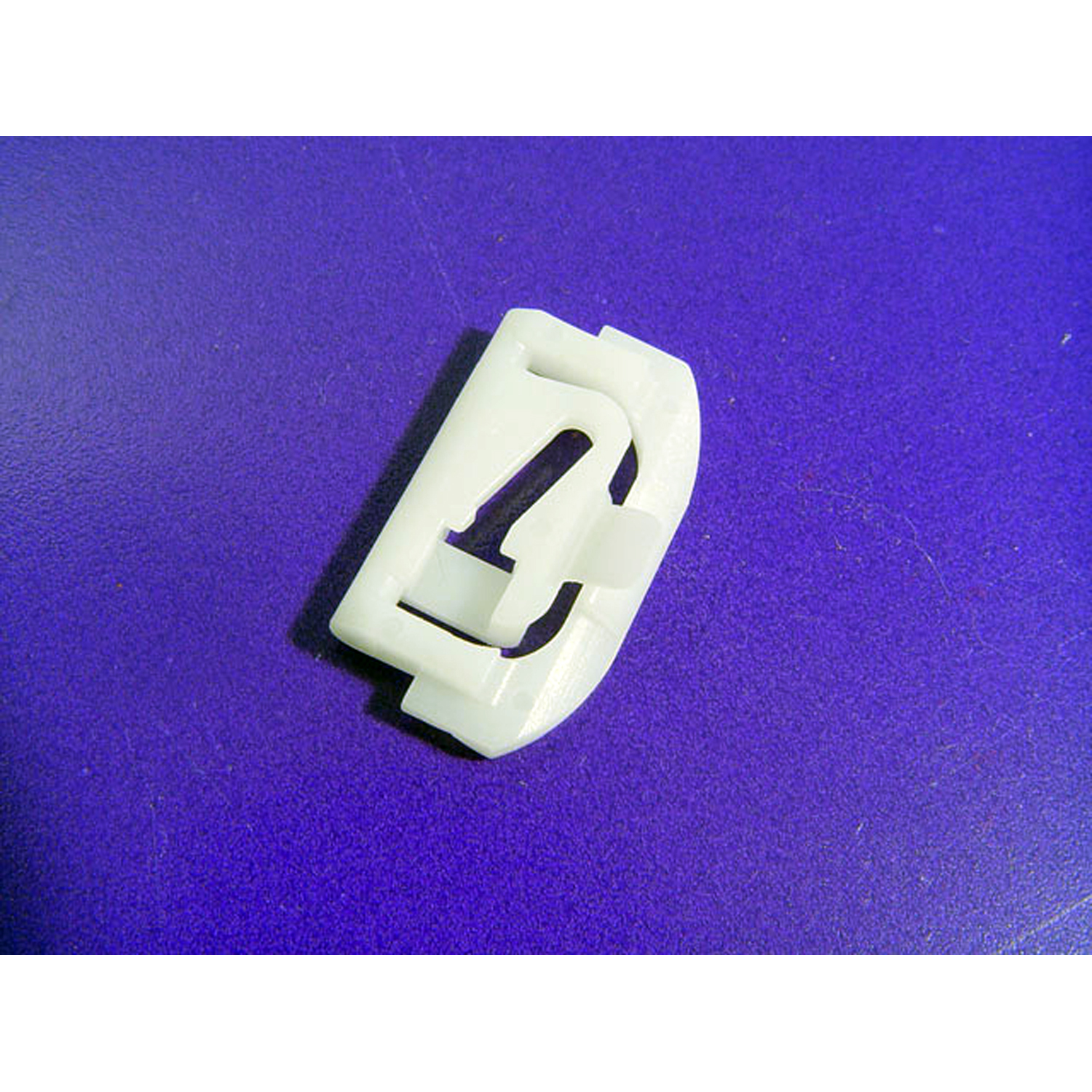 1978 Buick Century Lower Side Window Reveal Molding Clip. Made of nylon-WF 214Lower Side Window Reveal Molding Clip. Made of nylon. 1-1/4" x 3/4". Each
Why Choose Metro?
For over 100 years, Metro Moulded Parts has been the pinnacle of quality in classic car restoration parts. Our commitment to precision and authenticity in every component ensures a perfect fit and an OEM-level appearance.
- Expert Craftsmanship & Quality: Each part is a testament to our dedication to reliability and perfection, crafted from original designs and thoroughly tested.
- Advanced Technology: We use cutting-edge techniques to create flawless, long-lasting parts that surpass others in performance.
- SuperSoft Sponge – The Ultimate Door Seal: Not only are our door seals 30% softer than competitors', but they're also guaranteed to never leak. They effectively reduce wind and road noise, enhancing your classic car's comfort and driving experience.
- Proudly American: Our parts are a product of American craftsmanship, made in the USA with a spirit of excellence and heritage.
- Unrivaled Warranty: We back our products with a 30-year industry-leading warranty, a testament to our confidence in their quality.
Join us in preserving the legacy of classic cars with parts that are crafted for perfection, not just made.