

Image of 1978 Buick Opel, Note: These illustrations use artistic license and may differ from actual historical models.
Performance Metrics
Fundamental Metrics
Emotional Appeal
MMP Rating
| Engine Specifications | Performance Specifications | Transmission and Drive | Fuel and Efficiency | Dimensions and Brakes | |||||
|---|---|---|---|---|---|---|---|---|---|
|
Engine Options: Inline 4 Displacement Range: 1.9L Horsepower Range: 90 HP Torque: 112 lb-ft Compression Ratio: 8.5:1 Ignition System: Electronic Cooling System: Water-cooled |
0-60 Time: 12 seconds 1/4 Mile Time: 18 seconds Top Speed: 105 mph |
Drive Type: RWD Transmission Type: 4-speed manual |
Fuel System Type: Carburetor MPG: 25 MPG |
Brakes: Disc front, drum rear Wheelbase: 95.7 inches Weight: 2,200 lbs |
|||||
Note: Specifications for classic cars are given to the best of our ability, considering the limited and variant data available.
1978 Buick Opel: The Japanese-Built Subcompact Sold by Buick
The 1978 Buick Opel is a small car with a split personality: it wore a European-sounding name, carried a Buick sales badge, and was built in Japan by Isuzu. Officially marketed in the United States as the Opel by Isuzu, it offered American buyers a compact, rear-wheel-drive alternative at a time when fuel economy and manageable size mattered more than ever.
That distinction is important. Earlier Buick-imported Opels were products of the German automaker Opel. By 1976, however, Buick had turned to Isuzu’s Gemini, a Japanese-built compact developed within General Motors’ global T-car family. The 1978 model was therefore not a German Opel, but it retained the Opel name to give Buick dealers a small import to sell alongside their larger American cars.
The timing was no accident. The oil crisis of the 1970s had pushed shoppers toward economical imports, and GM wanted its dealers to have a credible answer to compact offerings from Toyota, Datsun, and Volkswagen. The Buick Opel was a modest car, but its unusual brand-and-country-of-origin mix makes it an intriguing chapter in GM’s international history.
Compact Styling and Practical Cabin
The 1978 Buick Opel had tidy, upright proportions rather than the dramatic curves of a European sports coupe. Its short hood, squared-off roofline, slim body, and relatively large glass area gave it a practical, easy-to-place look. Simple trim and modest bumpers suited the period, while the compact footprint made parking and urban maneuvering straightforward.
In the cabin, function took priority over luxury. The dashboard was uncomplicated, the controls were arranged for easy reach, and the seating and trim were appropriate to an economy car rather than a premium Buick. Buyers could expect durable materials and straightforward appointments, not acres of plush carpeting or elaborate wood trim. A well-kept example can feel charmingly honest today, though age often reveals worn upholstery, cracked plastics, or tired interior fittings.
Equipment depended on the specific car and its options. The Opel’s appeal was its basic usability: conventional gauges, familiar controls, and a mechanical layout that did not require a specialist just to understand. Period colors varied by model year and trim. Like many cars of the era, it was offered in a mix of restrained neutrals and brighter paint shades, with white, silver, and earth tones fitting the compact’s practical character. Original paint codes and trim details are worth checking on any survivor, since repainting can make a car’s history difficult to read.
The most common body styles were two-door and four-door sedans. The two-door had a slightly sportier profile, while the four-door was the more practical choice for families or regular passengers. Neither was a performance model in the modern sense, but the sedan format made the Opel more useful than a tiny two-seat import.
What Made the Buick Opel Significant?
The Buick Opel’s significance lies less in a single breakthrough than in what it represented. GM was increasingly relying on international engineering and production to respond to changing customer needs. The car connected a Japanese-built Isuzu with Buick’s U.S. dealer network and an Opel name familiar to American buyers from earlier imports.
It also belonged to the broader GM T-car story. The T-car platform was used in several markets and adapted for different brands, illustrating how manufacturers could share basic engineering while tailoring cars for local customers. The Buick Opel was not identical to every other T-car, but it reflected the period’s growing emphasis on global platforms and economies of scale.
Compared with many American cars of the time, the Opel was smaller and less imposing. Compared with leading Japanese rivals, it had the advantage of Buick’s domestic dealer support, though the Buick association could also create confusion about where the car came from. Its blend of Japanese manufacturing, GM engineering connections, and a European brand name is precisely what makes it distinctive to collectors now.
Engine, Speed, and Road Manners
Power came from an Isuzu 1.8-liter overhead-cam four-cylinder engine. Period specifications can vary by source and market, but U.S. versions are generally listed at roughly 75 to 80 horsepower, with power sent to the rear wheels. A four-speed manual transmission was typical, and an automatic was available on some cars.
Expect modest performance by modern standards. Published figures are not consistent, and surviving cars may differ in tune and condition, but a reasonable estimate is a 0-to-60-mph time in the low-to-mid teens and a top speed around 90 mph. Those numbers describe an economy sedan, not a sports car. The Opel was built to commute efficiently, not to win a drag race.
On the road, its compact dimensions and relatively light weight help it feel nimble in town. The rear-wheel-drive layout gives the car a traditional mechanical character, while its modest power encourages smooth, anticipatory driving. On rough pavement, expect a firm, simple ride rather than the isolation of a larger Buick. On winding roads, the small footprint can make the car enjoyable at sensible speeds, but worn suspension parts, old tires, or loose steering components can quickly dull its handling.
The engine’s sound is a straightforward four-cylinder buzz, especially when asked to work hard. The driver stays involved through the manual gearbox, if fitted, and the uncomplicated controls. That directness is part of the appeal today: the car feels mechanical and approachable rather than insulated from the road.
Living With a 1978 Buick Opel
Most surviving examples are best suited to weekend drives, local shows, or careful occasional use. A sound Opel can still be driven regularly, but its age and the limited supply of model-specific parts make a thorough inspection essential before relying on one as daily transportation.
The basic mechanical layout is relatively simple, and many routine jobs are within reach of an experienced home mechanic. Brakes, ignition components, belts, hoses, and general service work are familiar territory. The main challenge is sourcing correct parts, particularly body trim, interior pieces, and components unique to the Opel-badged version. Some mechanical items may be shared with Isuzu or related GM applications, but compatibility should be verified by part number rather than assumed.
Before buying, inspect the body carefully for rust, especially around the lower panels, wheel arches, floor, and suspension mounting areas. Check for signs of poor collision repairs, confirm that the engine starts and runs cleanly, and test the transmission and brakes. Originality matters to collectors, but sound structure and a complete set of trim are often more valuable than a shiny paint job over hidden corrosion.
Little-Known Facts and Common Complaints
The car’s most memorable trivia is its identity: a Japanese Isuzu sold through Buick dealers under an Opel name. It is easy to mistake it for a German Opel, particularly because Buick had previously imported genuine Opels. The 1978 car belongs to a different chapter of that relationship.
There is no widely recognized speed, endurance, or sales record associated with the Buick Opel, and it is not especially famous for celebrity ownership or a major historical event. Its appeal is quieter: it documents how GM responded to the fuel-conscious market of the 1970s and how complicated automotive branding could become as companies shared platforms and worked across borders.
Common criticisms include modest acceleration, a basic cabin, and the difficulty of finding some parts today. It was also caught between categories. Buyers looking for Buick comfort could find it too small and plain, while import shoppers might prefer a Toyota or Datsun with a stronger reputation for economy-car consistency. For today’s enthusiast, however, those shortcomings are part of the car’s honest, unpretentious character.
Collector Value and Rarity
The 1978 Buick Opel is an uncommon sight, but exact U.S. production figures for this specific model year are not readily established in commonly available sources. A cautious estimate is that U.S. deliveries were in the several-thousand to low-tens-of-thousands range, rather than at the scale of a mass-market domestic bestseller. That is an informed estimate, not a verified factory production total. The number of surviving, original cars is likely much smaller.
As a general 2026 market guide, a project car or one needing significant work might sell for about $1,000 to $3,000. A running, presentable driver could fall around $3,000 to $6,000, while a clean, well-preserved example may bring roughly $6,000 to $9,000. Exceptional originality, a high-quality restoration, or unusually complete documentation could push a car higher, but buyers should not assume that restoration costs will be recovered at resale.
Values appear best described as niche and condition-dependent, rather than rapidly appreciating. The model’s rarity gives it conversation value, but its small enthusiast following limits demand compared with better-known Japanese classics. A straight, complete car with original details is likely to be more desirable over time than a heavily modified or incomplete project.
Why the 1978 Buick Opel Still Matters
The 1978 Buick Opel was a practical subcompact built for an era when fuel economy suddenly mattered, and it tells a fascinating story about GM’s expanding international reach. Japanese-built, sold by Buick, and named for Opel, it combined three automotive identities in one modest sedan.
It will not be remembered for blistering speed or lavish comfort. Its lasting interest comes from its unusual origins, simple mechanical character, and place in the shift toward global carmaking. For collectors who appreciate the overlooked corners of automotive history, the Buick Opel is a small car with a surprisingly big story.
1978 Buick Opel Catalog of Parts
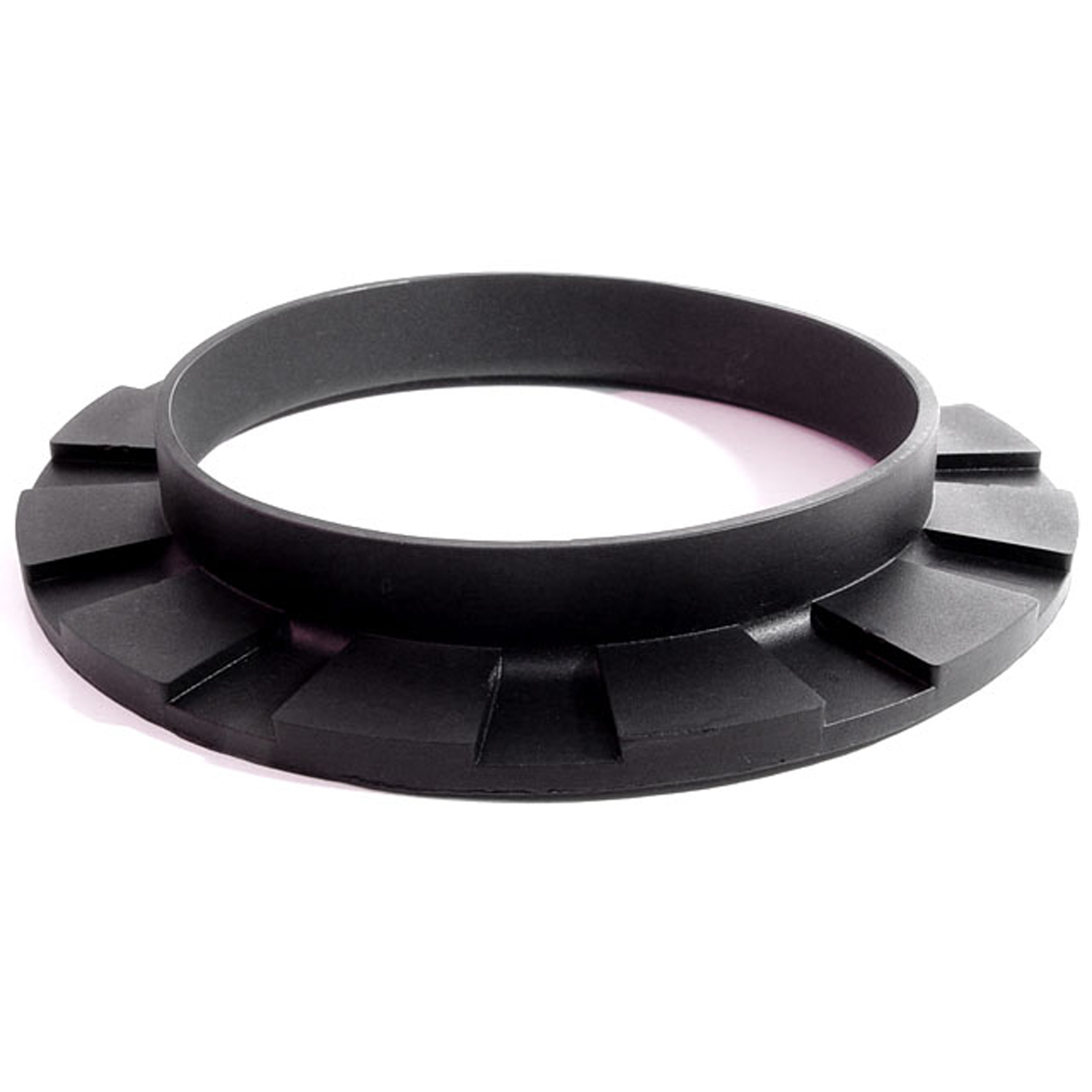 1978 Buick Opel Front coil-spring insulator-BN 110Front coil-spring insulator. Fits '41-'60 Oldsmobile and '50-'83 GM passenger models. 5-3/8 in. OD x 3-3/4 in. ID x 3/4 in. high with 13/16 in. wide bottom flange 1/4" thick, 12 flutes. Each.
 1978 Buick Opel Front Stabilizer End Repair Kit-BNK 23Front Stabilizer End Repair Kit. 22-piece set for two stabilizer bars. Contains all rubber bushings, washers, bolts and nuts, enough for one front end. Set
 1978 Buick Opel Trunk Liner. Loose weave, jet black. 50" wide-M 30Trunk Liner. Loose weave, jet black. 50" wide. Sold by the foot
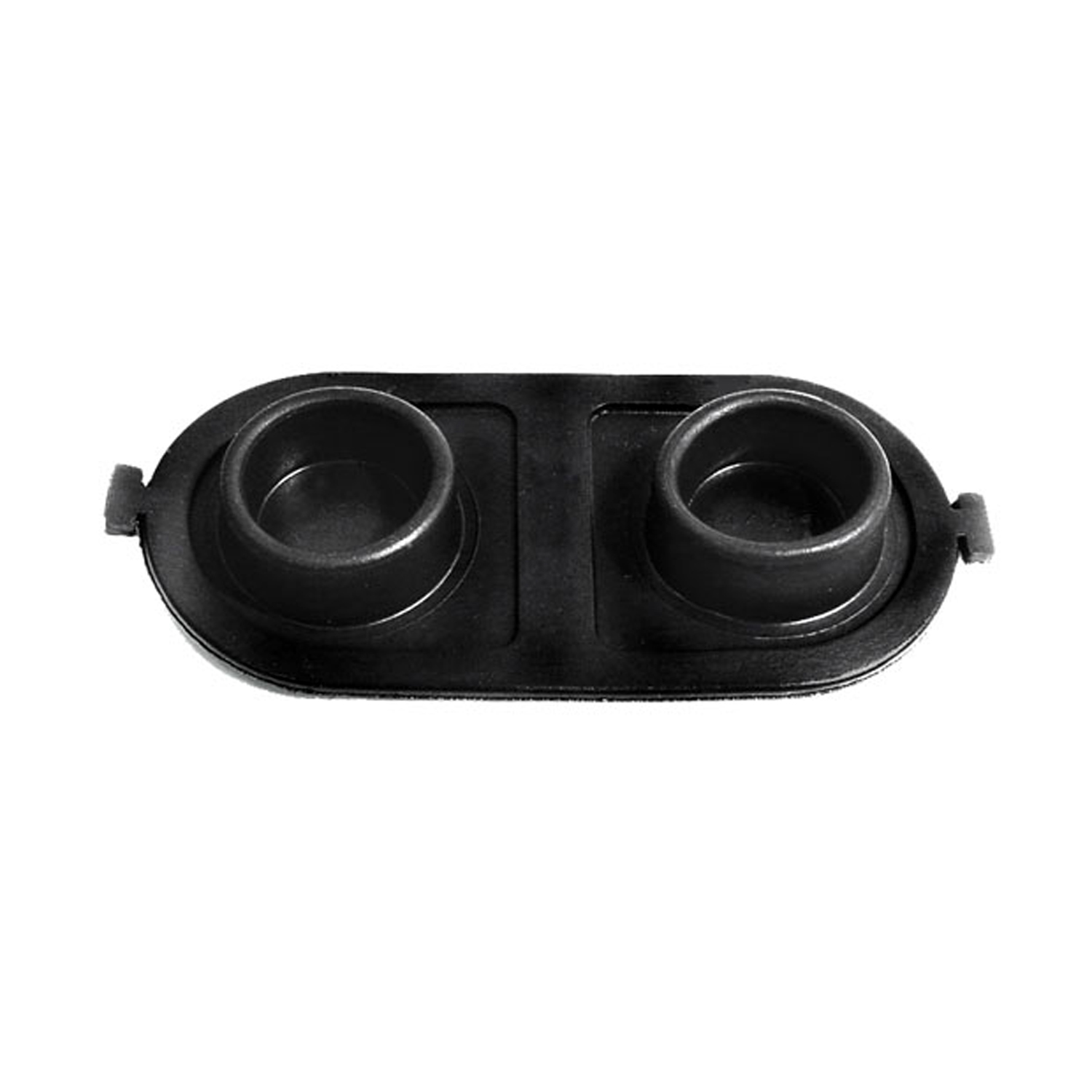 1978 Buick Opel Brake Master Cylinder Cover Seal. Replaces OEM #5470861-RP 2-EBrake Master Cylinder Cover Seal. Replaces OEM #5470861. 5" X 2-1/2". Each
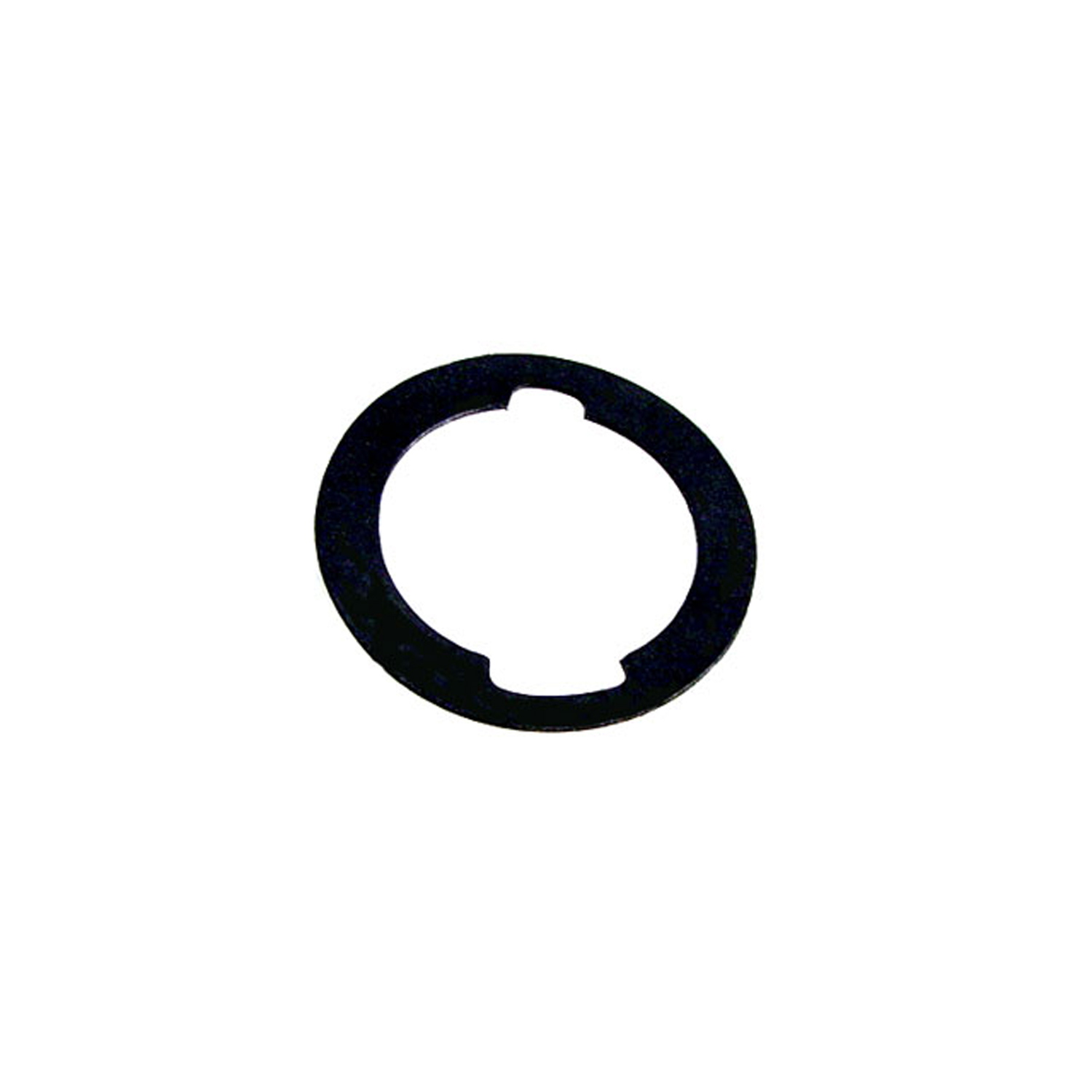 1978 Buick Opel Unbeaded Door and Trunk Lock Gasket. 1-3/16" O.D., 7/8" I.D-UM 1600-100Unbeaded Door and Trunk Lock Gasket. 1-3/16" O.D., 7/8" I.D. Each
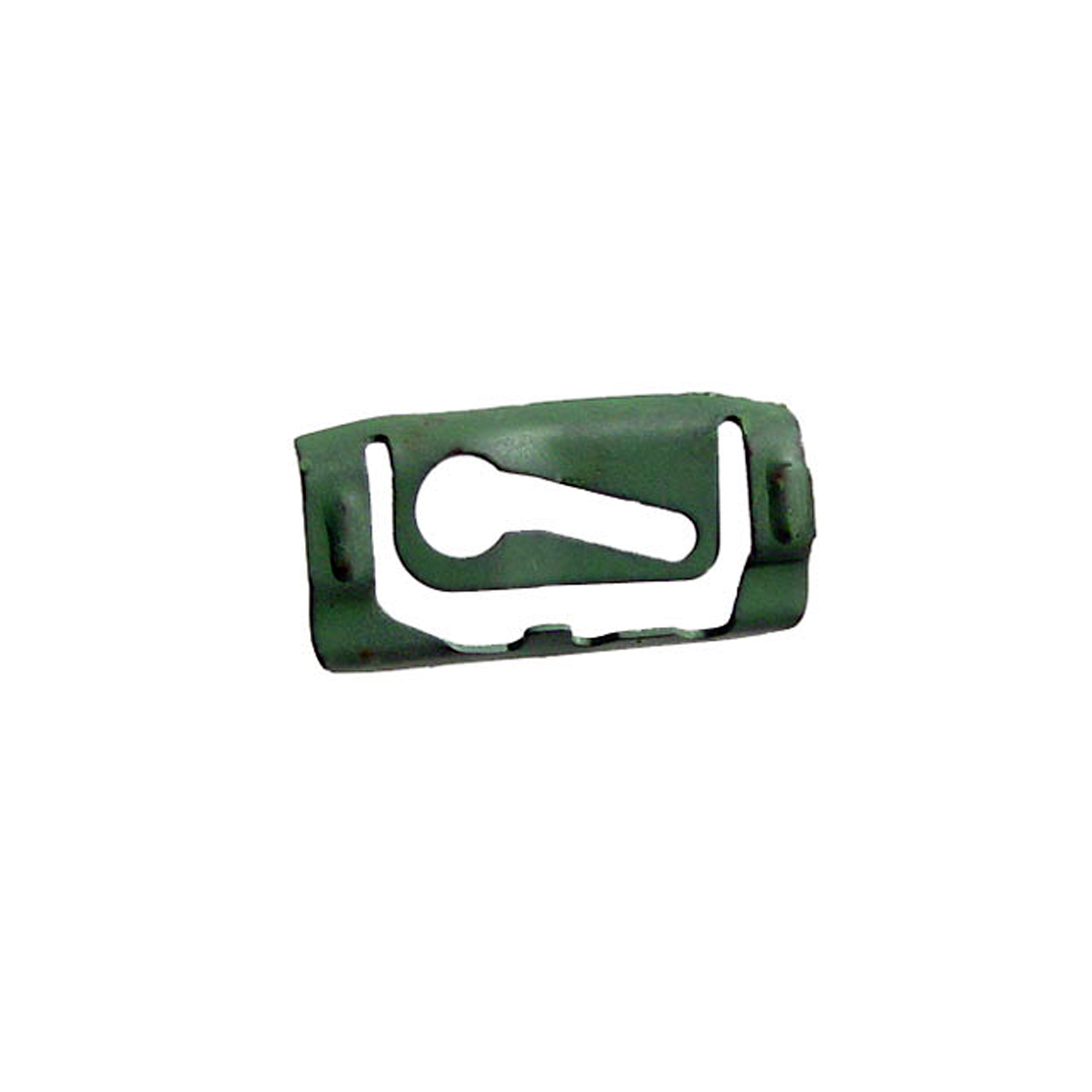 1978 Buick Opel Quarter Window Reveal Molding Clip. Made of Steel-WF 205Quarter Window Reveal Molding Clip. Made of Steel. 1-3/8" X 11/16". Each
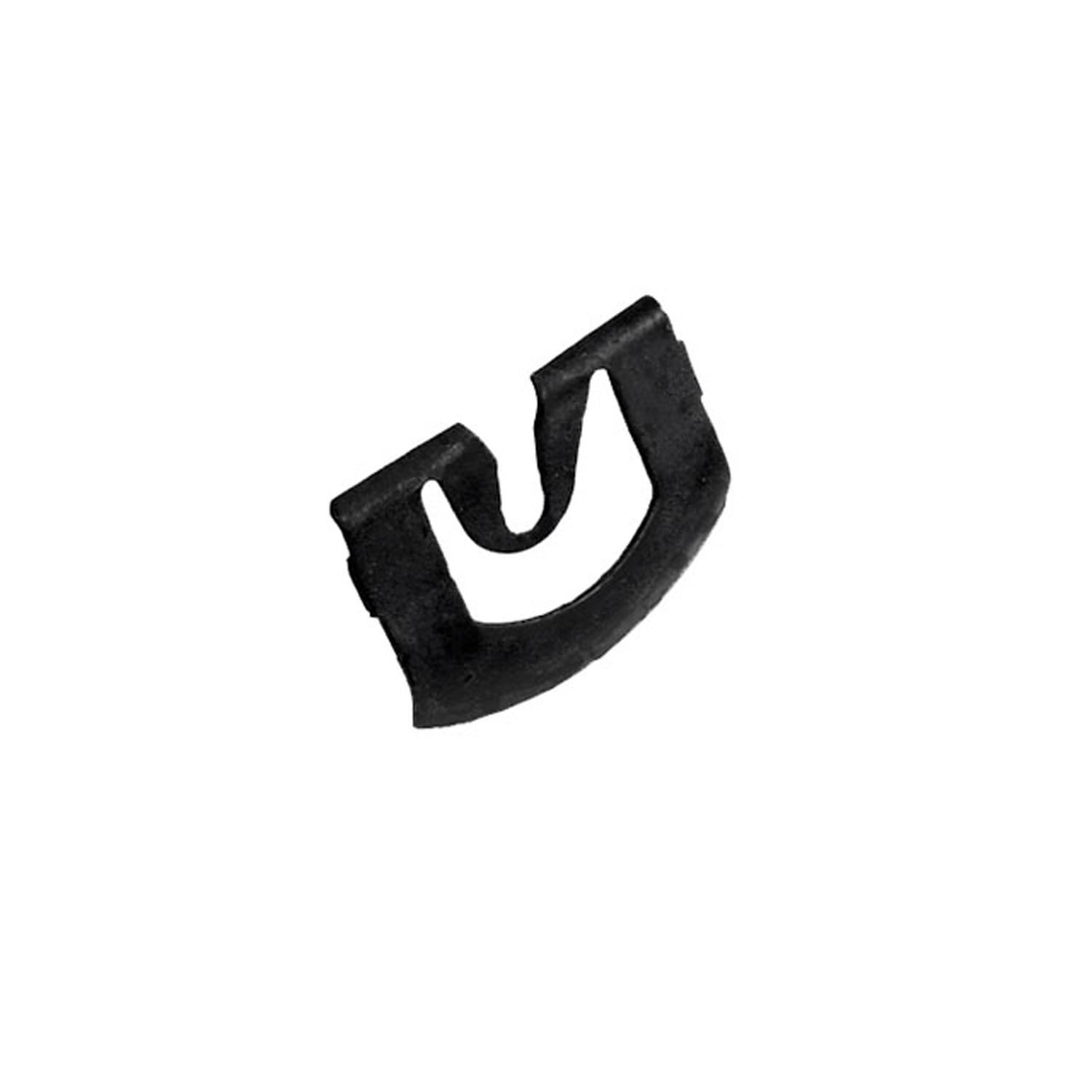 1978 Buick Opel Windshield Reveal Molding Clip. Made of steel. 13/16" x 1"-WF 209Windshield Reveal Molding Clip. Made of steel. 13/16" x 1". Each
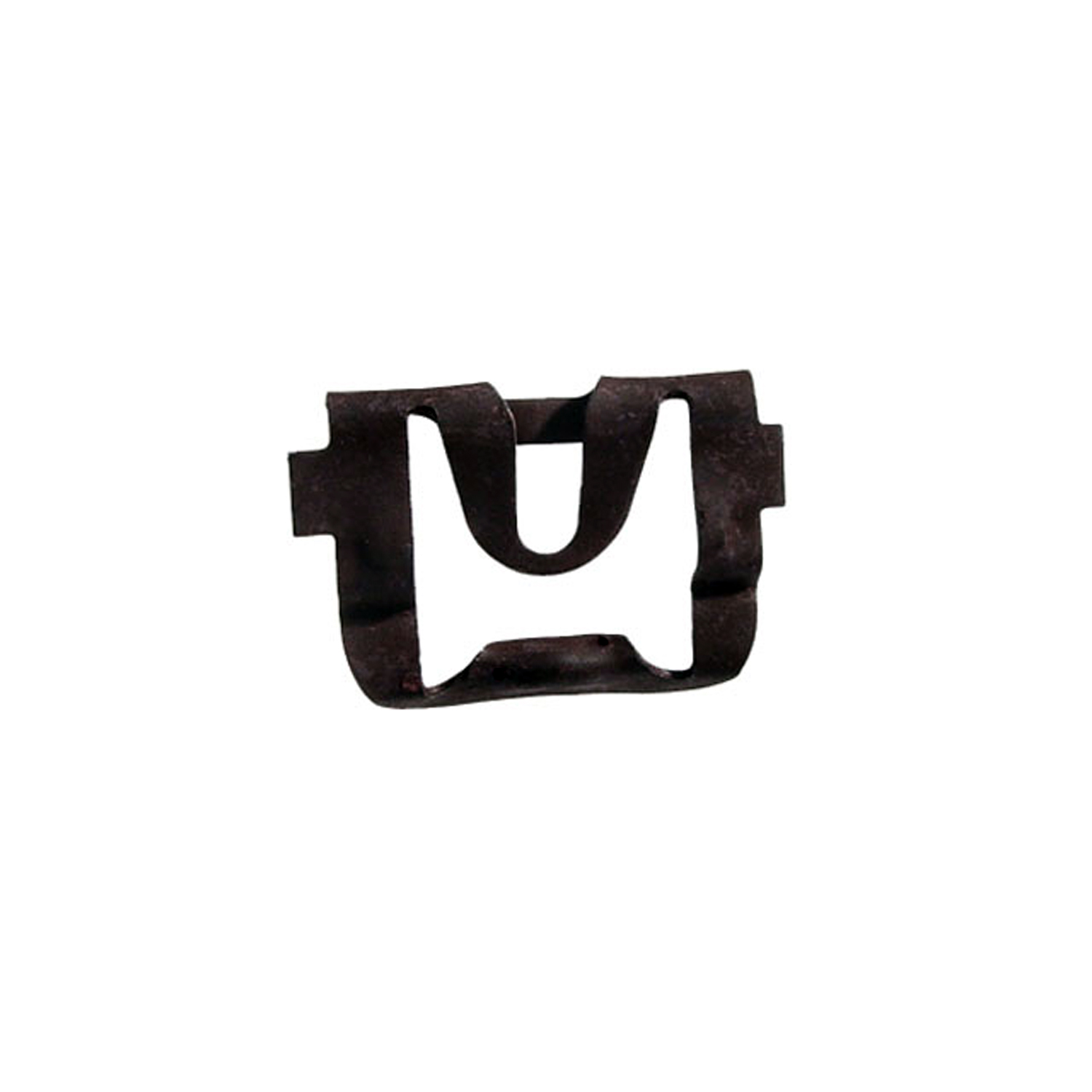 1978 Buick Opel Rear Windshield Reveal Molding Clip. Made of steel-WF 211Rear Windshield Reveal Molding Clip. Made of steel. 15/16" X 3/4". Each
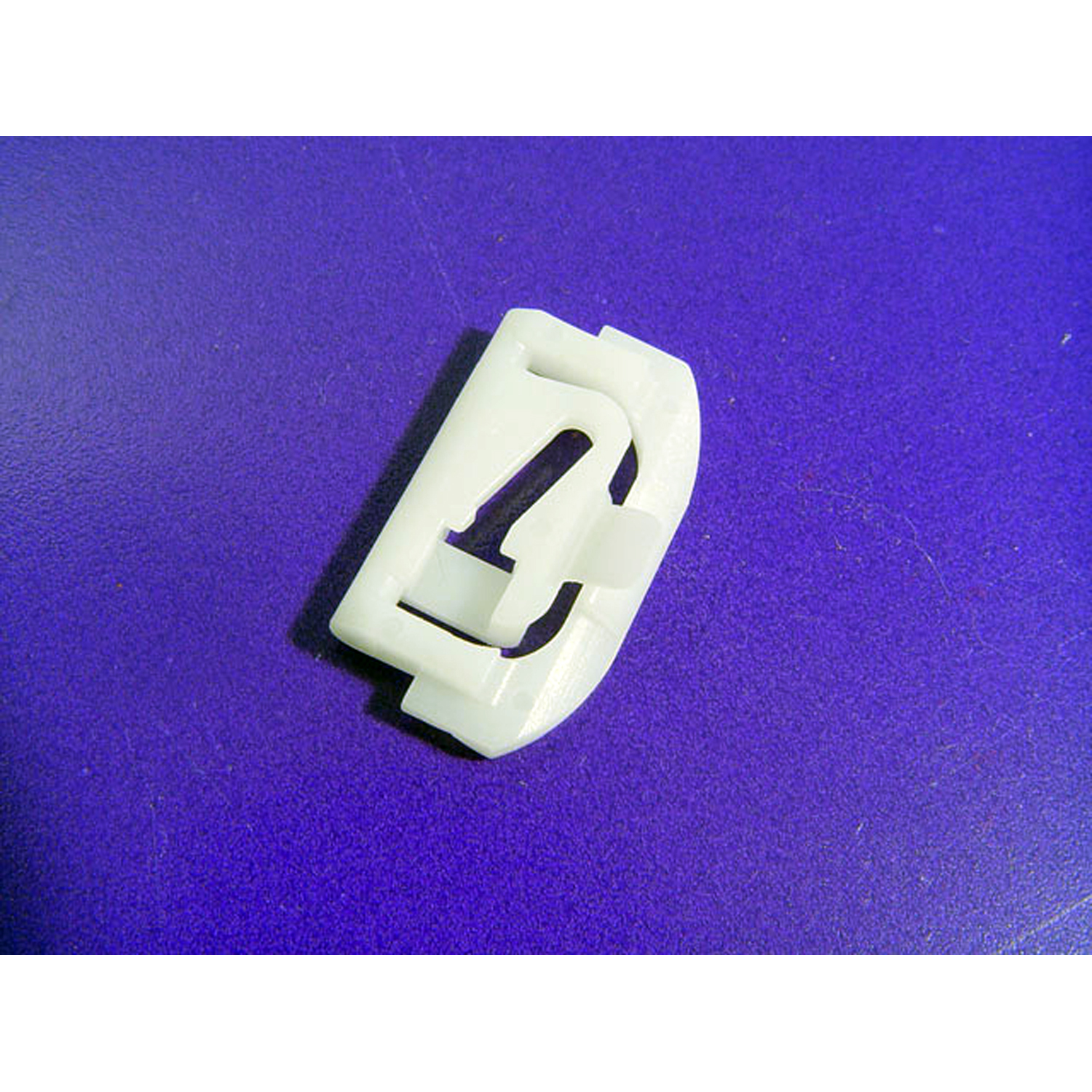 1978 Buick Opel Lower Side Window Reveal Molding Clip. Made of nylon-WF 214Lower Side Window Reveal Molding Clip. Made of nylon. 1-1/4" x 3/4". Each
Why Choose Metro?
For over 100 years, Metro Moulded Parts has been the pinnacle of quality in classic car restoration parts. Our commitment to precision and authenticity in every component ensures a perfect fit and an OEM-level appearance.
- Expert Craftsmanship & Quality: Each part is a testament to our dedication to reliability and perfection, crafted from original designs and thoroughly tested.
- Advanced Technology: We use cutting-edge techniques to create flawless, long-lasting parts that surpass others in performance.
- SuperSoft Sponge – The Ultimate Door Seal: Not only are our door seals 30% softer than competitors', but they're also guaranteed to never leak. They effectively reduce wind and road noise, enhancing your classic car's comfort and driving experience.
- Proudly American: Our parts are a product of American craftsmanship, made in the USA with a spirit of excellence and heritage.
- Unrivaled Warranty: We back our products with a 30-year industry-leading warranty, a testament to our confidence in their quality.
Join us in preserving the legacy of classic cars with parts that are crafted for perfection, not just made.