

Image of 1979 Buick Century, Note: These illustrations use artistic license and may differ from actual historical models.
Performance Metrics
Fundamental Metrics
Emotional Appeal
MMP Rating
| Engine Specifications | |
|---|---|
| Engine Options: | 3.2L V6, 5.0L V8 |
| Displacement Range: | 196-305 cu in |
| Horsepower Range: | 90-155 hp |
| Torque: | 125-245 lb-ft |
| Compression Ratio: | 8.0:1 (V6), 8.4:1 (V8) |
| Ignition System: | Electronic Ignition |
| Cooling System: | Liquid-cooled |
| Performance Specifications | |
| 0-60 Time: | 11-13 seconds |
| 1/4 Mile Time: | 18-20 seconds |
| Top Speed: | 105-110 mph |
| Transmission and Drive | |
| Drive Type: | Rear-wheel drive |
| Transmission Type: | 3-speed automatic, 4-speed manual |
| Fuel and Efficiency | |
| Fuel System Type: | Carburetor |
| MPG: | 15-20 mpg |
| Dimensions and Brakes | |
| Brakes: | Front disc, rear drum |
| Wheelbase: | 108.1 inches |
| Weight: | 3,200-3,600 lbs |
Note: Specifications for classic cars are given to the best of our ability, considering the limited and variant data available.
1979 Buick Century: A Classic from Buick’s Downsizing Era
The 1979 Buick Century brought a familiar name into a new era: it was a smaller, lighter Buick with traditional rear-wheel drive, comfortable American-car manners, and an unexpected performance star in its lineup. Built by Buick, a division of General Motors, the Century sat in the midsize market, offering a more substantial feel than a compact without the bulk of the full-size cars it replaced.
The Century name had a notably fast beginning. Buick introduced it in 1936 for cars combining the smaller Special body with the powerful Roadmaster engine, and the early models earned a reputation for speed. The 1979 car was a very different machine, shaped by fuel-economy demands and changing regulations. Its standout chapter was the Century Turbo Coupe, a turbocharged V6 model that served as the pace car for the 1979 Indianapolis 500.
Century Styling and Interior
The 1979 Century wore the clean, squared-off look common to late-1970s American cars, but its proportions were more compact than those of its predecessors. A broad grille, rectangular headlamps, crisp body creases, and restrained chrome trim gave it a formal Buick character. The coupe’s roofline added a sportier profile, while the sedan looked more upright and conventional. The overall design favored neat lines and a substantial stance over flamboyant ornament.
Inside, the Century prioritized comfort and familiar controls. Depending on trim and options, buyers could find cloth or vinyl upholstery, velour-style seat coverings, woodgrain-look accents, and more elaborate door and dashboard trim. The front bench seat was a popular choice for buyers who valued room for three, while bucket seats and a console gave some coupes a sportier feel. Air conditioning, power steering, power brakes, cruise control, an AM/FM radio, and a rear-window defogger were among the available conveniences. Equipment varied by trim and individual car.
Color choices followed the period’s mix of subdued metallics and richer tones, including shades of blue, green, brown, red, silver, and white, with interior colors coordinated to the exterior. Exact paint names and availability depended on body style and trim. Neutral colors and dark blues were natural fits for the Century’s understated image, while the Turbo Coupe’s special appearance made its distinctive graphics and contrasting trim especially memorable.
Buyers could choose a two-door coupe, four-door sedan, or station wagon. The coupe offered the most personal and sporty look; the sedan suited family and everyday use, and the wagon added cargo capacity. The most distinctive version was the Century Turbo Coupe, a limited-production performance model that combined the practical Century shape with turbocharged power and special detailing.
Why the 1979 Century Mattered
The Century belonged to GM’s newly downsized A-body generation, introduced for 1978. Buick and its corporate siblings reduced exterior dimensions and weight while retaining rear-wheel drive and a conventional front-engine layout. The result was a car better suited to a period of high fuel prices and tighter emissions requirements, but one that still offered the familiar ride and driving position many American buyers expected.
That approach set the Century apart from a growing number of smaller front-wheel-drive cars. It delivered a traditional midsize-car experience in a more manageable package, and it shared its basic architecture with related GM models such as the Chevrolet Malibu, Oldsmobile Cutlass, and Pontiac LeMans. The Century did not revolutionize the industry, but it showed how an established American brand could adapt a familiar formula to new economic realities.
The Turbo Coupe added another kind of significance. Buick was exploring turbocharging as a way to extract stronger performance from a relatively small engine, an idea that would become closely associated with the brand in the following decade. The 1979 car was an early, street-going expression of that strategy, rather than simply a cosmetic sport package.
Engines, Speed, and Road Manners
Engine availability varied with body style and equipment. The 3.8-liter Buick V6 was a common choice, while V8 and diesel V8 options were available in parts of the lineup. The headline engine was the Turbo Coupe’s turbocharged 3.8-liter V6. Output figures differ among references and configurations, but the turbo model is generally reported at about 175 horsepower, with strong low- and mid-range torque for its time. Most Century models used an automatic transmission, though availability depended on engine and trim.
Performance naturally depended on the engine, axle ratio, transmission, and condition of the car. A standard V6 Century was a relaxed performer rather than a quick one: period-style estimates put its 0-to-60 mph time roughly in the mid-teens, with a top speed around the 90-to-100-mph range. A V8-equipped car could be quicker, while the Turbo Coupe was substantially livelier. A sound Turbo Coupe might reach 60 mph in roughly 9 to 11 seconds and approach 110 mph, but these are estimates, not guaranteed factory-test results. Today, worn engines, old tires, and decades of maintenance history can change those numbers considerably.
On the road, the Century favored a soft, composed ride. Its suspension absorbed ordinary pavement seams and bumps with the relaxed motion buyers expected from a Buick, and the power steering made parking and low-speed driving easy. The tradeoff was body roll and less precise cornering than a modern sport sedan. On a winding road, the car feels best when driven smoothly rather than hustled. In crosswinds, its size and period suspension can require more correction than a contemporary car.
The standard V6 produces a subdued, familiar American-car sound. The Turbo Coupe adds a more purposeful note and a boost-driven surge, though its character is less like a high-revving sports car than a torquey cruiser. From behind the wheel, the experience is distinctly late 1970s: a broad seat, large windows, straightforward instruments, and a cushioned ride that encourages steady, unhurried miles.
Living with a 1979 Buick Century
A Century works well as a weekend cruiser, a period-correct show car, or a nostalgic local driver. A clean standard model can also handle occasional everyday use, but age is the deciding factor. Many examples have spent decades exposed to weather, and condition is more important than the odometer reading alone.
Routine mechanical work is generally approachable for an experienced home mechanic. The engine bay is not packed with modern electronics, and common service items such as brakes, belts, hoses, ignition components, and suspension parts follow familiar GM practices. Parts for common mechanical systems are often obtainable through classic-car suppliers and general parts channels, although trim pieces, model-specific details, and Turbo Coupe components can take more searching.
Inspect carefully for rust, especially around lower body panels, wheel openings, floors, and structural areas. Also check the transmission, cooling system, brake lines, steering components, and electrical accessories. Turbo models deserve additional scrutiny: the turbocharger, oil supply and return lines, intake system, and any signs of overheating or poor past modifications should be checked by someone familiar with forced-induction engines.
Turbo Coupe Trivia and Common Criticisms
The 1979 Century Turbo Coupe’s Indianapolis 500 pace-car role is its most memorable claim to fame. Pace-car duty helped give Buick’s turbocharged midsize coupe a public showcase and made the model especially appealing to collectors. Pace-car-related cars and special appearance packages are often described as limited production, but exact counts can vary by source and by how replicas are defined.
The Century’s traditional layout is both a fun fact and a frequent criticism. It offered the familiar feel of a rear-wheel-drive American car just as the industry was increasingly moving toward smaller, more efficient designs. The downside is that even a downsized Century can feel heavy and softly suspended by modern standards. Standard models are not especially quick, and fuel economy is modest compared with modern cars. Turbo Coupe owners also face the extra maintenance demands of an aging turbo system.
There is no widely recognized production total for every 1979 Century body style and trim in a single, consistently reported figure. A reasonable ballpark is roughly 150,000 to 200,000 Centurys across the lineup, with the Turbo Coupe representing only a small fraction. That broad estimate should be treated as an approximation rather than an official model-by-model count. No major speed or endurance record defines the standard Century; its lasting story is more about Buick’s downsizing strategy and the unusual Turbo Coupe.
1979 Buick Century Values and Rarity
The standard Century is generally an affordable classic, with value driven by condition, originality, body style, and location. As a broad current-market estimate, an ordinary driver-quality example may sell for about $3,000 to $8,000. A clean, well-kept car could bring roughly $8,000 to $15,000, while an exceptional, highly original example may exceed that range. Rust, incomplete trim, or deferred mechanical work can push prices much lower.
Turbo Coupes typically attract more attention. Depending on authenticity, condition, and documentation, a usable example might fall around $8,000 to $18,000, with especially sharp or well-documented cars potentially selling for more. These are general estimates, not formal appraisals; local demand and the quality of a particular car matter enormously.
Standard Centurys are not especially rare, though finding an original, rust-free car is harder than the broad production estimate suggests. The Turbo Coupe is scarcer and more collectible, particularly when its special equipment and history can be verified. Values have generally risen with interest in distinctive 1970s cars, but the Century remains a niche market rather than a guaranteed high-return investment. Its appeal is strongest among Buick enthusiasts, GM collectors, and buyers drawn to the early turbo era.
A Buick with Two Sides
The 1979 Buick Century is both a comfortable, practical midsize car and an interesting snapshot of an industry in transition. Its downsized A-body platform answered the demands of the late 1970s, while the Turbo Coupe added a genuinely unusual performance chapter and an Indianapolis 500 connection. It may not have the fame of a muscle-car icon, but a well-preserved Century offers something special: the easygoing character of a classic Buick, with the unexpected option of turbocharged history under the hood.
1979 Buick Century Catalog of Parts
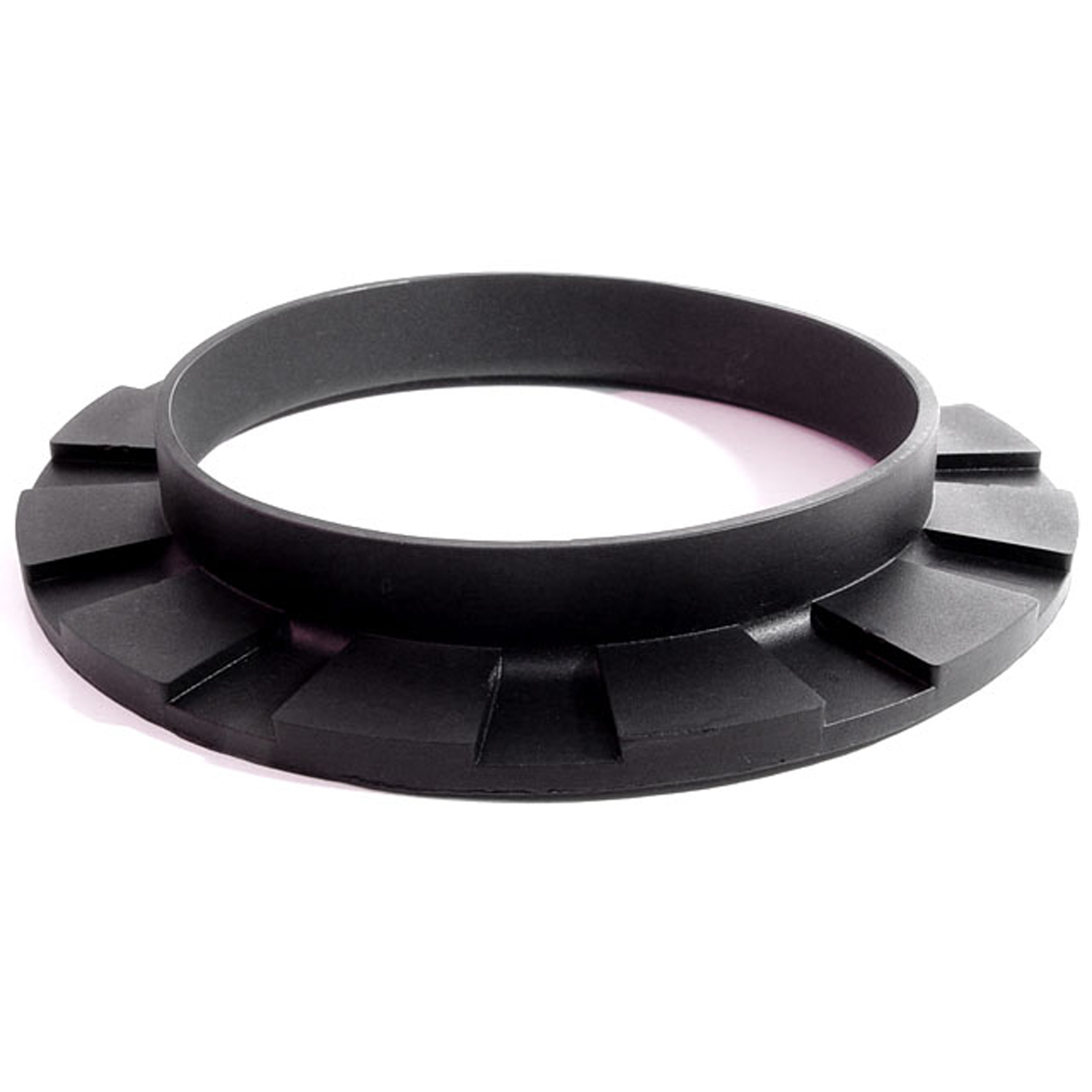 1979 Buick Century Front coil-spring insulator-BN 110Front coil-spring insulator. Fits '41-'60 Oldsmobile and '50-'83 GM passenger models. 5-3/8 in. OD x 3-3/4 in. ID x 3/4 in. high with 13/16 in. wide bottom flange 1/4" thick, 12 flutes. Each.
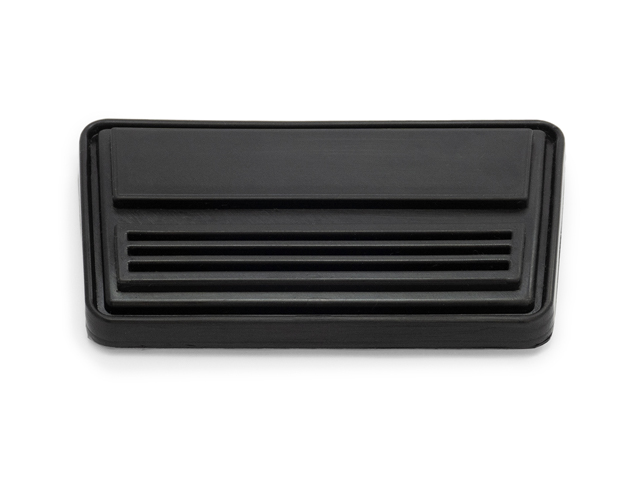 1979 Buick Century Automatic brake pedal pad fits '78-88 GM A, Spec A, G Body-CB 101-DCB 101-D replaces the automatic brake pedal pad on many 1978-1988 General Motors A, Spec A and G body models. Also fits many 1982-1991 GM J, L, N and P body models. 4-1/2" wide X 2-1/2" long. Each
 1979 Buick Century Hood and cowl seal-CS 13-GHood and cowl seal. Fits '78-'88 GM A-body, A-Special (A-SPEC) and G-body 2-door hardtop coupes with rear wheel drive (RWD). Dual-durometer extrusion with flexible metal core. Easy to install; fits over pinchweld. Replaces OEM# 20255857 and 25505704. Made in the USA. Each.
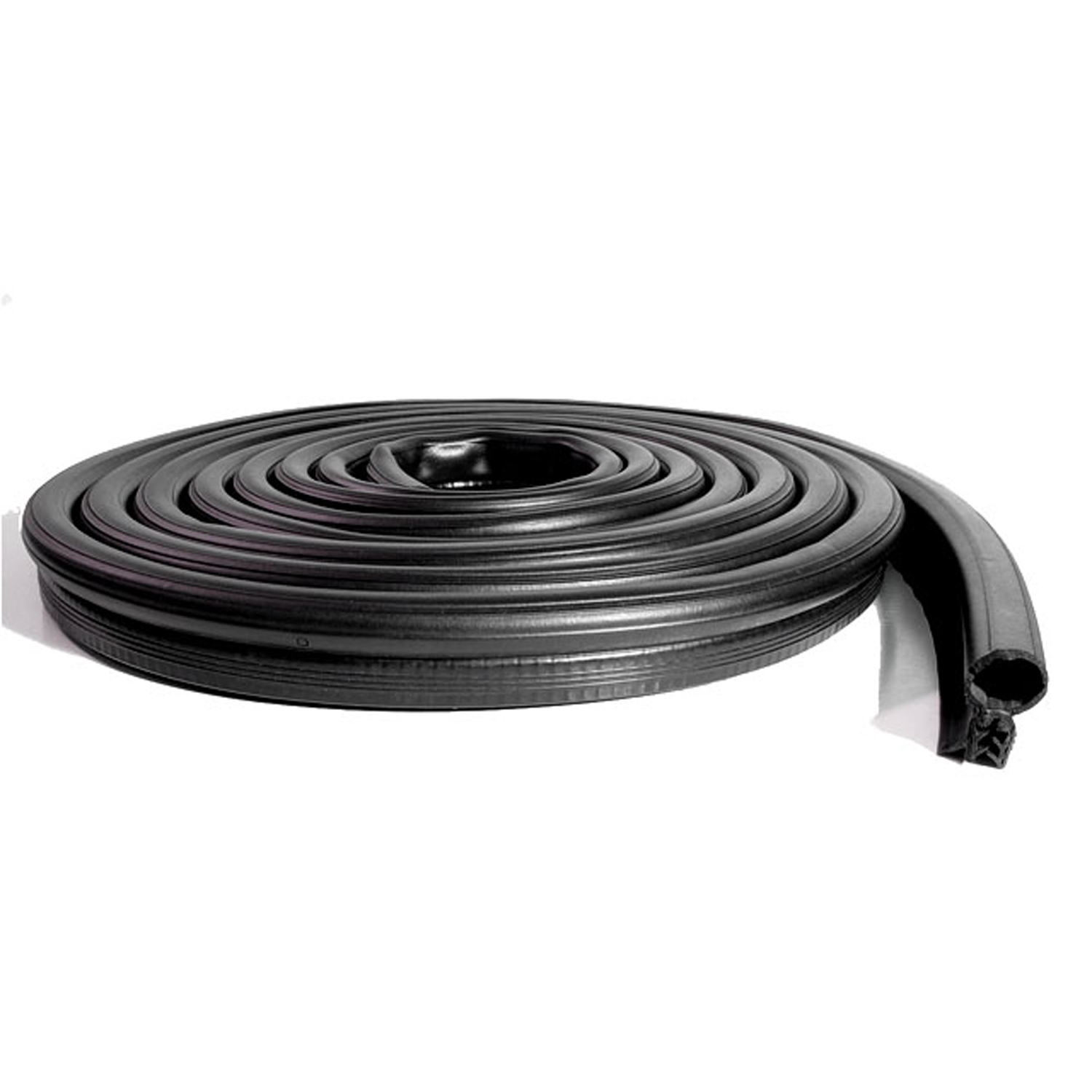 1979 Buick Century Trunk Seal (Imported). Made with steel cores-IS-MW00101Trunk Seal (Imported). Made with steel cores. 1-3/8" X 3/4" X 17'. Each
 1979 Buick Century Molded Door Seals. 2-Door Coupe-LM 16-JEMolded Door Seals. 2-Door Coupe. Replaces OEM part numbers 20008188/9. Pair. R&L.
 1979 Buick Century Lower Door Sill Seal, 78-88 GM G Body 2 Doors, Pair-LM 16-JSLower Door Sill Seal, 78-88 GM G Body 2 Doors, Pair. Replaces OEM # 20376226. These seals fit in between the panel and the lower part of the doors.
 1979 Buick Century Front molded door seals. For 4-door sedan and wagon-LM 16-SFront molded door seals. For 4-door sedan and wagon. Replaces OEM#'s 20008186/7. Pair. R&L.
 1979 Buick Century Rear molded door seals-LM 16-S/RRear molded door seals. Fits 4-door sedan only (except Ciera). Replaces OEM#'s 20008190/1. Pair. R&L.
 1979 Buick Century Rear molded door seals. Fits 4-door wagon only, with RWD-LM 16-S/WRear molded door seals. Fits 4-door wagon only, with RWD. Pair. R&L.
 1979 Buick Century Trunk Liner. Loose weave, jet black. 50" wide-M 30Trunk Liner. Loose weave, jet black. 50" wide. Sold by the foot
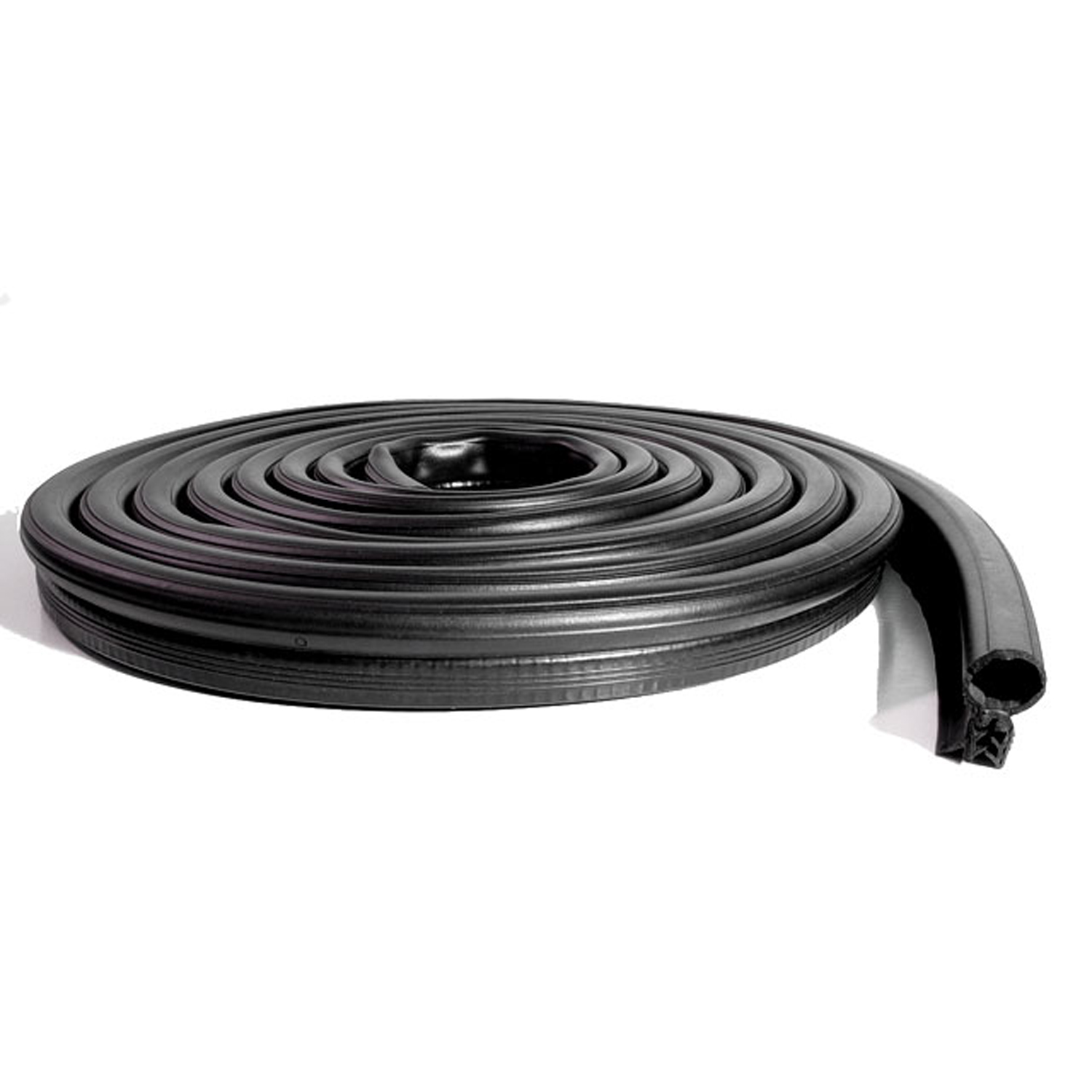 1979 Buick Century Trunk seal-MW00101Trunk seal. Also replaces '75-'79 Buick Skylark hatchback seal. Made with steel cores. 1-3/8 in. x 3/4 in. x 17 ft. L. Each.
 1979 Buick Century Basic kit. ’78-’80 Buick Century 2-door coupe-RKB 1900-100Basic kit. '78-'80 Buick Century 2-door coupe. Door (LM 16-JE), roof-rail (RR 5020) and trunk (MW00101) seals. 5-piece set.
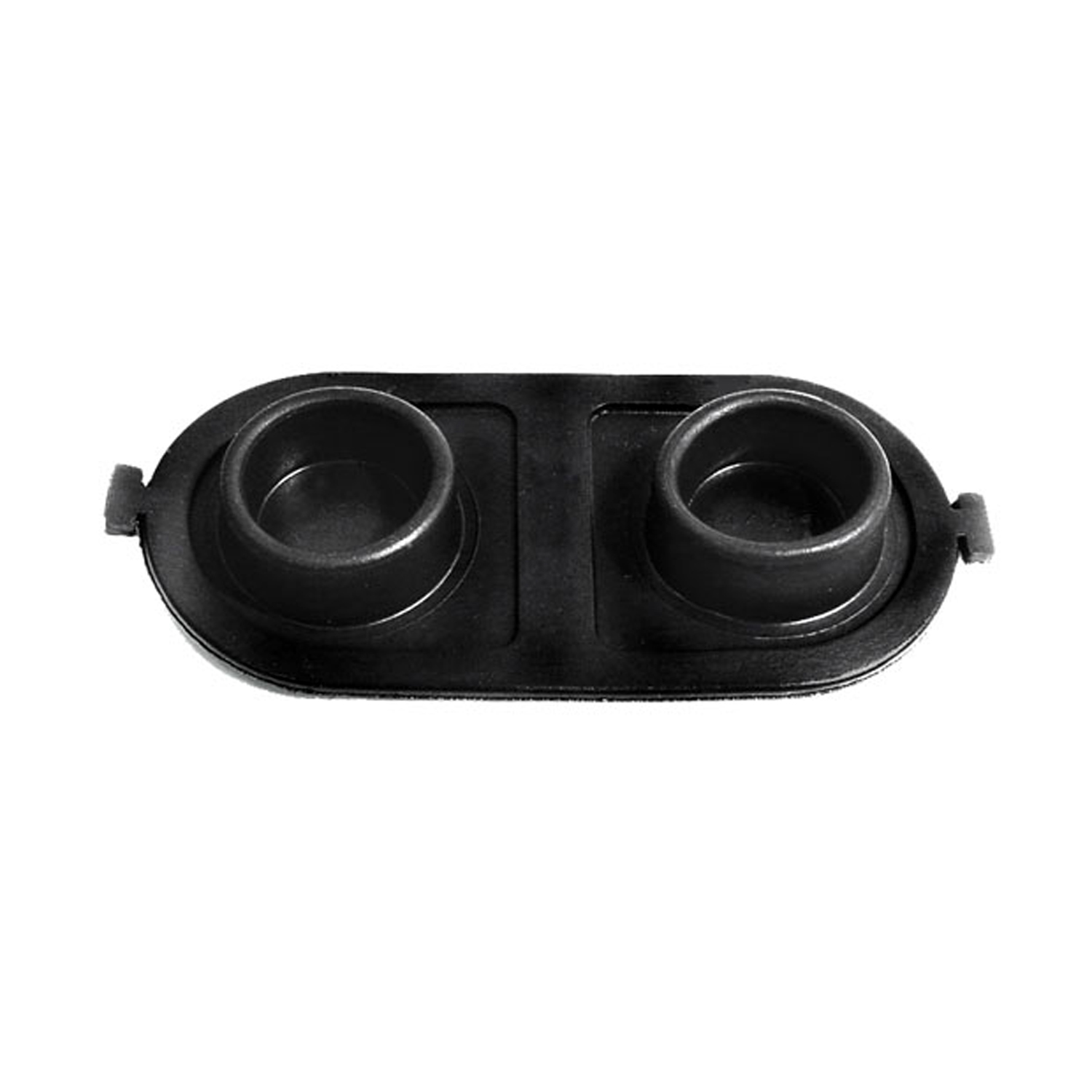 1979 Buick Century Brake Master Cylinder Cover Seal. Replaces OEM #5470861-RP 2-EBrake Master Cylinder Cover Seal. Replaces OEM #5470861. 5" X 2-1/2". Each
 1979 Buick Century Molded roof-rail seals. 2-door hardtop-RR 5020Molded roof-rail seals. 2-door hardtop. Replaces OEM#'s 20154101/2. Pair. R&L.
 1979 Buick Century Glove Box Bumper. Each-SB 78-AGlove Box Bumper. Each
 1979 Buick Century Rear Quarter Window Molding Clip. Made of steel-WF 204Rear Quarter Window Molding Clip. Made of steel. 3/4" x 1-3/8". Each
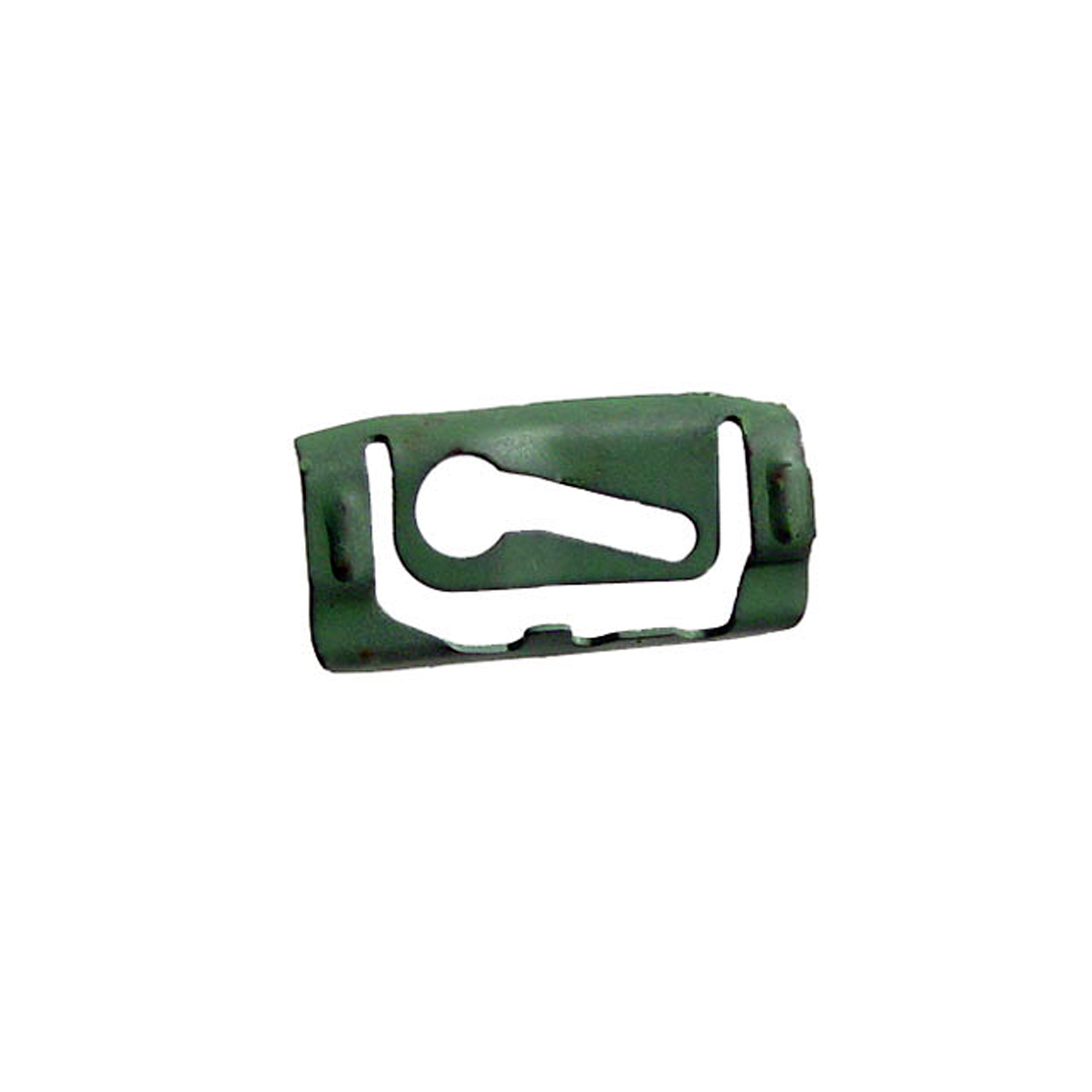 1979 Buick Century Quarter Window Reveal Molding Clip. Made of Steel-WF 205Quarter Window Reveal Molding Clip. Made of Steel. 1-3/8" X 11/16". Each
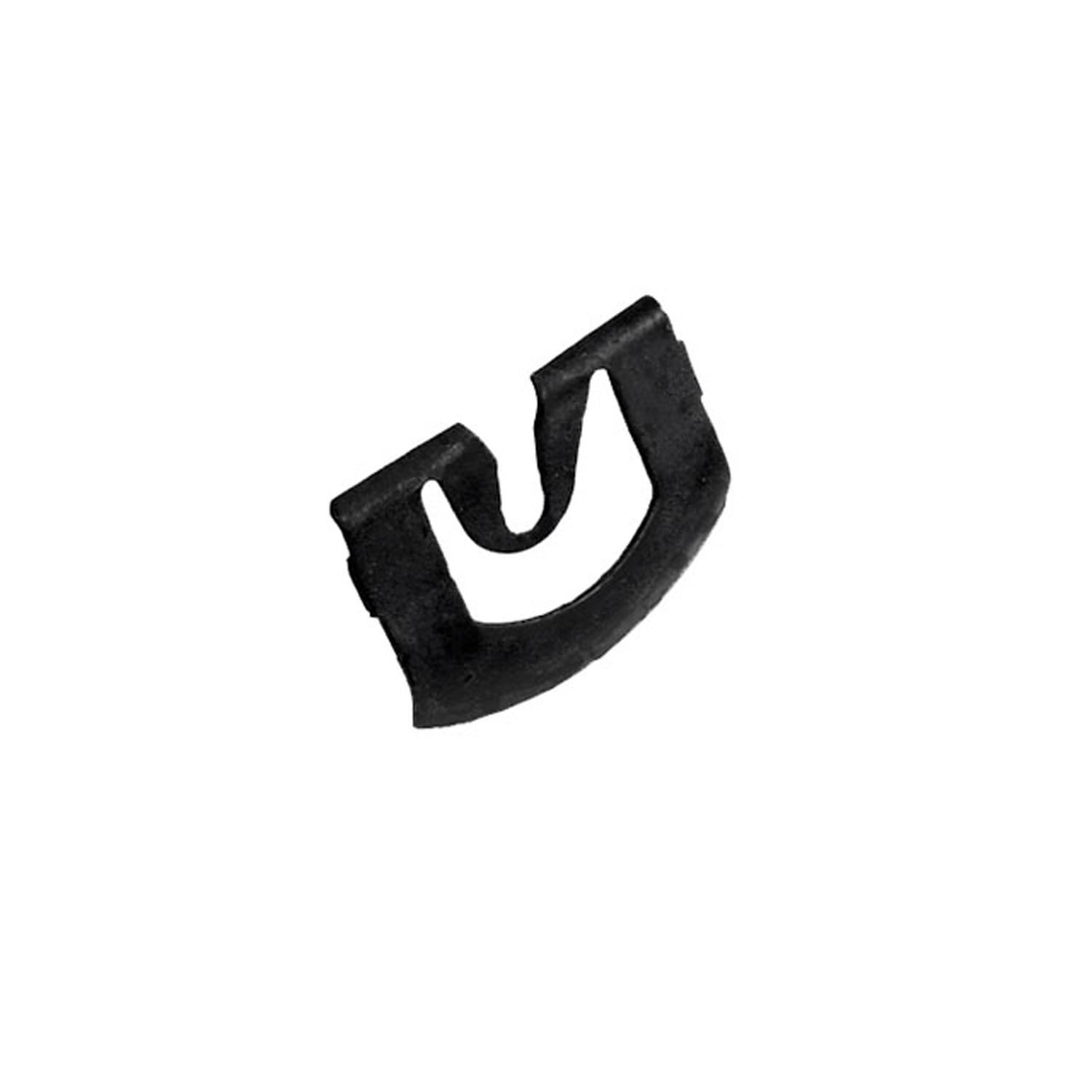 1979 Buick Century Windshield Reveal Molding Clip. Made of steel. 13/16" x 1"-WF 209Windshield Reveal Molding Clip. Made of steel. 13/16" x 1". Each
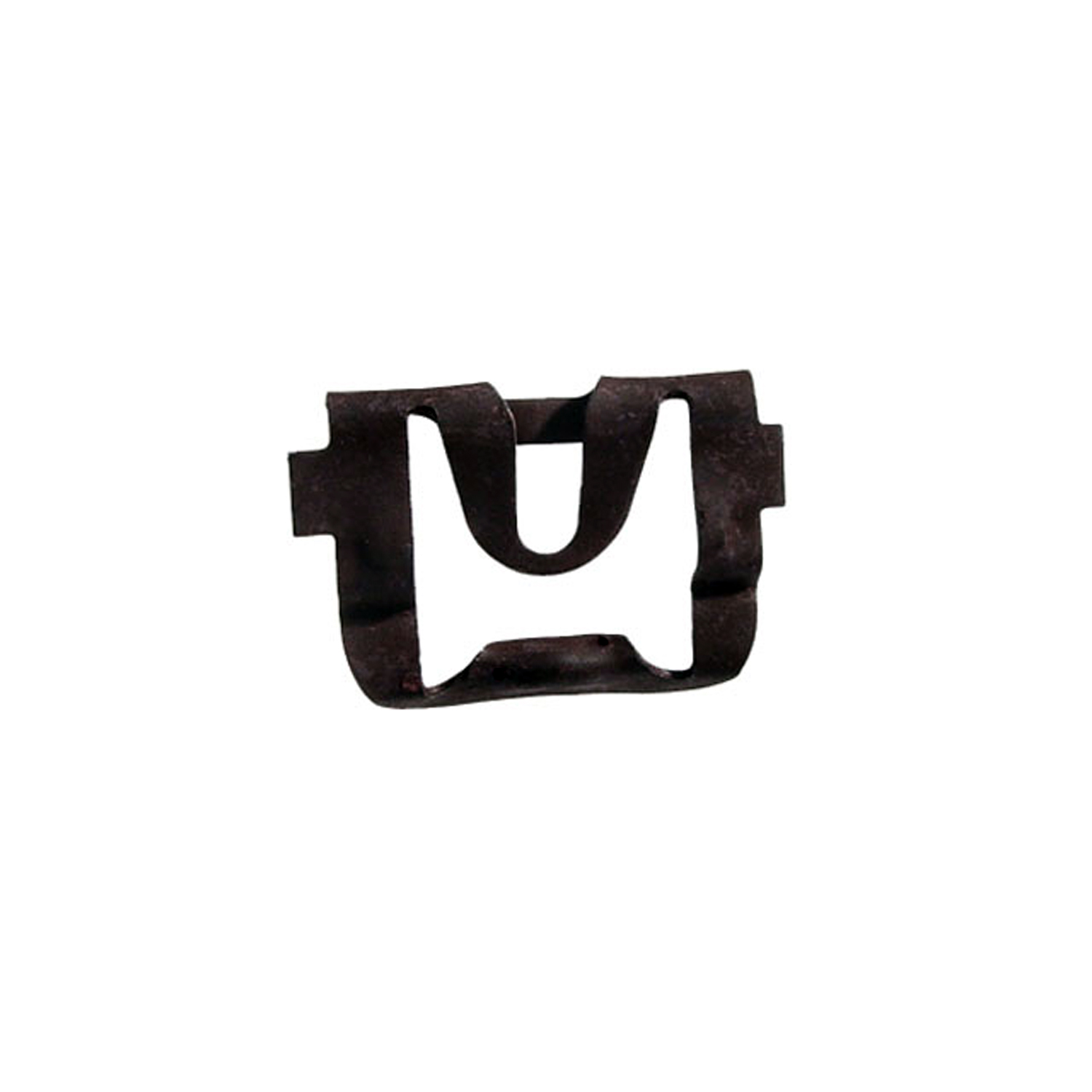 1979 Buick Century Rear Windshield Reveal Molding Clip. Made of steel-WF 211Rear Windshield Reveal Molding Clip. Made of steel. 15/16" X 3/4". Each
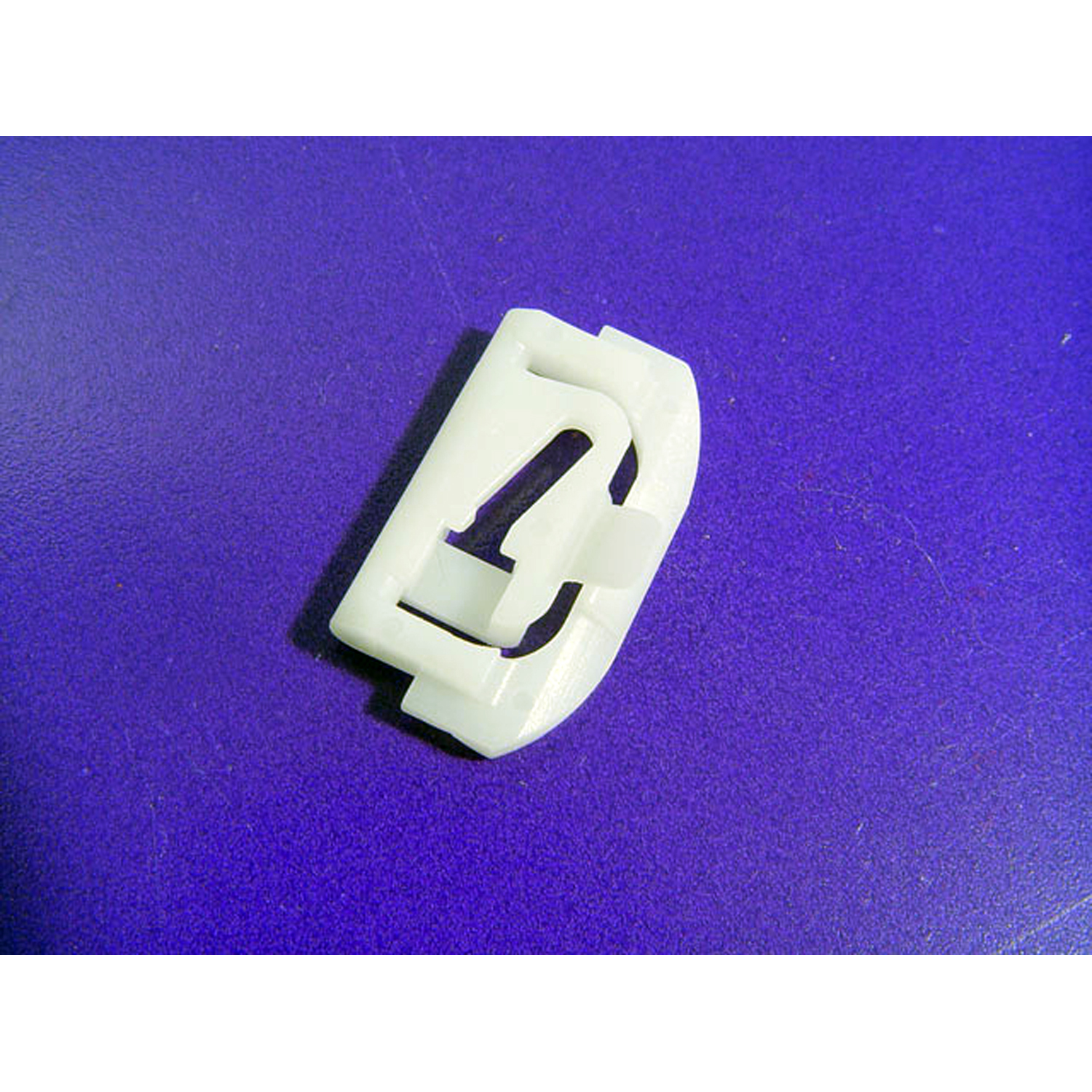 1979 Buick Century Lower Side Window Reveal Molding Clip. Made of nylon-WF 214Lower Side Window Reveal Molding Clip. Made of nylon. 1-1/4" x 3/4". Each
Why Choose Metro?
For over 100 years, Metro Moulded Parts has been the pinnacle of quality in classic car restoration parts. Our commitment to precision and authenticity in every component ensures a perfect fit and an OEM-level appearance.
- Expert Craftsmanship & Quality: Each part is a testament to our dedication to reliability and perfection, crafted from original designs and thoroughly tested.
- Advanced Technology: We use cutting-edge techniques to create flawless, long-lasting parts that surpass others in performance.
- SuperSoft Sponge – The Ultimate Door Seal: Not only are our door seals 30% softer than competitors', but they're also guaranteed to never leak. They effectively reduce wind and road noise, enhancing your classic car's comfort and driving experience.
- Proudly American: Our parts are a product of American craftsmanship, made in the USA with a spirit of excellence and heritage.
- Unrivaled Warranty: We back our products with a 30-year industry-leading warranty, a testament to our confidence in their quality.
Join us in preserving the legacy of classic cars with parts that are crafted for perfection, not just made.