

Image of 1979 Buick Electra, Note: These illustrations use artistic license and may differ from actual historical models.
Performance Metrics
Fundamental Metrics
Emotional Appeal
MMP Rating
| Engine Specifications | |
|---|---|
| Engine Options: | 3.8L V6, 5.7L V8, 6.6L V8 |
| Displacement Range: | 231-403 cubic inches |
| Horsepower Range: | 105-185 hp |
| Torque: | 185-320 lb-ft |
| Compression Ratio: | 8.0:1 - 8.5:1 |
| Ignition System: | Electronic Ignition |
| Cooling System: | Liquid cooled |
| Performance Specifications | |
| 0-60 Time: | 10-12 seconds |
| 1/4 Mile Time: | 17-19 seconds |
| Top Speed: | 105-115 mph |
| Transmission and Drive | |
| Drive Type: | Rear-wheel drive |
| Transmission Type: | 3-speed automatic, 4-speed automatic |
| Fuel and Efficiency | |
| Fuel System Type: | Carburetor |
| MPG: | 12-15 mpg |
| Dimensions and Brakes | |
| Brakes: | Front disc, rear drum |
| Wheelbase: | 119.0 inches |
| Weight: | 3,800-4,200 lbs |
Note: Specifications for classic cars are given to the best of our ability, considering the limited and variant data available.
1979 Buick Electra: Full-Size American Luxury
The 1979 Buick Electra delivered traditional American luxury in a package that had recently been made smaller, lighter, and more efficient. Built by Buick, a division of General Motors, it combined a quiet V8, generous passenger space, and polished trim with the comfort-first character buyers expected from a premium full-size car.
The Electra name had been part of Buick’s lineup since 1959. It was reportedly inspired by Electra Waggoner Biggs, a prominent member of the Waggoner family. The 1979 model belonged to the downsized generation introduced for 1977, a major change across Detroit. Buick reduced the Electra’s exterior dimensions to answer pressure for better fuel economy, yet worked to preserve the roomy cabin and formal presence of the larger cars it replaced.
Here is a detail that captures the transition: the 1979 Electra was still about 224 inches long, close to the 225-inch measurement behind the famous “Deuce and a Quarter” nickname associated with earlier Electras. It looked like a substantial luxury car, even after Buick had trimmed its size.
Formal Styling and Park Avenue Comfort
The Electra’s styling was stately rather than sporty. A broad, upright grille, paired rectangular headlamps, bright chrome bumpers, and long, clean body sides gave it a confident road presence. The hood and trunk were long, the roofline formal, and the fenders subtly sculpted. Depending on trim and equipment, narrow bodyside moldings, bright wheel covers, and a vinyl roof added extra visual polish.
Inside, the Electra emphasized space and an easygoing sense of luxury. Buyers could find plush cloth or velour upholstery, with leather available on suitably equipped cars. The wide front seat, generous legroom, soft-touch trim, and padded surfaces made the cabin feel more like a comfortable lounge than a driver-focused cockpit. Limited and Park Avenue versions typically brought richer trim and more convenience equipment. Park Avenue was Buick’s upscale Electra treatment, not yet a separate model name as it would become later.
Power accessories were common, with features such as power windows, door locks, and seats available depending on the car’s equipment. Cruise control, air conditioning, automatic climate control, AM/FM audio, and an optional eight-track player or stereo equipment could make a well-optioned Electra a genuinely comfortable long-distance machine. The dashboard kept its controls relatively straightforward, and power steering and power brakes were part of the expected luxury-car experience.
Buick offered the Electra as a two-door coupe and a four-door sedan. The sedan was the practical, familiar choice, while the coupe gave the car a more personal-luxury look. The most recognizable versions are often the well-equipped Park Avenue and Limited models, especially examples with a padded vinyl roof, plush interior, and full complement of power options.
Exterior paint choices varied by model year and trim, but the palette included traditional luxury-car shades such as white, black, silver, tan, brown, blue, green, and red. White, dark blue, and metallic earth tones suit the Electra’s formal styling particularly well. A vinyl roof, often chosen in a contrasting or coordinated color, was a popular finishing touch.
Why the Downsized Electra Mattered
The 1979 Electra arrived during an era when automakers were rethinking the size and efficiency of their largest cars. Fuel prices, emissions rules, and federal fuel-economy requirements were putting pressure on big V8 sedans. Buick’s response was not to abandon the luxury formula, but to package it more efficiently. The downsized Electra was shorter and lighter than its predecessor while retaining a substantial cabin and the visual cues of an upscale American sedan.
That balancing act was the car’s key contribution. The Electra showed how a traditional full-size luxury car could evolve without becoming a small, austere economy model. Its approach reflected a broader GM strategy: share engineering across divisions, reduce vehicle weight and exterior dimensions, and preserve the comfort and trim customers valued. The result helped establish the late-1970s pattern for American luxury cars, which increasingly had to deliver comfort with less bulk and lower fuel consumption.
The Electra was not a technology pioneer in the modern sense, and it did not introduce a landmark new drivetrain in 1979. Its appeal came from the complete package: a smooth automatic transmission, power-assisted controls, available comfort amenities, and a quiet, roomy cabin. In an era of rapid change, that dependable, familiar experience was itself a selling point.
V8 Power and a Soft-Riding Drive
Most 1979 Electras used a Buick 350-cubic-inch V8 paired with an automatic transmission. Depending on configuration, buyers could also choose a larger 403-cubic-inch Oldsmobile V8 or a 350-cubic-inch Oldsmobile diesel V8. Output figures vary with engine, emissions equipment, and rating method, but gasoline versions generally produced roughly 155 horsepower for the 350 and around 185 horsepower for the 403. The diesel offered better fuel economy potential, but considerably less performance.
Performance was relaxed rather than urgent. A healthy gasoline-powered Electra could typically reach 60 mph in roughly 10 to 12 seconds, with the 403-equipped cars generally quicker than the standard 350. A reasonable estimate for top speed is about 110 to 120 mph, though actual speed depended on engine, gearing, tires, condition, and safety limitations. These are period-car estimates, not guarantees for an individual vehicle today.
On the road, the Electra’s suspension favored a smooth, soft ride. It absorbed highway joints and ordinary bumps with the cushioned composure expected of a Buick luxury sedan. The trade-off was noticeable body lean in sharp corners and a less tidy feel on winding roads than a European sport sedan. Crosswinds could also remind the driver that this was a large car with a substantial body, although power steering made low-speed maneuvering easier than its dimensions suggested.
The V8’s sound was a low, subdued burble rather than a performance-car bark. The automatic transmission shifted unobtrusively, and the steering was light. From behind the wheel, the experience was about settling into a broad seat, pointing the long hood down the highway, and letting the car glide along. It is best appreciated as a quiet cruiser, not as a corner-carver.
Living With a 1979 Electra
Today, Electras are most often used as weekend cruisers, show cars, or nostalgic family vehicles. Their roomy cabins and highway comfort make them enjoyable for relaxed drives, while their size and modest fuel economy can make them less appealing as everyday commuters. A clean, original example can also be a distinctive addition to a collection of late-1970s American cars.
The Buick 350 gasoline engine has a strong reputation as a straightforward, repairable V8. Many routine jobs are familiar to an experienced home mechanic, and service parts are generally more accessible than rare trim pieces. As with any nearly 50-year-old car, condition matters more than the badge: inspect the cooling system, brakes, steering and suspension, transmission, electrical accessories, and any signs of rust or previous collision repair. Cars with many power options may require patient troubleshooting when switches, motors, or wiring age.
The optional Oldsmobile diesel deserves special care. These engines have a much less favorable reputation than the gasoline V8s, particularly when neglected or subjected to overheating and related failures. A diesel Electra can be an interesting period-correct find, but buyers should seek clear maintenance records and a thorough mechanical inspection before committing.
Electra Trivia and Common Complaints
The Electra’s nickname, “Deuce and a Quarter,” came from the 225-inch length of earlier versions. The 1979 car remained close enough in length to keep the joke alive, even though it belonged to a significantly downsized generation. The Park Avenue name also has an interesting afterlife: what began as an Electra trim level eventually became a standalone Buick model.
There is no widely recognized 1979 Electra speed or endurance record, nor is the model chiefly remembered for celebrity ownership or a single famous historical appearance. Its significance is more representative: it was one of Buick’s flagship cars during a period when American manufacturers were adapting their largest sedans to a new economic and regulatory reality.
Common criticisms are straightforward. The Electra is large, thirsty by modern standards, and softly sprung. Its acceleration is modest compared with later performance sedans, and its handling is not designed for aggressive driving. Some owners also find that aged trim, upholstery, and power accessories are harder to source or restore than basic mechanical components. In return, it offers space, comfort, and a distinctly late-1970s Buick character.
Collector Values and Availability
The 1979 Electra is not especially rare by classic-car standards, but the number of clean, original examples has dwindled as ordinary sedans were used up, neglected, or scrapped. Exact production totals can vary by body style and trim in historical sources. A practical estimate is roughly 100,000 to 130,000 Electras across the model year, with the sedan likely more commonly encountered than the coupe. That range is an estimate rather than a verified production figure.
As a broad U.S. market guide for 2026, a project car may sell for around $1,500 to $4,000. A running driver in fair to good condition might bring roughly $4,000 to $9,000, while a clean, well-maintained example could reach $9,000 to $15,000. Exceptional restorations, rare equipment combinations, or especially attractive original cars may exceed that range, but top-dollar results are less common than for more celebrated muscle cars.
Values have generally remained modest, and condition has a much greater effect on price than the model year alone. The Electra is best viewed as an affordable classic with gradual, condition-led appreciation potential rather than a guaranteed investment. A buyer who wants a dependable showpiece should pay close attention to originality, rust, interior condition, and the quality of any restoration.
A Comfortable Classic With a Story to Tell
The 1979 Buick Electra brought together the qualities that defined Buick’s traditional luxury cars: a smooth V8, an expansive interior, understated elegance, and a relaxed ride. Its downsized body reflected the pressures reshaping Detroit, while its comfort and presence kept faith with the full-size American sedan.
It may not be the fastest or most collectible Buick of its era, but the Electra has a character all its own. For anyone drawn to quiet highways, velour seats, chrome details, and the easy rhythm of a big V8 cruiser, this Buick remains a memorable example of American luxury adapting without losing its soul.
1979 Buick Electra Catalog of Parts
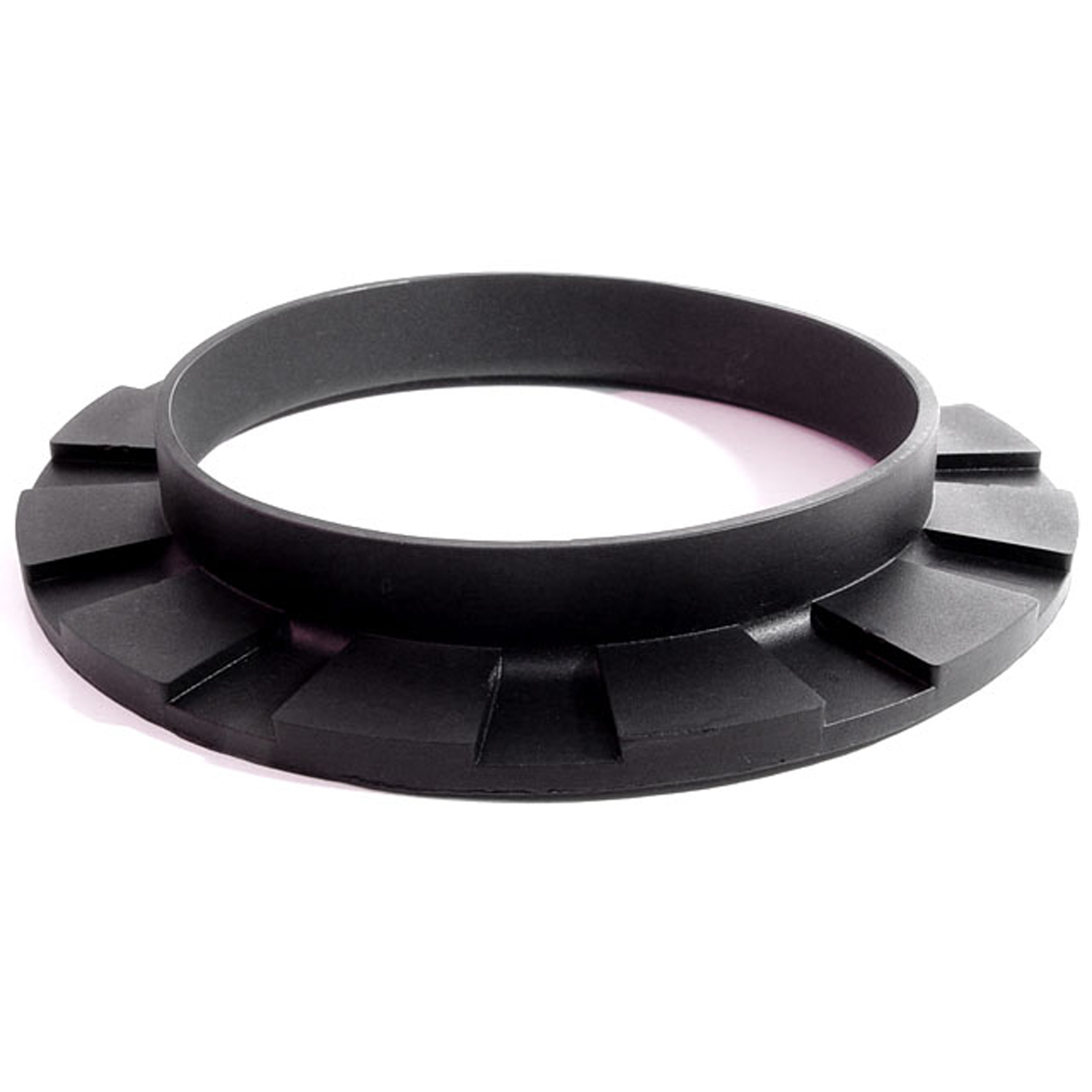 1979 Buick Electra Front coil-spring insulator-BN 110Front coil-spring insulator. Fits '41-'60 Oldsmobile and '50-'83 GM passenger models. 5-3/8 in. OD x 3-3/4 in. ID x 3/4 in. high with 13/16 in. wide bottom flange 1/4" thick, 12 flutes. Each.
 1979 Buick Electra Rear Molded Door Seals. For 4-door sedan. Pair R&L-LM 18-L/SARear Molded Door Seals. For 4-door sedan. Pair R&L
 1979 Buick Electra Front Molded Door Seals with White Clips-LM 18-L/WCFront Molded Door Seals with White Clips. For 4-door sedan and wagon with RWD. Pair R&L
 1979 Buick Electra Molded Door Seals. For 2-door sedans with RWD. Pair R&L-LM 18-OMolded Door Seals. For 2-door sedans with RWD. Pair R&L
 1979 Buick Electra Trunk Liner. Loose weave, jet black. 50" wide-M 30Trunk Liner. Loose weave, jet black. 50" wide. Sold by the foot
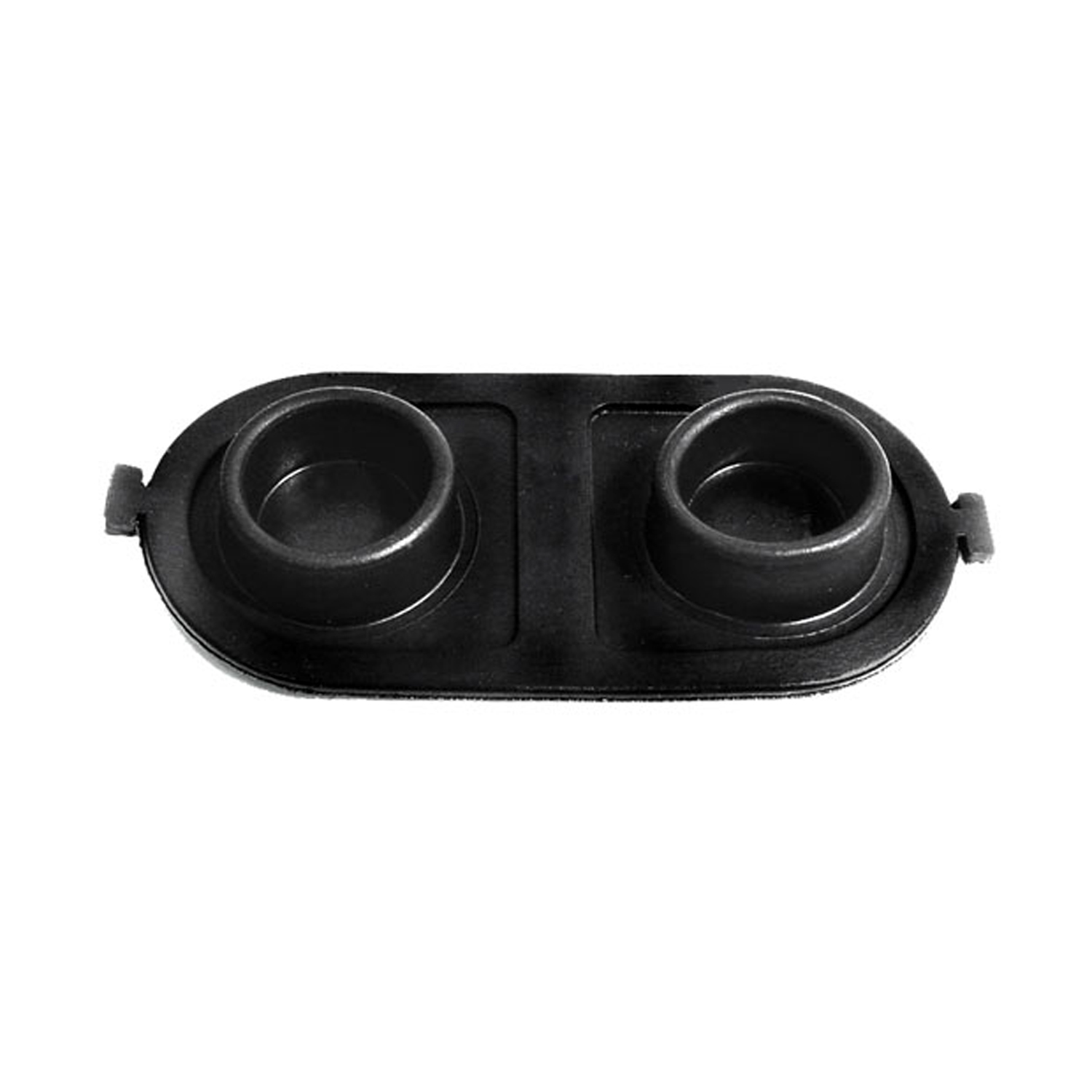 1979 Buick Electra Brake Master Cylinder Cover Seal. Replaces OEM #5470861-RP 2-EBrake Master Cylinder Cover Seal. Replaces OEM #5470861. 5" X 2-1/2". Each
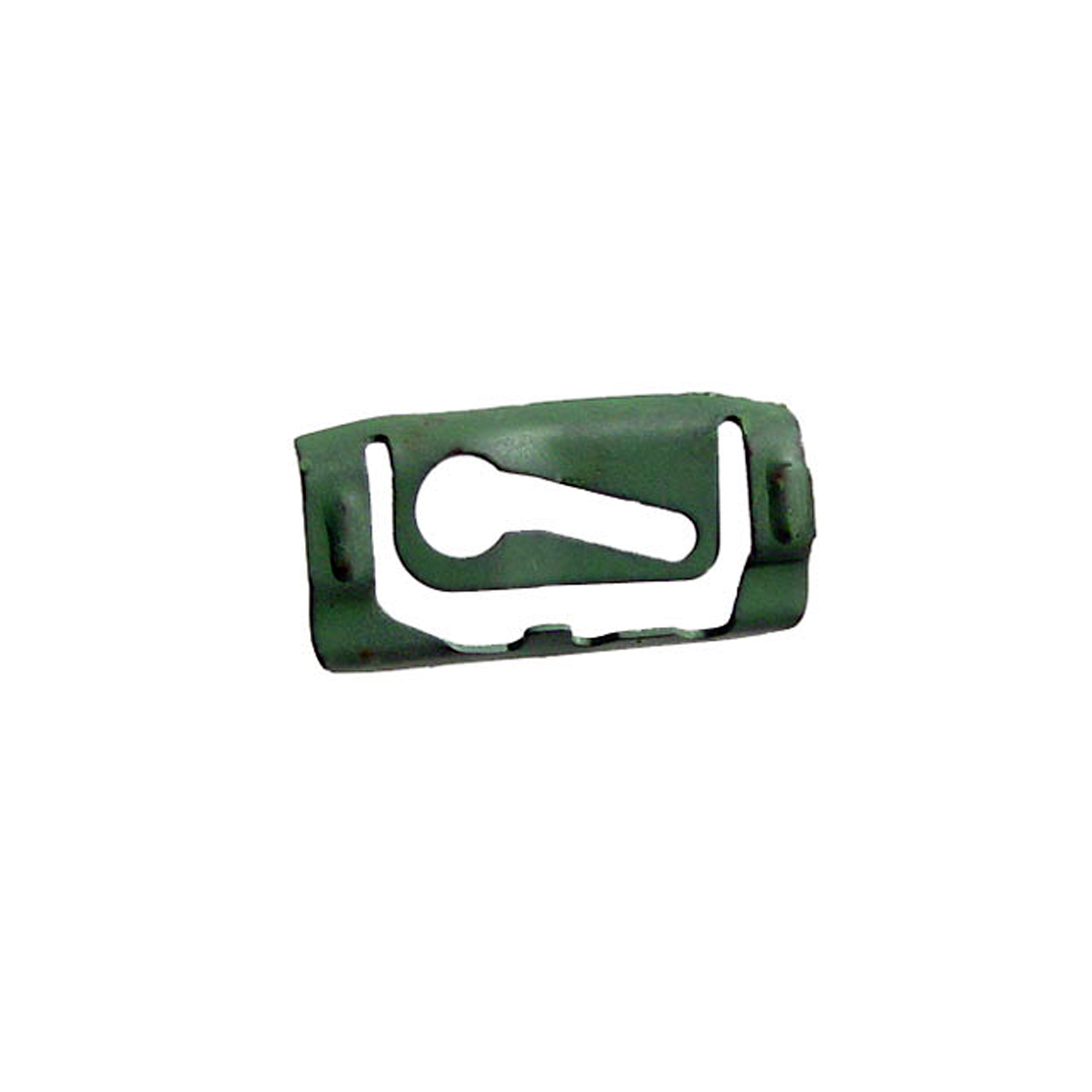 1979 Buick Electra Quarter Window Reveal Molding Clip. Made of Steel-WF 205Quarter Window Reveal Molding Clip. Made of Steel. 1-3/8" X 11/16". Each
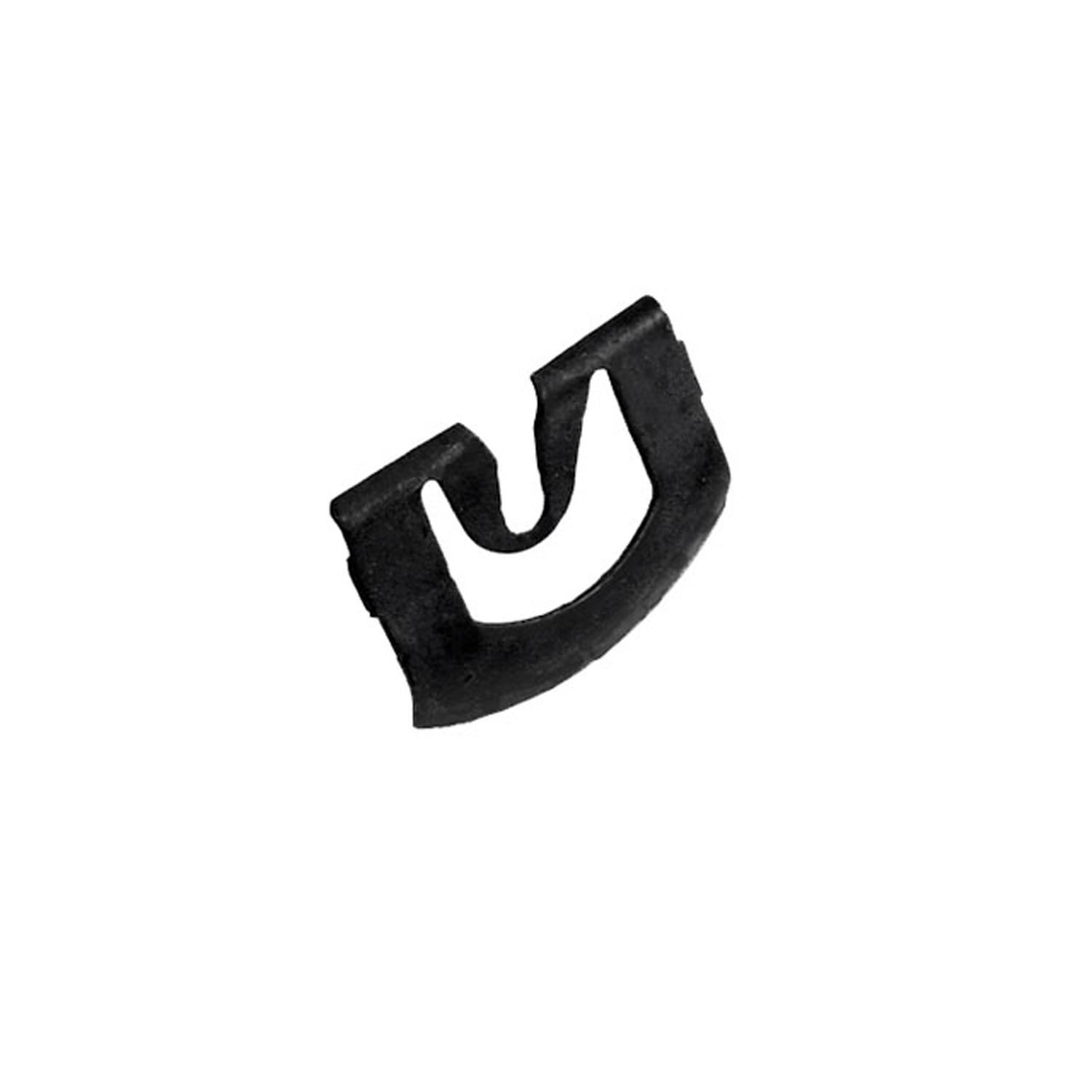 1979 Buick Electra Windshield Reveal Molding Clip. Made of steel. 13/16" x 1"-WF 209Windshield Reveal Molding Clip. Made of steel. 13/16" x 1". Each
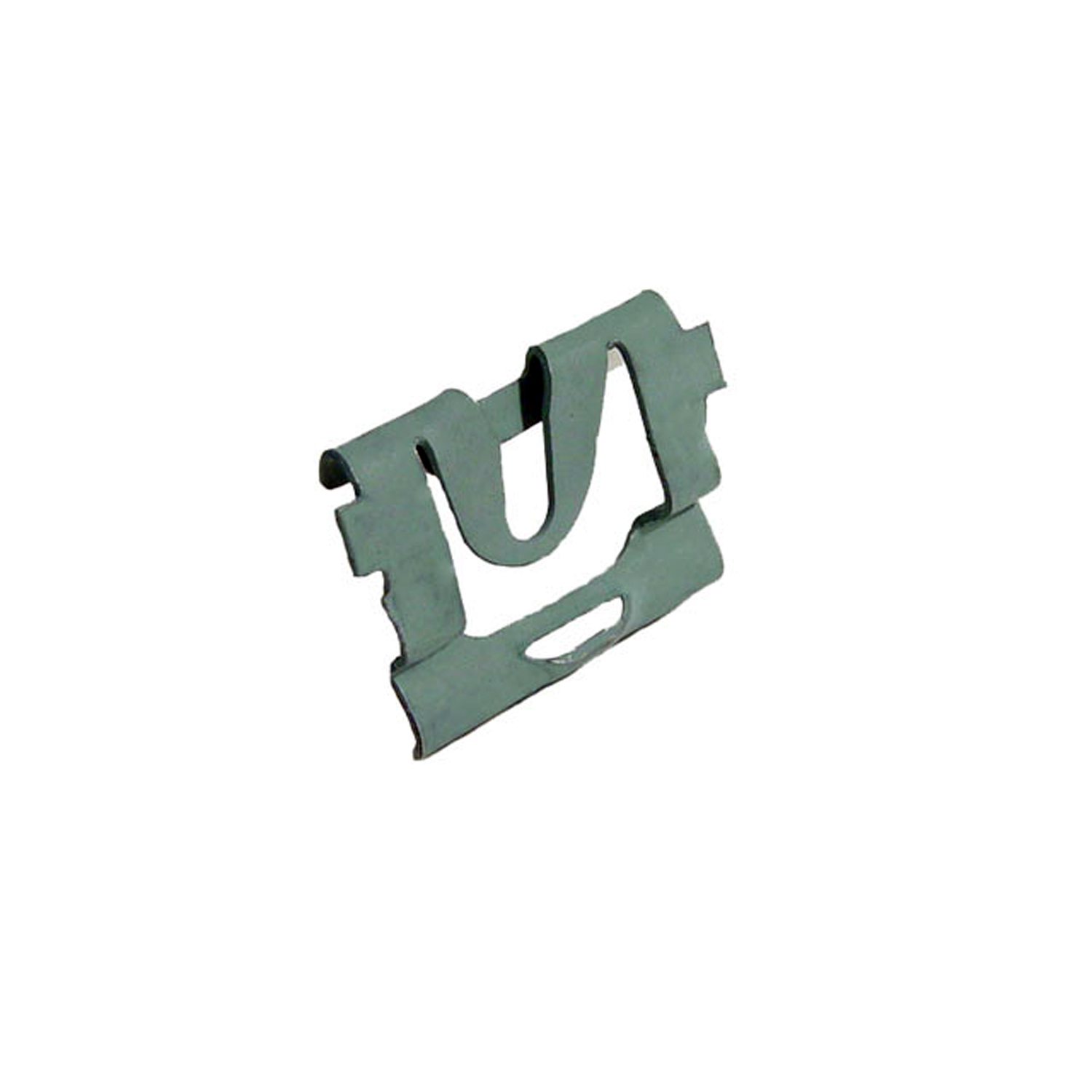 1979 Buick Electra Windshield Reveal Molding Clip. For models with vinyl top-WF 210Windshield Reveal Molding Clip. For models with vinyl top. 3/4" x 1-1/16". Each
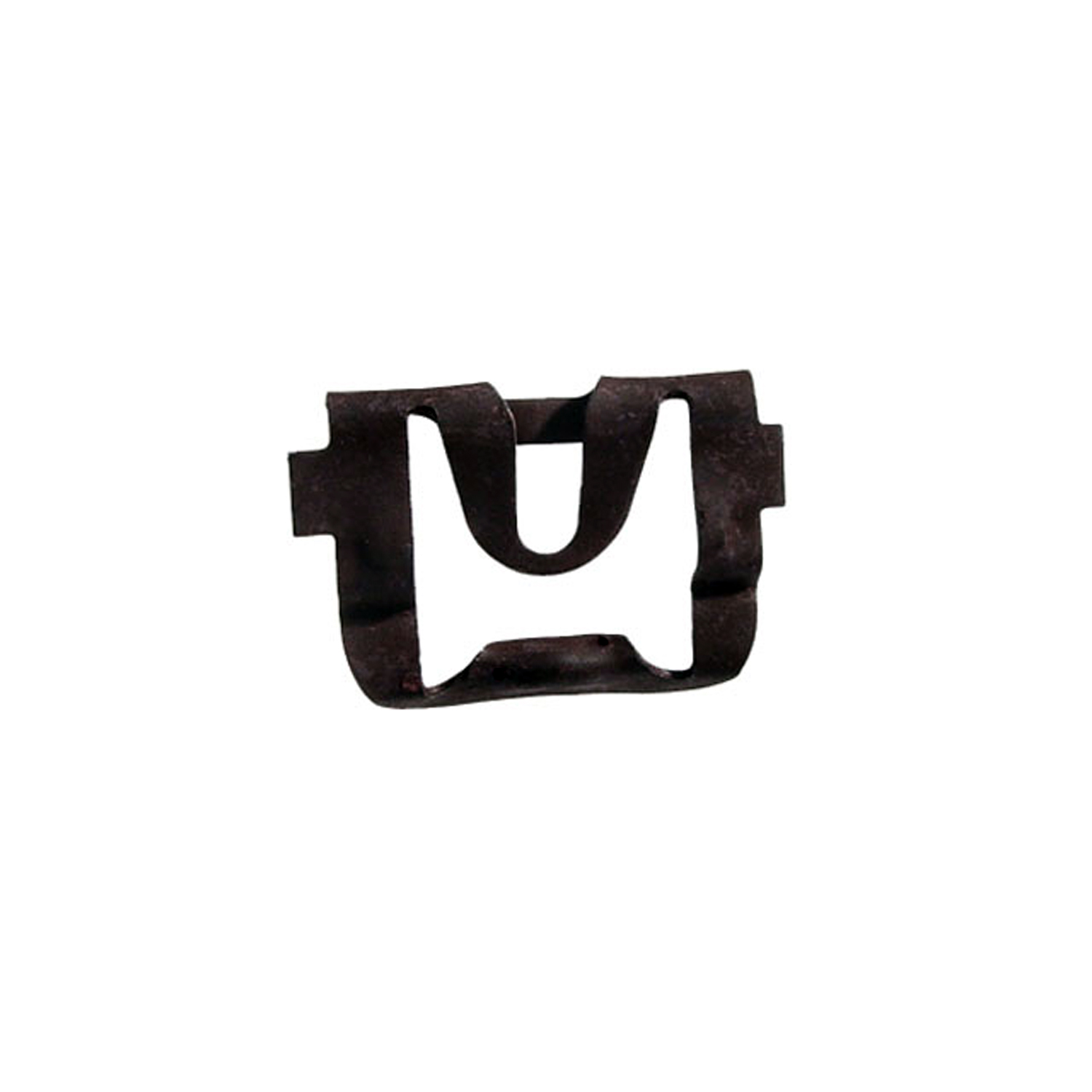 1979 Buick Electra Rear Windshield Reveal Molding Clip. Made of steel-WF 211Rear Windshield Reveal Molding Clip. Made of steel. 15/16" X 3/4". Each
 1979 Buick Electra Rear Windshield Reveal Molding Clip. Made of steel-WF 213Rear Windshield Reveal Molding Clip. Made of steel. 7/8" X 5/8". Each
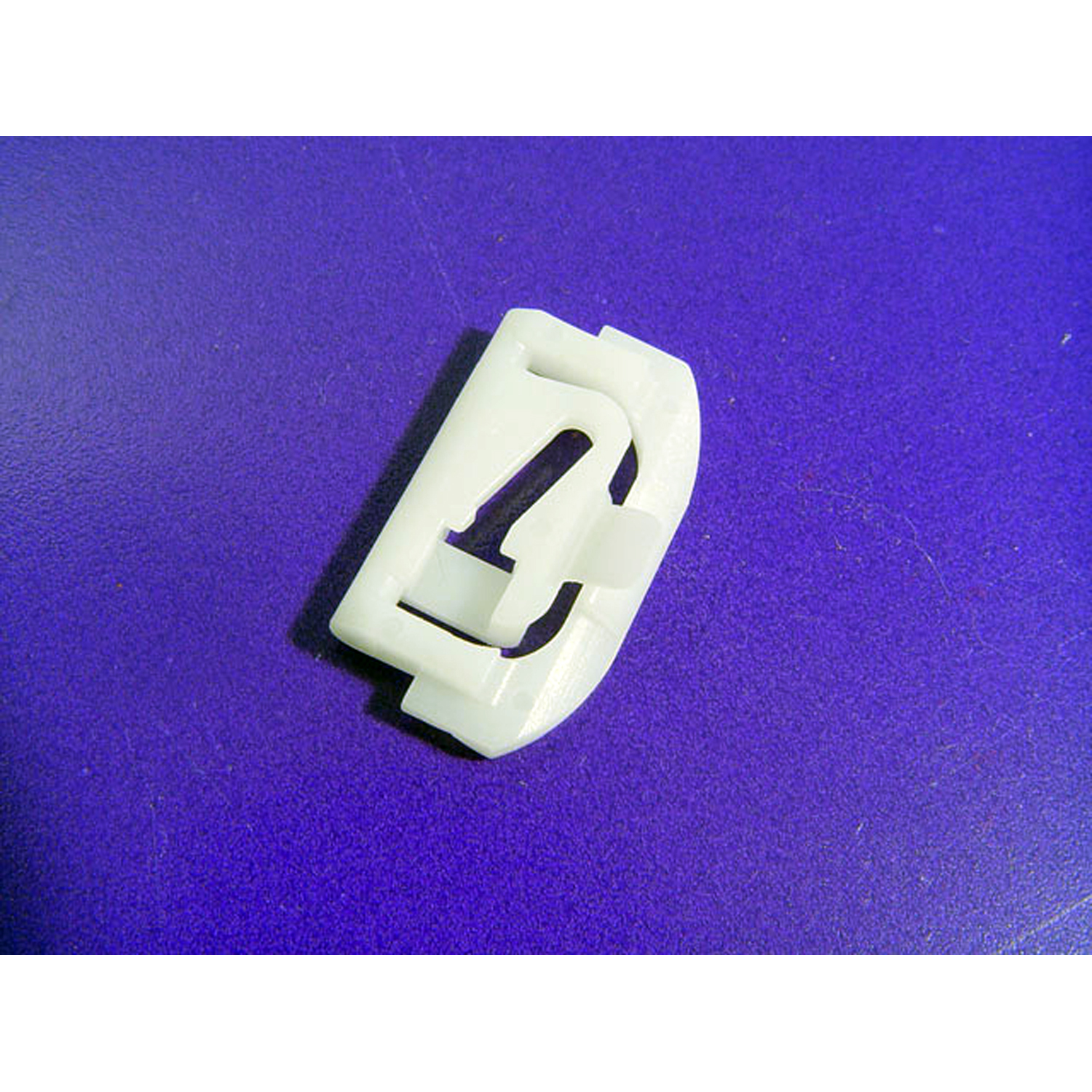 1979 Buick Electra Lower Side Window Reveal Molding Clip. Made of nylon-WF 214Lower Side Window Reveal Molding Clip. Made of nylon. 1-1/4" x 3/4". Each
Why Choose Metro?
For over 100 years, Metro Moulded Parts has been the pinnacle of quality in classic car restoration parts. Our commitment to precision and authenticity in every component ensures a perfect fit and an OEM-level appearance.
- Expert Craftsmanship & Quality: Each part is a testament to our dedication to reliability and perfection, crafted from original designs and thoroughly tested.
- Advanced Technology: We use cutting-edge techniques to create flawless, long-lasting parts that surpass others in performance.
- SuperSoft Sponge – The Ultimate Door Seal: Not only are our door seals 30% softer than competitors', but they're also guaranteed to never leak. They effectively reduce wind and road noise, enhancing your classic car's comfort and driving experience.
- Proudly American: Our parts are a product of American craftsmanship, made in the USA with a spirit of excellence and heritage.
- Unrivaled Warranty: We back our products with a 30-year industry-leading warranty, a testament to our confidence in their quality.
Join us in preserving the legacy of classic cars with parts that are crafted for perfection, not just made.