

Image of 1979 Buick Lesabre, Note: These illustrations use artistic license and may differ from actual historical models.
Performance Metrics
Fundamental Metrics
Emotional Appeal
MMP Rating
| Engine Specifications | |
|---|---|
| Engine: | 3.8L V6, 4.9L V8, 5.7L V8, 6.6L V8 |
| Displacement: | 231-403 cu in. |
| Horsepower: | 105-185 hp |
| Torque: | 185-320 lb-ft |
| Compression Ratio: | 8.0:1 - 8.5:1 |
| Ignition System: | Electronic Ignition |
| Cooling System: | Liquid-cooled |
| Performance Specifications | |
| 0-60 Time: | Estimated 10-12 seconds |
| 1/4 Mile Time: | Estimated 17-19 seconds |
| Top Speed: | 105-110 mph |
| Transmission and Drive | |
| Drive Type: | Rear-wheel drive |
| Transmission Type: | 3-speed automatic, 4-speed automatic |
| Fuel and Efficiency | |
| Fuel System Type: | Carburetor |
| MPG: | Estimated 12-15 city / 18-22 highway |
| Dimensions and Brakes | |
| Brakes: | Power-assisted disc brakes for front, drum for rear |
| Wheelbase: | 116.0 in. |
| Weight: | 3,500-3,900 lbs |
Note: Specifications for classic cars are given to the best of our ability, considering the limited and variant data available.
1979 Buick LeSabre: A Full-Size Buick for a Changing America
The 1979 Buick LeSabre brought classic American comfort into an era when fuel economy mattered more than ever. Built by Buick, a division of General Motors, it was a rear-wheel-drive full-size car with a roomy cabin, traditional styling and a choice of six-cylinder, gasoline V8 or diesel power, depending on configuration. It was also part of the smaller, lighter generation of big Buicks introduced in 1977, a significant change from the enormous cars that had defined the previous decade.
Its timing gave the LeSabre particular character. The 1979 oil crisis renewed concerns about fuel prices, and automakers were under growing pressure to reduce consumption. Buick answered with a car that still looked and felt substantial but was more manageable than its predecessors. A telling detail: the LeSabre could be ordered with Buick’s familiar 3.8-liter V6, giving buyers a full-size American car without requiring a V8.
Classic Buick Styling and Cabin Comfort
The LeSabre’s exterior is formal and confident rather than sporty. A broad, squared-off grille sits between rectangular headlamps, while the long hood, crisp body lines and substantial chrome bumpers give the car a distinctly late-1970s presence. Its roofline and generous glass area help the body look airy, and the rear styling keeps the same clean, horizontal emphasis. It is unmistakably a Buick, but the reduced proportions make it less imposing than the full-size models of only a few years earlier.
Inside, the LeSabre was built around relaxed, six-passenger comfort. Depending on trim and equipment, buyers found cloth or vinyl upholstery, broad bench seats, wood-tone accents and soft-touch trim. The dashboard was conventional and easy to read, with controls arranged for straightforward use. It was not a sports-car cockpit, nor was it meant to be. The goal was a quiet, comfortable place for long commutes and family trips.
Available conveniences could include air conditioning, power windows and door locks, power seats, cruise control, a tilt steering wheel, an AM/FM radio or stereo, and a rear-window defogger. These features were optional or trim-dependent, so equipment varies considerably from car to car today. Safety and running-gear equipment reflected the period: power-assisted steering and brakes were common, with front disc brakes and rear drum brakes.
Factory paint choices varied by trim and production details. Buyers could choose from shades that included white, black, silver, blue, red, green, tan and brown, with some two-tone combinations also offered. White, silver, dark blue and traditional Buick earth tones suit the car especially well, though original color and paint condition matter more to collectors than any single “best” shade.
The LeSabre range included two-door coupes, four-door sedans and Estate Wagons. The sedan is the most familiar expression of the model, while the coupe has a sleeker profile and the wagon adds a large cargo area and family-hauling practicality. Estate Wagons could be dressed with woodgrain-style exterior trim, a popular period treatment that made them instantly recognizable.
Why the 1979 LeSabre Matters
The LeSabre reflects a major turning point in American car design: the move toward downsized full-size vehicles. Buick and other GM divisions had begun that transition for 1977, trimming exterior dimensions and weight while trying to preserve the spacious interiors and smooth ride customers expected. The result was not a compact car, but a more efficient interpretation of the traditional American sedan.
That balance set the LeSabre apart from many contemporaries. It retained rear-wheel drive, a long-wheelbase feel and the option of V8 power, yet it was less cumbersome than earlier full-size Buicks. Its construction and proportions remained familiar to buyers who valued a solid, substantial car, while its reduced size reflected new economic and regulatory realities. The downsized approach became a defining direction for Detroit’s full-size cars into the 1980s.
The 1979 model is not generally remembered for introducing a single breakthrough gadget. Its significance is broader: it shows how an established American nameplate adapted without abandoning its core identity. Comfort, conservative styling and easy-going road manners remained central, but efficiency had become part of the conversation.
Engine Options, Speed and Road Manners
The standard engine was generally Buick’s 3.8-liter V6, paired with an automatic transmission. Depending on equipment and market, buyers could also find gasoline V8 options, including Buick’s 4.9-liter 301-cubic-inch V8, as well as an Oldsmobile-built 5.7-liter diesel V8 in some configurations. Exact availability can vary by body style and production details, so a specific car’s original equipment should be verified through its identification tags and factory documentation.
Performance was steady rather than quick. As a practical estimate, a V6 LeSabre may take roughly 13 to 16 seconds to reach 60 mph, while a gasoline V8 example may manage it in about 10 to 13 seconds. Diesel versions are generally slower. Depending on engine, gearing, condition and equipment, top speed is approximately 100 to 110 mph. These are broad real-world estimates, not guaranteed factory test figures, and age-related wear can make a major difference.
The LeSabre’s natural habitat is a smooth highway, where its soft suspension and long-wheelbase ride help it settle into an easy cruise. It absorbs ordinary road imperfections well, although worn shocks, tired bushings or sagging springs can make an old example float or thump over bumps. On winding roads, the car feels large and comfort-oriented: expect noticeable body lean and slower steering response compared with a modern sedan. Strong crosswinds can also remind the driver that this is a broad, relatively tall car.
From behind the wheel, the experience is more about calm than excitement. The V6 produces a muted, workmanlike sound, while a V8 adds a deeper burble under acceleration. The automatic transmission, power steering and wide seats encourage relaxed driving. A well-maintained LeSabre feels composed and easy to place on the road, though it lacks the sharp braking, cornering and acceleration of a modern car.
Living With a 1979 LeSabre
Most LeSabres now serve as weekend cruisers, family heirlooms, vintage show cars or occasional-use drivers. They are not commonly built for racing, and their value is usually in their comfort, period-correct appearance and approachable classic-car character. An Estate Wagon can also make a practical vintage hauler, provided its mechanical condition and safety equipment are up to the job.
Many routine repairs are manageable for an owner with basic mechanical experience. The rear-wheel-drive layout is familiar, and common service items such as belts, hoses, brakes and suspension components are generally straightforward to inspect and maintain. Parts availability is reasonable for common mechanical components, though trim pieces, interior details, model-specific body parts and wagon components can take more searching.
As with any nearly 50-year-old car, condition matters more than the badge. Inspect the frame and body for rust, especially around lower panels, floors and wheel openings. Check the cooling system, transmission, steering and suspension, and look for worn weatherstripping or water leaks. Diesel versions deserve especially careful evaluation because neglected diesel components can be expensive to sort out. A pre-purchase inspection by a mechanic familiar with older GM cars is money well spent.
LeSabre Trivia and Common Criticisms
The 1979 LeSabre belongs to the downsized generation that helped keep the full-size American car relevant as fuel costs and regulations changed. Its range of body styles is part of its appeal today: the two-door coupe, four-door sedan and Estate Wagon each offer a different take on the same comfortable Buick formula.
There is no widely celebrated 1979 LeSabre speed or endurance record, and it is not especially associated with a famous celebrity owner or a single landmark event. Its story is more representative than sensational: it was the kind of car American families bought, drove and maintained through a period of rapid change. That everyday role is part of what makes surviving examples interesting now.
Common criticisms include modest acceleration, soft handling and fuel economy that can disappoint by modern standards, especially with a V8. The interior and technology are also distinctly period, with fewer conveniences and safety features than a contemporary car. Owners should treat it as a classic rather than expect modern-car performance or protection.
Collector Value and Availability
The 1979 LeSabre is generally an affordable entry into classic Buick ownership. As a broad current-market estimate, a project car may sell for about $1,500 to $4,000, while a usable driver often falls around $4,000 to $9,000. Clean, well-preserved examples can bring roughly $10,000 to $18,000, with exceptional cars, particularly desirable wagons or unusually original examples, sometimes exceeding that range. Local market, originality, rust, equipment and documentation all affect the price.
Exact production figures vary by body style and trim, but a reasonable estimate for total 1979 LeSabre production is around 200,000 to 250,000 cars. That makes the model far from rare overall. Well-kept Estate Wagons, cars with unusual factory equipment and examples retaining original paint and interiors are less common than ordinary sedans, however, and can attract extra interest.
Values have generally been steady rather than explosive. The LeSabre is not a blue-chip collectible, and many examples remain affordable, but clean survivors are increasingly appreciated by enthusiasts who want a comfortable, usable 1970s car. Buying the best-maintained example you can find is usually a smarter strategy than counting on rapid appreciation.
A Comfortable Classic With a Story to Tell
The 1979 Buick LeSabre combines traditional American comfort with the more restrained dimensions that defined the late-1970s transition. Its roomy cabin, multiple body styles, rear-wheel-drive layout and relaxed road manners make it a distinctive classic, while its range of engines captures an era when fuel efficiency was reshaping even the full-size Buick.
It may not be the quickest or rarest car of its decade, but the LeSabre tells an important story about how Detroit adapted to changing times. For anyone seeking an approachable vintage cruiser with genuine period character, it remains a Buick that rewards a closer look.
1979 Buick Lesabre Catalog of Parts
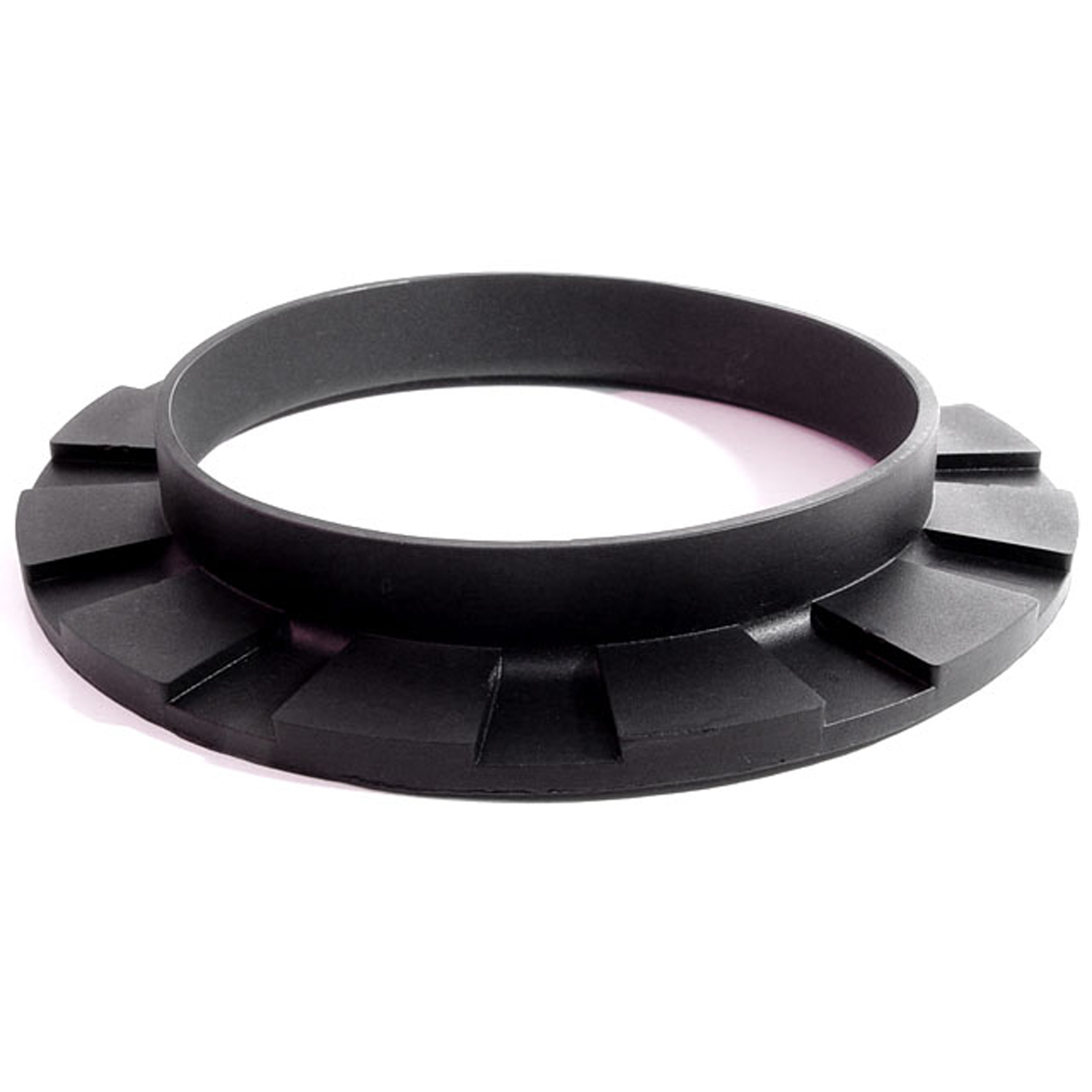 1979 Buick LeSabre Front coil-spring insulator-BN 110Front coil-spring insulator. Fits '41-'60 Oldsmobile and '50-'83 GM passenger models. 5-3/8 in. OD x 3-3/4 in. ID x 3/4 in. high with 13/16 in. wide bottom flange 1/4" thick, 12 flutes. Each.
 1979 Buick LeSabre Rear Molded Door Seals. For 4-door sedan-LM 18-L/RRear Molded Door Seals. For 4-door sedan. Each is 125-1/4" long. Pair R&L
 1979 Buick LeSabre Front Molded Door Seals with White Clips-LM 18-L/WCFront Molded Door Seals with White Clips. For 4-door sedan and wagon with RWD. Pair R&L
 1979 Buick LeSabre Molded Door Seals. For 2-door sedans with RWD. Pair R&L-LM 18-OMolded Door Seals. For 2-door sedans with RWD. Pair R&L
 1979 Buick LeSabre Trunk Liner. Loose weave, jet black. 50" wide-M 30Trunk Liner. Loose weave, jet black. 50" wide. Sold by the foot
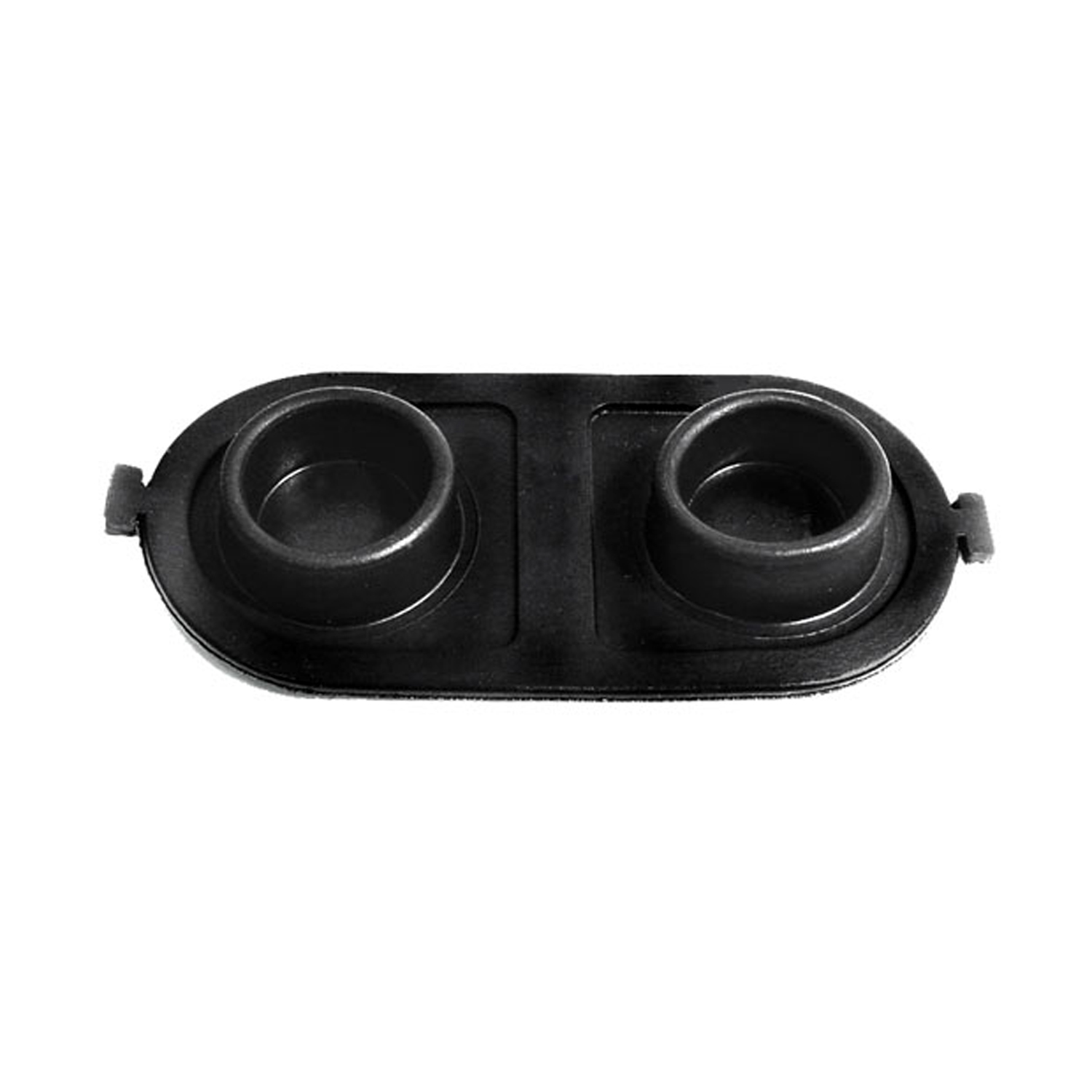 1979 Buick LeSabre Brake Master Cylinder Cover Seal. Replaces OEM #5470861-RP 2-EBrake Master Cylinder Cover Seal. Replaces OEM #5470861. 5" X 2-1/2". Each
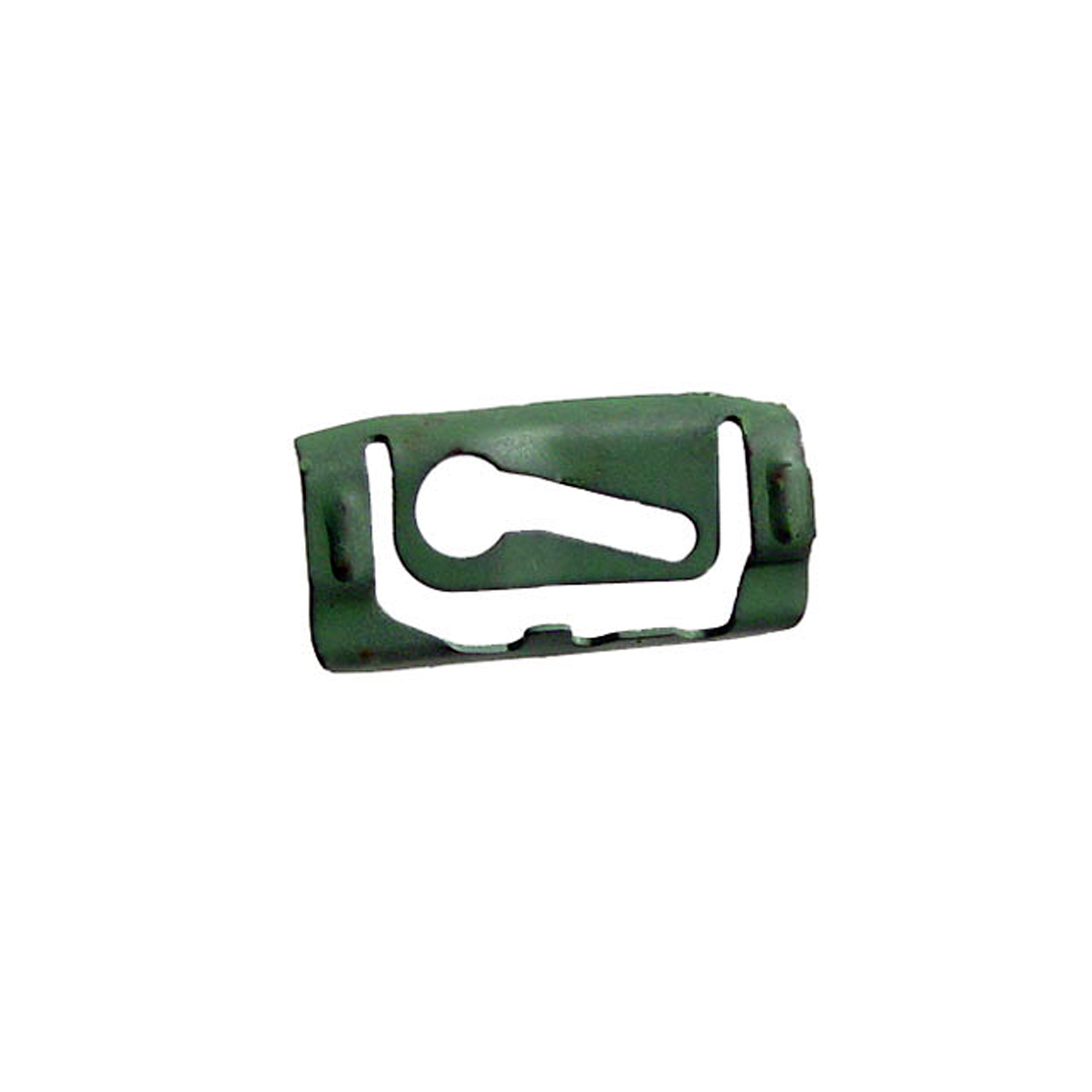 1979 Buick LeSabre Quarter Window Reveal Molding Clip. Made of Steel-WF 205Quarter Window Reveal Molding Clip. Made of Steel. 1-3/8" X 11/16". Each
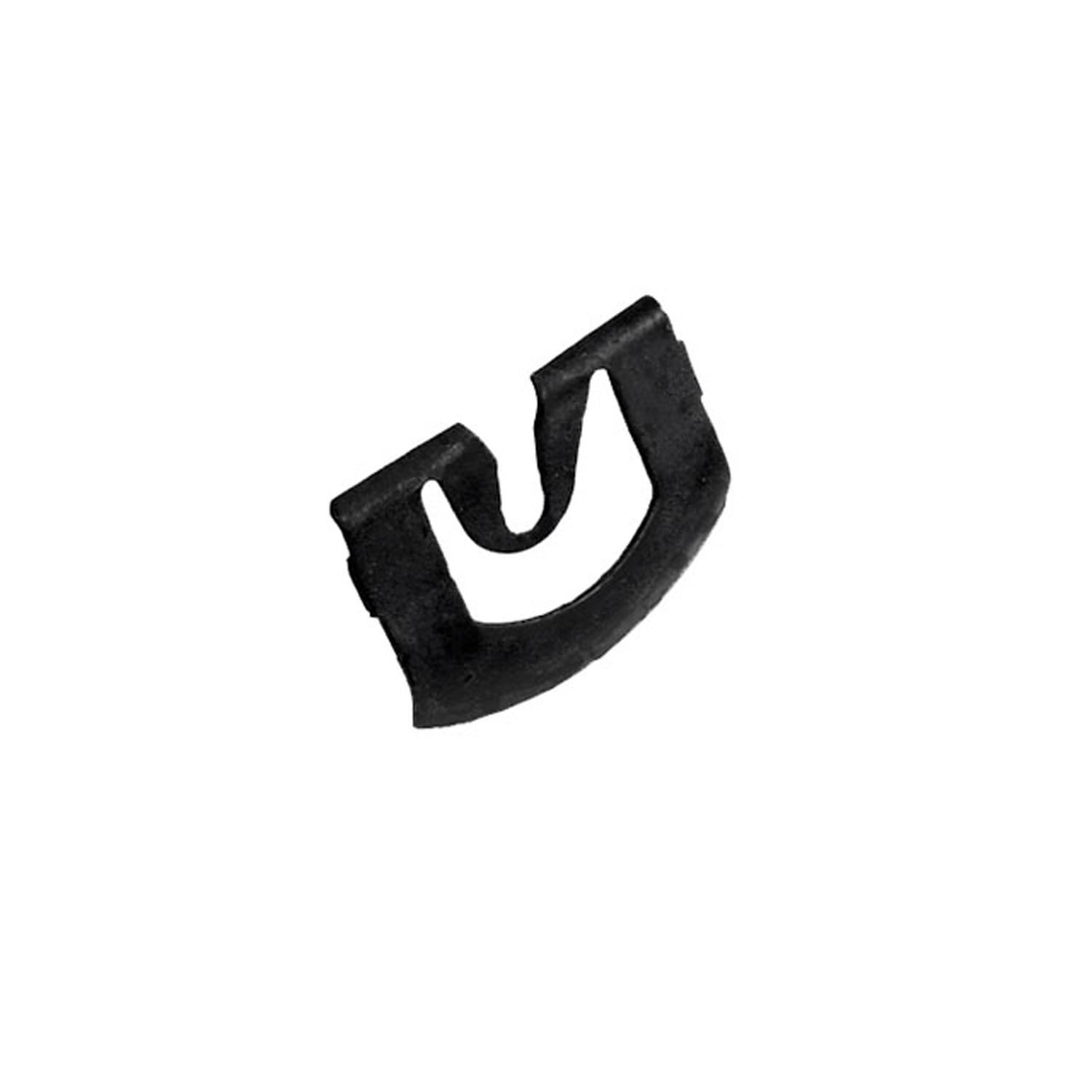 1979 Buick LeSabre Windshield Reveal Molding Clip. Made of steel. 13/16" x 1"-WF 209Windshield Reveal Molding Clip. Made of steel. 13/16" x 1". Each
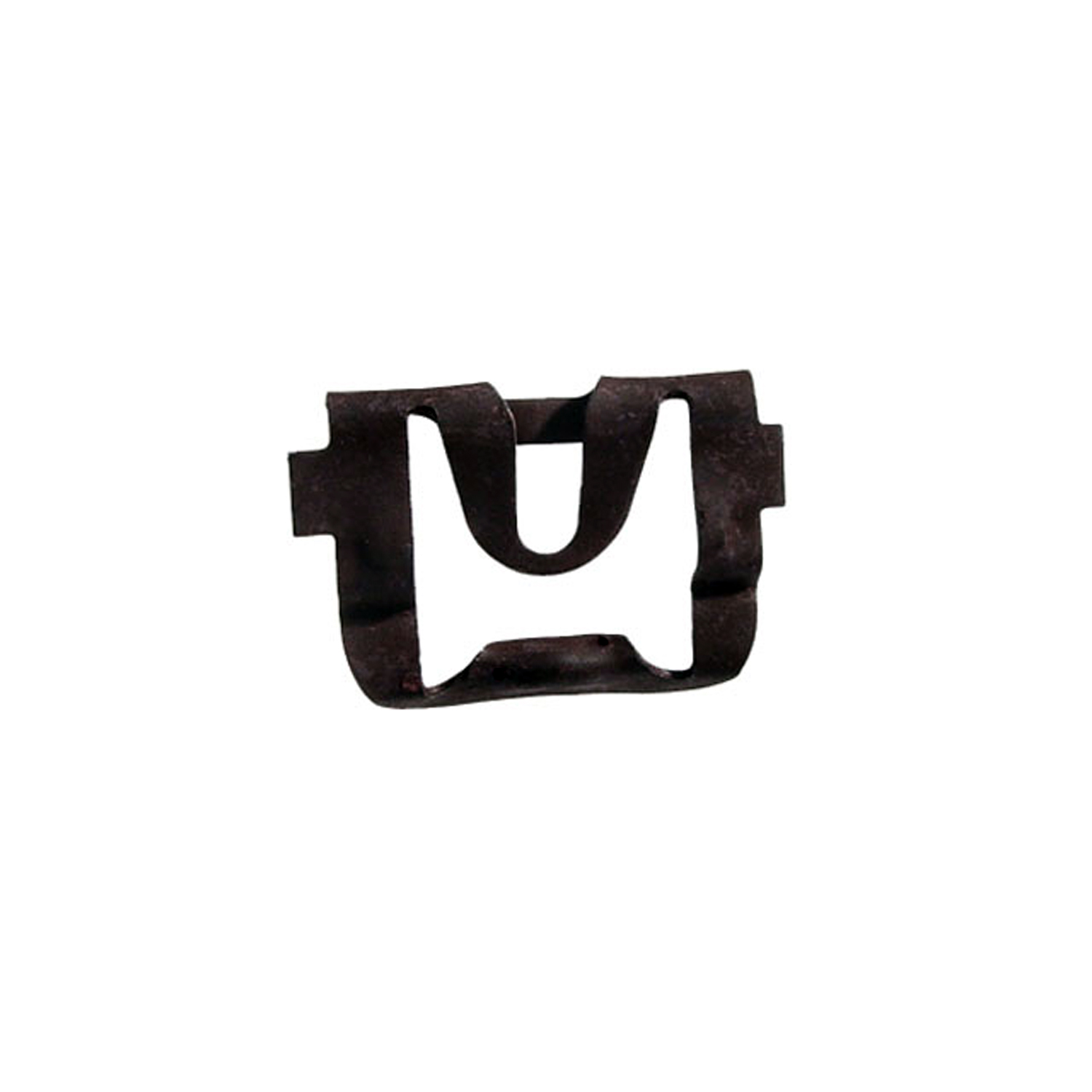 1979 Buick LeSabre Rear Windshield Reveal Molding Clip. Made of steel-WF 211Rear Windshield Reveal Molding Clip. Made of steel. 15/16" X 3/4". Each
 1979 Buick LeSabre Rear Windshield Reveal Molding Clip. Made of steel-WF 213Rear Windshield Reveal Molding Clip. Made of steel. 7/8" X 5/8". Each
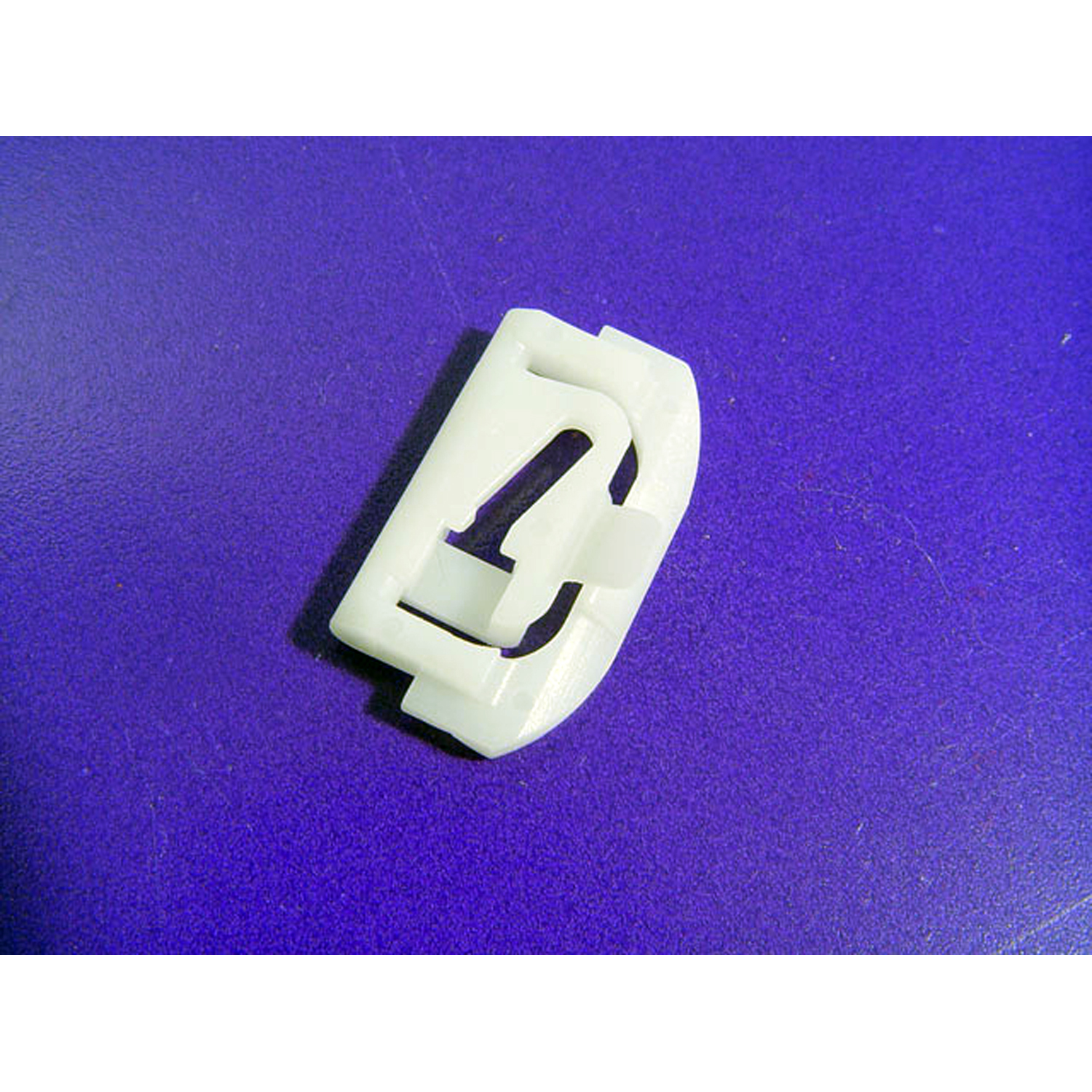 1979 Buick LeSabre Lower Side Window Reveal Molding Clip. Made of nylon-WF 214Lower Side Window Reveal Molding Clip. Made of nylon. 1-1/4" x 3/4". Each
Why Choose Metro?
For over 100 years, Metro Moulded Parts has been the pinnacle of quality in classic car restoration parts. Our commitment to precision and authenticity in every component ensures a perfect fit and an OEM-level appearance.
- Expert Craftsmanship & Quality: Each part is a testament to our dedication to reliability and perfection, crafted from original designs and thoroughly tested.
- Advanced Technology: We use cutting-edge techniques to create flawless, long-lasting parts that surpass others in performance.
- SuperSoft Sponge – The Ultimate Door Seal: Not only are our door seals 30% softer than competitors', but they're also guaranteed to never leak. They effectively reduce wind and road noise, enhancing your classic car's comfort and driving experience.
- Proudly American: Our parts are a product of American craftsmanship, made in the USA with a spirit of excellence and heritage.
- Unrivaled Warranty: We back our products with a 30-year industry-leading warranty, a testament to our confidence in their quality.
Join us in preserving the legacy of classic cars with parts that are crafted for perfection, not just made.