

Image of 1979 Buick Riviera, Note: These illustrations use artistic license and may differ from actual historical models.
Performance Metrics
Fundamental Metrics
Emotional Appeal
MMP Rating
| Engine Specifications | |
|---|---|
| Engine Options: | 3.8L V6, 5.7L V8 |
| Displacement Range: | 231-350 cu in |
| Horsepower Range: | 125-160 hp |
| Torque: | 205-275 lb-ft |
| Compression Ratio: | 8.0:1 (V6), 8.4:1 (V8) |
| Ignition System: | Electronic |
| Cooling System: | Liquid-cooled |
| Performance Specifications | |
| 0-60 Time: | 10-12 seconds |
| 1/4 Mile Time: | 17-19 seconds |
| Top Speed: | 105-110 mph |
| Transmission and Drive | |
| Drive Type: | RWD (Rear Wheel Drive) |
| Transmission Type: | 3-speed automatic |
| Fuel and Efficiency | |
| Fuel System Type: | Carburetor |
| MPG: | 15-20 mpg |
| Dimensions and Brakes | |
| Brakes: | Front disc, rear drum |
| Wheelbase: | 114.0 in |
| Weight: | 3,600-3,800 lbs |
Note: Specifications for classic cars are given to the best of our ability, considering the limited and variant data available.
1979 Buick Riviera: The Last Rear-Drive Chapter
The 1979 Buick Riviera brought big-car luxury into a smaller, more fuel-conscious package without giving up its V8 character. Built by Buick, a division of General Motors, it was a two-door personal-luxury coupe aimed at drivers who wanted comfort, style, and effortless highway power. The model year also marks an important turning point: it was the final rear-wheel-drive Riviera before Buick changed the nameplate to a front-wheel-drive layout for 1980.
There was a sporting twist, too. Buyers could choose the limited-production Riviera S-Type, powered by Buick’s turbocharged 3.8-liter V6. At a time when most luxury coupes leaned on large V8s, that unusual combination made the S-Type one of the most distinctive Rivieras of its era.
Formal Lines and Personal-Luxury Style
The 1979 Riviera wore crisp, formal styling rather than the dramatic “boat-tail” shape that had made earlier Rivieras famous. Its long hood, squared-off body, upright grille, and gently tapering rear gave it a tailored presence. Concealed headlamps kept the front end clean when they were switched off, while opera-style rear quarter windows and bright trim added a traditional luxury-car touch.
Unlike a sedan-based lineup, the 1979 Riviera came in one body style: a two-door coupe. That focused identity was part of its appeal. The roofline and generous doors gave it a personal-luxury look, while its full-size proportions provided room for passengers and luggage.
Buick offered the Riviera in a range of period colors, including understated metallics, rich browns and blues, and more eye-catching reds and greens. Personal preferences varied, but neutral shades such as silver, gray, and champagne suited the car’s formal character especially well. Original paint and trim combinations can add interest for collectors today.
Cabin Comfort and 1970s Technology
Inside, the Riviera emphasized comfort over sportiness. The broad cabin featured supportive seats, a substantial dashboard, and woodgrain-look accents. Depending on the car’s trim and options, buyers could choose cloth, vinyl, or leather upholstery. Leather-equipped examples have a particularly upscale feel, while well-kept cloth interiors can be more comfortable in hot weather.
Available conveniences included power windows, power door locks, power-adjustable seating, cruise control, air conditioning, and an automatic climate-control system. Buyers could also specify an upgraded radio, including period audio options such as an 8-track player. These features were not unusual for a luxury coupe, but they helped make the Riviera a relaxed long-distance car. As with any nearly 50-year-old vehicle, the operation of power accessories depends heavily on condition and maintenance.
Why the 1979 Riviera Matters
The 1979 Riviera is significant as the closing model year for the nameplate’s downsized, rear-wheel-drive generation. Buick had reduced the car’s overall size for 1977, responding to changing expectations around fuel use and maneuverability while preserving the comfort and upscale image Riviera buyers expected. The result was a more manageable coupe that still felt substantial on the road.
Its greatest point of distinction was the balance between traditional luxury and the changing automotive landscape. The Riviera remained a comfortable, V8-powered coupe, but the S-Type showed Buick experimenting with turbocharging and a smaller engine. That approach anticipated a broader industry interest in extracting more performance from engines with less displacement. The following year’s switch to front-wheel drive underscored just how quickly personal-luxury cars were changing.
V8 Power and Turbocharged S-Type Performance
Most 1979 Rivieras used a 350-cubic-inch Buick V8 paired with a three-speed automatic transmission. An Oldsmobile 403-cubic-inch V8 was also available, and certain markets and configurations offered a 350-cubic-inch diesel V8. Output varied by engine and equipment; gasoline V8 versions were generally in the neighborhood of 155 to 185 horsepower. The S-Type’s turbocharged 3.8-liter V6 was rated at about 170 horsepower, with strong low-speed torque for its size.
Performance figures depend on the engine, gearing, vehicle condition, and test method. As a broad period-style estimate, a healthy V8 Riviera could reach 60 mph in roughly 10 to 12 seconds, with top speed around 105 to 115 mph. The turbo S-Type could manage a similar or slightly quicker 0-to-60 time when running properly. These are comfortable grand-touring cars, not modern performance machines, and their original tires, brakes, and suspension should be treated with appropriate caution.
On ordinary roads, the Riviera favors a soft, composed ride. It smooths out broken pavement and highway seams better than a sporty coupe, though worn springs, shocks, or bushings can make one feel loose or floaty. Its size and comfort-oriented suspension are less suited to tight, winding roads, where body lean and slower steering response become apparent. Behind the wheel, the V8 delivers a mellow burble and relaxed acceleration, while the turbo V6 adds a different character: quieter at idle, then more assertive as boost builds.
Living With a Classic Riviera
A 1979 Riviera is most at home as a weekend cruiser, local show car, or occasional long-distance tourer. It can be used more often, but its age means that reliability depends on the condition of the cooling system, brakes, fuel system, electrical components, and transmission. A careful pre-purchase inspection is especially important for cars that have sat unused.
The Buick V8 is familiar to many classic-car mechanics, and routine service is generally straightforward. The S-Type’s turbo system makes it more specialized, so buyers should look closely at the turbocharger, related plumbing, fuel delivery, and engine condition. Parts availability is reasonable for common service items, but trim pieces, interior components, and model-specific details can take more searching. The best ownership strategy is to buy the most complete, well-maintained car available rather than assuming a neglected bargain will be easy to restore.
Riviera Trivia and Common Criticisms
Buick built approximately 52,000 Rivieras for the 1979 model year, making the car uncommon today but not exceptionally rare in standard form. The S-Type is the standout variation. Production estimates often place it at roughly 2,500 cars, though figures can vary by source. Its turbo V6, sportier presentation, and limited numbers make it more collectible than an ordinary example.
The Riviera was not built to set racing or speed records, and it is not closely associated with a major motorsport achievement. Its appeal lies in comfort, styling, and the contrast between its traditional luxury-car image and the S-Type’s turbocharged engine. Common criticisms include modest acceleration by modern standards, substantial fuel consumption from the gasoline V8s, and a suspension tuned more for comfort than cornering. Buyers should also remember that the 1979 Riviera is a large, older car, not a modern vehicle with contemporary safety or handling characteristics.
1979 Buick Riviera Values and Collectibility
Values depend heavily on rust, mechanical condition, originality, and the quality of the interior and exterior. As a broad 2026 U.S. market estimate, a project car may sell for about $2,000 to $5,000. A usable driver in sound condition might bring roughly $5,000 to $10,000, while a very clean, well-preserved standard Riviera could reach approximately $10,000 to $18,000. Exceptional examples may sell for more.
The rarer S-Type generally commands a premium when it is complete, documented, and in good mechanical condition. A sound driver might fall around $10,000 to $20,000, with particularly nice examples potentially reaching the low-to-mid $20,000s or higher. These are estimates rather than fixed prices; local demand and the quality of the car can make a substantial difference.
Standard 1979 Rivieras remain available through classic-car dealers, online listings, and private sales, though finding one with excellent original trim can take patience. Prices have tended to reward condition and rarity more than the model’s age alone. The S-Type has the strongest case for gradual appreciation, while ordinary cars are more likely to hold value when maintained and bought at a sensible price.
A Buick at the Edge of Change
The 1979 Buick Riviera combines formal American styling, a comfortable V8-powered ride, and a meaningful place in Buick history. It was the last rear-wheel-drive Riviera before the nameplate entered a new front-wheel-drive era, and the rare S-Type added a memorable turbocharged alternative to the usual V8 formula. For collectors and classic-car fans, it is a distinctive cruiser from the moment when traditional personal luxury was beginning to change.
1979 Buick Riviera Catalog of Parts
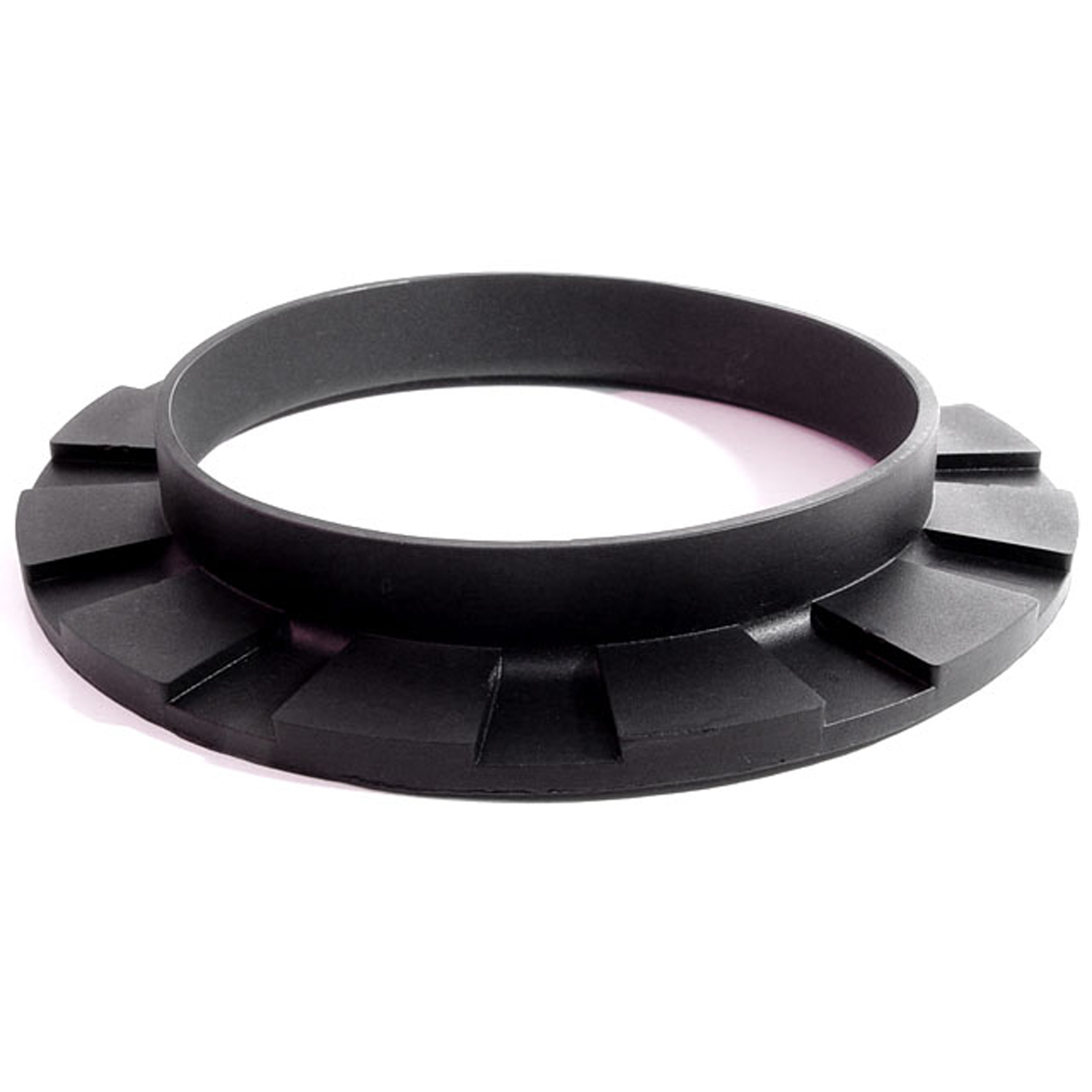 1979 Buick Riviera Front coil-spring insulator-BN 110Front coil-spring insulator. Fits '41-'60 Oldsmobile and '50-'83 GM passenger models. 5-3/8 in. OD x 3-3/4 in. ID x 3/4 in. high with 13/16 in. wide bottom flange 1/4" thick, 12 flutes. Each.
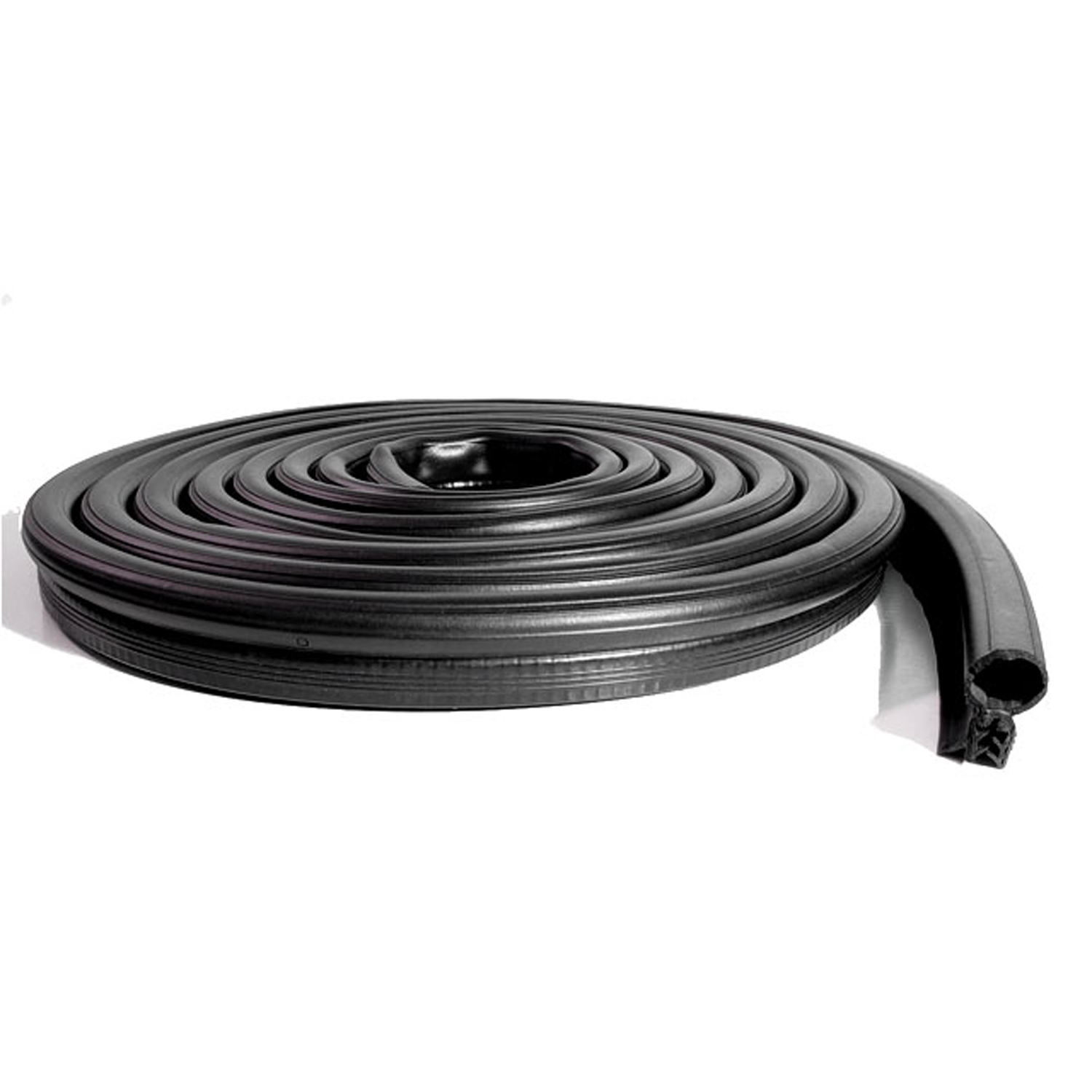 1979 Buick Riviera Trunk Seal (Imported). Made with steel cores-IS-MW00101Trunk Seal (Imported). Made with steel cores. 1-3/8" X 3/4" X 17'. Each
 1979 Buick Riviera Molded Door Seals. For 2-door hardtop. Pair R&L-LM 18-QMolded Door Seals. For 2-door hardtop. Pair R&L
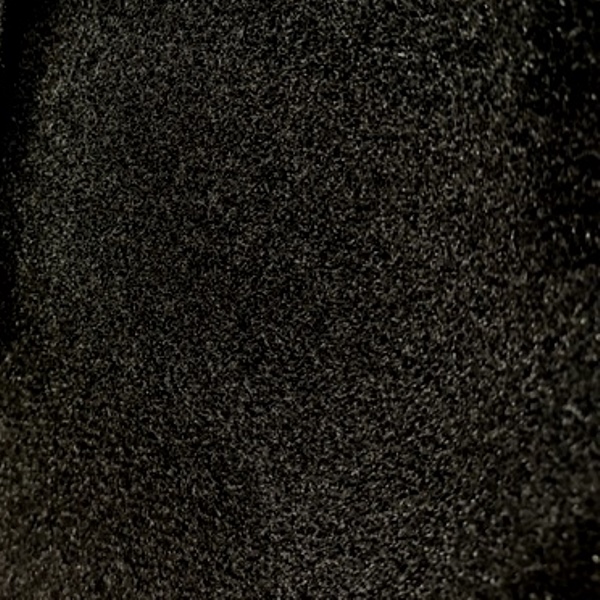 1979 Buick Riviera Trunk Liner. Loose weave, jet black. 50" wide-M 30Trunk Liner. Loose weave, jet black. 50" wide. Sold by the foot
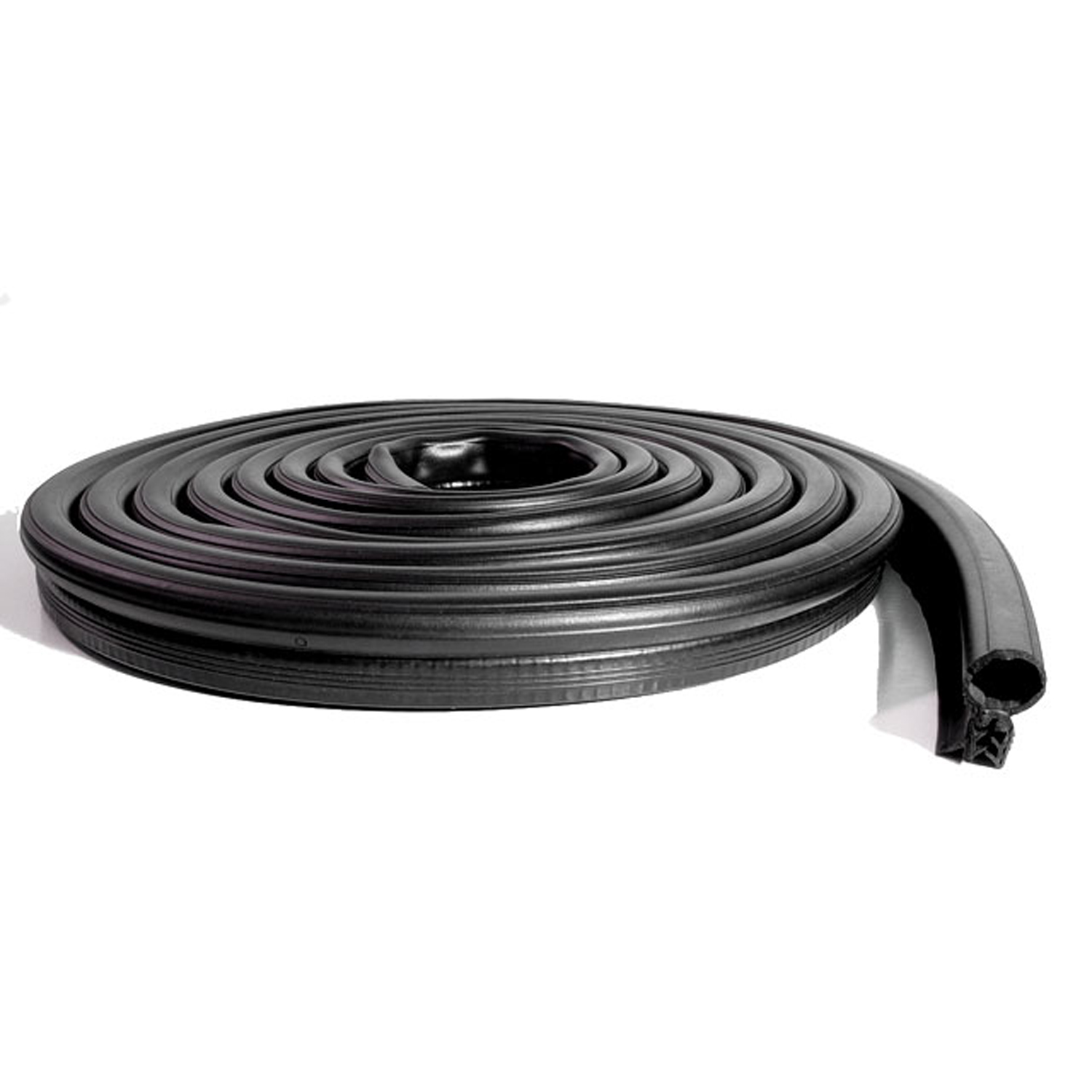 1979 Buick Riviera Trunk seal-MW00101Trunk seal. Also replaces '75-'79 Buick Skylark hatchback seal. Made with steel cores. 1-3/8 in. x 3/4 in. x 17 ft. L. Each.
 1979 Buick Riviera Basic Kit, for 2-Door Hardtop-RKB 2007-119Basic Kit, for 2-Door Hardtop. Door (LM 18-Q) Roof Rail (RR 5010-B) Trunk (MW00101), Seals.
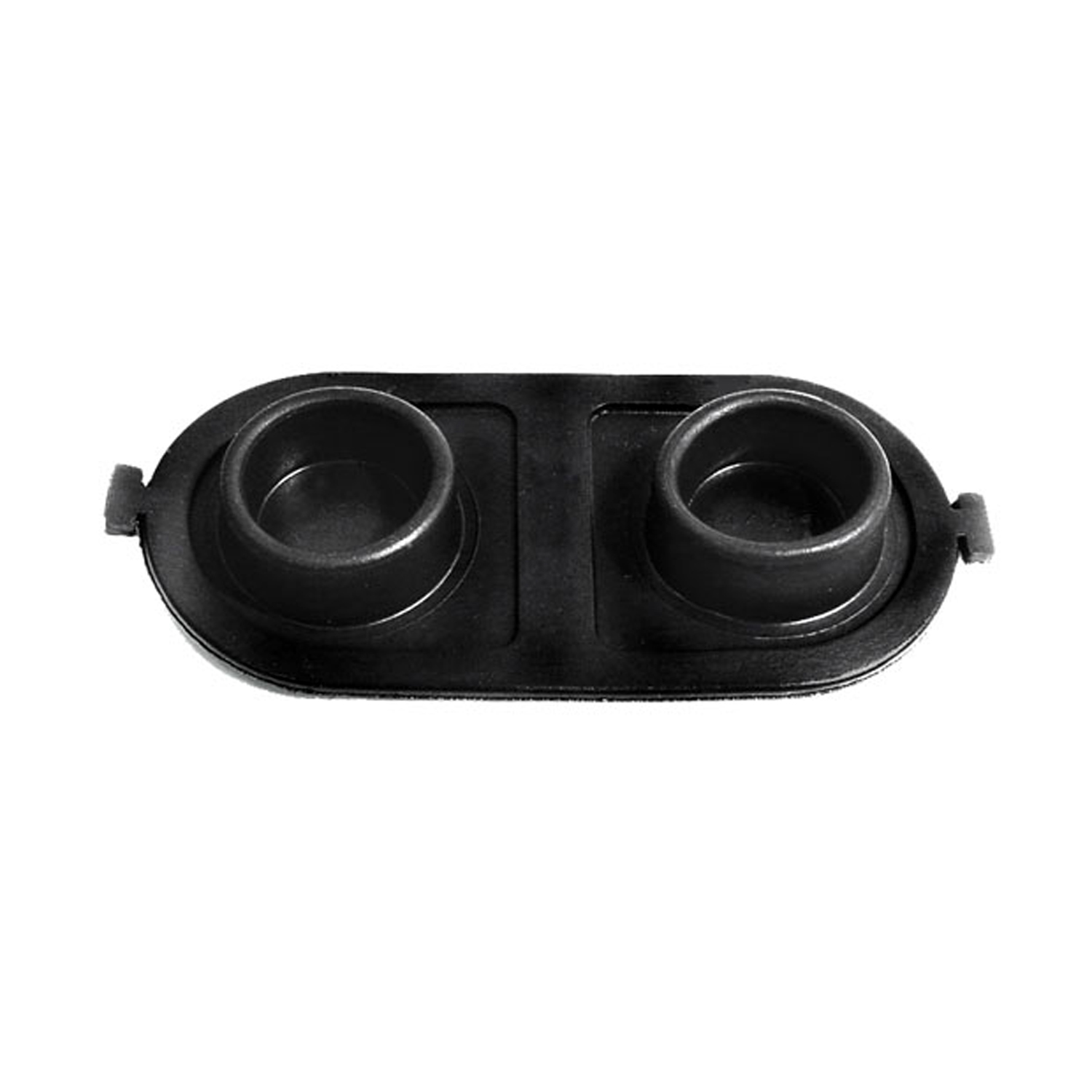 1979 Buick Riviera Brake Master Cylinder Cover Seal. Replaces OEM #5470861-RP 2-EBrake Master Cylinder Cover Seal. Replaces OEM #5470861. 5" X 2-1/2". Each
 1979 Buick Riviera Molded Roof Rail Seals, for 2-Door Hardtop. Pair R&L-RR 5010-BMolded Roof Rail Seals, for 2-Door Hardtop. Pair R&L
 1979 Buick Riviera Rear Roll-Up Quarter Window Seals, for 2-Door Hardtop-VS 3-ZRear Roll-Up Quarter Window Seals, for 2-Door Hardtop. Pair
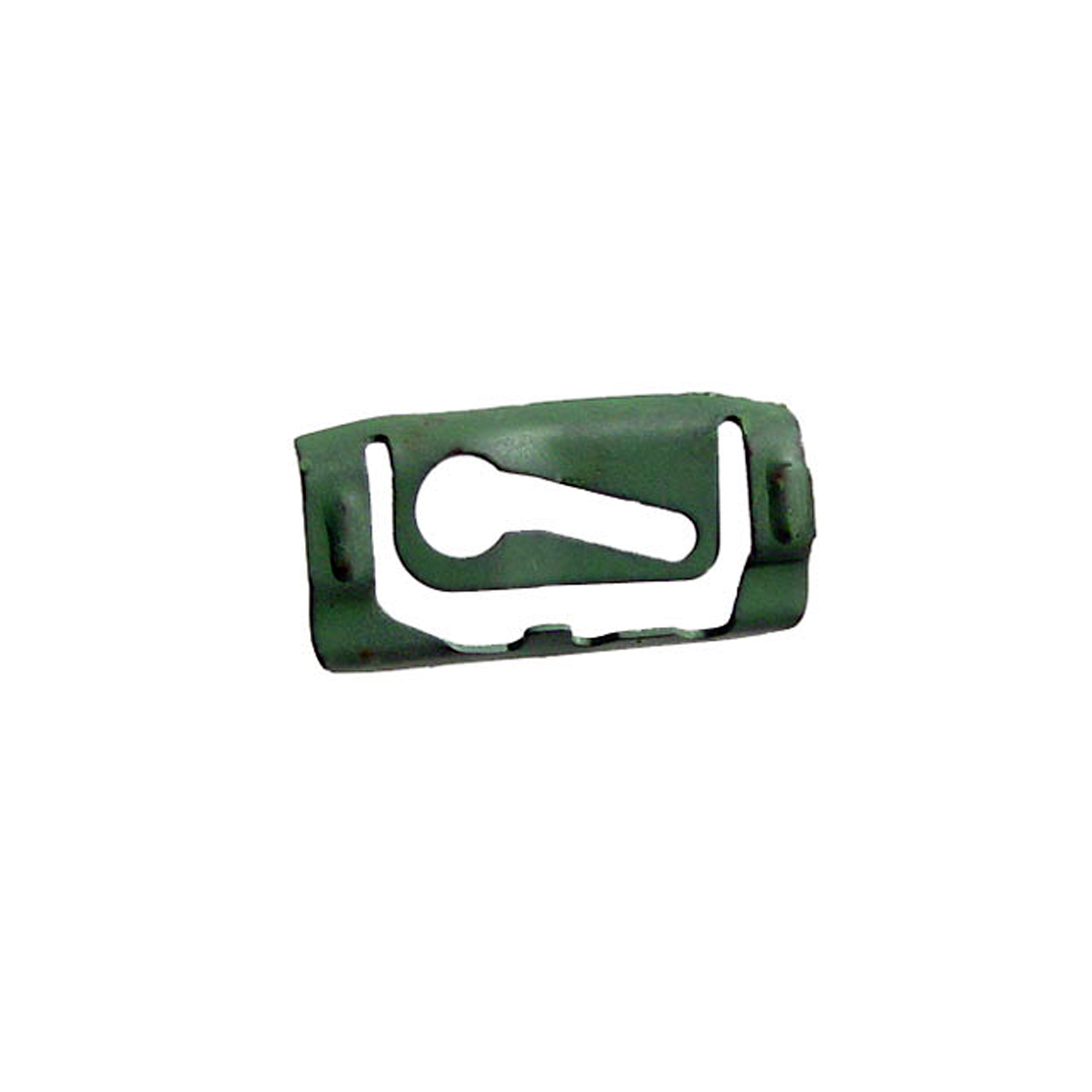 1979 Buick Riviera Quarter Window Reveal Molding Clip. Made of Steel-WF 205Quarter Window Reveal Molding Clip. Made of Steel. 1-3/8" X 11/16". Each
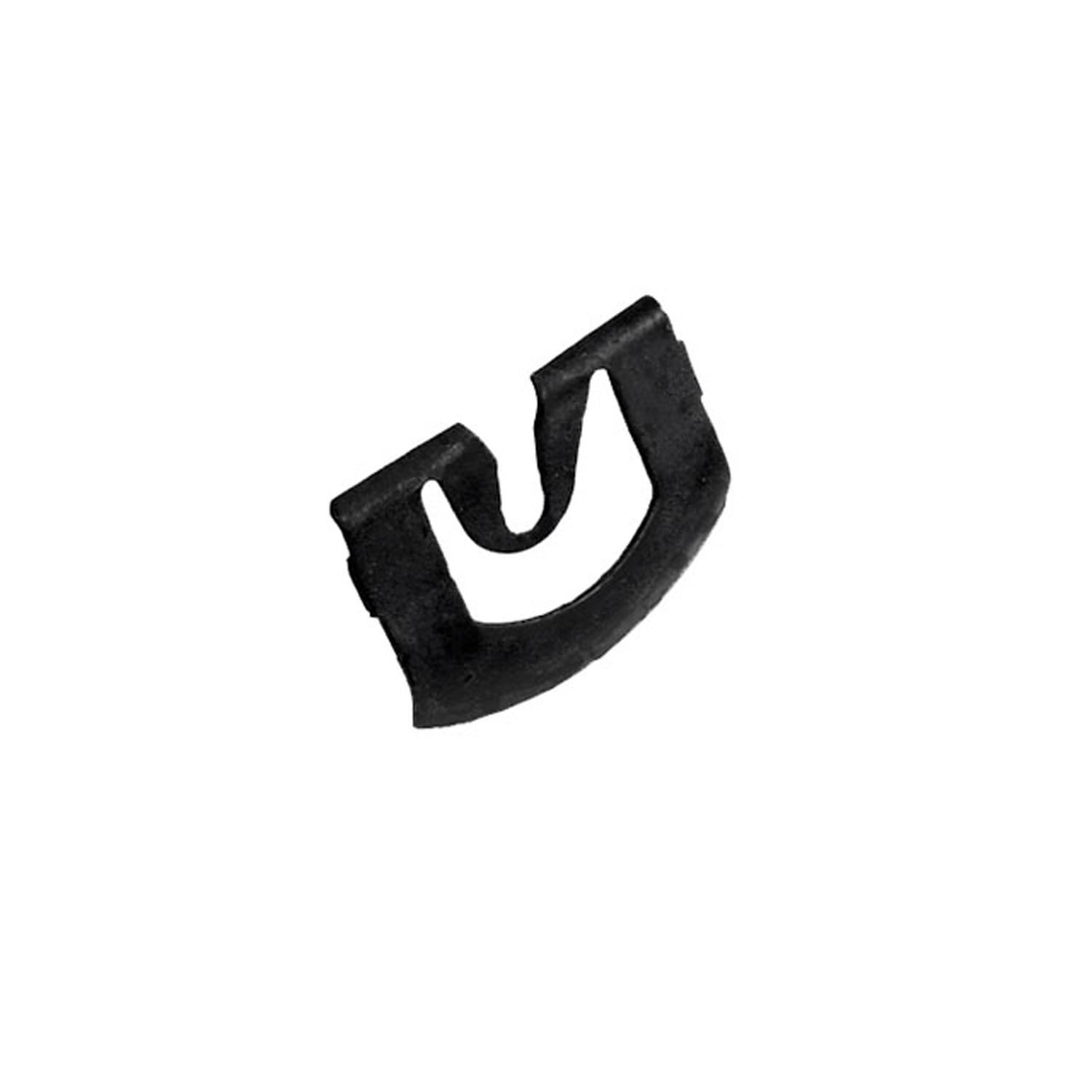 1979 Buick Riviera Windshield Reveal Molding Clip. Made of steel. 13/16" x 1"-WF 209Windshield Reveal Molding Clip. Made of steel. 13/16" x 1". Each
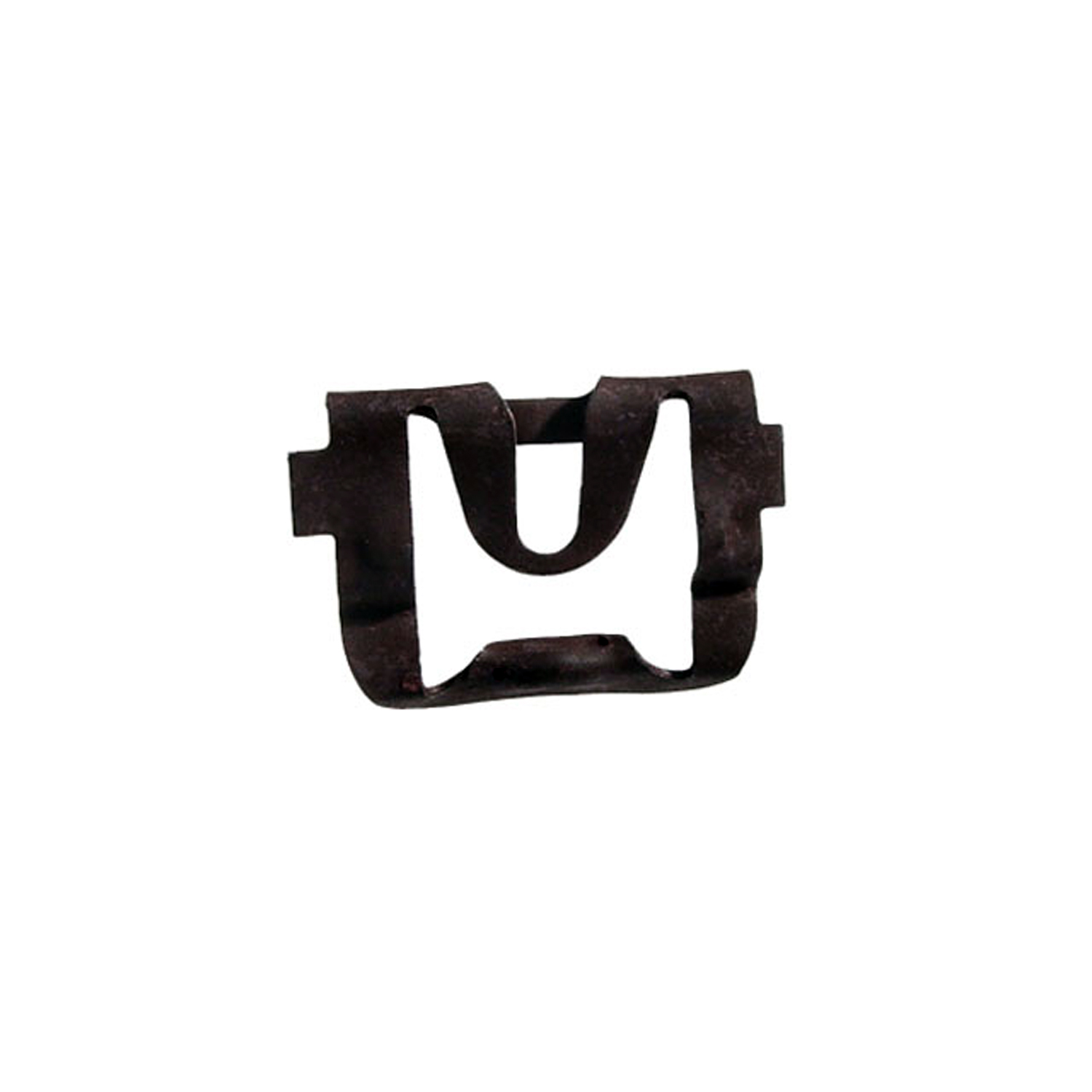 1979 Buick Riviera Rear Windshield Reveal Molding Clip. Made of steel-WF 211Rear Windshield Reveal Molding Clip. Made of steel. 15/16" X 3/4". Each
 1979 Buick Riviera Rear Windshield Reveal Molding Clip. Made of steel-WF 213Rear Windshield Reveal Molding Clip. Made of steel. 7/8" X 5/8". Each
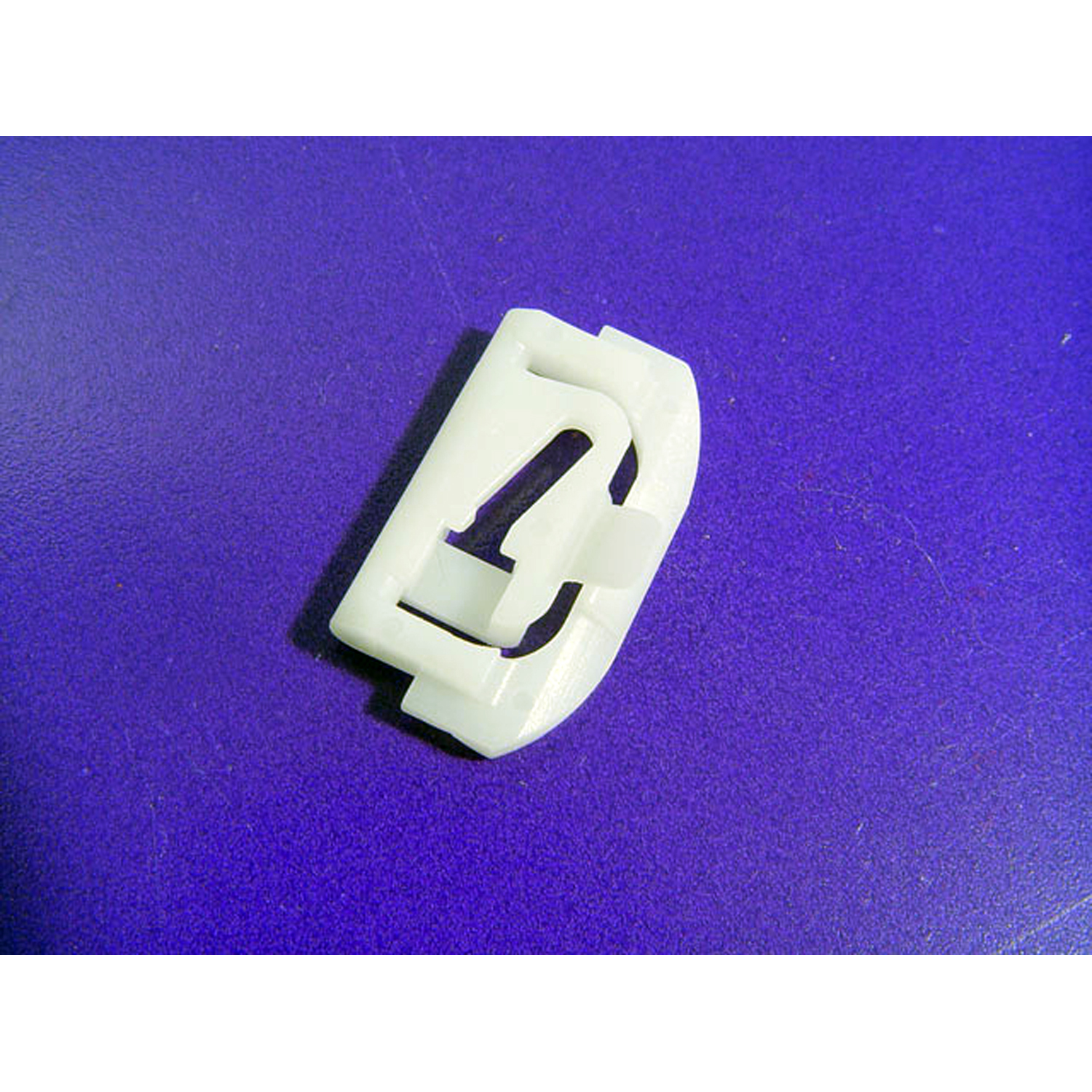 1979 Buick Riviera Lower Side Window Reveal Molding Clip. Made of nylon-WF 214Lower Side Window Reveal Molding Clip. Made of nylon. 1-1/4" x 3/4". Each
Why Choose Metro?
For over 100 years, Metro Moulded Parts has been the pinnacle of quality in classic car restoration parts. Our commitment to precision and authenticity in every component ensures a perfect fit and an OEM-level appearance.
- Expert Craftsmanship & Quality: Each part is a testament to our dedication to reliability and perfection, crafted from original designs and thoroughly tested.
- Advanced Technology: We use cutting-edge techniques to create flawless, long-lasting parts that surpass others in performance.
- SuperSoft Sponge – The Ultimate Door Seal: Not only are our door seals 30% softer than competitors', but they're also guaranteed to never leak. They effectively reduce wind and road noise, enhancing your classic car's comfort and driving experience.
- Proudly American: Our parts are a product of American craftsmanship, made in the USA with a spirit of excellence and heritage.
- Unrivaled Warranty: We back our products with a 30-year industry-leading warranty, a testament to our confidence in their quality.
Join us in preserving the legacy of classic cars with parts that are crafted for perfection, not just made.